




Abstract
This article explores the progressive integration of -omics methods, including genomics, metabolomics, and proteomics, into sports research, highlighting the development of the concept of “sportomics.” We discuss how sportomics can be used to comprehend the multilevel metabolism during exercise in real-life conditions faced by athletes, enabling potential personalized interventions to improve performance and recovery and reduce injuries, all with a minimally invasive approach and reduced time. Sportomics may also support highly personalized investigations, including the implementation of n-of-1 clinical trials and the curation of extensive datasets through long-term follow-up of athletes, enabling tailored interventions for athletes based on their unique physiological responses to different conditions. Beyond its immediate sport-related applications, we delve into the potential of utilizing the sportomics approach to translate Big Data regarding top-level athletes into studying different human diseases, especially with nontargeted analysis. Furthermore, we present how the amalgamation of bioinformatics, artificial intelligence, and integrative computational analysis aids in investigating biochemical pathways, and facilitates the search for various biomarkers. We also highlight how sportomics can offer relevant information about doping control analysis. Overall, sportomics offers a comprehensive approach providing novel insights into human metabolism during metabolic stress, leveraging cutting-edge systems science techniques and technologies.
Introduction
“Truth! Certainty! That in which there is no doubt!
That which is above is from that which is below,
and that which is below is from that which is above,
working the miracles of one.”
Hermes Trismegistus, Sacred Emerald Table (Rooney, 2017)
T
The -omics approaches refer to fields of systems science investigation that seek to analyze data under a specific state, or in response to perturbations that occur in disease or other external influences. In biology, these methods have been used to analyze genes (genomics), their transcripts (transcriptomics), modifications and regulations across the genome (epigenomics), the product of the transcripts (proteomics), and metabolites involved in different pathways (metabolomics); that is, micro regulating the macro. In addition, -omics can analyze the macro modulating the micro. For example, epigenomics studies the macroworld effects on the genome.
Despite the relatively nascent nature of -omics sciences, their origins are not recent. Several key discoveries were crucial to enable -omics, such as the nuclein identification in 1871 by Friedrich Miescher, and the discovery of the five nucleotide bases between 1885 and 1901 by Albrecht Kossel (1910 Nobel Prize in Physiology and Medicine) (Lamm et al., 2020). However, the analysis of nucleic acid sequences only began in 1965, when Robert W. Holley (1968 Nobel Prize in Physiology and Medicine) first isolated and determined the sequence of alanine transfer RNA (Holley et al., 1965).
Subsequently, Frederick Sanger (1958 and 1980 Nobel Prize in Chemistry) developed a DNA sequencing method, which he applied to sequence the first full genome of a bacteriophage called phiX174, bringing him the Nobel Prize in Chemistry for this pivotal technique development (Sanger et al., 1978).
Although the first nucleic acid sequencing was in a transfer RNA, genome analysis, later called genomics, gained the greatest focus from the scientific community with the launch of the Human Genome Project in 1990 (Gibbs, 2020). Naturally, the initial thought was that only the protein-coding part of the genome is essential. This is a good example of jumping to conclusions too soon and without adequate evidence—just because we do not know how it works or what the purpose is, we did not have evidence that would support the idea that 90% of DNA is useless.
Indeed, “Absence of Evidence does not mean Evidence of Absence” (Dr. Carl Sagan) (Marsh, 2019). As the research progressed, scientists started to prove that the noncoding part of DNA is functional and plays important roles. In 2012, the Encyclopedia of DNA Elements (ENCODE) project confirmed that a significant portion of the human genome is functional.
After ∼13 years, The International Human Genome Sequencing Consortium reported the successful completion of the first human genome sequence mapping in 2003 (Collins et al., 2003). Ever since, the scientific community has seen the rising and proliferation of other -omics assays and platforms, such as transcriptomics, proteomics, metabolomics, lipidomics, epigenomics, and pharmacogenomics (Redenšek et al., 2018). Similar progress has occurred in the development of methods aimed to identify specific sequences of DNA [Southern Blotting in 1975 (Southern, 1975)], RNA [Northern Blotting in 1977 (Alwine et al., 1977)], and proteins [Western Blotting in 1979 (Renart et al., 1979; Towbin et al., 1979)].
The -omics sciences cover a broad range of applications in biological investigations. One of these applications is the assessment of interindividual differences by -omics when supporting personalized medicine. For example, specific single nucleotide polymorphisms are related to individuals' risk, prognosis, and clinical response to treatments of different diseases (Rong et al., 2021; Visan, 2013; Wray et al., 2007).
Another important contribution from -omics were the recent coronavirus RNA sequencing efforts, which helped the scientific community investigate the origin and physiopathology of SARS-CoV-2 infection, and explore solutions in diagnosis, treatment, and vaccine development (Cabral-Marques et al., 2022; Freire et al., 2021; Ishaqat et al., 2021; Perfetto et al., 2020; Prado et al., 2023; Rotondo et al., 2022; Schimke et al., 2022; Sotzny et al., 2022; Zhang et al., 2022). In this sense, we also have seen the increasing application of -omics sciences in exercise studies, supported by the growing use of mass spectrometry nontargeted analysis (MS-NTA) and nuclear magnetic resonance in biological matrices (Prado et al., 2017).
Importantly, the recent advances in bioinformatics, computational biology, data mining, and machine learning enabled scientists to integrate, analyze, and interpret broad -omics datasets, merging the large amounts of data generated from the different -omics studies and allowing the birth of the so-called multiomics approaches. Therefore, we aim to visit the genesis and the development of sportomics, the use of -omics sciences in sports, as well as its applications in translating data, including particularly Big Data, to human health.
Exercise and Sports Genomics and Transcriptomics
Humans are endowed with physical, psychological, and behavioral characteristics that differ to some degree from other individuals. In a sports context, these interindividual variations are reasons for discrimination in athletes' choice of sport and even in the categorization within specific sports (Reale et al., 2017). For example, height is an important factor for an athlete's performance in basketball or volleyball, so it is expected that this parameter would be considered by the team (Albaladejo-Saura et al., 2022; Ortega-Toro et al., 2021; Zhao et al., 2019). Therefore, the average height of the athletes of these modalities is among the largest.
The average height of basketball players is ∼201 cm, while average height of professional cyclists is 175 cm. However, the outliers are far and beyond, as the tallest professional cyclist was 203 cm (Demi Van Pamel), and there are five cyclists 200+ cm (Procyclingstats, 2023). In contrast, the shortest basketball player was Muggsy Bogues with a height of 160 cm, and there are several professional players with <170 cm height (Awal, 2023). Even within one sport discipline, significant differences are observed. The thigh muscle mass of track cyclists or cyclist sprinters is much higher than that of cyclist climbers, naturally contributing to the differences in performance.
While top cyclist sprinters produce 1500–2000 W (17–18 W/kg), for example, Chris Hoy claiming a stunning 2250 W, they can only sustain it for a few seconds (Ross, 2014). On the contrary, cyclist climbers can sustain 400 + W output for 40 min (5.9–6.2 W/kg), while Chris Boardman achieved one hour record with averaging 446 W (Bassett et al., 1999; Leo et al., 2022; Ross, 2014). A recent study shows that some of these differences could be altered by road gradient, climbers and sprinters professional cyclist attained higher maximal power values on 6–7% gradient (Valenzuela et al., 2022).
Similarly, some differences in physical attributes are widely accepted as categorizers within a specific sport, such as body weight in combat sports. Sports organizations have considered factors such as those mentioned above for many years.
Anthropometric assessment and somatotype analysis are key factors in athletes' “natural talent” identification in many sports. Still, the selection is specifically for playing positions and should include the analysis of somatic build features; for example, in basketball, one should consider not only body height and mass but also shoulder width, flexed arm girth, and arm span (Gryko et al., 2018). They are proof of the impact caused by attributes partially determined by genetic profile on sports performance.
Genomics and transcriptomics were the initial -omics approaches in sports and exercise studies. The use of genomics in sports and exercise has already been the subject of many studies (Ahmetov et al., 2016; Tanisawa et al., 2020) (Fig. 1). One of the first studies that analyzed whole-genome sequencing in elite athletes demonstrated the association between gene expression and its link to better reaction time, a well-recognized component of sports performance (Boulygina et al., 2020).

The number of publications in sportomics across the decades. Data obtained by searching PubMed database on September 20, 2023, with a query: Search: sport AND ([proteomics] OR [genomics] OR [metabolomics] OR [transcriptomics] OR [epigenomics]); sort by: Publication Date.
Genomics may help in talent identification since interindividual variations in athletic performance (La Montagna et al., 2020), injury predisposition (La Montagna et al., 2020), sport type (Silva et al., 2022), maximal oxygen uptake (Thakkar et al., 2021), strength are seen to be partially dependent on genetic factors (Jacob et al., 2018). Sports genomics is seen as a promising method for supporting sports science advances, although it is essential to emphasize that some pioneering results still need independent validation (Boulygina et al., 2020).
Also, genomics advances include the development of gene therapies with thousands of clinical trials published over the last three decades (Friedmann, 1992; Wirth et al., 2013). Gene therapies have been investigated under different conditions, such as cancer, neurological, inflammatory, ocular, monogenic, infectious, and cardiovascular diseases (Wirth et al., 2013). Unfortunately, these advances have opened up space for the use of illegal methods by athletes looking for performance-enhancing effects, the so-called gene doping (Unal et al., 2004).
According to the World Anti-Doping Agency (WADA), gene or cell doping is “the nontherapeutic use of genes, genetic elements or cells that can enhance athletic performance.” Examples of targeted gene doping include those that encode erythropoietin, insulin-like growth factor 1, human growth hormone, myostatin, and vascular endothelial growth factor (Cantelmo et al., 2020). Despite the shameful application of genomics in gene doping, the outstanding potential of genomics to help athletes and the general population must be appreciated (Bonafiglia et al., 2021; Ross et al., 2019; Vlahovich et al., 2017).
After genomics, other -omics approaches were integrated into sports and exercise analysis, generating beneficial results for athletes' health and performance. For example, experimental exercise transcriptomic studies have been performed, such as investigating skeletal muscle response to different training protocols and conditions (Chapman et al., 2020; Pillon et al., 2020; Rubenstein et al., 2022). As another example, a transcriptomic study identified that high-intensity interval training diminishes the negative impact of sleep deprivation on muscle transcriptome (Lin et al., 2022), or how moderate exercise induces trained immunity (Murugathasan et al., 2023).
We suggest that we need to split biological and physical manifestations from psychological and social ones for analyses, while also bearing in mind that the science, society, and human values coproduce scientific and medical knowledge (Foucault, 1973; Yetiskin, 2022). In the present context of sportomics, understanding the roles of physiological changes in the body can help increase inclusion and fair play. The scientific community and sports organizations use -omics analyses to help solving profound questions related to sports competitions.
Sex-based classifications are present in several sports, either collective or individual. In this context, the fair inclusion of transgender individuals in competitive sports has been subjected to debate (Nahon et al., 2021; Safer, 2022). Recently, a multiomics protocol was published evaluating skeletal muscle response to cross-sex hormone therapy, helping to understand transgender inclusion in elite sports (Nie et al., 2022). In the same way, transcriptomics may help elucidate sex-based differences in response to exercise (Nie et al., 2022; Skelly et al., 2017).
Since tissues are made up of multiple cells with different composition and roles, genomics and transcriptomics investigations have also been employed in single cells to compare cell-type–specific processes under a given condition. For instance, in exercise, it may help elucidate skeletal muscle adaptations induced by physical activity (Lovrić et al., 2022). Not only has the DNA sequence itself and gene expression been explored in the context of exercise, but also structural chemical changes in DNA or associated proteins, known as epigenetic changes.
Part of the protective effect of regular physical activity in preventing some chronic diseases has been postulated to result from epigenetic modifications (Barrón-Cabrera et al., 2019). DNA methylation and telomere length are also parameters that can be modulated by physical activity level (Sellami et al., 2021a). Table 1 summarizes examples of how -omics approaches have been employed within the realm of sport and exercise.
Selected Examples of “-Omics” or Sportomics-like Studies
“
LINE-1, long interspersed nuclear element-1; PDK4, pyruvate dehydrogenase kinase 4; PGC-1α, peroxisome proliferator-activated receptor-gamma coactivator-1α; PPAR-δ, peroxisome proliferator-activated receptors-δ; Q-rt-PCR, quantitative reverse transcription polymerase chain reaction; RED-S, relative energy deficiency in sport.
“No Guts, No Glory”
Life inside us, and how can the microbiome affect and be changed by exercise?
The microbiota refers to the set of microorganisms belonging to different kingdoms. At the same time, the microbiome is a term that encompasses not only these microorganisms but also their theater of activity, which results in a dynamic microsystem (Berg et al., 2020). During the last few decades, the human bowel has become extensively more recognized as more than absorption and excretion. The interplay between the host and its microbiome has emerged as a promising investigation field supported by the -omics sciences (Jiang et al., 2019).
Gene sequencing has been used to identify specific microbes, while metabolomics can identify microbial-released products in the lumen (Almeida et al., 2019; Bauermeister et al., 2022). The relationship between host and gut microbiota can be mutually beneficial and has been evolving over thousands of years. Among many benefits, microbiota integration supports host digestion, metabolic function, immunity, and synthesis of vital compounds (Jandhyala et al., 2015).
The microbiome can be seen as a fingerprinting of an individual and, therefore, can support personalized medicine and forensic sciences (Feng et al., 2020; Wilkins et al., 2017). For example, it has been shown that microbiota may regulate individual predisposition to hepatotoxicity induced by pain killers (Gong et al., 2018). Also, and interestingly, the microbiota has been investigated even for modulating aggression, sexuality, and sexual attractiveness in some insects (Heys et al., 2020; Jia et al., 2021; Sharon et al., 2010).
The Human Microbiome Project was launched by the National Institute of Health in 2007, aiming to characterize the human microbiome and evaluate its role in health and disease (Turnbaugh et al., 2007). In addition, different studies analyzed how the host and the environment, including exercise, can impact the microbiome. For example, antibiotic exposure can disrupt the gut microbiome, reducing diversity, altering metabolic function, and selecting antibiotic-resistant bacteria, especially with broad-spectrum antibiotics (Anthony et al., 2022; Ramirez et al., 2020).
Exposure to higher altitudes may modulate microbiota composition, which could also impact the host response to this condition (Karl et al., 2018; Mazel, 2019). Exercise also has the potential to select major gut microbiota genera when comparing athletes with sedentary controls, including higher bacteria richness in athletes in an exercise intensity-dependent way (Clarke et al., 2014; Kulecka et al., 2020). Also, the hostess' interaction with those communities and their products relates to exercise performance since that elite athletes' microbiota selection favors the production of macronutrient key metabolites (for a comprehensive review, refer to Clauss et al., 2021).
The microbiome changes induced by exercise impact the host's athletic performance (Bongiovanni et al., 2021; Sales et al., 2023). The bacteria digestion of dietary fiber in the gut lumen produces a meaningful amount of short-chain fatty acids (SCFAs; e.g., acetate, propionate, and butyrate) (Cronin et al., 2021). SCFA can communicate with the host, modulating metabolic pathways such as gluconeogenesis, lipogenesis, insulin sensitivity, immune response, and barrier function since they feed colonocytes (Cronin et al., 2021; Parada Venegas et al., 2019; Pérez-Reytor et al., 2021).
Exercise may increase SCFAs and the enzymes involved in their production (Kulecka et al., 2020). Also, lean mass positively correlates to butyrate and butyrate-producer bacteria (Davis et al., 2021). Interestingly, hypoxia training may benefit endurance performance by enhancing SCFA production through gut microbiota (Huang et al., 2021). SCFA production can support athletes by enhancing the immunity system and furnishing energy during exercise, especially during recovery (Bongiovanni et al., 2021).
The transplant of microbiota donated from physically active mice to sedentary ones has changed metabolic and inflammatory parameters (Lai et al., 2018). A recent meta-omics study found out that bacteria of the Veillonella genus (a known producer of propionate from lactate) were increased in human marathon runners. The study also showed that the inoculation of Veillonela in mice increased their exhaustion time on a treadmill run (Scheiman et al., 2019).
The relationship between microbiota and athleticism remains mostly unexplored. Cross-sectional studies were published evaluating the human microbiome, which was crucial in raising different hypotheses concerning its association with specific host characteristics. However, this approach is more susceptible to biases when evaluating microbiomes in exercise and sport since athletes differ significantly from sedentary people in their lifestyles (or even from amateur athletes).
In addition, the high-interindividual variability in microbiome composition makes group analyses complex. It was suggested that longitudinal sportomics studies (for a definition, refer to the section “Sportomics: Brief History and Evolution”), together with dietary and well-being questionnaires, may play a crucial role in reporting and elucidating the intermodulation between the human microbiome and exercise (Clauss et al., 2021). These findings can lead to new possibilities to explore the interactions of athletes' microbiomes, including new opportunities for developing (and detecting/blocking) innovative doping offenses.
From Molecules, Cells, and Systems
How does the multiomics approach bridge the microcosm with the macrocosm?
“Every cause has its effect; every effect has its cause,
everything happens according to the law.
Chance is but a name for law not recognized,
there are many planes of causation, but nothing escapes the law.”
The Kybalion: A Study of the Hermetic Philosophy of Ancient Egypt and Greece (Initiates, 1908)
This hermetic principle proposes that all phenomena have their underlying causes. Therefore, it is futile to understand the macro without investigating the micro. The word analysis derives from the Greek “áνáλυσις” and refers to the process of breaking a relative major subject into its components to clarify it. After understanding the parts, we can try to infer the nature of the totum.
Musicians do that when investigating how a symphony can emerge from combining different notes and instruments. So as in a symphony, multiomics studies try to merge the knowledge bringing together under the conductor baton a holistic perspective. But, as shown in systems biology, we also need to understand the complex, nonlinear, and context-specific relationships among biological entities, each changing how the parts influence the whole in different tissues and under different conditions (which could be internal as gene mutation or external as low oxygen).
Although 18th-century English chemist John Dalton thought of the atom as an undividable component, we know it is not even close to the truth. All of us, all we see, and all we touch are made up of different components that can also be subdivided more, with an enormous amount of emptiness in between.
In this sense, in biology studies, we mostly try to understand macroscopic phenomena by investigating alterations in the regulation of the underlying molecular variables. For example, there are different regulation levels in human metabolism. Intracellularly and intranuclearly, the reactions are first regulated by material balance, the reaction velocity is regulated by enzyme activity and availability, and then enzymes can be regulated in different ways such as allostery, pH, temperature, product, and substrate concentrations.
Other regulations can occur, such as phosphorylation, protein–protein S-nitrosylation interaction (PPI), and (Hess et al., 2005; Johnson et al., 2001). Cell activity emerges from its intracellular conditions, enabling them to communicate with other cells autocrinally, justacrinally, paracrinally, or endocrinally. Also, tissue functions emerge from its cellular activities. It is worth highlighting that regulations cannot be seen in a single-direction way since feedback messages can occur at different levels of regulation (Fig. 2).
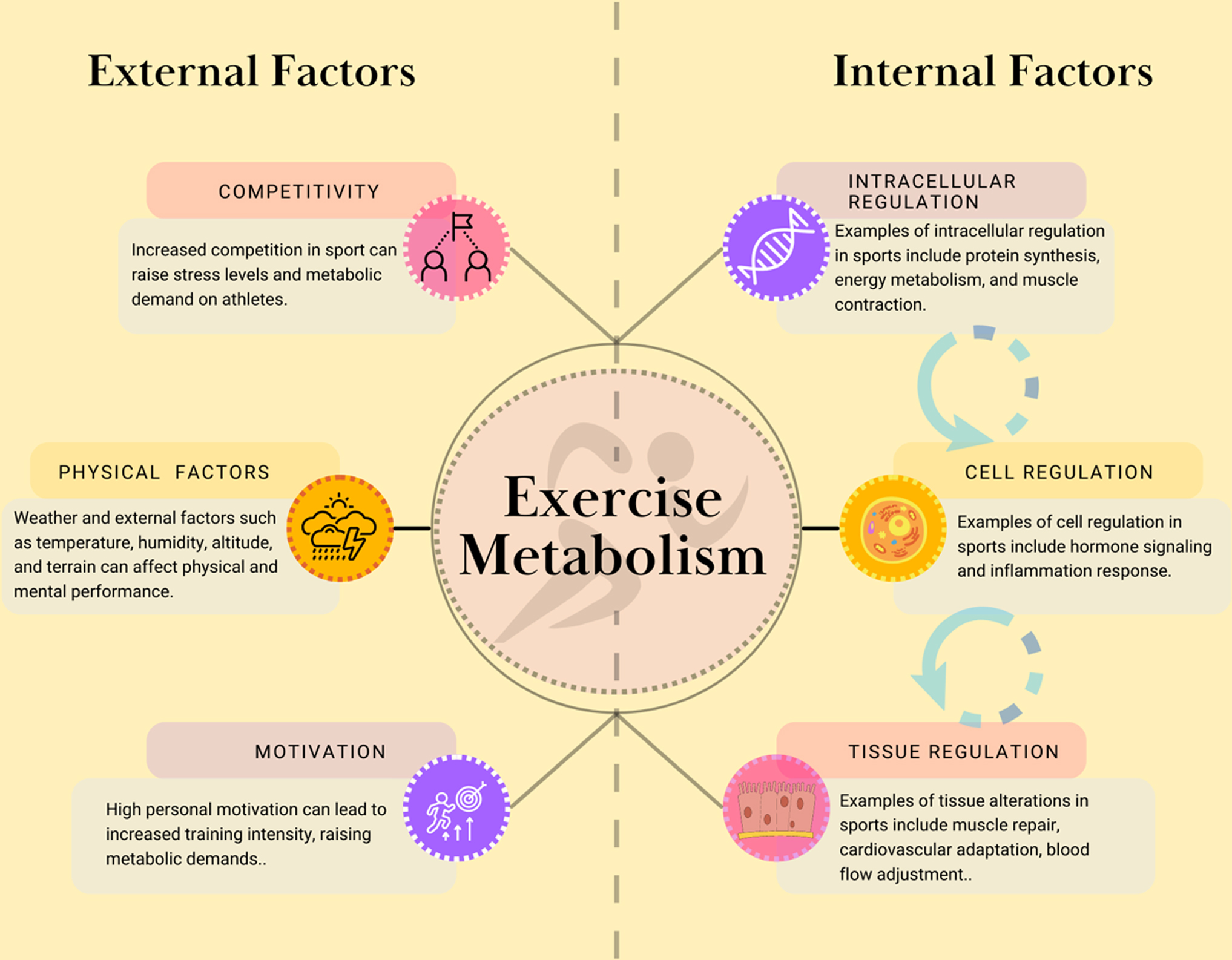
Sportomics studies explore and quantify multiomics changes in sports and exercise. This approach improves our understanding of how macroconditions affect systemic and cellular behavior.
MS also evolved from micro to macro, initially enabling J. Thompson to study electrons, and then evolving to study atoms, small molecules, big molecules, viruses, cells and bacteria, tissues, and organs. Now, MS can be used even for imaging in health, disease, and forensic sciences (Cameron, 2012; Longo et al., 2020; Oppenheimer et al., 2010; Sisco et al., 2013).
Science strives to develop more sensitive assays and analytics to help explain everything in a universe, increasing the diversity and complexity of variables; naturally, some events have more variables than others. Therefore, -omics sciences can investigate the connection of multilevel parameters to fathom human metabolism in exercise-induced stress conditions, bridging the microcosm with the macrocosm. Unfortunately (or not), we want to highlight that when it comes to human athletic performance, there are external unmaterial, unpredictable, and unmeasurable variables that are so diverse that we call them, for now, randomicity. In other words, randomicity is the failure to know most variables, their relationship, and (causal) effects.
Sportomics: Brief History and Evolution
We proposed the term sportomics to apply different -omics approaches in sports (Fig. 3). This concept was first introduced in OMICS: A Journal of Integrative Biology in 2011 (Resende et al., 2011):

Sportomics combines multiomics and classical approaches to understand exercise and sports.
“During the last decade in our laboratory, we have used exercise together with dietary modifications to cause metabolic stress in the studies of metabolism. Our studies are conducted in the field to mimic the real challenges faced during sports situations. Due to the uniqueness of this approach and the differences between it and standard experimental protocols, we call this approach ‘sportomics’. In this sense, sportomics is the use of ‘-omics' sciences together with classical clinical laboratory analysis (e.g., enzymatic determinations, ELISA, Western blotting, and other analytical procedures) to understand sport-induced modifications. Due to the uniqueness of this experiment, these results may not apply to other windsurfers, but we nonetheless had the opportunity to characterize the metabolic adaptations of this athlete. We also propose the importance of in-field metabolic analyses in the understanding, support, and training of elite athletes.”
While we published the first article with this idea in 2007, the general concept was still somewhat embryonic (Bassini-Cameron et al., 2007; Carvalho-Peixoto et al., 2007). However, since 2008 our group managed to expand the number of sportomics investigations to finally present the first article with the concept in the title in 2012 (Bessa et al., 2008; Gonçalves et al., 2012). After that, we happily witnessed the utilization of this concept by other scientists around the globe (Bagchi et al., 2015; Bongiovanni et al., 2022; Bongiovanni et al., 2019; Bragazzi et al., 2020; Canuto et al., 2018; Clauss et al., 2021; Marinho et al., 2022; Monnerat et al., 2020; Nix et al., 2021; Pintus et al., 2021; Schranner et al., 2020; Sellami et al., 2021b).
As scientists, we believe in the need for carefully designed and highly controlled studies using different models (human, animal, cell, and ex vivo or in vitro investigations), and different experiments and techniques to propose mechanisms of action and validate findings in independent cohorts by different assays. Many answers in science may come from top-down analyses. That is why a marked feature of the sportomics studies is the investigation in the field of play, facing the natural conditions that athletes undergo during training or competition.
Sportomics is an ex-post-facto model attempting to understand exercise-induced metabolic changes in noncontrolled environments. This approach is possible when considering the unique challenges of individuals (or athletes’) when training or competing under a myriad of unpredicted conditions and situations such as terrain, temperature, humidity, wind, and even the sun's position.
Sportomics prioritizes collecting noninvasive (or minimally invasive) biological matrices, such as blood, urine, and sweat. To enable a high number of blood collections within an exercise protocol, we have used dried blood spots (DBSs) since DBS requires a low volume and enables a quick, easy, and almost painless collection. Usually, DBSs are collected from finger capillaries, but other sites, such as the ear lobe, can also be used (Anderson et al., 2020; Bassini et al., 2022). We have also performed urine analysis to understand metabolic adaptations during exercise or investigate doping in different conditions (Cheibub et al., 2023; Muniz-Santos et al., 2023; Prado et al., 2017).
Sweat is another promising polar matrix, given its noninvasive character and the extremely easy collection used in metabolomic studies (Delgado-Povedano et al., 2018; Schittek et al., 2001). Although to enhance the use of sweat for performance monitoring applications, standard operating protocols for sweat analyses and sources of variability must be determined and addressed (Harshman et al., 2021; Hussain et al., 2017).
In 2014, we conducted a narrative review building sportomics as “non-hypothesis-driven research on an individual's metabolite changes during sports and exercise. It is similar to metabolomics and other -omics approaches but focuses on sports as a metabolic challenge” (Bassini and Cameron, 2014). Thenceforth, we have been using this scientific approach in investigations regarding high-level professional athletes in different sports.
For example, in Olympic canoeing, we showed that sportomics could be a primal tool for training management (Coelho et al., 2016). In cyclists, we proposed that keto-analogs supplementation can avoid exercise-induced blood ammonia increase, a well-described cause of central fatigue (Camerino et al., 2016). We also investigated immune response and amino acid metabolism during an 86-km challenge in elite world-class marathon runners (Bachini et al., 2015).
Sportomics is a corollary of a multiomics approach, not just to exercise but in sports
Initially, we used sportomics to explore exercise protocols as a model for evaluating human metabolism during hypermetabolic stress. Exercise protocols achieving exhaustion could be useful since they can generate different perturbations in human metabolism. However, we see exhaustion as an untouchable state in normal conditions since it is primarily linked to individuals' motivation, which, although reportable, is not measurable (Clancy et al., 2017; Jordalen et al., 2018). In contrast, exercise often induces mental and physical fatigue to many degrees (Tornero-Aguilera et al., 2022).
We compare fatigue and exhaustion with predator and prey relations metaphorically. The lion stops to pursue the zebra when it thermodynamically evaluates that the pursuit is not worth the effort, considering the potential gain. However, the zebra must run until exhaustion, or it will die. Thus, exhaustion can be the first step to death for the zebra. A predator like a human doing voluntary exercise cannot achieve such a state. Therefore, sportomics analyses prioritize high-level athletes as volunteers when it is performed to investigate hypermetabolic states. We believe that dealing with top-world–level athletes in their training sessions and high-level competitions is the most representative of an exercise-induced metabolic stress model (and achievable). Similarly, more recently, the Athlome Project Consortium coined another term to refer to an analogous approach, athlomics (the Santorini Declaration) (Pitsiladis et al., 2016; Sellami et al., 2021b).
As time progressed, we also began to apply this scientific method to enhance athletic performance and inform decision making in sports contexts. For instance, a recent sportomics study proposed using in-field evaluation of albuminuria as a cost-effective, simple, and sensitive indicator of hydration in crosscombat athletes (Gonçalves et al., 2022) (Fig. 4). The utilization of sportomics as a monitoring tool for personalized medicine has also been explored. During an 800-km bicycle race, we utilized sportomics to diagnose, treat, and track the progression of hepatotoxicity caused by a high dose of acetaminophen (Magno-Franca et al., 2013). For example, markers of muscle injury and inflammatory response can indicate the optimal recovery strategy for various training phases, allowing for early detection of muscle overload (Lazarim et al., 2009).
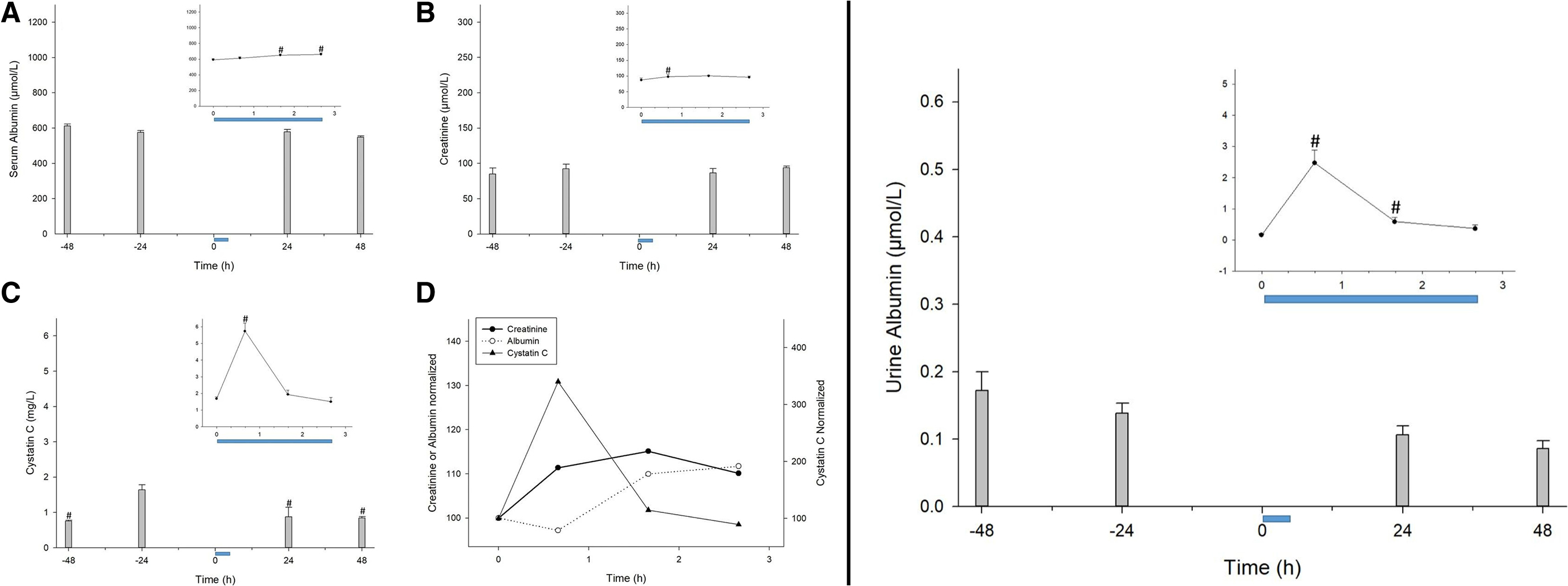
The cross-combat protocol led to a 16-fold transient increase in albuminuria. Pre vs. post: #p < 0.001; effect size = 1.4; statistical power = 0.99; pre vs. +60 min: #p < 0.001; effect size = 0.7; statistical power = 0.81. Both serum creatinine and cystatin C increased after the crosscombat protocol, followed by serum albumin. (
Monitoring these markers makes it possible to adjust training intensity and recovery, reducing the risk of muscle injury and enhancing both athletic performance and long-term sustainability for high-performance athletes.
In this context, we were grateful to successfully lead sportomics analysis held in the Brazilian Olympic Laboratory during competitions such as the FIFA World Cup 2018, UEFA Champions League (2018–2019), Olympic Games 2008, 2012, 2016; South American Games 2010, 2014; Pan American Games 2011, 2015; Jogos da Lusofonia 2009, Ukrainian Premier League (2017–2018), Southeast Asian Games 2017, Continental Multisports Games, and World Championships of most Olympic sports.
In the past two decades, we dealt with >2500 elite athletes performing in >20,000 sample collections and analyzing nearly half a million parameters. That experience gave our group the possibility to study and support hundreds of Brazilian and international elite athletes not only in the competitions mentioned above but also during long training timelines, which allowed us to adapt laboratory routines and tailor them to the needs of each sport. Also, we had the opportunity to perform sportomics analysis in major sports events such as UEFA Champions League and Europa League, UK Premier League, CONMEBOL Libertadores Cup, and Brazilian Football Championships.
To perform all the analysis in the field-of-play, it was extremely useful to have a mobile laboratory unit, enabling more relevant sample collection. We were aware that taking the athletes out of their habitat and bringing them routinely to laboratories can be a laborious task for athletes, their entourage, and our scientific team, especially when involving wilderness sports or competitions, and would not provide physiologically the same sample. In addition, the analysis in conventional laboratories limits point-of-care analysis. Therefore, we adapted our conventional laboratory to a mobile version, supporting athletes' staff in decisions concerning several biochemical aspects. These just-in-time and right-in-place measurements are essential for biologically relevant results and interpretation.
Scientists are motivated to investigate the causal relationships between events and propose interventions to alter them. We aim to determine the specific factors that lead to certain phenomena. In biological sciences, it can be challenging to fully identify all the factors that influence a particular event and understand their interactions.
In addition, the variability between individuals' parameters can make it difficult to infer causality, as it can be challenging to conclude macroscopic phenomena from population-level, bottom-up analysis, which may be a limitation. Therefore, reproducing populational results in a single individual may lead to nonsuccessful interventions, evidenced by personalized medicine research. However, by closely monitoring athletes over time, sportomics subsequent analyses can become increasingly personalized, resulting in a “one investigation per athlete” approach (or n-of-1 trials).
This allows coaches and trainers to create an individualized database for each athlete, and understand how they typically respond to different training, competition, and weather conditions. However, it is worth noting that even this highly personalized analysis may not be able to anticipate all individual variations. There are some variations that we currently cannot account for, and we can say that with the limited human knowledge, that may arise by chance.
An investigation of sportomics, regardless of the size of the population studied, can yield substantial amounts of data. Using large datasets in sportomics can provide a comprehensive perspective on the studied phenomena. However, the analysis of such extensive data can present challenges as well. One issue is the potential difficulty in identifying noteworthy patterns and trends among the metabolites and initial unstructured data of athletes' metabolism. In addition, analyzing exercise-induced changes of many metabolites and coming up with a relevant clinical-biological insight is not straightforward. This aligns with a phenomenon now known as the Dunning–Kruger effect (Kruger et al., 1999).
In this regard, data mining and computational science can assist biological researchers and athletes' staff in evaluating, visualizing, interpreting, and validating their data. For instance, data scientists can help in identifying patterns in athletes' metabolism during specific conditions, determining the extent of the impact of an exercise session on specific metabolic pathways, and creating informative visualization and summary guiding both decisions making in sports and new scientific discoveries. Building such connected, “explainable models” is essential to ensure we limit the chance of jumping to an incorrect causal conclusion.
Sportomics data produced by high-throughput analysis can also generate theoretical goals. Recently, we proposed a PPI map that unveils >1500 possible targets for understanding exercise signaling in health and disease. Our PPI map unraveled 30 possible targets for future exercise science and inflammatory response investigations (Bassini et al., 2022) (Fig. 5). The relevance of this interaction network for human disease is motivated and supported by enrichment analyses, as shown in Figure 6 [using IID (Kotlyar et al., 2022)].
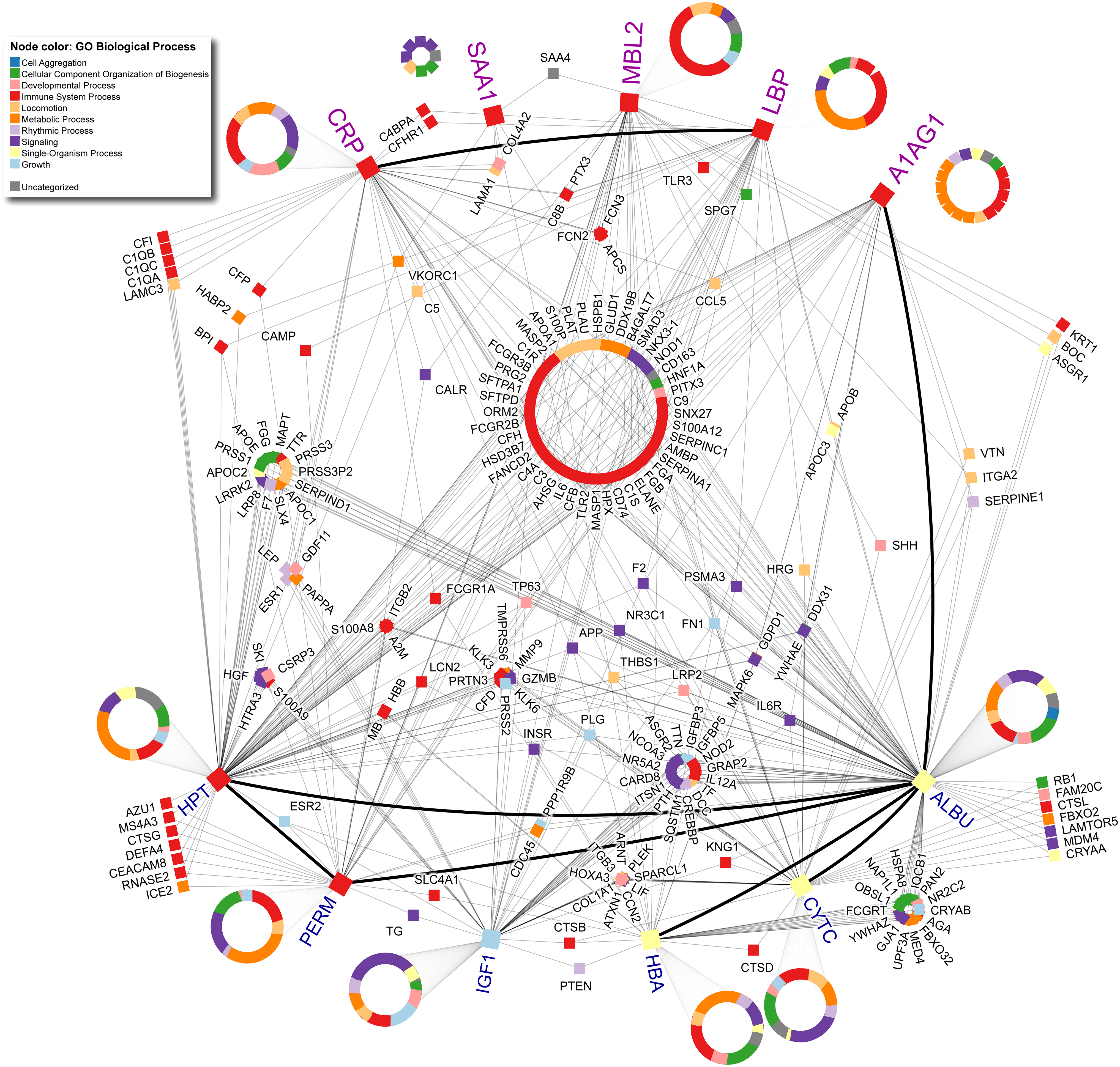
Starting with 11 measured proteins, we have created a protein interaction network, which identified 44 core proteins, of which 30 include immune-processing proteins. From Bassini et al. (2022) with permission.
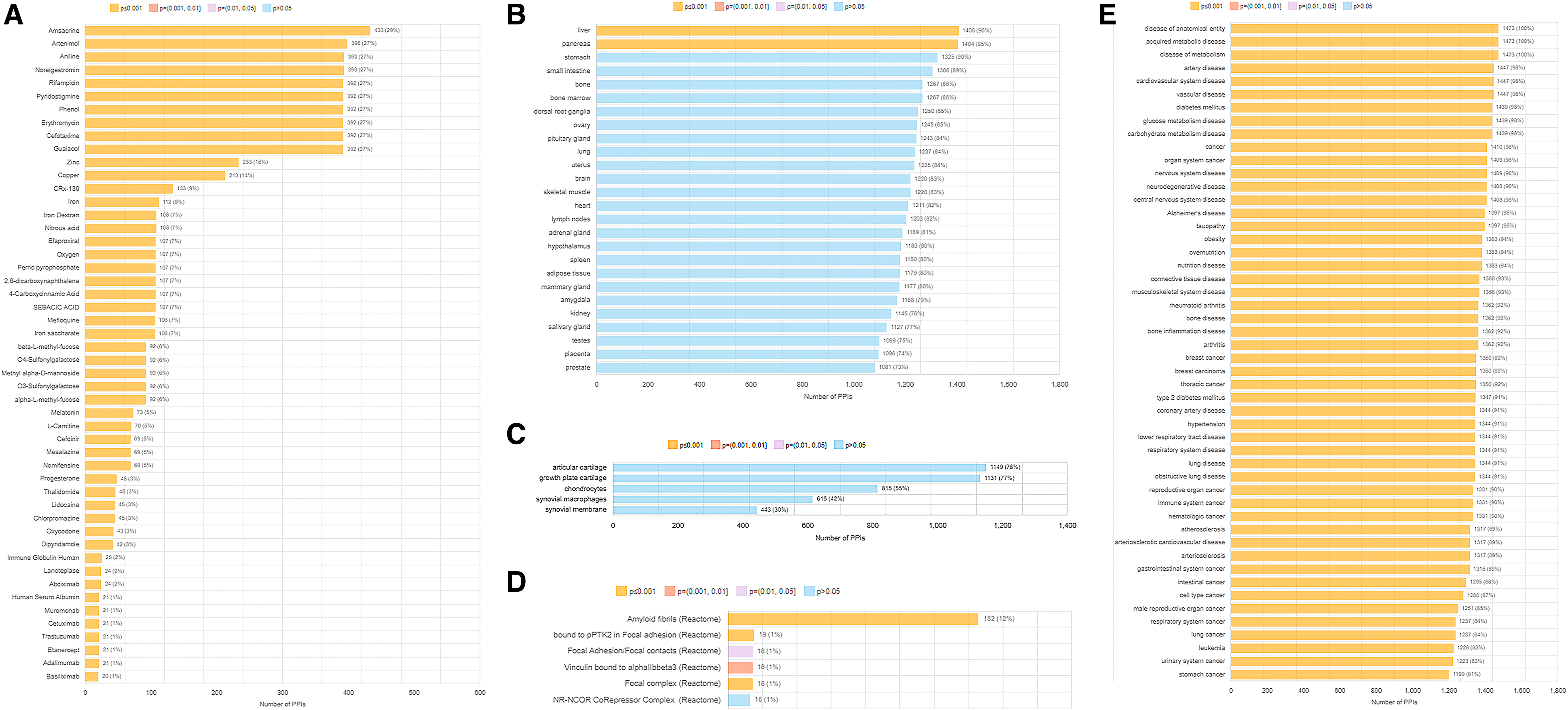
Enrichment analysis of interaction network from Figure 5, using IID (Kotlyar et al., 2022; http://ophid.utoronto.ca/iid). Considering all proteins and interactions from Figure 5, we highlight diseases enrichment analysis (
Sportomics approach for metabolism translating in hypermetabolic stress: why does society need exercise sciences and sportomics?
The role of exercise routines in preventing and treating different diseases is well established. While the use of exercise sessions as a tool for investigating disease metabolism is not yet common, exercise can serve as a way of inducing a hypermetabolic state, which could yield valuable insights for general medical research. Exercise, especially at the highest level, is a metabolic challenge that can overload different systems and metabolic pathways (Mastorakos et al., 2005).
In this sense, sportomics can take advantage of MS-NTA, exploring the impact of training sessions or competitions on several exercise-induced proteomic and metabolomic changes (Fig. 7). Thus, sportomics is usually not guided by questions and is not controlled; however, it is useful to find new directions for future research. In summary, translating what we learn studying high-level athletes can be helpful, with appropriate caution, to understand other hypermetabolic states. Sometimes, we find answers first, and then look for questions (and applications in human health and disease).

Data and analytical flow of a typical sportomics experiment.
For example, ammonia is a waste product of the metabolism of nitrogenous compounds (e.g., amino acids). It is widely recognized as one of the primary metabolites in hepatic encephalopathy genesis, a common neurocognitive complication of hepatic diseases (Shalimar et al., 2019). In hepatopathies, the blood ammonia concentration can rise to levels >300 μmol/L, increasing to 1000 μmol/L. However, strenuous exercise can enhance ammonemia three- to fivefold above the resting state in healthy individuals, reaching 600 μmol/L, depending on the intensity.
Ammonia also has a role in central fatigue genesis during exercise. Therefore, exercise protocols could be performed to induce transient hyperammonemia, allowing the investigation of the underlying metabolism and how to counteract it. Sportomics investigations have already provided valuable information about keto analogs, amino acid, caffeine, and glutamine supplementations' roles in protecting against the ammonemia increase (Bassini-Cameron et al., 2008; Carvalho-Peixoto et al., 2007; Lima et al., 2017; Prado et al., 2021; Prado et al., 2011). Other groups also used sportomics concepts to understand the effects of hyperammonemia (Holeček, 2022).
More recently, we investigated a football match-induced alteration in tyrosine metabolism, mimicking a rare genetic disorder called Hawkinsinuria (França et al., 2023). This disease is associated with acidosis, cognitive impairments, ataxia, and degradation in visual sensation, and it is characterized by the upregulated urinary excretion of 4-hydroxyphenylpyruvate, hawkinsin, and 4-hydroxycyclohexylacetate (Brownlee et al., 2010; Chakrapani et al., 2006). Since it is a rare condition, there are only a few studies on this topic; mostly case reports (Cruz-Camino et al., 2020; El Khatib et al., 2019; Thodi et al., 2016; Zhao et al., 2020).
In this sense, we propose that exercise can unveil itself as a model of Hawkinsinuria investigation (Fig. 8). However, we need to highlight that this approach still needs reproducibility.

(
Future Perspectives
In the near future, sportomics will need to merge emerging approaches to understand the effects of the macroenvironment such as exposure to heat, humidity, or hypobaric hypoxia as well as the interaction with the changing microbiome and phagosome (microenvironment). We think that sportomics will advance scholarship on health, sports, and disease going forward. Also, personalized medicine, doping control, and unraveling the mechanisms of person-to-person variations in sports, disease, and therapeutics can benefit from the findings from n-of-1 studies in athletes as discussed in the following sections.
Supporting doping control
Sportomics research and findings can pave the way for biomarkers of performance-enhancing drugs (PEDs). In this sense, sportomics, data mining, and artificial intelligence can be used to create a multiomics biological passport for antidoping purposes.
Sportomics can also aid in clarifying doping cases by providing pharmacokinetic parameters for PEDs in specific circumstances. As an illustration, we recently examined the excretion kinetics of fenoterol (a β2 receptor agonist banned by WADA both in- and out-of-competition) during a body mass manipulation (BMM) protocol (Cheibub et al., 2023).
BMM is frequently practiced by combat athletes to compete in lighter categories, thereby gaining an advantage over opponents. This often entails dehydration, intense exercise, heat exposure, and restricted dietary intake, parameters that can influence drug pharmacokinetics. Our findings suggest that during BMM, unmetabolized fenoterol accumulates in tissues before being released later during rehydration (Cheibub et al., 2023).
Supporting personalized medicine
Health care has been transitioning from a one-size-fits-all approach to one that considers individual differences, and personalizes treatments and diagnostics accordingly. We have previously discussed how sportomics can translate information for general health care, bringing knowledge to the understanding of hypermetabolic diseases and treatments. However, considering advances in personalized medicine, we think this valuable data translation can still be improved. For example, sportomics can be used as a method of n-of-1 clinical trials for athletes, active persons, and rehabilitation protocols. N-of-1 clinical trials show promise for developing personalized medicine as well as novel hypothesis generation, exploring rare and more common diseases, increasing patient involvement in designing, and, in turn, enabling patient-centered care.
It is noteworthy that the evolution of sportomics analyses has been buttressed by their tangible implications for health, injuries, and recovery, and sportomics was here to stay afterward. However, to be globally used and eventually translated to patient care, sportomics analysis has to be streamlined in complexity and its cost.
Integrating sportomics findings with new technologies, such as mobile health and wearable devices, and digital transformation of systems science more generally, can be expected to provide more detailed and real-time data on patient responses to treatments, tailoring patients' individual care plans. While we already have many wearable devices monitoring parameters such as sleep, heart, and physical activity, their easy integration with patient records (or athletes' biopassports) is not streamlined and has to overcome many issues such as critically informed knowledge governance, security, and confidentiality.
In n-of-1 or case studies of top athletes, it should be clear that statistics is not relevant, and applying the results of an extraordinary athlete to someone else may be misleading. Studies in larger samples need to complement the latter approaches, not to mention the integration of multiomics approaches to the study of sports, health, and disease more generally, in an ethos of sportomics. Ethics and privacy of top athlete studies and conflict of interests in sports and attendant federations are also noteworthy.
It is tempting to ask the following question in a future-oriented manner: Will we ever have a mass spec inside our watch analyzing the metabolome? Perhaps this approach can be considered a science fiction scenario; at the moment at least. We think that Google's Bard and OpenAI's chatGPT are the modern names of Asimov's Multivac (Asimov, 1956). Alexa and Siri are talking with us in a wearable device in the ear, in the same way, Jane did to Ender Wiggin (Card, 1986). Are we not living in an era that can answer Jules Verne's restlessness?
“Tout ce qu'un homme peut imaginer, d'autres hommes peuvent le concrétiser.” (Anything a man can imagine, other men can do). (Card, 1986)
The future will say.
Challenges and barriers
As the advances in sportomics materialize in science and society, several challenges can be anticipated. An overarching concern in an era of Big Data, post-truth, and digital transformation is the veracity of knowledge in science and society. The global scientific community is making significant efforts to promote transparency and reproducibility by encouraging the release of all data generated from experiments. This is a positive step toward ensuring data-driven decisions and promoting research collaboration. However, despite the advances in data availability, data analyses are subject to errors and suffer from lack of adequate clinical, social, and historical contextualization that can result in false conclusions.
The crosscutting issues such as lack of reproducibility, retractions of scientific publications, conflict of interests, and hypercompetition in science, and commodification of public goods are serious problems that call for continued rigorous research and systems thinking beyond a narrow technology realm.
A study suggests that for the majority of retracted scientific publications, misconduct accounts as a chief reason (Fang et al., 2012). A related concern in the current era of extensive digital transformation and deployment of AI and chatGPT is that such applications can potentially continue to use data from retracted publications and sources that are not veritable, thus, contributing to and reinforcing both misinformation and disinformation.
Using wrong or inaccurate data can lead to errors that are difficult to identify in the models, negatively impacting decision making and the development of new technologies. Thus, it is essential to prioritize the availability of sportomics and multiomics data as public goods for reproducible science and to ensure high quality of data, which are collectively important for making sportomics decisions in the field in ways that are properly contextualized. To the extent that both context and content matter in science, advancing sportomics calls for bearing in mind the broader systems biology, social, historical, and political contexts of this nascent frontier in life sciences.
Aside from the data quality, sportomics may encounter another challenge in validating the findings: the lack of available data from professional sport clubs, organizations, and federations. Due to various reasons, such as the requirement for privacy protection and the absence of incentives for sports federations and clubs to implement data collection, transparency, and analysis, the sports sector has encountered difficulties obtaining and sharing relevant data.
On the contrary, our group chooses to share data with the international scientific community. Of course, due to the need for anonymity and to avoid revealing data that can be used to gain performance, thereby contesting fair competitivity, we cannot deliver the data with the same detail, and at the same velocity we acquire them. These crosscutting matters can pose a challenge to the advancement of sportomics findings, highlighting the need for solutions that can overcome these challenges to enable the collection and utilization of data to guide and accelerate the advances in the field.
Footnotes
Acknowledgments
The authors thank all scientists, students, athletes, coaches, sports organizations, reviewers, and editors directly or indirectly involved in sportomics evolution, refinement, and spreading during the past 25 years.
We dedicate this article to all the victims of COVID-19, especially the scientists and health professionals deceased during the pandemic. We are highly grateful to Drs. Javier Ambrosio, Luiz Goulart, Marsel Seabra, and Li Wenliang for their work.
Authors' Contributions
R.M.-S. contributed to writing original draft and visualization; A.M.-F. assisted with writing—review and editing; I.J. performed writing—review and editing, and visualization; L.C.C. aided writing original draft, project administration, conceptualization, funding acquisition, resources, and methodology.
Disclaimer
The funders had no role in study design, data collection, and analysis, the decision to publish, or preparation of the article.
Author Disclosure Statement
The authors declare they have no conflicting financial interests.
Funding Information
This work was supported by Conselho Nacional de Desenvolvimento Científico e Tecnológico (CNPq), Coordenação de Aperfeiçoamento de Pessoal de Nível Superior (CAPES), Financiadora de Estudos e Projetos (FINEP), Fundação Carlos Chagas Filho de Amparo à Pesquisa do Estado do Rio de Janeiro (FAPERJ), Merck-Sigma-Aldrich, Universidade Federal do Estado do Rio de Janeiro (UNIRIO), Waters Corporation. I.J. was supported in part by funding from Natural Sciences Research Council (NSERC No. 203475), Canada Foundation for Innovation (CFI No. 225404, No. 30865), Ontario Research Fund (RDI No. 34876), IBM, and Ian Lawson van Toch Fund.