




Abstract

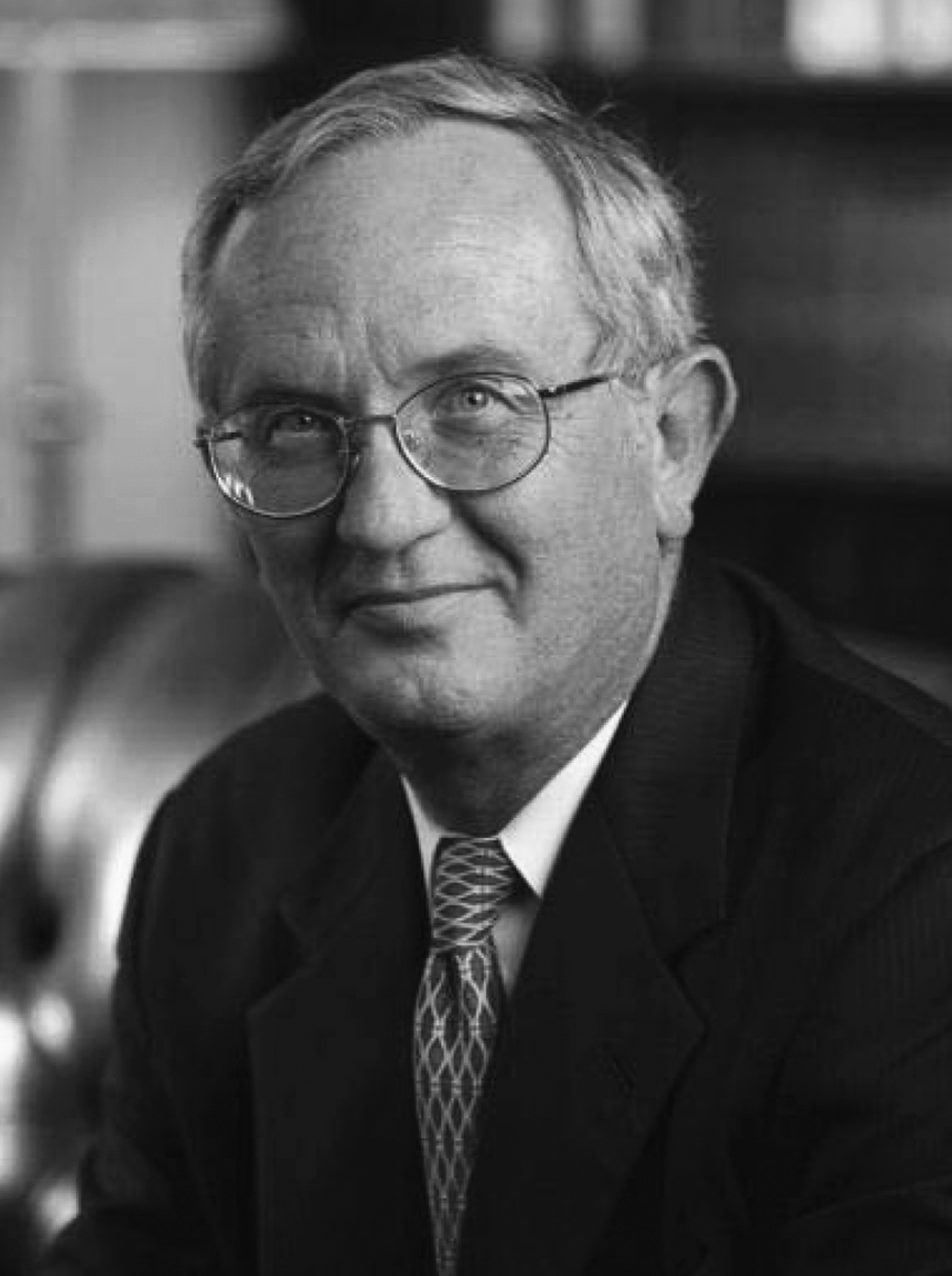
Stephen Frederick Lowry, MD, MBA, a pre-eminent surgeon-scientist and expert in inflammation and inflammatory disorders, passed away suddenly on June 4, 2011, from cardiovascular disease. At the time of his death, Doctor Lowry served as Richard Harvey Professor and Chair of the Department of Surgery and Senior Associate Dean for Education at the University of Medicine and Dentistry of New Jersey-Robert Wood Johnson Medical School (UMDNJ-RWJMS) in New Brunswick. At UMDNJ-RWJMS he was instrumental in creating and leading the Division of Surgical Sciences, which focuses on core research issues of inflammation and developmental biology and the interfaces among science, technology, and clinical medicine. Doctor Lowry was the inaugural holder of the Richard Harvey Professorship at UMDNJ-RWJMS, which honors excellence in innovative teaching. Steve was the President of the Surgical Infection Society (SIS) in 2009-2010, a Trustee of the Surgical Infection Society Foundation for Education and Research, and a charter member of the editorial board of Surgical Infections.
Doctor Lowry's early investigations defined the central role of inflammatory mediators in the pathogenesis of septic shock and organ dysfunction. SIS President Pamela A. Lipsett, MD, MHPE, FACS, said Doctor Lowry was “… a true physician-scientist who discovered and described several aspects of immune system dysfunction related to sepsis, and studied novel therapies in clinical trials. Most importantly, he mentored scientists, surgeons, and colleagues who were interested in studying these problems in critically ill patients. People who worked in his laboratory include many prominent researchers into inflammation, some of whom are members and leaders of SIS.”
An honors graduate of Ohio Wesleyan University (Phi Beta Kappa) and the University of Michigan School of Medicine (Alpha Omega Alpha), Doctor Lowry completed fellowship training in cancer biology at the National Cancer Institute (NCI) in Bethesda, MD under Steven Rosenberg. His general surgery residency was completed at the University of Utah under Frank Moody, and included the period at the NCI. At Memorial Sloan-Kettering Cancer Center (MSKCC) in New York City, he completed a surgical oncology fellowship under Jerome DeCosse and Murray F. Brennan. He was recruited to Cornell University Medical College (now known as Weill Cornell Medical College) by G. Tom Shires, where he rose to become Professor of Surgery and Assistant Dean for Clinical Research, and Guest Investigator at the Laboratory of Medical Biochemistry of Rockefeller University.
With a successful research career spanning decades, Doctor Lowry received continuous National Institutes of Health (NIH) funding for basic and applied clinical investigations for more than 25 years. In 1997, he received the Method to Extend Research in Time (MERIT) Award from the National Institute of General Medical Sciences of the NIH. With more than 400 scientific contributions including original reports in Science (cited 1,905 times through July 15, 2011 according to Google Scholar) Nature (1,877 citations), and Proceedings of the National Academy of the USA, he was named a highly cited author in Immunology by the Institute for Scientific Information (www.ISIHighlyCited.com).
Doctor Lowry was recognized for his achievements with the Flance-Karl Award from the American Surgical Association (its highest award for scientific achievement), the Samuel D. Gross Prize in Surgical Research from the Philadelphia Academy of Surgery, and most recently, the Outstanding Medical Research Scientist Award for Clinical Research from the Edward J. Ill Excellence in Medicine Foundation. In 2005, he was inducted as an Honorary Fellow of the Royal College of Surgeons of Edinburgh.
“Steve was a valued and trusted colleague and friend for more than 30 years,” said Philip S. Barie, MD, MBA, FACS, 2004-2005 SIS President and currently the Executive Director if the SIS Foundation. “He put the same energy and dedication into SIS governance as he did his department, his research, and his trainees. He was genuinely interested in everyone, no matter how junior or inexperienced, and always willing to offer advice or encouragement. Teaching and mentorship were among his passions. His SIS presidential address captured our essence as an organization. Mentorship and connectedness have made us successful, and will be his lasting legacy to SIS.”
Doctor Lowry is survived by his wife, Susette Coyle and his children, Alexander Scott Lowry, Lorna Elizabeth Lowry, and Katherine Ann Lowry.