




Abstract

Dr. Geraldo Medeiros-Neto, widely considered one of the fathers of Brazilian thyroidology, passed away at the age of 86 years, leaving a tremendous legacy to the medical field. Geraldo worked tirelessly to eradicate endemic goiter in Brazil, playing an instrumental role along with Governor Andre Franco Montoro in the write-up and approval of the laws that mandate salt iodization. The eradication of endemic goiter in this country is largely credited to his life-long efforts in this area.
The son of a lawyer who directed a registry of deeds, and a mother who took care of the children and their home, Geraldo grew up in the city of São Paulo. He completed mid and high school at Colegio Sao Luis, a traditional Jesuit school in São Paulo. When the time came to decide his professional future, his dad was adamant he should be a lawyer and help with the family business. Geraldo had other plans.
To demonstrate his unwavering love for medicine, Geraldo worked for years as a pharmaceutical representative visiting doctors' offices and supporting his own studies. He convinced his dad and entered the medical school of the University of São Paulo in 1954. While on his first year of medical school he met his future wife Suzana Pereira Lopes; they were married before graduation. He completed a residency in internal medicine and endocrinology at the Hospital das Clinicas of the University of São Paulo Medical School.
Determined to complete his education abroad, he toyed with the idea of traveling to Germany and even learned some German, but then received a scholarship from the James Picker Foundation to be a research fellow at the Massachusetts General Hospital (MGH) and Harvard Medical School, under Professor John B. Stanbury, during 1963–1965. Off he went to Boston, along with Suzana and their two very young boys, to what turned out to be a phenomenal experience that shaped his professional future. In those days, Dr. Leslie DeGroot was a faculty at Mass General and recalls, “It was obvious from the moment he arrived that Geraldo had the qualities that would assure success—a brilliant mind, abundant energy, and irrepressible enthusiasm.”
There, he met and became life-long friends with other young thyroid aficionados, Eli Dow, John Dunn, Shigenobu Nagataki, Aldo Pinchera, Eduardo Pretell, and Paul Walfish. In his work with Prof. Stanbury, Geraldo employed ion-exchange liquid chromatography of hydrolyzed thyroid homogenates to identify nonthyroglobulin iodinated proteins after giving radioactive iodine to patients with a variety of thyroid diseases.
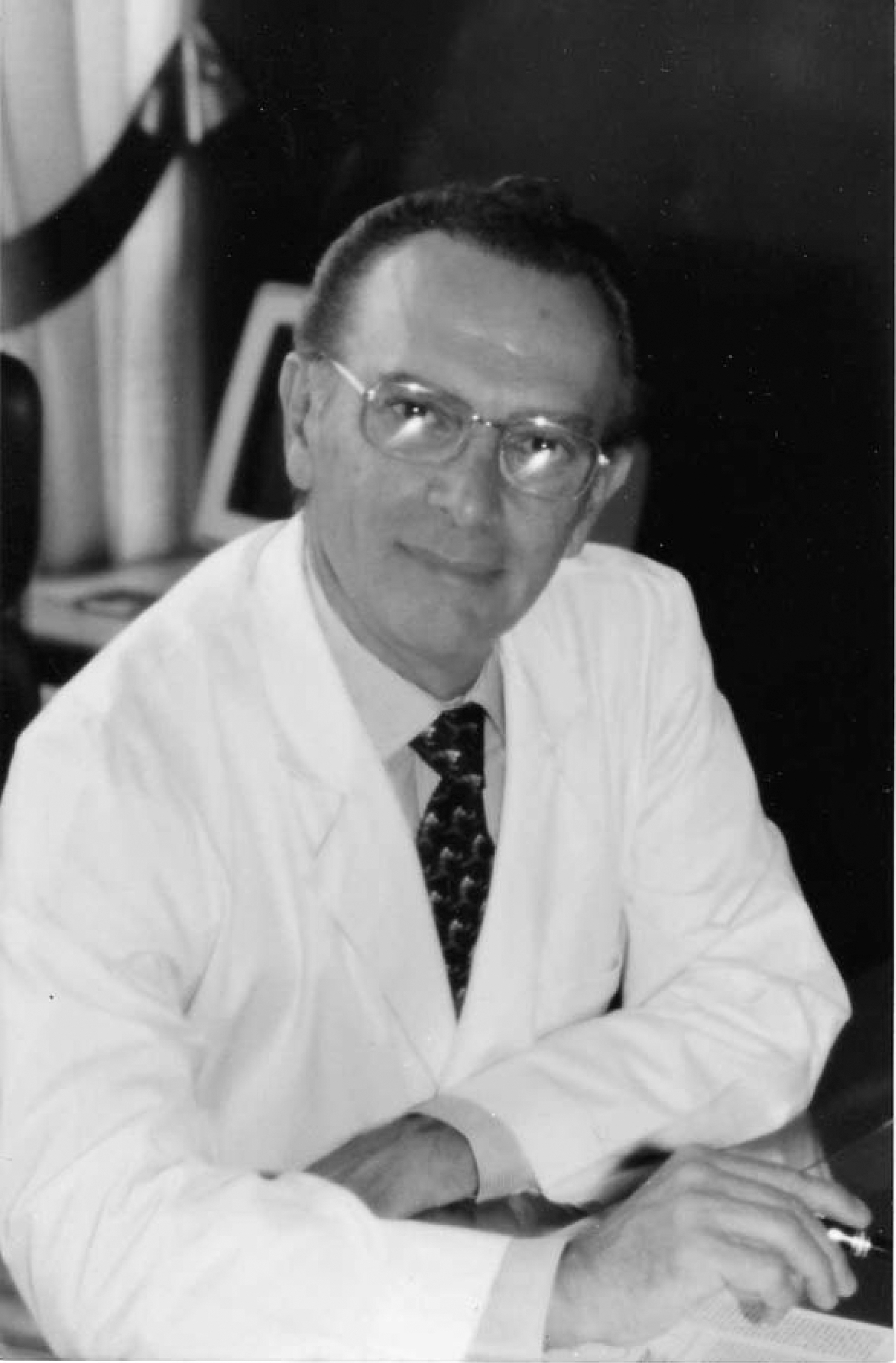
Geraldo Medeiros-Neto circa 1985. Photo courtesy of Medeiros-Neto family.
Upon his return to São Paulo, he published in 1965 in the Journal of Nuclear Medicine his first description of families with defects in iodine thyroid uptake. He then worked with Professor Antonio Barros de Ulhoa Cintra and obtained a PhD in endocrinology in 1967, establishing himself as a physician-scientist, director of the thyroid laboratories at the Hospital das Clinicas and University of São Paulo, for the next four decades. He started by setting up the chromatography techniques he learned in Boston to study iodinated proteins in patients with ectopic thyroid, Pendred's syndrome, and intrathoracic goiter. In the early 1970s, he expanded his studies to what is considered his main contribution to the thyroid field, that is, the molecular mechanisms leading to goitrous hypothyroidism, a disease that affected humanity for thousands of years.
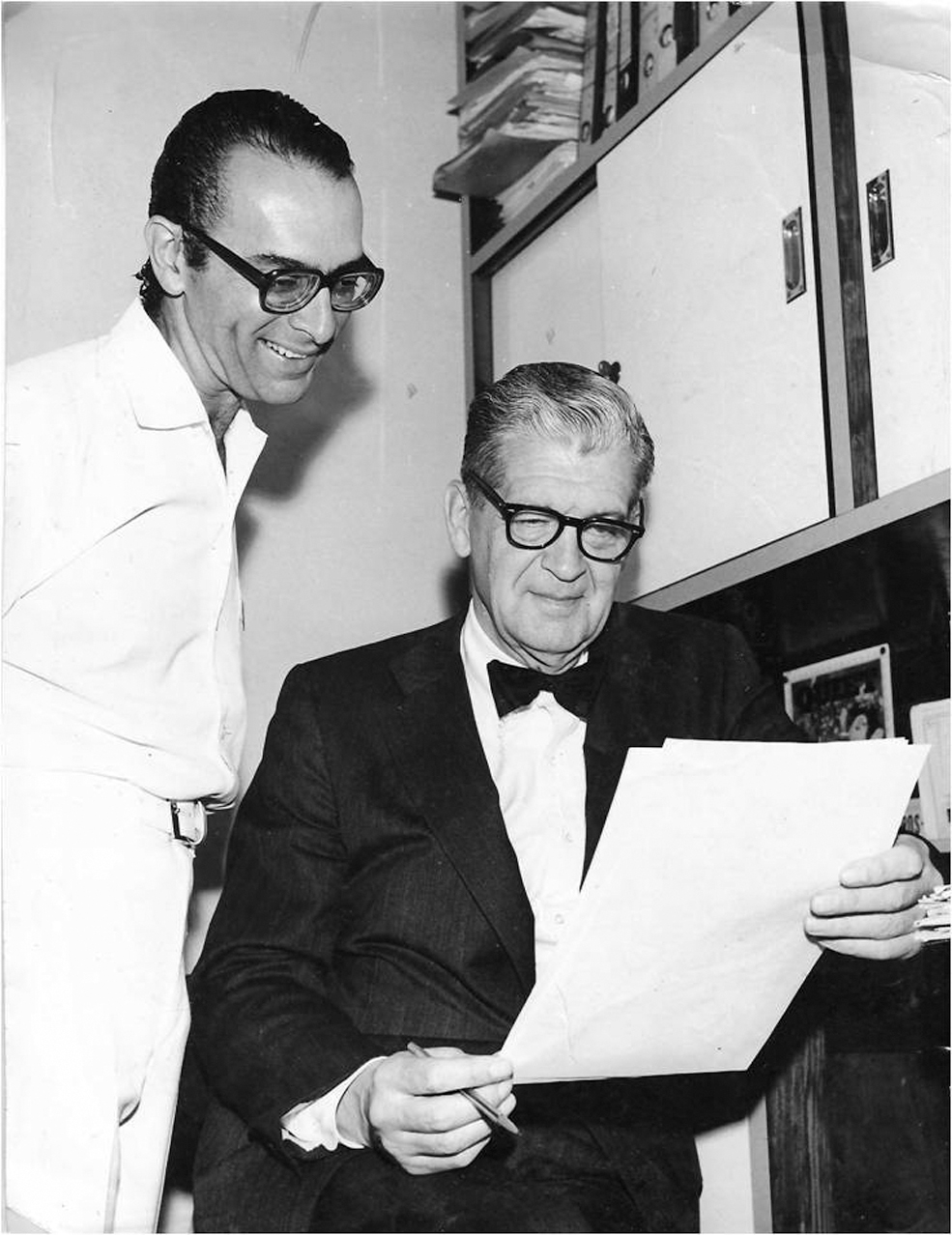
John Stambury visiting the Hospital das Clinicas in São Paulo in 1974. Geraldo Medeiros-Neto standing. Photo courtesy of Medeiros-Neto family.
Among his major findings are two of the first cases of congenital goiter and hypothyroidism that exhibited a partial defect of iodide uptake, and the identification of patients with deficiencies in thyroperoxidase and thyroglobulin. In the late 1980s, he described two siblings with congenital goitrous hypothyroidism associated with low levels of thyroglobulin mRNA, defective translation, and almost absent thyroglobulin expression. He then used restriction fragment length polymorphism to identify a family with a partial thyroperoxidase gene deletion, and later a patient with severely hyposialylated thyroglobulin linked to a defect in iodotyrosine coupling.
He also identified individuals with mutations in the gene encoding thyrotropin (TSH) beta and the TSH receptor causing hypothyroidism. One of his remarkable cases was the 1997 prenatal diagnosis by ultrasound and cordocentesis performed at 28 weeks of gestation and treatment of dyshormonogenetic fetal goiter due to defective thyroglobulin synthesis.
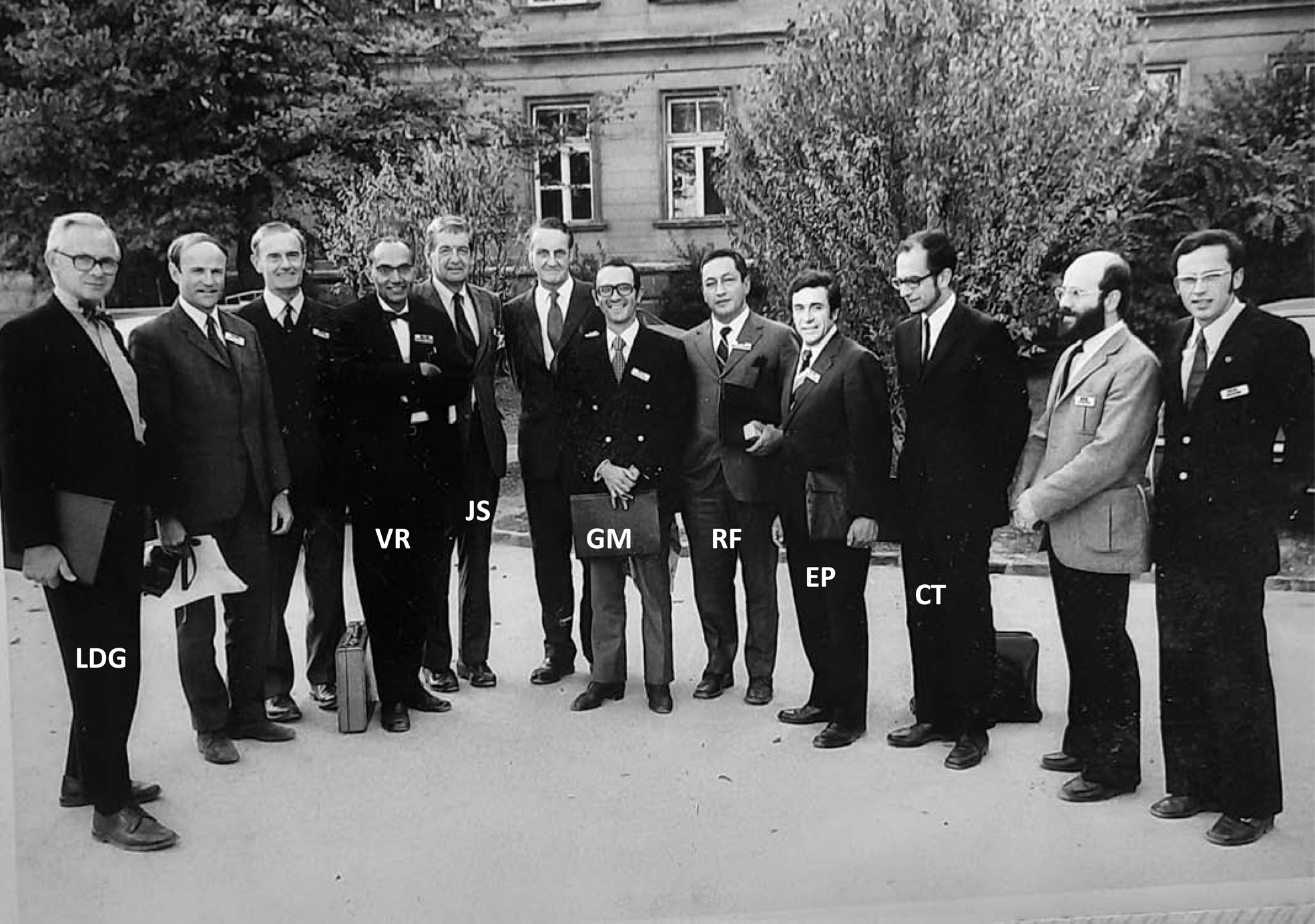
Participants of a meeting on thyroid cancer and iodine deficiency organized by George Riccabona from the Medizinische Universitat Innsbruck, Innsbruck, Austria, circa 1983. LDG is Leslie DeGroot, VR is Vilamuri Ramalingaswami, JS is John Stanbury, GM is Geraldo Medeiros-Neto, RF is Rodrigo Fierro, EP is Eduardo Pretell, and CT is Claude Thilly. Photo courtesy of Eduardo Pretell.
His second major interest was iodine deficiency. This is an area to which he contributed substantially with numerous studies on the populational replacement of iodide, its effect on thyroid physiology, the possibility of thyrotoxicosis after iodine introduction into an iodine-deficient population, a potential role of growth-stimulating immunoglobulins in endemic goiter, and assessment of public health programs for eradication of goiter.
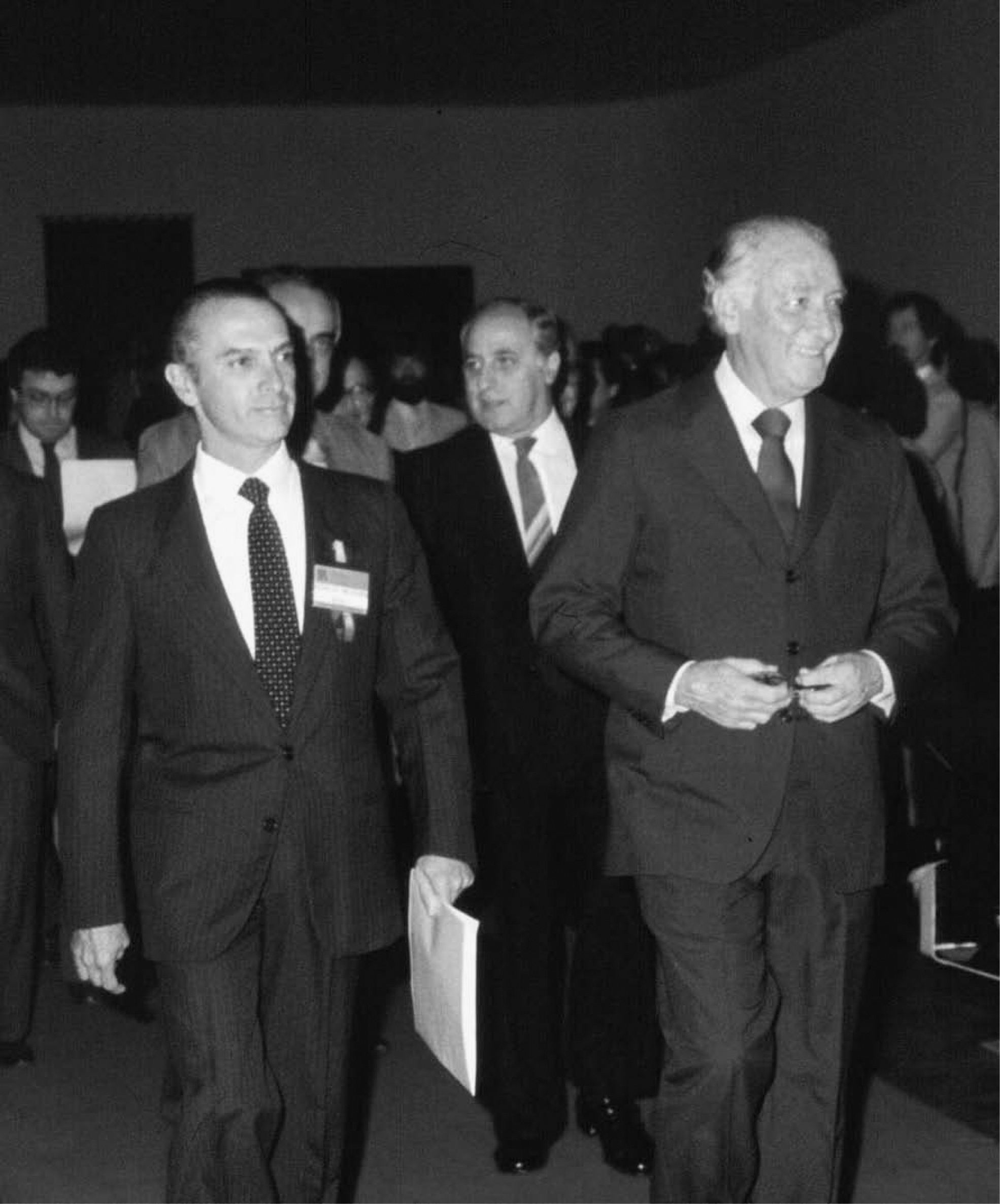
Geraldo Medeiros-Neto (left) and the Governor of São Paulo, André Franco Montoro (right), during the opening ceremony of the International Thyroid Congress in São Paulo, 1985. Photo courtesy of Antonio Bianco.
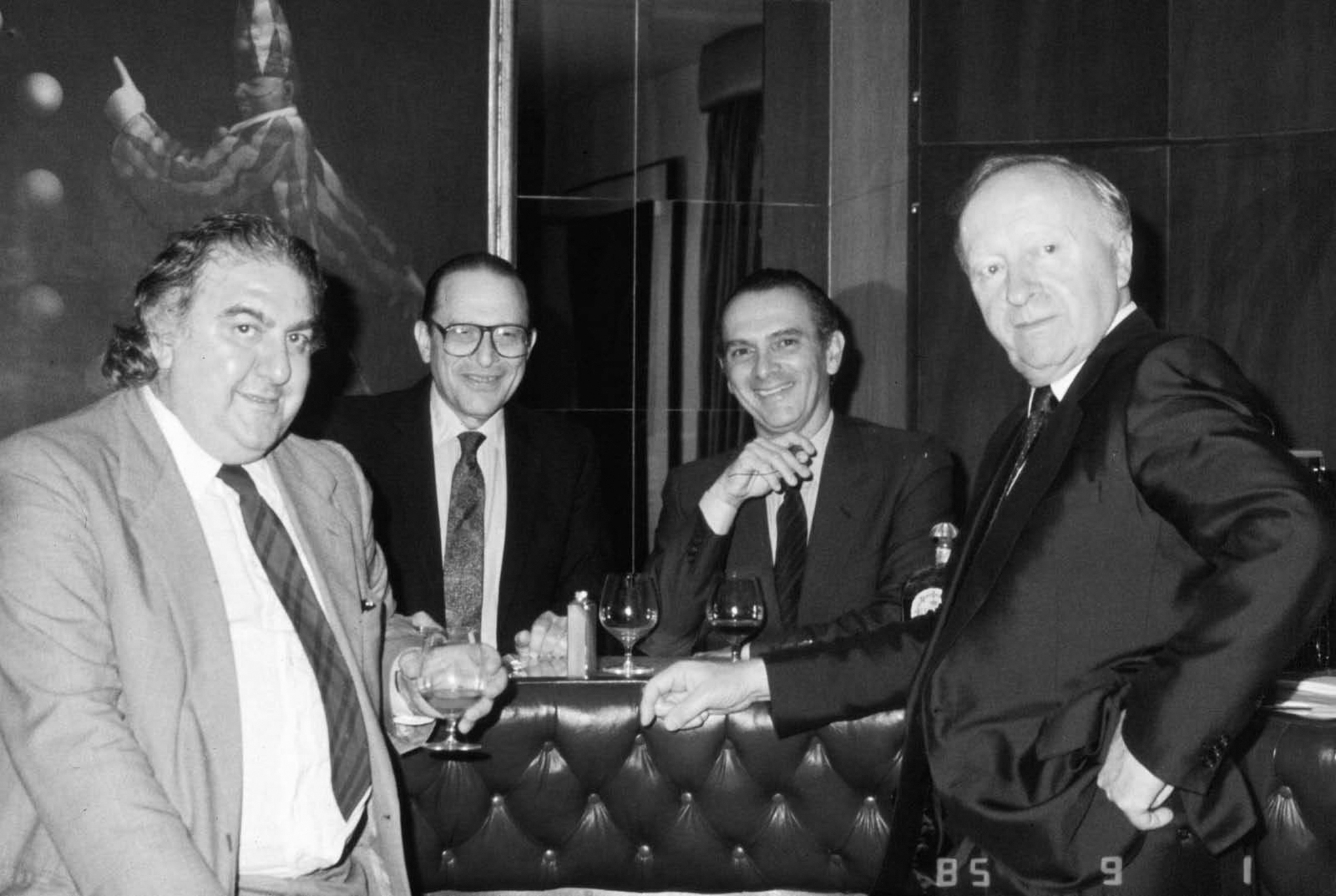
Aldo Pinchera (left), Sidney Ingbar, Geraldo Medeiros-Neto, J. Maxwell Mackenzie, during a dinner party at Geraldo's home in São Paulo, at the time of the International Thyroid Congress in São Paulo, 1985. Photo courtesy of Antonio Bianco.
Geraldo published >280 peer-reviewed publications, book chapters, and edited 17 books on diverse aspects of endocrinology and thyroid disease. He contributed with chapters to the Ingbar & Braverman's textbook, The Thyroid, and DeGroot's three-volume textbook, Endocrinology, a clear recognition of his expertise in the area of endemic goiter. The body of work produced by Geraldo and his students and collaborators elucidated many important molecular aspects of thyroid hormone dyshormonogenesis that cause goiter and hypothyroidism. This was no easy task and is a great achievement for the time. Sequencing DNA in the 1990s was not a day project as it is today, particularly for thyroglobulin, which is a large protein encoded by a 270,000 base pair gene with 48 exons.
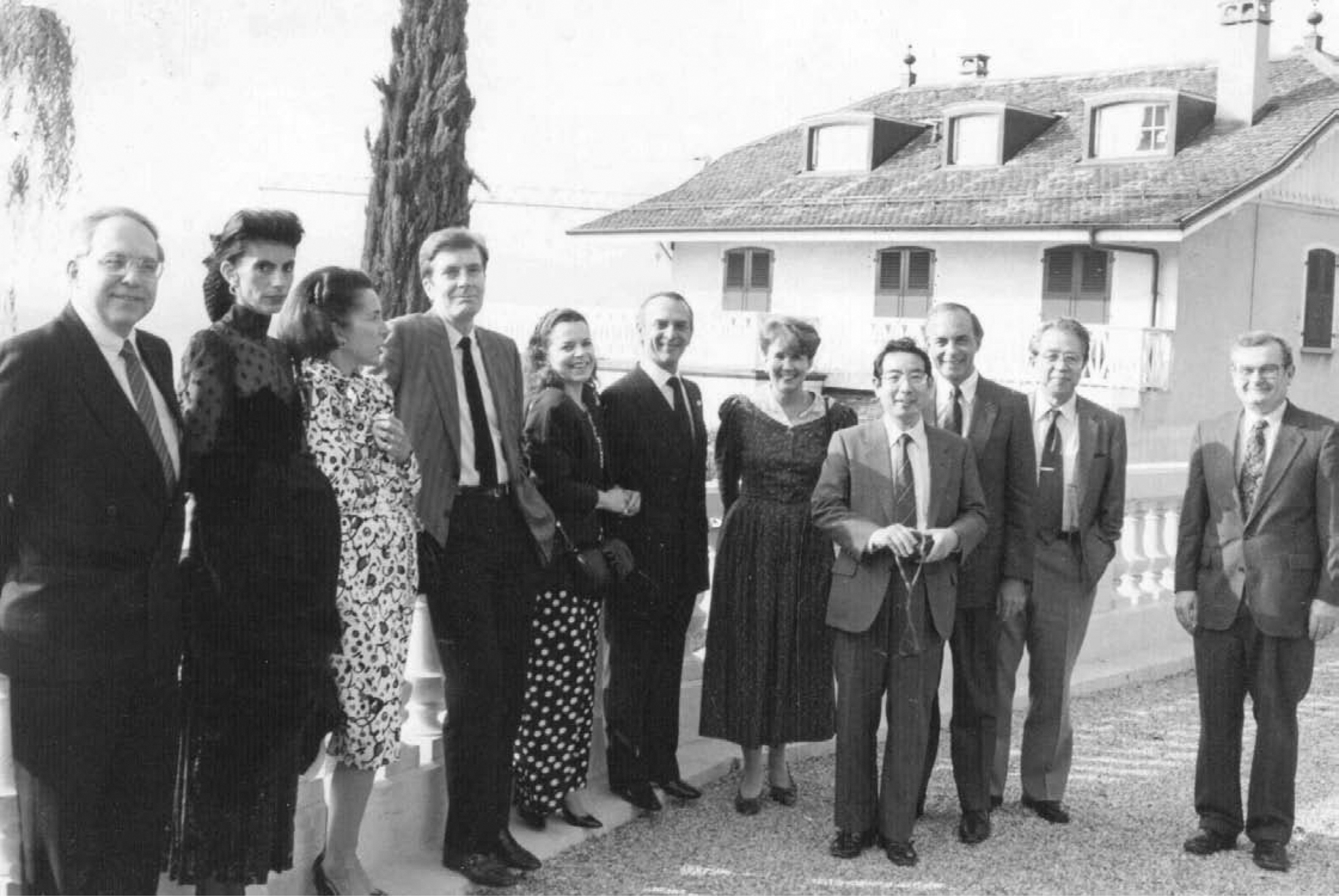
Participants of the Program Organizing Committee of the International Thyroid Congress during a 1989 meeting in Geneve. Rui Maciel (left) (representing LATS), Mrs. Yara Maciel, Mrs. Nadine Burger, and Pierre Carayon (representing ETA), Suzana Medeiros and Geraldo Medeiros-Neto (representing LATS), Mrs. Eastman and Nobuyuki Amino (representing AOTA), Creswell Eastman (representing AOTA), Mitsuo Suzuki (representing AOTA), and Jack Oppenheimer (representing ATA). Photo courtesy of Rui Maciel. AOTA, Asian Oceanian Thyroid Association; ATA, American Thyroid Association; ETA, European Thyroid Association; LATS, Latin American Thyroid Society.
As evidence of his influence and stature in the thyroid field, in 1974 Geraldo led a group of Latin American thyroid physicians to create the Latin American Thyroid Society (LATS) in 1974, of which he was the first president. We both remember when, in 1980, during the first LATS meeting in Mar del Plata, Argentina, Geraldo and Suzana were graciously dashing through the dance floor, to win the tango contest much to the delight of the highly competitive Argentinian delegation. Several years later, when it was LATS' turn to host the International Thyroid Congress, Geraldo organized and served as president of the event, which was held in São Paulo in 1985. LATS flourished to be one of the four global thyroid societies, with biannual meetings and >2000 regular members.
One of the high points of Geraldo's career was in 1986, when along with colleagues from many countries they created the International Council for Control of Iodine Deficiency Disorders, (now Iodine Global Network) where he served on the board of directors for four years. This is a worldwide organization that works with local doctors to monitor iodine deficiency and advises governments on strategies to establish effective iodine prophylaxis. With this organization, Geraldo visited many countries and regions with iodine deficiency, including Peru, Bolívia, Equador, India, Nepal, and Indonesia. During those years he was also a member of the Brazilian Commission for Prevention of Endemic Goiter.
Throughout his career, Geraldo taught endocrinology and diseases of the thyroid gland to medical students and graduate students. He was also a mentor to young physicians who pursued postgraduate studies in endocrinology and thyroid diseases. Indeed, he served as a PhD advisor to 17 endocrinologists.
Geraldo was an active or honorary member of several endocrine societies and served on the editorial board of numerous journals, including Endocrinology, Thyroid, and The Journal of Endocrinological Investigation. In recognition of his contributions to endocrinology and thyroidology, he received several honors such as the Mastership in the American College of Physicians, the prestigious Paul Starr lecture, the Sydney Ingbar lecture from the American Thyroid Association, and the Centenary Medal from the Polish Medical Association. He also received awards from the São Paulo Medical Society, and the Brazilian National Academy of Medicine, in addition to a lectureship from the LATS. He was elected to a lifetime membership in the prestigious São Paulo Academy of Medicine.

Geraldo Medeiros-Neto at the gate of his estate (Fazenda) while hosting David Cooper and his wife Ellen. In the photo, taken circa November 2011, Geraldo is pointing to a sign indicating one of the estate's names: Fazenda Santa Susana and Casa de Cima. Photo courtesy of David Cooper.
It would be unfitting to leave this overview of Geraldo's professional achievements without commenting on who he was outside medicine. Geraldo had a warm personality, treating family and friends to his wines, cigars, and book collection. He was an enthusiast of Brazilian art depicting individuals with goiter. He traveled extensively through the endemic areas in Brazil bringing these artifacts to São Paulo to illustrate how significant and ancient the problem of iodine deficiency was in Brazil. At home with the family, he liked to sit at the head of the table, was treated to the largest coffee cup during breakfast, and owned the loudest laugh of the house.
Dr. DeGroot was his nominator to the Paull Starr Award noting that “Geraldo also showed his brilliance in choosing a most charming lady, Suzana, to be his partner, and they have raised an outstanding family. Perhaps not behind, but rather, next to every outstanding man, is an outstanding woman. He is an avid skier, farmer, wine enthusiast, and winner of several tango contests, just to name a very few of his other talents.” Indeed, his children confirmed to us that Suzana was his greatest passion, with whom he traveled to the farm to horseback riding almost every weekend, and traveled the world to attend conferences and share his professional achievements.
He is survived by his wife Suzana, children Marcelo, Fabio, Camila, and Fernando, and nine grandchildren. At his memorial, his granddaughter remembered him as a loving husband, father, and grandfather, and an inspiration to her future medical career.
Rui M.B. Maciel, MD, PhD
Universidade Federal de São Paulo
São Paulo, Brazil
E-mail:
Antonio C. Bianco, MD, PhD
University of Chicago
Chicago, IL, USA
E-mail:
Geraldo Medeiros-Neto was a good friend to me and to so many people in the international thyroid community. His academic career and research were shaped in large part by John Stanbury during his time at the MGH, and Geraldo became a leading expert on inherited thyroid diseases.
On a personal level, Geraldo was elegant, charismatic, engaging, and sometimes imposing. He was easily the best dancer in our community. I had many adventures with Geraldo. As one example, he invited me, Peter Kopp, and Leslie DeGroot to visit his ranch outside of São Paulo. Geraldo was dressed for a photoshoot and demonstrated to us how his horse would kneel upon his command. As rookies, we joined him on a ride, only to find an aggressive long-horn cattle herd at the top of the ridge. The alpha steer charged us. Leslie DeGroot's and my horse promptly bolted down a steep ravine, competing to cross a small footbridge that could only accommodate the winner. Leslie crossed first but was thrown off on the other side, fortunately uninjured, except for his ego. I have not been on a horse since then.
Geraldo advanced our field scientifically, improved the health of millions by advocating for iodine supplementation, and served as a social catalyst for the thyroid community. I will miss him but relish so many great memories.
J. Larry Jameson, MD, PhD
University of Pennsylvania
Philadelphia, Pennsylvania, USA
E-mail:
Professor Medeiros Neto was one of the most influential Brazilian endocrinologists of the past five decades. His outstanding achievements in the thyroid field along with his unique scientific vision, innovation, international stature, warm personality, elegance, and unmatched language skills made him the genuine Brazilian Ambassador of Endocrinology to the world. During his long and fruitful career, he built a global network of collaborators much before the concept of networking had evolved, always presenting his large clinical experience and new findings in scientific meetings around the world.
I had the pleasure of knowing Professor Medeiros Neto at the Hospital das Clinicas in São Paulo as an endocrine resident in the late 1980s, where he was one of the outstanding mentors in the program. I have fond memories of that time. Later, as a junior faculty, I recall how impressed I was when he organized a superb international symposium on resistance to thyroid hormone. It was amazing to see how well he coordinated that group of renowned speakers and later when he hosted all of us at his house, in a genuinely friendly and welcoming atmosphere. Throughout the time we overlapped at Hospital das Clinicas, he would take the time to send me friendly handwritten notes kindly praising our efforts for something that happened in my laboratory. Indeed, on several occasions, I counted on his support and wisdom to shape my own professional career.
Unequivocally, Professor Medeiros Neto was a very active, dedicated, and productive physician-scientist at the University of São Paulo throughout his long career. He leaves a remarkable legacy in the thyroid field. He will be missed.
Ana Claudia Latronico, MD, PhD
University of São Paulo
São Paulo, Brazil
E-mail:
Upon joining the Thyroid Unit of the University of São Paulo Medical School, some 20 years ago, I was immediately immersed in the thyroid world, and with a world-class mentor. Dr. Geraldo worked hard and I was happy to collaborate for >10 years on cutting-edge thyroid research and supervision of PhD students. His focus was mostly on understanding the molecular basis of congenital hypothyroidism, a subject I continue to pursue, and on improving the National Program of Neonatal Screening of Congenital Hypothyroidism.
On at least three occasions, I followed Dr. Geraldo as he organized a program meeting with the administrators from each Brazilian state and South American countries to review the screening for congenital hypothyroidism. I was amazed at how thoughtful he was at leading that group toward improvements in the program.
As a scientist, Dr. Geraldo never missed an opportunity. Soon after I started working with him, he sent me to New York to deliver thyroid samples to his collaborator, Dr. Peter Arvan. Later, I traveled to DC to learn how to quantify thyroglobulin mRNA levels by real-time qPCR. I also remember when in one of my first American Thyroid Association meetings, he took the time to introduce me to so many renowned scientists in the thyroid field. It was amazing! While working with him, I enjoyed challenging his knowledge and he never disappointed me. He would say something like, “I will explain to you” and then he would spend time explaining the big picture and rationale of the experiment we were about to do.
I have fond memories of Dr. Geraldo. He was a gentleman, something I heard from many of our colleagues after we learned of his passing. For years, he and Mme Suzana hosted holiday dinners with fellows and their families at their farm. They were amazing hosts. The hard part was to return to São Paulo at the end of the day, after horseback riding, swimming, and drinking wine and caipirinhas. During the International Thyroid Congress in Buenos Aires, my parents hosted a group of Brazilians for a barbecue dinner. The party ended up with Dr. Geraldo and Mme Suzana dancing tango to the sound of my mother playing the piano. Unforgettable.
While I was preparing this token for his memory, I asked a group of his former fellows known as “las chicas de la tireoides” (the thyroid girls) for words that came to mind when thinking of Dr. Geraldo. This is what they said: wisdom, mentor, father, teacher, leader, generous, and unique intelligence. His two biggest passions were Mme Suzana and the horses, he loved horseback riding. Great reader, always curious, loved to learn and teach. The novel motivated him, fascinated him, as he was passionate about science, art, and life. His energy was admirable, with so much eagerness to live. He loved the finer things in life, great dinners, and wine. Loved to travel, talk, and dance. A great storyteller.
I am very grateful to have known Dr. Geraldo, to have worked with him, to have contributed to his research, and to have been part of his history. His knowledge, his enthusiasm, and friendship will be missed dearly.
Ileana Gabriela Sanchez de Rubio, PhD
Universidade Federal de São Paulo
São Paulo, Brazil
E-mail:
Another facet of Geraldo's life was his emotional intelligence, characterized by his social and communication abilities to bring friends together with shared scientific interests. The thyroid unit of the MGH, a world-renowned training center for future thyroidologists, was the birthplace in the early 1960s of a lifelong group of friends. This group, headed by John Stanbury, included Leslie DeGroot, Aldo Pinchera from Italy, John Dunn from Virginia, Eduardo Pretell from Peru, and others who used to meet in happy family reunions organized by Geraldo and his beloved wife Suzana at their Boston home.
This group was committed to promoting the development of thyroid centers and activities in their home countries and later participated in the IV PHO/WHO Technical Group on Endemic Goiter meeting organized by Geraldo in Guarujá, Brazil, in 1973, and in the foundation of the International Council for Control of Iodine Deficiency Disorders (ICCIDD) in 1985. Back in São Paulo, Geraldo not only contributed to significant progress in the field of thyroid medicine in Brazil, and to a surge in the number of young thyroidologists, but also he was an active organizer of scientific–social meetings, bringing together a mixture of professional expertise and friendships.
The tour he integrated visiting Bali, Bangkok, Taipei, Japan, and Hawaii was particularly memorable. On this occasion, he brought together Leslie DeGroot, Sidney Ingbar, Aldo Pinchera, Shigenobu Nagataki, Bob Volpe, and Gerry Burrow, to lecture on the different aspects of thyroid research.
Eduardo Pretell, MD
Universidad Peruana Cayetano Heredia
Lima, Peru
E-mail:
On January 21, 2022, my heart was in grief. Vivid memories with a strong sense of gratitude and recognition went through my mind after I heard the sad news of the passing of my dear friend, mentor, and colleague, Professor Dr. Geraldo Medeiros-Neto.
He had this very unique talent of changing the path of so many lives—patients, physicians, and scientists—including mine. He was considered the father of thyroidology in Brazil, and his actions forever impacted research, education, patient care, and public health policies in this country. His pivotal work in the write-up and approval of the law that mandates salt iodization, which ultimately eradicated endemic goiter in Brazil, is a perfect example of a man who translated science for the benefit of all. No less important, Dr. Geraldo was a tireless advocate for neonatal screening for congenital hypothyroidism and its final implementation as a routine screening test for newborns in our country.
As a scientist, he had an incredible ability to foster relationships and collaborate internationally for his research. He was known on all continents for his great ideas, for his investigative will and tireless efforts, for his graceful personality, and also for his perseverance. Over the years, I heard the following sentence many times “who can say no to Geraldo?”
Dr. Geraldo's work contributed to consolidating important concepts in the area of endocrinology/thyroidology. He received many academic distinctions and awards worldwide for his body of work. In addition to his numerous publications in high-impact journals, Geraldo was also the founding father and the first president of LATS, ABESO (Brazilian Association for the Study of Obesity and Metabolic Disease), INDATIR (Instituto da Tiroide), and a member of many other executive committees and numerous editorial boards of scientific journals. Dr. Geraldo was an imposing figure, a strong man, a true scientist and intellectual, enchanted by knowledge and culture, a skilled polyglot, and an assiduous reader.
The combination of so many talents made him an exponent in the national and international arena of thyroidology. As his granddaughter described him once, “he was the dance, the symphony and the infinite bliss of enchantment.” By his side was his biggest fan and wife, our dear Suzana. Graciously they were always seen together enchanting everyone with their usual kindness, making all of us feel special and included in their lives.
To him, I owe my encounter with Dr. Leslie DeGroot, a lifelong dear friend. To him, I owe my doctorate degree and so many other life lessons that these few lines would be insufficient to fully encapsulate, and describe his impact on my life.
With a heavy heart, I am overwhelmed with gratitude and recognition. I will miss you my very dear friend, “Doutor Geraldo”(1935–2022).
Valéria Guimarães, MD, PhD, FACE
Brasilia, Brazil
E-mail:
I vividly remember the first encounter with Geraldo at the American Thyroid Association meeting in 1994 in Chicago discussing the then recent discovery of nonautoimmune congenital hyperthyroidism due to constitutive activation of the TSH receptor. Geraldo was inquisitive and eager to learn every detail about the phenotype of that patient and the underlying molecular basis.
He had a long-standing interest in congenital hypothyroidism and inherited disorders of thyroid dysfunction, their pathophysiology, and their molecular basis. His interest and expertise in this field had been catalyzed by his training with John Stanbury in Boston in the thyroid unit at the MGH in Boston from 1963 to 1964 (1). Other members of the thyroid unit at that time included Leslie DeGroot, Aldo Pinchera, Jacques Dumont, Reginald Hall, and Christian Beckers—one can only imagine how lively and vibrant the atmosphere must have been with all these illustrious minds.
Shortly after the meeting in Chicago, I had the chance to visit the endocrine unit at the Hospital das Clinicas at the University of São Paulo. On the ward, there were patients from all over Brazil with a wide spectrum of rare endocrine disorders, an impressive and unforgettable clinical visit. Geraldo was an astute clinician and driven to better understand the mechanisms leading to these disorders, which led to many fruitful collaborations. During that visit, I have received a copy of the book that Geraldo wrote together with John Stanbury on inherited disorders of the thyroid system (2). This was a fantastic and inspirational read. It not only consolidated and expanded my knowledge, but also led to a collaboration with Geraldo with a focus on Pendred syndrome whose molecular basis was unknown at the time. This started with linkage studies on a large Brazilian pedigree with Pendred syndrome and later led to functional analyses of pendrin/SLC26A4. Several trainees of Geraldo then spent time in my laboratory, among them, Célia Nogueira, Jussara Vono-Toniolo, Suemi Marui, and Viviane Pardo. This brought about new and lasting friendships, collaborations in several areas, and numerous other connections and visits in Brazil.
Among the many achievements of Geraldo, it is important to mention that he was a founding member of the LATS in 1974 and he served as its first president. He played an active role in the ICCIDD (now Iodine Global Network) and in the prevention of iodine deficiency in Brazil and South America. Among other awards, Geraldo was a recipient of the Paul Starr Award in 1996 (3), and the Sidney H. Ingbar Distinguished Lectureship Award in 2006.
Geraldo and his wife Suzana were fantastic and generous hosts. One of the memorable visits on their farm in Porto Feliz together with Larry Jameson and Leslie DeGroot is mentioned in the contribution by Larry. Geraldo had a charming, enthusiastic, and complex personality, he was ambitious and sometimes exuberant and dominant, he had an impressive network of global connections, and many other interests beyond medicine. Among others, this included skiing (Geraldo and his friend Elias Dow were the two only members of the Koala Bear Club that was founded during a ski trip) and wine. Geraldo introduced me to some spectacular South American wines and he, in turn, learnt about vines growing exclusively in Switzerland and northern Italy. The last time I have met Geraldo in his new beautiful flat in São Paulo, his health and eyesight were failing, but we had a fantastic conversation that was accompanied by wonderful Burgundy. These moments remain equally vivid in my memories as my first encounter with Geraldo whom I miss as a dear friend and colleague.
Peter Kopp, MD
University of Lausanne, Switzerland
Northwestern University, Chicago, USA
Lausanne, Switzerland
E-mail: