



Abstract
The onset of the COVID-19 pandemic has prompted a transformation in the traditional teaching practices of language classrooms in the post-COVID-19 pandemic digital age. The surge of innovative pedagogical resources and options has played a significant role in this transformation. The integration of digital technology has been recognized as a crucial means of promoting digital literacy, which is regarded as an essential skill in the current climate. In the realm of language education, this paradigm shift has encouraged educators to adopt new technological components and incorporate them into their course contents and activities to cater to the needs of the new digital generation of learners. The purpose of this study is to identify the impact of integrating social networking services such as KakaoTalk and YouTube into mobile-assisted language learning (MALL) in supporting Korean English as a foreign language (EFL) university students’ language learning during the COVID-19 pandemic. Utilizing a mixed-methods research design, the study gathered quantitative and qualitative data through survey questionnaire, online interview and interactive presentation tool. The result of this study revealed that the integration of social networks and MALL could support EFL university students’ language learning experience and boost students’ motivation and engagement in their learning process. This study also suggested that the concept of MALL could contribute to cultivating positive dynamics of classroom interaction. The findings of the study highlight the benefits of incorporating technology in language education and the importance of adapting teaching methods to meet the evolving needs of learners in a rapidly changing post-COVID-19 pandemic digital landscape.
Keywords
Introduction
The global COVID-19 pandemic has had a profound impact on all sectors of society, including education. One of the most notable effects is the sudden integration of technology into the classroom (Choi and Ji, 2020; Ock, 2020). Schools and universities worldwide have been forced to rapidly transition to online or hybrid learning without proper training and infrastructure (Cavus et al., 2021; Crick, 2021). This initial disruption was caused by various factors such as teachers’ limited digital skills, a shortage of trainers and a lack of necessary equipment for digital education (Adnan and Anwar, 2020; Wang, 2021).
A significant consequence of the COVID-19 pandemic in education has been the emergence of the digital divide, where the reliance on online learning requires a Wi-Fi connection and access to a computer or digital device, posing a serious social issue (Crick, 2021; Zhong, 2020). However, amid these challenges, there is an opportunity to reevaluate and reshape educational practices. Despite the difficulties faced by educators, students and administrators, some advancements in education have arisen from these circumstances (Crick, 2021; Irvin and Im, 2022). The trials and errors experienced during this period will expedite the integration of information technology (IT) into education in the post-COVID-19 pandemic digital era. Ultimately, new hybrid education models and online learning will become essential components of education as the digital “new normal.”
During the COVID-19 pandemic, one positive aspect for higher education has been the implementation of online learning management systems (LMS) (Cavus et al., 2021). Platforms such as Zoom, Google Meet, MS Teams and Cisco Webex have served as substitutes for face-to-face university lectures and facilitated synchronous or asynchronous online teaching. While these methods have helped educators to supplement traditional learning approaches, there have been instances where the content and teaching methods used in offline classes were not suitable for online instruction. Many students have expressed a lack of interaction with teachers and frustration due to the absence of immediate feedback (Cheung, 2021; Kim, 2021). Therefore, to effectively conduct online classes, a new instructional design is needed to create a sense of social presence and foster continuous interaction, thereby promoting students’ learning.
The integration of mobile technology can solve the restrictions of time and space, so the use of mobile devices has a positive effect on promoting teacher–student interaction, learning interests and motivation (Kim, 2021). With the recent development of various social networking services (SNS) such as YouTube, Twitter, Instagram, TikTok, Facebook and KakaoTalk, mobile-assisted language learning (MALL) and social learning are inextricably interconnected. Therefore, it is crucial for educators to have an interest in developing the instructional models that integrate social media into their teaching. Ubiquitous features of mobile devices and SNS can improve the learning opportunities of English as a foreign language (EFL) language-learners beyond the classrooms. Nowadays, much research has been actively conducted on the impact of utilizing various SNS for English learning and teaching (Eisenlauer, 2020; Espinosa, 2015; Gunantar and Transinata, 2019; Kim and Kim, 2021; Menzies et al., 2017). While computer-mediated learning had a limitation with time and space, integrating SNS via mobile devices supports a flexible learning environment with advantages of ubiquity, mobility, accessibility and sociability (Kim, 2021; Özdemir, 2017). The pedagogical use of SNS becomes increasingly noticeable in higher educational settings because instructors regard technology as an effective channel not only to facilitate their teaching practice but also to promote active learning for language learners (Kim, 2021). In addition, using mobile social networks has made it possible for the learners and teachers to exchange instant feedback, so effective and timely intervention in the learning process can be available, which can lead to having a positive learning result as well as fostering learner interests and self-confidence (Song, 2017).
The purpose of this study is to explore the impact of integrating social media via mobile devices in promoting English language learning and teaching, and to provide insights into how the pedagogical use of social media can enhance the learning outcomes of EFL language learners. By examining the impact of utilizing various SNS on language learning and teaching, this study aims to contribute to the development of effective instructional models that integrate social media into language teaching, and to provide practical implications for language educators to adopt MALL and social learning in their teaching practices. The study also aims to shed light on the advantages and limitations of integrating social media via mobile devices for language learning and teaching, and to provide suggestions for future research in the field of English language teaching.
Literature Review
Responding to COVID-19: Online Education in Korea
The biggest change in the educational environment due to COVID-19 was the conversion of traditional offline classes to online classes. Even before the COVID-19 pandemic, South Korea had supported various efforts to utilize new technologies in education fields in the long term based on its relatively excellent online infrastructure and network. Prior to the COVID-19 pandemic, 99.7% of South Korean households had full access to the Internet, and 99.9% of teenagers used high-speed Internet in their daily lives, according to a 2019 report from the Korean Ministry of Science and Information and Communication Technology (ICT) (Kim, 2020). In the field of school education and corporate training, e-learning, blended learning, smart education and ubiquitous education had been emphasized to promote the innovative educational environment. Indicators for innovative education using technology were required not only for university evaluation but also for teacher training. Efforts to improve the learning environment by utilizing various cutting-edge digital technologies in the educational field had been emphasized (Choi and Cho, 2019). However, prior efforts related to online education in Korea were partially implemented by preferences of individual educators or educational institutions, whereas the COVID-19 crisis made it inevitable to operate online classes at all educational institutions across the country (Choi and Ji, 2020; Ock, 2020).
In general, the nationwide transition to non-face-to-face online education during the COVID-19 pandemic has been smooth since South Korea has the world's best ICT infrastructure. Before the pandemic, Korea achieved 99% of fourth generation coverage and is the world's first country to market a fifth generation network. South Korea is regarded as one of the world's most connected countries. Over the last decade, advanced home infrastructure and free Wi-Fi across the country have all assisted the increase of smartphone users. A smartphone is owned by 95% of the population and most of the households has access to computers (Inquivix, 2022). Due to the priority of education in Korean society, online education could be conducted smoothly (Kalenzi et al., 2020). Although the academic school year in South Korea typically begins on 2 March, the Ministry of Education postponed the start of the spring semester of 2020 for several weeks in order to put the priority on the safety of students and teachers, and to prevent the spread of COVID-19 in a preemptive manner.
In late March 2020, phased online-learning from kindergarten to 12th grade (K-12) was implemented. One of the key concepts behind the idea of phased online learning was to gain some time for both teacher training and the educational ICT infrastructure to make essential provisions while mitigating unpredicted problems. The Ministry of Education first offered “voluntary online learning” classes for three weeks to assist students to stick to their learning, which intended to help communication between teachers and students, and to distribute learning materials while providing overall support for students to be involved in self-directed learning at home. Then a week prior to the beginning of the online classes, “teacher-managed online learning” was employed for the adjustment time for both students and teachers. For teacher-managed online learning, teachers could use both public and private online learning platforms to operate real-time classes and offer learning materials, assignments, or feedback to students. Finally, through the access of the two public online learning platforms (KERIS e-Learning Site and EBS Online Class), the Korean government implemented “full-scale online learning” by expanding its IT infrastructure and e-learning platforms’ capacity to provide a stable education service (Cho and Riley, 2020; Ministry of Education, Republic of Korea, 2020).
Online classes could be real-time interactive classes or one-way classes where students could engage in content-oriented and/or task-oriented sessions (Ock, 2020; Jung, 2020). Over 43% of schools used two or more types of classes. Additionally, the Korean government has helped to develop teacher competency by supporting teachers through pilot programmes and peer mentoring. These programmes have contributed to encouraging teachers to share teaching strategies and ideas for online classes. The Board of Education also distributed guidelines and provided real-time support for teachers, parents, and students to use the online LMS, and has collaborated with the private sector to resolve the digital divide. For example, they have offered free of charge digital devices to thousands of students, and they have put this policy in place at educational institutions to ensure the participation of underprivileged students in online learning situations (Cho and Riley, 2020; Kalenzi et al., 2020).
MALL with SNS
With the development of social networks, teenagers or university students spend a considerable time of their daily routine in communicating and interacting with their friends through diverse social networks. Social networking technologies show the potential as the convenient platforms for participating in a certain community or building identity construction. From the sociocultural, interactional and pedagogical perspectives, research on the use of social networks has mostly been targeted at identity management and relationship practice, networking structure, online/offline relations and privacy security issues (Boyd and Ellison, 2007). Recently, with the current popularity of SNS and the growing use among the university students, research on the effect of social networks has also gained much attention because it has much benefit in terms of learner motivation and autonomy (Eisenlauer, 2020; Espinosa, 2015; Gunantar and Transinata, 2019; Heo and Bae, 2021; Kim, 2021). This has led to the increase in research about the impact of SNS on students’ academic achievement and the potential of SNS as the effective instructional platform (Kim and Kim, 2021; Menzies et al., 2017; Paul et al., 2012). Using mobile social networks has made it possible for learners and teachers to exchange instant feedback. Through the integration of SNS into EFL classrooms, effective and prompt intervention in the learning process can be available (Heo and Bae, 2021). According to the research on the mobile application use among Korean people, KakaoTalk (a mobile instant messaging application) holds the top position as the usage of 97.2% followed by YouTube (86.5%), Naver (70%), Instagram (58.5%), Facebook (52.9%) and Twitter (21.1%) (Korea Press Foundation, 2021). These data were derived by the analysis from about 3000 Android devices in Korea. Figure 1 shows the application usage in South Korea.

Mobile application usage in South Korea.
Regarding the top three ranking on monthly active users (MAU) in Korea, who activated the applications more than one time within a month, YouTube comes in the first place by 66.8%. The 2nd is KakaoTalk by 51.1%, and Facebook is taking the third place by 28.2% (Korea Press Foundation, 2021). Figure 2 shows the MAU ranking of smartphone applications in Korea.
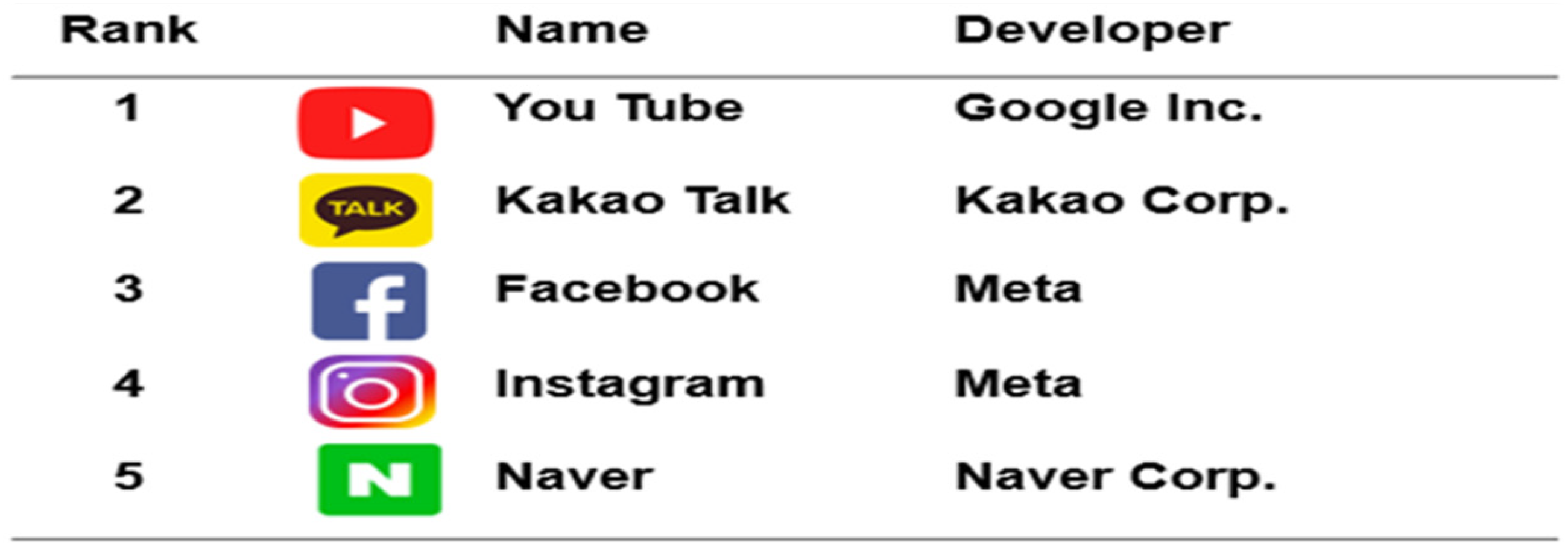
Korea monthly active users ranking top five.
KakaoTalk is a free mobile messaging application that becomes a part of popular phenomena and common social culture in Korea. Beside the most basic service of free text-messaging or voice-messaging which allows its users to communicate with others in their contact lists, KakaoTalk stretches its services to establishing group chatting and transmitting text files, photos, audios, or videos (Kim, 2021; Pollard, 2015). Because of the popularity of KakaoTalk among the Korean young generation, some educators have tried to incorporate this social networking mobile application into their English teaching practice (Adachi et al., 2016; Choi, 2013; Song, 2017). They have also conducted research on the potential of KakaoTalk as the effective mediating platform for language learning. These studies have shown the effect of using the KakaoTalk in improving Korean EFL learners’ English language skills. The use of KakaoTalk in English pronunciation was effective in correcting pronunciation by promoting peer feedback, and the research participants responded positively to their learning experience (Heo and Bae, 2021). In English reading, the group using KakaoTalk showed a better level of English reading performance than the offline discussion group, and these participants also showed a positive response to the practice of English discussion using KakaoTalk (Song, 2017).
Research showed that groups using SNS such as KakaoTalk, YouTube, Facebook, or Instagram were more satisfied with their learning process than traditional learning processes (Eisenlauer, 2020; Espinosa, 2015; Gunantar and Transinata, 2019; Heo and Bae, 2021; Kim and Kim, 2021; Menzies et al., 2017). The research results suggested that the use of voice/video recording activities via social media could lower the anxiety level of the EFL students for their English-speaking practice. Lowering their affective filter using online learning activities via social networks could foster their willingness to communicate and motivation to speak in English (Choi, 2013; Pong, 2010; Song and Kim, 2021). Thus, social networks are more and more being adopted by teachers to support interactivity in language classrooms and to boost collaborative learning experiences (Adachi et al., 2016; Choi, 2013; Gunantar and Transinata, 2019; Kim and Kim, 2021).
This study seeks to investigate the impact of integrating SNS and MALL in supporting Korean EFL university students’ English learning during the COVID-19 pandemic. Specifically, this research will address three key questions:
What is the impact of integrating SNS and MALL on EFL university students’ English learning? How can the pedagogical use of MALL using social media enhance the motivation and engagement of EFL language learners? How can MALL contribute to fostering positive dynamics of classroom interaction?
Research Context and Methods
Research Subjects
The participants of this study were 300 university students in the central part of Korea who enrolled in a general English course as an elective during the COVID-19 pandemic from the autumn semester of 2020 to spring semester of 2022. The researcher taught the classes, and all the enrolled students took part in the study. The participants of the study were diverse from over 50 different academic majors. Table 1 lists the grade and gender of a total of 300 participants of this study.
Participant distribution (n = 300).

Research Context
The objectives of this English course for this study were to: (a) develop students’ English communication skills using SNS such as KakaoTalk and YouTube; (b) promote student motivation and self-study via LMS's personalized online learning environment; and (c) provide a variety of integrative teaching methods and English learning environments to improve their intercultural understanding. The course was conducted for 15 weeks, three hours per week, in each semester. The English proficiency level of the students was low–intermediate. Most of them did not show confidence in English speaking and expressed feeling insecure toward speaking in English in front of the whole class.
During the COVID-19 pandemic, all the learning materials and activities were provided through the LMS of the university. The LMS offered various facilitating tools to make a course more effective: an easy way to upload and share materials, hold online discussions, take online quizzes, submit online assignments, and record grades. LMS served as the course organizer for the instructors and the study planner for the students. Whenever students logged on the LMS course, they could easily browse what learning activities and English learning materials they should take care of. Figure 3 shows the personal computer-version and mobile-version of the main page of LMS, Hi-Class, which served as a cyber classroom to facilitate the online learning and teaching process for the course.

Hi-class as the online learning management system for the course.
The lecture of the course was conducted as the format of asynchronous video-recorded lectures. Beside using the LMS course to take the video-recorded course lectures, online quiz, online assignment, and discussion, the instructor decided to integrate the voice talk function and video recording and posting functions of SNS. The purpose of using KakaoTalk and YouTube was to encourage the students to speak English with lowered affective filter and more self-confidence. Especially during the COVID-19 pandemic, most of the students have experienced a feeling of being disconnected from their instructors and fellow classmates due to school closure, so some of the students suffered from demotivation, loneliness and depression. The use of SNS and the LMS course intended to help students have the feeling of presence and the sense of belonging so that they were encouraged to stick to the course.
Every week, the participants were required to record their English speaking through the voice talk function of KakaoTalk with their mobile devices and then post it on the group chatting of KakaoTalk, which served as the instant messenger of the course. English learning materials for the tasks were chosen from the movie scripts or news headlines. The required length for the students to record their English speaking was two or three minutes. The instructor also posted sample files for the assignment on KakaoTalk, uploaded text files, or offered Internet links of video scripts for the participants to refer to. When the participants posted their recording files of English speaking, the feedback was exchanged on their English-speaking performance. Figure 4 shows the screenshots of the sample images for the participants to practise their English speaking through the voice talk function of KakaoTalk.
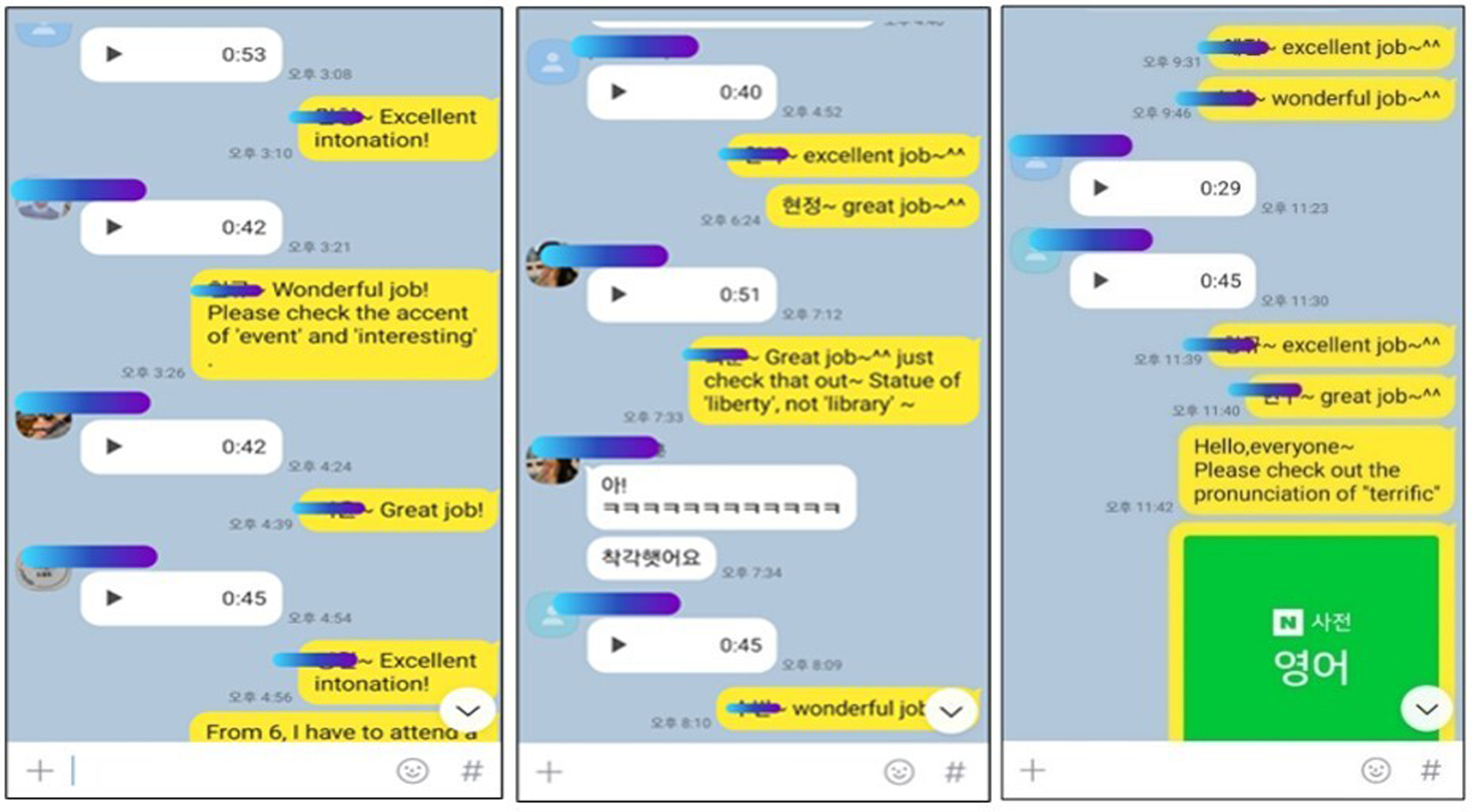
English speaking activities on KakaoTalk.
In order to make up for the situation where face-to-face classes are impossible due to the COVID-19 pandemic and improve students’ English speech skills, students uploaded videos of their English speeches to YouTube and shared their English speeches on YouTube. For example, students practised speaking English with an interview project called “Be a Celebrity!.” Students videorecorded their interview and posted it on YouTube. Students then shared their opinions on their performance and learning experiences and provided mutual feedback.
Data Collection and Analysis
For data collection of this study, a course survey was conducted at the end of each semester. The online questionnaire survey was conducted with 15 Five-Likert questionnaire items (highly disagree as 1 and highly agree as 5) and five open-ended questionnaire items with Google Forms. In the case of ethical issues, the purpose of the research was introduced in advance and informed consent was obtained through the online questionnaire included in the survey. Five Likert-scale survey items were analysed using the automatic statistic function (frequency analysis) of Google Forms. The reliability of the questionnaire survey by the Statistical Package for the Social Sciences was Cronbach’s α = 0.847, which indicated that the survey result was very reliable. A semi-structured online interview with five students, who voluntarily agreed to be interviewed at the end of each semester, was also conducted to find out more in-depth perceptions about their technology-enhanced language learning experience during the COVID-19 pandemic. The analysis of the qualitative data of this study was based on the thematic analysis. The searcher carefully reviewed through the responses and categorized several recurring themes. The emergence of each theme on the use of SNS for their English-speaking practice was identified and categorized: (a) overall attitudes towards participants’ learning experience; (b) effectiveness of the use of technology; (c) learning motivation; and (d) classroom interaction. Mentimeter (mentimeter.com), a real-time interactive feedback application, was also utilized. On Mentimeter, participants were asked to write one adjective to describe their English learning experience of using KakaoTalk and YouTube as tools for learning activities and interactions.
Result and Discussion
According to the research results, most of the participants showed positive responses about their learning experience using SNS to improve English speaking proficiency. The real-time one-adjective responses on Mentimeter were presented as the form of a word cloud. The most recurring adjectives from each different semester were “interesting, useful, helpful, fun, amusing, enjoyable and satisfied.” Figure 5 shows the word clouds of real-time interactive feedback on students’ perceptions of the English-speaking tasks using Kakao Talk and YouTube in this course.
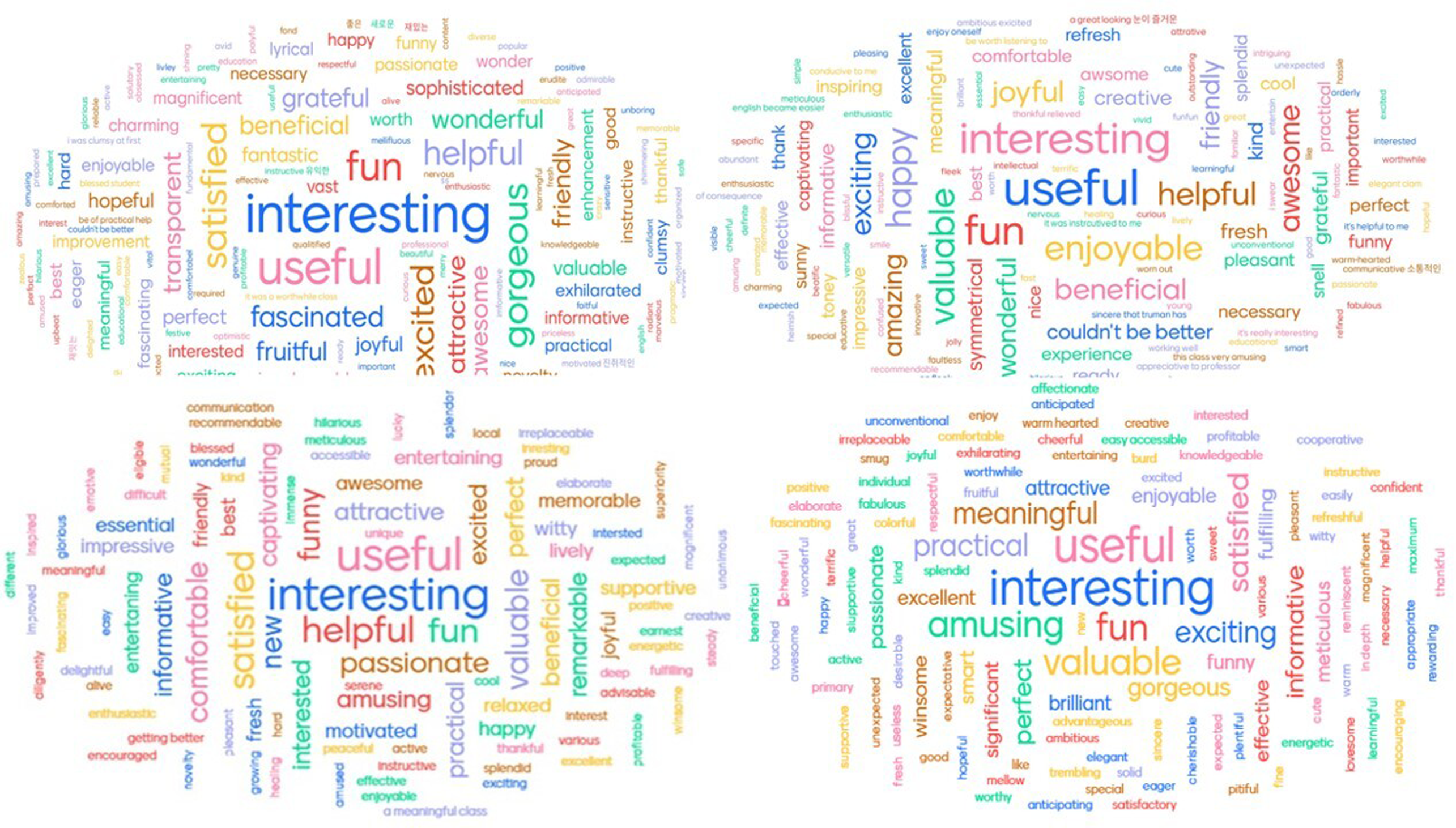
Word clouds: Students’ perceptions of the English-speaking activities.
The intrinsic motivation for the participants to be willing to utilize SNS was mainly due to the convenience and accessibility in submitting their homework. Because using SNS and mobile devices has been an indispensable part of the Korean University students’ everyday lives, SNS were regarded as efficient learning platforms. These convenient and motivating factors, together with the simple classroom implementation, were the most attractive factor of the KakaoTalk or YouTube integration. The use of SNS and mobile devices could facilitate students’ learning and communication. One of the participants responded to their learning experience with mobile-assisted English-speaking activities throughout the course:
“I would like to thank the professor for the semester with various mobile English learning activities and for making the class perfect and fun. Before the semester started, I was worried when registering for the course as the class was being held online due to COVID-19. While taking the class, I was moved by the way the professor was attentive to all the concerns of the students, solved difficult learning situations by integrating various mobile technology and online learning tasks, and made the class enjoyable. It was a very happy 15 weeks. Thank you!” (Data from semi-structured online interviews)
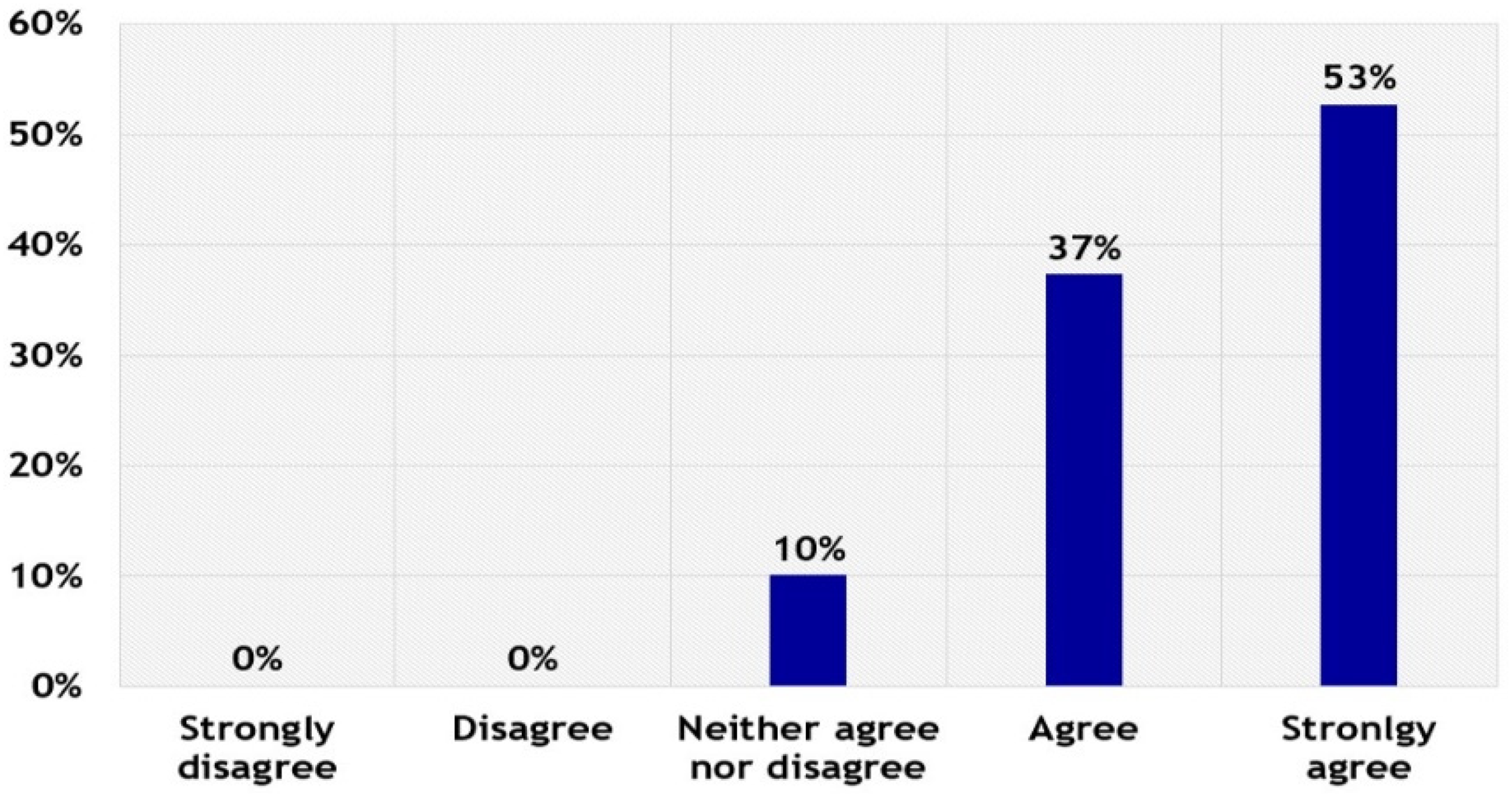
Among the participants, 92% of them responded in the Five-Likert questionnaire survey that English speaking tasks using social media were more interesting than traditional speaking tasks. Figure 6 shows the participants’ response to English learning experience using MALL. Likewise, the instructor found it much easier to check and respond to students’ speaking assignments in a timely and prompt manner with the assistance of mobile devices. Therefore, it is vital for educators to create creative learning activities that can overcome the limitation and obstacle of a non-face-to-face language learning situation (Kim, 2021).

Response to mobile-assisted language learning activities.
Among the participants, 90% of the students responded that they could be more conscious of their English pronunciation and intonation by using voice/video recording tasks. Awareness-raising is an effective way of self-monitoring that could give the participants the chance to focus on their own utterances and try to improve their English:
“I don’t usually have opportunities to speak in English, so I think this speaking task is very useful. This speaking task made me realize how bad my English pronunciation is! After submitting the speaking assignment on YouTube, I heard that my pronunciation is less natural than I thought. It's not perfect, but I made a video while trying to find words in the mobile dictionary, practise pronunciation, and I tried to speak as fluently as possible!!” (Data from semi-structured online interviews)
Because the participants had effectively used a mobile-based learning format in their speaking activities, they were satisfied with the fact that their English-speaking performance certainly improved in terms of fluency level and the overall transmission of messages (Kim, 2021). Figure 7 shows the participants’ perspectives to improving English pronunciation and intonation using KakaoTalk and YouTube.
Response to awareness-raising in English pronunciation.
Among the participants, 96% of them also responded that MALL with SNS encouraged their motivation to speak English and helped them improve their willingness to communicate. One of the students responded to English speaking tasks using SNS with mobile devices:
“Unlike conventional methods such as grammar learning, reading comprehension, and vocabulary learning, I was able to participate in English learning activities more confidently through meaningful and motivating tasks using a mobile phone. I think it was a creative class suitable for the digital age. It was so good that I could study English with much determination and motivation.” (Data from the open-ended questionnaire items)
Figure 8 shows participants’ responses to whether MALL activities via social networks helped increase their motivation to learn.
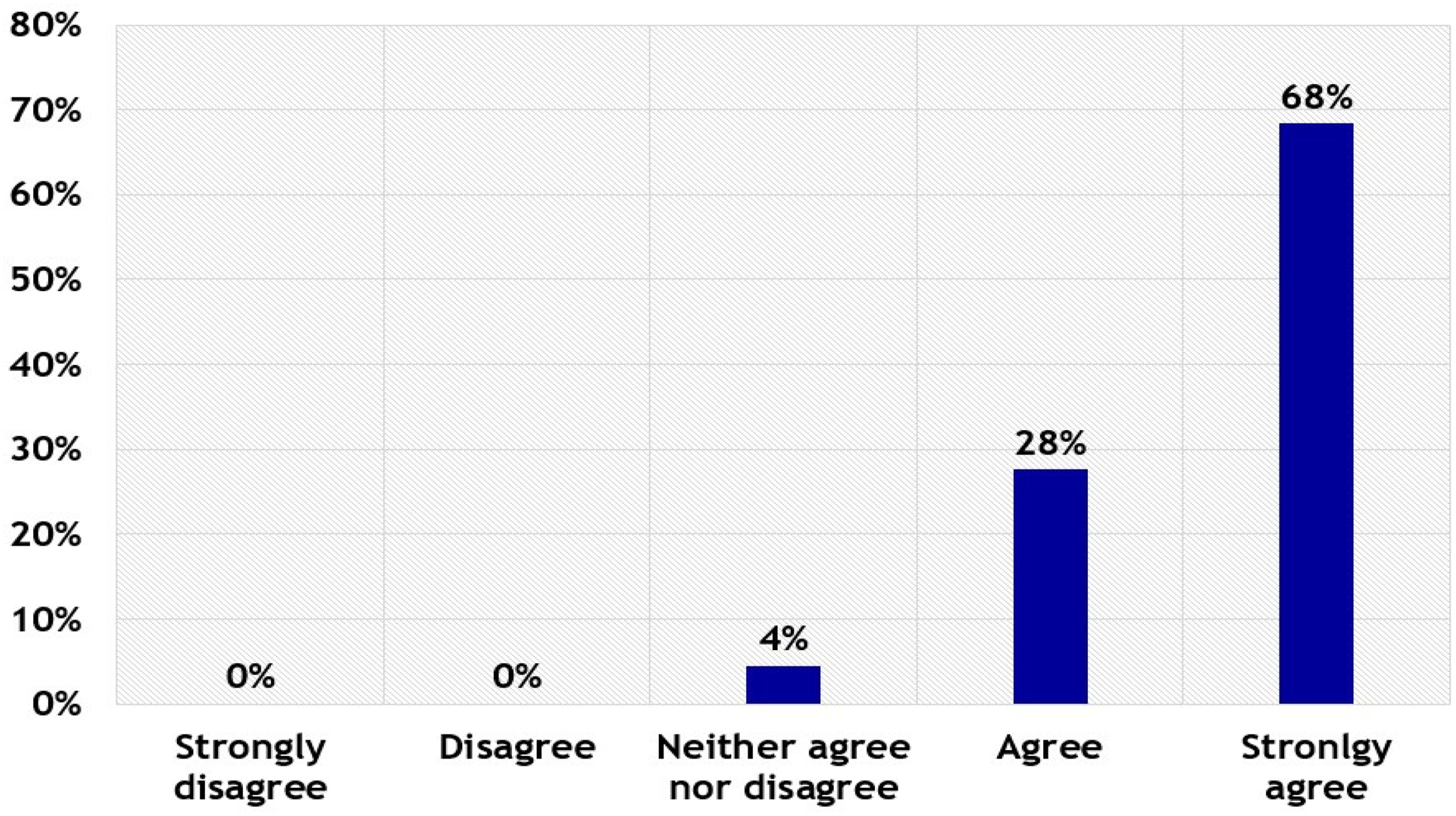
Mobile-assisted language learning on students’ learning motivation.
Among the participants, 97% of the students also responded that sharing other classmates’ English speaking performance on KakaoTalk or YouTube was beneficial to promoting interaction as well as improving their English learning. This result indicates that the interactive and collaborative features of MALL could build bridges to improving language fluency and accuracy (Kim and Kim, 2021). It implies that an interactive learning environment could offer a scaffolding to each other, so the participants could co-construct their collaborative online learning community. The participants actively interacted with their instructor and peers within the mobile-based learning format. Encouraging students to practise English out of the classroom and sustaining interpersonal interaction during the COVID-19 pandemic were challenging for the instructors because they could not monitor their students’ learning process. However, the use of the SNS such as KakaoTalk or YouTube allowed the participants to record their spoken English and the instructor could monitor the participants’ English learning performance, providing prompt feedback with active interaction. The integration of SNS and the LMS course helped students have the feeling of presence and the sense of belonging. As the students were satisfied with the feeling of being connected and the sense of belonging, they were encouraged to stick to their study. Some of the students wrote about their experience of interacting with the instructor through SNS:
“Due to COVID-19, I assumed that it would be difficult to communicate with the professor as it was conducted as a non-face-to-face class for the semester. However, contrary to my expectations, it was very good that the communication with the professor was active through mobile learning activities. Although we did not meet in person on campus, it was nice to have many conversations with the professor online.” (Data from the open-ended questionnaire items)
“In a situation where I couldn’t study in the classroom with my classmates, I was able to feel close to other students by exchanging comments in the LMS discussion. I could write comments more freely because I was able to write what I wanted to say instead of speaking directly. And by sharing English expressions with other fellow students, I was able to learn new expressions from others.” (Data from the open-ended questionnaire items)
“Students and professors do not have the opportunity to meet in most non-face-to-face lectures during the COVID-19. Most of the other courses made me feel a bit depressed while studying on my own. It was confusing to adapt to the online environment since there was little interaction. However, in this lecture, the professor communicated through SNS every week, so I felt like I was listening to a lecture in an actual classroom, and I was able to study less alone. I think it would be good to communicate frequently with professors in the next semester through various mobile methods like this semester!!!” (Data from semi-structured online interviews)
Figure 9 shows participants’ perspectives on whether MALL activities helped facilitate classroom interaction. This result corroborates the research finding that effective and prompt intervention in the learning process can be available through the integration of SNS into EFL classrooms (Heo and Bae, 2021).
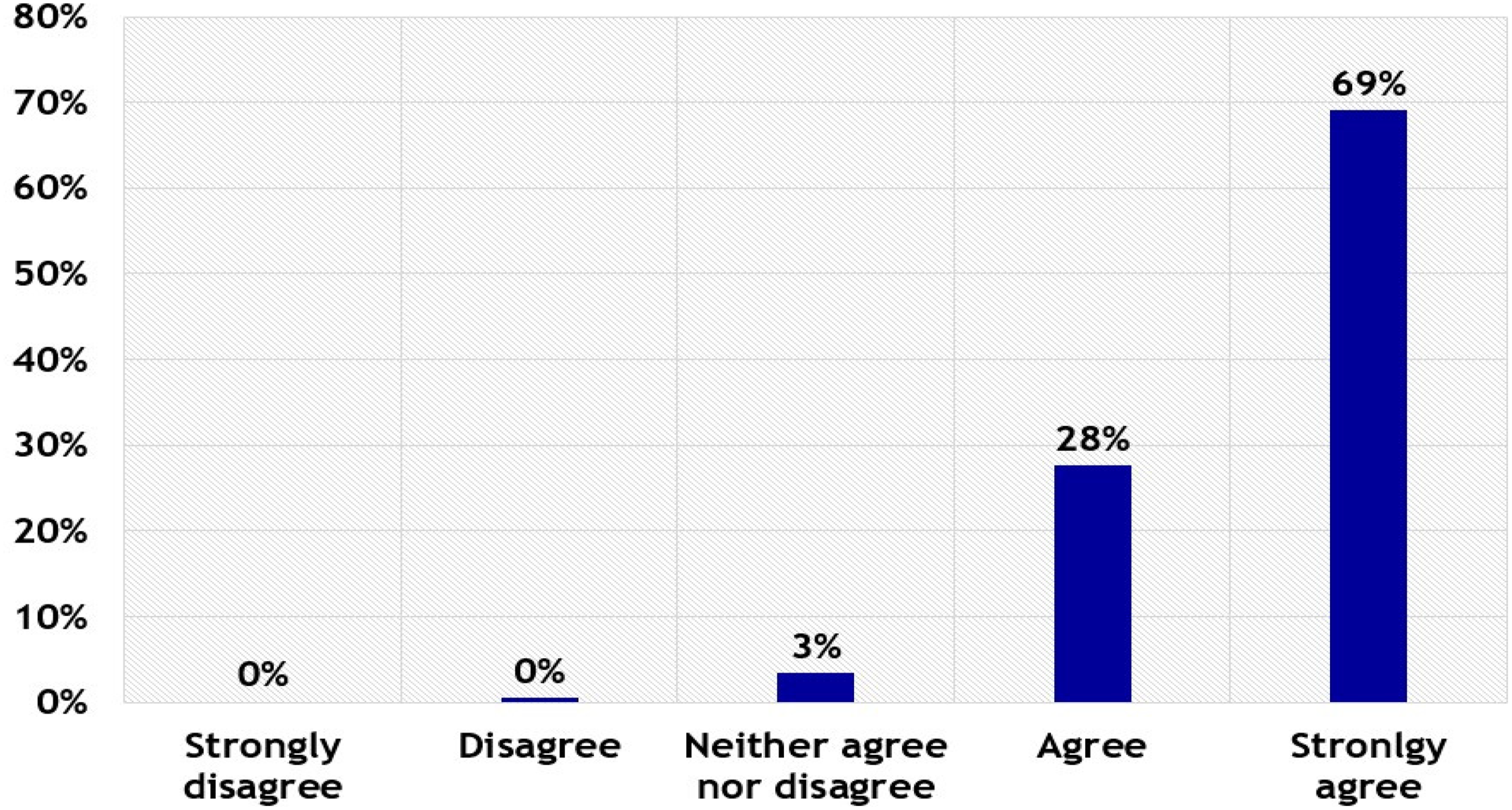
Response to interaction in mobile-assisted language learning.
Conclusion
The COVID-19 pandemic has prompted a rapid shift towards digital learning, significantly impacting the global education system. In response to these changes, this study was conducted to examine the impact of technology-assisted English language teaching in the context of Korean EFL education. The study focused on integrating SNS into MALL to enhance language teaching practices and promote positive classroom dynamics.
The findings of the study highlighted several key points. Firstly, mobile-assisted language learning using social networks was found to be effective in facilitating Korean EFL university students’ language learning experience. It provided opportunities for students to practise speaking English in a relaxed and interconnected manner, resulting in increased confidence and proficiency (Kim and Kim, 2021). Secondly, the integration of social networks in language learning promoted student motivation and engagement. Through collaboration with peers and feedback from both peers and teachers, students were able to actively participate in the learning process, leading to positive classroom dynamics (Gunantar and Transinata, 2019; Heo and Bae, 2021). Lastly, MALL using social networks bridged the gap between classroom learning and real-world communication. By engaging in authentic language use, students were able to apply their skills in meaningful contexts, further developing their communicative competence (Kim, 2021; Song and Kim, 2021).
These findings have significant implications for the post-COVID-19 pandemic English language teaching landscape. Incorporating innovative technologies, such as MALL using social networks, presents an opportunity to reimagine and enhance language education practices. Educators and policymakers can utilize these insights to adapt teaching methods and meet the evolving needs of learners in a rapidly changing digital environment. Integrating MALL using social networks into the curriculum can provide students with authentic and interactive language learning experiences. Furthermore, it is crucial to consider the role of social networks in promoting collaboration, peer feedback, and communication beyond the traditional classroom setting. By leveraging technology in English language teaching, teachers can foster learner motivation, engagement and communicative competence. However, it is important to acknowledge the limitations of the study, such as the small sample size and single institutional setting, which may impact the generalizability of the findings. Therefore, further research is needed to explore the effectiveness of integrating MALL using social networks in different EFL contexts with larger and more diverse samples.
In conclusion, this study highlights the potential of MALL using social networks as an effective tool to enhance language teaching practices in the post-COVID-19 pandemic era. The findings provide valuable insights into the benefits of incorporating technology in language education and offer a framework for adapting teaching methods to meet the evolving needs of learners in a rapidly changing digital landscape. The study's limitations also suggest avenues for further research, including exploring the effectiveness of integrating MALL using social networks in different EFL contexts.
Footnotes
Conflict of Interests
The author has no conflicts of interest to declare.
Funding
The author disclosed receipt of the following financial support for the research, authorship, and/or publication of this article: This work was supported by the 2022 Hannam University Research Fund (grant number 2022 Hannam University Research Fund).
