



Abstract
This study explores the integration of diversity, equity, and inclusion (DEI) within the curricula of European iSchools with LIS programmes, addressing the gap between DEI’s widely recognised importance and its limited implementation in educational practice. Although DEI is a core value of library and information science, its systematic presence in European iSchool with Library and Information Science (LIS) programmes remains underexamined. An exploratory two-phase study was conducted across all European iSchools offering LIS programmes (n = 18). The first phase involved a content analysis of Master’s-level course syllabi to evaluate the presence, scope, and depth of DEI topics. Drawing on published literature, a framework to identify and categorise DEI-related content was developed. This framework was then applied to the course syllabi. The second phase surveyed instructors to examine their perceptions, teaching experiences, and challenges related to DEI education. Quantitative and qualitative analyses reveal that DEI is inconsistently and often peripherally represented. Only 12 of the 18 institutions offered courses addressing DEI, primarily as electives and typically in a partial or fragmented manner. While most instructors reported strong support for the importance of DEI, fewer than half believed their programmes addressed it in a substantive way. Coverage was uneven, with greater attention given to age, disability, and general diversity topics, while race, gender, and religious diversity received limited focus. Insufficient faculty preparedness and a lack of institutional prioritisation emerged as key barriers. The findings suggest that DEI remains marginal rather than foundational in European iSchool LIS education, highlighting the need for systematic curricular integration and sustained faculty development.
Keywords
Introduction
The concepts of diversity, equity, and inclusion (DEI) are deeply embedded in the United Nations Charter (1945), which aims to “reaffirm faith in fundamental human rights, in the dignity and worth of the human person, in the equal rights of men and women and of nations large and small” (United Nations, 1945). Over time, the acronym diversity, equity, and inclusion (DEI), or equality, diversity and inclusion (EDI) has been defined in various ways, but generally it encompasses three key components: “diversity,” referring to the range of demographic characteristics and perspectives within the field; “inclusion,” ensuring that all participants feel valued and have a sense of belonging; and “equity,” emphasising the importance of providing all individuals with the resources they need to thrive (Dali et al., 2021).
In recent years, DEI has been regarded as an extremely important concept in developed countries worldwide. For example, the European Union’s diversity policy is based on prohibiting discrimination on grounds such as sex, racial or ethnic origin, religion, belief, disability, age, or sexual orientation, as outlined in the Charter of Fundamental Rights of the European Union (2000). Additionally, the EU actively promotes equality and inclusion through its legal framework (e.g. Gender Equality Strategy 2020–2025, 2020; EU Diversity Charters). However, within the EU, DEI initiatives are primarily focused on the workplace (Palumba, 2025). Moreover, the European Union is also regarded as having implemented some of the most rigorous DEI-related regulations in the world, with non-compliance resulting in heavy fines (McGee, 2025). DEI has traditionally also received strong support from the US administration (Exec. Order No. 13985, 2021; U.S. Department of State, 2023), but the current political climate in the United States has led to 22 states enacting legislation challenging diversity programmes on college campuses. This development underscores the critical need for instructors across all disciplines, both in Europe, the US and more broadly, to actively protect and foster DEI agenda (Winn et al., 2024).
The field of Library and Information Science (LIS) has historically maintained a strong commitment to serving diverse communities and users equitably. However, LIS institutions have also, through their activities and practices, been known to uphold white hegemonic viewpoints and inequalities in dealing with non-white users and their cultures. This was also reflected in LIS schools’ curricula. In North America, LIS organisations such as the American Library Association (ALA) and the Association for Information Science and Technology (ASIS&T) have recently undertaken rigorous self-examination and critical appraisal to incorporate DEI content into LIS curricula. However European institutions seem to lag behind their American counterparts when it comes to DEI topics. Both European LIS institutions and LIS schools, intentionally or unintentionally, overlook the majority of DEI topics, particularly racial discrimination, which in turn make them complicit in perpetuating white hegemonic viewpoints (Hudson, 2017; Ibekwe, 2023a).
This regional indifference to addressing historical and contemporary complicity in racial discrimination highlights a significant gap in the field’s global development. Every underserved, disadvantaged, or underrepresented population has unique information needs and cultural perspectives that must be integrated into both LIS education and professional practice. Different individuals and demographic groups display distinct attitudes towards information sources and methods of access, which shape their information behaviour (Burnett et al., 2001; Chatman, 1999, 2000; Jaeger & Burnett, 2010). Therefore, it is essential to move beyond noble sentiments and incorporate substantive DEI topics into formal LIS education because LIS instructors are responsible for preparing future librarians to understand and address these inequities in both physical and electronic environments (Jaeger et al., 2011).
This paper presents the findings of an exploratory study on DEI topics in European iSchools’ with LIS programmes and instructors’ views on the importance of including DEI topics in their curricula. The iSchools are an international organisation of over 130 universities worldwide that promote an interdisciplinary approach to understanding the opportunities and challenges of information management. While the topic of social justice and DEI within the European LIS higher education context has been discussed in relatively few papers, to our knowledge no similar prior research has been conducted among European iSchools.
Literature Review
DEI principles have long been central to the values of LIS, with numerous library associations emphasising their significance (Tang & Hu, 2023). The International Federation of Library Associations and Institutions (IFLA) explicitly promotes DEI in various documents, such as the Guidelines for Professional Library and Information Science (LIS) Education Programmes (Chu et al., 2022) and Library Services to Multicultural Populations (IFLA, 2024). The Association for Information Science and Technology (ASIST) offers an Equity, Diversity, and Inclusion Series that critically engages with equity, diversity, and inclusion in research, education, and practice, both locally and globally (ASIST, 2020). The American Library Association (ALA) has incorporated these principles into its Key Action Areas that are part of its strategic directions (ALA, 2017) and developed a DEI scorecard for library and information organisations (2021). Indeed, the inclusion of DEI topics is a prerequisite for the accreditation of LIS educational programmes in the United States (American Library Association (ALA), 2019, American Library Association (ALA), 2021). European library associations have also embedded DEI into operations, policy, and development, influenced by EU regulations and democratic principles. Prominent examples include EBLIDA (European Bureau of Library, Information and Documentation Associations), which prioritises social responsibility, equality, and the 2030 Agenda (EBLIDA, nd); LIBER (Association of European Research Libraries), which fosters inclusive access to scholarship (LIBER Europe, 2022); and CILIP (UK), which centres human rights, equalities, and diversity in its ethics and mission (CILIP, 2018, 2019).
The problem with topics that fall under the umbrella of DEI in Europe is that the “appropriate” definition of (DEI) is usually observed through a lens of colour-blindness (Lentin, 2020). European history, regulations and ethical considerations prevent many EU Member States from collection of race-related data (Farkas, 2017). In European Union data on racial or ethnic origin are subject to strict safeguards (European Commission (EC), 2020, European Commission (EC), 2021). Consequently, rather than addressing race directly, institutions often rely on “universalist” traditions and strict data privacy laws (like GDPR) to avoid collecting or discussing ethnic data. As a result, such an approach creates a form of strategic ignorance (McGoey, 2012), where organisations effectively choose not to “see” racial disparities. Consequently, DEI efforts in Europe are often watered down into neutral, individual-focused services that avoid the uncomfortable but necessary work of critical race analysis.
Although the integration of DEI topics into North American LIS education has been extensively researched (Alajmi & Alshammari, 2020; Bonnici et al., 2012; Jaeger et al., 2010, 2011; Pionke, 2023; Poole et al., 2021; Ren et al., 2022; Simons et al., 2023; Subramaniam & Jaeger, 2010), US library schools have also faced criticism for inadequately addressing the educational needs of future librarians regarding DEI topics (Jaeger et al., 2011; Poole et al., 2021). Research indicates, for example, that American librarians often feel insufficiently prepared by their library schools to work with diverse populations (Mestre, 2010). By contrast, within European LIS education, this subject has been relatively underexamined, with only a few papers addressing it (Drewry et al., 2024; Ibekwe, 2023a, 2023b; Inskip, 2023). This general lack of literature outside North America was confirmed by a recent extensive survey of Web of Science, LISA, and Google Scholar by Inskip (2023).
In North American library schools, DEI topics typically include culture (e.g. American, Spanish, Italian, European, Aboriginal, Immigrant, International), ethnicity (including race, language, and religion), age (children, young adults, elderly), gender (male, female, others), and disability (mental, physical) (Alajmi & Alshammari, 2020; Bonnici et al., 2012; Hudson, 2017; Ren et al., 2022; Subramaniam & Jaeger, 2010). A recent comprehensive review (Inskip, 2023) identified race as one of the most frequently discussed DEI topics among North American authors. Some studies in the European LIS field have revealed low representation of ethnic minorities within LIS faculty, as well as a lack of DEI policies and anti-racism training modules in LIS and knowledge organisation (Ibekwe, 2023a). In another study, LIS graduates most frequently associated DEI with sexual orientation (39%) and sex (16%), with only one respondent linking DEI to race or ethnicity (Drewry et al., 2024).
Overall, research indicates that only a small number of LIS courses in the US incorporate diversity into their content (Cooke & Jacobs, 2018; Maestro et al., 2018; Subramaniam & Jaeger, 2010), and when they do, DEI is rarely the main or sole focus of the course (Alajmi & Alshammari, 2020; Simons et al., 2023). DEI-related courses are almost always elective and cover a limited range of DEI topics (Alajmi & Alshammari, 2020; Ren et al., 2022; Simons et al., 2023; Subramaniam & Jaeger, 2010). Furthermore, these courses are infrequently offered (Ren et al., 2022), which raises questions about the capacity of the LIS curricula to foster DEI awareness among students.
In order to foster substantial change in the way DEI topics are treated by LIS schools, it is necessary to integrate it into core curricula (instead of electives) and provide continuous professional development courses instead of one-off workshops, as Ely (2023) demonstrates through a continuing education course using Critical Incident Technique (CIT) and reflective journaling. These tools promote critical self-reflexivity among educators through reflexive and critical pedagogy, encouraging continuous cultural self-awareness and adaptation to diverse patron needs. Consequently, LIS programmes become better equipped to prepare future professionals to serve diverse communities (Jaeger et al., 2011; Poole et al., 2021).
This paper situates its analysis within the emerging scholarship of Critical Library and Information Studies (Critical LIS or #critlib) and Critical Race Theory (CRT). Critical LIS applies critical theory, social justice perspectives, and anti-oppressive frameworks to library and information work, challenging the long-standing ideal of institutional neutrality and examining biases embedded in classification systems, cataloguing practices, and collection development (Accardi, 2025; Leung & Lopez-McKnight, 2015). CRT meanwhile, provides a framework for understanding the structural and systemic impacts of racism on marginalised communities and advocates for transformative institutional change (Colón-Aguirre, 2025). Both Critical LIS and CRT argue that racism is not merely individual prejudice but is embedded in institutional practices (Colón-Aguirre, 2025, Delgado & Stefancic, 2017), which describes the context of European LIS schools that are actively (if not always consciously) reproducing white hegemonistic structures (Hudson, 2017; Ibekwe, 2023a).
Although the body of LIS literature that examines the ways that racism is embedded into the values of LIS is growing (e.g. Cooke, 2014; Gibson et al., 2018; Hall, 2012), LIS school curricula have very rarely adopted these theoretical approaches (Gibson et al., 2018; Schroeder & Hollister, 2014). Consequently, preparing students to serve diverse populations without engagement with relevant theoretical frameworks may result in oversimplified understanding of race, ethnicity, power or privilege (Schroeder & Hollister, 2014). It is therefore crucial to incorporate Critical LIS and CRT into LIS curricula. An initial step is to incorporate these perspectives into syllabi of core courses (Fuentes et al., 2021; Gibson et al., 2018) and then move toward more structured and formalised inclusion at the level of the curriculum and the institutional practices of LIS schools.
It is proven that LIS education can itself reproduce inequities. Some authors point out that the explicit engagement with racism is often replaced by a more neutral language of multiculturalism (Colón-Aguirre, 2025; Petrella, 2025). In professional practice, librarians and archivists may inadvertently perpetuate forms of epistemic injustice through collection development and instruction that gives privilege to dominant European knowledge traditions while marginalising other cultures and knowledge (Campbell & Sich, 2023; Patin et al., 2020, 2021a, 2021b). Such practices influence how knowledge is curated and transmitted to future generations (Inefuku, 2021).
These dynamics also affect LIS curricula. Courses on diversity, equity, and inclusion are often offered as electives rather than being integrated throughout programmes, which limits their structural impact. In addition, instructors may lack training or institutional support when incorporating anti-racist pedagogies into their teaching (Patin et al., 2021b). At the same time, the responsibility to integrate anti-racist pedagogies or any other DEI topic into their teaching is usually entirely on individual instructors, whereas meaningful change can occur only if it is accompanied by structural shifts in areas such as hiring, curriculum design, workplace culture, and access to opportunities (Page, 2007).
A number of authors have reinforced the need for continued curricular reform (Colón-Aguirre & Bright, 2022; Inskip, 2023) and integration of topics and competencies that will support a more culturally inclusive and competent library workforce. According to Jaeger et al. (2011), failing to do so may result in LIS as a profession, and libraries as social institutions, becoming exclusive rather than inclusive.
Methodology
The paper presents a study examining the perception and inclusion of DEI-related courses in European iSchools with LIS programmes.
The study has tried to answer the following research questions: RQ1. How important are DEI topics in European iSchools with LIS programme? RQ2. How frequently are DEI topics covered in European LIS schools? RQ3. Which DEI topics are taught and in what ways? RQ4. What challenges arise in teaching DEI topics? RQ5. Do instructors receive any DEI-related training?
Since DEI can encompass very different traits and aspects, for the purpose of the study, DEI-related topics have been defined very broadly to include a wide range of diversity topics such as: • race and ethnicity, • gender and sexuality, • disability (e.g. physical and mental) and accessibility (universal access, user-centred design, etc.), • age (children, young adults, senior citizens, ageism ,etc.), • religion, • socioeconomic status and inequality (e.g. underrepresented and underserved populations).
The definition also encompasses broader, more generic themes such as: • cultural diversity, • critical librarianship, • cultural competence, • multiculturalism, • social justice, etc.
Such a broad definition of DEI employed in this study has been informed by the findings of previous studies and includes all aspects of DEI that have been identified and investigated in the contexts of LIS schools worldwide (Alajmi & Alshammari, 2020; Bonnici et al., 2012; Drewry et al., 2024; Ibekwe, 2023a, 2023b; Inskip, 2023; Jaeger et al., 2010, 2011; Pionke, 2023; Poole et al., 2021; Ren et al., 2022; Simons et al., 2023; Subramaniam et al., 2012; Subramaniam & Jaeger, 2010). Furthermore, since there have been a limited number of DEI-related studies in European library schools, this broad definition supports the study’s analytical framework and exploratory nature, and acknowledges authors’ intention to encompass different conceptualisations of DEI across European educational context.
This exploratory study consisted of two phases (qualitative and quantitative study). The first phase of the study included qualitative methodology, a content analysis of the Master’s level course syllabi of all European iSchools with LIS programmes. DEI-related topics, used for analysis, were identified and categorised based on the published literature. Out of 37 iSchool in Europe listed in the iSchools Member Database (https://www.ischools.org/members), 19 were excluded from the study because they did not offer a LIS programme. As a result, a total of 18 European iSchools with LIS programme, across 13 European countries, were included in the study (n = 18): Croatia (2 schools), France (1 school), Germany (1 school), Ireland (1 school), Israel (1 school), Latvia (1 school), Norway (1 school), Portugal (1 school), Slovenia (1 school), Spain (2 schools), Sweden (1 school), Turkey (1 school) and UK (4 schools). The qualitative study was conducted from April through June 2024.
The second phase of the study, an online survey among instructors and students at the European LIS schools, was conducted through February and March 2025, informed by the findings of the course analysis study and its primary aim was to gain a deeper insight into the research problem through exploration of instructors’ and students’ perspectives and experiences regarding DEI topics and courses in their schools and/or departments. A link to an anonymous online survey was sent to heads of all European iSchools with a LIS programme (that have already been included in the qualitative study) (n = 18) and they were asked to distribute it to their staff. The first section of the questionnaire asked demographic questions about respondents and general information about their schools and teaching (gender, age, name of school, country, total years of university teaching, the names of courses that they teach at BA/MA/PhD level), and the second section focused on DEI-related topics in their schools/courses. This section consisted of 13 questions (open, multiple choice and Likert-type questions) regarding the respondents’ perception and personal experience with teaching DEI-related topics.
While the survey captured data on gender, age, and geographic distribution, it did not include measures of race or ethnicity. This omission represents an important limitation, particularly in a study that critiques the absence of these very topics within LIS curricula, and reflects the broader challenges of capturing race and ethnicity data in European contexts. According to CRT perspective, the absence of race and ethnicity data reflects wider structural norms and “colour-blind” ideologies prevalent in many European research contexts. Within a Critical LIS framing, this omission highlights how the collection of ethno-racial data is often legally restricted or culturally marginalised in favour of broad socioeconomic or citizenship categories. Consequently, the demographic invisibility of marginalised identities within this study serves as a secondary indicator of the systemic apathy identified in the curriculum analysis. Acknowledging this limitation is essential to the paper’s ethical framing; it highlights how institutionalised norms regarding data privacy and national identity can inadvertently obscure racial inequities, thereby reinforcing the hegemonic viewpoints that LIS education has yet to fully dismantle.
These methodological considerations also have ethical implications, particularly in relation to data collection, representation, and respondent privacy. Ethical approval was obtained from the Ethical Committee of the Faculty of Humanities and Social Sciences at University of Osijek, Croatia (Klasa: 602-04/24-04/225, Ur. broj: 2158-83-06-24-4 on November 26, 2024). After a third reminder, a total of 38 responses were received from 8 of the 18 iSchools surveyed.
This paper presents findings from the first phase of the study, based on the content analysis of course syllabi, alongside partial findings from the second phase, drawing on instructor responses to the online survey. Student responses are not included in this paper and will be reported separately.
Results
This section presents the findings from the content analysis of course syllabi, followed by the results of the online survey. The two sets of findings are presented separately to distinguish between curricular evidence and instructor-reported perspectives.
Course Content Analysis
After authors identified publicly available online syllabi at Master’s level in 18 European iSchools with LIS programmes through their websites, syllabi were collected from the websites of universities. Courses were included in the study if their syllabi were accessible and covered at least one DEI-related topic.
Content analysis of the course syllabi was chosen as the research method because it is a qualitative technique that is well suited for systematic review of documents in order to identify patterns and trends (White & Marsh, 2006). To support this analysis, a coding framework was developed based on published literature, enabling identification and categorisation of DEI content. A pre-determined coding template was then created, and a deductive approach was adopted, with a predefined set of codes applied to each syllabus according to contextual information such as the country, school and programme to which it belonged, as well as analytical dimensions including type of DEI-related topic covered in the course descriptions (category), type of course, course information and level of treatment of DEI topic.
To ensure the inter-coder reliability, the authors did a preliminary analysis individually based on the list of DEI-related topics (categories) used in earlier research as a framework to analyse a small subset of selected syllabi. They also sought to identify additional DEI-related topics that emerged from the syllabi themselves (inductive approach). The authors discussed the results of this preliminary analysis and prepared the final codebook, with elaborate coding instructions, in order to facilitate the coding process and decisions, which included seven broad and well-defined DEI-related topics categories (Race and ethnicity, Gender and sexuality, Disability and accessibility, Age, Religion, Socioeconomic status and inequality, General DEI topics) (Appendix).
Following the data collection, the final analysis was conducted manually by two coders (authors of this paper), who iteratively reviewed and discussed the coding to ensure consistency. As noted earlier, data were recorded in the template only for the courses that included one or more of DEI-related topics. All data were entered in Microsoft Excel for further quantitative analysis.
Of the 18 schools, only 12 schools (in eight countries) offered DEI-related courses while 6 showed no evidence of integration of DEI-related topics in their publicly available curricula. Across these 18 schools a total of 19 DEI-related courses were identified and analysed: 10 elective and 9 core courses. The distribution of DEI-related courses varies considerably across countries. While DEI-related courses were identified in only eight countries (out of 13), the largest number of DEI-related courses were identified in Turkey (n = 5), but all of them were elective. In the UK, there were two elective and two core courses (n = 4). In both Croatia and Spain, two core and one elective course were identified (n = 3). In Ireland only one elective DEI-related course was identified, whereas schools in Latvia, Slovenia and Sweden each offered one core DEI-related course. Out of these 19 courses, only 8 courses were fully devoted to DEI-related topics and 11 dealt with DEI topics only partially (Figure 1). Number of DEI Courses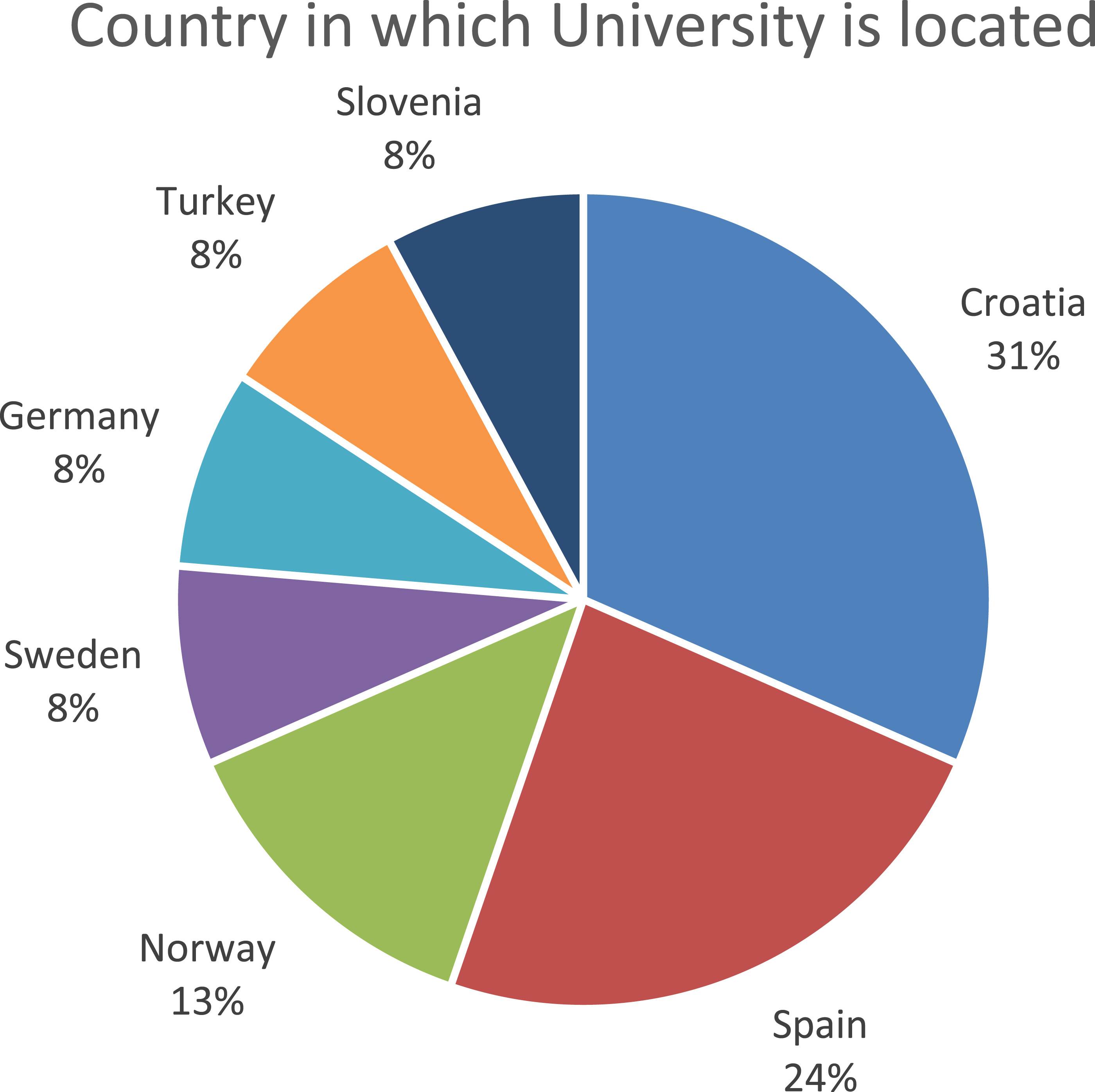
DEI-Related Topics by Country
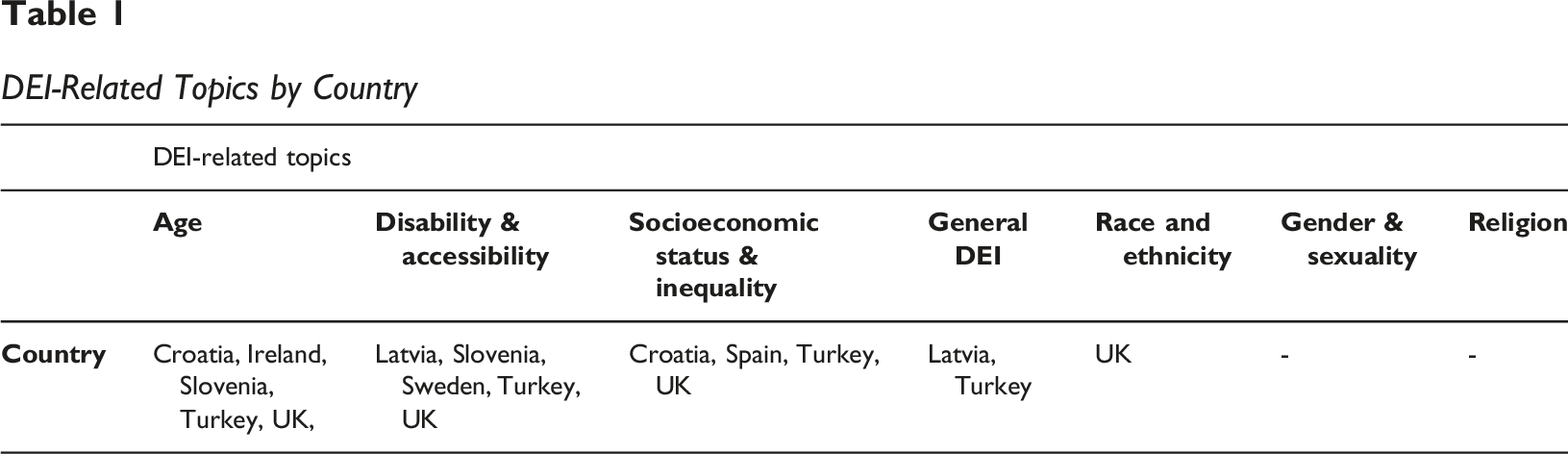
DEI-related topics were taught within the following courses: User studies/Users of information sources and services/Users and information activities in digital environment (n = 4); Human Information Behaviour (n = 2); Children and young adults library services/Children’s literature (n = 3); (Digital) Reference service (n = 2); Public libraries/Public, school and prison libraries (n = 2); Digital libraries (n = 1); Managing library services (n = 2); Managing library collections (n = 1); Information architecture (n = 1), Normative basis of libraries and information (n = 1).
DEI-related topics in these courses were listed in the syllabi/goals (n = 13), learning outcomes (n = 7), reading lists (n = 3) and course titles (n = 3).
Findings indicate that DEI-related topics and courses vary considerably across programmes, schools and countries, and that a significant number of studied schools (n = 6) do not integrate DEI topics into their curricula at all. Only a small number of courses 1 in the sample focused on diversity, and of these courses, less than a half were core courses. Analysed courses emphasised a small number of diversity topics. Most frequently present DEI topics are age, diversity in general, diverse user groups with special emphasis on socially excluded individuals and groups, disability and accessibility.
A key limitation of the study is that it relied exclusively on courses with publicly available online descriptions (on the schools’ websites). It is possible that some schools do offer DEI-related courses but they did not publish updated or full information about their courses online (to be publicly available). Similarly, some courses may address DEI issues in practice without explicitly including them in course titles, descriptions, learning outcomes, or reading lists (etc.).
Survey Results
This section synthesises the empirical findings from the survey, moving from a descriptive portrait of the respondents (teaching community), to a closer examination of how DEI is currently embedded, or not, within Library and Information Science (LIS) curricula, and finally to respondents’ forward-looking intentions.
Demographic Information/Sample
The dataset comprises responses from 38 individuals, primarily affiliated with 8 higher education institutions across Europe. The geographical distribution indicates a strong representation from Southern and Central Europe, with the largest proportion of participants based in Croatia (n = 12) and Spain (n = 9). Additional contributions were received from Norway (n = 5), as well as Sweden, Germany, Turkey, and Slovenia (each n = 3) (Figure 2). Country in Which University is Located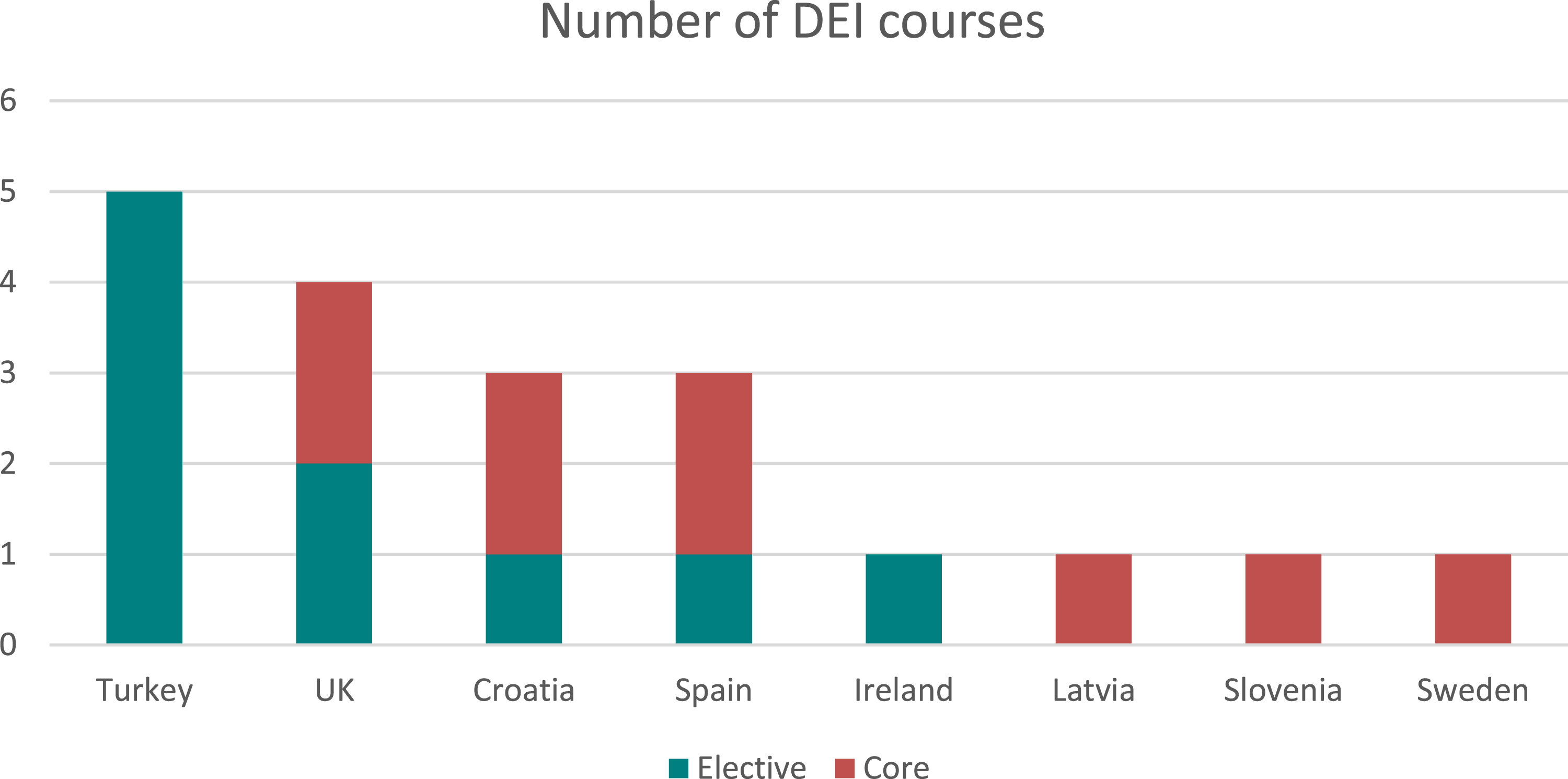
In terms of gender distribution, the cohort is predominantly female (n = 29; 76%), with male respondents accounting for 24% (n = 9). This imbalance suggests a notable gender skew, potentially reflective of broader trends in specific academic disciplines or institutional contexts within the participating countries.
The age profile of respondents indicates that the majority are in the mid to late stages of their careers. The most frequently reported age group was 45–54 years (n = 11), followed by 35–44 and 55–64 years (each n = 9). Younger respondents aged 25–34 accounted for six individuals, while those aged 65 and over comprised the smallest group (n = 3).
A substantial proportion of participants reported significant teaching experience, with 66% (n = 25) indicating they had been teaching for more than 10 years. The remainder were more evenly distributed across the 4–6 years (n = 5) and 7–10 years (n = 4) experience ranges. Only four participants reported fewer than four years of teaching experience, suggesting the overall sample consists largely of established instructors with considerable professional expertise.
Current Curriculum
Current DEI Orientation—Importance, Programme Coverage, and Personal Integration
Among the 38 respondents, 71% (n = 27) rated the inclusion of DEI topics in LIS education as a high priority, selecting “very important” for 50% (n = 19) or “extremely important” for 21% (n = 8). A further 18% (n = 7) judged it “moderately important,” while 11% (n = 4) selected “slightly important” or “not important” (Figure 3). Perceived Importance of Incorporating DEI in Curriculum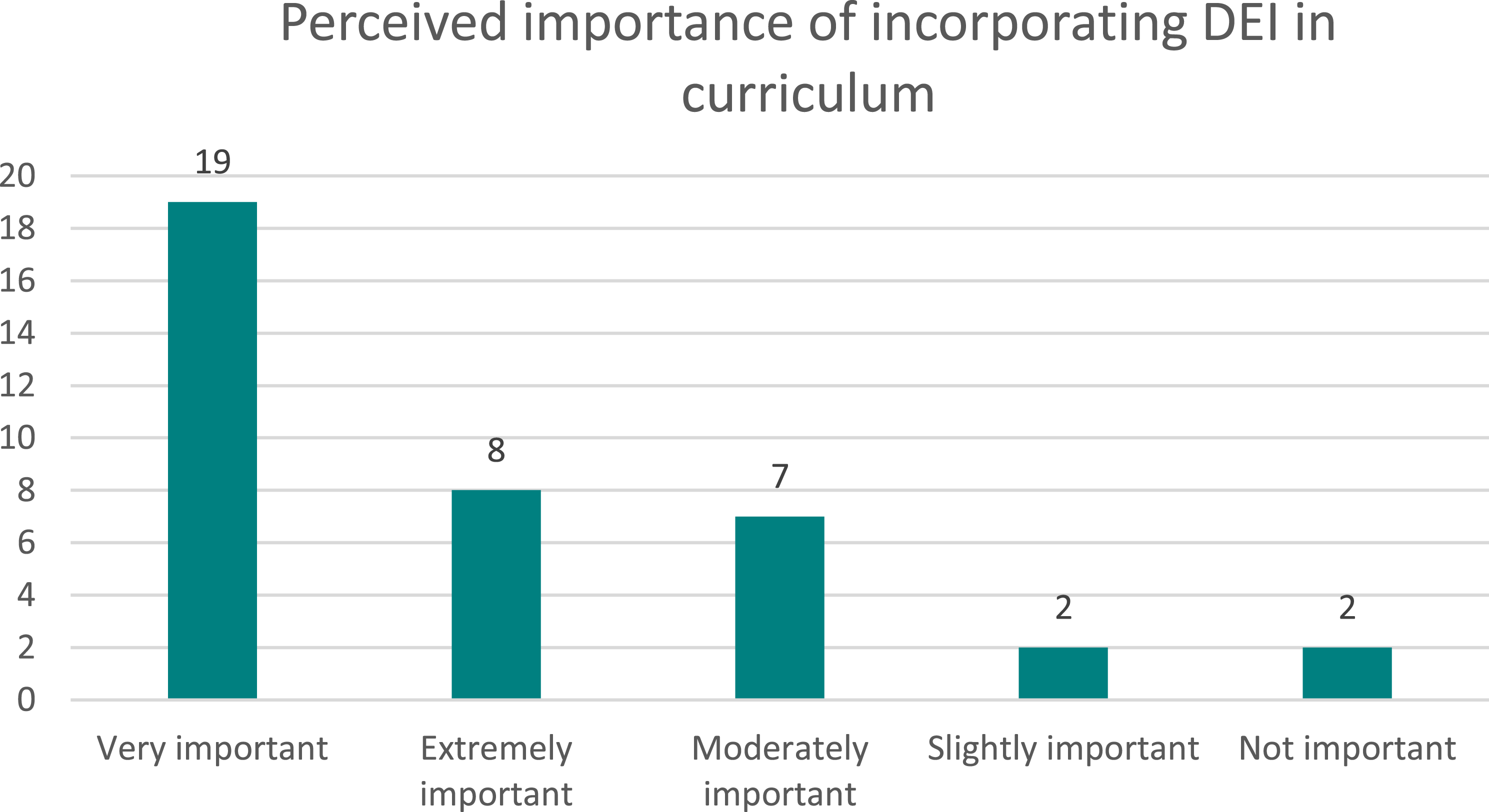
Perceptions of institutional coverage were more mixed: 37% (n = 14) felt their programme addresses DEI “to a large extent,” 29% (n = 11) “to a moderate extent,” 18% (n = 7) “to a small extent,” and 5% (n = 2) “not at all”; 11% (n = 4) reported “I don’t know” (Figure 4). Taken together, 66% (n = 25) judged institutional coverage to be at least moderate. Perceived Extent of Institutional DEI Coverage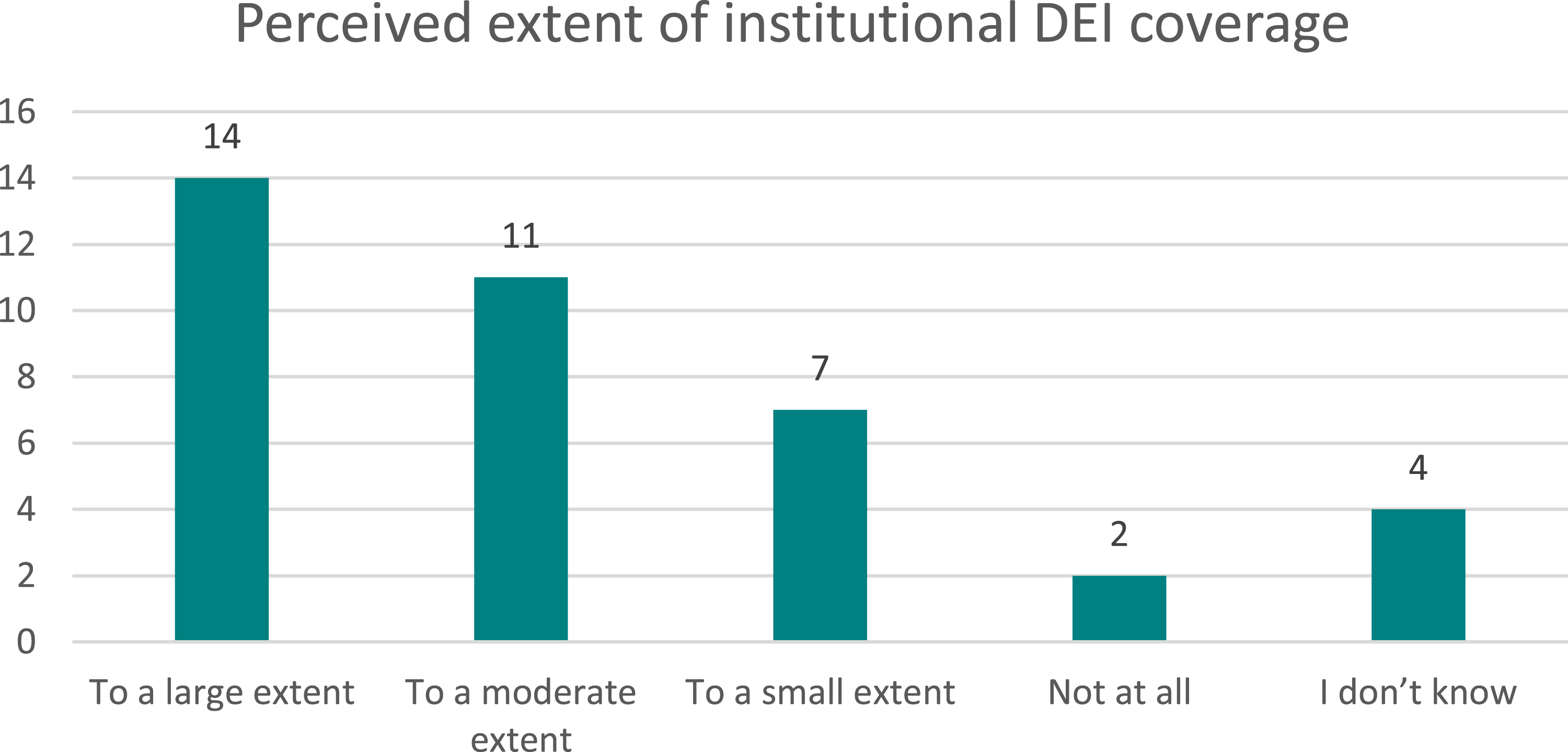
Personal integration levels were also modest and evenly distributed across categories: 29% (n = 11) significant, 29% (n = 11) moderate, 24% (n = 9) small, and 18% (n = 7) none. In total, 58% (n = 22) reported at least moderate integration. This pattern points to a need for more consistent course-level implementation. Overall, endorsement of DEI importance 71% (n = 27/38) outpaces reported at-least-moderate implementation at both the programme 66% (n = 25/38) and individual 58% (n = 22/38) levels.
Course-Level Context
This subsection identifies the location of DEI content within the curriculum, distinguishing between required and elective courses and fully devoted and partially integrated offerings. We also list the course types/titles reported by respondents.
Most reported courses embed DEI as part of broader syllabi rather than as stand-alone subjects. Two-thirds were partially devoted (n = 15; 65.2%) and one-third fully devoted (n = 8; 34.8%) (Figure 5). DEI Coverage by Course Status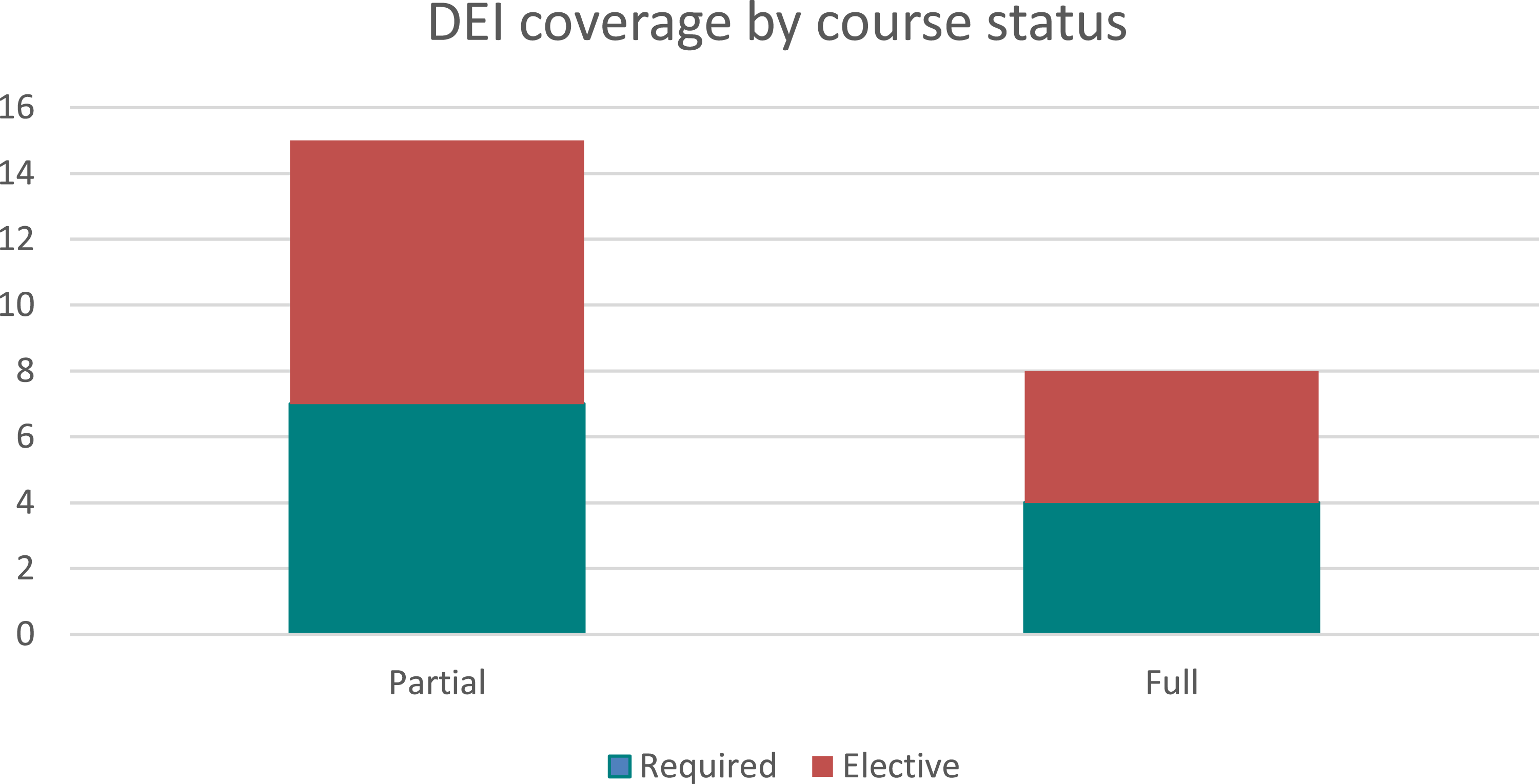
Offerings were almost evenly split by status (required n = 11; 47.8%; elective n = 12; 52.2%). The most frequent placement was elective–partial (n = 8; 34.8%), followed by required–partial (n = 7; 30.4%); elective–full and required–full each accounted for 4 (17.4%) (Figure 6). Course-Level Placement of DEI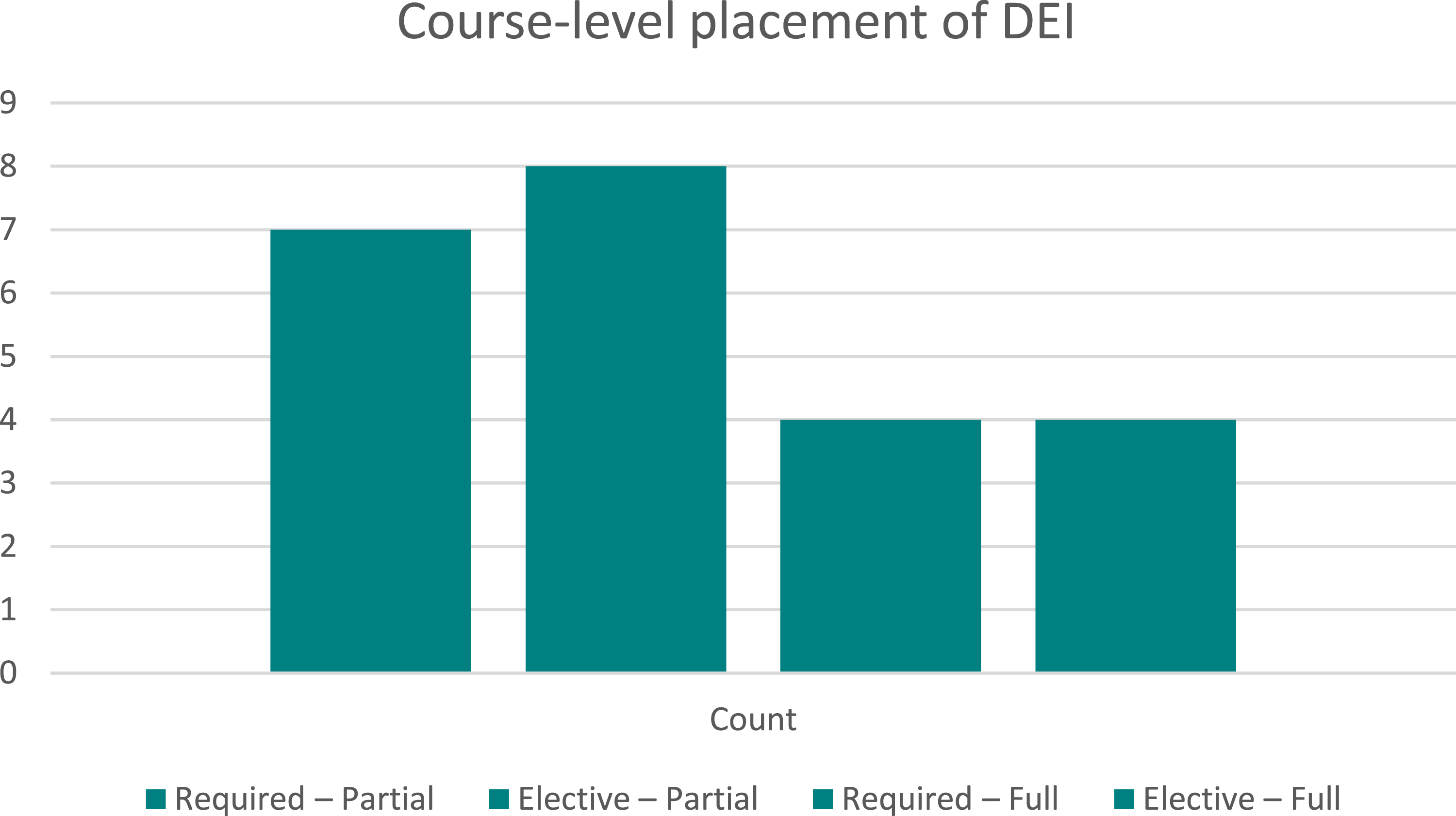
Taken together, results show that DEI is mainly integrated as partial content, appears in required and elective courses in roughly equal measure, and most often takes the elective–partial form; fully devoted courses are less common.
The course titles supplied by respondents show how DEI content is positioned within courses and the themes most commonly used to anchor it: • • • •
Depth and Breadth of DEI Content
This section presents an overview of how DEI topics are addressed across various dimensions in the curriculum. Based on survey data, it captures both breadths, reflected in the range of DEI categories covered, including race and ethnicity, disability and accessibility, socioeconomic inequality, age, gender and sexuality, and religious diversity, and depth, reflected in the reported frequency of discussion (e.g. “occasionally discussed” vs. “frequently discussed”). The results reveal a varied integration of DEI themes, with some areas receiving more consistent attention than others.
Figure 7 illustrates the extent to which various DEI themes are integrated into the curriculum, highlighting both the breadth and the depth. Overall, most DEI categories received at least some level of attention; however, the frequency of discussion varies considerably across topics. Depth and Breadth of DEI Content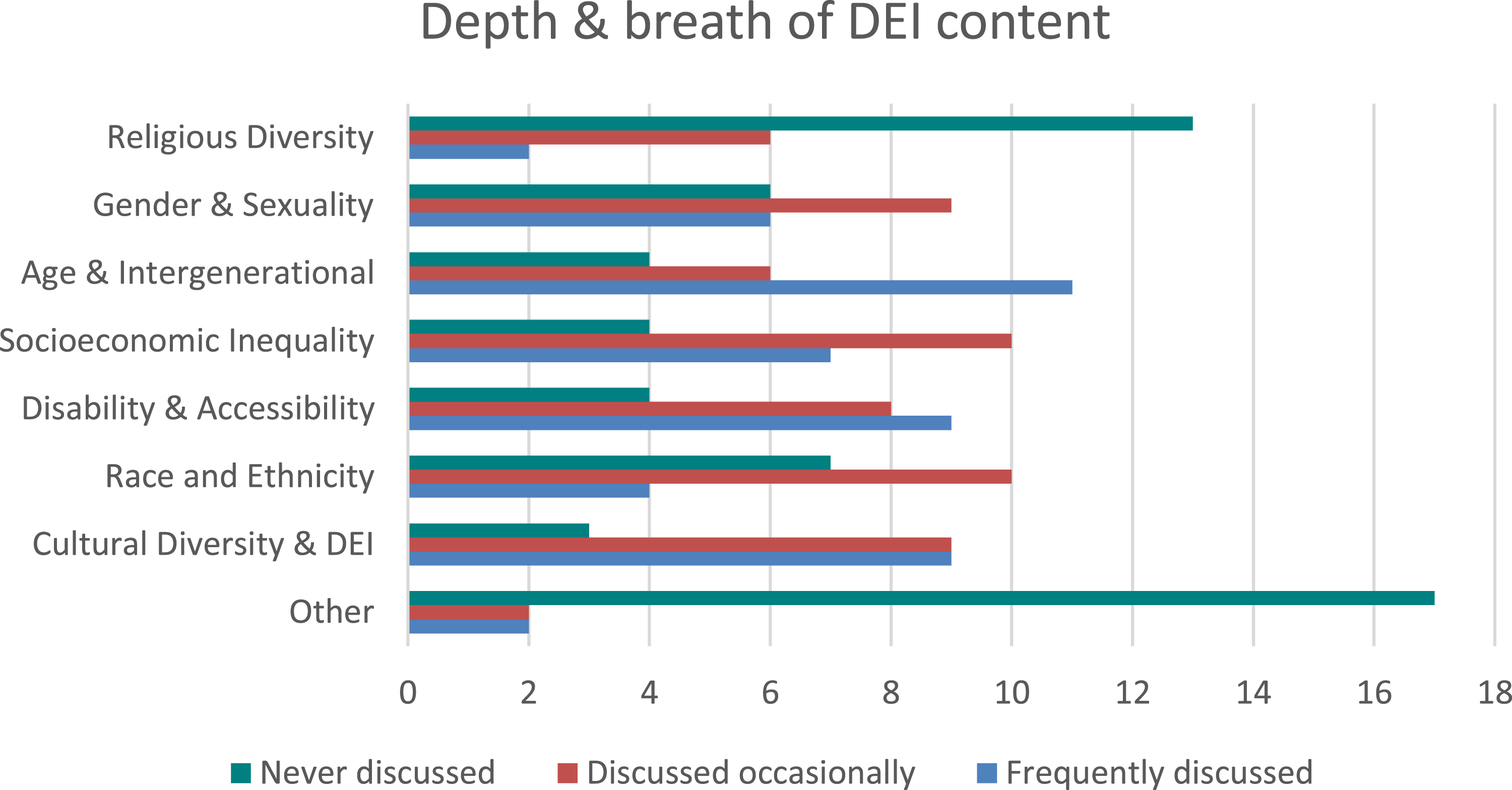
Age and Intergenerational Issues (n = 11 “frequently discussed”), along with Disability and Accessibility (n = 9 “frequently discussed”), emerged as the most consistently addressed areas, with the highest number of “frequently discussed” responses. This suggests a relatively strong curricular emphasis on inclusive design and age-sensitive perspectives. Cultural Diversity & DEI also shows a balanced distribution between “frequently” and “occasionally” discussed.
In contrast, Religious Diversity stands out for its low levels of engagement, with 13 respondents indicating it is “never discussed.” Race and Ethnicity and Gender and Sexuality—while present—also show lower rates of frequent discussion, suggesting that while these themes are acknowledged, they may not be deeply embedded across all course content. The “Other” category functioned as an open-ended option, allowing respondents to note DEI topics not addressed in the predefined categories. Only a few respondents pointed to additional themes—such as independent art, community archives, national issues in a global society, and politics and public opinion. These suggest an interest in culturally embedded or civic-oriented dimensions of DEI.
This distribution reveals not only thematic imbalances in DEI coverage but also potential gaps where more intentional curricular development could promote equitable attention to underrepresented dimensions of diversity.
Future Curriculum
This section presents an overview of instructors’ intentions to integrate DEI within future Library and Information Science (LIS) courses. It summarises the extent of planned adoption, the thematic priorities identified, and the approaches proposed for embedding DEI principles in teaching and learning. The findings highlight both strong commitments and areas of uncertainty, offering insight into current trajectories and the potential scope of DEI integration across the curriculum.
Summary of Planned DEI Integration in Courses
Participants were asked if they had plans to introduce DEI topics into their courses in the future. Responses indicated a strong intention among instructors to integrate DEI topics into future courses, with a substantial proportion affirming specific plans and a smaller group indicating uncertainty. Of the respondents, 62.5% (n = 15) indicated clear plans to incorporate DEI topics into their future courses. A further 33.3% (n = 8) expressed uncertainty, selecting “Maybe,” suggesting potential openness to integration depending on future circumstances or resources. Only 4.2% (n = 1) reported no intention to include DEI topics. The thematic focus areas identified to be included in the courses are race, ethnicity, religion, disability, gender perspectives, and cultural diversity, alongside broader issues such as isolation and loneliness, digital cultural heritage, and open and inclusive science.
Several respondents (n = 8; 33%) plan to embed DEI explicitly into course learning outcomes, while others (n = 6; 25%) aim to enhance thematic and geographical diversity in teaching resources, including journal rankings and literature. Additional intended approaches include creating inclusive organisational cultures (n = 5; 21%), addressing diversity in professional contexts (n = 4), and promoting conditions that support inclusion (n = 3; 13%). Seven respondents (29%) expressed interest in continuing existing DEI-related practices, while formalising and expanding them in the future. Conversely, a small number (n = 2; 8%) reported no plans to incorporate DEI topics, reflecting a minority position in the dataset.
DEI Topics Underrepresented or Missing
Respondents were also asked whether there were any DEI topics they felt were underrepresented or missing from their school’s LIS curriculum, providing further perspectives on existing gaps and opportunities for enhancement. Of the respondents, 12.5% (n = 3) identified DEI topics they felt were underrepresented or missing from their Library and Information Science curriculum. Suggested areas included ageism, race and ethnicity, cultural diversity, gender identity, LGBTQ + inclusion, disability inclusion and accessibility, neurodiversity, socioeconomic barriers, non-English research, and gender and cultural diversity. A further 66.7% (n = 16) indicated uncertainty, selecting “I don’t know,” while 20.8% (n = 5) stated that no DEI topics were missing. This pattern suggests limited consensus on specific gaps, with the majority expressing uncertainty rather than identifying clear areas for inclusion.
Professional Development and Training
This section examines the extent to which respondents have engaged in professional development or training related to DEI in teaching or curriculum development. It considers the different forms of training undertaken—ranging from self-directed learning to university-organised programmes and external initiatives—and highlights patterns of participation, overlap between approaches, and the proportion of instructors who have not yet engaged in DEI-focused professional learning.
Across the sample, 40.9% (n = 9) reported engaging in self-directed training on DEI, such as reading professional literature. University-organised training was attended by 27.3% (n = 6), while 22.7% (n = 5) participated in external professional development programmes delivered by other institutions, professional associations, or NGOs. Notably, 31.8% (n = 7) reported no participation in any form of DEI-related professional development. Several respondents engaged in more than one type of training, indicating overlapping modes of professional learning.
Why Should LIS School Integrate DEI Topics?
Respondents provided a range of reasons why LIS schools should integrate DEI topics into their curricula, centring on the profession’s social responsibility and commitment to equitable access. Many emphasised that DEI knowledge equips future professionals to understand and address the information needs of socially excluded and marginalised groups, thereby promoting fairness, social justice, and democratic values.
Several participants stressed that LIS institutions must reflect societal diversity, safeguard freedoms, and counter exclusionary political movements. Libraries were described as inherently democratic, open institutions that should promote equal rights to information, culture, and technology for all. Respondents also highlighted the importance of aligning with international professional standards such as IFLA guidelines and recognising the central role of GLAM institutions in advancing DEI.
Additional motivations included ensuring relevance in an increasingly diverse society, promoting inclusivity beyond dominant cultural perspectives, and addressing global as well as local inequalities. For some, integrating DEI was framed as a moral imperative and a professional duty, essential to designing effective, equitable services and systems. Others viewed it as critical for developing the competencies necessary for serving all communities, particularly those facing systemic barriers to information access.
Challenges Integrating DEI Topics
Respondents identified several interrelated challenges in integrating DEI topics into LIS curricula. A recurring theme was limited faculty knowledge, preparedness, and awareness, which can hinder both the depth and quality of DEI teaching. This includes a need for targeted faculty training, improved cooperation with DEI-related professionals (e.g. medical experts), and greater diversity among teaching staff.
Some participants noted difficulties in embedding DEI content naturally within non-DEI courses, as well as challenges in demonstrating its relevance to students. The breadth and diversity of DEI topics were also seen as a complication, as measures that support one group may not address the needs of others. Balancing DEI coverage with other curriculum priorities and avoiding the perception of replacing other important topics was also highlighted.
Structural and institutional barriers were cited, including the breadth of LIS subject matter that must be covered, resistance to change, and political pressures that can frame DEI or human rights issues as controversial. Respondents stressed the need to balance diverse perspectives, avoid imposing views, and ensure content is relevant across cultural contexts. Additional concerns included bridging the gap between theory and practice, aligning DEI teaching with actionable outcomes, and making DEI an “organic” component of courses rather than an isolated topic.
These findings align with prior research highlighting elective and partial coverage of DEI in LIS curricula (Ren et al., 2022; Subramaniam & Jaeger, 2010) while also extending the picture by identifying structural and pedagogical challenges specific to the European context.
Discussion
Findings from both the curricula review and the survey responses point to a clear gap between the recognised importance of DEI in LIS education and the way it is actually built into European iSchools with LIS programmes. Most respondents (71%) described DEI as “very” or “extremely important,” showing broad agreement on its relevance for the profession (RQ1). However, only 37% felt their programs address DEI to a large extent, and just 58% reported at least moderate personal integration (RQ2). These results echo earlier studies noting the lack of systematic or formal DEI integration in LIS curricula (Jaeger et al., 2011; Poole et al., 2021).
Course-level findings reinforce this gap. Only 12 schools in 8 countries offered any DEI-related content, totalling 19 courses. Of these, fewer than half (n = 8) were entirely devoted to DEI, while most (n = 11) touched on DEI only partially, often in elective courses (RQ2, RQ3). This mirrors previous research (Ren et al., 2022; Subramaniam & Jaeger, 2010), which found partial and elective integration to be the most common approach. Both the course analysis and the survey findings point in the same direction: DEI tends to appear as part of broader syllabi rather than as a stand-alone, required learning.
Within the courses analysed, DEI appeared most often in syllabi or goals (n = 13), less frequently in learning outcomes (n = 7), reading lists (n = 3), or titles (n = 3) (RQ3). This confirms what the survey also suggested: DEI is more often woven into general objectives than given a central role in course design. Taken together, the findings indicate that DEI topics are dependent on individual instructors and therefore vary across institutions.
Both the syllabus analysis and survey findings reveal thematic imbalances in DEI coverage. The topics most often addressed were age and intergenerational issues, socioeconomic inequality and marginalisation, disability and accessibility, and broad DEI themes such as cultural diversity, multicultural society, social justice, and information as a human right. Survey responses reflect the same pattern, with age and disability emerging as the most frequently discussed issues. By contrast, religious diversity was absent from the course analysis and ranked lowest in the survey, with 13 respondents reporting it was “never discussed.” Gender and sexuality were visible in the survey, but with low levels of discussion, and they did not appear explicitly in the courses reviewed. Race and ethnicity were acknowledged but received little emphasis, showing a European tendency to focus more on multiculturalism, disability, and accessibility than on structural racism and intersectionality, which dominate U.S. discourse (Jaeger et al., 2011) (RQ3).
At the same time, the strong emphasis on disability and age suggests that inclusion is often approached through individualised or service-oriented perspectives rather than through structural or historical critique. The relatively limited attention to gender, sexuality, and religion further raises questions about how intersectionality is addressed and about the boundaries of what is recognised as legitimate knowledge within LIS. This distinction is significant, as DEI frameworks are not intended to produce symbolic inclusion or isolated interventions, but to enable systemic change. As highlighted in CRT, inequality is not simply the result of individual bias but is embedded in institutional structures, policies, and practices (Delgado & Stefancic, 2017).
Overall, the evidence shows that DEI remains peripheral in European LIS education. Of the 19 identified courses, fewer than half were required, and six schools (out of eighteen) offered no DEI content at all. Survey results reflect the same unevenness: about two-thirds of respondents judged programme coverage as moderate or higher, while just over half reported moderate or strong personal integration (RQ2). Together, these findings point to limited and inconsistent integration, often confined to electives, echoing earlier observations (Ren et al., 2022; Subramaniam & Jaeger, 2010). Beyond the uneven presence of DEI content in the curricula, the survey and course analysis also revealed a set of structural and pedagogical challenges that help explain why integration remains limited.
The findings show that LIS instructors approach DEI-related training in three main ways: self-directed learning, university-led programmes, and external initiatives. Among these, self-directed activities of individual instructors appear most common, while structured opportunities offered by institutions or professional organisations are less frequently taken up. At the same time, a considerable number of instructors reported no engagement with any form of training raising concerns about faculty preparedness and confidence in addressing complex or contested topics. Overall, the findings suggest that professional development in this area lacks consistency, with participation varying widely. This raises questions about whether current training provision is sufficient to support the effective integration of DEI into teaching and curriculum design. Faculty preparedness and awareness emerged as recurring issues, with many participants highlighting a lack of specific DEI training and opportunities to collaborate with experts (RQ5) resulting in a reduction of confidence and effectiveness in addressing the topic. Respondents called for targeted professional development and noted that students benefit when faculty themselves can reflect on a range of backgrounds and perspectives (RQ4).
Embedding DEI content consistently across the curriculum was highlighted by respondents as a persistent difficulty. While some programmes treat DEI as a discrete topic, others attempt to weave it into broader courses, but without clear strategies for demonstrating its relevance. Competing curricular priorities add another layer of constraint, with DEI sometimes seen as competing with other pressing LIS topics for limited syllabus space. These pressures are amplified by institutional and structural factors such as resistance to change, political sensitivities around DEI and the already wide scope of LIS curricula.
Taken together, these patterns suggest that the marginal position of DEI in the analysed European iSchools with LIS programmes is not only a matter of curricular design, but may also reflect broader tendencies within European LIS education, shaped by universalist traditions and general tendency to avoid explicit engagement with race (European Commission, 2021; Farkas, 2017). This interpretation aligns with recent research arguing that LIS education frequently reproduces educational settings where topics such as race or diversity are rarely, or only superficially discussed, and where structural racism and coloniality are displaced by more neutral framings such as multiculturalism, accessibility, or general diversity (e.g. Colón-Aguirre, 2025; Petrella, 2025).
Conclusions
For libraries to remain relevant in increasingly diverse societies and to contribute meaningfully to Critical LIS and social justice agendas, LIS schools must equip future professionals with cultural competence and critical skills required to reshape collections, services, and professional standards. Reaching all communities requires competences and services that are inclusive and informed by marginalised perspectives. This inclusiveness must be incorporated into the university programmes, both in the content of courses and faculty composition (Belay, 1992; Nilsen, 2004). As Poole et al. (2021) noted, and our study reinforced, the profession’s long-standing commitment to serving diverse communities equitably has not yet been adequately translated into systematic DEI integration in either education or practice.
Despite the limitations of the study described in this paper, and its indicative and not representative nature, the findings reveal a persistent tension between the normative importance given to DEI in LIS education and its limited, uneven, and often peripheral integration within curricula of European iSchools with LIS programme. Across both phases of the study, DEI emerges as widely endorsed in theory but inconsistently embedded in practice. Survey respondents acknowledge this discrepancy and call for systemic change and approaches that move beyond general and universalist discussion to equip students with concrete, actionable skills relevant to the workplace and deeper understanding of the complex notions of race, ethnicity, power, privilege, etc. These findings support previous research, which highlights a persistent gap between the mission of the LIS profession—founded on diversity and inclusion—and the limited integration of these values in actual university programmes and courses.
As previously noted, the LIS field has recognised DEI values, but much more remains to be done to achieve the desired objectives. Extending DEI beyond age, disability, gender or underserved groups topics, engaging students with relevant theoretical frameworks, and incorporating it systematically into the curricula, research and staffing of LIS schools is essential to prepare future information science professionals to foster more just working environments (Colón-Aguirre & Bright, 2022).
Revealed patterns point to a broader structural gap where much of the responsibility for engaging with DEI falls on individual instructors, rather than being supported by institutions. It can be argued that the integration of DEI into LIS curricula is an ongoing and context-dependent process, shaped by institutional frameworks and structural shifts in areas such as hiring, curriculum design, workplace culture, and access to opportunities (Page, 2007) as well as by the different stages of faculty members’ cultural consciousness and self-directed efforts. This is understood as a process through which instructors develop awareness of their own cultural positioning and its implications for teaching (Páez & Albert, 2012). As such, meaningful integration is unlikely to be achieved through isolated efforts, but requires sustained engagement, institutional support, and opportunities for continuous reflection, training and development.
Finally, it should be noted that the systemic integration of the DEI agenda across LIS curricula is extremely critical in the current global context, marked by increasing political contestation and a resurgence of exclusionary ideologies. In an environment where “might is right” rhetoric and systemic retrenchment have regained prominence, the continued marginalisation of DEI within European LIS education risks shifting from institutional oversight to active complicity in maintaining hegemonic structures. Failing to integrate DEI throughout curricula and faculty practice, LIS education will risk perpetuating the very exclusions it aims to challenge.
Footnotes

Funding
The authors received no financial support for the research, authorship, and/or publication of this article.
Declaration of Conflicting Interests
The authors declared no potential conflicts of interest with respect to the research, authorship, and/or publication of this article.