



Abstract
Mitigating carbon emission efforts in urban planning and design phase have become increasingly popular due to climate change. However, it is difficult to verify whether the carbon mitigation target could be achieved for a new city in the absence of quantitative analysis methods. About 100 new cities have emerged every year in the past decades, yet few of them employed low carbon strategies within proper prediction methods. In response, this paper offers an integrated analysis method of assessment and mitigation for urban carbon dioxide (CO2) of new cities. Building sector, transportation sector, and green land sector are considered as urban CO2 sources and sink. Life cycle analysis was employed in building sector to estimate its emissions. Based on the current and predicted emission data, a mitigation goal was then set and allocated efficiently through different sectors. To elaborate on this process, a case study of Shanghai Lingang New City was presented. The urban low carbon roadmap was planned and a variety of recommendations concerning policy were offered to assist the local government and policy makers in order to achieve the low carbon development goal as well.
Introduction
The world’s cities are at the forefront of our battle against climate change simply because people, infrastructures, and commercial activities are most concentrated in cities, resulting in high energy consumption and high greenhouse gas (GHG) emissions. Occupying just two percent of land, they are responsible for up to 70 percent of GHG emissions (Habitat, 2011). In recent years, China’s CO2 emissions have increased significantly as a result of rapid economic development, doubling between 2000 and 2007 (He, 2007). Now China has become the largest carbon emission country in the world (ref). Moreover, the 35 largest cities in China, containing 18% of the population, contribute 40% of China’s energy uses and CO2 emissions (Dhakal, 2009). Unlike developed countries, most cities in China are still under industrialization and in the coming two decades China will be the main driver of a 40% increase in global energy consumption (Blok, 2012). This may provide an opportunity for China to avoid costly measures to cut emissions down the road if they start now to set carbon mitigation goals in the planning and design phases.
In the planning and design practices, many cities are engaging in the climate change efforts with ambitious goals and practical plans. For example, more than 400 towns and cities in the EU and the US have implemented the Climate Change Action Plan, including London, Grand Paris, Berlin, Portland, Los Angeles, Miami, Chicago, etc. According to the European Covenant of Mayors, covenant signatories aimed to meet and exceed the European Union 20% CO2 reduction objective by 2020. London was set on a strong course to cut its carbon output by 60% by 2025 (City of London, 2010); Berlin’s mitigation target is 40% lower by 2020 (City of Berlin, 2011), and Grand Paris, 20% (Grand Paris Seine Ouest, 2011); Portland was planning to cut GHG emissions by 40% by 2030, and 80% by 2050 (City of Portland and Multnomah County, 2009). In Los Angeles, the goal was to cut carbon emissions by 35% by 2030 compared to the 1990 levels (City of Los Angeles, 2007). All these cities have made building and transportation the most important sectors for CO2 mitigation.
However, these low-carbon plans in developed countries may not directly be applied to the low carbon planning for new cities in developing countries. For these cities, an important theme for the past two decades or so is urbanization, which has had profound impacts on the outlook of today’s world (Angel et al., 2011). This trend is particularly true for populous developing countries such as China and India. In the past 30 years, an estimated 500 million Chinese have become urbanized and 400 million more will do so by 2025, when India will see an increase of 215 million in urban population too. Together by that time these two countries will have 1.4 billion people living in cities (United Nations, 2010). Such rapid and massive social changes are creating huge challenges for infrastructure development, energy production, and certainly our efforts in fighting climate change (Salon et al., 2010). In fact most of the existing cities in these countries are already facing a wide variety of environmental and developmental problems (Dodman et al., 2012). Thus the research question is: how do the Chinese new cities achieve CO2 reduction goals based on robust urban CO2 emission inventories?
In studies on urban CO2 emission estimates, most discussions in the past decades were focusing transport systems, buildings or green systems separately (Williams, 2013). There were literatures also studying transport emissions derived from land use or urban form shifts (Banister et al., 1997; Lee and Lee, 2014; Ma, 2014; Parshall et al., 2010; Ye et al., 2015). Integrated CO2 modeling and mitigating planning in urban systems has been less well documented (Williams, 2013). For the urban CO2 emission studies, there were studies focusing on household emissions (Goodall, 2007). This method was helpful for individual CO2 emissions mitigation strategy, but not appropriate for guiding city governmental low carbon planning. Brown et al. developed an integrated approach, one that coordinates across architectural design, building operation, smart growth concepts, and polices, is developed qualitatively to address GHG emissions in US (Brown and Southworth, 2008; Brown et al., 2005). This integrated approach was a comprehensive assessment of carbon emission at city scales, yet lack of systematic calculations. Emerging studies used systematic models to estimate urban-level CO2 emissions, which were most did in US cities and European cities (Blok, 2012; Feliciano and Prosperi, 2011; Glaeser and Kahn, 2008). For example, Glaeser and Kahn (2008) developed a method of calculating urban-level CO2 emissions, and applied this method to 10 US cities. They divided the emission sources into driving, public transportation, heating, and electricity usage. This inventory method was applicable for local government making mitigation and adaptation plans. In developing countries, Lo et al. tried to find relationships between urban form and energy consumption in four cities in Southern China, and his conclusion is consistent with most studies of land use and urban energy (Keistread and Shah, 2011; Lo et al., 2007; Mindali et al., 2004; Newman and Kenworthy, 1989). However, he did not explain the reason of the relationship. Fong et al. (2009) developed a dynamic model, “FML”, to explain CO2 emission structure for a developing Malaysian city. Several policies based on it were then recommended. He concluded that the residential sector did not contribute to CO2 emissions according to his model, which was inconsistent in other studies. Feng et al. (2013) developed a system dynamics model for urban energy consumption and CO2 emissions for Beijing, China. This system model supplied an acceptable estimate of urban CO2 emission methods, but still a rough approach for it lacked life cycle analysis (LCA) analysis.
In conclusion, there were lack of relevant studies considering context and data of new cities in developing countries. Even for the general studies in developed cities, there was lack of Life Cycle Assessment (LCA) of urban CO2 emissions. LCA is a process whereby the material and energy flows of a system are quantified and evaluated over the whole life span of the given system (Kneifel, 2010; Pérez-Lombard et al., 2008; Scheuer et al., 2003), representing a comprehensive approach to examining the CO2 emissions of an entire building. In response, this paper established a bottom-up carbon emission assessment model in accordance with actual conditions in China, which could quickly calculate carbon emission of a city under certain circumstances, thus making a low-carbon plan possible. The research scope consisted of building carbon emission analysis using LCA method, traffic emission analysis, and green space carbon sink analysis; a low-carbon plan could then be developed based on this system. In this paper we used the central district of Lingang New City, Shanghai (henceforward called “Lingang”) as a case study to provide a framework and method for low carbon urban planning in China. Lingang is currently under rapid construction and development. Infrastructure and real estate projects are to be finished by 2020; the population will continue to grow until the year 2025 according to Lingang’s comprehensive plan. Our objective is to analyze this development process and set achievable carbon reduction goals for the city. LCA method was used for CO2 emissions assessment and predictions, and then reduction goals could be set and allocated effectively among different sectors. Based on above, a low-carbon roadmap would be developed for the urban planners as the final product.
Methods
The framework of urban carbon emission model contained three components: the building sector, the transportation sector, and urban green systems. After estimating growth rate and trends of each component, mitigation goals were set, which would be further justified by three factors: economics, low-carbon technologies, and demographic trend. Then the total emission reduction amount was decomposed to sub sectors to help achieve the mitigation goals. This model was applied to a new city in China—Lingang as a case study. The framework of this study is shown in Figure 1.
Research framework of urban carbon planning model for new cities.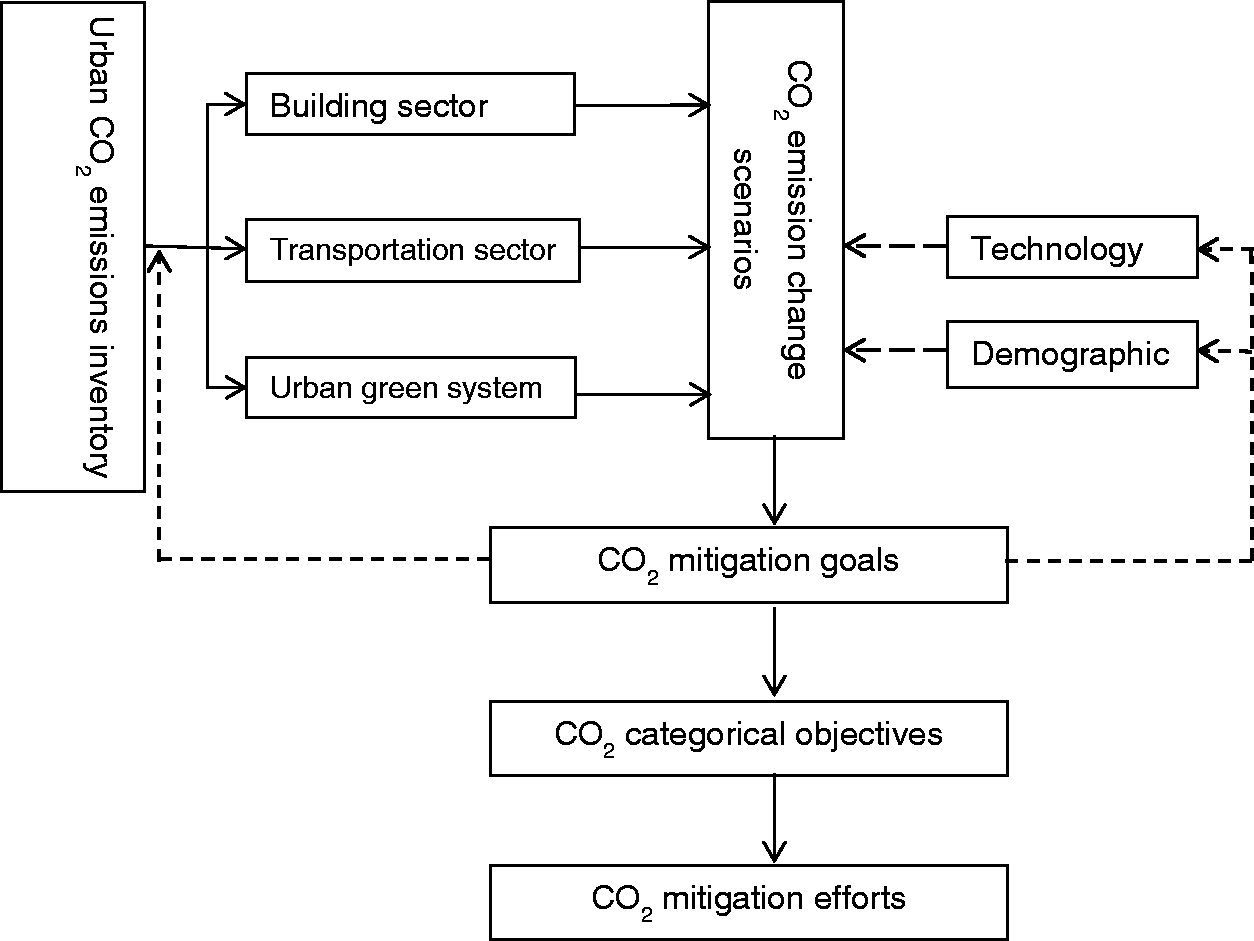
Calculation of urban CO2 emissions
Urban CO2 emissions in cities mainly come from buildings and transportation, while urban green systems can absorb a certain amount of CO2. Urbantotal urban CO2 emissions are calculated as

This paper calculated CO2 emissions of different sectors based on methodologies provided by the Intergovernmental Panel on Climate Change guidelines. Simple estimation procedures rely on activity data and emissions factors. The equation is

Calculation of building CO2 emissions
Building CO2 emissions, BCEs, were calculated by LCA. Typically, a building’s life cycle could be divided into four stages: (I) Production and transportation of building materials; (II) Construction; (III) Operation; (IV) Demolition and recycle of usable materials. CO2 emissions from each stage have different features and need to be calculated separately. In this paper we used two different types of calculation:


CO2 emissions in the period of materials production and transportation (BCEn1) are from raw materials production and carriage, which include steel, cement, sand, glass, wholesome pottery, and other building materials. In this period, data to be collected include the quantity of each material consumed and energy consumption in the transportation


CO2 emissions in the period of construction (BCEn2) are from construction site clearing, materials transportation, and lifting inside the construction site, equipment operation, and electricity consumption. They are given as


CO2 emissions in the period of use and operation (BCEn3) are from central household electric appliance, heating and air conditioning, domestic hot water and necessary building maintenance throughout the building life span. For this stage the realistic emission is

CO2 emissions in the period of demolition and recycle (BCEn4) are from building deconstruction, transportation, and recycle. However, certain building materials can be recycled at this stage, thus offsetting part of the emissions from BCEn1. In practice, only steel is widely recycled in China and therefore the emission offset at this stage is given as


Calculation of transportation CO2 emissions
CO2 emissions from transportation sectors (TCE) depend on population, travel modes, and travel distances, which can have complex patterns. They can be estimated from local fuel consumption or sample surveys on travel modes and distances. As the data of fuel consumption is difficult to obtain, we use the latter method and data to estimate TCE (Huang et al., 2008; Xiao-lin, 2007). In our case, Lingang is a satellite city of Shanghai, and its adult inhabitants can be divided into four groups according to their travel characteristics: college students (concentrated on or around university campus in the city); local residents (those who live and work in the city), out-commuters (those who live in the city and work outside), and in-commuters (those who live outside and come to the city for work). Thus the transportation CO2 emissions in the nth year (

Calculation of CO2 storage of urban green system
Urban green systems fix a certain amount of carbon each year through the absorption of carbon dioxide. Net CO2 reserves in urban green areas (GCS) can be estimated by carbon captured in plant biomass (both above-ground and blew-ground biomass), and soil organic matters. In this paper CO2 reserved by soil is not included because of the lack of research in China. As grass and dead branches are usually cleaned periodically and disposed of in trash or burned, thus returning the carbon to atmosphere, they are excluded from the CO2 reserves. This leaves shrubs as the major contributor to carbon fixation.
Carbon storage of per unit biomass differs with location, species, and parts of plants, but the differences are small (IPCC, 2006; Chen, 2003). The default value recommended by IPCC can be used when there is a lack of local research data. Guan researched urban CO2 reserves in Guangzhou, a megalopolis in southern China (Guan et al., 1998). Wang also estimated that urban biomass every year in Beijing increases by 2.09 t/km2, carbon by 1.12 t/km2, and CO2 by 3.68 t/km2 (Wang, 2009).
The simplified urban CO2 GCS equation is given as

CO2 mitigation goals for new cities
The total emissions mitigation goals (

Ambition, technology, and demographics
Different cities usually set different mitigation ratios according to local environments. The case study of Lingang would show its goal set procedure in the paper.
New cities share the common similarities with developed cities, yet own several distinguished characters. Firstly, the growth ratio of population, land use, and economy is much bigger than developed cities; Secondly, the data of a new city are hard to access, which is constrain for the research, but predicting data or planning data can be used as an alternative way. Thirdly, the demographic character could be largely different from developed cities. Take Lingang as an example, most of the citizens in Lingang are university students and young workers. Fourthly, application of new technology is easier in new cities, and it is an obvious opportunity for low carbon planning.
Case study
Introduction in Lingang
Lingang is a new satellite city of Shanghai, China. A coastal city facing the East China Sea, its average temperature is between 13℃ and 20℃, and average annual rainfall is between 800 mm and 1600 mm. The development of Lingang was started in 2003, and today the young city is under full-bloom construction and built as a demonstrative Low-Carbon Zone of Shanghai. The infrastructure and population will achieve the planning goals in 2020. Central area of Lingang new city (hereinafter referred to as “Lingang City Centre”) is the subject of this case study, covering an area of 70 km2 and having a population of about 50,000 in 2010. Figure 2 shows Lingang’s integrated business, service, and living area without any industries planned. Lingang City Centre, shared a lot of same demographic characters with the whole City of Lingang, was the calculation scope and low carbon planning target in this paper. Without additional explanations, emission factors of Lingang were equal to those of Lingang City Centre.
Control detailed planning on the first stage of Lingang City Centre (2002–2007).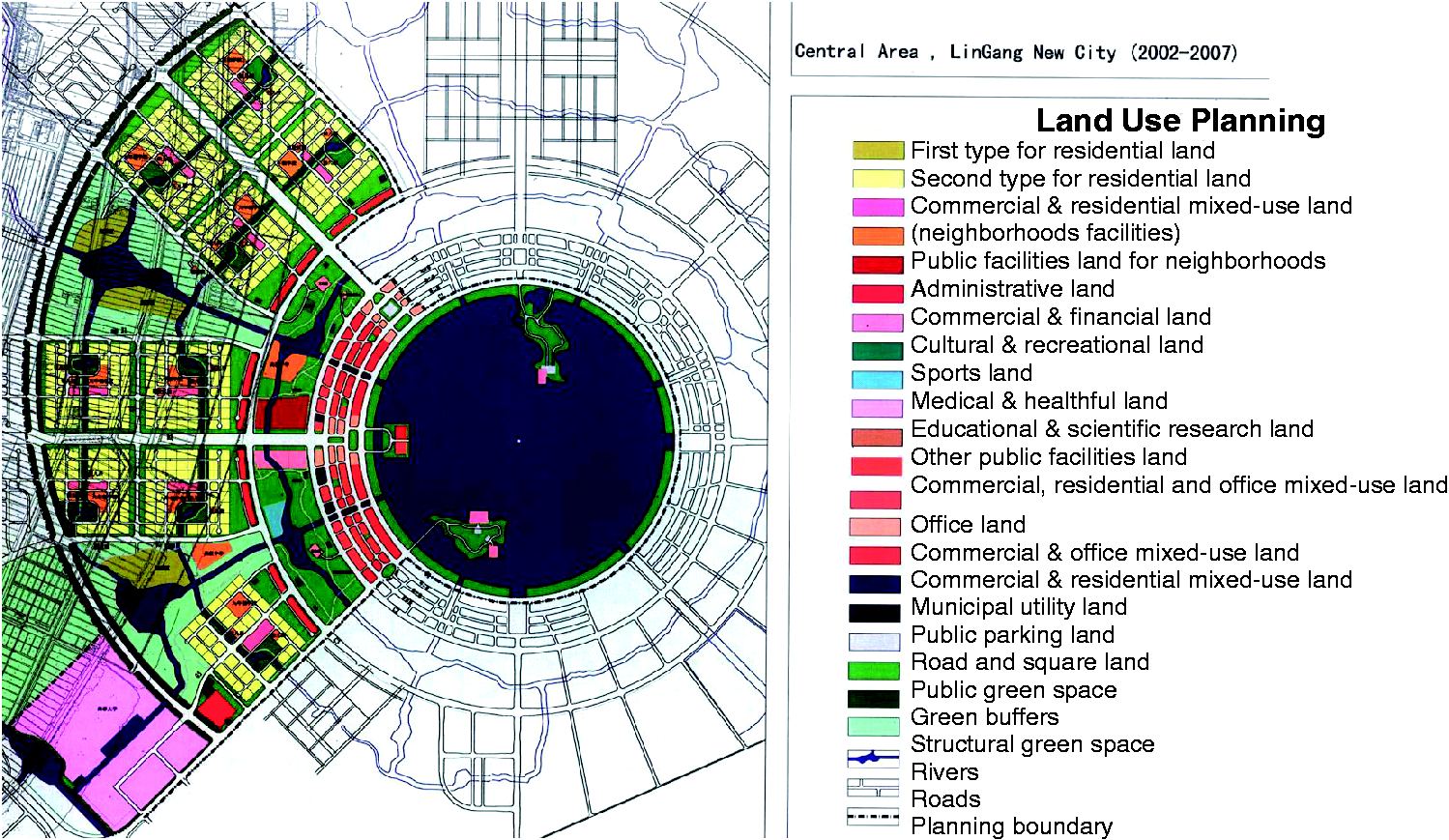
This research assumed that Lingang and Shanghai shared the same per capita GDP, which increased rapidly since China’s reform and opening up in 1978. Its per capita GDP reached 80,000 RMB in 2010 and was expected to grow at a similar rate as that of Shanghai (Figure 3).
Per capita GDP of Lingang City Centre from 1978 to 2010. Source: Shanghai census data.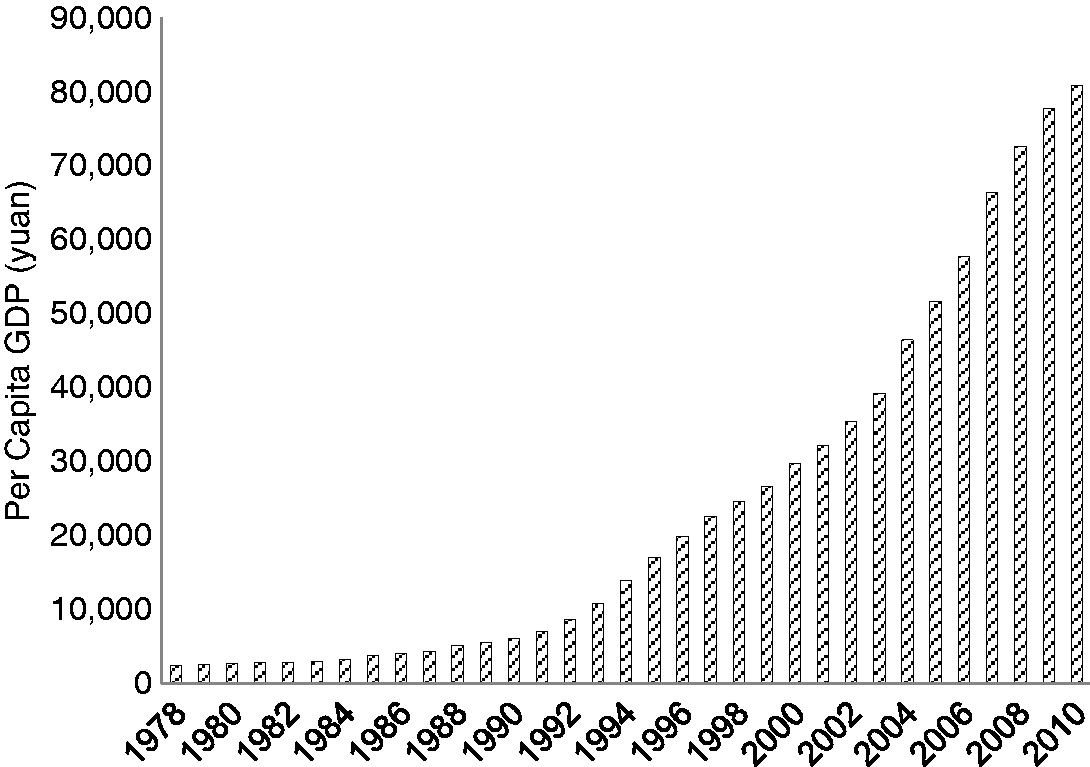
Assessment of CO2 emissions in 2020-business as usual scenario
Building sector
Emission factors on production and transportation, construction, deconstruction and disposal of Lingang City Centre (kg CO2/m2).

Source: Jiang and Wu (2010).
Prediction of emission factors on building use of Lingang City Centre (kg CO2/m2·a).
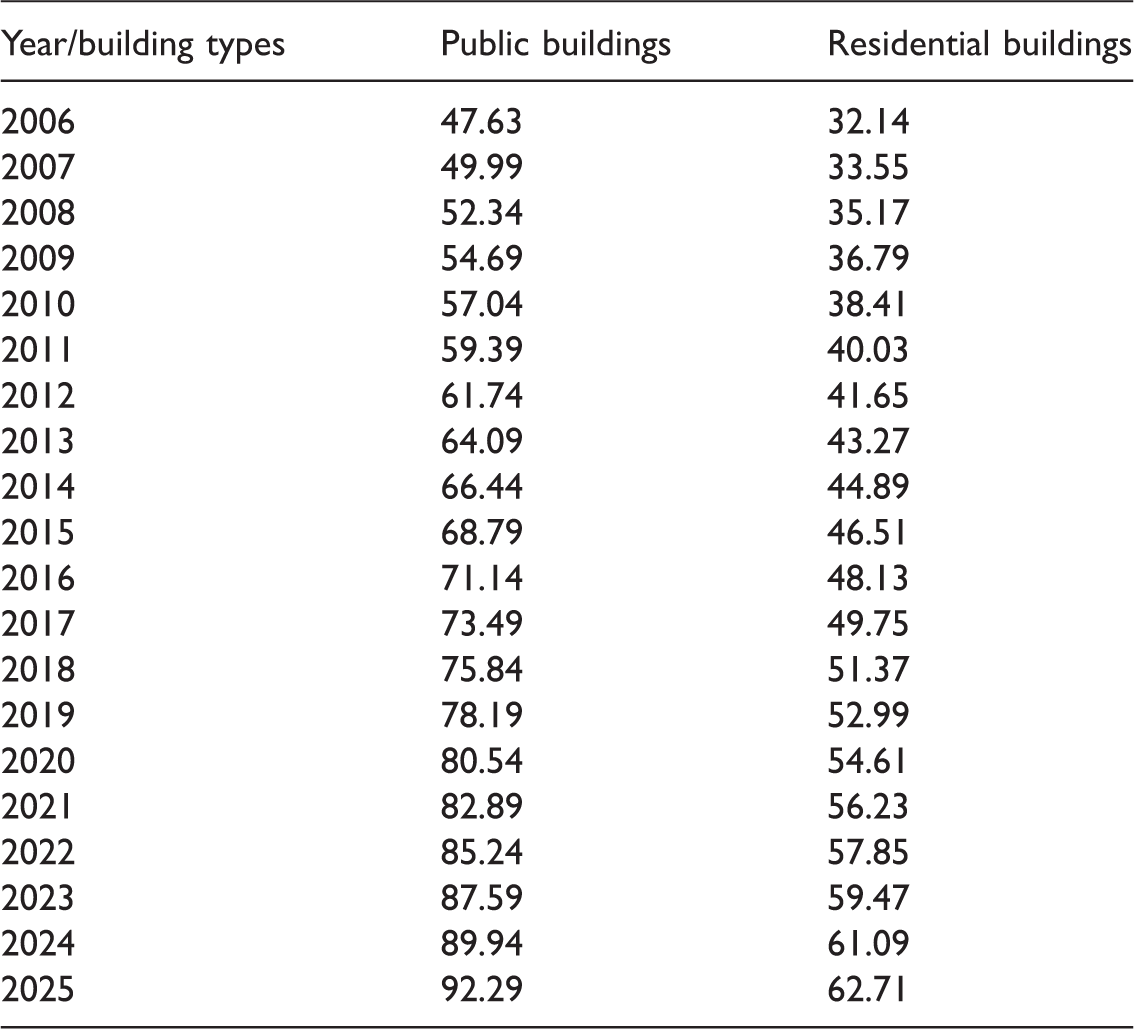
Source: Jiang and Wu (2010).
Two methods were used to calculate building CO2 emissions of BCE. First we took the most straightforward approach and calculated BCE as they were occurring, or the realistic emissions, according to equations (3.1) to (3.4). As shown in Figure 5 and 6, the emissions for the materials production and construction ( (a) Realistic CO2 emissions from public buildings of Lingang City Centre. (b) Realistic CO2 emissions from residential buildings of Lingang City Centre. (a) LCA CO2 emissions from public buildings of Lingang City Centre. (b) LCA CO2 emissions from residential buildings of Lingang City Centre. Transportation CO2 emissions of Lingang City Centre. Area of planning, construction, and floor of Lingang City Centre from 2006 to 2025 (km2).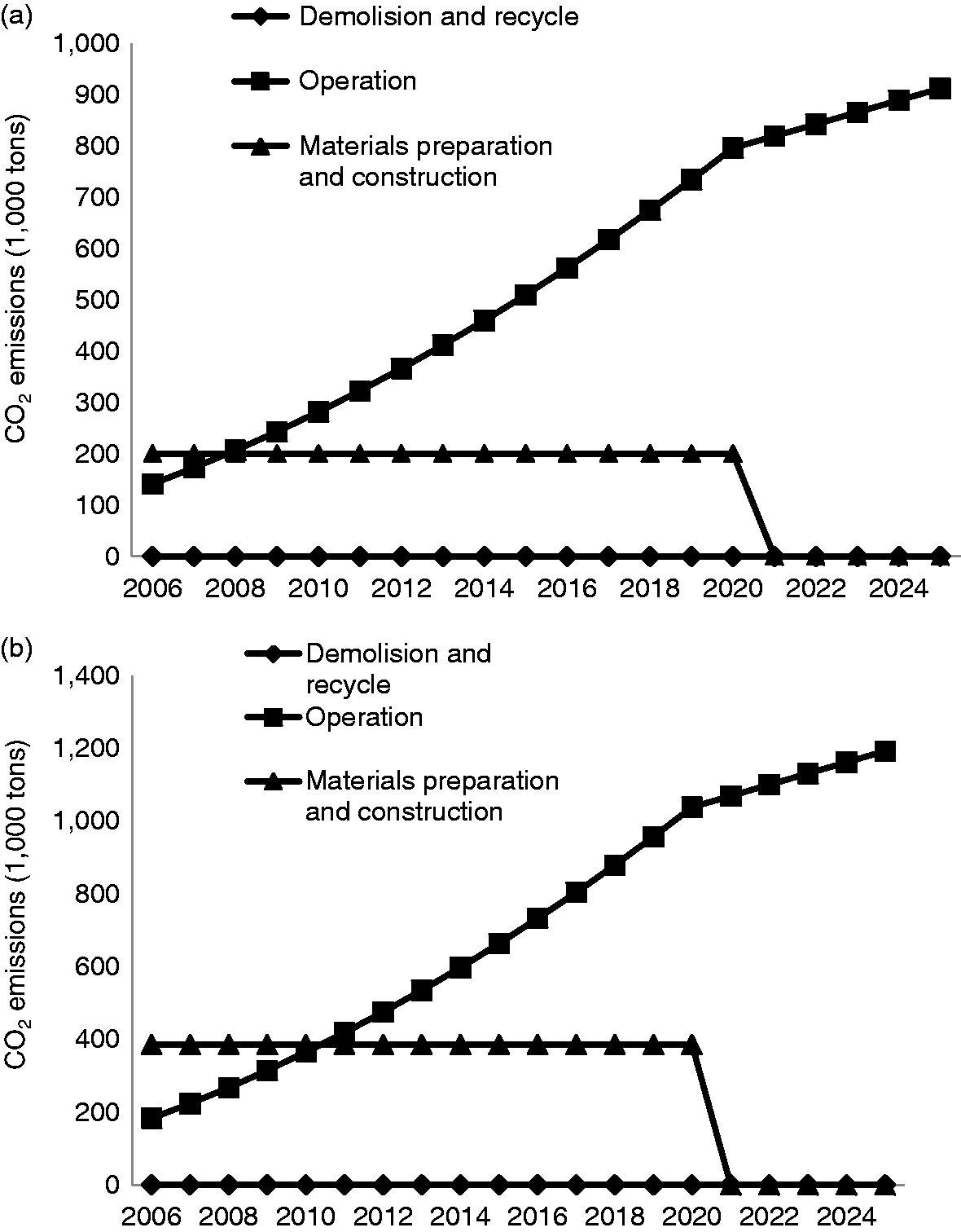
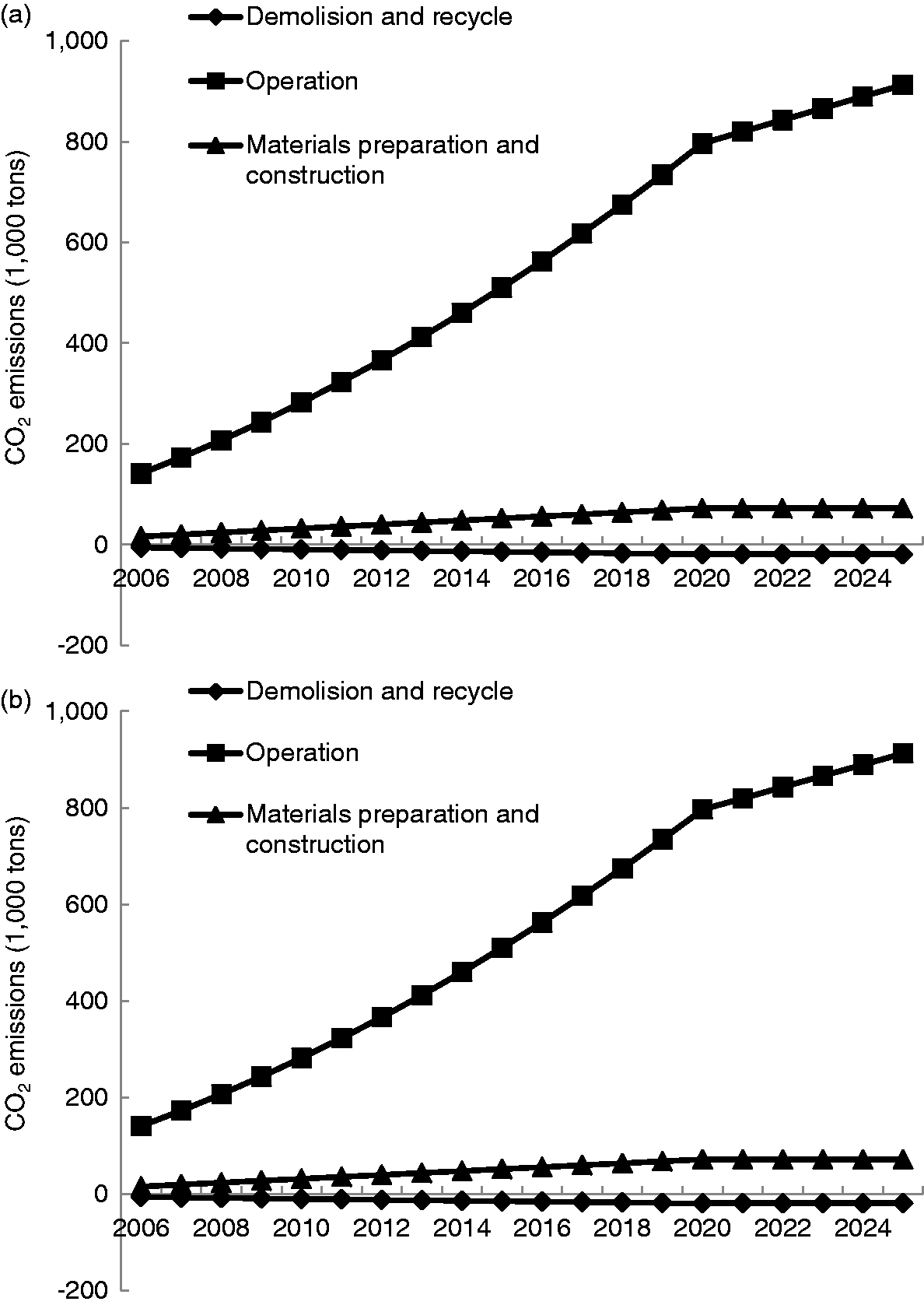

The next approach represented a method more meaningful for setting emission reduction goals. Here we averaged the emissions incurred in the preparation, construction, and demolition stages over the life span of the building. Figure 5(a) and (b) shows these averaged CO2 emissions (i.e.
Regardless of either calculation method, the largest amounts of CO2 emissions both in public buildings and residential buildings were emitted in the usage period. In this period, CO2 emissions of public building were mainly from heating, air conditioning, lighting, and equipment; CO2 emissions in residential building were mainly from household electric appliance, heating and air conditioning, domestic hot water, and necessary building maintenance. Different detailed strategies were developed in the light of characteristics in every period.
Transportation sector
Residents of Lingang City Centre from 2010 to 2030.
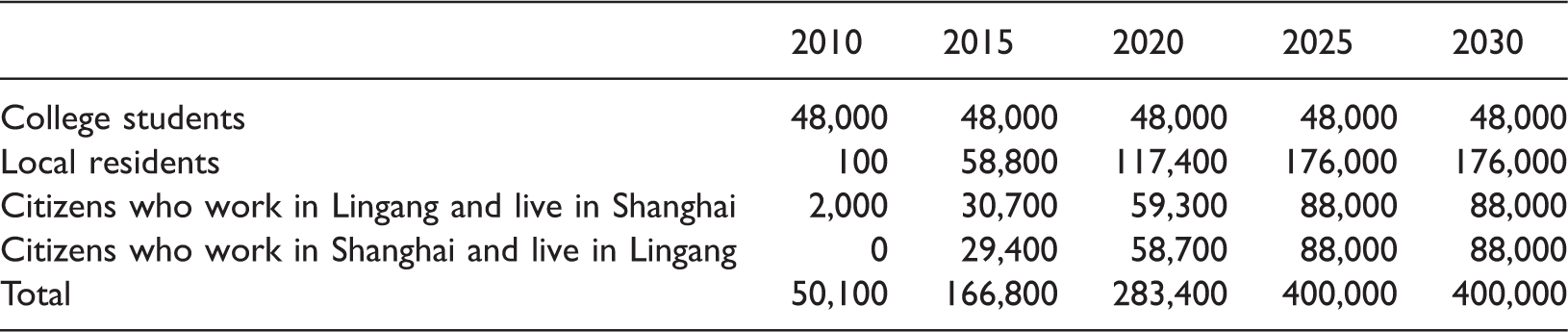
Each type of residents was assumed to use different transportation modes and habits. College students had a smaller activity range compared to local residents, the per capita transportation CO2 emissions of college students can be considered to be half of average level of residents in Shanghai. Both local students and local residents worked and lived in Lingang and traveled to Shanghai center on weekends, the per capita transportation CO2 emissions of these two citizens could be considered to be the sum of average emissions of residents in Shanghai and emissions from traveling to Shanghai on weekends. The other two types of residents needed to commute from Shanghai to Lingang every day. Surveys showed that their major transport modes are shuttle buses and private cars, and part of these residents would choose subway after it was opened in 2012. Assuming there were 20 persons in one shuttle bus and 1.5 persons in one private car every time on average, while the distance from Lingang City Centre to Shanghai city centre was roughly 70 km.
Per capita CO2 emissions from different transport modes in Shanghai (tones/a).

Source: Zhao et al. (2009).
Per capita transportation CO2 emissions of Shanghai and Lingang locals (excludes travels between Shanghai and Lingang on weekends) (kg/a).

Source: Shanghai Municipal Statistics Bureau (2010).
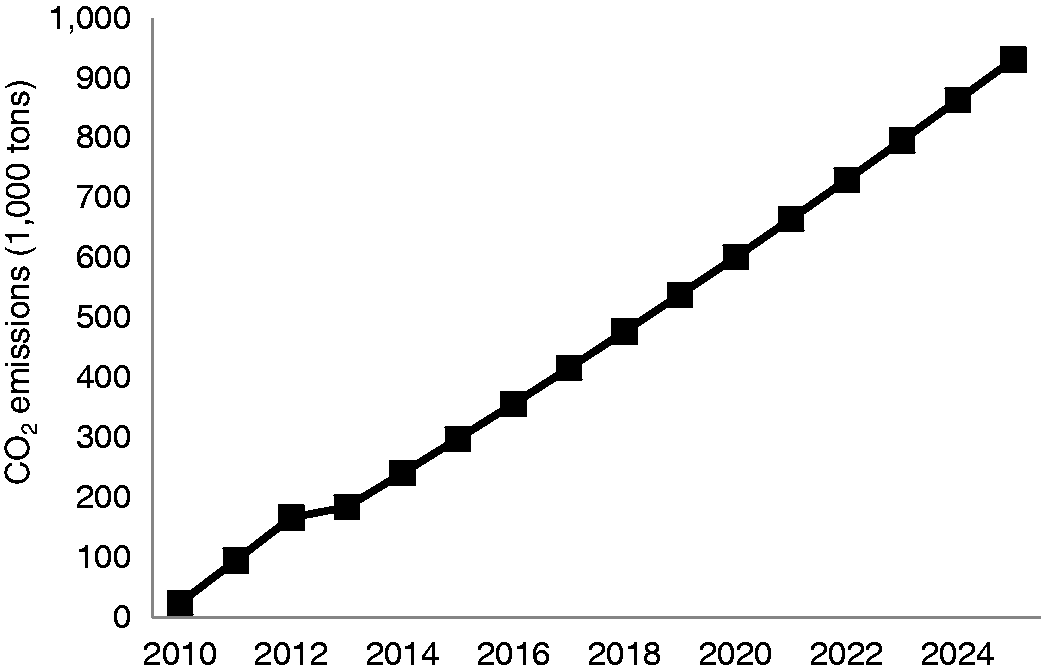
After calculations according to function (12) and above assumptions, Lingang City Centre’s per capita CO2 emissions was 488 kg in 2010, while Shanghai city’s per capita CO2 emissions was 623 kg at the same time. With the rapid growth of population, Lingang City Centre’s transportation CO2 emissions and per capita CO2 emissions would have a corresponding growth and the per capita CO2 emissions of Lingang would be higher than that of Shanghai before 2025 (Figure 6).
With the sharply increasing population, transportation will be responsible for about 20 percent of total emissions in 2020. Urban areas rely heavily on transportation networks of various kinds for both internal and external movements. Intercity metro from Shanghai City Centre to Lingang City Centre will be open in 2012, then it is assumed that one-third of workers will transfer to subway from private cars and shuttle buses. In this way, the transportation CO2 emissions will decrease 2,000,000 ton every year. This contributes a lot in the development of low carbon city. After population stability of Lingang City Centre in 2025, the total 2025 transportation CO2 emissions will be around 1,000,000 ton/a and it would increase slowly after that. Per capita CO2 emissions is 2.33 t/a (twice as that of Shanghai city), which is due to the large proportion of inhabitants who commute between these two cities every day.
Urban green system
The green land rate ranges from 30% to 50% according to Lingang’s plan. When green land rate is 30%, urban green reserves 5,000 ton CO2 annually after the completion of construction in 2020; and when green land rate is 50%, urban green reserves 8,000 ton CO2 annually after the completion of construction in 2020 (Figure 7).
Urban green CO2 reserves of Lingang City Centre.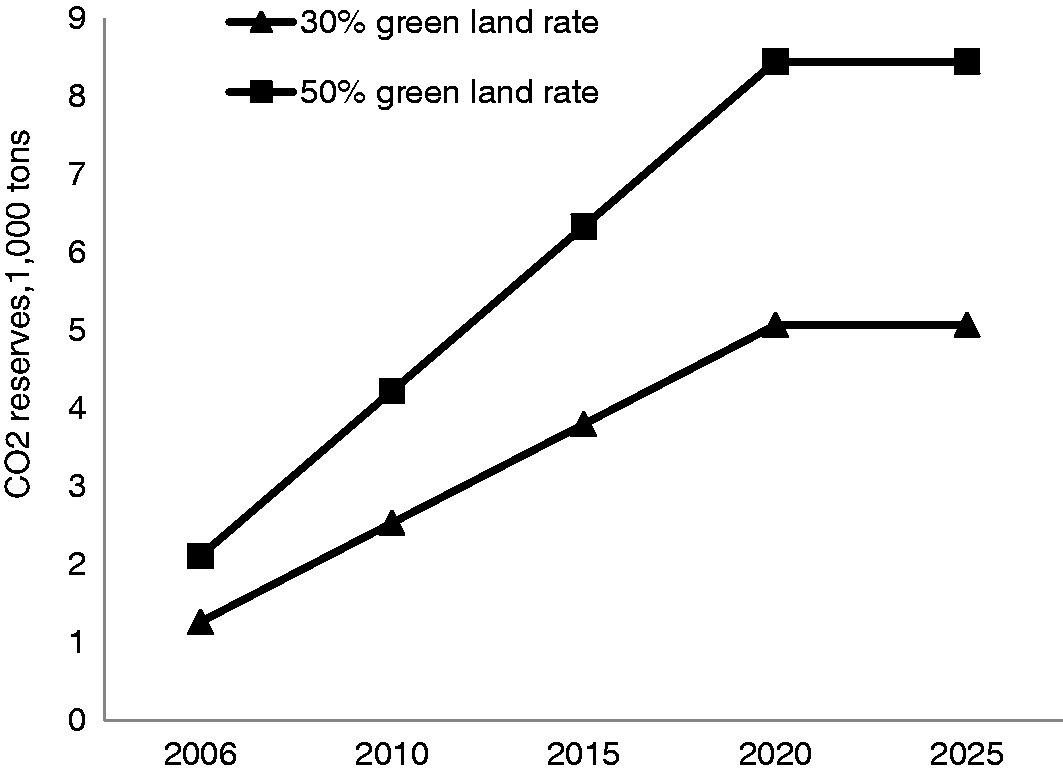
The urban green system has inconspicuous carbon reserve effect with the huge amount of CO2 emissions due to building operation and traffic. Nevertheless, appropriate planning and management of urban green system could reduce the Lingang City Centre’s CO2 emissions indirectly by orientating the residents towards Green life and lowering ambient temperature by shading. The green system is very important for the development of urban area due to its vital ecological adjustment and aesthetic function besides carbon fixation ability.
Assessment of Lingang’s CO2 emissions
Total CO2 emissions
Among the three components of Lingang’s carbon model, building sector, transportation sector and urban green system, building sector emitted the largest amounts of total CO2 emissions. In order to analyze carbon emissions characters and set a detailed mitigation goal, public building emissions and residential building emissions were calculated separately. Applying LCA to this assessment, CO2 emissions from raw materials, construction, and demolish were equally distributed to building life cycle extends (50 years). Accordingly, the total CO2 emissions of Lingang City Centre were around 1,000,000 tons in 2010, almost entirely from building sector. However, as the population exploded in the following years and suburb transport modes, CO2 emissions from transportation sector increase rapidly from 2010 to 2020. Green system CO2 reserves can counteract part of CO2 emissions, but this offset is not significant, only account for about 1% of total urban CO2 emissions (Figure 8).
Assessment of total CO2 emissions of Lingang City Centre (2006–2020).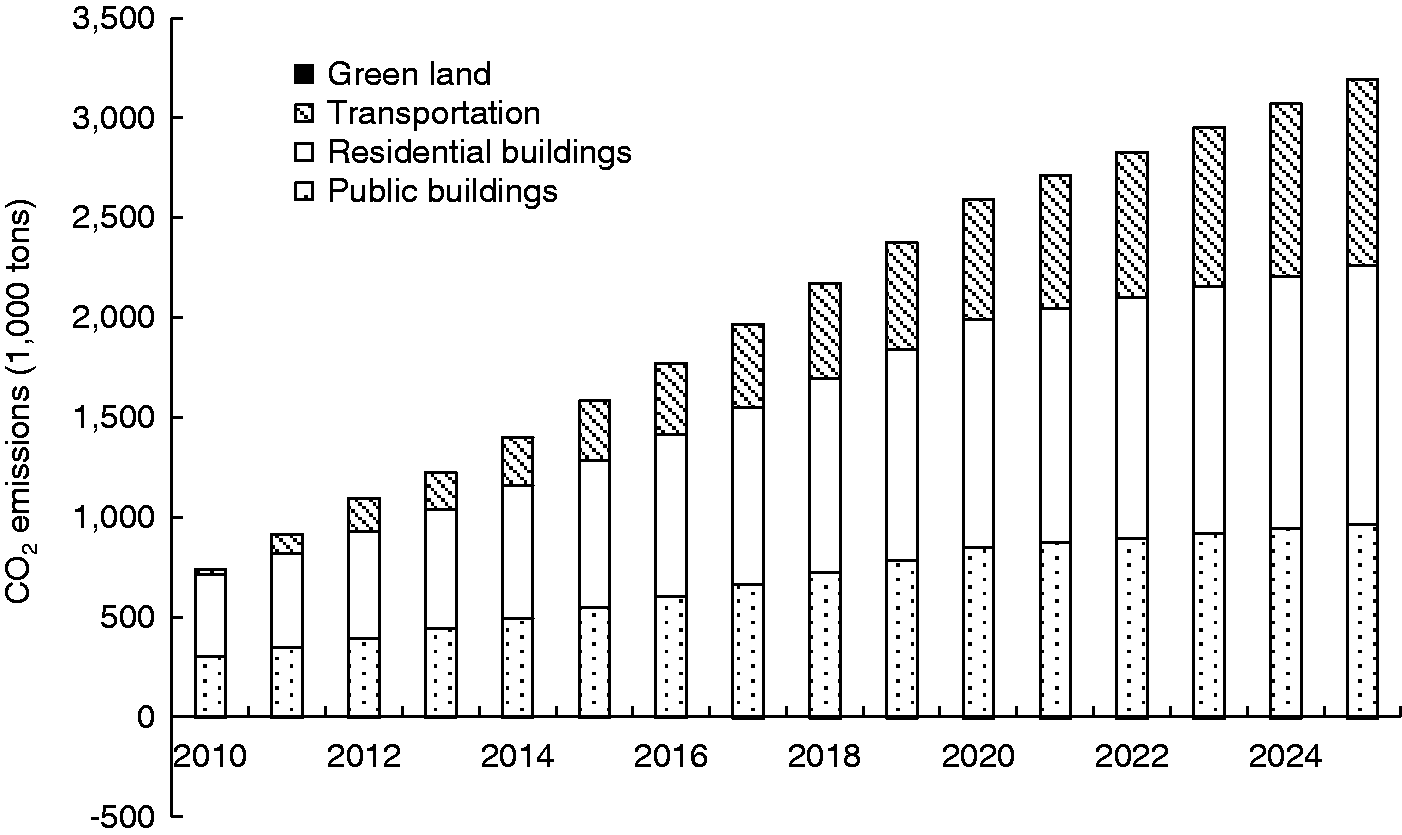
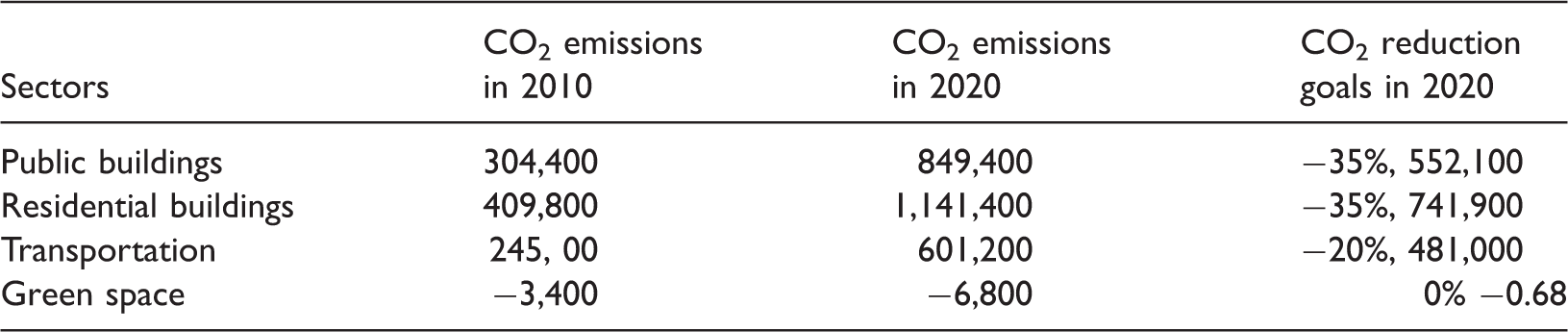
CO2 emissions inventories in 2010 were public buildings, 304,000 tons, residential buildings, 410,000 tons, transportation, 24,500 tons, and green system, −3,380 tons. In 2020 CO2 emissions inventories will be public buildings, 850,000 tons, residential buildings, 1,140,000 tons, transportation, 601,000 tons, and green system, −6,760 tons (Figure 9). After the completion of construction and stable population in 2020, CO2 emissions will increase moderately. The 2020 emission levels can be set as the mitigation baseline.
The 2010 and 2020 CO2 emissions of Lingang City Centre.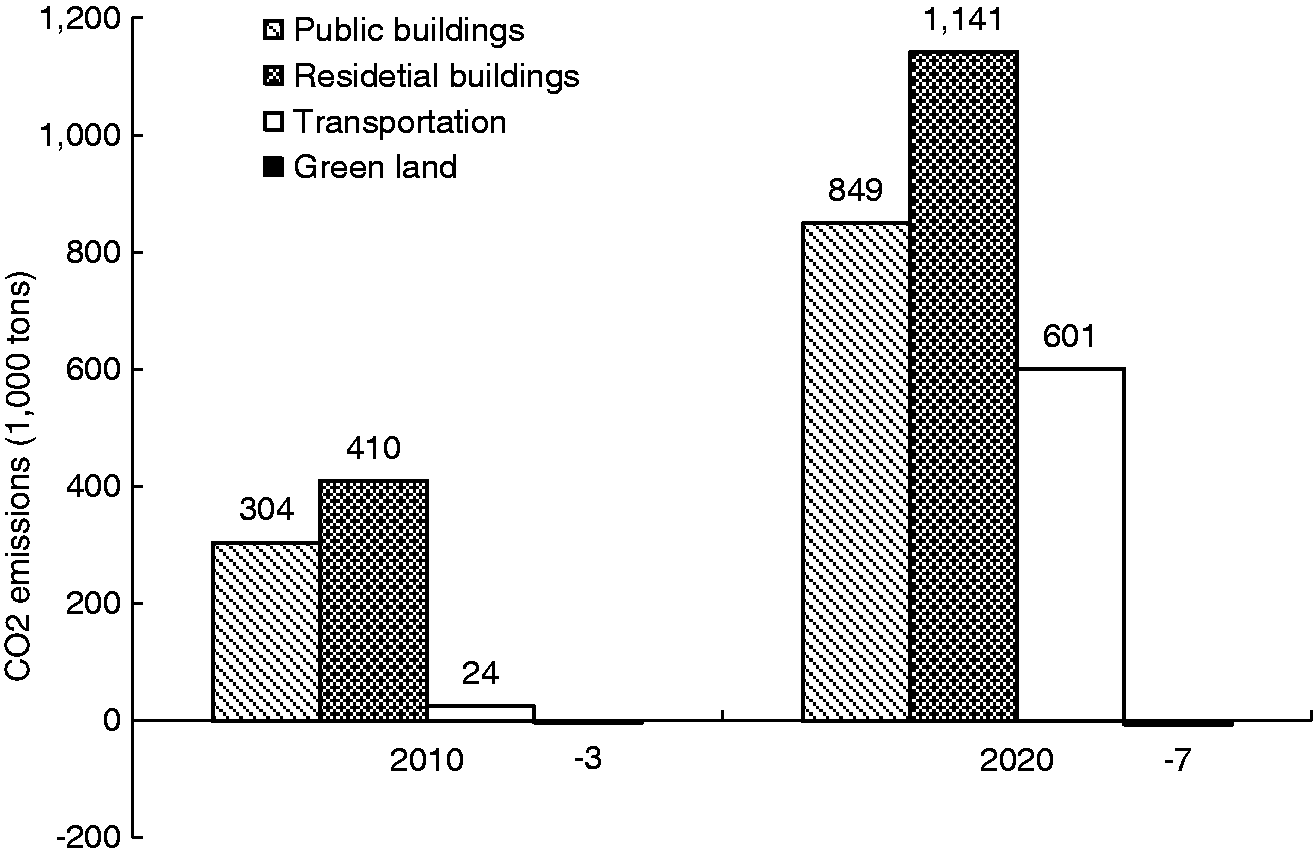
Lingang, as a young and rapid developing urban area, has a unique carbon emissions characteristic: high grow speed for each carbon emissions sector. According to the graphic above, the building carbon emissions increases three times in 10 years while that of traffic grows 30 times due to the population explosion. To achieve the objective of 50% reduction in carbon emissions, public building, residential building as well as public transformation should be taken as the key factor in the low carbon planning. Besides, waste discharge, policy making and executing, education, and design strategy suitable for the Climate change should also be considered.
CO2 emissions mitigation goals
CO2 emissions mitigation goals of certain cities in EU and USA.
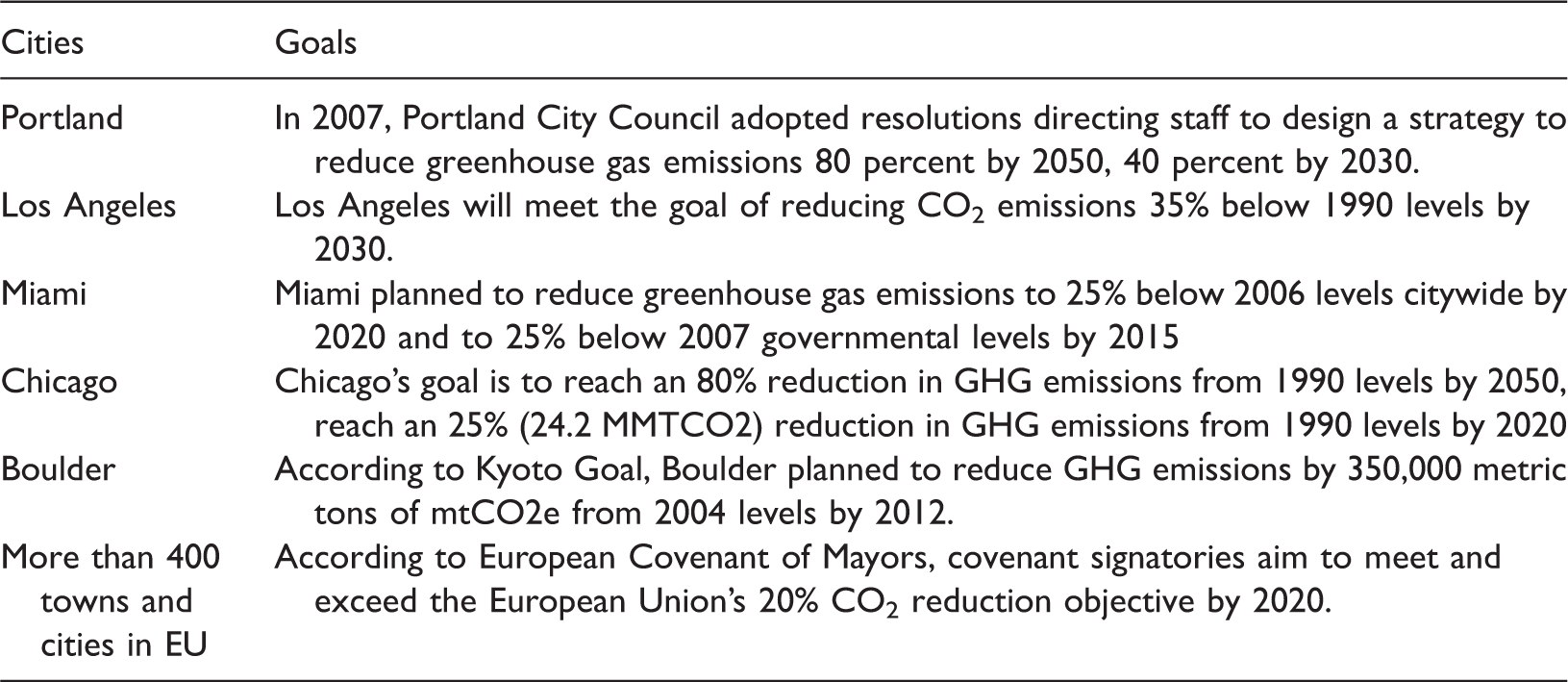
Source: City of Berlin (2011), City of Boulder (2006), City of Chicago (2008), City of London (2010), City of Los Angeles (2007), City of Portland and Multnomah County (2009), Grand Paris Seine Ouest (2011), Miami (2008).
Figure 10 lists four scenarios of Lingang emissions taking Shanghai as a reference. As Lingang is one of three “low carbon demonstrative districts” in Shanghai city, ought to set a more ambitious mitigation goal than City of Shanghai. The target that Lingang City Centre reduces both 30% CO2 emission amounts on 2020 levels fulfill technical feasibility and position as a low carbon city. However, not similar to relatively mature cities, Lingang City Centre is a fast growing town, both in population and building areas, thus needing its more reasonable mitigation objectives. Hence, the emission amount in the year of 2020 is considered as baseline for calculating mitigation when all the building constructions would be finished, instead of current status.
Assessment of CO2 emission intensity in Linggang City Centre under four scenarios.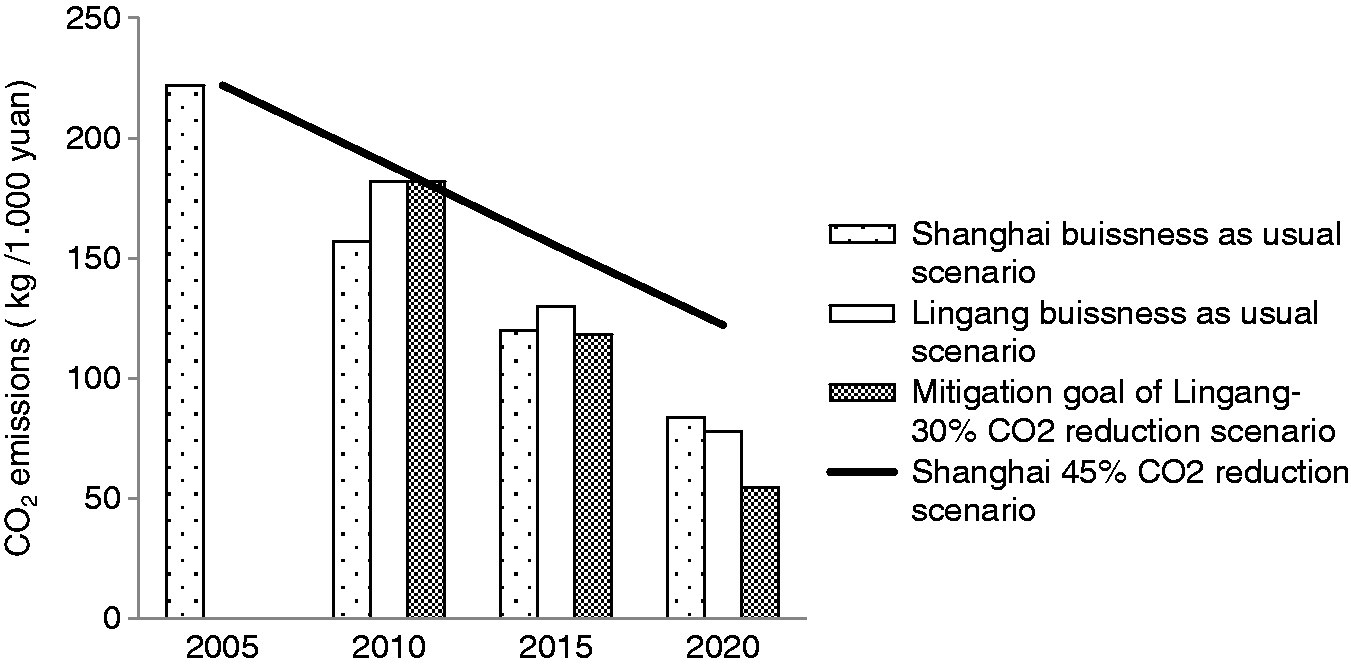
CO2 reduction goal of Lingang City Centre.

CO2 reduction objectives of each sector in Lingang City Centre (tones).
CO2 emission mitigation strategies
CO2 mitigation strategies in building, transportation, and green land sectors.
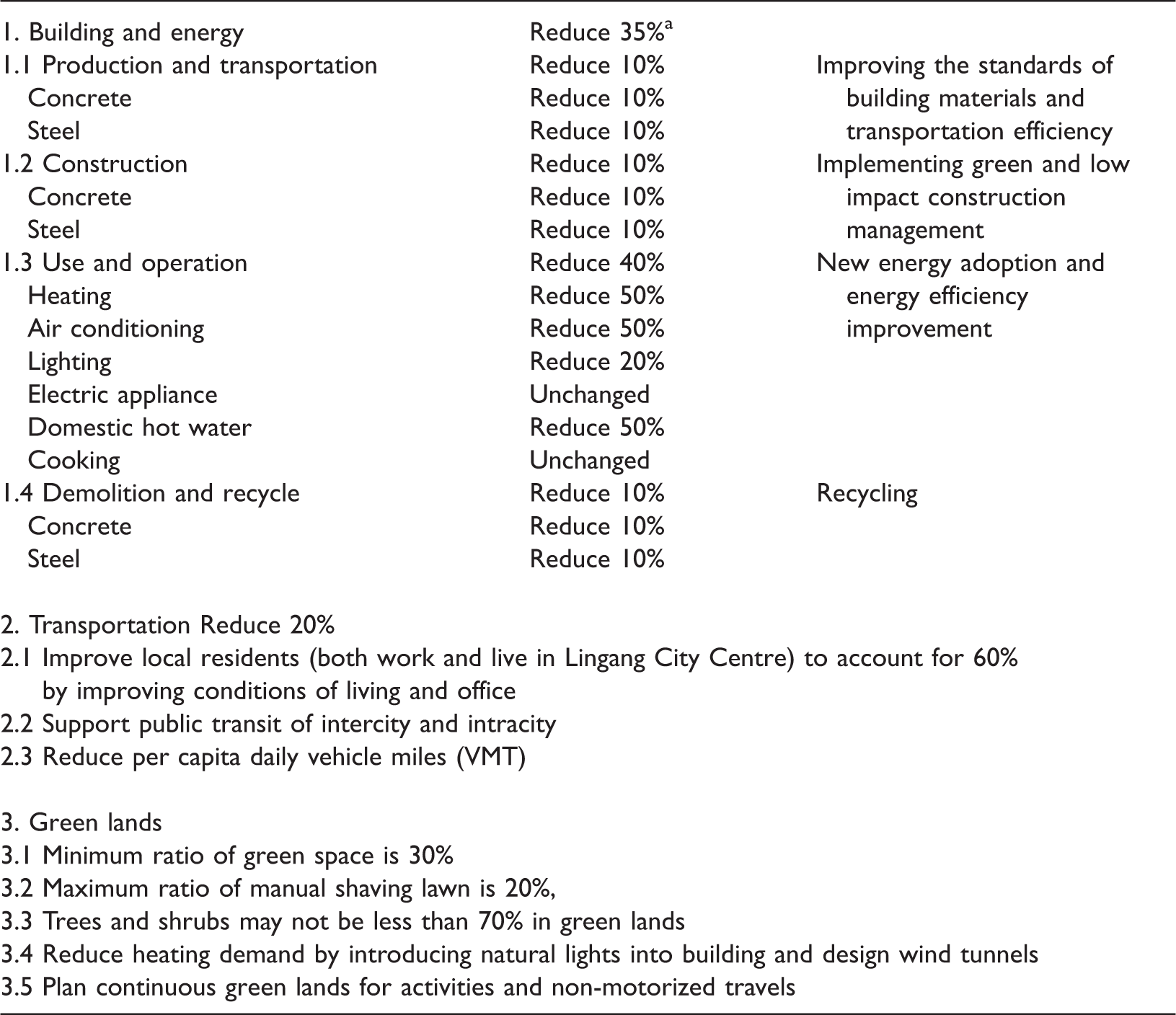
All the reduction baselines based on 2020 emission levels.
Strategies in transportation sector include improving local residents (both work and live in Lingang City Centre) 60% by improving conditions of living and office; supporting public transit of intercity and intracity; and reduce the miles of per capita daily vehicle below current levels by 2020.
Strategies in urban green systems include setting the minimum ratio of green space is 30%; the ratio of manual shaving lawn not exceeding 20% while that of trees and shrubs may not be less than 70% in green lands; reducing heating by introducing more sunshine into building and appropriate layout of wind tunnels; making continuous green lands which would be convenient for activities and non-motorized travels such as walking and bicycle riding.
Discussion and conclusions
In this paper, an integrated analysis method for assessment and mitigation of urban carbon dioxides of new cities in China was proposed. LCA method was included into the analysis to make the emission inventory comprehensive. To demonstrate this method, we quantitatively evaluated the present and future carbon emissions of Lingang. In addition, based on the prediction of the demographics of the new cities and referred for carbon emissions reduction target of Chinese government and that of cities in developed countries, a reasonable carbon emission reduction target for the new city has been made. Technical measures and policy for carbon emissions reduction have also been suggested and effective regulation is recommended for local government to make sure the carbon emissions reduction target could be reached.
The case study of Lingang showed that building construction and operation was the largest carbon emission sector in new cities. Transportation was secondary contribution sector, and landscape did not contribute to large extent in a new city’s carbon inventory. CO2 emissions mitigation distribution strategies could be developed in the three sectors: Strategies in building sector were divided into four stages: production and transportation, construction, operation, and deconstruction; strategies in transportation sector included improving conditions of living and office, supporting public transit of intercity and intracity; and reducing per capita daily vehicle miles; strategies in urban green systems included setting the minimum ratio of green space, the maximum ratio of manual shaving lawn and minimum ratio of trees and shrubs, and planning continuous green lands which would be convenient for green traffic way such as walking and bicycle riding.
The work shown in this paper has the following contributions: one of the earliest quantitative carbon mitigation studies for new cities; the local data were used rather than simply citing data from abroad with more accurate results; carbon emissions for the coming 10 years were also predicted in addition to the estimation of current carbon emissions.
Due to the lack of measured data, the accuracy of the proposed carbon emission method can’t be assessed currently. This problem is expected in the actual measured data which can be used to calibrate the parameters involved in this method in future, so that more accurate result can be obtained.
Footnotes
Declaration of conflicting interests
The author(s) declared no potential conflicts of interest with respect to the research, authorship, and/or publication of this article.
Funding
The author(s) received no financial support for the research, authorship, and/or publication of this article.