



Abstract
In this article, we describe and explore the topics, methods, and author arrangements of the English language literature on public administration in East and Southeast Asia. Articles in the review are for the period 1999-2009 and were identified in the Web of Science. Searches identified 309 articles in the disciplinary area of public administration. The emphasis of scholarly attention is on East Asia—China, Japan, Hong Kong, Taiwan, and South Korea. Four major characteristics of this literature are noted. First, it is comparative in nature. Second, it focuses on system and regime change, as well as policies, as the major topics and units of analysis. Thirdly, it is primarily based on normative argumentation, and where it is empirical, it typically relies on secondary data. Fourth, it is largely interdisciplinary in nature, drawing on many disciplines and scholars from around the globe, but it is dominated by scholars based in English language speaking countries. In conclusion, we discuss the implications of these findings for the public administration discipline and research in the region.
Seeking to understand the nature of the discipline is a key endeavor in all academic fields. In public administration attention has focused on the nature of the discipline and questions of productivity and methods (see for example Corley & Sabharwal, 2010; Ferlie, Lynn, & Pollitt, 2005; Kellough & Pitts, 2005; Perry & Kraemer, 1986; Schroeder, O’Leary, Jones, & Poocharoen, 2004). The balance of this effort is North American. However, processes of globalization now clearly affects public administration, leading to new wider vistas of enquiry and resulting in challenges and exceptions to the dominant trend (Candler, Azevêdo, & Albernaz, 2010; Gulrajani & Moloney, 2012; Hou, Ya Ni, Poocharoen, Yang, & Zhao, 2011; Kickert, 2005; Vogel, 2010; Walker, 2011). The impact of globalization is also reflected in the internationalization agenda of many public administration associations including American Society for Public Administration, International Research Society for Public Management and Public Management Research Association, while many universities strive toward international diversification.
Scholars have increasingly turned their eye to understanding the nature of public administration in a range of places around the world. This is undertaken to gain knowledge about practice elsewhere, to test the robustness of theoretical frameworks and to understand processes of change. One region that has seen increasing numbers of academics turn their attention to is East and Southeast Asia. This is an important world region in the twenty-first century for many reasons including its cultural diversity and status as economic powerhouse, and processes of decolonialization, together with political transformation and major social change, that have lead to sea changes in the politics and administration of these countries (Ba, 2009; Berman, 2010; Berman, Moon, & Choi, 2009). Some of the more noticeable and widely written about changes have been in China where the state has largely withdrawn from the education, health, and housing sectors raising important questions about marketization processes and policy outcomes, particularly on questions of efficiency and equity (Mok & Ku, 2010). Similar pressures have been documented across Southeast Asia and elsewhere in the world (Haque, 2004; Sheema, 2005).
The research we have uncovered on this region largely focuses on specific questions and does not provide an overview of the nature of the research conducted or address questions about what is studied, how it is studied and who studies (for recent exceptions in English, see Berman et al., 2009, and Berman, 2010). Given this, this American Review of Public Administration symposium seeks to make a contribution by providing an overview of public administration research, and reach conclusions on the nature of the research endeavor in East and Southeast Asia. The contribution is made in two ways. First, the majority of the knowledge that many scholars have of public administration in East and Southeast Asia is based on studies written in English—the dominant language of academia—and we provide a first time review of this material. The second, and perhaps more important contribution, is to address the deficiencies associated with the English language literature and to undertake a systematic review of the material written in the mother tongue in Hong Kong and Macau, South Korea, and Taiwan. 1 This approach will bring national debates about the topics and methods of research and authors to the wider world. Such an approach will also permit comparisons to be made between the agendas pursued by those who have sought to publish their work in English with those who write about their discipline in their mother tongue in these countries.
This first article in the symposium seeks tackle the first contribution and describes and explores the topics, methods, and author arrangements of the English language literature on public administration in East and Southeastern Asia. Within this article, we add one further objective; that is to make explicit comparisons to the wider public administration literature that is typically published in the Western English language journals (typically in Australia, Europe, New Zealand, the United Kingdom, and the United States, though we emphasize the latter). We do this because the literature we draw on is taken from the West. As such one hypothesis we explore is that this English language literature may reflect the orientations of the editors of these journals and their manuscript reviewers rather than the culturally specific experiences of the countries under review (see Candler et al., 2010; Gulrajani & Moloney, 2012). If this is the case we might expect to see the topics and methods of these journals replicated in the studies published on East and Southeast Asia.
The balance of this article is laid out thus. First the particulars of the coding scheme are discussed. These are implemented here and adopted in the other articles in this symposium. We then outline the way in which articles were identified for inclusion in the review. We then move on to look at the journals and countries included. Next we report on the topics, methods, and author arrangements that were found in the sample. We finish by examining the institutional arrangements of scholars publishing in the English language public administration journals. Our main findings are that public administration scholarship in East and Southeast Asia is a comparative field that broadly focuses on system and regime change, as well as policies, as the major topics and units of analysis. Published studies typically use argumentation but rely on secondary data when undertaking empirical analyses. Finally, the published literature is largely an interdisciplinary affair, drawing on many disciplines and scholars from around the globe, but it is dominated by scholars based in English language speaking countries.
Methods Adopted for the Reviews
A common coding protocol was agreed among the authors; however, variations were permitted to capture the distinct flavor of different countries. (The appendix outlines the topics of the coding protocol and variances to this are discussed in the articles.) The data for these reviews are journal articles, and given the range of countries and different historical traditions the choice of journals to review was determined by each author, and is explained in each article. We, nonetheless, sought to include the best journals that would be publishing the highest quality research. 2 All studies cover the time period 1999-2009, and included all types of articles with the exception of commentaries.
The reviews focus on three questions: what, how and who. As such, the articles examine the substantive issues in the literature, the methods adopted, and the author arrangements and builds on existing comparative studies of public administration (Gulrajani & Moloney, 2012; Van Wart & Cayer, 1990). For the substantive topics examined in each article we reviewed a grounded approach was adopted (see appendix). We did this because it was important that categories were not imposed on the research in each country and that we could build up a picture of the topics of importance inductively, and from this make comparisons between each country studied and the English language material published in Social Science Citation Index (SSCI) journals. 3 If more than one topic area applied to an article we coded the dominant theme. We were also interested to know if the research was a single country study or comparative, and if comparative how many and which countries were examined.
A more deductive approach was adopted to examine the methods used in each study. This was necessary to permit comparison across the dominant styles of research in each of the articles. Therefore, first, the unit of analysis—individuals (e.g., citizens or civil servants), groups of people (e.g., work teams), organizations, programs or policies, and systems (e.g., systems of government, budget) and artifacts (e.g., government policies, ordinances, and laws)—was included in the coding protocol. The purpose of the study was also isolated in our reviews. Standard social science categories were adopted to identify if the work under review was based on systematic analysis: descriptive—presenting a profile or classification or answering questions such as who, when, where or how—exploratory—examining a little understood issue or phenomena to develop new ideas and move toward more refined research questions—or explanatory—that is seeking to explain why events occur and to build, elaborate or to test theory.
We also sought to classify the style of the articles reviewed and the methods that they adopted. In terms of the style of the review we initially asked if the articles were empirical or an essay (also see Gulrajani & Moloney, 2012; Sigleman, 1976; Van Wart & Cayer, 1990). Essays referred to articles that adopt argumentation as their dominant mode of analysis and do not directly engage in the dissemination of new empirical evidence or include secondary data. Having made this broad distinction each author team then drilled down to ask some more detailed questions about the methods adopted. First, the methods adopted were noted as being qualitative, quantitative or a review of secondary sources. In keeping with current reviews of public administration research we sought to discern the dominant method adopted (Pitts & Fernandez, 2009). Second, we asked if there was a clear statement of the time period in the study or not. Third, and related, we delved more deeply to see if the articles were cross-sectional, longitudinal (which we broke down into short [2-5 years], and long [5+ years]) or if the authors had adopted a time series design. Fourth, where studies were quantitative we went one stage further and noted the sample size reported and nature of the statistical analysis performed—was the analysis univariate and reliant on descriptive data or were more complex multivariate techniques implemented. Prior studies have referred to studies using descriptive data as “low level” and those with tests of significance as “high level” (Gulrajani & Moloney, 2012). In doing this, we were seeking to examine the extent to which deductive methods are used in this literature. In relation to qualitative articles we also took note of whether they included a formal technique to analysis the data collected, as a measure of the rigor of the methodology implemented. 4
Alongside the substantive content of the articles and the methods authors use to explore their questions we also examined institutional configurations. This included collecting data about the country base of authors and arrangement for the articles. We also recorded the department or academic unit that the authors were based in.
Data Sources
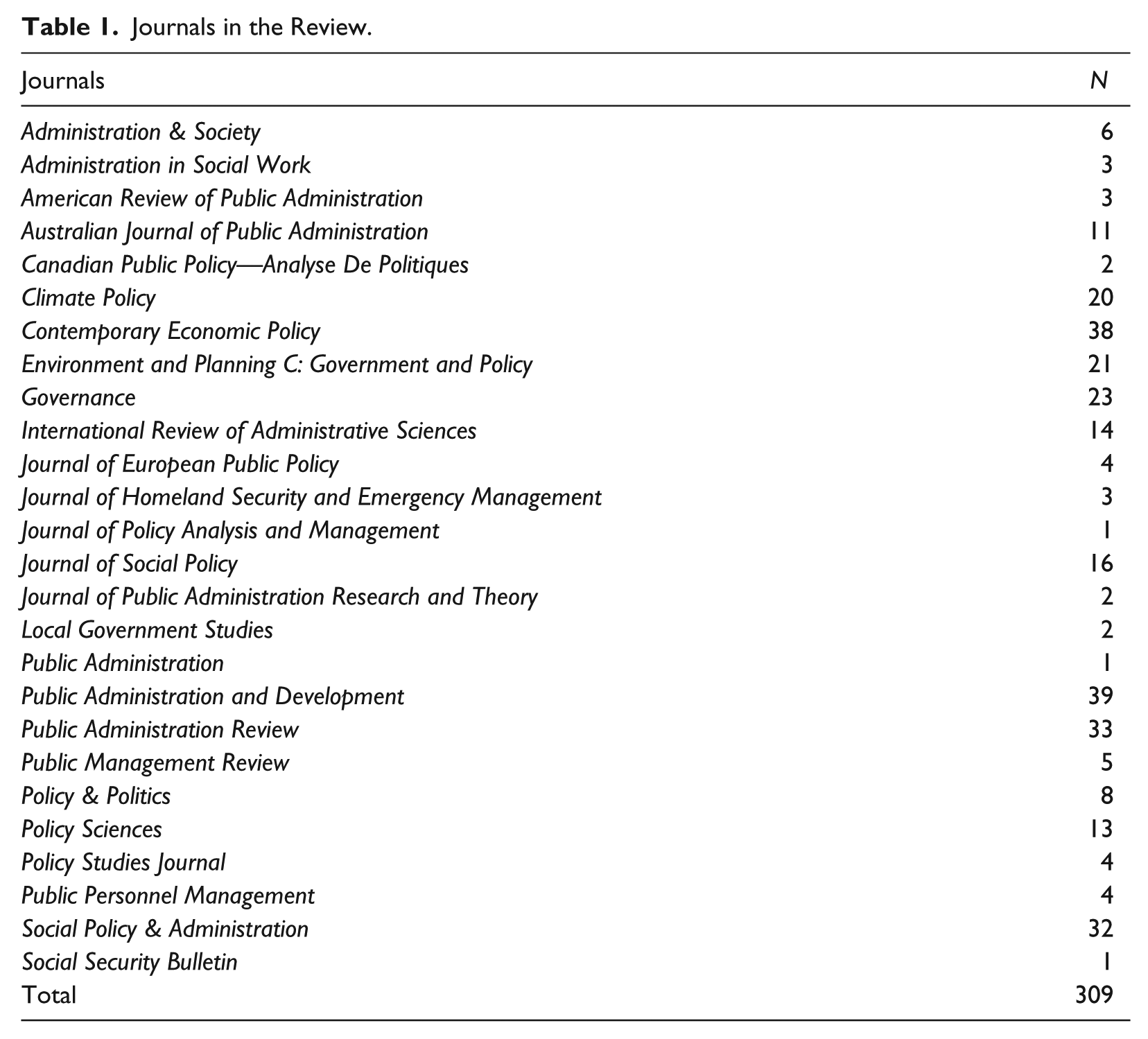
Our focus is on the topics, methods, and author arrangements of the English language literature on public administration in Eastern and Southeast Asian countries. The countries of Eastern Asia are China, Hong Kong Special Administrative Region of China, 5 Macau Administrative Region of China, Democratic People’s Republic of Korea, Japan, Mongolia, Republic of Korea, and Taiwan. 6 Southeastern Asia includes Brunei Darussalam, Cambodia, Indonesia, Lao People’s Democratic Republic, Malaysia, Myanmar, Philippines, Singapore, Thailand, Timor-Leste, and Vietnam (United Nations, 2010). We searched articles with these country names in the title or abstract, and also included Asia and derivatives thereof. The search was undertaken on the Thompson-Reuters Web of Science SSCI over the period 1999-2009. These searches initially led to the identification of 61,671 items. We then used the search engine’s tools to refine these data to include only articles (therefore excluding book reviews and so on) in journals associated with the discipline of public administration, as defined by the Web of Science. 7 These search decision rules identified 309 articles for this study, representing 0.005% of social science scholarship during the time period in question.
There are a number of strengths and weaknesses of using the SSCI. It excludes books, book chapters, and reports by influential national and international organizations such as the World Bank, and therefore may exclude some important scholarship. Furthermore, it focuses on a relatively small number of journals, 32 in total. However, these weaknesses are offset by the editorial standards of peer-reviewed papers that were, first, judged to be of suitable quality for publication by editors following blind peer review and had, therefore, met the basic requirements of theoretical and methodological rigor and thus met the expectations of the highest impact journals. This approach may lead to bias; for example, only articles that contain statistically significant results are normally published in a journal. However, estimates from other fields suggest that the magnitude of the bias is small (Rosenthal, 1991).
Journal articles and authors in the SSCI have increasingly received attention in public administration scholarship. For example, Corley and Sabharwal (2010) recently reviewed productivity patterns in public administration using this resource. However, concerns about the dominance of English language literature has led Candler et al. (2010) to argue that the field suffers from epistemic colonialism, nationalism and parochialism, or a major bias toward the theories and methods of North American scholarship (also see Gulrajani & Moloney, 2012).
Journals
Table 1 lists the 29 public administration journals that published articles on countries in East and Southeast Asia during the period 1999-2009. 8 Four journals published over 30 articles each during this time period: Public Administration and Development, Contemporary Economic Policy, Public Administration Review and Social Policy and Administration. Special issues or symposia inflated the total number of articles in three of these journals. In 2009 Public Administration Review published a comparative special issue on China–USA that included 20 articles, Social Policy and Administration published three symposiums in 2001, 2003, and 2006 with six articles each, and Public Administration and Development published a symposium on China in 2009. Figure 1 shows the distribution of papers by year and notes the inclusion of special issues. Removal of the special issues and symposia suggests that Contemporary Economic Policy published the most papers on the region, followed by Public Administration and Development. However, it should be noted that the editors of these journals may consolidate articles into upcoming symposia that they would otherwise publish separately.
Journals in the Review.
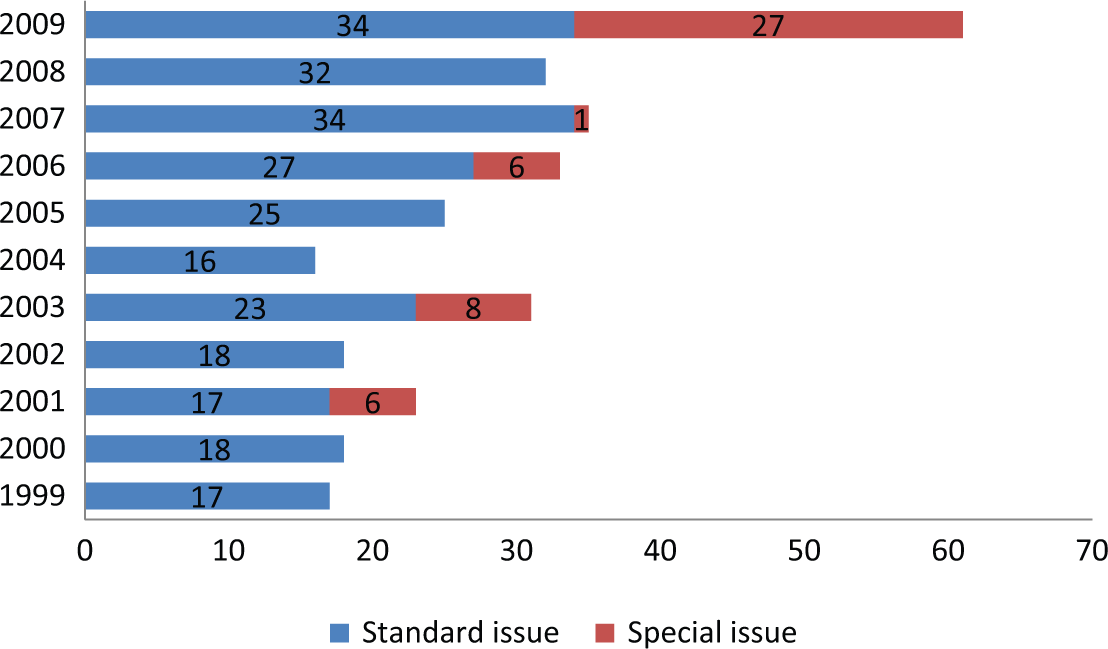
Number of articles published by year and standard and special issue.
Figure 1 also shows a slow increase in the number of journal articles published during the time period under consideration, rising from 17 in 1999 to 34 in 2009 (excluding special issues). Until 2004, less than 20 articles were published each year. Since then, more than 20 articles have been published each year and more than 30 articles per year since 2007. While the time period under consideration is relatively short, these data imply a growing interest among public administration scholars in publishing articles on Eastern and Southeastern Asia. 9 It is also possible that the recent spike in symposia reflects a growing interest in this region—at the time of writing at least five new symposia were planned. 10
The journals in this review were selected from the SSCI. The majority of these journals are edited in the United Kingdom or the United States. Indeed all but three of the journals included in our review are edited in these two countries, the exceptions being International Review of Administrative Sciences (Catholic University of Leuven in Belgium), Canadian Public Policy (University of Calgary), and Australian Journal of Public Administration (Australian National University), with one jointly edited in the United Kingdom and in Denmark (Roskilde University), Social Policy and Administration. 11 The material we deal with in this review may therefore reflect the mainstream views of U.K. and U.S. editors, and their institutions and journal reviewers, along with the broader Western literature in general.
Country Coverage
Nineteen East and Southeast Asia countries are included in our study. Articles have been written on 13 of these countries, meaning that no attention has been focused on Brunei, Lao, Macau, Myanmar, North Korea, or Timor-Leste (see Table 2). The greatest attention has been focused on China, followed by Japan, Hong Kong, Taiwan, and South Korea. These countries have been studied in 282 articles, and they account for 55% of all the countries studied in the sample. Indonesia, the Philippines, Malaysia, Singapore, and Thailand are represented in more than 10 but less than 20 articles, while Cambodia, Mongolia, and Vietnam have been researched in less than 10 articles. Focusing on the 358 papers studying the countries in East and Southeast Asia, China accounts for 33% of all papers, followed by Japan (16%) and Hong Kong (13%).
Countries Studied in the Articles Reviewed.
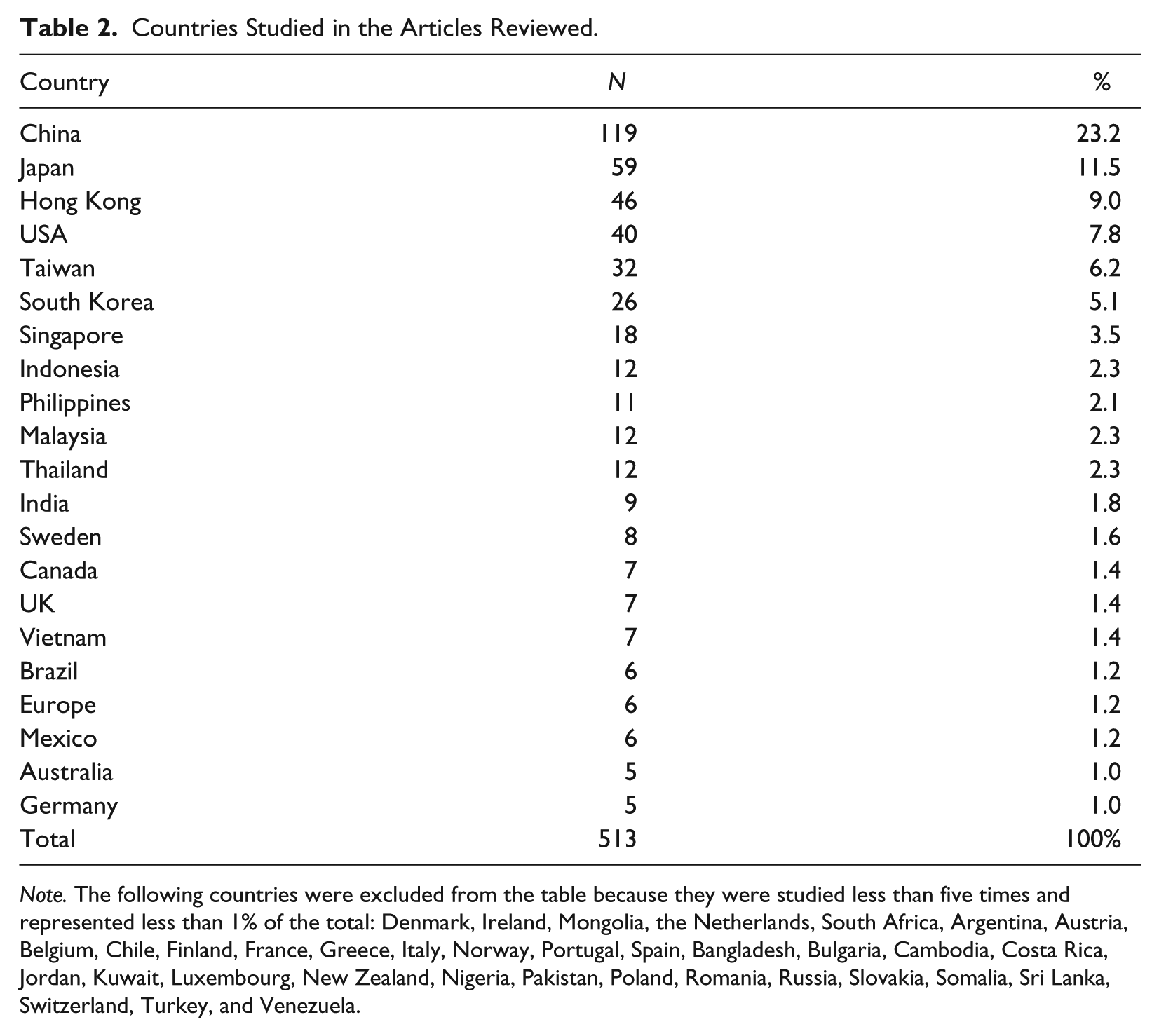
Note. The following countries were excluded from the table because they were studied less than five times and represented less than 1% of the total: Denmark, Ireland, Mongolia, the Netherlands, South Africa, Argentina, Austria, Belgium, Chile, Finland, France, Greece, Italy, Norway, Portugal, Spain, Bangladesh, Bulgaria, Cambodia, Costa Rica, Jordan, Kuwait, Luxembourg, New Zealand, Nigeria, Pakistan, Poland, Romania, Russia, Slovakia, Somalia, Sri Lanka, Switzerland, Turkey, and Venezuela.
One striking finding from Table 2 is the large number of non-East and Southeast Asian countries examined along with the targeted countries in these studies—some 43 in total. The United States was the most frequently studied non-Asian country, although as we noted earlier, a comparative China–USA special issue in Public Administration Review boosted the number. Otherwise, 26 countries were studied only once or twice. This large number of countries from outside the region under investigation leads us to a noteworthy finding: that a large number of studies of public administration in Eastern and Southeastern Asia are comparative in nature and global in scope, often comparing countries inside the region with more distant countries.
A more detailed investigation of the data confirms the comparative nature of research in this arena and indicates that 3 in 10 of the articles are multiple country studies (30.4%, n = 94). Similarly Gulrajani and Moloney (2012) note that just over a quarter of the articles from the Southern Asia that they review were multiple case studies. Of the multicountry studies in our sample the predominant tendency is for comparisons between countries within the East and Southeast Asian region and elsewhere in the world (68.4%), with the remaining studies making comparisons within the region (31.6%). By way of contrast, Terry (2005) identified comparative or international article topics accounting for 24 out of 350 articles published in Public Administration Review for the period 2000-2005.
Topics Studied
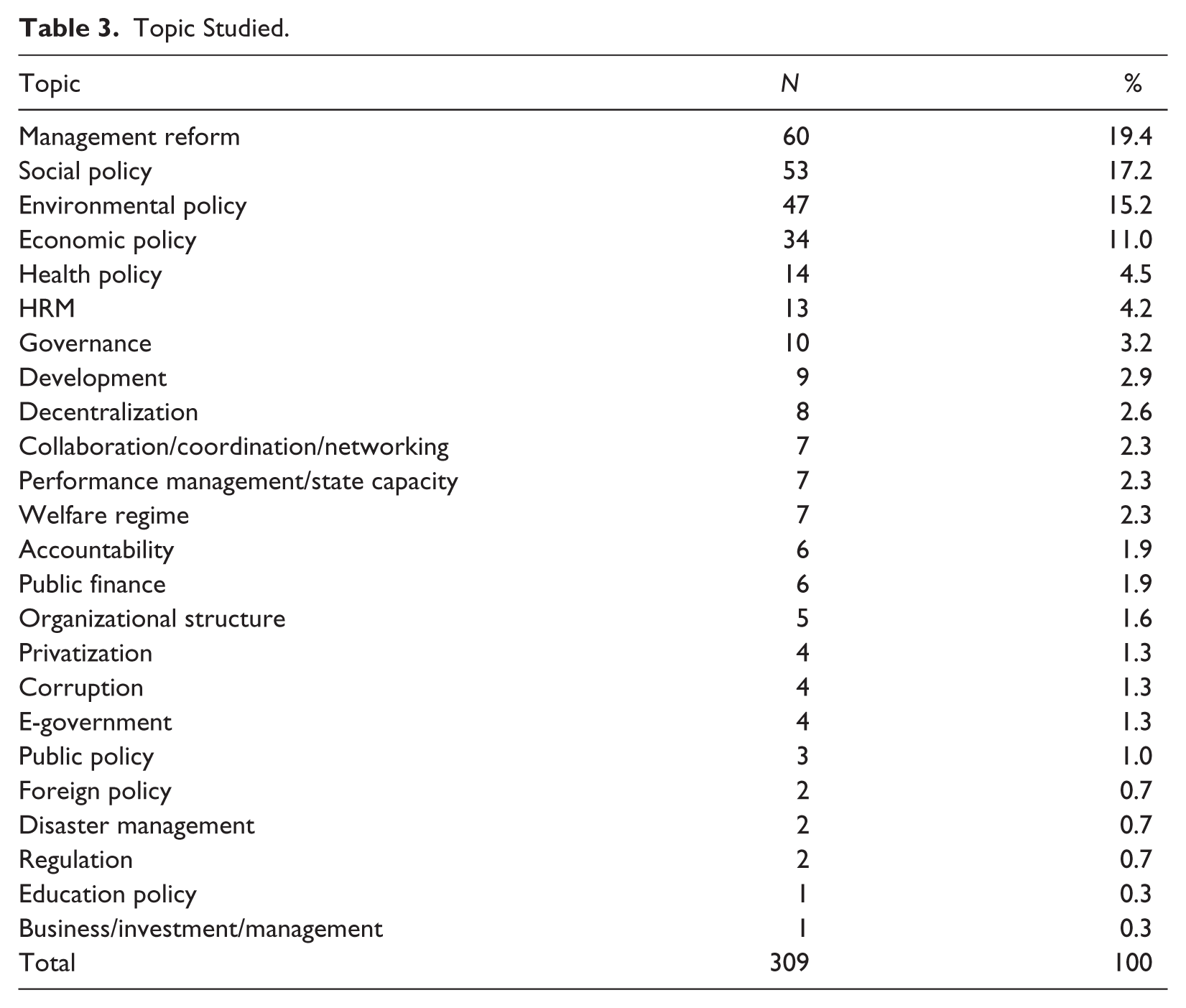
In the review, we identified 24 primary topics of investigation by scholars in their articles (see Table 3). The list was dominated by the topics of management reform, social policy, environmental policy, economic policy, and health policy, with these subjects accounting for more than 67% (n = 208) of all articles in the sample. 12 These studies can be roughly divided into two camps: studies focusing on management reform and social policy that are seeking to understand broad processes of change, and those from the environmental and economic policy fields that tend to address narrowly focused research questions. Health studies straddle both camps. For example, scholars working on social policy topics typically define their research questions as seeking to understand the development of social policy systems (e.g., Holliday & Wong, 2003), understanding social policy change in East Asian countries (e.g., Joo, 1999), or welfare restructuring in newly industrialized countries (e.g., Lee, 2006). Those examining management reform are predominantly interested in broad systems of reform and change. Examples of research questions include Chan and Chow (2007) who explore the outcomes from management innovations or reforms in China, Bowornwathana (2006) who focuses on autonomization of the Thai state and related topics, and Mok (2002) who sought to explain changing nationalization, marketization, and transitional governance in higher education in Taiwan. One of these papers touches on the topic at the heart of this article—the Western influence on Asian Scholarship—and seeks to examine whether management reform in China is driven by a model of “Chinese characteristics” or the global reform movement, concluding that Western influences are high (Christensen, Dong, & Painter, 2008). These debates are not unique to the region; for example there is a longstanding discussion in the new public management (NPM) literature on whether the reform agenda is the same everywhere or more characterized by the local adaptations.
Topic Studied.
Environmental policy papers have examined energy supply, demand, and emissions in China (Ren & Zhou, 2005), a comparative study of carbon sinks in Japan, Canada, and Sweden (Pohjola, Kerkela, & Mäkipää, 2003), and the effectiveness of policies to tackle greenhouse gases (Suwa, 2009). Research questions and topics among the economic policy articles included exploring the effectiveness of financial policy changes on the financial sector in Malaysia (Ang, 2008), examining the effectiveness of minimum wage legislation on women in Japan (Kawaguchi & Yamada, 2007), and cigarette consumption and mechanisms for health advice and promotion in South Korea (Kim & Seldon, 2004).
These findings imply that scholars writing in English on East and Southeast Asia are focused on larger questions about systems and regimes and with detailed policy questions that may have Western parallels or implications. This is a somewhat different emphasis than that of the wider public administration literature that traditionally examines questions of bureaucracy, performance, accountability, and organizational and individual behavior. If we contrast these topics with those identified by Terry (2005) in Public Administration Review and Pitts and Fernandez’s (2009) review of public management research presented at the sixth, seventh and eighth Public Management Research Association meetings in the United States, the distinct nature of public administration research in East and Southeast Asia becomes apparent. 13 Terry (2005) identifies 30 topics, of which public management is the most frequently discussed topic, while questions of policy account for 6.9% of articles (n = 24). The first noticeable difference from the Pitts and Fernandez (2009) review is that the largest category of papers in the mainstream literature examined networking and various forms of privatization (20.2%). These two topics account for only around 3% of our sample. Second, in the Pitts and Fernandez (2009) study, networking was followed by organizational change and innovation (8%), public management reform (7.4%), and a range of issues including diversity management, employee motivation, strategic management, leadership, human resource management (HRM), and budgeting. The most frequently written about organizational practice in the East and Southeast Asian articles we reviewed was human resource management or HRM (4.2%) with all other practices around 2%. One final observation of differences is that while there have been major natural disasters in the region over recent years, this is not fully reflected in the topics studied (only 2 studies or 0.7% of the articles published) in comparison with the volumes of literature dedicated to this topic in the United States. This suggests that public administration research in the Eastern and Southeastern regions of Asia is somewhat different from its mainstream US counterpart, even though both literatures appear in many of the same journals and are written in English.
This finding might be expected given that the study and practice of public administration are contingent on the context within which they take place. Indeed the growing public administration literature on the Asian region is keen to point out the importance of history, culture and context in shaping the practice of public administration (Berman, 2009; Berman et al., 2010). In Europe, Kickert (2005) has also argued that there are distinctive approaches to the study and practice of public administration in France, Germany, and Italy that reflect their legalistic state traditions, while Kuhlmann (2010) notes that these characteristics have led to differences in the adoption of NPM reforms.
Approaches and Methods
As was noted in the introduction, the preferred method of research is a long debated topic in public administration (Perry & Kraemer, 1986; White & Adams, 1994). In this section we investigate this topic and review the purpose and style of the papers, the units of analysis, the treatment of time in studies, and the type of methods implemented. Study purposes move from the exploration of a new topic, to a description of a phenomenon that is more clearly understood, to the explanation of a field or topic that is clearly described. While studies can describe and explore, it is usually possible to identify one major purpose, and we sought to do this here. The majority of the studies were exploratory (42.2%, n = 130) seeking to examine relatively new terrain; this was followed by explanatory studies (34.7%, n = 107), and lastly descriptive ones (23.0%, n = 72). Given that nearly two thirds of the articles seek to explore and describe public administration topics and questions in the region, this suggests that we are dealing with a new literature—or subliterature—that has yet to fully establish itself and its identity.
Examination of the purpose of a study and the topic studied suggests some interesting findings. Policy studies account for nearly half our sample of articles and tend toward exploratory studies (51.1%, n = 151), followed by explanation (29.8%, n = 45), and lastly descriptive studies (19.2%, n = 29). Within this group of articles, 76.5% (n = 26) of economic policy studies were exploratory. For management reform, the other main area of inquiry, the distribution of studies reflected the whole sample. While the number of studies is small for the other topics, it is notable that HRM studies tended to be explanatory (53.9%, n = 7), as did ones examining collaboration (57.1%, n = 4), while accountability studies were typically descriptive (66.7%, n = 4).
The style of the article was also considered; whether it is empirical (including quantitative or qualitative data) or an essay. The majority of the studies (57.1%, n = 176) tended toward an empirical orientation, though a large proportion (42.9%, n = 133) were essays that discussed a topic and were based on normative argumentation rather than new empirical evidence. While there is a bias toward empirical studies, exploratory and explanatory studies were more likely to be empirical (63.1%, n = 82, and 66.1%, n = 65, respectively) and descriptive studies essay based (59.2%, n = 42). These findings reinforce our prior suggestion that English-language public administration research on East and Southeast Asia is still emerging as an area of scholarship.
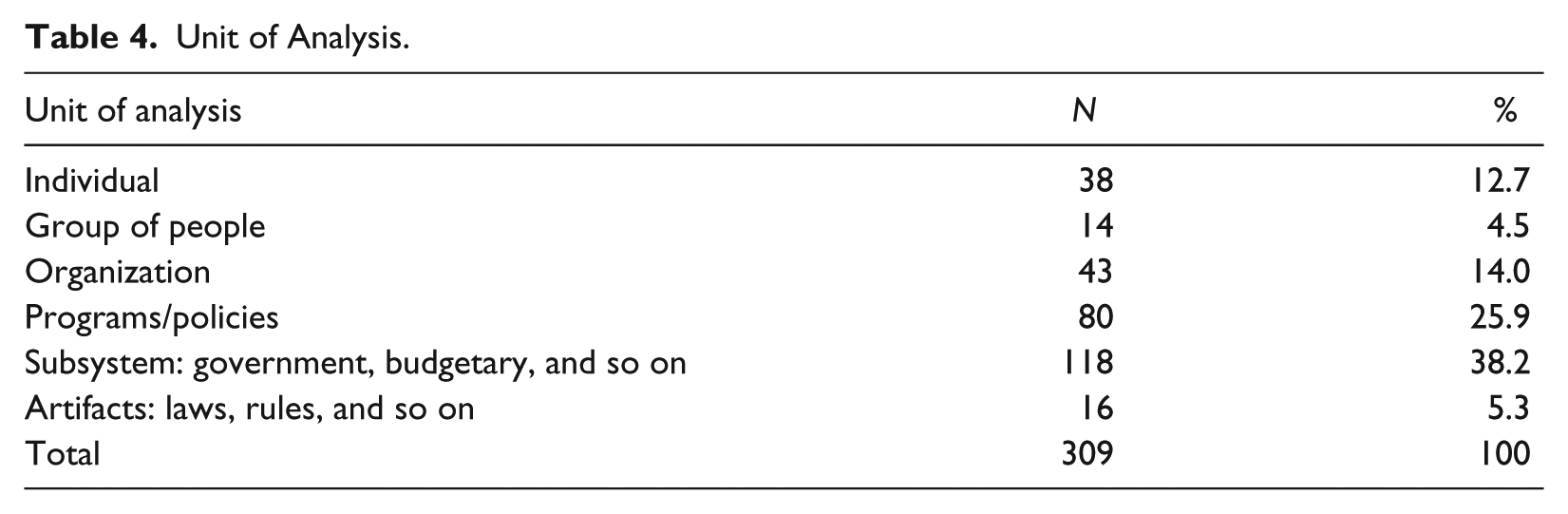
The dominant units of analysis selected for examination by scholars are systems of government, policies and programs (see Table 4). This reflects the topics of interest in two thirds of the cases reviewed that were concerned with management reform and various policy arenas. Organizations are the unit of analysis in 14% of the cases and cover a wide range of topics. Groups of people and government-related artifacts (such as laws, regulations and ordinances) were least likely to be investigated. Studies of individuals were typically from the policy studies literature, with the exception of a few studies that were modeled after Western studies of public sector employees (Bangcheng, 2009; Kim, 2009; Lee, 2008; Song & Olshfski, 2008; Yang, 2009). Another distinguishing feature of these studies is that they typically (65.78%) used original data sets and bi- or multivariate statistical analysis.
Unit of Analysis.
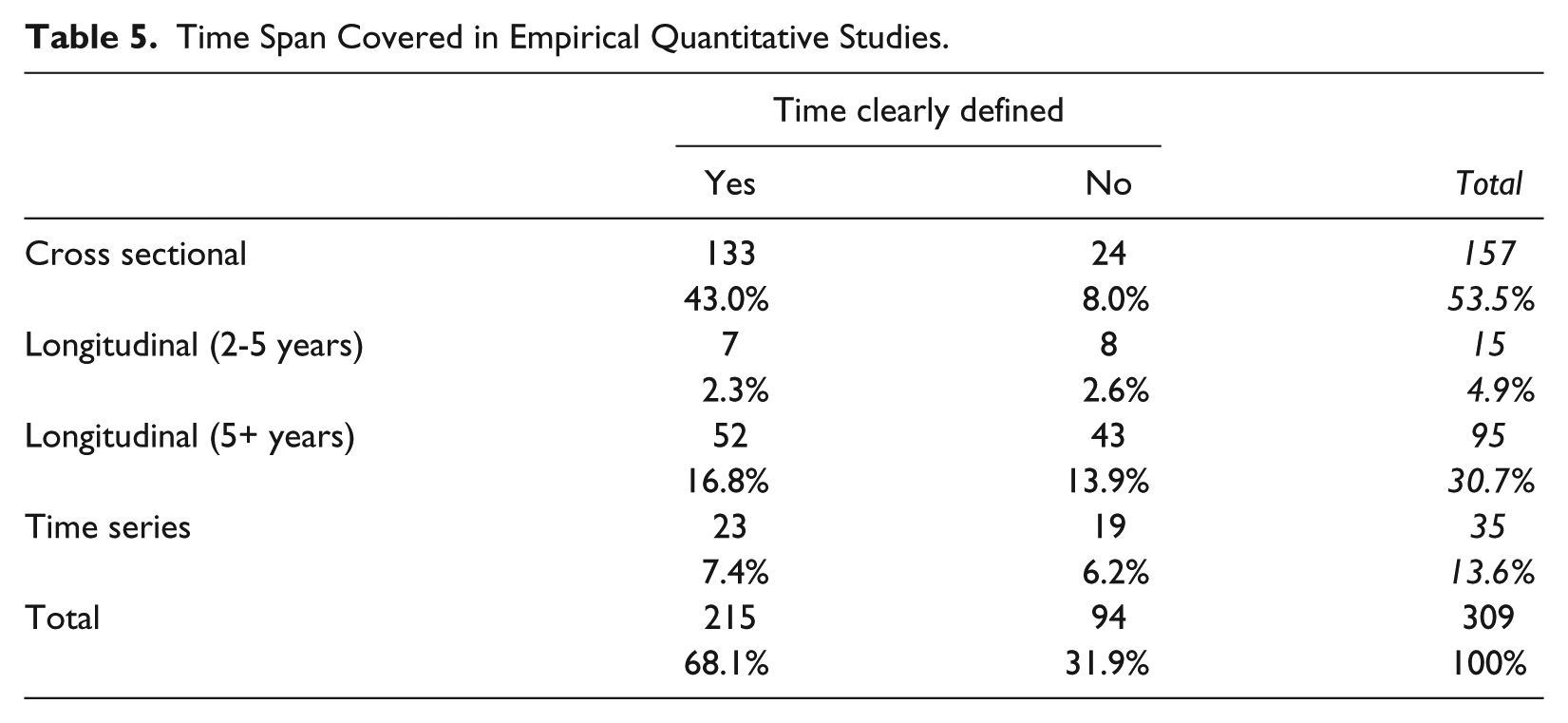
Next we focus on the issue of how “time” is treated in the studies to better understand if the authors were estimating correlations or examining change over time and trying to tease out causality. Just over half of the studies were cross sectional (see Table 5). Yet a large proportion of the studies looked at phenomena over time, many over 5+ years, and undertook a longitudinal analysis of their topics of investigation. For example Ngok and Zhu’s (2007) exploratory essay on privatization, marketization, decentralization, and a shrinking state in China from the 1980s to the mid-2000s, or the Liu, Wu, Peng, and Fu (2003) study of the impact of urbanization on rural health and insurance among 16,000 individuals in 3,800 households in China. Longitudinal studies were a mixture of empirical work and essays or argumentation pieces, with the exception of the time series studies that were predominantly empirical. In the majority of cases the authors of articles in the review explicitly explained the time frames that they were dealing with, while just under a third did not. Table 5 indicates that as authors dealt with longer time scales, they were more likely to report the treatment of time in their studies. However, this did not exceed half of the articles reviewed.
Time Span Covered in Empirical Quantitative Studies.
Among our sample of articles, 176 tended toward an empirical orientation. Examination of these papers indicates that the large majority drew their evidence from existing secondary sources (62.5%, n = 110), and the balance was split evenly between primary qualitative (19.3%, n = 34) and quantitative (18.2% n = 32) data. Studies usually adopted a single method (82.3%, n = 145). Multimethod studies were more likely to be found in articles that adopted qualitative methods (29.4%, n = 10). In terms of analysis, a quarter of the qualitative studies adopted specific qualitative analytical techniques while 56.8% (n = 92) of the quantitative orientated approaches adopted bi- or multivariate analysis, leaving nearly one in four articles to rely on descriptive statistics (38.3%, n = 62).
We have noted that most of the articles reviewed were classified as empirical in style and tended to work with existing data sources. Given that these articles are published in the English language literature, we again contrast these findings to that literature. Pitts and Fernandez’s (2009, p. 405) review of the predominately North American public administration literature notes that “quantitative methods and hypotheses are becoming the norm for public management researchers.” In our database, a quarter of all studies, and a third of those analyzing data, adopted multivariate techniques. This would suggest that research in Eastern and Southeastern Asia is not typified by multivariate analysis. This point can be further emphasized if we examine where studies that adopt multivariate analysis are published. Of the 78 articles using multivariate statistical techniques, 49 are found in two journals: Climate Policy and Contemporary Economic Policy. As we noted above, articles on environmental and economic policy typically populate these journals. 14 If we remove these articles from our sample, studies adopting multivariate techniques account for 9.4% of all studies or 12.4% of those using data. Given that 7.7% of articles use bivariate statistical techniques and 3.9% used qualitative analytical techniques, we conclude that public administration research in East and Southeast Asia is based heavily on argumentation and seldom uses statistical techniques that extend beyond descriptive statistics. It is, however, important to note that our point of reference here has been the North American literature, where Brewer, Douglas, O’Toole, and Facer (1998) estimate that over half of all doctoral students use multivariate analysis in their PhD theses. If we contrast studies in U.S. and U.K. edited journals, we find a greater tendency toward essays and qualitative techniques in the latter. These methods are also more prevalent in the social sciences in continental Europe, where the tradition of public administration is firmly grounded in law and bureaucracy (see Kickert, 2005).
The debate about the most appropriate methods for questions of public administration is unlikely to go away. However, argument for clear and crisp discussion of how data are collected is undeniable. In the 176 articles we defined as empirical, clear information on sample size is only reported in 36.4% (n = 64) of studies. This rises to 71.9% (n = 23) of the primary quantitative studies but falls to one in five (n = 22) of those that adopt secondary sources. This, alongside the strong propensity not to report time periods for studies or data collection techniques, suggests that public administration research that focuses on this region, but perhaps also more generally, is not paying careful enough attention to documenting its research techniques. This is perhaps indicative of the use of secondary data to marshal support for argumentation rather than leading enquiry. Such documentation is an important element of rigorous research and it enables second-generation researchers to interpret and replicate earlier studies. In our opinion, this item requires urgent attention and authors, journal editors and manuscript reviewers should be more vigilant in enforcing it.
Institutional Arrangements
Finally we turn our attention to the institutional arrangements of the authors of the articles in this review. We look at the country base of the authors, how they teamed up when co-authoring publications, and the academic department(s) they were based in. One area of interest is the extent to which the study of public administration in East and Southeast Asia is an interdisciplinary effort. Longstanding attention has been placed on the theory-practice interface in public administration, building on Simon’s (1996) classic argument that public administration is a design science (Andrews & Boyne, 2010; Pitts & Fernandez, 2009; Walker, 2011). Design sciences must take into account the complexity of public administration practice and public policy implementation. One way to tackle these complex issues is through interdisciplinary work that draws together scholars from different departments and regions of the world to ensure that disciplinary skills and contextual knowledge are combined in appropriate ways (on the wider question of academics and practitioners see Vogel, 2010).
Our database included some 501 authors. We make four points about them. First, Table 6 clearly indicates that these authors have institutional homes in a wide range of countries around the world; indeed every continent is represented except for South America. However, authors come from only 10 of the 18 countries in East and Southeast Asia with no representation from Brunei, Cambodia, Lao, Macau, Mongolia, Myanmar, North Korea, or Timor-Leste. Perhaps this should be expected since no studies focused on these countries, save for a comparative study of Mongolia (Schelzig, 2001).
Country Base of Authors.
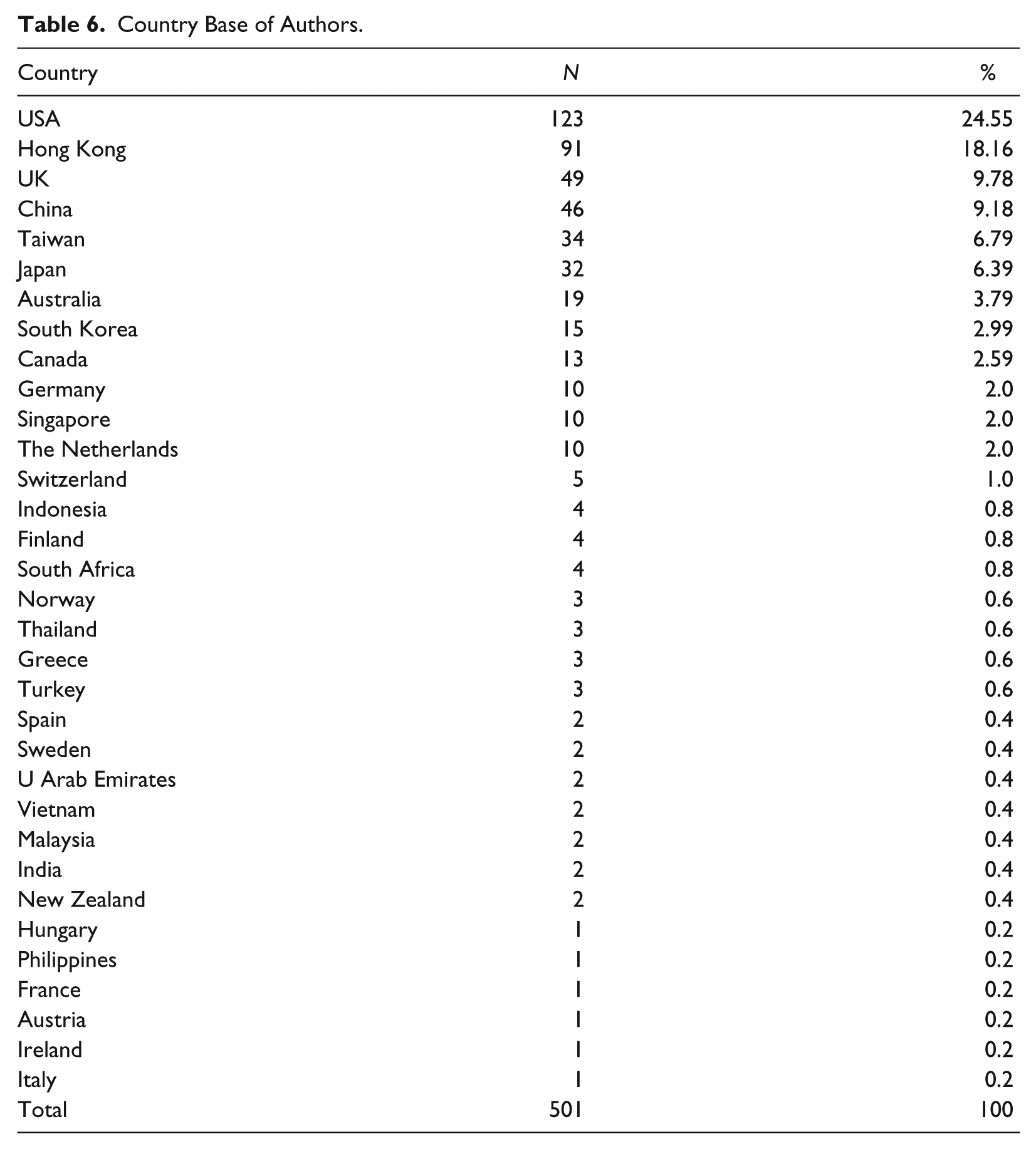
Second, around 30% of the authors of these studies were based in one of the countries in our sample. The largest numbers were in China, followed by Taiwan and Japan. Indonesia, Malaysia, Philippines, Thailand, and Vietnam had low numbers of contributing authors. This suggests that scholarship on East and Southeast Asia is heavily concentrated in a few countries.
Third, nearly 60% of the authors come from native English language speaking countries. This reinforces our suspicion that Western influence is playing a major role in scholarship on the region. As we have suggested, this raises questions about the extent to which such scholarship is sensitive to Asian culture and context. Future research in this area could probe the characteristics of the authors in more detail and identify where they were trained, as it is possible that many were trained in the USA and have not returned to their native homes. Conversely, of the 30% of authors based in the region, is possible that many were trained in the United States or other Western countries and returned to their institutional bases in China, Taiwan, Singapore, and South Korea having familiarized themselves with the English language and the associated process and expectations of publishing in SSCI peer-reviewed journals. This is consistent with our understanding, drawn from conversations with scholars in the region, that English language publications in SSCI journals is considered the gold standard for scholarly achievement in East and Southeast Asian universities.
Fourth, the majority of articles were sole authored (53.7%, n = 166). Of interest here is that sole authorship was more likely to be found among academics drawn from the primary disciplinary department of public administration or public affairs (38.8%, n = 57 of the sole authored papers) followed by political scientists (13.6%, n = 20). A large percentage of the articles in this review were joint-authored (46.3%, n =143). Joint-authorship most often involved two scholars (33.7%, n = 103), with three authors on 29 papers (9.4%) and four on 10 (3.2%). The articles with joint authorship are more likely to be collaborations between scholars based in the region than with those from outside (37.1%, n = 53). Nearly 30% of co-authored articles were written by academics writing together in non-Asian countries (27.3%, n = 39), while a quarter of co-authored pieces were written by Asian-based authors from the same country.
Finally we turned to the departmental base of the authors (Table 7). The field of authors submitting manuscripts for publication is quite diverse. As might be expected, the majority of scholars are based in public administration, public affairs or public policy departments and schools of political science. A large number are also from economics departments, though these authors typically confined their publications to the journal of Contemporary Economic Policy. There is, however, strong representation from many social science disciplines. One interesting observation is the relatively low numbers of political scientists. (We assume these scholars are publishing studies on the region in political science journals rather than the sources we tapped, and future reviews should examine these articles.)
Departmental Base of Authors.
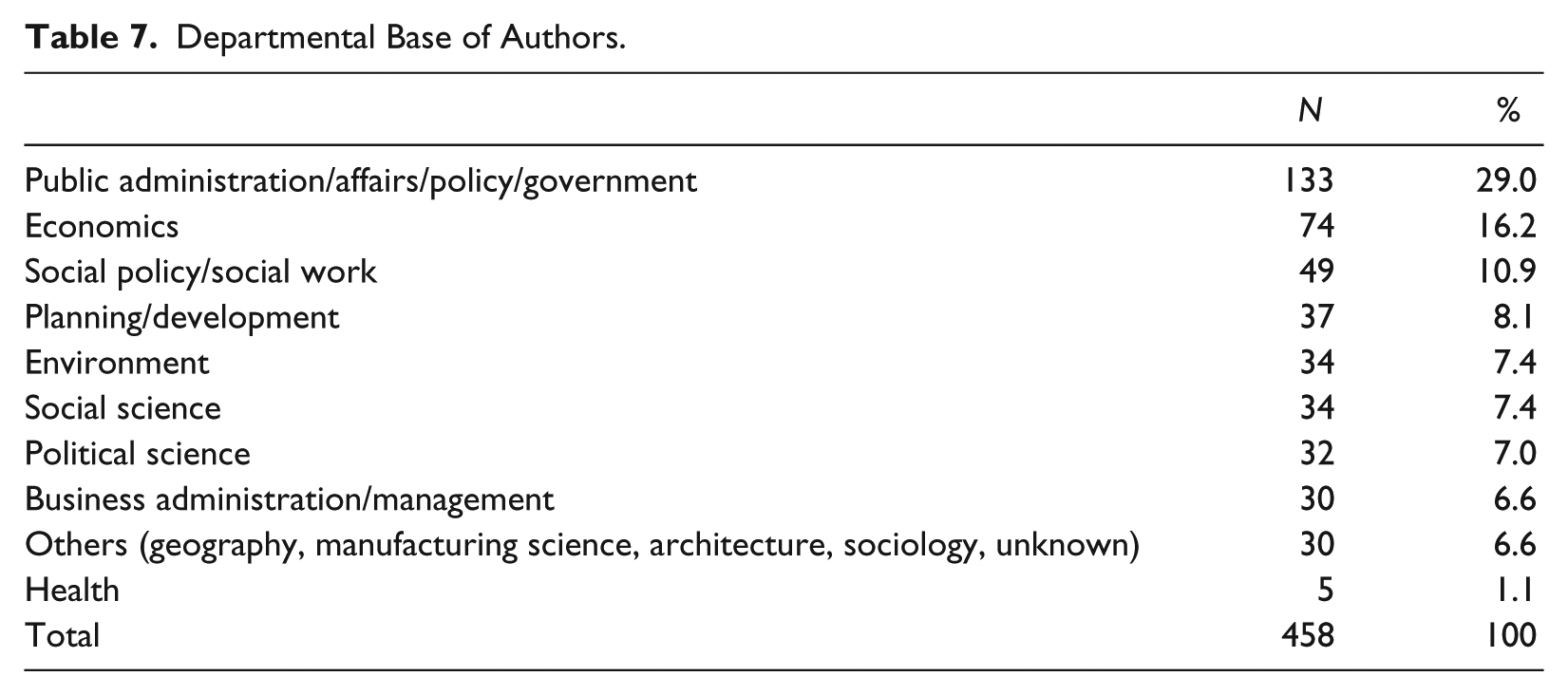
On balance, the evidence on institutional arrangements indicates that public administration scholarship on East and Southeast Asia is a multidisciplinary pursuit. The set of single authored articles we reviewed come from a set of scholars working in a wide variety of disciplines, and even among the multiauthored articles in our sample, there is evidence of much multidisciplinary collaboration—even though it is largely Balkanized either within or outside of the region but not across regions. Future studies need to assess the extent to which these authors are regular contributors to the public administration knowledge base. It could be that the field is spread across a variety of institutional homes but the scholars themselves are intently focused on public administration. On the other hand, many of these authors may be one-time or occasional contributors to the discipline who see public administration topics and journals as targets of opportunity, but who are otherwise more focused on research in their mother disciplines and who normally publish in their discipline’s journals. Patterns of cross-disciplinary collaboration may help to corroborate some of these points: for example, nonpublic administration scholars may bring fresh ideas and approaches to the table, but being unfamiliar with the context, they may tend to team up with old hands—public administration scholars who are familiar with the disciplinary terrain and the region and its problems. The implications are straightforward: if the field does not have a durable set of scholars who are inching the knowledge base of public administration forward, research progress will likely lag behind other disciplines. If, however, there is a dedicated set of scholars investigating public administration issues, more attention needs to be focused on the research shortcomings mentioned above (e.g., failure to collect original data, use sophisticated methods, and provide satisfactory documentation).
Conclusion
This article has explored recent English language scholarship on public administration in East and Southeast Asia. We have looked at the frequency of scholarly contributions, and their content and sources. Our findings indicate that there are some shortcomings in the research enterprise, particularly in over reliance on exploratory and descriptive studies and not utilizing more advanced methods, be they qualitative or quantitative, or documenting the details of research that is reported in the literature. On a more optimistic note, we find that a diverse group of scholars from various parts of the world are contributing to this literature on public administration in East and Southeast Asia. Our review only covered English language publications so there is a possibility that research in native Asian languages is substantively different. We suspect that such research would have even more glaring shortcomings since many of the gaps in the present literature were identified through comparisons with the mainstream Western literature. The suggestion is that scholars trained in the Western tradition would likely be more diligent in following Western research practices than would non-Western scholars. Of course there are a number of unresolved questions about which research techniques and methods are the most appropriate in our field. While these questions are beyond the scope of our inquiry, the articles that follow by Gao (2014) on Hong Kong and Macau, Moon, Kim, and Lee (2014) on South Korea and Sun and Lin (2014) on Taiwan start to explore these questions and provide evidence on the nature of scholarship in the native languages of these jurisdictions.
East and Southeast Asia is fast becoming a political and economic powerhouse in the world. Many practices of modern public administration—such as civil service examinations and university training for careers in public service—were first introduced in China and other Asian countries many years ago. The region has much to teach the world, and it desperately needs to learn more about itself, particularly regarding governance, public administration, and public policy.
Footnotes
Appendix
Authors’ Note
Presented at the PMRA.IRSPM.ASIA conference, University of Hong Kong, October 14-16, 2010.
Declaration of Conflicting Interests
The author(s) declared no potential conflicts of interest with respect to the research, authorship, and/or publication of this article.
Funding
The author(s) disclosed receipt of the following financial support for the research, authorship, and/or publication of this article: National Research Foundation of Korea Grant funded by the Korean Government (NRF-2011-330-B00194).