



Abstract
Today's consumers are more apt to enact the “politics of choice” rather than “politics of loyalty” as responsible members of society. This shift from being the consumer with the sole intent of pursuing self-interest to that of the normative “citizen-consumer” who practices consumption with an eye towards the greater good, denotes the overlapping aspect of consumption and citizenship in everyday practices. Through qualitative analysis the authors posit a conceptual framework of citizen-consumer orientation. The framework highlights the way citizen-consumers navigate constraints and tensions posed by the dominant food system (and mainstream lifestyle paradigm) through sustainability oriented, shared practices in naturalistic foodways. Shared practices are advanced as ways in which the individual burden of sustainable practices is reduced.
Keywords
Introduction
Around the world food is a highly politicized and complex field with multiple stakeholders including farmers, lawmakers, public institutions, medical experts, retailers, manufacturers, communities, and consumers. How, what, where, when, and why we eat affects not only our individual wellbeing, but also the world we inhabit – agriculture dominates the global economy and is more market driven than policy driven today (Organisation for Economic Co-operation and Development [OECD] 2013) – and the planet’s finite natural resources (soil, air and water). In the U.S., with negative socio-economic consequences increasingly attributed to the dominant food system of fast and processed foods, it is not surprising to see increasing interest highlighting civic aspects in consumption practices (Assadourian 2010; Domaneschi 2012). For example, health experts and lawmakers alike have declared fat and salt (in processed foods) as public health enemies. In response to pressure from the public and continued media coverage, institutions like public school systems are banning processed food vending machines and recalibrating cafeteria food. Marianne Lien (2004, p. 6), noted expert on food systems, elucidates the following rationale as to how food consumption encompasses the domains of politics, culture, business and science: Food as a physiological necessity of our everyday existence has a rich and complex history. Over the course of centuries we have developed intricate sets of social and technical systems to enable stable food supply through various means such as domestication, exploitation, reciprocity and trade. Introduction of science and technology in the domain of food has brought it into differing arenas of agricultural interests, industrialized food industry and governmental policies. Since eating is a routine event in our everyday lives, we have built and are continuously building expressions of social and ritual acts as well as communal and hierarchical relations around consumption of food.
In conceptualizing “sustainable consumption” Schaefer and Crane (2005) observe two broad approaches that have been applied by researchers. The “objectivist approach” concerns quantifiable measures such as ecological footprints and carbon emissions (food miles in the context of food systems). Economics and the environmental sciences favor this perspective as is evidenced in discussions of carbon emission negotiations at industry and international levels. The second approach, favored by more culturally informed social sciences, is interpretive. It seeks to understand how different stakeholders perceive and undertake sustainable consumption behaviors. In this approach, “practice” is the unit of study (Reckwitz 2002; Warde 1997, 2005). In line with the interpretive approach, we focus on the intersection of citizenship and consumption viewed through the lens of everyday practices (Domaneschi 2012; Reckwitz 2002; Warde 1997, 2005). The current study considers the combination of macro (civic engagements) and micro (food practices) to understand how individual and collective sustainable food consumption may gradually influence the dominant food system.
Within this theoretical context, we explore citizen-consumer oriented practices with respect to maintaining naturalistic foodways informed by the Slow Food Movement (SFM 2012), an alternative social movement promoting sustainable food consumption. According to Brown and Mussell (1984, p. 7) “foodways are interactions, encoding a highly ritualized, although taken-for-granted, set of behaviors. Foodways codes are also transmuted when social interactions between groups evolve and change.” Thus foodways are shaped and contested, asserted or transformed, and ultimately transferred from one generation to the next through familial, communal, social, and cultural enactments of individual and shared practices.
Food consumption is exceedingly complicated and straddles not only the market and state, but also culture and identity realms (Brom, Visak and Meijboom 2010; Halkier 2010; Trentmann 2007). Naturalistic foodways informed by SFM tenets allude to procuring and consuming fresh minimally processed natural foods. Such foodways also celebrate communal relationships of cooking, eating together, sharing foods and information at the collective level. The study was guided by two overarching research questions: 1) Do consumers who practice naturalistic foodways demonstrate meaningful knowledge of macro aspects of sustainable food consumption, and 2) in what ways does this transpire in their daily lives? Consistent with the goals of this special issue, we contribute to the growing body of research on how everyday practices can influence collective well-being (Arvidsson 2008; Domaneschi 2012; Johnston, Szabo, and Rodney 2011; Marshall and Meiselman 2006). In the next section we briefly discuss relevant citizen-consumer literature.
The Citizen-consumer Discourse
Some scholars have observed that researchers are inclined to demarcate consumption from citizenship on the basis of location (Domaneschi 2012; Soper 2008; Trentmann 2007). Here location refers to (1) the marketplace where consumption acts are viewed as exercising individual choice (e.g., buying fair-trade) at the micro level and (2) the nation state where citizenship acts entail exercising political rights and responsibilities at the macro level (e.g., signing public petition to the governor’s office). Corresponding to this view, Henry (2010) observes that informants in his study demonstrate characteristics of the “self-interested citizen” (Cohen 2003, p. 9) with their understanding of macro-level implications (citizenship rights protected by government) embedded in micro-environment (individual consumer choice) situations. Given the context of credit card debt responsibility, this is not surprising. Henry (2010) acknowledges that consumers in line with cultural norms did not share individual financial information at the collective level (e.g., enquiring about one’s personal income is impolite in most western cultures). Similarly, Prothero, McDonagh, Dobscha (2010) posit a conceptual typology of “Green Commodity Discourse.” The typology depicts citizen (macro) and the consumer (micro) demarcation based on political involvement level. The four consumer types are 1) the blind green consumer, 2) the individual green citizen, 3) the collective green consumer, and 4) the collective green citizen (see Prothero, McDonagh, and Dobscha 2010). Based on involvement level, blind green consumers with self-serving interests may not have as much influence on society as the collective green citizens who may go out of their way to support fair trade or join farm cooperatives.
Other scholars argue that the consumer vs. citizen dichotomy is shortsighted because in reality the domains are intertwined. For example, socio-cultural issues like environment, race, culture, science, and health are increasingly part of today’s public debate. Today, the market-oriented consumer economy of the U.S. serves as a model for developing countries like India and China. Citizenship is therefore messy where people do not compartmentalize their lives neatly into consumption and civic activities (Arnould 2007; Gotlieb and Wells 2012; Halkier 2010; Kim 2012; Schwarzkopf 2011; Scullion 2010; Soper 2007, 2008; Thorson 2012; Trentmann 2007; Varey 2013). Given that 40% of the American population professes not to belong to a political party brings into further question whether acts of citizenship remain sequestered in political ideologies alone (Jones 2012).
The notion of “life politics” (Giddens 1991) is conceptualized as “relating to choices people make every day and the politics of personal interests, where reflexivity links self and body to institutions” (Kim 2012, p. 148). Similar opinions are echoed in recent marketing research with Trentmann (2007, p. 155) noting that consumption practices are “processes that tie individuals to larger systems of provision, linking private and public worlds.” Drawing from works of social theorists Bauman, Beck and Giddens, the citizen-consumer orientation in every day practices defined in this study is as “much of who we are, think we are, and want to be through our practices of acquiring “goods” in the market” (Scullion 2010, p. 280).
To further elaborate on the modern marketplace as the site where consumers exercise civic choices, scholars put forth questions that span both micro and macro engagements, such as “can citizens make political choices according to their values?” (Brom, Visak and Meijboom 2010, p. 613) and “what is consumer lifestyle doing to civic culture?” (Trentmann 2007, p. 153). For instance, the consumer who buys animal test-free cosmetics simultaneously enacts the role of the consumer (individual beauty enhancement) and a citizen (civic stance on animal rights). A lawmaker advertises on television (macro space of market mediated message) to reach into homes (micro space of private residence) of potential voters, and a producer labels its products as “proudly made in America” to appeal to consumers’ sense of citizenship.
Civic agency in consumption practices is gaining traction in marketing theory. New questions are continuously brought forth on sustainable consumption (aka ethical consumption, green consumption) that seek to understand whether consumers are aware of and consider macro (political, environmental and societal) concerns in their consumption decisions (Dobscha and Ozanne 2001; Kilbourne 1998; Kilbourne, McDonagh, and Prothero 1997; Prothero, McDonagh, and Dobscha 2010). Sustainable consumption efforts at the macro level are increasing as consumers seek alternatives to choices offered by the dominant food system. Eating locally (reducing environmental impact) and ethically (rewarding conscientious producers) are becoming popular. The following section describes important macro shifts in the dominant U.S. food system and the factors after the Second World War, which contributed to the growing interest of seeking alternative sustainable foodways.
Macro-oriented Shifts in U.S. Foodways
Seventy percent of the average American’s diet is comprised of processed foods (Ryssdal 2013) low in nutritional value and high in chemically altered and processed ingredients, such as high fructose corn syrup and chemical preservatives. Numerous societal health (e.g., obesity, diabetes, hyperactivity in children) and environmental problems (e.g., natural resource depletion and pollution) are increasingly attributed to the prevalent consumption of these foods (Bardi 2013; Brewis and Jack 2005; Bunim 2012). As the pioneer of fast foods and patent protected genetically-modified foods, the U.S. is an appropriate context in which to explore effects of the shift from small farmer-owned agriculture to corporate agri-business as the dominant paradigm of food production and consumption (Rifkin 1998).
The Dominant Food System in the U.S.
As the national food system became more industrialized and concentrated, distribution channels lengthened and the typical agricultural commodity presently travels an average of thirteen hundred miles, changing hands a half dozen times before reaching the consumer (Lapping 2004). Government subsidies and the commoditization of crops such as corn (maize) resulted in the invention of agricultural by-products like high fructose corn syrup, a cheap raw material for the processed foods industry, now considered one of the main culprits behind the nation’s health woes (Moss 2013). With increasing numbers of women in the work force, meal preparation became a demanding “second shift” task. In response, foods companies developed ready-to-eat convenience foods (e.g., Swanson’s TV Brand Frozen Dinners in 1953). Today, processed foods occupy more space in a typical supermarket than fresh fruits and vegetables. Despite the proliferation of processed foods, consumers’ freedom of choice claimed by processed foods producers is a dubious assertion when only a handful of global conglomerates (Cargill-Monsanto, ConAgra, Novartis-ADM and Altria (Phillip Morris)) control large parts of the U.S. food system and their products dominate the $500 billion retail food industry (U.S. Department of Commerce Industry Report 2008). It is therefore not surprising that some consumers seek alternative practices to gain some control over what food they put into their bodies.
Alternative Food Movements
Alternative food movements develop when individuals become dissatisfied with and often distrusting of the mainstream, industrialized, mass-produced food system (Clemens and Minkoff 2004; Lapping 2004). In terms of food consumption, reasons for adopting alternative practices, such as organic, vegan, and locavore food movements, include increased worries about food risk, food security, environmental degradation, animal welfare, and human rights concerns due to lack of transparency in production and regulatory processes (Brom, Visak, and Meijboom 2010).
The organic food movement can elucidate the inherent politics between various stakeholders in food systems. Tracing the history of organic foods, Hess (2004) found an early call to adopt organic farming accompanied the agriculture industrial revolution when then Secretary of Agriculture Henry Wallace and author J.I. Rodale argued the benefits of organic farming to the general public in the 1940s. Today, the organic food market is fiercely competitive with mass-market producers acquiring small-scale producers or driving them out of business with price wars. Organic foods represent a classic case of co-optation by the dominant system as 54% of sales were by mass market retailers (Organic Industry Survey 2011). In 2011, the growing organic foods market reported $31.5 billion in sales (Organic Trade Association 2012). Due to high economic stakes, the organic foods industry is fraught with tensions between the government, the industry and the public. In 1997-1998, the food industry lobbied the USDA to re-define organic standards to include synthetic fertilizers. Reacting to the news, the immediate nationwide objection (consumers wrote to the USDA) was unlike anything witnessed by the agency in its entire history
Increasing numbers of alternative venues including community supported agricultures (CSAs) supporting 12,549 farms (USDA 2007) and farmers markets numbering 7,864 as of 2012 (USDA 2013) allow consumers to circumvent the dominant food system. Supporting small farmers over large agri-business corporations highlights the consumers’ desire for a more intimate interaction with their food. Studies have noted varied efforts by consumers to become more cognizant of where food comes from, if it were produced without harming the environment, and if fair wages were paid (Johnston, Szabo, and Rodney 2011; Lien 2004; Mintz 2006; Thompson and Coskuner-Balli 2007). In the next section, we discuss, SFM, one such alternative venue which allow consumers to explore sustainable food consumption.
Slow Food Movement (SFM)
In urging people to slow down, we are asking them to respect nature and not to appropriate it for their own private gain against the common good. We are asking them to respect others, favoring passion and understanding over the quantity of utilitarian aims, friendship and the joining of forces over economic competition, the public over private, the gift over trade. (Petrini 2007, p. 183)
As founder Carlo Petrini’s quote suggests, the SFM’s present-day slogan “Supporting Good, Clean, and Fair Food for All” communicates its core values encompassing both macro and micro aspects of foodways. “Good” stands for the right to consume delicious, nutritious and healthy food. “Clean” refers to foods that are produced with sustainable practices without harming the environment and “Fair” signifies the compensation the food producers receive for producing ‘clean’ foods. “All” refers to the rights of every individual to a safe and nutritious food source (slowfoodusa.org). Emerging in 1989 alongside the increasingly industrialized global food system, the SFM with its emphasis on slowing down (a lifestyle choice) and connecting meaningfully to food (at a holistic level), emphasizes cultural rather than purely political engagement.
According to Buechler (2000, p. 47) the social bases of these rising “cultural” social movements are likely to emphasize “cultural and symbolic forms of resistance alongside or in place of more conventional political forms of contestations” through the “politicization of everyday life” and whose primary goals are to nurture and maintain collective forms of identities with less focus on “seeking power, control, or economic gain.” This description resonates with the SFM as founder Petrini (2007, p. 166) noted that food is much more than “a simple product to be consumed: it is happiness, identity, culture, pleasure, conviviality, local economy, survival” whereby different groups of people with varied objectives connect for a common purpose – engaging at civic and communal levels at their own pace and on their own terms. Thus, in the SFM the politics is not so much activism and resistance against the dominant paradigm, rather “slow politics involve devoting one’s energies to building the kind of world we most want to live in” (Schneider 2008, p. 395). Purposively opting for a relaxed structure (anyone can start a convivium and there are no rigid rules) and low-key branding (the movement enthusiastically accepts interest from the likes of Alice Waters and Jamie Oliver but does not make overt attempts to court famous names), the SFM is informal and encourages anyone to join and carve out their own paths within its broad guidelines.
The SFM’s primary objectives are to educate people about nuances of taste; create and sustain ways to protect diversity of natural foods without depleting natural resources or harming the environment; revive and preserve traditional methods of food preparation; and to build communal relationships between various stakeholders (see Table 1 and Figures 1 –4). The SFM is concerned with socio-cultural aspects such as taking the time and making the effort of preparing meals from scratch, savoring nuances of flavors at a leisurely pace in a communal setting. The SFM encourages people to support producers who are passionate about sustainably growing eco-systems of natural foods that respect and work within the limitations of natural resources of specific regions. It has a reported worldwide membership of over 150,000 and presence in over 150 countries. Slow Food USA has over 200 convivia and 250,000 supporters (volunteers and donors) in addition to its members. It has also partnered with higher education institutions with over 40 chapters on American university campuses (see Figure 4). Annual membership fees ($25-60) comprise 75% of SFM USA’s budget and are utilized to mobilize legislative action campaigns and other outreach efforts of civic engagements. Through such campaigns, the organization encourages people to participate in communal activities (communal events, supporting producers, advocacy) (see Table 1).
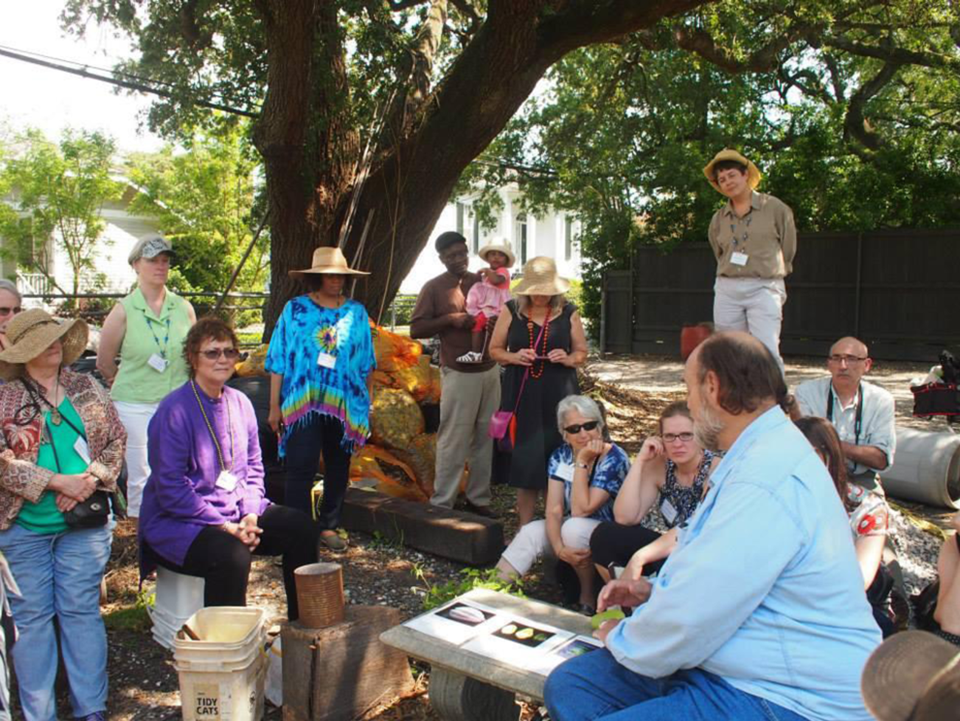
SFM members at an educational workshop (Photo courtesy of Slow Food USA).
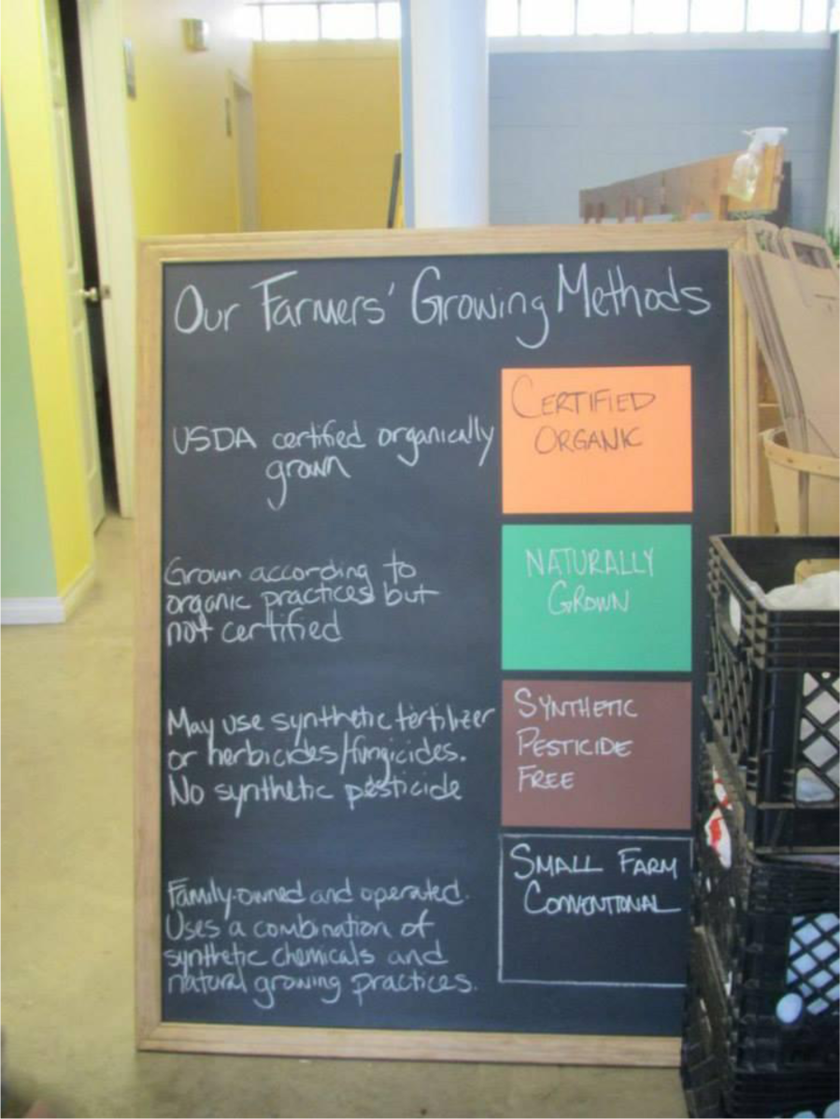
Growing methods explained at local market (Photo courtesy of Slow Food USA).
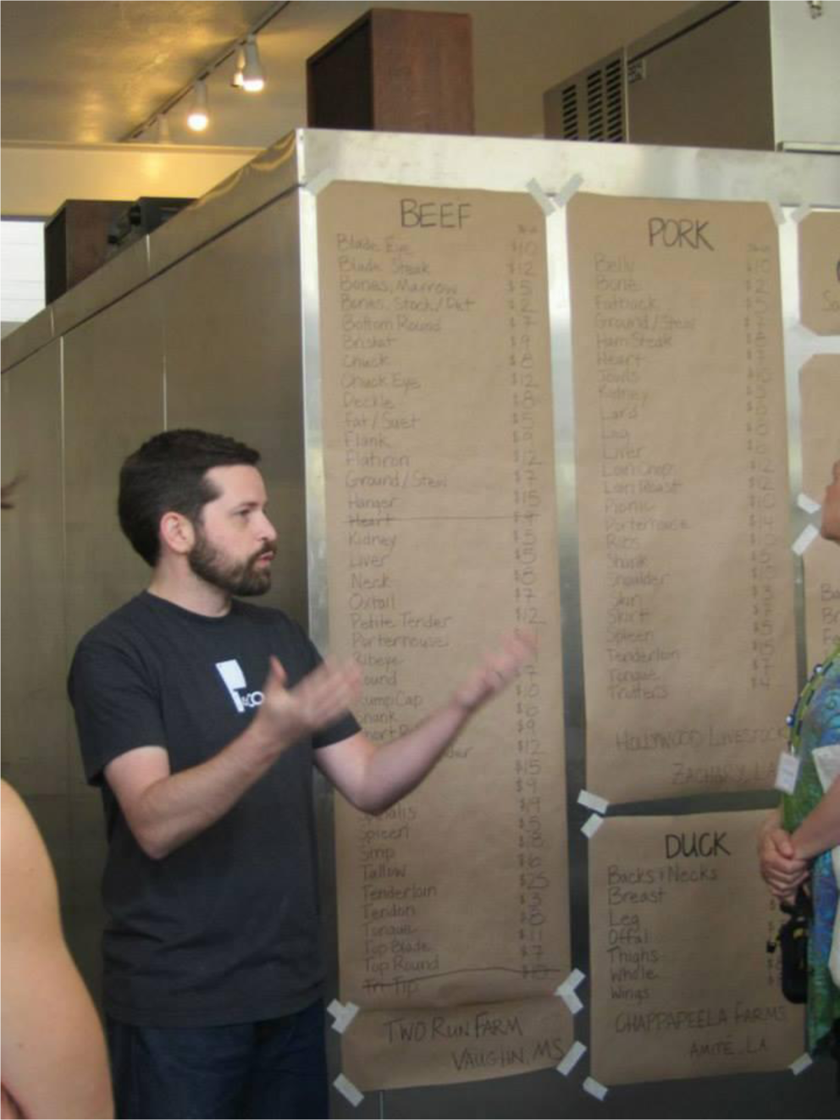
Tour of nose-to-tail sustainable butcher (Photo courtesy of Slow Food USA).

Baking session older to younger generations in university campus chapter (Photo courtesy of Slow Food USA).
Select SFM U.S. Domestic and International Programs.
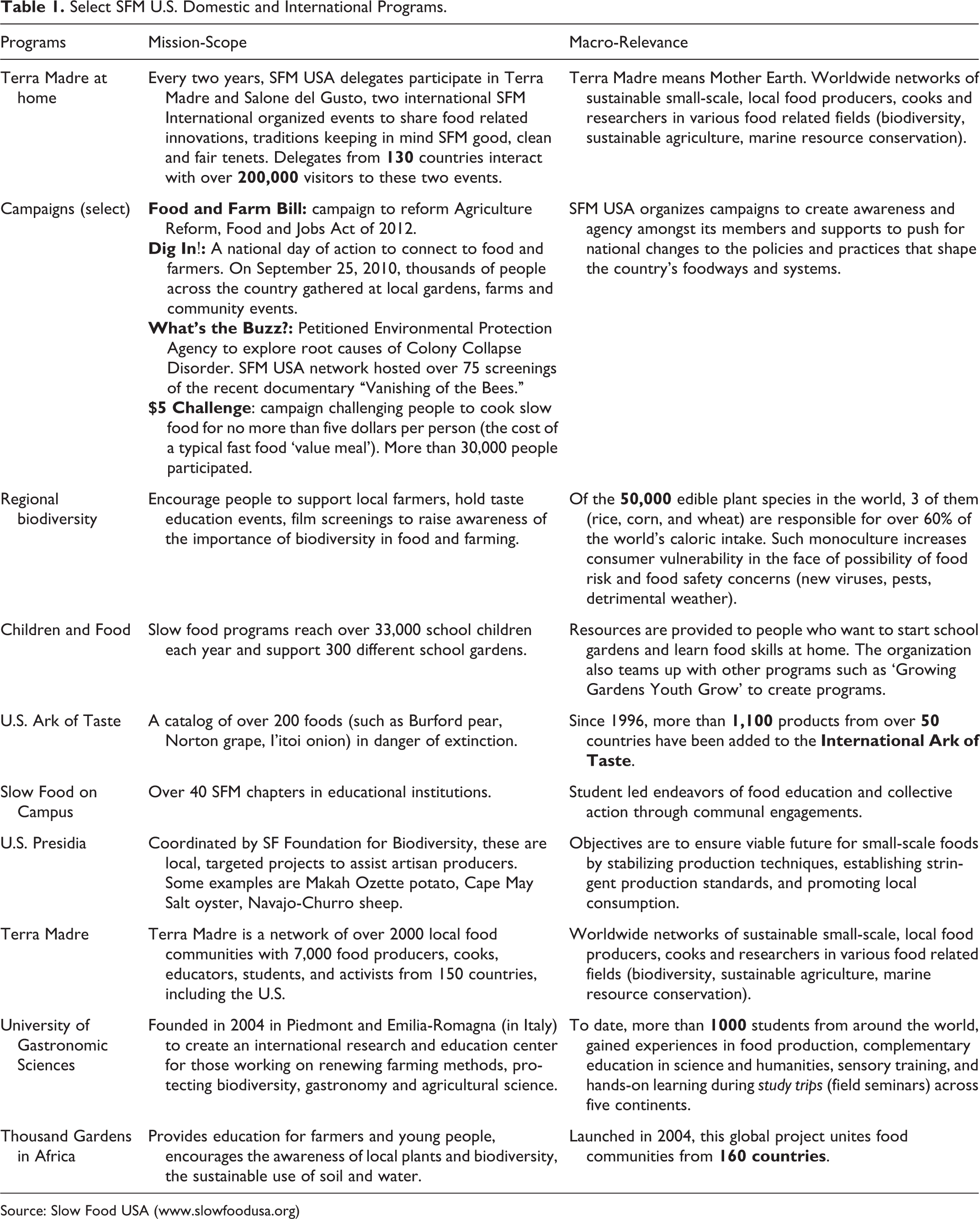
Source: Slow Food USA (www.slowfoodusa.org)
Research Method
Little understanding of everyday practices of consumer foodways exists in the marketing literature (Johnston, Szabo, and Rodney 2011). If consumption, which combines satisfaction of needs and expression of identities, is undertaken within the sociality of our daily lives, then food consumption practices belong to the mundane sphere of our existence, characterized by habitual and routine activities (Warde 1997, 2005). Qualitative methods, which are useful for uncovering meanings, definitions and nature of lived experiences, are aptly suited to understand such consumer experiences (Mick and Buhl 1992). This study adopts an interpretivist approach in order to yield a rich array of information of consumer experiences of food related consumption.
Informants were selected through purposive sampling (Glaser and Strauss 1967; Guba and Lincoln 1989) from a SFM chapter in a U.S. Southwestern city. According to SFM USA, the aims of local chapters are to “offer educational events and activities to promote sustainability and biodiversity and connect farmers, cooks, educators, students and everyone else who care about their food and the environment” (slowfoodusa.org). These goals allowed for exploration of consumer’s macro influenced decisions in everyday practices. The positioning of our study in terms of its contribution to marketing theory reflects a representational choice based on emergent theory (Spiggle 1998). That is, while study of the informants’ foodways may also hold insights into consumption rituals, social movement participation, or social bonding aspects of foodways, conceptualization of the “citizen-consumer” in marketing and social sciences led to the presentational framing (Spiggle 1998).
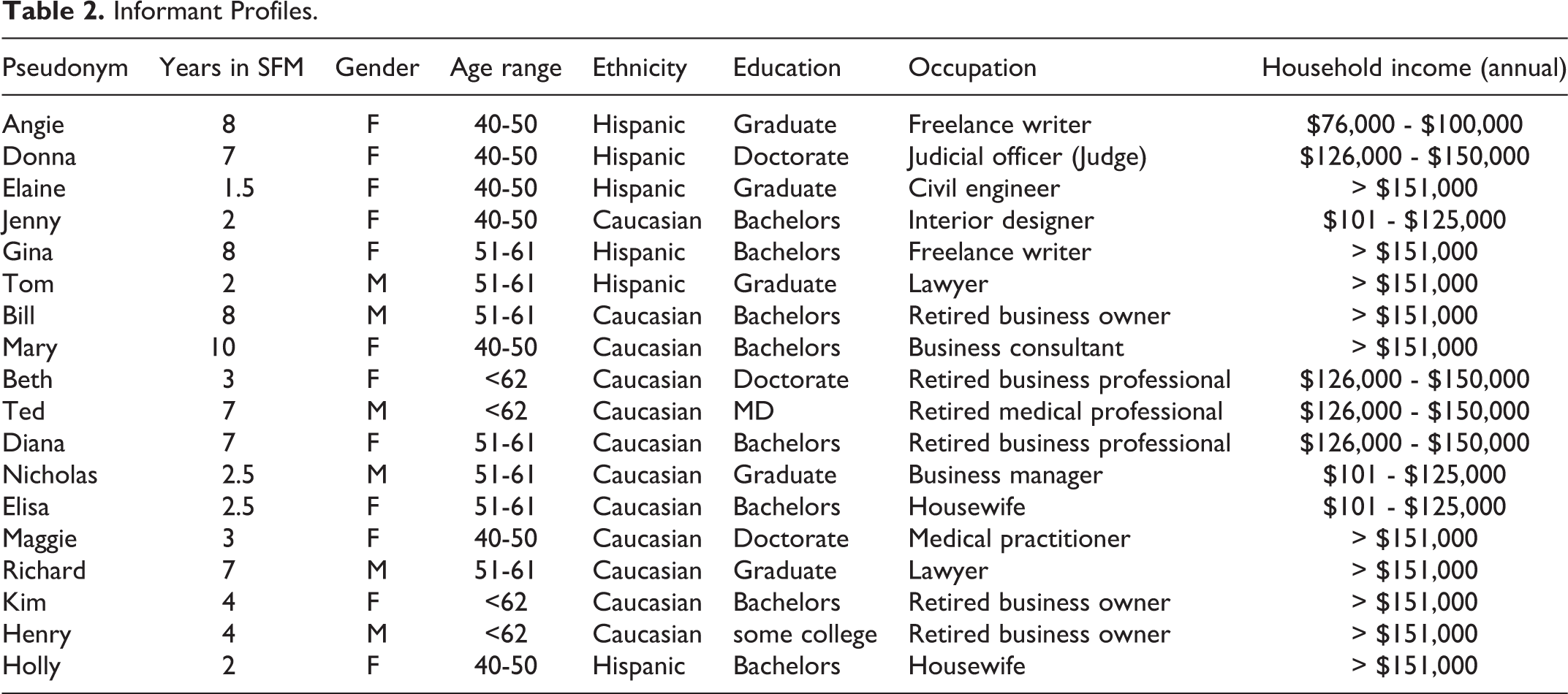
Six men and twelve women, ages forty to sixty-five, whose time as SFM members ranged from a little over one to over ten years comprised the informants (see Table 2). Informants also varied with respect to family types from those with toddlers and adolescent children to empty nesters to account for experiential differences (Epp and Price 2008). Ethnic differences in food culture were also noted as several informants were from Hispanic, Jewish and European backgrounds. All informants have higher education degrees ranging from bachelors to doctorates. Several are employed in various professional capacities such as judges, lawyers, doctors and business owners. The average annual family income of informants was from $76,000 to greater than $151,000. While, high levels of education and income may be typical of consumers who may consume organic foods, a simple dichotomy of rich versus poor is empirically problematic (Johnston, Szabo, and Rodney 2011). Market spaces like Whole Foods stores are positioned to serve the economically well to do (Johnston 2008), however, the location of our study does not have any high-end foods stores and little natural foods farming. Thus, the geographic location, ethnic and family differences (most have either modest or agrarian backgrounds) allowed for diversity in our sample. Informants are referred to by pseudonyms.
Informant Profiles.
The interviews, which lasted from one hour to several hours, were conducted at workplaces, homes, and public venues. Some were conducted with husband-wife couples. One author visited homes of informants and observed gardens, pantries, kitchens, dining, and meal preparations as well as organized SFM events. Shopping trips to grocery stores and farmers market with some informants yielded further insights into their lives. Additional information was gleaned from informal interviews, observations, and various secondary data sources, such as SFM websites, newsletters, member blogs and forums, following leads suggested by study informants (Thompson, Locander, and Pollio 1989). Illustrative interview questions included: “How did you become involved in SFM?” “What does it mean to be a member?” “How does SFM compare to the way you practiced food preparation and consumption before becoming a member?” “Where do you get your food from (sources)?” and “Tell me about a typical day in your life (stories about food, meals, etc.).” As recommended by Glaser and Strauss (1967), elicitation of informants continued to the point where emergent categories were saturated. All interviews were digitally recorded and transcribed. Transformation of the transcribed interview text followed Wolcott’s (1994) process consisting of description, analysis and interpretation. Exploring practices yielded a rich vein of inquiry about understanding the citizenships aspects of everyday life as professed by Trentmann (2007). The individual and shared practices of informants around SFM tenets were useful towards determining potential influences to alter consumption behaviors at the macro level.
Findings
The interpretive data analysis resulted in emergent findings, which are presented through a posited conceptual Framework of Citizen-consumer Oriented Practices in Naturalistic Foodways (see Figure 5). The emergent findings are presented under each component of the framework whereby: life history influences provide insights into informants’ tensions in everyday naturalistic foodways and their efforts at reducing such tensions through civic-mindedness and citizen-consumer oriented practices. The dominant food system’s macro shifts at the bottom of the figure indicate the overarching aspect of its effect on creating difficulties for the naturalistic foodways practitioners.
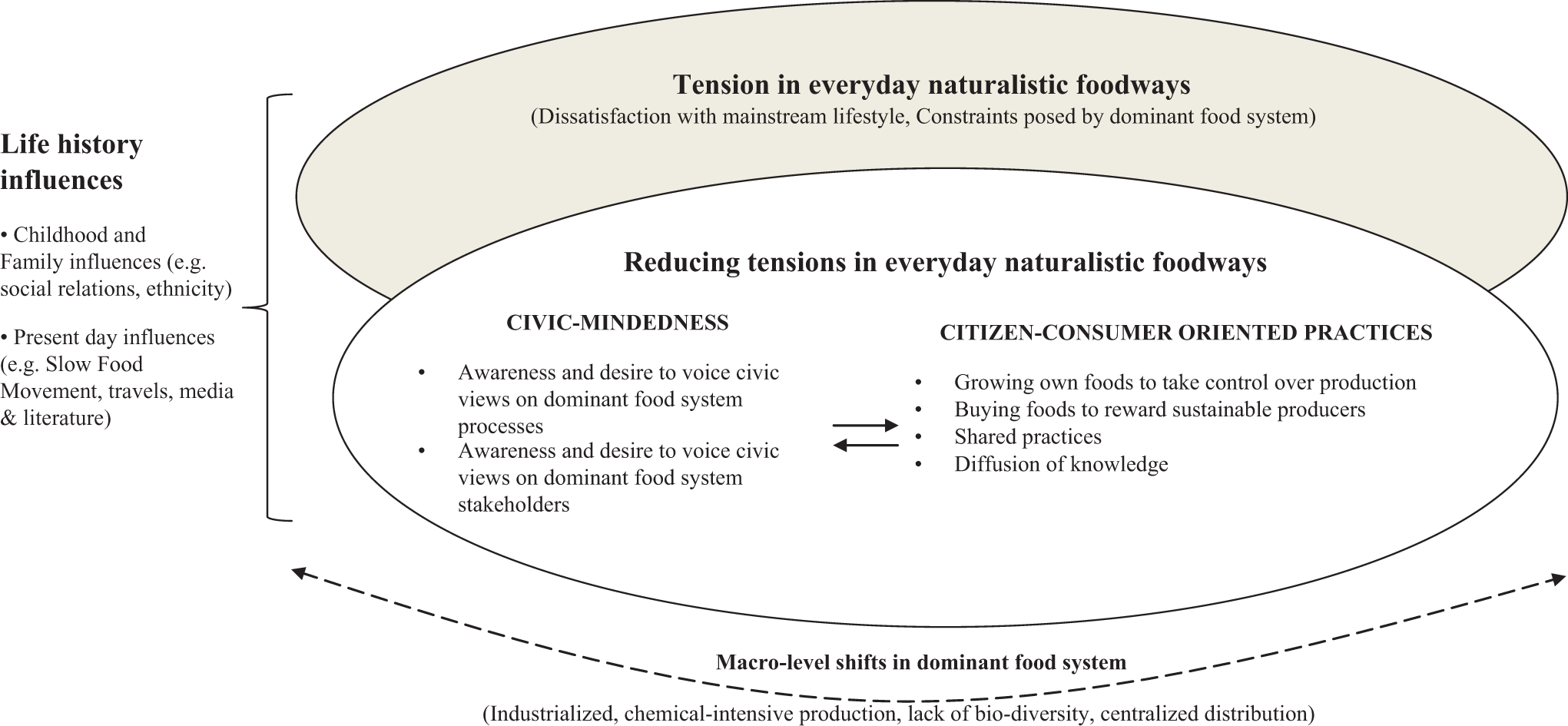
Citizen-consumer oriented practices in naturalistic foodways.
Life History Influences
As indicated in the far left of Figure 5, the life-story narratives (Mick and Buhl 1992) provided insights into the backgrounds of the informants that influenced their desires, efforts, and abilities to maintain naturalistic foodways. Due to space limitations and framing of this study (see Spiggle 1998), we briefly discuss select life history influences to acknowledge that the informants of this study drew from their backgrounds to explain present day practices. Investigation into consumers’ “ethno-cultural” background to better understand consumption practices is not new and is increasingly recommended in complex context infused domains like food (Johnston, Szabo, and Rodney 2011). Distinct experiences such as family influences in childhood, and various life-stages like going to college, starting a family or raising children effected informants’ relationship to the dominant food system and revealed generational differences in the accounts. For instance, Angie, now in her sixties, noted how her family selected, prepared and served natural foods in a seemingly effortless manner. She admired a meal made “from scratch” using “fresh” ingredients. The dominant food system’s depiction of marketing of processed foods (frozen meals) as “like homemade” or the efficient and fastness of eating at McDonald’s caused tensions in her family life. She recounted her family and friends consuming fast and processed foods to save time and effort.
On the other hand, Donna, a first generation Hispanic immigrant, perceived fast foods favorably as a child, which she partly attributed to her efforts to assimilate into the American culture. As a child, the novelty of eating burgers and fries was a welcome respite from her daily ethnic fare of rice and beans. However, while in college she struggled with weight gain and looked back on her childhood, appreciating traditional and fresh food preparation methods of her mother and grandmother. These life experiences left informants with lasting impressions as to what constitutes “traditional” and “ideal” family life.
Informants drew from their backgrounds to elaborate upon the present day influences in foodways. In their adulthood roles as parents and spouses, the informants regarded preparing meals at home as “good parenting” and “taking care of each other” because it was “always that way” in their childhood. Yet they struggled to recreate these idyllic experiences in their adult lives as they juggled busy careers and raising children. Despite a few grumbles, the majority of informants considered their childhood and family practices as the standards of comparison for their present day foodways. The informants’ narratives of growing up resonated with SFM tenets and its core philosophy of slowing down, taking the time to enjoy food with family and friends. As they learnt about the various aspects of the dominant food system and their own naturalistic foodways, they professed interest in media and literary discourses to facilitate their understanding and knowledge.
Macro-level Shifts in U.S. Dominant Food System
Depicted at the bottom of Figure 5, macro-level shifts in the U.S. dominant food system highlights the limited variety of foods (typically genetically modified strains that withstand heavy use of chemicals) through economies of scale. In comparison, natural foods are more expensive and difficult to obtain as they are grown on a smaller scale. As consumer demand for organic food increased, alternative systems like the organic foods industry came into prominence. The fact that organic food is now co-opted by the dominant food system further adds tensions in consumer’s everyday lives as they grapple with issues like deceptive label claims (Kolodinsky 2012; Redmond 2009). Several informants noted their distrust of USDA organic certification and alluded to the 1997-98 incident mentioned earlier. Arising from profit driven economic goals, the dominant food system’s practices caused tensions in informants’ everyday lives, which are discussed next.
Tensions in Everyday Naturalistic Foodways
The center of Figure 5 illustrates ‘tensions in everyday naturalistic foodways’ where dominant lifestyle paradigm’s (Dobscha 1998; Penaloza 2000, 2001) endorsement of the dominant food system resulted in discontent. For instance, informants from agrarian and communal backgrounds articulated discontent with mainstream pressures to lead fast paced lifestyles and eat processed foods of questionable quality (offered by the dominant system) for the sake of convenience. Those who did not grow up on farms and consumed processed foods while growing up encountered other challenges (such as health issues and environmental problems) within the dominant system. Such concerns caused them to seek alternate options such as consuming natural foods.
Dissatisfaction with mainstream lifestyle
Some informants traced their current naturalistic foodways to life history influences where eating was equal to “family time” and “relaxation.” Lengthy meal preparations implied authenticity and ability to prepare “wholesome” and “tasty” foods, in contrast to the processed foods industry messages for microwave ready “home-made” meals in frozen foods aisles that claim to increase family time. Some observed that use of time, a precious component of modern lifestyle, shifted from communal slow-paced activities such as spending time cooking and eating together to ordering a “meal” of burger, fries, and a soda. The worries of Gina and several others extended beyond the micro level of individual/family health food to the health and well-being of society as a whole. They lamented the lack of fair trade options, sustainable farming practices and younger generation’s “synthetic choices.” For example, Gina observed that youth today who are growing up eating processed foods (e.g., eating at Taco Bell) may not be aware that there are other choices such as freshly prepared corn tortillas by hand.
Not being successful at imparting “life skills” (to children) of preparing meals (with natural, authentic ingredients) was also blamed on the demands of demanding careers and the drive to earn money to spend on consumption propagated by mainstream paradigm. During a participant observation session at a small, local grocery store, Bill spoke of his first marriage where, similar to his childhood, naturalistic foodways held very low priority. His second wife, Dina, however, prepared meals at home with fresh ingredients. Seeing the differences in foodways of his children from the two marriages, Bill expressed regret about not investing the time and effort to teach his children (from his first marriage) to prepare wholesome meals. He blamed himself for their current foodways (eating processed and fast foods) and equated it to poor parenting skills. Such tensions in everyday foodways were evident as several informants articulated that they did not reveal their SFM associations to some people in their social networks who did not share sustainable food production concerns.
Constraints posed by dominant food system
As mentioned earlier, appropriation of organic foods stemming from political lobbying practices by the processed foods industry resulted in some informants’ mistrust of institutional labels, which further impacted their choices of natural foods in the market. Elaine distrusted the complex factory processes that used hormones and chemicals in meat items and questioned their impact on the environment. She was also skeptical of the dominant systems penchant for displaying “prettiness” of fruits and vegetables with waxes and oils. Several informants shared her concerns and spoke of food risks (soil and water contamination, health issues) related to such practices.
Differences in informant opinions arose from perceptions of the government’s supervisory role and the length of time informants had spent within the dominant system. For instance, Angie expressed doubts about organic vegetables being better than conventionally grown produce (with chemicals), noting that she has been alive and well eating the latter for decades. She thought washing fruits and vegetables was adequate and did not exhibit environmental concerns of production processes. However, she was more suspicious of animal products due to extensive media coverage of food risk and environmental issues (ground water contamination) regarding industrialized production methods. In contrast, younger informants who had consumed conventionally produced foods in the past sought out knowledge through the SFM and other literary discourses. Informants like Elaine, Mary, and Jenny were more aware of the national debate around the collusion between the government and the industry where the latter lobbied the former to pass legislation in its favor. Elaine articulated that people should be like “watchdogs” of their foodways and be “vigilant” of both the government and the industry for the sake of everyone’s wellbeing.
Limited choices in public spaces were constraints faced by naturalistic foodways practitioners. Bill alluded to differences when he talked about tensions between his and his wife’s practices during travel (e.g., fast food chains dominate highway billboards). Bill articulated that he was pragmatic in accepting such limitations and indeed occasionally deviated from naturalistic foodways. However, he and other male informants noted their wives in general were more “passionate” and “disciplined” about naturalistic foodways than their husbands and often took the initiative to maintain naturalistic foodways choices by planning in advance. Lack of bio-diversity was another hurdle to overcome. Informants noted hindrances in procuring variety in natural foods. For example, the only avocado option in most U.S. retail grocery stores is the Hass variety.
Most informants expressed concerns about the lack of awareness within their geographic communities of local farming of seasonal foods and the shortage of natural food stores in the city. In comparing her city to Portland and San Francisco (she has visited both cities), Mary observed that naturalistic foodways may be common places in certain parts of the country. However, since little farming takes place near the Southwestern city where she lived, she acknowledged that lack of consumer awareness of macro concerns of the food system was to be expected. It should be noted that the tensions caused by mainstream lifestyle norms and dominant food system constraints were intertwined in the life worlds of informants. In the next section, we discuss the ways in which informants attempted to reduce the aforementioned tensions in their everyday foodways.
Reducing Tensions in Everyday Naturalistic Foodways
The underlying ideological disenchantment in informants’ discourses manifest partly due to the fact they live in an era where instant gratification is the accepted norm and “slowness” is the quirk of a few. Our informants’ most significant objection was to how messages from the dominant food system portrayed their ideal way of life, the naturalistic foodways, as a tedious chore. They contended that the focus on convenience and inexpensive foods over quality and traditions in present day fast paced lifestyle paradigm was where society as a whole had lost its intimate connection to food. As they struggled to lessen these tensions, the SFM further informed their efforts.
Civic-mindedness
In the left hand side in the lower circle in Figure 5, “civic-mindedness” refers to reflexive thoughts. As SFM members, informants became more aware and developed educated opinions about civic aspects of food systems. For several informants, this new knowledge appeared during the initial stage of SFM membership, which then progressed to integrate with everyday practices (as indicated by the two-way arrows) as they became more engaged in SFM prescribed practices. The gradual accumulation and use of knowledge, combined with other sources, such as media and literary discourses or travel, led to increasing awareness about the civic aspects of food systems. Prior to becoming SFM members, most informants had some knowledge about the dominant food system. They knew about production (e.g., factory farming, synthetic hormones) and scientific environmental concerns (e.g., eco-systems’ destructions due to large scale farming) from following the media.
Civic-mindedness is thus akin to the “voicing” of beliefs and can be ascribed to the notion of “citizenship vocabulary” conceptualized as “resources to help define the meaning of action and inaction in different realms of public and private life” (Thorson 2012, p. 80). The SFM aims for people to discover food through education that incorporates civic-mindedness as a way to preserve naturalistic foodways and reward sustainable food producers (see Figures 1 and 2). Several informants, introduced to the local SFM chapter through their social network, joined with the primary intent of getting together with like-minded people to prepare and enjoy natural meals in a communal setting. Others, more aware of macro aspects, joined to “to take control” of what, where and how they consumed with the aim of slowly influencing the dominant paradigm. Several informants noted that SFM membership served as a learning experience of the civic aspects of their foodways. At the onset of their membership, they accepted SFM tenets and teachings that most closely resonated with previously held beliefs about their foodways. Upon further exposure, they gained a more nuanced understanding of, for example, fair wages for sustainable food producers. Mary, for instance, spoke of the need to support natural food producers who often face stiff competition from the lower prices offered by the dominant food system:
It is an opportunity for the farmers and the producers and I think it’s good to encourage their practices and even contribute to the expansion of what they do. But not so it loses its heart and soul but just so that these farmers and growers and producers are able to make a living doing something that they are passionate about. (Mary) What I choose to eat does reflect on my principles when it comes to food. I think processed foods and fast food is unhealthy for me and my family.… If I eat this and let my children eat this then I am contributing to the bigger picture where we are all fat and we have all these diseases. I can tell you we are doing nothing good for our country either, the water, we are destroying our natural resources. (Elaine) So the USDA, they were succumbing to lobbying by big corporations and they wanted to pass a bill that ok if these companies can’t find enough organic fertilizers they can use synthetic ones, chemical ones… How these little clauses are buried deep under this huge 1,000-page bill… Lots of people, myself included, petitioned against the bill and so it didn’t go through. But this is only the tip of the iceberg. I bet they are going to pass this law quietly under the radar again. They are going to do it and we won’t even know about it. So yeah I don’t have much faith in these labels. They don’t tell me anything. (Elaine) We go to the store and we buy food items, vegetables, beef, and it’s all in plastic wrap and it’s all neat and clean.…And of course there is the label but it says “from Mexico” or “from Peru” and that’s it. So we don’t know much about where all these foods come from. So to me that’s the nice thing, the education that SFM offers and wants us to learn. Before we just talked about taste and if it’s fresh and price, and now we talk about where it comes from, who is making money. (Angie) They (SFM) promote traditions, slow cooking not fast food, fair wages; organics as much as they can. Not that we are adhering to that 100% but I can certainly identify with the movement because I am a big believer in sustainability… It is about understanding our basic, this raw relation we have with food, with what we eat, the traditions, the heritage passed down from generation to generation. I guess education is not just about pairing wines and food, it is about understanding how these foods are prepared, where these vegetables and grapes are grown, how animals are fed and treated. It’s about sustainability and preserving our environment and nature. (Elaine)
Citizen-consumer practices
In the right hand side in the lower circle in Figure 5, “citizen-consumer oriented practices” refer to how informants enacted civic-mindedness through individual and collective practices. These informed practices indicated that individual market-choices progressed to include civic aspects of informants’ roles in the food system. In the context of naturalistic foodways, citizen-consumer oriented practices primarily entailed buying from sustainable producers, growing own natural foods, and shared discourses and consumption practices to encourage others to alter their foodways.
As mentioned, the two-way arrows indicate habituating civic-mindedness within citizen-consumer oriented practices. For example, as informants progressed from appreciating quality foods (e.g. hormone free flavorful beef) to rewarding small farmers for sustainable practices, the reflexive thoughts behind the practice are evident. This member (Maggie) had told us and she sent me an email. It’s like a small place, a small farmer and they grow livestock. They don’t use chemicals. It is expensive but it’s okay because we don’t eat that much meat. And this farmer is great. He takes great care of the animals so they have a good life. And he gives them hay and grass and they don’t eat any animal foods. They eat complete vegetarian foods. (Angie)
Although such shared practices became increasingly common, differences surfaced among informants. For example, while Angie was pleased to support animal rights and reward small producers through such initiatives, Jenny was concerned about environmental impact of the shipping process. Similarly, while Angie and Gina were pleased about additional savings garnered through group buying, Elaine and Mary lamented about straying from SFM discourse of localized consumption. While informants were inclined to support sustainably produced foods as they become more aware of alternative food channels, the older generation appeared to lack a deeper understanding of sustainability issues. While most informants spoke of plight of the small producers, they failed to articulate predicament of seasonal farm hands, an important stakeholder group in food systems.
Despite these differences, consumption shifts like choosing more expensive fair trade foods over cheaper and readily available conventional options became routine for most informants. Donna and other informants clearly understood the broader role that they, as consumers, played in the system: After I became a SF member and started finding out more about the social part and respecting your food, I started to really understand what it’s all about. Like the people in our food system. Before I would buy this really good coffee or chocolate or something and I would be thinking about how good it is, how delicious it is, so I wouldn’t think of anything other than that. But now I will hunt for fair trade stuff because I know that the growers get shortchanged by a lot of people and that as a buyer of this coffee I am looking out for this person. We grow seasonal vegetables and that sort of thing. And last year we ordered heirloom tomato seeds from a person in Alabama so we tried that and that worked out pretty well. We’ve had a great crop. We have sage and we have all the herbs and they’re year-round. And then in the fall, we plant arugula and different lettuces because they grow here in the winter. They don’t grow here in the summer. You’ve got to work with the weather [laughter]. No pesticides. No chemicals. It’s the way nature intended it [laughter]. (Bill) And now they have their own, they are growing herbs and tomatoes, squash, even okra. So it’s this agenda of inspiring others. I like to entice others with good quality food and getting them to experience what I experience when it comes to food. I think it is the point that it brings both pleasure and a feeling of community that makes me appreciate Slow Food. (Mary) It’s a symbiotic relationship that we share with local farmers. Only if people buy from them can they grow what they want to, without pesticides and things like that. It’s a two way street if you will. So we are thinking of ways to let folks we know of farmer’s market and the CSA’s so more of us buy from them and they can in turn grow more of the stuff we want. (Bill) I bet you must have heard it from other members you interviewed? About how tough it is to get anything out here. We are always griping about it [laughter]. We do let others know though. If I find something I’ll email others and they do the same so sometimes I’ll get a text or a call from someone from the farmer’s market ‘do you want some chard?” and so I’ll call back and say sure or someone will find something great in a small place and tell us about it and the next thing you know all of us are going there and it’s out of stock [laughter]. (Bill)
Discussion
This study contributes to extant citizen-consumer discourse by introducing a framework that depicts sustainability-oriented practices in naturalistic foodways. As three quarters of the U.S. economy relies on consumption, the line that separates the private realm of the consumer and the public domain of the citizen is no longer distinct (Cohen 2004). Our findings revealed the intertwined nature of our framework’s dimensions as no clear distinctions were made between the market and the state, the consumer and the citizen. Informants went back and forth between perceived civic responsibilities of the market. For example, they held food corporations accountable for public health concerns and stressed the state’s duty towards consumers. This absence of clear demarcation by consumers of the domain of citizenship within the purview of everyday life practices mirrors recent research (Blue 2010; Thorson 2012). Our findings contribute to the literature by demonstrating two primary ways citizen-consumer orientation are manifest in everyday practices, namely through sharing practices, and educating and mobilizing others to engage in sustainable practices.
Sustainable Shared Practices
The demarcation between individualism of consumer choice and the collectivism of citizen voice be it in votes or opinion polls argues that sustainable consumption practices are relegated to the fringe, pursued by a few through consumer resistance and activism, and that such practices have little hope of being adapted by the majority due to the effort and sacrifice required (Henry 2010; Johnston, Szabo, and Rodney 2011; Prothero, McDonagh, and Dobscha 2010; Thompson and Coskuner-Balli 2007). For instance, New York City Mayor Michael Bloomberg’s decision to ban large soda in restaurants was met with consumer protests enraged that a politician dared to interfere with their “freedom of choice.” Government intervention to improve the health of citizens thus backfired in a marketplace where some consumers wanted super-size sodas. Based on such behavioral demonstrations, some scholars argue that individuals are generally disconnected in the marketplace and may mobilize citizenship actions only when facing a common threat (Henry 2010).
In contrast to the above, our study highlights the positive aspects of shared practices that are undertaken as part of everyday life. The informants in this study lamented the apathy in collective consumption acts, including their own weaknesses that harmed society and the environment. However, they were pragmatic enough to acknowledge the deep-rooted social, cultural and economic beliefs that influenced such activities. They actively undertook challenges of countering such constraints on a positive note. When faced with limited choice in the marketplace, they sought alternatives and rewarded sustainable producers through collective consumption. In doing so, they embraced the enjoyment of such practices. By being active consumers (as opposed to forced passive) they voiced their discontentment with the dominant food system and contributed to their own and others well-being (Marshall and Meiselman 2006). There is inherent pleasure in contributing to others well-being by sharing a thoughtfully prepared meal or gifting a jar of home-made fruit preserve that encourages similar social reciprocity. Encouraged by the SFM to celebrate foodways through community, informants often had positive views on civic aspects of such activities. Hence, micro actions of growing natural foods were part of macro discourses concerning global distribution systems, where strategies were shared to help each other circumvent the latter. Collaborative consumption practices of sharing shipping costs to order sustainably produced foods were justified in the face of macro concerns of environment pollution.
Sharing has been defined in the literature as “the act and process of distributing what is ours to others for their use and/or the act and process of receiving or taking something from others for our use” Belk (2007, p. 126). Similarly Varey (2013, p. 355) contends that in today’s technologically enhanced information and communication driven world, “individualism” is “outmoded” and that people increasingly seek to make sense of life through “relationism” to “interact successfully with our environment.” We found that our informants shared food goods and knowledge as a community of Slow Food practitioners whose acts were generally unselfish and not intended to only minimize economic loss. This is in contrast to others who found that some consumers reluctantly shared food goods, such as excess produce, when faced with waste and loss of monetary value (see Thompson and Coskuner-Balli 2007).
With each other’s support and enthusiastic participation, informants maintained their naturalistic foodways tested by the dominant food system’s challenges. Knowledge and shared practices allowed informants to downplay the burden and sacrifice of individual sustainable consumption practices, the latter often thought to be the reason why it is difficult for individual consumers to adopt sustainable practices for the long term (Henry 2010; Johnston, Szabo, and Rodney 2011; Prothero, McDonagh, and Dobscha 2010; Thompson and Coskuner-Balli 2007; Varey 2013).
Our findings also extend the scope of the citizen-consumer domain in that we see the fluid transitions of consumption and citizenship actions based on specific circumstances and moments in everyday practices. Informants could be consumers and citizens at the same time in collaborative civic-minded practices. When they collectively purchased sustainable foods from distant locations some were happy about saving on costs, while others worried about negative environmental effects. Some informants revealed that they became further invested in macro-oriented issues as they became more aware of the SFM’s civic programs and joined events that best suited their circumstances, such as supporting artisanal producers and patronizing restaurants that sourced sustainably produced local ingredients. However, the current study concurs with Prothero, McDonagh, and Dobscha’s (2010) discussion that such numerous individual green consumption practices are collectively influencing the dominant social paradigm in positive ways. For instance, more schools are creating edible schoolyards and purchasing local produce for cafeteria fare. Mainstream grocery stores are carrying more organic options and also are trying to support local farmers.
Educating and Mobilizing Self and Others towards Sustainable Practices
Our study further adds to the understanding of the citizen-consumer by highlighting the relevance of collective thoughts and practices stemming from consumer-driven institutions like the SFM. Collective engagement is a necessary aspect of sustainable practices. Through new forms of non-family formal and informal social networks, consumers appear to be seeking alternative venues to a “weakening social structure” (Arvidsson 2008, p. 329). Naturalistic foodways practitioners subscribing to SFM tenets are encouraged to embrace a lifestyle of slow living and communal food consumption that is ideologically positioned against fast-paced modern lifestyle paradigm and industrialized systems of food production. This in turn triggered informants to gather additional information to continue the cycle and cast themselves in the role of educators of others in their social and kin networks.
As they delved into the production side of food systems, informants applied their knowledge to adopt practices that considered the well-being of other stakeholders in the food system. Instead of accepting the dominant system’s offerings, informants “worked” and “learned” sustainable practices to grow natural foods. They taught themselves and others about the drawbacks of the dominant food system and actively sought out alternate foodways that best met their civic-minded needs. In all of this, communal engagements played an important role in reducing tensions in everyday foodways. Educating consumers has been shown to have a positive effect of their understanding of the macro aspects of the dominant social paradigm within which the dominant food system is situated (see Kilbourne and Carlson 2008). Narrating stories of their own childhood and young adult lives, informants recognized such education to be a moral responsibility of society despite the economic re-distribution of resources such actions may entail spending less on clothes and eating out.
At the macro-level, the SFM aims to do more at the national and international levels. The organization can take on a more constructive role in educating consumers as there is marked lack of nutritional education, media literacy programs, and basic ecological awareness (Assadourian 2010). Chrzan (2004) contends that the role of SFM is of an information broker that educates consumers about sustainable foodways through newsletters and various local, national and international events. The SFM also acts as an unofficial guarantor of producers and vendors to the general public (see Table 1). I n this regard, SFM facilitates “food citizenship,” the civic right of every individual to make informed decision about food, that is, where food comes from, how it is produced, its nutritional value, and safety (Wilkins 2005). Others believe that along with these rights are also responsibilities towards building and sustaining a food system beneficial to all concerned and not just a select few (Berry 1989).
By mobilization through collective action citizen-consumers attempt to protect alternative venues such as small-scale sustainable production beyond the purview of the dominant system. As Margaret Mead once stated “Never doubt that a small group of thoughtful, committed citizens can change the world. Indeed, it’s the only thing that ever has” (Rodes and Odell 1992, p. 26). The SFM convivia and many small groups of citizen-consumers are taking matters into their own hands to shift today’s culture of consumption towards a more sustainable future. Recent research on positive activism shows how individual consumers and consumer movements such as Carrotmob and Change.org, are creating communal space to bring various stakeholders (producers, consumers) on the same platform to persuade citizenship behaviors (Albinsson and Perera 2012, 2013; Hoffmann and Hutter 2012).
Limitations and Suggestions for Future Research
While its findings are grounded in data that provided a nuanced understanding of the intersection of consumption and citizenship, this study has limitations. First, it lacks longitudinal data to gauge how consumers progressed from not being aware of civic aspects of foodways to a gradual increase informed by SFM. Second, the notion of civic-mindedness is but one way consumers become cognizant of sustainable aspects of foodways. Civic aspects may become manifest in various sustainable consumption practices of consumers groups in different life stages, contexts, and situations. Informants in this study may view the value of being members of the SFM differently from other chapters and locations. Not only may they differ in how they perceive the SFM, but also civic-minded thoughts and practices may be expressed differently. These very issues also pose problematic questions to generalized empirical claims, as no single study can account for the multitude of situations prevalent in food consumption practices. As Anderson (1986) notes, there will always be contexts, populations and times yet unexplored where universal claims will not hold.
Despite such limitations, this article reveals several areas where further research is warranted. Given that male informants in our study observed how their wives were more passionate and engaged in naturalistic foodways, gender and intergenerational differences deserve further attention from marketers (Halkier 2010; Wooliscroft, Ganglmair-Wooliscroft, and Noone 2013). Also, practices of consuming sustainably produced natural foods may not be accessible to people with lower incomes or single-parent households, although they may well be aware of the benefits of natural foods (Johnston, Szabo, and Rodney 2011; Leitch 2003; Labelle 2004). This too needs to be further explored.
Footnotes
Acknowledgments
The authors would like to thank the various individuals who made comments and contributed throughout the review process. First we'd like to thank the editor, Terrence Witkowski and the two guest editors, Andrea Prothero and Pierre McDonagh. Further thanks goes out to the three anonymous reviewers for their constructive comments that helped reshape this article. In addition we'd like to acknowledge Kelly Tian for her encouragement and helpful feedback on this research project.
Declaration of Conflicting Interests
The author(s) declared no potential conflicts of interest with respect to the research, authorship, and/or publication of this article.
Funding
The author(s) received no financial support for the research, authorship, and/or publication of this article.