



Abstract
This study employs panel data encompassing a time frame from 2012 to 2020, collected from 30 provinces in China. By employing a geographic Durbin model and introducing green technological innovation as an intermediary variable, the study explores the relationship between green funds and PM2.5 levels on a spatial scale. The research takes a spatial perspective to explore the links between green finance and PM2.5 emissions, with a specific focus on the intermediary role played by green technology innovation. The findings offer comprehensive insights into enhancing air quality in China, promoting the country's transition towards sustainability, improving the overall human living environment, and generating novel ideas for tackling air pollution challenges. The findings of this study are as follows: (1) The progress of green finance proves to be an effective means of reducing local PM2.5 emissions. Additionally, it generates spillover effects on neighboring regions, promoting the growth of green finance and consequently leading to a decrease in PM2.5 emissions in adjacent areas. (2) In the study exploring the relationship between green financing and PM2.5, green technological innovation plays a crucial mediating role. By efficiently allocating financial resources during China's pivotal green revolution phase, green finance offers funding support to enterprises for the advancement of green technology. This, in turn, contributes to the reduction of PM2.5 emissions. As a consequence, this leads to a decline in energy consumption, pollution emissions, and PM2.5 levels. Additionally, with the continuous improvement in green technological innovation, the reverse effect between green finance and PM2.5 is becoming stronger and stronger. (3) The relationship between the two has obvious regional heterogeneity between the north and south regions of China.
Introduction
Since the initiation of economic reform and opening up, China has witnessed a remarkable and extraordinary growth rate, creating a true marvel. However, this rapid development has had negative consequences for the environment, resulting in its ongoing degradation. 1 Among the various environmental challenges, pollution poses a significant threat to human health, with particular concern surrounding the presence of PM2.5 particles. PM2.5 is a major contributor to haze pollution and serves as an indicator of air pollution levels. PM2.5 particles are characterized by their small size and high concentration of toxic and hazardous substances. These particles can remain suspended in the air for prolonged durations and have high transportability, thereby presenting substantial risks to human health and overall air quality. On 2 November 2021, the authorities released the Opinions on Fighting Pollution Prevention and Control, which outlined specific objectives for addressing PM2.5 pollution and reducing haze pollution. It is clear that substantial efforts are still needed to successfully reduce PM2.5 concentrations and address the issue of particulate pollution.
The growth of China's green industry provides an opportunity to replace these inefficient and polluting sectors. However, emerging green enterprises often face challenges in securing affordable financial support, which hampers their potential impact on pollution reduction. To address this, green finance has emerged as a solution by offering accessible financing for environmentally friendly projects. Green finance encompasses a range of financial services, including credit, bonds, investment funds, insurance, and other support mechanisms for projects related to environmental protection, energy conservation, clean energy, green transportation, and sustainable construction. 2 It also provides investment and financing assistance for initiatives focused on clean energy and green materials. Figure 1 illustrates the progressive growth of green finance in China, with particular growth observed in provinces such as Shanxi, Shaanxi, Ningxia, Sichuan, Chongqing, and Jiangxi. These regions have received substantial support for their inland economic development, which has stimulated the enhancement of green finance in their central cities. Of great significance is the rapid advancement of green finance in these regions, which has had a notable influence on PM2.5 emissions. This is reinforced by data that demonstrates the beneficial effects of green finance initiatives in mitigating pollution.
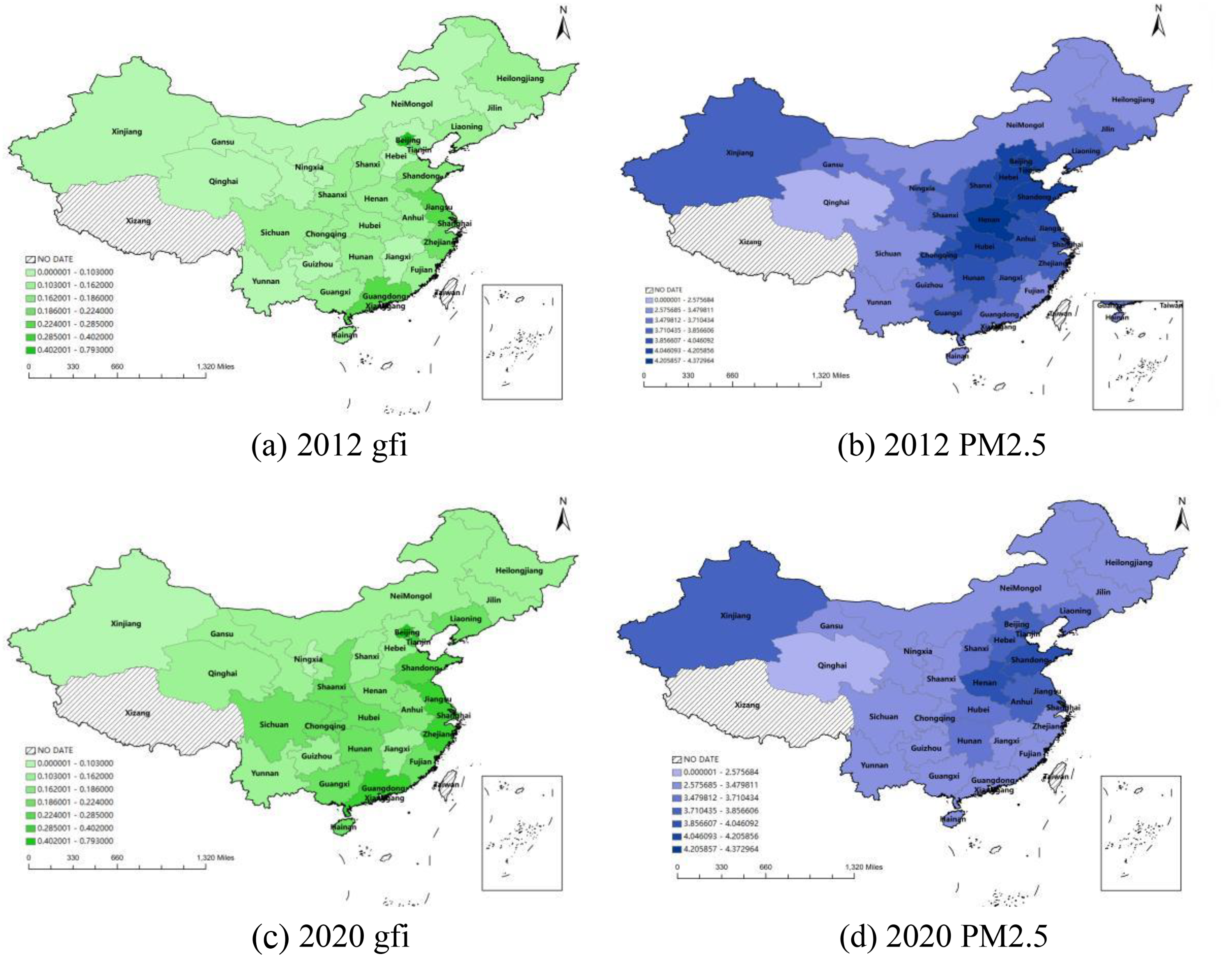
Gfi and PM2.5 concentration distribution map.
The term “green technology innovation” refers to the utilization of technological advancements in environmental protection, resource exploitation, and energy transformation to finish sustainable development goals. 3 The role of green technology innovation in mitigating PM2.5 pollution is of utmost importance, as it leverages the advantages offered by green finance to achieve significant reductions in harmful particulate matter. Through the allocation of financial resources towards environmental preservation and the promotion of sustainable development, green finance plays a crucial role in fostering the harmonious and integrated progress of the economy, society, and environment. With the continuous advancement of green sustainable technology, there is an increasing momentum in the advancement of clean and environmentally friendly technology. 4 The adoption of clean technologies in place of polluting ones can effectively curb PM2.5 emissions and mitigate air pollution. Nevertheless, the journey of green technology innovation encompasses various stages and factors, and it inherently carries certain risks. Financial institutions often hesitate to provide funding to innovative businesses, resulting in a lack of low-cost and high-quality financing sources that can impede their growth. To address this challenge, green finance plays a pivotal role by providing financial support for technological innovation. Through mechanisms such as green securities and green credit, green finance channels substantial and high-quality funds into innovative businesses. 5 This support enables them to enhance productivity, improve energy efficiency, and promote green economic development. In the end, this can result in a decrease in the emissions of pollutants, such as PM2.5, aligning with the objectives set forth in the “14th Five-Year Plan” for the transition towards a greener and more sustainable economic development.
While numerous studies have been conducted by scholars both domestically and internationally on the correlation between green finance and PM2.5, there are still several limitations that need to be addressed. These limitations can be primarily observed in the following aspects: (1) The analysis has been relatively one-dimensional, lacking a comprehensive and integrated examination of the relationship between green finance and PM2.5. (2) Previous research has mainly focused on the correlation between green finance and PM2.5 without considering the specific context of the green transformation period. As a result, the investigation of the impact of green finance on PM2.5 within this unique period has been neglected. (3) There has been a lack of comprehensive and in-depth research on green technological innovation when studying the influence of green finance on PM2.5. To address these research gaps, this study aims to make the following improvements and developments: (1) The study conducts empirical tests from multiple dimensions, including spatial effects, mediating effects, and threshold effects. By employing spatial Durbin model regression and threshold effect model regression, the previous limitation of one-dimensional analysis is rectified. This approach enables a comprehensive and in-depth exploration of the relationship between green finance and PM2.5, providing novel research perspectives and methods that offer robust support for research and practical applications in related fields. (2) The study narrows its focus to the critical period of China's green development transformation, specifically from 2012 to 2020. By conducting an in-depth investigation during this period, the study not only enriches and enhances relevant theories but also provides scientific decision-making guidance for policymakers to address the opportunities and challenges presented by this distinctive transformation period. (3) By considering green technological innovation as both a mediating variable and a threshold variable, the study aims to better understand the effectiveness of green finance in mitigating PM2.5 pollution and the specific role of green technological innovation within this process.
Literature review
The relationship between green finance development and PM2.5 pollution
In response to China's growing emphasis on environmental preservation and sustainable development, green finance has start as a new research discipline. Feng et al.6,7 state that financial activities impact the environment and are essential to a nation's sustainable development. Given the increasing severity of environmental issues and the limited financing options available for environmental industries, academics have begun to consider how to defend the environment from the perspective of financial incentives. 8 Firstly, according to cost theory, cost reduction can incentivize enterprises and individuals to adopt more environmentally friendly and sustainable practices, thereby reducing pollutant emissions. Green finance can provide more favorable financing terms, such as low-interest loans and preferential tax policies, to enterprises and individuals, thus reducing the cost of implementing environmental protection measures. 9 This can encourage them to take more actions for environmental protection and reduce PM2.5 emissions. Secondly, from a political economy perspective, market economies often suffer from problems such as monopolies and oligopolies, which can lead enterprises to prioritize their own interests and ignore environmental costs. 10 Green finance can offer low-cost financial assistance to firms, making it easier for them to embrace eco-friendly technologies and sustainable practices. 11 Additionally, green finance can regulate market behavior and direct capital flow towards the green industry and technological innovation, thereby achieving the integration of environmental protection and economic development. From a Marxist perspective, environmental issues are considered inherent contradictions of capitalist production methods, specifically the contradiction between the pursuit of profit maximization and the need for environmental protection. As an emerging financial tool, green finance has the potential to influence market behavior and steer capital towards the green industry and technological innovation, facilitating the seamless integration of environmental conservation and economic growth. 12 The growth of green finance is in line with the principles of the “externality” theory. The release of PM2.5 has adverse effects on both the environment and human health, but these impacts are often not considered by enterprises and individuals, resulting in market failure. The development of green finance can correct this externality mechanism and encourage enterprises and individuals to consider the environmental costs of their actions.13,14 This can contribute to the establishment of a more sustainable economic development model. Additionally, the expansion of green finance can encourage existing sectors to transition towards sustainable development. Traditional businesses can invest in energy-saving and emission-reduction technologies and create green goods and services with the support of green finance. 15 This not only contributes to environmental protection but also creates new market opportunities and enhances the competitiveness of enterprises. Furthermore, the expansion of green finance has the potential to attract more social capital towards environmental conservation. As more investors recognize the value of environmental protection, they become interested in investing in green finance products such as green bonds and green funds, which offer stable returns while also contributing to environmental protection.16,17
Moreover, the expansion of green finance has a ripple effect on pollution management techniques. Not only can it promote local economic development, but it can also stimulate economic growth in neighboring areas. It is important for developing green finance industries, especially in industrialized countries. Thus, green funding reduces regional PM2.5 emissions and stimulates energy and industrial infrastructure modernization, which reduces neighboring PM2.5 emissions and haze-related air pollution. 18
Green finance holds the potential to reduce PM2.5 emissions in the province, leading to a reduction in local atmospheric pollution.
Green finance can hinder the release of PM2.5 emissions in nearby provinces, thereby lessening haze pollution in adjacent areas.
Relationship between green finance development and the level of green technology innovation
Green finance has the capacity to drive innovation in green technology primarily by alleviating the financial limitations encountered by environmental protection companies. This, in turn, facilitates investment in research and development of environmental technologies. 19 Firstly, green finance can provide increased funding support, making it easier for environmental protection companies to secure funds and enhance their investment in research on green technology and development. In traditional financial markets, environmental protection companies face high risks when seeking financing. 20 However, green finance offers options such as issuing green bonds and establishing green funds, which provide more funding support and reduce the cost of financing for environmental protection companies, thereby encouraging investment in green technology. 21 Secondly, green finance can utilize incentive mechanisms to promote research, development, and innovation in green technology. By incentivizing companies to develop environmental protection technology, improve the environmental performance of products, and reduce emissions during production processes, the implementation of green finance initiatives stimulates companies to allocate more resources towards the research and development of environmental technology. 22 Additionally, green finance can enhance the environmental image and reputation of companies through the rating and certification of environmentally friendly companies, thereby promoting investment in environmental technology research and development.23,24 Xu et al. 25 think that green finance encourages research and development investments and technological innovation in environmental protection firms. However, as green finance develops, environmental regulatory requirements will also increase, and the regulatory costs for companies that do not meet the criteria for green finance funding will rise. This may result in reduced funding for technology innovation and companies facing obstacles in technological innovation due to a lack of funds. Consequently, energy-intensive, inefficient, and polluting businesses will gradually be phased out while “green” businesses experience rapid growth. By promoting the transformation and upgrading of the industrial structure, increasing output, reducing environmental regulatory costs, and improving the long-term market competitiveness of businesses, these efforts will contribute to the acceleration of these positive outcomes. 26 From a Marxist perspective, green finance can promote green technology innovation primarily by regulating market behavior, providing financial support, and offering policy guarantees to environmental protection enterprises, thereby stimulating them to engage in green technology application. From the perspective of Marxist political economy, there is an inherent contradiction between private ownership of the means of production and profit maximization in the capitalist economic system. 27 Environmental protection and economic growth are also inherently incompatible. In this context, green finance can resolve this contradiction by regulating market behavior and directing capital flow towards environmental protection industries and green technology innovation.
Relationship between PM2.5 pollution and the level of green technology innovation
Innovation in green technology is crucial for shaping a new global energy landscape and attaining sustainable growth through environmentally-friendly economic development. 28 At the initial stage, the innovation of green technologies can enhance energy efficiency, decrease energy consumption costs, and subsequently reduce emissions and pollutant generation, leading to a decline in PM2.5 emissions. 29 For example, the adoption of new clean energy technologies such as solar, wind, and hydropower can replace conventional fossil fuels, reducing reliance on coal, oil, and other conventional energy sources and, as a result, decreasing PM2.5. According to Jahanger et al., 30 technological advancements between 1990 and 2016 improved energy efficiency in 73 developing countries, leading to reduced carbon footprints and environmental degradation. Additionally, green technology innovation can enhance pollution control effectiveness, reduce the cost of pollution control, and ultimately decrease pollutant emissions and PM2.5 levels. 31 For example, the adoption of efficient filtering, denitrification, and desulfurization technologies can effectively minimize pollutant emissions, leading to a subsequent reduction in PM2.5. Additionally, the innovation of green technologies can bolster the capability of renewable energy provision, optimize the structure of energy consumption, and facilitate the transition of China's economic development from traditional energy sources to clean energy. 32 From a Marxist standpoint, the innovation of green technology can tackle the inherent contradictions of capitalist production methods and diminish the emission of pollutants, which serve as the primary contributor to PM2.5 levels. 33 Through the reduction of energy consumption, utilization of clean energy sources, and efficient management of pollutants, the innovation of green technologies can effectively decrease the cost of pollutant emissions and lead to a reduction in the release of hazardous substances such as PM2.5. Furthermore, green technology innovation can generate new business prospects, stimulate industrial upgrading, and create a mutually beneficial scenario for both economic gains and environmental conservation. 34 Specifically, it is common for businesses to implement technological transformations of energy-consuming equipment or invest in higher quality equipment from external sources to achieve high efficiency, low consumption, and cost savings in production factors, ultimately reducing energy consumption costs. Efficient energy usage and consumption will undoubtedly minimize waste and haze pollution from enterprises, enabling polluting firms to quickly achieve green upgrades. 8
Methodology and data
Variables and data interpretation
Dependent variable
PM2.5 concentration is used as the dependent variable. Since PM2.5 is the primary haze component, its concentration may be used as a proxy for the intensity of the haze problem. The analysis was conducted using grid data of global PM2.5 concentration, which was derived from satellite monitoring data.
Core explanatory variable
This article employs the entropy method to construct green finance indicators, with the following specific steps: First, select indicator
Green finance indicator system.
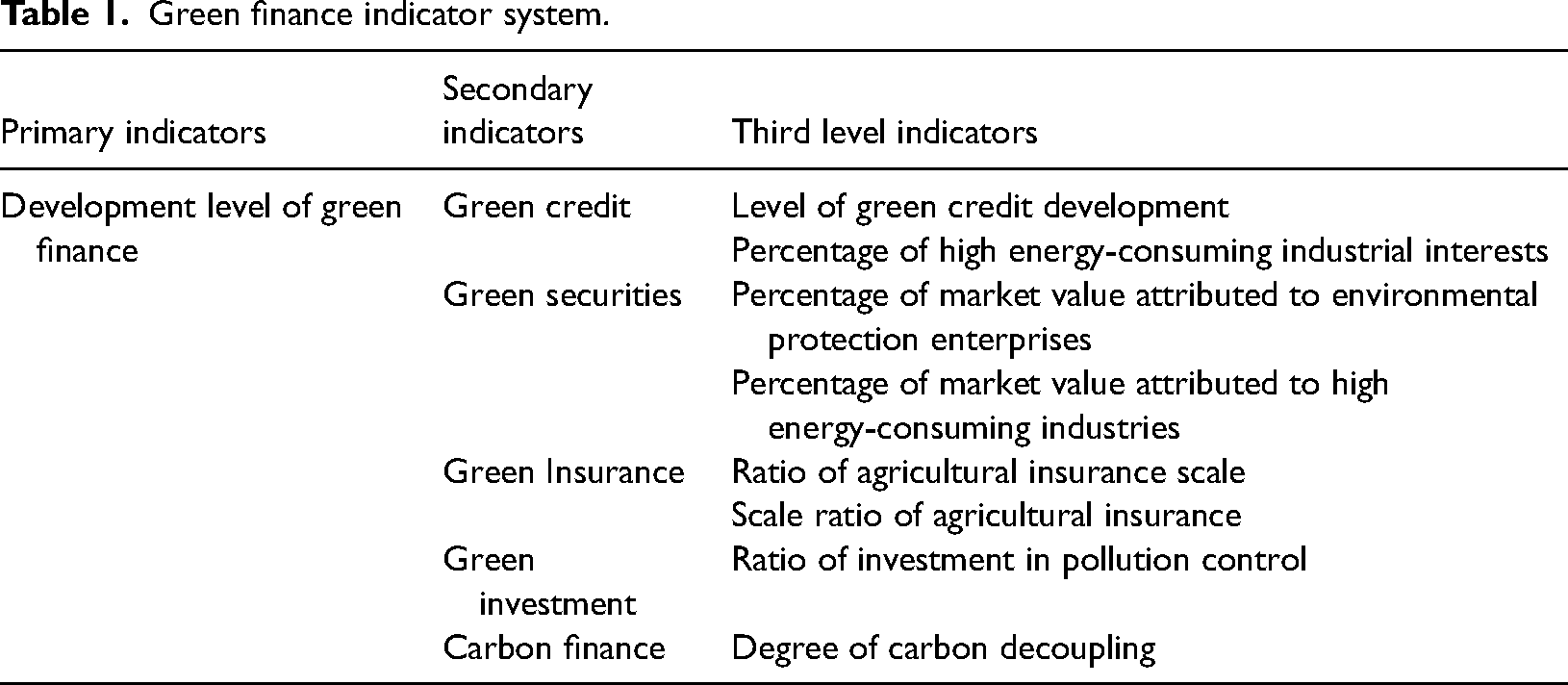
Second, the dimensionless treatment of indicators is carried out to eliminate the impact of different measurement units. The method is to take the maximum value and minimum value as the endpoints and carry out linear processing. The result of dimensionless processing is between 0 and 1. Positive and negative indications exist. Positive indicators suggest greater scores. Negative indicators reduce scores. Formulas (7) and (8) explain:

Third, determine the information entropy. The system's degree of disorder is gauged by the information entropy. While the two have the same absolute values, their signs are the exact opposite. Information is more disordered and has a lower utility value when the information entropy is higher. The opposite is also true. The precise formula is displayed in the following equation:
Fourth, calculate the difference coefficient 


Mediating variable
Patents may be regarded as a key indicator of technical innovation since they are the main form of technological innovation. Prior study has utilized patent data to measure technological innovation.36,37 Despite the fact that patent production may not fully represent the real quality of invention activities, patent data has distinct advantages. Lanjouw et al.
38
suggest using patent indicators to measure innovation output, as patent creation and output are related to innovation variables. Since patents are linked to innovation, Kim
39
suggests using patents to measure technological innovation. Green patents (
Control variables
Methodology
OLS panel regression model construction
This research initially creates a simple OLS model to analyze the affection of 
Spatial Durbin model
Prior to spatial model application, geographic autocorrelation model regression must be performed to assess the applicability of the model. This study uses a geographic distance matrix to calculate global Moran's I. The solution is depicted by equation (14):

The spatial Durbin model (SDM) can be written as:
Mediating effect model
In this model, M represents the intermediate variable between X and Y, indicating that the main variable X influences the explanatory variable Y through another variable. The mediation effect model is useful for establishing connections between original research on a particular phenomenon and its underlying causes. In the context of investigating the impact mechanism of
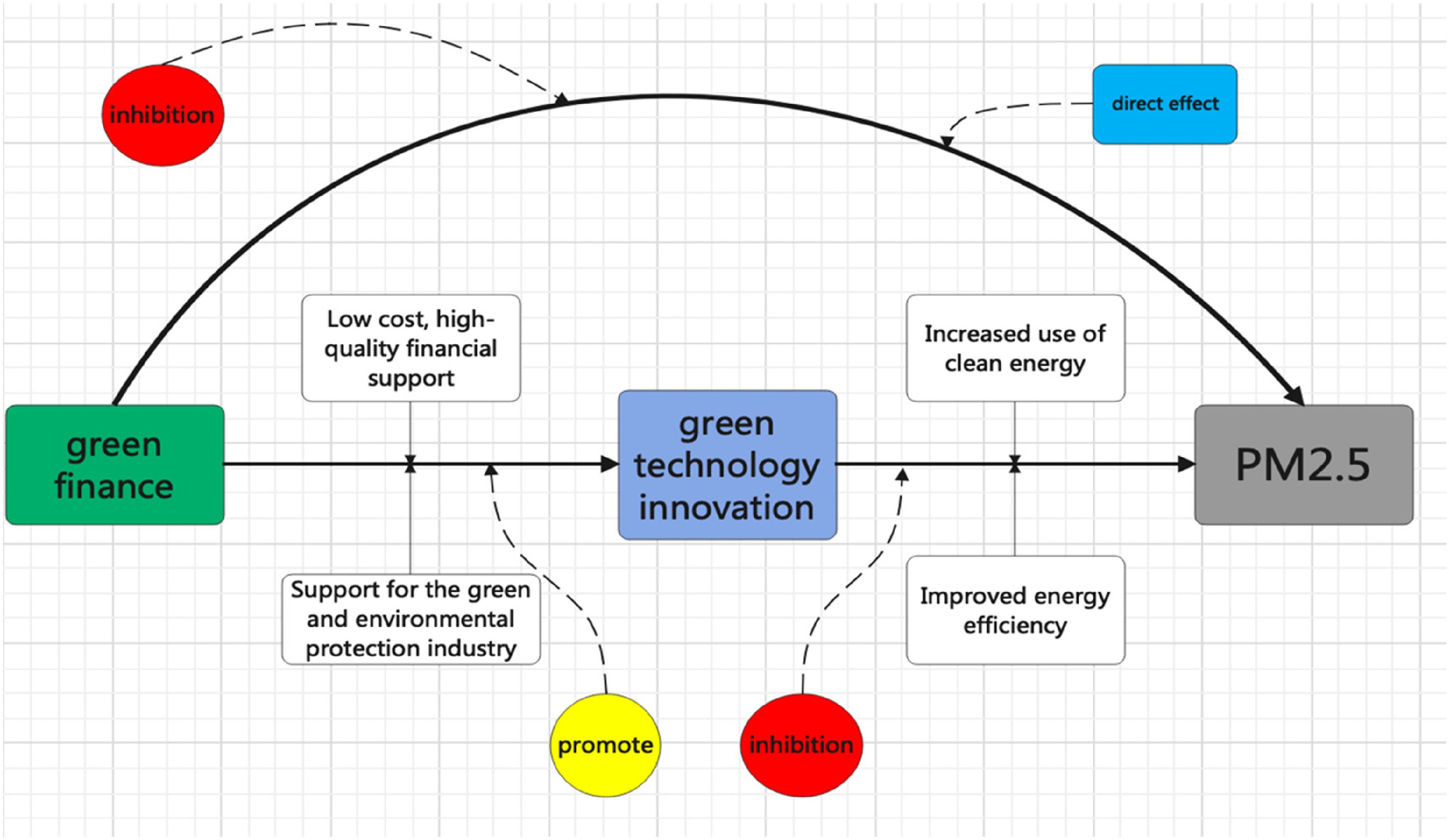
Path analysis diagram.
The specific mediation model is indicated by Formulas (16) to (18):


Construction of the threshold model
To investigate the influence of carbon-neutral development on high-quality economic growth and the role of total factor productivity in this process, this study employs a panel threshold regression model inspired by methodology. The formulation of the threshold regression model is as follows:
Descriptive statistics
To address the issue of heteroscedasticity in the regression analysis, this study employs a logarithmic transformation on key variables such as population growth, PM2.5 emissions, and the number of green patents. Table 1 presents the descriptive statistics for each variable. It is evident that PM2.5 levels vary significantly across regions, with a maximum value of 4.4507, a minimum value of 2.3079, a mean of 3.6347, and a median of 3.6615. Some regions experience lower levels of PM2.5 pollution, while others exhibit higher levels. Additionally, the maximum value of the gfi development level is 0.7930, the minimum value is 0.0620, the average value is 0.1854, and the median value is 0.153, indicating substantial regional disparities and a notable growth in gfi in recent years (Table 2).
Descriptive statistics.

Empirical design and results analysis
Data stability test
This paper conducts data stationarity test on the data, including unit root test and panel cointegration test. Table 3 shows that: (1) Each variable has passed at least three-unit root tests, namely FISHER, LLC, IPS, and HADRI, so the selected variable is reasonable; (2) Panel data passed the Kao cointegration tests, which means that there is a long-term stable balance between variables, so panel regression can be performed.
Data stability test results.
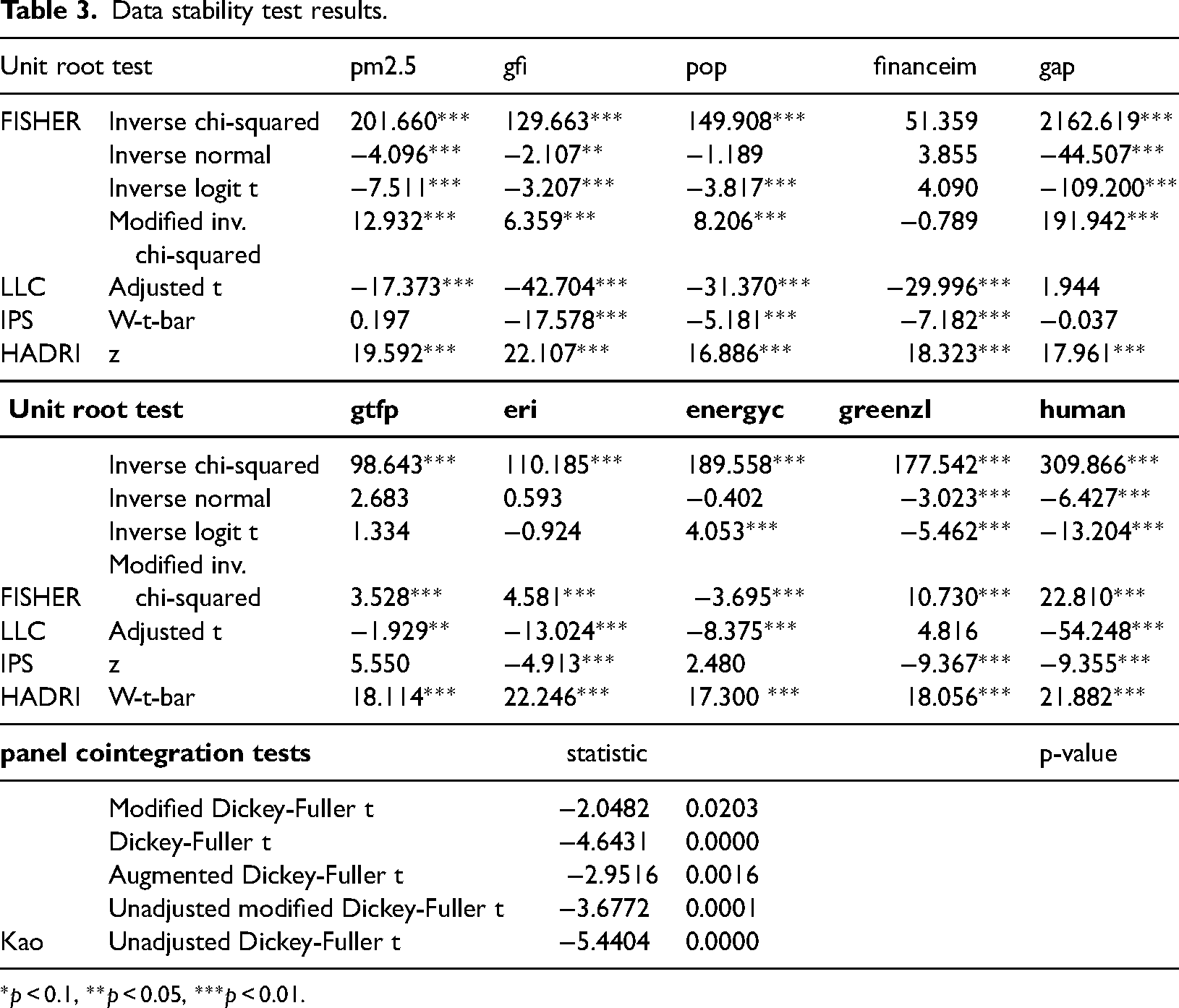
*p < 0.1, **p < 0.05, ***p < 0.01.
OLS panel regression and analysis
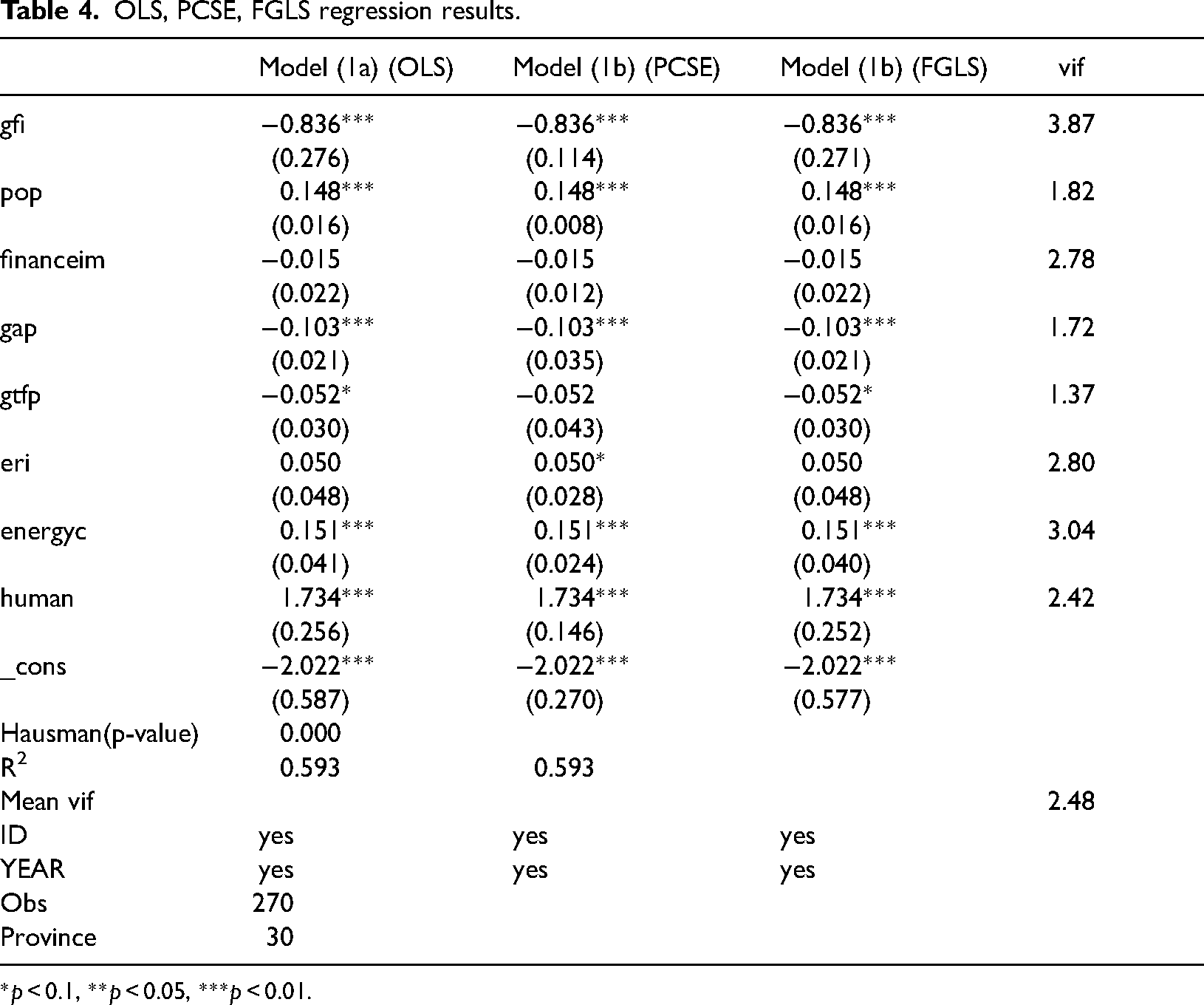
With a value of −0.836, Table 4 demonstrates a substantial inverse relationship between
OLS, PCSE, FGLS regression results.
*p < 0.1, **p < 0.05, ***p < 0.01.
At the same time, this study used PCSE and FGLS regression to rule out the effects of heteroscedasticity, autocorrelation, and cross-sectional correlation on the regression results. Table 4 displays the regression findings. A variance inflation factor test was also performed to rule out the impact of variable multicollinearity. The results indicated that the VIF value of each variable did not exceed 5, indicating that multicollinearity between variables had no effect on the regression outcomes (Table 5).
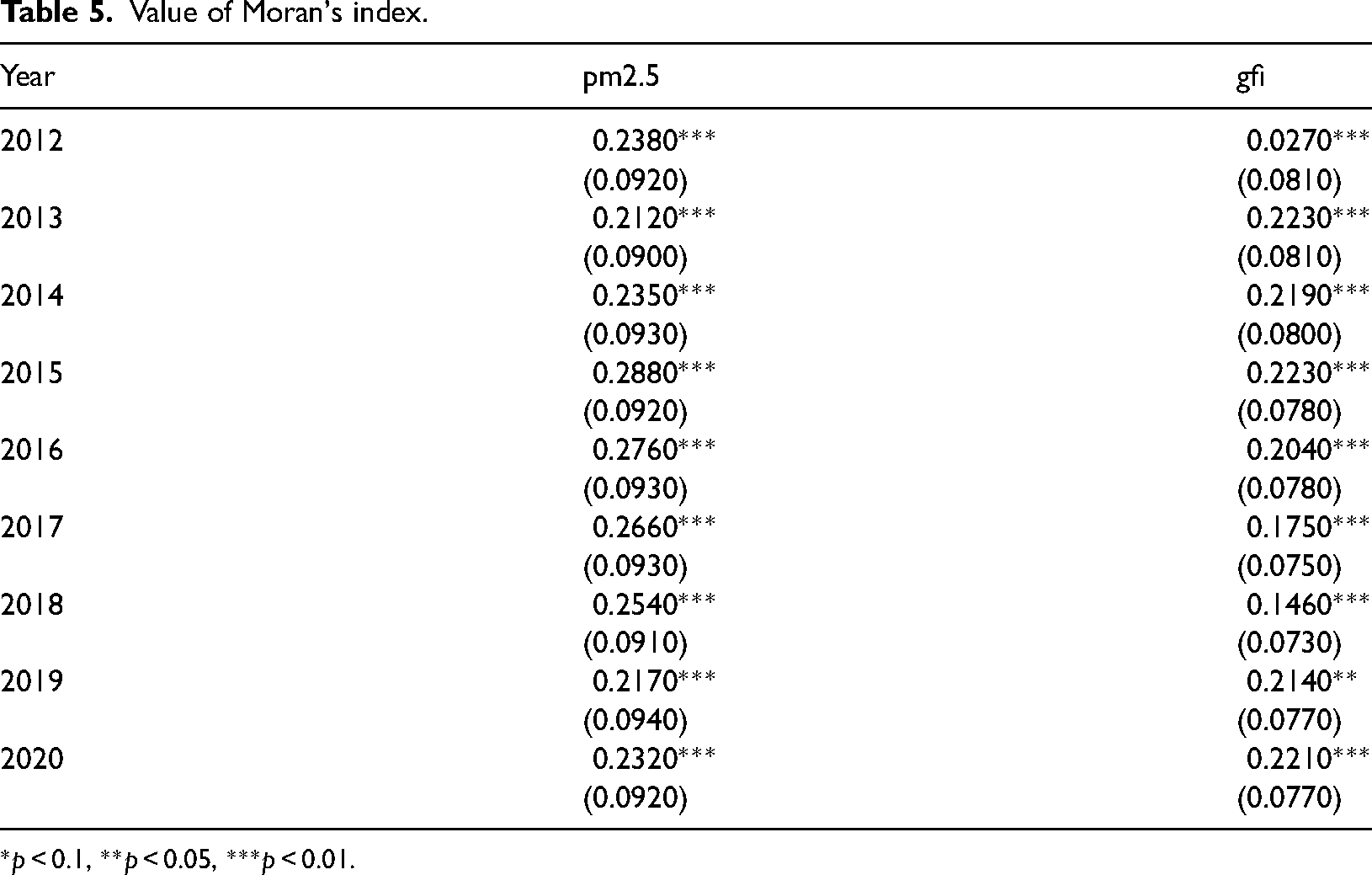
Value of Moran's index.
*p < 0.1, **p < 0.05, ***p < 0.01.
Spatial regression and analysis
Moran index test
We calculated the Moran index for global PM2.5 and
In Figure 3, the Moran Scatter plot illustrates the spatial relationship between PM2.5 and

The scatter plot of Moran's I in 2020.
Selection and testing of spatial regression models
As previously indicated, PM2.5 exhibits a significant spatial correlation. Consequently, spatial modeling regression is necessary. As shown in Table 6, we then conducted selection tests for spatial models and regression types. Fixed effects were chosen since the Hausman test was significant at 1%. The likelihood ratio test showed strong geographical and fixed effects over time. The Wald and LR tests of the SLM and SEM rejected the null hypothesis that the spatial Durbin model can be reduced to either SLM or SEM at the 1% level. This work used the spatial Durbin model for regression analysis.
Testing of spatial regression models.

*p < 0.1, **p < 0.05, ***p < 0.01.
Spatial Durbin model regression and analysis
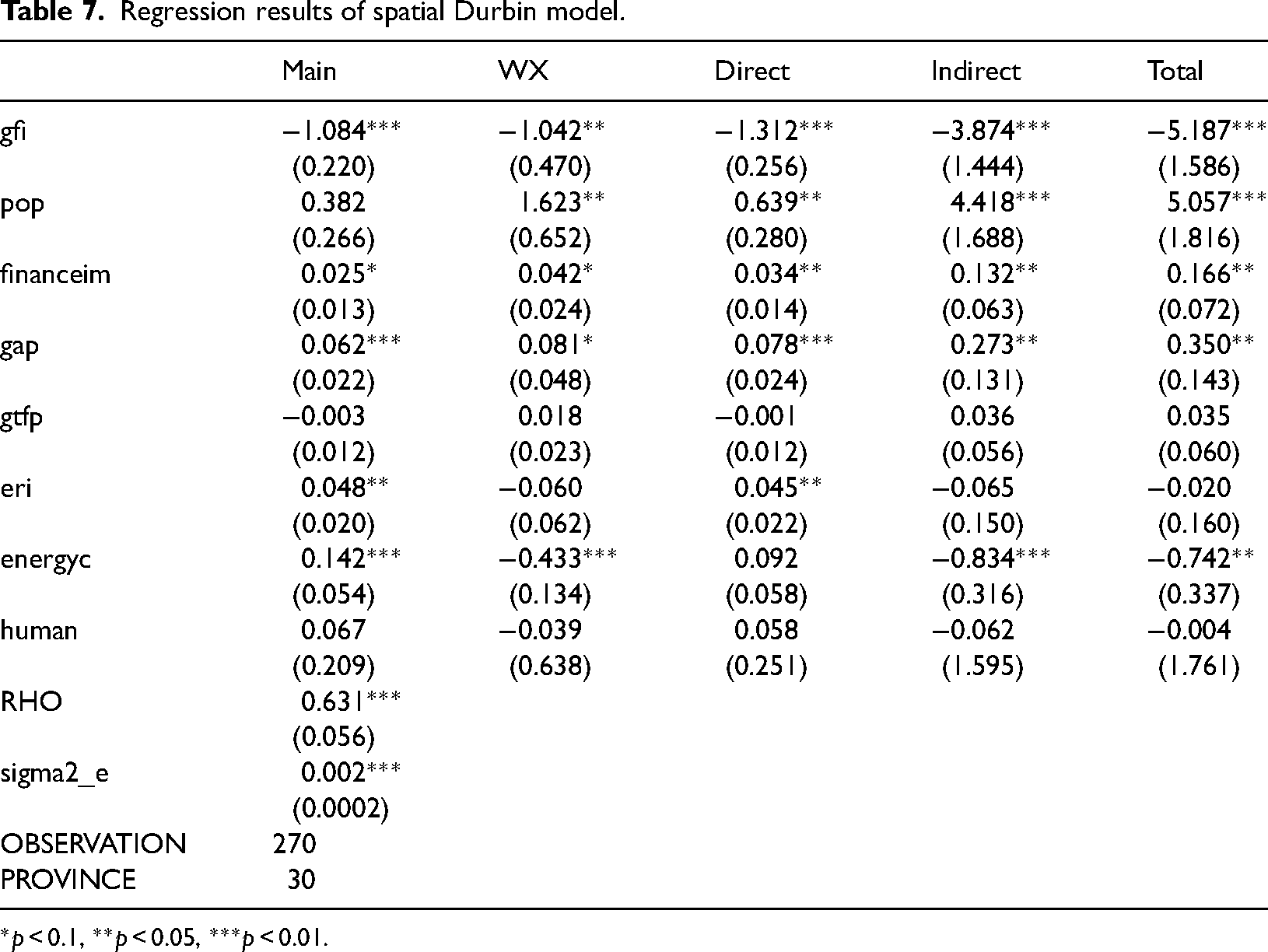
Based on the findings presented in Table 7, the effect of
Regression results of spatial Durbin model.
*p < 0.1, **p < 0.05, ***p < 0.01.
By decomposing spatial effects into direct and indirect effects using partial differentiation, spatial spillover effects can be analyzed more precisely and with fewer errors.
Path analysis
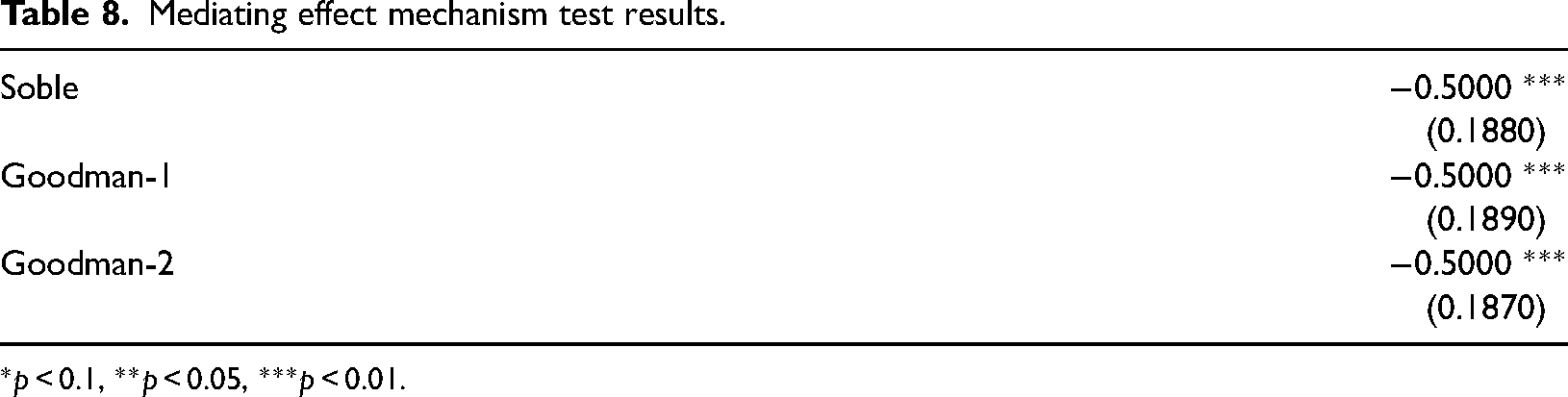
Since the traditional three-step method omits endogenous variables in the regression, this paper conducts Sobel test with reference to Sobel's method. The outcomes are shown in Table 8, with a coefficient of −0.500, which is significant at the level of 1%, indicating that green technology innovation has a negative mediating affection in the mechanism of
Mediating effect mechanism test results.
*p < 0.1, **p < 0.05, ***p < 0.01.
To examine the mediating role of
Regression of mediating effect.

*p < 0.1, **p < 0.05, ***p < 0.01.
According to empirical data,
Discussion on robustness test result
Robustness test and endogenous test of OLS regression
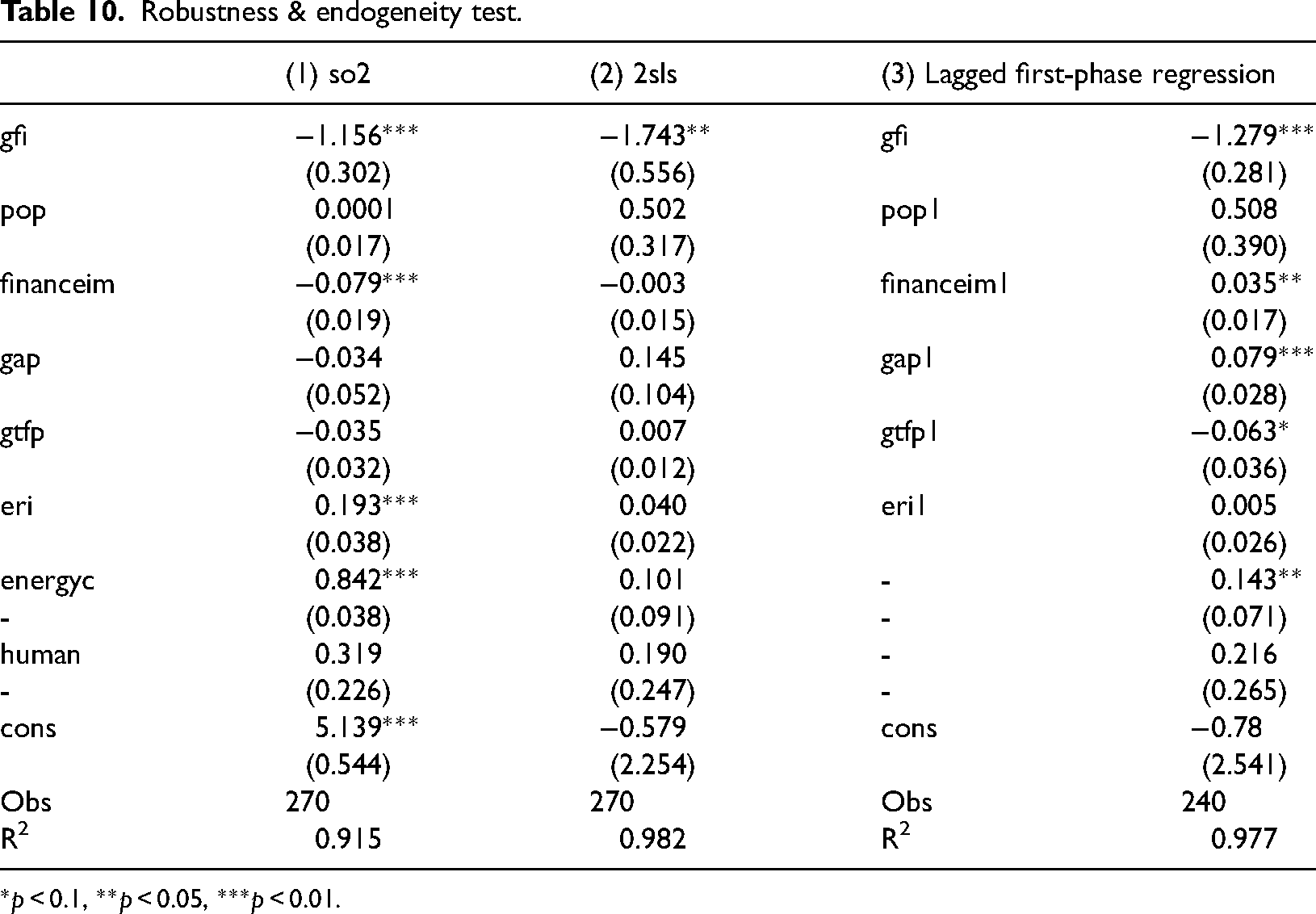
Using the method of replacing the explained variable and two-stage least squares, this study yields robust and trustworthy regression results. Since the emission of sulfides into the atmosphere is primarily responsible to produce PM2.5, this study tests the robustness by substituting sulfur dioxide emission concentration for PM2.5 emission concentration, and the results are shown in Table 10 (1). Moreover, employing the two-stage least squares technique, the results are shown in Table 10 (2). To address the issue of endogeneity in the regression analysis, this study incorporates first-order lag on all control variables, and the results are shown in Table 10 (3).
Robustness & endogeneity test.
*p < 0.1, **p < 0.05, ***p < 0.01.
Robustness test of spatial Durbin regression
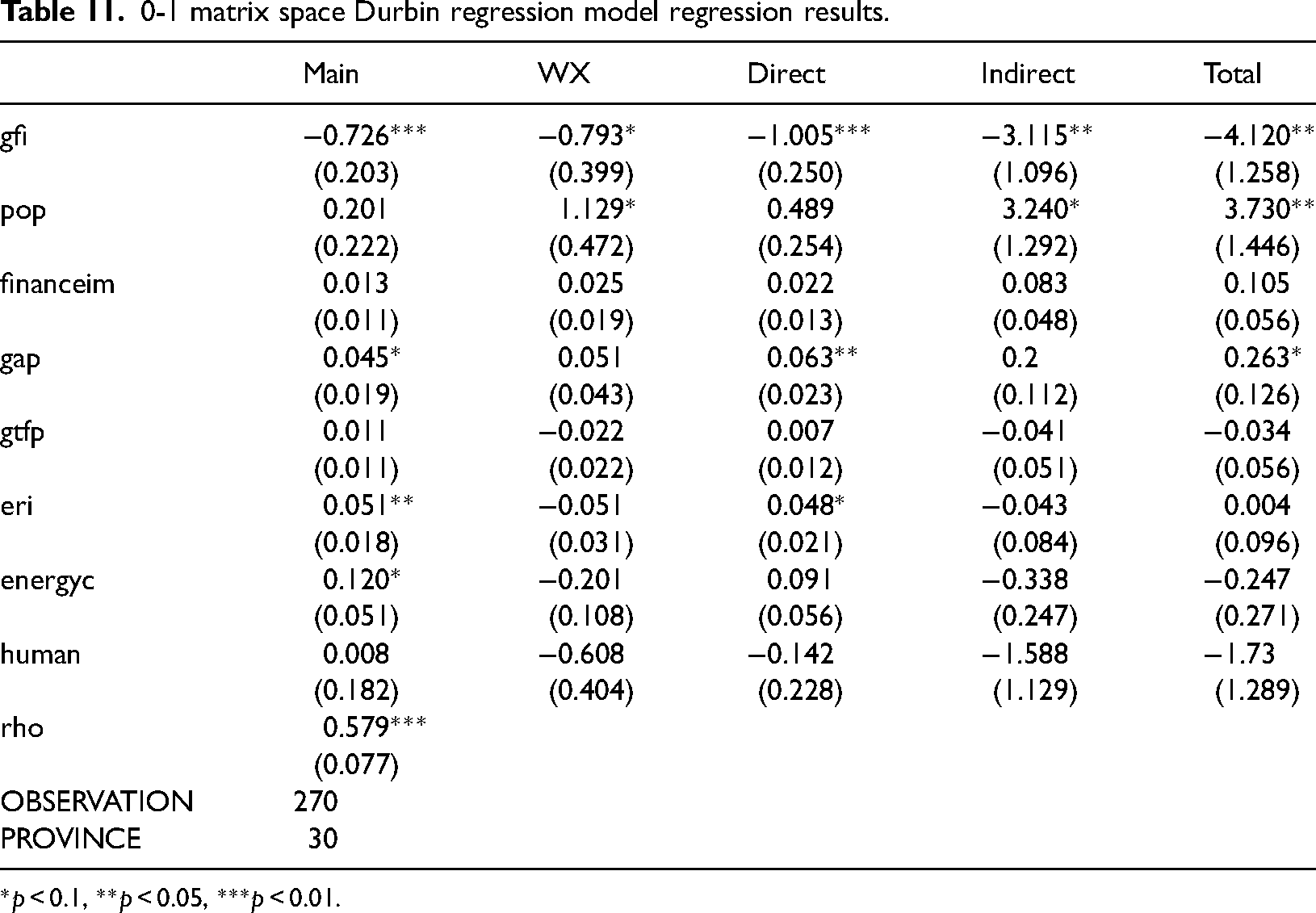
In this study, we conducted a spatial regression analysis by substituting the spatial geographic distance weight matrix with a binary adjacency spatial weight matrix. The results of this analysis are reported in Table 11, and the regression findings align consistently with those presented in Table 7, which utilized the geographical geographic distance weight matrix. Consequently, we can infer that the regression results obtained from the spatial Durbin model are dependable and trustworthy.
0-1 matrix space Durbin regression model regression results.
*p < 0.1, **p < 0.05, ***p < 0.01.
Extended analysis
Threshold regression analysis
To further investigate the role of green technology innovation in the relationship between
Threshold inspection results.

By observing Figure 4, the red dotted line represents the critical value of 5%. It can be seen that the threshold values in this paper are all below it, indicating that the selection of threshold values is appropriate.
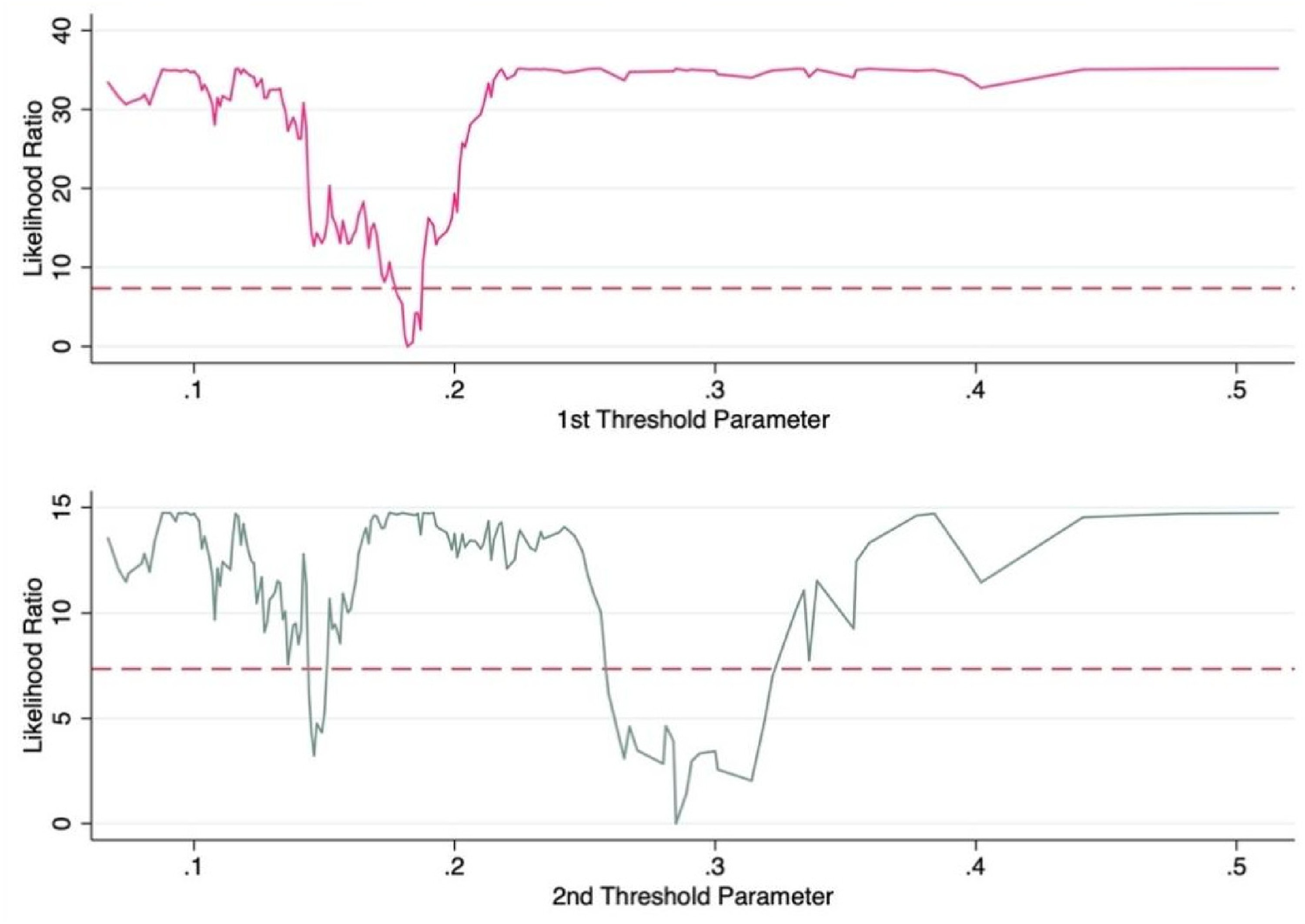
Threshold regression result graph.
Based on the results depicted in Table 13, the influence of
Threshold effect regression.

*p < 0.1, **p < 0.05, ***p < 0.01.
Regional heterogeneity analysis
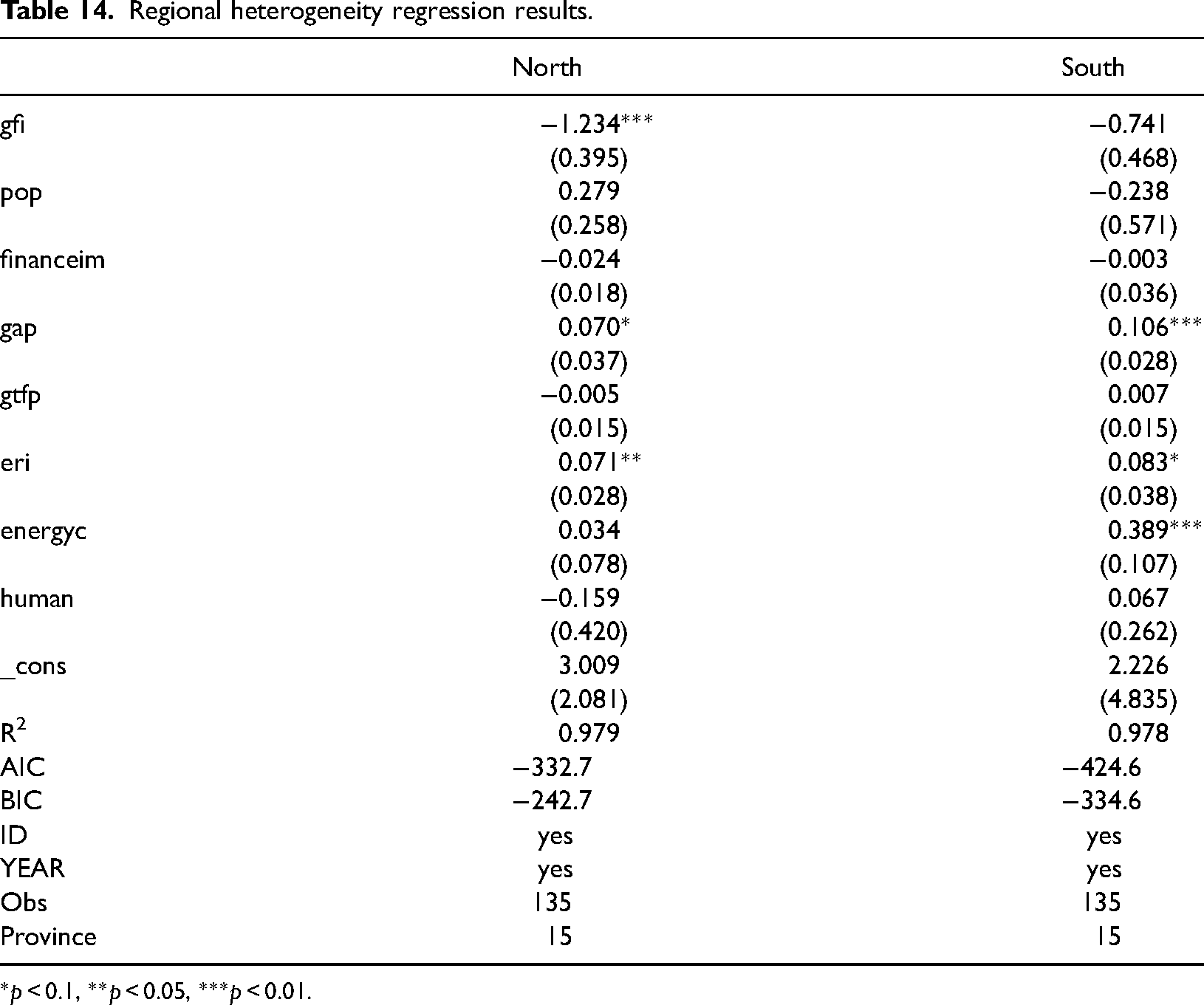
Heterogeneity research involves considering the characteristics and differences among individuals or groups to accurately assess the impact of influencing factors. When studying the effect of Differences in regional economic structures:the economy of southern provinces is mainly composed of the service industry and light industry, while the economy of northern provinces is dominated by heavy industry and energy. Light industry and the service industry have a relatively small impact on environmental pollution. Therefore, in southern provinces, due to the difference in economic structure, the role of Historical differences in environmental governance: environmental governance in northern provinces is relatively lagging. Due to historical reasons, the environmental governance in northern provinces started relatively late, and air pollution problems are relatively more serious. Consequently,
Regional heterogeneity regression results.
*p < 0.1, **p < 0.05, ***p < 0.01.
Therefore, due to the above differences,
Research conclusions and policy recommendations
In this paper, the influence of green finance and green technology innovation on PM2.5 emissions is examined using the spatial Durbin model and the mediating effect model. Considering the substantial regional disparities and spatial correlation in the progression of green finance in China, as well as the spatial contagiousness of PM2.5, it is more suitable to investigate the effect of green finance on PM2.5 from a spatial perspective, considering the specific circumstances of China. Moreover, green technology innovation, as a significant endogenous variable impacting economic growth and environmental contamination, is often overlooked in existing research. Innovations in green technology have significant implications for promoting green finance and reducing PM2.5 emissions. To summarize the findings, this study reveals several key points. Firstly, green finance exerts a modest restraining effect on PM2.5 emissions at the provincial level but significantly suppresses the geographical spillover effect of PM2.5 emissions in neighboring provinces. Secondly, green finance plays a role in promoting green technology innovation and can provide financial support for businesses involved in such innovation. Thirdly, the presence of green finance can have a spatial spillover effect, effectively curbing PM2.5 emissions in adjacent provinces and mitigating haze pollution in neighboring regions, optimizing, and modernizing industrial structures, and facilitating the transition to clean energy. Lastly, there is notable heterogeneity in the impact of green finance on PM2.5 emissions between the northern and southern regions, with a significant effect observed in the north but not in the south. Based on these findings, the following recommendations are proposed in this article:
Promoting green finance can effectively reduce environmental pollution, particularly PM2.5 emissions. Green finance, led by financial institutions and involving businesses and the public, channels funds towards enterprises that meet green finance support standards. Firstly, it is crucial to accurately identify companies that qualify for green finance support and ensure the efficient and timely allocation of funds to these companies so they can fulfill their responsibilities. By eliminating information asymmetry, demand for green funds and supply from providers can be effectively matched, preventing non-compliant companies from misusing funds and resources. Secondly, given limited resources, proactive strategies and the development of green products should be encouraged to assist fund providers in identifying and promoting high-quality green products and enterprises. Green finance can support technology innovation companies in pursuing sustainable innovation and prioritizing environmentally related innovations to reduce PM2.5 emissions. From an “incentive” perspective, the government can expand green finance channels for companies and increase subsidies for approved green projects, enabling enterprises to actively engage in ecological innovation. From a “control” perspective, the government can establish an efficient evaluation process for green finance policies to incentivize green companies. Strengthening the qualification audit process for companies can facilitate easier access to green financial assistance, encouraging the creation and innovation of green technologies. It is essential to increase investments in green finance, with a particular emphasis on regions with severe air pollution in the north. This can be achieved through various means, such as providing low-interest loans, offering incentives to encourage enterprises and individuals to invest in green industries. In regions with relatively lighter air pollution in the south, promoting green technology should be prioritized. By promoting the adoption of green technology, energy consumption can be reduced, and pollutant emissions can be decreased, ultimately leading to a reduction in PM2.5 levels. In the northern regions, efforts should be focused on strengthening air pollution control and promoting green industries. In the southern regions, the emphasis should be on promoting green technology and enhancing environmental protection. By implementing tailored policy measures, the role of green finance can be maximized, facilitating sustainable economic and environmental development.
One limitation of this article is the availability of data, specifically the limited availability of data for certain sub-indicators of green finance, which is only accessible up until 2020. As a result, it is not possible to extend the research period to include 2021 and 2022, potentially causing a lag in the research results.
Footnotes
Credit author statement
Yiniu Cui: Responsible for the overall planning and design of the paper, and drafting the initial version. Cheng Zhong: Responsible for data collection and preprocessing in the paper. She is responsible for gathering and organizing the required datasets, as well as performing data cleaning and preprocessing. Jianhong Cao: Responsible for conducting literature research and data analysis in the paper. Her work mainly focuses on model design and empirical regression. Mengyao Guo: Responsible for the model training and optimization work in the paper. She utilizes the collected data and research findings to conduct iterative testing and optimization.
Declaration of conflicting interests
The authors declared no potential conflicts of interest with respect to the research, authorship, and/or publication of this article.
Funding
The author(s) disclosed receipt of the following financial support for the research, authorship, and/or publication of this article: This work was supported in part by the Ministry of Science and Technology of China under Grant 2020AAA0108402 and the National Natural Science Foundation of China (NSFC) under Grant 71825007, in part by the National Natural Science Foundation of China (NSFC) under Grant 72210107001, in part by the Fundamental Research Funds for the Central Universities.
