Editorial
 Available accessEditorialFirst published August, 2025pp. 2085-2086
Preface
View All


Select search scope: search across all journals or within the current journal

 Available accessEditorialFirst published August, 2025pp. 2085-2086Available accessResearch articleFirst published August, 2025pp. 2087-2110
Biodiesel is considered to be an economical and eco-friendly substitute to fossil fuels. The present research was focused on the synthesis of potassium doped biochar catalyst from wood dust waste. The synthesized activated biochar catalyst was subjected to characterization using various techniques such as FT-IR, SEM-EDAX, XRD analysis which showed possible higher catalytic efficiency. The microalgae
Available accessResearch articleFirst published August, 2025pp. 2111-2130 , [...]
The disposal of laboratory waste, especially microbiology media, is a growing concern due to its potential environmental impact. In this study, the conversion of laboratory waste, specifically nutrient agar media, into biochar using three different pyrolysis methods: conventional tube pyrolysis, biomass gasification, and microwave-assisted pyrolysis has been explored. Microwave pyrolysis of biomass resulted in higher biochar yield (63.85%) than conventional pyrolysis (58.16%) and gasification (32.18%). The obtained biochar has been subjected to different analytical techniques to understand the comparative differences in characteristics. Conventional pyrolysis yields the most negative zeta potential (−27.5 mV), whereas biomass gasification results in −16.7 mV, and microwave-derived biochar produces −7.5 mV to −4.8 mV, indicating diverse colloidal stability, anionic character, and potential for tailored soil applications. In plant growth experiments, the application of conventionally pyrolyzed biochar demonstrated superior performance, with the highest germination percentage (84.62%) and significantly longer shoot lengths (
Available accessResearch articleFirst published August, 2025pp. 2131-2151Oleaginous yeast-derived biodiesel production utilizing zero-value organic waste biomasses has been prioritized to curb environmental pollution, global warming, and rising bioenergy demands.
This is a visual representation of the abstract.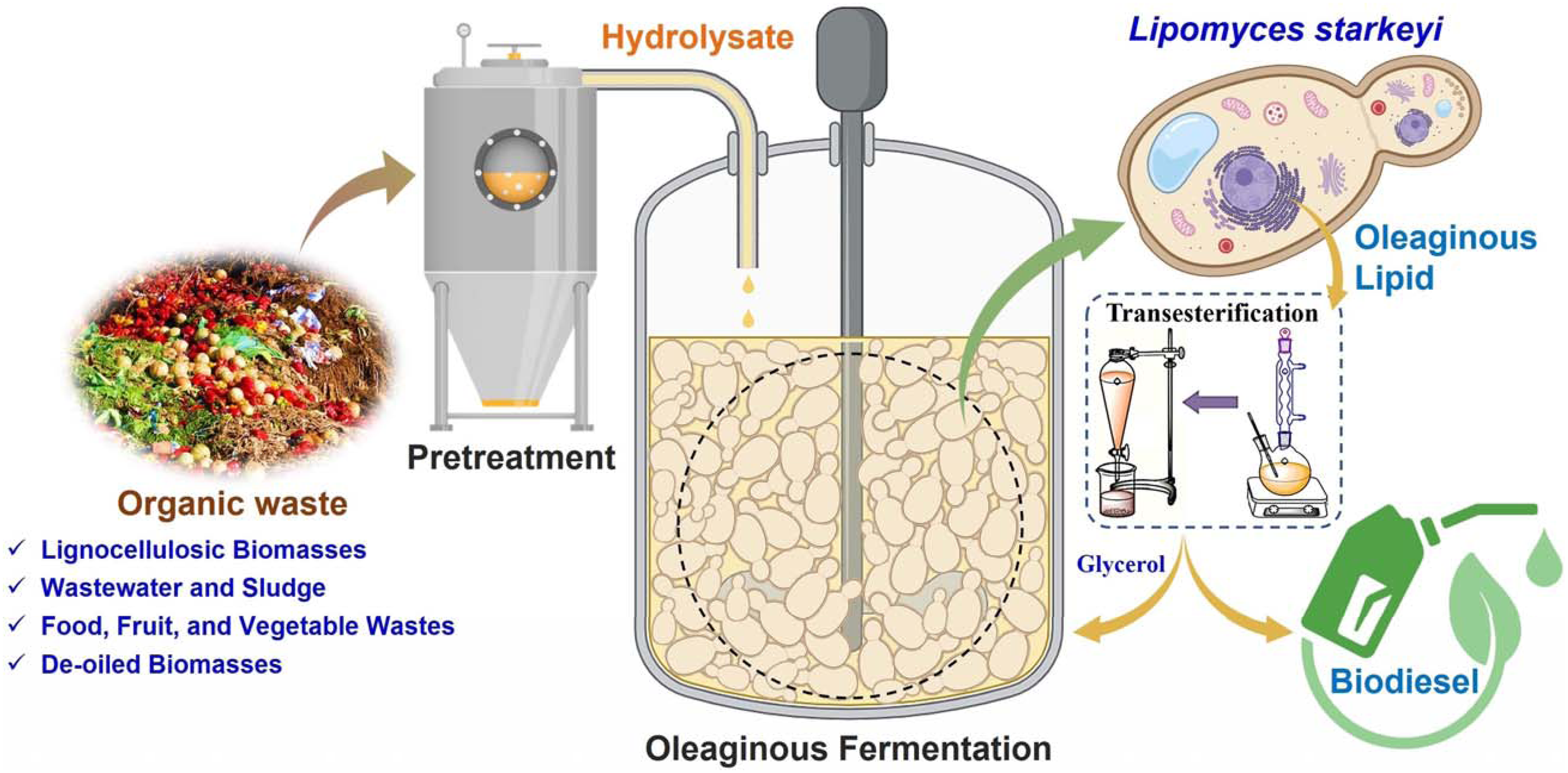
Available accessResearch articleFirst published August, 2025pp. 2152-2173Globally, approximately 2.12 billion tons of waste are annually disposed of, with laboratories significantly contributing across diverse waste streams. Effective waste management strategies are crucial to mitigate environmental impact and promote sustainability within scientific communities. This study addresses the challenges by introducing a novel method that transforms laboratory media waste into a valuable biopolymer named “Agastic.” The process involves repurposing agar extracted from bulk laboratory waste, blending it with bio-based plasticizers to produce Agastic sheets exhibiting mechanical properties comparable to traditional bioplastics. Using response surface methodology (RSM) and central composite design (CCD), optimal concentrations of agar (1.5–2.5% w/v), glycerol (0.25–1% v/v), and ethanolamine (0.5–1.5% v/v) were determined. Predictions from Design Expert software indicated impressive tensile strength up to 14.31 MPa for AGA-1 and elongation at break up to 52% for AGA-2. Fourier Transform Infrared Spectroscopy (FTIR) analysis confirmed agarose structural features in AGA-1 and AGA-2. Thermogravimetric analysis (TGA) showed polysaccharide-related breakdown between 38°C and 280°C in AGA-1, peaking at 299.36°C; AGA-2 exhibited diverse thermal decomposition up to 765°C, suggesting their biodegradable potential in packaging applications. Scanning electron microscopy with energy-dispersive X-ray spectroscopy (SEM-EDS) analysis confirmed nontoxic nature of Agastic and preserved morphological integrity in both samples. Soil degradation studies revealed AGA-1 and AGA-2 losing 71.31% and 70.88% of weight, respectively, over 15 days. This innovation provides a sustainable pathway to repurpose laboratory waste into eco-friendly bioplastics, particularly suitable for moisture-sensitive packaging such as nursery applications. These findings underscore Agastic films’ promise as environmentally friendly alternatives to traditional plastics, supporting circular bioeconomy principles and significantly reducing ecological impacts associated with plastic waste.
Available accessResearch articleFirst published August, 2025pp. 2174-2191 , [...]Nanocellulose produced by bacteria has attracted worldwide attention owing to its excellent mechanical properties, water retention capacity, non-toxicity, antibacterial ability, and high plasticity, making it applicable in various fields. In this study, the collected aquaculture waste biomass such as
Available accessResearch articleFirst published August, 2025pp. 2192-2212 , [...]In recent years, microbial platforms for biofuels and nutraceuticals have gained recognition as sustainable alternatives. This study investigates titanium dioxide nanoparticles’ effect on lipid and omega fatty acid production in
Available accessResearch articleFirst published August, 2025pp. 2213-2230, Diksha Sharma , [...]The necessity to address environmental issues has driven efforts toward exploring sustainable bio-based materials as a viable alternative to conventional energy sources. The current study explores the utilization of cocoa pod husk (CPH) biomass for lignin extraction and cellulose production, aiming to contribute to the eco-friendly production of lignin nanoparticles and bioethanol. A synergistic green deep eutectic solvent (DES) (choline chloride/citric acid)-microwave method was employed to effectively fractionate CPH biomass, resulting in an impressive 77.58% lignin removal at 600 W microwave power. The extracted lignin (211.56 mg/g biomass) was utilized to synthesize lignin nanoparticles that were subsequently characterized. Enzyme-driven hydrolysis of the residual cellulose yielded a reducing sugar content of 198.34 mg/g biomass, demonstrating a saccharification efficiency of 70.78%. Fermentation of monomeric sugars by
This is a visual representation of the abstract.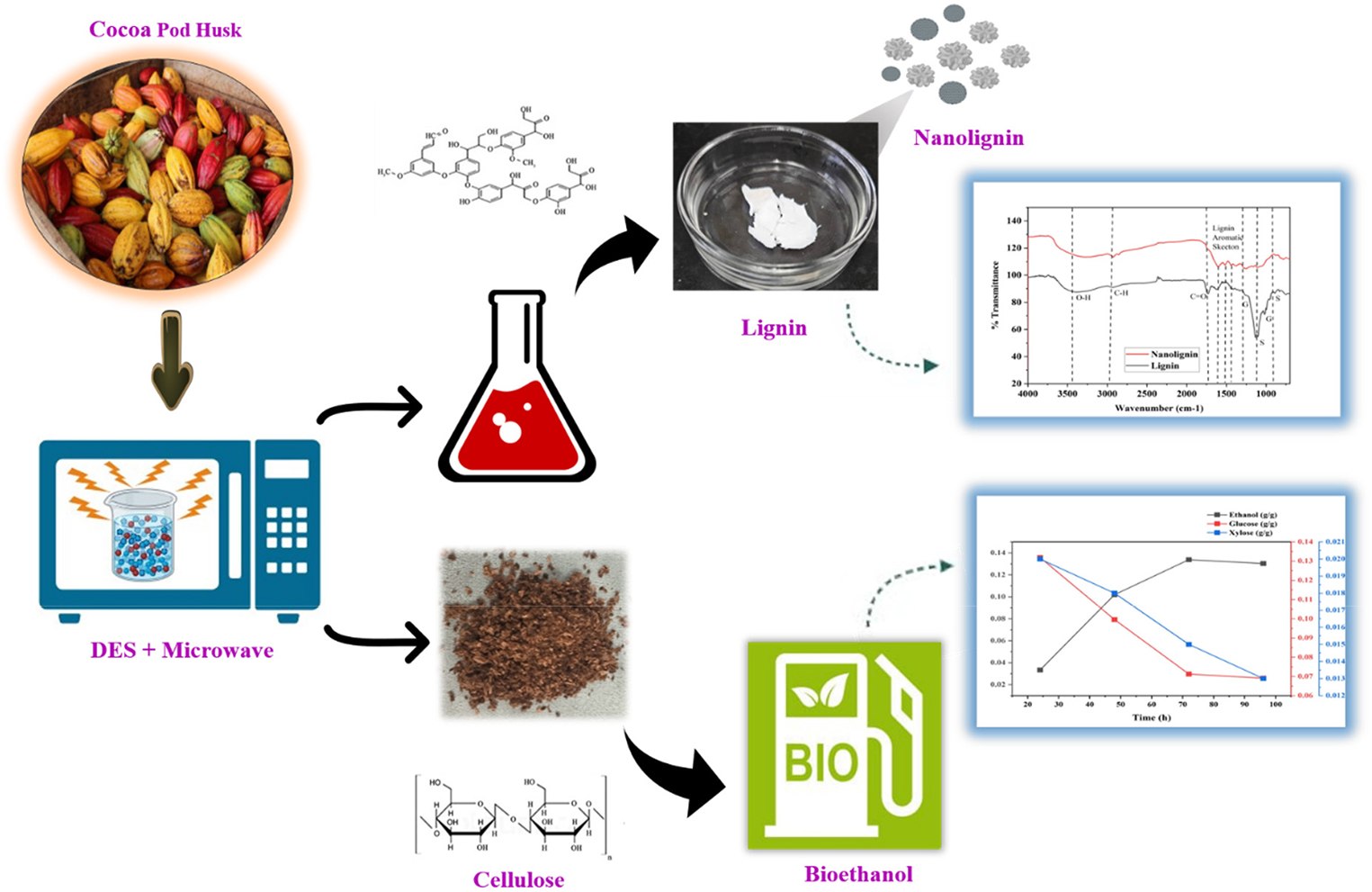
Available accessResearch articleFirst published August, 2025pp. 2231-2247 , [...]This study presents
This is a visual representation of the abstract.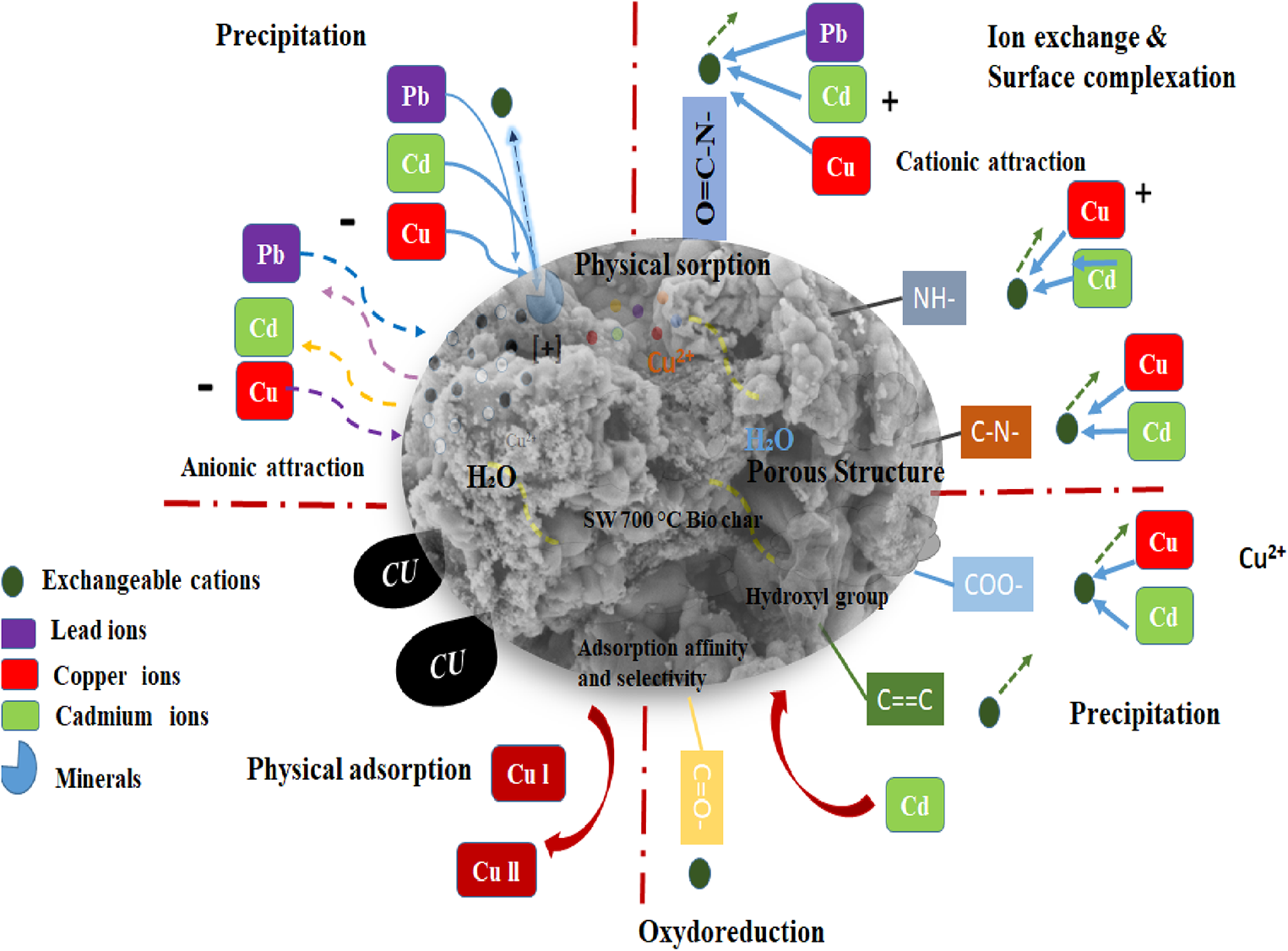
Available accessResearch articleFirst published August, 2025pp. 2248-2287, Minh Ho Tran , [...]Several issues such as sustainability, CO2 footprint, and energy supply security which primarily resulted from fossil fuel emissions have become the main concerns for analysts and policymakers worldwide. Therefore, to meet the goals of sustainable energy as well as the switch to a net-zero and low-carbon economy, energy systems must be diversified by increasing the implementation of renewable and clean sources of energy. This paper focused on the deep analysis of the key role of bioenergy, geothermal, solar, hydropower or hydrogen, ocean, and wind (BIGSHOW) renewable energy in producing clean energy aiming to attain the sustainable net-zero norms and climate change mitigation. Furthermore, AI technology and its applicability were also introduced to enhance the management efficiency of BIGSHOW in energy-use strategies. More importantly, barriers and bottlenecks of deploying BIGSHOW projects and applications were comprehensively analyzed. Finally, policy implications and vital solutions were thoroughly presented aiming to increase the penetration of BIGSHOW to the energy system. In short, this work could be strong and persuasive evidence for speeding up the shifting progress of a precarious fossil fuel-based economy to a sustainable low-carbon one, in which BIGSHOW has been known as the core role.
Available accessResearch articleFirst published August, 2025pp. 2288-2313, Anil Kumar Patel , [...]Cellulose is the most abundant renewable polymer on Earth which is extensively distributed in diverse ecosystems. It is present in higher plants, marine organisms, and also produced through microbial processes in organisms like algae, fungi, and bacteria. From an industrial perspective, the semicrystalline nature of cellulose present in different plant and microbial sources enables the fabrication of various types of nanocellulose, such as nanofibre and nanocrystals, through mechanical disintegration and chemical methods, respectively. Nanocellulose distinguishes itself as a sustainable, nonharmful, and biodegradable polymer. It will enable sustainable development for responsible consumption and production. Possessing a range of excellent properties, it can be seamlessly integrated into various materials. Research on nanocellulose is gaining momentum in response to current issues related to fossil fuels, including concerns about CO2 emissions, plastic pollution, and the need for renewable energy sources. This review addresses nanocrystals production method from cellulose found in agricultural, microbial sources, and its applications in fields such as materials science, electronics, medicine, and environmental science.
Available accessResearch articleFirst published August, 2025pp. 2314-2332The present study aimed at predicting the intricate mechanism followed by the pyrolysis of locally available rice husk, uses noval modified master plots through continuous slope-based differential techniques. An average apparent activation energy was found in the range of 187.29 (KAS model) and 199.85 kJ mol−1 (OFW model), respectively. The rice husk revealed higher volatile matter; 54.51 wt-%, HHV; 18.42 MJ kg−1and a critical pyrolysis zone around 250 to 550 °C with two sharp peaks through differential thermogravimetric analysis. Using Karl–Pearson correlation, experimental curve showed highest correlation coefficient of 0.94 and 0.75 with respect to A2 and A3 models (Avrami–Erofeev) for
Available accessResearch articleFirst published August, 2025pp. 2333-2344Wastewater remediation has become a major environmental concern in recent years, which has led scientists to look for innovative sustainable solutions. Diatoms have emerged as a potentially effective solution for wastewater treatment, primarily because of their extraordinary ability to absorb nutrients and engage in metabolic processes. The present study aims to accomplish two goals, firstly, green synthesis of silver nanoparticles (AgNPs) utilizing marine diatoms
Available accessResearch articleFirst published August, 2025pp. 2345-2370Over recent years, many companies and countries have established net-zero emission objectives for 2050 or sooner. Frankly, there will be fraught with challenges and dangers to some extent to attain net-zero. Therefore, we scrutinized the importance of net-zero strategies and plans/roadmap to attain these net-zero goals in this review. We found that overcoming the diverse obstacles including settling on a formal definition of the concept, increasing global financing and infrastructure investments, and ensuring that advancements in green technology occur while keeping their costs low or subsidizing them is very imperative to quickly transition away from carbon-emitting fossil fuels. Other challenges could include getting the net-zero ball moving on difficult-to-decarbonize sectors, choosing the correct carbon offsets, not relying solely on renewable energy credits, and striking the right balance between climate-related policies at various levels. Based on the review analysis, we suggested some solutions to achieving net-zero by 2050, as well as long-run scenarios. In short, all components of sustainable development, socioeconomic sustainability, or the pursuit of broad developing opportunities must be matched with a net-zero emission-based economy, this ensures stability and harmony in the balance between national targets and international benefits.
Available accessResearch articleFirst published August, 2025pp. 2371-2399This study looks at the impact of green economy activities on marine mineral conservation, emphasizing the critical significance of circular processes in building a sustainable blue economy. The research assesses the long-term viability of European blue economies using six indicators, including the value provided by the extraction of petroleum and natural gas and support activities for mining and quarrying projects. Municipal trash generation per capita and the amount of biowaste in recycling are used to determine circular effectiveness. According to the findings, a robust green economy performance is critical for increasing the sustainability of Europe's blue economy between 2012 and 2019. The link between the green and blue economies is nonlinear, with positive benefits shown when the green economy exceeds a particular threshold. Furthermore, the study validates these findings by investigating the impact of the green economy on ocean energy and marine minerals. These empirical findings have important significances for European authorities and policymakers aiming to effectively implement green programs in order to advance toward a sustainable blue economy and preserve marine mineral levels.
Available accessResearch articleFirst published August, 2025pp. 2400-2425Since the official launch of the Belt and Road Initiative (BRI) in 2013, China and the BRI countries have been working for the implementation of certain environmental measures to make the BRI project green and clean. For this purpose, China and the BRI countries have planned to implement certain environmental measures. Although China can efficiently implement these measures, most of the BRI countries face technological deficiencies and lack of proper environmental plannings. To tackle these deficiencies, the BRI countries can import environmental technology from China. Moreover, they can communicate their environmental protection policies with China for better policy guidance. The current study, therefore, aims to examine whether the BRI countries’ import of environmental technology from China can reduce carbon emissions in these countries. Moreover, it also examines that whether these countries should follow the environmental policy and the import policy of China or they should follow the six European countries (EU-6) with minimum carbon emissions intensity. This study considers a sample of 88 selected BRI countries (BRI-88) for the period 2001–2019. The results obtained with
Available accessResearch articleFirst published August, 2025pp. 2426-2453, Jianhong Cao , [...]This study employs panel data encompassing a time frame from 2012 to 2020, collected from 30 provinces in China. By employing a geographic Durbin model and introducing green technological innovation as an intermediary variable, the study explores the relationship between green funds and PM2.5 levels on a spatial scale. The research takes a spatial perspective to explore the links between green finance and PM2.5 emissions, with a specific focus on the intermediary role played by green technology innovation. The findings offer comprehensive insights into enhancing air quality in China, promoting the country's transition towards sustainability, improving the overall human living environment, and generating novel ideas for tackling air pollution challenges. The findings of this study are as follows: (1) The progress of green finance proves to be an effective means of reducing local PM2.5 emissions. Additionally, it generates spillover effects on neighboring regions, promoting the growth of green finance and consequently leading to a decrease in PM2.5 emissions in adjacent areas. (2) In the study exploring the relationship between green financing and PM2.5, green technological innovation plays a crucial mediating role. By efficiently allocating financial resources during China's pivotal green revolution phase, green finance offers funding support to enterprises for the advancement of green technology. This, in turn, contributes to the reduction of PM2.5 emissions. As a consequence, this leads to a decline in energy consumption, pollution emissions, and PM2.5 levels. Additionally, with the continuous improvement in green technological innovation, the reverse effect between green finance and PM2.5 is becoming stronger and stronger. (3) The relationship between the two has obvious regional heterogeneity between the north and south regions of China.
Available accessResearch articleFirst published August, 2025pp. 2454-2473, Wajahat Ali, Farah Sadiq , [...]The accelerating concentration of CO2 emissions is attributed to human activities worldwide, leading to increased greenhouse gas emissions. There is an outcry for innovations to combat the environmental threat to even the existence of the human race. From this perspective, the current study aims to analyze the significance of technological innovation, tourism development, economic growth, and human development from the environmental perspective under the idea of carbon neutrality from 1996 to 2019. The study utilized dynamic ordinary least squares (DOLS) to estimate the relationship between the study variables and the panel vector error correction model to showcase the variables’ short and long-run connections. Results reveal that CO2 emissions positively affect technological innovations, which is evidence of the Porter hypothesis. The study showed that the gross domestic product, tourism, and human development index are good innovation indicators and supported the growth-led innovation hypothesis. This study supports the innovative Claudia curve theory between technology and CO2 emissions. Moreover, the study also investigated the Environmental Kuznets Curve (EKC) hypothesis during the study period. The causality analysis also supports the long-run results of DOLS. Based on the results, the study has implications for future researchers, policymakers, and regulatory bodies in developing countries to achieve carbon neutrality and Agenda 2030.
Available accessResearch articleFirst published August, 2025pp. 2474-2492While South and Southeast Asian countries have experienced resilient economic growth over the years, the region has also been a global hotspot for biodiversity loss. Thus, this study examines the income-biodiversity loss nexus within the framework of the N-shaped environmental Kuznets curve (EKC) for South and Southeast Asian countries by employing annual sample data over the period of 2013–2019. The N-shaped nexus between income and biodiversity loss is analyzed using the negative binomial regressions to deal with count outcomes and to overcome the over-dispersion issues. The estimation results consistently depict that the N-shaped EKC hypothesis holds true for South and Southeast Asia in both the aggregated model and disaggregated models (eight taxonomic groups). It is discovered that the threatened species rises when income reaches between $11,607 and $16,329 and declines when income goes to $38,880 and $52,303 over the sample period. Agricultural land and threatened species are positively related. Further, the control of corruption can lessen the decline in biodiversity. Our study reveals some important policies to achieve sustainable development without affecting the health of ecosystems in South and Southeast Asia.
Available accessResearch articleFirst published August, 2025pp. 2493-2514 , [...]High economic growth in fast growing country like China is not without its environmental repercussions and eco- innovations have been promoted as a successful strategy for striking a balance between environmental performance and economic growth. However, there has not been much focus on how eco-innovation affects the performance of carbon emission in China. This study estimates the impact of eco- innovation on CO2 emission under the Environmental Kuznets Curve (EKC) hypothesis over the 1986–2022 period. To estimate the nexus empirically, we applied Quantile ARDL (QARDL) approach. The results of the research reveal that eco-innovations have significant yet negative effect on CO2 emission at all quantiles (0.05–0.90). Economic growth is linked positively with carbon emission over 0.05 to 0.70 quantiles, whereas its square impacts CO2 emission negatively and significantly at 0.60 to 0.95 quantiles. These findings confirm that EKC hypothesis exists in China. The findings in short run find that eco-innovations had negative impact on carbon emission, whereas in case of economic growth it shows positive connection, however, the GDP sq. shows negative linkage. On the basis of these results, the research recommends Chinese authorities to promote eco-innovations by providing influential incentives to households and business sectors to eliminate the negative trends of economic growth on environment. In addition, the study recommends that “renewable energy law” needs be implemented by institutions to encourage the renewable energy use in all sectors that is proved to have positive environmental impacts for China.
Available accessResearch articleFirst published August, 2025pp. 2515-2535Biochar is a sustainable functional material rich in carbon, derived from renewable resources such as biowaste (e.g., animal manure). It has unique chemical structure, large surface area and porosity, and tailored surface functional groups via proper activation and/or functionalization, thereby having high potential as heterogeneous catalytic materials applied to different chemical processes. Therefore, using animal manure-derived biochar as catalytic materials could be key to sustainable agriculture and chemical industries. Recent recognition of animal manure-derived biochars as versatile media of catalytic applications has encouraged rudimentary studies on their catalytic capabilities; however, the use of animal manure-derived biochar as catalytic materials has not been systematically reviewed yet. This review gives an overview of recent achievements in producing biochar from animal manure and subsequent modification methods. The catalytic properties of the biochar with respect to its production/modification recipes are also discussed. Furthermore, the catalytic performances of animal manure-derived biochars for different catalytic applications, such as transesterification, hydrogen production, hydrolysis, C–C coupling reactions, and electrodes for oxygen reduction reaction, supercapacitor, and lithium-ion battery, are evaluated.
Available accessResearch articleFirst published August, 2025pp. 2536-2548With increasing interests in the biological conversion of waste resources into value-added chemicals and biocompounds, algal biomass has emerged as a promising renewable feedstock due to abundance, rapid growth, and sustainability. However, efficient bioconversion method is still being challenged due to the lack of suitable host strain capable of directly utilizing algal biomass and converting into desired products. In this study, a potent marine bacterium capable of producing zeaxanthin from algal biomass was investigated. The agarolytic bacterium,
Available accessResearch articleFirst published August, 2025pp. 2549-2565Rice husk is an abundant agricultural biomass and a potential source of amorphous silica and porous silicon. To produce high-purity SiO2 and Si from rice husks, multiple steps of acid leaching to remove impurities and heat treatment to reduce residual carbon are necessary. In this study, a simple mechanochemical (magnesio-milling) experiment was conducted using an attrition mill to convert rice husk ash (RHA) and gasifier-derived rice husk ash (GRHA) into porous Si under various acid leaching (hydrochloric acid and lactic acid) and heat-treatment conditions. Three noteworthy results were obtained. First, eco-friendly lactic acid can be used instead of the harmful acid (hydrochloric acid). Next, the heat-treated GRHA was converted to Si via magnesio-milling without acid leaching. Finally, the carbon content (<0.3 wt%) of RHA and GRHA is a key factor affecting the conversion of SiO2 into Si based on elemental analysis. The purities of the Si samples prepared from RHA and GRHA, analyzed using inductively coupled plasma (ICP) mass spectrometry, were 97.66% and 95.62%, respectively. Furthermore, the porous Si prepared using RHA and GRHA can be utilized as a high value-add material such as an anode material for lithium-ion batteries and nanostructured materials.
Available accessResearch articleFirst published August, 2025pp. 2566-2591Since the onset of the Industrial Revolution, the financial sector has emerged as a substantial contributor to the advancement of human society. Nevertheless, providing financial support for environmentally detrimental projects has raised numerous questions regarding establishing a direct connection between financial market instruments and their impact on the environment. This study summarizes the key findings and insights from the comprehensive analysis of the impact of natural resources, including minerals and natural gas, on various economic indicators across the G20 countries. By focusing on the complex relationship between resource abundance and economic performance, shedding light on the significance of responsible resource management and sustainability practices. Mineral resources have been shown to influence Foreign Direct Investment (FDI), trade, financial technology adoption, and net trade. Abundant minerals attract FDI inflows, leading to economic growth, while mineral exports contribute positively to trade balances and financial technology development. However, the impact on FDI outflows can be influenced by various factors, emphasizing the need for diversified economies and sustainable resource management. Natural gas plays a significant role in shaping economic indicators, including FDI, transport services exports, goods export services, financial technology, net trade, and grants for technology. Abundant natural gas reserves attract foreign investment and drive economic growth, stimulating the transport and export sectors. The adoption of advanced financial technology in the energy industry is fostered by the export of natural gas, but the impact on FDI outflows and net trade depends on global dynamics. Responsible resource management, diversification, and sustainability practices are crucial for harnessing economic benefits while ensuring environmental and economic stability. This analysis provides valuable insights for policymakers and stakeholders in navigating the complexities of resource-driven economies and working toward sustainable and prosperous futures.