



Abstract
Biodiesel is considered to be an economical and eco-friendly substitute to fossil fuels. The present research was focused on the synthesis of potassium doped biochar catalyst from wood dust waste. The synthesized activated biochar catalyst was subjected to characterization using various techniques such as FT-IR, SEM-EDAX, XRD analysis which showed possible higher catalytic efficiency. The microalgae Chlorella vulgaris oil was used for the biodiesel production through transesterification reaction using the synthesized potassium doped biochar catalyst. The reaction parameters were optimized using statistical methods and the optimized conditions were found to be of 5.46% of catalyst dosage, 10.39:1 of methanol to algal oil ratio, 61.41 °C of temperature and 75.3 min of time with the highest biodiesel yield of 91.9%. The reaction kinetics was studied and it was found to follow the first-order kinetics with an activation energy of 12.18 KJ/mol. The catalyst reusability study exhibited higher catalytic performance until fourth cycle. Overall, the utilization of microalgae as a biofuel source and industrial waste as a catalyst contributes to sustainable biodiesel production and promotes a greener environment by reducing dependency on fossil fuels and minimizing industrial waste.
Introduction
The biodiesel seems to be a sustainable biofuel which is normally produced from several sources including vegetable oils, animal fats, algae oils and waste cooking oils. Traditionally, biodiesel is produced through the use of homogeneous and heterogeneous catalyst. 1 Catalysts play a crucial function in enhancing the transesterification reaction rates. The selection of catalysts and feedstocks is considered to be the essential since they constitute a substantial proportion of the total expenditure in biodiesel production. 2 Catalysts play a vital role in biodiesel conversion by improving both the yield and quality of the biodiesel while also decreasing the duration of reaction time. The optimization of the reaction parameters and better physicochemical characteristics of produced biodiesel are indispensable factors in improving the commercial production. 3 Nanocatalyst progress has resulted in decreased reaction temperatures, catalyst concentrations and alcohol-to-oil ratios in the production of biodiesel. 4
Microalgae have emerged as a promising feedstock for biodiesel production due to their rapid growth rates, high lipid content and ability to grow in diverse environments, including wastewater and non-arable land. Unlike traditional feedstocks such as vegetable oils and animal fats, microalgae can produce significantly higher oil yields per unit area.5,6 They do not compete with food crops for agricultural land, making them a sustainable alternative for biodiesel production. Chlorella vulgaris is one of the most studied microalgae species for biodiesel production due to its high lipid content and robust growth characteristics. It is a unicellular green alga known for its high adaptability to various environmental conditions, making it suitable for large-scale cultivation. 7
Heterogeneous catalysts are more preferred for biodiesel production because of their affordability, significant productivity and user-friendly nature. Heterogenous catalysts can be preferred for feedstocks with higher free fatty acids (FFA). 8 Heterogeneous catalysts can be coated with mild acids or bases which are appropriate for transesterification of free fatty acids (FFA). However, they need elevated reaction temperatures and prolonged reaction times. Heterogeneous catalysts with a solid base doping effectively address these challenges and exhibit significant catalytic activity in the production of biodiesel. Several available literatures have reported that certain metal oxides can be doped with biochar due to their high alkalinity, lack of toxicity, limited solubility and catalytic properties which overall demonstrate heterogeneous catalyst to be the best candidates for biodiesel production. 9 Also, the utilization of industrial waste plays an eminent role in eco-friendly environment. Hence the wood waste generated from the small scale industry has been utilized for the synthesis of biochar catalyst. The wood waste was pyrolyzed using muffle furnace at 450 °C. At a temperature of 450 °C, the production of highly carbonised biochar is considered relatively low. However, the literatures have reported that low-temperature pyrolysis can still function effectively as a suitable approach to synthesize biochar for catalysts or catalytic support. 10 At a temperature of 450°C, biochar exhibits an increased presence of oxygen-containing functional groups on its surface as reported in the literature. 11 This leads to improved adsorption capabilities for metal ions and other compounds. Nevertheless, the biochar might still retain volatile organic compounds (VOCs), which could impact its catalytic characteristics or necessitate additional activation. The reduced carbon content of biochar at 450°C leads to a less stable structure and decreased electrical conductivity, which can be detrimental for electrochemical catalytic applications. Kinetic models found to be an effective tool for interpreting chemical reaction steps, especially in biodiesel production. The kinetics of transesterification were investigated to determine the relation between reaction time and temperature along with the determination of activation energy. 12
The present study was aimed to explore the innovative use of potassium doped biochar catalyst synthesized from wood dust waste as a heterogeneous catalyst for biodiesel production from microalgae Chlorella vulgaris oil. The novelty of this research lies in the dual approach of utilizing waste materials and microalgae both as a catalyst and as a biofuel source thereby addressing both waste management and sustainable energy production. The research also focussed on advanced characterization techniques such as SEM-EDAX and XRD to elucidate the structural and elemental properties of the synthesized biochar catalyst. Furthermore, the study optimizes key reaction parameters using the Central Composite Design method while also providing a comprehensive kinetic analysis of the transesterification process. The expected outcomes include achieving high biodiesel yield and conversion efficiency, demonstrating the economic and environmental benefits of this approach and offering valuable insights for scaling up biodiesel production using sustainable and cost-effective methods. This research contributes to the advancement of green chemistry and sustainable bioenergy solutions paving the way for more efficient and environmentally friendly biodiesel production processes.
Materials and methods
Materials used
The microalgae Chlorella vulgaris oil was extracted under the optimized conditions using Soxhlet apparatus which is already reported in our previous study. 13 The extracted oil was used for the production of biodiesel. The wood dust waste used for the synthesis of catalyst was collected from local wood processing industry. The chemicals such as potassium hydroxide and methanol were procured from Kavin Scientifics Pvt. Ltd, Chennai. The chemicals were of analytical grade with 99% purity and used for the experiments without any purification.
Synthesis of potassium doped biochar catalyst from collected wood waste
The collected wood waste was subjected to pre-cleaning process through washing with distilled water to remove impurities and other debris present over it. Consequently, the wood waste was dehydrated using hot air oven at 60°C until its dried completely without any weight loss. The dehydrated wood waste was then subjected to pyrolysis using muffle furnace at a temperature of 450 °C for 3 h. 14 The temperature for the pyrolysis of biomass was fixed based on the studied literatures. The increased concentration of functional groups at 450°C improves biochar's reactivity, facilitating catalytic activities that involve adsorption or surface interactions. 15 Another study by Ilay et al. highlighted the impact of slow pyrolysis at 450°C on the biochar's characteristics, such as carbon content and surface properties, making it suitable for catalytic applications. 16 Also, a study by Giri et al. investigated the catalytic potential of biochar produced at 450°C and emphasized its reusability and effectiveness in environmental remediation. 17 After pyrolysis, the obtained biochar was collected, cooled and stored in an airtight container. Then 0.5 g of biochar and 50 mL of 1 M potassium hydroxide solution were mixed together and shaken vigorously using a magnetic stirrer for 3 h to develop a heterogeneous solution. The subsequent mixture was then centrifuged at a speed of 10,000 RPM for 15 min. Subsequently, the pelleted material was collected and subjected to a drying process at a temperature of 80°C for 3 h. A 1 M KOH solution is suitable for depositing potassium onto biochar surfaces because of its appropriate ion concentration, efficient ion exchange, and surface saturation. This solution contains a relatively sufficient amount of potassium ions, which allows for significant contact with the biochar surface, especially when the surface area and cation exchange capacity are moderate. The hydroxyl groups in KOH allow for an ion exchange process with biochar's surface functional groups. This makes it easier for potassium ions to stick to the surface. Following the process, the potassium doped biochar catalyst was stored in a tightly sealed container for future use. 18
Characterization of synthesized potassium doped biochar catalyst from collected wood waste
The synthesized potassium doped biochar catalyst from collected wood dust waste was characterised using several analytical methods such as Fourier transform-infrared spectra (FT-IR), powder X-ray diffraction (PXRD), and scanning electron microscopy (SEM). The catalyst's functional groups were determined by examining the FT-IR spectra, which were recorded within the range of 400–4000 cm−1. 14 The XRD analysis was engaged to determine the crystalline properties of the synthesized potassium doped biochar catalyst. In addition, the surface morphology of the synthesized catalyst was examined by obtained images through SEM analysis also the elemental composition of the catalyst was studied through EDAX analysis.
Optimization of biodiesel production parameters from microalgae Chlorella vulgaris oil using synthesized potassium doped biochar catalyst through classical method
The biodiesel production from microalgae Chlorella vulgaris oil involves the transesterification process which entails the addition of alcohols to oils (triglycerides) with the assistance of a synthesized potassium doped biochar catalyst. The transesterification reaction for biodiesel production was carried out in a batch process using shake flask experiments. The extracted microalgae Chlorella vulgaris oil was collected in a conical flask and heated up to 110°C for 30 min to eliminate any residual amounts of moisture content present in the oil.
19
Then the required amount of heated Chlorella vulgaris oil was added to the conical flask along with required amount of methanol solvent and synthesized potassium doped biochar catalyst. After the required time of reaction, the mixture was centrifuged at 5000 RPM for 10 min to recover the catalyst from the mixture. The remaining mixture was then transferred into a separating funnel and kept undisturbed to undergo separation for overnight at room temperature. The separation resulted in the formation of two separate layers (phases): the top layer consisting of biodiesel and the lower layer consisting of glycerol. The biodiesel yield was computed using Eq. 1.

Optimization of biodiesel production parameters from microalgae Chlorella vulgaris oil using synthesized potassium doped biochar catalyst through statistical method
In order to further optimize the reaction parameters for biodiesel production, a method of central composite design (CCD) was employed. This statistical approach was chosen for its efficiency in analyzing the interactions between multiple variables while reducing the total number of experiments required. Four key parameters were selected for optimization: catalyst concentration (A), methanol to algal oil ratio (B), reaction temperature (C) and reaction time (D). These factors known to significantly influence the biodiesel yield were varied within predetermined lower and higher limits. The design involved seven center points in the cube, 16 cube points and 8 axial points resulting in a total of 31 experimental trials. These center and axial points are critical in CCD as they help provide more precise estimations of curvature and allow for the exploration of quadratic effects in the model. The achieved biodiesel yields from the experiments were tabulated and evaluated. The coefficients of the quadratic polynomial model were derived from the experimental data, and the ANOVA analysis was also studied. The model's accuracy was assessed using the coefficient of determination (R²), while the model's statistical significance was determined through the F-test and p-value. An R² value close to 1 signifies a high level of accuracy in the model's predictions. 21
Kinetics of biodiesel production from microalgae Chlorella vulgaris oil using synthesized potassium doped biochar catalyst
The first order kinetics was studied for the biodiesel conversion of microalgae Chlorella vulgaris oil using the synthesized potassium doped biochar catalyst. The relationship between the reaction temperature and time was assessed. The experiments were conducted at different reaction temperature such as 30°C, 40°C, 50°C and 60°C. The first order kinetics of biodiesel conversion was expressed by the following Eq. 2.


Characterization of produced biodiesel from microalgae Chlorella vulgaris oil using synthesized potassium doped biochar catalyst
The produced biodiesel was subjected to various analysis such as FT-IR, GC-MS and physico-chemical properties to evaluate its quality. 23 The fatty acid composition of the produced biodiesel was analysed using Agilent Model 8890 gas chromatography equipment equipped with a 2 mm direct injector and a 15 m column of Alltech EC-5. The peaks were compared to those of common standards and the mass spectra were matched up with references from published databases to identify peaks and fatty acid methyl esters. FT-IR spectroscopy will be helpful to gain insights into the functional groups of the produced biodiesel. The analysis was carried out with a Bruker FT-IR analyzer. This technique involves quantifying the absorption of infrared radiation by different vibrational modes of molecules. The measurement of compounds can be achieved by detecting specific functional chemical groups based on their absorption bands. 24 The physico-chemical properties of the biodiesel such as viscosity, density, cloud and pour point, calorific value etc. have been analyzed and compared with the ASTM standards. 25
Result and discussion
Characterization of synthesized potassium doped biochar catalyst from collected wood waste
FT-IR analysis of synthesized potassium doped biochar catalyst
The presence of the functional groups on the synthesized potassium doped biochar catalyst was analyzed using the obtained FT-IR spectrum as shown in Figure 1. The peak observed at 557.39 cm−1 is attributed to K-O bond vibrations, which are characteristic of potassium incorporation into the biochar matrix. This is supported by the typical vibrational range for alkali metal bonds. Additionally, strong C-H stretching vibrations were identified at 873.37, 1053.59 and 1415.24 cm−1, further confirming the carbon-hydrogen interactions within the biochar structure. These functional groups, especially the K-O and C-H bonds are critical for enhancing the catalytic activity of the biochar in the transesterification of Chlorella vulgaris oil. The comparison with similar studies confirms that these functional groups are essential for catalytic efficiency, as they improve the interaction with the reactants during the transesterification process. 26
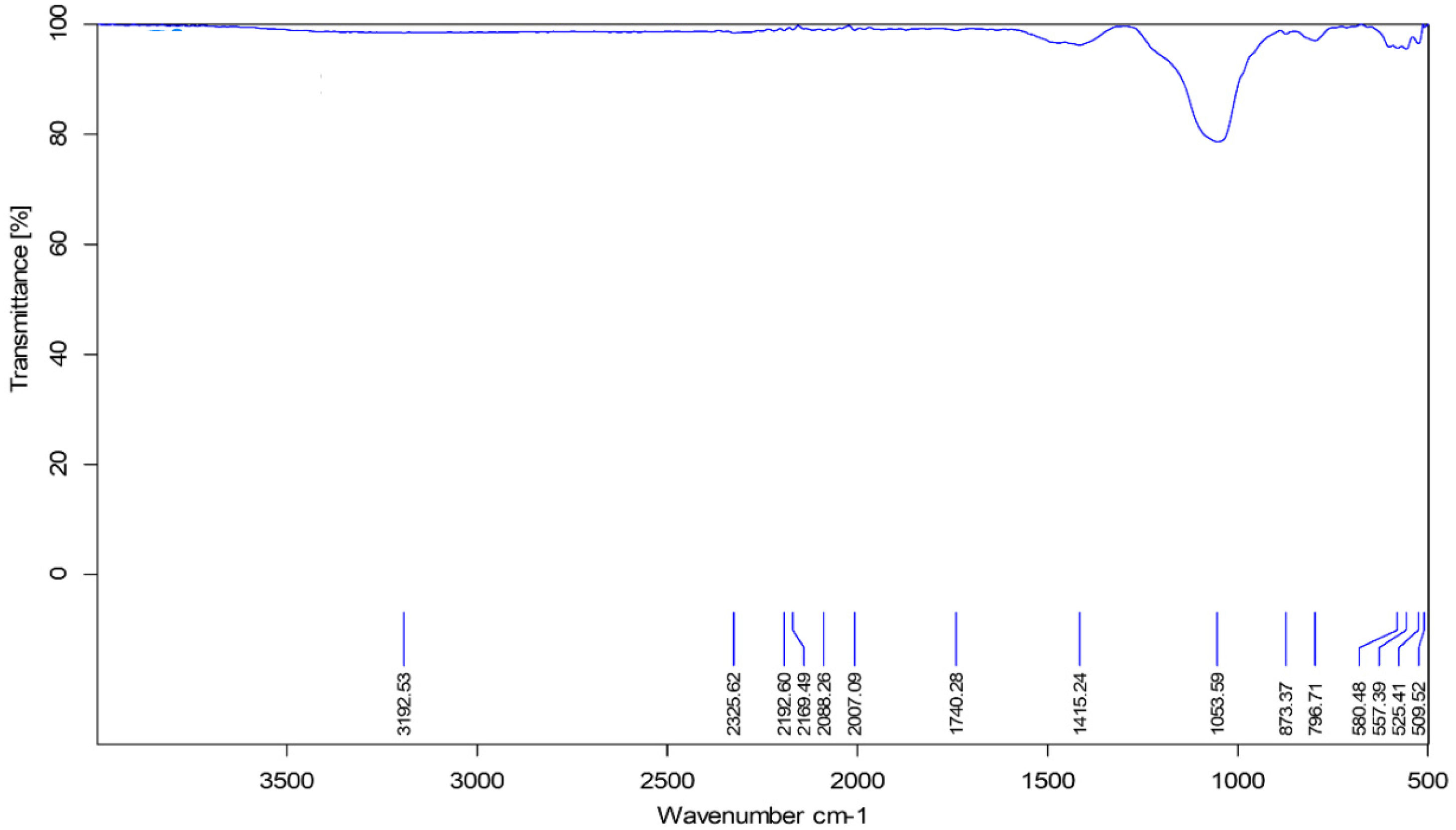
FT-IR spectra of synthesized potassium doped biochar catalyst.
SEM analysis of synthesized potassium doped biochar catalyst
The surface morphology of the synthesized potassium-doped biochar catalyst was analyzed using SEM as shown in Figure 2. The particle size range was determined to be between 314.9 and 362.5 nm. This relatively narrow size distribution is attributed to the controlled synthesis process and the incorporation of potassium into the biochar structure. Potassium doping likely stabilized the surface during synthesis, promoting the formation of particles within a consistent size range. Despite the narrow particle size range, the SEM image clearly reveals the heterogeneous nature of the biochar surface, characterized by an uneven and coarse texture. This heterogeneity, combined with the uniform particle size enhanced the catalyst's performance in the transesterification of Chlorella vulgaris oil. Additionally, the formation of spherical aggregates further emphasizes the structural diversity of the biochar, supporting its catalytic activity.
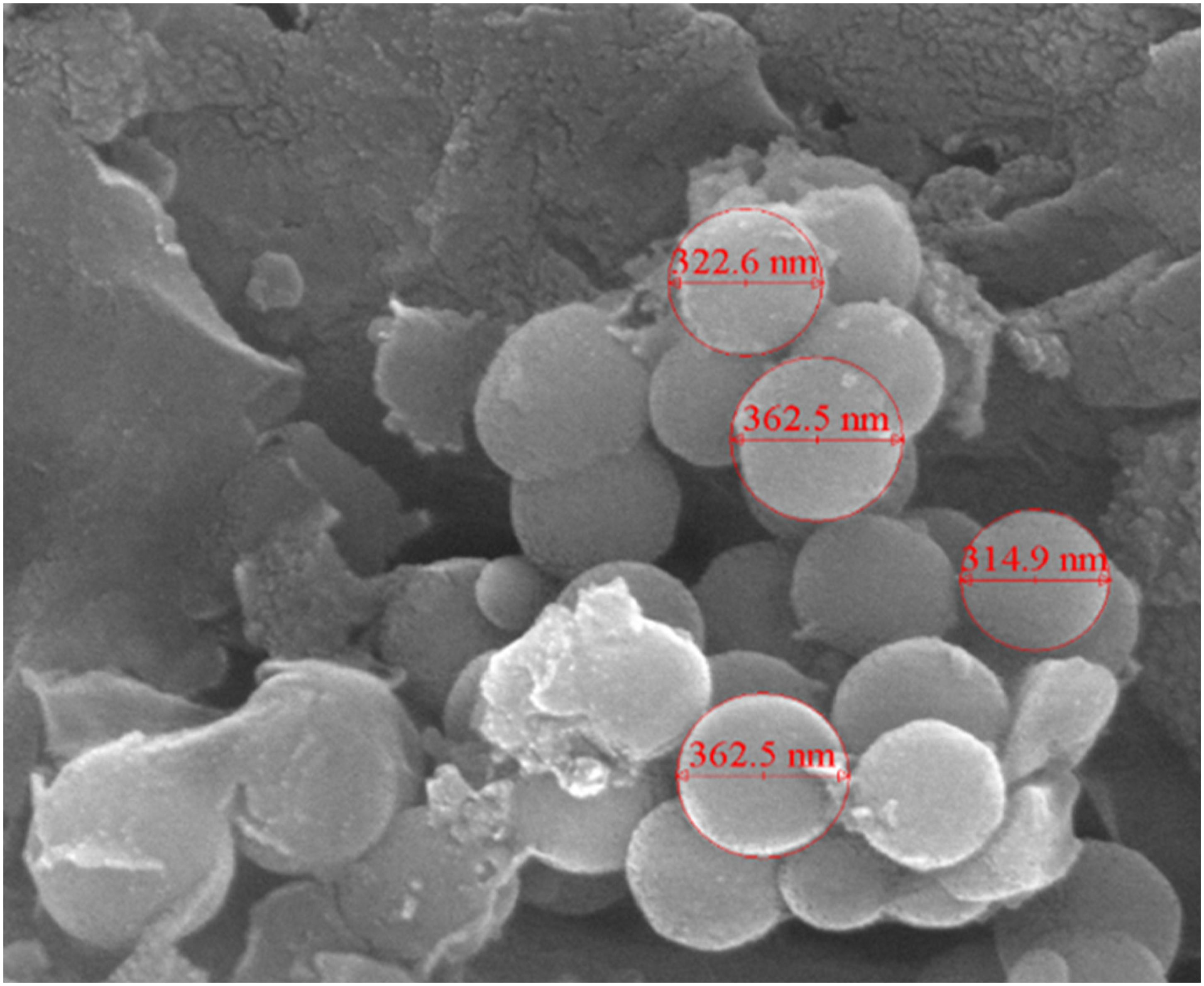
SEM image of the synthesized potassium doped biochar catalyst with particle size.
EDAX analysis of synthesized potassium doped biochar catalyst
The elemental composition of the synthesized potassium-doped biochar catalyst was analyzed using EDAX analysis. The results confirmed the presence of carbon, oxygen and potassium in the catalyst with respective weight percentages of 80.43%, 15.94% and 3.63%. The high carbon content indicates the retention of the biochar's original carbon-rich structure while the oxygen presence reflects functional groups important for catalytic activity. The successful incorporation of potassium, as confirmed by its 3.63% composition, highlights the effectiveness of the doping process. Figure 3 illustrates the EDAX spectrum of the synthesized potassium-doped biochar catalyst, further verifying the elemental composition. The presence of potassium plays a crucial role in enhancing the catalyst's activity for transesterification reactions contributing to improved catalytic performance. The EDAX analysis thus confirms that the doping of potassium was successful and evenly distributed throughout the biochar structure, supporting its suitability for biodiesel production from Chlorella vulgaris oil.

EDAX image of the synthesized potassium doped biochar catalyst.
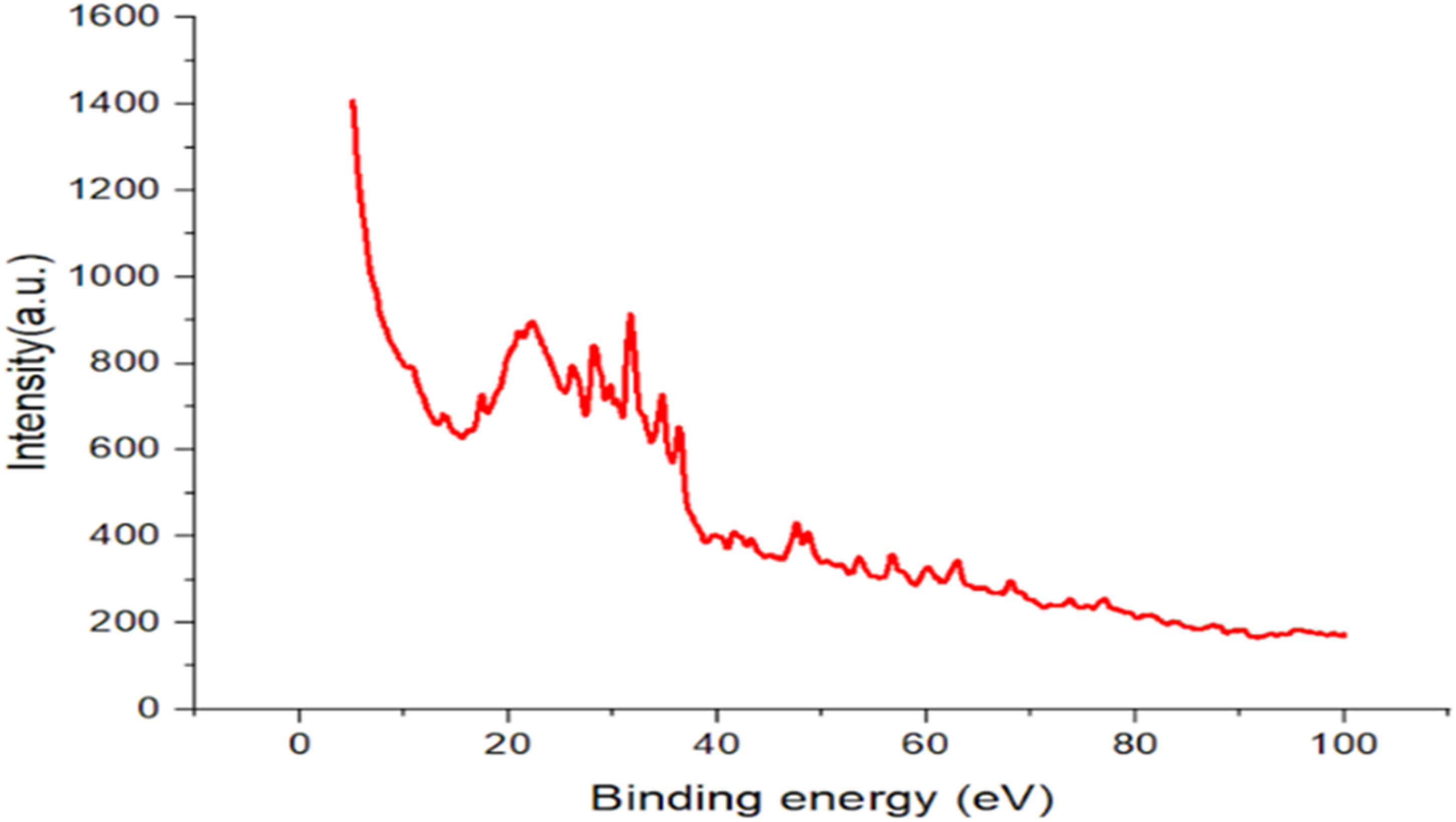
XRD graph of the synthesized potassium doped biochar catalyst.
XRD analysis of synthesized potassium doped biochar catalyst
The X-ray diffraction (XRD) pattern of the synthesized potassium-doped biochar catalyst exhibits significant peaks in the 2θ range of 10° to 40°, indicating the crystalline nature and structural properties of the material (Figure 4). In the low-angle region, the XRD pattern displays large peaks. This region is typically associated with the presence of ordered mesoporous structures. This mesoporous structure is advantageous for catalytic applications as it provides a high surface area and facilitates the diffusion of reactant molecules. 27 The XRD pattern in the 20° to 40° 2θ range shows peaks with intensities between 800 and 1000. These peaks correspond to the crystalline phases of the biochar catalyst. The combination of high-intensity peaks in both low and mid 2θ ranges suggests that the potassium doping process has significantly influenced the structural properties of the biochar, enhancing both its mesoporosity and crystallinity. These characteristics are crucial for improving the catalytic performance of the biochar, as they contribute to increased surface area, enhanced active sites, and better stability. 28
TGA-DSC analysis of synthesized potassium doped biochar catalyst
The thermal stability of the synthesized potassium-doped biochar catalyst was evaluated through thermogravimetric analysis (TGA). The results indicated a mass change of 6.54% at 300°C, primarily due to the release of moisture and light volatile compounds (Figure 5). A further mass loss of 10.8% was observed near 700°C, which can be attributed to the decomposition of more stable organic components and the release of gases from the biochar matrix. At 1400°C, the catalyst experienced a total mass loss of 21.29%, with a residual biomass of 78.71%. The significant residual mass at this high temperature demonstrates the robust thermal stability of the biochar. This stability is beneficial for high-temperature catalytic applications, as it ensures that the biochar maintains its structural integrity and catalytic activity during transesterification reactions. 29
BET analysis of synthesized potassium doped biochar catalyst
The textural properties of the synthesized potassium-doped biochar catalyst were analyzed using BET surface area analysis. The catalyst exhibited a surface area of 10.743 m²/g, a pore volume of 0.080 cm³/g and an average pore diameter of 29.79 nm. These values suggest that the biochar has a mesoporous structure, which is advantageous for catalytic applications. The moderate surface area provides sufficient active sites for the transesterification reaction, while the pore volume and diameter allow for efficient diffusion of reactants and products during the catalytic process. The mesoporous nature of the biochar, combined with the potassium doping enhances the accessibility of active sites and contributes to the overall catalytic efficiency in the conversion of Chlorella vulgaris oil into biodiesel. The uniform pore distribution also supports the stability and reusability of the catalyst during multiple reaction cycles. 30
Optimization of biodiesel production parameters from microalgae Chlorella vulgaris oil using synthesized potassium doped biochar catalyst
Optimization of biodiesel production parameters through one factor at a time (OFAT) method
The important transesterification parameters that are responsible for the biodiesel production from microalgae Chlorella vulgaris have been optimized for higher biodiesel yield. 31 The parameters such as the catalyst concentration, methanol to oil molar ratio, reaction temperature and time were optimized and their biodiesel yield were calculated using the Eq. 1.
Effect of catalyst concentration on biodiesel yield from microalgae Chlorella vulgaris oil using synthesized potassium doped biochar catalyst
The catalyst plays a major role in the transesterification process where the fatty acids were transesterified into fatty acid methyl esters (FAME). 32 The effect of catalyst concentration on biodiesel yield from microalgae Chlorella vulgaris oil was investigated by varying the catalyst concentration (2, 3, 4, 5, 6 and 7% w/w) of synthesized potassium doped biochar catalyst. The obtained results showed a maximum biodiesel yield of 81.6% at 5% catalyst concentration. There was no change in biodiesel yield was observed after 5% concentration. Hence it was known that optimal catalyst concentration for highest biodiesel conversion from microalgae Chlorella vulgaris oil using the synthesized potassium doped biochar catalyst was found to be 5% concentration. The variations of the catalyst concentration with their biodiesel yield were shown in Figure 6.

TGA-DSC analysis of the synthesized potassium doped biochar catalyst.
Effect of methanol to oil molar ratio on biodiesel yield from microalgae Chlorella vulgaris oil using synthesized potassium doped biochar catalyst
The stoichiometric ratio of methanol to oil is a crucial and vital variable that greatly influences the transesterification process in biodiesel conversion. Various literatures have demonstrated that there is a direct correlation between the biodiesel yield and the methanol-to-oil molar ratio. 33 The molar ratio of methanol to oil was varied in the range of 3:1 to 15:1. The biodiesel yield was found to be increasing from 3:1 to 9:1 with the biodiesel yield of 71.4 and 83.8% respectively as shown in Figure 7. Beyond this range, there was no change noticed in the biodiesel yield. The reduction in yield after the optimal ratio can be attributed to many factors, including the emulsifying properties of methanol, which may result in certain amounts of glycerol being retained in the biodiesel phase itself. 34

Effect of catalyst concentration on biodiesel yield from Chlorella vulgaris oil.
Effect of reaction temperature on biodiesel yield from microalgae Chlorella vulgaris oil using synthesized potassium doped biochar catalyst
The temperature has a crucial impact on the production of biodiesel. Elevating the temperature accelerates the reaction, leading to an increased yield. 35 This phenomenon can be attributed to the decline in the viscosity of oil as the temperature rises, leading to improved blending of oil with alcohol and rapid separation of glycerol from biodiesel. The experiments were conducted at various temperature range (40, 50, 60,70 and 80°C). The yield was increased from 80.2 to 85.3% at temperature of 40 to 60 °C. The highest biodiesel yield of 85.3% was found at 60 °C and later the biodiesel yield was found to be decreased. This confirms that 60 °C was found to be the optimal reaction temperature for biodiesel production from microalgae Chlorella vulgaris using synthesized potassium doped biochar catalyst. Figure 8 represents the effect of various temperature on biodiesel yield.
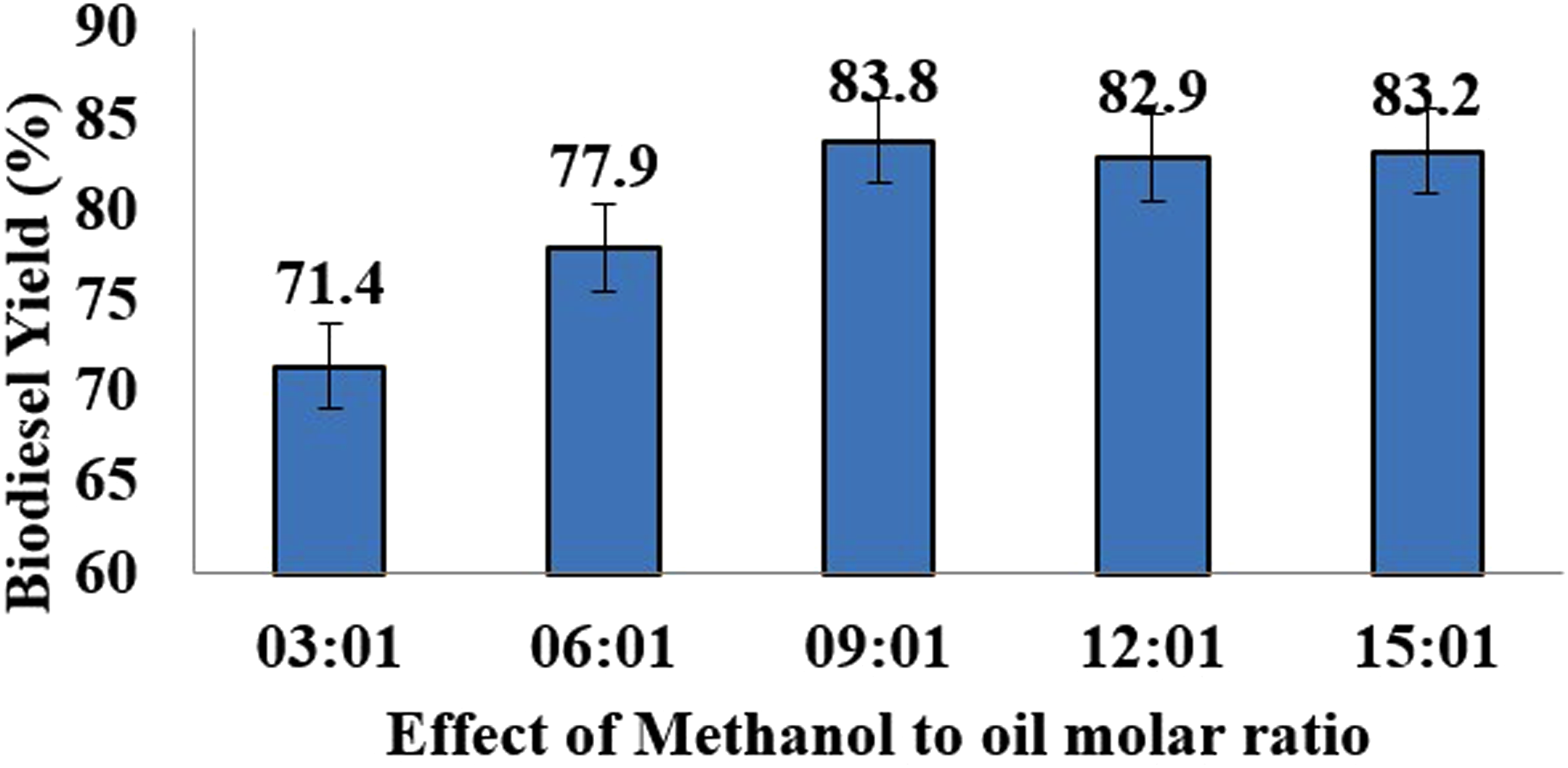
Effect of methanol to oil molar ratio on biodiesel yield from Chlorella vulgaris oil.
Effect of reaction time on biodiesel yield from microalgae Chlorella vulgaris oil using synthesized potassium doped biochar catalyst
The rate at which reactions occur is an integral component in the production of biodiesel. An extended reaction time often leads to a higher biodiesel production. 36 Nevertheless, an excessive amount of reaction time has an adverse effect on the production of biodiesel, and may lead to reduction in yield also. 37 To summarise, the reaction time is an essential consideration in the biodiesel production, since it directly impacts the reaction rate and, thus, the overall biodiesel yield. 38 Experiments were conducted at six reaction times (30, 45, 60, 7 5, 90 and 105 min) to identify the optimal reaction time required for maximum conversion. Experimental studies concluded that at 75 min of reaction time, a maximum biodiesel yield of 87.8% was reached at 5% catalyst concentration, molar ratio of methanol to oil of 9:10 and optimal temperature of 60 °C. Figure 9 represents the effect of reaction time on biodiesel yield.
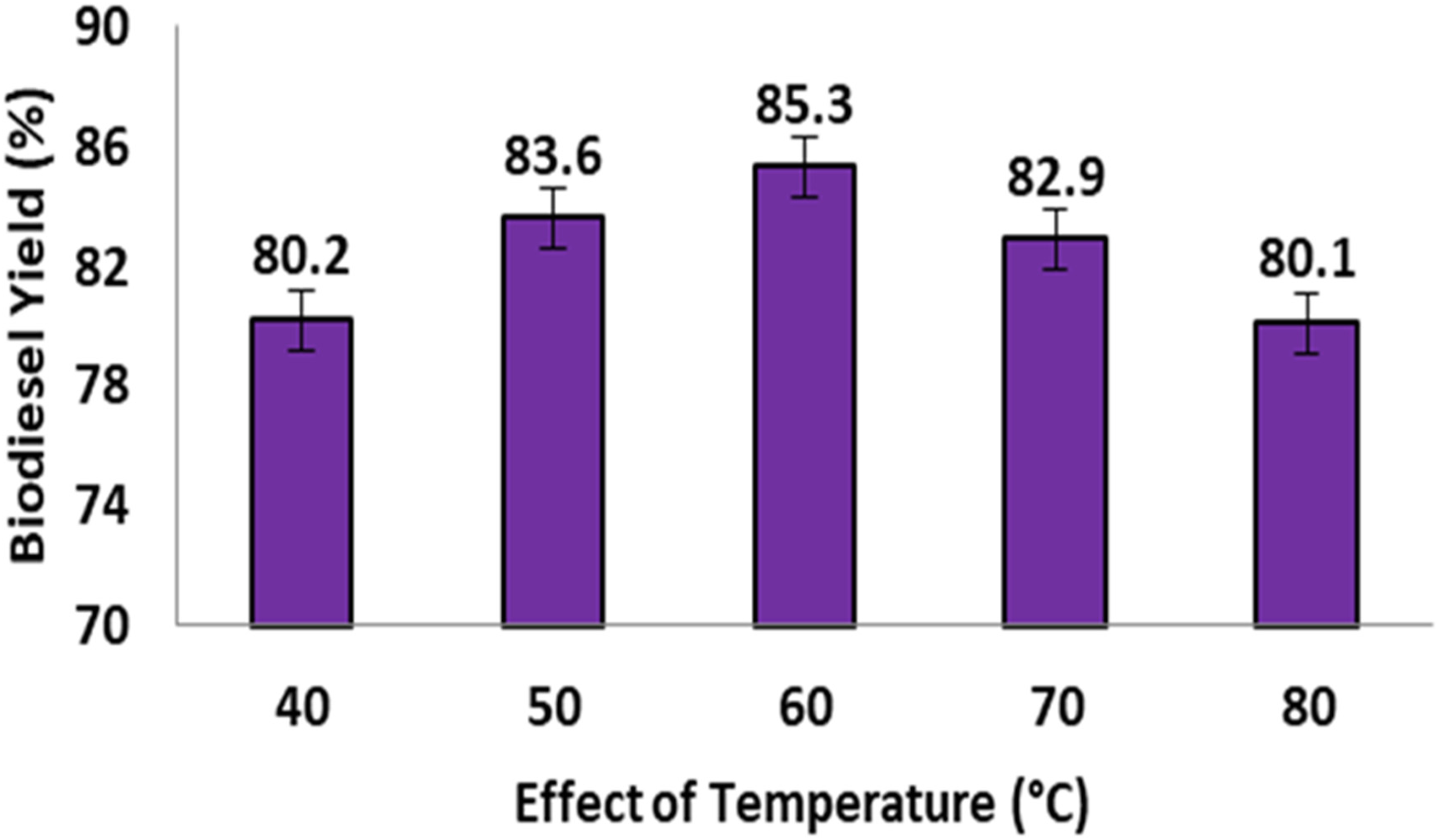
Effect of temperature on biodiesel yield from Chlorella vulgaris oil.
Optimization of biodiesel production parameters through response surface methodology (RSM) method
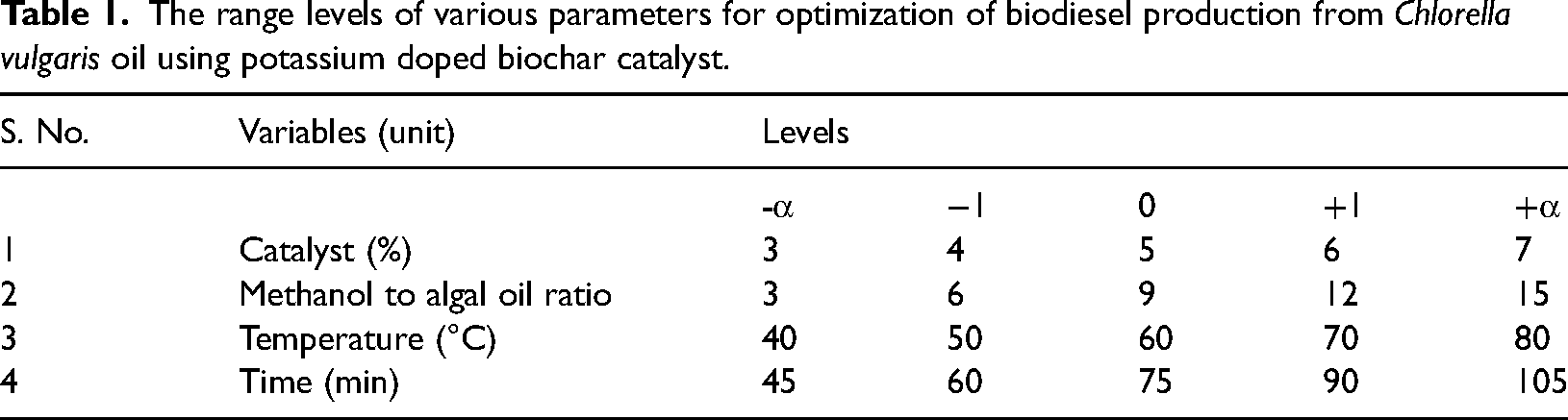
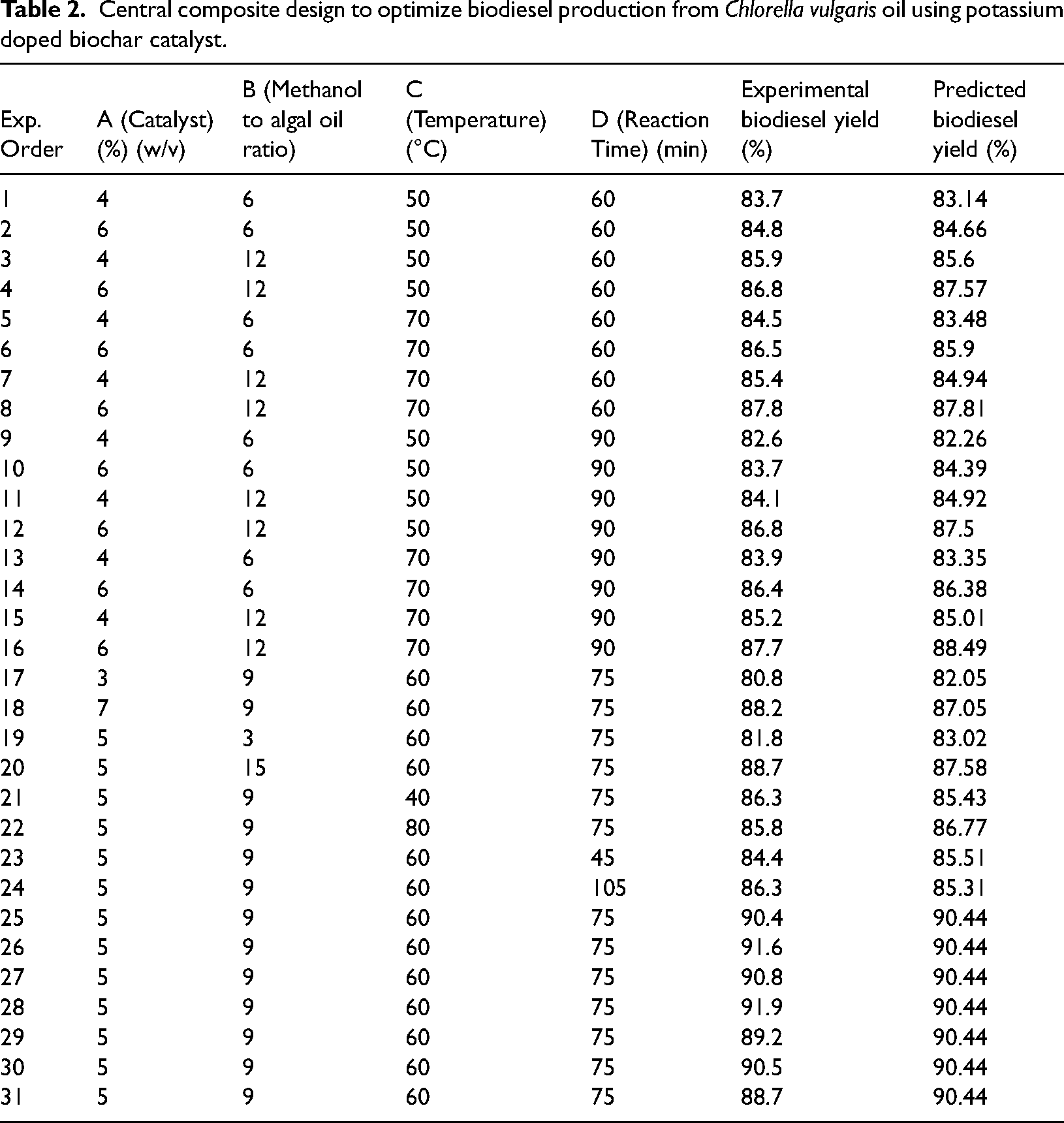
Traditional optimization techniques such as fractional and full factorial designs, require arduous testing circumstances and demand a significant number of resources.39,40 The RSM methodology is a statistical and mathematical methodology that is designed to optimize process variables, discover the most effective solutions and evaluate issues associated with independent variables all at the same time. It produces immediate and precise result estimates while limiting the overall number of trials. Analysis of Variance (ANOVA) provides information on potential key variables. The four process-independent factors such as catalyst concentration (w/v %), methanol to oil molar ratio (w/w), reaction temperature (°C) and time (min) were selected. The range and levels of all four parameters were selected and presented in Table 1 obtained from the preliminary experimental one factor at a time (OFAT) methodology. The Minitab software was used to model the Central Composite Design (CCD) matrix as shown in Table 2. Trials were carried out using the matrix design, and the outcome (yield) of the experimentation was calculated based upon the 31 experimental trials. The foremost influencing variable was identified using an ANOVA analysis, which was then compared. The ANOVA table is shown in Table 3.
The range levels of various parameters for optimization of biodiesel production from Chlorella vulgaris oil using potassium doped biochar catalyst.
Central composite design to optimize biodiesel production from Chlorella vulgaris oil using potassium doped biochar catalyst.
ANOVA analysis for optimization of biodiesel production from Chlorella vulgaris oil using potassium doped biochar catalyst.

*Statistically significant at 95% confidence limit
Regression coefficients of the polynomial model for optimization of biodiesel production from Chlorella vulgaris oil using potassium doped biochar catalyst
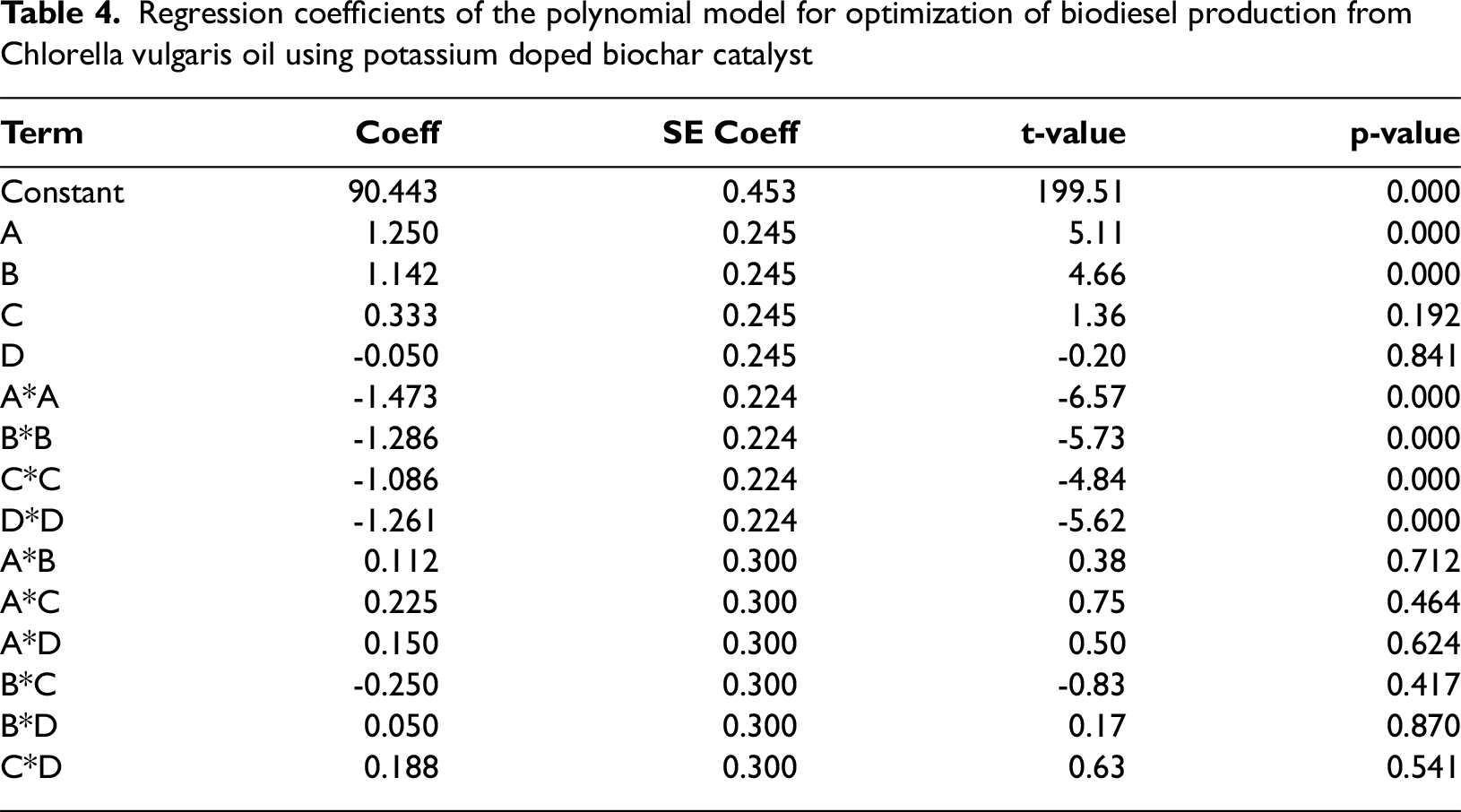
The highest biodiesel conversion (%) of about 91.9% was obtained under the ideal conditions of catalyst concentration (5.46%), methanol to algal oil ratio (10.39:1), temperature (61.41°C) and extraction time (75.3 min). The quadratic regression equation was represented in Eq. 4.

Based on the results, it was experiential that all four linear interactions (Catalyst, methanol to algal oil ratio, temperature, and time), five two factor interactions (A*B, A*C, A*D, B*C, C* D) were reported to have positive influence towards the biodiesel yield. The remaining five two-factorial interactions and three-square interactions reported to have negative influence on the biodiesel yield.
Pareto analysis of biodiesel production from microalgae Chlorella vulgaris oil using synthesized potassium doped biochar catalyst
Typically, observations of events reveal that roughly 80% of the actual effects may be attributed to 20% of these possible causes. 43 To determine which variables and combination effects have affected the entire procedure the most, the Pareto plot was utilised. This scenario makes it simple for one to determine what kind of effects and two-factor interactions on the outcome are statistically significant at the 5% significance level. To provide the greatest potential outcome, the interaction among each factor was visualised using contour plots (Figure 10) Pareto charts. From the pareto plot, it was found that three linear interactions (Catalyst, Methanol to algal oil ratio, and Temperature), and two-factor square interactions (A2, B2, C2 and D2) were demonstrated to be statistically significant at 95% confidence limit (p-value < 0.005), thereby contributing to the response. Figure 11 represents the pareto analysis of biodiesel optimization.
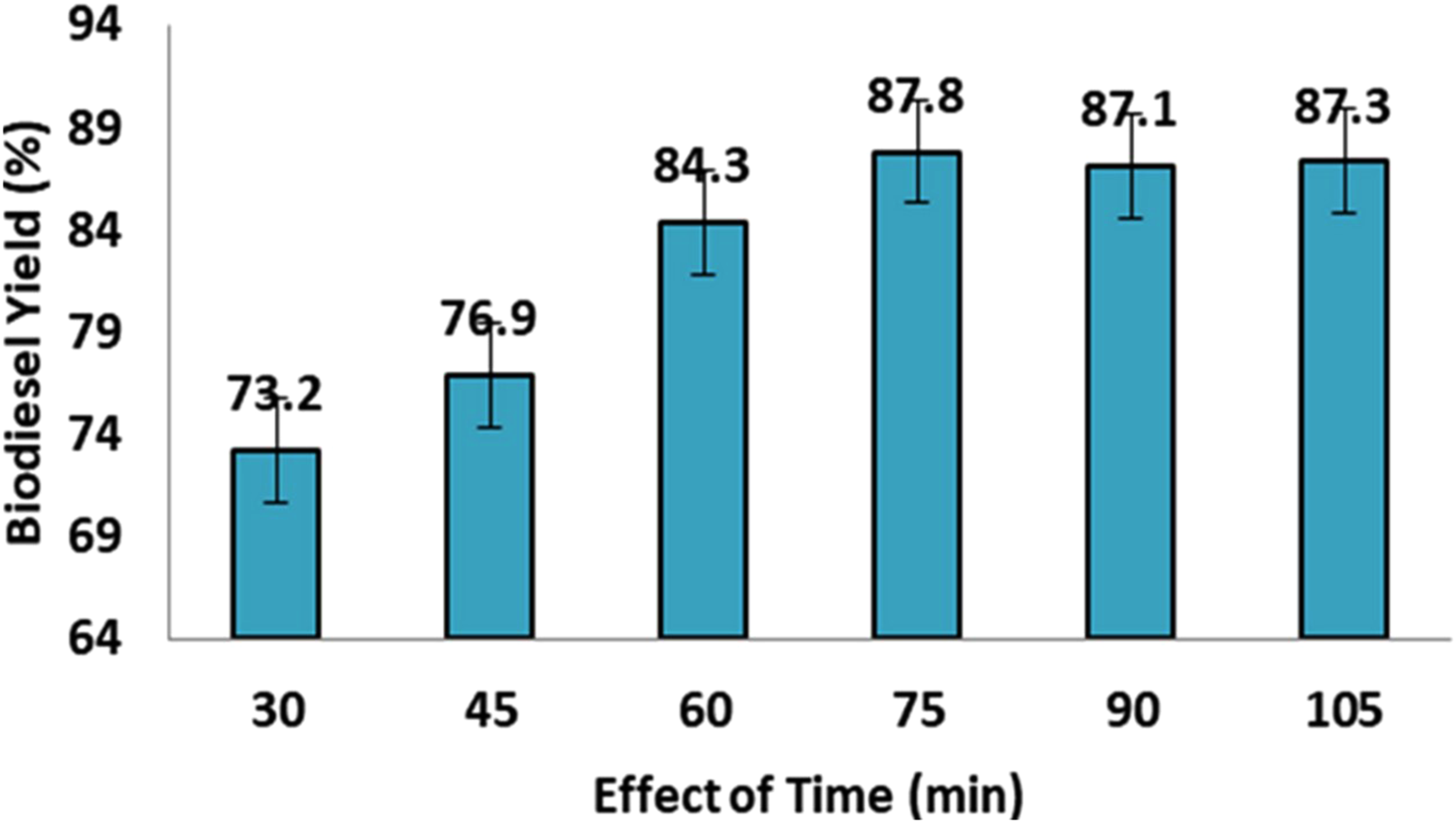
Effect of time on biodiesel yield from Chlorella vulgaris oil.
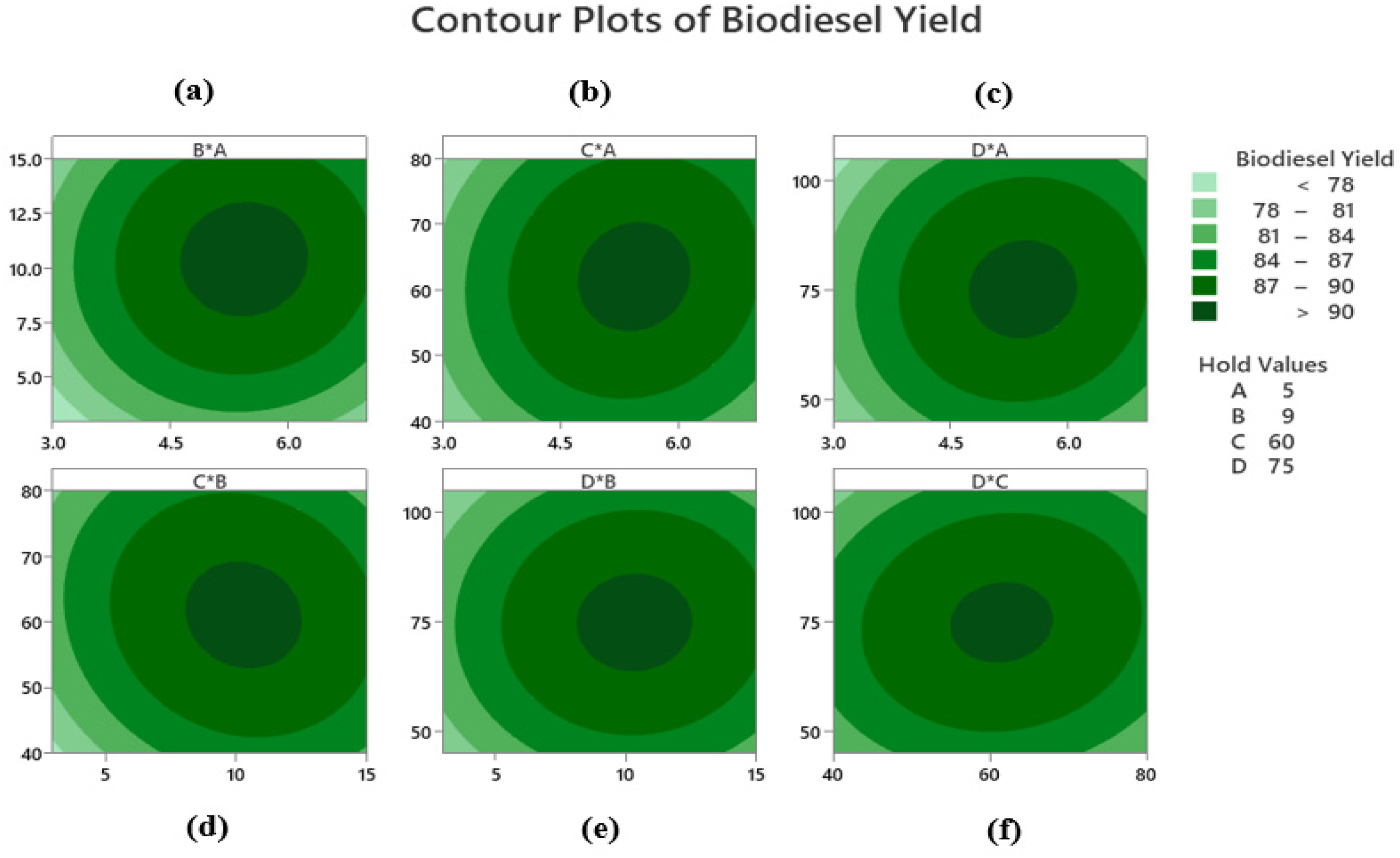
Contour plots of biodiesel production optimization from microalgae Chlorella vulgaris oil using synthesized potassium doped biochar catalyst.
Reaction kinetics of biodiesel production from microalgae Chlorella vulgaris oil using potassium doped biochar catalyst
The transesterification reaction kinetics were investigated at various temperature ranges (40, 50, and 60°C) and time intervals (30, 45, 60, and 90 min). The maximum production of 90.9% biodiesel was achieved at 60°C for 75 min. The graph was plotted between the ln Y versus t, to find the k values from the slope of the lines. Then the k values were used for plotting the graph between 1/T versus ln (K) as shown in Figures 12. The Arrhenius equation was used to calculate the activation energy. The graphical representation of the reaction demonstrates association between time (t) and biodiesel conversion (Y). It was determined that the first-order kinetic was linear. The activation energy was evaluated to be Ea = 12.187 kJ mol−1 which is the minimum energy needed for the effective conversion of microalgae Chlorella vulgaris oil into biodiesel in a thermodynamically favourable reaction. 44
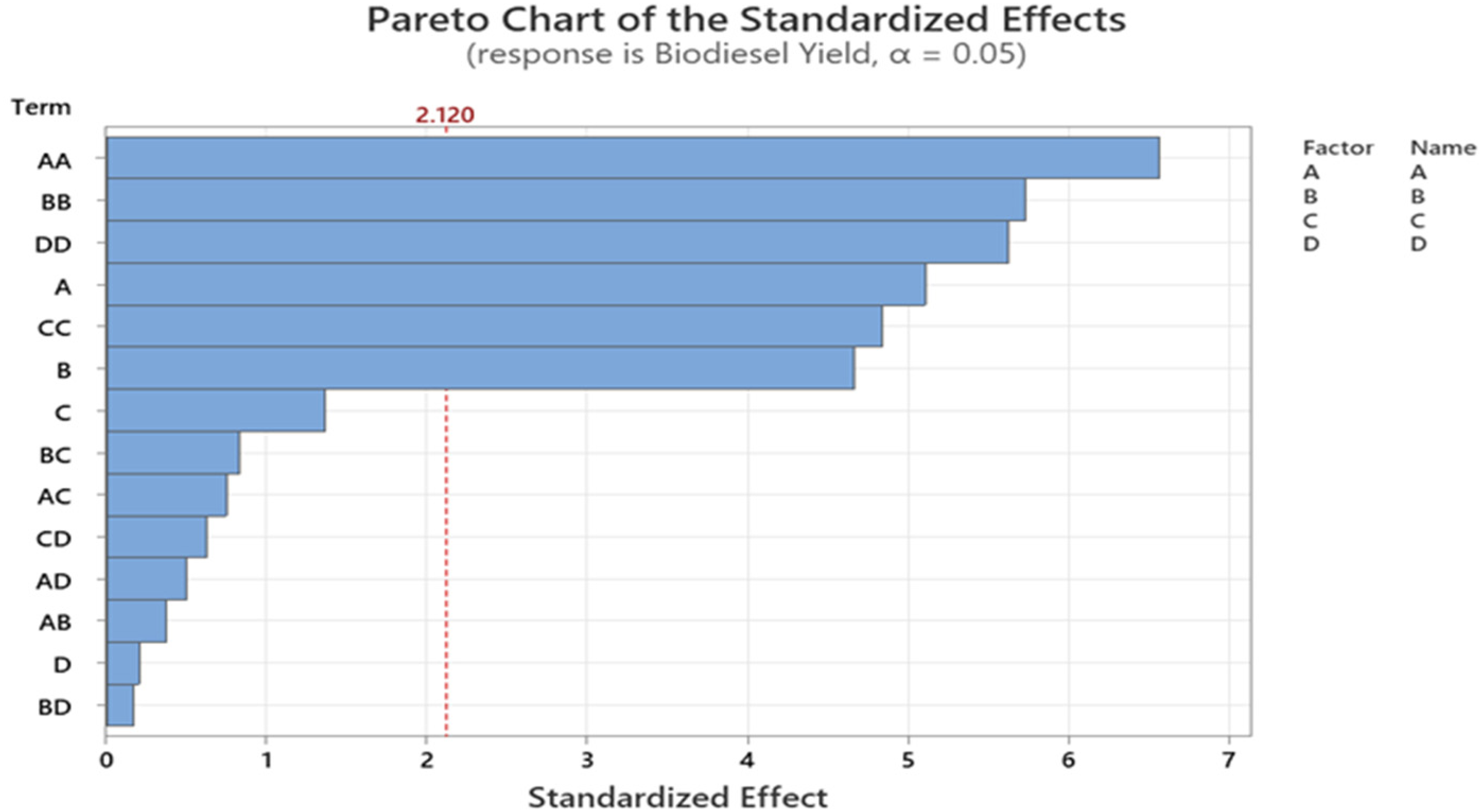
Pareto analysis of biodiesel production optimization from microalgae Chlorella vulgaris oil using synthesized potassium doped biochar catalyst.
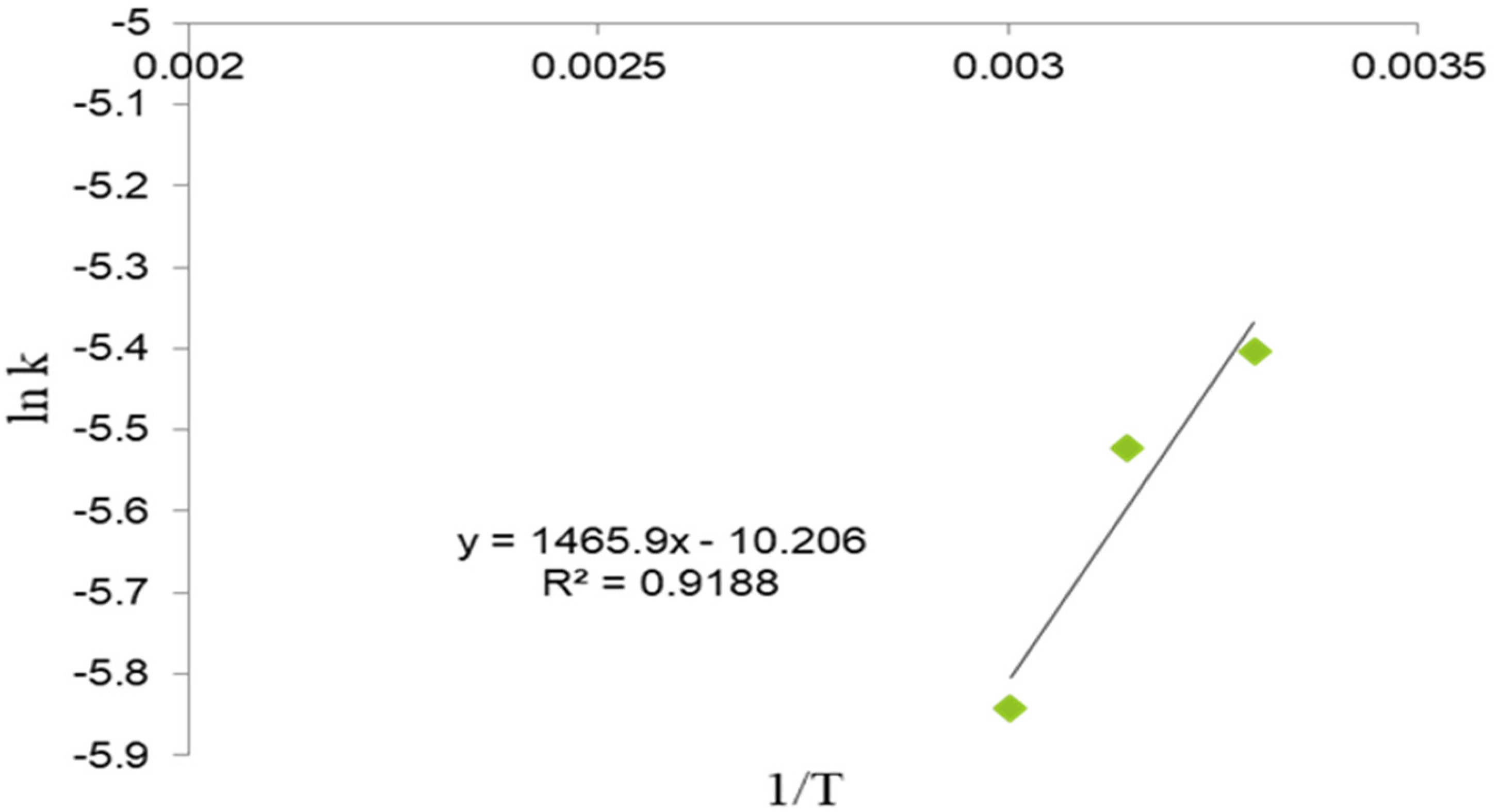
Arrhenius plot for the determination of activation energy.
Effect of catalyst reusability on biodiesel production from microalgae Chlorella vulgaris oil using synthesized potassium doped biochar catalyst
The catalyst reusability study was demonstrated using the recovered catalyst after the completion of the transesterification reaction. 45 The catalyst was assessed for the biodiesel yields over 7 cycles. The biodiesel yield was found to be 88.4% at 1st cycle and later it gradually decreased to 81.6% by the 4th cycle. This decline in performance could be attributed to several factors, with the most likely being the gradual leaching of active potassium species from the biochar catalyst. Potassium, which plays a crucial role in catalyzing the transesterification reaction, may slowly leach into the reaction medium, reducing the overall catalytic efficiency. Additionally, the surface structure and porosity of the catalyst may deteriorate after multiple cycles due to the continuous exposure to reactants, high temperatures, and mechanical stresses during the separation and recovery processes. Such changes in the surface area and active sites could further contribute to reduced catalyst activity over time. Despite the observed decrease in biodiesel yield after the 4th cycle, it is notable that the potassium-doped biochar catalyst derived from collected wood waste remains efficient for biodiesel production up to the 4th cycle, achieving high conversion rates. The biodiesel yields at various cycles are shown in Figure 13.
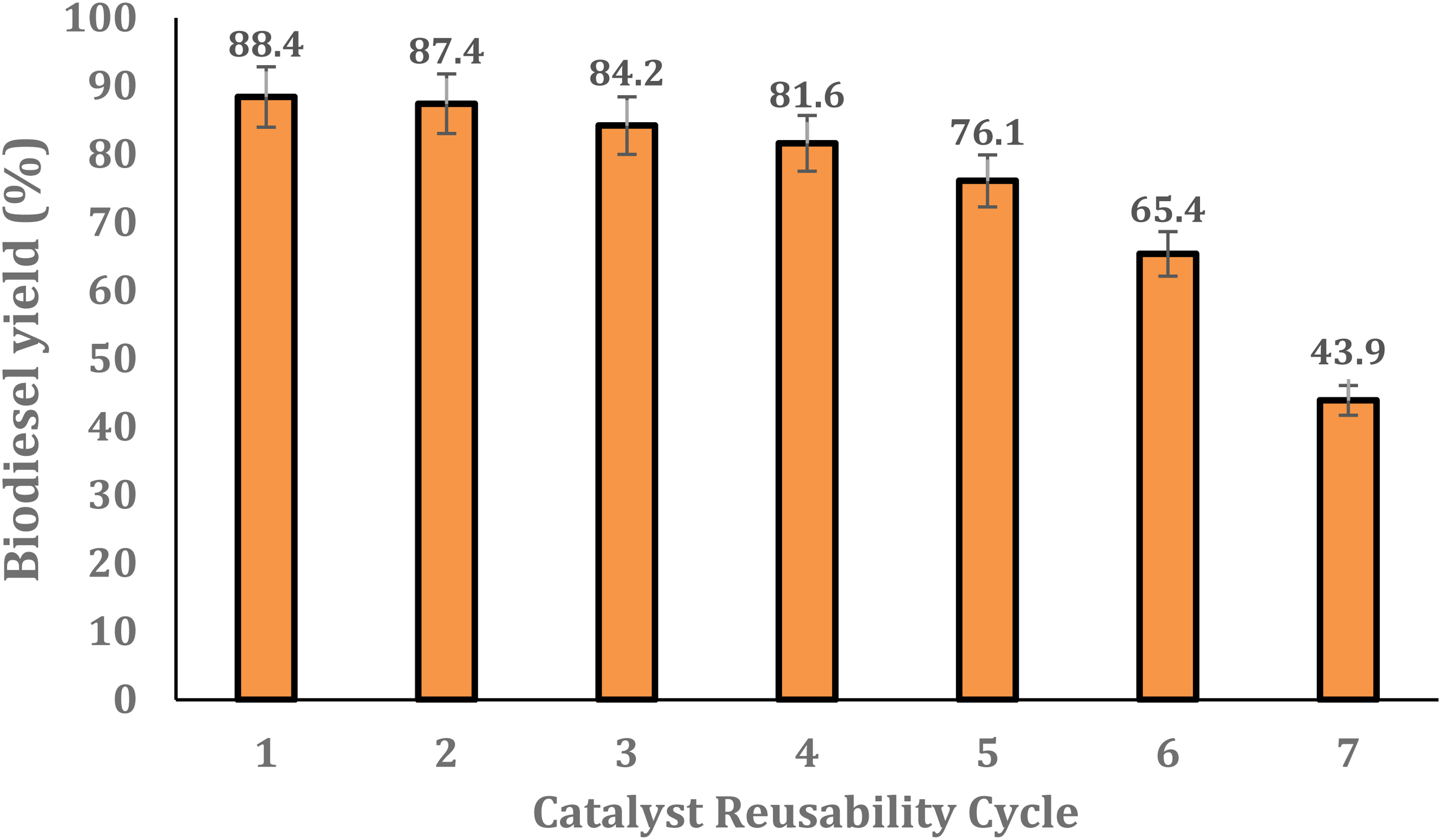
Effect of catalyst reusability on biodiesel yield from Chlorella vulgaris oil.
Characterization of produced biodiesel from microalgae Chlorella vulgaris oil using synthesized potassium doped biochar catalyst
FT-IR analysis of produced biodiesel from Chlorella vulgaris oil
The FT-IR spectrum of the produced biodiesel reveals characteristic absorption peaks that confirm the successful transesterification of the microalgae Chlorella vulgaris oil into biodiesel. The absorption peaks were observed at 3007.18, 2853.21, 1741.59, 1462.35, 1168.78 and 722.24 cm−1. This peak is associated with the = C-H stretching vibration of the double bonds present in the fatty acid methyl esters (FAME) of the biodiesel. The presence of this peak indicates the retention of unsaturated bonds within the biodiesel molecules. The peak at 2853.21 cm−1 corresponds to the symmetric stretching vibration of the methylene (-CH₂-) groups. This is a common feature in long-chain fatty acid methyl esters, suggesting the presence of aliphatic hydrocarbons in the biodiesel. A prominent peak at 1741.59 cm−1 is indicative of the C = O stretching vibration of the ester functional group. This peak is a strong confirmation of the formation of esters, which are the main components of biodiesel, resulting from the transesterification reaction. The mild peak observed at 1462.35 cm−1 can be attributed to the bending vibrations of the methylene (-CH₂-) and methyl (-CH₃) groups. This further supports the presence of aliphatic chains in the biodiesel. The peak at 1168.78 cm−1 corresponds to the C-O stretching vibrations of the ester group. This peak, along with the peak at 1741.59 cm−1, confirms the ester functionality in the biodiesel, verifying the conversion of triglycerides to methyl esters. The FT-IR spectral analysis provides clear evidence of the successful synthesis of biodiesel, as indicated by the presence of characteristic peaks for ester groups and aliphatic hydrocarbons.46,47 The obtained FT-IR spectra was shown in Figure 14.

FT-IR spectra of biodiesel produced from microalgae Chlorella vulgaris oil.
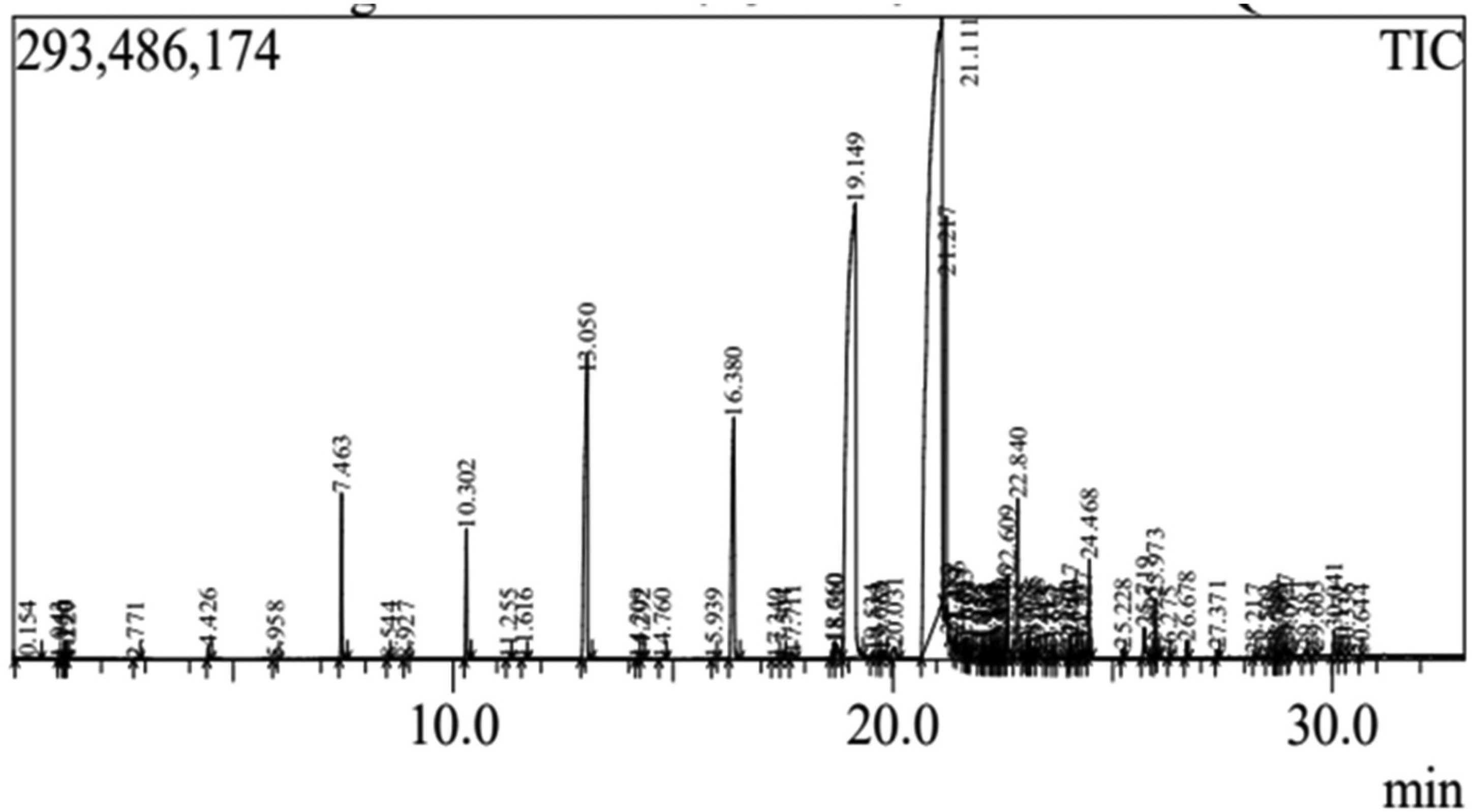
GC-MS chromatogram of biodiesel produced from Chlorella vulgaris oil.
GC-MS analysis of produced biodiesel from microalgae Chlorella vulgaris oil
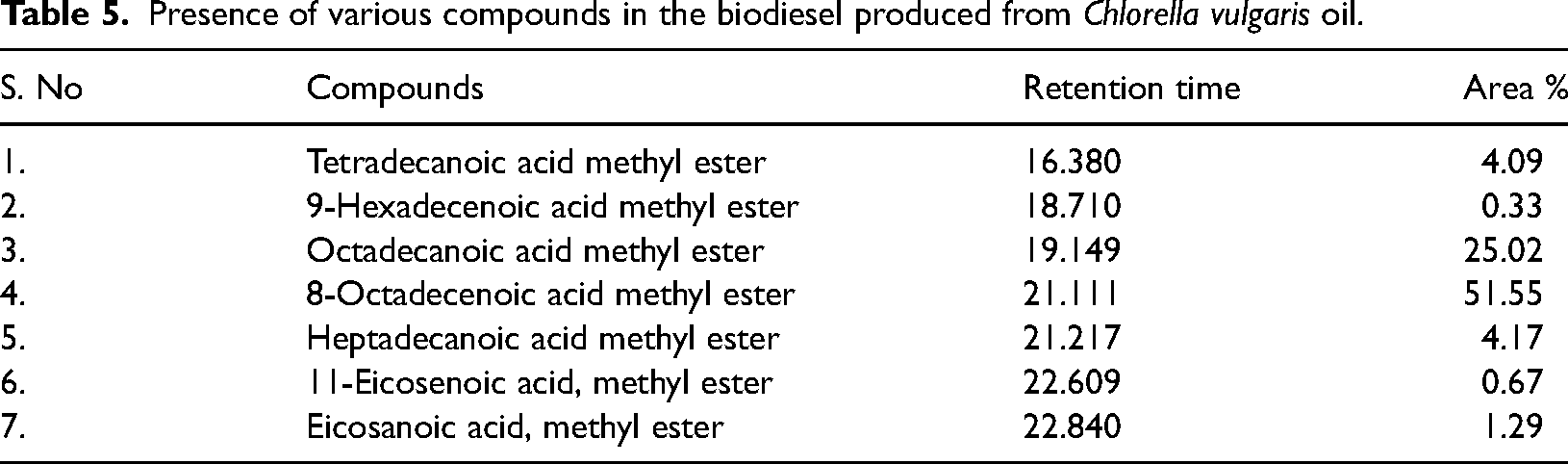
The analysis of the produced biodiesel from microalgae Chlorella vulgaris oil was conducted using Gas Chromatography-Mass Spectrometry (GC-MS) to identify the fatty acid methyl esters (FAME), which are the primary components of biodiesel. GC-MS effectively separates and identifies these components based on their mass and volatility, ensuring the purity and functionality of the biodiesel by detecting constitutional isomers and trans-esters that may not be observed in pure FAME analyses. The GC-MS results revealed the presence of several organic derivatives as tabulated in Table 5, with three primary compounds identified as significant constituents of the biodiesel such as Octadecanoic acid methyl ester (51.55%), Tetradecanoic acid methyl ester (4.09%) and 9-Octadecenoic acid methyl ester (25.02%).
Presence of various compounds in the biodiesel produced from Chlorella vulgaris oil.
Among these, octadecanoic acid methyl ester is particularly noteworthy due to its favourable properties for biodiesel applications. Figure 15 illustrates the GC-MS spectrum of the biodiesel synthesized from Chlorella vulgaris oil, highlighting the identified fatty acid methyl esters and confirming the successful conversion of microalgal oil into biodiesel.48,49
Physico-chemical properties of produced biodiesel from microalgae Chlorella vulgaris oil
Table 6 summarised the outcomes of an investigation into the physiochemical characteristics of biodiesel from microalgae Chlorella vulgaris oil using potassium doped biochar catalyst. The outcomes align with previous research, and the low acid value suggests that the single-step transesterification process has the ability to immediately convert into biodiesel. 50 The various fatty acid constituents and their sources determine the oil density. At 40°C, the kinematic viscosity of oil (4.9 cSt) was reported. The PMCC method is used to regulate the flash and fire points. The fire point of the synthesized biodiesel was found to be 165 °C. The pour and cloud points were calculated to be −5°C and 8° C, respectively. The moisture content of the extracted oil was reported to be 0.015%. The biodiesel reported a calorific value of 36.5 MJ/kg.
The physicochemical properties of biodiesel produced from microalgae Chlorella vulgaris oil.

Conclusions
The biodiesel production process has utilized a synthesized potassium doped biochar catalyst generated from wood dust waste. The catalyst was characterized using SEM-EDAX, FT-IR and XRD techniques. The obtained results showed the higher catalytic efficiency in the transesterification reaction. The highest biodiesel yield of 91.9% was achieved under optimal conditions catalyst concentration of 5.46%, methanol-to-oil ratio of 10.39:1, temperature of 61.41 °C and reaction time of 75.3 min. The catalyst demonstrated excellent reusability maintaining efficiency up to the fourth cycle. The characterization of the produced biodiesel confirmed its high quality, meeting the required ASTM standards. The results of this study highlighted the successful utilization of waste-derived biochar as a sustainable and efficient catalyst for biodiesel production, providing a valuable approach to waste management and renewable energy production.
Footnotes
Declaration of conflicting interests
The authors declared no potential conflicts of interest with respect to the research, authorship, and/or publication of this article.
Funding
The authors received no financial support for the research, authorship, and/or publication of this article.
