



Abstract
This review explores the innovative role of polymer electrolytes in energy storage systems, emphasizing their characteristics, fabrication methods, and practical applications in advanced electrochemistry. It begins by outlining various types of polymeric material, including conductive polymers, redox-active polymers, and polymer electrolytes, that improve the lifetime, efficiency, and capacity of energy storage devices. A comprehensive review of polymeric electrochemistry is provided, focusing on how polymers maintain electrical insulation and enable ion transport, two essential functions for devices such as supercapacitors and batteries. Advanced fabrication techniques, including solution casting, melt processing, electrospinning, and in-situ polymerization are emphasized for tailoring polymer electrolytes to achieve optimal microstructural and electrochemical properties. The study further explores the electrochemical characteristics of polymer electrolytes, focusing on the electrochemical impedance spectroscopy technique. By offering a thorough understanding of both the theoretical and practical aspects of polymer electrolytes, this study contributes to the development of more effective and long-lasting energy storage systems. This discussion aligns with the global trend toward innovative and eco-friendly energy technologies while advancing the field of materials research.
Introduction
There are some types of energy storage systems, such as batteries, thermal energy storage, flywheels, pumped-hydro storage, compressed-air storage, and hydrogen storage. The battery energy storage systems are easy to operate and require a relatively small space for large amounts of energy, which make them perfect for residential and commercial energy storage solutions. In the quest for effective and sustainable battery energy storage solutions, polymeric materials have become essential components. Their unique properties and adaptability make them crucial in the development of contemporary energy systems. As global energy demands continue to rise, the need for advanced materials with improved energy storage and management capabilities has become urgent.
Traditionally, battery energy storage systems have relied on a wide range of materials, each with its unique advantages and disadvantages. Research has consistently aimed to discover the ideal material, ranging from heavy metals to organic compounds and ceramics. The development of polymeric materials marked a significant breakthrough, providing enhanced functionality that earlier materials were unable to achieve, as illustrated in Figure 1. Due to their remarkable mechanical flexibility, chemical stability, and electrical properties, polymeric materials have addressed many of the challenges faced by conventional energy storage systems.1–4

Research progress on energy storage systems.
Heavy metals including lead, cadmium, and mercury have been commonly used in traditional battery technologies; however, they pose serious threats to human health and the environment. 5 For example, lead-acid batteries while reliable and affordable, are widely utilized in backup power systems and automotive applications.6,7 However, the well-documented environmental damage from lead mining and the health risks associated with lead exposure have spurred a growing demand for safer alternatives. Likewise, nickel-cadmium batteries are known for their long cycle life and high energy density, but their toxicity and the “memory effect” of cadmium present significant drawbacks. 8 Mercury, once widely utilized in button cell batteries, has been phased out due to its extreme toxicity. The challenges posed by heavy metals highlight the urgent need for the development of new materials, as demonstrated in Figure 2. 9 Polymeric materials offer a promising alternative, presenting reduced environmental impact and the potential for improved performance characteristics such as flexibility, reduced weight, and higher conductivity. Their ability to be modified through chemical synthesis makes them ideal candidates for next-generation energy storage solutions, aligning with the worldwide trend towards sustainability and reduced environmental footprints.10,11
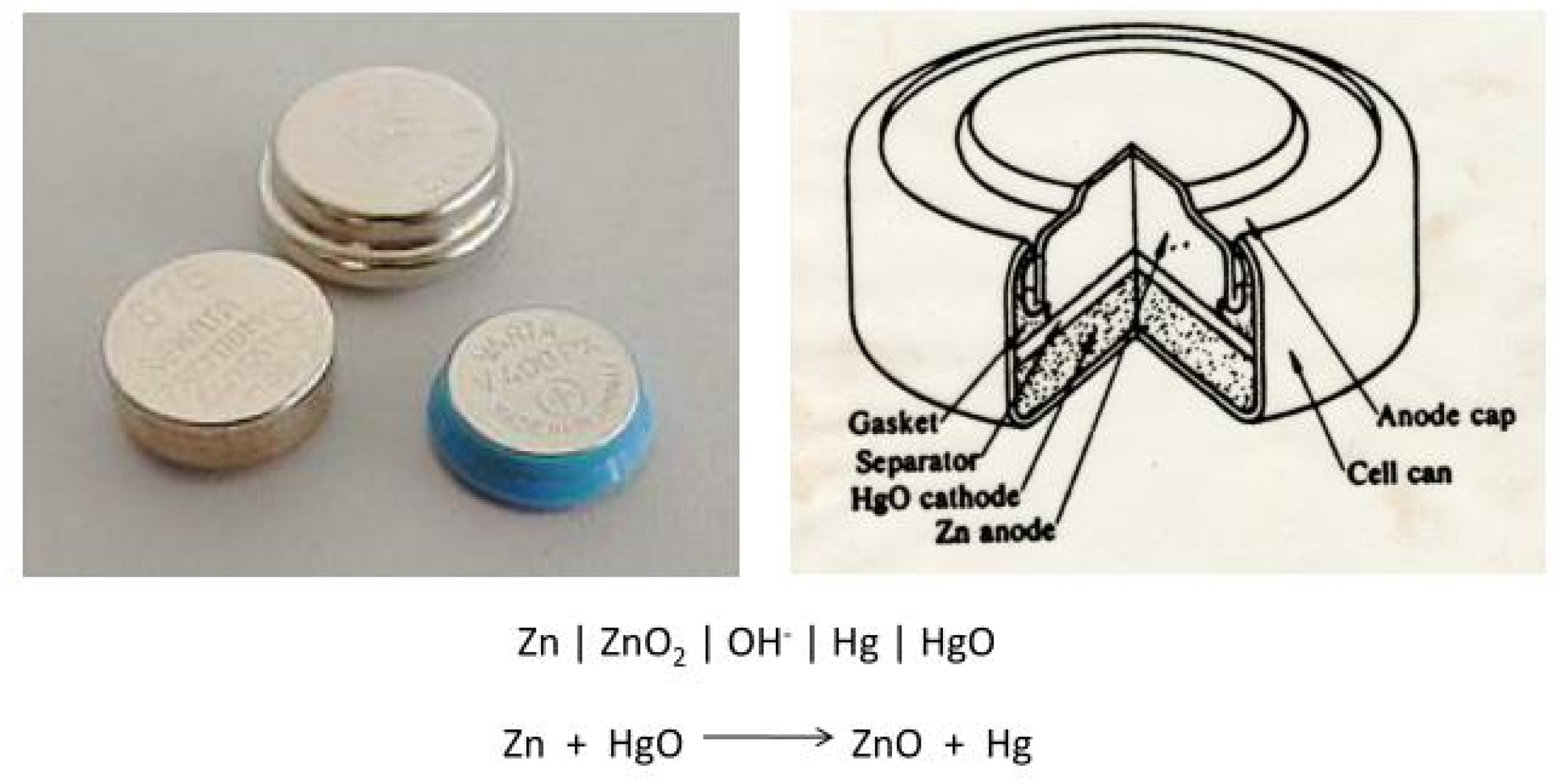
Mercury (Hg) coin cell and its anatomy.
One of the most critical aspects of these polymeric materials is their application in polymeric electrochemistry, a field focused on the electrochemical behavior of polymers. This area is particularly relevant to energy storage technologies, as the electrochemical properties of materials determine the efficiency, capacity, and life span of storage devices. Understanding the electrochemical mechanisms of polymers not only enhances the fundamental knowledge but also facilitates improvements in their practical applications.
This review delves into the multifaceted roles of polymeric materials in energy storage systems, emphasizing the latest advancements in polymeric electrochemistry and their real-world applications. It aims to provide a comprehensive exploration of the synthesis and properties of key polymeric materials, their underlying electrochemical mechanisms, and practical applications, particularly in enhancing the performance and efficiency of energy storage devices.
This study is organized to guide readers through logical progression of topics, beginning with an introduction to the various types of polymeric materials used in energy storage systems. It then focuses on different categories of polymeric materials, with particular attention to polymer electrolytes and their classifications. Following this, it delves into the fundamentals of polymer electrolytes’ electrochemistry, followed by a discussion of the design and operation of these materials in batteries.
As illustrated in Figure 3, research interest in polymeric materials for energy storage has grown significantly. The number of publications in this area increased from 3540 in 2015 to 20,778 in 2024, underscoring both the rapid progress and the importance of these materials in energy storage systems. 12
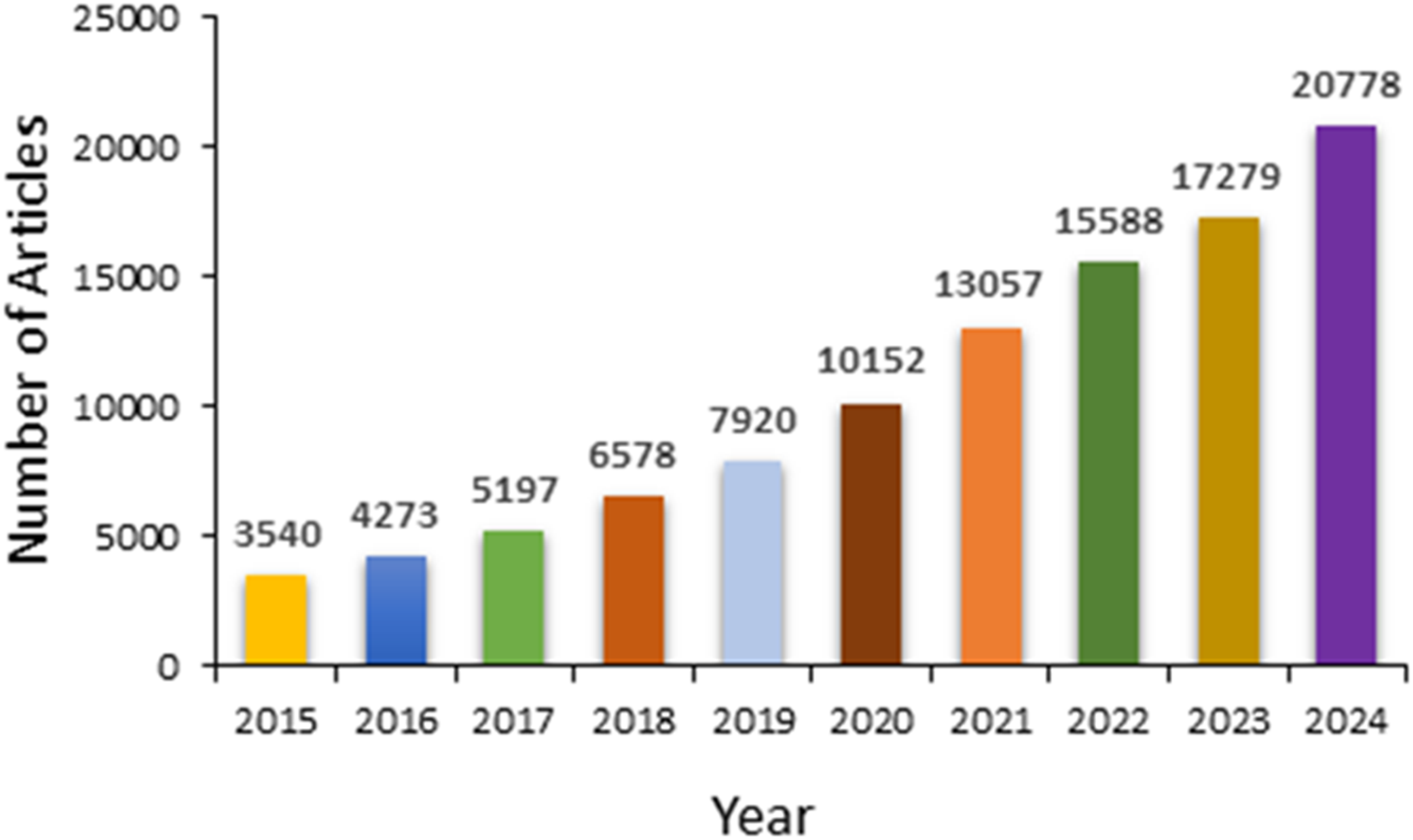
Publication trend on polymeric materials for energy storage systems. 12
In summary, as the global energy sector moves toward more sustainable and high-efficiency solutions, the insights presented in this work are timely and essential for advancing materials, science, and energy technology. By the end of this review, readers will gain a thorough understanding of the potential of polymeric materials in transforming energy storage systems, equipped with the knowledge to drive further innovations in this dynamic field.
Polymeric materials for energy storage
Polymeric materials stand out in the rapidly evolving field of energy storage technologies due to their adaptability and versatility. The advancement and integration of these materials into energy storage systems consistently improve their efficiency, capacity, and longevity, as shown in Figure 4. The sorts of polymers utilized in these systems are divided into three categories in this thorough discussion: conductive polymers, redox-active polymers, and polymer electrolytes. Each category plays a distinct contribution to the development of energy storage solutions.13–15
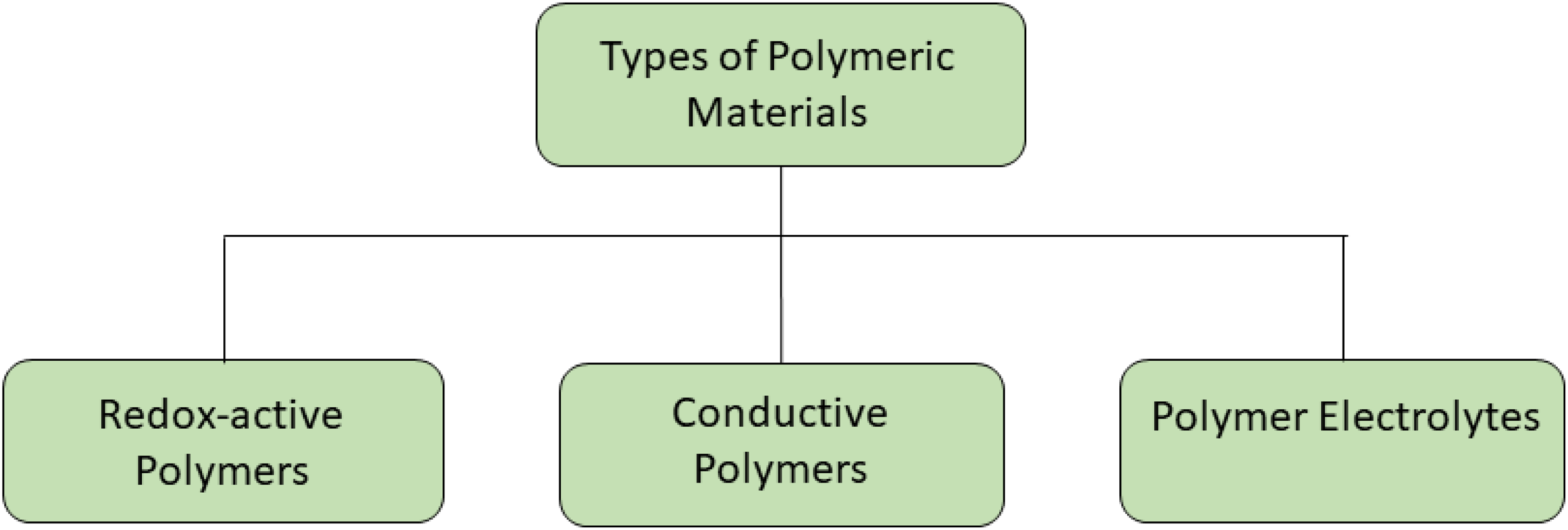
Variety types of polymer materials are used in energy storage systems.
Conductive polymers
Conductive polymers are renowned for their intrinsic ability to conduct electricity, a property stemming from the conjugation in their molecular structures and further enhanced through doping processes. Polyaniline (PANI), polypyrrole (Ppy), and polythiophene are prominent examples of these materials. These polymers are extensively used in supercapacitors and as electrode materials in batteries. Recent advancements in polyaniline, such as nano-structuring have increased its surface area and improved interface interactions, significantly boosting its capacitance and overall performance in supercapacitors (Figure 5). 16 Additionally, progress in doping techniques has enhanced the conductivity and stability of polythiophene, making it increasingly suitable for flexible electronic applications. Notably, the development of PEDOT:PSS composites with graphene oxide (Figure 6), has led to improved thermal stability and mechanical strength, making them ideal for high-performance energy storage devices. 17 This observation is consistent with recent reviews, emphasizing the role of carbon nanostructured materials in enhancing the performance of supercapacitors. 18
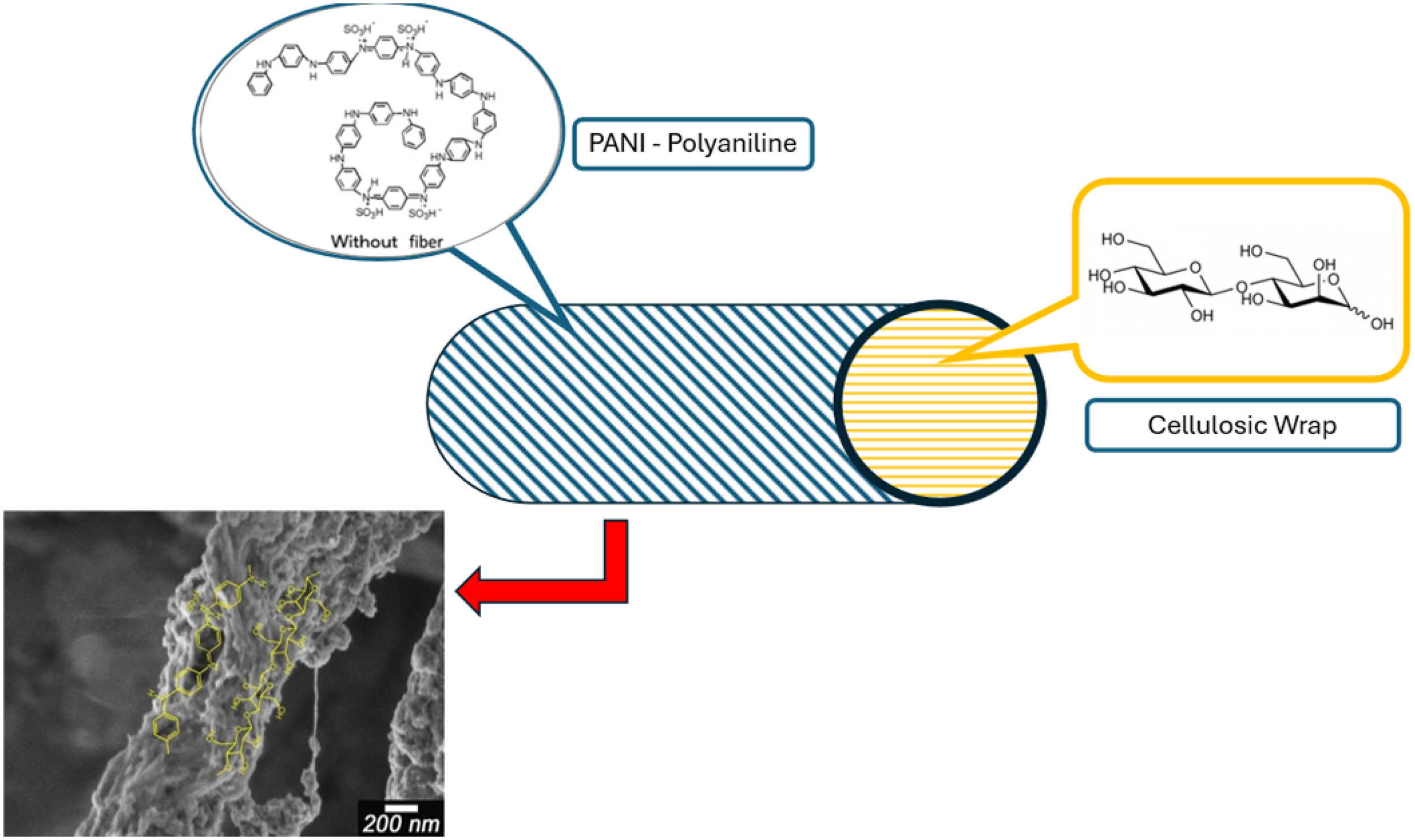
Nano-engineering of PANI structures.
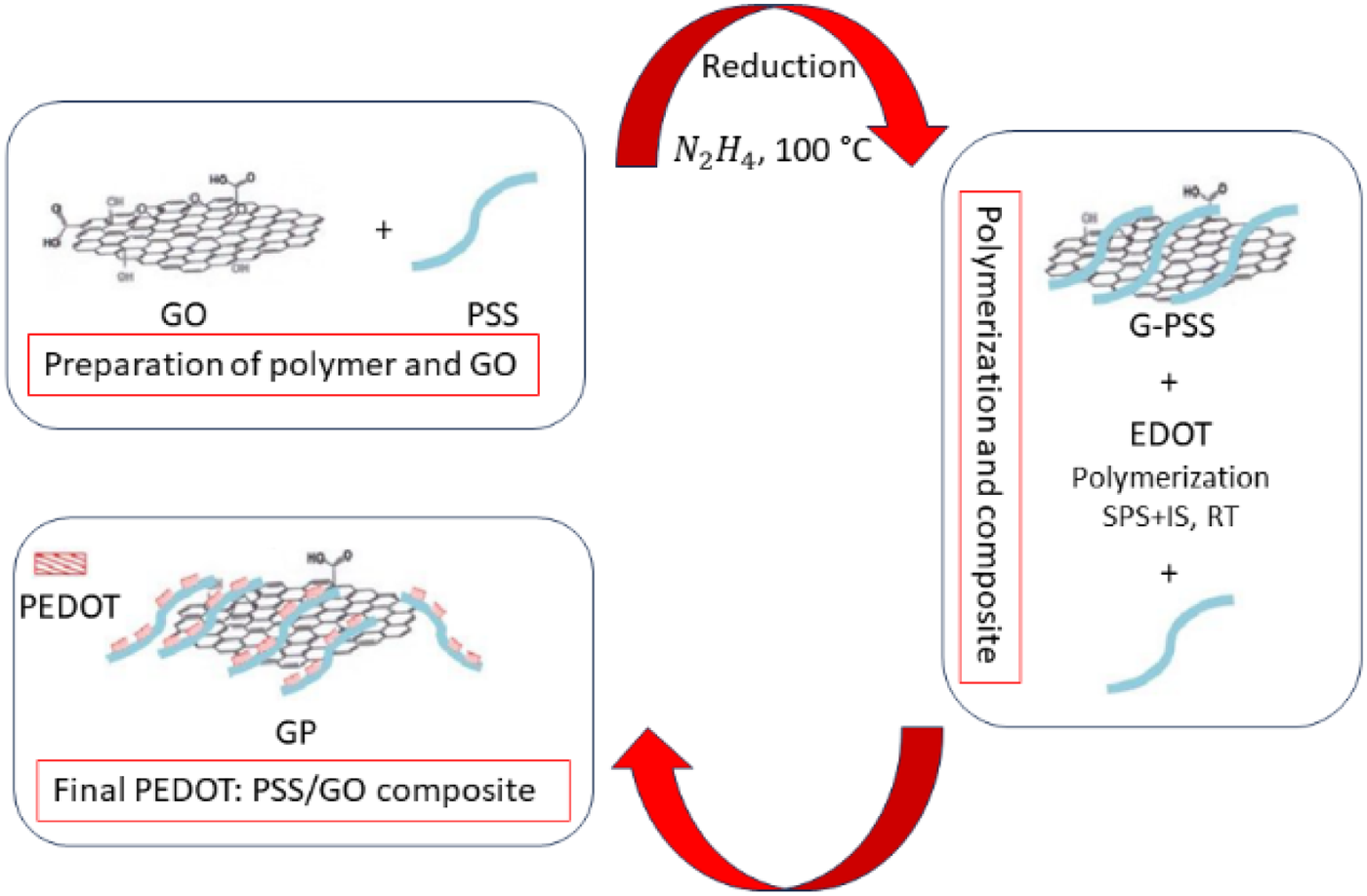
Surface modification of PEDOT: PSS with graphene oxide (GO). 17
Table 1 summarizes the key characteristics and applications of these conductive polymers in energy storage, based on various studies.
Summary of key properties of conductive polymers in energy storage.

Redox-active polymer
Redox-active polymers are distinguished by their ability to undergo reversible redox reactions, making them ideal candidates for redox flow battery applications. Polymers such as polyviologens, polyanthraquinones, and polyimides provide significant benefits in terms of energy density and cyclic stability.13,40 Functional group modifications to polyviologens have notably enhanced their solubility and redox activity, which are crucial for boosting the energy density of redox flow batteries. A breakthrough in synthesizing poly(anthraquinonyl-sulfide), patented by Gomez et al., has expanded its application in aqueous flow batteries, providing a cost-effective and efficient solution for large-scale energy storage. 41 The schematic representation of the redox reaction of polyanthraquinone sulfide (PAQS) is depicted in Figure 7. 42 Moreover, the development of hyperbranched polyimides with superior thermal stability and electrochemical activity positions them as suitable materials for high-temperature applications. Figure 8 shows the schematic of the integration of calcium fluoride (CaF2) nanoparticles into the polyimide (PI) matrix. 43 Table 2 provides an overview of the most prevalent redox-active polymers and their composites, highlighting their key properties and performance metrics.
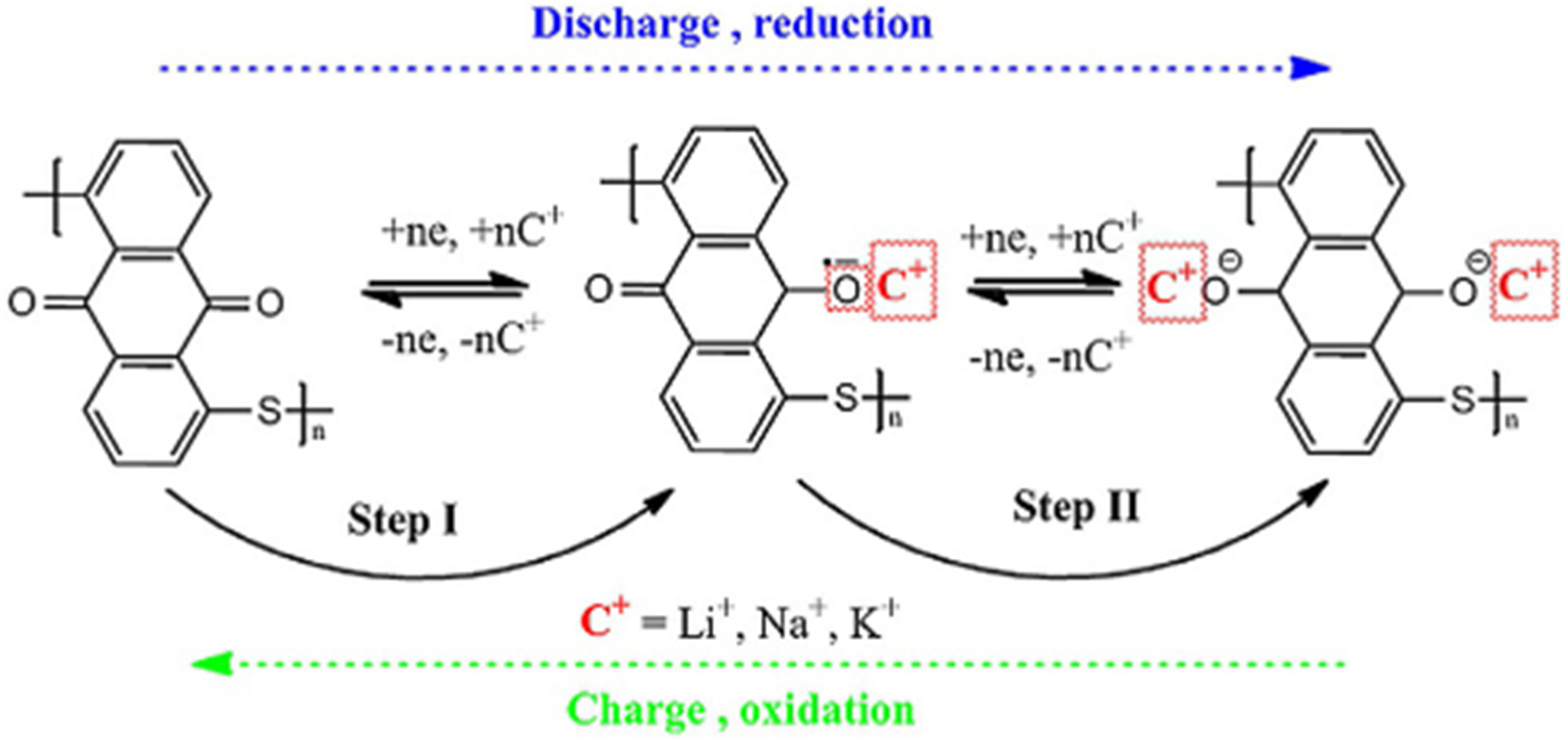
Two-step redox reaction of PAQS. Reprinted from Phadke et al. 42 with permission from Wiley.
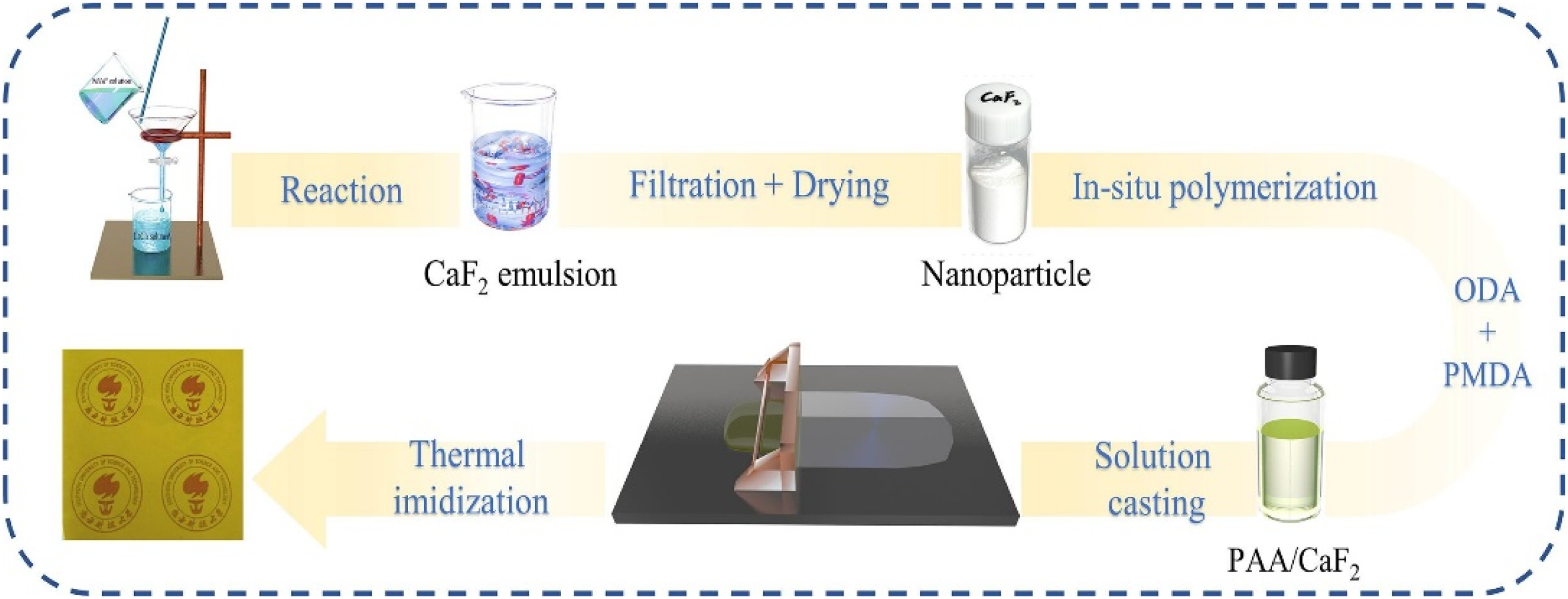
Pi/CaF2 nanocomposites. Reprinted from Li et al. 43 with permission from Elsevier.
Summary of key properties of redox-active polymers in energy storage.

Polymer electrolytes
Polymer electrolytes can be categorized into three types according to their compositions, as follows: Dry solid polymer electrolytes, gel polymer electrolytes, and composite polymer electrolytes. 58
The first type, dry solid polymer electrolytes, is formed through the interaction between metal ions and polar polymers after dissolving inorganic salts into the polymer matrix, resulting in ion-conducting solid polymers. The second type, gel polymer electrolytes, also known as plasticized polymers, are produced by adding a plasticizer to a polymer, causing it to swell. These electrolytes are typically prepared by heating and cooling the mixture to achieve a gel-like state. A schematic illustration of the gel polymer electrolytes is shown in Figure 9. 59 The third type, composite polymer electrolytes, has been emerged to improve the performance of polymer electrolytes, particularly in terms of ionic conductivity. These electrolytes are created by the incorporation of additional materials into solid polymer electrolytes. Several fabrication techniques have been employed, including polymer blending, nano particles doping, and reinforcement with fillers. Figure 10 depicts the different types of composite polymer electrolytes. 59 In general, polymer electrolytes are widely used in solid-state batteries and supercapacitors.58,60
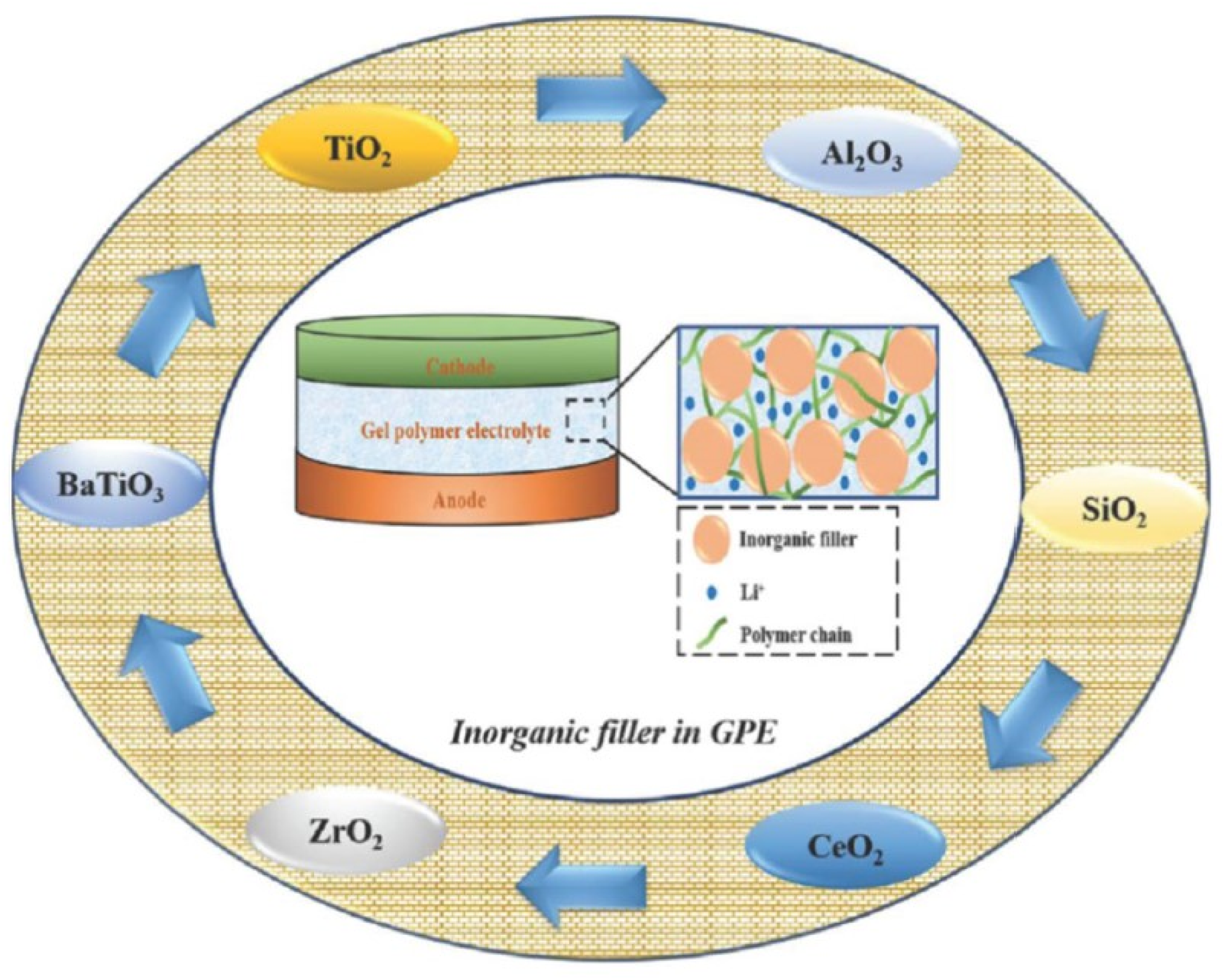
Schematic illustration of gel–polymer electrolytes. 59
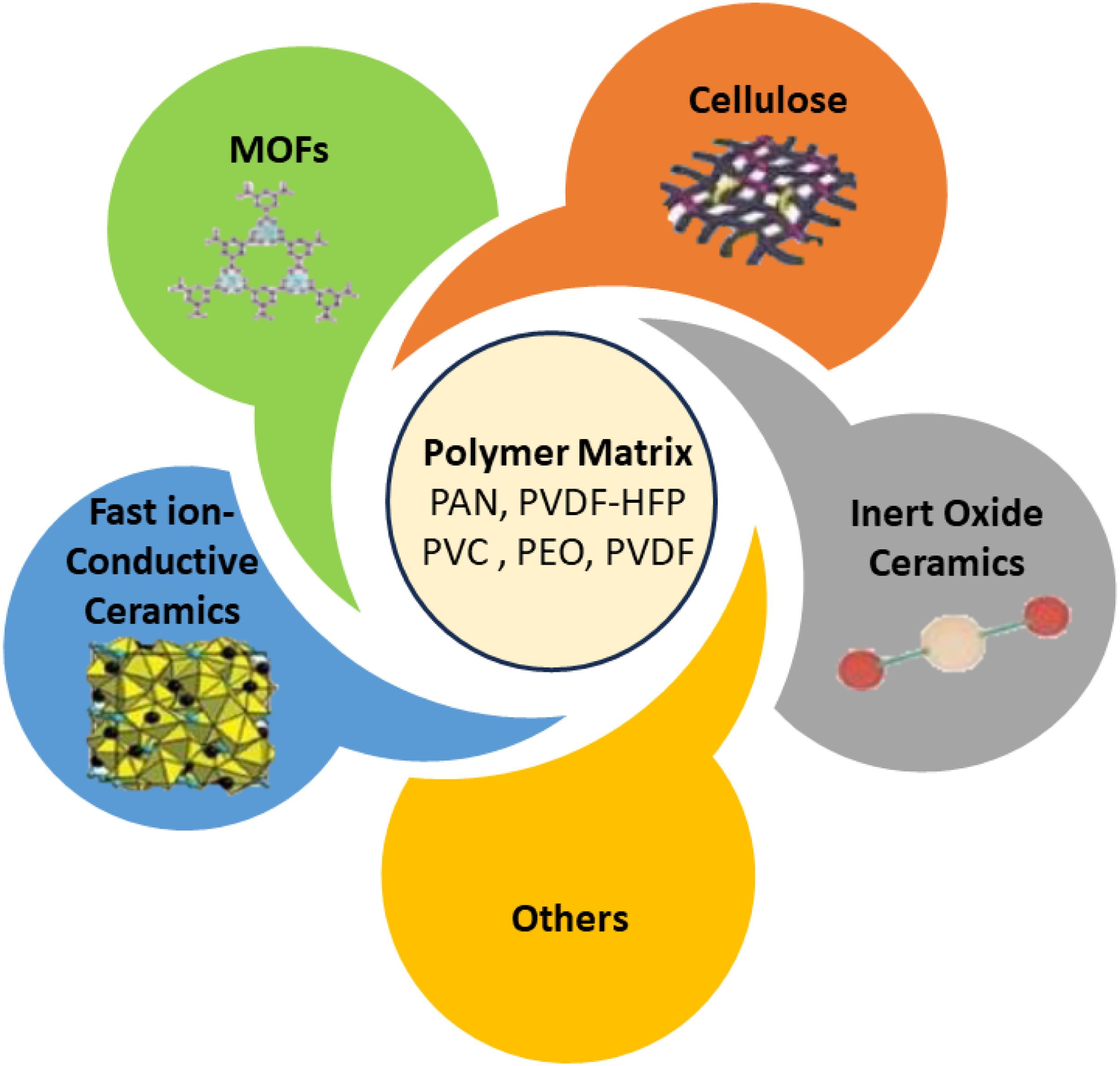
Different types of composite polymer electrolytes. 59
Solid-state batteries rely significantly on polymer electrolytes such as poly (methyl methacrylate) (PMMA) and polyethylene oxide (PEO). These materials enhance the mechanical stability, safety, and longevity of batteries, particularly in applications requiring flexibility, such as wearable devices. They facilitate ionic movement between electrodes while maintaining electrical insulation.61,62 Recent studies, including work by Feng et al., have demonstrated that introducing nanostructured ceramics into polyethylene oxide has improved its mechanical strength and ionic conductivity, making PEO-based electrolytes more effective even at lower temperatures. 63 Feng's comparative analysis of different ceramic types hybridized with a PEO matrix, shown in Figure 11, highlights these improvements.
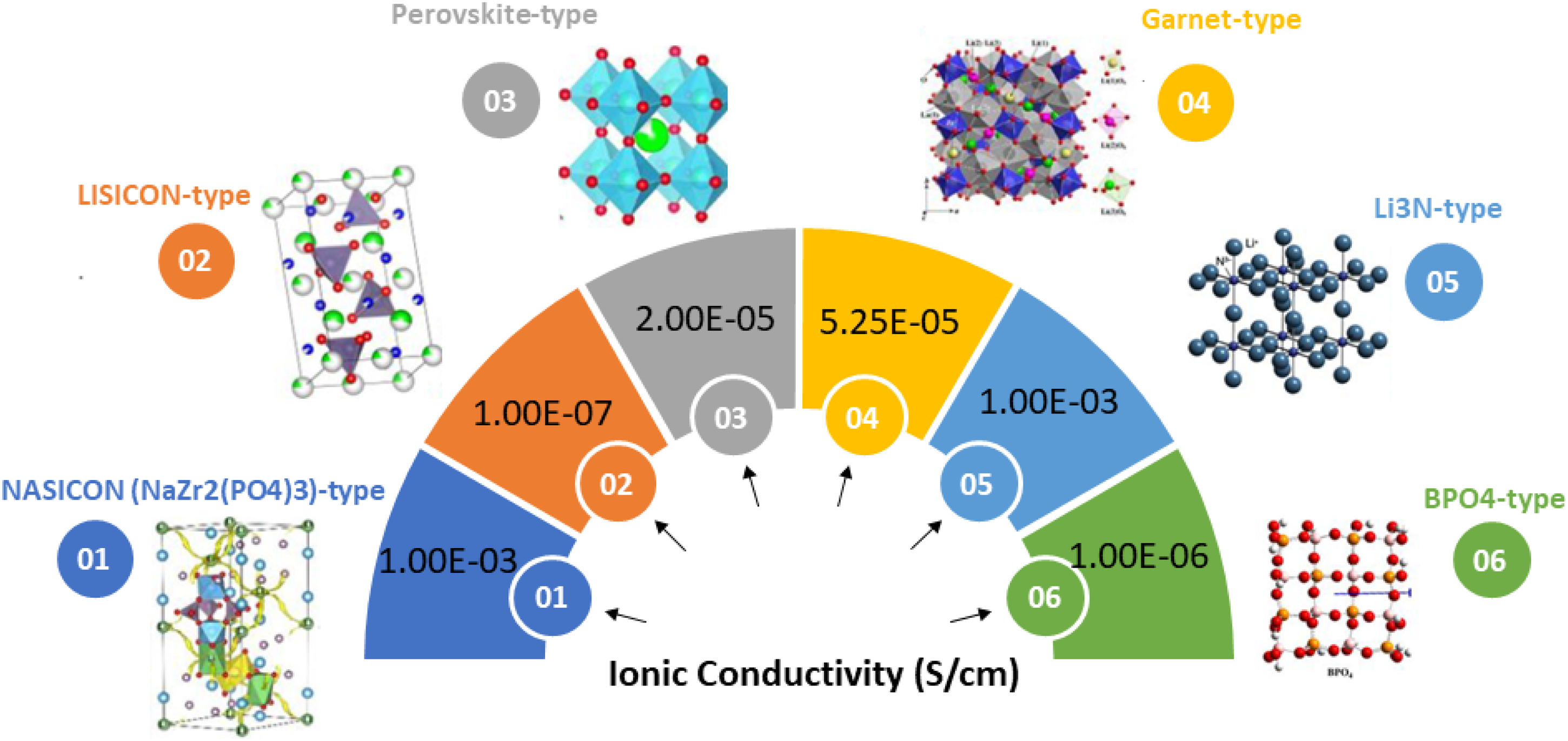
Ionic conductivity comparison with different types of ceramic hybridization to PEO matrix polymer. 63
In a separate study conducted by Alharbi and Rajeh, the effect of doping cobalt oxide nanoparticles (Co3O4 NPs) into poly (vinylidene fluoride) (PVDF)/poly(ethylene oxide) (PEO) composites was evaluated, revealing an impressive ionic conductivity of 6.5 × 10⁻⁴ Scm−1. Figure 12 illustrates the proposed interaction mechanism between PEO, PVDF, and Co3O4 nanocomposites. 64 PMMA-based electrolytes have also been enhanced through blending with ionic liquids, which improves ionic transport mechanisms and boosts solid-state battery performance.65–69 Furthermore, polysiloxanes are under investigation for their unique properties, including high flexibility and thermal stability, positioning them as promising candidates for cutting-edge battery technology. 70 Table 3 summarizes the most widely studied polymer electrolytes and their composites, showcasing their key characteristics and performance data.

Possible mechanism for interaction between PEO, PVDF, and Co3O4 nanocomposites. 64
Summary of key properties of polymer electrolytes in energy storage.

Principle of polymeric electrochemistry
Electrochemistry is the study of chemical reactions involving electron movements that generate electrical currents. It deals with the interconversion between chemical changes and electrical energy, predominantly observed in redox reactions characterized by electron transfer during oxidation and reduction processes. These reactions are fundamental to energy generation and storage in devices such as fuel cells and batteries, making electrochemistry essential for understanding and developing energy storage systems. It provides both the mechanisms for energy conversion and reliable techniques for energy storage and release.
The controlled movement of electrons in a defined system forms electrochemistry's role in energy production and storage. In battery applications, electrochemical processes enable the flow of electrons between different materials through an external circuit, generating electrical power. During charging, these processes are reversed by applying electrical energy, converting it back into chemical potential energy. The reversibility of these electrochemical reactions is a critical advantage, facilitating the extensive use of batteries and similar systems for energy storage. This feature provides a dependable method to store energy and release it as needed, supporting stable and efficient energy management.
The presence of conjugated systems along their molecular backbones allows polymeric materials to participate in electrochemical interaction despite their non-metallic nature. 81 Furthermore, the synthetic versatility of polymeric materials allows for structural tuning to improve properties such as electrical conductivity and ion exchange capacity. This tunability makes polymers highly desirable for a variety of energy storage applications, ranging from large-scale storage systems to flexible wearable devices.
The movement of protons or electrons within polymer matrices is essential to their function in electrochemical applications. In conductive polymers, electron transport is facilitated by π-conjugated systems that enable electron delocalization and mobility along the polymer chain. 82 This mobility is crucial for the electrical conductivity and electrochemical reactivity of polymers. Proton transport, on the other hand, happens through basic or acidic groups integrated into the polymer structure. In hydrophilic polymers, these groups allow protons to move along the polymer backbone or through associated water molecules (Figure 13). 83
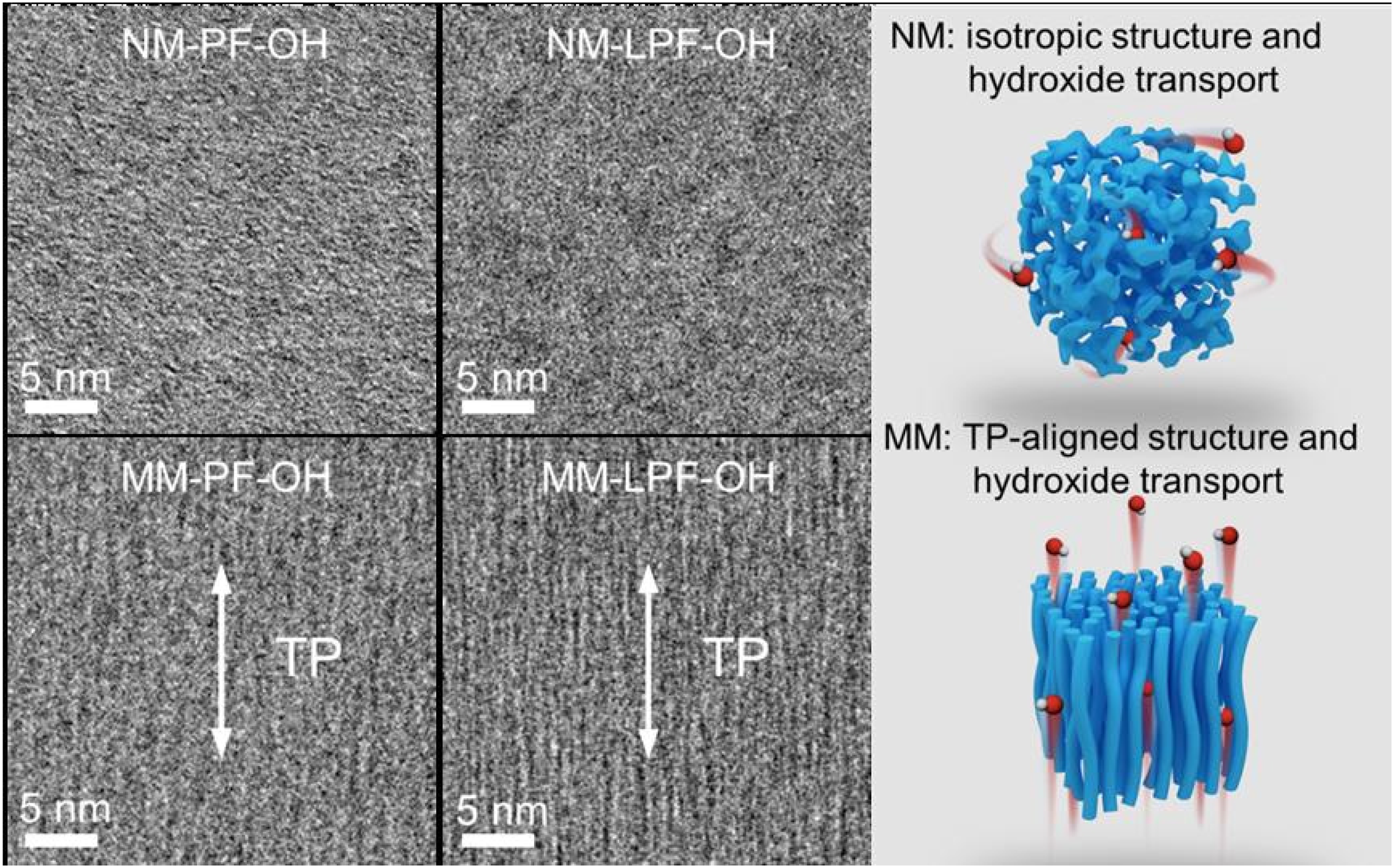
Ionic conductive channel visualized by TEM images. 83
Polyaniline (PANI) is a dual-conductivity polymer, capable of facilitating both electron and proton transport. Its amine groups aid in proton conduction, while electrons are transported along its conjugated backbone.7,84,85 This property makes PANI highly suitable for use in battery electrodes and electrochromic devices. Nafion®, a sulfonated tetrafluoroethylene-based fluoropolymer-copolymer, is another noteworthy example, known for its proton conductivity through sulfonic acid groups. This property is crucial for its role as proton exchange membranes (PEMs) in fuel cells (Figure 14). 86 Hydration enhances proton conduction in Nafion®, facilitating efficient proton hopping. When combined with polystyrene sulfonate (PSS), poly(3,4-ethylenedioxythiophene) (PEDOT) exhibits improved stability and processability, conducting electrons through its π-conjugated structure and proving effective for energy storage applications. 87
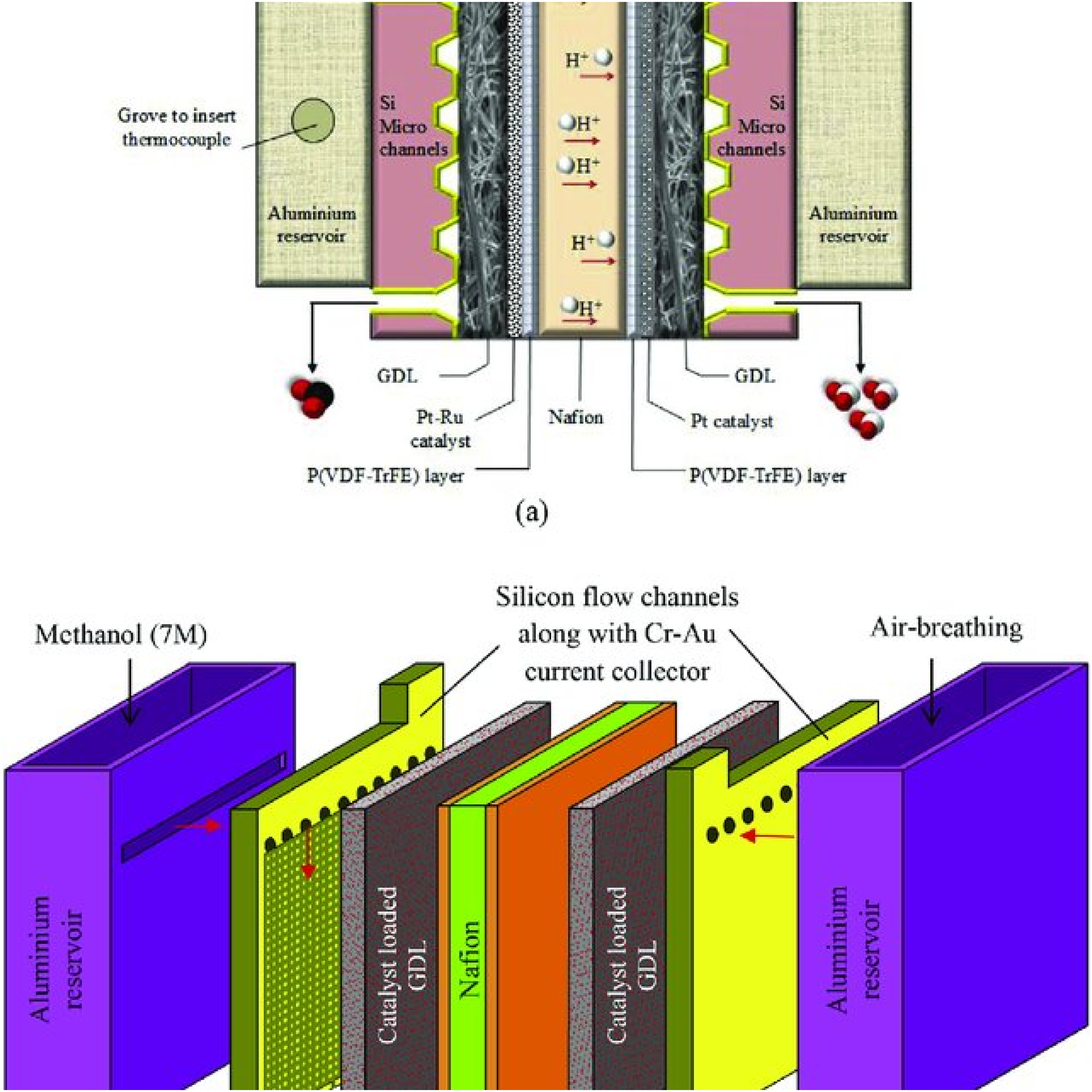
Nafion® used in PEM water electrolyzer. Reprinted from Rao et al. 86 with permission from Elsevier.
Polyvinylidene fluoride-co-hexafluoropropylene (PVDF-HFP) is an electrolyte frequently employed in energy storage systems, particularly in lithium batteries and super-capacitors. While PVDF-HFP does not inherently conduct electrons, it acts as a host matrix for conductive fillers such as carbon black or graphene, which promote electron transport. With its porous structure capable of absorbing liquid electrolytes that enable ion transport, PVDF-HFP functions as a gel polymer electrolyte supporting proton movement. This feature is essential in applications where high ionic conductivity must be complemented by the mechanical and chemical stability of the polymer matrix.
Electrochemical reactions in polymer electrolytes
In this section, we investigate the electrochemical reactions of polymer electrolytes in batteries and fuel cells. Figure 15(a) shows the schematic use of polymer electrolytes in a rechargeable battery, where a polymer electrolyte acts as a membrane to separate the cathode and the lithium metal anode, which serve as the positive and negative electrodes, respectively. During battery operation, chemical reactions occur during both charging and discharging processes. In the discharge process, represented by the forward reaction in Figure 15(a), energy is released as high-energy materials are converted into low-energy compounds. In contrast, during charging, the reverse reaction takes place, and energy stores with the aid of an external power source. As illustrated in Figure 15(a), the cathode material (FePO4 or LiFePO4) is combined with conductive carbon (black spheres) to increase the electronic conductivity, followed by embedding in the polymer electrolyte matrix to enhance conductivity and facilitate Li+ transport to the active sites. On the other hand, the lithium metal anode exhibits high conductivity for both Li+ and electrons, enabling it to function effectively as a conductive sheet. Overall, the polymer electrolyte must transfer Li+ ions while blocking electron transfer electrolytes to maintain proper battery function. Additionally, it must have sufficient mechanical strength to divide the cathode and anode. Figure 15(b) illustrates a hydrogen fuel cell, another application where polymer electrolytes are used, though with some differences compared to lithium batteries. As shown in the figure, the system operates based on forward electrochemical reactions, at both anode and cathode. Although these reactions are theoretically irreversible, only the forward direction is utilized, leading to hydrogen consumption and water production, which is typically released into the atmosphere. Similar to lithium batteries, polymer electrolytes in hydrogen fuel cells serve as membranes for ion transport. However, instead of Li+ ions, H+ are charge carriers in this system. The fundamental role of polymer electrolytes remains the same: enabling selective ion transport. This selectivity is achieved due to the covalently bonded anionic groups to the polymer backbone, preventing their movement and minimizing energy losses. Additionally, controlling the hydration of polymer membranes is essential in fuel cells. Efficient proton transport in fuel cells relies on the proper hydration of polymer electrolytes. Excess water can cause polymer swelling, resulting in mechanical stress failure. On the other hand, insufficient hydration can impair ion transport and cause the membrane to detach from the electrodes. Overall, Figure 15(a) and (b) highlights a key insight that polymer electrolytes are versatile and can be effectively used in both open systems like fuel cells and closed systems like lithium batteries. 88
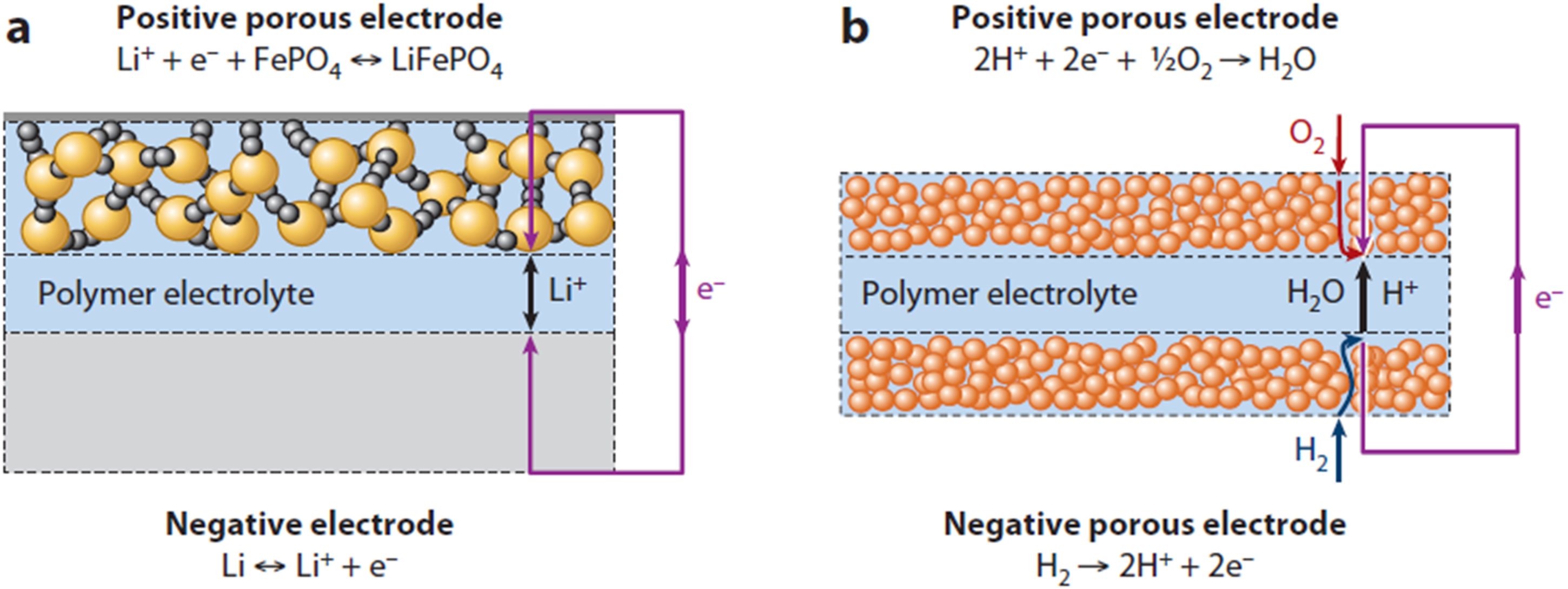
(a) Polymer electrolyte in a rechargeable battery, (b) polymer electrolyte in a hydrogen fuel cell. Reprinted from Hallinan and Balsara 88 with permission from Annual Reviews.
Application and fabrication methods in energy storage systems
Polymeric materials, particularly polymer electrolytes, have significantly contributed to the development of energy storage systems by offering properties that surpass those of conventional materials. Their applications range from large-scale industrial systems where stability, safety, and energy density are critical, to small-scale electronic devices. The inherent versatility and impressive electrochemical performance of polymers are key to enabling next-generation energy storage solutions. This section emphasizes the critical role of polymers in bridging theoretical electrochemistry with practical applications while introducing readers to the advanced fabrication and analytical techniques driving progress in this field.
Applications of polymer electrolytes in lithium batteries
Flexible lithium-ion batteries
Nowadays, with the rapid increase in the demand for electronic devices, the need for flexible lithium-ion batteries is also growing. To enhance the performance of these batteries, replacing liquid electrolytes with polymer electrolytes has become common due to their advantages including improved flexibility and safety. Several studies have investigated the use of polymer electrolytes in flexible lithium-ion batteries. 89 Xu et al. developed a pouch cell prototype using a flexible PVAc/PVDF-HFP/SiO2-based gel polymer electrolyte, fabricated through hot calendar “Bellcore” technology. As shown in Figure 16, the schematic illustrates the application of this novel GPE in the flexible lithium-ion battery. The battery exhibited excellent flexibility, withstanding bending from 0° to 180°, and maintained its electrochemical performance by powering a 2.5 W electric fan while bending. It also demonstrated high mechanical tolerance without any sign of thermal runaway. 90
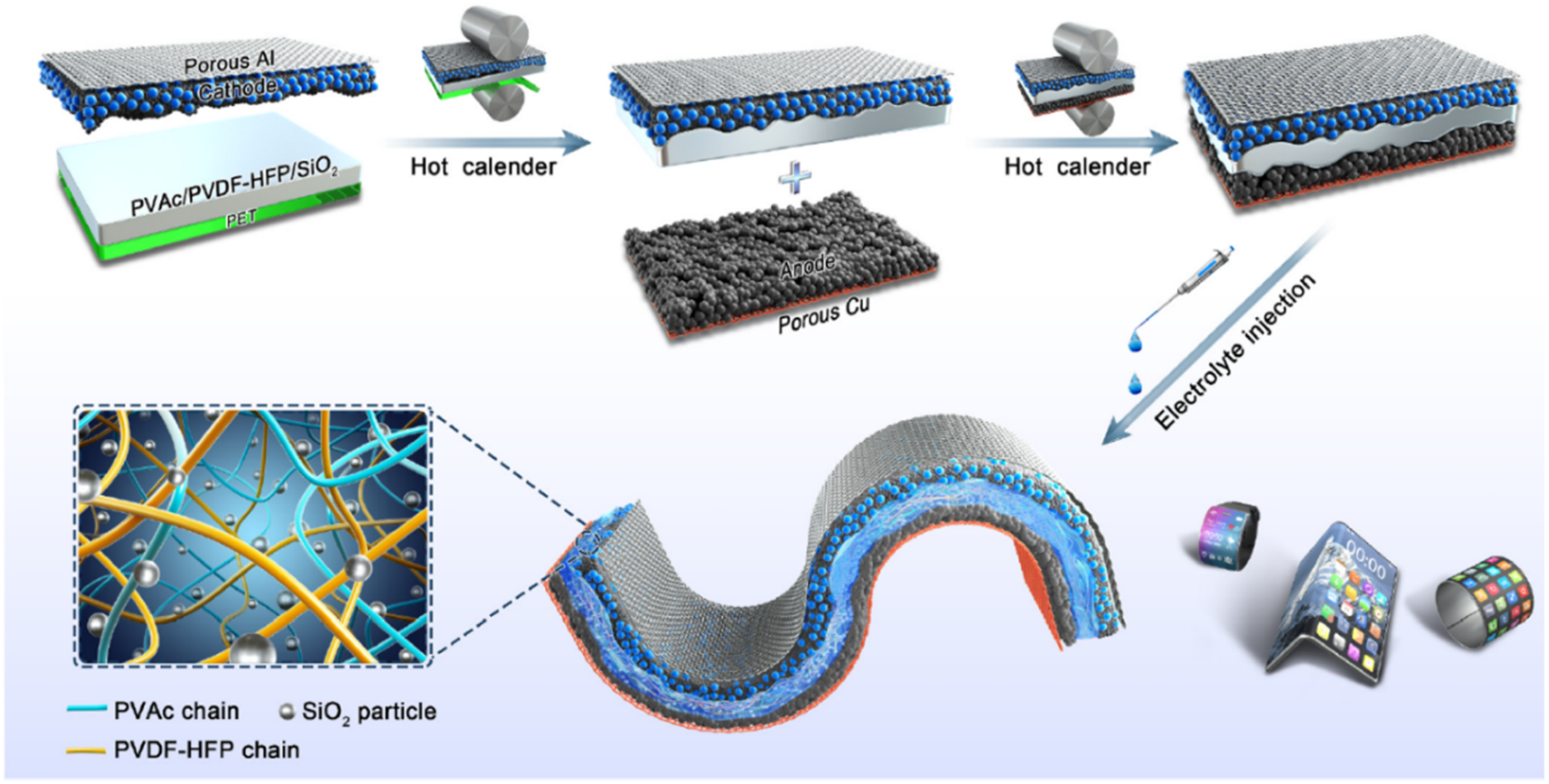
Schematic illustration of flexible PVAc/PVDF-HFP/SiO2-based gel polymer electrolyte preparation method in a pouch cell prototype. Reprinted from Xu et al. 90 with permission from Elsevier.
Recently, Zhu et al. fabricated a P(BA-co-EGDMA)/PVDF-HFP/LiTFSI/HNT-based gel polymer electrolyte to enhance the electrochemical performance of a semi-solid lithium-ion battery. To improve the flexibility of the battery, they employed UV curing technology, as illustrated in Figure 17. This novel battery exhibited a high ionic conductivity of 1.22 × 10⁻³ S/cm and retained 89% of its capacity after 120 cycles. 91 Weng et al. reported a polymer electrolyte composed of PEO and LiTFSI, sandwiched between a LiMn₂O₄ (LMO)/carbon nanotubes (CNTs) cathode and a Li₄Ti₅O₁₂ (LTO)/CNTs anode. This highly flexible battery design demonstrated excellent stretchability, up to 400%, with minimal change in electrochemical performance, which is consistent with recent reviews on the role of carbon nanomaterials in advanced energy storage systems. The schematic configuration of this flexible battery is shown in Figure 18(a)–(d).89,92 Overall, these studies confirm that polymer electrolytes enhance both flexibility and electrochemical stability in lithium-ion batteries.
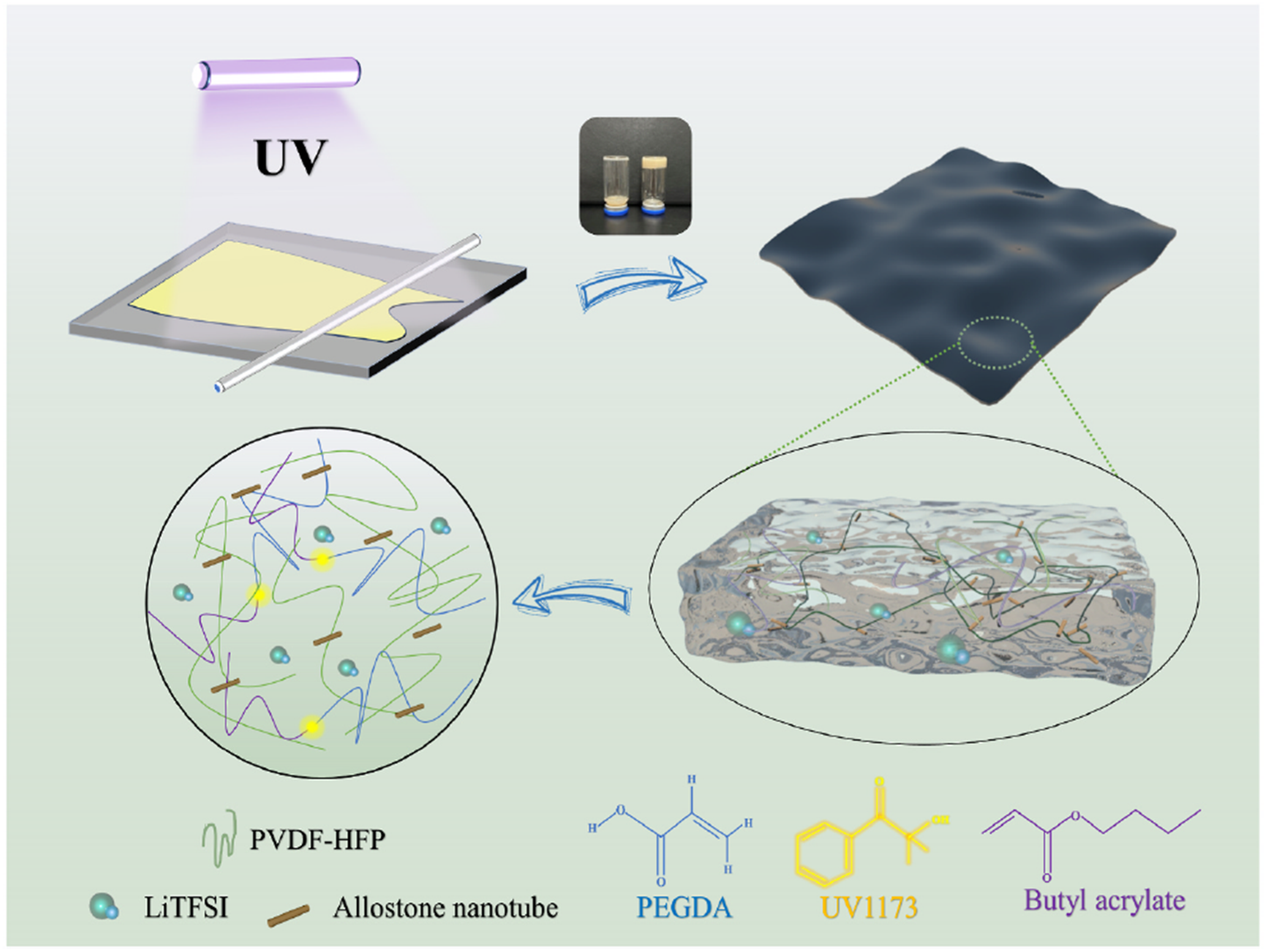
Schematic illustration of preparation methodology of flexible polymer PHHNT electrolyte. Reprinted from Zhu et al. 91 with permission from Elsevier.
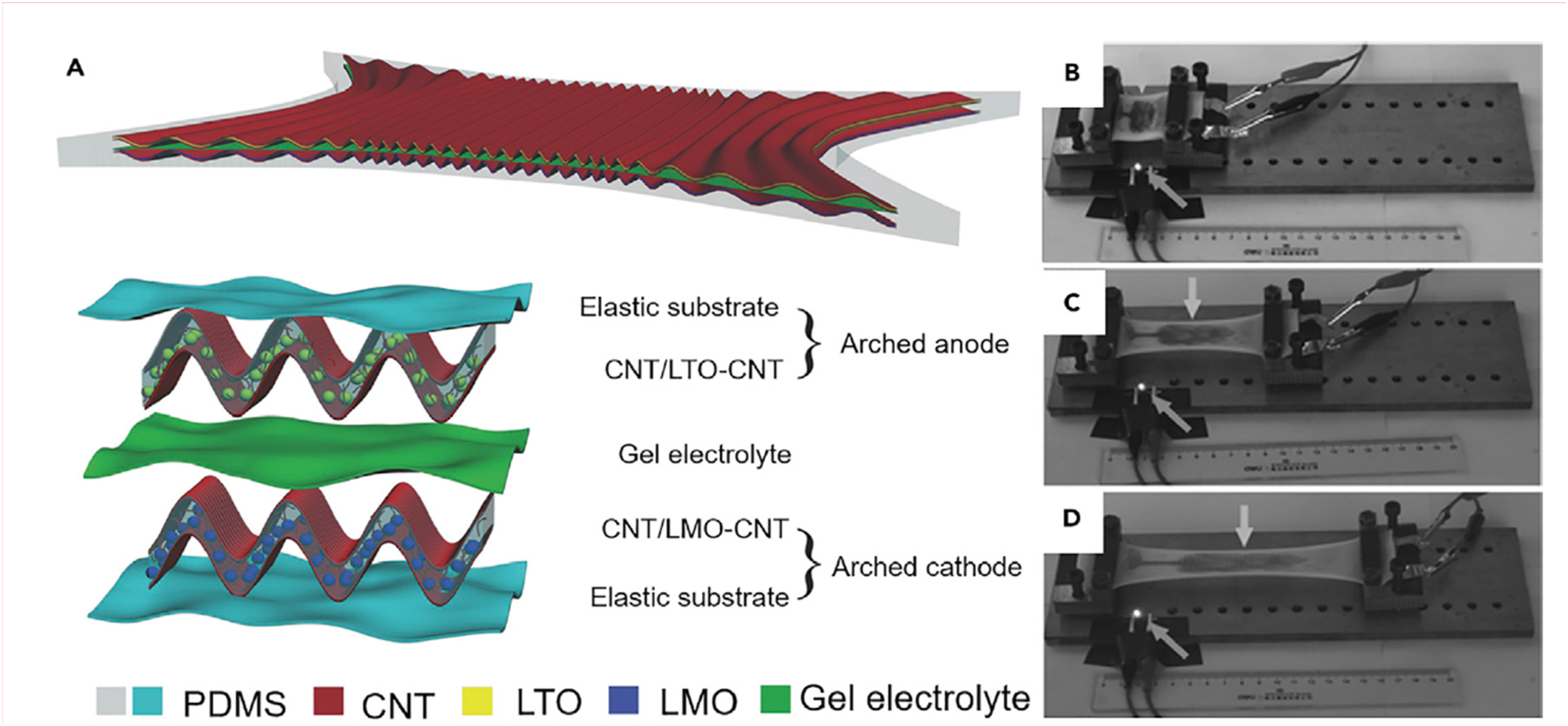
Schematic configuration of flexible lithium-ion battery and the stretchable battery fixed on a moving stage lighted up an LED before and under stretching strain. 89
High-voltage lithium-ion batteries
The application of certain polymer electrolytes in high-voltage lithium-ion batteries is attributed to their exceptional chemical stability, which prevents them from reacting or degrading easily under high-voltage conditions, a crucial property derived from their molecular structure. 89 In a recent study, Huang et al. developed a GPE composed of a polyacrylonitrile (PAN) porous membrane and 2,2,3,44,4-hexafluorobutyl acrylate grafted pentaerythritol tetraacrylate (PETEA), synthesized via an in-situ polymerization method. This GPE exhibited a high ionic conductivity of 4.06 × 10⁻³ S/cm and an electrochemical stability window up to 5.35 V, making it a promising candidate for high-voltage lithium-ion batteries. 93 Similarly, Poiana et al. developed a non-flammable gel polymer electrolyte by incorporating 1-butyl-1-methylpyrrolidinium hexafluorophosphate ([Py₁₄]PF₆) into a PVDF-HFP-based membrane. As illustrated in Figure 19, the addition of ionic liquid significantly reduced flammability, thereby enhancing the safety of the battery. Additionally, the GPE demonstrated a high specific capacity of 110 mAh/g and excellent stability over 150 cycles, confirming its potential for high-voltage applications. 94 Dong et al. fabricated a GPE incorporating bacterial cellulose and poly (methyl vinyl ether-alt-maleic anhydride), showcasing oxidation resistance up to 5.2 V vs. Li/Li+ and maintained 85% capacity retention after 700 cycles. These characteristics highlight its suitability for high-voltage lithium metal/LiCoO₂ batteries. 89
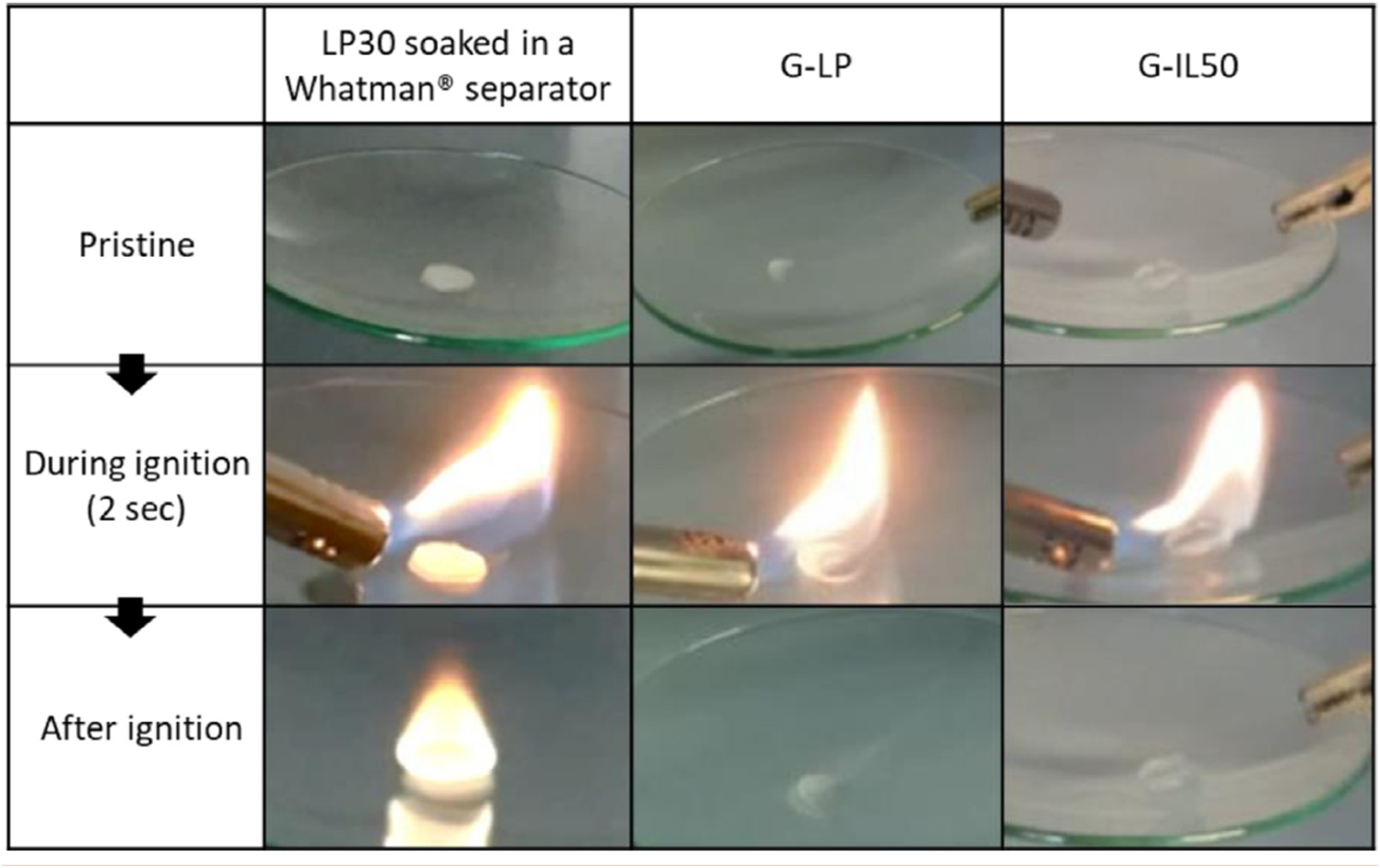
Images during flammability tests of the samples. Reprinted from Poiana et al. 94 with permission from Elsevier.
Smart lithium-ion batteries
An advanced type of lithium-ion battery is classified as a smart battery, which can adapt its characteristics and behavior to external stimuli such as humidity and temperature. These batteries can be divided into different groups based on their responsiveness. Transient Li-ion batteries, for example, respond to humidity and are excellent candidates for applications ranging from environmental sensors to biomedical applications due to their ability to disintegrate after a specific operational time. In this regard, as demonstrated in Figure 20(a) and (b), Fu et al., reported a PEO-based GPE in a transient lithium-ion battery that fully dissolved after a defined operational period, leaving no harmful residues, thereby minimizing environmental impact. To prevent thermal runaway caused by high temperatures, another category, thermal-responsive lithium-ion batteries, has been developed. These batteries can self-protect by reacting to high temperatures. Kelly et al., developed a thermally sensitive battery composed of PEO, lithium salt, and ionic liquid, which undergoes phase separation above its critical temperature, thereby reducing ionic conductivity and offering a safe mechanism to prevent overheating. This process is shown in Figure 21(a) and (b). 89 In another study, Jabbary et al. introduced a smart lithium-ion battery with a shape memory function, capable of recovering its original shape after deformation. This battery demonstrated a discharge capacity of approximately 140 mAh/g, with 92% capacity retention after 100 cycles, making it ideal for wearable electronics. 95 In summary, smart lithium-ion batteries with polymer electrolytes show remarkable adaptability to external factors, making them ideal for energy storage applications. However, further research is needed to improve their long-term stability, and real-world application.
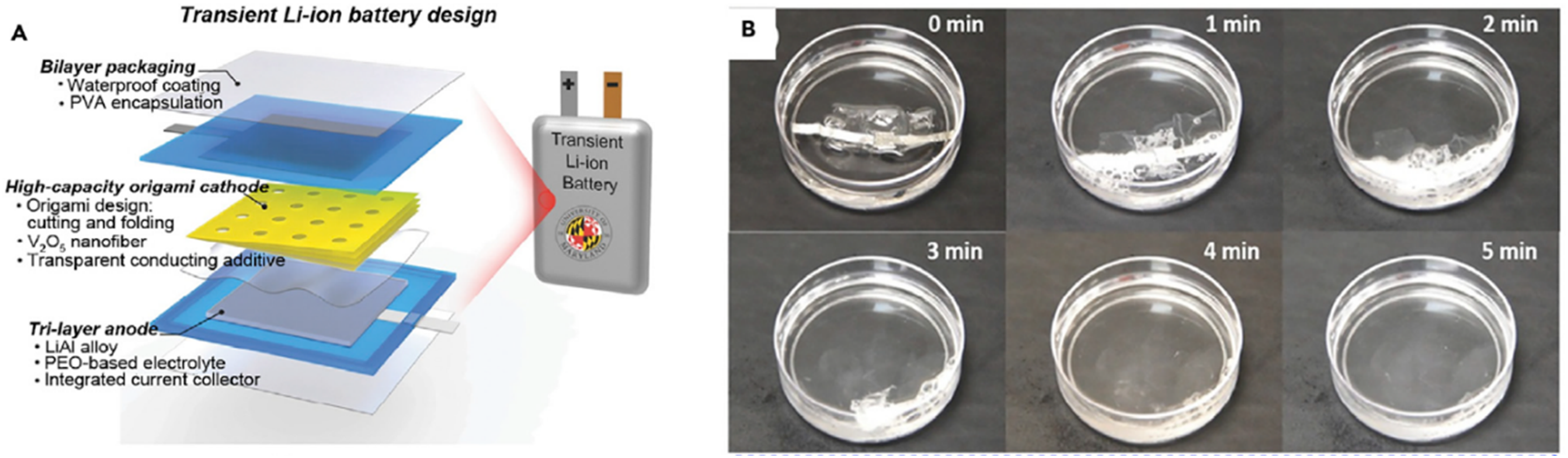
(a) Schematic illustration of the transient Li-ion batteries. (b) Transient test of the battery. Reprinted from Zhou et al. 89 with permission from Elsevier.
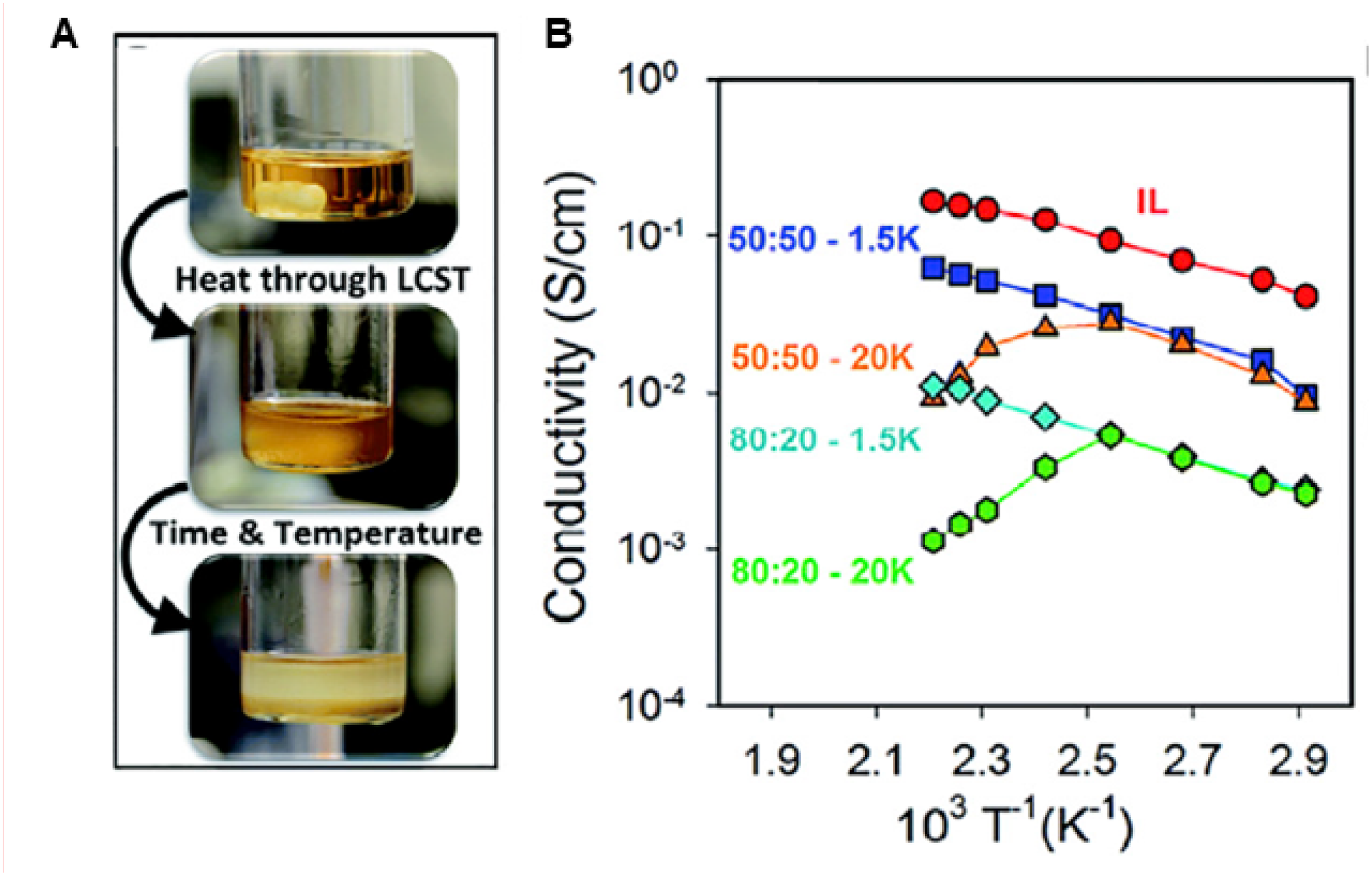
(a) Photographs for the PEO/IL phase separation. (b) The conductivities of materials. Reprinted with permission from Kelly et al.103 Copyright 2015 Royal Society of Chemistry. Reprinted from Zhou et al. 89 with permission from Elsevier.
Lithium-metal batteries
To enhance battery performance, the use of lithium metal as the anode has become common due to its high energy storage capacity and high voltage. However, the use of lithium metals has also drawbacks, including the formation of dendrites during charging and discharging processes. To address this challenge, polymer electrolytes have shown promise in several ways. These materials can strengthen the mechanical stability of the batteries, which helps decrease dendrite growth and extend the battery's lifetime. Additionally, polymer electrolytes can regulate the movement of lithium ions, which should be the only ions moving between electrodes. Thanks to their unique mesh-like structure, polymer electrolytes help prevent the movement of other ions and ensure a more uniform dispersion of lithium ions, both of which are critical for reducing dendrite formation. 89 Bao et al. reported a polymer electrolyte consisting of PEO, LiTFSI, and ox-PIL@GO in lithium-metal electrolyte, which improved the Li+ transference number from 0.21 to 0.61, resulting in high ionic conductivity of 1.01 × 10⁻⁴ S/cm and discharge specific capacity of 116 mAh/g for 300 cycles. 96 Additionally, Zhu et al. developed a non-flammable liquid polymer electrolyte, without using any molecular solvent, for the lithium-metal batteries. This electrolyte demonstrated a high ionic conductivity of 1.09 × 10⁻⁴ S/cm and enabled operation at 60–90 °C for more than 1000 cycles. 97 In conclusion, polymer electrolytes showcase potential to stabilize lithium-metal batteries by limiting dendrite growth, although long-term reliability is still under investigation.
Applications for polymer electrolytes in supercapacitors
Another important application of polymer electrolytes is in supercapacitors, which are classified into three groups: electrochemical double-layer capacitors (EDLCs), pseudocapacitors, and hybrid systems. Supercapacitors are known for their rapid charge–discharge ability and long cycle life, and recent studies have demonstrated major progress in electrode design, enhancing their performance. Similar to their roles in batteries, the incorporation of polymer electrolytes in supercapacitors can increase the performance by improving ionic conductivity and mechanical flexibility.98–101 Several studies have demonstrated these advantages using different types of polymer electrolytes in supercapacitors. For example, Je and Choi fabricated triple-network hydrogel polymer electrolytes (TNPEs) for solid-state supercapacitors, achieving a high ionic conductivity of 5.6 × 10⁻³ S/cm at −30 °C, a specific capacitance of 24 F/g, and an energy density of 17 Wh/kg. 102 In another study, Zaidi et al. developed a chitosan-reinforced gelatin hydrogel polymer electrolyte for flexible solid-state supercapacitors, reporting high ionic conductivities of 72 mS/cm at 26 °C and 39 mS/cm at −30 °C. 103 Lim et al. prepared an environmentally friendly polymer electrolyte consisting of sulfonated methyl cellulose (LiSMC) and LiClO₄ salt, which delivered a specific capacitance of 8.93 mF/cm² at 0.1 mA/cm² and retained 95% of its stability after 30,000 cycles. 104 Similarly, Shin et al. developed a PAN-based gel polymer electrolyte for photothermal supercapacitors. When combined with a carbon black layer, the supercapacitors operated at −60 °C, and achieved an energy density of 94 μWh/cm² at 0.4 mW/cm². 105 More recently, Badi et al. fabricated solid flexible polymer blend electrolytes (PVA–PVP doped with NaSCN) and integrated them into supercapacitor devices with graphene oxide (GO)-based electrodes. Their optimized composition achieved an ionic conductivity of 8.1 × 10⁻⁵ S/cm, an electrochemical stability of 1.5 V, and an approximate specific capacitance of 13–14 F/g. 106 This finding is consistent with recent studies emphasizing graphene aerogels as highly porous materials for charge storage in supercapacitors. 107 These examples demonstrate that polymer electrolytes play a crucial role in enhancing ionic conductivity, flexibility, and cycling stability of supercapacitors.
Fabrication methods
The fabrication of polymer-based energy storage devices is a complex process that requires precise control over material properties to achieve optimal performance. This subsection delves into key manufacturing methods, including solvent casting, melt-processing, electrospinning, and In-situ polymerization, which are essential for producing high-efficiency polymer electrolytes. It also examines the influence of these techniques on the microstructural and electrochemical characteristics of the polymer electrolytes, highlighting their impact on the overall performance of energy storage devices.
Solution casting
The solution casting technique is a widely used and highly regarded method for fabricating polymer electrolytes due to its simplicity and efficiency in producing uniform, defect-free films. In this technique, a polymer is dissolved in an appropriate solvent to form a homogenous solution, which is subsequently cast and dried to create a thin solid polymer film. This technique allows for precise control over the film's thickness and morphology, both of which are critical for the performance of energy storage devices. Solution casting has been a fundamental technique in polymer research since the early 2000s, as evidenced by the numerous studies employing this method. The significant body of literature underscores its essential role in developing novel polymeric materials, with numerous publications focusing on process parameter optimization, including solvent type, polymer-solvent ratios, drying conditions, and the mechanical characteristics of the final films. 108
The solution casting process typically follows a systematic approach to ensure high-quality polymer films. It begins with the preparation of the polymer solution, where the choice of solvent is vital for efficient dissolution and compatibility with the polymer's chemical structure. Commonly used solvents include acetone, 1-methyl-2-pyrollidone, and N,N-dimethylformamide (DMF) due to their solvating properties and relatively low boiling points.109–111 Once prepared, the solution is cast onto a mold or a flat surface. The film's final thickness can be controlled by adjusting the volume of the solution and its concentration. The drying phase is crucial, with temperature and time meticulously regulated to promote slow, uniform evaporation without compromising the polymer's structure. For example, when using DMF, drying is typically conducted at a temperature slightly above the solvent's boiling point to guarantee solvent removal without subjecting the polymer to heat damage. 112
An application of solution casting is seen in the development of PVDF-HFP-based polymer electrolytes, which are widely used in lithium batteries and supercapacitors due to their outstanding ionic conductivity and mechanical resilience. As shown in Figure 22, PVDF-HFP is dissolved in a solvent such as NMP with continuous stirring to form a clear, homogenous solution. The solution is then uniformly spread onto a glass plate, and the drying process is carried out at around 80 °C, slightly above acetone's boiling point, to facilitate effective solvent removal.113,114 The outcome is a smooth, flexible electrolyte membrane ready for use in energy storage devices. The success of solution casting hinges on the specific interactions within the polymeric matrix, which influence the solubility, viscosity, and the film's final properties. For PVDF-HFP, the fluorine groups in the copolymer enhance solubility by interacting well with solvent molecules, while the semi-crystalline nature of PVDF-HFP allows for efficient chain packing during solvent evaporation. These intrinsic polymeric interactions are critical to the successful fabrication of high-quality polymer electrolytes through solution casting methods.
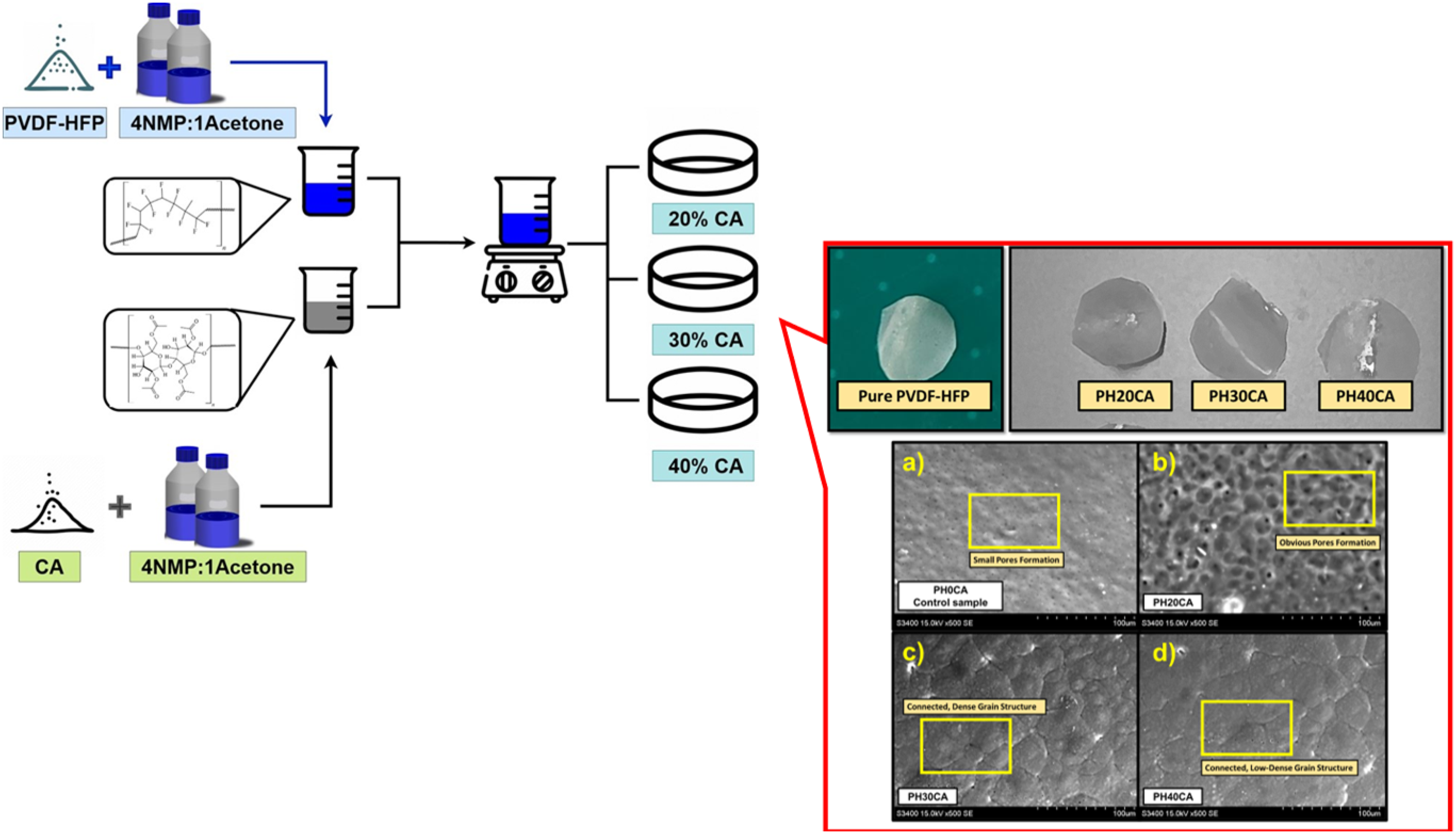
Example flowchart for solution casting method to produce PVDF-HFP sample.
Melt processing
Melt processing is a significant fabrication method employed in the production of polymer electrolytes. Unlike solution casting, which relies on solvents, melt processing involves heating the polymer above its melting point to create a viscous molten polymer that can then be directly processed into films or other required shapes, bypassing the challenges associated with solvent handling and removal. 115 This method is particularly advantageous for creating scalable and environmentally sustainable polymer electrolyte membranes. By eliminating the use of volatile organic compounds (VOCs) as solvents, melt processing provides a safer and more eco-friendly approach suitable for both industrial and laboratory settings. Its capability for continuous processing is especially crucial for large-scale production, offering enhanced control over the polymer's morphology, factors essential for optimizing electrolyte performance in energy storage applications.
The suitability of a polymer for melt processing relies on two primary factors: thermal stability and melt viscosity. 116 Polymers suitable for melt processing must withstand high processing temperatures without degrading and maintain an appropriate melt viscosity to ensure consistent film formation. 117 Polymers that meet these criteria typically demonstrate excellent ionic conductivity and strong mechanical properties when used as electrolytes. Polyethylene oxide (PEO) is particularly well-suited for polymer electrolyte fabrication through melt processing, especially in the context of solid-state batteries. PEO's inherent properties, including its ability to dissolve lithium salts and facilitate ionic conduction, make it an optimal choice for energy storage applications. PEO's molecular structure facilitates effective interaction with lithium ions, enabling their movement at elevated temperatures, which is crucial for high-performance battery operations.118,119 This feature is particularly advantageous in solid-state batteries, where the stability and efficiency of the electrolyte can significantly influence the overall battery performance and safety.
The process of creating PEO-based polymer electrolytes begins with the mechanical blending of PEO and lithium salt, such as lithium trifluoro-sulfonate (LiTFSI). The initial mixing at room temperature ensures an even distribution of salt within the polymer matrix, which is crucial for uniform ion distribution and effective ionic conduction throughout the electrolyte. After achieving a homogenous mixture, the PEO-salt blend is heated to a temperature slightly above PEO's melting point, typically between 65 °C and 75 °C. This heating phase transitions the blend into a viscous, molten state, facilitating subsequent processing and shaping. Temperature control is essential at this stage to prevent polymer degradation while ensuring sufficient melt fluidity for extrusion or casting. During processing, the molten PEO–salt mixture is extruded or cast into thin films or desired shapes, with the method chosen based on specific battery design requirements and the desired thickness and uniformity of the electrolyte. The final step involves controlled cooling, which solidifies the polymer while maintaining the desired crystalline structure and phase distribution. Rapid cooling helps preserve the amorphous regions within the polymer matrix, which are essential for maintaining high ionic conductivity at room temperature. Proper solidification is key to achieving the mechanical strength and ionic pathways crucial for optimal performance in solid-state batteries.
The success of melt-processing highly depends on the polymeric interactions during the melting process. For PEO, the ether oxygen in the polymer backbone coordinates with lithium ions, facilitating ion transport. The rapid cooling phase locks these interactions in place, ensuring the formation of amorphous regions necessary for effective ionic conduction.
Electrospinning
Electrospinning is a versatile and highly efficient method for producing ultrafine fibers from polymer melts or solutions. This method is valuable for polymer electrolytes due to its ability to produce fibrous membranes with high surface area-to-volume ratios, porosity, and interconnected structure.120–122 These features improve the mechanical strength and ionic conductivity, making the technique ideal for high-performance energy storage systems such as supercapacitors and batteries. Electrospinning offers nanoscale control over fiber morphology and structure, as shown in Figure 23, significantly impacting the electrochemical characteristics of the electrolyte. This technique can produce nonwoven polymer fiber mats with diameters ranging from a few nanometers to micrometers. These mats possess high porosity and interconnected pore structures, which accelerate ion transit and offer substantial ion migration channels, both of which are essential for energy storage device performance. Furthermore, electrospinning allows for the straightforward incorporation of functional additives, such as ceramic materials or nanoparticles, into the polymer matrix to enhance performance, making it essential for the development of composite materials.
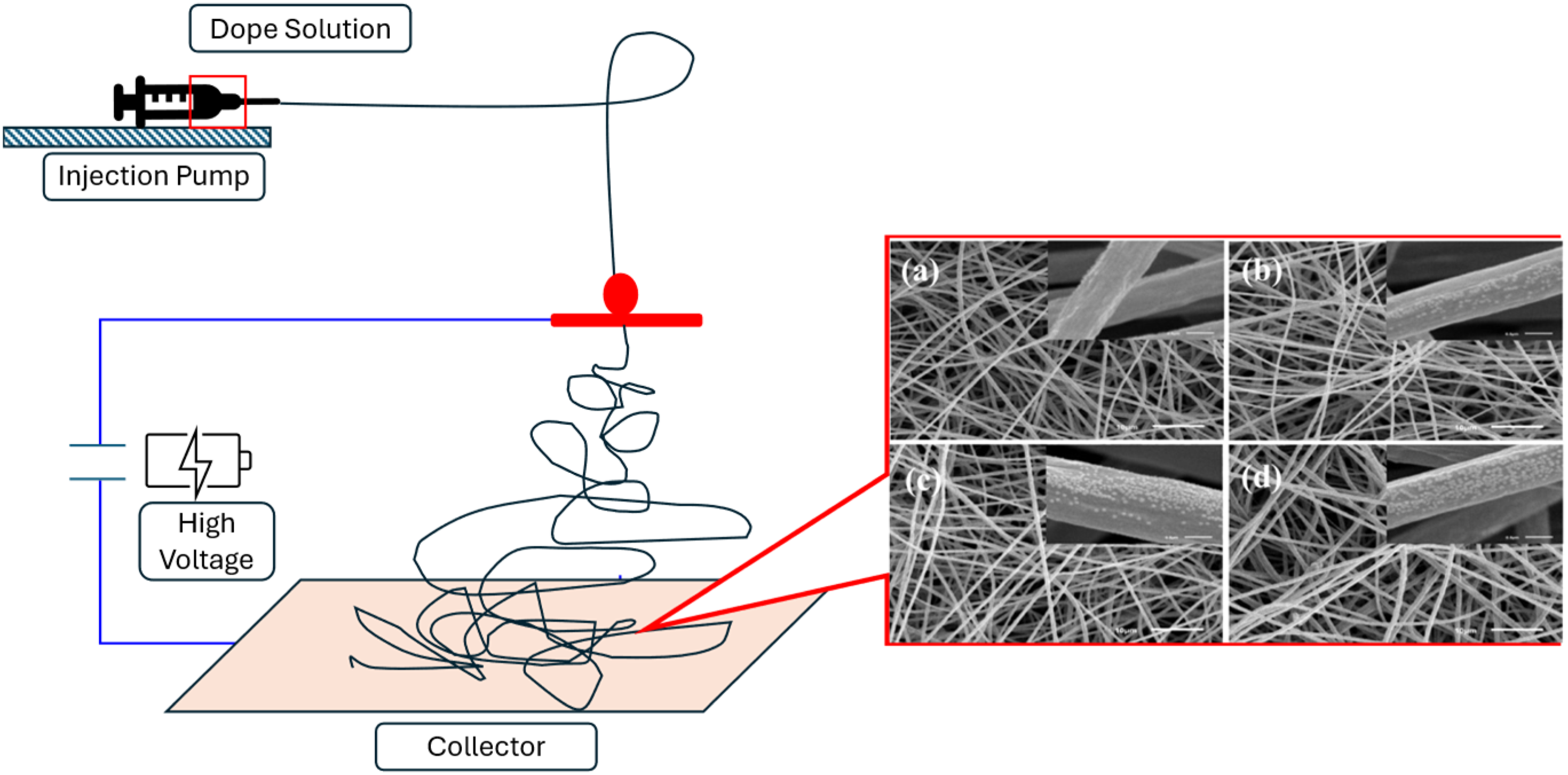
SEM micrographs show fibrous morphology for polymer electrolyte samples fabricated using the electrospinning method. [Reprinted with permission from Springer Nature publisher].
The electrospinning process begins with the preparation of a polymer solution. For instance, poly (vinylidene fluoride) (PVDF), known for its exceptional electrochemical characteristics, is typically dissolved in a solvent mixture such as acetone and dimethylformamide (DMF). This combination of solvents is selected for its ability to optimize the solution viscosity and effectively dissolve PVDF, both essential for a successful electrospinning process. The concentration of PVDF must be carefully controlled to achieve a viscosity that enables the formation of continuous, fine fibers without breaking during electrospinning. Achieving a homogenous polymer solution is vital to ensuring consistent fiber characteristics and quality in subsequent steps. Once the polymer solution is prepared, it is placed in a syringe equipped with a metallic needle and incorporated into an electrospinning setup. The syringe is connected to a pump that precisely regulates the solution's flow rate. The flow rate is a critical parameter, influencing the fiber diameter and stability of the ejected polymer jet. During the electrospinning process, a steady, continuous jet of polymer solution is maintained by adjusting the flow rate properly. A high voltage is applied between the needle tip and a collecting screen positioned opposite the needle, creating an electric field that charges the surface of the polymer solution. When the electrostatic repulsion of the charged solution exceeds its surface tension, a fine polymer jet is ejected from the needle tip. This stage requires careful control of the applied voltage to initiate and maintain the jet while avoiding spray-like patterns or instability. As the polymer jet travels toward the collector, the solvent evaporates rapidly due to the surrounding air and the electric field, resulting in the formation of solid polymer fibers. The distance between the needle and the collector, as well as the voltage and flow rate, are precisely adjusted to control the fiber diameter, morphology, porosity, and thickness of the nonwoven fabric produced. The controlled environment ensures uniform fiber deposition, resulting in a mat with desired mechanical and electrochemical properties. Finally, the fibrous mat is carefully removed from the collector and subjected to further drying to eliminate any residual solvent completely. This step is crucial to ensure the structural integrity and performance of the electrospun polymer electrolyte. The drying process must be thorough yet gentle to prevent any deformation or loss of structural features of the fibers. Once fully dried, the nonwoven fabric is ready for use as a high-performance polymer electrolyte in energy storage devices.10,123,124
The suitability of a polymer for electrospinning depends on its solution properties, such as viscosity, conductivity, and molecular weight. The solution must enable sufficient chain entanglements to maintain a continuous jet during the electrospinning process. 125
In-situ polymerization
For the preparation of solid-state lithium batteries and gel polymer electrolytes, the in-situ polymerization method is highly suitable. This process begins with the injection of a liquid precursor, typically containing a monomer, lithium salt, initiator, and solvent, into the battery cell, followed by polymerization through UV irradiation or the heating process. Due to its simplicity and effectiveness in forming gel-like or solid-state electrolytes, this method is widely used, resulting in the creation of a strong bond between the electrode and electrolytes. The most common monomers in the precursor solution include trimethylolpropane ethoxylate triacrylate (ETPTA), poly(ethylene glycol) diacrylate (PEGDA), trimethylolpropane propoxylate triacrylate (TPPTA), and di(trimethylolpropane) tetraacrylate (DTPTA). For polymer electrolytes used specifically in solid-state batteries, there are two mains in situ polymerization strategies, shown in Figure 24. Figure 24(a), illustrates the separator-assisted method, where a separator is placed between the anode and cathode in a sandwich-like structure. Then the precursor solution is injected to fill the separator, followed by polymerization. This method is straightforward and easily separates electrolytes. However, the use of a separator may decrease ionic conductivity. Additionally, some types of monomers may react with lithium metal, leading to side reactions that must be carefully managed. Figure 24(b) represents the direct deposition method, where the precursor solution is directly applied onto the surface of the electrodes, followed by polymerization. In some cases, polymerization occurs on the cathode alone, before integrating the anode, in others, the solution precursor is applied on both electrodes, before assembling the batteries. By eliminating the separator, this method avoids issues related to the extra weight of the separator and low ionic conductivity. However, it requires solid polymer electrolytes with strong mechanical stability to ensure the performance.126,127 A table listed the comparative analysis of the manufacturing processes (Table 4).
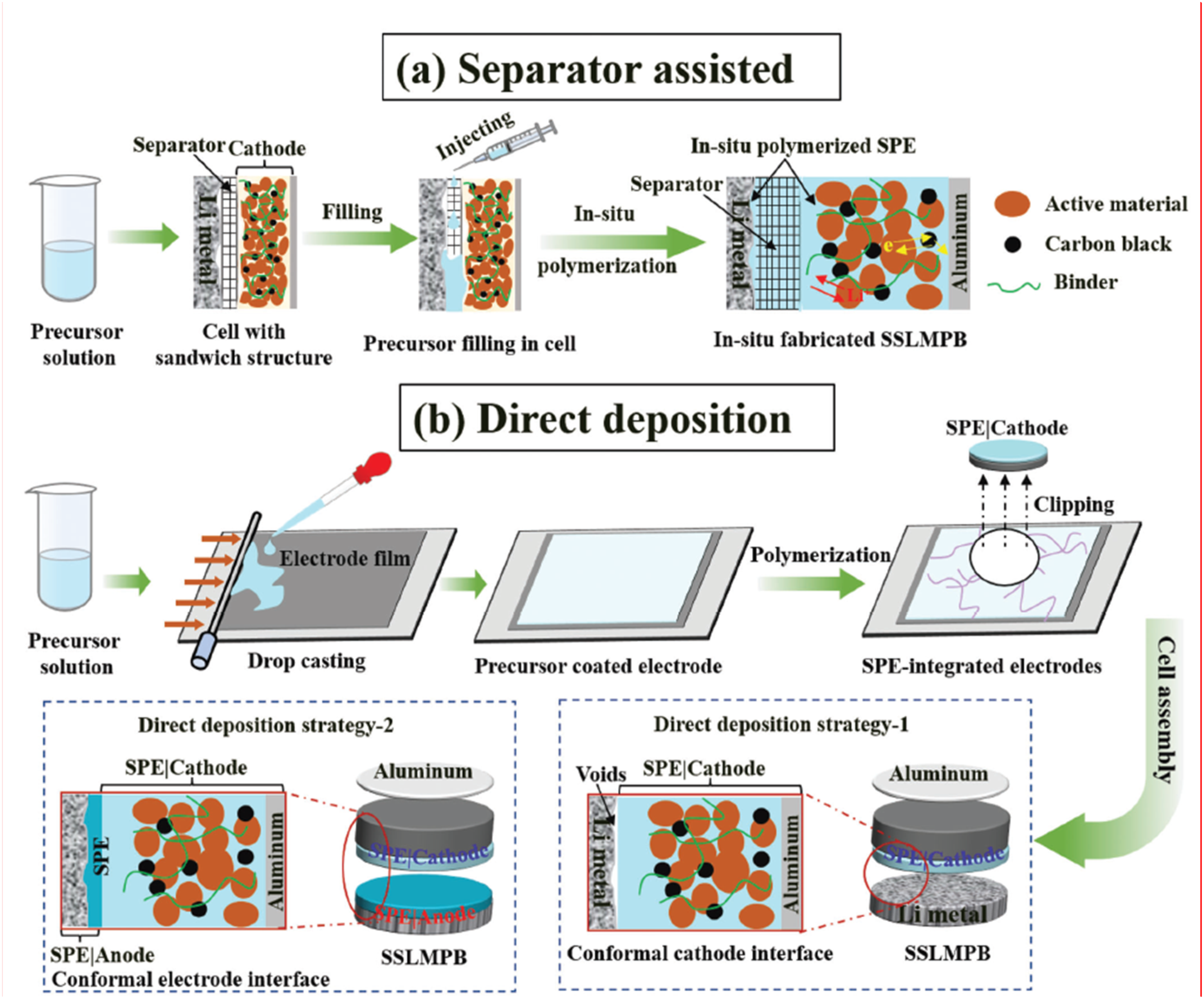
In situ polymerization approaches of solid-state lithium batteries. (a) Separator-assisted approach. (b) Direct deposition approach. Reprinted from Liu et al. 126 with permission from John Wiley and Sons.
Comparative analysis of the manufacturing processes.
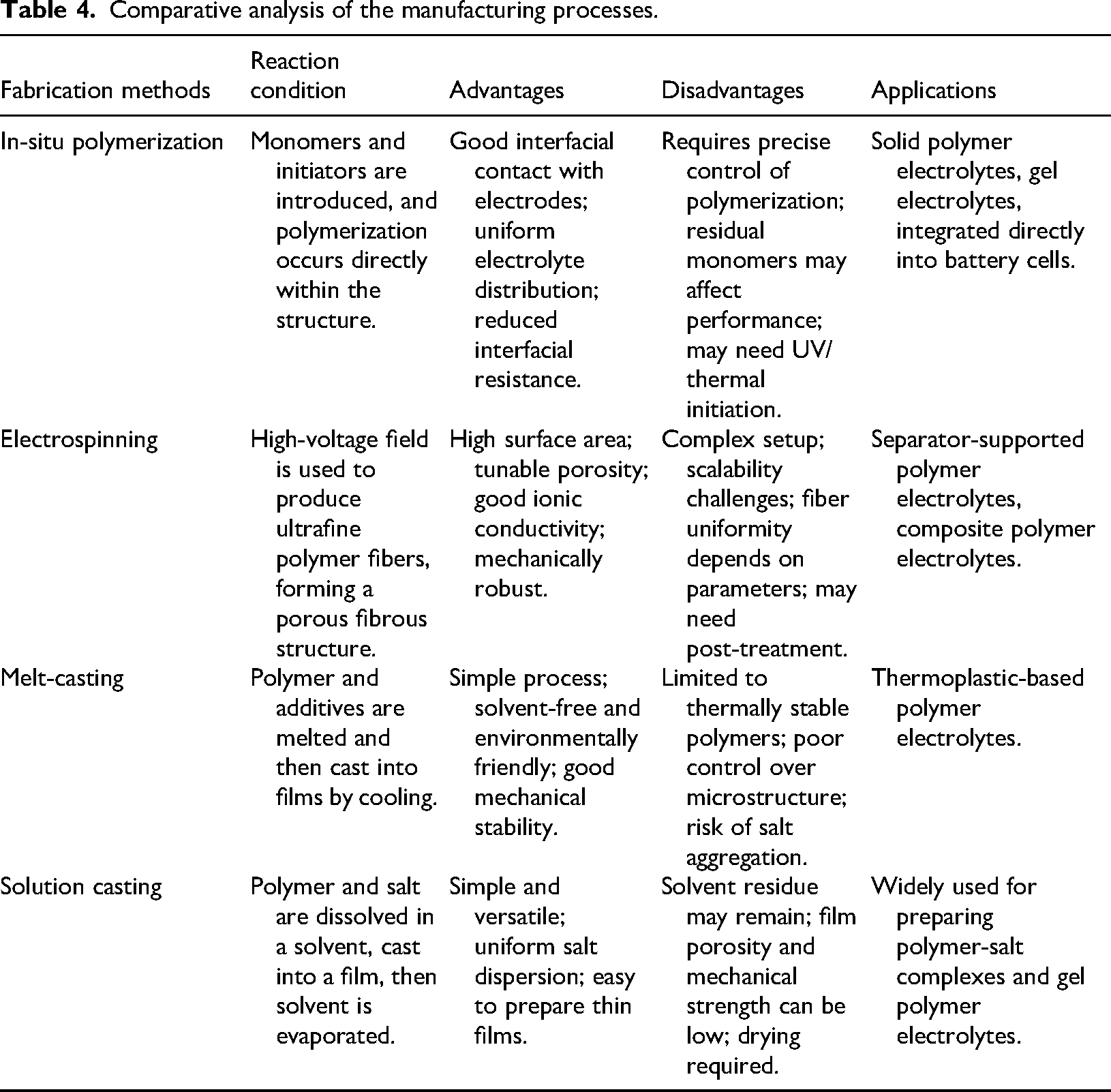
In this subsection, we examined four primary fabrication techniques: Solution casting, melt processing, electrospinning, and in-situ polymerization. Solution casting is useful for fabricating thin films through solvent evaporation, ideal for laboratory prototypes. Melt processing, which involves heating polymers above their melting point to form shapes without solvents, offers an environmentally friendly option suitable for large-scale production. Electrospinning, employing an electric field to create fibrous mats, excels in producing materials with high surface areas and porosity, beneficial for enhancing ionic conductivity. In-situ polymerization, which is a highly effective fabrication method, begins with the injection of solution into the battery structure, followed by a polymerization process. These methods, each tailored to specific polymer properties and application requirements, set the stage for the next section on advanced analytical technique, EIS, which assesses the electrochemical properties of polymer electrolytes.
Performance analysis
Polymeric materials play a crucial role in the field of energy storage systems due to their diverse applications and functions. Comprehensive data gathering and analysis are essential for understanding and optimizing these materials. 128 This section covers ionic conductivity and electrochemical performance evaluation through electrochemical impedance spectroscopy (EIS), with Nafion-based polymer electrolytes as a representative example.
Electrochemical impedance spectroscopy analysis
Electrochemical impedance spectroscopy (EIS) is an indispensable technique in the analysis of advanced materials for energy storage systems, particularly for evaluating polymer electrolytes. EIS helps to probe the electrochemical properties of these materials under conditions that closely simulate practical use. This section outlines the foundational principles of EIS, its importance, and how it aids in deriving the ionic conductivity of polymer electrolytes. EIS measures the response of a material system (electrolyte, electrode, and interfaces) to a small alternating current (AC) over a range of frequencies. This method produces complex impedance data, which is graphically represented on a Nyquist plot. A Nyquist plot displays the imaginary part of the impedance against the real part and is pivotal in identifying various electrochemical and physical properties of the system. EIS provides detailed insights into several key aspects of material behavior, including the resistance to ion flow (bulk resistance), interfacial charge transfer characteristics, and the capacitive behavior of the material. Understanding these factors is vital for the design and improvement of energy storage devices such as batteries and supercapacitors, where efficient ion transport and minimal internal resistance are desired for high performance.
Nyquist plot and bode plots and other analysis
The Nyquist plot is a fundamental tool in EIS analysis, particularly valuable in the research and development of advanced materials for energy storage systems. This graphical representation is key to understanding the complex electrochemical behaviors of materials such as polymer electrolytes used in batteries and supercapacitors. A Nyquist plot visualizes the complex impedance of a material system by plotting the imaginary component of the impedance (Z′′) against the real component (Z′). By displaying how impedance changes across a range of frequencies, it provides a signature of the material's electrochemical properties, making it a fundamental resource for analyzing the dynamic responses of polymer electrolytes under operational conditions.
Nyquist plots are critical in advanced material research for energy systems as they allow for the precise characterization of electrochemical properties that directly affect device performance. The plot's ability to distinguish between different types of resistance and capacitive behaviors helps optimize materials for specific applications, ensuring efficiency and durability. For instance, understanding impedance behaviors aids in improving charge storage capacity and power output by minimizing energy losses from internal resistances. One of the fundamental parameters evident from the Nyquist plot is the bulk resistance (Rb). This is typically observed as the interception of the plot on the real axis at high frequencies, representing the inherent resistance to ion flow within the polymer electrolyte. Bulk resistance is a direct indicator of the electrolyte's ability to conduct ions; lower values signify better ionic conductivity, facilitating faster and more efficient charge transport across the electrolyte, which is vital for high-performance energy storage applications. Another critical aspect discernible from the Nyquist plot is the interfacial resistance, often manifested as a semicircle. The appearance and size of this semicircle provide insights into the resistance at the electrode–electrolyte interface, a key area affecting the rates of charge transfer. The interfacial resistance is influenced by the compatibility of the electrode material with the electrolyte and the surface characteristics of the electrode. Effective management of this resistance through material selection and surface engineering can lead to enhanced charge transfer efficiencies, improving the overall performance of energy storage devices. Capacitive behavior is another crucial electrochemical element visible in the Nyquist plot, depicted by the diameter of the semicircles. This behavior is related to the capacitive properties of the material and interfaces within the system. The capacitance extracted from the plot informs how well the electrolyte material can store and release charge.
Lastly, the plot often features Warburg impedance, observed as a sloped line in the low-frequency region of the plot, indicative of diffusion-controlled processes. This impedance element reflects the material's response to ionic diffusion, an essential factor in the rate at which ions can move through the electrolyte under gradient-driven forces. Understanding and optimizing Warburg impedance through material composition and structural design can significantly enhance the kinetic properties of the electrolyte, improving the dynamic charge and discharge capabilities of the energy storage system.
Considering the Nafion-CMC solid-state electrolyte (SSE) samples, the Nyquist plots provide critical insights into their electrochemical performance. Samples like C005Naf and C015Naf, displaying multiple semicircles across the frequency range, indicate complex charge transfer processes due to the interaction between Nafion and CMC. Such behaviors suggest that varying Nafion content influences the internal charge transfer dynamics, as evidenced by the changes in the width of the semicircles across different samples. For instance, sample C010Naf, which shows the smallest semicircle in its Nyquist plot, corresponds to lower bulk resistance and higher DC ionic conductivity. This sample demonstrates optimal electrochemical performance, likely due to an ideal balance of Nafion within the CMC matrix that facilitates smoother ion transport. Conversely, the sample C015Naf exhibits the largest semicircle, indicating higher resistance and lower ionic conductivity, which suggests that excessive Nafion may hinder effective charge transfer.
These observations underscore the importance of carefully optimizing the content of fillers like Nafion in polymer electrolytes to enhance their ionic conductivity and overall electrochemical performance. The Nyquist plot not only elucidates the impact of material composition on electrochemical behaviors but also guides the design and optimization of energy storage materials to achieve desired properties and performance.129–131
Electrochemical stability window
The electrochemical stability window of polymeric materials used in battery energy storage defines the safe operating voltage range before oxidative or reductive decomposition, and it influences compatibility with cathodes and anodes.132,133 Conventional PEO-based solid polymer electrolytes are typically stable within the range of 4.0–4.2 V vs. Li/Li+, limiting their use with high-voltage cathodes, while carbonate or fluorinated polymers, such as PVDF-HFP and polycarbonates, extend stability from 4.5 to 5.0 V. 134 Gel polymer electrolytes largely inherit the stability of their liquid solvents, but careful selection of salts, solvents, polymer and inorganic salt interactions is needed to suppress side reactions and widen the stability window.135–137 Incorporating ceramic fillers or designing single-ion conducting polymers can further stabilize the electrochemical interface and suppress parasitic reactions. 138 Polymeric binders and separators, although not primary charge carriers, must also resist electrochemical degradation, especially in different voltage environments, where functionalized binders or fluorinated separators enhance resistance to oxidative attack. Overall, tuning the polymer backbone chain, inorganic salt and polymer interactions, and composite architectures is essential to extend the electrochemical stability window.
Thermal properties
Thermal properties of polymeric materials in battery energy storage are critical for safety, stability, and performance under operating and abuse conditions. Conventional polyolefin separators (PE, PP) have relatively low melting points (120–165 °C) and can shrink or collapse at elevated temperatures, posing potential risks.139–142 To overcome this problem, multilayer designs and ceramic coating are widely employed to enhance thermal resistance and introduce shutdown functions. Gel polymer electrolytes, though offering high conductivity, can suffer from solvent evaporation and thermal instability, whereas crosslinked networks and plasticizers with a high boiling point improve retention at elevated temperatures. Solid polymer electrolytes such as PEO exhibit improved thermal stability compared to liquid systems but soften near their glass transition or melting point, and high crystallinity can influence both mechanical and thermal behavior. Polymer composite electrolytes filled with ceramic, aramid and PVDF separators display superior thermal resistance, maintaining integrity above 200 °C and offering enhanced flame retardancy. 143 Polymeric binders, while not primarily thermal management components, can impact electrode stability under cycling heating, with functional binders and thermally stable backbones improving interfacial adhesion at high temperature. Overall, enhancing polymeric thermal stability through composite architectures, ceramic integration, and chemical modification is central to advancing safer and more resilient battery systems.
Mechanical properties
Polymeric materials used in battery energy storage devices must balance ionic transport with robust mechanical properties to ensure safety and long-term stability. Solid polymer electrolytes are often mechanically weak in their crystalline state but can be strengthened through crosslinking, though this may reduce ionic conductivity. Gel polymer electrolytes provide flexibility and dimensional stability but generally have lower tensile strength, requiring reinforcement or crosslinking to resist dendrite penetration. Polymer composite electrolytes filled with ceramic achieve higher modulus and puncture resistance by incorporating rigid ceramic fillers, improving dendrite suppression without fully sacrificing processability. Polyolefin separators made from PE and PP exhibit sufficient tensile strength and elasticity but can shrink or melt at elevated temperatures. Polymeric binders primarily serve to provide adhesion and elasticity within electrodes, where functional binders with hydrogen bonding and ionic crosslinks improve electrode cohesion during large volume changes. Overall, mechanical reinforcement using crosslinking, filler, and suitable functional groups may improve polymer stability against dendrites, thermal stress, and electrode expansion.
Challenges and future directions
Despite the many benefits of polymer electrolytes, several areas still require further exploration. First, sustainability and recyclability must become central to future research. With the rapid expansion of battery production, environmentally friendly solutions, such as bio-based polymers, green solvents, or solvent-free fabrication methodologies, will be crucial for reducing ecological impacts. Exploring alternative salts to lithium bis(trifluoromethanesulfonyl)imide (LiTFSI) represents another promising direction for future research. Salts with broader electrochemical windows should be investigated for their potential to enhance their performance. Environmentally friendly additives such as ionic liquids also present promising opportunities for improved ionic conductivity, especially in gel polymer electrolytes. Another pressing challenge lies in scaling up lab-based innovation for commercial applications. Some advanced materials, while effective at the lab scale, may be expensive for industrial use. Therefore, a balance between performance and economic viability must be maintained. Finally, the application of prediction models, particularly machine learning, can accelerate the prediction of new polymer electrolytes and organic batteries. These tools can help identify candidates with high porosity, ionic conductivity, and mechanical stability. More research is needed in this area to harness the potential of new designs and the development of high-performance and sustainable polymer electrolytes for future solutions.144,145 A schematic of prospects for polymer electrolytes in energy storage devices is illustrated in Figure 25.
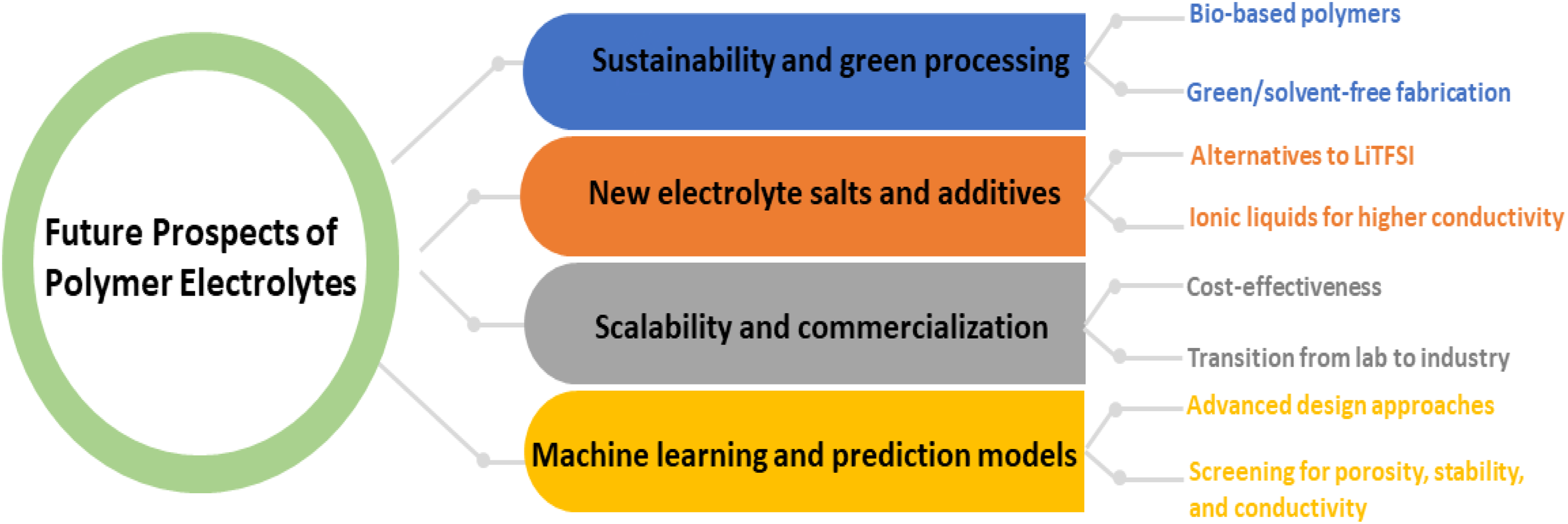
Future research directions for polymer electrolytes in energy storage applications.
Conclusion
This review delves into the integration and significance of polymeric materials in the development of advanced energy storage systems. By examining key categories, conductive polymers, redox-active polymers, and polymer electrolytes, it outlines the performance and sustainability of these systems. Particular attention is given to polymer electrolytes, discussing their role in facilitating ion transport while ensuring electrical insulation, both of which are essential for the operation of devices such as solid-state batteries and supercapacitors. The review examines synthesis processes and electrochemical mechanisms, emphasizing the importance of tailoring properties of polymer electrolytes to achieve high energy density, enhanced stability, and improved safety. Further, advanced fabrication techniques such as solution casting, melt processing, electrospinning, and in-situ polymerizations are also presented, each contributing unique microstructural and electrochemical characteristics. These techniques are essential for engineering polymer electrolytes that meet specific performance goals in energy storage systems. Additionally, various characterizations are discussed for a deeper understanding of the electrochemical properties of polymer electrolytes. The insights presented here aim to guide the development of next-generation energy storage solutions, highlighting the transformative potential of polymer electrolytes in meeting the global demand for reliable and efficient energy storage. The review provides a thorough understanding of the multifaceted roles of polymer electrolytes in energy storage systems, bridging fundamental electrochemical research with practical applications. It concludes by reinforcing the significance of continuous innovation and material optimization in enhancing the performance and sustainability of energy storage technologies.
Footnotes

Funding
The authors received no financial support for the research, authorship, and/or publication of this article.
Declaration of conflicting interests
The authors declared no potential conflicts of interest with respect to the research, authorship, and/or publication of this article.