




Abstract
In the last two decades, pollution in the river Ganga has become a serious issue, affecting the socio-economic activities and the health of the communities living on the banks and adjacent areas of the river. The impact has been greater on women, because their day-to-day activities for survival are intimately connected with this water resource. The response of the government has been to drastically improve its environmental policies. Social activists on the other hand continued to mobilize civil society in regional protests, which finally led to the beginning of the ‘Save Ganga’ movement. Yet, both the strategies to clean the river pollution have been colossal failures. An analysis was undertaken of various government policies, reports and court judgements on the river’s pollution and a primary survey was done on three sites: Garhwal in Uttarakhand and in Varanasi and Kanpur in Uttar Pradesh to gauge the nature of women’s participation in the movements. It was found that there was greater participation by women in the hilly Garhwal region than in the plains of Uttar Pradesh. The research proved that women’s knowledge and experiences in environmental conservation had led to greater sustainability, in contrast to the results of the modern-technocratic approach of state officials and so-called environmentalists. The article seeks to locate the failure of the project of cleaning the river to the lack of gender sensitive environmental policies and insufficient participation of women in ecological activism.
Introduction
Water resources are central to life-support systems, yet today, these are severely threatened by rising pollution. Lack of water, sanitation and hygiene results in the loss of 0.4 million lives in India (WHO, 2007). Further, 90 million days a year are lost due to water-borne diseases with production losses and treatment costs worth ₹6 billion (McKenzie & Ray, 2004). The situation is said to be worsening as the United Nations and NITI Aayog reports say that the ‘demand for water will reach twice the available supply, and 40 per cent of India’s population will not have access to clean drinking water by 2030’ (Matto, 2019). One of the reasons for the acute water crisis, as highlighted by environmentalists and policymakers is our increasing negligence and lack of conservation of water bodies. In fact, the rivers in India which were lifelines to human civilizations for thousands of years have now been destroyed by economic, cultural and environmental changes. This has been reflected in the case of the country’s holy river, Ganga, which has sustained thousands of communities since the Vedic age, but now stands too incapacitated and frail to survive. Not only has the river Ganga been important in physical and economic terms, but it has immense symbolic and religious value to millions of people, who use the water for ritual bathing and drinking and even choose it as the reservoir for their ashes. Rapid urbanization and industrialization in past decades coupled with lack of sanitation and waste disposal systems have significantly contributed to large scale pollution of river water. Still, many people oppose any measures to save the polluting river, as it is believed that Ganga has a ‘self-purifying capacity’ and is regarded as their ‘mother who cleans messes her child makes’ (Alley, 1994, p. 130).
An equally strong and articulate group, worried about the ever-rising pollution in the river Ganga, found expression in a staunch movement, which began in 1998 at Ms. Rama Rauta’s seminar on ‘Ganga aur hamara daayitva’ in Kanpur. This was accompanied by a swift turn in policy perspectives, with former Prime Minister Rajiv Gandhi initiating a Ganga Action Plan that would use technologies with foreign collaboration to clean the river. Collective action against pollution at the turn of the century foregrounded various forms of ecological activism and environmental policy. Yet, no single strategy has been able to bring both local communities and state agencies together on any common ground in either environmental policy or natural resource use. What should then be the nature of grass root activism in a movement which contains divergent views in civil society? Is the increasing pollution in the Ganga affecting the entire region equally or are certain sections of society unfairly disadvantaged?
It has been argued and proved that people who are socially, economically, culturally and otherwise marginalized are often much more vulnerable to the substantial and increasing impacts of environmental changes (Rocheleau et al., 1996). While these ecological changes have affected both men and women as actors in natural resource use, ecological management and the creation of environmental norms for healthy living, some scholars see that the ‘gendered experience’ 1 of women within environments is fundamentally more difficult.
Eco-feminists posit a close connection between women and nature, a view that is based on a shared history of Western domination and patriarchal institutions, while feminist environmentalists articulate a gendered interest in particular resources and ecological processes rooted in material reality and division of labour (Agarwal, 1992, 2001; Mies & Shiva, 1993; Shiva, 1988). The lived experiences of women are shaped by the distinctive dimensions of identity and difference, varying according to class, race, and gender (Haraway, 1989; Harding, 1986). It follows that poor women whose lives and livelihoods are entwined with the local environment are greatly affected by environmental degradation and changes. For instance, women in developing countries, such as fisherwomen, farmers, tribal women and many other local producers are directly integrated and linked to the environment not only as producers who contribute to the livelihood of their families and communities but as key links between man and nature. Despite their special status and role, the majority are deprived of ownership and management of resource use and are least included in decision-making processes.
There is no doubt that water as a natural resource is vital to human existence and it is a fact that its pollution has a greater impact on women due to the lopsided division of labour in developing societies, casting a greater burden on women. This being so, women tend to be vocal about their difficulties and articulate their opinions if asked or allowed to express themselves. Their opinions, special knowledge and traditional beliefs and practices need to be incorporated into ecological activism and policy formulations. Can we then assume that the restricted role of women in ecological activism and knowledge-sharing have been two major impediments to the success of the ‘Save Ganga’ Movement? How should an environmental policy be formulated in a democracy? Is it not incumbent on the government to include women and communities affected by environmental changes in decision-making? The article’s focus is on the role of women not as a unitary subject but as strategically important for the mitigation of environmental change in general and river pollution in particular. The evidence at local sites shows that when women encounter deteriorating environmental conditions they develop strong norms of resistance to negative environmental change. But by and large they are left out of or do not have an equal voice in resource use or a sense of ownership of resources as they are ignored in decision making processes.
The article has been divided into two sections: the first section deals with the problem of pollution in the river Ganga in general and governmental policy in particular; the second section deals with a feminist critique of the movement at three sites/regions—Garhwal, Kanpur and Varanasi—examined with the help of a primary survey and data analysis.
Flowing from the Southern Tibetan border, the river Ganga forms an extensive fertile region in the northern plains of India encompassing five states. The Ganga is a holy river for millions of Hindus. According to Hindu mythology, Ganga was brought to the earth from her home in the Himalayas by Lord Shiva. It was called ‘the water of immortality’ by the 16th century Mughal emperor Akbar. Even today, the river dominates major literary and mythological traditions of Indian society. Bhagirathi, one of the most important rivers of Garhwal, is known to carry the ‘element of purity’ into the Ganga.
This Uttarkashi region in Garhwal is the preferred location for hydropower projects due to its suitable altitude. However, it does not have a proper garbage disposal system due to which the waste is burnt in the open and the remains later reach the river, driven into it by rain. Commercial activities and the construction of dams result in the large-scale displacement of people; ecological disturbances are caused by deforestation and the random cutting down of trees to make way for the dams. The river’s path is getting increasingly degraded and its banks are getting disfigured by the hydropower stations and tunnels blasted out of solid rock. When the river flows down from the upper reaches into the holy city of Haridwar (the plains), it has already been polluted to a large extent (Figure 1). Before its confluence with the Yamuna River in Allahabad (Uttar Pradesh), the Ganga picks up waste materials from sugar refineries, distilleries, pulp and paper mills, and tanneries in Kanpur and Allahabad, dead bodies, and human and animal remains in Varanasi as well as the contaminated agricultural runoff from the great Gangetic plain, the rice bowl of northern India. The Ganga absorbs more than a billion gallons of waste each day: three-quarters of raw sewage and domestic waste from the cities on its banks, and industrial effluents, making it one of the ten most polluted rivers of the world.

Policy Implementation through the Ganga Action Plan (GAP): An Evaluation
Prime Minister Rajiv Gandhi launched the ambitious Ganga Action Plan (GAP) in 1986 with the main objective of (a) improving the quality of water by the treatment and diversion of domestic sewage and (b) preventing the entry of toxic industrial chemical wastes into the river. Policy objectives were research and development, construction of sewage treatment technology such as Up-flow Anaerobic Sludge Blanket (UASB), rehabilitation of aquatic life, afforestation and the spread of awareness of these issues in cities around the Ganga flow. The Action Plan was the first policy declaration that recognized the problem of pollution in the River Ganga. Soon questions were raised over the ‘technological additiveness’ 2 and ‘policy inclusivity’ 3 related to these treatment plants, which gave rise to the technocratic versus indigenous knowledge debate.
In 1985, the Netherlands government decided to extend full cooperation to India in the field of environmental protection. The areas identified included general assistance in the field of water pollution control in specific river basins and notably in the Ganga river basin and transfer of know-how of ‘clean’ production technologies and waste water treatment technologies (Menon, 1988). The principal decision to import waste water treatment technology was taken quite early, even before the first meeting of the steering committee of the Ganga Action Plan in June 1985. An identification mission for the development of cooperation between India and the Netherlands visited India during August and September 1985 which identified Jajmau and Mirzapur as perfect sites for the Dutch project (DGIS, 1986).
The total cost of the Dutch project was estimated at ₹16 crore (GAP-present status, May/June 1987, p. 14), less expensive compared to ₹290 crores earmarked for the first phase of the whole Ganga Action Plan. Moreover, the need for the specific demand of the GAP to formulate projects, which will produce methane from sewage treatment by the utilization of anaerobic treatment of the effluent, required the expertise of Dutch technology. 4
In the words of the Ganga project directorate (GPD), this Dutch project was to supplement Indian know-how, because ‘the Dutch technology relates to anaerobic processes as distinct from the aerobic processes generally followed in India’ (Ganga Project Directorate [GPD], June 1987, p. 14). The focus of the Dutch project was the utilization of the Upflow Anaerobic Sludge Blanket (UASB) system for the treatment of the waste water at Jajmau, Kanpur and later also at Mirzapur (Figure 2). 5

Usha Menon (1988) in her analysis of GAP shows how foreign technology was depicted as a superior technology, without having a proper assessment plan. This conclusion was validated by the fact that the choice of technology as the most appropriate method to upgrade the sanitary and environmental conditions at Jajmau in Kanpur, which was taken on the basis of the assessment made by the Dutch fact-finding mission report which did not consider the original proposal of the Ganga Action Plan made by Indian experts. In fact, the Dutch report brought up its own options, which are well known, one of which was well suited to the technology already available in India. The GAP option was not considered at all. Despite this oversight, the Indian experts thought that the Western technology would be more advanced and efficient to use rather than the indigenous technology.
Table 1 compares both the Dutch alternatives: option D and option B (which was actually quite similar to the option of GAP). In the Dutch report, the UASB alternative was assumed to be a full-fledged treatment system, and on this basis the Dutch alternative was presented as a superior technology. The Table indicates that the figures comparing the two options proposed by the Dutch were almost similar and as Dutch Option B is similar to the GAP option for which Indian technology was available, the Dutch need not have been involved at all.
Comparative Features of Waste Water Treatment Methods for Kanpur Both Suggested by the Dutch

On the basis of the survey of 11 tanneries conducted by NEERI (National Environmental Engineering Research Institute) a method was developed (as a result of surveys by NEERI) that involved the removal and recovery of chromium (the major polluting element at Jajmau) followed by treatment with anaerobic upflow contact filter and aerobic treatment. Unlike the process suggested by NEERI, the Dutch alternative did not include any aerobic component. One of the studies which compared aerobic and anaerobic methods concluded that aerobic methods are much more efficient in dealing with tanneries. Since the Dutch method did not make use of any aerobic component, it could not be expected to remove pollution causing effluents from tanneries adequately. Some of the lab level work conducted at the Water Pollution Control Laboratory at Wageningen too (in the Netherlands) questioned the extent to which anaerobic treatment is effective above a certain level of pollution (Field & Lettinga, 1987, p. 373).
On the basis of the information available, it appears that the project carried out with Dutch development aid had no positive additive effect on the Indian economy nor was it better than the GAP proposals. Furthermore, there was a huge loss to the government with the burden of a debt of ₹16 crores incurred to pay for the Dutch technology. The disadvantage to the community was that the land area used for the project displaced people, creating the new problem of resettlement. Moreover, the jobs that were promised in the plant were mostly given to men since they already had the requisite skills while women were left to handle the menial work. The consequences of displacement were harder on women in every possible way: they were distanced from their original workplaces and other spaces they visited in the course of their daily activities whether it was water collection or related domestic chores. Adjusting to the new place where they were resettled without much financial and other support proved to be more arduous to women. The differential consequences for women continue to be ignored at all levels of government. Overall, the successful completion of the Dutch project in the early 1990s can definitely be questioned on its ‘additive’ result.
This was followed by the widespread protest movements, that criticized GAP for its ineffective implementation and the unrewarding attempt by the government to incorporate foreign technology. In 1993, GAP-II was initiated which included in its plans, the river’s main tributaries—the Yamuna, Gomti, Damodar and the Mahanadi. However, the entire project came to a standstill for over a decade caused by governmental delays and apathy, with no policy consensus, strategies and deliberation, particularly with regard to local communities affected by the project.
In June 2014, the Union Government initiated the ‘Namami Gange’ as their ‘flagship Programme’, as a response to the criticism of foreign technology. This was started as an Integrated Conservation Mission with a budget estimate of ₹20,000 crores. The twofold aims of this flagship programme were abatement of pollution, and the conservation and rejuvenation of the National River Ganga. Numerous awareness activities were promulgated through rallies, campaigns, exhibitions, shramdaan (donation of labour) and cleanliness drives, competitions, plantation drives, etc. There was a flurry of activity for the development and circulation of resource materials prepared for extensive publicity via TV/radio, advertisements and feature articles in the print media and so on. Yet the project languished with serious flaws and impediments. Close to ₹200 crores allocated for the Namami Gange project was ‘found lying unused in banks because no action plan had been finalised’, said the CAG (Comptroller and Auditor General) of India after studying the ‘progress’ of the project from 2014 to 31 March 2017. The report also suggested that although some money was spent from time to time on various allied projects there is no evidence of community participation in environmental policy at any stage. Perhaps there was a deliberate avoidance of the issue. Women are completely invisible both in decision-making at the local level and in government policy formulations. They are not mentioned in the main objectives of the policy itself. Nor have they ever been acknowledged as the real victims of the increasing degradation of Ganga water. Lack of a gender sensitive environmental policy and community-based approach is one of the foremost reasons behind the failure of the Ganga Action Plan.
In the following sections, we examine the nature of women’s participation in three specific regions of the Save Ganga Movement.
Perspective and Methodology
The themes of this research article were formulated after a survey of the literature on ecofeminism and concepts of political ecology. Vandana Shiva (1986, p. 88) emphasizes the search for a new, spiritual relationship between society (culture) and nature where women are portrayed as ‘natural’ environmental carers, both because of their role in nurturing life, and their experiential knowledge gained from working closely with their environment. Sandilands (1994) too contends that there are interconnections between gender and environment:
…women’s concerns about the environment derive from their experiences of particular problems experienced in private. The environment becomes an important issue when it impinges on the security of the personal sphere, the home, the family. The personal, for women, is significantly expressed in private actions. (Sandilands, 1994, p.169)
These connections are important to bridge the public–private dichotomy that could lead to greater participation of women in ecological movements. The writings of Bina Agarwal (1984, 1992, 2001) examined in the light of the new discourse of ‘feminist environmentalism’, further explore the existence of differential gendered relationships with nature, rooted in material reality, that is, in specific forms of interaction with the environment. She contends,
insofar as there is a gender and class/caste/race based division of labor and distribution of property and power, gender and class/caste/race structure people’s interactions with nature and so structure the effects of environmental change on people and their responses to it. (Agarwal, 1992, p. 126)
The ‘Feminist Political Ecologist’ (FPE) perspective was found to be best suited for this research as it suggests that women’s activism at the grassroots is a pre-requisite to making claims to environmental justice and for the success of any ecological movement. This theory combines most of the dominant ideas of feminist ecology into a single influential argument that delivers a perfect picture of both theoretical perspective and practical example (Nightingale, 2006). Dianne Rocheleau et al. (1996), one of the major proponents of the FPE perspective, argue that an environmental movement could be successful if three core elements are fused in women’s activism. These are: gendered resource use and management; gendered science of survival (knowledge system); and gendered power structure. The literature shows that many ecological movements such as the Green Belt in Kenya, and the Chipko, Appiko, and Plachimada movements in India, have been successful due to the gender inclusive nature of these movements. Would gender inclusivity account for success of the ‘Save Ganga’ movement?
During my field research in 2018, three sites through which the Ganga flows were studied: Garhwal, Kanpur and Varanasi. The research objective was to compare the progress of the environmental movements in the hills and in the plains. Garhwal is located in the hilly state of Uttarakhand and; Kanpur and Varanasi are in the plains of the state of Uttar Pradesh. The survey findings were based on questionnaires filled by a sample of 100 women from each region. It was a random sample survey that focused on women only, preferably those who resided or worked near the river Ganga. Generally, all of them belonged to the lower class or castes, mostly from the Hindu community, except in Kanpur where a few Muslim women were also interviewed. Interviews conducted by various other scholars in the region have been used as secondary data. The final results are based on both primary and secondary data analysis.
In the Himalayan (Garhwal) Region: Women as Torchbearers in Movements
Tehri in the Garhwal region is one of the largest districts of Uttarakhand with a population of 0.6 m (2011 Census, GOI). Although it remains one of the economically backward areas in the state, it maintains a sex ratio of 1,078 females for every 1,000 males and a literacy level of 75.1 per cent (District Census, 2011). Tehri is an interesting site for study as the entire region is dominated by women of all ages, who are working at home and on farms This is because men tend to migrate for work, leaving their wives behind in charge, as a consequence to which, women are better acquainted with farm life and its problems. In the course of their work, they observe and acquire knowledge of farming and environmental change better than men. The women in the sample mainly belonged to agricultural families or owned small businesses at home. Interestingly, caste was not a dominating factor that restricted them from participating in environmental movements (Drew, 2012).
Protests are nothing new to Garhwali women who are deeply involved with the health of the local environment. The most famous of these protests was the Chipko movement, which originated in 1973 as a response to state-driven commercialization which led to the cutting of trees for economic development. Gaura Devi, an important woman leader in the movement, had later recounted:
It was not a question of planned organisation of the women for the movement, rather it happened spontaneously. Our men were out of the village so we had to come forward and protect the trees. We have no quarrel with anybody, but only wanted to make the people understand that our existence is tied with the forests. (Drew, 2014, p. 238)
It was the first time women were involved in a peaceful protest to prevent the cutting of trees. Hugging trees to hold off their destruction is still a strategy appreciated by environmentalists across the globe. A decade later, protests began in this region against the construction of three dams on the Bhagirathi River. The Anti Tehri Dam movement in the 1980s was a response to worsening socio-economic conditions caused by such projects. The tourism sector, which brought in a good source of income for the working class, was affected by unpleasant construction sites. Further, the dams caused ecological instability with frequent floods and other natural disasters. Shockingly, the relevant environmental assessments were breached in this earthquake prone zone.
The construction projects that had originally promised employment to the local people did not give appropriate compensation to the evictees with funds that had been delayed due to corruption. The nature of employment too remained casual and specific to a single gender (male). Women were seldom appointed in high salaried or skilled jobs and were confined to the private sphere with a reduced income as their traditional farms were gradually converted to restrictive ‘ecological zones’. Further, the project that was supposed to provide an inexpensive source of energy to the local community supplied electricity that was anything but cheap (Agarwal, 2008).
Although women in Garhwal come from different backgrounds and have disparate interests and experience, concern for the Ganga’s longevity and continuity of flow united many in opposition to the implementation of large dams in the Uttarkashi region. While some women were worried about their daily access to river water, others feared for their cultural and religious rites near the river. Many residents noted the destabilization of land resulting in landslides, springs began to dry mysteriously, dust pollution increased, and crops were compromised. Occasional roadblocks hindered the flow of pilgrims and tourists, affecting the local economy (Drew, 2014). Some women activists also protested against the diversion of the Bhagirathi flow (which is the main source for the element of purity in the Ganga water). Perhaps, the gradual loosening of their traditional right over natural resource use and management, and continuous hindrances to their access to Ganga waters united women across the region in protest. In the initial phase of the movement, women struggled to raise their voices and concerns; as Pathak wrote, ‘even though the female-to-male ratio was 12 to 6, the men led the meetings and did most of the talking. During the discussions, the women had to shout to get heard’ (Pathak, 1985, p. 1362).
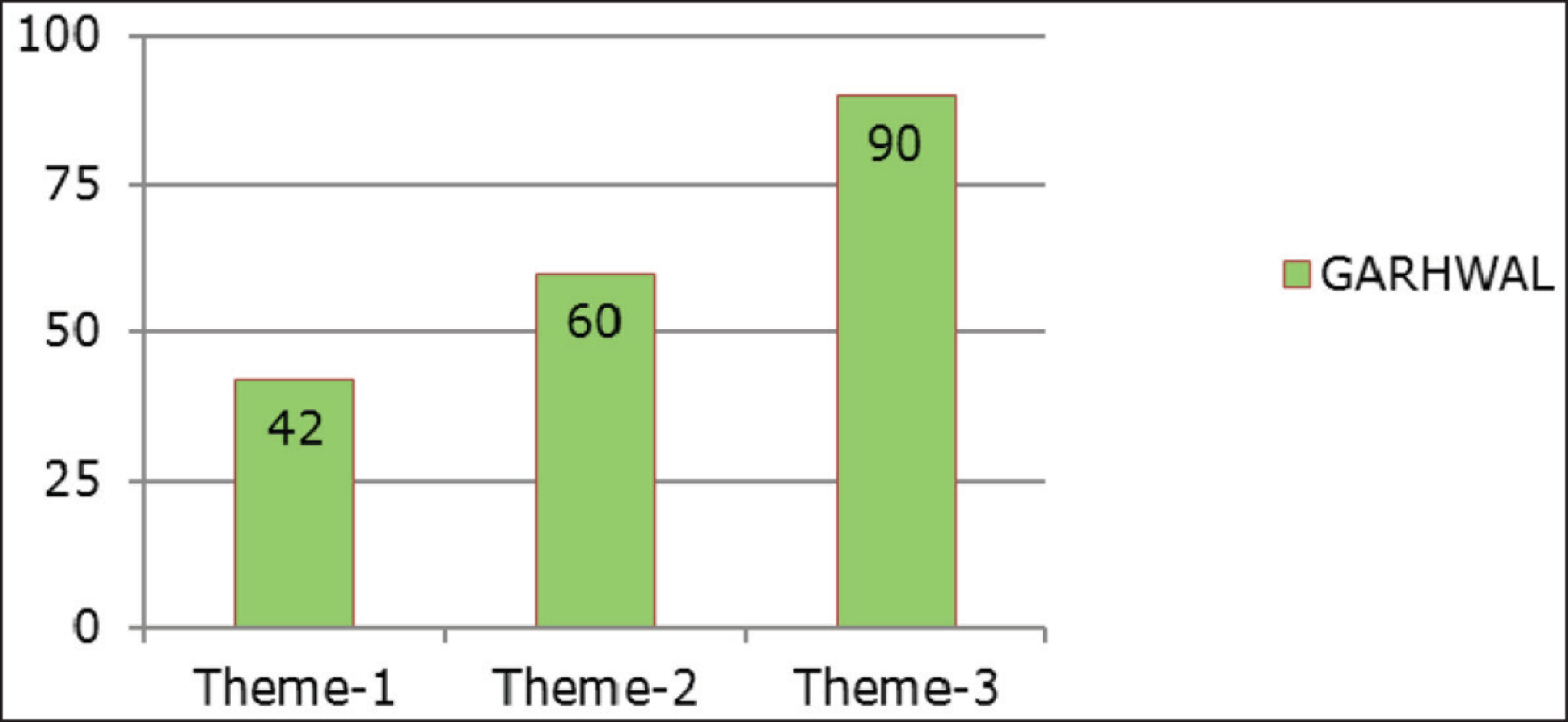
Women often expressed their fears over the increasing pollution in the river; the river not only played a significant part in their religious life but was a rich source of water for their daily needs and activities. 90 per cent of Garhwali women interviewed possessed valuable knowledge about nature and environmental conservation often using their indigenous knowledge for ecological preservation. While collecting leaves for fuel and wood they picked up only dead and fallen leaves from the trees rather than cut fresh leaves, saying that ‘it is our habit not to pluck fresh leaves first’. 6 With at least 40 per cent of them claiming to have a voice in resource ownership and management, the Garhwali women were able to participate in the ecological movement on issues concerning livelihood matters. In many interviews done by the activists in the Garhwal region, women appeared to be optimistic of their efforts to oppose dams on the upper Ganga with many saying that they had the right to decide the way their river should be managed. This was not restricted to any particular class or caste, as women from all sections came together and deliberated over the issue that had a collective impact on the community. In my personal interaction with Gauri, a lower caste woman selling bottles of water from the holy river Ganga water at the ghats, said that ‘women here are more sensitive than men, since they are affected more by the Ganga water pollution. They gather to discuss and protest without any bias among themselves or other communities’.
Despite being actively involved in large numbers in the movement, women received much less recognition than the male leaders. Around 60 per cent (Theme 2 in Figure 3) of the Garhwali women, who participated in the movement, shared the identical feeling of being ignored and side-lined. The stories of their participation in the movement opposing the dam and their photos appeared in some local dailies, but the men occupied the centre stage and made it to the national newspapers. Professor G. D. Agarwal, a Gandhian ideologue, started a fast unto death campaign and became an important figure of the movement. His protests were widely publicized. However, the issue of the maintenance of eco-sensitive zones with traditional practices that would conserve natural resources and water, which was raised by women activists, was ignored. Garhwali women then devised their own methods to fight against the gendered nature of the movement and patriarchy. They started a popular protest, which gradually spread to other villages, organized public meetings and highlighted the importance of the river for their survival and sustenance. During one such protest against the Tehri Dam construction, a group called ‘Clean the Ganga Movement’ sponsored an event to call in women volunteers and protestors and educated them about the ecological imbalance in the Garhwal region. Concomitantly, most of the women also gathered courage to protest against other acute and rising problems caused by male consumption of liquor and drugs as well as non-vegetarianism among men. This affirms the eco-feminist claims that women’s participation in the public sphere of ecological protests lends encouragement to confront other gender issues arising from the patriarchal social power structure at the private level (Shiva, 1996).
Fewer Public Protests in Kanpur and Varanasi
Two most polluted stretches of the river are at Kanpur and Varanasi, the former being the hub of industrial activity and economic growth and the latter is a major centre of religious significance.
Jajmau is an industry hub situated on the banks of the Ganga in Kanpur. Within the population of about 0.65 million (Ministry of Home Affairs, 2016), the Muslim community is larger in number compared to Hindus. The region has almost 400 tanneries which employ lakhs of workers, but most of them are male. Many others are employed in meat exporting units and ancillary leather industries. The Muslim worker segment provides transport and other services near the river. Unlike in Garhwal, women’s participation in the workforce is quite low in this area. With one of the lowest sex ratios (862 per 1,000 males, according to the District Census 2011) and lack of proper education, women are mostly restricted to the domestic sphere. A few lower and middle class Hindu women could be seen working in small businesses near the river, selling religious beads and idols or managing tea shops. Upper caste women are restricted to their household work, with very few being educated and employed in white collar jobs. The impact of Ganga water pollution could be identified by women of both the communities; however, very few of them are ready to protest against it since they reap benefits from their economic activities, either by catering to Ganga centred religious needs or the employment of their husband/son in the factories.
Another site of research, Varanasi, is an ancient religious place located on the banks of the Ganga with a population of almost 1.4 million (Varanasi City Census 2011 data). In main economic activities, approximately 40 per cent are employed in manufacturing, 26 per cent work in trade and commerce and 19 per cent work in other services (JNNURM, 2006, p. 28). Silk weaving and automobile industries are mostly responsible for directly polluting the river water, second only to the religious rituals performed on the banks. Yet people have not been objecting to rising pollution as these religious activities are bracketed with the popular belief that Ganga water purifies itself with a ‘self-correcting system’.
The absorption of women in employment is minimal. A few of them have small businesses associated with religious ceremonies, but remain aloof from the possible dangers of river water pollution caused by selling plastic bottles and bags. My sample was mainly composed of this particular class. Though they seemed to be aware of the continual pollution of the river, their support to any form of protest was negligible owing to their low economic condition, the pressure to earn a livelihood, lack of environmental awareness or knowledge of protests.
In early fieldwork near these sites, Kelly D. Alley (1994) asked, ‘what happens to Ganga Ma (Mother Ganges) after the gandagi (filth), the corpses of humans and animals, bathers’ soap, and human excrement enter the river?’ The traditional belief is that the Ganga cleans herself. Therefore, the river is always pure. Many remarked, ‘the Ganga can never be impure. Ganga Ma does not take notice of or accept gandagi’. This view was universal in my conversations with women working in local shops around the ghats. Many were happy to live close to the river since the influx of tourism increases their income and any talk of pollution could have a negative impact on tourism and incomes could decline. While stable income opportunities convinced people in Kanpur to overlook the increasing pollution level, strong allegiance to religious practices around Ganga ghats made both men and women ignore the continuous degradation of water quality in Varanasi.
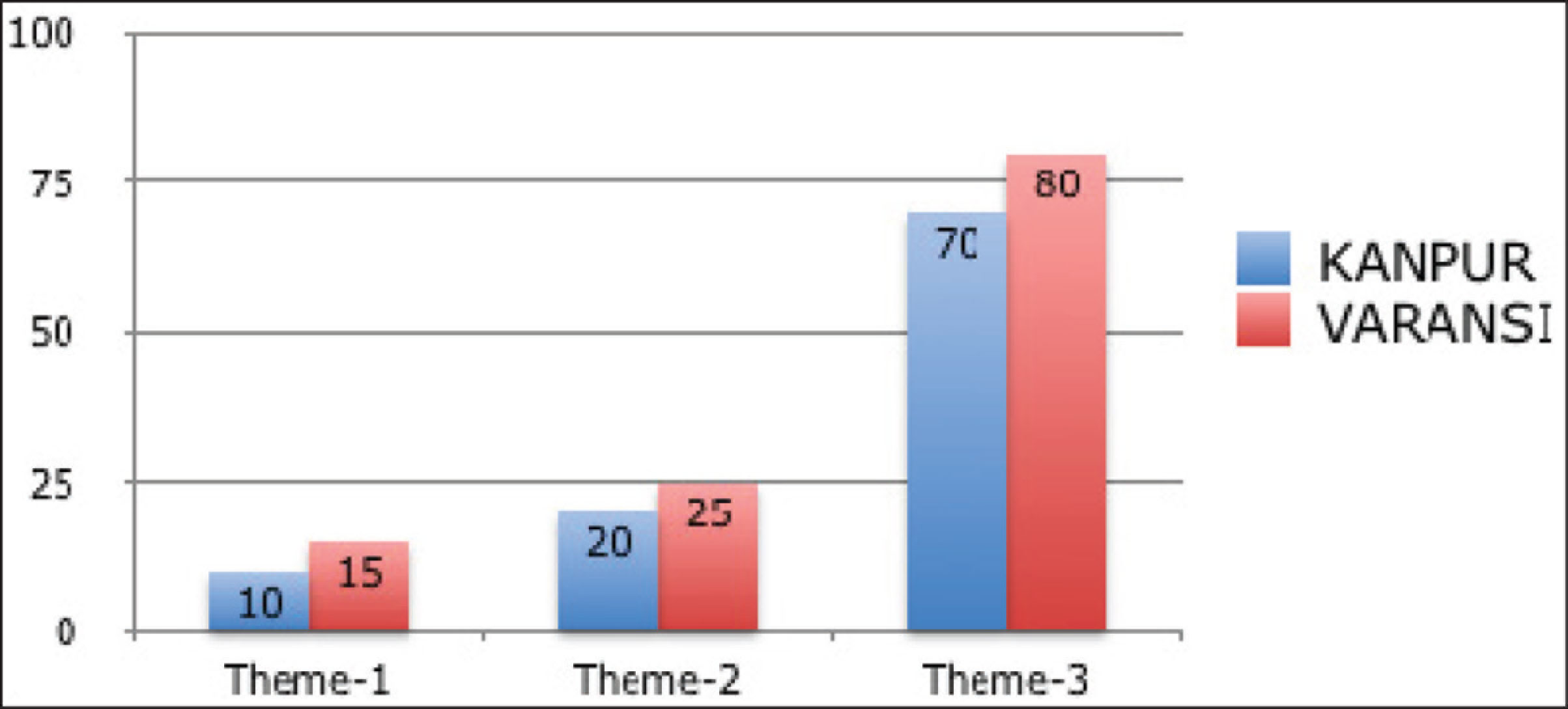
The problem in these two sites is that the religious significance of the river has not translated into practical steps to keep the river clean. The idea of river protection is unpalatable and not acceptable to most people near the river. Most of them believe that the ‘river is omnipotent and it is ultimately they [the people] who are in need of any protection from her ire’ (Upadhya, 2009, p. 65). Figure 4 depicts the levels of women’s status, awareness and participation in the ecological movement. Data for both Kanpur and Varanasi reflect a very low level (10–20 per cent) of women’s ownership and management of resources and their use, despite the fact that they have a greater understanding of their environment (more than 70 per cent) and its impact on their daily activities. Such an understanding was not limited to any particular caste or class; even the Dalits had strong opinions, and as one of them stated, ‘Ganga pollution is a serious concern for us as we are totally dependent on the river water for drinking, cooking and washing. Any change in the water quality is easily identified by simply looking at it’. On the whole, at both sites women’s awareness of environmental issues, in this case pollution in the Ganga, was very high but the sense of ownership and management of resources as well as participation in protest activities were low for economic or religious reasons.
In July 1982, the Sankat Mochan Foundation 7 in Varanasi began a ‘Clean Ganga’ campaign with two objectives: first, to educate children in order to create a force aware of environmental problems; second, to monitor water quality on a regular basis. However, Prof. Mishra of the Foundation laments the lack of people’s participation in the movement. This could be because the organizational leadership was mainly held by high caste and upper-class Hindus, who could or would not take sustained action. Since all the executive members had full-time jobs, the general meetings were held only in late evening hours that restricted women and children’s participation. (Ahmad, 1990). The Foundation got some initial support from foreign women delegates working for collaboration in technological improvements for sewage treatment, but the project did not attract local women. Obviously, language constraints remained a barrier for lower caste women’s participation. Nor did the Sankat Mochan group make any deliberate attempt to make their project gender inclusive in nature.
After the establishment of the National Green Tribunal, rigorous monitoring of pollution levels led to the shutting of 128 out of 400 tanneries in Kanpur. Such a decision had a direct impact on the livelihood of thousands of workers who neither had awareness about pollution, nor a say in the decision-making processes related to environmental policy. When asked whether they would protest against the pollutants being dumped into the Ganga by these tanneries, most of them obviously preferred job security to joining a movement against pollution and risking the displeasure of their employers.
In comparison to the male population, women were seen to be more concerned about growing pollution and could clearly notice the declining quality of water in day to day activities, yet they remained uninvolved in any protest. Reasons for this were mostly twofold. Firstly, they were neither employed in those industries nor provided any active platform to raise their concerns or knowledge about environmental conservation. Secondly, like men, women too feared that their husband or son might lose their job. In the meantime, environmentalists were more concerned about scientific analysis of declining water quality but none of them initiated a gender sensitive approach to environmental protest or decision making processes.
It is plausible that, a low literacy level coupled with the gendered power structure of society compelled women in both Kanpur and Varanasi to remain silent and not show any sign of protest. The Save Ganga Movement that began in Kanpur soon succumbed to the lack of organized support and the absence of women’s participation. Moreover, the opinions of social activists and environmentalists, who worked within the local communities at the grass-root level, were of least concern to state officials, unable or unwilling to fight vested interests.
Conclusion
It has been widely observed that the present mode of development has threatening implications for our natural resources and it is necessary to deliberate on the path of development chosen by the state. Vandana Shiva (1988, p. 89), rightly condemns the developmental model in India as an imitation of Western models that propagate modern Western patriarchy leading to ‘mal-development’. Eco-feminists in their critique of Third World policies foreground the distinctive role women could play, while contesting the technocratic understanding of preservation of resources and the ecology. Their arguments are amplified in the case of countries like India, where the division of labour ensures that rural Indian women rather than men are more closely connected to subsistence activities; any sort of environmental degradation affects their economic and social life and their day to day activities. It is this factor that makes the Garhwali women come to the forefront of environmental activism to fight against encroachment by the state into their livelihood matters and traditional way of life that was in harmony with the ecology. Protests by women in Kanpur and Varanasi against river pollution is weaker than in Garhwal, both out of fear of an economic fallout on their families and livelihoods and lack of encouragement in patriarchal structures to join protest movements.
A feminist political ecologist recognizes the interconnectedness of all lives and the relevance of power relations, especially gender relations in the sphere of decision-making processes on issues concerning the environment. This perspective analyses the powerful underlying structures which operate in all contexts to benefit certain classes and groups only. The exquisite focus on the site-specific ecological and livelihood systems that could be linked to national and global environmental concerns makes this theory more pertinent in order to understand the nature of environmental movements. This theory was put to practical use by Garhwali women who were able to gain significant knowledge to handle on-site experiments in the public sphere. It is proof that participation in grassroots movements and gender sensitive environmental politics contributes to the development of a sense of self in women. Rocheleau et al. (1996) argues that a fresh increase in women’s participation in mass movements for natural resources and environmental concerns is leading to new definitions for identities, gender meaning and the understanding of environmental concerns. One of the most active female participants in one such campaign commented, ‘I understood that I have a voice, and now I will use it’ (Drew, 2014, p. 242). This was the effect of active participation in the movement.
In a recent landmark ruling by the Uttarakhand High Court in Nainital (20 March 2017), River Ganga and River Yamuna were for the first time accorded the status of living entities and were given all the fundamental rights available to a person under the Indian Constitution. The High Court while passing the judgement said:
The Ganga and the Yamuna, all their tributaries, streams, every natural water flowing continuously or intermittently of these rivers, are declared as juristic/legal persons/living entities having the status of a legal person with all corresponding rights, duties and liabilities of a living person to preserve and conserve them. (Salim v. State of Uttarakhand, Writ Petition (PIL) No.126 of 2014 [5 December 2016 and 20 March 2017])
Although the ruling was stayed by the Supreme Court in July 2017 due to a few legal hitches and the fear of unwarranted petitions, what is significant is the attitudinal change in the perception of the River Ganga as an entity possessing rights. Treating a river as a living entity is itself a sign of progress for various organizations, activists and communities involved in saving the river. Moreover, the traditional personification of rivers as feminine symbolizes women’s role as an imperative in conserving nature and ecology. There is an urgent need to formulate proper guidelines to address the current problem without losing sight of the essence of the judgement, the voices of the women and the martyrdom of famous activists like G. D. Agarwal who supported the women in the movement.
Footnotes
Declaration of Conflicting Interests
The author declared no potential conflicts of interest with respect to the research, authorship and/or publication of this article.
Funding
The author received no financial support for the research, authorship and/or publication of this article.