



Abstract
This study explores the relationships of social apps (SA) and social network sites (SNSs) on online purchase intention with moderating effect of gender (GD) and education (ED). Data were gathered using the random distribution of the questionnaires among 2,000 (n = 2000) online shoppers in Pakistan. Structural equation modeling (SEM) was applied using Smart-PLS. The current study revealed the positive associations of SAs (e.g., Twitter, WhatsApp, WeChat, Facebook Messenger, Snapchat and Instagram) and SNSs (e.g., LinkedIn, Facebook, Tumblr, YouTube, Twitter, Weibo and Pinterest). The findings further affirmed the insignificant impact of GD and ED where such factors were treated as the moderators. This study attempts to explore insights on how strategic management, policymakers and practitioners can utilize such thriving digital platforms in order to reach the customers and attaining their utmost attention. Despite, several theoretical and managerial implications are suggested along with future research opportunities for academicians and professionals across the nations.
Keywords
Introduction
Nowadays, information technology (IT) has revolutionized the ways for firms to interact with distinct stakeholders dynamically and productively, including customers because of rapid acceptance and use of the Internet decades ago. Several experts have uncovered the importance and considered Internet as a core component for business operations and humans’ lives (Constantinides, 2004; Mathews, Bianchi, Perks, Healy, & Wickramasekera, 2016; Ramzy & Eldahan, 2016; Tiago & Verassimo, 2014; Venkatesh, Morris, Davis, & Davis, 2003). The role of the Internet in information communication technologies (ICTs) and information system (IS) studies has widely been studied in diverse dimensions and contexts across the nations (Venkatesh et al., 2003; Waheed & Jianhua, 2018). In contrast, such a technological drift has enormously motivated the individuals and transformed their behaviour to admit Internet- based tools to swap the information by means of different social apps (SA) and social sites in today’s modern era (Hwang & Park, 2013; Mukherjee & Banerjee, 2017; Venkatesh et al., 2003; Venkatesh & Bala, 2008).
According to Tiago and Verassimo (2014), one of the major shifts in humans’ interaction, habits and behaviour is extensively reliant on the usage of social platforms. Nowadays, consumers are smarter; consequently, the selection of smart platforms may enrich their knowledge in a dynamic and vigorous manner (Waheed & Jianhua, 2018). Because of rapid transformation from traditional to latest means of IT, organizations must rethink how to engage the consumers in today’s digital and customer-oriented era.
In the domain of business, particularly in marketing communications, such a usage hip raises several opportunities for strategic managers, practitioners and policymakers to trigger purchasing intention of the distinct customers using social media platforms (Tiago & Verassimo, 2014; Waheed & Jianhua, 2018). A number of SAs and social network sites (SNSs) are used by individuals across the nations, such as LinkedIn (21%), Facebook (78%), YouTube (19%), Twitter (5.8%) and Pinterest (9.1%) (GlobalStatCounter, 2017; Howard, Mangold, & Johnston, 2014; Michaelidou, Siamagka, & Christodoulides, 2011). Likewise, SAs and SNSs are highly used by Pakistani people, where SAs include Twitter, WhatsApp, WeChat, Facebook Messenger, Snapchat and Instagram, and SNSs include, LinkedIn, Facebook, Tumblr, YouTube, Twitter, Weibo and Pinterest (GlobalStatCounter, 2017). Facebook is a top-ranked SNS in Pakistan where nearly 90 per cent Internet users use such network along with remainder SNSs and SAs (GlobalStatCounter, 2017).
A number of users are connected with varied SAs and SNSs in Pakistan; therefore, such social media platforms might be utilized to engage the consumers in an effective way (Jha & Ye, 2016). Most Internet users acquire product or service online because of easy access, availability and usefulness (Van der Heijden, Verhagen, & Creemers, 2003; Wong, Tan, Loke, & Ooi, 2014). According to Pavlov, Melville, and Plice (2003), online purchase intention is defined as an extent in which an individual prefers online transaction to buy a particular product. Most researchers advised that the adoption of ICTs has an important contribution in engaging the customers in today’s digital era; consequently, this study attempts to ensure the significance of such ICT tools. The research works on ICT tools are on early stages, particularly in developing countries (Okazaki & Taylor, 2013). Few theories encourage the experts to conduct more studies across the world such as theory of planned behaviour, technology acceptance model, unified theory of acceptance and use of technology and the theory of reasoned actions.
In the marketing domain, work has been done in various contexts of the world to test distinct tools of ICTs particularly for information communications to inform and encourage distinct stakeholders of the organizations (e.g., Cantrell et al., 2017; Coviello, Milley, & Marcolin., 2001; El-Gohary, 2012; Persaud & Azhar, 2012; Tiago & Verassimo, 2014; Waheed & Jianhua, 2018). The theory of planned behaviour prescribes comprehending behavioural belief and intention related to ICT-related tools and its acceptance and usage (Ajzen, 1991). As already stated, the study on SAs and social sites with respect to consumer’s intention is still considered in the infancy stage, particularly in developing counties. Likewise, research on consumer’s online purchase intention (COPI) has also been highly conducted in developed countries in diverse domains (Bedi, Kaur, & Lal, 2017). Consequently, this study attempts to conduct empirical analyses in order to ensure the significance of SAs and social sites within the domain of consumers in Pakistan. Additionally, by doing so, this study will contribute to literature by furnishing insights about SA (e.g., Twitter, WhatsApp, WeChat, Facebook Messenger, Snapchat and Instagram) and social sites (e.g., LinkedIn, Facebook, Tumblr, YouTube, Twitter, Weibo and Pinterest) together with additional empirical findings whether gender (GD) and education (ED) are the factors that moderate the relationships since such moderators were not highly treated in ICTs related studies over the decades ago (Hew, Lee, Ooi, & Wei, 2015).
The rest of the article is outlined as follows. Review of literature is presented next and thereafter research objectives, rationale of the study and methodologies, that is, data collection procedure, sampling techniques, analysis techniques and study measures are reported. Results and hypotheses testing are accordingly laid down. Likewise, the last section consists of managerial implication, conclusion, limitations and future opportunities for academicians and practitioners.
Review of Literature
Rondan-Cataluna, Arenas-Gaitán, and RamÃrez-Correa (2015) summarized that several experts have unveiled the importance of IS and ICTs within distinct dimensions and contexts since the 1970s. Such studies have declared the impact of such tools in business operations based on implications of distinct models and theories to understand the consumers’ attention (Rondan-Cataluna et al., 2015; Venkatesh, Thong, & Xu, 2012; Waheed & Jianhua, 2018). Rondan-Cataluna et al. (2015) compiled various theories and models which have been considered in previous studies since the 1970s, including theory of reasoned action, innovation diffusion theory, theory of planned behaviour, unified theory of acceptance and use of technology, and technology acceptance models. Such models and theories inspire the researchers to extend further work across the nations with respect to acceptance and usage of ICT and IS (Taylor & Todd, 1995; Hew et al., 2015). Despite, there are other techniques that have been proposed and tested by experts to affirm the acceptability of ICTs in communication, particularly in marketing communications. Contemporary marketing practices are based on five marketing practices, for example, database, electronic, transactional, interaction and network marketing as proposed by Coviello et al. (2001). Subsequently, El-Gohary (2012) contributed to the ICTs-related literature suggesting the five-factor dimensions of electronic marketing and tested from B2B domain which was based on previous well-accepted models, that is, TAM and IDT. Waheed and Jianhua (2018) extended the work of El-Gohary (2012) and tested from B2C with a comprehensive analysis of each factor of electronic marketing on consumer behaviour by adopting moderating variables (MVs) from the context of China. However, this study particularly focuses to explore the effect of SAs and social sites on consumer behaviour, particularly on consumers purchase intention.
SAs are also accepted as mobile social networking applications based on distinct apps, for example, WhatsApp, Instagram, Tumblr, WeChat, Snapchat, Pinterest, Myspace and Orkut (Logan, Kershaw, Karban, Mills, Trotter, & Sinclair, 2017; Mukherjee & Banerjee, 2017; Thelwall & Vis, 2017). There are numerous remainder applications such as business, entertainment, informational, assistance and SAs (Logan et al., 2017; Zhu, Yang, Wu, & Wei, 2011). Since mobile devices are broadly admitted among individuals, as nearly 9 billion individuals are handling across the globe (Statista, 2017), the use of SAs is one of the essential trends among individuals; consequently, such extensive usage raises opportunities for diverse businesses to communicate product or service information using such evolving platforms. Mobile devices are receiving more attention of the individuals relatively compared to remainder electronic gadgets (Zhu et al., 2011). It is necessary to reveal the influence of such SAs in order to comprehend insights of social media across the nations (Thelwall & Vis, 2017). Considering SAs as innovative tools in marketing communication in today’s modern era, the current study attempts to reveal the relationships of some flourishing mobile applications, that is, WhatsApp, WeChat, Facebook Messenger, Snapchat and Instagram toward consumer’s intention to buy a product online.
SNS is another flourishing tool for organizations to foster the long-term relationships with different individuals, customers and consumers through distinct SNSs, including Twitter, LinkedIn, Facebook, Cyworld, Hi5, YouTube, Orkut, Ryze, QQ, Flickr, Tumblr, and Flicker, etc. (Ellison, 2007; Hwang & Park, 2013; Howard et al., 2014; Jha & Ye, 2016; Michaelidou et al., 2011; Tiago & Verassimo, 2014;). Ellison (2007) suggested that SNSs help gather varied people on a single platform and provide them a wider and easy access to the information. Such tools facilitate to share cultural values, knowledge and the rest of traditional values. In business and communication context, several researchers have claimed that SNSs platforms are relatively more efficient and productive than conventional tools of communications (Howard et al., 2014). Few SNSs have achieved relatively more attention of the individuals than remainders SNSs, for example, Twitter, Facebook, YouTube, LinkedIn and Tumblr even in developing nations like Pakistan (Ellison, 2007; GlobalStatCounter, 2017; Levy & Birkner, 2011). Furthermore, Ellison (2007) claimed that research on social sites is an evolving phenomenon; therefore, academicians are suggested to reveal further antecedes worldwide. To this end and considering the significance of SNSs in business perspectives, presently the study endeavours to affirm the association between few most famous SNSs, that is, LinkedIn, Facebook, Tumblr, YouTube, Twitter, Weibo and Pinterest toward consumer’s intention to buy a product online.
Despite, gender and education level are adapted to authenticate the influence of such moderators between the relationships of SNSs, SAs, and COPI. We applied GD and ED as MVs where such moderators assure the intensity of the relationships (Garcia-Morales, Llorens-Montes, & Verdú-Jover, 2006). There are few motives to adopt such variables as the moderators which are as follows. GD is a variable that was used in ICT and IS studies in more frequent manner decades ago (Cho, 2007; Faqih & Jaradat, 2015; Waheed & Jianhua, 2018). The behaviour of female and male can vary with respect to the acceptability of new technology (Venkatesh et al., 2003; Wong et al., 2014). GD can influence during buying a particular product through the Internet (Yang, 2005). Although several researchers have revealed the influence of GD as a moderator in ICTs studies (e.g., Hew et al., 2015; Waheed & Jianhua, 2018), but still MVs were not extensively treated in IT adoption related studies (Chawla & Joshi, 2018).On the other side, exploring the influence of ED between variables might be important since such variable has been neglected in the past IS and ICTs studies (Abu-Shanab, 2011; Li, Yang, & Chen, 2014). Few studies adopted ED as a MV to ensure the strength of proposed variables (Abu-Shanab, 2011; Hew et al., 2015). With reference to above brief arguments, the current study attempts to unveil the moderating impact of GD and ED between the relationships of social sites, social SAs, and COPI.
Objectives
First, the aim is to explore the relationships between SAs and COPI. Second, the goal is to investigate the relationships between SNSs and COPI. Third, the aim is to evaluate the influence of GD as a moderator between the relationships of SNSs and COPI. Fourth, the goal is to explore the effect of GD as a moderator between relationships of SAs and COPI. Likewise, the next goal is to explore the influence of ED as a moderator between the association of SAs and COPI. The final objective is to investigate the moderating impact of ED between the relationships of SNSs and COPI, respectively. The aim of the current study is to furnish empirical evidence in order to meet such objectives in the context of Pakistan.
Rationale of the Study
The acceptance of ICTs furnishes a variety of benefits in the advertisement to broadcast the product information, including quick and reliable sources of information within low cost (De Vries, Gensler, & Leeflang, 2012; Waheed, Yang, & Webber, 2018). Advertising through distinct tools of ICTs can be more productive in achieving consumer’s attention since nearly 51 per cent of the worlds’ population is using Internet and such numbers are still hastily increasing (Internet World Stats, 2017; Waheed & Jianhua, 2018). The intention to buy a product online is also emerging among Internet users where most Internet users prefer to acquire a particular product or service through distinct online applications and platforms (El-Gohary, 2012; Ozok & Wei, 2010; Tiago & Verassimo, 2014). Similarly, Internet purchasing trend is prevailing in Asia region which is a crucial part of the world having 55 per cent population (Internet World Stats, 2017; Maddox & Gong, 2005). Pakistan is one of the important countries of Asia with nearly 196 million of people in which more than 18 per cent use Internet across the country. 1 In worlds’ ranking, Pakistan stands on 6th in terms of highest population along with 3.0 per cent population growth rate (World Meters, 2017). There are certain motives to carry out the current study. First, most previous studies on COPI were conducted in developed nations within distinct contexts and dimensions (Bedi et al., 2017). Nonetheless, the present study is directed from a developing country like Pakistan to fulfil the literature gap regarding SA, SNSs and consumer’s insight regarding COPI. Second, several researchers recommended that adoption of social media in marketing communication has an important contribution to engage the customers in today’s digital era (Mukherjee & Banerjee, 2017). This study attempts to ensure the significance of such ICTs tools since research on such tools is on the infancy stage particularly in developing countries (Okazaki & Taylor, 2013). This study endeavours to fulfil such need with empirical evidence from Pakistan to furnish additional evidence with such considerations.
Methodology
Data Collection Procedure and Sampling
Data were obtained through the random distribution of the questionnaires among two thousand (n = 2,000) shoppers, who frequently shop product online in Pakistan. Data were collected from major cities of two provinces of Pakistan, that is, Punjab and Khyber Pakhtunkhwa (KPK), including capital city (Islamabad). The study highly focused on students of distinct universities within such cities through online survey techniques and personal visits of the institutes between January 2017 and May 2017. This study relates to online buying behaviour; therefore, online shoppers were targeted to obtain a better response. However, students as online shoppers were approached because of some reasons. First, diverse experts have argued that it is productive to select student sample because of appropriateness and their openness in feedback (Compeau, Marcolin, Kelley, & Higgins, 2012; Sternthal, Tybout, & Calder, 1987). The researchers may shape generalized statements based on such data and findings since numerous studies focused on students’ sample particularly in information systems (IS) studies decades ago (Compeau et al., 2012). Students’ sample is productive as that might be used for the representation of the remaining population (Leong, Hew, Tan, & Ooi, 2013). Additionally, our study is inspired from the previous studies where several experts have used and recommended students’ sample in ICTs related studies (Compeau et al., 2012; Hew et al., 2015; Leong et al., 2013; Waheed & Jianhua, 2018; Waheed et al., 2018).
Questionnaire based on two sections, that is, demographic profiles of the shoppers and insight questions regarding SAs, social sites and online purchase intention. The questionnaire statements were modified for better clarity and understanding of the respondents. As earlier reported, total 2,000 questionnaires were circulated and 1,880 received back where 1,700 were finally utilized for further analysis (85%) after deleting inappropriate surveys. In order to record respondents’ response, a five-point Likert scale was adopted from Faqih and Jaradat (2015), Waheed and Jianhua (2018) and Hew et al. (2015). The Likert scale ranged from strongly disagrees to strongly agree and coded in SPSS from 1 to 5 digits. Likewise, male as 1 and female as 2, while education-level was coded from digital 4–8, respectively. Nevertheless, a pilot study was conducted with a small sample (n = 50) and analysed using Cronbach’s alpha values where experts suggested that output values after such analysis techniques must be greater than 0.7 (Nunnally, 1978). We retained all the variables having greater than 0.7 and eliminated such variables having <0.7values (e.g., Reddit at α = 0.24 and Viber α = 0.30).
Measures
COPI is adapted as dependent variable (DV), while as SAs and SNSs as independent variables (IV). In addition, GD and ED were adopted as MVs. Measures of the constructs were adopted from previous studies, such as COPI’s measures were adopted from Van der Heijden et al. (2003) which consist of two major parts, that is, trust and technological aspect where both factors are further measured using sub-items: (a) trust ( trust in online stores and perceived risk) and (b) technological aspect ( perceived ease of use and perceived usefulness). Second, in order to explore the influence of SAs, six renowned applications were used, that is, Twitter, WhatsApp, WeChat, Facebook Messenger, Snapchat and Instagram as adopted from distinct previous studies (e.g., M. Bulearca & Bulearca, 2010; Lien & Cao, 2014; Logan et al., 2017). Third, SNSs were measured using seven most popular sites, that is, LinkedIn, Facebook, Tumblr, YouTube, Twitter, Weibo and Pinterest as adopted from previous studies (Howard et al., 2014; Naikwade & Sippy, 2014; Tiago & Verassimo, 2014). As earlier mentioned, some variables were not considered and removed from the final data analysis because of weak Cronbach’s alpha reliability.
Statistical Techniques
Data analysis is processed using SPSS and supporting tools, that is, MS-Excel and SmartPls through distinct statistics techniques as follows. First, descriptive statistics were applied to generate demographic information (see Table 1). Second, Pearson’s correlation statistical tool was applied to obtain associations among variables where such output values should be greater than 0.7 (Nunnally, 1978). Third, discriminate validity test was applied to examine the variation of variables as per suggested criteria (Fornell & Larcker, 1981; Leong et al., 2013). Fourth, confirmatory factor analysis is applied to estimate the convergent validity and reliability of adopted constructs (see Table 4). Convergent validity can be analysed using two ways, that is, factor loading and average extracted variance, whereas reliability can be estimated using composite reliability (CRR) (Fornell & Larcker, 1981; Kline, 2005; Nunnally, 1978). Such experts suggested output values for factor loading and average extracted variance (AVE) should be higher than 0.5, while should be higher than .7 for composite reliability. Additionally, the common method biased for data set is examined using a common latent factor model and evaluated as per suggested criteria by Podsakoff, MacKenzie, Lee, and Podsakoff (2003). The current output values indicated that common latent factors (CLF) are <0.2 for the adopted variables after exploring the difference between standard loading through with CLF and without CLF. Consequently, common method bias did not exist in the dataset (Podsakoff et al., 2003). Such a technique examining common method bias through the common latent factor model is inspired from the previous related study of Shankar and Datta (2018).
Finally, structure equation modeling (SEM) was run to estimate the path relationships of main variables and to explore the interrelationships of each construct/items (see Table 5) where such a tool is inspired by past related studies (Hew et al., 2015; Mukherjee & Banerjee, 2017; Waheed & Jianhua, 2018). Overall, model fit index was calculated before applying SEM using the goodness-of-fit (GoF) approach (see Table 5) which can be analysed in three ways (e.g., small = up to the value 0.1, medium up to the value 0.25, and higher up to the value 0.36) (Tenenhaus, Amato, & Esposito Vinzi, 2004). Such a tool is inspired from previous studies in which expert argues that GoF supports to comprehend overall model fit (Hew et al., 2015; Tenenhaus et al., 2004; Waheed et al., 2018).
Analysis
Table 1 depicts the values of the respondents consisting of seven characteristics such as gender, age, education, marital status and the use of SAs, social sites and the Internet.
Demographic Profiles

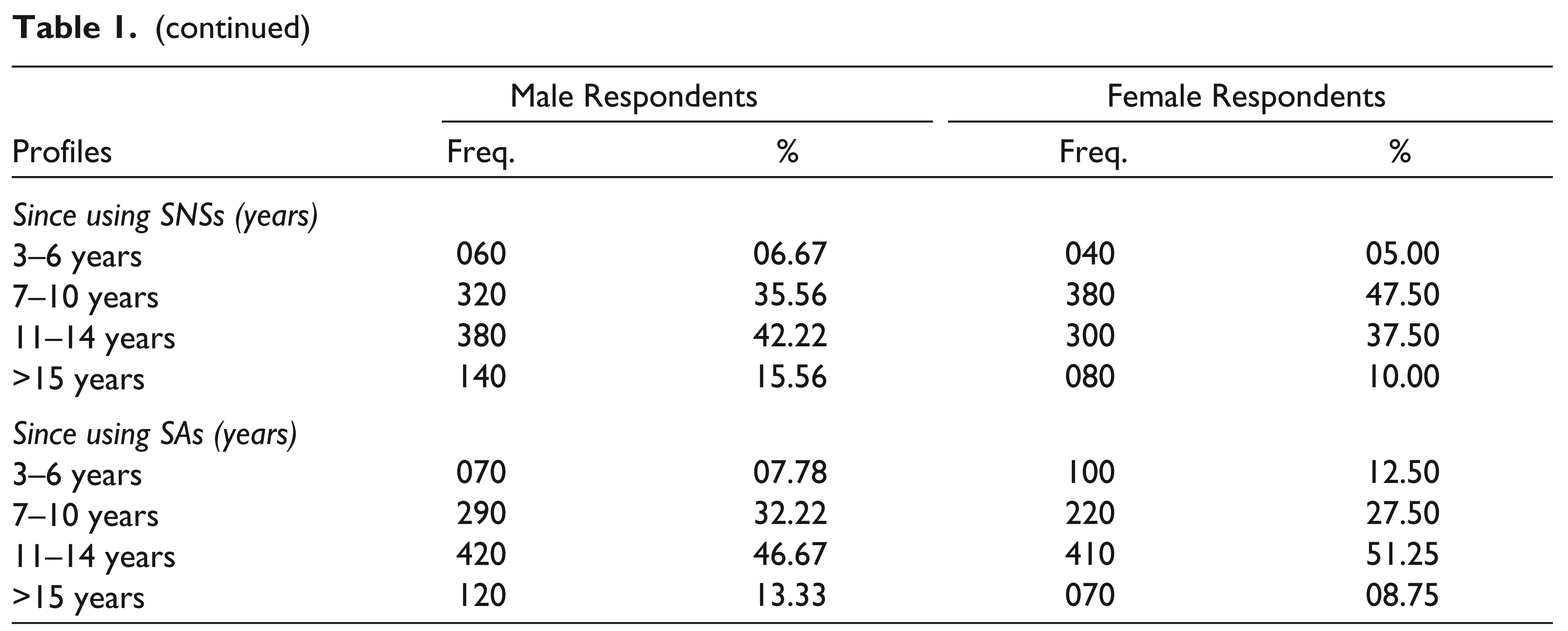
Table 2 represents the values of Pearson’s correlation which stands between –1 to +1 decisional criterion as suggested by Taylor (1990). The following output values indicate the positive relationships among study variables.
Pearson’s Correlation Matrix
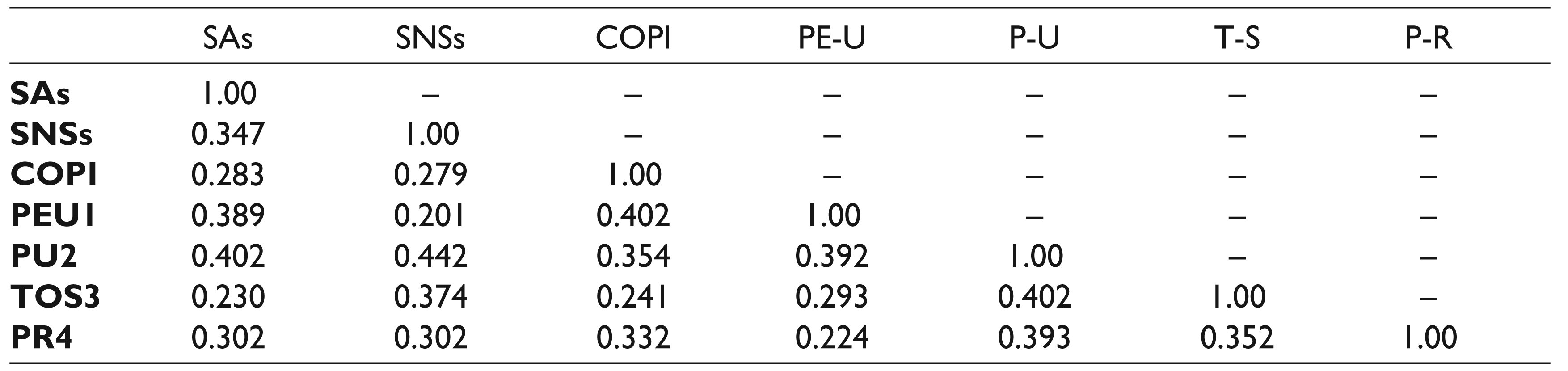
Table 3 designates the result values for discriminate validity which is applied to understand the variation among study variables. All the values meet the decisional criteria suggested by Deng et al. (2014) as earlier addressed.
Discriminate Validity
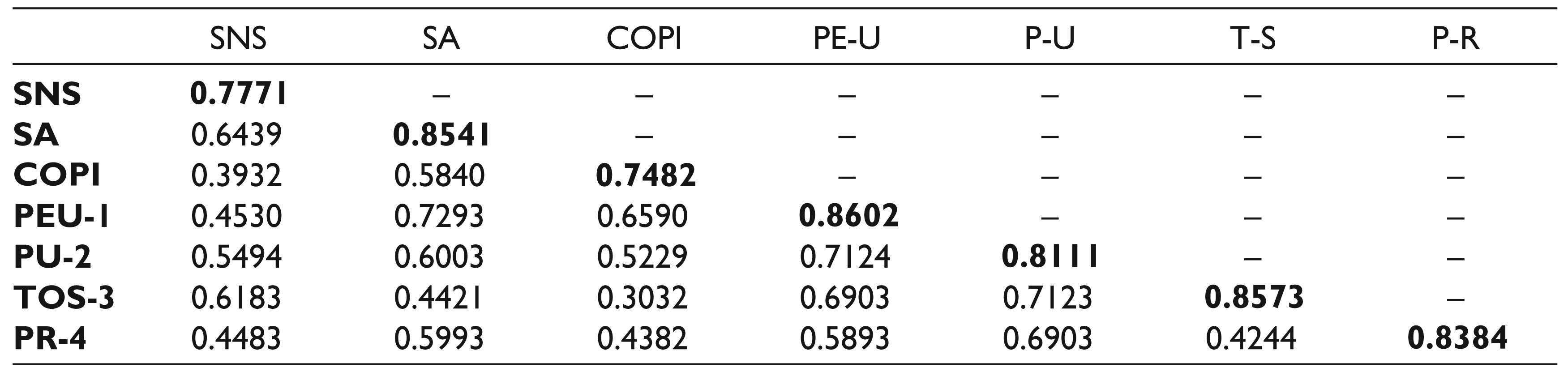
Table 4 shows the values of averages, standard deviation, factor loadings (FL), AVEs and CRR. Such values affirmed the existence of discriminate validity and reliability among the variables where values of AVEs and FL are greater than 0.5 and CRR are greater than 0.7 as suggested by decisional criteria by Fornell and Larcker (1981) and Kline (2005).
Confirmatory Factor Analysis

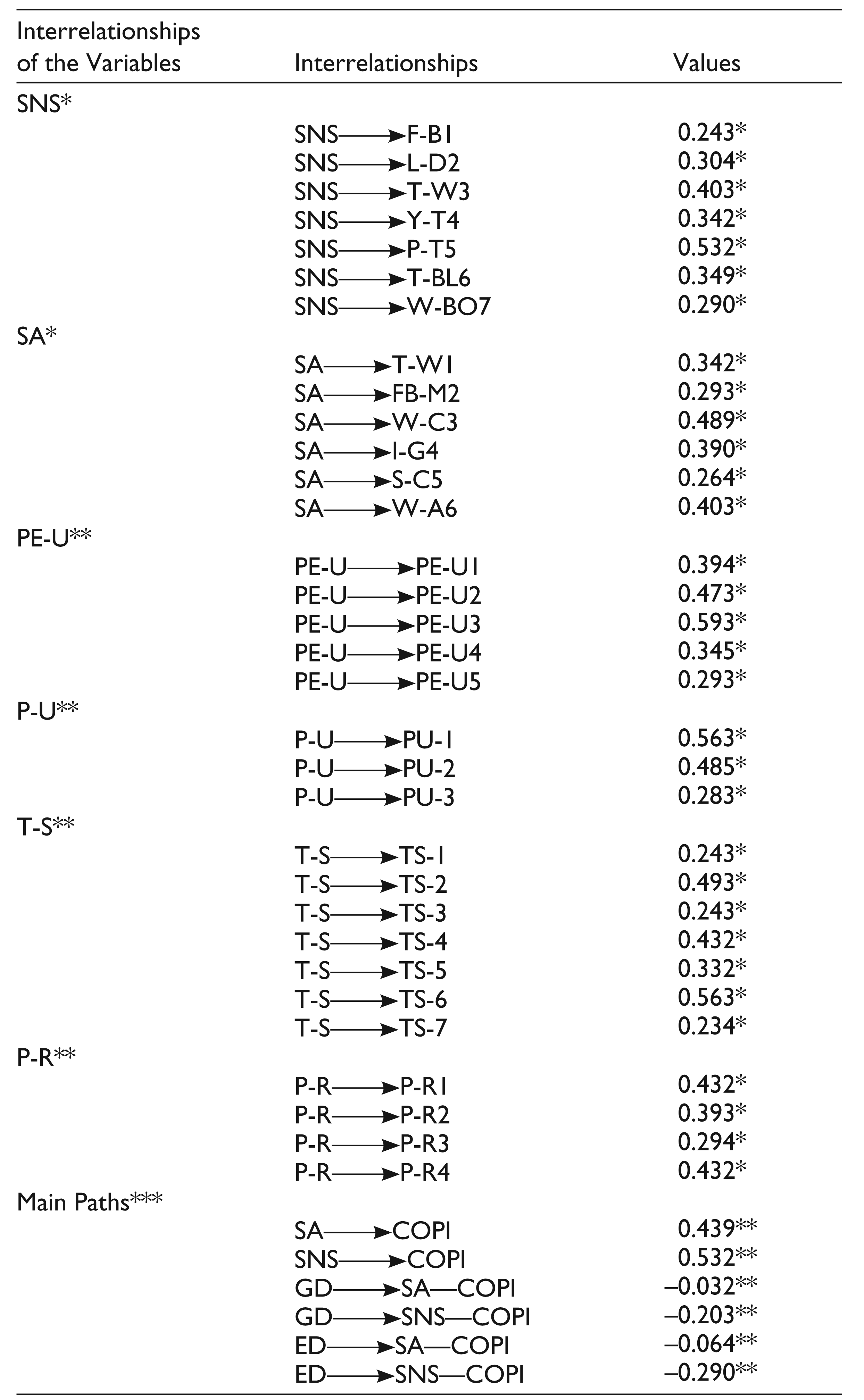
Table 5 indicates the results of SEM for the main paths and interrelationships of each sub-factor of the study. All values affirm the positive association among variables where overall GoF values stand at 2.31 which indicate reliable GoF as per suggested criteria by Tenenhaus et al. (2004) and earlier addressed.
Paths Relationships/Interrelationships
Discussion
Since IT has turned customer,s behaviour toward diverse thriving mechanisms of ICTs, consequently firms are revising their strategies and transforming marketing campaigns from conventional to advance means of communications, that is, SAs and SNSs. Past studies insisted the significance of social media which might be used to reinforce consumer’s behaviour and to foster the long-term relationships with them (De Vries et al., 2012; Ellison, 2007; Howard et al., 2014, Levy & Birkner, 2011;). The experts demonstrated that nowadays firms are highly emphasizing on social media platforms in order to engage the consumers (Okazaki & Taylor, 2013). This study empirically ensured the significance of SAs and SNS and consumer’s insights on how such growing platforms might be utilized to disseminate a product message successfully. Our study revealed that SAs and SNSs have positive relationships with COPI without the moderating influence of GD and ED as explained in the following.
It was assumed in the relationship one that SAs has a positive link with COPI in the context of Pakistan. The findings after implementation of SEM statistical method assured the relationships towards expectation and affirmed positive association between SAs and COPI at (β = 439**). Based on such findings, the proposed relationship is accepted and unveiled that SAs have a positive linkage with COPI within the contextualization of Pakistan. Second, it was assumed in relationship two that SNSs have positive relationships with COPI. The findings assured the relationships towards expectation and affirmed the positive associations between SNSs and COPI at (β = 0.532**) with positive interrelationships of each sub-item of SNSs to COPI. Therefore, based on such results, the proposed relationship is accepted because of positive linkage with COPI. The findings of the current study are closely associated with the conclusion of previous studies in which experts argued that SNSs play an important role in business operations, especially dissemination of the information (Ellison, 2007; Howard et al., 2014; Hwang & Park, 2013; Michaelidou et al., 2011; Mukherjee & Banerjee, 2017; Tiago & Verassimo, 2014). Nevertheless, some experts claimed that nowadays some individuals do not pay serious attention toward few SNSs because of age factor and education-level (Jha & Ye, 2016). Likewise, our findings regarding SAs are related to the previous studies where researchers suggested a positive influence of distinct SAs for distinct business objectives (Hew et al., 2015; Logan et al., 2017; Thelwall & Vis, 2017; Zhu et al., 2011).
Third, it was assumed in relationship three that GD moderates the relationships of SAs and COPI. The findings affirmed that GD did affect the relationships of SAs and COPI because of negative relationships at β = –0.032**. Similarly, it was assumed in relationship three that GD moderates the relationships of SNSs and COPI. The findings affirmed that GD did affect the relationships of SNSs and COPI because of negative relationships at (β = –0.203**). Consequently, based on such negative results, both relationships are not accepted. In the final case, it was proposed that ED moderates the relationships of SAs and COPI. In contrast, the outcome values affirmed that ED did influence the relationships of SAs and COPI having negative relationships at (β = –0.064**). Similar to this, it was proposed that ED moderates the relationships of SNSs and COPI. However, the values affirmed that ED did moderate the relationships of SNSs and COPI because of negative relationships at (β = –0.290**). Although some recent research has revealed the positive influence of GD and ED, some related studies such as Chawla and Joshi (2018) suggested a significant relationship of GD and ED as the moderating factors in the adoption of mobile banking. In comparison, our finding regarding moderator is consistent with the previous ICT and IS studies in which researchers concluded that certain demographic factor, that is, GD and ED did not moderate relationships (e.g., Hew et al., 2015; Li et al., 2014; Ramzy & Eldahan, 2016; Waheed & Jianhua, 2018; Yang, 2005).
Conclusion
This study concluded that nowadays organizations must reshape marketing strategies and must adopt innovative tools of IS and ICTs which are highly prioritized and acceptable among individuals who often purchase the products online. This study furnished insights by concluding that SAs and SNSs are platforms which might be used to approach distinct individuals in today’s customer focused and modern era even in developing countries like Pakistan. It is further concluded that organizations may adopt SAs and SNSs without consideration of GD because GD is not a factor that impacts the relationships of SAs, SNSs and COPI. In addition, the current study further suggested that education level of the individual also does not influence the relationships of SAs, SNSs and COPI. Finally, this study concluded that an adoption of SAs and SNSs might be the productive mechanisms to prompt the buying intention, especially online purchase intention of the consumers in the present competitive era.
Managerial Implications
Since the present study disclosed a positive impact of distinguished emerging tools of social media and contributes to the respective literature by furnishing insights regarding SAs (e.g., Twitter, Whatsapp, Wechat, Facebook Messenger, Snapchat and Instagram) and SNSs (e.g., LinkedIn, Facebook, Tumblr, YouTube, Twitter, Weibo and Pinterest). Additionally, this study contributes to the literature of consumer behaviour and ICTs with additional empirical evidence that GD and ED are not influencing factors between the relationships of SAs, SNSs and COPI since such moderators, particularly the effect of ED, were not highly explored in the related studies (Hew et al., 2015).
In managerial perspective, first, strategic managers and marketers are encouraged to embrace SAs and SNSs tools in their advertising campaigns to dramatically and vigorously promote the product in the existing digital, customer-oriented and competitive time. Since consumer behaviour has astonishingly transformed to advanced means of ICTs, including SAs and SNSs, therefore, such platforms might be able to engage and encourage their intention using Twitter, Whatsapp, Wechat, Facebook Messenger, Snapchat, Instagram, LinkedIn, Facebook, Tumblr, YouTube, Twitter, Weibo and Pinterest. Managers are suggested to conduct an insight comparison to comprehend the most influential factors among SAs and SNSs owing to budgetary limitations and may adopt all tools. It was recently found that all SAs and SNSs are positively linked and might be adapted to reinforce buying behaviour; nonetheless, few are highly acceptable since Facebook is one of the most popular tools across the world and within Pakistan. Furthermore, managers are recommended to adopt SAs and SNSs without counting the moderating influence of the GD and ED as an insignificant role of such variables has been currently revealed. The current findings are also consistent with the summary of previous work in which researchers insisted that GD and ED did not moderate the strength of the relationships, especially in ICT-related studies (Cho, 2007; Hew et al., 2015; Waheed & Jianhua 2018). Despite, managers are suggested to evaluate remainder behavioural, social, demographic, internal and external forces while developing a particular strategic plan and implementing marketing campaigns through social media. It is worth mentioning that it is important to ascertain the suitability of time and consent of the individuals, since information sharing without consent and without appropriate time may cause an unprolific action (Schooley, Walczak, Hikmet, & Patel, 2016; Waheed et al., 2018). It is witnessed that commonly online users notice several threats and security concerns related to Internet shopping; consequently, managers are encouraged to seek such strategies which productively support in reducing such incidences. Finally, we highly encourage managers, practitioners and policy-makers to reshape promotional strategies and manipulate such platforms to engage a large number of Pakistani consumers in order to optimize their purchase intention in a formative way.
Limitations and Future Research
This study bears weaknesses that might be admitted in future work by academicians and practitioners. Sample size is limited to 1,700 online shoppers drawn from a single country of Pakistan. The longitudinal studies together with higher sample size could be designed for validation of the current findings within Pakistan and across the nations. This study examined the moderating influence of two factors, that is, gender and education, while researchers can acknowledge the remainder internal and external forces to uncover the strength of correlation among SAs, SNSs and COPI. This study was particularly carried from B2C domain whereas future work might be extended from B2B to identify the valuable insights about SAs and SNSs on COPI in marketing communications. Moreover, the current study explored the significance of limited SAs and SNSs; consequently, researchers could extend similar work with additional SAs as well as SNSs to ensure the outcomes of such platforms or larger scale within Pakistan and across the nations, especially within the developing nations because of the sparse literature availability in such regions.
Footnotes
Declaration of Conflicting Interests
The authors declared no potential conflicts of interest with respect to the research, authorship, and/or publication of this article.
Funding
The authors received no financial support for the research, authorship, and/or publication of this article.
Acknowledgements
The authors are grateful to the anonymous referees of the journal for their extremely useful suggestions to improve the quality of the paper. Usual disclaimers apply.