



Abstract
Businesses invest considerable sums in influencer marketing efforts as social media influencers (SMIs) continue to gain popularity. To understand how marketers might utilize influencer marketing as a strategy in the digital era, researchers are still examining the effectiveness and impact of using SMIs. Accordingly, this article aims to conduct a systematic literature review of the impact of SMIs on consumer behaviour. Based on 90 studies, our systematic review was carried out following the PRISMA guidelines. This comprehensive review of literature intends to demonstrate the various impacts of SMIs on consumer behaviour, particularly about consumer decision-making, consumer attention, consumer brand admiration, consumer self-expression and consumer purchase intention. We outline influencer-led campaign techniques that can help companies develop closer ties with their customers and produce successful brand outcomes. In addition, the research synthesizes disparate literature to advance our comprehension of the mechanisms generating SMI attributes and the variables influencing consumer reactions to influencer endorsements. Future studies in the area will be aided by a nomological framework that incorporates significant antecedents, mediators and moderators of potential outcomes.
Introduction
As social media have rapidly gained popularity, there has been an increase in the production, distribution and consumption of content, redefining communication dynamics (Ho & Ito, 2019; Melumad et al., 2019; Peng et al., 2018). Social media have become vital tools for sharing knowledge and disseminating critical information due to the natural interaction between peers. Social media groups are likely to be a source of blind trust for consumers (Shareef et al., 2020). A symbiotic relationship between social media and influencers significantly impacts modern digital culture. Social media platforms are ever-evolving environments in which influencers develop their brands and establish connections with a wide range of followers. By utilizing these platforms, influencers curate and distribute content, thereby fostering genuine connections with their audience. Conversely, social media serves to magnify the influence of influencers, offering a potent means of propagating trends, influencing viewpoints and propelling consumer conduct. The aforementioned reciprocal exchange establishes a novel framework in the field of communication, wherein influencers utilize the immediate access and extensive reach of social media to mould and control cultural narratives. This creates an engaging and dynamic relationship between content producers and their followers. The collaboration between a brand and an influencer led to the development of the idea of a social media influencer (SMI) (Campbell & Farrell, 2020). It focuses on leveraging individuals who influence potential buyers to communicate about brands, their products, services, and much more. Influencers are recognized for establishing a sizeable number of relationships, and impacting organizational stakeholders by producing, distributing, interacting with and making personal appearances over the web (Enke & Borchers, 2019). This new class of independent third-party endorsers known as an ‘influencer’ changes sentiments with pictures, blogs, videos, tweets and other social media tools (Freberg et al., 2011). They are now popularly regarded as brand ambassadors (Haenlein et al., 2020). Extant literature highlights social media influencer benefits to businesses (Backaler & Shankman, 2018; Levin, 2020) ranging from new, relevant, engaging and cost-effective marketing tools to impactful and result-oriented strategic investment (Lou et al., 2019).
As mentioned above, these SMIs strive to grow a following and become one of their followers’ primary sources of advice, thus, developing into SMIs. The fact that some of these influencers have become career choices has led to them becoming influencers (Vrontis et al., 2021). Many brands leverage influencer marketing to market their products and services by engaging SMIs and stimulating them to promote their products. Specifically, brand managers use SMIs to establish a co-creative image of their brands on social media by encouraging functional responses based on consumers’ interests (Martínez-López et al., 2020; Pomirleanu et al., 2023). Opinion leaders are not a new concept when influencing consumer decisions. Consumers are influenced by opinion leaders strongly and positively usually (Godey et al., 2016) via word of mouth (WOM) because of their personal appeal or expertise, social prestige and superior status (Moldovan et al., 2017). As a marketing strategy, celebrity endorsements, such as those from Hollywood personalities and movie stars, have been used for several decades (Knoll & Matthes, 2017). The availability and appeal of influencer endorsements have significantly increased due to the omnipresence of social media (Appel et al., 2020). It has been estimated that approximately 50% of internet users follow influencer accounts and rely on influencer recommendations, according to the latest statistics (Young et al., 2017), and 40% purchase a product after viewing it on Instagram or YouTube.
The number of US consumers who purchased products based on recommendations from an influencer increased to 19% in 2018 (Audrezet & Charry, 2019). Social media platforms have significantly altered how individuals engage, communicate and engage in consumer decision-making processes. SMIs have emerged as significant influencers in shaping consumer behaviour due to their extensive reach and persuasive capabilities. Furthermore, the utilization of SMIs as a marketing strategy has experienced a surge in popularity, prompting a substantial amount of scholarly investigation (De Jans et al., 2018; Hughes et al., 2019; Torres et al., 2019). This phenomenon has also garnered significant attention from academic publications (Audrezet & Charry, 2019). Undoubtedly, scholars and professionals alike will persist in investigating this subject matter in the future, aiming to gain insights into the impact of SMIs on consumer behaviour.
Table 1 presents the list of existing reviews on SMIs, which indicates that each study considers a new dimension of research in the field.
Notable Literature Reviews in the Area of Influencer Marketing.
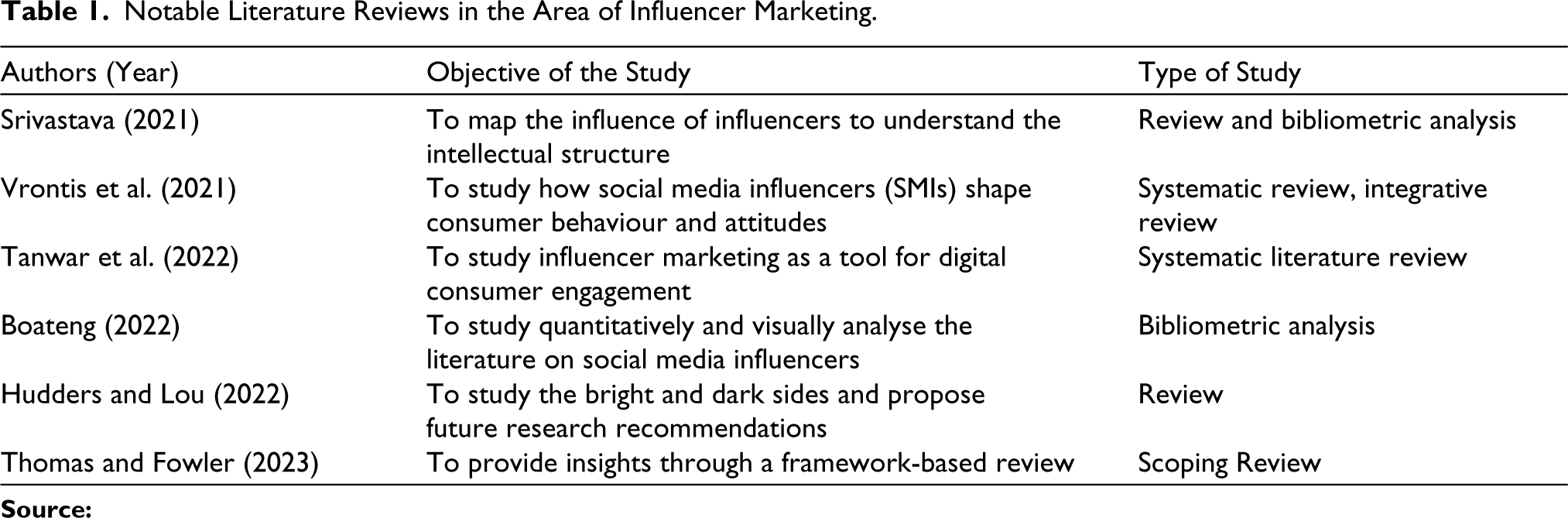
In Srivastava’s study (2021), six domain clusters were identified, encompassing influencer impact measurement, influencer mechanism, influencer likability factors, influencer persuasive cues, follower comprehension and influencer authenticity. The research marked a pioneering effort, employing an all-encompassing bibliometric analysis through the integration of VOS viewer and Biblioshiny applications. Vrontis et al. (2021) contributed insights into the mechanisms shaping the appeal of SMIs and their substantial impact on consumer attitudes and behaviour. Their study constituted the first synthesis of the existing body of research on instant messaging within social media environments. A meticulous examination of peer-reviewed scholarly journals formed the basis for an integrative multidimensional framework, considering contextual factors influencing consumer behaviour and the antecedents, mediators and moderators of potential outcomes. Tanwar et al. (2021) aimed to perform a comprehensive examination of scholarly literature on influencer marketing, including content analysis and the development of a classification system. The literature review covered the years 2008 to 2019, analysing trends, industries involved, social media platforms used and methods employed by influencers to engage followers.
Tanwar et al. (2022) aimed to conduct a comprehensive literature review on influencer marketing in academia from 2011 to 2019. Their approach involved bibliometric analysis and content analysis, utilizing Biblioshiny and the Bibliometrix R-tool for scientific cartography and data analysis. The article provides an overview of the evolution of influencer marketing research, delving into keywords, sources, authors, documents, countries and sources, and presents an analysis of various knowledge structures to identify influential facets of the literature. Boateng (2022) employed bibliometric methodology, utilizing VOSviewer and Bibliometrix software, to quantitatively and visually examine publications related to influencer marketing. The findings revealed over a decade of Scopus database indexing for influencer marketing papers since 2011. Lou and Hudders (2023) analysed challenges within influencer marketing, exploring both positive and negative aspects. The paper highlighted the potential negative consequences for influencers, such as compromising privacy and the pursuit of likes and followers, contributing to a nuanced understanding of the field. Thomas and Fowler (2023) investigated the role of influencers as brands and their activism initiatives. Their three studies indicated that activism positively influences consumer perceptions but emphasized the importance of sustained support for continued effectiveness. The research revealed that failed activism efforts could diminish perceptions of authenticity. These studies collectively contribute to the understanding of influencer marketing, encompassing various aspects such as impact measurement, mechanisms, likability factors, persuasive cues, comprehension, authenticity and both positive and negative consequences.
Other research has focused on specialized issues such as brand communication, SMIs’ influence on the purchasing behaviour of digital customers and strategic communication among SMIs (Sundermann & Raabe, 2019; Nafi & Ahmed, 2019).
While existing literature, as exemplified by Srivastava (2021), Vrontis et al. (2021), Tanwar et al. (2021, 2022), Boateng (2022), Lou and Hudders (2023), and Thomas and Fowler (2023), has made significant strides in understanding various facets of influencer marketing, a noticeable gap persists in the examination of influencer marketing’s direct impact on consumer behaviour when it comes to studies based on systematic literature reviews. The cited studies primarily concentrate on domain clusters such as impact measurement, mechanisms, likability factors, persuasive cues, comprehension and authenticity, shedding light on both positive and negative aspects. However, a comprehensive investigation into how influencer marketing distinctly shapes and influences consumer behaviour remains largely unexplored. The same needs to be grounded and comprehensively understood. Thus, this article aims to conduct a systematic literature review of the impact of SMIs on consumer behaviour. Additionally, the following reasons motivated the current systematic review of research on the impact of SMIs on consumer behaviour.
One fundamental justification for conducting this systematic literature review is the need for evidence-based decision-making. As SMIs continue to gain popularity, businesses allocate significant resources to influencer marketing campaigns. However, the efficacy and impact of these campaigns on consumer behaviour are still being researched. (Campbell & Farrell, 2020) have highlighted that there still needs to be a more strategic and scholarly understanding of how marketers may make the most of influencer marketing as a marketing strategy in the digital age. By synthesizing existing research, a systematic literature review can provide a robust foundation of knowledge, helping businesses make informed decisions regarding using SMIs to influence consumer behaviour. Ultimately, it can optimize the allocation of resources and maximize the return on investment for influencer marketing initiatives (Kim & Kim, 2022).
Furthermore, a systematic literature review can identify research gaps and areas for further investigation in the existing body of literature, guiding future research endeavours. This can lead to a more focused and targeted approach, advancing our understanding of the complex relationship between consumer behaviour and SMIs. Another motivation for this literature review is identifying critical factors and mechanisms influencing consumer behaviour. By examining the existing literature, researchers can identify common themes, underlying mechanisms and factors that contribute to the influence of SMIs on consumer behaviour. By synthesizing and analysing existing research, researchers can identify nomological frameworks that explain and predict the influence of SMIs. This can lead to the development of comprehensive models that integrate various factors, such as influencer attributes, the mediating and moderating variables, and how they may lead to behavioural intention. The suggested framework can be a theoretical foundation for future researchers and practitioners to build on as they develop their SMI marketing strategies. The objective behind this review aligns with the suggestion made by Paul and Criado (2020) and Lim et al. (2022) to conduct fresh reviews that address the limitations of previous reviews. This is done to guide future research in a more focused and improved direction. Consequently, the following research objectives (RO) are addressed by the present SLR.
Research Objectives (ROs)
RO1: To present a comprehensive profile of the selected studies regarding publication patterns, influential countries, study types and statistical tools.
RO2: To identify major themes and theories of SMI marketing research.
RO3: To propose a nomological model based on the stimulus–organism–response (S-O-R) framework.
RO4: To identify the future avenues in SMI marketing research.
Research Methodology
The most appropriate method for this study is a systematic literature review to provide a high-quality synthesis of the literature. The organization of SMI literature provides academics and practitioners with an integrative framework for interpreting the existing knowledge (Mihalache & Mihalache, 2016). In addition to identifying research gaps, it provides future research opportunities (Mishra et al., 2021; Paul & Rosado-Serrano, 2019). Snyder (2019) gives examples of literature reviews in her academic work in which she discusses the types of literature reviews. During the design of this study, Snyder’s protocols were incorporated into this SLR.
The information on the topic of research presented in systematic reviews differs from that of semi-systematic or integrative reviews, which are based on the author’s viewpoint (Snyder, 2019). A systematic review aims to identify all empirical evidence that fits the pre-specified inclusion criteria to answer a particular research question, objectives, or hypothesis (Snyder, 2019, p. 334), which coincides with the study objectives. Additionally, our research focuses specifically on the characteristics of SMIs. It adheres to the quantitative nature of sample characteristics, analyses and evaluations that can be useful for public policy and practice. To shortlist the articles, the PRISMA guidelines (Page et al., 2021) were followed for conducting the review, as demonstrated in Figure 1. SLR techniques were proven to be robust and lucid in terms of their replicability and clarity (Seth et al., 2020). This document provides a detailed explanation of how the database of research studies is curated.
Review Protocol.
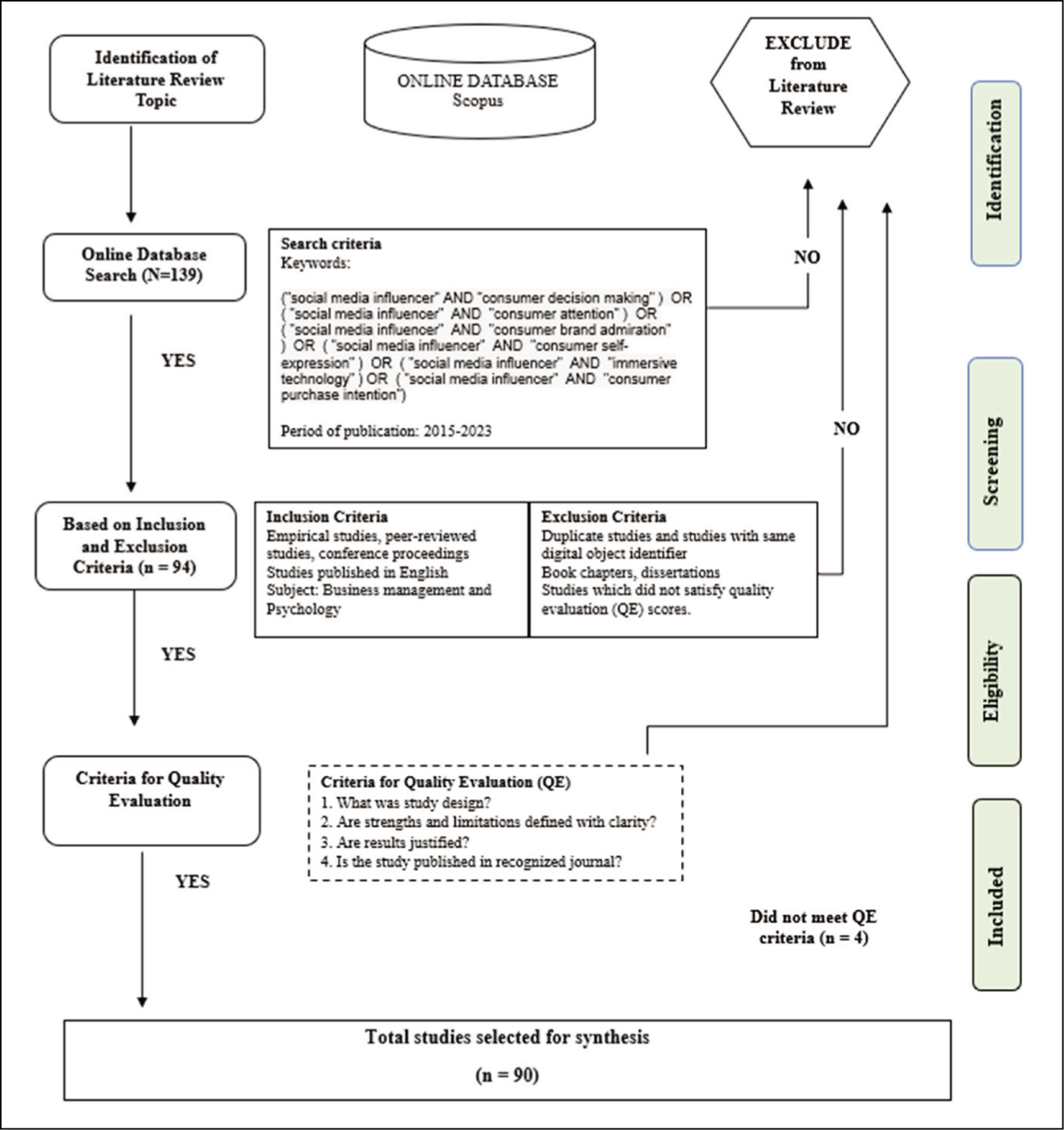
Moreover, it should be noted that the selected studies were evaluated by calculating quality scores, as suggested by Behera et al. (2019). The quality scores are essential for obtaining suitable and impartial results (Ouhbi et al., 2015). In the current study, these scores were calculated using different quality evaluation (QE) questions, as suggested by Idri et al. (2015). The quality scores generated through the QEs were used as one of the exclusion criteria in the current SLR. The studies that obtained at least 4.5 QE scores out of 9 were selected. After the evaluation of the quality scores of each of the identified studies, 44 studies were considered for further synthesis.
Criteria for Quality Evaluation (QE)
What was the study design? The scores are (+2) for quantitative, (+1.5) for qualitative and 0 for not defined.
Are strengths and limitations defined with clarity? The scores are (+2) for yes, (+1) for partially and 0 for no.
Are results justified? (+2) if the sum of H index and citations is greater than or equal to 100, (+1.5) if the sum is between 50 and 99, and (+1) if it ranges between 1 and 49 and 0 if the sum is 0.
Is the study published in a recognized journal? (+1) for yes and (0) for no.
Selection of Studies
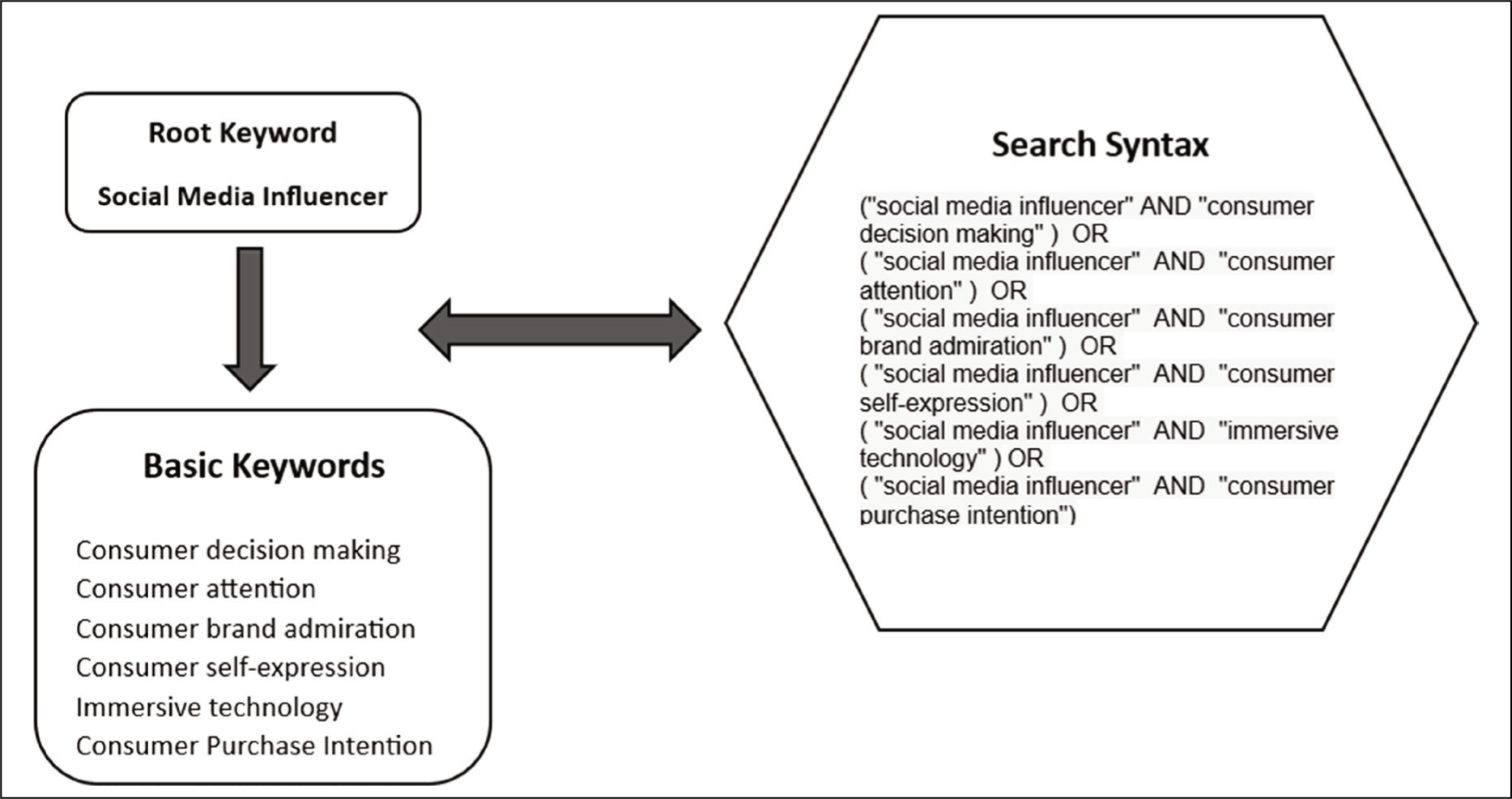
As far as reporting systematic reviews is concerned, this approach follows PRISMA guidelines. We have used the Scopus database because it provides comprehensive data sources for SLR analysis and tends to be the most reliable, trusted and powerful database (Bergman, 2012). It is considered standard and should cover as many studies as possible, especially in consumer behaviour (Rimkute et al., 2016) and the business management field (Borthakur, 2020). For consistency with the previously published systematic reviews in marketing field (Christofi et al., 2017), it was searched for titles, keywords/subject terms and abstracts, usually for systematic literature reviews (Pisani et al., 2017). Based on this survey, we found a set of relevant keywords that were frequently used, therefore, establishing a pattern based on the keywords that were used frequently. The combination of keywords and search syntax can be seen in Figure 2.
Combination of Keywords.
The articles included were based on several criteria: (a) empirical studies, review papers and conference proceedings; (b) research published in peer-reviewed journals; and (c) research published in English. Several studies were excluded for a variety of reasons, including (a) duplicate studies (with the same DOI), (b) book chapters, dissertations and other grey literature, and (c) studies that did not meet the QE criteria. A total of 139 studies were identified through the database search using selected keywords up to November 2023. Taking into account business management and psychology subjects, 106 papers were identified. We can reach 102 documents once we filter them based on the document type. It was then necessary to consider only journal articles and conference proceedings, which resulted in 138 articles. Following this, each of these 94 studies was independently reviewed by each member of the panel following the QE criteria that had been established. Articles were rated based on QE criteria (see Figure 1). The score for inclusion of a study in the database was 50% of the total score of 9, which is 4.5 (Seth et al., 2020). Finally the number reached 90.
Findings
Descriptive Analysis
The trends, strengths and weaknesses of existing literature on SMIs can be identified by mapping the literature with descriptive analysis. The following section based on RO1 (research objective 1) describes the reviewed studies’ technical features (e.g., publication year, article type, the method used, study location and publications outlets). This analytical approach offers insights into the nature of existing literature, enabling the identification of potential research gaps for further exploration and development.
Year of Publication
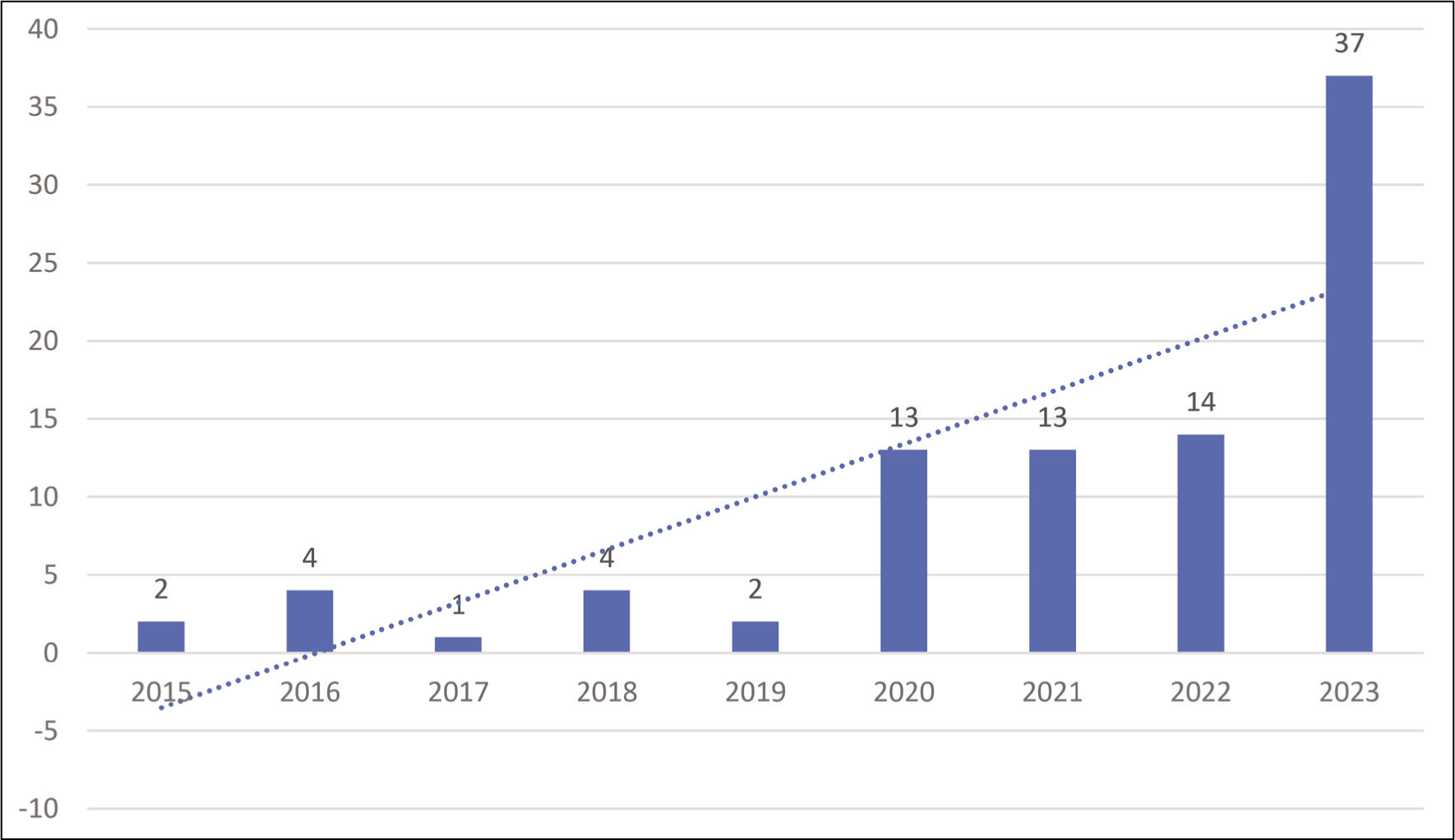
Figure 3 illustrates a noticeable upswing in articles referencing SMIs, particularly since 2019. During this period, the term ‘influencer’ experienced a surge in popularity, as indicated by Google Trends (2021). The COVID-19 pandemic significantly reshaped the advertising landscape, propelling influencer marketing into the forefront of marketing strategies (Madhavan et al., 2022). Despite initial predictions of a decline in influencer marketing spending in early 2019 due to the pandemic, there was a subsequent resurgence in influencer-led campaigns, solidifying influencers as integral components of the mainstream marketing mix. It must be noted that although academic knowledge production peaked in 2023, this year’s data need to be completed since we have included papers that appeared before this study was written.
Bar Graph Showing the Number of Publications from 2015 to 2023.
Geographic Distribution of Studies
As shown in Figure 4, Finland, the United States and Ireland had the most significant number of studies, followed by India, the United Kingdom and Malaysia. However, this field of research deserves to be advanced due to the increase in annual articles and the geographical scope of articles.
Bar Graph Showing the Geographical Distribution of the Studies.

Study Type
From Figure 5, it is seen that there are 40 empirical studies, one conceptual and one case study each, and three review papers.
Bar Graph Showing the Type of Studies Being Considered for this Review.

Statistical Tools Used
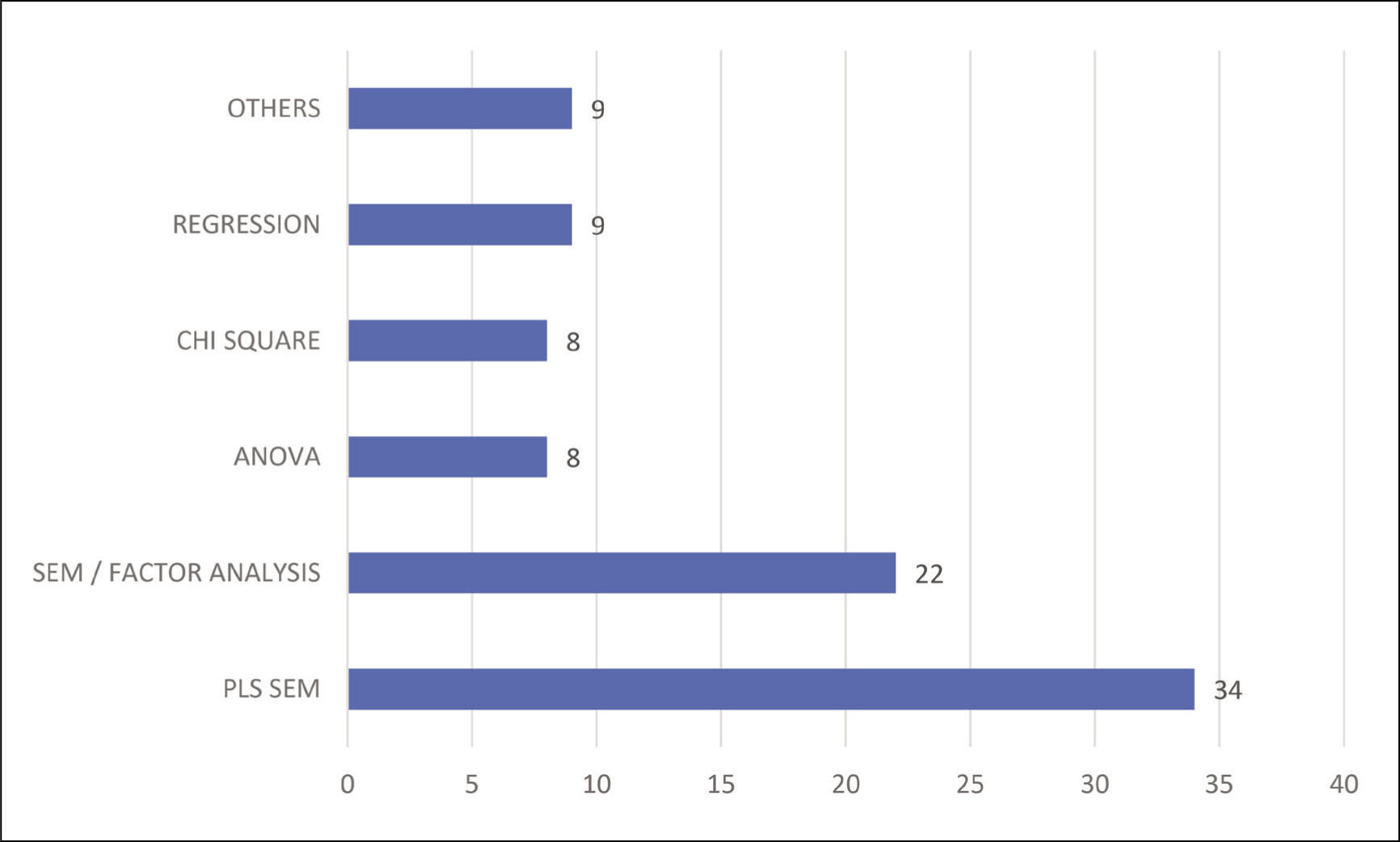
A review of analysis techniques in Figure 6 indicates that PLS-SEM is the most prevalent data analysis method and has been utilized in 37% of the studies, followed by SEM and factor analysis, which is employed in 24% of the total studies. Subsequently, those rigorous statistics and analytical tools have seldom been utilized to infer nuances of social influencers.
Statistical Tools Being Used in the Studies Considered for this Review.
Thematic Analysis
This section is based on RO2 (research objective 2), where we have explained the themes of SMIs impacting certain facets of consumer behaviour—consumer decision-making, consumer attention, consumer brand admiration, consumer self-expression and consumer purchase intention.
Consumer Decision-making
Advertising through SMIs to connect with a large audience is considered a significant factor in consumer decision-making (Pick, 2021). The decision-making process of the follower is majorly influenced by the quality of the information provided by the social influencer (Price et al., 2008). Social interaction between two people, whether highly central to a consumer’s choice (e.g., when negotiating with the salesperson in a retail store) or more peripheral (e.g., when browsing in the store among other shoppers) plays a critical role when making any decisions related to a purchase (Ki & Kim, 2019; Tanner et al., 2007). It is also found that the perceived high information value significantly impacted the consumer’s decision-making process (De Veiman et al., 2017; Fransen et al., 2015; Schneewind & Sharkasi, 2022). Behaviour and purchase decisions were also influenced by perceived utility, enjoyment of the experience and brand usage intentions (Apasrawirote et al., 2022). Also, advertising trust may reduce the consumer’s perceived complexity and perceived risk while making decisions (Li & Peng, 2021). The decision-making process for purchases may vary as a result of habits based on perceived value and attitudes, including internet shopping addiction, self-esteem behaviour, self-problem solving, lavish conduct in daily life and any other similar behavioural features (Apasrawirote et al., 2022).
Consumer Attention
The widespread distribution of content across all social media platforms, including Facebook, Twitter, Instagram and YouTube (Cabeza-Ramírez et al., 2023), as well as the ongoing emergence of new, dynamic platforms like Twitch and TikTok and their unprecedented integration into people’s daily lives (Cabeza-Ramírez et al., 2023) have given businesses and organizations new opportunities to increase brand awareness and a creative way to draw in customers and also facilitate in improving the relationships with them (Braojos-Gomez et al., 2015; Cabeza-Ramírez et al., 2023). Also, several organizations use social media to communicate with different stakeholders to build a good image interactively and sustainably with their stakeholders, including consumers (Gupta et al., 2021). Accessibility to information has increased customers’ awareness and sensitivity towards society and the environment (Gupta et al., 2021).
Consumer Brand Admiration
Users tend to connect to social media websites to fulfil their information, entertainment and mood management needs, and the desire of the customers to comply with the suggestions given by social media influencers increases only when the consumer finds any good reason to engage in the behaviour an influencer seeks (Ki & Kim, 2019; Wang et al., 2023). The consumer–brand relationship should be strong to achieve high sales, low price sensitivity, brand loyalty and high profitability (Aaker & Joachimsthaler, 2000). Also, an established brand, especially in a highly competitive market, proves to be a strong competitive advantage, thereby aiding in creating a consumer pull (Trivedi & Sama, 2019). The study by Park et al. (2016) found that brand admiration was an essential measure of a customer-brand relationship. It also found that brand admiration comprised three elements: brand love, trust, and respect (Trivedi & Sama, 2019).
Consumer Self-expression
Social commerce has been viral among people in recent years as it allows customers to reach out to retailers promptly without delay, which leads to the growth of emerging markets (e-marketer, 2018; Lim et al., 2020). Also, it is regarded as an ideal platform for customers to share their personal experiences and other information related to the product (Lim et al., 2020; Liu et al., 2019; Um et al., 2019 ). Using social media, fans tend to follow celebrities and micro-celebrities in various aspects, like liking or commenting on what they post, asking them about the products they advertise, also keep following their daily life activities regularly (Jin & Muqaddam, 2019).
Consumer Purchase Intention
Purchase intention indicates the likelihood that a consumer plans or will be willing to buy a particular brand in the future (Chetioui et al., 2020; Zhang et al., 2023). Previous studies that were conducted based on influencer marketing suggested that customer attitude towards a specific brand directly impacted their intention to purchase the product (Chetioui et al., 2020; Erkan & Evans, 2018; Pradhana et al., 2016). Some of the measures like brand image, brand attitude, brand quality and attributes, knowledge about the brand and brand loyalty (Chetioui et al., 2020; Tariq et al., 2013) and e-WOM (Chetioui et al., 2020; Kudeshia & Kumar, 2017) strongly influence purchase intention. The followers who recognize a higher influential power from digital influencers reported more engagement to the brands recommended by digital influencers, higher expectations of brand value and thereby a higher intention to purchase the brands recommended by the digital influencers (Jiménez-Castillo & Sánchez-Fernández, 2019; Ladhari et al., 2020).
The Growing Role of Immersive Technology
The complexity of the customer environment has increased as a result of digital technologies, and digital marketing through social media allows companies to achieve their marketing objectives at a relatively low cost (Masuda et al., 2022). As a result of the rapid development of digital technology and marketization, there is an increased desire for new products among consumers (Wang & Lee, 2021). Social media have grown to be an integral part of people’s lives thanks to ‘internet-based applications that build on the ideological and technological foundations of Web 2.0’ that ‘enable the creation and exchange of user-created content’ (Kaplan & Haenlein, 2010, p. 61). Social media refers to a collection of software-based digital technologies that provide users with digital environments through which they can receive and send digital content or information over some online social network that is being presented as apps and websites (Appel et al., 2020). Also, Instagram, YouTube and other sites are no longer just used for private sharing but also have been developed into effective advertising channels during the previous 10 years (Pick, 2021). Live video streaming has emerged as an effective marketing channel and is being supported by new technologies and is being provided through personal computers and smartphones (Apasrawirote et al., 2022; Chen & Lin, 2018).
Studying how technology and influencer marketing impact consumer behaviour is crucial. As virtual and augmented realities change how people engage with a brand, it is important to understand how marketers use these technologies. When influencers use immersive experiences, it strongly influences how consumers see and buy products. Examining how these technologies enhance influencers’ persuasive power may reveal new aspects of consumer behaviour. Exploring the connection between immersive tech and influencer marketing would give insights into changing brand–consumer relationships, helping marketers develop better strategies.
Table 2 provides a summary of the concepts from the disciplines of media studies, psychology and sociology that are used in the context of SMIs. All of these ideas work together to clarify the complex dynamics of influencer impact. For instance, Persuasion Knowledge Theory delves into how individuals interpret and respond to persuasive efforts, while Social Learning Theory explores the influence of observational learning on personal development and societal dynamics. The Social Cognitive Theory highlights how contextual factors and self-efficacy influence behaviour. Partner dynamics are explored by Social Exchange Theory, which highlights the importance of cost-benefit analysis. Additionally, theories such as the Theory of Planned Behaviour and Uses and Gratification Theory offer insights into the psychological factors shaping intentions and media consumption patterns. The inclusion of the SMI Value Model underscores the multifaceted criteria influencing an influencer’s efficacy and perceived value in shaping opinions and behaviours.
Theories Employed in the Context of SMIs.

Nomological Model Based on S-O-R Framework
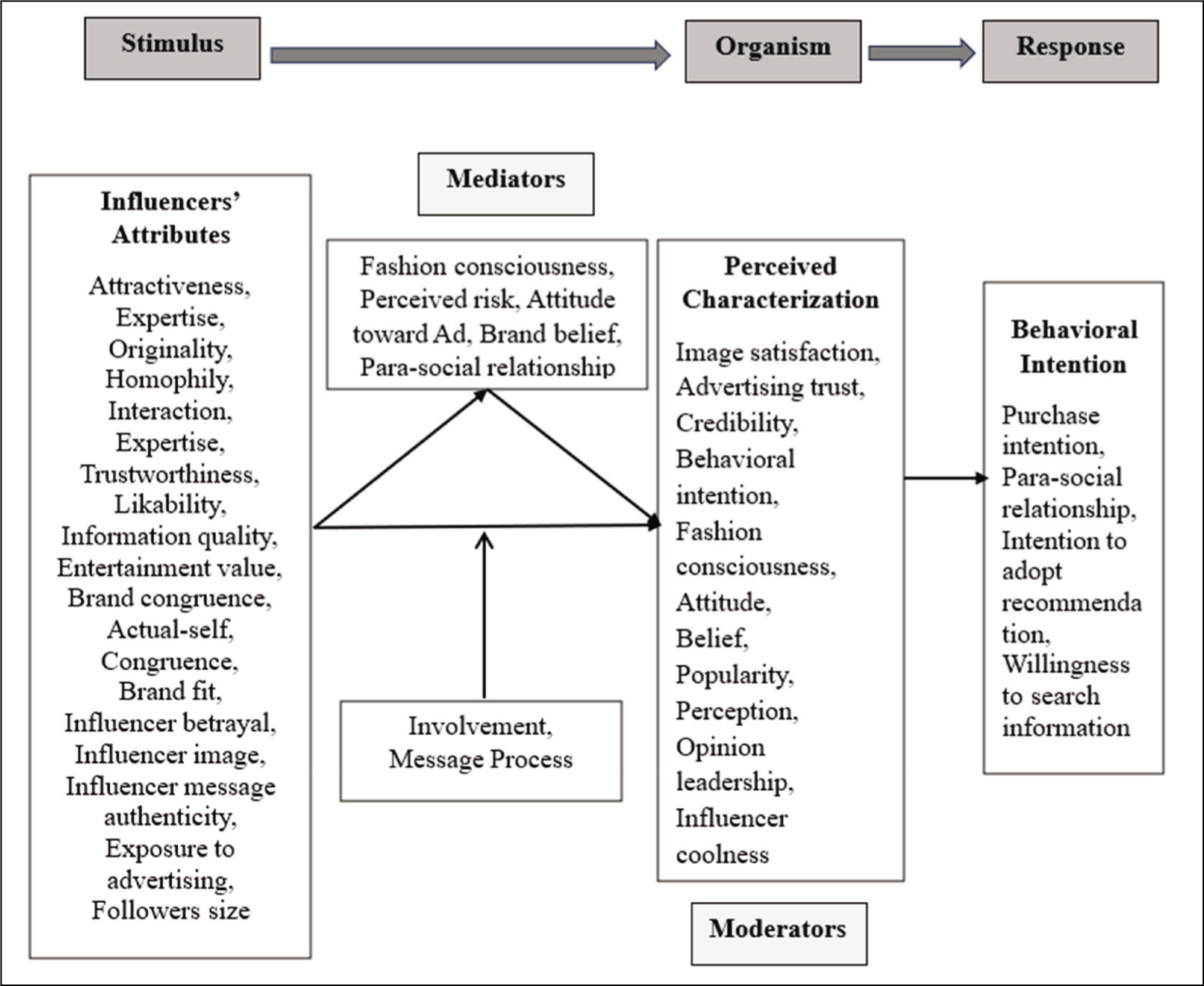
The section applies the S-O-R model to highlight the intricate dynamics of influencer marketing through a nomological model (RO3). It positions influencers’ attributes as external stimuli, serving as catalysts that influence the internal state, and perceived characterization, of the audience. This, in turn, shapes the response, and behavioural intention, towards the brand/product. The S-O-R framework provides a theoretical lens for understanding how qualities like attractiveness, expertise and interaction (among others as shown in Figure 7) act as stimuli, impacting consumers’ perceptions and, subsequently, their behavioural intentions. Moreover, the section delves into mediating and moderating factors, exploring how perceived characterization moderates the relationship between influencers’ attributes and behavioural intentions. The model, thus, enriches the understanding of the intricate processes at play within the influencer–consumer relationship, offering practical insights for effective influencer marketing strategies.
Nomological Model with Significant Antecedents, Mediators, and Moderators of Potential Outcomes.
An S-O-R Informed Nomology: Casting a Wider Net
The current study identifies several crucial direct and intermediate relationships among the factors extracted from the articles reviewed. This study categorizes the identified constructs into four broad dimensions namely: influencer attributes, perceived characterization and behavioural intention. Further, it attempts to develop a nomological net of the constructs, thereby providing avenues for future studies.
Figure 7 depicts the several influencers’ attributes that may drive favourable consumers’ behavioural intentions towards a brand. Attractiveness, expertise, originality, interaction, expertise, trustworthiness and are highly influential antecedents of consumers’ behavioural intentions towards the brand endorsed by the influencer (Vrontis et al., 2021). However, brand congruence, brand fit and influencer betrayal are not studied in their entirety and require academic rigor.
Perceived characterization acts as a catalyst in proliferating consumers’ intention towards the endorsed products. Among the identified constructs, satisfaction, trust and information credibility are considered crucial in elevating consumers’ intentions (Borges-Tiago et al., 2023). However, fashion consciousness, influencer coolness and popularity perception might be crucial in driving favourable intentions as these individual traits may be characterized by influencer-led and consumer-oriented constructs, bridging the demand–supply gap.
In addition, willingness to adopt recommendations and search information are identified as novel outcomes as compared to conventional behavioural outcomes like purchase intentions. Therefore, future studies may focus on more psychological outcomes rather than focusing on over-studied behavioural outcomes. Further, the role of consumers’ psychological behaviour could be examined in driving their behavioural intentions.
Intermediate Relationships
The study unveils various mediating and moderating variables. Surprisingly, all the mediating and moderating relationships were found between perceived characterization and its antecedents. However, none of the reviewed articles examined such relationships between perceived characterization and its outcomes. For instance, studies have investigated the mediating effect of fashion consciousness between the association of message authenticity and brand attitude (Cabeza-Ramírez et al., 2022). While, other studies have analysed the mediating effect of para-social relationships, brand trust and brand attitude among others between the relationship between influencers’ attributes and perceived characterizations (Reinikainen et al., 2021; Schneewind & Sharkasi, 2022). However, several mediating relationships have been found in the extant literature between the association of Influencers’ attributes and perceived characterizations. Surprisingly, only moderating associations, involvement and message process were found in the earlier studies. These moderating relationships were established between the association of influencers’ attributes and perceived characterizations (Trivedi & Sama, 2019; Von Mettenheim & Wiedmann, 2021). Therefore, the current study observes that future studies should focus more on establishing more indirect relationships between perceived characterization and behavioural intention for better comprehension of the concept.
Discussion
This part is focused on addressing RO4, which pertains to the exploration of potential future study directions concerning the influence of social media influencers on consumer behaviour. This article includes a comprehensive literature analysis that offers useful insights into the impact of SMIs on many consumer behaviours, such as consumer decision-making, consumer attentiveness, consumer brand admiration, consumer self-expression and immersive technology. The results of our study reveal noteworthy observations that form the basis for our suggestions. These recommendations aim to assist marketers, influencers and companies in successfully navigating the ever-changing realm of social media. By implementing this advice, they may establish deeper relationships with customers and achieve favourable brand outcomes through the use of SMIs.
The review constantly highlights the substantial impact that SMIs have on customer decision-making (Pick, 2021; Price et al., 2008). The results of our study suggest that consumer decision-making is influenced by several key elements, namely high information value, perceived usefulness, enjoyment and advertising trust (Apasrawirote et al., 2022; De Veiman et al., 2017; Fransen et al., 2015; Li & Peng, 2021; Schneewind & Sharkasi, 2022). By integrating influencers into the decision-making process through methods such as reviews, demos, testimonials and storytelling, marketers have the potential to augment customer trust and confidence, increase the value of information and enhance the overall enjoyment of the experience, all of which can eventually impact consumer purchase behaviour. Moreover, the inclination of consumers to adhere to the recommendations put forward by SMIs is contingent upon the presence of a compelling rationale for engaging in the desired behaviour (Ki & Kim, 2019). Therefore, marketers should employ influencer marketing campaigns as a means to promote special deals, offers, contests and giveaways.
Additionally, a crucial factor to consider is the ability to capture and sustain customer attention in the abundance of information available in today’s digital world. The literature review underscores the fact that the extensive dissemination of content across diverse social media platforms has presented businesses and organizations with novel prospects for augmenting brand recognition and employing innovative strategies to attract customers (Blombäck & Ramírez-Pasillas, 2012). This highlights the necessity for influencers to effectively capture the attention of customers within the very competitive digital landscape. The use of aesthetically captivating and immersive material, incorporating narrative elements and utilizing interactive formats are approaches that have the potential to augment customer engagement. To engage the interest of consumers, companies may also engage in the exploration of diverse visual content formats, such as photographs, videos and animations. This heightened focus has the potential to lead to amplified recognition of the brand, enhanced interaction with consumers and more visibility of the brand.
Furthermore, the study highlights the importance of cultivating brand appreciation and promoting customers’ self-expression. To foster brand appreciation, marketers should give precedence to influencer collaborations that emphasize similar values, authenticity and trustworthiness. It is advisable for brands to actively promote the cultivation of enduring connections between influencers and their audience, as this facilitates the development of authentic and unwavering brand endorsement. Companies can foster favourable brand connections and enhance customer appreciation by establishing strategic alliances with influencers whose beliefs are congruent with their brand.
According to Liu et al. (2019), Um et al. (2019) and Lim et al. (2020), social media platforms provide an optimal avenue for customers to disseminate their own experiences and other information about products. Marketers have to strategically utilize influencers that align with the ambitions, beliefs and interests of their target audience. This approach allows customers to establish a connection with the brand and express their identity via affiliation. Implementing user-generated content campaigns and promoting customer participation in sharing their experiences may effectively augment the notion of self-expression and foster a feeling of community centred on the brand.
Furthermore, with the ongoing advancement of immersive technologies such as augmented reality (AR) and virtual reality (VR), marketers must contemplate their incorporation into influencer marketing strategy. By utilizing AR and VR, influencers can provide customers with immersive and engaging experiences that augment their comprehension of products, facilitate trial opportunities and foster engagement. According to the findings of Apasrawirote & Yawised (2022), it is evident that consumer decision-making is significantly influenced by the level of enjoyment experienced. It is recommended that companies allocate resources towards the creation of AR and VR content that enhances their offerings, corresponds with the narratives of influential individuals and fosters lasting customer impressions.
The review, utilizing the nomological approach, ultimately illuminates several areas of inquiry that have not yet been explored, so presenting opportunities for further investigation within the wider academic community. The nomological model serves as a valuable tool for discerning the mediating and moderating elements that influence the connection between an influencer’s qualities and their behavioural intention. The research gaps highlighted in this study may serve as a basis for future research endeavours aimed at advancing and significantly impacting the field of SMIs and influencer marketing.
Implications
Theoretical Implications
The nomological model presented in the study proves instrumental in discerning the significant interplay of mediating and moderating factors influencing the link between influencer attributes and behavioural intentions. The nomological model not only synthesizes existing knowledge but also points towards gaps in current research. It suggests that future studies should focus on establishing more indirect relationships between perceived characterization and behavioural intention for a better comprehension of the concept within the influencer marketing landscape. This aligns with the S-O-R framework, emphasizing the importance of understanding how external stimuli (influencers’ attributes) influence the internal state (perceived characterization), ultimately shaping consumers’ behavioural responses. Additionally, the model advocates for a shift towards exploring more psychological outcomes, such as willingness to adopt recommendations and information search, urging researchers to go beyond traditional behavioural intentions and delve into the intricacies of consumer–influencer interactions. Thus, the nomological model presented in the study provides a roadmap for future research in the area of influencer marketing, encouraging scholars to explore new dimensions and refine the understanding of the S-O-R process within this dynamic context.
Practical Implications
This study offers significant insights for companies and influencers from a management standpoint. The research highlights that companies have an indirect effect on consumers through using influencers. Specifically, the practice of corporations employing influencer marketing on social media positions influencers as the primary agents, while brands assume a secondary role in this strategic approach. Brands strategically identify and establish connections with influencers, specifically those who possess qualities such as attractiveness, credibility, engagement, interactivity, expertise, compatibility with their products, likability, influence over opinions, popularity, trustworthiness, uniqueness and a lack of excessively self-serving motives. This approach aims to stimulate desired consumer behaviour towards their respective brands. Furthermore, the analysis demonstrates that social media influencers exert a direct impact on consumer behaviour about the brands they endorse. This influence encompasses various aspects such as brand attitude, brand awareness, brand involvement, brand recall and brand trust. Additionally, the influencers themselves are affected by this influence, including their follower count and level of influence. Moreover, the broader social media community is also influenced by these influencers, as evidenced by factors such as recommendations and social sharing. The curation of material by influencers on social media has the potential to impact the responses of consumers towards these stakeholders. The review suggests that content of this nature needs to possess qualities such as authenticity, credibility, informativeness, originality and transparency (in terms of disclosure). The factors of message appeal and message process involvement play a significant role in enhancing the influencer’s capacity to promote desired consumer behaviour among their followers. This includes fostering positive audience engagement, brand recognition, influencer credibility and social behaviour. However, it is important to note that audience comments, assurance, hashtags, insights, and the frequency of posts can either moderate or negate the potential desired impact that influencers may have on their followers through social media platforms.
Limitations
The extent of this systematic review was restricted to papers written in English and accessible through the Scopus database. As a result, conference proceedings, book chapters, dissertations, and other forms of grey literature were not taken into account. There is a possibility of the omission of pertinent material within our field. Furthermore, it should be noted that the search parameters and filtering strategy employed in this study may not have included all potentially relevant research. Our systematic review, conducted according to the PRISMA guidelines, has provided us with a pool of publications that are representative of the subject matter, however, it is better to do a review by using SPAR 4 SLR. The present systematic literature review only concentrates on the consumer behaviour aspect of SMI marketing. This emphasis is primarily attributed to the well-established state of research in this domain, as seen by the abundance of papers eligible for inclusion in the review based on a stringent criterion.
Conclusion
The primary objective of this systematic literature review is to examine the many dimensions of the effect exerted by SMIs on consumer behaviour. Specifically, the focus is on their impact on decision-making processes, attention allocation, brand appreciation, self-expression and the integration of immersive technologies. In the contemporary and ever-evolving digital environment, enterprises aiming to establish connections with clients might derive advantages from comprehending and effectively utilizing the influence wielded by individuals with substantial online followings. In the context of our research, we offer a comprehensive analysis of techniques for influencer-led campaigns, which may effectively aid companies in cultivating more robust connections with their target audience and attaining favourable brand outcomes. The use of SMI marketing has become popular due to its role in assuring the survival and development of enterprises via a more real, meaningful and sustainable strategy. Moreover, this study synthesizes fragmented scholarly works to enhance our comprehension of the fundamental mechanisms of the qualities of SMIs and the factors that impact consumers’ reactions to influencer endorsements. Consequently, the nomological framework integrates significant precursors, intermediaries and moderators of prospective consequences, as well as contextual elements. This form of integration has the potential to offer novel insights that can inform and shape future scholarly investigations.
Footnotes
Declaration of Conflicting Interests
The authors declared no potential conflicts of interest with respect to the research, authorship and/or publication of this article.
Funding
The authors received no financial support for the research, authorship and/or publication of this article.