




Abstract
The case focuses on the marketing and promotional activities of contraceptives in an emerging market that is also culturally conservative—such as that of Pakistan. The case will explore the cultural and the societal barriers faced by the brand team during the process of designing marketing activities for contraceptives in a country where anything related to the topic of sex is a taboo and is seen as disrespectful and religiously controversial. The case highlights the challenges of marketing a contraceptive brand in such a situation, and the strategies and steps that could be employed to overcome these barriers. Moreover, the case also explores how a controversial brand/product may be established strongly in such a society using strategic marketing. Overall, the case explores marketing and branding challenges and strategies through influencing and changing consumer perceptions and behaviours regarding contraceptives in conservative societies.
Keywords
On an early December morning in 2014, Mr Shabih Haider, Director of Biogenics, sipped his coffee as he stared absentmindedly out of his office window and looked at the traffic on the main Shahrah-e-Faisal road in Karachi. His forehead creased with concern as he thought about Hamdam, 1 Biogenics’ contraceptive (condom) brand. He looked at the reports which reflected a falling sales trend over the past ten quarters as well as falling profitability figures. The reports made him uneasy. Ever since they had launched Hamdam, the sales were far from satisfactory. The entire Hamdam team had been concentrating their efforts on the branded contraceptive to drive up the sales, but the response had been less than desired.
The problems that Hamdam was facing were not easy to overcome. The general consumer perception towards the contraceptive market was not very accepting and the social rejections had made marketing for such brands a challenging task. Nonetheless, Pakistan still offered vast potential that was too significant to be ignored. ‘Now is the time to develop the market, create awareness and find some effective solutions to communicate with the consumers,’ the diligent director thought to himself. Shabih Haider was not a man to give up easily. He believed in taking everything head-on as the key to dealing with challenging and formidable tasks.
About Biogenics Pakistan (Pvt.) Ltd
Biogenics Pakistan (Pvt.) Ltd was a pharmaceutical company that operated as a family-owned business, and was headed by Mrs Azra R. Karrar. Biogenics was established in April 1997 by Mr Haider Karrar, a renowned pharmacist and marketer. The company was introduced as an innovative venture based on contract marketing of pharmaceutical products. The company operated with the mission to ‘market world-class products at affordable prices through science-based marketing’. This new idea had attracted a number of multinational pharmaceuticals towards Biogenics, as clients. Biogenics’ first agreement was signed with Novartis Pharma (formerly Sandoz) for ten of its products in March 1998. This had soon been followed by similar agreements with other leading pharmaceuticals, such as Abbott, Pfizer, Eli Lilly, Jansen Cilag and Gold Shield, UK. The company’s own range of products, both pharmaceutical and consumer health care, were also readily available in Pakistan.
The Company Had Two Divisions
The two divisions that the company had were:
Pharma Division Most of the products in this division were prescription drugs, toll manufactured by other firms such as EPLA Laboratories (SITE Karachi), Highnoon (Lahore), Mega (Lahore), and an upcoming firm, Novins (Karachi). Toll manufacturers were compensated with the COP (Cost of Product). This division had comprised 75 per cent of all sales in 2013. It also had higher margins compared to the Consumer Healthcare Division. Consumer Health Care Products in the Biogenics Consumer Healthcare Division comprised non-prescription drugs. These were manufactured by Biogenics at its facility located near Korangi, Akhtar Colony. The division had comprised 25 per cent of the overall sales in 2013 and had had an overall lower margin owing to the fact that it dealt with non-prescription drugs. The contraceptive brands of the company had been marketed under the Consumer Healthcare Division. These condoms were imported from Malaysia. The firm later repackaged these as their own brand (Figure 2b). The Biogenics had three main contraceptive brands, namely, Hamdam, Voyager Delay and a new product Super Nova. Voyager Delay was launched in 2010 and had had increasing sales in Pakistan over the years. A team of eighteen sales representatives sold Hamdam across Pakistan. Hamdam was also the main brand of this division and accounted for 50 per cent of the sales of the Consumer Healthcare Division. According to Mr Shabih Haider, Director Biogenics, ‘Almost 50 per cent of the sales within the Biogenics’ Consumer Healthcare Division comprised the Hamdam condom brand.’ The Consumer Healthcare Division was supervised by three regional sales managers (RSMs) in Karachi, Rawalpindi and Peshawar. The RSMs reported to the national sales manager (NSM), who was the head of the Consumer Healthcare Division of Biogenics. The NSM in turn reported to the COO and CEO. Biogenics Consumer Healthcare products were manufactured at its state-of-the-art manufacturing facility located in Hub. This facility was ISO 9001:2008 certified by SGS and adhered to all applicable WHO and CGMP approved standards.


‘Excite’ Condoms by CSM Pakistan

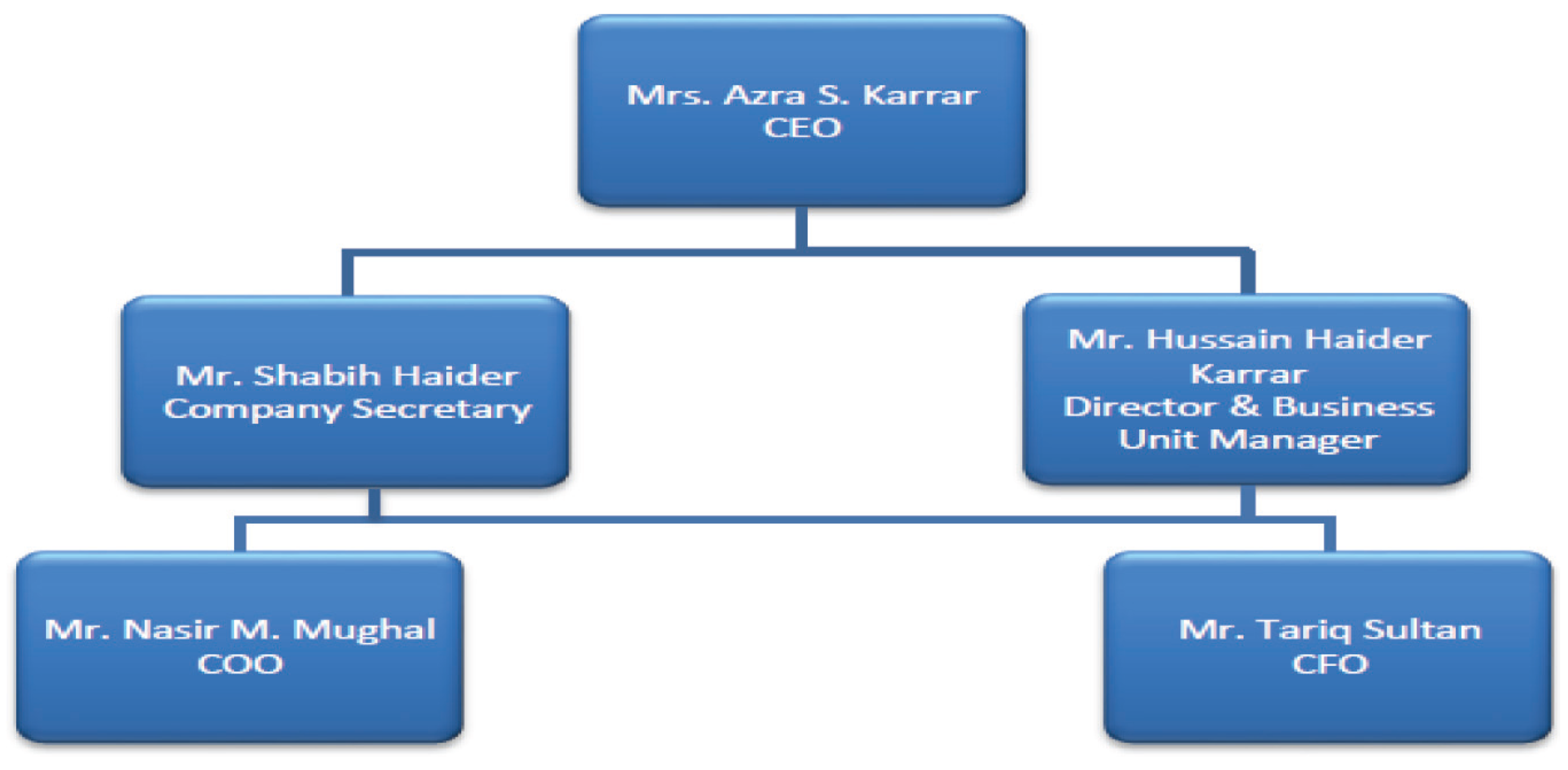
A workforce of almost 200 employees, which consisted primarily of medical representatives, ensured that Biogenics’ products were successfully marketed throughout Pakistan (see Figures 3a and b). The company had pursued a push strategy for its products, which included, for example, offering retailers attractive commission rates in an attempt to get an equal footing with established brands such as Saathi 2 and Touch. However, the dilemma faced by Mr Shabih Haider was regarding the marketing of contraceptives in Pakistan. What lay ahead of him was a society which perceived the issue of family planning and use of contraceptives as a taboo topic and considered discussions regarding them as indecent and scandalous. In fact, anything related to sex was seen as unvirtuous in the society. Mr Shabih Haider, thus, was faced with the formidable task of establishing his condom brand Hamdam in the conservative Pakistani society.
Understanding the Pakistani Market
The Pakistani market, in particular, had been governed by certain demographical and sociological factors. These included, for example, a high population growth, a large proportion of young people in the population and most importantly, the general negative perception regarding family planning and the use of contraceptives, especially condoms. Contraceptives had largely been used for preventing pregnancy in Pakistan. They had been generally categorized as either hormonal or barrier methods, which were also referred to as ‘devices’. Condoms and oral contraceptives were the two main products of the contraceptive market, of which oral contraceptives accounted for a major part of the market. Although both products were essentially contraceptives, they had been considered distinct based on their use in different market segments. Condoms differed from other contraceptives that had been generally used by females since they also functioned as a safety against STDs. This was an added advantage that condoms had over other contraceptives, since no other contraception method could be used as a viable alternative. Nevertheless, the use of condoms by the male populace in Pakistan during intercourse remained low. According to the National Institute of Population Studies (National Institute of Population Studies (NIPS) and Macro International Inc., 2008), the use of condoms stood at a mere 6.8 per cent (Figure 1). This was also reflected by the poor numbers that Pakistan had in the rate of sexually transmitted diseases (STDs) among the population. The National AIDS Control Programme’s latest figures stated over 4,000 reported HIV cases since 1986; whereas, the UN and the local government estimated the number to be around 97,000—ranging from 46,000 to 210,000 in Pakistan. In 2003, young people (15–24 years old) accounted for a half of all new HIV infections worldwide, with a per day infection estimate of over 6,000.
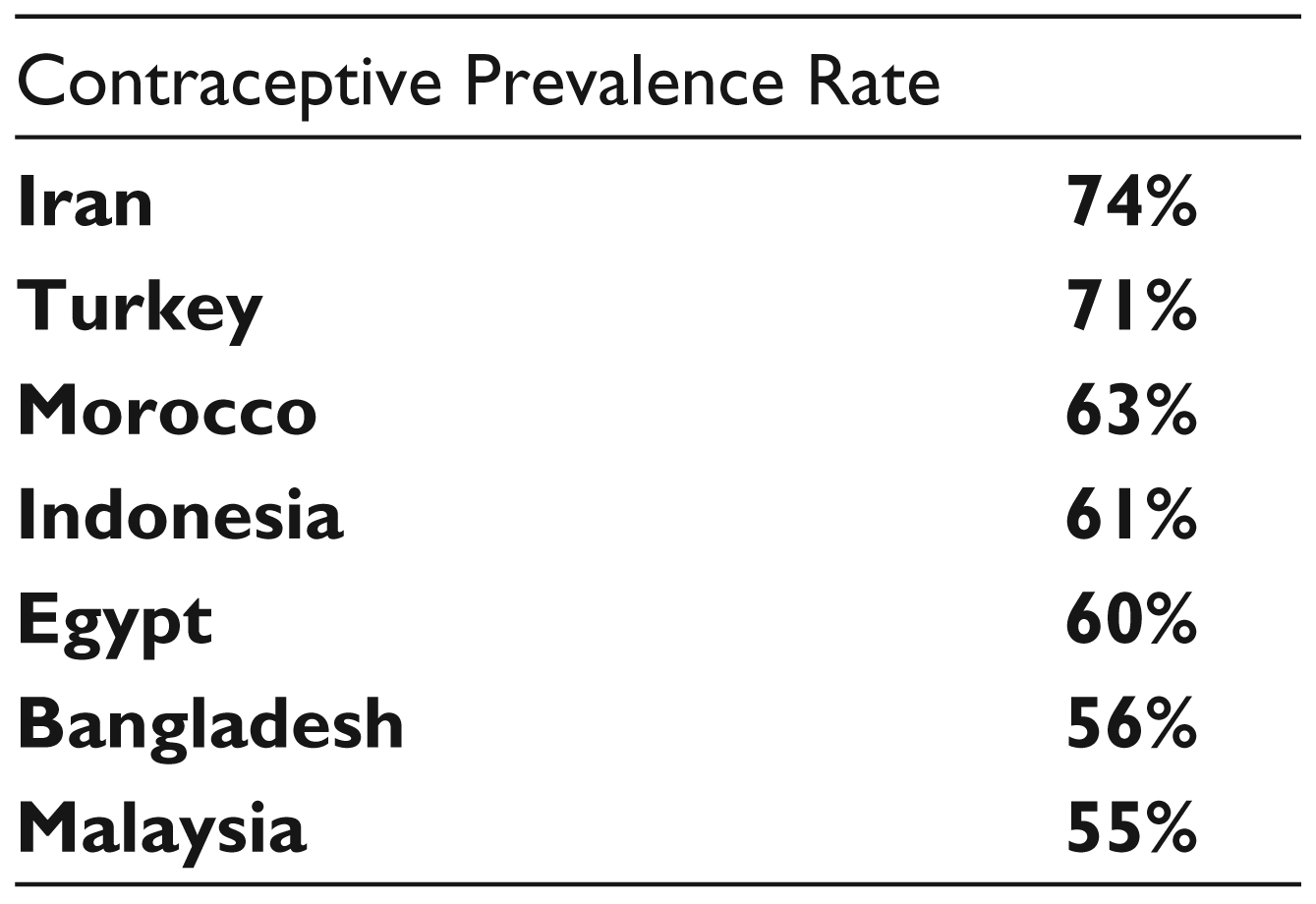
The oral contraceptives market, in contrast consisted of branded products and their generic versions such as the leading Greenstar Social (Sabzsitara) and Zafa Pharmaceuticals (Familia 28). The contraceptives market had had a moderate, yet consistent, growth rate over the past seven years. According to the Pakistan Demographics Health Survey (PDHS, 2006–07), 35 per cent of married women in Pakistan were then using a contraceptive method; a 5 per cent increase from 2006 to 2007. Unfortunately, the contraception prevalence rate (CPR) had been found to be 30 per cent in Pakistan—a figure that had remained largely the same over the past decade and which was considerably lower than that of other Muslim countries (Table 1).
Contraceptive Prevalence Rate
In the light of the aforementioned facts, Mr Shabih considered Pakistan to be an important market, which should not be ignored. First, he believed that the market needed social awareness and development in order to raise the health standards and control the increased rates of STD cases. Second, he also believed that the Pakistani market carried tremendous potential and there was a dire need for a massive breakthrough in contraceptive marketing.
The Pakistani Consumer Mind-set
The common Pakistani male consumer was generally seen to be unable and often shy to discuss family planning with his spouse. More than often, it had been perceived to be a sign of male weakness and softness—which did not suit the patriarchal nature of many men in the male-driven Pakistani society. The use of contraception was also seen to be a result of a lack of communication between spouses. Even after marriage, the topic was considered to be shady and inappropriate to be discussed between spouses by the larger section of the society. This inability to discuss family planning and birth control with spouses often proved to be a barrier in the use of contraception methods. It was, however, found that though the disregard of contraception methods, such as condoms, was purely a man’s choice to make, their inclination to use one was not entirely a unilateral decision. Discussion with spouses increased the males’ intentions and motivations of using contraception methods, such as condoms. This had also been linked with lowering the withdrawal rates. However, females, in turn, were found to be most strongly influenced in their discussions with their spouse, and in decisions regarding the use of contraception, by perceptions of whether their in-laws would support family planning and birth control or not. The role of the mother-in-law was especially important in this regard. In many suburban and rural areas of Pakistan, the mother-in-law had more say over family planning and birth control than the couple. These social and cultural factors proved to be a barrier in more acceptable consumer behaviour towards contraception in general, and condoms specifically. The behaviours and perceptions regarding the use of contraception methods, however, differed significantly between the rural and urban classes of Pakistan.
The Consumer Mind-set and the Rural/Urban Divide
The consumer mind-set relating to contraceptives, especially condoms, could be broken down into two distinct categories: urban classes and rural classes.
Due to powerful messages regarding family planning disseminated via the media in the past, the urban class already had high awareness regarding this issue. The robust and clear message of yesteryears, bachey do hee achey in the national Urdu language, which translates roughly as, ‘two children make the perfect family’, had resonated well with the upper classes of Pakistani society. Consumers from this class had considered family planning to be integral for their own mental and physical health, and had also realized that it was imperative for every child to get equal and qualitative attention. Hence, a few years’ gap between the births of children had been considered important and often essential by the urban classes.
However, the story was entirely different in the rural towns. Here the issues of birth control and family planning had always been considered to be offensive and unorthodox. Family planning was thought of as haraam (forbidden) under religious teachings, and the use of condoms was surrounded by opinions of having adverse side effects on male virility. People belonging to rural classes had preconceived notions regarding interfering in God’s larger plans through family planning, and regarded the whole matter with disdain. Furthermore, some even held the view that children were a potential source of income for parents in the future. Therefore, they followed the philosophy of ‘the more the merrier’, especially rejoicing over the birth of sons.
On a macro level, discussions on topics related to childbirth did not see the light of day, as these were thought to be indecent. Men usually had a dominating opinion when taking decisions regarding family planning or the use of condoms generally, and did not consider views of their spouses or of any others family members and friends. Little importance was given to advice given by doctors or health workers. Females, in contrast, took help from the experiences of other female friends and cousins. Regardless, there was very little awareness regarding female contraceptives, and if any contraception was used by females, it was mostly birth control pills, which would not put the man at the forefront of taking action. Rural men were opposed to the use of condoms, and therefore, buying behaviour was devoid of any brand preference. Instead, product packaging had played a significant role as a key discriminator of one brand to another. A senior qualitative research manager from Oasis Insights summed this up as:
Men did not want to buy these products, and those who did, did not want to be seen doing so. Buying condoms was a very personal exercise; the act could be as low-key as fixing one’s eyes on the nearby condom shelf, and the salesperson recognizing the gesture. The purchase was made!
Tough Rivalry
The contraceptives market had been fairly competitive with a few local Pakistani and international brands fighting furiously to compete and capture the growing market. Their marketing efforts had resulted in increasing the primary and secondary demand of contraceptives, as well as leading to increased social awareness regarding sexual health, STDs and family planning. Pakistan, therefore, largely functioned as a push market where the products were promoted through heavy discounts to retailers (see Table 4).
Sales Hamdam (FY2012, FY2013)

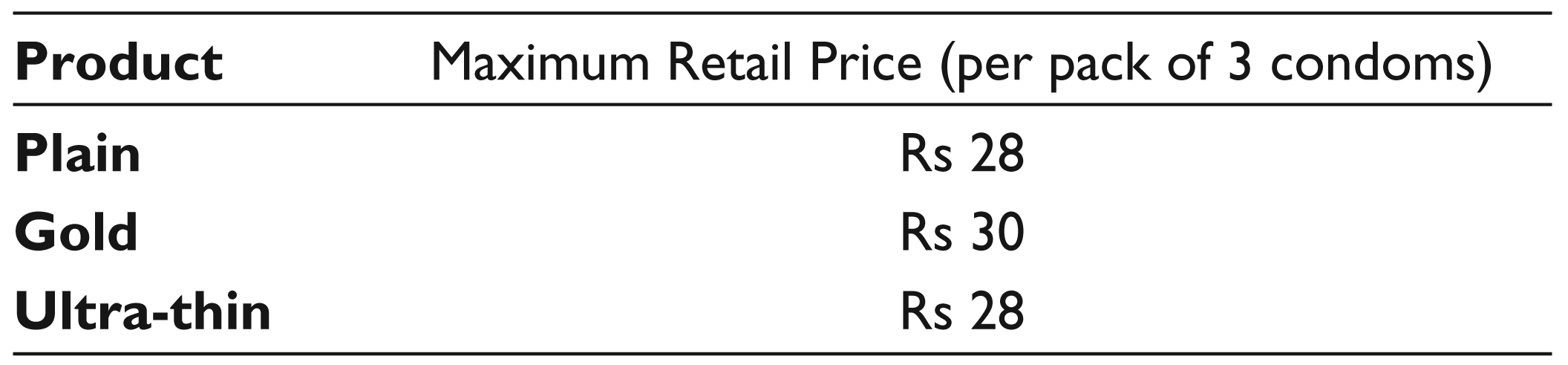
Hamdam Price
Retail Promotion and Margins of Hamdam

Hence, retailers sold those products that offered them heavy discounts and margins. According to Mr Karrar, any firm could have entered the market by offering retailers heavy discounts and margins without making any substantial investments in marketing and promotion (see Table 5). Therefore, many condom brands had emerged in recent years which operated through importing condoms, or by re-packaging them as their own brand; both processes being fairly easy. This, however, had further diluted the market share of the existing brands. On the plus side, the threat of substitutes was very low as there were no alternatives for the two categories of condoms and oral contraception.
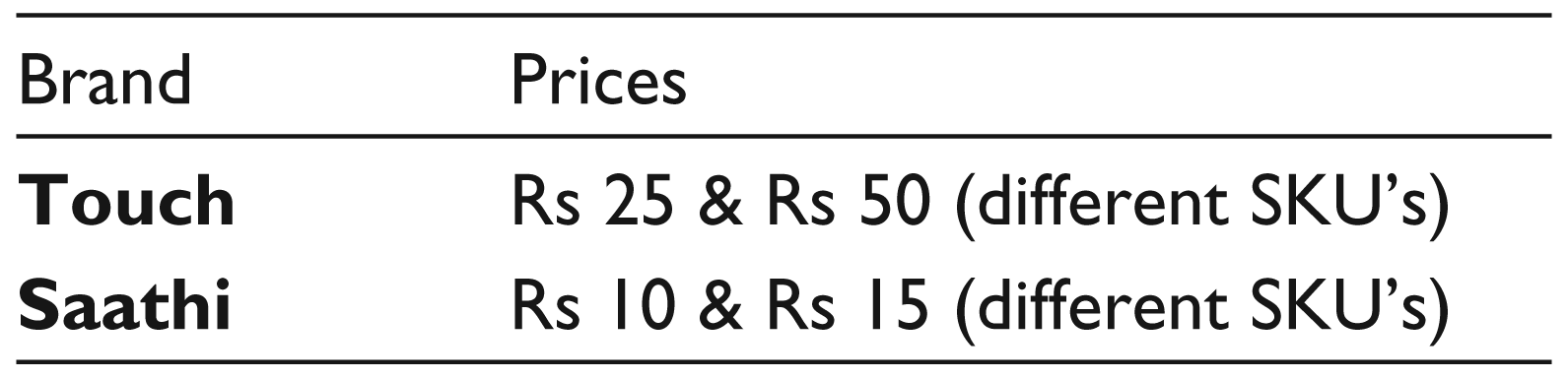
Competitors Prices
Competitive Landscape: Key Players in the Pakistani Market
In 2014, there were three programmes in Pakistan directly involved in contraceptive marketing: Greenstar Social Marketing (GS), Contraceptive Social Marketing (CSM) under Marie Stopes Society (MSS) and DKT International—which was a recent market entrant at the time. All of these players had been rigorously involved in marketing their brands through mass media (see Figure 2a).
Greenstar
Greenstar (GS) offered a range of contraceptive brands and distributed products through a nationwide network of over 7,000 Sabzsitara 3 franchised clinics, 75,000 retail outlets and community-based distribution through female health workers. It also ran Sahoolat 4 clinics alongside mass marketing programmes on television. GS targeted those people whose family income was generally less than PKR 7,000 ($120) per month. Interestingly, however, the bulk of their sales took place in urban sectors.
Marie Stopes Society
MSS, a subsidiary of UK-based Marie Stopes International (MSI), was a social enterprise that provided services pertaining to reproductive health and family planning. Working with this vision, Marie Stopes Society formed CSM Pakistan (Guarantee) Ltd in March 2003, aiming to socially market contraceptives. CSM Pakistan was a non-profit organization with a reputed nationwide distribution network that worked to help raise health standards in the country.
DKT International 5
DKT International started its programme in April 2012, with the aim to reach 6 million women who had an unmet need of using contraception. DKT Pakistan’s programme, called Dhanak, 6 addressed problems of supply and demand that had resulted in lower contraceptive prevalence rate in Pakistan compared to other countries. The programme also focused on rural areas, with an emphasis on long-term contraceptive methods (such as IUDs).
In July 2013, DKT International pursued a very bold marketing strategy. The company launched a highly controversial advertisement for its condom brand Josh. 7 The ad showed how the condom enabled a homely man to marry a successful supermodel. The campaign featured a famous Pakistani model, Mathira, who was a controversial figure at that time. The advertisement sparked a wave of criticism across Pakistan. Consequently, it was abandoned within ten days of airing. Launching a controversial ad, that too in the holy month of Ramadan, 8 had been viewed as ‘indecent, immoral and as a sheer disregard to Pakistan’s socio-cultural and religious values’, according to the representatives from PEMRA—Pakistan Electronic Media Regulatory Authority. 9
One would have expected DKT International to have taken a blow from this. But, surprisingly, it turned out to be a blessing in disguise. Due to banning of the ad, it had gone viral on social media. Within three weeks of the ad’s launch, there were 1.5 million views on YouTube. According to the brand manager (BM) of Josh, it achieved brand recognition worth PKR 20 million, with having had spent only PKR 500,000.
The competitors in this category were seen to be very strong, with years of experience to back them. Mr Shabih, therefore, had various factors to take into account. Did consumers still not realize the significance of these contraceptive products? Were the plateauing sales a signal towards building more customer loyalty and retention via a new campaign? Were the competitors offering something that Hamdam didn’t offer? Or was it time to take the brand to those people who thought it was not for them?
Condom Sales
Condom sales were about 180 million per annum in a population of 160 million people in Pakistan as per a study in 2008. It was explained that these were supplied by the social marketing programmes, where GS was dominant via the public sector support of the Ministry of Population & Welfare (MOPW) and its Lady Health Workers (LHW) programme, in which nearly 100,000 women went door-to-door to provide family planning counselling and to distribute products (mainly condoms).
GS was marketing its two main brands of condoms, Saathi and Touch, while Key Social Marketing (KSM) 10 had Hamdam, Spark and Intense. As of March 2013, according to market research conducted by Biogenics, 41 per cent of shops carried condoms, and of those 98 per cent had Saathi, 51 per cent had Touch and 20 per cent had Hamdam.
Role of Government and Social Sector
The government’s role in promoting the use of contraceptives had been quite dismal over the last two decades. The government had only recently started playing an active role in delivering health-related messages to the general public, more specifically during 2000–2010, which had helped create demand for contraceptives in the lower economic stratas.
With the passing of the 18th Amendment, 11 the Ministry of Population Welfare was devolved and many of the functions of Population Welfare Programme came under provincial domain. This, coupled with the lack of federal support, had impacted the effectiveness of population control and other family planning programmes.
Corporate Mind-set
There had always been an attitude bordering on negligence and ignorance regarding contraceptive products from corporate firms as they thought the market for contraceptives would probably be ‘non-responsive’ It was thought that the rural market would never be able to accept contraceptive products. There was also a deficiency of empirical knowledge due to insufficient participation by the social sector, which prevented companies from venturing into these markets confidently.
One of the major hindrances encountered by contraceptive producing companies in the rural markets was the unavailability of touchpoints. This made it difficult to market the product and to respond to consumer needs appropriately. The issue, however, could have been resolved, had all the involved parties approached clinics and medical facilities in these areas and utilized their distribution network and touchpoints to promote their products.
Biogenics understood the importance of this opportunity and had been preparing to launch an extensive programme which sought to collaborate with the present medical facilities present in the areas in order to increase product availability. However, this activity could still not have been called engagement in direct marketing of contraceptives in the rural areas.
Hamdam—The Brand
The chief contraceptive brand in the consumer health care category of the Biogenics products was Hamdam condom, available in three varieties: plain, gold and ultra-thin (see Tables 2 and 3). Hamdam Gold was the best-selling type, followed by plain and ultra-thin.
Back in 2004, Biogenics entered a partnership with KSM, which was supported by the Futures Group that invested in local contraceptive brands like Hamdam. Futures Group had worked with Greenstar/PSI for the Saathi brand as well. Hence, it was a win–win situation for both KSM and Biogenics as brands’ sales would increase while AIDS prevention and population control would also be facilitated. Futures Group worked to ensure that the two social marketing organizations in Pakistan—KSM and GS/PSI worked together, and supported each other’s product brands. It also conducted joint trainings, drove policy concerns and advocacy issues, and shared credit for the results. The coordinated efforts had resulted in the efficient use of donor funds and an increasingly greater reach of activities in underserved areas. Unfortunately, the partnership between KSM and Futures Group could not last long and Biogenics lost a trusted partner over the course of two years. Futures Group was also working with ZAFA Pharmaceuticals for oral contraceptives.
Hamdam—Sales Team
The company engaged in the selling and marketing of only condoms. Most of the hired sales executives (SEs) and RSMs had previously sold condoms in other companies and were therefore experienced in the industry sales methods. Supply had always been the distributor’s responsibility at Biogenics, unless it was supplied at a key account where the company could not afford to pay the distributor the agreed margins. In such a case, supply was the responsibility of the RSM himself.
The Consumer Business Unit was headed by a business unit manager (BUM). The BUM had the NSM and a BM reporting directly to him. The BM was responsible for the marketing activity of all consumer health care products (including Hamdam and other contraceptives). The NSM was responsible for the sales of all consumer products. The sales department of the company thus comprised an NSM heading the sales department with four RSMs—one in Karachi, Islamabad/Rawalpindi, Lahore and Peshawar each reporting to him. Below each RSM there were about three to five SEs who had the responsibility of going from shop to shop to book orders for Hamdam as well as other contraceptives and consumer brands of Biogenics. The total sales team, including all managers, included around twenty-five personnel (Figures 3a and b).

Training of the hired SEs and RMs was mostly conducted in-house by the BM or NSM. They were mostly given product knowledge and sales technique training. A lot of the training was done on-the-job. The consumer sales team did not visit doctors. Instead, they went directly to the shopkeepers for order-booking. Doctors were not taken on board to prescribe condoms, and they did not do so. However, condoms were prescribed by the maternity health clinics; but these only recommend subsidized brands such as Saathi. Moreover, Biogenics did not cater to the rural market. The brand was present only in tier 1 and tier 2 towns such as Sukkur and Gujranwala, 12 since rural markets heavily favoured the subsidized brands.
The Predicament
There had been low brand awareness with regard to the Hamdam brand. Coupled with social taboos, consumers mostly demanded the product, not the brand, discreetly. This was an industry-wide predicament, and Mr Shabih thought over it without any solution in sight.
Moreover, given that majority of the condoms were imported from Malaysia, the dollar appreciation had resulted in rising import costs, which had caused the already low margins to shrink even further, leaving little room for promotion and marketing for small firms. Second, due to intense competition, price increases could not be passed on to the consumers. However, urban areas in central Punjab (the Lahore–Gujranwala region) were lucrative growth drivers in terms of sales and ROI compared to other urban markets like Karachi. In the Central Punjab region, sales had generally been stable.
Pakistan, however, was still in early development stages of contraceptive social marketing, and a lot of work had to be done for market development and market penetration. With Pakistan having the sixth largest population in the world, there was a huge demand potential, and the industry was bound to flourish only if the problems of illiteracy and misinformation could be overcome.
Rising to the Challenge
By far, therefore, the biggest challenge faced by Biogenics management was illiteracy and the consequent lack of awareness. According to Pakistan Demographic and Health Survey, PDHS 2012–2013, married women with no education had low usage of any modern contraceptive method, that is, 23.4 per cent. The lack of awareness regarding contraception techniques and the low literacy level largely hindered the usage.
Due to the patriarchal nature of Pakistani society, many women were unable to exercise the freedom to take decisions regarding their family’s health, which, in turn, influenced contraception usage. According to PDHS 2012–2013, only 11 per cent of married women said that they made their own decisions regarding their health care. Husbands and mothers-in-law usually took such decisions for the women.
The other major problem was that the primary source of education in those areas were local madrasas. In the madrasa, a school of Islamic instruction, the subject of sexual activity was a taboo and condemnable. This caused the general public to become hesitant towards the products offered by contraceptive brands, such as Biogenics. Moreover, according to PDHS 2012–2013, approximately 2.5 per cent of the women who had discontinued the use of contraceptives, cited ‘fatalistic’ as the reason for discontinuance. Hence, the population had not responded positively to any advertisement or promotional activity undertaken by the companies as yet.
Realizations and Reality
It was soon realized by Biogenics that time was of the essence and efforts to capture the market must be initiated. The brand team of Hamdam decided to explore alternate modes to market and promote contraceptives so as to select the most effective way and float it in the market to reap gains. However, these decisions could not be made so easily; several other factors had to be considered, too.
There were two types of advertisements that could be developed by the company. The first type could showcase statistics and facts and figures about sexual health and complications to raise social awareness. History for such advertisements, however, had shown that the communication messages returned only ‘limited attention response’ by viewers as most of the public was neglectful about these issues, especially in the rural areas.
The second type of advertisement that could be developed was through the use of somatic markers such as jingles, romantic imagery or using a slice-of-life approach. Somatic markers trigger an indirect response from consumers and have a greater recall ability, as shown by studies done to assess the impact and influence of the marketing campaign by Touch condoms (GSM), which had a catchy TVC jingle, Suno zara khushi ki ahat.
13
The song made a huge impact on the audience and the campaign succeeded, especially in the urban sector where media outreach was very high through mediums such as TV and Radio. According to Mr Haider Karrar:
Consumers do not care whether they are getting Touch, Hamdam, or Excite as they are very reserved about openly discussing brands of condoms. However, in the upper class, brand loyalty is relatively greater compared to the lower strata, and international brands are demanded by them. Mass advertising through TVC’s involve huge costs, making it impossible for small companies like Biogenics to take that route.
One of the problems faced by the company was the high delivery costs incurred when delivering to various communities in the rural market due to inadequate infrastructure and landlocked remote areas. In PDHS 2012–2013, married women had cited ‘distance to health facility’ (37.5%) and ‘management of transport’ (40.6%) as reasons for not accessing health services. This lack of availability was another primary reason for low brand awareness. Lastly, with the government offering free contraceptives, commercial products became difficult to market in rural areas.
Way Forward
Shabih Haider wondered what course of action should be taken to steer Hamdam in the right direction. Advertisements and other above-the-line (ADL) campaigns were a viable option. However, Shabih Haider wondered if the current market awareness was enough for Hamdam to penetrate. Or was it time to create grassroots level awareness first and then focus on direct marketing? He also wondered if Hamdam was supposed to catch up with competitors first and follow their communication strategies, in terms of massive ATL advertising, or be innovative and chart an out-of-the-box strategy and communication campaign.
‘What to do next?’ was the question Mr Shabih Haider had to answer in order to overcome obstacles and establish Hamdam as a strongly recognized contraceptive brand.
Declaration of Conflicting Interests
The author(s) declared no potential conflicts of interest with respect to the research, authorship and/or publication of this case.
Funding
The author(s) received no financial support for the research, authorship and/or publication of this case.
Footnotes
Acknowledgements
The author would like to thank Osama Sakha and Zainab Khan, students of the undergraduate business administration programme (2015) at the IBA for data collection.