



Abstract
This case highlights the issues of employee turnover and retention in a Chinese private sector pharmaceutical company. It discusses the reasons of high employee turnover and the company’s approach to retention. While the case shows that individual–company fit and individual–work fit affects voluntary turnover, it also highlights the importance of financial and non-financial incentives and measures to improve employee retention. It also discusses issues of high-power distance and guanxi that are unique to China. Overall, the case brings to light different organizational choices and strategies to address employee retention.
Keywords
Introduction
‘Should I shut down the department and go home?’ shouted Wei Leng, General Manager (GM) of Production, on the phone. ‘Two more operators have resigned today; one didn’t even bother to serve his one month notice. How do you expect me to meet our production targets in this situation?’ With these words, he hung up.
This was yet another tough month for Zhang Xi, GM of Human Resource Department (HRD) at Shanghai Silk Pharma Ltd (SSPL), a leading privately owned pharmaceutical company in Shanghai. This was the fourth such call he had received from the production department within 1 month (January 2015), and he knew that the challenges faced by SSPL will not vanish soon.
Leng and production managers in his team had suggested that a significant rise in employee wages (about 25% higher than the market average), particularly in the production department, could help address the issue of employee turnover. However, based on recent exit interviews, Xi knew that non-monetary issues such as work environment and job design were equally at play. ‘The company president would never agree to this much rise, and the production managers are too mechanical in their handling of machine operators’, Xi thought. But there was no quick fix in sight, and the production charts had already started showing a downward trend.
The next week, the company’s president, Liu Huan called an urgent meeting of all GMs in SSPL to brainstorm on the issue of declining indicators. The meeting continued for 2 hours, and it was agreed that the company would hire an external expert to identify the real causes of voluntary employee turnover and offer recommendations to address this issue.
National and Industrial Context
The Chinese economic reforms introducing market principles began in 1978 and were carried out in two stages. The first stage, in the late 1970s and early 1980s, involved the decollectivization of agriculture, the opening up of the country to foreign investment and permission for entrepreneurs to start businesses. The second stage of reform, in the late 1980s and 1990s, involved the privatization and contracting out of the much state-owned industry and the lifting of price controls and regulations. The private sector grew remarkably, accounting for as much as 70 per cent of China’s GDP by 2005 (Bloomberg, 2005).
China’s GDP annual growth rate averaged about 10 per cent over twenty-seven years, during 1989–2015, and accompanied a thriving industry (Schwartz & Abrams, 2015). The country was able to raise per capita GDP almost forty-nine fold, from US$155 in 1978 to US$7,590 in 2014, lifting 800 million people out of poverty (National Bureau of Statistics, 2018). As a global manufacturing hub, China specialized in the labour-intensive, export-led production of cheap goods. In 2010, the country contributed 19.8 per cent of the world’s manufacturing output and became the largest manufacturer in the world that year. As of 2015, the manufacturing sectors contributed 40 per cent to the country’s GDP (Bradsher, 2012). A major portion of this growth could be attributed to the private sector. Between 2010 and 2012, private sector firms produced between two-thirds and three-quarters of China’s GDP, accounting for 90 per cent of China’s exports (Eckart, 2016). Among the fastest growing sectors of the economy were healthcare (including pharmaceuticals, medical equipment and healthcare facilities), technology, education and entertainment. However, the supply of skilled and semi-skilled workers to support this growth was a key challenge.
China’s population peaked in 2012, and its labour force started declining. In January 2013, the size of the labour force (people aged from 15 to 59) shrank to 937.27 million people, a decrease of 3.45 million from 2011 (IBP, 2015). This trend, resulting from China’s one-child policy of population control, was anticipated to continue until 2030. (To address this issue, China changed the existing law to a two-child policy in January 2016.)
In addition to the shrinking pool of labour force, China also faced another challenge that was the quest for domestic innovation instead of over-reliance on knowledge transfer. A related issue was the dearth of talent. Together with increasing employee wages (average annual salary of an employee in urban China grew from 18,200 yuan in 2005 to 62,029 yuan in 2015) and low per capita productivity, these issues constituted to be some of the key challenges facing China’s manufacturing sector (TE, 2016). These issues, in turn, were reflected in a high-voluntary employee-turnover rate which was recorded at 14.9 per cent in 2016 (AON, 2017).
Private sector companies in China faced competition not only from the public sector but also from the global market. Their reward systems and working conditions were not generally competitive when compared to public sector companies. In 2014, the overall employee-turnover rate in the Chinese private sector was 8.55 per cent which was quite high when compared with the employee-turnover rate (5.2%) in the public sector (Hewitt, 2017). The turnover was highest in the traditional manufacturing industry, reaching 31.5 per cent for operators and 27.1 per cent for managers. Similarly, employee turnover was about 25 per cent in the information technology sector and more than 20 per cent in the financial sector (Michael Page, 2017).
In terms of industry background, China was the second largest pharmaceutical market in the world in 2015, forecasted to grow from US$108 billion in 2015 to US$167 billion by 2020, representing an annual growth rate of more than 9 per cent (DOC, 2016a). Pharmaceutical sales amounted to 17 per cent of total health expenditures. In terms of the market breakdown, generics dominated with a hefty 64 per cent of total sales. Low per capita spending and government policies favoured rapid growth in the generic market, which was projected to reach US$80 billion in 2017. Patented drugs in 2015 amounted to 22 per cent of total sales, indicating double-digit growth rates over the past decade. Moreover, China’s generic market was dominated by a large number of low-cost, domestic manufacturers. The fragmented industry included around 5,000 drug manufacturers, with the top 100 comprising just one-third of the market (DOC, 2016b). Going forward, government policies aimed to reduce industry fragmentation by imposing regulatory requirements that could shut down hundreds of small manufacturers for lack of compliance. Healthcare industries, particularly biopharmaceuticals, were targeted by the Chinese government as a priority sector for industrial policies intended to create national champions. Government policies aimed at supporting and favouring domestic companies over foreign multinationals.
Company Background
The SSPL, together with its subsidiaries, engaged in research and development, production and sale of Cephalosporin intermediates (antibiotics) and biological active pharmaceutical ingredients (bio-APIs) in China. It offered bulk drugs for hospitals, pharmaceutical intermediates and fine chemicals. Its main products included: MAEM, TAEM, SMIA, MICA ESTER, CAEM and
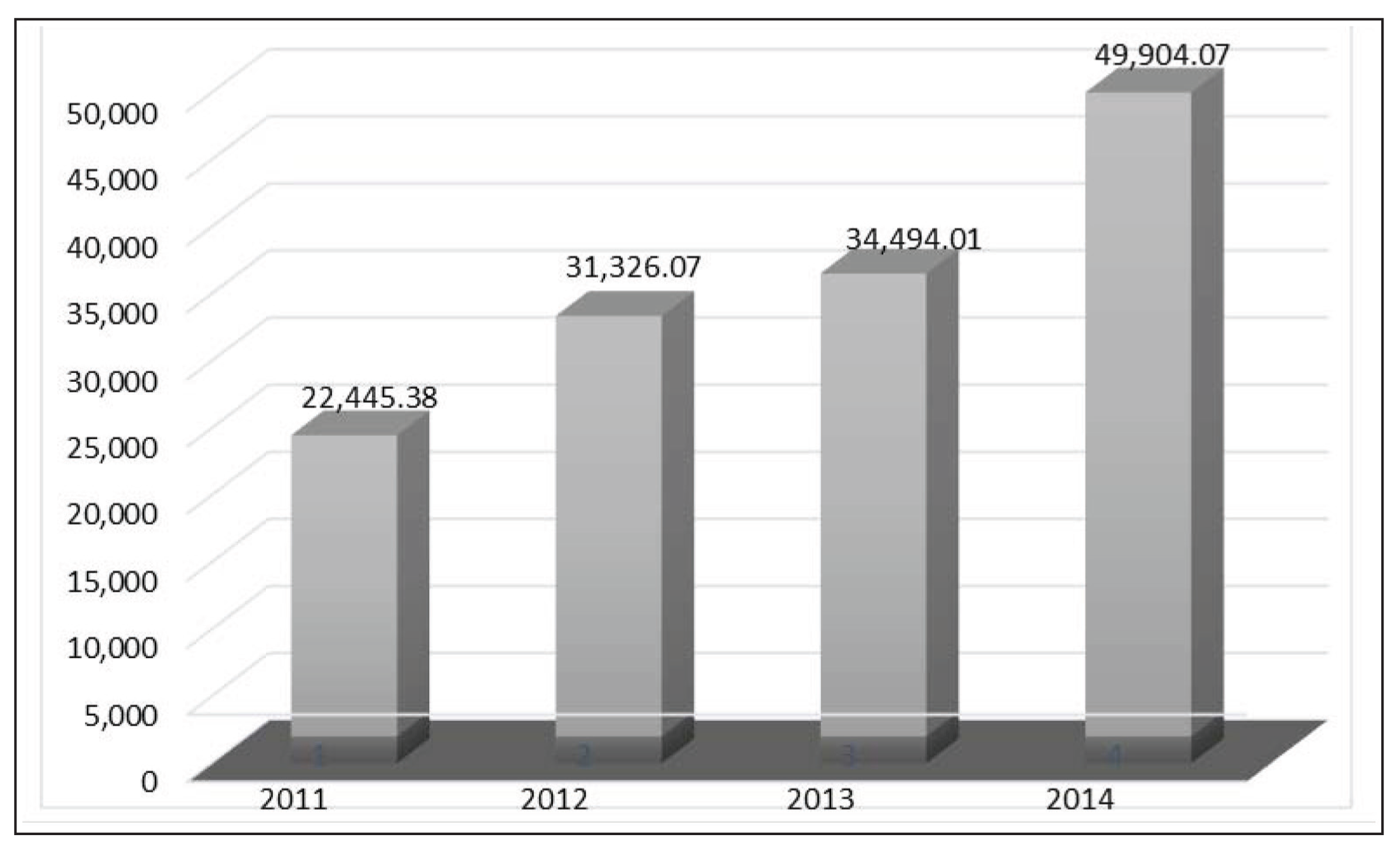
Based in Shanghai, the company was established in 2004 and was listed on Shenzhen GEM Board in 2011. Since its establishment, the company had grown and expanded at a fast pace. Consumers of the company were mainly located in eight cities: Shanghai, Beijing, Nanjing, Hangzhou, Wuhan, Shenyang, Chengdu and Guangzhou. The company received the provincial famous brand award in 2011. Between 2011 and 2014, the company showed impressive sales growth, with an annual growth average of more than 12 per cent (Figure 1).
The SSPL had three plant locations, comprising 8,485 employees. Its employees could be categorized into machine operators (most of them in the production department), research and development (R&D), financial officers, salespersons and managers. Like other Chinese private companies, SSPL was facing a major challenge in retaining its employees and reducing employee turnover. A high rate of voluntary turnover was increasing organizational costs such as staff training and development and recruitment, causing losses in time and productivity. In 2013, the company tried to take some actions, for example, by increasing employees’ pay—bringing it to slightly higher than the market average—and adopting a goal setting system. However, the turnover rate was still quite high and was recorded at 21.5 per cent in 2014.
In his annual address in 2013, Liu Huan, the company’s president emphasized four values—unity, devotion, integrity and innovation—to serve the organization’s mission of providing high quality products to customers. Huan referred to the enterprising spirit of SSPL and assured that the company sought to be a good platform for the employees and establish a famous brand. Huan referred to the concurrent focus on customer satisfaction and employee growth to achieve the organizational vision of becoming the top supplier for pharmaceutical and chemical products.
Xi was in his mid-30s and had been working at SSPL since 2010. He had masters’ in chemistry from Fudan University and had worked in diverse industries previously. He had spent more than 2 years in the sales department in SSPL when he was transferred to HRD in 2012, after the former human resource manager resigned on short notice. While initially, he found the HR work boring (though he liked his speedy rise to the rank of GM), Xi gradually started appreciating the department’s significance for organizational success.
Himalaya Consult
In February 2015, upon Xi’s recommendation, Huan engaged Himalaya Consult (HC), a local consulting firm, to investigate and offer advice on the issue of voluntary employee turnover. The HC decided to approach the problem in two stages: (a) macro-review of the organization in terms of its sales, growth, organizational structure and company policies and (b) collection and analysis of employee data, including current and former employees. Within the second stage, HC decided to conduct in-depth conversations with the following people: (i) managers familiar with relevant company policies, (ii) employees presently working at SSPL for at least 6 months and (iii) former employees of SSPL. The participants were asked to describe their own observations and perspectives about working in SSPL, especially in terms of their experience or intention for a turnover.
The HC conducted a review of demographic characteristics such as employee position, work experience and the overall trend of employee turnover. Much of this data was provided by the HRD in the shape of personal files (such as the cases of voluntary turnover) and employee demographics.
Moreover, in-depth one-to-one conversations were conducted to understand the motivations and perceptions of employee turnover. A total of thirty conversations took place. There were five participants from the management cadre, eleven operational employees and fourteen former employees who had already left the company. Based on the above, the HC team started compiling and assembling their notes in an attempt to analyse the situation and suggest a possible way forward in light of empirical evidence.
Himalaya Consult’s Notes
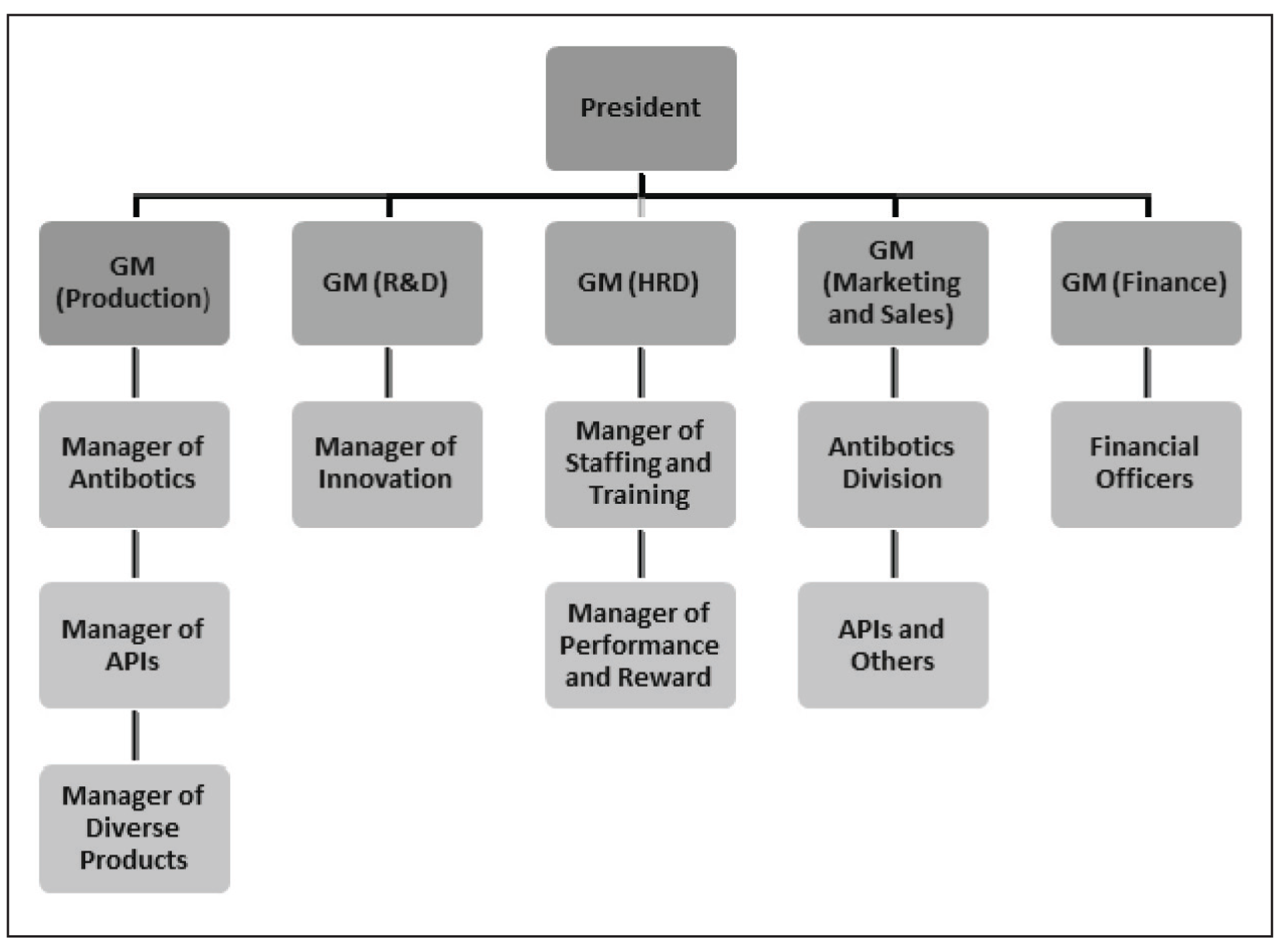
Like most organizations in China, SSPL had a functional structure, comprising four departments, that was, R&D department, production department, marketing department and finance department. The production and marketing departments had most employees, the majority of them at junior or operational level. There was a centralized hierarchical structure and control of the company (Figure 2), with little provision for employee participation in decision-making.
As shown in Table 1, SSPL had a total of 8,485 employees (as per 2014 data). Most of them (5,972) were junior-level employees working as machine operators and salespersons. A total of 1,053 employees had a masters’ or higher degree, 2,839 had an undergraduate degree, while 4,953 had a qualification below undergraduate level. Most of the employees in the R&D department had a postgraduate degree. In contrast, most of the machine operators and salespersons had a lower qualification.
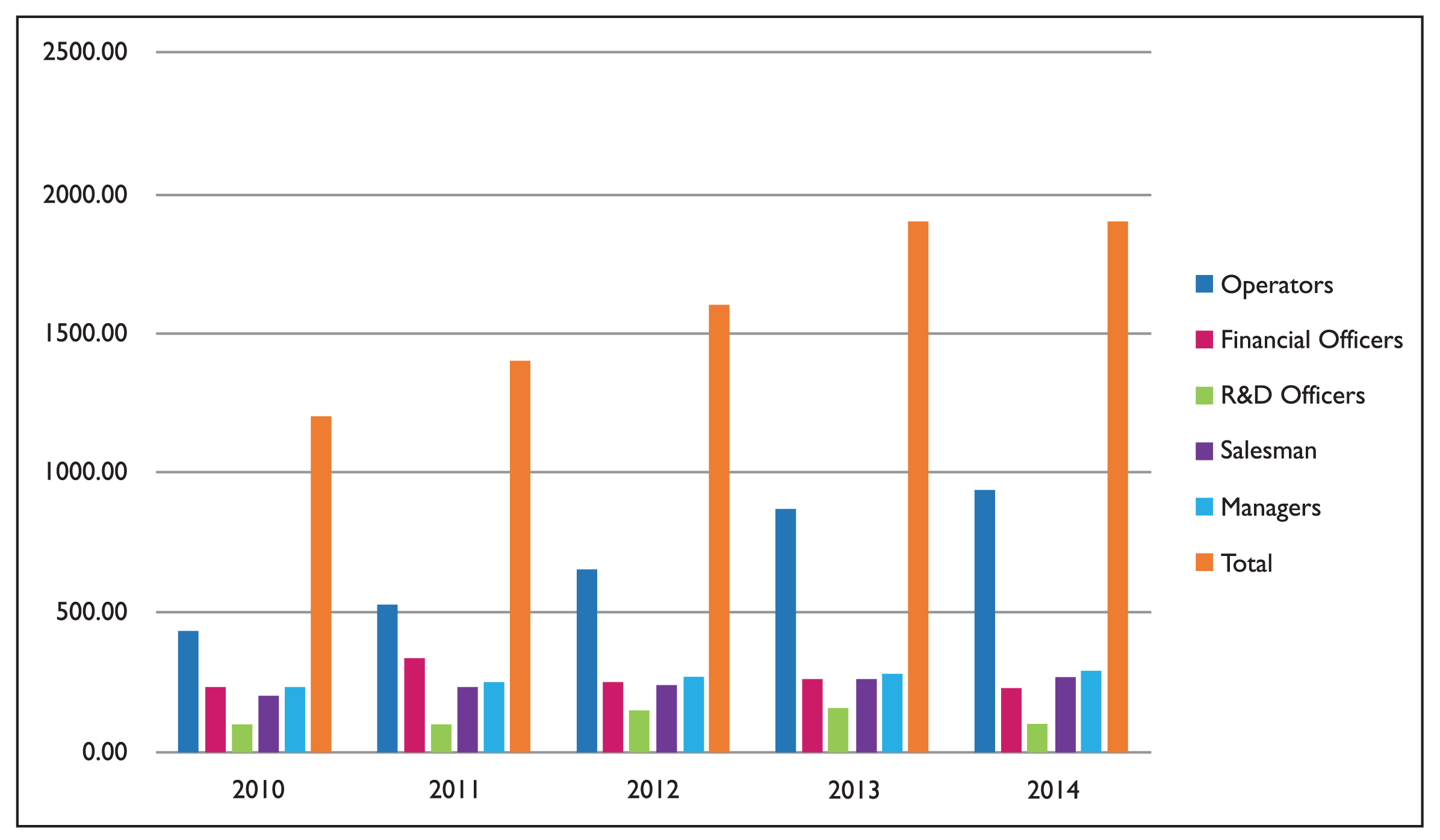
The HC noted an increasing trend in employee turnover from 2010 to 2013 (Figure 3). While there was a slight decrease in 2014, the turnover rate was still quite high. Among different occupations, machine operators had the highest quitting rate. The number of quitting machine operators had been increasing consistently in the past few years, increasing from 432 in 2010 to 935 in 2014. The number of quitting salespersons, financial officers, R&D officers and managers increased every year from 2010 to 2013.
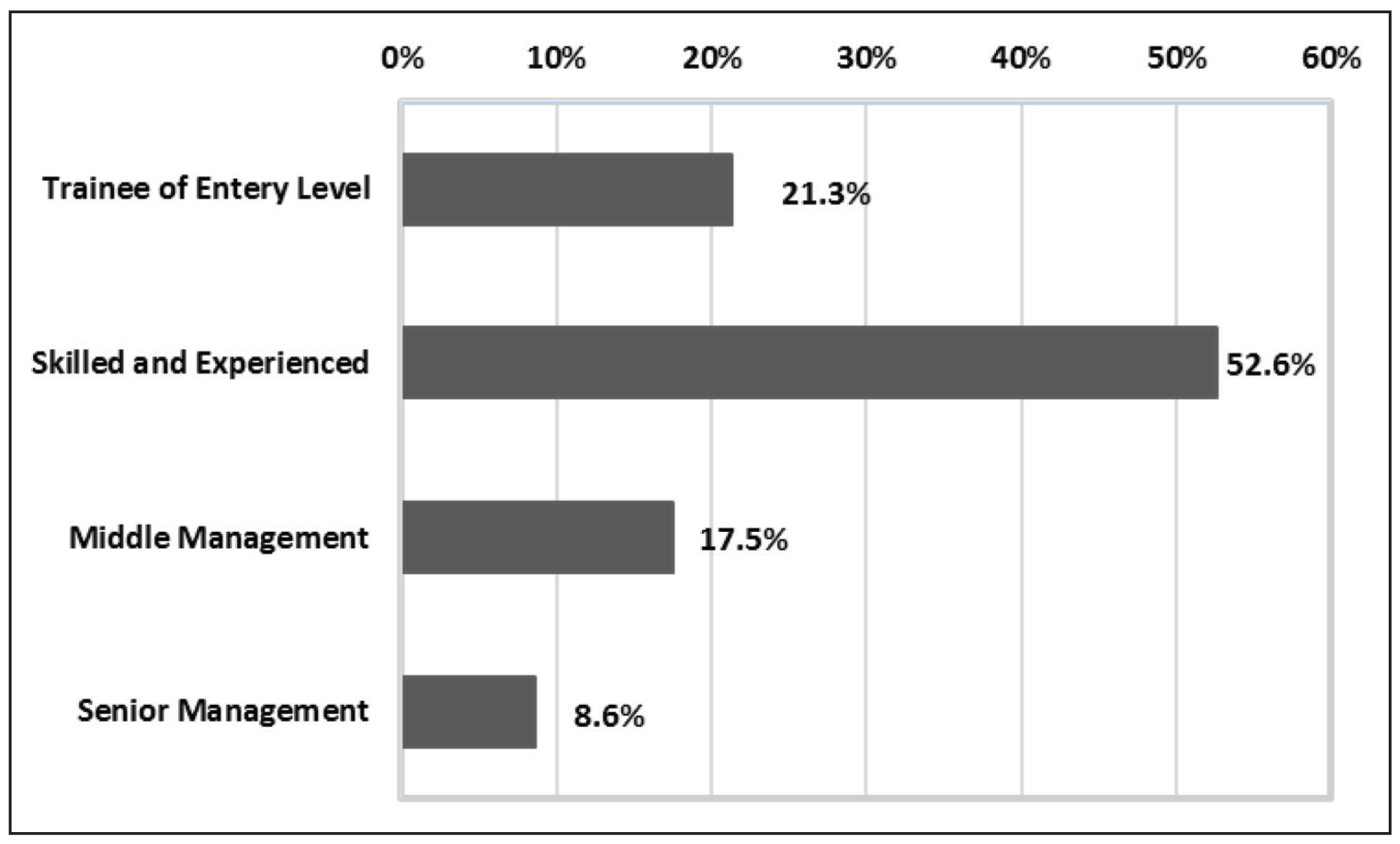
The production department of SSPL, the largest in terms of number of machine operators, had the highest employee turnover. Figure 4 shows the duration for which the quitting employees had served the company. The peak period was 1–3 years (27.9%). The HC’s notes indicated the possibility that after being in employment for more than a year, new recruits, most of them young, developed a better understanding of their work and career. They might have felt unsatisfied with their existing work or organization and, accordingly, went looking for another job. Alternatively, with some work experience, employees might wish to start their own business. Nevertheless, the employee turnover decreased after a working period of 3 years. At that stage, employees appeared to be more satisfied with their situation and were unwilling to switch jobs. The probability of employee turnover decreased to the lowest level in the 5–8 years period. However, after working for 8 years in the company, employee-turnover rate increased to 13.3 per cent. By that stage, most of the employees hoped to have been given adequate opportunities for career advancement. If the company did not satisfy their advancement needs, they might consider leaving their job. More than half (52.6%) of all quitting employees were skilled and experienced (Figure 5), which could be seen as a great loss to the company. Moreover, 8.6 per cent of all quitting employees were senior managers. This was a high percentage given that the proportion of senior management in the company was much lower than that of other employees.
Employee Composition at SSPL

The turnover rate at the middle and senior management level in the company was 26.1 per cent, which was higher than any other private companies in China (about 20%). The ratio of quitting middle managers (30.2%) was double than that of senior managers (14.9%). The HC’s notes indicated the probability that this could be attributed to a limited number of senior managerial positions in SSPL. Middle-level managers could have felt hopeless about promotion; therefore, they might have decided to leave the company. Although the turnover rate was relatively low for senior managers, their departure could be seen as a great loss of leadership. Furthermore, employees at trainee or entry level too showed a high-rate of quitting. This could be attributed to inadequate induction of training programmes or insufficient incentives. There was a probability that some of the quitting employees felt a difference between their expected and actual working conditions or remuneration.

From the Horse’s Mouth
In addition to quantitative analysis, the HC consultants also conducted one-to-one conversations with current and former employees of SSPL. Two key themes emerged from these conversations: reasons for quitting and current retention strategies.
Eight of the fourteen former employees were currently working for the competitors of SSPL. Two machine operators and one salesperson who left the company had started their own businesses. Two financial officers were now working for accounting companies. One R&D officer who had left the company had found employment in a university.
Reasons for Quitting
The HC experts identified several key reasons for quitting, which are discussed below.
Individual- Company Fit
When asked to describe the management style of SSPL, most of the participants mentioned ‘rules’ and ‘control’. A culture of strict control and close supervision indicated a lack of employee freedom in SSPL. Participant 2 (a manager) said that ‘the clearly defined job description and scope of responsibilities make it much easier to monitor employee performance’. Another manager (participant 3) said, ‘We have to obey the comprehensive rules and regulations within the company. I should obey all the orders from the upper level, which makes me sometimes feel losing freedom in such a big company.’
The same manager (participant 3) further said that the company was ‘inanimate’, which was similar to what a quitting machine operator said, ‘The whole company is like dead. All the managers pass orders from upper level to lower level, and there is little innovation in the company’. This reason made the operator leave the company because he enjoyed innovative work which was not available in the company. Another machine operator (participant 27) said that ‘my supervisors focus more on production quantity than quality. This approach cannot increase the product’s quality.’
Other possible reasons for turnover identified by the employees included: ‘abuse of guanxi’, ‘poor organizational capability’, ‘unfair treatment by managers’ and ‘inhuman management’. Participant 6 (salesperson) said that ‘after deciding about the required sales that I have to make every month, my supervisor only focuses on the sales numbers that I make, rarely does he care about me’. Notably, four participants (5, 10, 14 and 18) mentioned ‘guanxi’ in their conversations (see Exhibit 1 for a brief explanation of guanxi). They said that they felt unfairly treated in the company because the employees who had ‘guanxi’ with their upper level were treated with preference. For the present employees of SSPL, the most frequently mentioned reasons for their anticipated turnover decision included: ‘better salary’, ‘arrogant top-level managers’ and ‘lack of overtime payments’.
The dominant dimensions of rules and control in SSPL’s management style were akin to generally high-power distance in China. Hofstede’s study of culture in organizations defines power distance as the extent to which less powerful members of institutions and organizations within a country expect and accept that power is distributed unequally. China was found to be a high-power-distance country, that is, a society that believed that inequalities amongst people are acceptable. The subordinate–superior relationship tended to be polarized, and there was little defence against power abuse by superiors. Individuals were generally influenced by formal authority and might not have aspirations beyond their rank (HI, 2018).
The participants indicated that they were given little chance to participate in decision-making, which seemed to be a source of demotivation. They said that nearly all the decisions in the company were made by the top executives who were at times difficult to approach. Participant 11 said, ‘Before deciding to leave the company, I tried to talk with a senior manager. However, I found it difficult to have a meeting with him.’ Four participants said that they felt a lack of empowerment to effect a change. Kinling Lo (R&D officer, participant 9) said that his supervisor changed her job description without prior notice. She felt that the new work routine was quite stressful, so she left the company.
She narrated the following incident:
It was 5pm on a Friday as I was working in the lab. That’s when Mr Leung [Senior Manager R&D] called me to his office. I was told that from next week, I had to spend two hours every day in the Operations Department as they were facing some issues in the bio APIs section. When I asked him if it was a temporary arrangement, I was told that it was a part of my new job description. I managed to spend an extra month in the company but hardly managed. My time in bio APIs was almost totally wasted as their issues were more related to the production flow than the chemical composition of the product. Moreover, the amount of my workload in R&D was not reduced. As a result, there was a huge backlog and I had to work extra hours without any compensation at all.
The conversations also indicated issues of dissatisfaction with the work environment, which included lack of teamwork, hierarchical management and unfair treatment. A former middle manager said that the main reason for his resignation was that although he was given direct responsibility for his subordinates, he felt a lack of power because for making every single decision he was expected to consult a higher authority. Two machine operators (participants 17 and 22) who had left the company said that there was very limited teamwork opportunity in the organization and across divisions, which made it hard to communicate and work with other employees.
Given the hierarchical structure of the company, the organizational culture seemed to be rigid, forcing and expecting employees to adapt. A manager said, ‘The organizational culture is more competitive than cooperative. As a result, we rarely communicate our work with our colleagues because most of us hope to have better performance than our colleagues so that we can be promoted.’ Similarly, two machine operators (participants 15 and 22) referred to the lack of learning opportunities in the company. They stated that the company’s focus was on higher productivity with little attention given to skill development.
A former financial officer felt unfairly treated by the company because in his view ‘sometimes the upper-level [senior managers] gives more rewards to workers with less capability’. A former R&D officer (participant 16) said that most of the promotion decisions were made solely by senior managers, and it was hard to get promotion.
Individual-Work Fit
The HC experts classified several reasons for employee turnover caused by the individual-work fit. Five participants said that they left the company because of issues with work content or job description. Participant 19 (financial officer) said that he left the company because he was unable to use his abilities fully in his work. A current employee acknowledged that if he felt the work was lacking in challenge, he would consider leaving the company.
The monotony of daily work was the reason mentioned by ten participants. The participants recommended the company to revisit job design after training sessions. Participant 15 said that ‘after every training session, I felt I had learnt some skills, but without any change in my work, I am not sure whether these new skills can be used at all’. Participant 22 said that ‘I felt a little tired about the work in the company because repeatedly doing the same work for a long time causes indifference.’ He added, ‘I will consider changing jobs again if there are other work opportunities, especially when the new opportunities contain new work. I think doing monotonous work hampers my innovation ability.’
The high workload was one of the main reasons cited for employee turnover in the company. At least six of the participants had left the company due to this reason. Participant 2 (manager) said that every day he had a large amount of paperwork to process because his subordinates reported nearly every decision to him. Participant 16 (R&D officer) said that there were too many written reports to finish. Participant 22 said that he left the company because of the extra work given by his supervisor, with little time to rest. Participant 5 said that ‘the routine emails of the company contain too many abbreviations and terms, which are hard to understand for new employees. They [new employees] have to work extra hard to be familiar with these terms and other company processes.’
Incentives
Although the managers claimed that the company had an integrated employee appraisal and reward system, the system appeared to be less than effectual. The HC team found several forms of incentives in use at SSPL.
Monetary incentives were one of the major reasons cited for employee turnover in SSPL. Most of the participants (21 of 30) said that they were dissatisfied with their current pay. Eight former employees mentioned that pay was one of the key factors for their decision to quit. Ji Xing (participant 7) said that the single major factor that made him change his job was the attractive salary package offered by another company.
In his words:
I went to my boss, Mr Yuan, and told him about Sinopharm’s (leading Chinese pharmaceutical company) offer. He said he couldn’t match the salary and that I was free to leave. I did not have a choice but to tender my one-month notice.
Employees’ pay in SSPL was determined by the appraisal system of the company. However, eleven participants felt that the company’s appraisal system was unfair. Two former employees said that they were often given additional tasks by their supervisors, but these tasks did not add to their overall workload. Participant 29 said that she had worked for the finance department for more than 2 years before she left the company. Because of the ‘unfair’ performance appraisal system of the company, she received little increase in her pay, so she changed her job and was now working for an accounting company.
When asked about emotional incentives in the company, half of the participants answered that there were no emotional incentives, such as non-financial rewards, appreciation certificates or gift vouchers. A former machine operator said that he felt he was treated as a machine, not as a human. Interestingly, five participants thought their upper levels were ‘generous and considerate’ while all others thought their superiors were ‘rigid, authoritative and indifferent’. The element of guanxi or personal relationships in the context of positive experiences was evident in some instance. Participant 10, a finance officer with an undergraduate degree, depicted his superior as ‘always using informal communications to guide and inspire subordinates and maintain a high level of subordinate performance’. He was hopeful that the organization would offer him a study leave with some financial support to complete his masters’ degree from abroad. However, participant 28 reported that the company had not adopted a personal goal setting system since past 2 years.
Twelve participants with previous turnover experience said that they left their work because they felt there were few opportunities for promotion. Participant 4 noted that the management cadre in the company received preferential treatment for paid vacations, and the length of their vacation was determined by top executives.
Current Retention Strategies
The HC experts identified several retention strategies being used by SSPL. Opportunities for career development in SSPL were provided at the time of joining (in the shape of induction training programme) and subsequently in the shape of professional development and career progression. While all participants acknowledged that they had participated in the entrance training or the induction programme, only four of them thought the programme was useful. Participant 17 said, ‘During the entrance training, I did not obtain any useful skill for my work. The work I did mostly was cleaning the workshop.’ Participant 8 said, ‘The entrance training is unnecessary for me because I have enough experience from before I joined the company. Still, I have to attend such training, which is a waste of time.’
When it came to professional development, participant 17 mentioned that his supervisor tried to retain him by promising him more responsibilities and more learning opportunities that is through job enlargement and enrichment. In addition, seventeen participants said that they were provided at least one promotion opportunity in SSPL. Participant 5 said that the information that she would be promoted in the near future made her give up the idea of leaving the company. However, nine of the former employees said that although they were told there were opportunities, they did not get any promotion during their tenure in the company.
Most of the participants (22 of 30) said that a common method used by the company to retain its employees was monetary incentives. The compensation system used by the company was basic pay plus a floating salary. The SSPL offered a basic pay slightly higher than the market, and the floating salary (similar to the industry practice) received by the employee was adjusted on the basis of their work. Although the increase in pay could decrease the intention of leaving for some employees, the participants’ accounts suggested that a rise in pay alone could not completely change their intention to quit. Participant 1 (manager) mentioned that the company had made efforts to improve employee welfare by purchasing health insurance for employees and increasing holidays:
In addition to annual increments, the company also focuses on employees’ wellbeing. The number of holidays has been increased. The company also offers health insurance to its permanent employees, something which was not previously provided.
However, junior level employees were not satisfied with the current policy. In particular, the grant of paid holidays was subject to managerial discretion. Participant 11 said that when he felt quite stressed in the company, his manager offered him a long holiday. However, he still refused the offer and left the company.
Most of the junior level employees thought that there was a lack of emotional incentives in the company; however, they did refer to emotional tactics that were occasionally used by their managers to retain employees. Nine of the fifteen former employees said that after they submitted a resignation, their supervisors used emotional tactics to retain them. Five of them said that their supervisor tried to state their importance and value to the company by arranging a formal meeting with them. It may be noted that the opportunity for the formal meeting was not normally provided to workers except in exceptional circumstances such as when they decide to quit. Participant 16 (salesperson) said that in the formal meeting, his supervisor told him:
I value you a lot and have put great efforts to train you. Now it is the time for you to contribute to the company by what you have learnt in the development programme. So, you should not leave the company at this stage.
The Way Forward
Based on an extensive study of issues of employee turnover and retention at SSPL, HC submitted its detailed report to Xi who read it word by word with keen interest. Xi noted that while the report referred to monetary incentives as one of the major causes of employee turnover, it also highlighted the important role of non-monetary issues such as management style, work environment, job design and career progression. Some of the questions troubling Xi’s mind were as follows: which one of these issues was most important? What should be our first intervention? How could we make production workers’ jobs more interesting and fulfilling? What was the guarantee that an increase in wages will result in better employee retention? Could the company afford an increase in wages at all? He was now planning to discuss the report’s findings with Huan who was expected to offer some recommendations as the way forward.
Declaration of Conflicting Interests
The authors declared no potential conflicts of interest with respect to the research, authorship and/or publication of this case.
Funding
The authors received no financial support for the research, authorship and/or publication of this case.
Guanxi Explained
Guanxi: Power of Personalized Networks
Guanxi is a unique Chinese concept that refers to personalized networks of influence (based on the relationships an individual cultivates with other individuals) and is considered to be a key feature of Chinese society and organizations. It is about building a network of mutually beneficial relationships which can be used for personal and business purposes. With its origins in the classical Chinese philosophy of Confucianism, it stresses the importance of connection and relationship, implicit mutual obligations, reciprocity and trust. In a business context, guanxi plays a key role in conducting day-to-day operations through interpersonal relationships. One Chinese proverb thus highlights the importance of guanxi: ‘make friends first, do business later.’