




Abstract
With over a decade-long absence from the market, Haleeb Foods Limited had decided to relaunch its flagship brand ‘Haleeb’ within the processed milk category. While the enthusiasm was high, the fact that Haleeb was returning to the market after a decade posed serious challenges for the branding team. The product category and customer expectations had evolved over the years and strong competitors, that is, Olper’s (Engro Foods Limited) and MilkPak (Nestle), had emerged. Haleeb’s branding team had to decide on how to take the brand forward after being absent from the mainstream.
Keywords
Discussion Questions
Q1. How has the industry evolved?
Q2. Is Haleeb’s legacy a viable strategy in the current environment?
Q3. How have the customers evolved? And who could be an ideal target market?
Q4. How are Haleeb and its competitors positioned in the market?
Q5. How can Haleeb be differentiated from competitors (Point of differentiation)?
Q6. What should Haleeb’s strategy be?
It was Monday, 4th July 2016 and Majid Noor, the recently hired Marketing Director at Haleeb Foods Limited Lahore, was settling into his morning routine. He was about to leave for a cup of coffee when his phone started to ring. It was their creative agency who had called to ask for a creative brief (Table 1) on Haleeb’s relaunch by Wednesday if the campaign was to launch during that quarter.
Agency Brief.
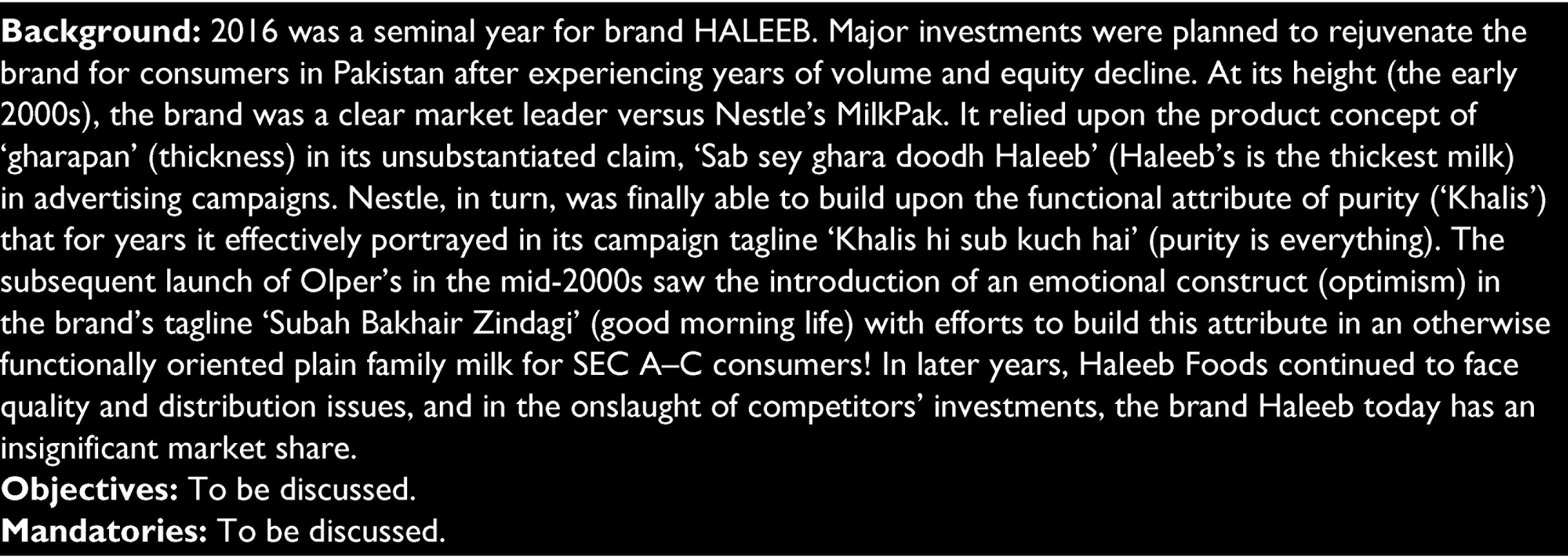
Haleeb, the ultra-high temperature (UHT) processed milk brand of Haleeb Foods Limited, was a major cash cow of the company and had dominated the UHT milk segment with more than 50 per cent market share till the mid-2000s. However, due to rapid changes in the competitive dynamics of the segment and reactive approach of the previous management, the brand had slowly receded into oblivion with a single-digit market share by FY2015/2016. Haleeb Food’s new management—the company was taken over by VMFG Private Limited in 2012—wanted to revive their flagship brand and had recruited Majid Noor, a veteran marketing executive with considerable experience in FMCG sector, to come up with a viable brand relaunch strategy by the end of the quarter.
Majid called Rafiq Khan, the Assistant Brand Manager, into his office and began his brief:
Our creative agency just called and asked for a creative brief by Wednesday. The problem is we need to be crystal clear about how to competitively position Haleeb in the market. Unless we don’t clearly tell our customers why they should buy Haleeb, they would continue buying the brands that they have been buying all these years.
Rafiq nodded in affirmation but seemed confused.
Majid continued:
I mean we need to understand how to take Haleeb forward with this re-launch. We have two obvious choices: continue with Haleeb’s legacy positioning or come up with a new positioning strategy? As you can see a lot has changed during the past 10 years when we were the market leaders. Now, we need to identify who is our target market and make sure that our positioning resonates with them? We also have to analyze the competition in detail and ensure that Haleeb’s positioning remains different from them? Customers need to know that we are different, otherwise, we will struggle to compete and gain market share.
Dynamics: Agriculture and Dairy Processing Industry
Despite decades of industrial development, Pakistan was largely an agrarian economy (21% of GDP, 43% of labour employment; Economic Advisor Wing, 2015). Among agri-sectors (crops, fisheries, forestry), livestock was the primary engine of growth (Sector shares 2000/01: crops = 48%, livestock = 48%; sector shares 2015/16: crops = 37%, livestock = 59%) and over the years had become the largest contributor to agri-output. Livestock included cattle, buffalos, sheep, goat, camel, horses, mules, poultry and their products (such as milk, butter, cheese). The sector was largely dominated by milk production (51% share of livestock output) for which Pakistan was ranked 4th in the world, after India, USA and China, respectively. The bulk of local milk production was from buffalo (24 million metric tons, global rank: 2nd) and to some extent from goats (800,000 metric tons, global rank: 4th). The milk was then distributed to end consumers in two ways: (a) loose milk and (b) processed milk.
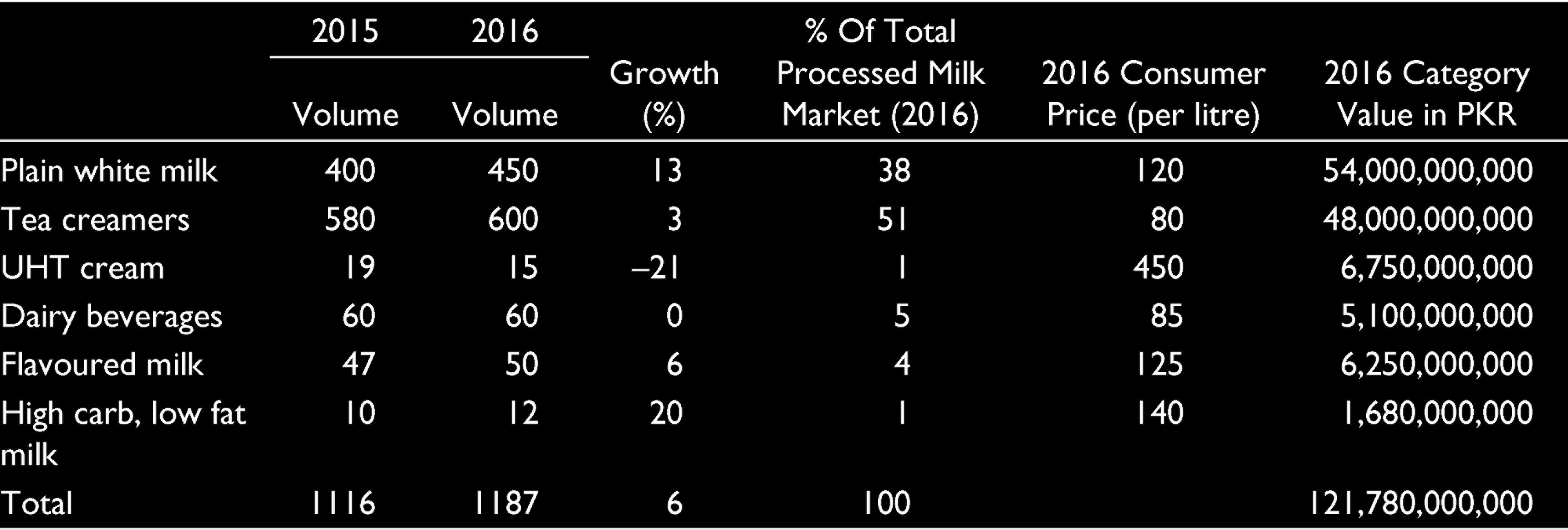
Loose milk, the more common type (annual production = 40 billion litres; growth rate = 3%), was defined as one that was sold from large open containers in the shop and came straight from dairy farms. Mostly, it was adulterated/diluted with water/ice to protect it from getting spoilt and to increase its volume. On the other hand, processed milk referred to products that were industrially treated for consistency and preservation such as plain white UHT milk, tea creamers, dairy beverages, flavoured milk, and High Carb, Low Fat (HCLF) milk. The installed capacity of processed milk was 2.42 billion litres per annum, and it had a utilization ratio of 50 per cent. Within the segment, tea creamers had the highest volumetric share and plain white UHT milk had the highest growth and value share (see Table 2). Due to the excessive demand for milk products in the country, both loose and processed milk were not enough to meet the local demand. It was estimated that with the demand growth of 13.5 per cent per annum, the country faced an approximate shortfall of 7 to 8 billion litres of milk.
UHT Dairy Market Size.
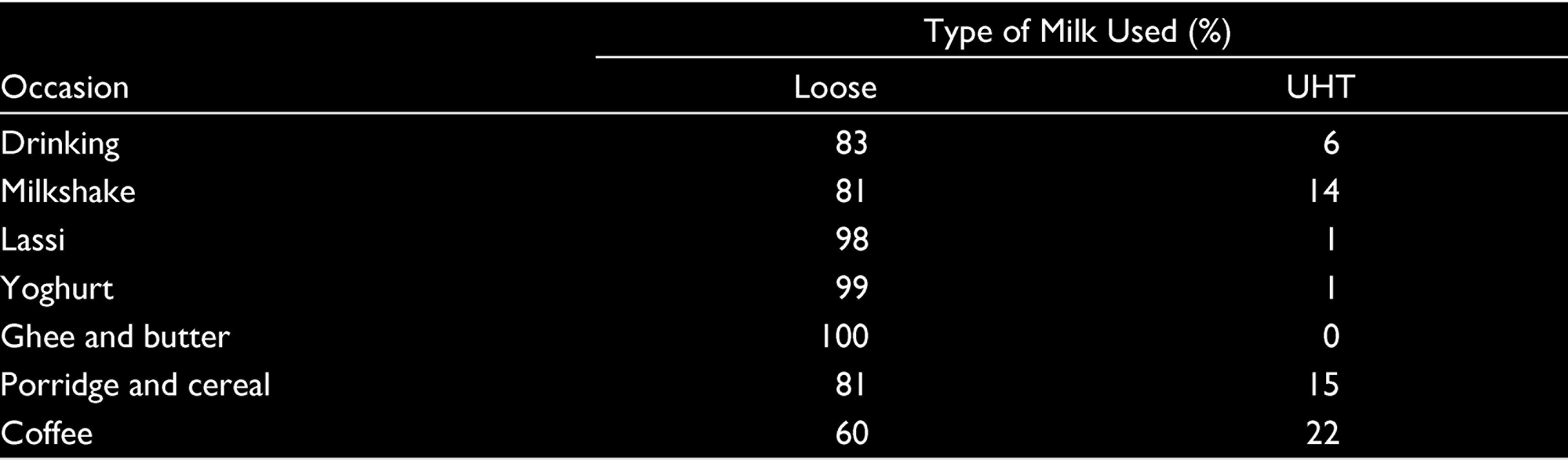
Loose milk had a significantly higher consumption share than UHT milk across all occasions (see Table 3). Major reasons that contributed to this difference, apart from the relatively shorter history of the UHT milk industry, included price difference and lack of trust in the UHT process. UHT milk was expensive as it retailed for PKR 120/litre (USD1 = approx. PKR 100) versus PKR 80/litre for loose milk. Also, consumers believed UHT milk to be harmful for consumption as it was ‘processed’ with chemicals. Hence, the associations with words such as healthy and pure were not so strong across the market. However, with increasing awareness about the adulteration of loose milk by the milkman or the dairy farm owners, customers were becoming sceptical about the quality of loose milk and only purchased it from personally known and reliable shops/milkmen/farm owners.
Type of Milk Consumed (%) and the Occasions.
Consumer Buying Behaviour and Profiles
To get an up to date understanding of the UHT milk segment, Majid commissioned a couple of reputed market research agencies to conduct few studies that presented the following findings to the brand team.
Consumption of Milk
Research indicated that consumers associated a number of benefits with the consumption of pure white milk (see Figure 1). These were:
development—physical and mental (preferred for young children), healthy diet and source of energy—high nutritional value (calcium and vitamins), and beneficial for medial efficacy—catalyst for the effectiveness of medicines.

According to the study, different segments of consumers had different reasons for consuming milk. For instance, a child was made to drink milk twice or thrice daily (breakfast and before bed) for healthy growth, mental development and vitamin D intake, whereas adults mostly drank milk before bedtime, as it was assumed to be anti-acidic and helped in cooling the stomach.
The consumption of milk, however, was not just restricted to the simple act of drinking as it is. Milk was one of the key ingredients for many beverages and sweet dishes that were consumed regularly. One of the most widely consumed beverages was tea (seventh highest per capita consumer of tea products), which was rarely consumed without adding milk to it. In Pakistan, the culture of having tea was widespread and consumed throughout the day. At home, it was regularly consumed after meals as an energy booster and was served to guests, as it was considered an essential part of hospitality. In commercial areas, tea stalls were readily available on every corner to cater to the high demand by the shopkeepers who would drink it to remain energized and also offer it to their customers. Such widespread consumption of tea automatically increased the intake of milk. Although tea creamers existed in the market, a significant proportion of consumers believed that authentic tea was only prepared with milk. In fact, the use of milk while consuming tea was greater than drinking pure milk itself (see Table 4). Milk was also used to prepare sweet dishes that were consumed not only during festivities but also after meals in most households. This mode of milk consumption ranked third in the list of milk consumption by occasions. Other uses of milk included preparation of porridge, yoghurt, coffee, lassi, ghee and butter.
Popular Overall Consumption Occasions of Milk by Geographical Area.

Ultra-high Temperature Processed Milk
UHT process was developed in the 1960s to sterilize liquid food by exposing it to very high temperatures (above 135°C) for a short duration of time (2–5 seconds) and then immediately cooling it down to normal temperature. It ensured that harmful microorganisms were eliminated while the nutritional value, quality and taste were preserved. Although the UHT process was used for different products such as juices, yogurt, soups and honey, it was most commonly used for processing milk. A significant advantage of UHT processed milk over fresh milk was its long shelf life of around 6–9 months even at room temperatures. This made storage and transportation of UHT processed milk easier.
In Pakistan, strict local regulations were in place for the processed milk category. As per these regulations, the UHT processed milk was a homogenized product and had to maintain a standard level of viscosity with less than 3.5 per cent milk fat and 8.9 per cent of milk solids other than milk fat. It was also required to be free from any non-dairy ingredients except the permissible food additives and supplements.
Recent market research on the consumption of UHT milk in the local market indicated the following major reasons why consumers preferred UHT processed milk:
product quality—viscous, creamy, sweet and pure; health benefits—hygienic, comes with an expiry date, nutritious, enhanced composition of vitamin D and calcium; convenience—easy to handle and use, easy to store, no need to boil (saves hassle); and viscous—good for preparing tea.
However, major reasons to avoid using UHT milk were:
chemically treated; expensive: especially while preparing sweet dishes that require lots of milk; not natural: harmful for children; did not give the right colour for tea; and did not get delivered to the doorstep and no credit facility (versus purchasing from milkman).
Who is Buying?
Demographic: Socio-economic Class
Socio-economic class (SEC) was a commonly used method to segment Pakistani consumers demographically. It considered two factors: (a) a family’s principal bread earner’s occupation (also a proxy of income) and (b) education. Based on the combination of these two factors (see Table 5), a family was classified as A, B, C, D or E, with ‘A’ representing affluent families with a high level of education and ‘E’ representing blue-collar families with unstable jobs and low education levels. Research showed that the consumption of commodities and amenities such as the Internet, television and goods were highest for SEC ‘A’ and lowest for SEC ‘E’. Similarly, milk consumption was also the highest for SEC ‘A’ and ‘B’ and lowest for SEC ‘E’ (see Table 6).
Socio-economic Class Characteristics.

Overall Consumption and SEC Breakup.

Geographic: Rural versus Urban Population
Nearly 61 per cent of the total population (approximately 180 million) lived in the rural areas of Pakistan. People in these areas had traditional values, were not open to change and did not have a sense of urgency in their life. Due to their limited disposable income and large family sizes (usually joint families), the head of the family, who was a male member, took all major decisions regarding consumption. Moreover, owing to the traditional lifestyle, the reliance on packaged goods was very little, and the perceived value of fresh food was very high.
On the other hand, the urban areas represented 39 per cent of the total population and had some key differences from rural areas. Owing to the fast-paced urban life, most people had a sense of urgency, which led to a strong reliance on convenient packaged goods for consumption. Open to novel ideas and cultures through easy access to media (television, Internet, newspapers), the urban population was known to make changes in norms and trends of the society.
The consumption of plain white UHT in the rural areas grew between FY2013/2014 (23.8 million litres) and FY2014/2015 (27.7 million litres) but stagnated in FY 2015/2016 (27.8 million litres). On the other hand, the sales of plain white UHT milk in urban areas experienced a decline between FY2013/2014 (181.7 million litres) and FY2014/2015 (161.2 million litres) but suffered a 9 per cent growth in FY2015/2016 (175.8 million litres). While only 2 per cent of SEC ‘A’ and ‘B’ in rural areas consumed plain white UHT milk for drinking purposes (versus loose milk: 94%), 8 per cent of SEC ‘A’ and ‘B’ urban population consumed plain white UHT milk for drinking (versus loose milk: 74%). In addition, 37 per cent of the rural population remained non-trialists—people who may have been aware of plain white UHT milk but had not tried it yet—as compared to the 27 per cent of the urban population who were categorized as non-trialists.
Psychographics
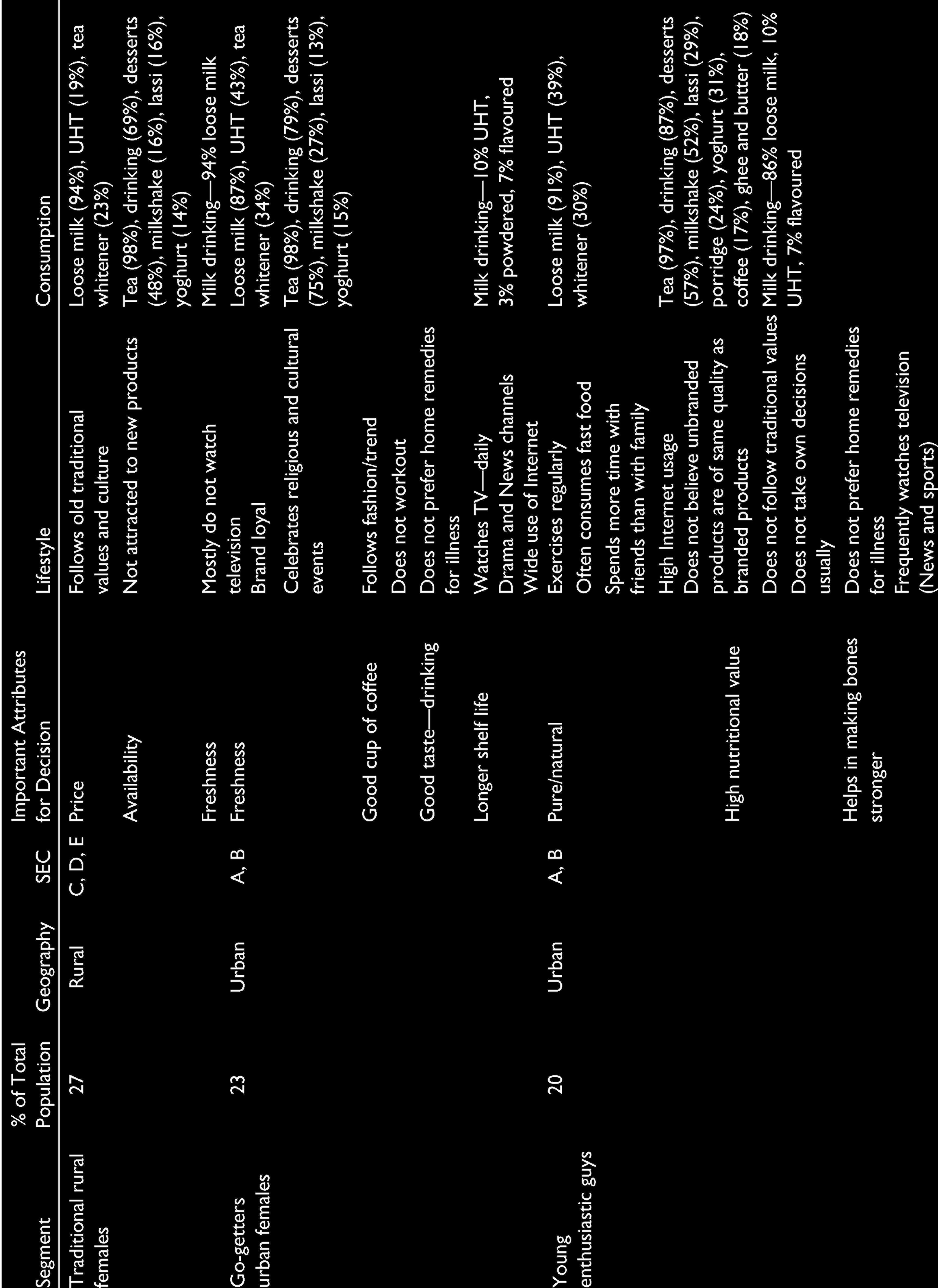
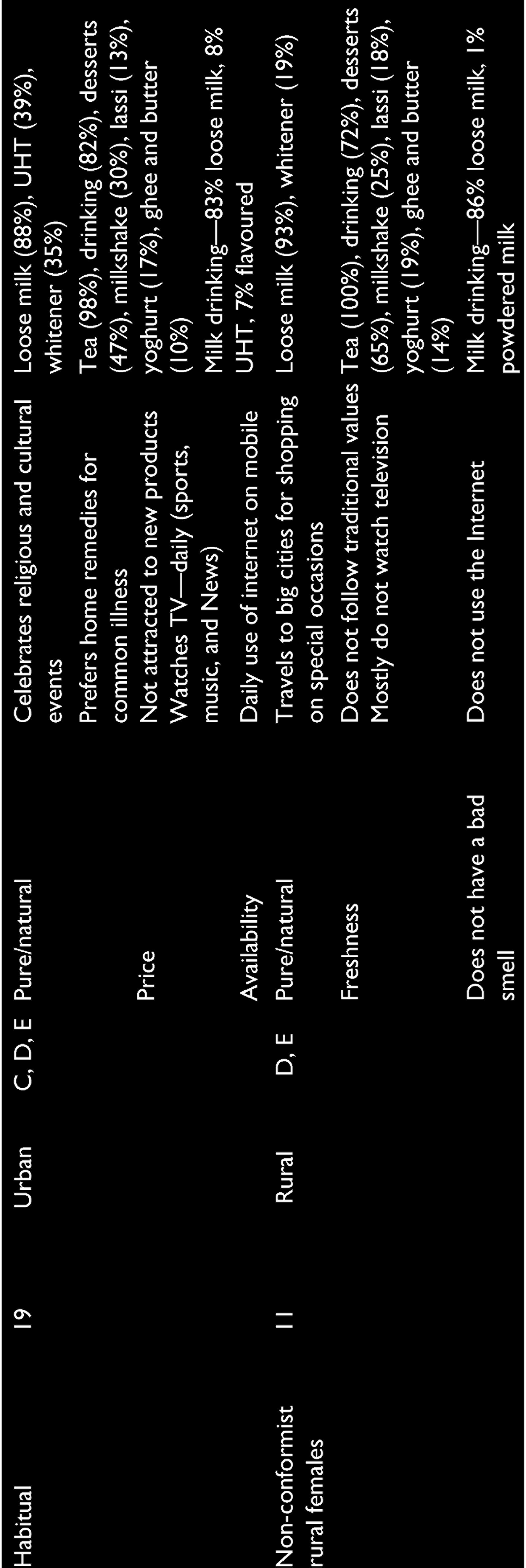
Research also identified five distinct UHT milk consumer segments based on their psychographics. These were labelled: traditionalist rural females, go-getters urban females, enthusiastic young guys, habitual and non-conformist rural females (see Table 7).
Psychographic Segmentation.
The Competitive Landscape: Ultra-high Temperature Milk Industry
Although the concept of processed milk existed in Pakistan since the 1960s, it was the entry of Tetra Pack during the 1980s under the management of Packages Limited, which had led to the rapid development of the segment. Haleeb, one of the pioneers of UHT milk in Pakistan, had set up its facilities in 1984 and held a market leadership position till the mid-2000s. However, by FY2015/2016, the segment was mainly dominated by Olpers (Engro Foods Limited) and MilkPak (initially owned by Packages Limited and later acquired by Nestle Pakistan).
MilkPak (Nestle Pakistan)
Background
MilkPak, owned by the multinational corporate giant Nestle, had been in the market for over thirty years. It enjoyed the benefit of being regarded as the oldest brand in the UHT milk segment, primarily due to the weak market presence of Haleeb. It dominated the market for all-purpose UHT milk with an approximate 45 per cent market share in FY2015/2016. It was considered suitable for people of all ages, primarily due to the fortified calcium and vitamin D content. It was also considered as one of the best-packaged milk brands that could be used for preparing tea. However, Nestle also owned Everyday, a very popular tea whitener that was heavily promoted and was commonly used at cafeterias, offices and urban households.
Most of the MilkPak users had switched to it either from loose milk or Haleeb. Loose milk consumers had switched after they realized the benefits of packaged and processed milk. For instance, the ease of storage, longer shelf life and the health benefits associated with standardized and hygienic milk. On the other hand, Haleeb users had switched to MilkPak merely because they had become disappointed with the quality and non-availability of Haleeb.
Brand Profile
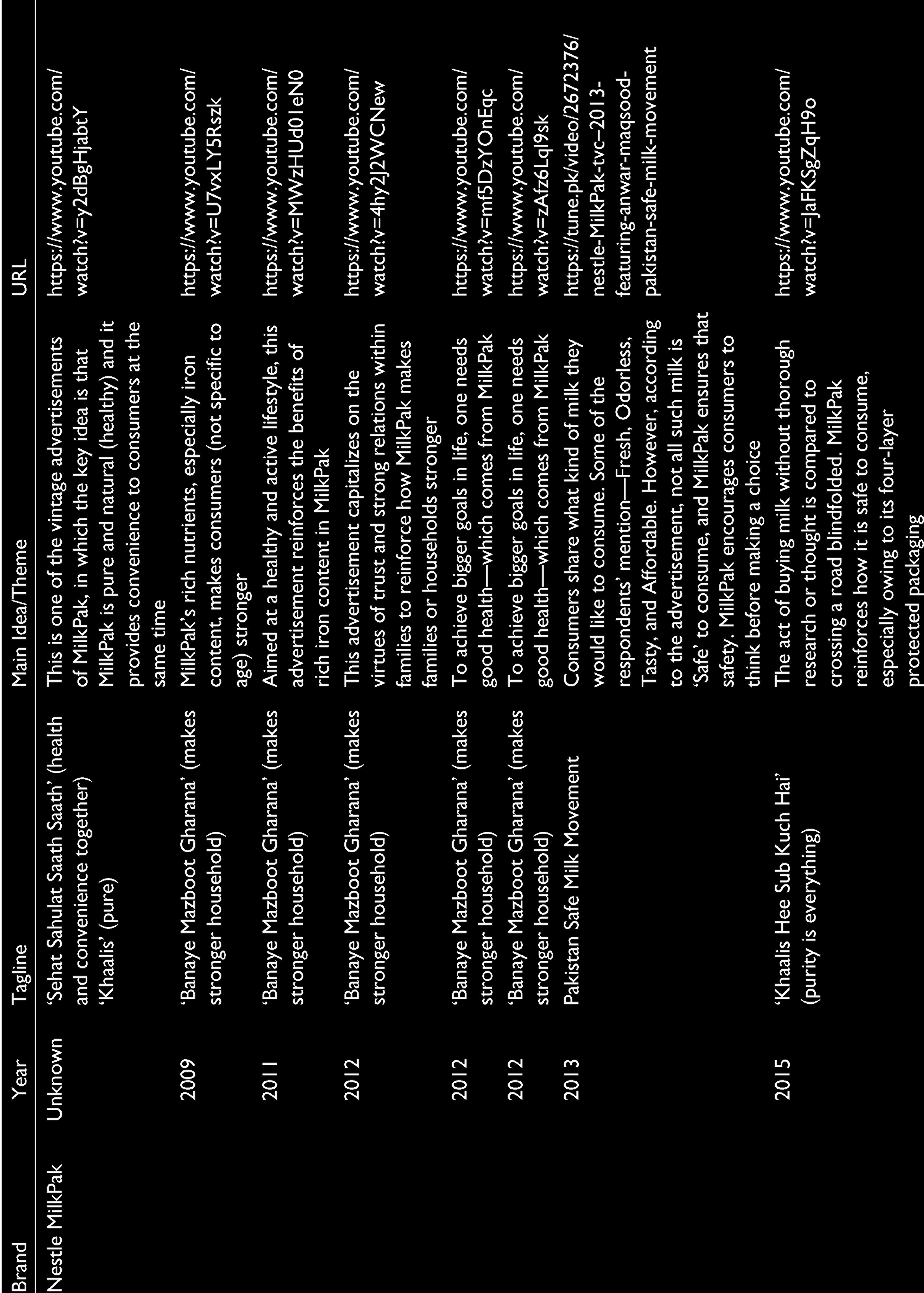
Since 2011 (Afzai, 2012), MilkPak was positioned as Khaalis (pure) milk rich in iron and calcium content. Numerous campaigns with the same theme were launched to reinforce the Khaalis (Surendranath, 2012) (see Table 8) nature of the product. For example, in 2015, an ad featuring Anwar Maqsood (a famous television artist, writer, and host) targeted consumers (primarily mothers) to choose the right product for consumption. The idea of blindfolding the shopper in the advertisement depicted that MilkPak wanted its customers to choose with their eyes open and with responsibility (Shah, 2015). Subsequently, in 2016, the purity theme was transformed from a purely product-oriented functional perspective into a more emotional message of pure family relations with a campaign (Nestle Milkpak, 2016) that used a tagline—Rishtay Khaalis (pure relations). The same theme was carried forward during the annual Ramazan campaign (Citrus Talent, 2017), in which the virtue of sharing with neighbours was highlighted as Rishtay Khaalis.
Consumers clearly recognized Nestle MilkPak due to its persuasive advertising and distinct packaging (250 ml and 1 litre) in green and white colour. Consumers held strong associations of pure and hygienic, and moderate associations of viscous, well known, popular and good quality. Words such as sweet and bold had weak associations with the brand. Some consumers found MilkPak to have a slight odour and claimed that it was not as viscous as Olper’s, which made it a bad product to be served to children. As for its packaging, it had moderate associations with words such as expensive and modern, while it held weak associations of attractive and contemporary.
According to consumers, the brand personality of MilkPak could be visualized as an upper-middle-class female, aged between 35 and 50 years, who ran a non-governmental organization (NGO) or was a teacher who wished to educate and impart knowledge to the society. Very few respondents associated MilkPak with a male figure; however, the other attributes were similar to the characteristics associated with a female figure.
Olper’s (Engro Foods Limited)
Background
Olper’s (stemmed from All Purpose) was the latest of the top three brands in the UHT milk industry. It was launched in 2006 by Engro Foods Limited, a subsidiary of Engro Corporation, which was a large national conglomerate with strong business interests in the agricultural industry. Olper’s had continued to grow its market share significantly, giving strong competition to the old and established brands such as Haleeb and MilkPak. Olper’s enjoyed a 44 per cent market share of the UHT milk industry by FY2015/2016. Olper’s, according to its users, was known for being tasty, pure and viscous. The attractive advertisements, coupled with its good-looking packaging, attracted lots of attention from consumers, who believed that the product was suitable for all purposes, especially for tea preparation. However, Engro Foods Limited also owned Tarang, which was a tea creamer sold in liquid form (Engro Foods Limited, n.d.). The brand was positioned for lower SEC’s and was the market leader in its segment.
As Olper’s was a late entrant, therefore, most of the consumers had switched to it from MilkPak and Haleeb. The major reason cited by consumers was a perception of better-quality milk being served by Olper’s as compared to others. Some loose milk consumers who switched to Olper’s did so because of the perceived benefits of packaged and processed milk.
Brand Profile
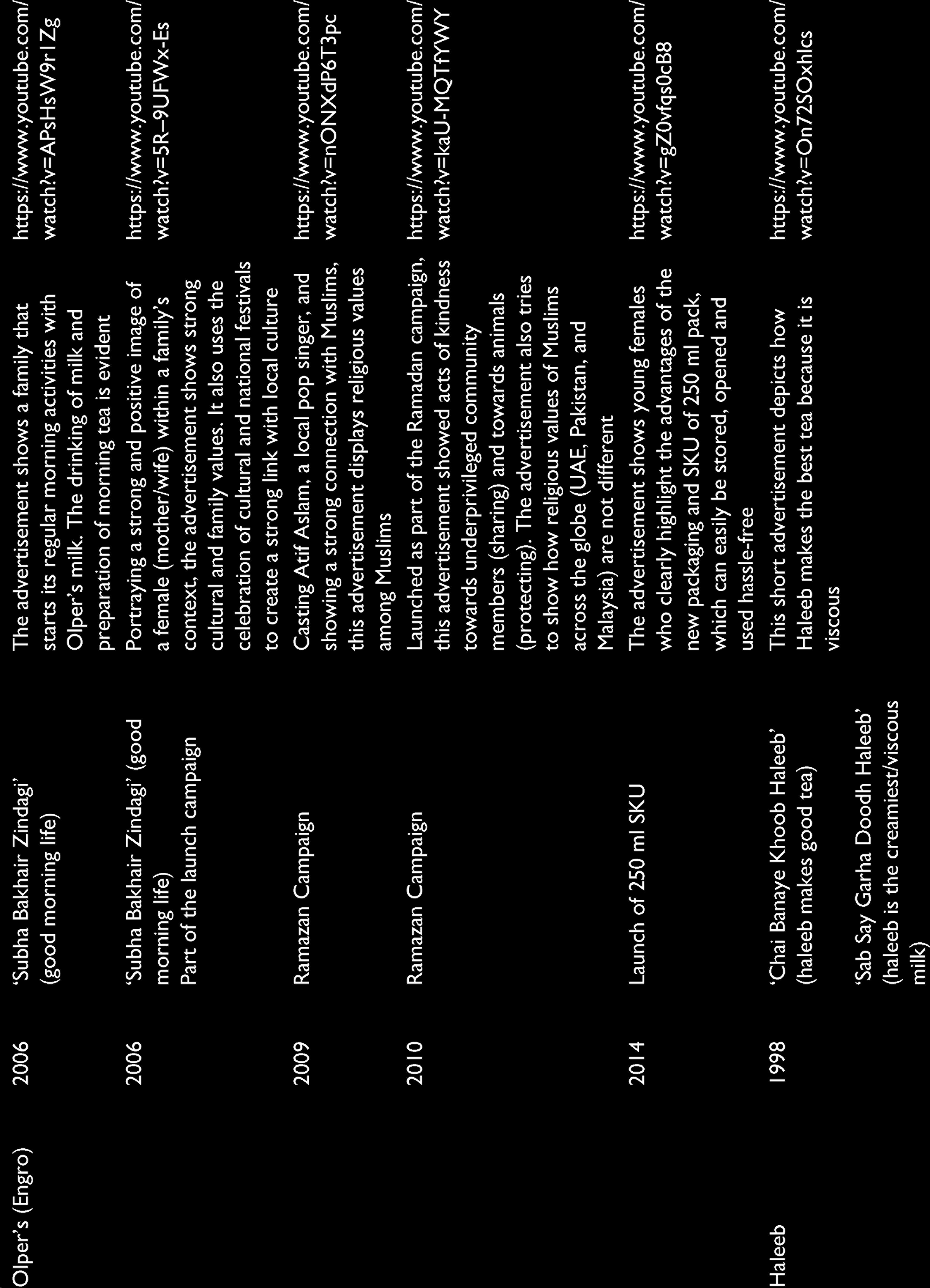
Olper’s had gained a lot of attention from the market due to its interesting and colourful advertisements. It’s brand launch campaign (Usaeed1979, 2007) with the tagline Subha Bakhair Zindagi (Good Morning Life), had been termed as one of the eight intelligent ad campaigns by Aurora, the leading Marketing Magazine of Pakistan (Iqbal, 2015). Similarly, their re-enactment of a Qawwali (a form of Sufi music) by pop singer, Atif Aslam during the month of Ramadhan in 2019 gained a lot of traction from the consumers. Olper’s advertising campaigns (see Table 8) depicted family values and diversity in local cultures to connect with consumers across situations, occasions, and identity.
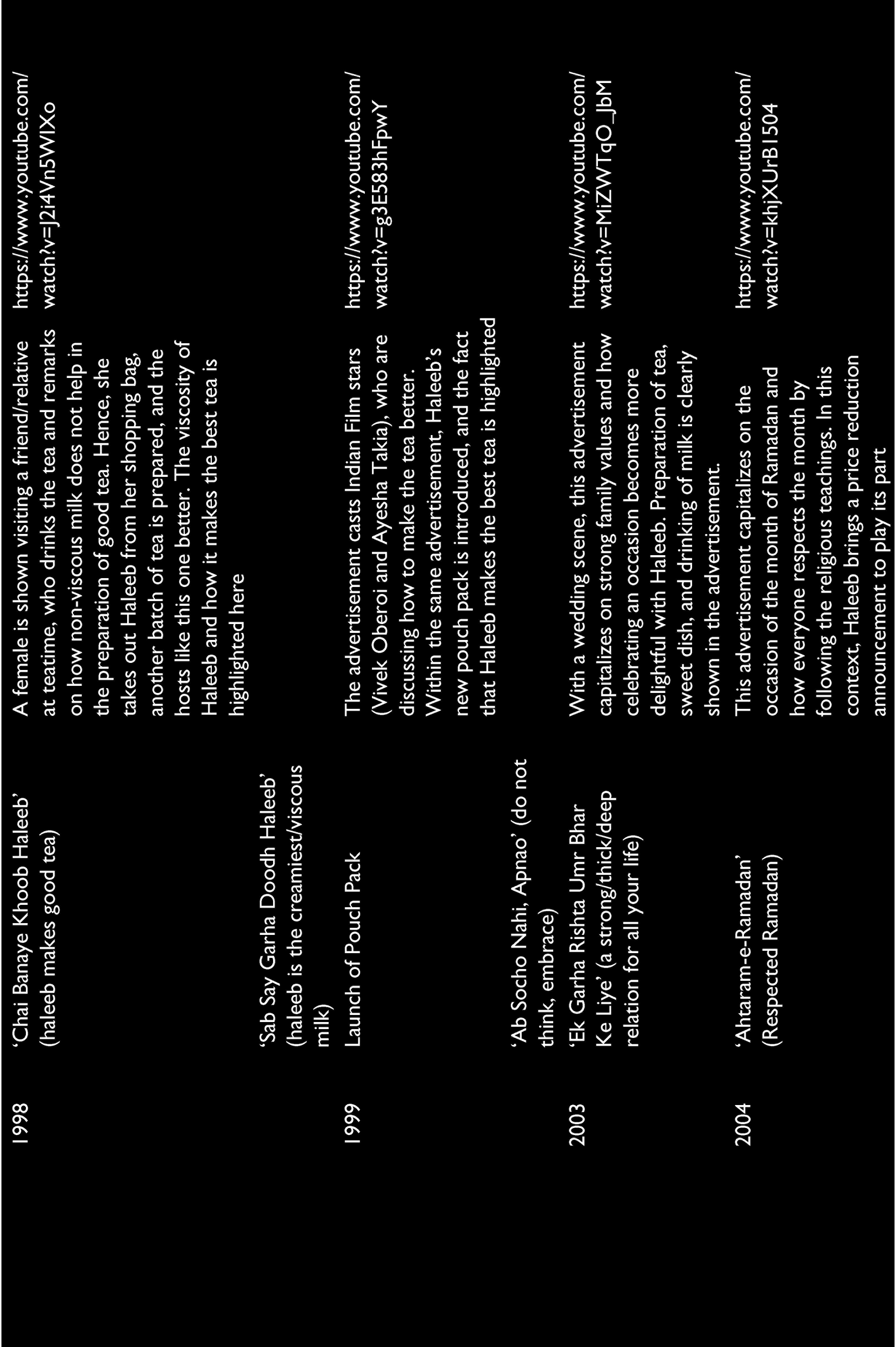
Television Advertisements.
Consumers drew strong associations of words such as viscous, bold and fun-loving with Olper’s, while words such as sweet, popular, and good quality had moderate associations with the brand. They also strongly related to the colourful packaging of Olper’s. It was the only UHT milk brand that was available in three different sized SKUs (stock-keeping unit), that is, 250 ml, 1000 ml and 1500 ml. As far as aesthetics were concerned, the red and white combination of the packaging was very distinct. According to the consumers’ responses, Olper’s packaging had strong associations of modern, stylish, attractive and stands out, while it had a moderate association of expensive and contemporary. However, some consumers believed that Olper’s was not good for drinking and was a poor-quality product in attractive packaging.
Two distinct brand personalities were associated with Olper’s. First and the most common personality associated with the brand was that of a strong, good-looking and arrogant male between 35–40 years of age. He was educated and probably a businessman. However, some respondents associated Olper’s brand personality with that of a female, a modern housewife, who aimed at maintaining a good standard of living for her family and was progressive (a proponent of self-empowerment).
Haleeb (Haleeb Foods Limited)
Background
The pioneer in the plain white UHT milk industry of Pakistan, Haleeb, started its operations in 1984. During the 1990s, Haleeb’s effective marketing campaigns resulted in the brand positioned as the Garha (thick/viscous/creamy) milk and allowed it to penetrate through the traditional households that considered processed milk as unhealthy. The brand enjoyed a 52 per cent market share in FY2002 and maintained a 50 per cent plus market share up until FY2006/2007. However, post FY2006/2007, with the introduction of Olper’s, Haleeb’s market share fell consistently and got reduced to single digits by FY 2015/2016. This downfall was not only attributable to external factors, but also to some internal factors. According to an internal study, brand awareness in 2010 had fallen behind due to negligible investment in advertising. During this period, Haleeb’s relations with its distributors and retailers also deteriorated, and they started stocking other popular brands that had more demand in the market. In 2012, VMFG Private Limited managed to acquire a majority share in HFL and focused on re-establishing the company’s firm hold of the market through innovative processes, rejuvenation of old brands and addition of new brands under HFL.
Being the first mover in the segment, consumers had switched to Haleeb, primarily from loose milk. Reasons included better hygiene, longer shelf life and consistent quality. Over the years, most consumers switched to either MilkPak or Olper’s because of the poor quality of Haleeb milk and also due to frequent stock-outs. The majority of the consumers believed that the product had been discontinued, simply because the brand had not advertised for almost a decade in a segment, where competitors aggressively promoted their brands. For example, the industry’s investment in advertisements during FY2015/2016 was estimated at PKR 3 billion, and Haleeb’s share stood at a low of zero.
Brand Profile
Haleeb’s vintage advertisements had consistently revolved around the concept of making a nice cup of tea and that it was the creamiest milk. The advertising recall activity conducted by the marketing research agency revealed that consumers still remembered their most famous slogan, ‘Chai banayey khoob Haleeb sab sa garha doodh Haleeb’ (Haleeb makes good tea, and it is the creamiest/viscous of the milk in the market; Paragon Ads, 2011). However, just before their era of total absence from media activities, the advertising campaigns had shifted focus towards having strong relationships and targeted families rather than individuals (Haleeb Foods Limited, 2011; see Table 8), but this change in positioning had no recall among consumers.
People drew strong associations of word viscous/creamiest with Haleeb, while words such as sweet, good quality, well known, and bold had moderate associations with the brand. Words such as popular and fun-loving had weak associations. Some consumers complained that due to extra viscosity/creaminess, the milk often settled in lumps at the bottom of the pack. The differentiation of Haleeb, highlighted throughout its lifespan, had been that it was Garha (thick/creamiest) milk that helps prepare a good cup of tea. However, Haleeb Foods Limited also owned Tea Max, a successful tea whitener brand. Haleeb milk came in two sizes of 250ml and 1 litre and with its classic blue and white colour combination, the consumers recognized it easily. Moderate association of modern, stylish, attractive, expensive, and stands out, were related to Haleeb’s packaging.
The brand personality of Haleeb was defined similarly to that of a close friend or relative who had gone away and now meets infrequently. Some considered Haleeb’s personality to be similar to that of an educated SEC ‘C’ class female, who was between 35–40 years of age and was not modern or willing to move forward with life.
The Way Forward
Majid continued his conversation with Rafiq Khan: ‘Please take this template and collect your thoughts on the points that I have highlighted. I am free after lunch, so let’s meet then to discuss and decide’.
Rafiq stood up, and as he was walking towards the door, he started reorganizing the plan in his mind: Should we continue with Haleeb’s legacy positioning strategy or revamp it completely? Who is our target market now, and how can we ensure that our positioning strategy will appeal to them? How are our competitors positioned, and what should we do to be different from them?
With its popularity as a brand of yesteryears, Haleeb had to make a mark in the plain white UHT milk category. The marketing team had to decide on the future course of action that would put the brand on track for a renaissance.
Footnotes
Declaration of Conflicting Interests
The authors declared no potential conflicts of interest with respect to the research, authorship and/or publication of this article.
Funding
The authors received no financial support for the research, authorship, and/or publication of this article.