




Abstract
The review of this research study segments online consumers into different consumer categories based on how they perceive and relate to the fashion business through social media. Therefore, the diversified nuances of consumer behaviour have been studied in this paper. The study focuses on two crucial stages that have a significant influence on social media usage in the world of fashion. This study categorises consumers into groups based on their perceptions and relationships they have with the fashion brands, using K-means cluster analysis. It is a ground-breaking study in the fashion world because it adopts the fashion consumer–brand relationship index and fashion consumer brand perception index with the aid of social media, laying a solid foundation for similar studies to be conducted in other fashion industry verticals. Policymakers might use the study’s results to build strategies to enhance consumer behaviour of marketers in the world of fashion.
Keywords
Introduction
The adoption of social media is one of the most notable online developments. Due to the dominance of fashion, lifestyle products and beauty products in online consumer behaviour, social media is particularly visible in the fashion business (Jacobson & Harrison, 2022). Social media has grown into a symbolic channel that affects consumer behaviour in light of the amazing potential the internet has created for marketing and business (Ahmed et al., 2019). To create judgments, a variety of inputs that combine qualitative and quantitative aspects are used (Kang, 2019). Social media has a symbolic impact on fashion marketing as a result of the expanded avenues for information dissemination and limitless chances for product differentiation it has brought (Singhal & Ahuja, 2023). Fashion companies must continually assess the state of their consumer relationship and influence consumer opinion (Zhao et al., 2022). In order to lower the cost of acquiring clients, businesses must invest and maintain good connections with their customers (Schivinski et al., 2022).
When consumers are satisfied with a brand, trust (Ananda et al., 2019) it and develop an attachment to it, they become more involved with it, move up the hierarchy to a level of participation, and then establish an enduring connection with it. By demonstrating the appropriate efforts to arouse the appropriate emotions in the minds of the consumer, brands may utilise social media to project a trustworthy picture of them (Yuan & Lam, 2022).
This research suggests a mechanism through which fashion marketers can examine consumer behaviour and then further divide consumers into various categories. Additionally, consumer profiling aids businesses in creating targeted marketing plans that are specific to each consumer segment. To encourage brand trial and experience, numerous marketing methods can be used to target the consumer categories with the weakest consumer brand perception (CBP) or relationship. On the other hand, customers who have a positive image of a brand or strong ties with a brand might be regarded as brand advocates and added to loyalty programmes (Yuan & Lam, 2022). Therefore, it is crucial to comprehend consumer brand relationship (CBR) and CBP towards such fashion brands offers while also taking into account an individual’s internal and exterior needs for clothing as well as the increased attention to social media. As a result, there is a chance to research CBR and CBP and significantly increase the brand equity of fashion companies.
The purpose of this paper is to explain how social media may be used to categorise fashion consumers based on two characteristics of consumer behaviour: CBR and CBP. The manuscript attempts to validate the components listed below by performing an exploratory factor analysis on the data gathered using research instrument. K-means cluster analysis is used to investigate consumer segmentation, consumer profile extraction and suggested targeting techniques. The fashion CBR index (FCBRI) and fashion CBP index (FCBPI) were built using the information gathered. A focus group of six fashion industry professionals was assembled to assist in assigning a number to each of the four CBR and CBP components.
Literature Review
The literature review part investigates the effects of social media on consumer behaviour and the fashion industry, which has long been an important subject of discussion in modern marketing. The most common approach for understanding the fundamentals of consumer behaviour involves CBR and CBP.
Social Media and Fashion Industry
Social media refers to a group of internet-based applications that make it easier for users to create and share user-generated content (Fazli-Salehi et al., 2022). Currently, social media is used by millions of people worldwide through website-based network apps that let them connect with one another and share knowledge and information (Haley & Pittman, 2022). People use social media to satisfy a variety of needs, especially when looking for digital content and goods (Zalinska & Agopian, 2022). Particularly among younger age groups, social media helps to increase self-esteem, makes them feel good and gives them a positive self-image. As an extension of e-commerce, social media has given fashion marketers new avenues through which they increase consumer product awareness (Yang et al., 2022). It is a collection of information that people have shared through networks, including expertise, demands, feedback, clarifications and forecasts (Zollo et al., 2020). On a single interactive platform, it has gathered people from all over the world so that they may share opinions, reviews and knowledge (Ahmed et al., 2019).
Fashion firms are better able to understand the needs of their customers because of the communication capabilities offered by social networks (Vithayathil et al., 2020). The main idea is that numerous consumer demographic, cultural, regional and behavioural groupings must be taken into account when conducting social network marketing campaigns (Abou-Elgheit, 2018). Research suggests that despite this, a lot of fashion businesses have joined social media platforms and spent a lot of money on social media marketing without having any particular marketing goals or tactics (Miquel-Romero et al., 2020).
Consumer Behaviour
Fashion firms have observed changes in consumer behaviour as a result of more media coverage, the support of social activists and a variety of strict government rules being applied to the industry (Sheriff et al., 2019). Studies from all around the world reveal that consumers are becoming more aware of how social media influences their purchasing decisions in the fashion industry (Muslim et al., 2020). Brand communities play a crucial role where one-on-one connections would be difficult to sustain (Valmohammadi et al., 2021). Since the intimate act of self-disclosure might put oneself and others at risk, trust is necessary and essential (Riley, 2020). Additionally, commitment to the partnership is required, which entails sharing tasks, cooperating with one another and working as a team rather than alone (Khamtanet & Jitkuekul, 2021). Consumer desire to participate in a virtual brand community is influenced by their level of involvement (Akbari et al., 2021). This can either weaken or improve customer engagement because of their desire to interact with other users and share their brand experiences (Han et al., 2019). As a result, a digital marketing strategy provides a platform for individuals with comparable interests (Seifi Salmi et al., 2019).
Consumer Brand Relationship
CBR refers to retaining loyal customers through cooperation and engagement (Rezaee & Heidarzadeh, 2021). CBRs depend on the ability to effectively establish brand meaning in customers’ minds (Sharma & Jhamb, 2020). Brands may have a specific relevance in order to develop a rapport and familiarity with consumers (Sierra et al., 2022). The research (Esch et al., 2006) suggests that the relationship between the consumer and the brand is considered as a function of the brand’s engrossment, reliability, engagement and conviction. As a result of the relationship between the brand and the consumer, significant positive emotional attachments may be formed (Fournier, 1998). The core of a relationship is the interdependence that exists between the parties (Ntinas, 2019).
Consumer Brand Perception
Consumer perception refers to how a consumer feels about a business, a product or a brand (Ceyhan, 2019). CBP provides information about customer awareness, perception or opinion regarding a product or a brand (Gawrysiak et al., 2020). Consumers’ current perceptions of goods and services may be influenced by their past experiences, beliefs, routines, likes, dislikes and moods. It can be naturally shaped by marketing and advertising communications. Any individual who experiences a stimulus assesses it in light of the knowledge they already have about their behavioural intentions, beliefs and emotions (Thompson & Van der Walt, 2010). According to the studies (Asadollahi et al., 2012; Esch et al., 2006), the perception of a brand by a consumer is considered a function of the brand’s impression, bonding, recognition and reliability.
Research Questions
Hypothesis
The following hypotheses were formulated and tested to realise the research objectives:
Research Objectives
Based on the above literature review, the following research objectives are proposed for this manuscript:
Development of a conceptual framework to assess how social media is used in the fashion industry to develop relationships and shape perceptions. Extraction of fashion consumer clusters using the cluster analysis method.
Research Gap
Marketing on the web is currently facing a lot of difficulties as a result of picky consumers, globalisation and ferocious rivalry (Kang, 2019). Therefore, fashion enterprises must first assess the current situation in order to deal with their own benefits and drawbacks in relation to competition (Ladhari et al., 2019). Recently, researchers have been working to gain a deeper understanding of the bonds that some brands have with consumers (Shrivastava et al., 2021). By executing well-defined customer retention strategies, firms can also reduce the possibility that customers will migrate to a rival brand (Sundström & Hjelm-Lidholm, 2020).
As a result, in order to enhance the equation, fashion companies must continually assess the state of their CBR and influence consumer opinion. Despite the foregoing, a number of intriguing studies also suggest that consumer concern for social media does not always result in maintaining relationship with fashion products (Ananda et al., 2019). This raises the intriguing question of what fashion firms can do to improve consumer perception and capitalise on the brand value by forging lasting connections with their clientele (Cooley & Parks-Yancy, 2019).
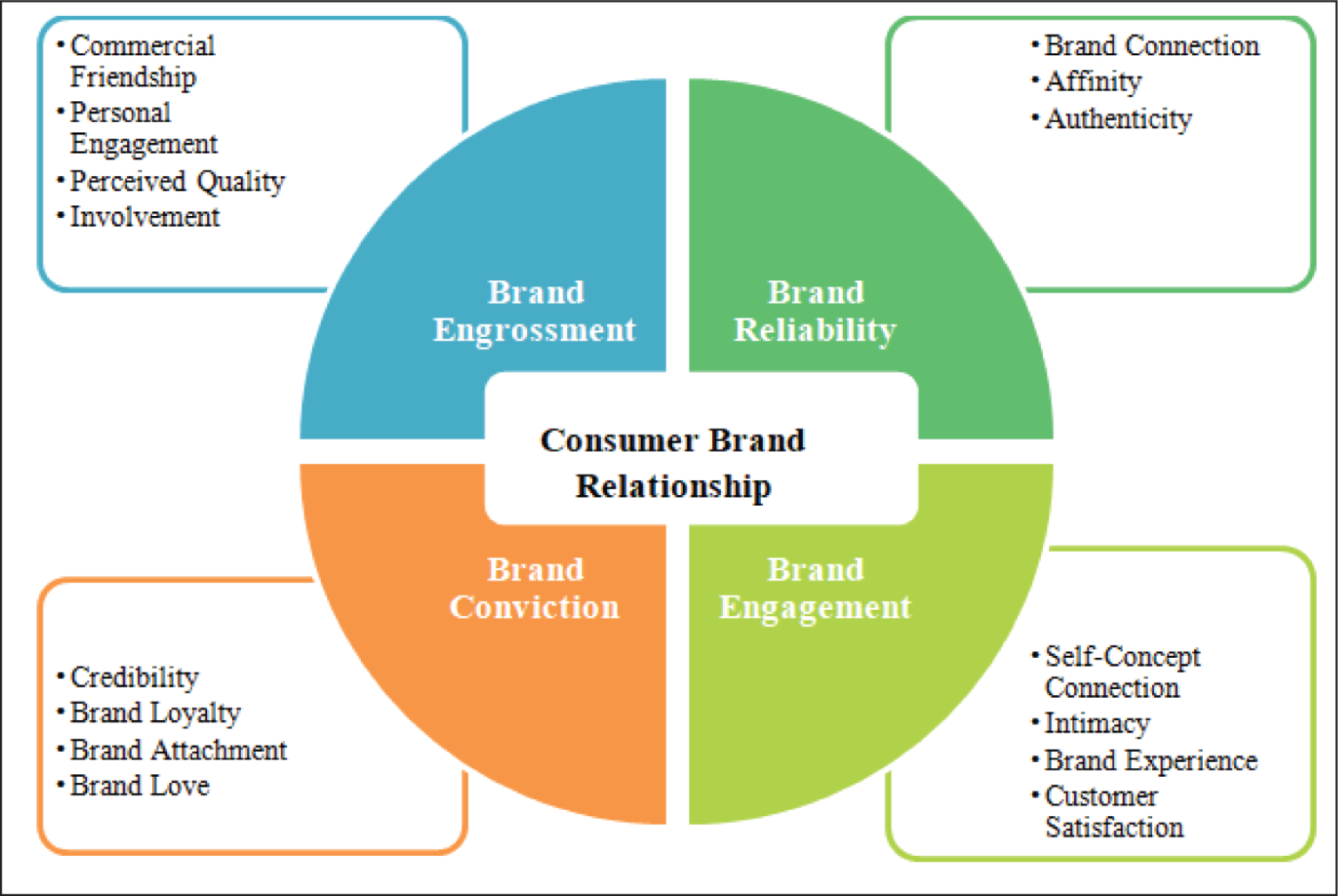
Along with a discussion of the theoretical framework, an overview of the determinants discovered through the research is included in the literature review. Two conceptual models (Figures 1 and 2) for analysing CBR and CBP in respect to the fashion industry are presented after a discussion of the factors impacting CBR and CBP. Based on the exhaustive literature review, readers will fully understand the conception and identification of significant determinants in this research study. According to the precise roles they played in the formation of CBR and CBP, this helped to group the determinants mentioned in Figures 1 and 2.
Fashion Consumers Under CBR (FC-CBR).
Fashion Consumers Under CBR (FC-CBP).

Research Methodology
The study examines the effects of social media on consumer behaviour in relation to fashion brands using both theoretical and empirical methods. The impact of social media on fashion consumers is attempted to be quantified in this study using exploratory factor analysis and k-means cluster analysis. By doing an exploratory factor analysis on the information obtained using the research instrument, the manuscript’s objective is to validate each of the elements stated below (Frick et al., 2021). The fashion CBR index (FCBRI) and fashion CBP index (FCBPI) were built using the information gathered. The research methodology for this study was structured as follows:
Approach
It is a quantitative study. Through this research, numerical data were collected and analysed (Bloomfield & Fisher, 2019). It is exploratory because it goes into detail to uncover details about the research study and comprehend the issue at hand (Dahana et al., 2019). The research topic was framed to identify the goals for this investigation, and plan further by isolating key factors of the study and bringing goal rationality, using exploratory study techniques of surveying experts.
Research Instrument Formulation
A questionnaire was created with the aid of a thorough literature review in order to fully comprehend on how social media impacts CBR and CBP in the fashion industry. For measuring the objectives which were divided into three components, a research tool was created (de Ries et al., 2021). The purpose of the first section was to collect demographic information. The second and third sections of the questionnaire were designed to promote research on the use of social media to assess CBR and CBP in the fashion industry. 39 statements were also included in the second segment, while 30 statements were included in the third section.
Establishing Instrument Reliability
The reliability of the research instrument was evaluated using the Cronbach’s Alpha test. The scale is considered acceptable when the result is more than 0.60 (Malhotra, 2008). After collecting data from 544 fashion consumers, the reliability test was performed using the SPSS software. Cronbach’s Alpha scores for CBR and CBP were found to be 0.890 and 0.862, respectively (Table 1). It was decided that the research tool may be utilised to gather data as a result.
Results of the Pilot Study on CBR and CBP Using Cronbach’s Alpha.

Data Collection and Sampling Method
The research tool contained 30 CBP statements and 39 CBR statements. Out of 575 respondents, 544 completed the survey about segmenting fashion consumers based on their use of social media. The interviewees were between the ages of 18 and 55. The respondents were asked to score each statement on a scale of 1 to 5 (1, strongly disagree; 5, strongly agree) (Lei et al., 2021). The information was gathered through snowball sampling. The snowball sampling strategy is used by researchers to select new participants for a test or study (Leighton et al., 2021).
Data Analysis and Results
Exploratory Factor Analysis
The mathematical expression of imaginary constructs using a variety of observable indicators that may be properly evaluated is the factor analysis approach (Arora & Agarwal, 2019). A statistical technique for data reduction and examination of the underlying theoretical underpinnings of the occurrences is exploratory factor analysis (Goretzko et al., 2021). The sort of association between the variable and the respondent is ascertained using this technique. The factor analysis method can be used to combine highly connected data (Auerswald & Moshagen, 2019). The degree to which each item is related to the others is determined by factor loading.
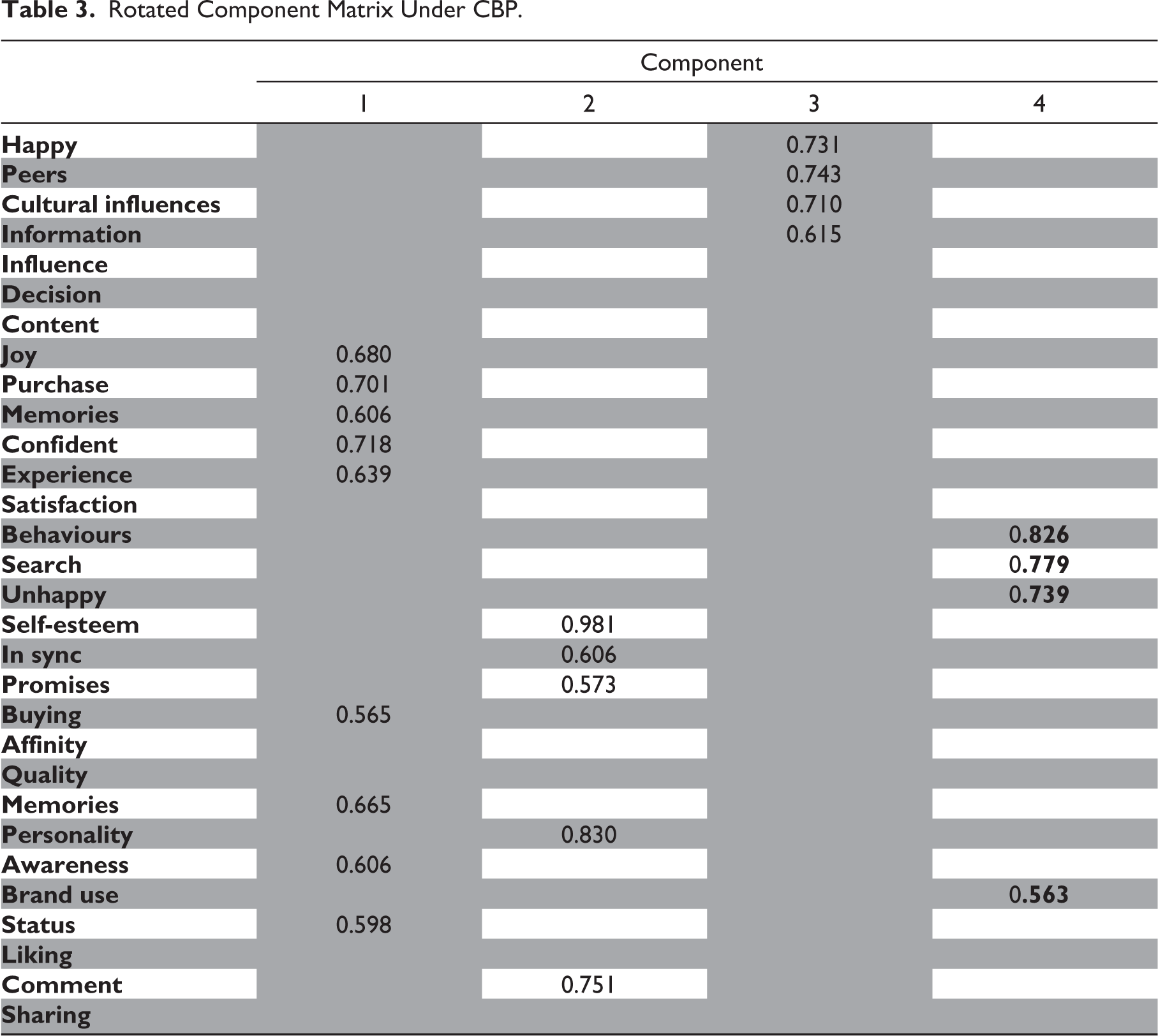
Data analysis was carried out using SPSS 26.0 (Watkins, 2021). The number of components to be extracted can be specified in SPSS. SPSS is used in this research in order to find the rotating component of the factors and reduce the data. The whole set of data from 544 fashion consumers was subjected to factor analysis using the rotating component approach (Tables 2 and 3). Conclusion was drawn that the variables were rationally represented in the retrieved components due to the significant similarities in the data.
Rotated Component Matrix Under CBR.

The items with the highest loading were selected in order to find the associated factors that each item represented. For these elements, a factor loading of at least 0.5 was required to be maintained. As a result, Table 2 was reduced by 2 factors and 10 elements. Seven elements were completely removed from Table 3 because they were unable to load onto any factors.
Rotated Component Matrix Under CBP.
Focus Group
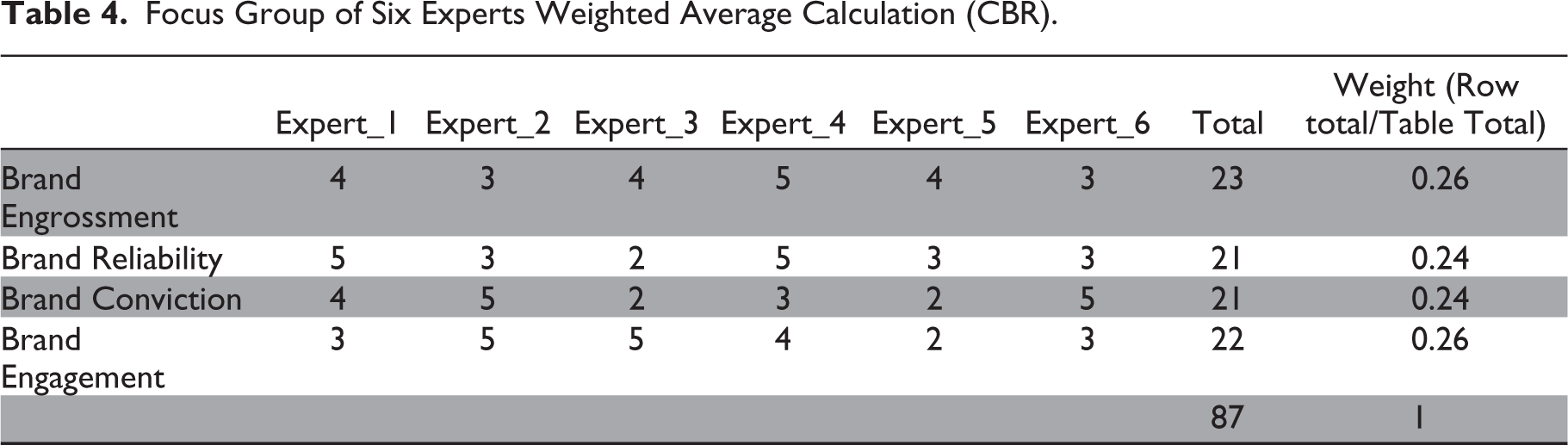
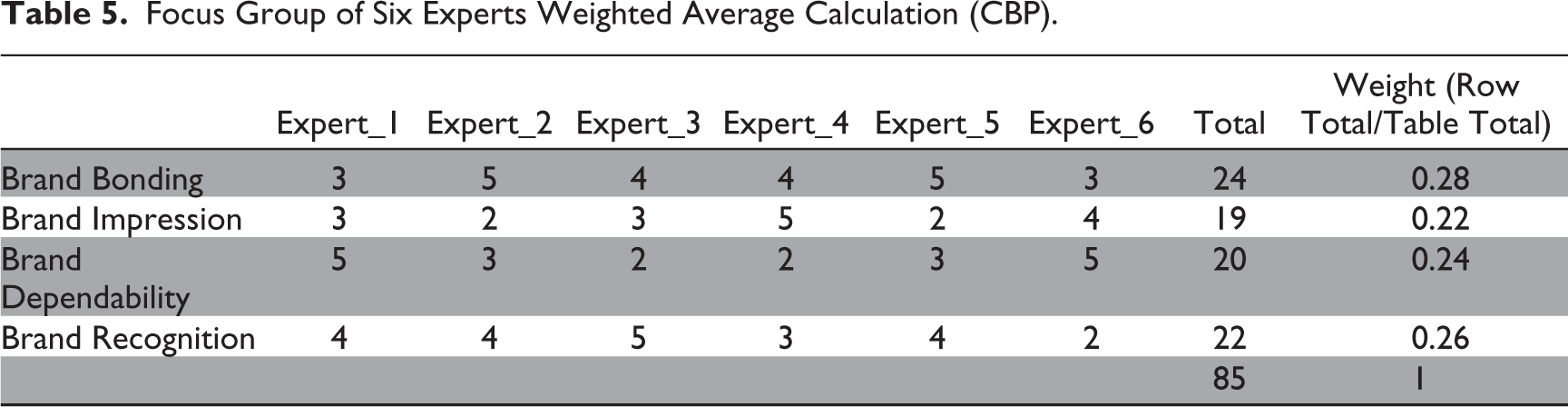
A focus group of six fashion industry experts was employed to help determine a numerical weight for each of the four aspects of CBR (Table 4): brand engrossment, brand reliability, brand conviction and brand engagement and four aspects of CBP (Table 5): brand bonding, brand impression, brand dependability and brand recognition aspects using the weighted averages calculation method. The following weights (Tables 4 and 5) were retrieved for each of the parameters based on their rating employing the formula:

Focus Group of Six Experts Weighted Average Calculation (CBR).
Focus Group of Six Experts Weighted Average Calculation (CBP).
Equation Formulation
The factor scores for the four components of brand engrossment, brand reliability, brand conviction and brand engagement of CBR were combined from each respondent in the sample. The expert weight under each of the four component categories was multiplied by the acquired total. The final fashion CBR index (FCBRI) for each respondent was calculated by adding the resultant multiplied scores of the four categories; brand engrossment, brand reliability, brand conviction and brand engagement. This FCBRI value currently illustrates the four elements of CBR and exemplifies the strength of the bond between consumers and fashion companies. The strength of the relationship increases as the index score rises.
Equation Formation for Calculating FCBRI

where
E = engrossment; R = reliability; C = conviction; En = engagement; i = individual respondent.
From each respondent in the sample, the factor scores for the four aspects of CBP—brand bonding, brand impression, brand dependability and brand recognition—were combined. The collected total was multiplied by the expert weight under each of the four component categories. The resultant multiplied scores of the four areas; brand bonding, brand impression, brand dependability and brand recognition were added to determine the final fashion consumer brand perception index (FCBPI) for each respondent. This FCBPI score currently exhibits fashion consumer perception and the four components of CBP. As the index score grows, the consumer perception strength also rises.
Equation Formation for Calculating Fashion Consumer Brand Perception Index (FCBPI)

where
B = bonding; I = impression; D = dependability; R = recognition; i = individual respondent.
K-means Cluster Analysis
A common method for categorising items or displaying the structure of data is cluster analysis (Sarría-Santamera et al., 2020). During the clustering process, data items are put together in fragmented clusters so that the data within a single cluster are similar while the data within different clusters differ (Yadav & Sharma, 2013). This tool is intended to examine the characteristics of clusters and focus on a particular cluster for additional research. The distance between each pair of items can be used to compare how dissimilar two objects are. It assists in identifying homogeneous clusters of data in a massive data set (Secundo et al., 2021). This suggests that data are categorised into separate groups, sharing both similarities and differences with data from related categories.
The overall within-cluster sum of squares (WSS) was calculated using this technique (Sweet et al., 2019). For each value of K, a WSS was determined. For both the coefficient values of CBR and CBP, the WSS curve was plotted on a line graph (Figure 3). Case number 540 was identified as the position of the bent elbow on the plotted graph. This value was then removed from the 544 total sample instances. The difference is taken into account as a predictor of how many clusters will emerge in a data set.
Line Graph for Coefficients of CBR and CBP Values.

Number of cases = 544 Number of stage (where elbow is forming) = 540 Number of clusters = 544–540 = 4 clusters
FCBRI Data
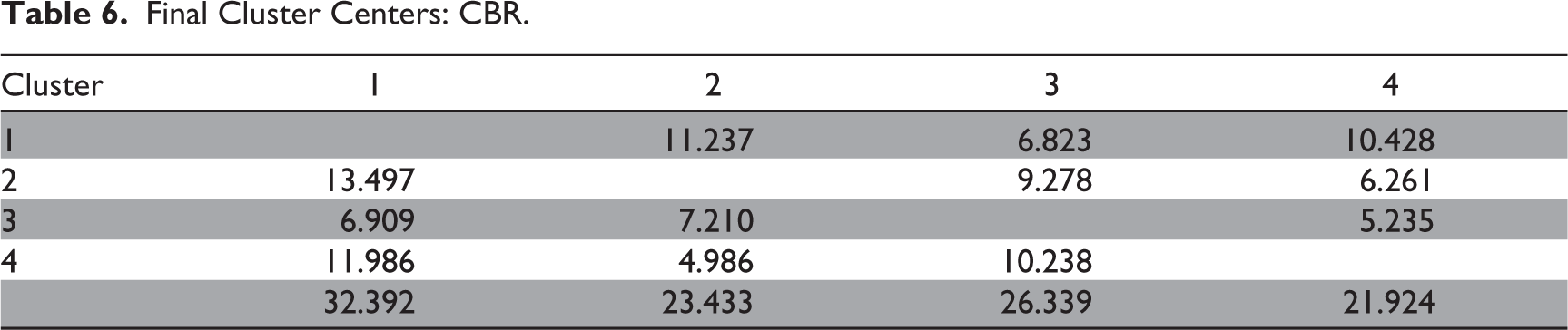
Data from the FCBRI were analysed using K-means. Cluster analysis was used to derive four consumer groupings (Table 6). The final cluster centers are displayed in Table 6, which reveals that clusters 2 and 4 are similar since there is not much space separating them, whereas clusters 1 and 3 are significantly different because of the wide space separating them. Each consumer category is believed to reflect a consistent group of fashion consumers that use social media at a similar rate to strengthen their bonds with fashion brands.
Final Cluster Centers: CBR.
Fashion Consumer Brand Perception Index (FCBPI) Data
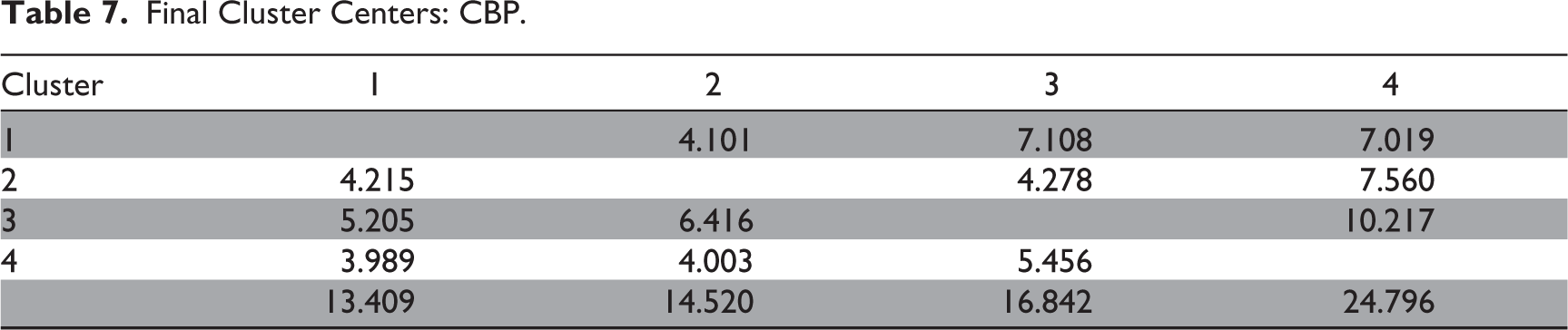
K-means was used to analyse data from the FCBPI. Cluster analysis was used to identify four consumer clusters (Table 7). The final cluster centres in Table 7 demonstrate that clusters 1 and 2 are similar because there is little distance between them; however, clusters 3 and 4 are very different since there is vast space between them. Each consumer group is thought to represent a dependable group of fashion consumers who use social media to shape opinions of a fashion brand to a comparable degree.
Final Cluster Centers: CBP.
Results
Consumers can be divided into clearly defined categories, which can help marketers create a more simplified and targeted customer targeting approach.
Consumer Brand Relationship
The model for FC-CBR was created, based on the discussions from above (Figure 1). This model will help better understand the components of brand engagement, reliability, conviction and engrossment in consumer psychology. This would make it easier to assess how social media affects the development of relationships with fashion consumers. The four factors narrowed down using factor analysis are as follows:
Consumer Brand Perception
Based on the discussions above, the model for fashion consumers under CBP (FC-CBP) was developed and offers a conceptual framework for the study (Figure 2). This model will make it easier to comprehend the elements of brand impression, brand bonding, brand recognition and brand dependability from the point of view of consumer psychology. It would help to evaluate how a fashion consumer perceives a brand in the world of social media. The four obtained factors using factor analysis are as follows:
Consumer Segmentation, Consumer Profile Extraction and Proposed Targeting Strategies
Using K-means cluster analysis, consumer categories were generated from the consumers using the two indices. The model that was eventually developed is shown in Figure 4. Additionally, a thorough consumer cluster analysis of each of the consumer groups would be beneficial for the creation of effective targeting and positioning strategies.
Consumer Segmentation Using Social Media in the Fashion World.

Consumer Brand Relationship
Profiles of the consumer clusters are shown in Figure 5 and Table 8. This illustrates the framework that fashion brands may use to comprehend how social media plays a role in establishing relationships and forming perceptions in a positive way.
Cluster Profile: CBR.
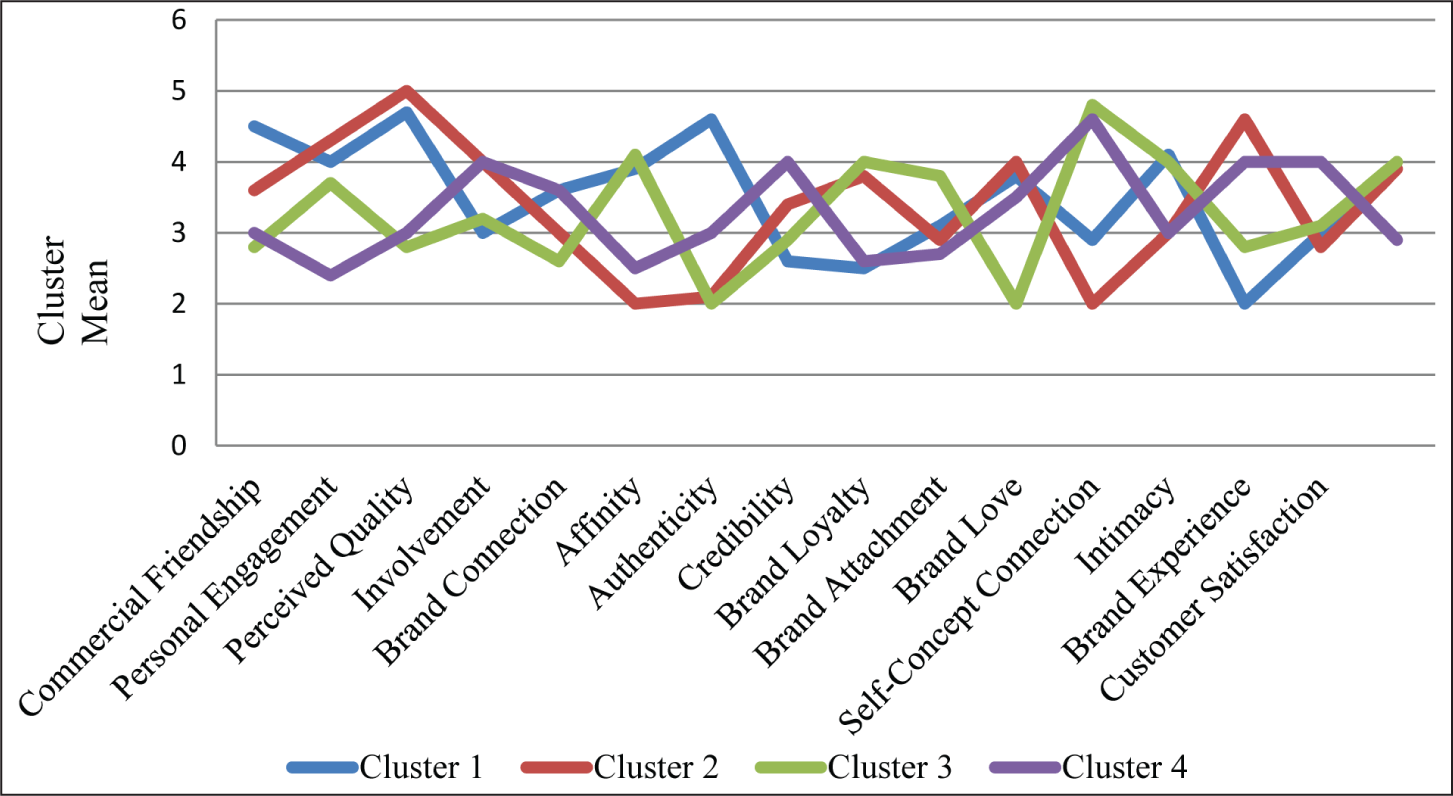
Cluster Profiles: CBR.

Consumer Brand Perception
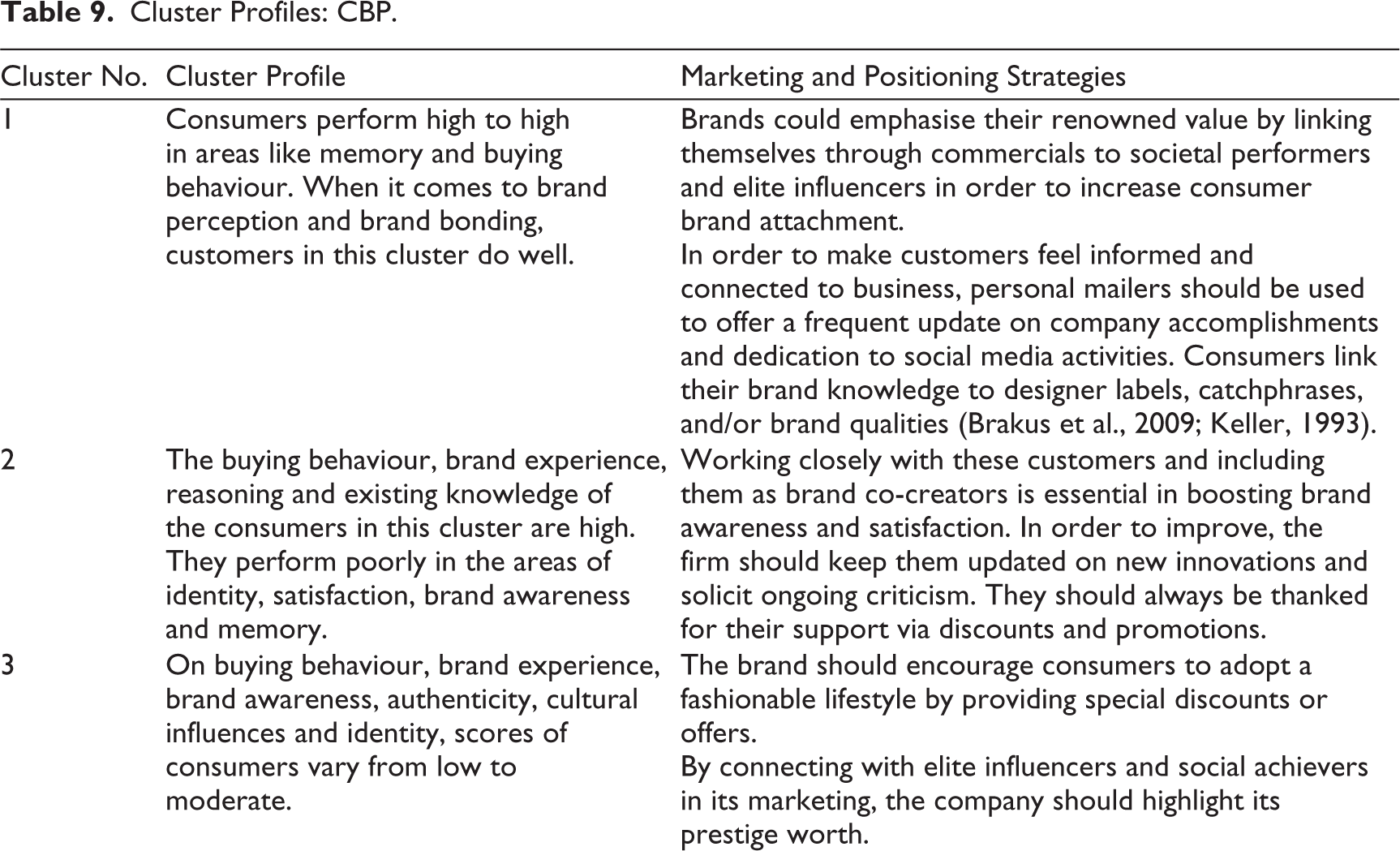
The consumer market was divided into four divisions based on how they perceived the fashion brands. A detailed consumer profile can be seen in Figure 6. To target each of the four consumer groupings, suitable marketing strategies were also developed utilising this profile (Table 9).
Cluster Profile: CBP.
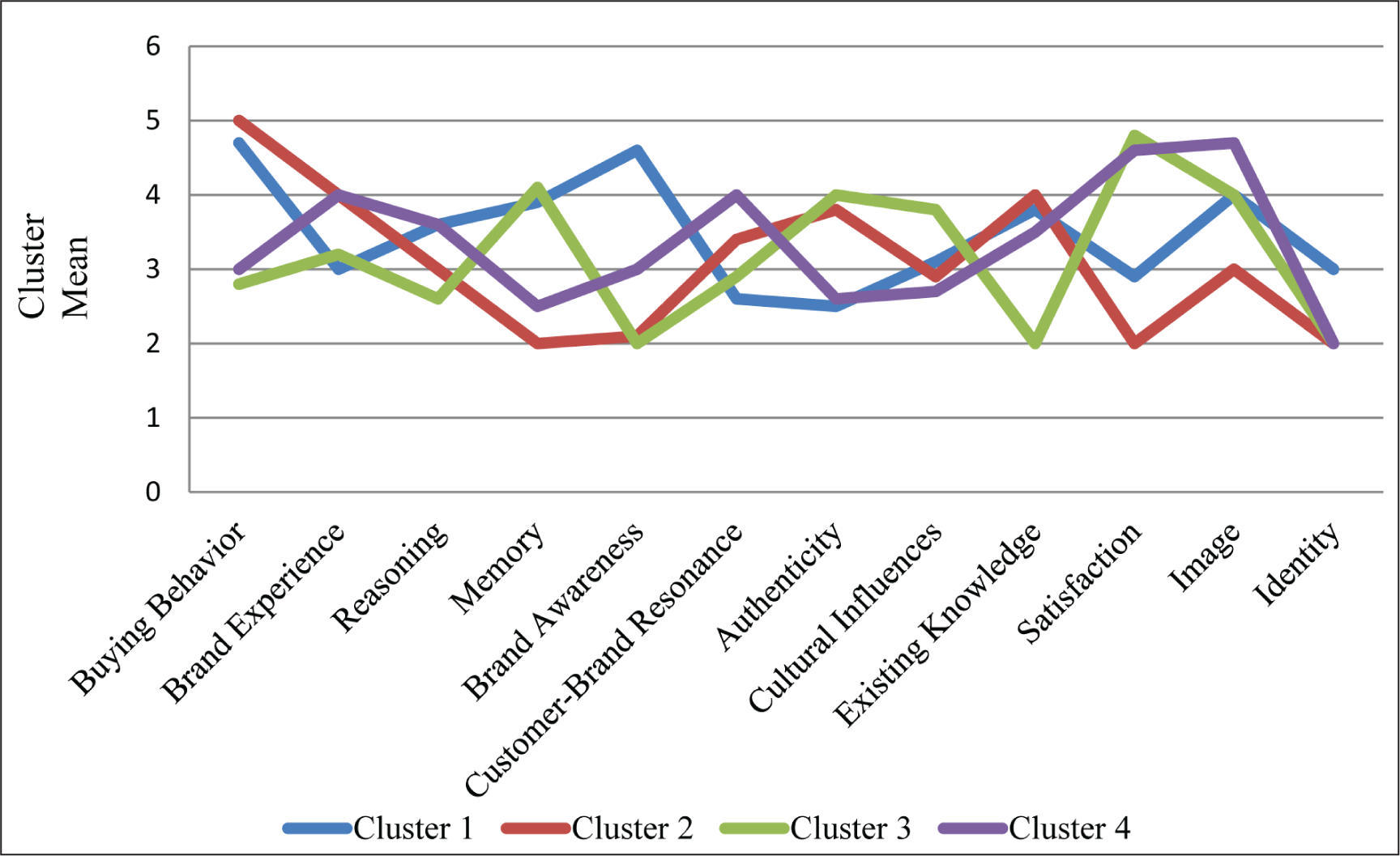
Cluster Profiles: CBP.

Discussion and Managerial Implication
With the help of this study, members of the sample population were successfully grouped into clusters (Tables 6 and 7) that have distinct connections and viewpoints. These shared cluster traits provide light on the fundamental role that social media plays in influencing consumer behaviour and how they interact and perceive fashion businesses (Rehman et al., 2020). As seen by the use of online brand interaction on social networking sites, social media has produced new channels for brand communication (Devereux et al., 2020). In this study, it was discovered that CBR and CBP have a significant impact on how important social media is to the fashion business. A wide range of potential social networks involving vendors and customers as well as inside shared consumer experiences are involved in the construction of CBRs (Gautam, 2019). With the use of these data, brands may create marketing plans that will improve their connections to the various clusters (Chu & Chen, 2019). Establishing long-lasting connections with their customers and creating positive perceptions of them should be the objectives of fashion brands. Plans should be established to improve consumer engagement and the perceived value of the business’s fashion products (Micu & Ashley, 2022). For the purpose of building CBR, it is essential to work on brand engrossment, reliability, conviction and engagement components with fashion customers. In order to influence CBP, it is essential to work on brand impression, brand bonding, brand recognition, and brand dependability components with the fashion customers. Companies need a framework in place to recognise their target audience, engage the key consumers and persuade them to support their brands (Dewi & Suardana, 2021).
Consumer Brand Relationship
The most crucial consumer groups are clusters 2 and 4, as they include those who are best suited to act as brand ambassadors. Because they believe in the brand and want to see it succeed, these customers will be eager for co-creation. The brand should make an ongoing effort to update these customers on its developments, triumphs and competitive advantages (Sheth, 2021). These businesses must also keep a continual flow of customer input coming in and be willing to improvise in order to involve customers in the co-creation process (Chopra et al., 2021).
Clusters 1 and 3 together make up a significant cluster in terms of size. Brands that invest in this group of consumers will reap the rewards. With a constant stream of direct marketing actions, the brand will keep its salience and stay in the minds of consumers (Ristova, 2019). They should try to build connections with these customers by luring them with offers of exclusive benefits and then rewarding them for their commitment (Izogo & Mpinganjira, 2020). As a result, it gains attractiveness and a long-term relationship is developed.
Consumer Brand Perception
Customers in clusters 1 and 2 have the ability to cooperate as groups of consumers. These clusters can help the fashion sector create online communities where customers with related interests can contribute content (Ioanas, 2020). By performing this, fashion firms will attract more customers and foster relationships with those who are important to their bottom line.
Consumers in clusters 3 and 4 may not be sure what to anticipate from fashion businesses in terms of their capabilities, but they still value the good interactions they have with them. Furthermore, even though they have not shown that they are loyal to or trust any specific fashion companies; there is still a possibility to win them over by informing them about the goods, the manufacturing process and other relevant details (Palalic et al., 2021). This would provide these customers with clarification and encourage trust in the businesses. Fashion companies must also proactively plan promotional initiatives to raise their perceived worth and brand salience in order to keep their position in the shoppers’ evoked set (Appel et al., 2020).
Limitations
The interaction and perception of Indian fashion consumers in the social media world are clearly represented in this manuscript. The user responses collected from the snowball sampling approach, which were predominantly concentrated to Delhi/NCR fashion consumers, are the main emphasis of this paper. This research is general in nature and does not concentrate on any one fashion brand. Website characteristics will have a significant influence on how people search information on social media, especially if a vulnerable customer wants to make an informed decision. Before performing a search on social media about the fashion brands, consumers build specific preconceived notions in their minds based on their relationship with the brands and how those brands are viewed.
Future Research Directions
This study is distinctive in the fashion world because it offers a solid foundation for similar studies to be conducted in other fashion industry verticals, such as footwear, interiors soft goods, beauty and accessories like bags and luggage. The new FCBRI and FCBPI indexes can be used by modifying the items to the relevant industry vertical and applying the research design of the current study. After the consumer groups have been extracted, focused marketing and targeting strategies can be developed for each of them. This innovative study explains how fashion customers view social media and their interrelationship. This study can be done for either a single fashion brand or a big group of fashion brands in order to compare them with other fashion businesses. This will help us better understand how fashion consumers communicate with businesses on social media. Social media’s significance in the fashion industry may represent a more streamlined and focused consumer targeting strategy by categorising people into distinct groups.
Footnotes
Declaration of Conflicting Interests
The author declared no potential conflicts of interest with respect to the research, authorship and/or publication of this article.
Funding
The author received no financial support for the research, authorship and/or publication of this article.