



Abstract
Background
Back pain is extremely common in agriculture, horticulture, and seafood workers. There is a gap in studies for horticulture and seafood sectors and a scoping review with a wide lens could help inform research within, and across sectors.
Objective
This scoping review aimed to establish available evidence for intervention strategies in agricultural, horticulture, and seafood workers to minimize, prevent, or address back pain.
Methods
A scoping review was conducted using 15 bibliographic databases encompassing health, business, and agricultural interventions without study type or publication date limits. Articles were screened and extracted by two independent reviewers, with a third resolving discrepancies. Data was synthesized and studies categorized to help inform future research.
Results
Data were extracted from 74 studies; agriculture interventions were most common (82%), with few agriculture and horticulture (4%), horticulture (5%), and seafood studies (7%). Interventions were mostly ergonomic (72%; engineering 65%, administrative 3%, engineering and administrative 3%), with fewer self-management (16%; education, exercise, education and exercise 5% each), or both ergonomic and self-management (12%) studies.
Conclusions
There is a major gap in studies in horticulture and seafood sectors, and future research could build from existing evidence in agriculture and across sectors. There is a need for field studies for participants who have pain across all sectors, and rigorous research designs including larger sample sizes and longer follow-up. Future studies focusing on administrative controls, exercise, education, and multimodal approaches are needed, especially if the results translate to multiple sectors.
Registration
The scoping review protocol was registered through the Open Science Framework on March 26, 2024. https://doi.org/10.17605/OSF.IO/FB3ST
Introduction
Low back pain (LBP) is common among workers in physically demanding outdoor occupations, impacting both physical and mental health.1,2 The high prevalence and adverse consequences for workers including loss of income and psychological distress, along with reduced productivity, loss of experienced workers, and workforce disruption for employers, make this a high priority problem in occupational health. 3 Establishing the effectiveness of interventions for prevention or management of symptoms is therefore extremely important.
The majority of the research literature related to back pain in for agriculture, horticulture, and seafood sectors has focused on prevalence.1,4 Although studies examining interventions for back pain in healthcare and manufacturing are available, 5 in an initial search, intervention studies were limited in physically demanding outdoor work with agriculture receiving the most attention.1,4 Our primary interest was to determine what interventions have been studied in horticulture and seafood sectors, but no reviews for intervention research in these work settings were found. While horticulture has some similarities to agricultural work, there are some distinctions related to where the work occurs and logistics for use of equipment, as well as separate industry associations and regulations. Seafood sectors also have different challenges such as unstable and slippery surfaces. However, agriculture, horticulture, and seafood sectors involve similar movements, tasks, and risk factors for back pain including repetitive work, heavy lifting, prolonged awkward static and dynamic postures, and long hours of intense physically demanding work.6,7 In all three sectors, work demands are often difficult to adjust and equipment modifications may or may not be feasible in small businesses, with seasonal variability due to climate or production cycles contributing to variable work intensity. 8 Limited availability of health insurance and time-off, and difficulty accessing healthcare services also complicate management of acute or chronic musculoskeletal symptoms. There are also similarities in attitudes towards work and pain across the three sectors. Workers often push through discomfort, regard pain as ‘part of the job’, and delay seeking healthcare due to costs and time away from work,4,5,9–11 described as presenteeism or continuing to work despite health issues which has negative impacts for the worker and the employer.11,12 The general stress of managing chronic pain to continue working has been associated with depression and anxiety,13,14 while reliance on pain medication and substances further increases the importance of prevention and management.11,14 Similarities among agriculture, horticulture, and seafood work tasks, attitudes, and context, provide an opportunity to compare available evidence for interventions across sectors to manage this complex but important challenge.
Work-related interventions to prevent or limit musculoskeletal pain often involve ergonomics or design of work tasks, job demands, or equipment to distribute or minimize forces.15,16 The National Institute of Occupational Safety and Health have recommended a hierarchy of interventions for safety (elimination, substitution, engineering controls, administrative controls, protective equipment).15,16 While elimination and substitution of work tasks are the most difficult to implement, engineering (e.g., modifying equipment or using mechanical equipment, adjusting tasks) and administrative (e.g., job rotation, rest breaks, work processes) are potential options to reduce or distribute forces in outdoor physically demanding work. While these interventions focus on the organization and methods are often controlled by owners, managers, or supervisors, self-management strategies focus on helping individuals manage symptoms and adjust their lifestyles for chronic conditions,17,18 with, or without support from medical professionals. Self-management has been recommended for management of chronic musculoskeletal conditions such as osteoarthritis, 19 and for chronic back pain20,21 and in the Healthy People 2030 goals. 22 For this study we used the term self-management to encompass strategies for workers to manage and prevent back pain and disability, including education and exercise.17,18 With the intervention literature gaps, and the similarities across sectors, this scoping review aimed to synthesize available evidence from a wider lens including ergonomic, self-management, and clinical interventions to help inform future intervention research within, and across, these sectors.
Methods
Protocol and registration
As recommended by the Joanna Briggs’ Institute (JBI), a protocol was developed and registered through the Open Science Framework on March 26, 2024. https://doi.org/10.17605/OSF.IO/FB3ST. The review process was guided by the JBI methodology for scoping reviews (
Eligibility criteria
The eligibility criteria for this review were determined using the Participants, Concept, Context (PCC) framework (
Searching and information sources
A health sciences librarian developed and conducted the literature search, with research team input. The preliminary search ensured that no reviews or protocols focused on interventions for back pain in these sectors had been published using the terms ((back) AND (ergonomic OR self-management) AND (agriculture OR agricultural OR farm OR aquaculture OR seafood) was conducted using the health-related repositories (BioMed Central Systematic Reviews, Campbell Collaboration, Cochrane Database of Systematic Reviews, Cochrane Public Health Review Group, JBI Evidence Synthesis, JBI Systematic Review Register, and PROSPERO: International Prospective Register of Systematic Reviews.
The second search was undertaken on September 22, 2022 to identify terms for the final search strategy yielding 1419 articles from the following databases selected for coverage of agriculture, aquaculture, business, and health topics: PubMed (National Library of Medicine), Biological and Agricultural Index Plus (EBSCOhost), Business Source Premier (EBSCOhost), CINAHL (EBSCOhost), Fish Fisheries and Aquatic Biodiversity Worldwide (EBSCOhost), SPORTDiscus (EBSCOhost), CAB Abstracts (Clarivate), and Web of Science (Clarivate).
The text words contained in the titles and abstracts and index terms from articles identified in the test search were used for the final search strategy. The search strategy was peer reviewed by a second librarian and adapted for the databases above, in addition to AGRICOLA (ProQuest), Agriculture Science Database (ProQuest), Embase (Elsevier), Scopus (Elsevier), PsycINFO (EBSCOhost), REHABDATA (National Rehabilitation Information Center), and Institute for Work and Health. (Website for search protocol to be added after deidentified paper is available) The searches for all databases occurred on April 23–25, 2024, and repeated on June 25–27 for additional papers published up to mid-2025. Search strategies are available at https://doi.org/10.1079/searchRxiv.2026.01255. An additional search was conducted once the screening was complete (described below) using the reference lists of all included sources of evidence.
Screening and extraction
References were imported into Covidence software for systematic reviews (https://www.covidence.org), screened, and duplicates removed using the software and manually.(Figure 1) We piloted the search criteria in two rounds using titles and abstracts from 20 papers chosen randomly to refine the inclusion and exclusion criteria and enhance reviewer consistency. Studies in schools or daycare settings, prevalence only, opinion or perspective, editorial, narrative review, feasibility, or protocol papers were excluded, while retaining proceedings and dissertations.
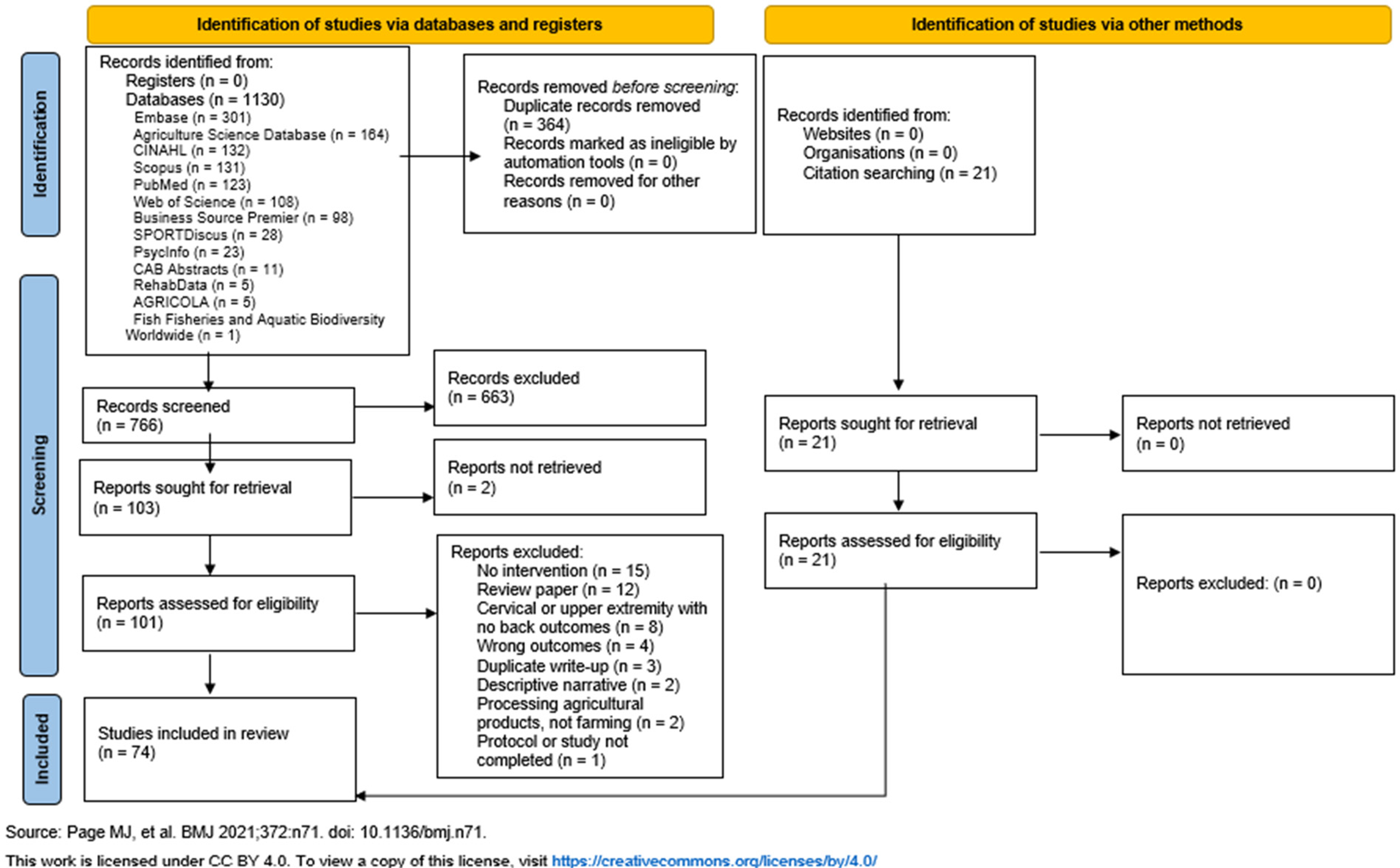
Consort diagram template source: PRISMA 2020 flow diagram.
Once the inclusion and exclusion criteria were confirmed, all titles and abstracts were screened by two authors independently, with a third resolving discrepancies. Papers written by two authors were reviewed by other members of the team. The full texts were then assessed in detail for eligibility, again by two blinded pairs with a third reviewer resolving disagreements if needed. Reasons for exclusion of papers were recorded. (Figure 1)
Data were extracted from papers and recorded by one author and checked by a second using a rubric created in the Covidence software. General reference data (author (s), DOI, year of publication, study title, journal, research design, region, work sector (agriculture, horticulture, seafood), location of study activities (field, lab simulation, clinical studies), inclusion and exclusion criteria, population (description, sample size, presence of pain, age), tasks studied, outcome measures, intervention (self-management, ergonomic, clinical), and key findings or conclusions were recorded. After completion, the results were collated and tabulated, with discussion for any queries. As a scoping review, the rigor of research methods for individual studies was not a component for inclusion and analysis.
Analysis
After organization of papers by type of intervention: 1) ergonomic (changes to the workplace or equipment to reduce job or task risk), 2) self-management (interventions aimed at promoting individual's ability to manage and reduce pain), or 3) both ergonomic and self-management. Interventions were further categorized for ergonomic interventions (engineering - equipment or task adjustments to reduce forces, administrative - adjusting processes or procedures to reduce cumulative forces, both engineering and administrative controls), and self-management and clinical interventions (education, exercise, both education and exercise). Ergonomic engineering studies were further stratified by methods for reducing mechanical stress.
Results
A total of 1151 articles were retrieved, (Figure 1) with 364 duplicates excluded (Covidence 352, manually 12). Of the 787 abstracts screened, 663 did not meet the inclusion criteria; 124 full articles were retrieved and reviewed for eligibility with 74 papers meeting inclusion criteria for data synthesis. The number of studies and percentages for intervention categories and subcategories are provided in Table 1, with summaries including the design, setting, intervention category, participants, measures, intervention details, and results for included studies organized by category and subcategories available in Table 2.
Intervention categories.

a.Education – education in any format (group, individual), any topic including managing back pain, repetitive strain, lifting
b.Exercise – to manage pain or for prevention, stretching, strengthening, general exercise at home or work
Management delivered by healthcare professionals to reduce pain and improve function in any setting
c.Engineering Controls: Physical or mechanical changes to tools or equipment or using existing tools that reduce or eliminate ergonomic risk factors at their source, without relying on worker behavior or require sustained worker compliance to be effective.
d.Administrative Controls: Changes to work policies, or schedules that manage exposure to ergonomic hazards by altering how, when, or for how long tasks are performed, without changing the physical tools or environment. Key features include relying on management actions and worker compliance e.g., job or task rotation, breaks, changing sequencing, processes, teamwork, or scheduling
Design, participants, measures, interventions, results (reorganized).

Publication date and location
The publications meeting inclusion criteria were relatively recent with only 3 articles published prior to 2005. Since 2006, 17–20 studies have been published per 5-year interval; 17 (2006–2010), 19 (2011–2015), 16 (2016–2020), 19 (2021- mid-2025). Studies were conducted mostly in the USA (28, 38%) and Asia Pacific (28, 38%), with lower numbers of studies from Europe (7, 9%), Australia/New Zealand (4,5%), Canada (3, 4%), South or Central America (2, 3%), and Africa (2,3%).
Frequency of papers by sector
As expected, most studies targeted agricultural settings (61, 82%), with lower numbers in agriculture and horticulture (3, 4%), horticulture only (4, 5%), and seafood (5, 7%) sectors (Table 1). Agricultural studies covered a variety of animal, crop, fruit, tree, or vegetable farming, horticulture included forestry, landscape, and nursery, and seafood involved crab and lobster fishing and clam aquaculture studies. (Appendix 1)
Type of tasks studied
Interventions addressing lifting and repeated or prolonged stooped or flexed positions were common across all sectors. Digging, shoveling, clearing land, and weeding were studied in both agriculture and horticulture settings. Animal studies such as milking, sheep shearing, or poultry slaughtering involved managing unpredictable movement of the animals; for crops, fruit, or vegetables, harvesting demands depend on the height or type of the product (e.g., strawberry harvesting close to the ground, peppers or grapes on trellises, or date harvesting requiring tree climbing) while moving product, feed, soil, and equipment were other tasks addressed in all sectors. The seafood context involves specific challenges from slippery or unstable surfaces on the boats or near the water impacting balance. Three studies were related to vibration and requirements for operating machinery such as tractors.24–26
Type of interventions
In settings where resources prohibited expensive solutions, low-cost modifications were used to provide appropriate options for the context.27–32 while higher cost technologies such as exoskeletons,33–37 or robotic assistance 38 were predominately reported in higher income countries. Ergonomic interventions (53, 72%) were studied the most, with lower numbers of papers encompassing self-management or clinical interventions (12, 16%), or combining ergonomic and self-management interventions (9, 12%). For the subcategories, ergonomic engineering controls were the most frequently studied (48, 65%), with low numbers of studies for administrative controls (2, 3%), engineering and administrative controls (2, 3%), and education, exercise, or both education and exercise (4, 5% for each) (Table 1). Summaries for studies are provided in Table 2.
Ergonomics
Ergonomic – engineering controls
Interventions in the engineering control category (Table 2) involved strategies or designs to reduce overall ergonomic stress in 9 subcategories:
lifting lighter loads e.g., adjusting the loads based on body weight,
39
lighter milking systems,40,41 smaller harvest tubs.
42
(Figure 2A) using available equipment to reduce degree of sustained flexion e.g., stools for weeding or milking,43,44 or comparing different ways of holding equipment e.g., carrying straps for brush cutters or weed eaters on the back or shoulders.
45
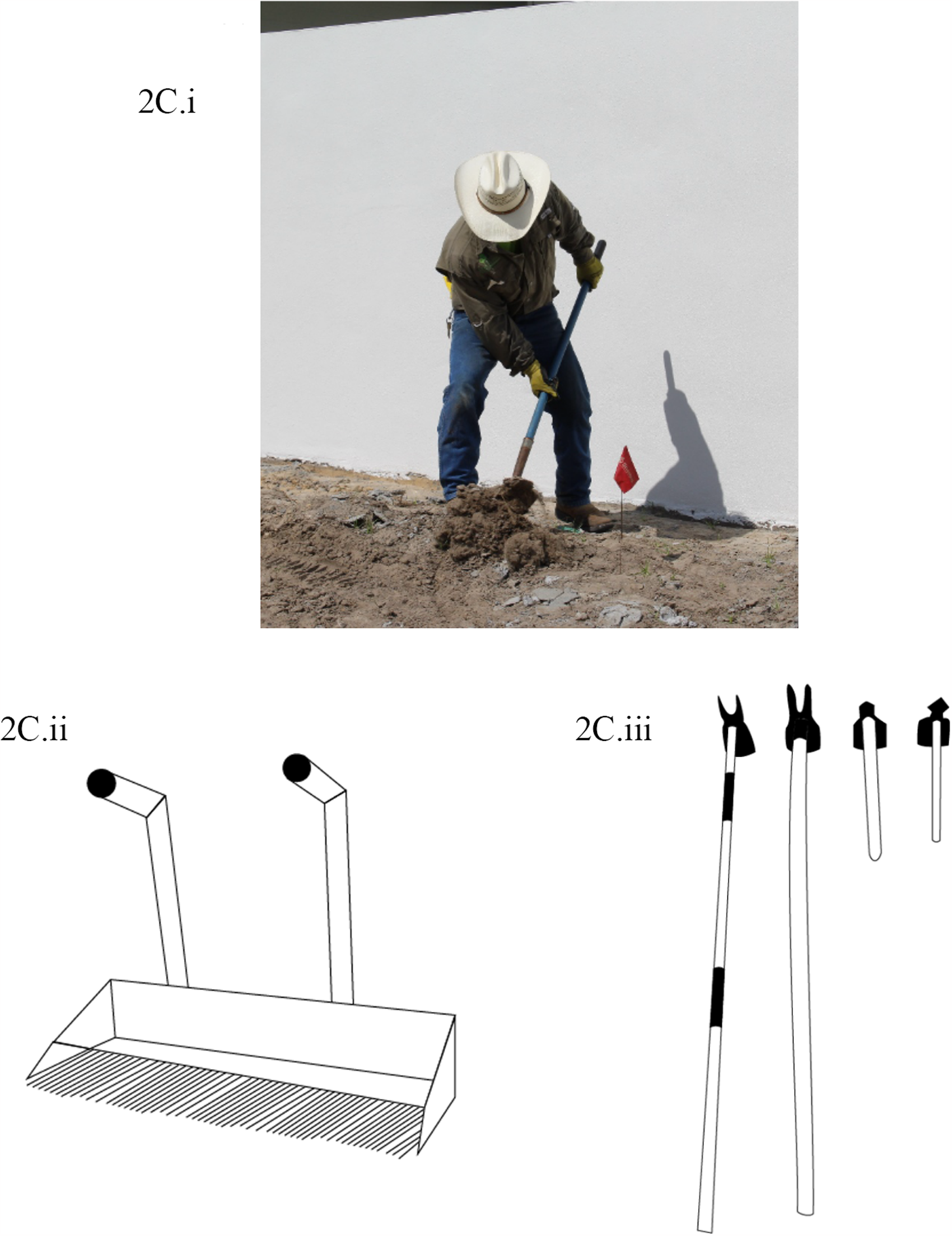
(Figure 2B) modifying available equipment for land preparation or material handling to reduce stress or strain during load transport e.g carts, modified feed bins,
46
hand ploughs,
27
weeders, hoes,
28
shovels,
47
wheelbarrows,
48
rakes,
49
hoes,
50
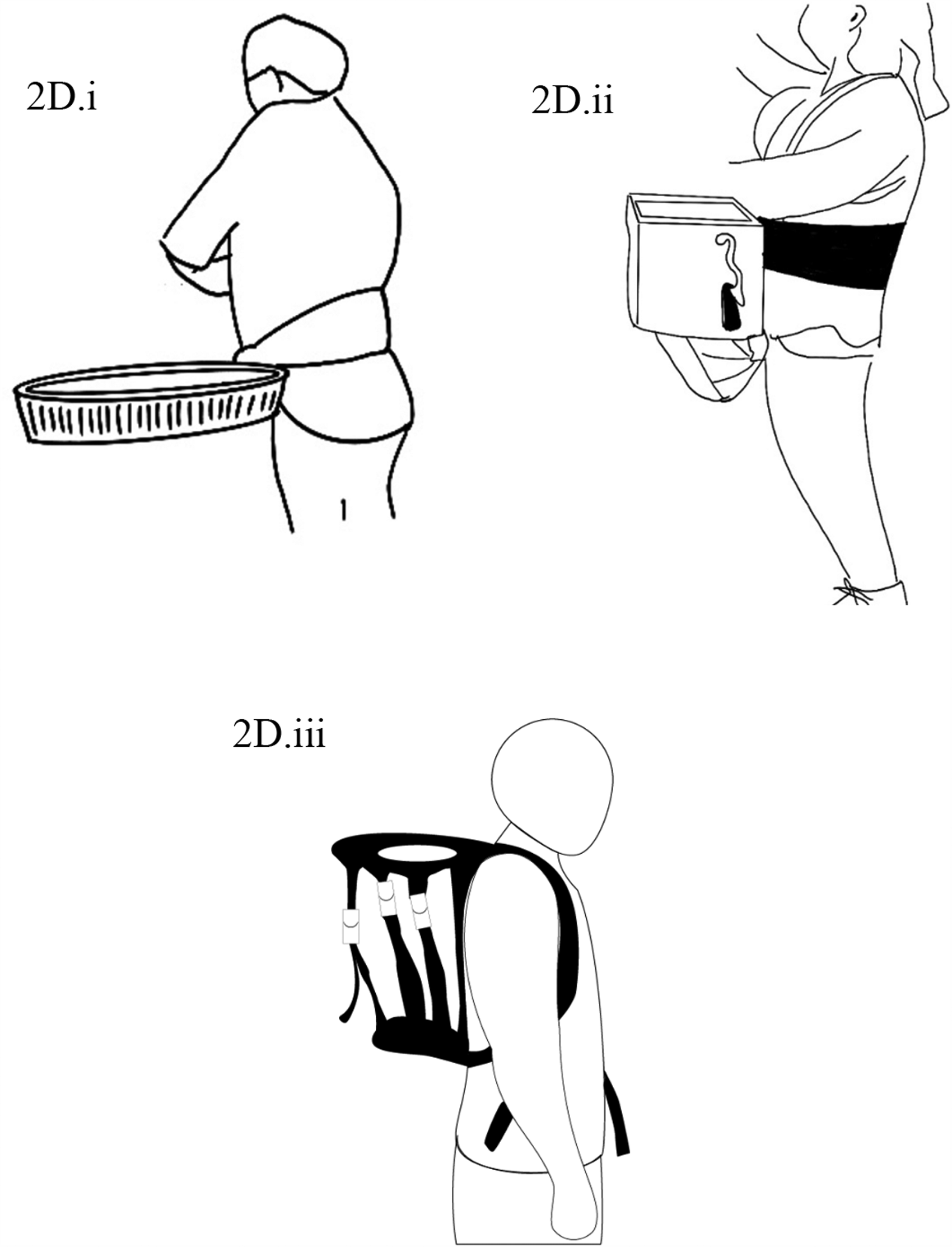
(Figure 2C) or adjusting equipment for carrying product during harvesting e.g redesigned bags and baskets,29,30,51–56 and buckets.54,54–57 (Figure 2D) new or modified equipment to reduce musculoskeletal forces during lifting, moving, or processing product, e.g., mechanical assistance for crab pot handling for pulling crab pots from the water,58,59 or support for workers climbing trees to harvest dates,60,61 or to support calves while obtaining birth weight.
62
exoskeletons to distribute forces e.g., arm-support exoskeletons for harvesting and pruning,
35
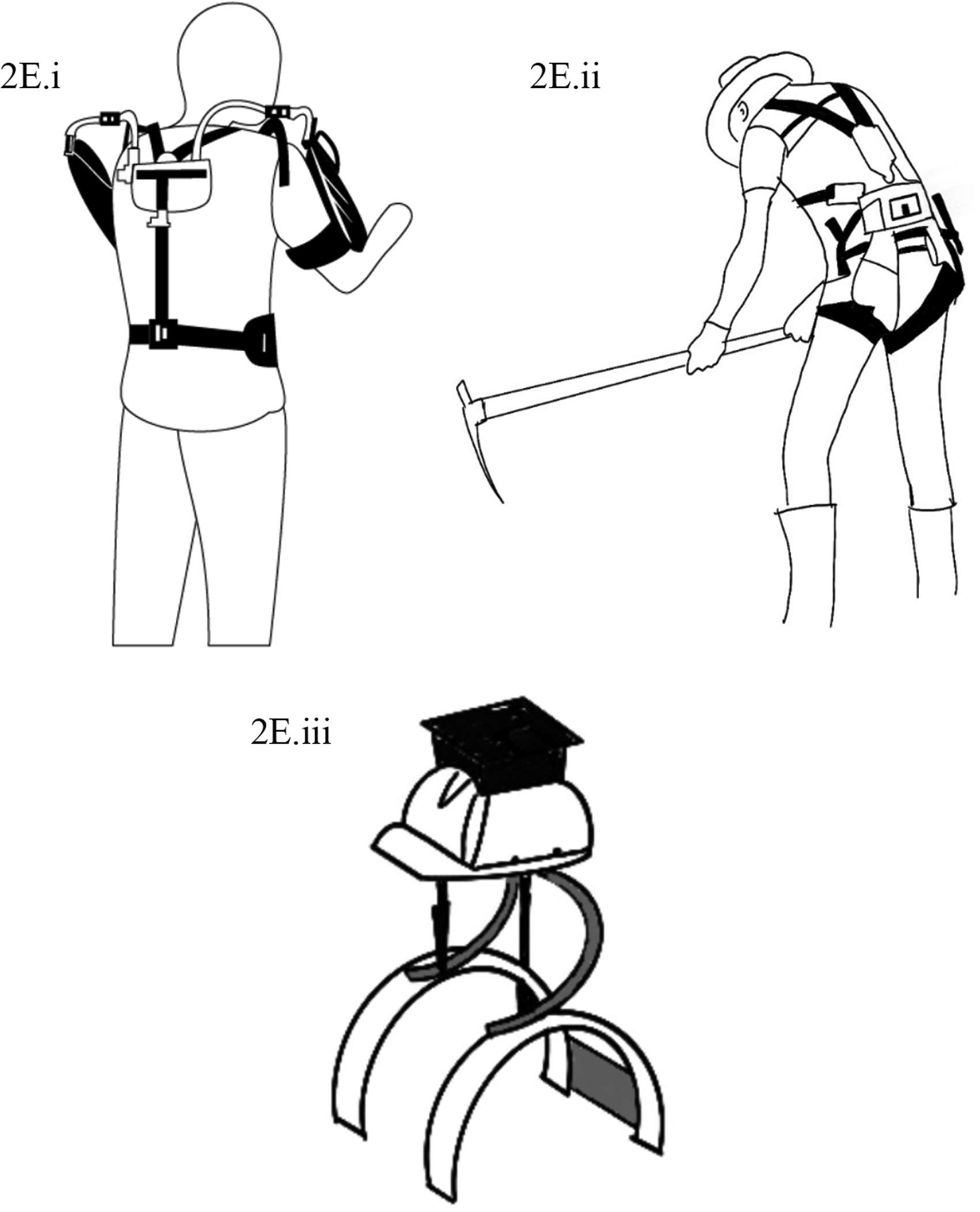
i) elastic, flexible, or semi-rigid trunk exosuits or exoskeletons worn during harvesting, stooped postures, farm activities, or digging,33,34,36,37 ii) ii) harnesses mounted on a beam to support the body weight during sheep shearing,63,64 to distribute forces to the shoulders for carrying loads on the head,
65
or during plowing attached to a ridger tool.
32
(Figure 2E) reducing forces by adjusting technology e.g., reducing trunk rotation to visualize rear views while operating machinery,
24
or suspension systems to reduce vibration or for different anthropometrics.25,26 modifying trunk postures or movement techniques e.g., different harvesting postures
66
or overhead lifting techniques.
67
adjusting work environments to reduce the need for extreme positions e.g., platforms for sheep shearing allowing an upright posture,
68
or for harvesting apples,
69
pruning with different wine grape trellis heights.
70
mechanized assistance e.g., pedal-operated threshers for crops,
71
adding mechanical equipment such as grass cutters, conveyors, carts,
72
or assistance from sensor-based robots (cobots) for plant transplanting.
38
(Figure 2F)
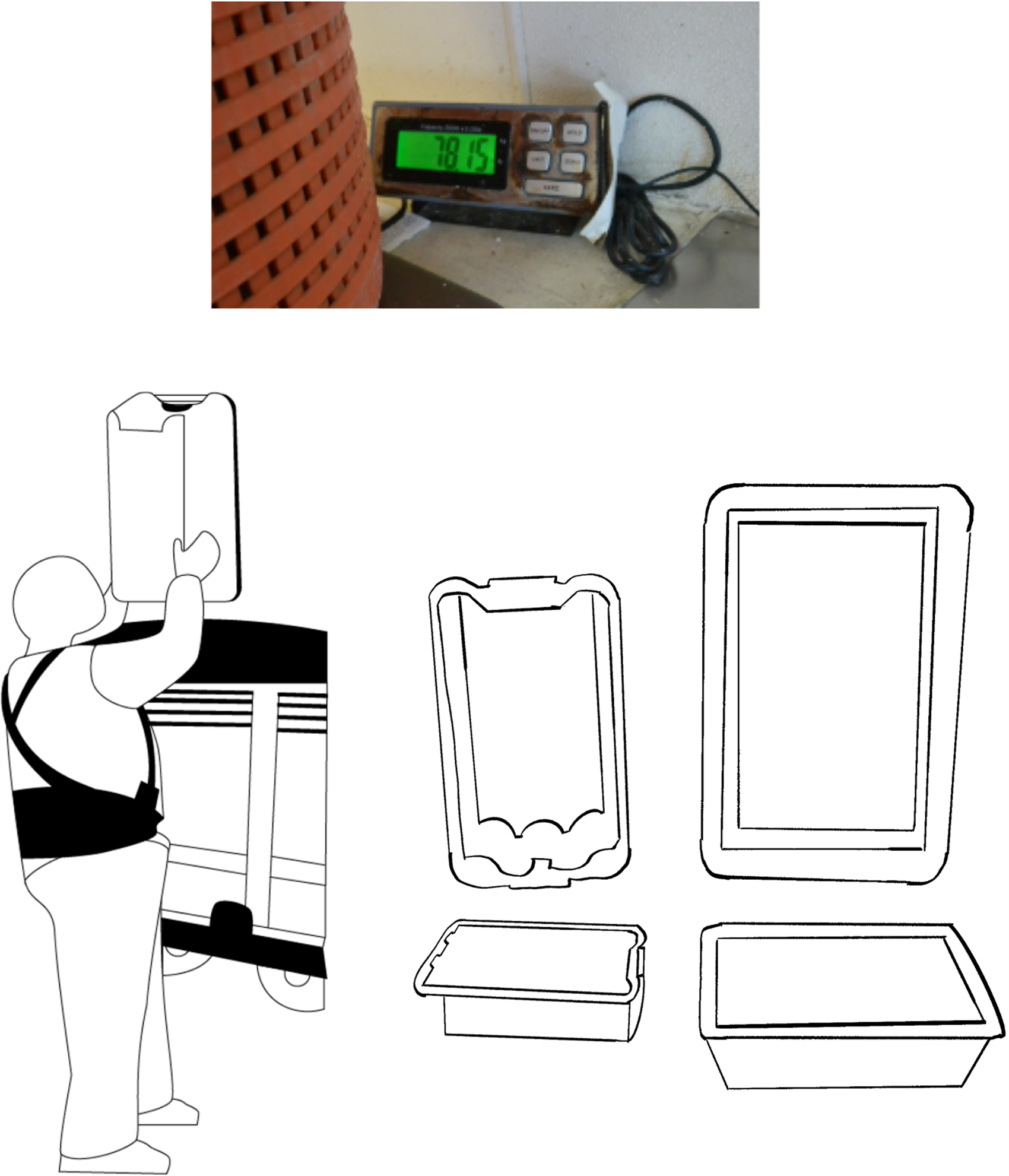
Lifting lighter loads using smaller tubs, baskets, or bags. 42
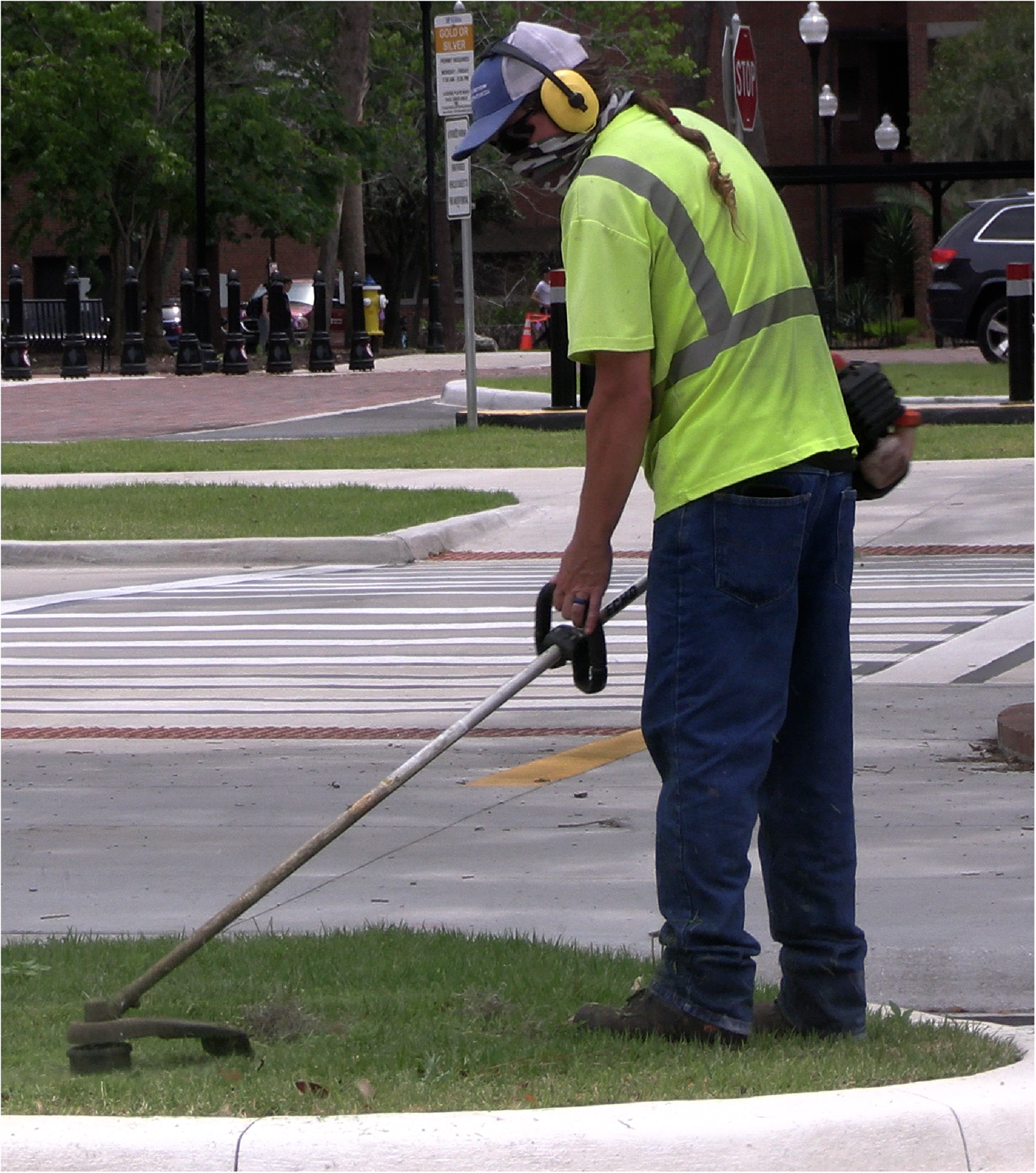
Work-related forces were compared using different types of available equipment e.g., using weedeaters or brushcutters supported with a strap on one shoulder or bilateral shoulder straps. 45
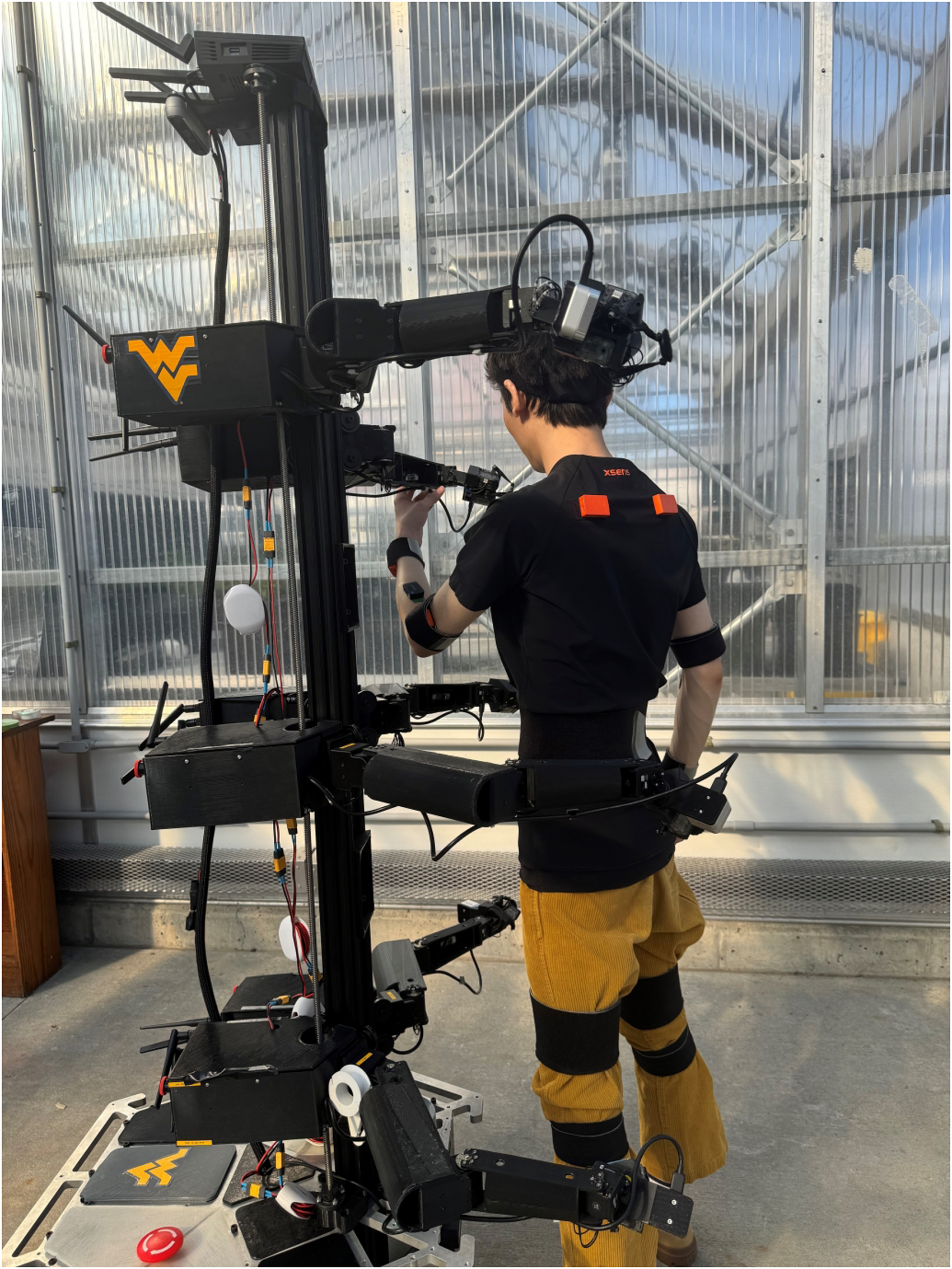
Transplanting plants with sensor-based robotic assistance (cobot). 38
Ergonomic engineering interventions generally improved perceived comfort and exertion, and reduced muscle activity, although benefits were sometimes task- or posture-specific and some redesigned systems introduced usability concerns.29,30,51,53–56,58 However, effectiveness varied across tasks, even for the same intervention. Some devices improved lifting, others carrying or dumping, and some designs performed worse than traditional equipment for certain postural outcomes.47,48,52,57 Across field studies where tools or options for carrying product were modified, modest benefits for productivity, fatigue, awkward postures, or pain were noted, but workers did not always prefer new designs.27,28,48–50 Adjustments for mechanized equipment were associated with reductions in pain, strain, vibration, or ergonomic risk, although some outcomes were unchanged.24,26,52,60,61,71 Studies using exoskeletons or external load-distribution devices such as harnesses were also mixed. Most reported reduced muscle activation although samples were often small limiting statistical power.32,34,36,37 Two studies reported reduced spinal flexion range33,34 while one study using a harness for sheep shearing reported reduced time in twisted postures but increased time in lateral flexion and reduced time in neutral trunk postures. 64 Harnesses reduced compressive forces in the spine for workers who were shearing sheep,64,68 but authors questioned about whether the device would protect the spine from unexpected forces. 64 In a study comparing two types of exoskeletons to no support during apple harvesting and found that muscle activity varied working at different heights, with lower activity at higher heights with the exoskeleton, but at other heights, load was shifted to the back and lower extremities. 35 In a field study, energy expenditure, pain, and absenteeism was reduced in a study with a back support with straps attached to a land preparation device, 32 lower heart rate and reduced fatigue was found using a personal assist suit with digging, 37 and with harnesses distributing loads for carrying objects while walking. 65 Generally, these studies did distribute loads, however, concentration of forces in other areas, practicality, and comfort of devices need to be considered for future work.34,37
Ergonomic – administrative controls
Only a few studies evaluated administrative controls alone. Two field study papers focused on rest breaks with reduced pain and fatigue.73,74
Ergonomic – engineering and administrative controls
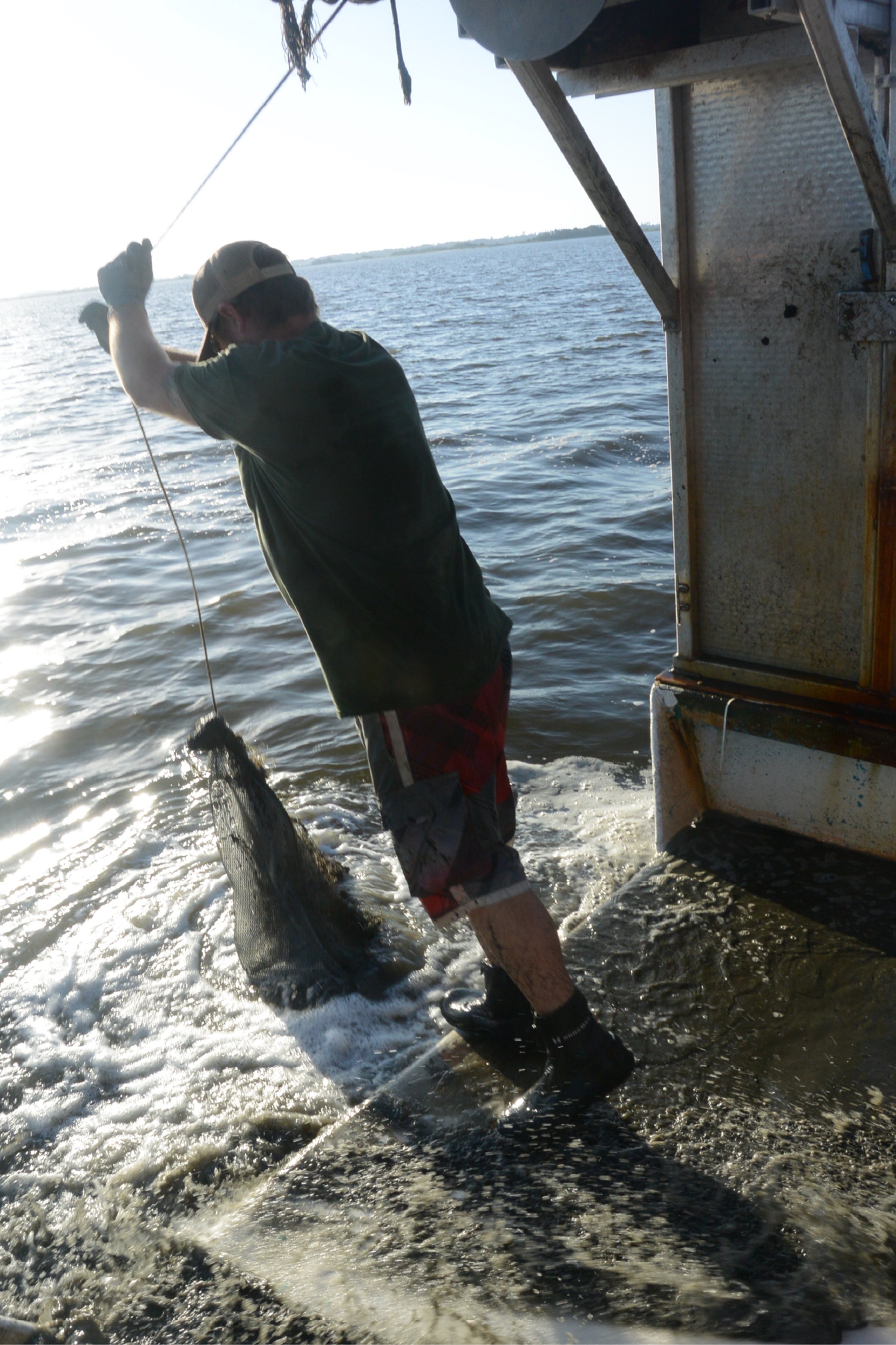
Three studies combined engineering and administrative controls,75–77 e.g., in a participatory ergonomic study, aquaculture workers selected and used 3 relevant strategies from a list of options such as pacing, lifting techniques, teamwork, work rotation, using or adjusting equipment to use for 8 weeks. Workers reported significantly reduced pain with work tasks and disability compared to baseline.76,77 (Figure 3)
Self-management
Self-management – exercise, education, or both exercise and education
While ergonomic interventions were often specific to work tasks, self-management interventions were applicable across settings. The self-management interventions rely on uptake and regular use of interventions either during work activities or at home and often require behavior change, although some exercise interventions were conducted in groups as part of work requirements. Education frequently covered lifting or body mechanics. with outcomes sometimes limited to reporting knowledge or lifting mechanics.78,79 In one of the few randomized studies, back pain booklets and face-to-face advice or booklets alone resulted in lower disability in both groups up to 12 months, with lower pain up to 6 months in the combined group. 80 Exercise or activity aimed at prevention was introduced in the workplace with general warmup programs such as walking or stretching, 82 or more comprehensive core strengthening programs in gym settings with positive results for pain reduction.83–85 disability, 84 trunk endurance and flexibility, 83 and ankle range of motion. 82 Combined exercise and education interventions also reported reduced pain,86–88 prevention behaviors, 89 trunk endurance,87–89 and functional disability.86–88
Clinical interventions were also included in this category with a greater focus on management of symptoms and return to function. Individualized interventions were delivered by healthcare professionals (Physical Therapists, Occupational Therapists, Psychologists) in clinical settings,87,88 or online, 90 Clinical interventions showed varying degrees of improvement in pain, quality of life, impairments, sleep, mobility, and disability. After improvements in impairments, disability, and pain following multi-disciplinary rehabilitation, there was limited retention on returning to work. 87 A psychoeducation study reported small short-term and delayed improvements in stress, anxiety, pain acceptance, and quality of life effects. 90
Ergonomic and self-management
A growing number of more recent studies combined ergonomic and self-management studies in different formats and sequences. Decreased frequency of back and neck pain was reported after combined education, rest breaks, and ergonomic modifications, with authors concluding that the amount of time for rest breaks differed for older and younger workers. 91 In one of the most comprehensive combined programs, ergonomic training, along with 3 months of regular exercise, reducing high-risk tasks and hours, reduced pain which was retained 1 year later and reduced interference in work activities. 81 A comprehensive 3 week program including ergonomic, physical, and psychological content reduced the frequency of high risk work tasks and posture and resulted in significant improvements in pain which were retained after 1 year, 9 Conversely, a study comparing workers who identified high risk ergonomic positions along with small group training and stretching did not show improvements at a 2 month follow up compared to those who just received training. 92 Three studies in this category used participatory ergonomics, involving the workers’ involvement in planning, creating, and implementing ergonomic or self-management solutions with reduced ergonomic risk and worker satisfaction but pain was either the same or not reported.31,93–95
Study design, settings, methods, participants
Most studies were non-randomized experimental trials (54, 73%), often with pre-post within-subject comparison, followed by case series (14, 19%), with few randomized experimental trials (5, 7%), and 1 case study (1%). Inclusion or exclusion criteria for recruitment were often missing. There were several papers reporting multiple phases starting with initial prevalence, risk or needs assessment, followed by intervention phases building from earlier results. The self-management interventions compared different forms of exercise or education more often than the ergonomic interventions.
Just over half of the studies (42, 57%) were conducted in the field, with 24 (32%) using simulations in laboratory settings, 4 (5%) using both field and laboratory simulations, and 4 (5%) conducted in rehabilitation settings or online. Simulation studies typically used small convenience samples (range 1–32, mean 17), often young participants without specific work experience in the field with no pain or did not specify if the participants were experiencing pain.
One format specific to workplace interventions was participatory ergonomics, starting with overall education in the first phase, followed by participant involvement in planning, creating, and implementing solutions, and finally testing ergonomic solutions.31,77,93–95 These studies reported positive participant satisfaction although small sample sizes did impact overall results.76,77,94 One study reported reduced ergonomic risk but no statistically significant differences in frequency of musculoskeletal disorders compared to normal activities in a study of pistachio farm workers. 94 There was also reduced risk in a small study using education, exercise, rest breaks, and equipment program, 72 and reduced numbers of higher risk tasks in another small case series. 31 The clam aquaculture study using participatory ergonomic methods reported high adoption and feasibility, along with reduced work task pain and disability,76,77 while in a case series for lobster fishing, implementation was limited despite positive feedback due to limited financial support, productivity demands, and resistance to change work practices. 93
Overall, generalizing findings from these studies is difficult due to study demographics such as small sample sizes, and recruiting young participants without pain. Half of the studies recruited less than 20 participants (38, 51%)
Outcome measures in the field studies varied from self-reported measures of pain, discomfort, or effort, disability questionnaires, productivity, or observational risk assessment. Most field studies also collected preferences and opinions of interventions. Simulations (whether in laboratory or field settings) used physiological measures reflecting efficiency and effort, electromyography, joint angles, forces and moments using motion analysis equipment, used to predict risk for musculoskeletal injury rather than direct impact on pain or discomfort. Risk assessment also included observation and visual analysis of videos or photographs, using REBA, RULA or OWAS risk assessment instruments. Although a number of studies reported participant preferences and satisfaction with the interventions, only a few studies evaluated adoption of equipment and practices72,76,93,96 or implementation outcomes.76,96 Outcomes measures are reported in Table 2 along with the results of the studies to inform future research choices.
Discussion
Back pain is one of the most common problems amongst workers in physically challenging jobs, adversely impacting work productivity and longevity in the industry. Our findings highlight a need overall for intervention studies in these sectors, with a predominance of studies in agriculture and limited horticulture and seafood intervention studies. Ergonomic engineering interventions dominated the intervention literature with less information related to ergonomic administrative controls, self-management interventions, and combined multimodal approaches. In the discussion we will present some of the results or principles that could be generalized, and some of the areas of need for future research, including research design considerations. With the wide variety of studies, readers may find specific tasks or interventions in Table 2 of interest for their specific needs.
These results are consistent with earlier narrative reviews of ergonomic factors contributing to musculoskeletal disorders in agricultural populations.97,98 A systematic review of ergonomic interventions for agricultural crop populations published between 2000–2020 found 65 studies and concluded that ergonomic intervention studies are limited even in developing countries. 1 In another systematic review of literature published between 2012 to 2018 focused on agricultural workers, only 5 articles met the inclusion criteria for interventions within the scope of occupational therapists to address injury prevention and management. 4 Similar to our results, these authors acknowledged the limitations related to number of papers, small sample sizes, confounding variables, and low levels of evidence.
We chose to search literature across the work sectors with the premise that some overlap might be present, and that similarities could inform future work in horticulture and seafood sectors. There were multiple studies with intervention approaches, methods, or outcomes that could be useful to build from for future research within, and across all 3 sectors. Some ergonomic interventions were applicable across multiple sectors and different types of physically challenging work, but most of administrative controls and self-management interventions can be applied across all settings further supporting a recommendation to consider these approaches for future studies.
Ergonomic interventions
Overall, the lower-cost ergonomic interventions are more applicable across countries, while the higher technology options still need to be evaluated in field settings. Adjusting lifting mechanics, movement techniques, modifying or adding platforms, stools, and heights of tables for sorting or harvesting products, principles related to redistributing loads using different bags or containers, and reducing loads are all applicable across sectors. Interventions for digging, planting, clearing land, and weeding apply both to agriculture and horticulture. Some interventions were very specific to the type of harvesting or setting which would not be transferable to other settings, e.g., testing a tree climbing device to harvest dates,60,61 or systems to empty crab or lobster pots.58,59,93 While some studies may not be generalizable to other sectors or task contexts, commonalities in the type of movement, position, or the intervention can potentially spark innovative ideas for interventions that are relevant for other sectors.
The higher-cost and newer technologies may not be applicable across settings and research conducted in laboratory simulations still needs to be tested in the field. Studying participants of all ages who represent the workforce and those who do report back pain is important for future research. While some of the exoskeletons or devices to distribute load did report lower muscle activity and calculated forces only one study reported pain and some reported effects in other areas. While forces and muscle activity were affected positively, discomfort in other areas or difficulty performing work activities are issues that need to be considered for future studies.
While there were only a few studies using administrative control interventions, rest breaks are applicable across multiple sectors and were found to be effective for reducing pain for workers working in stooped positions for harvesting, 74 and tree nursery tasks, 73 or combined with education. 91 In a multimodal study, education was paired with adjusted work-rest schedules, limiting the length of time in flexed milking tasks, and by combining tasks, improved efficiency. 81 Rest breaks, job rotations, and changes in processes do require organizational buy-in and change management as well as individual worker buy-in, making these studies more difficult to implement, however administrative control interventions should be considered for future research alone or combined with other interventions, especially when there are limited options for sophisticated equipment modifications.
Self-management and combined self-management and ergonomic interventions
Although there were less studies in this area, self-management interventions are applicable across settings and have the potential to help workers manage their own work practices and pain. There were some positive outcomes with these interventions which have not been studied as frequently. If workers continue to work with pain, strategies that can be implemented at home or at work are especially important if there are barriers to accessing and covering costs of clinical care. The studies using education alone typically emphasized prevention related to ergonomic risks with limited focus on symptom management. Measuring the impact of education focused interventions is challenging for a variety of reasons, however only assessing knowledge provides limited information for effectiveness of interventions. However, combined approaches often require education in some form, especially with participatory ergonomic interventions and using current educational theories and best practices may potentially enhance some of the methods for application and retention.
Exercise interventions did result in reduced pain and disability, with limited reduction in overall risk though one study using walking before weeding resulted in greater ankle mobility and thereby reduced the degree of spinal flexion for weeding. 82 As pain has a significant impact on psychological well-being, interventions that target pain-reduction are warranted and further study of the intertwined physical and psychological aspects targeting motivation, and self-efficacy critical for adoption of interventions and attitudes towards work participation are warranted. Combined multimodal interventions (e.g., education, exercise, and ergonomics) or multimodal treatment approaches are an important direction for future research. Most recent physical therapy clinical practice guidelines for acute and chronic low back pain recommend using multimodal approaches 99 and integrating evidence from clinically-based care could be helpful when developing future study questions and designs.
Research design and generalizability
Consistent with the purpose of a scoping review, we did not specifically evaluate the rigor of the research design, power, or statistical analysis, however, small sample sizes and weak statistical analysis limit generalizability for several studies. There are limited studies comparing types of interventions and the wide variety of outcome measures prohibit a systematic review and make definitive conclusions across studies extremely difficult. Of importance, the intervention research needs to build towards real-world application and implementation in the workplace.
Surprisingly, there were lower numbers of studies explicitly focused on impact of interventions on pain or prevention of pain than expected, and the definitions of pain and discomfort ranged extensively. Using standardized definitions of pain and musculoskeletal questionnaires (rather than discomfort), would be helpful for comparison of studies.99,100 The trend for laboratory-based ergonomic simulation is limits findings that can be directly linked to reducing musculoskeletal pain. Pain is complex, movement patterns vary, and application in the workplace involves numerous factors. While sophisticated outcome measures including electromyography, motion capture, and physiological monitoring of heart rate and oxygen consumption offer many advantages, most simulation studies included healthy asymptomatic participants with no work experience in settings of interest. Recruiting healthy, college-aged students with no history of back pain is logistically easier than recruiting skilled workers from production settings, but this convenience reduces external validity and generalizability, and these research findings should be interpreted cautiously until these studies are replicated in the workplace.
In contrast, field trials conducted with experienced laborers capture authentic pacing, environmental conditions, and movement patterns but rely heavily on observation, surveys, interviews, or video footage as outcome measures which are not as specific and require qualitative or mixed method analysis. Comprehensive field settings provide impactful data to advance intervention research; however, randomization and more rigorous follow-up may not be feasible due to work productivity expectations and are also more complex when time is limited. While laboratory simulations are valuable for generating precise biomechanical and physiological data, field trials remain essential for understanding real-world adoption and implications, durability, and risk reduction. There is a need to progress from simulations where new interventions can be pilot tested, to field studies with larger samples of workers studying pain-related outcomes, productivity, including follow-up which was seldom part of the methods. Few studies examined implementation, and implementation variables such as adoption, engagement, and context for interventions, collected longer-term outcomes, or built off previous work. Building from other studies in the same or different settings is a critical step to move intervention research forwards to translation and application in the field. Thus, a recommendation for future work to promote a more extensive and practical body of evidence is to examine longer-term outcomes in real-world settings with workers, building from previous work and extending into implementation studies.
Strengths and limitations
Strengths of this scoping review were the comprehensive and reproducible search of multiple global sources over the past 3 decades using 1) established methodological and reporting guidelines, 2) review by a multidisciplinary team, and 3) comprehensive analysis. Our multidisciplinary team provided perspectives from multiple angles which is considered a strength for scoping reviews.101,102 We included and synthesized available ergonomic, self-management, and clinical intervention studies which is a novel addition to the literature. By gathering evidence from all three sectors, the search provides a collection of sources to assist researchers with future studies for multiple sectors.
Conclusions
Most intervention studies included in this scoping review focused on agriculture and ergonomic engineering controls. The research gaps identified in this study highlight an important need for 1) practical intervention studies for all 3 sectors but especially for horticulture and seafood sectors, 2) field studies with workers who have pain, 3) comprehensive multimodal approaches, and 4) rigorous research designs with larger sample sizes and longer term follow up. Currently understudied interventions including administrative controls and self-management approaches along with multi-modal approaches warrant further study. Future intervention research in agriculture, horticulture, and seafood could build from existing studies and draw from studies in other settings using common principles or tasks.
Footnotes
Acknowledgements
Thanks to Andres Acosta and Carolina Alzamora for assistance with article acquisition.
Ethical approval and informed consent
As a scoping review no ethical approval or informed consent was required by the University of Florida
Informed consent
N/A
Author contributions
Conceptualization JMD, JB, JMcB, KD, Methodology JMD, JB, KD, Article acquisition JMD, MG, JMcB, Article screening cAT, JMcB, KD, JB, BH, HR, Data extraction JB, JMcB, KD, HR, BH, AT, MV, MG, Tabulation KD, AT, MV, writing -original draft KD, JMD, AT, JMB, BH, HR, writing review and editing -KD, JB, JMcB, JMD, AT, BH, HR. Figure drawings: MV, AT. All authors have read and agreed to the submitted version of the manuscript.
Funding
The authors disclosed receipt of the following financial support for the research, authorship, and/or publication of this article: The scoping review was conducted as part of the exploration phase for a core research grant on management of back pain in horticulture workers supported by the the Southeastern Coastal Center for Agricultural Health and Safety. This project is supported by the Centers for Disease Control and Prevention (CDC), National Institute for Occupational Safety and Health (NIOSH) of the U.S. Department of Health and Human Services under Cooperative Agreement award number 5 U54OH011230-09. The content is solely the responsibility of the authors and does not necessarily represent the official views of, nor an endorsement by the CDC/NIOSH or the Department of Health and Human Services.
Declaration of conflicting interests
The authors declared no potential conflicts of interest with respect to the research, authorship, and/or publication of this article.
Data availability
Search criteria are listed for the search engines at https://doi.org/10.1079/searchRxiv.2026.01255. articles are listed in  . Further details are available from the authors if needed.
Registration
ORCID iDs
Appendix 1: Type of Agriculture,Horticulture,Seafood
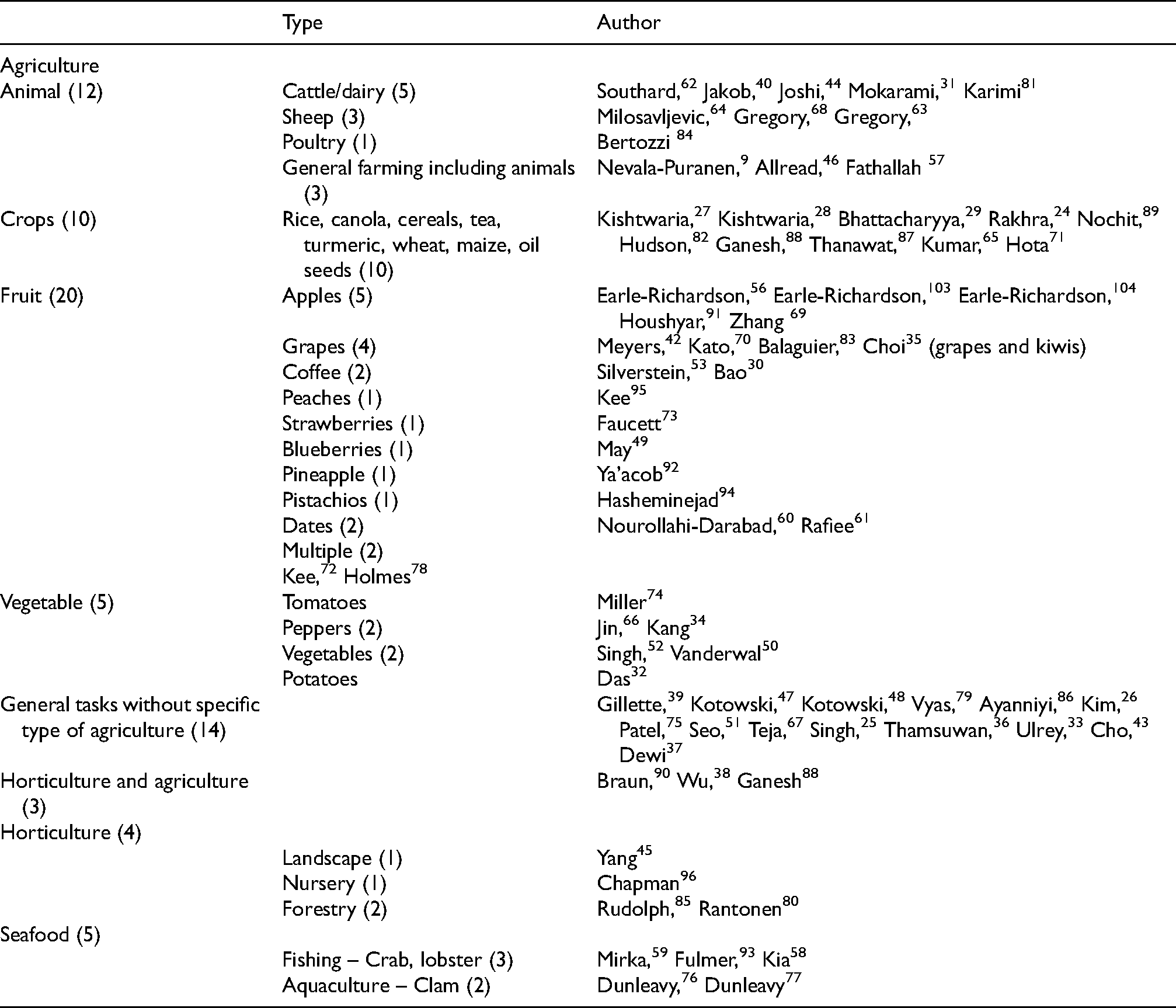
| Type | Author | |
|---|---|---|
| Agriculture | ||
| Animal (12) | Cattle/dairy (5) | Southard, 62 Jakob, 40 Joshi, 44 Mokarami, 31 Karimi 81 |
| Sheep (3) | Milosavljevic, 64 Gregory, 68 Gregory, 63 | |
| Poultry (1) | Bertozzi 84 | |
| General farming including animals (3) | Nevala-Puranen, 9 Allread, 46 Fathallah 57 | |
| Crops (10) | Rice, canola, cereals, tea, turmeric, wheat, maize, oil seeds (10) | Kishtwaria, 27 Kishtwaria, 28 Bhattacharyya, 29 Rakhra, 24 Nochit, 89 Hudson, 82 Ganesh, 88 Thanawat, 87 Kumar, 65 Hota 71 |
| Fruit (20) | Apples (5) | Earle-Richardson, 56 Earle-Richardson, 103 Earle-Richardson, 104 Houshyar, 91 Zhang 69 |
| Grapes (4) | Meyers, 42 Kato, 70 Balaguier, 83 Choi 35 (grapes and kiwis) | |
| Coffee (2) | Silverstein, 53 Bao 30 | |
| Peaches (1) | Kee 95 | |
| Strawberries (1) | Faucett 73 | |
| Blueberries (1) | May 49 | |
| Pineapple (1) | Ya'acob 92 | |
| Pistachios (1) | Hasheminejad 94 | |
| Dates (2) | Nourollahi-Darabad, 60 Rafiee 61 | |
| Multiple (2) | ||
| Kee, 72 Holmes 78 | ||
| Vegetable (5) | Tomatoes | Miller 74 |
| Peppers (2) | Jin, 66 Kang 34 | |
| Vegetables (2) | Singh, 52 Vanderwal 50 | |
| Potatoes | Das 32 | |
| General tasks without specific type of agriculture (14) | Gillette, 39 Kotowski, 47 Kotowski, 48 Vyas, 79 Ayanniyi, 86 Kim, 26 Patel, 75 Seo, 51 Teja, 67 Singh, 25 Thamsuwan, 36 Ulrey, 33 Cho, 43 Dewi 37 | |
| Horticulture and agriculture (3) | Braun, 90 Wu, 38 Ganesh 88 | |
| Horticulture (4) | ||
| Landscape (1) | Yang 45 | |
| Nursery (1) | Chapman 96 | |
| Forestry (2) | Rudolph, 85 Rantonen 80 | |
| Seafood (5) | ||
| Fishing – Crab, lobster (3) | Mirka, 59 Fulmer, 93 Kia 58 | |
| Aquaculture – Clam (2) | Dunleavy, 76 Dunleavy 77 |