



Abstract
Tourism and hospitality service providers have been seeking ways to engage customers in the value creation process to deliver personalized experiences. Such practices have been facilitated by the rapid development of information communication technology. Extant research on online customer engagement focuses mostly on computer-based platforms. Mobile instant messaging (IM) has rarely been explored despite its substantial potential for firm–customer interactions. On the basis of service–dominant logic and computer-mediated communication theories, this study examines customers’ perceived co-creation experience facilitated by mobile IM. It empirically tests the influencing factors and effects of such co-creation experience. The findings extend the theoretical framework of value co-creation to a context mediated by mobile IM. Managerial suggestions are provided for tourism and hospitality organizations.
Keywords
Introduction
Increasingly fierce market competition has forced tourism and hospitality service providers to move beyond mimicking each other to creating unique value for customers. In the era of the experience economy, customers’ perceived value of a product or service is largely dependent on their consumption experience rather than predesigned value propositions (Prahalad & Ramaswamy, 2004a; Vargo & Lusch, 2004). Thus, various strategies, from providing personal customer services (Ritz-Carlton, 2016) to loyalty programs that go beyond rewards (Hyken, 2017), have been employed to make customer experiences more inimitable and memorable. Meanwhile, consumers have become more sophisticated and now prefer personalized or one-to-one marketing over standardized or “one-size-fits-all” offerings (Chathoth, Altinay, Harrington, Okumus, & Chan, 2013).
To facilitate one-to-one marketing and personalized customer experience, the tourism and hospitality industry has widely adopted information communication technology, featuring superior computation and connection capability (Buhalis & Law, 2008). A recent trend is the extended application of mobile instant messaging (IM) from regular daily lives into commercial contexts. Examples include the “Anything Else” IM function embedded in the official Marriott mobile application (app) (Ting, 2016), and multiple chatting channels (e.g., WhatsApp, Facebook, WeChat, SMS) offered by Four Seasons Hotels and Resorts (Tuite, 2017). These endeavors aim to engage customers in personalized interaction and service consumption.
The practice of providing accessible resources to help customers create their own experiences by collaborating with the service provider is called value co-creation. Its emphasis on the customer’s role in value creation is grounded in service–dominant (S-D) logic (Vargo & Lusch, 2004). By distinguishing between service providers’ value propositions and customers’ value-in-use, S-D logic suggests that value is phenomenologically determined by customers in context rather than embedded in a good or service (Vargo & Lusch, 2008). In this sense, interactions between customers and service providers become the locus of value creation. They allow service providers to better understand their customers and subsequently personalize customer experience (Prahalad & Ramaswamy, 2004a). Engaging customers to interact and collaborate with the service providers is critical to value creation because engaged customers tend to contribute more resources (e.g., action, time, and money) that benefit both parties (Van Doorn et al., 2010).
The unique features of mobile technologies have largely extended co-creation opportunities in the spatial and temporal dimensions (e.g., Buhalis & Law, 2008; Neuhofer, Buhalis, & Ladkin, 2015; D. Wang & Fesenmaier, 2013). However, as a computer-mediated communication (CMC) channel, mobile IM has been recognized as a “lean” medium as it filters nonverbal cues, such as facial expression and body language (Walther, 1996). This uniqueness warrants an investigation of consumer value co-creation experiences mediated through the mobile IM channel. Limited research has been conducted to investigate the use of mobile IM for firm–customer interaction in tourism and hospitality contexts.
As such, two questions remain unanswered: (a) what factors influence customers’ co-creation experience via mobile IM? (b) How does customers’ co-creation experience via mobile IM shape their perceived value? This study aims to answer these questions and thus contribute to knowledge of online customer engagement in value co-creation in tourism and hospitality. Specifically, the study models and examines the driving factors and outcomes of customers’ co-creation experience based on survey data collected from Chinese customers who have interacted with a tourism and hospitality service provider through mobile IM.
Literature Review
S-D Logic, Value Co-Creation, and Customer Engagement
S-D logic emphasizes the role of service given that tangible goods alone cannot generate value without being used in producing services (Vargo & Lusch, 2004). Therefore, a service provider’s competitiveness depends on its capability to make better value propositions to serve all stakeholders and beneficiaries. In this sense, a firm’s competitive advantage is derived from its operant (e.g., human skills and knowledge) rather than operand resources (e.g., raw materials or physical goods; Vargo, Lusch, & Akaka, 2010). Following this logic, value is not embedded in the good or service. Customers or users contextually determine it. One natural inference of S-D logic is that firms should engage customers in an interactive dialogue through which customers’ needs can be better understood and the value of the service offerings can be maximized (Prahalad & Ramaswamy, 2004a, 2004b; Vargo & Lusch, 2004). Such “joint creation of value by the company and the customer, allowing the customer to co-construct the service experience to suit the context,” is termed the “co-creation” of value (Prahalad & Ramaswamy, 2004b, p. 8).
A successful value co-creation process is dependent on customer engagement. Engaged customers tend to be more active in sharing information and seeking opportunities to co-construct their experiences (Ostrom et al., 2010). Jaakkola and Alexander (2014) conceptualized the role of customer engagement behavior in value co-creation as “the customer provision of resources during non-transactional, joint value processes that occur in interaction with the focal firm and/or other stakeholders, thereby affecting their respective value processes and outcomes” (p. 254). Customer engagement is highly driven by the quality of firm–customer interactions that critically influence customer experience and perceived value (Brodie, Hollebeek, Jurić, & Ilić, 2011; Prahalad & Ramaswamy, 2004a).
Interactions through Mobile IM as a Unique Form of Value Co-Creation
Mobile IM is a specific type of CMC. It refers to applications that enable users to conduct online dialogue through typing messages back and forth to one another using mobile devices (Chen Wang & Morgan, 2008). IM is an example of synchronous and symmetric communication, meaning that interlocutors can exchange the same type of message in real time (Chen Wang & Morgan, 2008). With its unique nature, mobile IM has the potential to facilitate value co-creation in tourism and hospitality. First, the combination of the power of social media and mobile technology has dramatically changed travel behaviors (Buhalis & Law, 2008; Law, Buhalis, & Cobanoglu, 2014; D. Wang & Fesenmaier, 2013). Second, instant information exchange has been recognized as a critical element to personalize tourist experience (Buhalis & Amaranggana, 2015). By empowering customers to communicate anything, anytime, and anywhere, mobile IM provides a platform for on-the-go travelers to communicate their contextual needs ubiquitously (Lamsfus, Wang, Alzua-Sorzabal, & Xiang, 2014; D. Wang, Xiang, & Fesenmaier, 2014). These significant merits set mobile IM apart from offline and other CMC channels.
In the tourism and hospitality literature, scholars have identified customers’ habits, involvement, privacy concerns, and perceived personalization (Morosan, 2015; Morosan & DeFranco, 2016) as the antecedents of using mobile technology for value co-creation. However, few studies have examined what affects customers’ co-creation experience, particularly in a mobile setting. Additionally, previous studies on online customer engagement tend to focus on certain contexts such as social network sites (Dijkmans, Kerkhof, & Beukeboom, 2015; Park & Allen, 2013; Schmallegger & Carson, 2008; Q. Ye, Law, & GU, 2009; Wei, Miao, & Huang, 2013), online communities (Zhang, Kandampully, & Bilgihan, 2015), and brands (Harrigan, Evers, Miles, & Daly, 2017; So, King, & Sparks, 2014). This conversation should be investigated from more service contexts, especially when new channels such as mobile IM are emerging.
Perceived Co-Creation Experience and Personalization
S-D logic suggests that successful firm–customer value co-creation leads to more personalized experiences beyond functional benefits (Prahalad & Ramaswamy, 2004a, 2004b; Ranjan & Read, 2016; Vargo & Lusch, 2004). While the interactions occurred during the co-creation process can be a source of unique value, value-in-use is actualized when customers consume the product or service offering. Hence, following S-D logic interpretation, personalization is operationalized to measure the extent to which customers perceive the product or service as meeting their personal needs and wants. In the tourism and hospitality literature, scholars have elaborated how moving from co-production to co-creation can lead to more personalized customer experience (Chathoth et al., 2013). They have generally agreed that firms can co-create with customers by providing accessible resources through which customers can co-design the product/service offering (Binkhorst & Den Dekker, 2009; Chathoth, Ungson, Harrington, & Chan, 2016). Hence, the following hypotheses are proposed:
CMC Media Traits and Customers’ Perceived Co-Creation Experience
Traditionally, CMC channels are criticized as being “lean” compared with face-to-face interactions that feature “rich” communication (Culnan & Markus, 1987). Thus, CMC channels such as mobile IM could be less effective for communication in situations where more personal interactions are required (Garton & Wellman, 1995; Straus, 1996). CMC channels could be preferred when efficient task completion is a priority, as they eliminate unnecessary social interactions (Jonassen & Kwon, 2001; Light & Light, 1999). Despite the above findings, it is still unknown whether customer experience is affected by the nature of CMC in a co-creation context associated with tourism and hospitality service. The highly context-based nature of customer experience and the distinctive features of mobile IM necessitate a context-specific investigation.
The differences between CMC and traditional communication are generally discussed in terms of media richness and social presence. Media richness measures the capacity of a medium to deliver information accurately and facilitate mutual understanding (Lengel & Daft, 1984). A medium is considered rich if it allows the users to “overcome different frames of reference or clarify ambiguous issues to change understanding in a timely manner” (Daft & Lengel, 1986, p. 560). Rich media, such as the telephone, are more suitable for resolving complex or equivocal issues, whereas lean media, such as mobile IM, are more appropriate for exchanging simple messages (Daft & Lengel, 1986). Generally, users are more likely to adopt a communication medium with higher level of perceived media richness.
Social presence is defined by the CMC literature as the extent to which interlocutors are aware of one another as being psychologically present as a “real person” during the dialogue (Fulk, Steinfield, Schmitz, & Power, 1987; Short, Williams, & Christie, 1976). Social presence measures the capacity of communication media to transmit human elements and sense of personalness. The interlocutors feel less warmth and are less involved with each other due to lack of nonverbal cues when social presence is low (Short et al., 1976). Studies in information communication technology have commonly found significant impacts of media richness and social presence on the customer experience of using mobile IM (Ogara, Koh, & Prybutok, 2014; W. Wang, Hsieh, & Song, 2012).
The existing literature generally suggests a positive link between media richness and social presence. The degree of social presence often depends on how rich the medium is, or the capability of the medium in delivering additional cues to enhance social perceptions and contextual characteristics (Short et al., 1976). Daft and Lengel (1984) suggested that higher feedback immediacy facilitates more interactive and effective communication. The more verbal and nonverbal cues that can be exchanged, the more interactive the communication is and thus the higher degree of presence the interlocutors can feel from each other (Ogara et al., 2014).
In the tourism and hospitality literature, recent research has started investigating the impact of social presence and media richness on users’ evaluation of websites and social media platforms. Strong social presence is generally related to more favorable user reactions such as emotional affections (Chung, Han, & Koo, 2015), trust, positive word-of-mouth, and behavioral intentions (Aslanzadeh & Keating, 2014; S. Ye, Ying, Zhou, & Wang, 2019). Similarly, media richness also significantly predicts users’ perception and evaluation of travel websites and social media sites (Ayeh, 2013; Tsai, Chou, & Lai, 2010). Tourism and hospitality scholars have called for more research on the effects of social presence across different online environments (Aslanzadeh & Keating, 2014; Lee & Jeong, 2012; S. Ye et al., 2019). Therefore, this study also hypothesizes the following:
Effects of User and Task Characteristics
Previous studies have documented that users’ prior experiences with a technology affect their perception and use experience of the technology. For instance, channel expansion theory posits that the more experience the user has with a CMC medium, the higher the user’s perceived richness of the medium (Carlson & Zmud, 1999). As experienced users have developed a knowledge base that enables them to encode and decode messages through a channel, they can engage in richer communication which further enhances their perceived richness toward the channel (Carlson & Zmud, 1999). As users become familiar with a mediated communication environment, their perceived richness of such medium increases overtime (e.g., Ogara et al., 2014). Thus, the following hypotheses are presented:
Situational factors also have roles in influencing a communication medium’s effectiveness. When the task is demanding and the related communication is complicated with higher ambiguity and uncertainty (McKeen, Guimaraes, & Wetherbe, 1994), a rich medium is more capable in facilitating mutual understanding and engaging users in personal interaction (Koo, Wati, & Jung, 2011; Sheer & Chen, 2004). Similarly, if the task is urgent, users tend to prefer a rich medium that affords timely information processing and instant feedback (Dennis & Kinney, 1998; Koo et al., 2011; Picot, Klingenberg, & Kranzle, 1982; Trevino, Lengel, & Daft, 1987). In the meantime, avoidance of unnecessary social interaction is preferred under urgent conditions (Dennis & Kinney, 1998). Therefore, the impact of customers’ perceived media richness on their mobile IM co-creation experience will be greater when the communication need is urgent. The impact of customers’ perceived social presence on their mobile IM co-creation experience, by contrast, will be weakened in an urgent communication setting where the priority is efficiency and not socialization. On the basis of the above reasoning, the following hypotheses are developed:
Figure 1 demonstrates the conceptual model to be tested in this study.
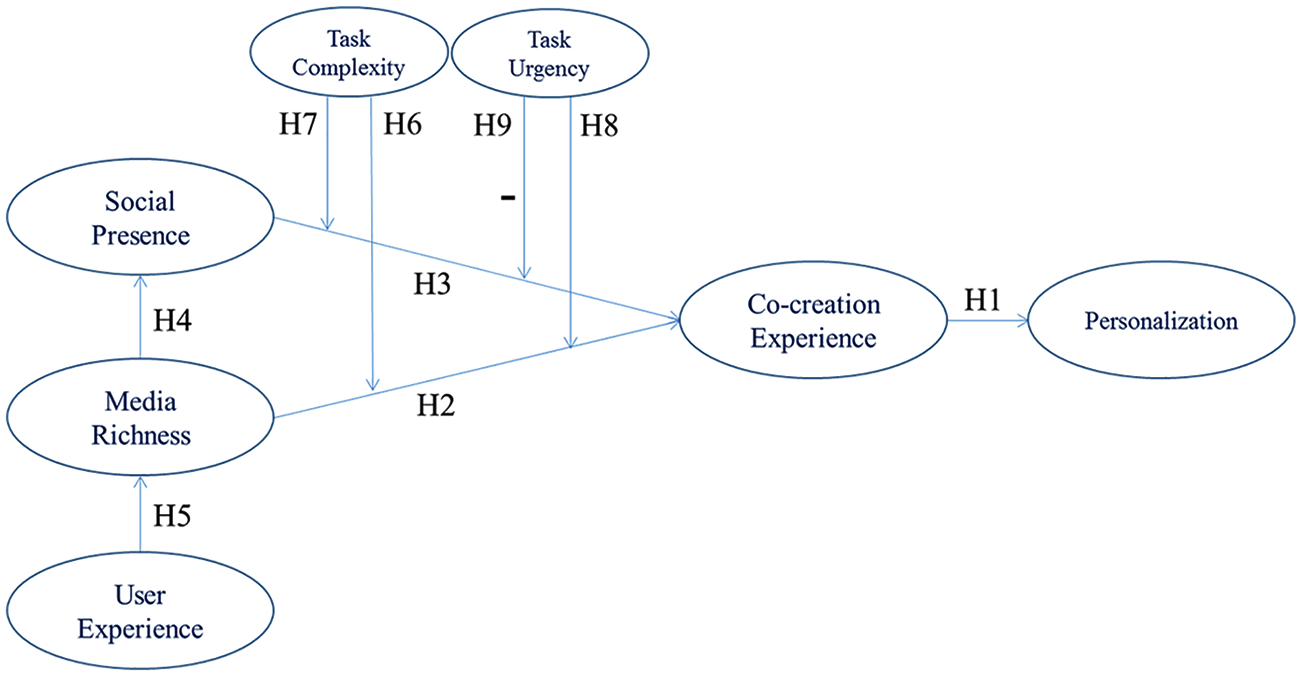
Conceptual Model
Methodology
Research Context, Measurement, and Data
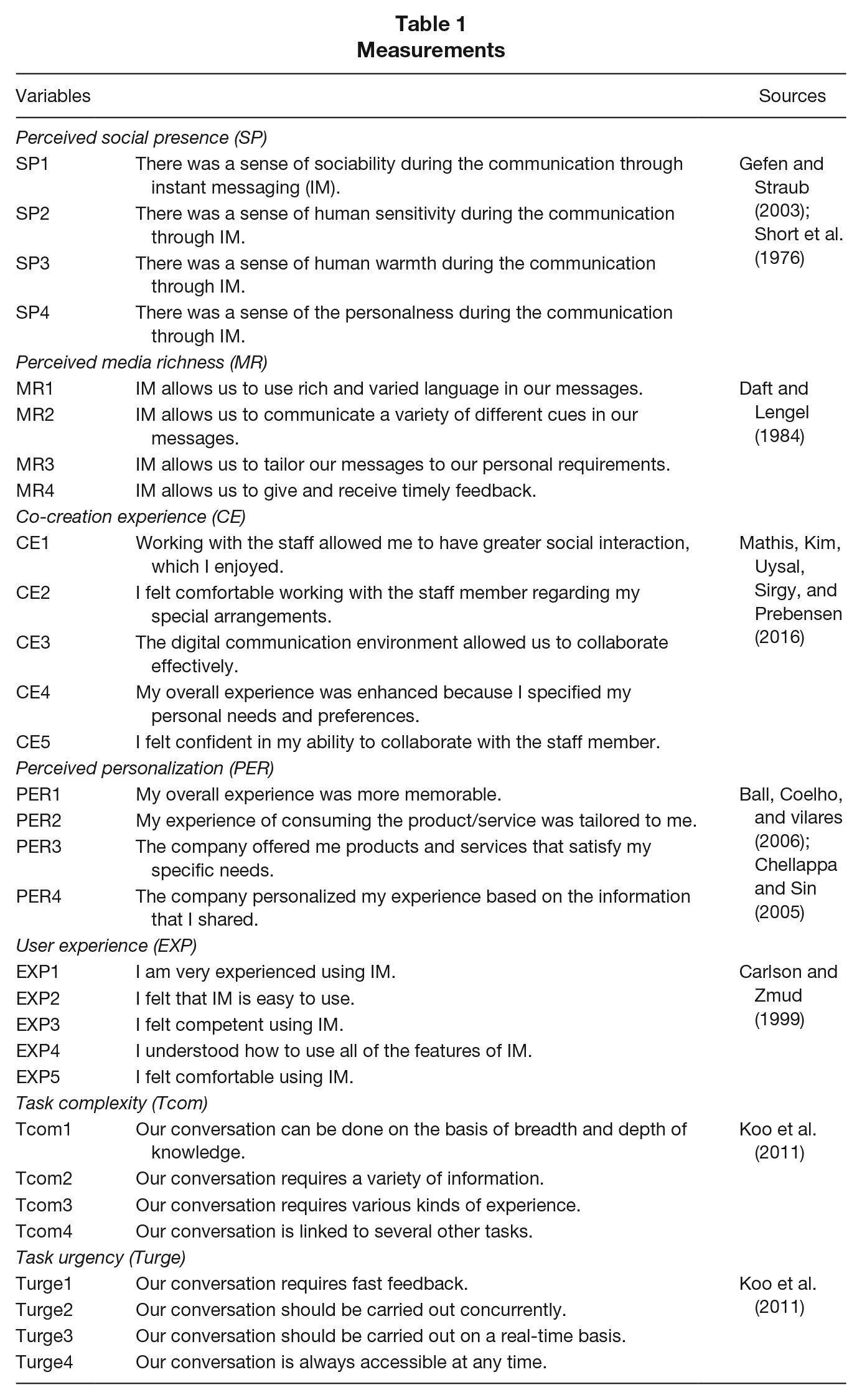
This study was conducted in Mainland China where the adoption rate of mobile IM apps among businesses is particularly high. A quantitative research design was adopted to test the above hypothesized model using self-reported data. The measurement items of the hypothesized model’s constructs were adapted from previous studies but were slightly modified to fit this study’s context (Table 1).
Measurements
Data were collected through a popular web-based survey platform in China, Sojump, which have been used by studies in different research areas (e.g., Chen, Ma, Jin, & Fosh, 2013; Fong, Lam, & Law, 2017; Zhou, Wu, Zhang, & Xu, 2013). The survey targeted consumers who had used mobile IM to communicate with tourism and hospitality organizations (hotels, restaurants, travel agents, travel service companies, attractions) for service issues in the past 12 months. Prior to data collection, the questionnaire was first translated into Chinese. Face validity was then confirmed by individuals who shared commonalities with the target participants.
Two waves of survey were launched in October 2017 and March 2019, respectively. The final sample size was 543. Several tactics were applied to ensure data quality. First, participants who did not pass the attention check questions were removed from the sample. Second, a series of screening questions was placed at the beginning of the survey to ensure all participants were qualified as target respondents. The participants were asked about the purposes and means of their communications with the service providers. Respondents who only had one-way communication, such as making a complaint, booking or simple enquiry, were excluded as co-creation involves two-way interactions in which customers co-design their experiences. Participants who did not use mobile IM as the communication medium were removed from the data set. Finally, to control the consistency between the participants’ and researchers’ understanding of mobile IM, participants who did not use the given options (WeChat, QQ, and the hotel mobile app IM function) but used “others” were discarded from the sample.
Data Analysis
Two-step moderated structural equation modeling (SEM) was employed to analyze the data using the AMOS 17.0 software package. Conventionally, the moderation effects of latent variables were tested using regression analysis with product terms generated on the basis of the summed indicators of independent variables (Cohen, Cohen, West, & Aiken, 1983) or using multiple group SEM that separates the cases into different subgroups and then tests the differences (Jaccard, Wan, & Turrisi, 1990). Despite its popularity, product term regression analysis has been criticized for lacking the statistical power to measure latent variables with errors (Aiken & West, 1991; Busemeyer & Jones, 1983). Similarly, multiple group SEM has been criticized for trimming information and reducing power in detecting Type II errors due to artificial grouping (Gavan, 2008).
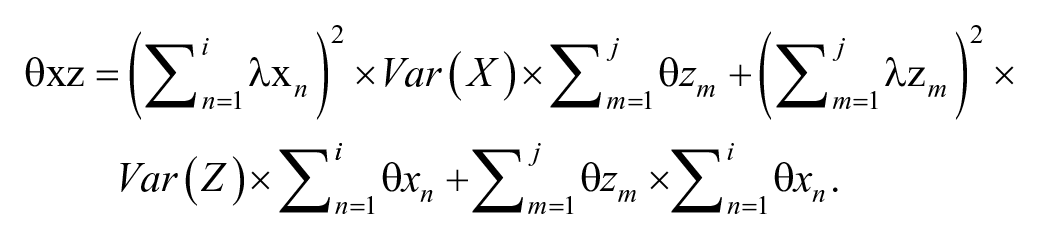
Therefore, moderated structural equation modeling (MSEM) has been suggested as an appropriate substitute method. MSEM creates latent interaction variables by using the products of indicants (Kenny & Judd, 1984), and thereby considers measurement errors and retains the continuous nature of the moderator, which in turn can better detect the moderating effect than multigroup SEM (Holmbeck, 1997; Hoyle & Smith, 1994). This study adopted the single-indicant MSEM approach developed by Ping (1995) and Cortina, Chen, and Dunlap (2001). The single-indicant interaction term was created with the following equation:

where X is the latent independent variable with i indicators, Z denotes the latent moderator with j indicators, and Sx and Sz represent the standardized values of the indicators of X and Z, respectively.
Thereafter, the path coefficient from latent interaction XZ to indicator xz was fixed with the following equation:

where
Finally, the random measurement error for interaction indicator xz was determined by the following equation, where Var (X) and Var (Z) denote the estimated variance of X and Y, respectively, and
Results
Descriptive Data Analysis
Most participants are aged between 26 and 30 years (37.2%) and between 31 and 40 years (41.1%). The participants come from 34 provinces in Mainland China, and the top four sources are Guangdong (20.8%), Beijing (9.2%), Shanghai (8.1%), and Jiangsu (8.1%). Over 90% of the participants have a bachelor’s degree or above. Most of the respondents work as administrative (51.4%) or management staff (33.3%). Most respondents earn a monthly income between 5,001 and 15,000 RMB (74.1%). All measurement items were scored using 7-point Likert-type scales.
Measurement Model
The measurement models were assessed for reliability and validity by confirmatory factor analysis (CFA). A full model was constructed to incorporate all the items for every construct. Overall, the full measurement model demonstrates good fitness in all indices (λ2/degrees of freedom [df] = 2.564, p = .000; comparative fit index [CFI] = 0.912; root mean square error of approximation [RMSEA] = 0.054), except for the significant λ2. Given that λ2 tends to be sensitive to sample size and would commonly be significant when a sample size is large, other indices were assessed instead, and results corroborated that the overall fitness was acceptable. Table 2 shows the factor loadings, reliability, and validity of the measurement model. All factor loadings were significant. However, some factor loading values were still lower than 0.7 (the lowest value was 0.574), and the average variance extracted (AVE) values for personalization (PER), task complexity (Tcom), and task urgency (Turge) were lower than 0.5. Meanwhile, the AVE values for co-creation experience (CE), media richness (MR), PER, and social presence (SP) were lower than their squared multiple intercorrelations, indicating relatively poor discriminant validity for these constructs.
CFA Modeling With Full Items
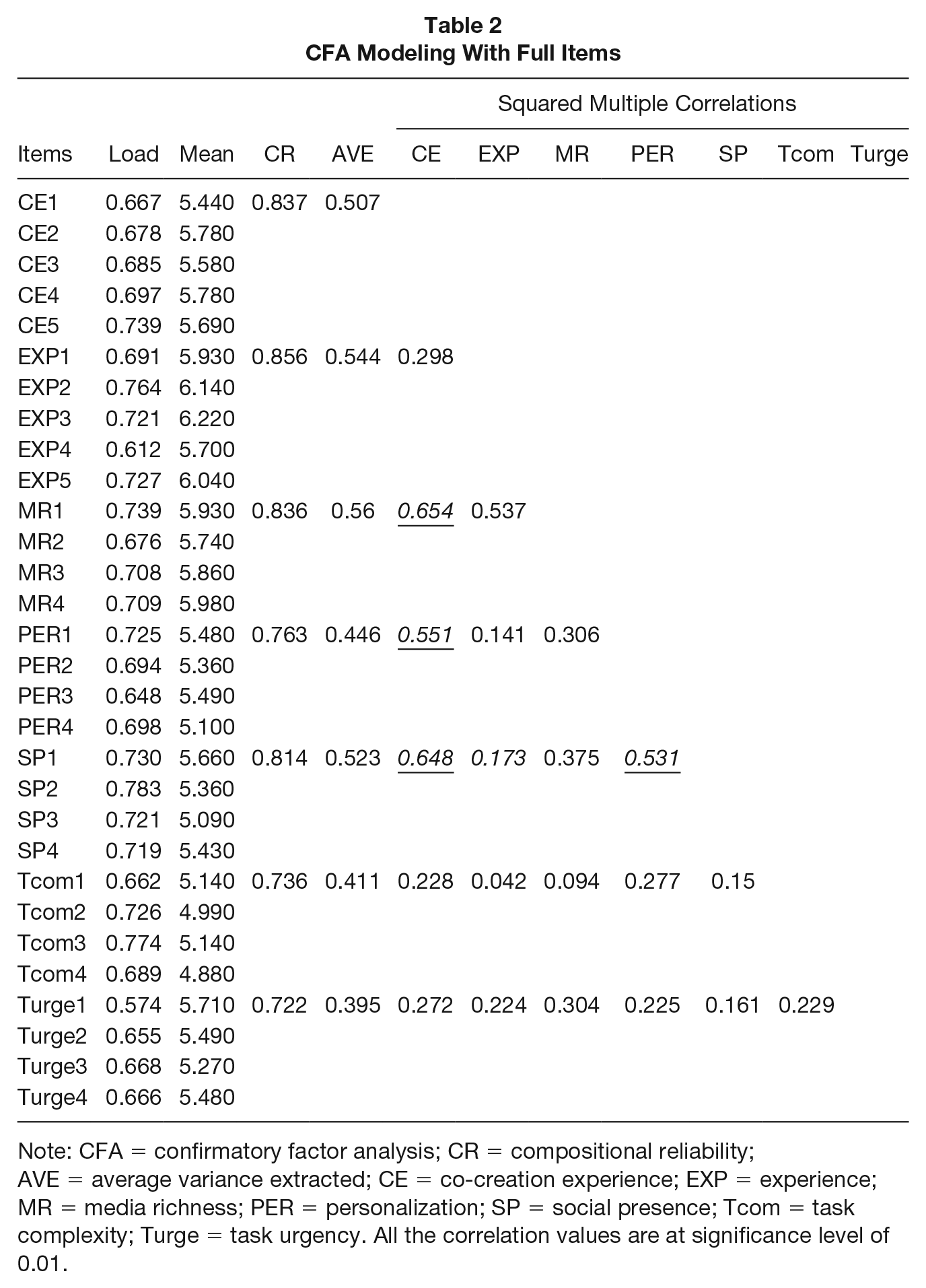
Note: CFA = confirmatory factor analysis; CR = compositional reliability; AVE = average variance extracted; CE = co-creation experience; EXP = experience; MR = media richness; PER = personalization; SP = social presence; Tcom = task complexity; Turge = task urgency. All the correlation values are at significance level of 0.01.
The poor convergent validity of the full CFA model indicates that the original measurement scales for all the six constructs are in need of purification by removing those poorly fit items (Churchill, 1979). The scale purification was done with the assistance of exploratory factor analysis, and all items with factor loadings below 0.7 were identified. These items were carefully reviewed by the authors on issues such as wording and expression, factor loadings, error variance, so as to determine whether they should be retained or eliminated. This process resulted in the elimination of nine items, including CE2, CE4, Turge, Turge2, Tcom1, SP1, MR2, EXP4, and PER3.
Another CFA model with the reduced item sets was constructed to test the reliability and validity of the purified scale. The purified measurement model demonstrates increased overall fitness (λ2 = 313.409, df = 155, p < .01; CFI = 0.964; RSMEA = 0.043) and much improved reliability and validity (Table 3). The average factor loading is larger than 0.7 for all constructs. The compositional reliability (CR) values and AVE values for CE, EXP, MR, PER, and SP all surpass the critical values of 0.7 and 0.5, respectively, implying good convergent reliability for the five constructs. The two moderators (Tcom and Turge) have also been improved in convergent validity, but their CR and AVE values have yet to pass the critical values due to the large error variance values. Such as it is, the AVE value for each construct (including Tcom and Turge) is larger than all squared multiple correlations, implying good discriminant validity (Fornell & Larcker, 1981).
CFA Modeling With Reduced Items
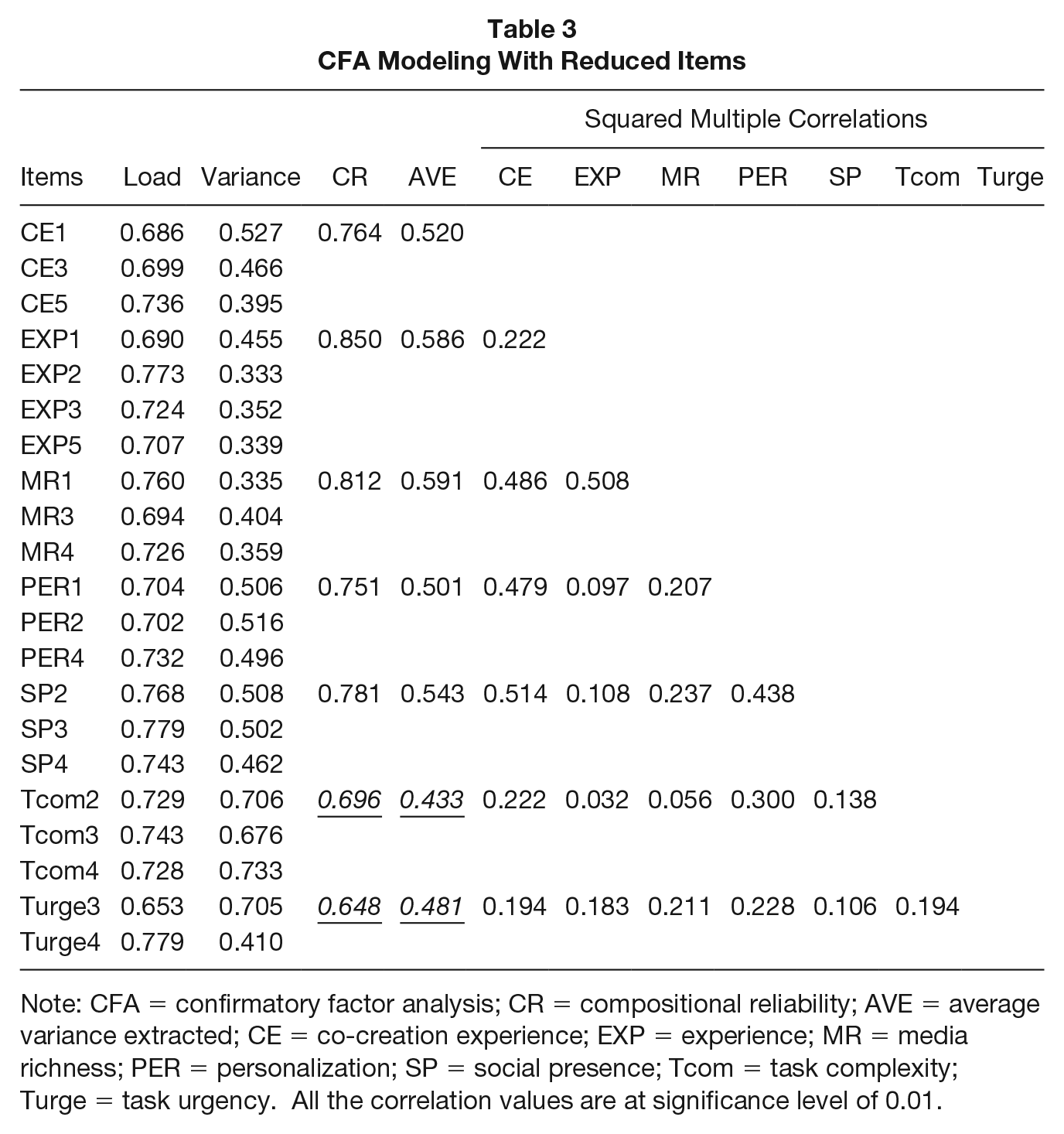
Note: CFA = confirmatory factor analysis; CR = compositional reliability; AVE = average variance extracted; CE = co-creation experience; EXP = experience; MR = media richness; PER = personalization; SP = social presence; Tcom = task complexity; Turge = task urgency. All the correlation values are at significance level of 0.01.
Moderated Structural Equation Modeling
The reduced item sets were incorporated into the MSEM model to test the hypothesized relationships. Overall, the model demonstrates good fitness in most indices (λ2 = 310.098, df = 141, p < .01; CFI = 0.957; RSMEA = 0.047). All the hypothesized relationships were supported except the moderating effects of Turge. Therefore, this full model was then compared with one nested model where the moderating effects of Turge were constrained to zero. Figure 2 shows the result of the MSEM analysis and model comparison. The λ2-difference test demonstrates that the constrained model does not see significant drop in fitness compared with the original full model (Δλ2 = 2.200, Δdf = 2, p = .333; ΔNFI = 0.001, ΔIFI = 0.001, ΔRFI = −0.001, ΔTLI = −0.001). Therefore, the estimated coefficients of the constrained/nested model are interpreted.

Result of MSEM Analysis
According to the nested model, customers’ perceived CE has significant, positive effect on PER (0.730, p < .01), providing support for Hypothesis 1. Perceived MR has significant, positive, and direct effects on customers’ perceived CE (0.424, p < .01) and SP (0.482, p < .01). Meanwhile, SP positively affects perceived CE (0.558, p < .01). Therefore, Hypotheses 2, 3, and 4 are supported. Perceived MR is positively affected by users’ prior experience of using mobile IM (EXP) (0.716, p > .01); thus, Hypothesis 5 is also supported. The interaction terms imply the potential moderating effects of Tcom. The results only support the moderating effect of Tcom between SP and CE, and it can significantly reduce the relationship between SP and CE (−0.146, p < .01). Hence, Hypothesis 6 is supported, while Hypothesis 7 is not supported. Turge has no significant moderating effects, and thus Hypotheses 8 and 9 are also not supported.
Discussion
Based on the data analysis, all hypothesized relationships were significant except for the moderating effects of Turge on the relationship between CMC media traits and CE, and the moderating effect of Tcom on the relationship between MR and CE. Customers’ CE via mobile IM significantly and positively affects their perceived value of PER. This finding is consistent with the conceptualization of mobile technology as a unique operant resource that facilitates personalized customer experiences (Buhalis & Foerste, 2015; Neuhofer et al., 2015). Mobile IM, therefore, is distinguished from the other types of mobile technologies that solely create functional value for customers. The firm–customer interactions facilitated through mobile IM are thus a unique form of co-creation that fosters personal relationship building and empowers customers to personalize the product/service offering based on their contextual needs.
The positive effects of perceived MR and perceived SP on the customer CE echo the CMC literature that emphasizes the marked differences between traditional and CMC interactions. This finding implies that a high level of MR and SP should be ensured throughout the conversation to engage customers in the CE through mobile IM. This is consistent with prior research which found speedy management responses can boost further interactions and lead to customers sharing more thoughts (Li, Cui, & Peng, 2017). These significant relationships are also consistent with S-D logic, which stresses that competitive advantage relies on unique and inimitable operant resources (Prahalad & Ramaswamy, 2004a; Vargo & Lusch, 2004). Although the power of mobile technologies has created unprecedented opportunities for firms to reach consumers, that power depends on firms’ strategic approaches to cultivating high-quality interactions and successfully co-creating value with customers. The significant positive impact of users’ prior use experience on perceived MR echoes channel expansion theory and previous studies. Hence, customers with more knowledge and experience with mobile IM are assumed to perceive higher level of MR that subsequently enhances their perceived CE.
The hypothesized moderating effects of task attributes are partially supported. The findings surprisingly show a negative moderating effect of Tcom on the relationship between SP and CE, which is contradict with the hypothesized positive moderating effect. This is an interesting finding given the mixed results from previous studies and relatively less amount of research examining such relationship. While Hypothesis 6 was developed based on the assumption that more social cues can help facilitate better interaction and collaboration, the findings imply when the task-related communication gets more complicated, the effect of SP on CE decreases. A further literature analysis reveals that such finding can be related and traced back to the distraction-conflict theory proposed by Baron, Moore, and Sanders (1978). Based on earlier studies which suggest that the presence of others impairs performance on complex poorly learned tasks (Cottrell, 1972; Geen & Gange, 1977), Baron et al. (1978) further found that the presence of others may distract individuals who may want to attend others when trying to focus on completing a task at the same time (Sanders & Baron, 1975). Based on the distraction-conflict theory, it can be explained that when the task is complex, people need a rich medium that can facilitate communication but not necessarily socialization as the goal is to reach mutual understanding and solve a problem. High socialization under such situation may distract people and result in ineffective communication.
The hypothesized moderating effect of Tcom on the relationship between MR and CE was not supported. The second task attribute, Turge, also demonstrates no significant moderating effects. The effects of CMC media traits on customers’ CE do not vary with different levels of Turge. There are several explanations of these findings. First, this study focuses on users’ actual use experience at the postadoption stage instead of preadoption decision making, which is different from previous studies that reported the significant effects of Tcom and Turge on users’ adoption of CMC media. Additionally, advanced mobile IM features timely information processing and instant feedback at any place and any time. These advantages in efficiency and flexibility of communication are probably sufficient to mitigate the additional ambiguity and uncertainty embedded brought by higher Tcom and Turge. The actual users in this study have reported high scores of MR and SP. Therefore, the increased contributions of SP and MR toward CE under complex and urgent situations, which may have been found in other contexts, may be eclipsed in mobile IM interactions. Second, previous findings were mostly contextualized in organizational settings (i.e., communications among employees) rather than commercial settings (i.e., communications between companies and customers). Given that customers usually favor quick and helpful responses, they may often perceive their communications as urgent. This assumption is confirmed by the reported high scores of Turge by the participants.
The findings from this study unearth new factors affecting customer engagement in the context of mobile IM value co-creation in tourism and hospitality. Although previous studies have identified a number of factors that affect online customer engagement, these factors are context-specific. For example, scholars have identified factors such as brand equity, sense of community and monetary incentive influence customer engagement in online communities (Zhang et al., 2015). Customer involvement (i.e., identification, enthusiasm, attention, absorption, interaction) affect customer engagement with social media tourism brands (Harrigan et al., 2017; So et al., 2014). Factors such as media-type and content-type affect customer engagement level on social network sites (Lei, Pratt, & Wang, 2017). Audience control, altruistic and community-related motivations influence online tourism experience sharing through social media (Munar & Jacobsen, 2014). Given that context-based factors such as social and technological aspects can be the antecedents of customer engagement (Van Doorn et al., 2010), this study investigated how mobile IM attributes influence the effectiveness of the firm–customer co-creation process facilitated by mobile IM.
Conclusion
The primary limitation of this study is its single data source. Future studies can test the hypothesized relationships in different cultural contexts to triangulate the findings. Additionally, as this study adopts a quantitative research design, certain information embedded in the data was possibly overlooked during the process of quantification. Qualitative research is strongly suggested to examine how the identified effects are exerted. Qualitative research approaches can also help discover more potential factors that affect firm–customer value co-creation through mobile IM to improve the explanatory power of this study’s conceptual framework. Last, given that this study draws on individuals’ perceptions and interpretations of Tcom and Turge, the moderating effects of situational factors have not been fully tested due to inadequate variance. Future studies can apply objective measures or experimental design to capture effectively the effects of these contextual variables. Finally, the authors would like to raise the caution while interpreting the moderating effects of Tcom and Turge, due to the relatively weak measure (convergent validity) of these two constructs. The authors suggest further researches develop context-based measures for these two constructs, as they are highly dependent on the task nature.
This study examines customers’ value co-creation experience via mobile IM in the tourism and hospitality context. Specifically, this study models and tests the driving factors of customers’ perceived co-creation experience through mobile IM and its effects on customers’ perceived value of personalization. As a further development on previous research, this study incorporates CMC media traits into the theoretical framework. To the best of our knowledge, this study is among the first to examine value co-creation facilitated by mobile IM. Theoretically, it makes two main contributions to the current literature. First, this study goes beyond examining user adoption and satisfaction to understanding what affects actual use experience. Second, as customer experience and customer engagement are context specific, this study responds to previous studies’ call for more research on these concepts across different contexts. The findings contribute to online customer engagement research in tourism and hospitality by unearthing the critical factors (i.e., MR and SP) for engaging customers in value co-creation facilitated by mobile IM.
This study provides practical suggestions for tourism and hospitality service providers to improve their customer engagement strategy through mobile IM. First, practitioners may improve the design of their mobile IM channels by enhancing the MR and SP features. For instance, they may consider incorporating functions that can deliver information in various formats (e.g., location, images, animations) or deliver multiple social cues (e.g., expression icons). Identifying attributes in the mobile IM interface that can be utilized to strengthen human personality may also be helpful (e.g., showing employees’ names or photos). Second, training is necessary to educate employees the importance of prompt reply and lively conversation. A balance between the former and latter is necessary, as the findings indicate both are equally important. Employees should be well-trained to react professionally, especially in cases when customer requests are unexpected. Policies can be developed to ensure timely responses are provided to customers who expect immediate feedback. Last, the nonsignificant moderating effects of Turge imply that practitioners should ensure that customers can perceive a high level of MR and SP, regardless of the urgency level of their communication needs.
Footnotes
Authors’ Note:
This study was funded by the School of Hotel and Tourism Management, Hong Kong Polytechnic University, Grant #4-ZZHS.
