



Abstract
We conducted a comparative study of the main determinants of the gender wage gap across the wage distribution in the tourism sector from a sectoral perspective. Using matched employer-employee data from Spain, we propose different wage decompositions across the wage distribution based on unconditional quantile regressions. In feminised sectors, such as hospitality and travel agencies, the gender wage gap follows an increasing trend across the wage distribution, whereas in masculinised sectors, such as transportation, the gap follows a decreasing trend, becoming non-significant at the highest wage levels. Except in the case of transportation, gender wage discrimination increases as wages increase and is the component that explains the major part of this gap. The results show that there are differential barriers to the promotion of women at a sectoral level that perpetuate gender roles, particularly in positions of high responsibility.
Keywords
Introduction
The service sector, and the tourism industry in particular, are generally associated with employment growth and the creation of jobs for people of different ages and skill levels. Within the group of European countries, the tourism industry is of special relevance in Spain (ILOSTAT, 2018). It comprises a diverse set of economic activities, such as accommodation services, catering, transportation, and cultural services. Riley and Szivas (2003) have observed that, to some extent, tourism is a low-paid industry, although there is evidence to suggest that certain occupations and sub-sectors in this industry are well-paid. In this respect, Choy (1995) and Shu et al. (2022) have observed a significant wage gap between sectors in Hawaii and China, respectively, showing that the highest average wages are in the air transport sector and the lowest in the catering service sector. Similarly, Webster (2014) conducted an analysis of wage levels in the tourism and tourism-associated sectors in the United States, demonstrating that wage levels were below those in the overall economy.
As stated by Riley and Szivas (2003), the intersectoral wage gap observed between tourism sub-sectors are due to their structural characteristics. According to Robinson et al. (2019), the characteristics of tourism industry sub-sectors are more heterogeneous than the activities included in other industries. Tourism activities differ greatly in terms of demand, working conditions, and occupational structure and also have a heterogeneous market structure (Gray, 2004; Shu et al., 2022). Industry concentration can permit firms in certain sectors to pay wages lower than their true marginal productivity (Benmelech et al. 2022). Apart from industry concentration, labour market frictions heighten the market power of firms to set wages. In the monopsony literature, it is a challenge to identify market power firms, which may influence the wage negotiation process at sectoral levels (Lanzona, 2022). In addition, market size and the intensity of competition between firms also play key roles. For instance, greater international competition may reduce employment and wages in domestic tourism firms, but it has been found that the magnitude of their effects varies across sectors (Shu et al., 2022). Similarly, these authors also have shown that the industrial linkages, investment, export, patterns of final demand, and the impact of labour returns to sectoral wages may be key determinants in explaining heterogeneity in wage growth across tourism sectors.
The hospitality industry stands out from other sectors due to its relatively low remuneration and unstable employment, which is due to how final demand affects tourism wages (Shu et al., 2022), and the high rate of labour turnover (Marchante et al., 2007; Casado and Simón, 2016). Authors such as Casado and Simón (2016) or Oliver and Sard (2021) have studied the origin of these differences to determine if they are caused by the productive characteristics of workers or by sectoral discrimination. However, the transport sector commands higher average wages than those of the service sector. According to the Observatory of Transport and Logistics in Spain (OTSL, 2021), the average wage per employee is slightly higher in this sector than that of the entire economy and has followed an upward trend since 2014. This report suggested that these aspects could be due to the evolution of labour productivity, which has increased considerably in recent years. Moreover, its business structure is polarised by large companies coexisting with many small companies of less than ten workers (García et al., 2018; OTLS, 2021). In general, workers in the travel agency sector are highly qualified (Díaz et al., 2015). However, this sector has characteristics that are similar to those of the hospitality sector regarding wages, working conditions, and seasonality of demand (García et al., 2011). The tourism sector also comprises complementary activities, such as renting and cultural and artistic creation, which involve many workers with heterogeneous characteristics (Casani, 2010). Few studies have analysed wages and working conditions in this sector at the international level (Lazzeretti et al., 2015), which is probably due to the diversity of its activities and the scarcity of datasets. This sector is characterised by intensive short-term employment and high seasonality of demand. It is also marked by the high precariousness of wages even among workers with high qualifications, who tend to be moonlighting (EPRS, 2019).
From a gender perspective, primary, manufacturing, and construction industries tend to be male-dominated. However, service industries – particularly those with direct interaction with customers-offer more job opportunities for women, although some service industries, such as transportation, are male-dominated (Pirra et al., 2020). Previous studies have shown the persistence of female over-representation within the service sector, particularly in the hospitality and travel agency industries (Garcia et al., 2011; Oliver and Sard, 2021).
Workers within these sectors are also differentiated by high and low wages, which is an indication of heterogeneous labour segmentation at the sectoral level (Casado and Simón, 2016). This type of segmentation gives rise to a primary market characterised by jobs with good working conditions, high wages, stability, and better promotion options, and a secondary market characterised by jobs with more precarious working conditions, low wages, instability, and few promotion options (Piore, 1969). The gender wage gap may be influenced in a particular way by the unequal participation of men and women in the primary and secondary markets at the sectoral level (Fernández and Rodríguez, 2011; Oliver and Sard, 2021). Previous studies have addressed this issue by analysing the labour and wage disparities between hospitality and other private services (Campos et al., 2011; García et al., 2012). However, this literature does not address how sectoral heterogeneity in the tourism industry may affect the gender wage gap and its discriminatory component.
On the other hand, previous literature has determined that there are factors, such as vertical segregation or the ‘glass ceiling’, that differentially affect specific occupational groups in each sector (Costa et al., 2017; Carvalho et al., 2019; Marfil and Campos, 2021). Thus, it is of interest to address the main determinants of the wage gap and, in particular, its discriminatory component across the wage distribution. This paper contributes to previous literature by addressing the determinants of gender wage inequality across the wage distribution in the tourism industry from a sectoral perspective. Using matched employer-employee data from Spain, we propose different wage decompositions across the wage distribution based on unconditional quantile regressions.
This paper is organised as follows: the next section reviews the literature on the gender wage gap and its determinants in tourism, focussing on its main sectors; the third and fourth sections describe the methodology and the database, respectively; the fifth section presents the discussion and main results; and the final section provides the main conclusions.
Literature review
Economic theory has attempted to explain gender wage differences using a set of theories within the frameworks of labour demand and labour supply. On the supply side, Becker’s Human Capital theory (1964) is the leading theory within the neoclassical literature. It suggests that the discrepancy between men’s and women’s wages is at least partly due to gender productivity gaps. Thus, gender differences in human capital endowments can explain the major part of gender wage inequality. On the demand side, discrimination theories have attempted to analyse situations in which women have the same characteristics as men, but are paid less than their male co-workers. According to Cain (1991), these theories can be classified into three groups: Neoclassical, Marxist, and Institutional theories. Although there is no consensus on which of these is the most effective in explaining discrimination from an empirical point of view (Blau and Kahn, 2006), all three theories agree that gender wage discrimination exists when women are paid less than men for the same job involving equivalent tasks, skills, responsibilities, and working conditions (De Cabo and Garzón, 2007).
The empirical literature has developed a large battery of methodological approaches to decompose the gender wage gap from an empirical point of view. It has analysed its causes and identified a ‘non-discriminatory’ component, which is due to differences in the productive characteristics of men and women, and a ‘discriminatory’ component, which is due to differences in how these characteristics are remunerated by gender (e.g. see Oaxaca, 1973; Blinder, 1973; Juhn et al., 1993; Oaxaca and Ransom, 1994; Machado and Mata, 2005; Korkeamäki and Kyyrä, 2006). Among the determinants of the gender wage gap addressed in the tourism sector, it is worth highlighting those such as education (Lillo and Casado, 2012; Pritchard and Morgan, 2017; Kortt et al., 2018), educational mismatch (García et al., 2012; Campos et al., 2015), and occupational gender segregation (Campos et al., 2009; Segovia et al., 2018; Marfil and Campos, 2021).
Education has traditionally been identified as a relevant factor in explaining wages (Lillo and Ramón, 2005), particularly in highly feminised sectors such as hospitality or travel agencies (Muñoz, 2009; Casado and Simón, 2016; García et al., 2014). However, in recent decades, there has been a decreasing trend in the gender education gap due to the increase in women’s educational levels (Salinas et al., 2014), which are no longer a barrier to women’s access to positions of higher responsibility (Segovia et al., 2018). On the other hand, numerous studies have shown that educational returns remain a key factor in explaining the discriminatory component of the gender wage gap. For example, Lillo and Casado (2015) suggested that returns to education are lower in the Spanish tourism sector than in other sectors; and they are even lower in the hospitality sector – in which women are particularly penalised – than in other private services (García et al. 2011, 2014).
Educational mismatch among workers is another relevant human capital variable used to explain the gender wage gap. This variable is of great international interest due to its implications for labour productivity and market efficiency (Iriondo and Pérez, 2016; Sellami et al., 2020). Educational mismatch is defined as a situation in which workers have skills levels that differ from those required to perform their jobs, distinguishing between over-educated and under-educated workers (Salinas et al., 2014). In line with results obtained in other sectors, in the tourism industry, over-educated individuals obtain lower wages than those who, with similar levels of education and experience, occupy positions for which they are appropriately educated (Lillo and Casado, 2010). Lillo and Casado (2015) have suggested that more than half of the individuals with high educational levels are employed in positions for which they are overeducated. This problem is particularly relevant for young postgraduates in the first stages of labour market insertion. From a gender perspective, the literature suggests that there is a relationship between educational mismatch and wages as evidenced by significant differences in returns by gender (García et al., 2014). According to the results of this study, in the hospitality and travel agency sectors, the wage penalty among women experiencing educational mismatch is greater than it is among men, thus indicating the relevance of this variable on wage discrimination.
The literature has recently shown that occupational gender segregation is another relevant determinant in explaining the gender wage gap (Korkeamäki and Kyyrä, 2006). Previous results obtained in the tourism sector have also shown that gender segregation explains a high percentage of the gender wage difference. Occupational gender segregation hinders promotion among female workers, as they are overrepresented in low-wage occupations and in those with low levels of responsibility in which promotion opportunities are limited (Campos et al., 2009; Carvalho et al., 2019). Muñoz (2009) and García et al. (2014) have shown that wages are lower in feminised sectors, such as hospitality and travel agencies, than in other services. Moreover, they also suggest that women’s wages in these settings are even lower, citing as an explanatory factor the scarcity of women in positions of high responsibility. In contrast, the transport sector, which is characterised by male over-representation, is considered to be a high-wage sector within the services industry (Pirra et al., 2020; OTLS, 2021). However, according to the European Parliamentary Research Service (EPRS, 2019), female employment is high in the cultural and creative arts industries, despite men occupying the most responsible positions within them.
These results justify our interest in analysing the determinants of gender wage gap inequality, as well as their discriminatory components, across the wage distribution in the tourism industry from a sectoral perspective. In fact, most of the previous studies on this issue have investigated the tourism sector as a whole in different regions and countries (Santos and Varejão, 2007; Thrane, 2008; Muñoz, 2009; Kortt et al., 2018; Carvalho et al., 2019; Zhang and Zhang, 2021), or have focussed on the hospitality sector in particular (Campos et al., 2009; Casado et al., 2020; Segovia et al., 2018; Oliver and Sard, 2021; Marfil and Campos, 2021). However, few studies have analysed the gender wage gap in the other sub-sectors that compose the tourist sector, such as the transport sector (Pirra et al., 2020). In general, such studies only address the sectoral perspective in a very limited way. For example, Fernández et al. (2009) compared the hospitality industry and other private services. Casado et al. (2020) and Oliver and Sarz (2021) analysed the hospitality industry in relation to the rest of the economy, whereas Kort et al. (2018) compared the hospitality sector and the entire tourism sector.
Thus, it seems appropriate to conduct a detailed examination of the gender wage gap from a sectoral perspective, taking into account both the limitations of the previous results as well as sectoral heterogeneity – which is particularly relevant from a gender perspective – in the occupational and wage structure observed in the tourism industry. The aim of this comparative analysis is to identify the determinants of the gender wage gap and its discriminatory components as well as identify the main differences in each of the sectors analysed such that specific measures can be applied to reduce gender discrimination in each of them. Given that there are factors, such as educational mismatch and segregation, that may differentially affect certain occupational groups across the wage distribution, it is relevant to analyse the contribution of these factors to the gender wage gap and its discriminatory component across this distribution.
Methodology
Theoretical model
The theoretical model proposed by Becker (1971) makes it possible to understand the determinants of the gender wage gap and its discriminatory component, based on how female and male employment is incorporated into the employer’s utility and production functions. This model assumes that the establishments of sector


Function
As usual, utility maximisation is subject to a sufficient profit constraint following equation (1). Then the first order conditions are as follows






Therefore, once the general model has been developed, different assumptions about the structure of employers’ discriminatory preferences and how these relate to the discriminatory and non-discriminatory wage structures can be explored. Two extreme cases can be assumed with regard to the non-discriminatory wage structure. It can be assumed that




Therefore, the gender wage gap in sector
Unconditional quantile regressions approach
Based on the discrete wage discrimination model for high- and low-wage workers,
In response to the weaknesses of the CQR method, Firpo et al. (2007, 2009) developed a wage decomposition methodology based on the calculation of unconditional quantile regressions (UQR). One of the main advantages of this methodological approach is that it can be used to calculate the unconditional marginal effect of the covariates that comprise the different components of the gender wage gap. The operator of the unconditional quantile
The calculation of marginal effects is based on the influence function (IF), which was introduced by Hampel (1974) and later adapted by Firpo et al. (2007, 2009). According to these authors, IF measures the effect of an additional observation (worker) on the quantile


Thanks to the law of iterated expectation, the expectation of the RIF can be estimated for the sample of men and women separately for each sector




Using this wage decomposition method, the gender wage gap in each sector


Data and variables
This study used the most recent data (for 2018) from the Structure of Earnings Survey, which is compiled by the Spanish National Statistics Institute every 4 years (SES-2018). The survey is conducted using harmonised criteria in methodology and content for European Union countries. It contains matched employee-employer microdata on a total of 234 246 workers from 27 549 establishments. We analysed the following activities: hospitality, corresponding to Section I of the Spanish National Classification of Economic Activities (CNAE, 2009), with a sample size of 6943 workers; transportation, corresponding to codes 49, 50, 51, and 52, with a sample size of 6436 workers; travel agencies, corresponding to code 79, with 1210 workers; and complementary services, corresponding to codes 77, 90, 91, and 93, with 3160 workers.
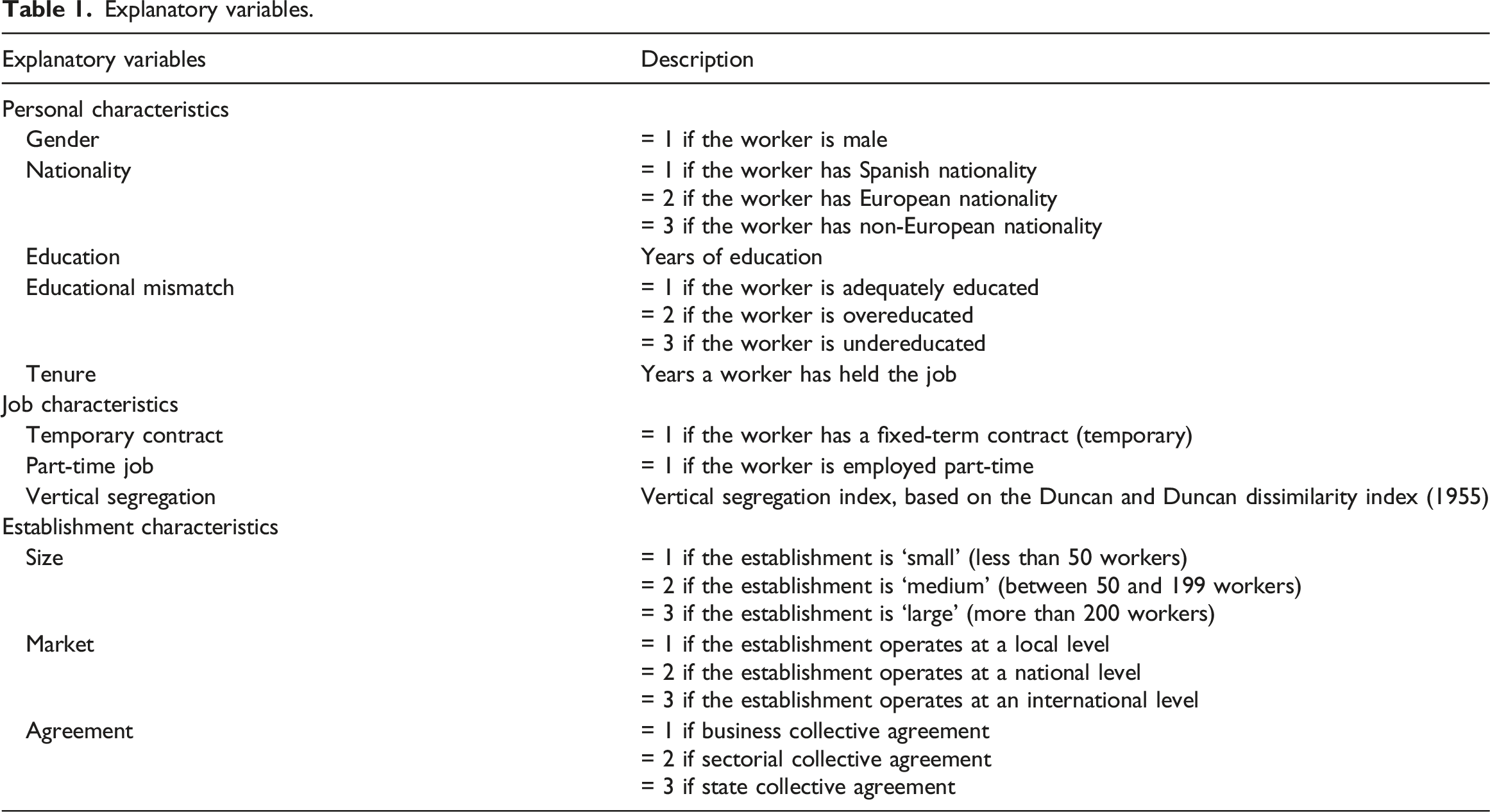
Explanatory variables.
Results
Descriptive analysis
Figure 1 shows the wage distribution for men and women in the different sectors analysed. It shows that there is a concentration of workers at lower wage levels in all sectors, but particularly in the hospitality and travel agency sectors. These sectors are marked by being female-intensive, yet women are highly polarised into low-wage jobs. In contrast, there is a more balanced distribution by gender across the wage distribution in complementary services and in transportation, the latter sector being male-dominated. Wage distribution. Hospitality, Transportation, Travel Agencies, and Complementary Services. Notes: The frequency scale is different for each sector. The sample has been truncated at a value of 100 for gross hourly wage.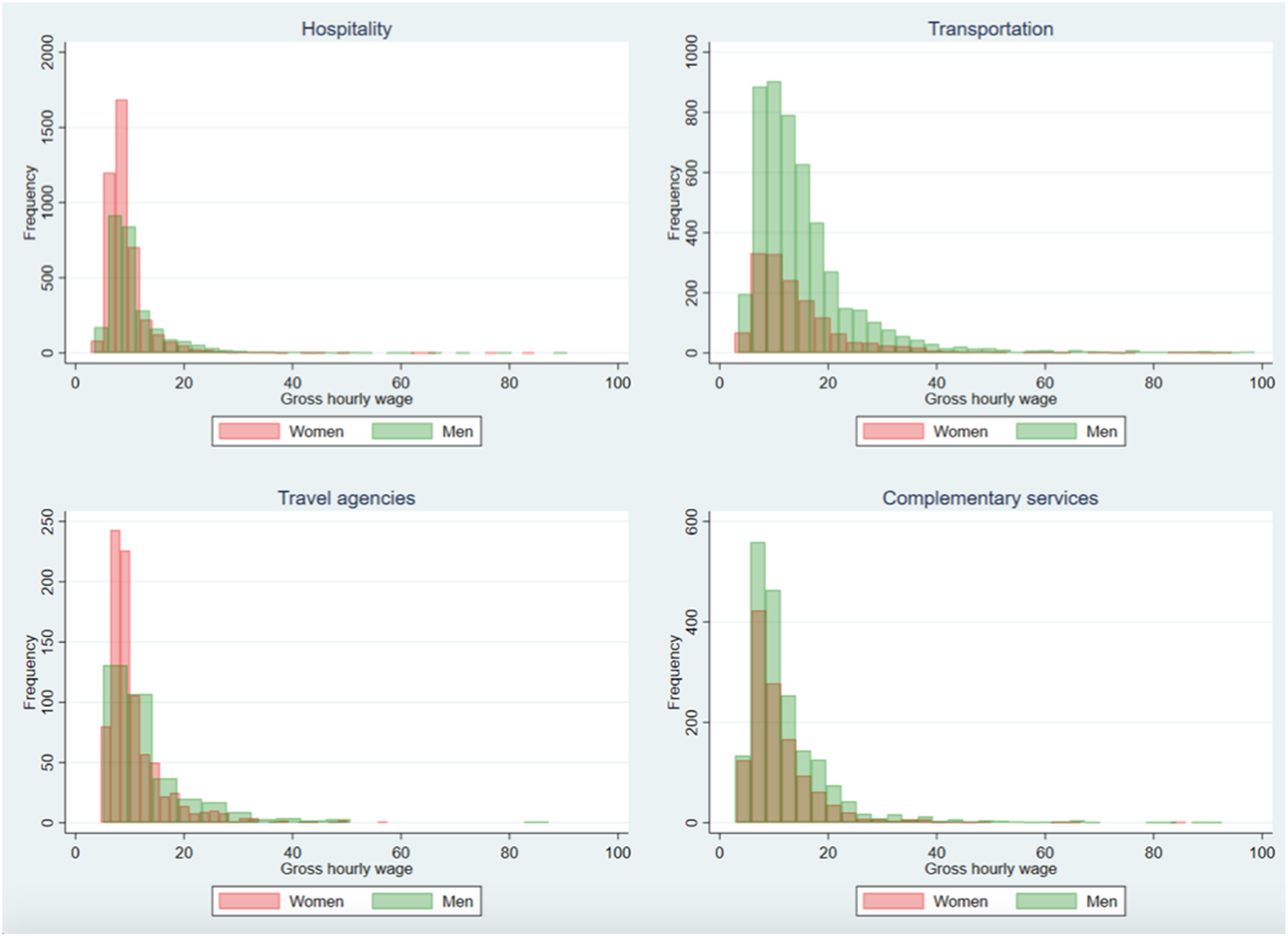
Figure 2 clearly shows that the gender wage gap follows a sectoral heterogeneous pattern across the wage distribution. The gaps are quite narrow in complementary services and hospitality services at the bottom of the wage distribution. This result is probably due to the effect of the minimum wage or wage rigidities imposed by collective agreements mainly on low-wage levels (Oliver and Sarz, 2021). In general, there is higher sectoral heterogeneity in the gender wage gap at the highest percentiles. It is comparatively higher in female-intensive sectors, such as hospitality and travel agencies, reaching values close to 40% in the 90th decile. The transport sector breaks this trend, decreasing to 3% in the 90th decile. Percentage of gender wage gap by sector. Notes: The percentage wage differential is calculated on the gross hourly wage.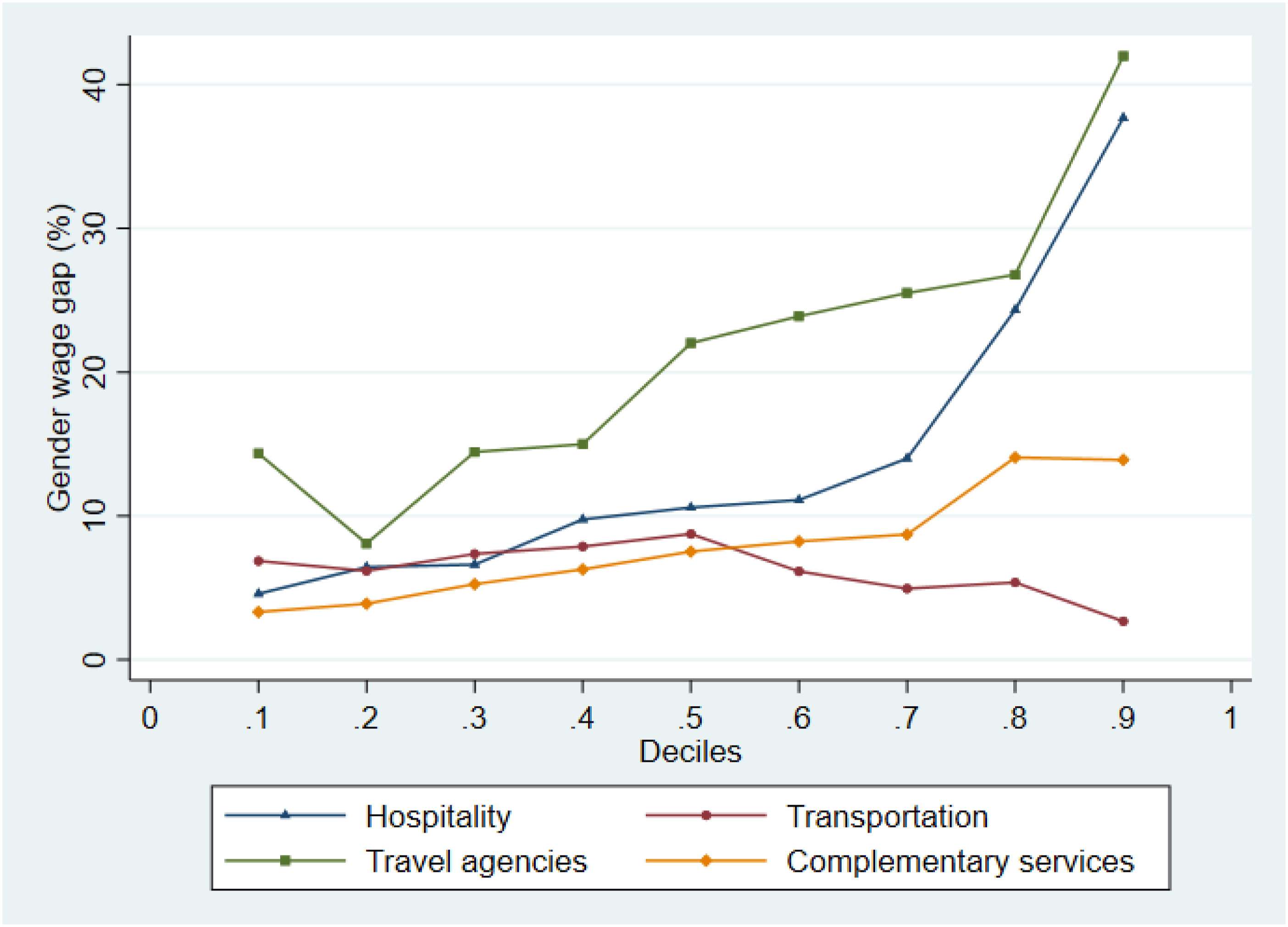
Descriptive statistics by sector.

The table shows the means and standard deviations (in parentheses). Assuming independent samples and unequal variances, the p-value of the mean comparison test is shown in the columns displaying the men’s means (***p < 0.01, **p < 0.05, and *p < 0.1).
The transport sector is dominated by native Spanish male workers. Women in this sector have high levels of education. Nevertheless, a high proportion of men are adequately educated for their jobs, whereas there is a much higher proportion of over-educated or under-educated women. On the other hand, women occupy positions in which there is less occupational inequality between genders. This sector is polarised between large and small establishments.
Travel agency workers have educational levels that are higher than those in the other sectors, particularly in the case of men. In general, women occupy a higher proportion of jobs for which they are adequately educated, whereas men are more likely to occupy jobs for which they are over-educated and under-educated. On the other hand, the lowest degree of occupational gender inequality between the different levels of responsibility stands out in this sector, particularly in those occupations dominated by women. The travel agency and complementary services sectors are both dominated by native Spanish male workers. Complementary service workers have high educational levels, particularly women. Nevertheless, as in the transport sector, women tend to occupy jobs for which they are over-educated and under-educated. In general, temporary contracts are more frequent in the complementary services than in the other sectors. Vertical segregation is also the highest in this activity, without significant differences between genders.
Estimates
Estimates at the mean by sector and gender.
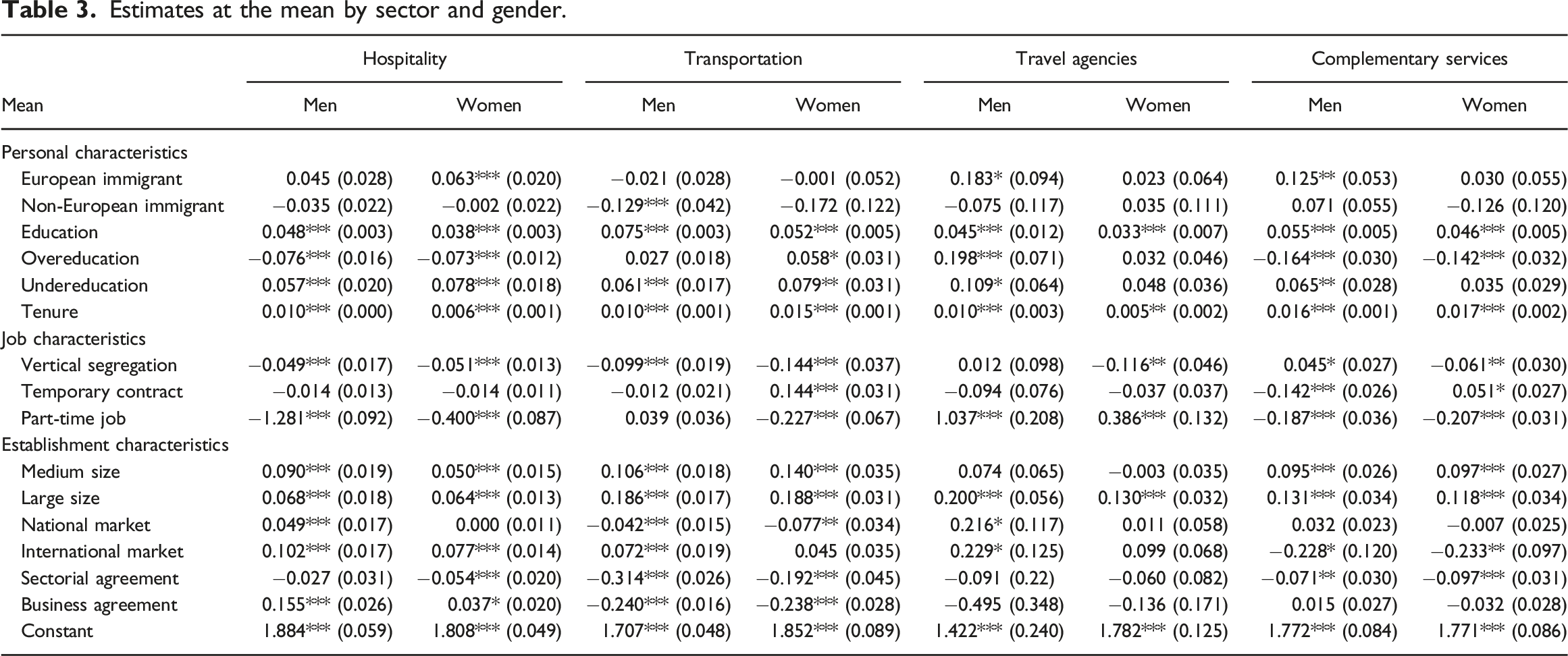
However, the literature has highlighted the limitations of this overall approach, because workers' productive characteristics are differentially remunerated according to the wage level analysed (Casado and Simón, 2016). This difference is more marked when analysed from a gender perspective (Casado et al., 2020; Oliver and Sarz, 2021; Marfil and Campos, 2021). We illustrate the effect of the main determinants of the gender wage gap from a quantile perspective
1
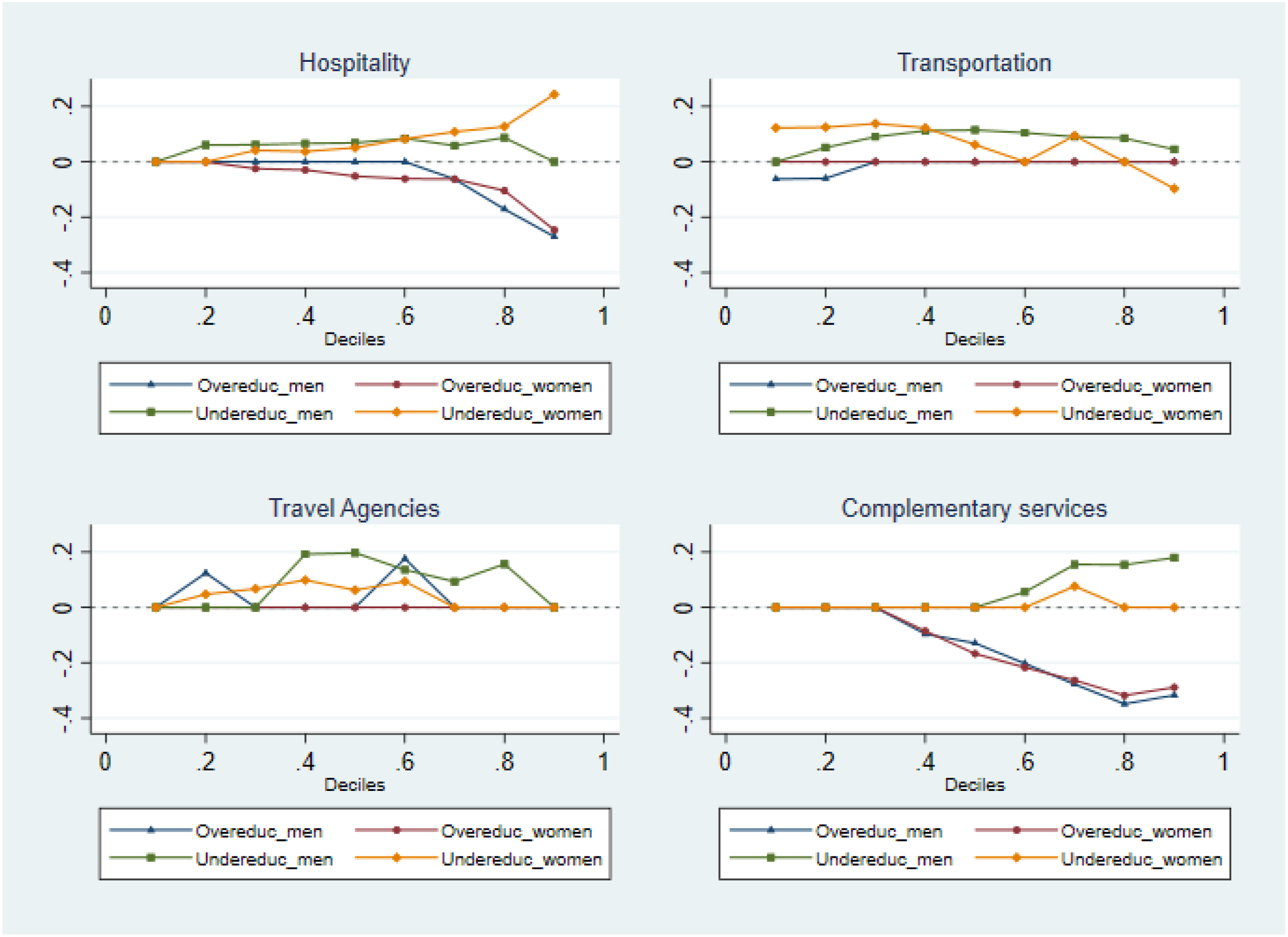
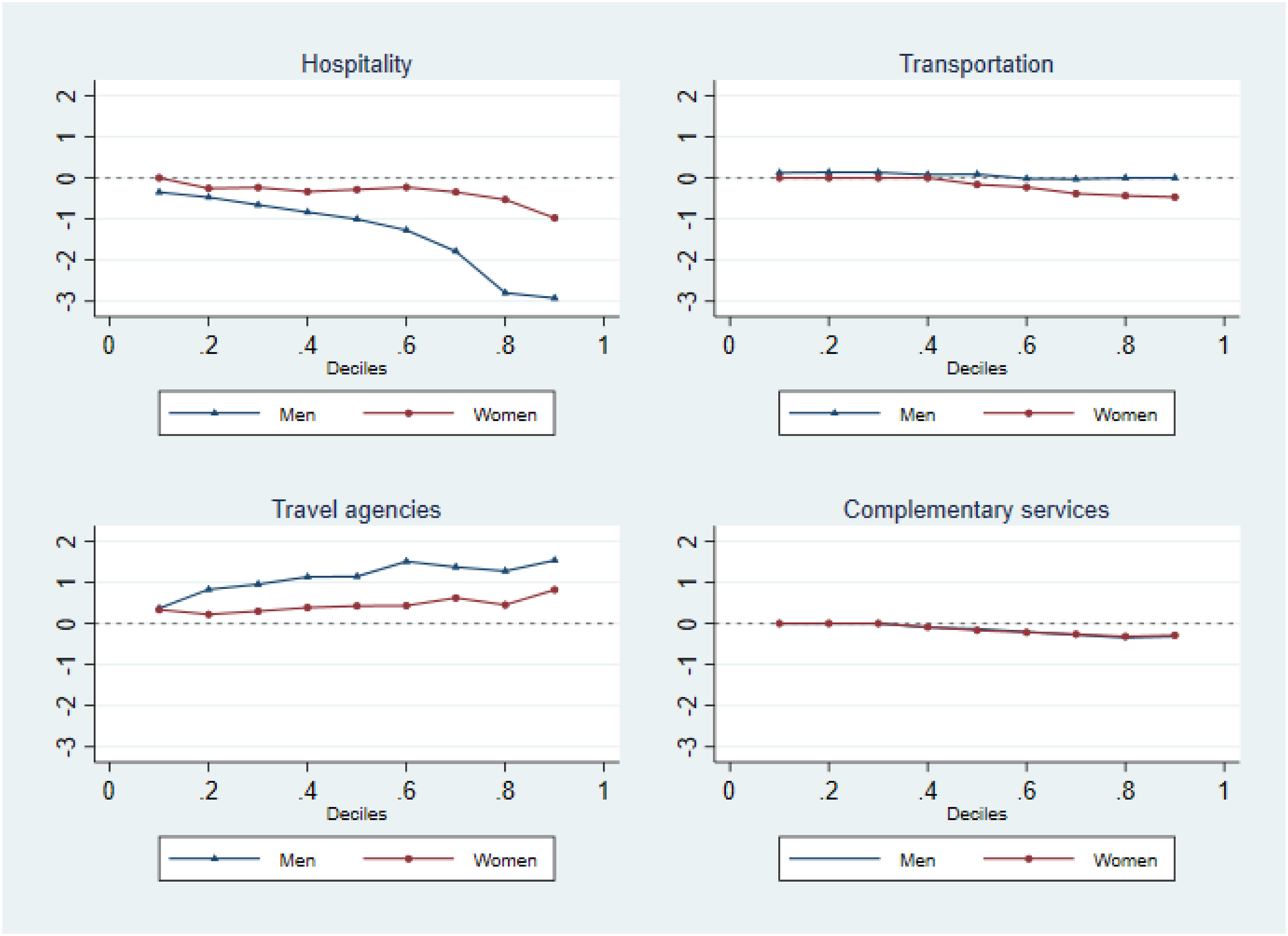
in Figures 3–5, which show the marginal effects of education, educational mismatch, and vertical segregation, respectively. Marginal effect-RIF: Education. Notes: Values at a 10% significance level. RIF, recent influence function. Marginal effect-RIF: Educational mismatch. Overeducation and undereducation. Notes: Values at a 10% significance level. RIF, recent influence function. Marginal effect-RIF: Vertical segregation. Notes: Values at 10% significance level. RIF, recent influence function.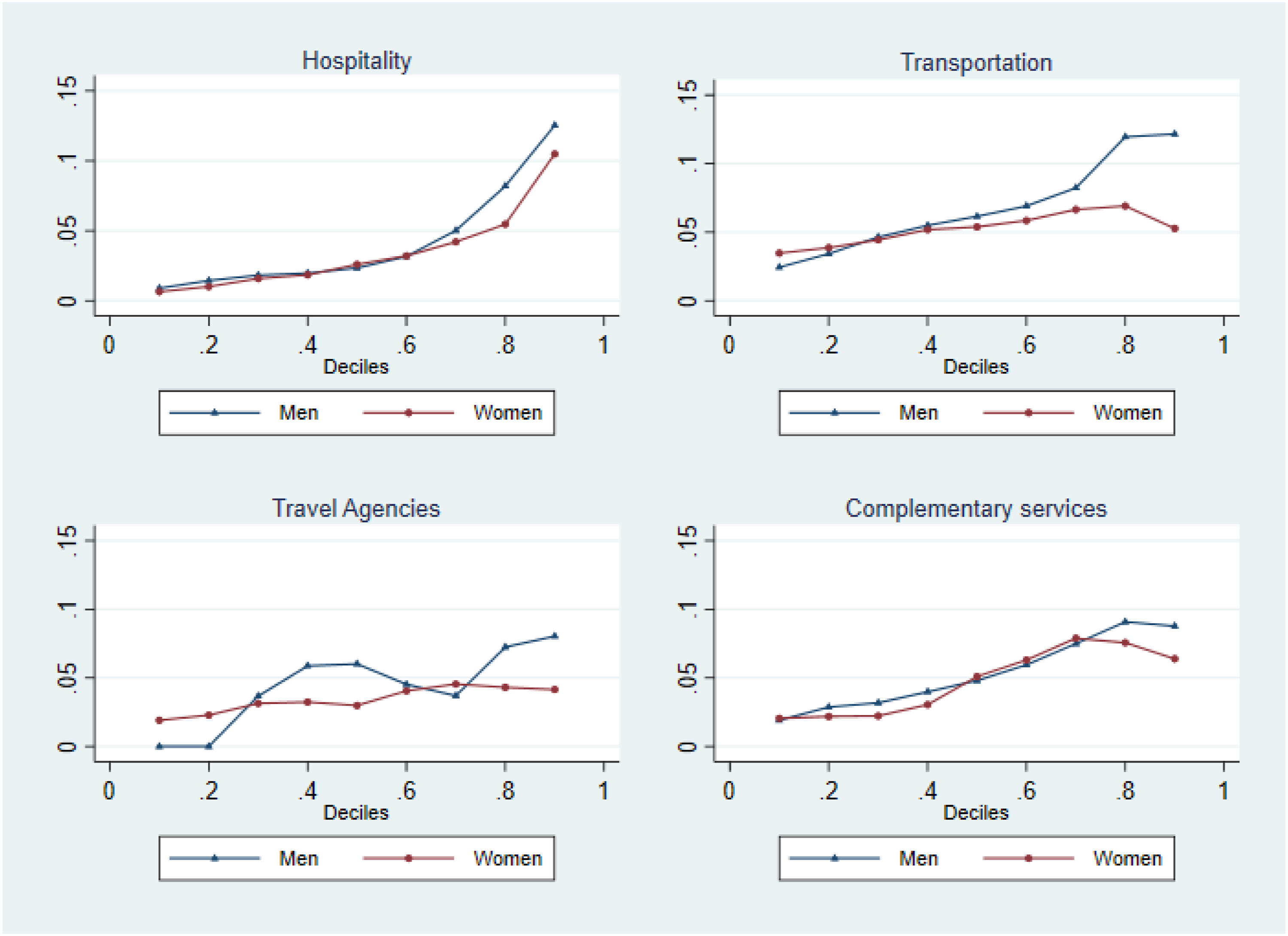
Returns to education are lower for workers in the hospitality and travel agency sectors (Table 3) and are lower for women in all the tourism sectors analysed, which is in line with the results of García et al. (2011). However, in general, educational returns increase across the wage distribution (Figure 3). In hospitality, we found little difference in the returns to education between genders, except in high-paying and responsible positions (also see García et al., 2014), which was also the case in the transport sector. However, in the travel agency sector, the wage penalty for women is substantial when their wages are medium and high, although it is lower when their wages are low.
In terms of educational mismatch, overeducation entailed a strong wage penalty in hospitality (also see Campos et al., 2015) and complementary services. As shown in Table 3, this wage penalty was higher for men than for women. Table 3 also shows that undereducation has a positive effect on wages in hospitality and transportation, and has a stronger effect on women’s wages. From a quantile perspective, in hospitality and complementary services, we found a wage penalty for overeducation and a wage advantage for undereducation, both increasing with wage levels by gender. However, the gender wage gap is substantial only in the case of undereducation when wages are high (Figure 4). In the transportation and travel agency sectors, educational mismatch does not have a differential effect across the wage distribution. In both sectors, overeducation does not have a significant impact on wages, whereas the wage advantage of undereducation does not have a uniform pattern across the distribution.
Regarding vertical segregation, men and women experience a wage penalty in both hospitality and transportation, and it is significantly negative only for women in travel agency and complementary services (Table 3). From a quantile perspective, no differential effect was found in terms of vertical segregation across the wage distribution in the transportation and complementary service sectors (Figure 5). At the quantile level, the main differences were found in the hospitality and travel agency sectors. In hospitality, there is a wage penalty due to vertical segregation, which is greater in higher paid jobs and even higher in the case of men (also see Campos et al., 2015). However, in the travel agency industry, wage increases due to promotion are higher among men than among women across the entire wage distribution (Figure 5).
Gender wage decomposition across the wage distribution
Contribution to the gender wage gap by percentile.
Standard deviations are in shown parentheses. ***p < 0.01, **p < 0.05, and *p < 0.1. The percentiles p10, p30, p50, p70, and p90 have been selected for simplicity. All other percentiles are available to any interested reader upon request.
Figure 6 shows the absolute contributions of the non-discriminatory and discriminatory components to the gender wage gap across the wage distribution in the different sectors analysed. In transportation and other complementary services, the higher productivity of women helps to reduce the gender wage gap. Moreover, the negative contribution of the gender productivity gap increases across the wage distribution. In contrast, in the hospitality and travel agency sectors, women are less productive than men across the wage distribution, which contributes to widening the gender wage gap. In all sectors analysed, except for transportation, the contribution of the discriminatory component increases as wages increase. Oaxaca-RIF: wage decomposition. Notes: Difference in the logarithm of the hourly wage. RIF, recent influence function.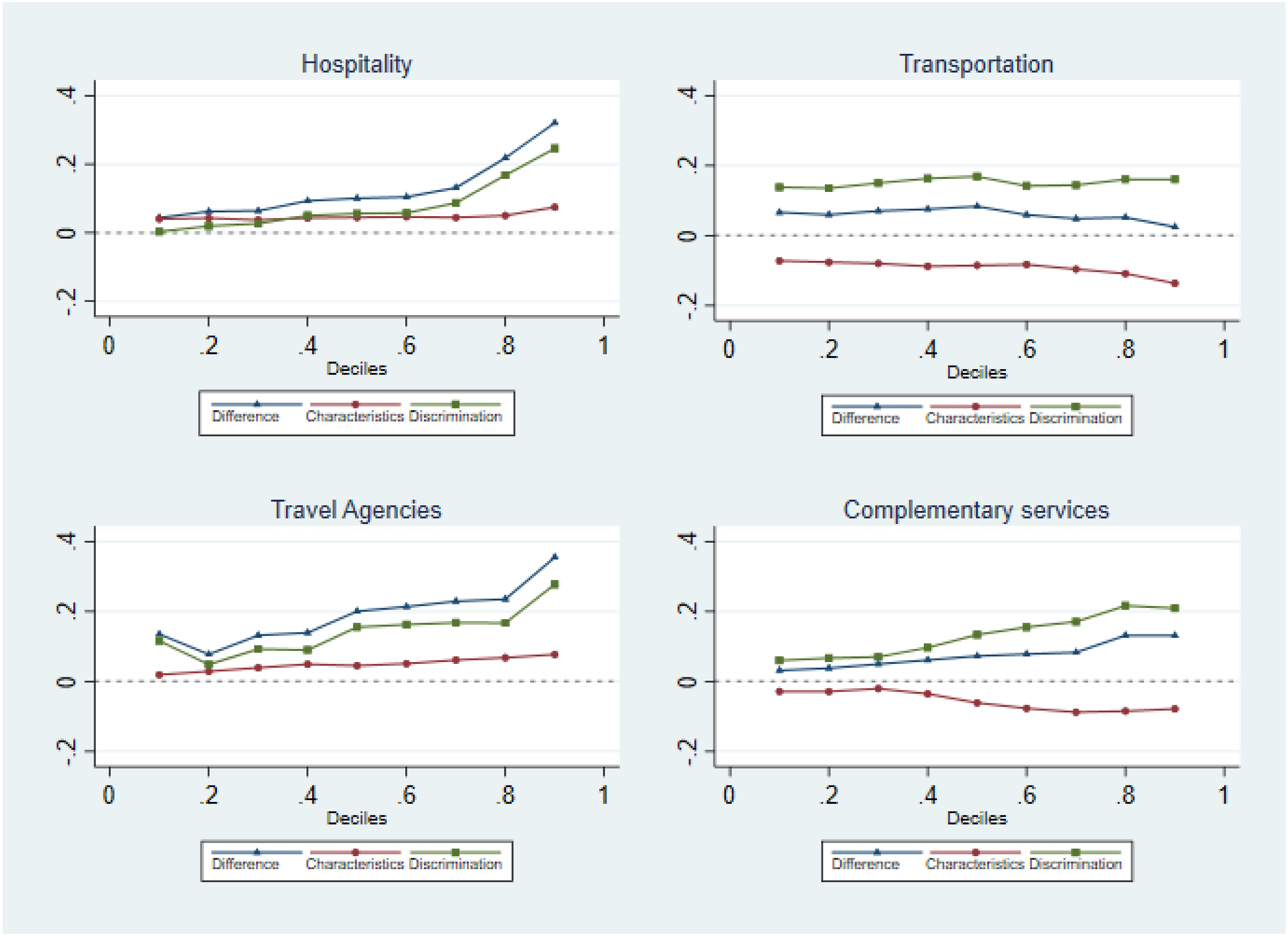
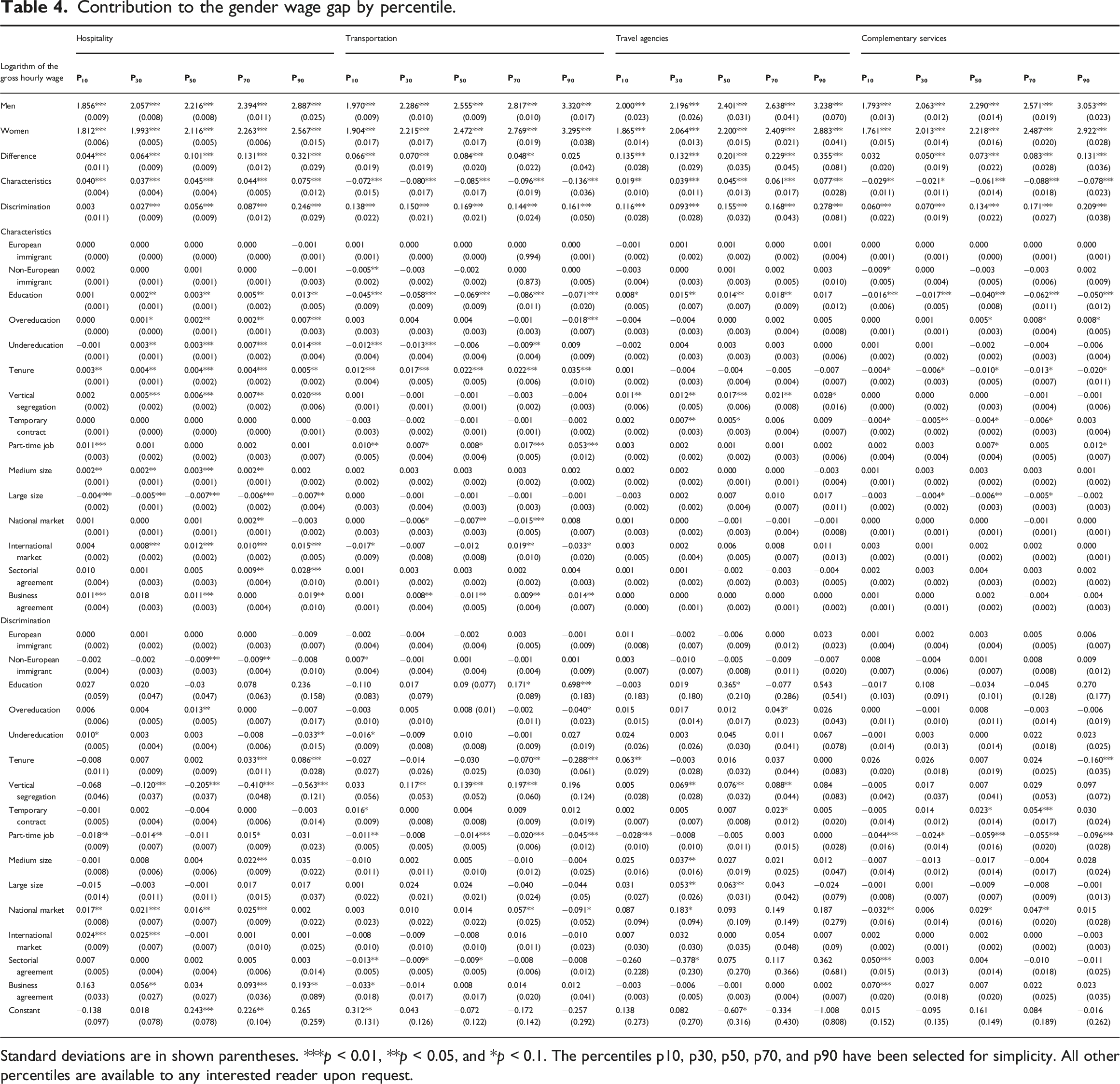
In the hospitality sector, the gender wage gap is fully explained by the non-discrimination component in the lower 10th percentile of the wage distribution. This result is due to the lower productive characteristics of women who occupy these types of jobs and is particularly associated with tenure and type of contract (Table 4). Differences in education and the high over-representation of women in positions of lower responsibility stand out across the distribution, particularly in higher paid positions. Figure 6 shows that the contribution of the non-discriminatory component remains stable, whereas the discriminatory component changes across the wage distribution. In fact, the discriminatory component follows an increasing trend and explains 76.63% of the gender wage gap at the 90th percentile. This result confirms that, in the hospitality sector, the greater wage discrimination experienced by women in relation to men with the same characteristics increases as the wage level increases. In line with the results of previous studies, this result could be associated with the existence of a ‘glass ceiling’ in the sector (Casado et al., 2020; Marfil and Campos, 2021). Regarding the determinants of the discriminatory component, returns to tenure in the job has a strong effect, particularly in high-paying jobs. Although returns to education differ by gender (Figure 3), this difference is not significant in explaining the gender wage gap. Vertical segregation has a negative impact on the discriminatory component, which suggests that wage increases for women are higher than for their male counterparts when promoted.
In the transport sector, the gender wage gap is significant up to the 70th percentile, whereas there are no significant differences between wages by gender at the highest paid positions. This gap is largely explained by the discriminatory component across the wage distribution, which is partly compensated for by the higher productivity of women (Figure 6). Women also have higher levels of education and better contractual conditions as they move up the wage distribution, which further reduces the gender wage gap (Table 4). This table also shows that the discriminatory component is explained by the difference in returns to education at higher wage levels (70th percentile) and by vertical segregation, with promotion among women being more penalised than promotion among men across the wage distribution.
In the travel agency sector, both components are relevant in explaining the gender wage gap (Figure 6). Although the impact of the non-discriminatory component remains stable across the wage distribution, its relative contribution decreases as wage increases. However, at the lowest wage levels (10th percentile), return differences between men and women in their productive characteristics account for 86% of the gender wage gap, whereas the relative contribution of this discriminatory component decreases and reaches 78% of the gender wage gap at the highest wage levels (90th percentile). Regarding the non-discriminatory component, differences in education by gender had a large impact on the gender wage gap, although no significant differences were found in relation to senior positions (Table 4). However, the over-representation of men in positions of higher responsibility increases the gender wage gap. Regarding the discriminatory component, there were significant differences in educational returns by gender only in intermediate positions. Moreover, women who are promoted are more heavily penalised than men who are promoted, thus discouraging women from accessing positions of high responsibility.
In complementary services, no significant gender wage gap was found at the lowest wage levels (10th percentile), whereas it was both significant and increasing at the middle and high-wage levels of the distribution (Table 4). The discriminatory component explains most of the observed gender wage gap and its effect increases as wages increase (Figure 6). The impact of the non-discriminatory component helps to reduce the gender wage gap due to the higher productivity of women in all the wage levels analysed. In fact, in this sector, women have a higher level of education and tenure in all the percentiles of the wage distribution. They also obtain more permanent contracts than men, except in high-paying positions. In addition, although there is relative gender occupational equality at the different levels of responsibility in the sector, this factor is not relevant in explaining the gender wage differentials.
Conclusions
This paper brings a new dimension to the study of the gender wage gap in the tourism industry by conducting a specific analysis of its determinants across the wage distribution from a sectoral perspective. To this end, we applied the wage decomposition proposed by Firpo et al. (2009) using matched employee-employer data from the Structure of Earnings Survey for 2018. An analysis of the gender gap for the tourism industry as a whole would not reveal the heterogeneity found at the sectoral level in the determinants of the gender wage gap and its discriminatory component. In fact, in relation to the gender wage gap and discrimination, our results show that there are marked differences between the sectors analysed – hospitality, travel agencies, transportation, and complementary services – and that these differences are shown to persist across the wage distribution.
In sectors in which women predominate, such as hospitality and travel agencies, the gender wage gap increases across the wage distribution, whereas in masculinised sectors, such as transportation, the gender wage gap follows a decreasing trend, becoming non-significant at higher wage levels. Regarding the non-discriminatory component of the gender wage gap, in sectors such as transportation and complementary services, women are more productive than men and the productivity gap widens across the wage distribution, with the gender wage gap decreasing as wages increase. In contrast, in hospitality and travel agencies, men are more productive than women at all wage levels, which increases the gender wage gap. However, the gender wage gap discriminatory component increases as wage levels increase in all sectors except transportation. Therefore, as women occupy higher wage positions, the wage disadvantage they experience can only be explained by reasons other than their productive characteristics. This result suggests the existence of ‘invisible’ barriers that perpetuate gender roles, particularly in senior positions, and indicates the possible existence of a so-called ‘glass ceiling’. In contrast, no significant gender wage gap was found at the highest wage levels in the transport sector. This is a special case, because despite the fact that high-wage positions in the transport sector are masculinised, the wage gap is practically non-existent.
The variables human capital and vertical segregation are highly relevant in explaining both components, with marked differences between the sectors analysed and their effect across the wage distribution. In particular, as wages increase, education contributes to widening the gender wage gap in hospitality and travel agencies, whereas it narrows the gender wage gap in transportation and complementary services. In particular, in hospitality, overeducation and undereducation have a positive effect on the non-discriminatory component, with women experiencing greater educational mismatch as they obtain higher paying jobs, whereas in complementary services this effect for women only occurs in the case of overeducation. Vertical segregation increases the gender wage gap in sectors such as hospitality and travel agencies and its effect increases across the wage distribution. However, in transportation and complementary services, the occupational distribution by gender is more equal, and so its effect on the gender wage gap is not significant. It is also worth noting that there is sectoral heterogeneity in incentives for job promotion between genders, with women being penalised more than men. This result again suggests the existence of a differentiated ‘glass ceiling’ between sectors.
Our results have relevant policy implications in the field of gender equality and non-discrimination, which remain pending issues due to their marked sectoral heterogeneity. This study shows that the origin of gender discrimination differs by sector and demonstrates the need for a differentiated approach to setting policies aimed at equal wages and equal opportunities for both genders. In the particular case of the Spanish labour market, the 2012 labour reform (RDL 3/2012) established specific policies to promote gender equality with specific incentives for hiring women, particularly in the case of sectors in which women are under-represented. In contrast, the current labour reform of 2021 (RDL 32/2021) does not establish a specific and differentiated mechanism aimed at improving women’s participation and working conditions. Nevertheless, the main pillars of this reform promote equal treatment and opportunities for both genders and addresses the problem of high job insecurity, which particularly affects women in the sectors analysed. Therefore, in Spain, gender equality could be improved by reinforcing the main specific gender equality measures at the sectoral level.
This work has certain limitations. Firstly, the binary definition of the concept of gender established by the database used prevents a more in-depth analysis of this variable. Secondly, it should be borne in mind that the position held by a worker may be the result of decisions made by both the employer and the employee. Therefore, our data do not include a relevant factor: the supply decision mechanism. The labour supply of men and women may be constrained by family obligations, work-life balance issues, and personal preferences that lead individuals to opt for lower paid jobs, but which allow them more free time. In addition, the analysis of wage discrimination would benefit from more accurate data on company hiring practices and wage-setting mechanisms, which would allow us to obtain information on the reasons for the employer’s decision-making. Finally, the study is limited by the use of cross-sectional data, as it is not possible to control for business cycles and temporary or individual effects.
Footnotes
Acknowledgement
The authors want to thank the support of University of Malaga (I Plan Propio de Investigación y Transferencia).
Declaration of conflicting interests
The author(s) declared no potential conflicts of interest with respect to the research, authorship, and/or publication of this article.
Funding
The author(s) disclosed receipt of the following financial support for the research, authorship, and/or publication of this article: The work was supported by the research grant from the University of Malaga received by Marina Marfil-Cotilla.
