



Abstract
Few studies have been conducted on the value and motives of social entrepreneurship with indigenous people. The purpose of this paper is to examine the values and motives of social entrepreneurship and how it is experienced by indigenous groups in Colombia drawing on Structuration Theory theoretical framework. This work draws upon evidence from a multiple case study of five indigenous communities (Curripaco, Puinave, Yanacona, Misak and Wayuu) in three geographic regions. The analysis of the multiple case study using NVIVO.11, discovered internal and external motives and values. The internal drivers identified are Cosmovision, Ancestrality, Knowledge, Identity and Language and Community and Family Wellbeing. The external drivers are Land Rights and Territoriality, Armed Conflict and Violence, Socio Economic Needs: Poverty and lack of employment and Funding Opportunities. This paper brings into attention the importance of understanding the values and motives of social entrepreneurship within indigenous groups in Latin America.
Introduction
The heterogeneity of place and space, time, type of entrepreneurship and entrepreneurs themselves create and experience value in different forms and are as diverse as the people who are engaged in it (Refai et al. 2018; Stirzaker and Galloway, 2017; Welter et al., 2017; Zahra and Wright, 2016; Welter et al., 2019; Galloway et al., 2019). Entrepreneurship scholars have identified values that frame the entrepreneurial process, such as the gender, race, ethnicity and wealth of entrepreneurs, the technological nature of the products or services offered, or the geographic location of ventures (Dorado, 2006). Encouraging entrepreneurship has been advocated as the most promising avenue for economic development of indigenous communities (Furneaux and Brown, 2008). Yet, how we conceptualise entrepreneurial patterns, practices and outcomes within indigenous communities requires greater attention (i.e., Anderson et al., 2006; Cahn, 2008; Dana, 2007; Dana and Anderson, 2007; Hindle and Lansdowne, 2005; Peredo, 2001; Peredo et al., 2004; Peredo and Chrisman, 2006; Peredo and McLean, 2013; Tapsell and Woods, 2008). Thus, this paper explores the values and motives of indigenous led social entrepreneurial activities.
There is no consensus among management scholars as to what, precisely, constitutes indigenous entrepreneurship. Whilst Dana and Anderson (2007) defined it as ‘the creation, management, and development of new ventures by indigenous people’, recognised the exploitation of opportunity elements such as innovation, risk acceptance and resourcefulness of indigenous communities by indigenous people. According to the work of Henderson (2018), indigenous entrepreneurship is rooted in the incorporation of their traditional culture and values into entrepreneurship, and therefore it encompasses a broad range of economic activities and business forms.
As follows, there are some relevant examples within the literature that highlight the values and motives for indigenous people to be involved in entrepreneurial activities. A study conducted by Wood and Davidson in 2011 identified ‘Push factors’ as predominant motivators for setting up business ventures with indigenous entrepreneurs in Australia. Findings reveal that indigenous people engage with entrepreneurial activities were strongly linked to the desire to improve severe disadvantage through very poor economic situations and negative racial stereotyping, discrimination and prejudice as well as addressing the needs of their community. Potential barriers to business development included lack of formal education, prior work experience, language barriers, culture conflicts and problems attaining sufficient finance. They also identified that female indigenous entrepreneurs faced both gender and racial discrimination. Another study by Molina-Ramírez and Barba-Sánchez in 2021 with indigenous entrepreneurs in Mexico showed that embeddedness, identity, comunalidad (communal way of life), and worldview contribute positively to entrepreneurial project achievements, which also impacted the community itself.
There are few studies about the differences between the drivers of (mainstream) Social Enterprises and other (minority groups led) related Social Enterprises. A study conducted by Calvo in 2013 highlighted the drivers of ethnic minority communities developing Social Enterprises emphasising the role of the agent (ethnic minority entrepreneurs) and structure (context). Some of the main drivers identified were cultural traditions and having a disadvantage background (Calvo, 2013). Limited studies have been conducted about Indigenous Social Enterprises (ISEs) (Anderson et al., 2006a; Henderson, 2018; Tapsell and Woods, 2008). Anderson et al. (2006b) in a study conducted in Canada found that social entrepreneurship coupled with indigenous peoples’ activities are key elements for the business development activities that lead to economy-oriented contribution at national level and community wellbeing. In fact, the authors explored indigenous development and social entrepreneurship, and discuss indigenous development within the Canadian land rights (2006). As they claimed, indigenous peoples, at least in this context are struggling to reinvigorate their nationhood and lands are the ‘place’ of the nation and are inseparable from the people, their culture, and their identity as a nation. Traditional lands and resources are the foundation upon which indigenous people intend to rebuild the economies of their nations and so improve the socioeconomic circumstance of their people – individuals, families, communities and nations. In a similar line, Spencer et al. (2016) analysed the activities of ISEs in the town of Yirrkala, northern territory of Australia. Their work focused on the social effectiveness of their enterprises and their ability to help generate income and employment and drive social capital development. Their case study was the Nuwul environmental services located in the northeast of Arnhem Land. The existing literature of ISEs suggest that there is a lot of potential of developing entrepreneurial business opportunities for indigenous people as a strategy to reduce their socio-economic disadvantage and tackle environmental issues taking advantage of their ancestral knowledge (e.g., Lounsbury and Strang, 2009; Pearson and Helms, 2013; Zahra and Wright, 2016; Ramus and Vaccaro, 2017). However, these studies focused mainly on external drivers (values and motives) for indigenous people developing social enterprises (e.g., Anderson et al., 2006a; Henderson, 2018; Lee and Nowell, 2015).
Moreover, there are limited studies conducted about ISEs in the Latin American (LA) region (i.e., Giovannini, 2012, 2016; Vázquez Maguirre et al., 2017, 2016). The ISEs literature goes some way to addressing the lack of attention applied to the cultural values in entrepreneurship literature to date. However, one weakness the authors have identitied in much of the ISEs literature in the LA region is its inadequate attention to the complex ways many indigenous cultures relate to their environments and how these human-environment relationships shape examples of ISEs. Therefore, the authors acknowledge that there is more to explore, analyse and examine about the values and motives of indigenous communities and their social entrepreneurial activities. This article contributes to this existing gap by exploring the values and motives of indigenous social entrepreneurial activities with a multiple case study of five ISEs in Colombia.
This paper is structured as follows; after the Introduction, Section 2 outlines the theoretical framework to explore the motives and values of social enterprises within indigenous people in Latin America. Section 3 presents the methodology, while the findings and discussion are presented in Section 4. The paper closes with Section 5, including conclusions, contributions and avenues of scholarship.
Structuration theory to understand ISEs in Colombia
Structuration Theory, developed by the British sociologist Anthony Giddens, aimed to complement a missing aspect of social theory by integrating the notion of agency and its reciprocal interaction in social structures. According to Giddens (1984), structures are dual as they are both a ‘medium and an outcome’ of the social practice in the social system. Giddens highlighted the reciprocal relationship between agency (individuals’ motivations) and structure (external forces immersed in society) as micro and macro perspectives, respectively. The duality referred to the structure's capacity to shape agency and, simultaneously, the agency's capacity of reproducing and constituting structures. Agents are continuously constrained and enabled by structures; the attributes of a social system integrate the rules and resources that agents use in their interactions (Sewell, 1992). Agents are ‘knowledgeable’, meaning that they are aware of what they are doing, revealing their freedom and capacity to put into practice their knowledge (Mole and Mole, 2010). The structure or rules and resources that allow reproducing the social system influence agents. Thus, the social system comprehends the schemas that build up the structure in which social life is enacted. In identifying the key forces that shape the development of ISEs, is apparent that agency and structure operate to shape different forms of this activity.
Few studies have been conducted using Structuration theory to explore entrepreneurial activities led by disadvantaged communities (Calvo, 2013; Sepulveda et al., 2013). Moreover, little studies have been done using this theory with indigenous communities and the existing ones are descriptive. There are no current studies that explore values and motivations of Indigenous Social Enterprises using Structuration theories (Page, and Petray, 2016). Therefore, this paper brings a theoretical contribution to the existing studies.
Indigenous led social enterprises in Latin America
Several studies have explored the contribution of indigenous peoples’ to entrepreneurship in Latin America (Peredo and McLean, 2013). For example, a study conducted by Tretiakov et al. in 2020 with Wayuu entrepreneurs identified that family members play a range of crucial roles in enterprise operations, with the family and the kin-centered local indigenous community emerging as an informal organization surrounding the enterprise. The findings suggested that indigenous entrepreneurs integrate the values of the two cultures, the indigenous and western culture in managing their enterprise.
There are limited studies conducted about ISEs in the LA region (i.e., Giovannini, 2012, 2016; Vázquez Maguirre et al., 2017, 2016). A research conducted by Giovannini (2016) with indigenous social enterprises in Chiapas (Mexico) evaluates the factors that support the emergence of these organisations as well as the impact they have had on improving indigenous Buen Vivir. For Chiapa indigenous community enterprises, the main enabling factor for their emergence was their existing relationship of those leaders involved with other social movements. A similar study conducted by Vázquez Maguirre et al. (2016) focuses on the study of ISEs in the context of the Zapotec community in the Southern part of Mexico. They found a strong relationship between the Zapotec community wellbeing and women empowerment within those ISEs selected for the study. Women's participation in these organisations has broken gender-barriers demonstrating that women can take a more important role in their community by participating in political and managerial decision-making and inspiring more women in the community work in this type of organisations. Here, this aspect is crucial because, at least in the Mexican context, indigenous communities tend to be patriarchal, and indigenous women, suffer a condition of double discrimination: at a micro level, for being women and at macro level for being indigenous. Thus, in the context of social entrepreneurship, social enterprises can sustain the women empowerment of the weakest social sectors. In another study conducted by Vázquez Maguirre et al. (2017), the author looked at examples of ISEs in Mexico and Peru, and in particular with the case studies of Ixtlan Group and Granja Porcón communities. The findings demonstrated that ISEs are essential in contributing to the rural community's sustainable development, improving the quality of live (living standards) of its inhabitants. Their work also suggests that ISEs used four main mechanisms to promote rural sustainable development in the community: (1) labour as source of quality of life; (2) gender equality; (3) sustainable exploitation and (4) the equitable distribution of benefits between the economic, social and environmental decisions. Interestingly, their work's findings demonstrated that in both cases ISEs deliver prosperity in their contexts, even generating jobs for neighbouring location (for example, salaries were higher than the national salary average). There were also clear concerns in relation to the urbanisation of their communities may lead to the ethno-extinction of their culture. Although economic growth enabled indigenous communities to enhance households (power of buying building materials), and better education for their children, there was an increasing concern among community leaders, as some of the children were not coming back to region after finishing university in urban areas Finally, the authors identified a conflict created between the managers and other stakeholders within the case study organisations where the former prioritized the economic versus the social dimension.
The conceptual model, depicted in Figure 1, is a starting point in attempting to understand ISEs by recognising the complex interplay between factors that relate to agency and structure. This model is based on a study conducted by Sepulveda et al., 2013 that explored ethnic minorities social enterprises using Structuration theory and considering the drivers of these initiatives by looking at agency (agents/ethnic minorities) and structure (context). The model has two propositions:
The development of ISEs depends on the complex interaction between agency (Indigenous entrepreneurs) and structure (context) and that both dimensions are ‘mutually constitutive’. Key drivers shaping the development of ISEs vary from one organisation to another and from context to context.
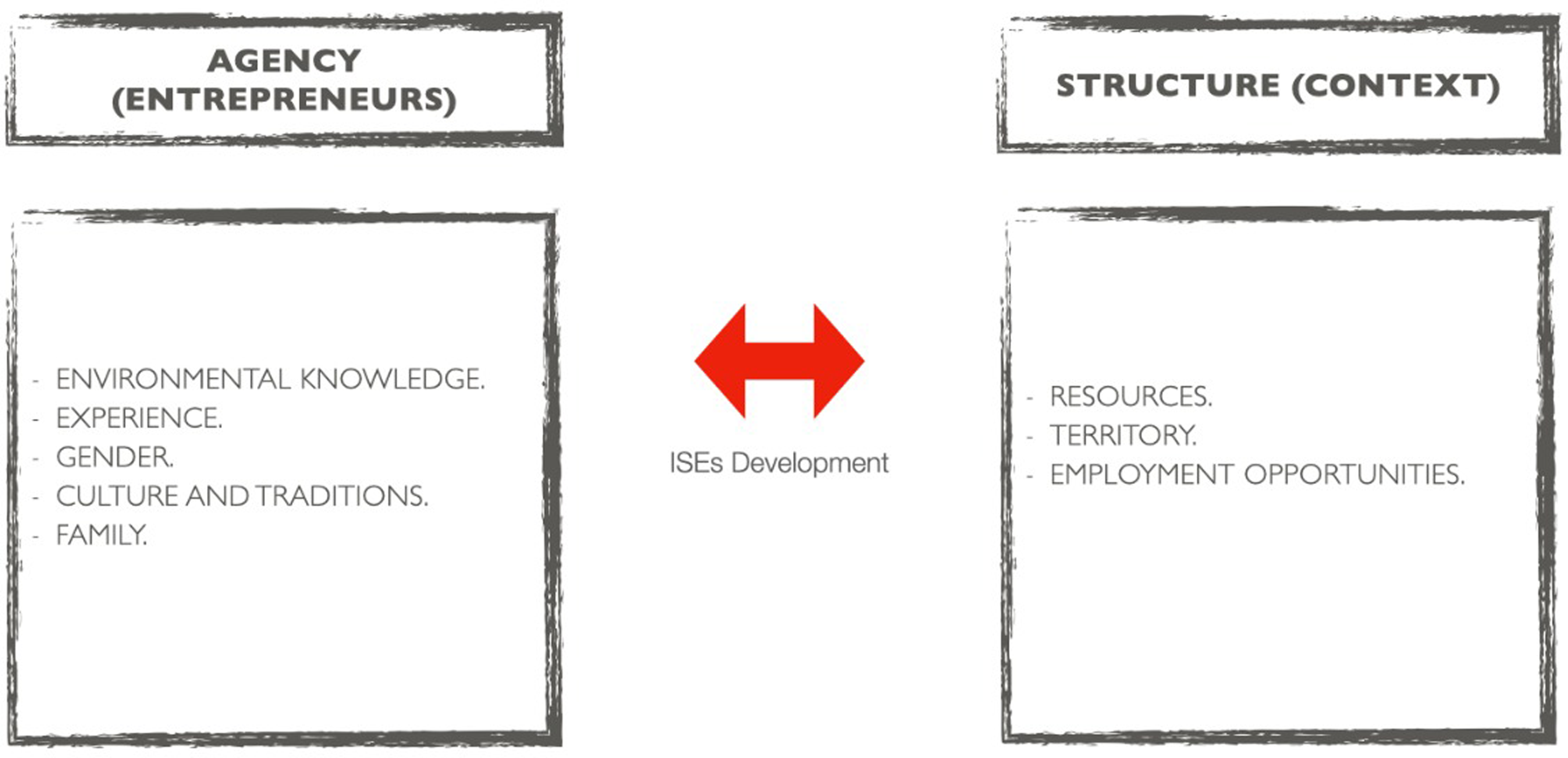
A conceptual model to understand ISEs.
The agency dimension encompasses characteristics related to indigenous entrepreneurs. These include education, skills, experience, culture and generational differences. There is an existing literature family and cultural values as main drivers within these indigenous entrepreneurs. Contextual forces that shape the development of ISEs include markets, resource bases and regulatory and policy frameworks. In the existing literature, family, social movements, socio-economic development and employment opportunities were identified as the main drivers for ISEs (Vázquez Maguirre et al., 2017; Giovannini, 2016; Tretiakov et al., 2020). However, the authors considered that there are additional variables that have not been considered. Thus, in the authors’ opinion, this model offers guidance in investigating and explaining the motives and values of indigenous-led social entrepreneurial activities. This model has been used as a starting point for the empirical analysis of ISEs in Colombia.
Methodology
Participatory Video Research (PVR) was selected for this study as the key objective is to empower those researched. Blazek and Hraňová (2012) describe PVR as ‘a production of a video by a group of people, or, by a community’ (p.152). PVR can be considered as one of the many manifestations of the relationship between media and development, and as a tool under the umbrella of participatory action methodologies or participatory action research. One of the more important aspects of PVR is ‘participation’ and is the key to distinguishing it from video research (Gubrium & Harper, 2013). Participation is blended with the participatory action research approach, that is, to seek the meaning of the interventions (research events) for the groups willing to be studied (in this case the ISEs) from many different perspectives (Holm, 2008; Jewitt, 2012). Therefore, applying a PVR approach to study ISEs may produce rich multimodal and narrative data, guided by the participants’ interests and priorities, putting the methods literally in the hands of the participants themselves, and allowing them greater access to knowledge beyond the merely academic (Gubrium & Harper, 2013).
By participatory, the authors used the definition of Gubrium and Harper (2013, p. 45) that refers to ‘methodology approaches or techniques that afford the subject, community member or field site, greater narrative latitude when it comes to ethnographic knowledge production and received lay and academic audiences alike’. Participation is blended with the participatory action research approach, that is, to seek the meaning of the interventions (research events) for the groups willing to be studied (in this case the ICOs) and from many different perspectives (Holm, 2008; Jewitt, 2012). Therefore, applying a PVR approach to study ISEs may produce rich multimodal and narrative data, guided by the participants’ interests and priorities, putting the methods literally in the hands of the participants themselves, and allowing them greater access to knowledge beyond the academic one (Gubrium and Harper, 2013). There are some studies that explore indigenous communities using PVR. For example, the study conducted by Sinclair et al. (2015) that used PVR as a means of engaging indigenous children as participants in health research. However, there is no evidence of studies that apply PVR to the study of indigenous people and the SE in Colombia.
In the case of this research project, ISEs have the opportunity to enhance and contribute to the construction of their own image, giving voice to an invisible group. Through collaboration and participation, even in the first phase of the study, ISEs were invited to improve the planning of this project. A multiple case study method with five ISESs, namely, Misak, Yanacona, Curripaco, Puinave and Wayuu in three different regions – the Caribbean, the Andes and the Amazon – specifically in the departments of Cauca, Guainia and Guajira, was conducted to explore the motives and values of these ISEs. The selection of the case examples was built upon key contacts made with academics that have previously worked in the regions.
The authors selected organisations that had different indigenous community groups, organisational activities (e.g., cooperatives, associations, for profit company) and years of establishment (e.g., some ISEs are well-established while others are recent start-up organisations). There were also other practical considerations made, such as how receptive the potential cases were to be participating in the study. A total of 37 participants participated in the video-recorded semi-structured interviews. Of those participants, 40.5% participated in the video focus groups (15 in total, 3 from each organisation, mainly leaders and board members of these organisations). In terms of gender, the vast majority of participants were male (27), and only 10 participants were female Table 1.
Description of the ISEs selected for the study.
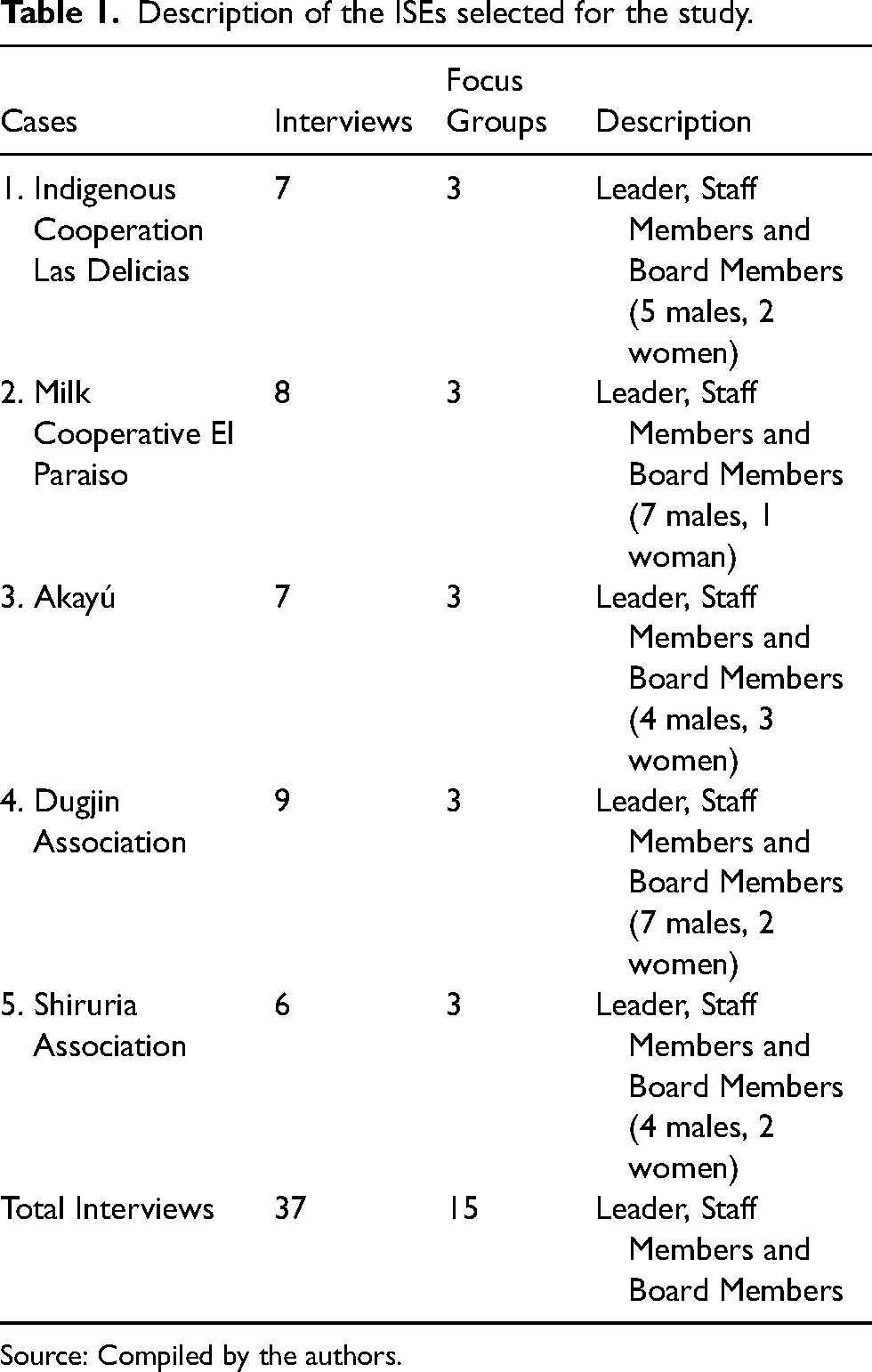
Source: Compiled by the authors.
An email outlining the research objectives soliciting their participation in the research study was sent to the leaders of the ISEs selected. The email was followed up with telephone calls to establish a suitable date for both parties the researchers and stakeholder informants involved. One of the authors had previously conducted a research project with these organisations; therefore, it was easier to convince them to participate in the study. The data collection was gathered from May to September 2021. A concise methodological process was used for this research to collect data: a review of secondary data source, a preproduction stage, a production stage and a postproduction. It is important to highlight that the researchers used the same methodological process with the five ISEs. Ethical approval was obtained from all the organisations that gave permission to use their real names.
As seen in Table 2, the PVR activities took place in five phases. First, the first five days the researchers attended various meetings and made an agreement for the research project with the leader and other community members within the ISE. The benefits for the ISEs were discussed with the leaders and other representatives of the ISEs selected for this study. Then, an opening event (Phase 2) was organised where the researchers invited stakeholders from the ISEs selected. For this event, the authors introduced themselves, as well as invited participants to attend the video focus group about ISEs and their drivers’ values and motivations.
Summary of the PVR activities undertaken (five phases).

Source: Compiled by the authors.
The authors introduced the topic of ISEs, and invited participants to participate in a focus group to discuss about their traditions, and values, and how these are applied in their ISEs (Phase 3).
A focus group was established as the authors considered this to be an appropriate method of data collection, as it is a good way to perceive agreements and disagreements between members of the indigenous communities about their ISEs, traditions, values and motives. When the focus group ended, the authors invited participants to actively participate in the design of the data collection of the project. The participants created a storyboard plan together and created the questions to ask for the interviews. Face-to-face video-recorded semi-structured interviews were done primarily with the organisations’ leaders and other relevant ISE stakeholders.
The analysis of the case study was conducted using NVivo 11 version. As seen in Table 3, firstly, the researcher became familiarised with the data by looking at the material obtained from the video focus groups and semi-structured interviews to get initial ideas. Then, and to facilitate the analysis, the authors inserted the material from the interviews and focus groups in NVivo 11 version. Watching the videotape at a speed that is slower or faster than normal, only listening to the audio, or watching the video without audio helped the authors to focus their attention on particular aspects of interest. This phase consisted of transcribing the material selected. Videos are understood to be visual texts, transformed into text by transcription or by recounting the stories contained in them, and then analysed as such.
Stages of data analysis.
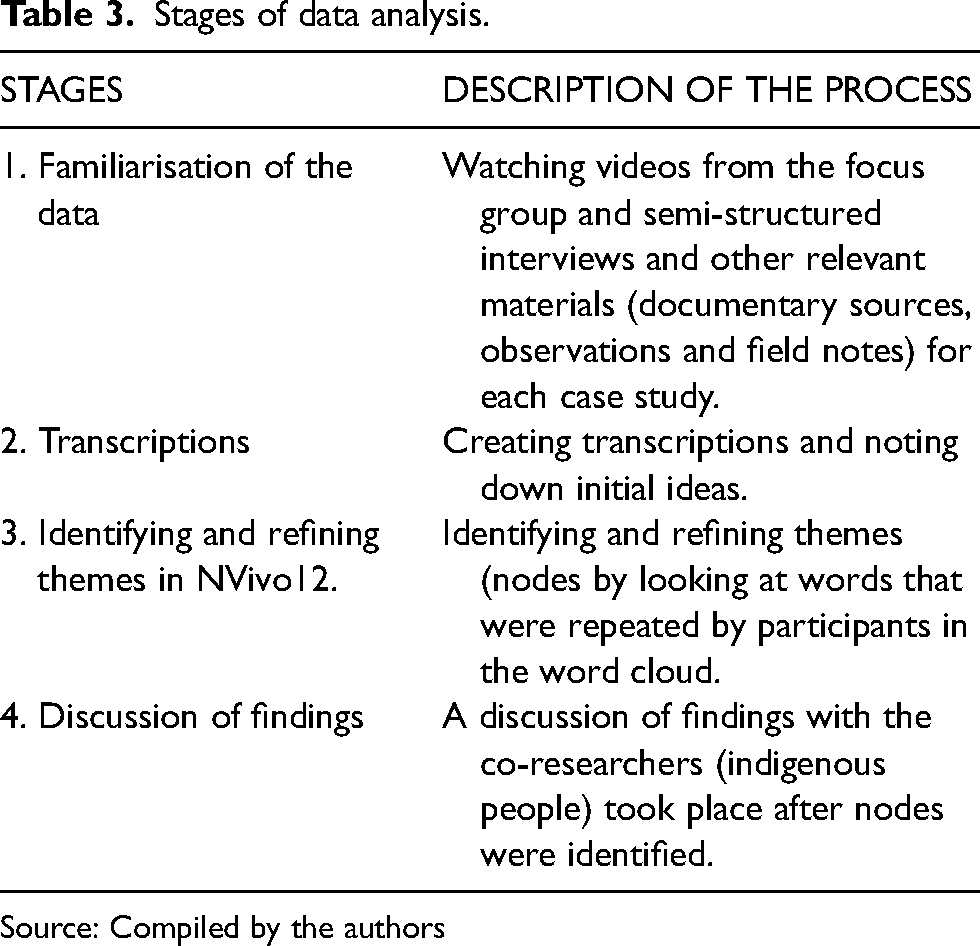
Source: Compiled by the authors
For this project, the data analysis followed a coding process based on the Structuration Theory agency and structure dimensions (see Figure 1 for more details). Then, nodes were identified using the word cloud in NVivo11 (see Figure 2).
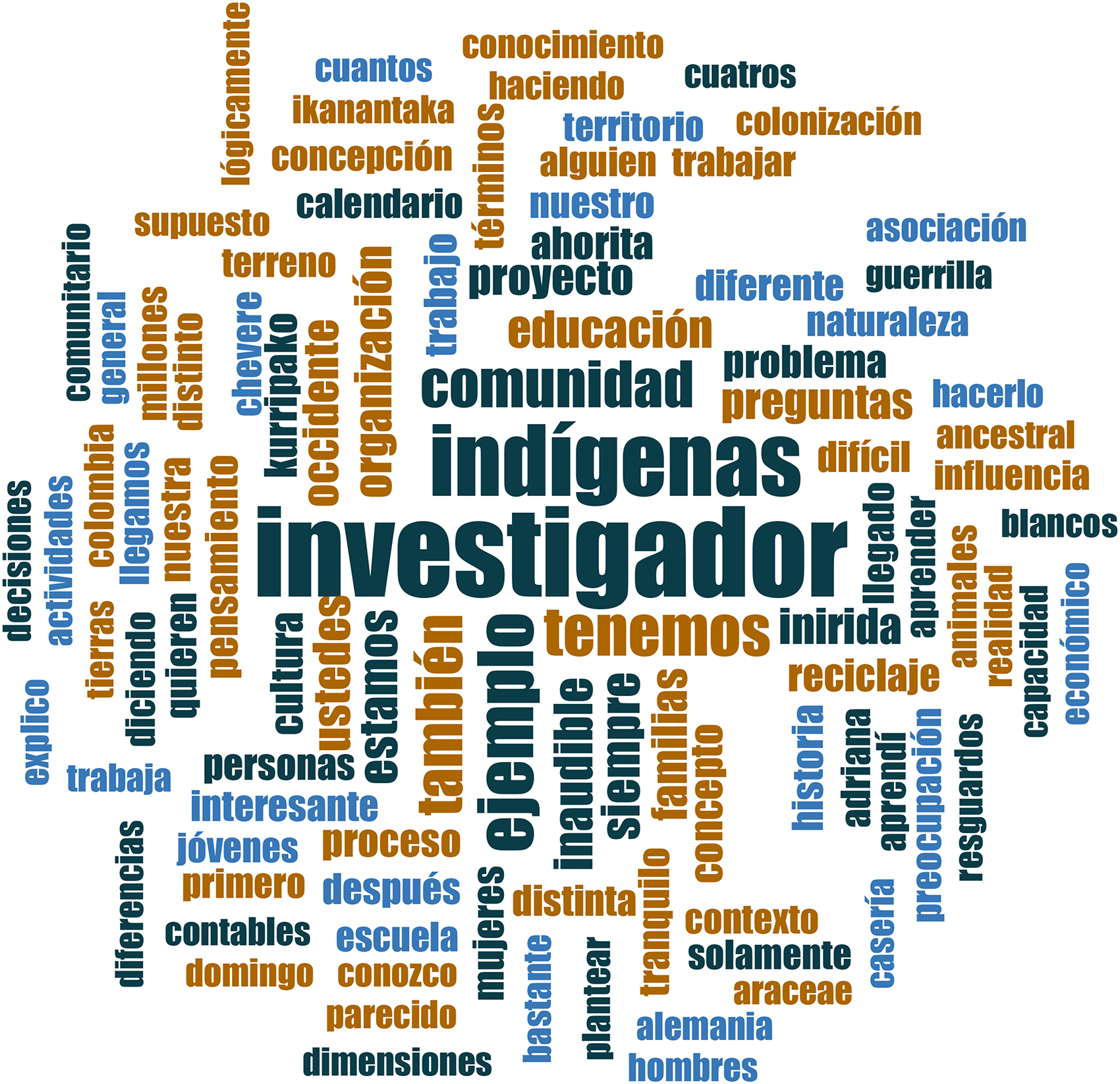
An example of word cloud analysis generated by NVIVO.
After this, the researchers decided to create spider diagrams for cross-analysis where key themes and subthemes were identified from the data and were refined as the analysis evolved (Figure 3).
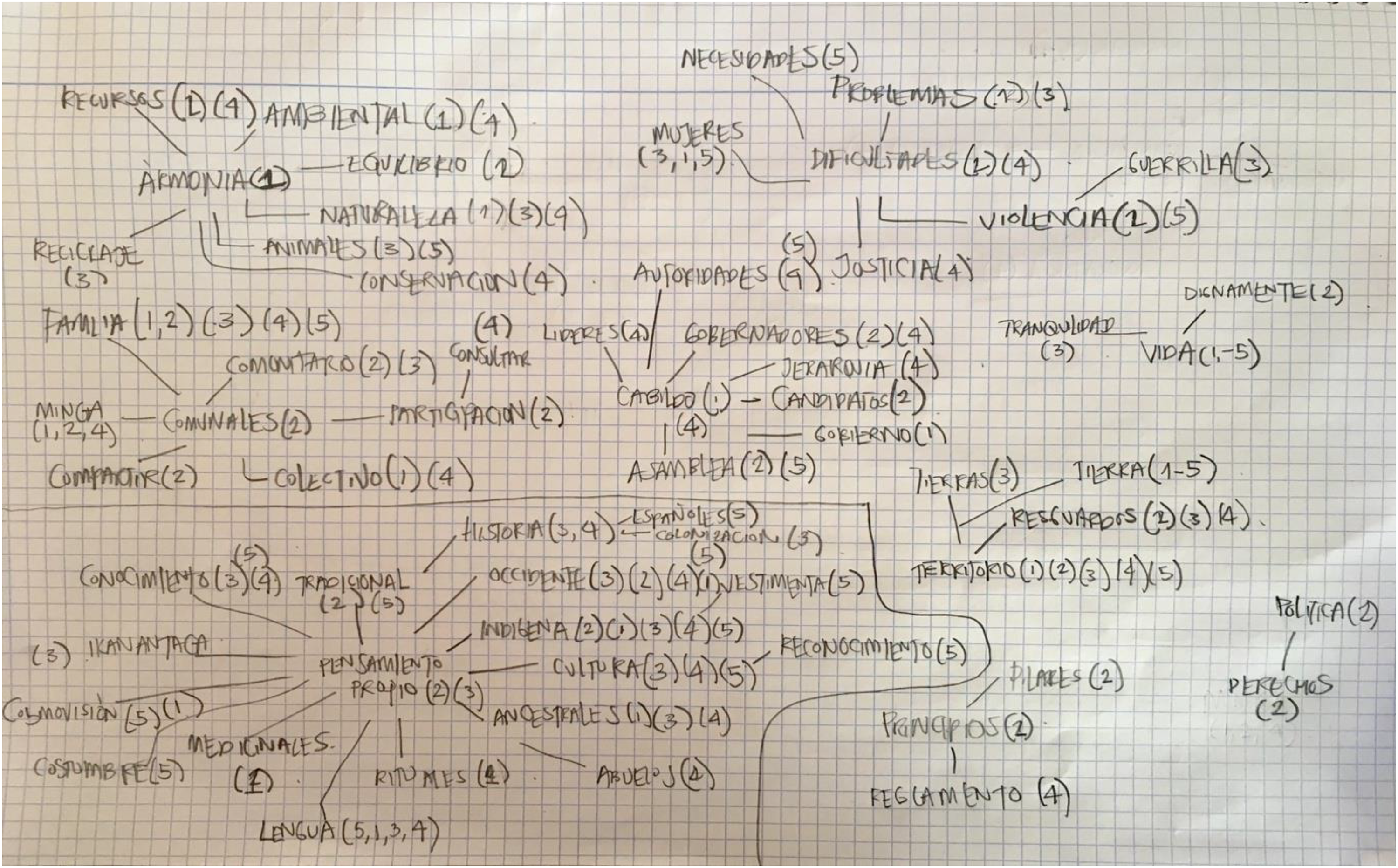
An example of Spider Diagrams used for data analysis.

Understanding ISEs in Colombia with the agency-structure model.
This analysis was a recursive rather than a linear process, involving a constant moving back and forth between the entire data set, the nodes, and extracts from the data that the authors identified, and the data produced (based on the triangulation between secondary sources, video interviews, focus groups and field notes taken from general observations). This was done with each of the case studies and then comparisons were made within the five ISEs and cross-cases to look for similarities and differences in terms of dimensions that relate to agency (agents/indigenous entrepreneurs) and structure (external contexts) to draw and discuss the conclusions of the study, set out what had been learned and suggest possible ways of taking this knowledge forward in academic, practical, and political arenas. The researchers did not analyse the non-verbal behaviour of the interviewees for this research project but focused on the verbal transcriptions from the videos.
Findings: raison d'être for the ISES's existence
The analysis began by searching interesting features in all the transcripts, and then gathering relevant data in nodes. For each node, the author brings quotations from different respondents where inferences and deductions about their perceptions are made. Two main aspects emerged as being central for explaining the raison d'être (values and motives) of the selected ISEs: internal and external drivers. Within internal drivers we have identified the following two themes: (1) Cosmovision: Ancestrality, Knowledge, Identity and Language, (2) Community and Family Wellbeing. Within external drivers we have identified the following four themes: (1) Land Rights and Territoriality, (2) Armed Conflict and Violence, (3) Socio Economic Needs: Poverty and lack of employment and (4) Funding Opportunities.
Internal drivers
Cosmovision: ancestrality, knowledge, identity and language
The findings indicated that there is a strong position of the ISEs in relation to the way they see the world (cosmovision) and its relationship with the raison d'être to formalise their initiatives. In fact, although varied, the five ISEs agreed that one of the main motivations to formalise their projects was to reinforce their culture and develop their ideas based on their own understanding (see Table 4 for more details). Cosmovision appeared to be an essential element for all selected indigenous community groups, as it was considered a determinant factor to establish a coherent autonomy constituted by self-knowledge, identity, and language. As indicated in the following quotes, their cosmovision clearly influences their actions by shaping a repertoire or ‘tool kit’ of habits, skills and styles from which they construct strategies to tackle local issues. “Well, we as Misak …… started thinking that as our sacred places, the worldview according to the law of origin. Well … Then we thought that we have to, let's say preserve the ecosystems of the páramo, that belongs to the cooperative, right? …. the páramo, the forests, the “redoubts” that exist…… So that's what happened to us …. we started to organise as the Asociación Jardin Botánico las Delicias to preserve the ecosystem of that is belong to the Cooperativa Indígena las Delicias and encourage the community to work the land sustainably and thing about our future generations… ”
Raison D'être: Motives for the ISEs's Existence, Internal Drivers.
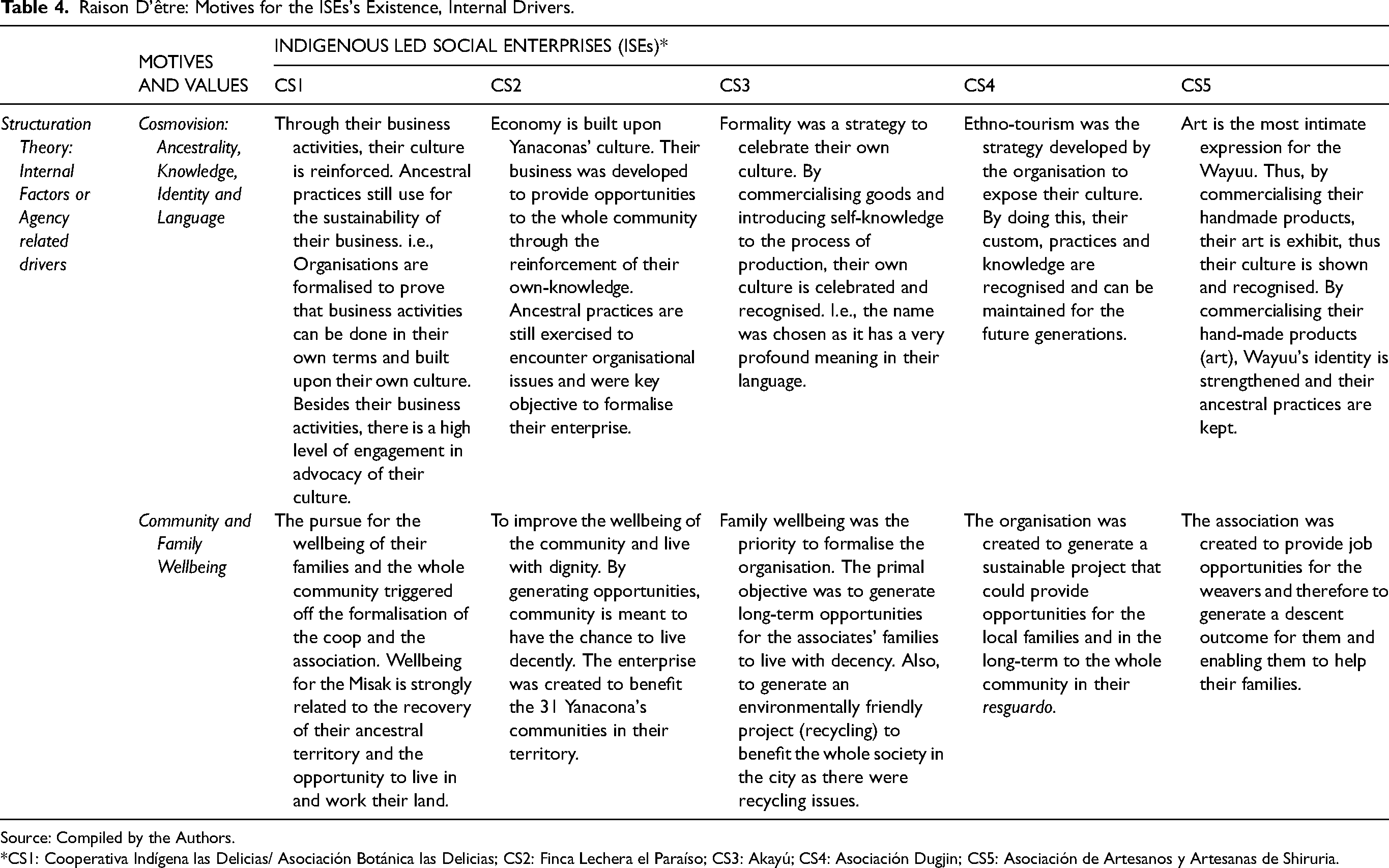
Source: Compiled by the Authors.
*CS1: Cooperativa Indígena las Delicias/ Asociación Botánica las Delicias; CS2: Finca Lechera el Paraíso; CS3: Akayú; CS4: Asociación Dugjin; CS5: Asociación de Artesanos y Artesanas de Shiruria.
“By creating projects, we celebrate our culture and therefore reinforce our identity…. we are selling our products… our products that are produced from our territory and with our knowledge… we set business to show society that things can be done in our terms and in our view…. By commercialising it we look for an identity empowerment …”
What the findings indicated is that in all ISEs, identity and language were identified as key factors to maintain their indigenous culture. For instance, during the video production stage, participants were always keen on providing a factual report of their initiatives but always by highlighting the importance of their indigenous identity and language. In fact, there were times that video interviews were conducted in their own language. Fieldwork evidence showed that all the ISEs selected for this study engaged in indigenous practices while doing business. Minga and bartering were reported to be actively exercised by the ISEs to complement their business activities. As can be seen in the following quote, one of the co-founders of the Asociación Jardín Botánico las Delicias, recognised that minga and bartering were ancestral practices that enabled community within the Misak culture, but simultaneously helped the business as labour costs was reduced to nearly zero and waste management reduced. “It is really important that our children learn and experience what our grandparents and their grandparents used to do…. so, practices like the minga and bartering help us to connect with our forefathers…. also, it is really important because it nurtures our projects…. when we have a big job to do we call out for minga of working and that's really helpful…. also, when we have a surplus of production we going to the Tuesday's market in Silvia and we exchange our products to others”
Community and family wellbeing
Findings suggest that seeking for the wellbeing and the provisioning of descent living standards were key motives to deploy ISEs. It is interesting to see how indigenous people embarked on a ‘collective and communal journey’ which determined the set of motivations that drew upon to launch their ventures. Indigenous initiatives born out of family groups where values and ethics were central and/or were articulated on their cosmovision. Thus, the findings indicated that ISEs adopted family and community values (that usually are non-homogenous) as points of inspiration from which to develop their own projects to meet the collective needs.
One example to illustrate this is provided by one of the co-founders of Asociación de Artesanos y Artesanas de Shiruria who recognised how the decision to set up an association was motivated by the need to address the issues that the families and the community were facing and the sense of solidarity or team spirit that families expressed at difficult times. He stressed out: “we decided to set up the organisation more than anything to improve the quality of life of the community and the families…. we were impressed how families were helping to each other and have demonstrated that the whole community was a big one……. we transformed the traditional arts of the Wayúu culture into a business idea in which the whole community could be benefited from… one family or the entire family of the village or those who are part of our association”
Another interesting point that appeared in the collected data was that when participants referred to wellbeing and living-standards were not necessarily addressing economic means, but rather were addressing local needs based on their cosmovision; words such as nature, autonomy, dignity and cultural recognition were widely used. Wellbeing in this context appeared to be disengaged from socioeconomic needs and therefore was identified a separate motive. One of the participants in one of the focus groups pointed out: “our wellbeing is simple that it seems…. we do not need the last mobile phone, a great job or a massive house…. we only want to fulfil our basics needs: shelter, food, territory, preserve our nature and being recognised as indigenous people…we have everything in the jungle… we don’t need anything else”
Here, the findings demonstrated that in most of the cases wellbeing was related to other factors than money and economic wealth and the living standards was related to the enjoyment of life at a basic level subject to culture, nature, territoriality and spirituality.
External drivers
Land rights and territoriality
What the findings indicated is that the territory holding, claim and/or recovery amongst the studied ISEs appears to be a key motive to be formalised. In some cases, it happens to be more direct and in others indirect: “My father was expelled from this territory as he was a terrajero, he was kicked out by the land owner, that is why I grew in the resguardo Misak of jambalo” …… many years later I came back and I organise with others to recover then land that was taken away by the foreigners, this is the land of our community where our ancestors and deities live …. our connection with this territory is spiritual and sort of magical”
As can be seen in the following quote, Cooperativa Indígena las Delicias (CS1) exemplifies how the community desire to recover their taken territory during colonialism motivated them to organise themselves as a cooperative. Here, findings proved that the formalisation process was driven by the external negative effects, in this case, land divestment. “We were expelled by the owner of these lands, that were not never his…. inspired by Quintin Lame we started to organise as a trade union but we lately realise that we were not working for anyone …. We were subjected to the terraje's form …… thus some people suggest: why don’t you start a cooperative…. and we did …. It was the best option for us … we did not know what cooperative was, this isn’t a practice from here …. It was brought by the white men …but we adopted as we wanted to buy the lands that historically are belong to us”
Similarly, Finca Lechera El Paraíso (CS2) shows that the need of land recovery may trigger off the formalisation process. Unlike Cooperativa Indígena las Delicias (CS1), in which the recovery of their land was encouraged by the community (bottom-up perspective), CS2 was set as an initiative of the Casa Mayor Yanacona (Cabildo) to address the issue of land rights and property. On behalf of the whole Yanacona community, their government put in action a plan of developing a sustainable enterprise in a fairly big piece of land (that was located nearby one of the Yanacona's resguardos) to benefit their people and re-appropriate the land that was taken away in the past (see the quote below). “Our ancestors managed to influence a break through from the influence of the white men, although not total… their actions (referring to the colonisers) weakened our culture and civilization, in that sense the economy was weakened a little, authority was weakened a little, cultural events were weakened, and it was introduced into the territories when the time of the European invasion and some forms of life that were imposed on our people as education, some forms of work, exploitation to our mother earth …. That is why is so important to return again our land and resurface in harmony with our mother earth …. Thus, we had to build a tool that would allow the Yanacona people to react in a generational way…. that life plan (referring to the Life Plan) and that tool has to be materialised…. that is why we created our own business to make our land productive and benefiting our whole community”
Some tensions about territoriality were identified in some of the focus group conversations. Particularly, as unlike the other two cases, CS1 and CS2, in which land rights and territoriality were direct motives to set up ISEs, in others, ISEs’ development was indirectly influence by the law and the power exercised by the authorities upon the territory in which the ISE was taken place (territoriality).
For instance, in the focus group conducted with the Puinave community (CS4), respondents pointed out that while culturally is important to hold and/or recover the ancestral territory because of its spiritual dimension, territory utilisation (i.e., the creation of business within the resguardo) may inflict some conflict of interests in the long term with the local authorities and the community. It was reported that the nature of having a business within the resguardo entails to have an interdependent relationship with the authorities. It was pointed out that the authorities are conceived as an ‘enabler agent’, as they are the intermediaries (work on behalf of the community as they are elected) that approve or disapprove, encourage or discourage the creation of initiatives in the resguardo. As shown in the following quotes:
“All our services are designed to show the tourist about our culture, our territory is beautiful and there are lots of place to visit…. before we started our organisation, we asked our authorities for permission to set up a business… we explain them that it was important for the community, and we will have many advantages for all in the long term …. at the end, all the tourist services offered are located in our resguardo thus we need to inform the whole community and ask for permission to our authorities”
“When any of our community set up a business has always taken into account the rules that we all are bounded into …. we respect our leaders because we chose them… the land is ours … thus we need to respect it …”
Armed conflict and violence
The majority of the ISEs reported that by setting up their businesses, the negative consequences of the armed conflict were tackled and alleviated (See Table 5). Without a doubt, the armed conflict and systematic violence were important factors identified, as it has been the foremost challenges that indigenous people have dealt with historically (since colonisation). Also, indigenous population is exposed to violence, as drug cartels and guerrillas are interested in the drug trafficking business and indigenous people's land have the best conditions to produce cocaine plants and papaver. Violence, in the indigenous people's context, reveal how vulnerable they are and their disadvantage position (i.e., subaltern) within the social hierarchy.
Raison D'être: Motives for the ISEs's Existence, External Drivers.
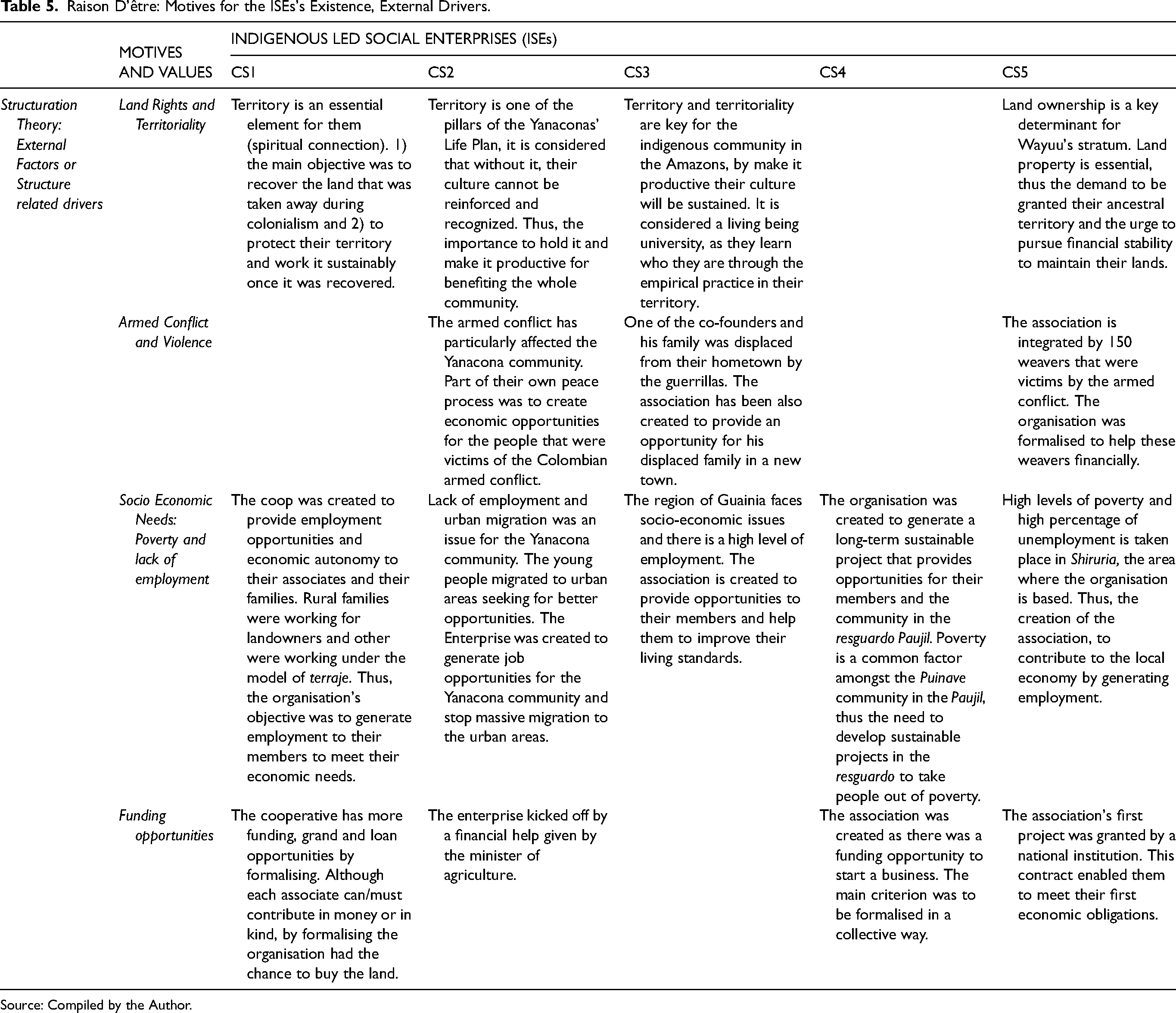
Source: Compiled by the Author.
Interestingly, during some of the video interviews, interviewees were eager to share their experiences with violence and were content to explain how the negative consequences of the armed conflict and violence led them to organise themselves and find formal solutions (see the quotes below). “We were displaced from our home, the guerrilla over there blackmailed us and told us that if we did not leave they would kill us, we could have been killed that's why we left our home…. we didn’t have anything when we arrived to Inirida, we were living in the landfills and were picking rubbish to survive, Akayú gave us the opportunity to be empowered and live a dignified life”
“We sell to meet the needs of people but, we are concerned that each sale has a purpose that all vulnerable and displaced families and victims of violence are benefited from…. In other words, selling is helping us so that families can survive and meet the needs caused by the violence they had to face”.
Socio economic needs: poverty and lack of employment
Findings suggested that all the ISEs were set up to generate employment and therefore to tackle the needs of the ICOs’ associates and the community where the ISE operates (See Table 5). Normally, the literature related to indigenous organisations and/or entrepreneurship identify a number of motivations to organise/formalise themselves, which includes lack of opportunities, employment and tackling poverty (see R. B. Anderson et al., 2006a; Peredo, 2001; Peredo and McLean, 2013; Vázquez Maguirre et al., 2016, 2017). In the quotes below, interviewees explained how socio-economic needs in the community encouraged them to set up organisations and generated a solid proposal to provide opportunities for their community. Interestingly, 78% (62) of the participants (includes video interviewees and focus group participants) identified themselves in the working 52% (41) and middle-lower 26% (21) classes. This figure reveals that the majority of the participants identified themselves on a disadvantage position (i.e., subaltern) in socio-economic terms at a national level. “Why … why do we organize? in order to create employment for ourselves and the community…. Because there were not employment opportunities here in the resguardo….” “It's just that … there was a lot to do here…… In other words, to be able to live well, not only to think about the development that we already have a computer or a mobile phone it is not … it is to have a job where you can be peaceful…. It is that here there was, and there is, a very large unemployment … and if you find one, usually is a bad job…. thus, by setting our association we contribute to narrowing this gap”
What findings indicated was that the motive to set up an organisation to meet socio-economic needs had both individual and collective stimuluses. It is interesting to illustrate how socio-economic wellbeing contrasted the societal wellbeing stated above. While in some cases community's wellbeing overshadowed the individual ones, as indicated above, individual ambitious to meet other wellbeing standards created tensions within community. The evidence suggested that this phenomenon was manifested in young participants. What could be seen is that such tensions were as a consequence of a generational gap within the community and that the motives varied by generations, as 38% (30) of the participants were between 18 and 30 years old.
Funding opportunities
It was apparent from the interview responses and focus group discussions that indigenous people formalised their initiatives because it was the only way to get access to grants given by different institutions at national and international level. This phenomenon is actually exceptional, as the existing literature suggests that other kind of motivations may drive the development of indigenous organisations and/or enterprises (R. Anderson et al., 2006b; R. B. Anderson et al., 2006a; Peredo, 2001; Vázquez Maguirre et al., 2016). The findings revealed how external factors drive the development of ICOs in the Colombian context.
However, two main aspects showed the tensions that funding schemes inflicted on encouraging initiatives to be formalised. On the one hand, results indicated that by starting up an ISE with external subsidies, institutional dependency was imprinted on ISEs, and therefore influencing organisational behaviours and outcomes in the long run. Evidence showed that imprinting occurred when initiatives formalised themselves by following funding schemes’ criteria and pursued external help to set up their projects. Thus, ISEs were shaped induced by the mark left from the institutional aid, driving them to rely heavily on institutional opportunities and conditioning their sustainability and growth to external opportunities. A couple of examples illustrated this. The first example in the quote below is provided by the president of Asociación Dugjin (CS4) who suggested how the state contributed in the development of indigenous people's initiatives and highlighted that without their contribution organisations were not able to grow. The second example comes from the president and co-founder of Asociación de Artesanos y Artesanas de Shiruria who pointed out how institutional aid was crucial in the development of their association and how such help should be expanded to other institutions. “the state must accompany our projects …… we need more support from them …. it is impossible to either survive or grow without their assistance…. I think is the state's obligation to support projects as ours”
“To be honest, the first project that we gained from the local government enabled us to motivate our weavers and contribute substantially to the economic aspect of the association…. I think this should be the main task of the government distribute the perks to other institutions to support projects as ours…. we are giving opportunities but we need a financial back up”
On the other hand, the interviews and focus group discussions results revealed that in some ISEs the need of seeking for external help inflicted with the community's desire of autonomy and independence. While indigenous communities in Colombia claimed independence, autonomy and recognition from the state, indigenous people's projects seemed to be dependent on institutional aid. Such contradiction was evident in all the ISEs selected for this study, as all of them had received institutional support. These findings contribute to existing studies conducted with indigenous people and ISEs in Latin America. For example, the study of Giovannini (2016) suggests that organisations are driven by not only social and economic needs but also political, cultural and environmental reasons.
Conclusions
This article has provided original evidence about the values and motives of the selected ISEs. What is notable from the findings is the fact that ISEs characteristics are strongly affiliated with their indigenous values. As it was shown, the interplay of local and external drivers influenced the existence, the nature and the operations of ISEs in the Colombian context. At first, findings proved that the ISEs’ raison d'être was a combination between internal and external drivers (values and motivations) that led indigenous people to formalise their initiatives.
Evidence demonstrated that indigenous social entrepreneurs have mixed motives when establishing a social enterprise as they are often driven by a combination of traditional indigenous values (Cosmovision: Ancestrality, Knowledge, Identity and Language, (2) Community and Family Wellbeing.) and community and family factors (wellbeing of the community and the family) (Tretiakov et al., 2020). Evidence demonstrated that indigenous social entrepreneurs did not only engage with social enterprise activities due to their lack of personal opportunities in the labour market; but also due to the historical and current context to fight for their lands and to be safe from the armed conflict (Wood and Davidson, 2011; Anderson et al., 2006a; Spencer et al., 2016). These two factors did not appear in previous studies. Moreover, Funding Opportunities also emerged as an interested driver to set up ISEs as the government was incentivising these types of initiatives. Although indigenous social entrepreneurs’ motivations for setting up social enterprises are similar to those of non-indigenous social entrepreneurs, there is a notable strong sense of community identity based on mixed elements. Indigenous people tend to establish social enterprises focusing on cultural values and traditions. It also relates to the need to improving the living conditions of their communities as well as the socio-economic needs and to tackle violence. These differences might matter when thinking about motivations to set up a social enterprise and the type of organisations indigenous people established.
The conceptual model elaborated (see Figure 1) allowed the researchers to integrate elements of structure and agency to understand the development of ISEs and examine such interaction as a phenomenon mutually constituted rather than considering agency and structural factors in isolation (Giddens, 1984). This conceptual model helped the researchers to assess how indigenous entrepreneurs (agents) are embedded within a context (structures) for the development of social enterprise activities, and how the context partially constitutes such development. This model brought together not only the issues of resources (for example, personal relations and networks to access business and financial support), the opportunity structure and the socio-economic, cultural and politico-institutional contexts, but also the agency dimension which provided the conditions for the development of indigenous social enterprise activities (Giddens, 1984; Macintosh and Scapens, 1990; Sewell, 1992). The agency dimension encompassed characteristics that were related to indigenous entrepreneurs, including their motivations, experience, values and culture. With respect to contextual factors, this included markets, resource bases (financial capital) and current political and historical frameworks (see Figure 4).
Several policy recommendations can be drawn from this research based on the results of the study. These include: a) the need to support existing ISEs; b) the incorporation of the indigenous led sector into the social enterprise policy discourse; and c) the re-evaluation of integrationist policies and their impact for organisations. Several issues raised by this study are worth exploring further. This research has been based upon a small-scale study (only five case studies from Colombia) and, thus, the issues identified within it could be widened and deepened. The fact that the study focused on a particular context and at a particular period of time, makes the case ‘unique’ and difficult to generalise to other situations. However, this study constitutes a ‘rich’ case study area and has provided sufficient material to explore the research objectives. The limitations underlined above should mainly serve to open paths for future research. Wider and more comprehensive mapping exercises are required to accurately assess the motives and values of ISEs. Building on the current work, a future area for research could be a longitudinal study that includes both quantitative and qualitative techniques to explore the drivers of ISEs in different contexts. Much broader research can be undertaken in future to study the role of indigenous people within the development of SEs in other contexts in Colombia as well as other Latin American countries and explore their similarities and differences.
Footnotes
Declaration of conflicting interests
The author(s) declared no potential conflicts of interest with respect to the research, authorship and/or publication of this article.
Funding
The author(s) received no financial support for the research, authorship and/or publication of this article.
