



Abstract
During the COVID-19 pandemic and the associated strain on consumption activities, demand for luxury hotels has risen steadily as a safe way to enjoy leisure services. This study aims to examine the consequences of congruence and identification. An online survey generating 315 datasets from international customers of luxury hotel services is conducted. Partial least squares structural equation modeling is used to test the hypotheses. The results demonstrate that perceived brand authenticity by customers influences both revisit and word-of-mouth intentions via engagement. Also, brand congruence leads to customer engagement with luxury hotel services and word-of-mouth intention. In contrast, no direct impact of congruence on revisit intention was found. Results regarding the effects of brand authenticity and congruence demonstrate that luxury service brands have the potential to influence customers’ patronage behaviors through different approaches. The findings confirm the importance of engagement with brands in the luxury service setting.
Keywords
Introduction
The World Health Organization (WHO) declared a worldwide health emergency in January 2020 in response to the spread of COVID-19, which has had a substantial impact on the everyday existence of people and businesses (World Bank, 2020). Governments throughout the world have responded by enacting partly voluntary, partly mandatory measures, such as standards for personal cleanliness and social distancing, together with more stringent quarantines, which have resulted in temporary business closures, border closures, and travel restrictions (WHO, 2020). The service industry has been hit hard as hotel occupancy rates have plummeted with the spread of COVID-19, government-mandated restrictions, and the ongoing cancellation or postponement of events around the world (Gursoy and Chi, 2020; Jiang and Wen, 2020; Rivera, 2020).
As the COVID-19 situation persists, however, vaccine adoption is spreading, lifestyles are changing, and individuals are widely opting for stays in luxury hotels and weekend excursions for remote work (IMARC, 2020). Despite gradual improvement in the crisis, because of the continued risks and limitations associated with long-distance travel, staycations, vacations in which vacationers stay at or near their homes while recreating a traditional vacation environment, have become popular (Wixon, 2009). In particular, a vacation based on a hotel stay provides opportunities for travelers to stay in a luxury destination and enjoy travel experiences while maintaining social distancing. Thus, many luxury hotels and lodging companies are designing staycation packages, such as upscale rooms with clubhouse access (Sudevan, 2020). In addition, scholars have called for more empirical studies of the impact of the epidemic on industries, highlighting the importance of risk management and mitigation strategies (Hohenstein, 2022; Ivanov and Dolgui, 2021; Raj et al., 2022).
In the context of brand management, concepts of authenticity and congruence have been gaining academic attention due to their impact on customer behavior (Eggers et al., 2013). For instance, according to Eggers et al. (2012), brand authenticity has a substantial influence on brand trust and can foster businesses development. Betta (2014) stated that authenticity is a mental state that affects consumer memory. The growing desire of customers for experiences, products, and brand authenticity are important in development of brand relationships with customers (Oh et al., 2019). Because authenticity is included in the essential symbolic characteristics of luxury brands, it is a key concept for efficient brand management of luxury brands (Heine and Petersen, 2015; Heine et al., 2018). In addition, research has examined the role of customer perceived congruence on their purchase behaviors (Ahmad and Thyagaraj, 2014; Eisend and Stokburger-Sauer, 2013). For instance, higher congruence between brand personality and consumer personality can lead to positive advocacy for the brand, which can result in lasting loyalty among consumers (Leventhal et al., 2014; Setiawan et al., 2016). Congruence can also increase the likelihood of customers’ intentions to purchase a brand (Ahmad and Thyagaraj, 2014; Eisend and Stokburger-Sauer, 2013; Park and Lee, 2005). Accordingly, research showed that authenticity and congruence are important concepts in the context of service brand management.
Given increasing competition in the luxury service industry, creating positive behavioral intentions is essential to achieving sustainable growth. Although a growing amount of research has examined the concepts of authenticity and congruence in the luxury industry, there is a research gap. Studies have discussed the influencing factors of brand authenticity and congruence separately. Few studies have examined the role of brand authenticity and congruence simultaneously, especially in the service sector. Furthermore, despite the increasing demand for luxury hotel services during the COVID-19 pandemic, few studies have examined customer behaviors in the context of hotel vacations. To fill this research gap, the present paper aims to identify the major consequences (i.e., engagement, revisit intention, and word-of-mouth intention) of service customer authenticity and congruence in the luxury hotel setting during the COVID-19 pandemic.
Literature Review
Brand authenticity
The term “authenticity” is used to describe the sincerity, realness, or truth of a concept/item
(Kennick, 1985). Fine (2003) characterizes authenticity in terms of sincerity, innocence, and uniqueness, and definitions of authenticity often draw upon notions of natural, honest, simple, and unadulterated. Brand authenticity is emerging as a key factor in consumer–brand relationships (Oh et al., 2019). According to both practitioners and scholars, authenticity appears to be a crucial component of current marketing strategies aiming to impact a brand’s success (Brown et al., 2003; Bruhn et al., 2012). Recognized authenticity in a brand increases commercial success (Napoli et al., 2014) and customer brand trust (Moulard et al., 2016) and increases word-of-mouth recommendation (Morhart et al., 2015).
Although research in authenticity has been conducted in various fields, two research streams are emphasized in the context of brand management. One method emphasizes objective aspects as a source of information for customers to assess brand authenticity (Beverland, 2006; Grayson and Martinec, 2004; ). The other emphasizes authenticity as subjective, contextualized, and socially constructed from the customer’s point of view (Leigh et al., 2006). Indeed, because authenticity is perceived through a set of signals in the marketplace (Grazian, 2003), the establishment of brand authenticity depends on customers perception (Napoli et al., 2014). Brand authenticity is related not only to the intrinsic attributes of a brand, but also to individual evaluation (Bruhn et al., 2012). Authenticity has been the subject of much research in a variety of settings, including advertising (Beverland et al., 2008) and corporate social responsibility (Joo et al., 2019). There has also been a line of research exploring the role of authenticity in specific industries such as fashion (Choi et al., 2015), luxury wine (Beverland, 2005), and social media influencers (Audrezet et al., 2020). The extent to which customers consider a brand to be consistent and genuine, in addition to supporting its customers in staying true to their own self-image, is characterized as brand authenticity (Morhart et al., 2015). Nevertheless, managing brand authenticity appears to be challenging, particularly for luxury brands. In today’s landscape of aggressive marketing and increasing competition, imparting meaning to the consumer is not easy. Accordingly, understanding customers’ perceived brand authenticity is critical for the long-term growth of luxury brands.
Brand congruence
Congruence has been conceptualized in various research settings. Sirgy (1982) defined “self-congruence” as the fit between a brand’s image or personality and its consumers. According to the notion of brand congruence, individuals are more comfortable and happier with products/brands that are consistent with their own self-concept, both actual and ideal (Grubb and Grathwohl, 1967; Sirgy and Su, 2000). “Congruence” is defined as the degree to which a customer finds similarity between the personality of services or products and their self-image (Aaker, 1997). Insofar as brand congruence stands for connection with and representation of the “unique self,” brand congruence is critical in producing the desired sensation of uniqueness sought by a customer (Abosag et al., 2020). Self-esteem motivates self-concept in terms of driving the need to enhance oneself and pursue one’s ideal self-image. Individuals frequently boost their self-esteem by emphasizing positive parts of their lives via connections with certain brands or goods (Aaker, 1997). Congruence between a customer and a brand implies convergence between the customer’s preferred self-image and the characteristics of the brand, going beyond the customer’s simple evaluation of product utility (Tsai et al., 2015).
Prior research on congruence has generally emphasized the two research trends of pre-consumption processes and post-consumption evaluation (Hosany and Martin, 2012). The first stream adopts congruence to predict product preference (Jamal and Al-Marri, 2007), product selection (Ahn et al., 2013), and customer purchase intention (Cowart et al., 2008). The second stream focuses on the relationship between self-consistency in terms of perceived quality, satisfaction, and brand loyalty and post-consumption evaluation on the part of customers (Chen et al., 2020; Kressmann et al., 2006; Pratt and Sparks, 2014). Insofar as customers’ perceived congruence influences their behaviors, the concept of congruence has also been studied in the vacation industry (Back, 2005; Jamal and Goode, 2001).
Hypothesis development
The concept of engagement has been considered in several fields of research, including sociology (Morton et al., 2012), organizational behavior and psychology (Csikszentmihalhi, 2020; Garczynski et al., 2013), and political science (Mondak et al., 2010). According to a recent report, customer engagement is a practical strategic element for performance enhancement in business (Boujena et al., 2021). Scholars have also looked at engagement from a psychological perspective, given that levels of engagement often translate to positive feelings for customers in their post-consumption evaluation of chosen products in a mechanism related to confirmation bias (Avnet and Higgins, 2006). Customer engagement primarily focuses on individual’s deep psychological attachment to and active involvement with a company or brand (Hao, 2020). Brodie et al. (2013) argued that engagement with a service or brand can form connections that motivate customers to interact with the brand. Engagement occurs when an individual willingly interacts with an impersonal entity, such as an organization or brand (Hollebeek, 2011). According to Machado et al. (2019), engagement studies focus on understanding the motivations for customer brand interactions. The concept of engagement represents a psychological state that arises through interactive and co-creative customer engagement with a particular brand (Brodie et al., 2013; Machado et al., 2019; Vivek et al., 2012). Research showed that the concept of engagement represents a psychological state through interaction with the brand, and that brand authenticity has a positive effect on engagement (Bryce et al., 2015; Chen et al., 2020). Authenticity also has a favorable impact on engagement in the hotel sector, according to the study by Lee and Jeong (2017). Thus, the following hypothesis is formulated.
Perceived authenticity by customers toward a luxury service influences their engagement with the brand. In other industries (e.g., mobile services, social media networks), brand congruence has been regarded as an important variable for predicting behavioral intentions in customers (De Vries and Carlson, 2014; Kang et al., 2009). Congruence is highly associated with engagement (France et al., 2016). For customers, brand congruence is regarded as a motivating factor to increase engagement with a brand by way of positive thinking and feelings (Loureiro et al., 2017). Studies confirmed that congruence has positive effects on engagement. More specifically, Meeprom and Fakfare (2021) stated that self-congruence had a positive influence on engagement. In addition, engagement plays a mediating role between congruence and customers’ behavioral intentions in various industries (Argyris et al., 2020; Chen et al., 2020; De Clercq et al., 2014; Pradhan et al., 2020; Rich et al., 2010). Therefore, in the context of luxury hotels, this study proposes the following hypothesis based on the literature.
Perceived congruence by customers toward a luxury service influences their engagement with the brand. Service quality and product quality (Ting et al., 2018), together with word-of-mouth and prior experience with services and products (Aguilar-Rojas et al., 2015), have been highlighted as predictors of revisit intentions in various industries. Although studies have confirmed that authenticity promotes positive emotions in engagement, research is lacking in which positive emotions due to authenticity have been shown to lead to revisit intentions. Ramkissoon and Uysal (2011) investigated the relationship between perceived authenticity and behavioral intentions in customers. As a result, perceived authenticity was found to have positive effects on behavior in the leisure context (Shen et al., 2020). Also, customers with higher levels of perceived authenticity have been shown to have a higher motivation to revisit (Daugstad and Kirchengast, 2013; Meng and Choi, 2018; Shen et al., 2014). Authenticity influences customer behavior and decision-making (Rosado-Pinto et al., 2020). For instance, in the context of hotels, Jeong and Lee (2017) mentioned that authenticity has a positive effect on customer behavioral intentions. Thus, to expand the literature on authenticity and revisit intentions in luxury hotels, this study constructs the following hypothesis.
Perceived authenticity by customers toward a luxury service influences their revisit intentions. Customers prefer services or products that express their identity (Aaker, 1996). According to Wallace et al. (2014), when congruence between the brand and the customer is high, the customer’s evaluation of the brand is positive. Additionally, congruence has a significant impact on how customers behave and make decisions (Han et al., 2019). As an example, Lee and Jeong (2014) argued that congruence improves the favorable experience of consumers when booking a hotel, and that congruence supports continued trust and commitment to the company. Brand self-congruence has been found to be related to loyalty, brand affection (Mazodier and Merunka, 2012), customer satisfaction, and brand preference (Tsai et al., 2015). Because congruence has been shown in previous studies to have positive effects on brand evaluation, we expect congruence to affect customer behavioral intentions. Thus, the following hypothesis is established.
Perceived congruence by customers toward a luxury service influences their revisit intentions. “Word-of-mouth” is defined as the passing of information about a brand or product from one individual to another (Kowalczyk and Pounders, 2016). According to Moulard et al. (2015), authenticity leads to positive outcomes in the form of attitudes. Also, authenticity is a strong predictor of consumer attitudes and purchase intentions (Ilicic and Webster, 2014). Joo et al. (2019) reported that, in other industries, authenticity has been shown to have a positive relationship with word-of-mouth. In relation to hospitality management, reinforcing perceptions of authenticity can increase customers’ positive word-of-mouth behavior (Strandberg et al., 2020). Nevertheless, studies on the direct effects of authenticity on word-of-mouth behaviors in the hotel industry are lacking. Therefore, to expand the literature on authenticity and word-of-mouth in the luxury service industry, this study establishes the following hypothesis.
Perceived authenticity by customers toward a luxury service influences their word-of-mouth intention. According to Zhang and Bloemer (2008), congruence plays an important role in encouraging customers to maintain relationships with brands. Also, the higher is the congruence between the service brand and the customer, the more likely is the customer to say positive things about the service brand to others. In the context of relationship marketing, Brown et al. (2005) found that positive word-of-mouth behaviors increase when congruence between agency identity and personal identity is recognized. Additionally, Hu et al. (2018) revealed that congruence has a direct favorable impact on positive word-of-mouth in the hospitality industry. However, studies confirming direct effects between congruence and word-of-mouth behaviors in the luxury hotel setting are limited. Accordingly, this study constructs the following hypothesis to investigate the effects of congruence on word-of-mouth in the luxury service setting.
Perceived congruence by customers toward a luxury service influences their word-of-mouth intention. Furthermore, research has identified varying roles of engagement in consumers’ brand relationship and purchasing behaviors (Schamari and Schaefers, 2015). For instance, Hollebeek and Macky (2019) discussed the relationship between engagement and brand loyalty. The mediating role of customers’ perceived brand engagement and loyalty is supported therein. Fernandes and Esteves (2016) found that engagement mediates the relationship between service context and loyalty behaviors in customers. The relationship between brand image and loyalty in the service sector is mediated through customer engagement, according to Hapsari et al. (2017). In line with these previous findings, the following hypothesis is formulated.
Customer engagement influences their revisit (7a) and word-of-mouth (7b) intentions toward a luxury service both directly and indirectly. Figure 1 represents the proposed model to explain customers’ hotel service experiences during the COVID-19 pandemic.
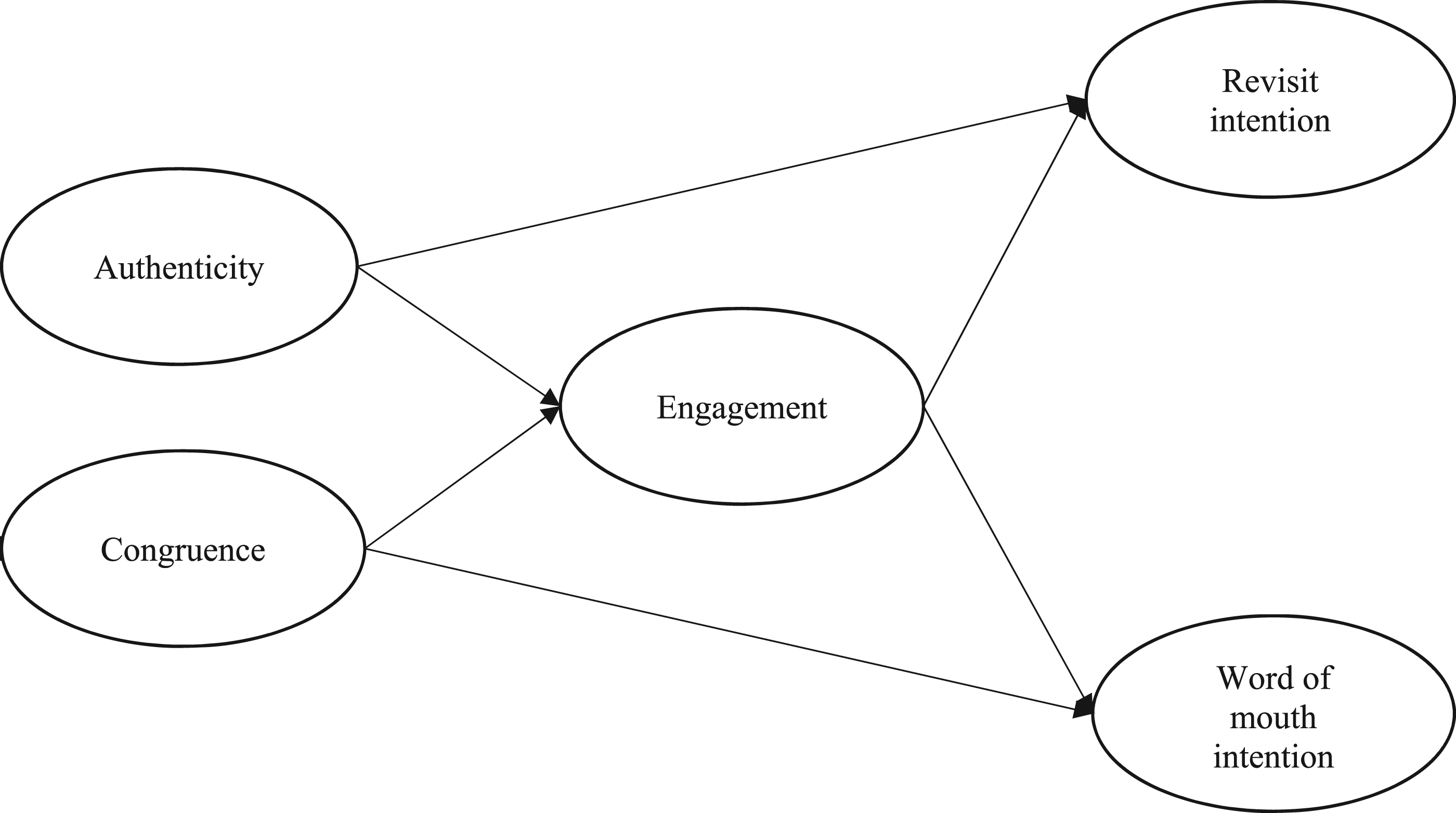
Proposed model. Note: R2 values: Engagement: 52.6%; Revisit intention: 44.1%; Word of mouth intention 0.57%.
Methods
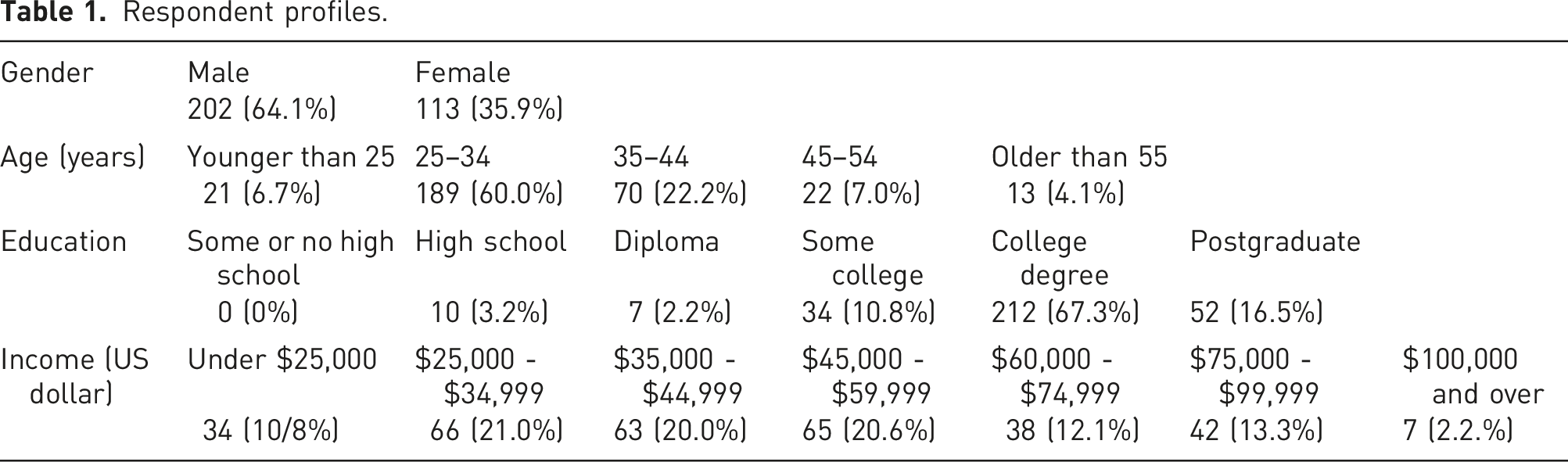
Data collection
Respondent profiles.
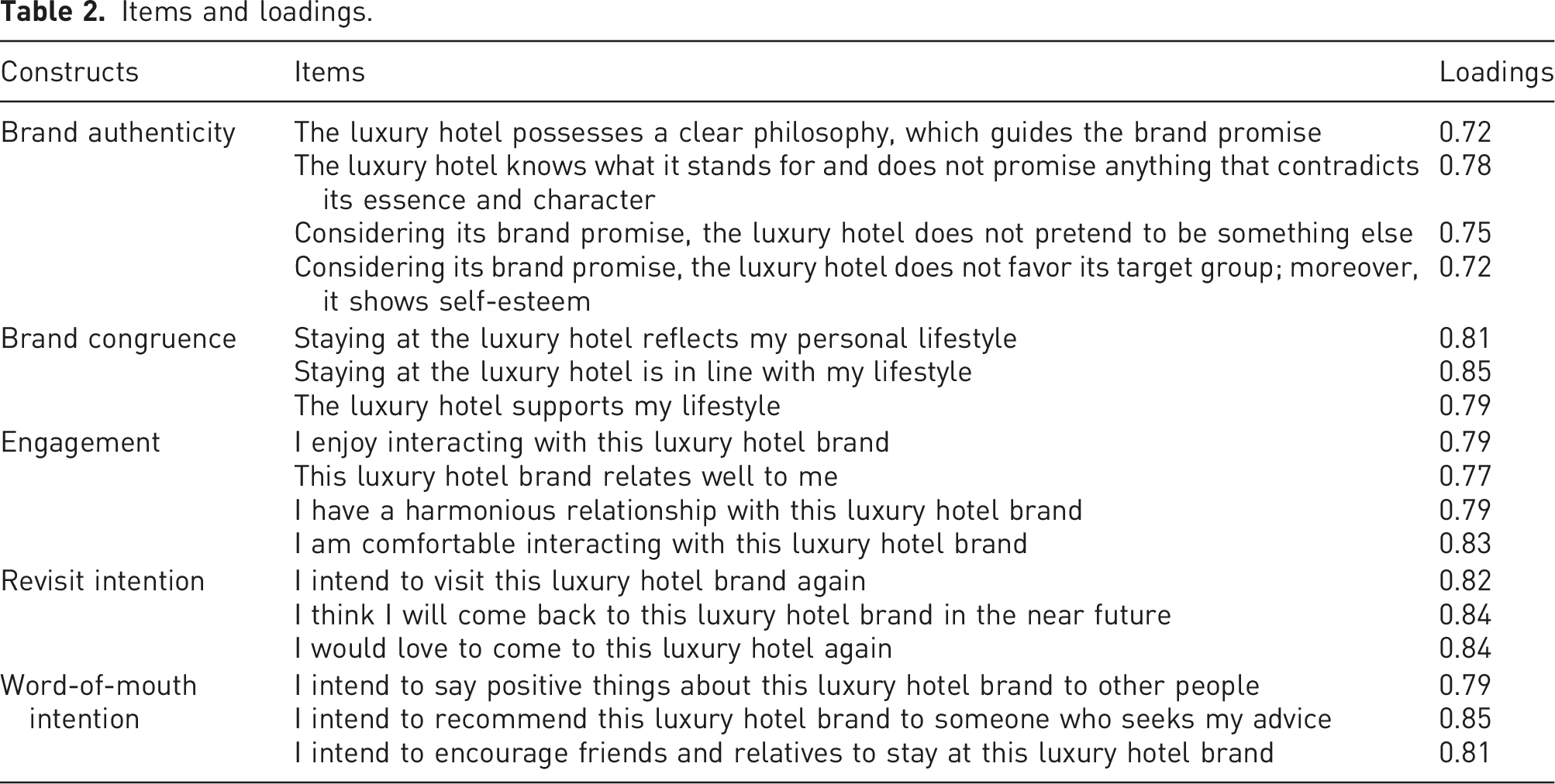
Measures
Items and loadings.
Analysis
Measurement model results.
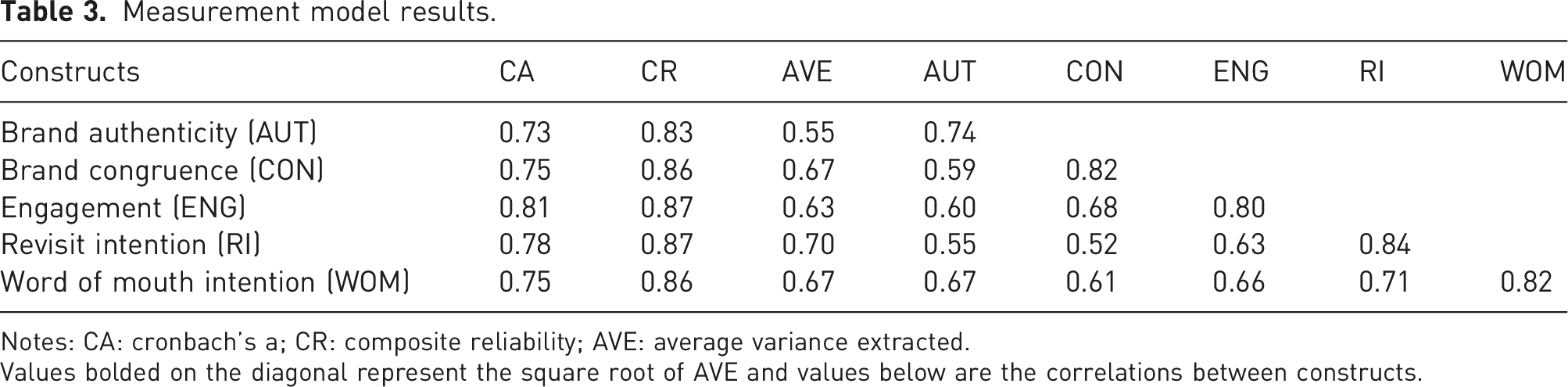
Notes: CA: cronbach’s a; CR: composite reliability; AVE: average variance extracted.
Values bolded on the diagonal represent the square root of AVE and values below are the correlations between constructs.
Results
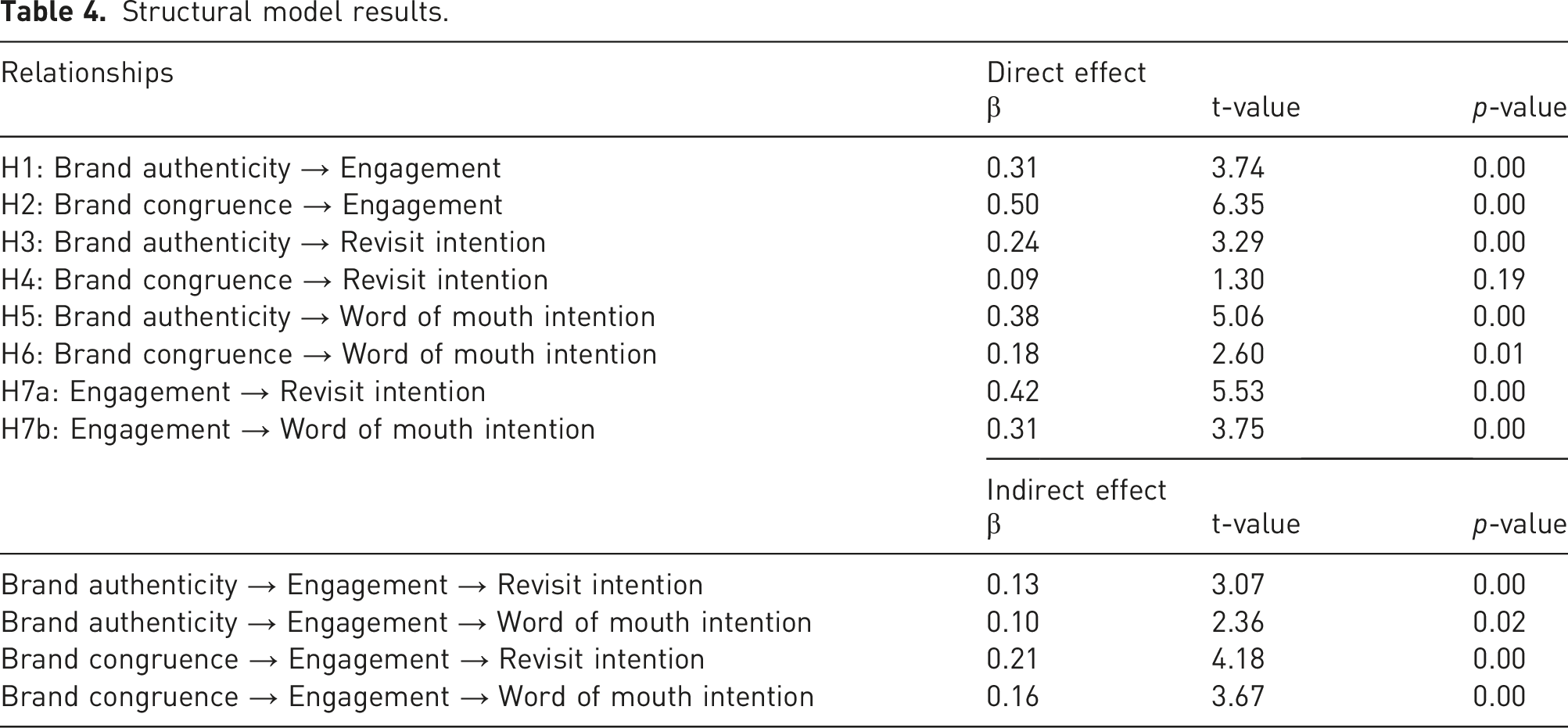
Structural model results.
Discussion and Conclusion
The current study makes significant contributions to the existing tourism and hospitality literature by examining customer behavior during the COVID-19 pandemic. Due to the increasing demands and competitions in luxury vacations in South Korea, the authors examined the antecedents and consequences of customer engagement with luxury hotel brand. Because of the importance of managing brand image in the hospitality context (Martínez and Nishiyama, 2019), the study posits that customer engagement is formed based on perceived authenticity and congruence of luxury brand. When customers perceive honesty, consistence, or similarity with a luxury hotel, they tend to interact with that brand. Also, this study highlights the direct and indirect roles of customer engagement in the formation of patronization behavior. Given the growing demand for leisure experiences based on luxury hotel stays and reduced travel as ways of minimizing risk during the COVID-19 pandemic, this study offers theoretical contributions to the literature and important practical applications. From a theoretical perspective, this study is among the few to examine links between customers’ perceived brand image (i.e., brand authenticity and brand congruence) and customers’ associations with luxury brands. In addition, our findings are extended to investigate how customers’ luxury vacation experiences drive their patronage behaviors going forward, including word-of-mouth and revisit intentions.
Theoretical implications
The findings of this study provide key theoretical implications for existing service research. First, given the importance of leisure activities in the pandemic situation (Kang et al., 2021), this study examines the role of authenticity and congruence of luxury hotel stays. Similar to the findings of previous studies reporting the effects of brand authenticity in the service industry before COVID-19 (Curran et al., 2018; Muskat et al., 2019; Rather et al., 2019), customers’ perceived authenticity in luxury service brands drives their levels of engagement with these brands and impacts important outcomes in consumer behaviors. Using a sample of international customers, congruence between these consumers and certain luxury brands was found to significantly enhance brand engagement. In line with the work of Alnawas and Altarifi (2016), our results clearly support the positive influence of customers’ perceived brand identification on behavioral intentions in the service context. From a theoretical perspective, the authors are able to extend authenticity and congruence theories into the luxury service setting through empirical analysis using a sample of international service customers.
Second, the results have useful implications for brand literature. In the era of COVID-19 and beyond, service studies have focused on managing risk perceptions in all dimensions of service delivery processes (Liu-Lastres et al., 2021; Neuburger and Egger, 2021). The current results demonstrate evidence that even during a macro-environmental crisis such as COVID-19, customer engagement with the service brand is critical. Luxury research suggests that customers’ engagement with luxury service brands affects their purchase intentions; accordingly, companies need to understand how they can promote this connection with customers. Insofar as it is critical for luxury service mangers to build strong and positive relationships with customers, programs that encourage customer participation in the brand community have the potential to bolster engagement.
Finally, this study examines both revisit and word-of-mouth intentions in customers as outcomes of their experiences with luxury service brands during the COVID-19 pandemic. Although these intentions are important indicators for future company performance, few studies have simultaneously examined both dimensions of customer behavior (Meng and Han, 2018). Revisit intentions are critical in company performance by reducing the cost of attracting new customers (Shoemaker and Lewis, 1999), and our research model systematically demonstrates that the effects of luxury hotel brand-related images have the potential to influence customers’ behavioral intentions thorough affective engagement. Given the popularity of social media, managing customers’ positive word-of-mouth behavior is particularly important in the service industry today (Ng et al., 2011). Understanding differences in the impact of brand authenticity, congruence, and engagement on revisit and word-of-mouth intentions will help practitioners design luxury experiences to target specific customer groups more effectively.
Practical implications
From a sales management perspective, our findings highlight the importance of paying attention to customers’ traits and the potential gains in matching these traits to perceived brand image. Luxury hotel brand marketers can use our tools to access customers’ perceived brand authenticity and congruence. Because customers desire authenticity through the products and brands they consume, the authenticity perceived by customers toward the brand can lead to various positive results. For instance, perceived authenticity stands to impact customers’ affective bond with a brand, supporting loyal behavioral intentions toward luxury service providers. Luxury hotel brands need to implement policies that strongly reflect brand philosophy, image, identity, and values. Beyond the brand itself, customers’ interactions with employees can influence their perceptions. For instance, service employees need to provide sufficient information about the brand together with high-quality service to enhance customer’s perceived brand authenticity. Accordingly, companies need to provide regular education and training opportunities to improve employees’ understanding of products, services, and the company overall. The highly positive effects of brand congruence demonstrate the importance of alignment in customers’ self-image and their perceptions of brand image. Brand managers should understand the characteristics of their target customers (e.g., values, norms, behaviors) and use the hotel brand image to communicate and project these aspects.
Customers’ identification of hotel brands can increase their level of brand engagement, allowing customers to be passionate about hotels and embody compliments about hotels, further enhancing their psychological attachment to specific hotel brands. Adding value to products and services can create a favorable image and increase brand engagement. Also, developing and managing a community around the brand can enhance customers’ sense of belonging in a unique group based on common values. Many companies have focused on short-term relationships with customers and instant profits. To avoid this pitfall, companies are advised to develop marketing strategies to motivate customers’ long-term engagement with a brand. Communicating mutual understanding via various social media platforms can influence customers’ positive engagement toward luxury service brands. Additionally, to support brand interest, hotel executives need to provide customers with easy access to positive publicity, news, and information related to the hotel brand. As an example, corporate social responsibility programs (e.g., charity works and sponsorships) and building user-friendly websites are ways to motivate and engage customers.
Limitations and future research
While this study collected data from international customers who used the luxury services in South Korea within a specific period of time, future research is encouraged to examine proposed relationships across specific types of accommodations (e.g., shared accommodations, budget hotels, resorts, boutique hotels). Further research could examine the differing impacts of authenticity and congruence on customers’ behavior. Also, this study does not examine personal differences in customers. Individual characteristics such as age, gender, income, and level of education may be factors for further consideration. Finally, a longitudinal study is suggested. Due to the continuing evolution of the COVID-19 situation worldwide (e.g., vaccination, regulation), customers’ personal choices may influence their experiences in the luxury service setting.
Despite these limitations, this study shows that adding customers’ perceived brand image (i.e., authenticity and congruence) clarifies the links between engagement, revisit intention, and word-of-mouth compared with previous studies. More specifically, the results of our study demonstrate that authenticity has significant, direct, and positive effects on engagement, revisit intention, and word-of-mouth. Additionally, congruence has significant, direct, positive effects on engagement and word-of-mouth. Also, authenticity and congruence indirectly influence revisit intention and word-of-mouth through engagement.
Footnotes
Declaration of conflicting interests
The author(s) declared no potential conflicts of interest with respect to the research, authorship, and/or publication of this article.
Funding
The author(s) received no financial support for the research, authorship, and/or publication of this article.
