




Abstract
This study investigates how algorithmic technology influences consumers’ shopping intentions in the context of live-streaming bandwagon consumption. Grounded in the Theory of Planned Behavior (TPB) and the Technology Acceptance Model (TAM), it develops an integrated framework that combines psychological and technological dimensions. Based on data collected through an online questionnaire and analyzed via structural equation modeling, the study finds that algorithmic technology enhances consumers’ perceived ease of use by improving access to live-streaming interfaces and increases perceived enjoyment by strengthening anchor effectiveness. These factors jointly shape consumers’ attitudes toward live shopping. Additionally, algorithmic mechanisms such as data targeting, user labeling, scoring systems, and group-based recommendations significantly affect behavioral intentions through both direct and mediated pathways, including attitudes, perceived behavioral control, and promotional incentives. This research offers a novel empirical contribution by modeling how algorithmic personalization impacts live shopping behaviors, providing theoretical and practical insights for digital commerce applications.
Keywords
Introduction
The rapid proliferation of mobile Internet and digital technologies has profoundly reshaped consumer behavior, catalyzing the emergence of new digital marketing formats. Among these, live-streaming commerce—particularly the use of algorithmically driven recommendation systems within live-stream environments—has become one of the most transformative developments in online retail. 1 According to the Statistical Report on the Development of the Internet in China, as of June 2023, the number of Internet users reached 1.079 billion, with instant messaging, online video, and short video platforms maintaining dominant user engagement. In this ecosystem, live-streaming commerce represents a hybrid model that integrates entertainment, interaction, and instant transaction capabilities, and is increasingly powered by sophisticated algorithmic technologies.
Algorithmic personalization plays a pivotal role in shaping user experiences by delivering targeted content, optimizing traffic flow, and constructing user profiles in real time. This has allowed platforms to more effectively match products with user preferences, increase engagement, and stimulate impulsive purchases. For consumers, however, such algorithmic interventions raise questions about behavioral influence, decision autonomy, and the psychological pathways through which algorithmic systems affect purchase intentions.2,3 Despite growing industry adoption, academic research exploring the behavioral mechanisms behind algorithm-driven live commerce remains limited and fragmented.
Previous studies on live-streaming commerce have primarily focused on its operational models, user engagement strategies, and legal or ethical concerns. Some empirical efforts, such as those by Pingsheng et al., 4 have evaluated marketing effectiveness using AISAS theory, while others have discussed trust 5 and e-commerce legal frameworks. 6 Parallel research on algorithmic technologies has addressed their social, ethical, and cognitive implications,7,8 but rarely in the context of commerce, let alone live-stream commerce. Moreover, few empirical studies have integrated algorithmic factors into robust theoretical models of consumer behavior.
To address this gap, this study integrates two widely used behavioral theories—the Technology Acceptance Model (TAM) and the Theory of Planned Behavior (TPB)—to construct a comprehensive analytical framework. TAM provides a foundation for understanding how consumers perceive ease of use and enjoyment in technology-mediated environments, while TPB captures attitudinal, normative, and control factors that predict behavioral intention. By embedding algorithmic constructs such as personalization, scoring, and labeling into this dual-theoretical lens, the study aims to empirically examine how algorithmic technologies influence users’ shopping intentions in live-streaming environments.
Unlike previous studies that focus separately on algorithm design or consumer psychology, this paper is among the first to integrate algorithm-driven constructs—such as datafication, labeling, and group relations—into a TAM-TPB behavioral framework to examine their effect on live-stream shopping intention.
This research contributes to the literature in three significant ways: (1) it models algorithmic influence on consumer behavior within a theoretically grounded framework; (2) it bridges the gap between algorithmic personalization and behavioral intention in live-streaming contexts; and (3) it offers practical implications for the design and governance of algorithm-driven e-commerce platforms. Through empirical investigation using questionnaire data and structural equation modeling, the study advances our understanding of how algorithmic technologies shape consumer decision-making in the era of mobile digital commerce.
Theoretical basis
Theories of planned behavior
Fishbein and Ajzen (1975) initially proposed the Theory of Reasoned Action (TRA) to explain human behavior based on intention and attitude. Ajzen 9 later extended this theory by introducing the concept of perceived behavioral control, formally establishing the Theory of Planned Behavior (TPB). The theory reached maturity with Ajzen’s 10 publication and has since become one of the most widely applied social-psychological frameworks for understanding and predicting human behavior. 11
In the field of consumer behavior, TPB has proven effective in explaining various purchasing decisions. 12 The model suggests that behavioral intention, which directly predicts actual behavior, is influenced by three components: attitude toward the behavior, subjective norms, and perceived behavioral control. Attitude refers to an individual’s favorable or unfavorable evaluation of performing a specific behavior. 9 Subjective norms reflect perceived social pressure to engage or not engage in a particular behavior. 13 Perceived behavioral control represents an individual’s perception of how easy or difficult it is to perform the behavior, accounting for both internal ability and external constraints.10,14
TPB is particularly useful for understanding consumer decisions in live-streaming commerce, where social influence, individual confidence, and environmental constraints often coexist. In such dynamic and interactive environments, consumers’ purchase intentions are shaped not only by personal evaluation but also by perceived expectations and the degree of control afforded by the technological platform.
Technology acceptance model
The Technology Acceptance Model (TAM) was proposed by Davis 15 and published in 1989. Drawing from expectancy theory and self-efficacy theory, TAM is designed to predict individuals’ acceptance, use, or rejection of new information technologies. Since its introduction, the model has undergone repeated empirical testing and refinement, becoming one of the most influential frameworks in behavioral and technological adoption research. It has been widely applied in fields such as management, psychology, and information systems. 16
TAM posits that users’ behavioral intention to adopt a new technology is primarily influenced by their attitude toward using it, which is in turn determined by two cognitive evaluations: perceived usefulness (PU) and perceived ease of use (PEU). Davis 15 defines perceived usefulness as the degree to which a person believes that using a particular system will enhance their performance. Perceived ease of use refers to the degree to which a person believes that using the system will require minimal effort. 17
In the context of live-streaming commerce, TAM offers critical insights into how users access platform technologies. For instance, algorithmic recommendation systems can enhance perceived usefulness by increasing content relevance, while intuitive interfaces and personalized access pathways may improve perceived ease of use. As live shopping becomes increasingly data-driven, understanding these perceptions is essential to capturing the full behavioral impact of algorithmic technology.
Taken together, TPB and TAM provide a complementary theoretical foundation for analyzing algorithm-driven consumer behavior. While TAM focuses on individual perceptions of technology functionality, TPB emphasizes the social and motivational dimensions of decision-making. Integrating both models allows for a more holistic understanding of how algorithmic personalization influences user attitudes, intentions, and behaviors in live-streaming commerce environments.
Application of TPB and TAM in algorithmic live-streaming commerce
To ground these theoretical frameworks in the specific context of algorithm-driven live-streaming commerce, it is essential to map the core constructs of TPB and TAM to relevant phenomena in real-world platforms. In live commerce, algorithmic technologies such as personalized recommendation, consumer profiling, and traffic allocation systems directly influence user perceptions, social interactions, and behavioral control.
For example, perceived usefulness is shaped by the system’s ability to deliver relevant products through real-time algorithmic recommendation and ranking, which improves consumers’ decision efficiency. Perceived ease of use is enhanced by the system’s automatic content curation and one-click purchasing pathways, reducing cognitive and operational effort during live-streaming sessions.
From the TPB perspective, attitude may be influenced by consumers’ enjoyment and trust in the algorithmically tailored content and hosts. Subjective norms are affected by social cues embedded in the platform, such as live comment sections, influencer popularity, and peer engagement indicators. Perceived behavioral control is modulated by algorithmic prompts (e.g., limited-time offers and scarcity signals) that may either enhance or limit users’ perceived autonomy in decision-making.
Furthermore, algorithmic features such as user labeling, scoring systems, and group-based segmentation also intervene in these perceptions by reinforcing identity constructs, highlighting hierarchical status cues, and differentiating consumer experiences across user types. By embedding these dynamic algorithmic mechanisms into the TPB-TAM framework, this study advances a context-specific behavioral model tailored to the digital architecture of live-streaming commerce.
Comparison with alternative models and algorithmic foundations
In addition to the Technology Acceptance Model (TAM) and the Theory of Planned Behavior (TPB), other theoretical models have been widely adopted to explain user behavior in digital environments. The Unified Theory of Acceptance and Use of Technology (UTAUT), for example, integrates constructs such as performance expectancy and social influence from eight earlier models, and has demonstrated strong explanatory power, particularly in organizational and institutional contexts. Likewise, the Stimulus-Organism-Response (S-O-R) model emphasizes how external stimuli affect emotional and cognitive responses, and has been applied to understand affective mechanisms in consumer behavior. While these models are insightful, they may not fully capture the interplay between technological cognition and social influence in user-driven, algorithm-mediated commerce environments.
Moreover, to better understand the technical basis behind algorithmic personalization in live-streaming commerce, it is important to recognize the contribution of neural network–based recommendation systems. Recent studies have shown that recurrent neural networks (RNNs), including complex-valued and Clifford-valued variants, can effectively capture temporal dependencies and non-linear patterns in user behavior, enabling more accurate content matching and personalized traffic distribution. For example, Rajchakit et al. 18 and Boonsatit et al. 19 demonstrated how stability-enhanced neural network architectures improve decision robustness under time-delay and feedback conditions. Similarly, Wang et al. 20 and Zhang et al. 21 explored event-triggered control and fixed-time synchronization to optimize recommendation delivery. In addition, Ma et al. 22 applied deep learning to develop adaptive, personalized recommendation systems for social media environments.
These algorithmic advances underscore the necessity of integrating behavioral models with algorithmic mechanisms. The TAM-TPB framework adopted in this study allows for such integration, by connecting cognitive perceptions (e.g., perceived usefulness and ease of use) and social-psychological variables (e.g., attitudes, norms, and control) to data-driven, neural network–based personalization processes, thus providing a comprehensive foundation for modeling user behavior in live-streaming commerce.
Hypothesis modeling and scale design
Research hypothesis and model formulation
In this study, three context-specific constructs are introduced to reflect how algorithmic live-streaming platforms influence user perception:
Datafication refers to the process by which user behaviors are translated into algorithmically processed information, such as labels, scores, and groupings. 23
Anchor effect is defined as the emotional and cognitive influence of livestream hosts on viewers, stemming from their charisma, expertise, and interactive engagement.
Scene building describes the deliberate creation of visual and auditory elements in the livestream environment (e.g., lighting, props, and layout) to enhance immersion and emotional impact.
Each of these constructs is reflected in the questionnaire through dedicated measurement items, and is treated as a latent variable in the proposed model.
Definitions and theoretical sources of key constructs.

Based on this reasoning, Hypothesis 1 is proposed.
Algorithmic technology can positively influence users’ attitudes towards live-streaming commerce by enhancing the perceived ease of access to the live room. The theory of planned behavior suggests that perceived behavioral control influences consumers’ willingness to buy, which in turn influences behavior, so basic hypothesis 2 is proposed.
Algorithmic techniques can positively influence users’ perceived behavioral control. Lee and Olafsson
24
found that promotion has a significant positive effect on purchase intention when they studied the relationship between promotion and purchase intention, and Li et al.
25
found that the perception of promotion is the highest in consumers’ purchase intention, and the effect is significant. Based on this, promotional discount’ is added into the model as an exogenous latent variable affecting behavioral intention. Therefore, Hypothesis 3 is proposed.
Algorithm technology can positively influence the effect of promotional discounts on users’ intention to shop on live platforms. Lan
23
noted that algorithms function as intermediaries, transforming individual presence into data-driven identities. A core outcome of this process is labeling, where users, content, and products are tagged based on behavioral data to enable personalized recommendations. Algorithms also incorporate rating systems—via peer or institutional evaluations—to shape social reputation and visibility. Additionally, by assigning tags and clustering users with similar traits, algorithms foster group identity, and community formation. Based on these observations, this study categorizes the four mechanisms into two higher-order constructs. (1) Algorithmic Profiling, which includes datatization and labeling, reflects how user data is extracted and operationalized to form dynamic profiles for personalized engagement. (2) Algorithmic Social Feedback, which includes scoring systems and group relationships, captures how social mechanisms are embedded into algorithms to influence users’ perceived social value and behavioral alignment. Accordingly, the following hypotheses are proposed.
Algorithmic technology can positively influence users’ live shopping intention through datatization.
Algorithmic technology can positively influence users’ live shopping intention through labeling.
Algorithmic technology can positively influence users’ live shopping intention through scoring systems.
Algorithmic technology can positively influence users’ live shopping intention through constructing group relationships. Moon and Kim
26
identified perceived pleasantness as a key factor influencing user attitudes within the Technology Acceptance Model, while Ahuja and Khazanchi
27
emphasized its central role in technology acceptance. Building on this, the present study incorporates perceived pleasantness as a determinant of consumer attitudes toward live shopping. It is conceptualized as an emotional response evoked through the anchor effect and scene building. The anchor effect refers to the positive influence exerted by the anchor’s charisma, expertise, and audience engagement. Scene building involves creating an immersive live-streaming environment—through layout, lighting, and props—that aligns with the content theme and enhances user experience. At the same time, this paper assumes that there is an interactive relationship between the user’s attitude towards live shopping, algorithmic technology and anchor effect, so it proposes hypotheses 8, 9, and 10.
Algorithmic technology can positively affect the anchor effect in the process of users’ live shopping.
The anchor effect and scene building can positively affect the perceived infectiousness, thus positively affecting the user’s attitude towards live shopping.
Algorithmic technology can positively affect the anchor effect in the process of users’ live shopping through the positive effect on attitude. To enhance conceptual cohesion and theoretical transparency, the 10 hypotheses proposed in this study are categorized into three major groups based on their underlying frameworks. Specifically, H1 and H9 are grounded in the Technology Acceptance Model (TAM), focusing on perceived ease of use and pleasantness. H2, H3, and H10 are based on the Theory of Planned Behavior (TPB), addressing perceived behavioral control, social influence, and attitude mediation. The remaining hypotheses—H4 through H8—are classified under algorithmic social mechanisms, which reflect the socio-technical impact of algorithmic systems on consumer behavior. This classification helps clarify the narrative structure and theoretical alignment of the model. According to the theory of planned behavior, the theoretical overview of the technology acceptance model and the current state of research on live bandwagon, algorithmic technology and the combination of the two, the theoretical model constructed in this paper is shown in Figure 1.
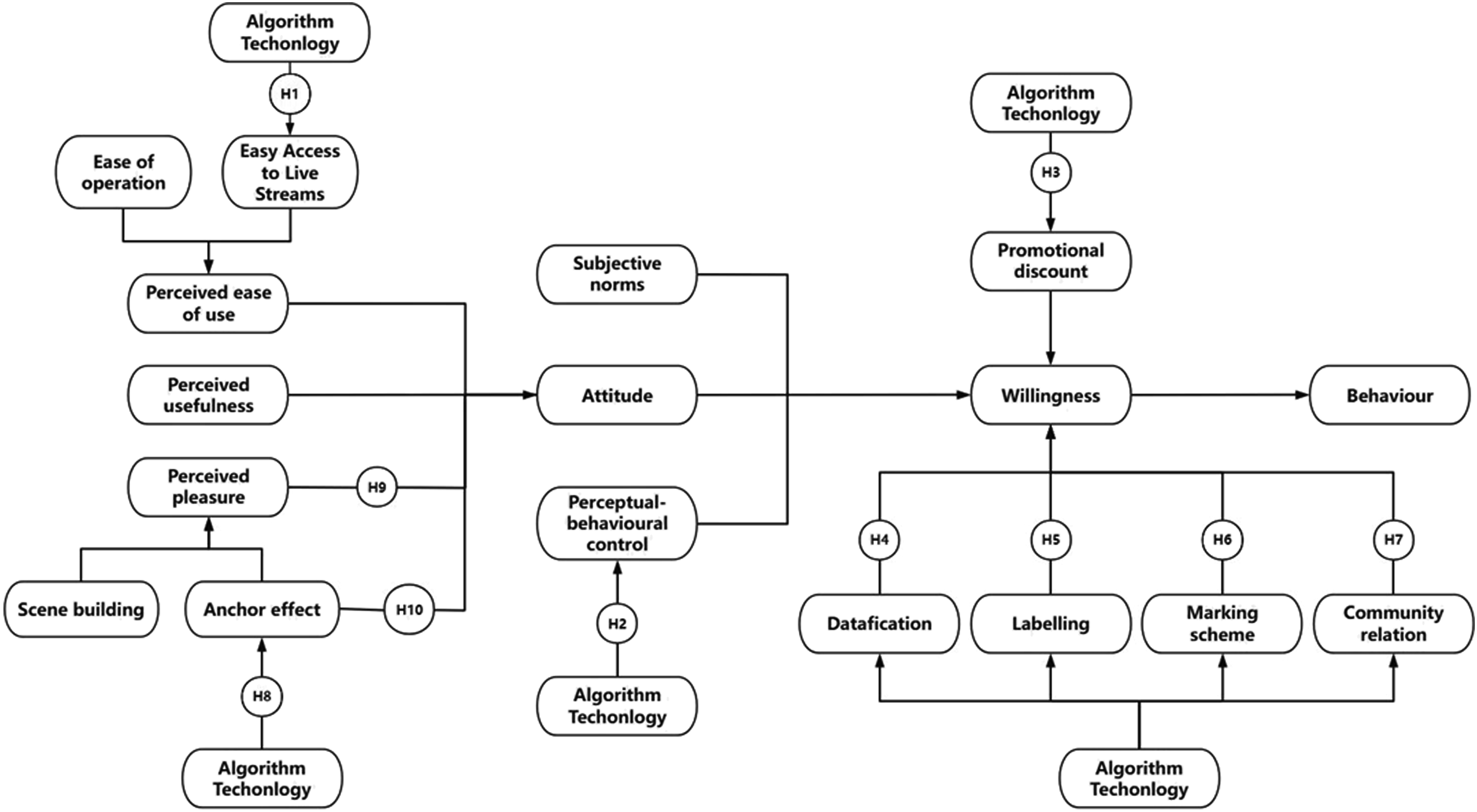
Conceptual framework integrating algorithmic technology, TAM, and TPB constructs.
Scale design
To ensure content validity, most measurement items were adapted from previously validated scales in the existing literature. For example, items for perceived ease of use (PE) and perceived pleasure (PP) were adapted from Moon and Kim 26 and Ahuja and Khazanchi 27 ; perceived behavioral control (PBC) items were based on Ajzen 10 ; and promotional discount (PR) items followed the work of Lee and Olafsson. 24 Constructs related to algorithmic mechanisms (e.g., labeling, datatization, scoring, and group relationship) were developed based on theoretical insights from Lan. 23 These newly developed items were reviewed by three domain experts and revised accordingly. A small-scale pretest (N = 30) was conducted to assess clarity and relevance, ensuring the quality of the final scale.
Based on the constructed research model of influencing factors of consumer shopping behavior, drawing on the mature scales of many researchers, we get the scale about the influence of algorithmic technology on the factors affecting consumers’ purchase intention in the process of live streaming with goods. The questionnaire includes statistics on consumers’ personal information such as gender, age stage, average monthly disposable amount, education level, identity, etc., of which the identity questions set logical questions based on whether the respondent is an anchor or a user and the time he/she has become an anchor, and the screening questions are set based on whether the respondent has ever had a shopping experience in the live broadcast of e-commerce. The questionnaire also included the measurement of the core variables of the study-perceived ease of use (PE), perceived pleasure (PP), perceived behavioral control (PBC), promotional discounts (PR), datamining (DA), labeling (LA), scoring system (SC), and group relations (GR) using a 5-degree Likert scale.
Data analysis
Among the respondents, 72% were live-stream viewers and 28% were anchors. All participants completed the same version of the questionnaire, as the constructs measured (e.g., perceived ease of use, algorithmic influence, and shopping intention) were applicable to both roles. The responses were analyzed in aggregate. A preliminary comparison of key variables (e.g., attitude and intention) across the two subgroups showed no statistically significant differences, supporting the validity of pooled analysis.
Therefore, the generalizability of the findings should be interpreted with caution. To assess the reliability and validity of the measurement scale, the collected responses were analyzed using SPSS 26.0, including sample characterization, descriptive analysis, reliability and validity tests, correlation analysis, and regression-based hypothesis testing to validate the proposed theoretical model, the data description is shown in the following Figure 2. Basic characteristics of the sample (N = 268).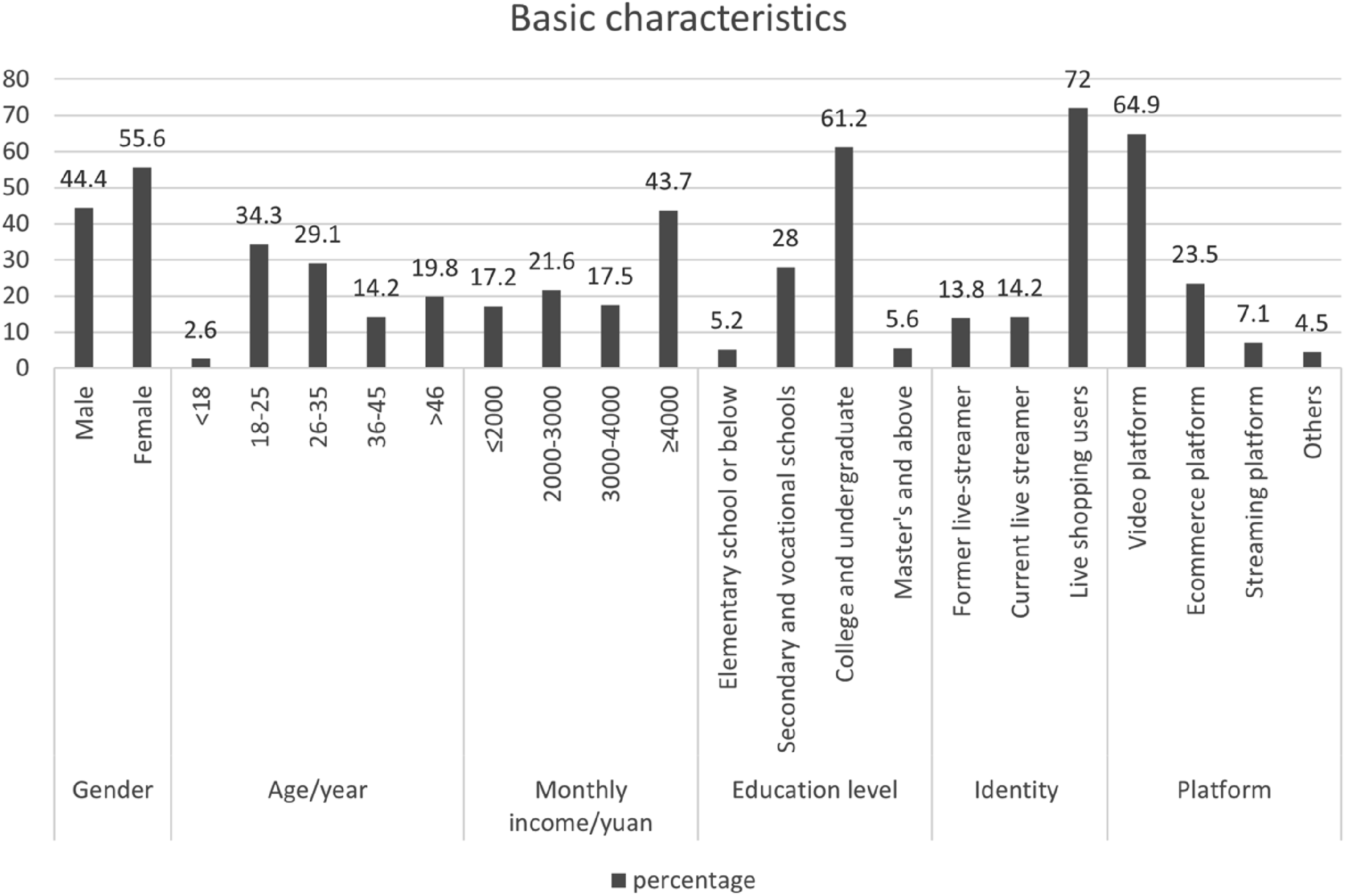
Sample characterization
This study is based on 268 valid questionnaire responses analyzed using SPSS 26.0. The sample demonstrates demographic balance and diversity. Gender distribution is relatively even, minimizing bias (44.4% male, 55.6% female). Respondents span various age groups, with a concentration among youth aged 18–35, particularly 18–25, highlighting the dominance of younger users in live-stream commerce. Income distribution shows that 43.7% of participants have a monthly disposable income above 4000 yuan, indicating a consumer base with substantial spending capacity. Educational attainment is generally high, with the majority holding college or bachelor’s degrees. In terms of role, 72% identified as live-stream platform users, while 28% had experience as anchors, reflecting both consumer and practitioner perspectives. Platform preference is led by TikTok (Jitterbug), with a usage rate of 64.9%, indicating its market dominance in the live-streaming sector.
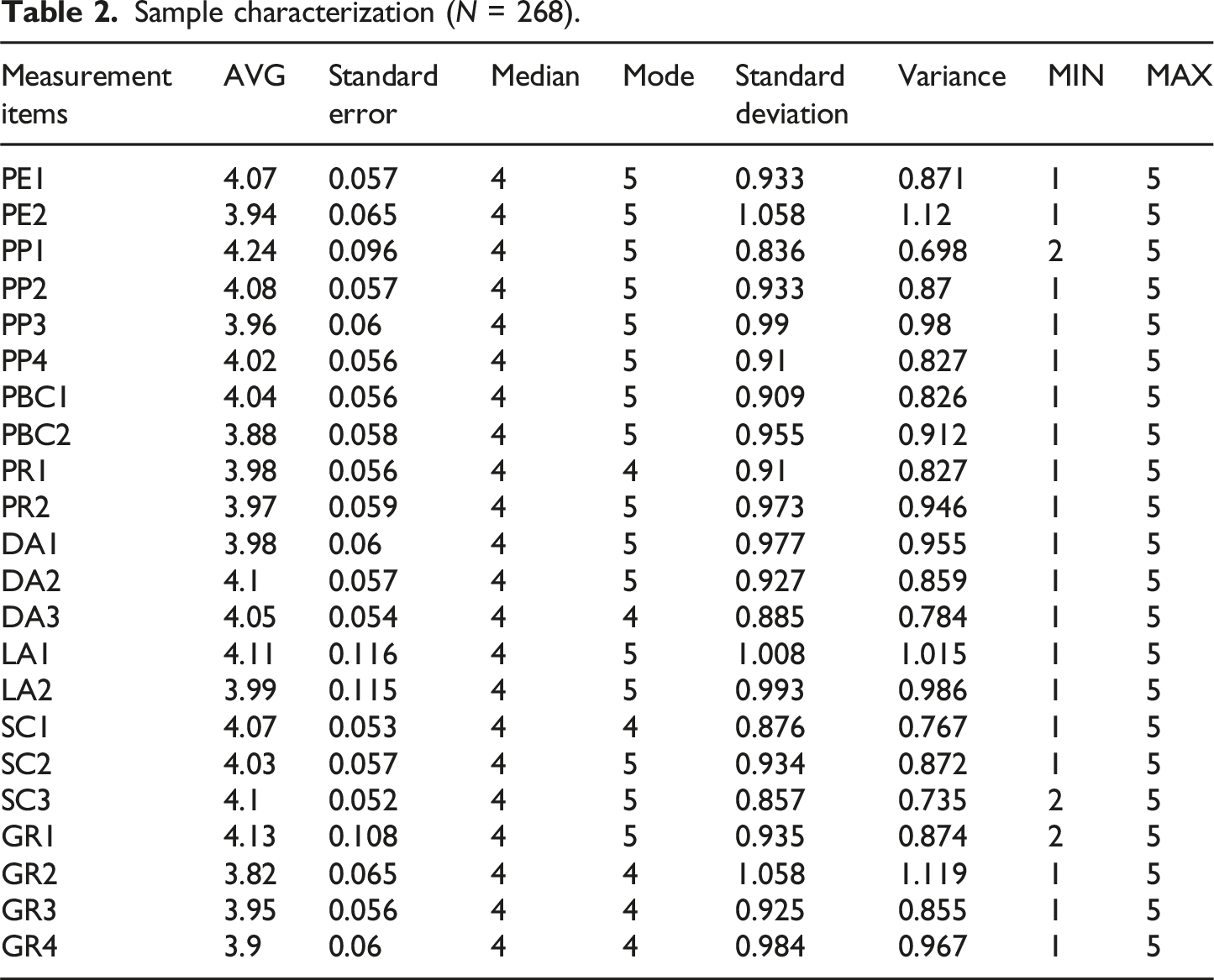
Descriptive analysis
Sample characterization (N = 268).
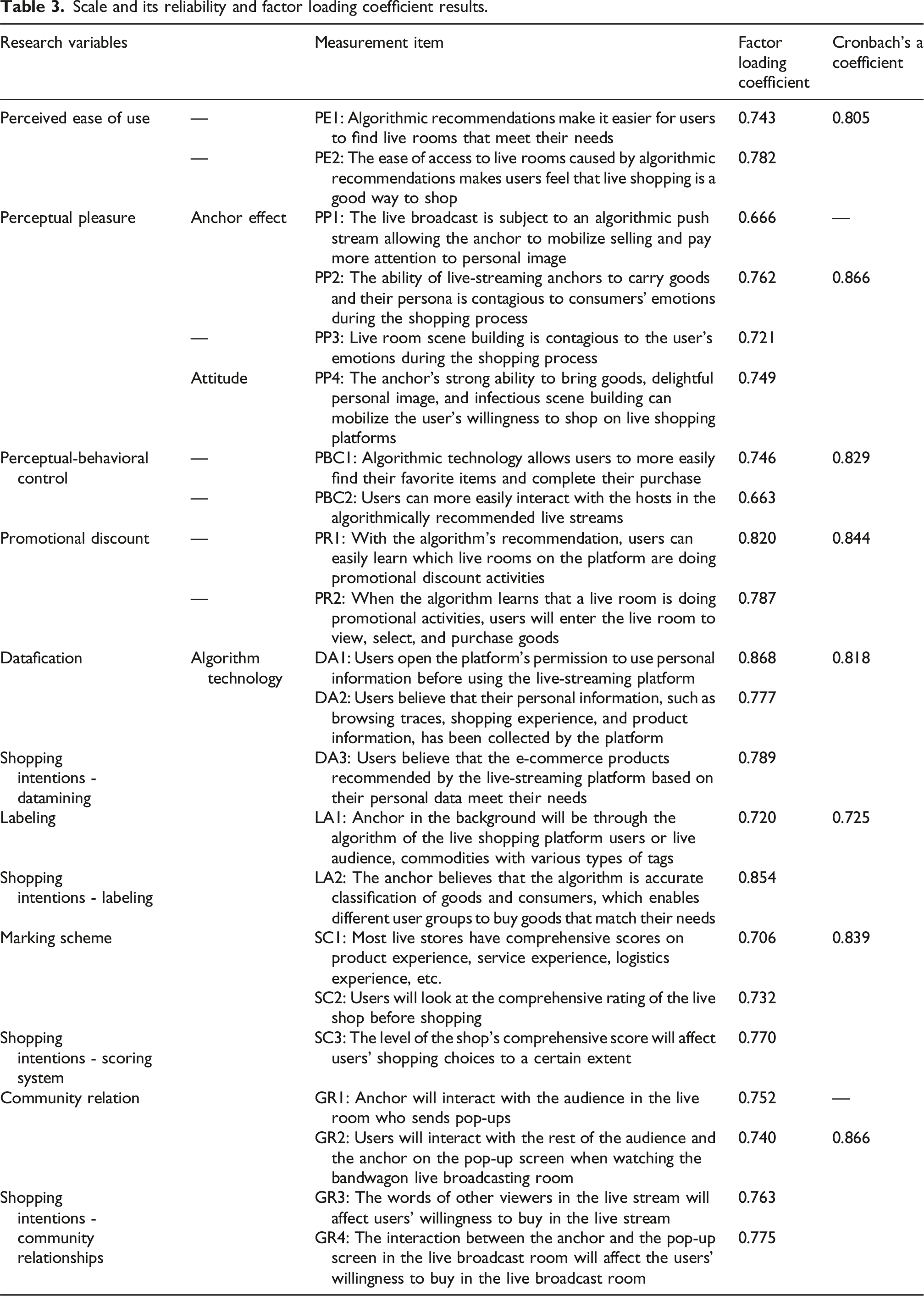
Reliability and validity analysis
Scale and its reliability and factor loading coefficient results.
Results of KMO and Bartlett’s test of sphericity.
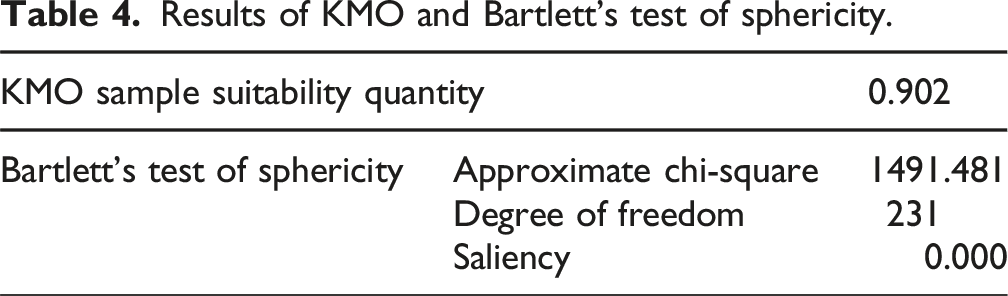
Although this study primarily relied on exploratory factor analysis (EFA) to assess construct validity—given the inclusion of newly developed items—confirmatory factor analysis (CFA) will be conducted in future research to further validate the latent structure of the theoretical model. We acknowledge this as a limitation and encourage subsequent studies to perform CFA using larger or independent samples to verify the robustness of the measurement framework.
Correlation analysis
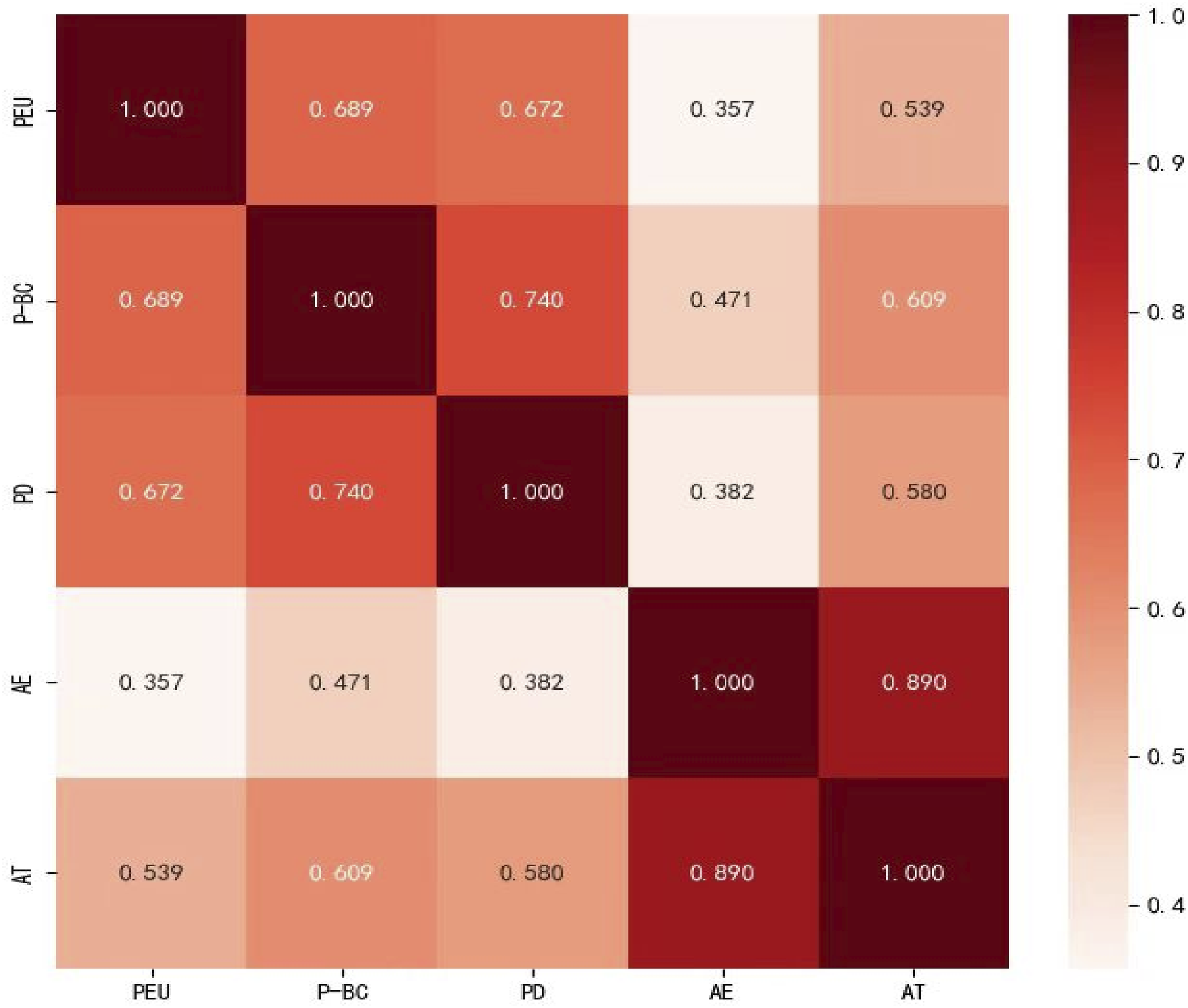
In empirical testing, correlation analysis is usually used to determine the specific relationship between the questionnaire items. In this paper, to analyze the relationship between the variables of the questionnaire on the impact of algorithmic technology on consumers’ purchase intention in the process of live-streaming bandwagon, correlation analysis is carried out, and the results of the study are shown in the table. (1) Correlation analysis between the independent variable-algorithmic technology and the dependent variables-perceived ease of use, perceived behavioral control, promotional discounts, and anchor effect.
As can be seen from Figure 3, there is a significant positive correlation between perceived ease of use, perceived behavioral control, promotional discounts, anchor effect, and the independent variable-algorithmic technology, and the link is strong, with correlation coefficients of 0.539, 0.609, 0.580, and 0.890, respectively, preliminary validation of the hypotheses 1, 2, 3, and 8. In order to make the correlation graph more convenient and intuitive, this study uses PEU, PBC, PD, AE, and AT for perceived ease of use, perceptual-behavioral control, promotional discount, anchor effect, and algorithm technology. (2) Correlation analysis between the independent variable (datatization, labeling, scoring system, and group relationship) and the dependent variable (shopping intention). Results of correlation analysis.
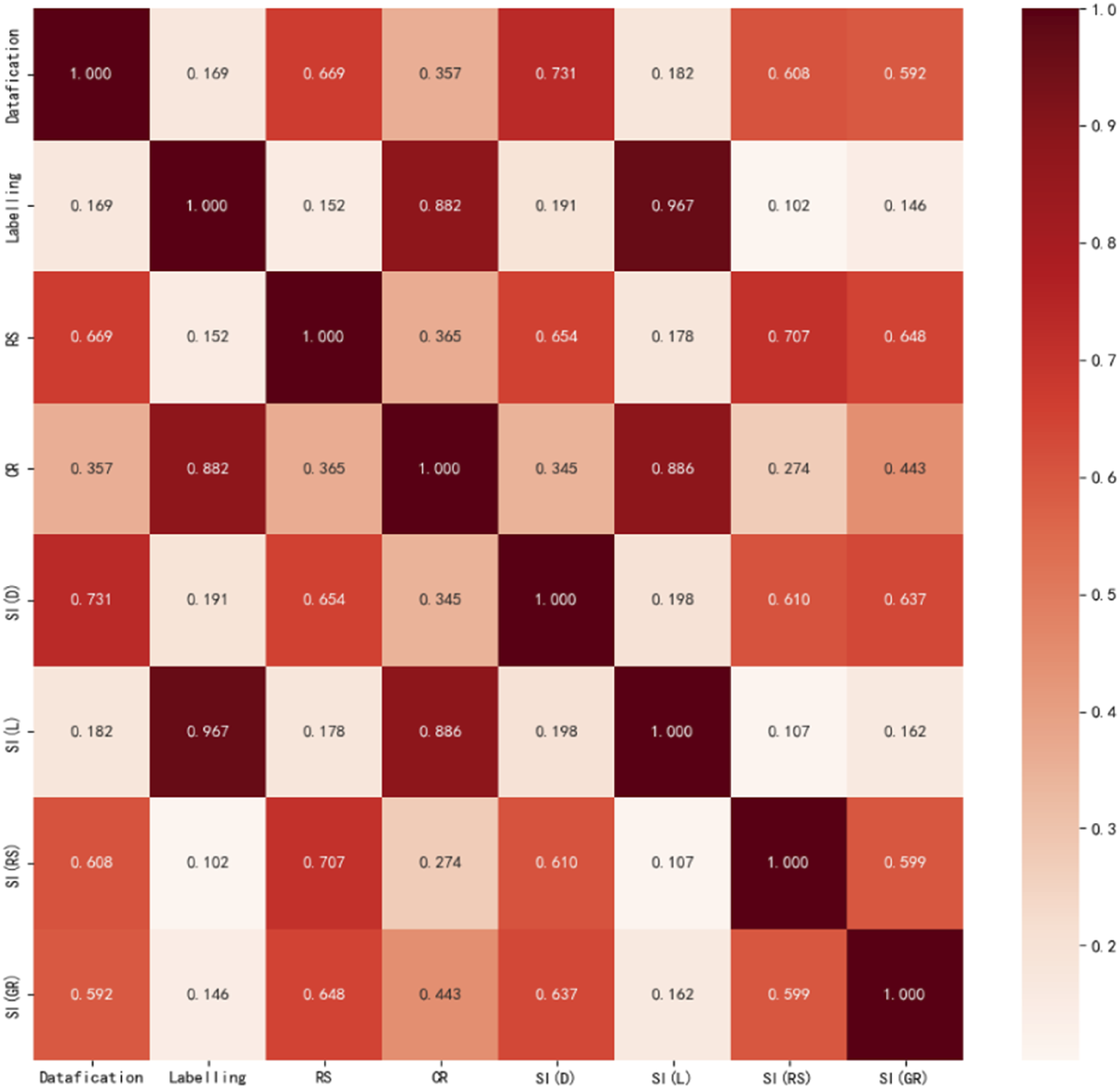
As can be seen from Figure 4, there is a significant positive correlation between datatization, tagging, scoring system, group relationship and shopping intention, and the correlation coefficients are 0.731, 0.967, 0.707, and 0.443, respectively. Hypotheses 4, 5, 6, and 7 are preliminarily verified. In order to make the correlation graph more convenient and intuitive, this study uses RS and CR for rating system community relation and the corresponding user shopping intention is represented by SI(D), SI(L), SI(RS), and SI(GR). (3) Correlation analysis between independent variable-perceived pleasantness and dependent variable-attitude. Results of correlation analysis.
Results of correlation analysis.
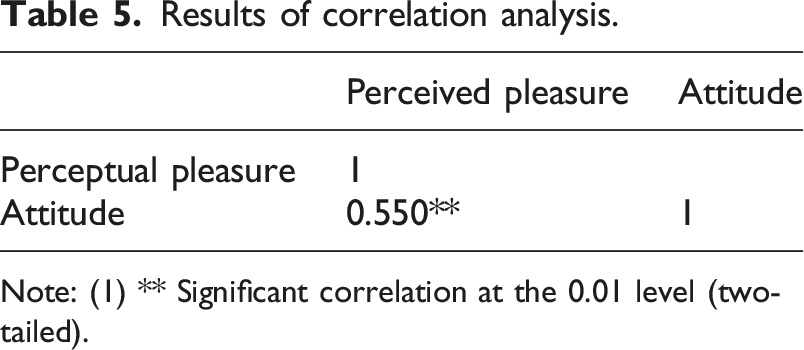
Note: (1) ** Significant correlation at the 0.01 level (two-tailed).
Regression analysis
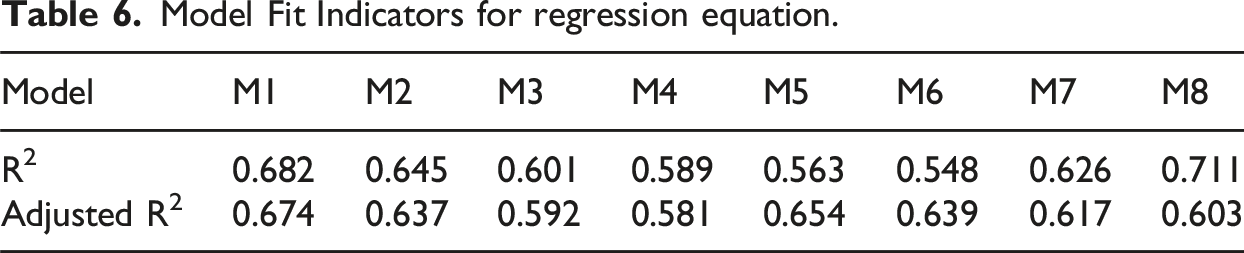
Model Fit Indicators for regression equation.
Regression analysis and hypothesis testing results.
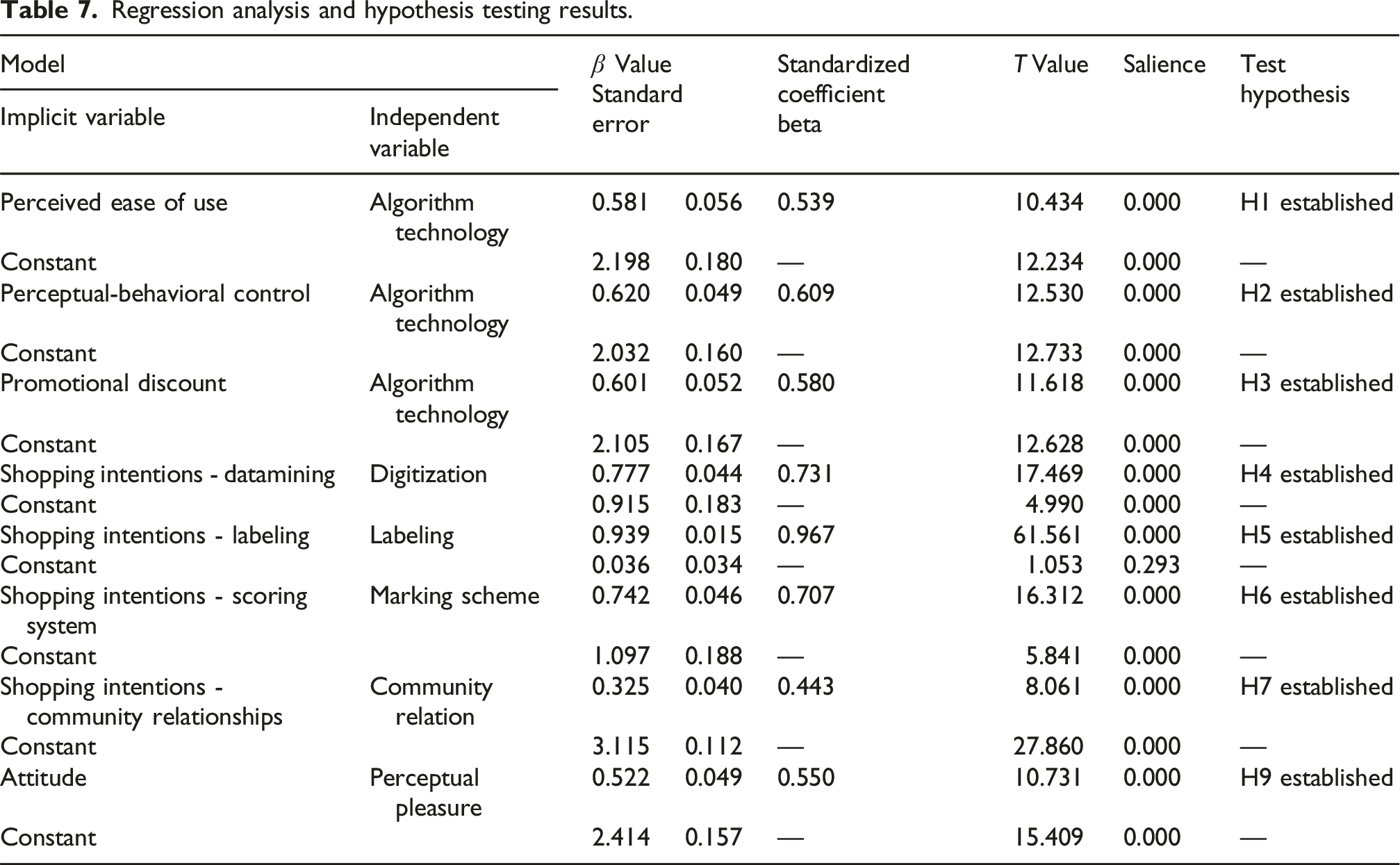
In the first three models, the algorithmic technology p-value is 0.000, which is less than 0.05, and the linear regression coefficient is greater than 0. This indicates that the algorithmic technology has a significant positive impact on perceived ease of use, perceived behavioral control, and promotional discounts, and H1, H2, and H3 hold. There is a linear regression relationship between algorithmic technology (X) and perceived ease of use (Y1), perceived behavioral control (Y2), and promotional discounts (Y3), and the regression equation:


In models 4 to 7, the p-values for datafication, labeling, rating system, and group relationship are 0.000, which is less than 0.05, and the linear regression coefficients are greater than 0. This indicates that datafication has a significant positive impact on shopping intention-datafication, labeling on shopping intention-labeling, rating system on shopping intention-rating system, and group relationship on shopping intention-group relationship, and H4, H5, H6, and H7 are established. There is a linear regression relationship between datafication (X4) and shopping intention-datafication (Y4), labeling (X5) and shopping intention-labeling (Y5), scoring system (X6) and shopping intention-scoring system (Y6), and group relationship (X7) and shopping intention-group relationship (Y7) with the regression equation:



In the 8th model, the p-value of perceived pleasantness is 0.000, which is less than 0.05, and the linear regression coefficient is greater than 0, which indicates that perceived pleasantness has a significant positive correlation effect with attitude, and H9 is established. There is a linear regression relationship between perceived pleasantness (X8) and attitude (Y8), and the regression equation.
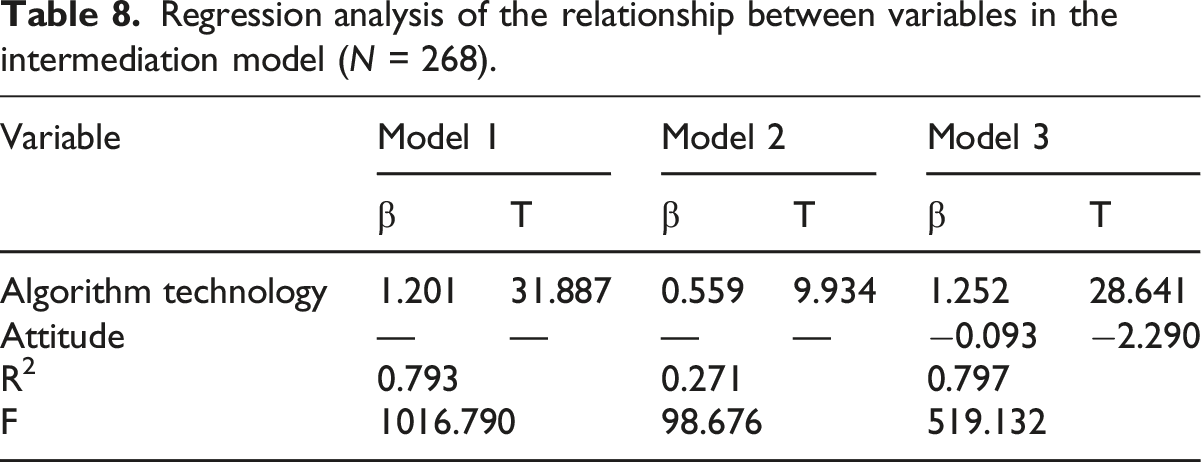
Mediated effects test
Regression analysis of the relationship between variables in the intermediation model (N = 268).
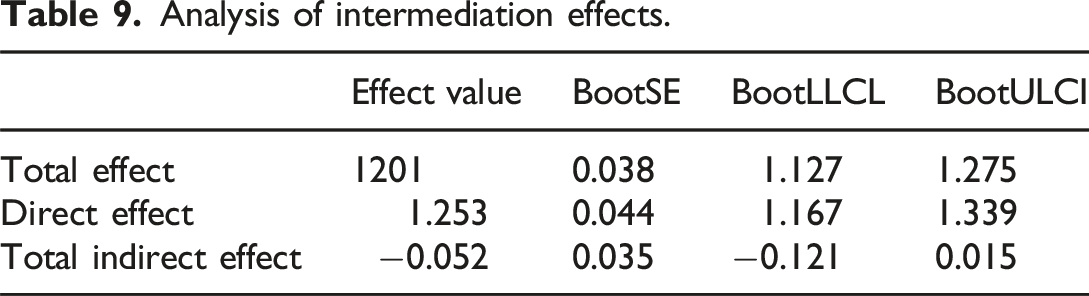
Analysis of intermediation effects.
Conclude
Main conclusions
(1) Algorithmic technology significantly enhances consumers’ perceptions of ease of use (β = 0.581, r = 0.539, p < 0.001) by streamlining access to live-stream content, thereby improving overall user experience and attitudes toward live shopping. It also positively influences perceived behavioral control (β = 0.620, r = 0.609), indicating that users feel more capable of engaging in live-stream purchases when aided by algorithmic recommendations. These findings validate the applicability of the Technology Acceptance Model (TAM) and the Theory of Planned Behavior (TPB) in algorithm-driven environments. (2) Beyond cognitive factors, algorithmic technology also evokes emotional responses by shaping perceived pleasantness through scene construction and anchor effects (β = 0.522). This emotional engagement strengthens users’ attitudes toward live shopping. In parallel, algorithmic support for promotional discounts demonstrates a strong effect on purchase motivation (β = 0.601 and r = 0.580), reinforcing their behavioral relevance under the TAM framework. (3) Four specific algorithmic mechanisms—datafication, labeling, scoring systems, and group relations—exert substantial influence on consumers’ purchase intentions (β = 0.777, 0.939, 0.742, and 0.325, respectively). These mechanisms personalize the user experience, facilitate decision-making, and foster social identity within platform communities. However, the mediating role of attitude between algorithmic technology and the anchor effect was not statistically supported, suggesting that emotional influence may be more directly driven by algorithmic design rather than through attitudinal shifts alone. This interaction warrants further investigation. (4) This study provides practical insights for platforms such as TikTok and Kuaishou. Personalized recommendations that reduce access effort may enhance perceived ease of use and user engagement. Likewise, optimizing anchor performance and scene design can improve perceived pleasantness and positively influence shopping attitudes. Moreover, datafication, labeling, and scoring mechanisms should be applied with caution to avoid bias and reinforce meaningful social connections within user communities.
Management recommendation
Based on the findings of this study, the following recommendations are proposed from the perspectives of anchors, consumers, and e-commerce enterprises. (1) Leverage the anchor effect and enhance scene design. Anchors serve as crucial intermediaries in live-stream commerce. Their professional competence and credibility can shape consumer attitudes and drive purchasing behavior. Anchors should strengthen product knowledge and interactive skills, while platforms should ensure that scene design aligns with brand positioning and consumer expectations, incorporating interactive tools (e.g., pop-ups and likes) to boost engagement. (2) Promote consumer literacy and rational decision-making. Public campaigns and educational programs should raise awareness about the risks and rights in live-stream shopping. Consumers are encouraged to critically assess anchor credibility, product reviews, and community feedback. Strengthening peer group communication can also foster informed, data-driven consumption choices. (3) Empower traditional enterprises to adopt live-stream marketing. In the post-pandemic context, “e-commerce + livestreaming” has become a viable strategy for offline enterprises. By integrating live product demonstrations with online promotion, businesses can enhance brand visibility, attract new consumers, and expand digital retail channels.
Limitations and future research
This study has several limitations. First, the sample is limited to a single data collection period and platform environment, which may affect generalizability. Second, although TAM and TPB provide a strong theoretical foundation, alternative models such as UTAUT could be explored. Future research could include longitudinal studies, cross-platform comparisons, or hybrid models to further investigate algorithmic effects in live-streaming commerce.
Footnotes

Funding
The author received no financial support for the research, authorship, and/or publication of this article.
Declaration of conflicting interests
The author declared no potential conflicts of interest with respect to the research, authorship, and/or publication of this article.