




Abstract
With the rapid development of artificial intelligence technology in the field of education, it has become an important research field to explore its application and influence in classroom interaction. This study evaluated the effect of artificial intelligence AIDS on teaching effectiveness by comparing the experimental group and the control group’s academic performance, class participation and satisfaction. Studies have found that students who use AI tools perform better in terms of learning outcomes and classroom engagement. In addition, through linear regression models and statistical significance tests, the results show that AI tools have a significant effect in increasing students’ learning interest and satisfaction. However, the study also faced the limitations of sample size and lack of long-term effect analysis. Future studies could expand the sample size and conduct long-term follow-up to fully assess the potential of AI tools for educational applications. This study provides a new perspective for understanding the application of artificial intelligence in the field of education and points the way for future educational practice and technology development.
Keywords
Introduction
In the current field of education, the integration of artificial intelligence has become an irreversible trend aimed at improving teaching efficiency and learning experience. As technology advances, AI shows great potential for processing large amounts of educational data, personalizing learning paths, and optimizing teaching methods. However, there are still many challenges in this area, especially in terms of how to effectively integrate AI technologies to promote classroom interaction and engagement. Classroom interaction is the core link in the educational process, which has a significant impact on students’ cognitive development, skill improvement and social ability. The traditional education model has its limitations in classroom interaction, such as limited teacher resources and unequal participation of students. The introduction of artificial intelligence technology is seen as a potential way to solve these problems. For example, intelligent teaching systems are able to provide immediate feedback based on students’ learning progress and understanding, while intelligent analytics tools can help teachers better understand students’ learning needs to provide more personalized instruction.
In recent years, the effectiveness of traditional classroom interaction methods has faced several challenges. These include limited personalized feedback, reduced student engagement, and difficulties in catering to diverse learning needs. Traditional methods often rely on one-size-fits-all approaches, where teachers struggle to provide individualized attention. This often leads to passive learning environments where students are less motivated to participate actively.
On the other hand, artificial intelligence (AI) offers innovative solutions to these challenges. AI can analyze student performance data in real-time, providing personalized feedback and adapting teaching strategies to individual needs. For example, AI-driven platforms can identify students’ strengths and weaknesses, offering customized learning materials that enhance engagement and understanding.
Moreover, AI tools such as catboats and virtual assistants can facilitate more interactive and engaging learning experiences. These tools can simulate real-life scenarios, allowing students to practice problem-solving in a controlled environment. Additionally, AI can automate administrative tasks, giving teachers more time to focus on direct interaction with students.
By comparing traditional and AI-based methods, it is evident that AI has the potential to transform classroom interaction. While traditional methods have laid the foundation for educational practices, AI introduces a level of nationalization and efficiency previously unattainable. This comparison highlights the necessity of integrating AI to address the limitations of traditional classroom interaction strategies, paving the way for more dynamic and effective teaching and learning environments.
In addition, with the continuous development of educational technology, the application of artificial intelligence in education is also becoming more mature. From intelligence-assisted instruction to the use of virtual and augmented reality technologies in the classroom, artificial intelligence is gradually changing the face of education. These technologies not only enhance the learning experience, but also provide a richer and more interactive learning environment. However, how to effectively integrate these technologies into traditional education systems, and how to assess their actual impact on the quality of education, remains an open question.
While AI’s applications in education show promise, critical analysis reveals several challenges. Current AI tools often lack the nuanced understanding of human emotions and social contexts, which can limit their effectiveness in fostering genuine student-teacher interactions. Additionally, there are concerns about data privacy and the ethical implications of using AI in education. Many AI systems also require significant financial investment and technical expertise, posing barriers for widespread adoption. Moreover, the reliance on AI may inadvertently reduce the role of teachers, potentially impacting the development of critical thinking and interpersonal skills in students. These issues necessitate careful consideration and balanced integration of AI in educational settings.
Existing academic research offers a wealth of insights and findings in exploring the application of AI in classroom interactions and its implications. Toscu emphasizes the importance of classroom interaction in online education and indicates how effective student engagement can be facilitated through technological tools. 1 In their research, Hwang et al. especially emphasized the role of intelligent mechanism in flipped classroom, showing that this interactive mode can enhance collaboration and learning experience. 2 Similarly, Wrigglesworth explores how smartphones can expand classroom interactions in teaching English as a foreign language, highlighting the potential of mobile devices in educational interactions. 3 In terms of technology integration, Ricke’s research reveals how integrating image-sharing projection software in social science and humanities classrooms can enhance student participation and interaction. 4 Ertesvåg. demonstrated how to integrate data to study classroom interaction through a complex mixed method study, emphasizing the importance of mixed method research in education research. 5 In addition, Li. focused on student behavior recognition technology that detects student behavior in the classroom environment, and demonstrated the application of artificial intelligence in understanding student interaction. 6 Together, these studies reveal the broad application and significant potential of AI technologies to facilitate classroom interaction and improve learning outcomes. The existing literature indicates that AI technologies have significant value in improving educational experiences and facilitating classroom interactions. Future research could further explore the effects of AI in different educational Settings and how to maximize its potential in the field of education.
This study aims to explore the application of AI technology in classroom interaction and its effects, particularly its potential in promoting student engagement and improving teaching quality. In the modern education system, effective classroom interaction is a key factor in enhancing learning outcomes. By integrating advanced AI technologies, this research seeks to address the limitations of traditional classroom interactions, such as limited teacher resources and uneven student participation, and investigate how technological innovation can foster a more efficient and inclusive teaching environment. Specifically, the study will evaluate the application of AI technologies in personalized learning, instant feedback, student assessment, and engagement enhancement. Through these evaluations, the research aims to demonstrate how AI can assist teachers in better understanding and responding to students’ learning needs, thereby improving teaching effectiveness and student learning outcomes.
In addition, the research will explore the implementation challenges of AI technologies in real-world educational Settings, including the difficulties of technology integration, the adaptation process for teachers and students, and potential ethical and privacy issues. These explorations are critical to understanding and overcoming barriers in practical applications, helping to drive the sustainable development of AI in education. The significance of this study is not only to provide an in-depth understanding of the application of AI technologies in the field of education, but also to provide practical guidance for educators and policymakers to help them use these technologies more effectively to optimize the educational process and ultimately achieve the goal of improving the quality and efficiency of education.
This research focuses on exploring the use of artificial intelligence in facilitating classroom interaction and evaluating its effects in different educational Settings. The research will focus on the following aspects: The research will explore how AI technology can be combined with traditional educational methods to optimize classroom interaction. This includes analyzing the role of AI in personalized teaching, student engagement, and feedback mechanisms. This study will design and conduct a series of experiments to test the application of AI technology in different classroom Settings. These experiments are designed to assess how AI affects student engagement and learning outcomes. Data was collected through quantitative and qualitative methods, including student achievement, engagement, satisfaction, and teacher feedback. Data analysis aims to reveal the effectiveness of AI strategies and possible directions for improvement. Ai models suitable for classroom interactions will be constructed and rigorously validated to ensure their accuracy and applicability. A comprehensive evaluation of the AI technology was used in the experiment, including its effectiveness, reliability, and applicability in a real-world teaching environment. The research will also examine the challenges of implementing AI in real-world educational Settings and how these can translate into development opportunities.
The potential of AI to enhance classroom interaction is substantial. AI enables personalized learning by adapting content to meet individual student needs, thus promoting active engagement. Intelligent tutoring systems provide real-time feedback, helping students understand concepts better and faster. AI-powered tools like chatbots facilitate continuous, interactive dialogs, encouraging student participation. Additionally, AI can analyze student behavior and performance data, allowing teachers to identify and address learning gaps promptly. These capabilities transform traditional classrooms into dynamic learning environments where interactions are tailored, responsive, and more effective, ultimately fostering a more engaging and productive educational experience.
Theoretical basis and application prospect
Theoretical basis of educational application of artificial intelligence
Under the influence of information technology such as artificial intelligence, social life is gradually realizing intelligence, and the field of education is also experiencing deep intelligent changes brought by information technology. In terms of basic education, artificial intelligence based on big data, cloud computing and other technologies is gradually playing an increasingly important role. Through the construction of a large platform for basic education supported by artificial intelligence, it will become an inevitable choice to promote the reform of basic education teaching, promote the all-round development of students and promote the personal growth of teachers. 7
The application of AI in education is built on a multidisciplinary theoretical foundation encompassing cognitive science, computer science, educational psychology, and data science. In cognitive science, educational AI applications aim to mimic and enhance human cognitive processes such as learning, memory, and problem-solving. 8 Through algorithms and machine learning techniques, AI can analyze students’ learning behavior and performance to provide customized instruction and feedback.
Computer science offers the technical support needed for AI to process large amounts of educational data. Using big data analytics and cloud computing, AI systems can efficiently process and analyze student learning data, including learning progress, preferences, and performance. These data analyses are crucial for understanding students’ learning needs and adjusting teaching strategies accordingly.
Theories in educational psychology provide insights into learning motivation, attitudes, and behavior, which are essential for the application of AI in education.9,10 By integrating these theories, AI systems can better adapt to the learning styles and needs of different students, thereby enhancing their learning effectiveness.
Finally, the methodology and techniques of data science, especially advances in pattern recognition and predictive analytics, provide powerful data processing and analysis capabilities for AI in educational applications. Through these technologies, AI is able to provide deep insight and analysis into the educational process, thereby providing valuable information and support to teachers and students.
The literature review should incorporate recent studies to maintain relevance in the current scientific context. Key areas of focus include the latest advancements in AI technologies and their applications in education, such as adaptive learning systems, intelligent tutoring, and AI-driven feedback mechanisms. Additionally, reviewing recent research on the effectiveness of AI in enhancing student engagement, personalized learning, and educational outcomes is essential. Studies addressing ethical concerns, data privacy, and the integration of AI with traditional teaching methods should also be included. This ensures a comprehensive understanding of AI’s role in modern education and identifies gaps for future research.
To sum up, the application of artificial intelligence in education is an interdisciplinary field whose theoretical basis involves knowledge and technology in multiple fields. Through the comprehensive application of these theories, the application of artificial intelligence in education can not only improve the efficiency of teaching and learning, but also provide support for personalized education and lifelong learning.
Application prospect of artificial intelligence in classroom interaction
The application of artificial intelligence technology in classroom interaction is increasingly becoming an important area of educational innovation. 11 The application of this technology not only changes the traditional teaching model, but also opens up new ways to increase student engagement and promote effective learning. These applications of AI include intelligence-assisted instruction, adaptive learning systems, and data-based learning analytics. 12
Intelligent assisted instruction leverages artificial intelligence technology to simulate the role of the teacher and provide a personalized learning experience. These systems customize teaching content and learning paths based on students’ learning histories and performance, allowing students to progress according to their own pace and understanding, thereby enhancing learning efficiency and effectiveness.
Adaptive learning systems advance this concept by continuously collecting student learning data and adjusting instructional content and difficulty in real-time. The advantage of such systems is their ability to accommodate individual differences among students, providing each one with a learning experience tailored to their needs.13,14 Additionally, adaptive systems encourage active participation in the learning process, boosting student engagement and motivation.
Data-based learning analytics employ artificial intelligence to deeply analyze large volumes of learning data, revealing patterns and trends. 15 These analytical insights are crucial for teachers to understand students’ learning needs, optimize teaching methods, and improve classroom interaction. Through this analysis, teachers can gain a better understanding of students’ learning behaviors, enabling them to provide more effective guidance and feedback.
In short, the application prospect of artificial intelligence technology in classroom interaction is broad, and it has brought innovation and change to traditional education. 16 As technology continues to advance, it can be expected that AI will play an increasingly important role in improving the quality and efficiency of education.
Potential challenges and opportunities
Although the application of artificial intelligence in the field of education brings many opportunities, it also comes with a series of challenges. These challenges and opportunities together form a complex picture of the current development of educational technology. 17
In terms of challenges, the first issue is the integration and adaptability of technologies. How AI technologies can be seamlessly integrated into existing education systems, and how to ensure that these technologies can meet the needs of different educational Settings and learners, are major considerations. In addition, data privacy and security is another important issue. When using AI to process educational data, it is important to ensure that the security and privacy of student information are adequately protected.18,19
At the same time, the application of artificial intelligence in education also faces the challenge of acceptance by teachers and students. Teachers may need additional training to use new technologies, while students will need to adapt to learning in new ways. In addition, the issue of equity in the use of technology needs to be considered to ensure that all students have equal access to and benefit from these technologies.Despite the challenges, the application of AI in education also presents great opportunities. It offers the possibility of personalized learning, making education more tailored to individual needs and abilities. In addition, AI can provide real-time feedback and assessment to help students learn more effectively and provide support for teachers to better understand and respond to students’ needs. 17
In conclusion, although the application of AI in education faces multiple challenges, the opportunities it brings are also clear. By overcoming these challenges, AI has the potential to greatly improve teaching methods and learning experiences, opening up new paths for education in the future.
Experimental design and implementation
Experimental framework and hypothesis
The purpose of this study is to evaluate the application effect of artificial intelligence in classroom interaction through experiments. The design of the experiment was based on the assumption that the introduction of AI technology would significantly improve student engagement and learning outcomes. To test this hypothesis, the experiment will use both control and experimental Settings.
Grouping.

The experiments will be conducted in classrooms in different disciplines over the course of a semester. The subjects chosen include mathematics, languages, and science to ensure wide applicability of the experimental results. The main purpose of the experiment was to compare the differences in learning engagement, learning outcomes, and satisfaction between the two groups of students.
In order to accurately evaluate the effects of the experiment, the following data will be collected. (1) Learning engagement: Students’ participation is assessed through classroom observation and student feedback questionnaires. Observations will focus on students’ level of classroom activity, and questionnaires will gather students’ opinions on teaching methods. (2) Learning outcomes: Students’ learning outcomes are measured by test scores and classroom performance. Grades will include scores from midterm and final exams. (3) Satisfaction: The satisfaction of students and teachers with the use of artificial intelligence teaching tools was collected through questionnaires.
The comparison between the two groups before and after the experiment is shown in Figure 1. Comparison between the two groups before and after the experiment.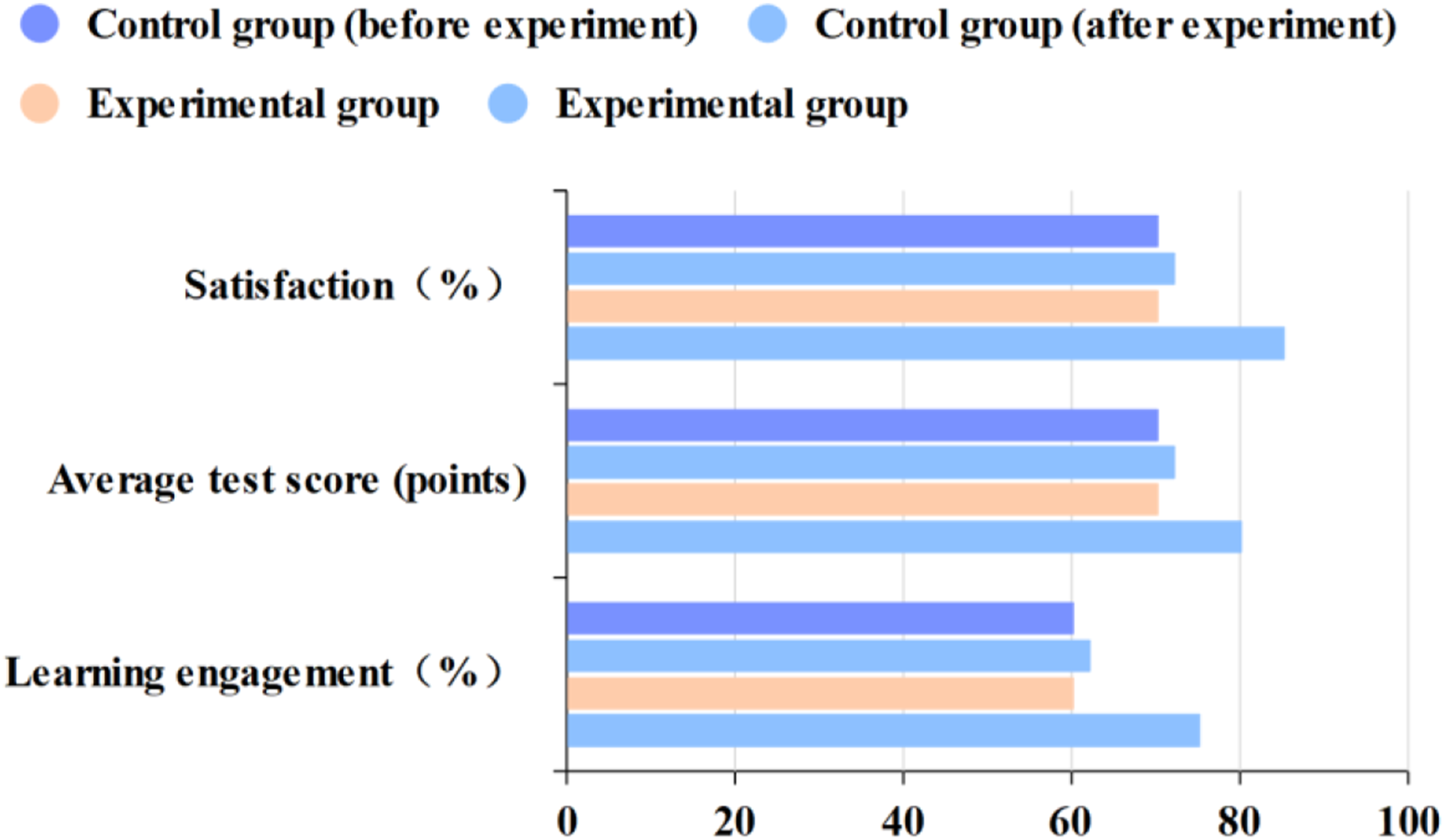
The data will be statistically analyzed to assess the actual effects of AI technology in classroom interactions. The experimental results will provide an empirical basis for the application of artificial intelligence in the field of education and point the way for future educational innovation.
Experimental scheme and participants
The core of this experiment is to evaluate the efficacy of AI tools in improving classroom interaction. The experimental design will include the following key elements. (1) Participant selection: The experiment will be conducted in multiple schools, involving students from different grades and disciplines. Selection criteria include the geographic location of the school, the grade level of the students, and the diversity of their backgrounds. Teachers will also be selected based on their teaching experience and openness to new technologies. (2) Grouping method: Participants will be randomly assigned to the control group and the experimental group. To ensure fair grouping, students’ learning backgrounds and previous academic achievements will be considered. (3) Experimental timeline: The experiment will last one semester to ensure sufficient data is collected to evaluate the effectiveness of the AI tools.
Selection and grouping of participants.

The experimental scheme includes. (1) The control group will continue to use traditional teaching methods. (2) The experimental group will use AI-assisted teaching tools, such as adaptive learning platforms and intelligent teaching systems.
The indicators will include student engagement, test scores, and satisfaction. These measures will be evaluated before the start of the experiment (as a baseline) and at the end of the experiment.
Through this approach, research will be able to comprehensively evaluate the application effects of AI tools in different teaching Settings, providing important empirical data and insights for the future development of educational technology.
Experiment implementation and monitoring
The experimental implementation phase of this study aims to ensure the effective execution of the experimental protocol and strict monitoring of the experimental process to guarantee the accuracy and reliability of the data.
Experiment execution process. (1) Experiment preparation: Before the experiment, provide necessary training and guidance to all participating teachers and students to ensure they fully understand the purpose and operation of the experiment. (2) Implementation phase: Conduct the experiment according to the established protocol. The control group will continue using traditional teaching methods, while the experimental group will use AI-assisted teaching tools. During this phase, emphasis will be placed on monitoring teachers’ teaching methods and students’ participation. (3) Data collection: Regularly collect student learning data, including class participation records, homework scores, and test scores, as well as conducting periodic satisfaction surveys. (4) Monitoring mechanism.
To ensure the effectiveness of the experiment, the following monitoring mechanisms will be implemented.
Regular inspection
Regularly check the teaching activities of both the experimental and control groups to ensure the teaching methods meet the experimental requirements.
Data quality control
Implement quality control measures for collected data to ensure its accuracy and completeness.
Problem-solving
Timely follow-up and resolution of any issues that arise during the experiment were analyzed, including technical problems and participant feedback.
Experiment implementation and monitoring.
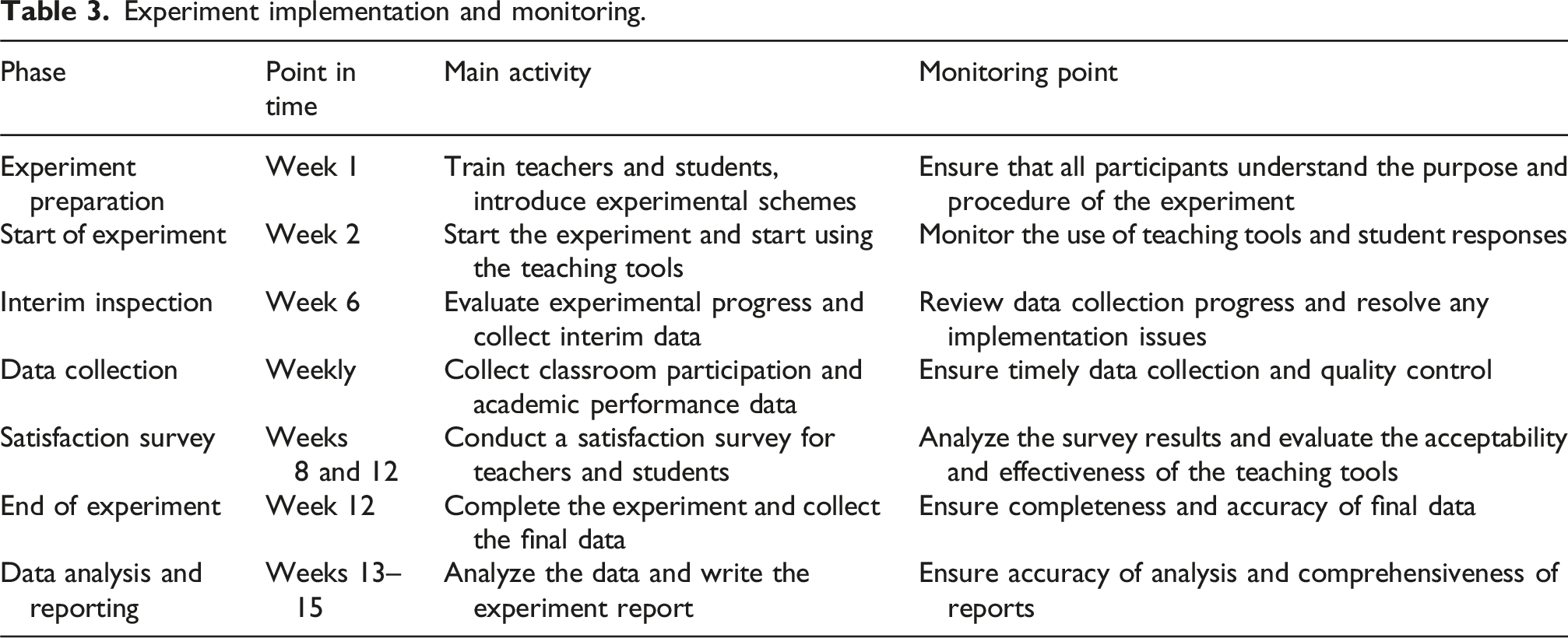
Through this organized implementation and monitoring mechanism, the experiment will be able to effectively evaluate the effectiveness of the application of AI tools in classroom interactions and provide valuable data and insights for subsequent research.
Data collection and analysis methods
Data collection policies
In this study, data collection strategies were designed to ensure a comprehensive and accurate assessment of how well AI technologies are applied in classroom interactions. The following are the main methods and tools for data collection. (1) Academic performance data: Collect students’ scores of regular exams and assignments during the experiment period. This data will be obtained from the school’s learning management system. (2) Recording of class participation: Using classroom observation tools to record students’ activity in class. In addition, the interactive record in the intelligent teaching system will also serve as a data source. (3) Questionnaires of students and teachers: Questionnaires are designed to collect students’ and teachers’ satisfaction and feedback on the use of AI tools. The questionnaire will include a quantitative rating item and a qualitative feedback section. (4) Interviews and group discussions: In-depth interviews with selected students and faculty to gather detailed information about the experience of using AI tools.
Data collection strategies.
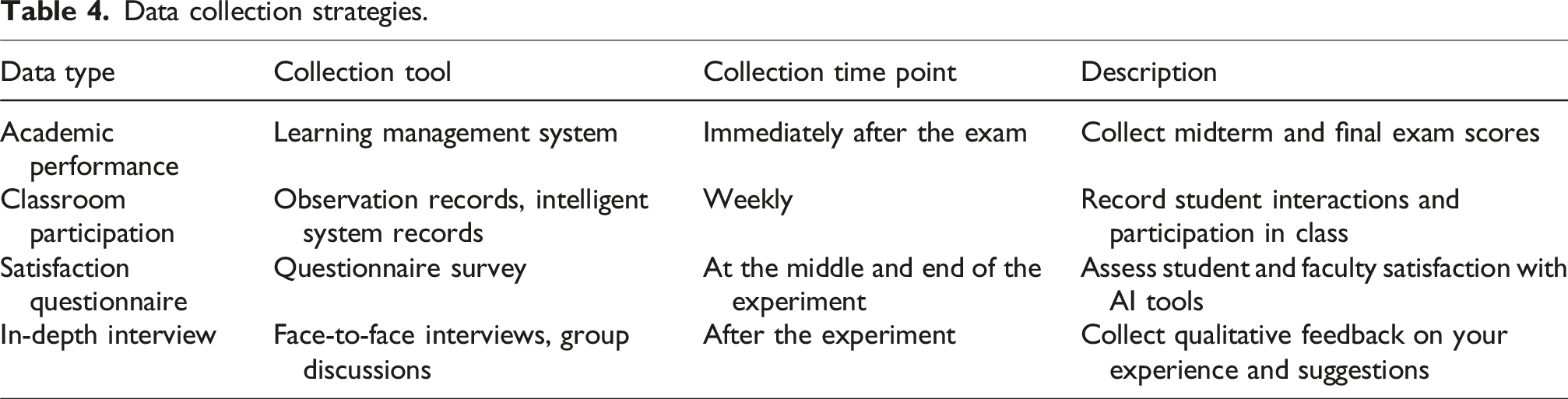
Through these integrated data collection methods, research will be able to comprehensively evaluate the effects of AI technology in education, thus providing an important basis for further technological improvement and educational practice.
Data processing and analysis technology
The data processing and analysis in this study aimed to accurately evaluate the effects of AI application in classroom interactions. Key technical approaches included data cleaning and teleprocessing, which involved deleting duplicates and handling missing values and outliers to ensure data accuracy. Descriptive statistical analysis was performed using statistical software such as SPSS or R to outline basic data characteristics, including mean values, standard deviation, and frequency distribution. Comparative analysis, using t-tests or ANOVA, compared the control and experimental groups in terms of academic achievement, classroom participation, and satisfaction, helping to assess the effectiveness of AI tools. Regression analysis was conducted to explore the relationships between classroom interaction, academic achievement, and student satisfaction. Additionally, qualitative data from interviews and questionnaires were analyzed to gain in-depth insights into students’ and teachers’ experiences and views on using AI tools.
Data processing and analysis techniques.
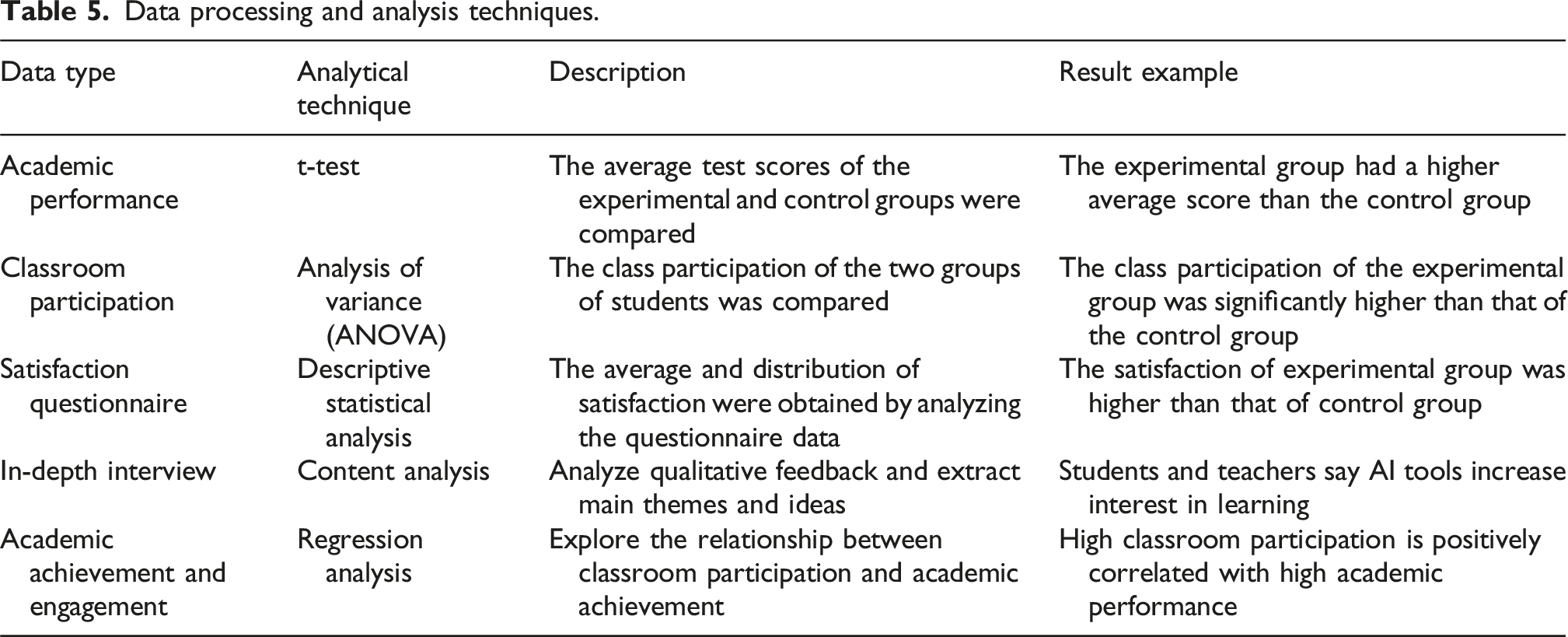
Through these integrated data processing and analysis techniques, research is able to comprehensively assess the effectiveness of AI applications in classroom interactions and provide valuable insights into future educational practices and technological developments.
Interpretation and verification of results
The data analysis results of this study aim to provide an in-depth understanding of the effects of AI application in classroom interactions. The findings indicate several key impacts: Firstly, there was a significant improvement in academic performance, with the average scores of students in the experimental group notably higher than those in the control group, suggesting that AI tools can enhance student learning outcomes. Secondly, class participation increased markedly in the experimental group compared to the control group, indicating that AI tools may be more effective in engaging students’ interest and participation. Lastly, the satisfaction levels of both students and teachers in the experimental group were generally higher than those in the control group, demonstrating the potential of AI tools to enhance the overall teaching and learning experience.
An example of cross-validation data is shown in Figure 2. Data analysis.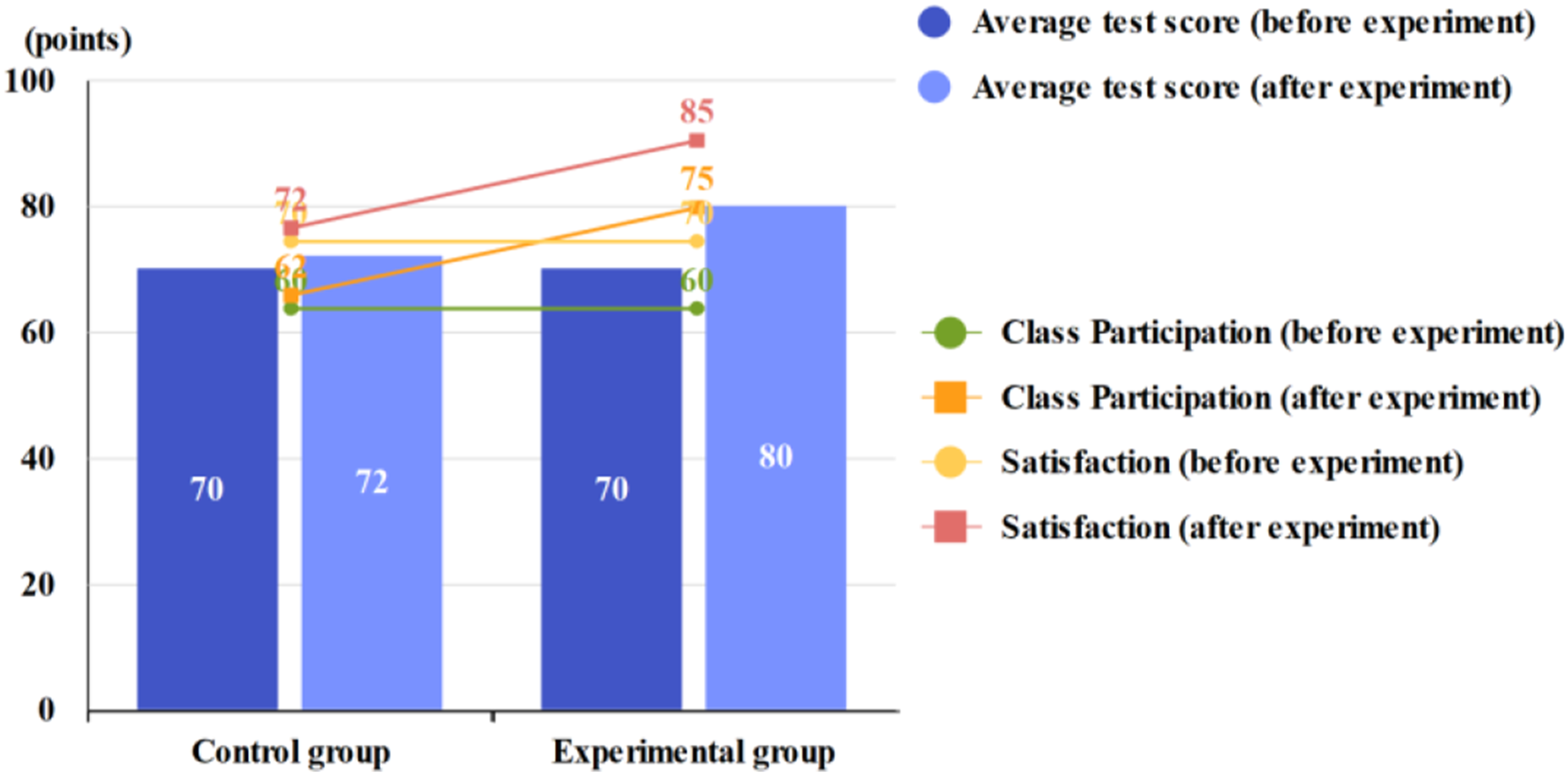
Analysis of qualitative feedback: The qualitative feedback collected from interviews and group discussions revealed that students and teachers in the experimental group exhibited higher interest and enthusiasm in using AI tools. They reported that these tools enhanced the quality and efficiency of classroom interactions.
To verify the reliability of these results, a cross-validation method was adopted to cross-check key data points, thereby improving the reliability of the analysis. The purpose of cross-validation in this study was to ensure the universality and consistency of AI tools in assessing improvements in academic achievement, classroom engagement, and satisfaction. The following are the specific steps to implement cross-validation.
Data partitioning
Divide the dataset into multiple subsets.
Model training and testing
Train the model on one subset and test it on another, repeating this process across all subsets.
Result comparison
Compare the results from each subset to evaluate consistency.
Validation
Confirm that the observed improvements are consistent across different subsets of data.
These steps ensure that the findings regarding the effectiveness of AI tools are robust and generalizable across various contexts. (1) Stratified sampling: In the experimental group and the control group, samples are randomly selected from different schools, grades and disciplines to form multiple subsample sets. This helps to ensure that the sample is representative. (2) Repeated assessment: The original data analysis process, including descriptive statistics, T-test, and ANOVA, was repeated in each subsample set. (3) Comparison results: The consistency and difference of analysis results of each subsample set are compared. If the results are consistent across different subsample sets, the confidence of the original analysis results is enhanced.
An example of cross-validation data is shown in Figure 3. Cross-validation.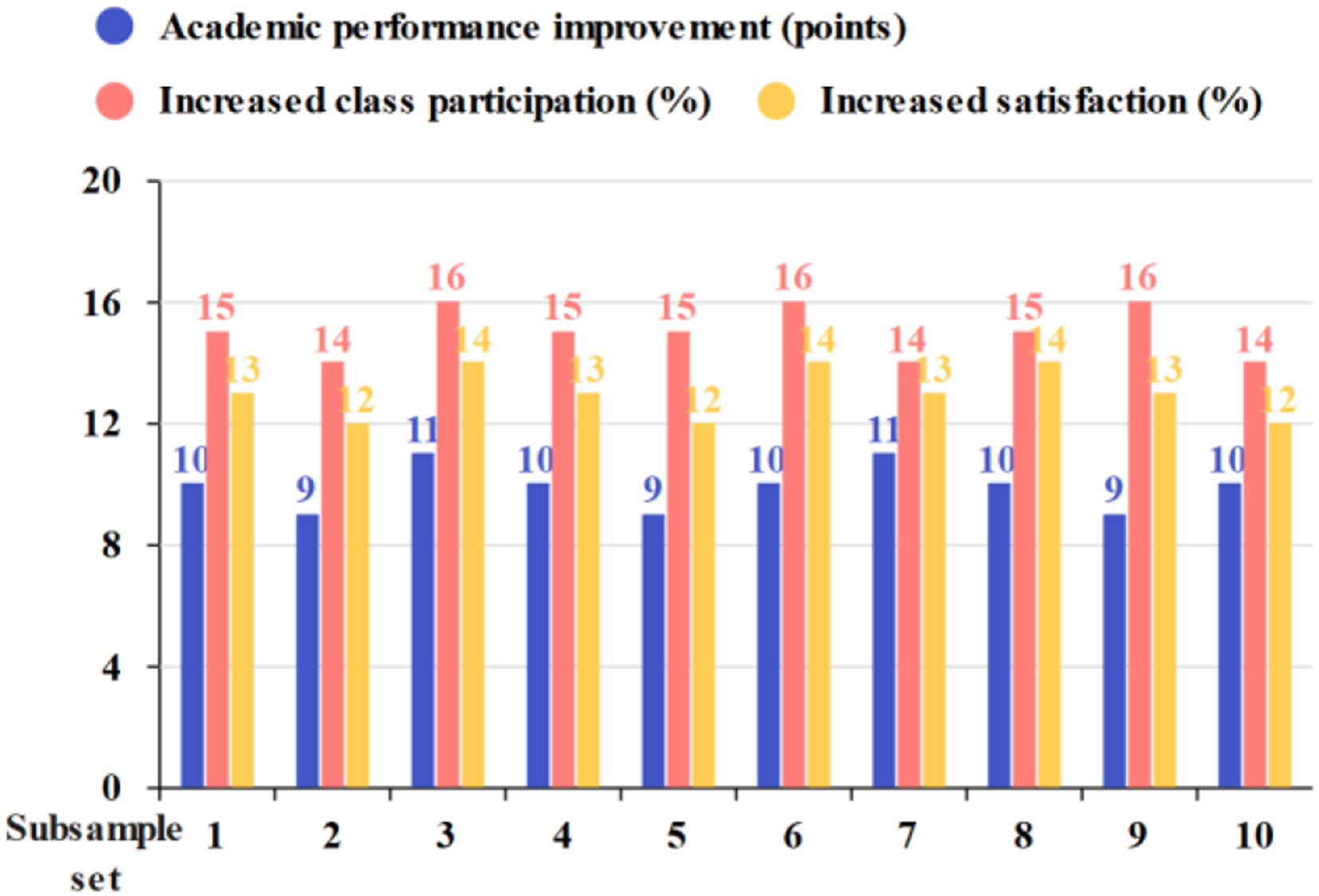
It can be seen that in different subsample sets, the results of improved academic performance, increased classroom participation and improved satisfaction are relatively consistent. The average increase in academic achievement was about 9.9 points, the average increase in class participation was 15.1%, and the average increase in satisfaction was 13.0%. This consistency indicates that the experimental results have high reliability and universality.
Through such cross-validation, the robustness of the research results is strengthened, providing a more solid foundation for the final research conclusions.
Model construction and technology evaluation
Principle and process of model construction
In this study, a model was constructed to predict the impact of AI tools on students’ classroom interactions and learning outcomes. The principle of model construction is based on the theory of educational data mining and machine learning, and the main process includes feature selection, model selection, model training, and model validation. (1) Feature selection: First, identify the key features (variables) that affect students’ learning effectiveness and classroom interaction. These characteristics include students’ basic academic achievement ( (2) Model selection: Choose a model that can handle classification or regression problems. In this study, since the goal is to predict learning effectiveness (continuous variable), a linear regression model is chosen. (3) Model building: Build a model to predict learning effectiveness ( (4) Model training: Using experimental data sets to train model parameters. The study has collected relevant data from experimental and control groups, using the experimental data to train the model. (5) Model validation: The cross-validated subsample set is used to validate the model. This involves splitting the data into a training set and a test set, training the model using the training set data, and checking the accuracy of the model’s predictions with the test set data.

As shown in Figure 4, an example of model training data is shown. Model training.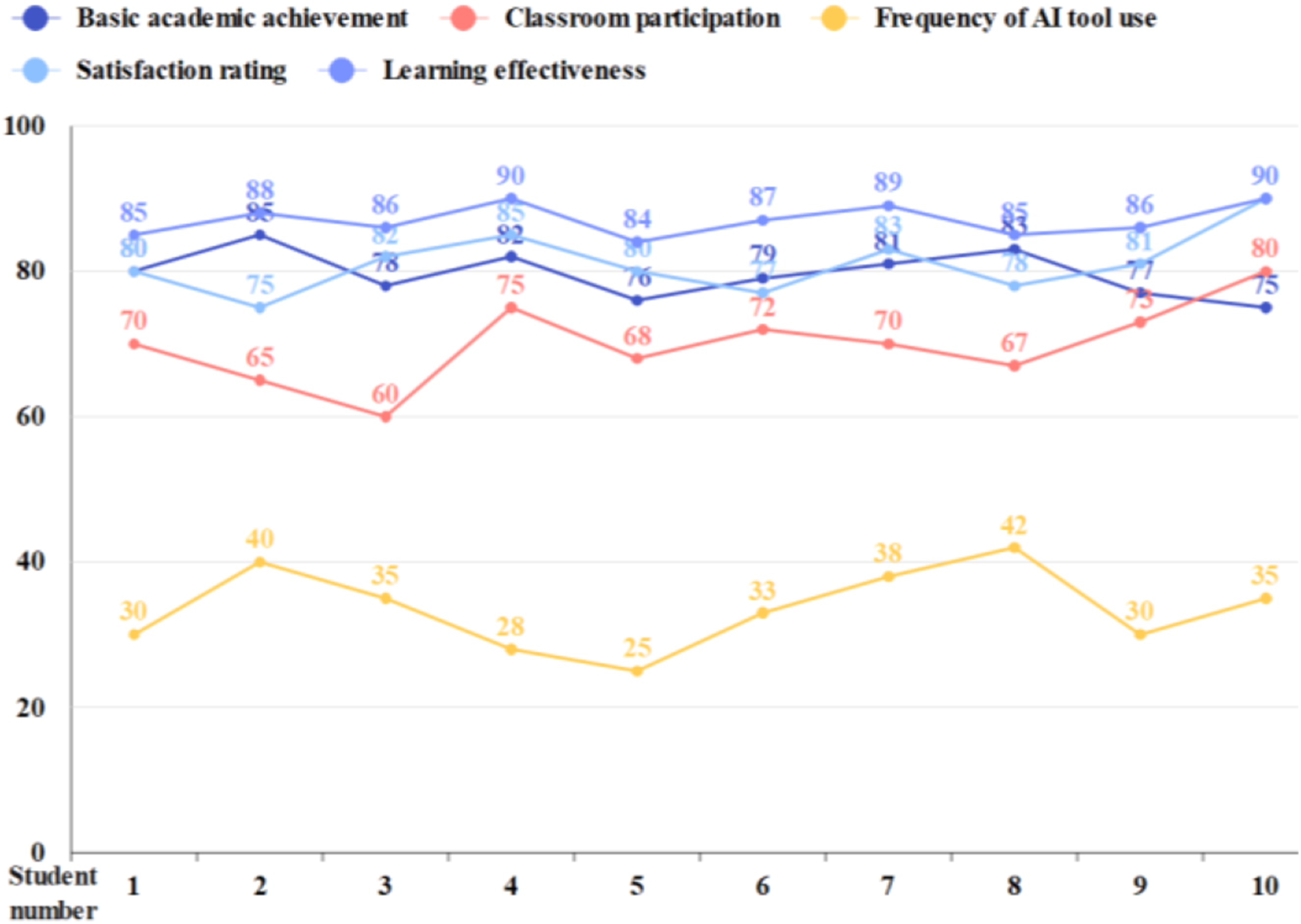
In this data,
Using this data, the model parameters (
Technical evaluation standards and methods
In order to assess the effectiveness of the application of AI technologies in classroom interactions, the following criteria and methods will be used in this study. (1) Evaluation criteria
Improved learning outcomes: Measured using standardized test scores or other quantitative academic indicators. The measure was the change in students’ grades before and after the experiment.
Increased classroom engagement: Measured by observations and records of student engagement, including student questioning, discussion, and activity participation.
Improvement of satisfaction: Based on questionnaire survey results, students’ and teachers’ satisfaction ratings on teaching methods were adopted. (2) Evaluation method
Linear regression analysis: Construct a linear regression model to analyze the influence of different factors on learning effectiveness. As shown in Formula (1).
Statistical significance testing: Statistical methods such as the T-test and analysis of variance (ANOVA) are used to determine whether differences in achievement, engagement, and satisfaction between the experimental and control groups are statistically significant.
Effect size analysis: Calculate effect size metrics such as Cohen’s d to assess the actual impact of AI tools.
An example of the data for technical evaluation is shown in Figure 5. Technical assessment.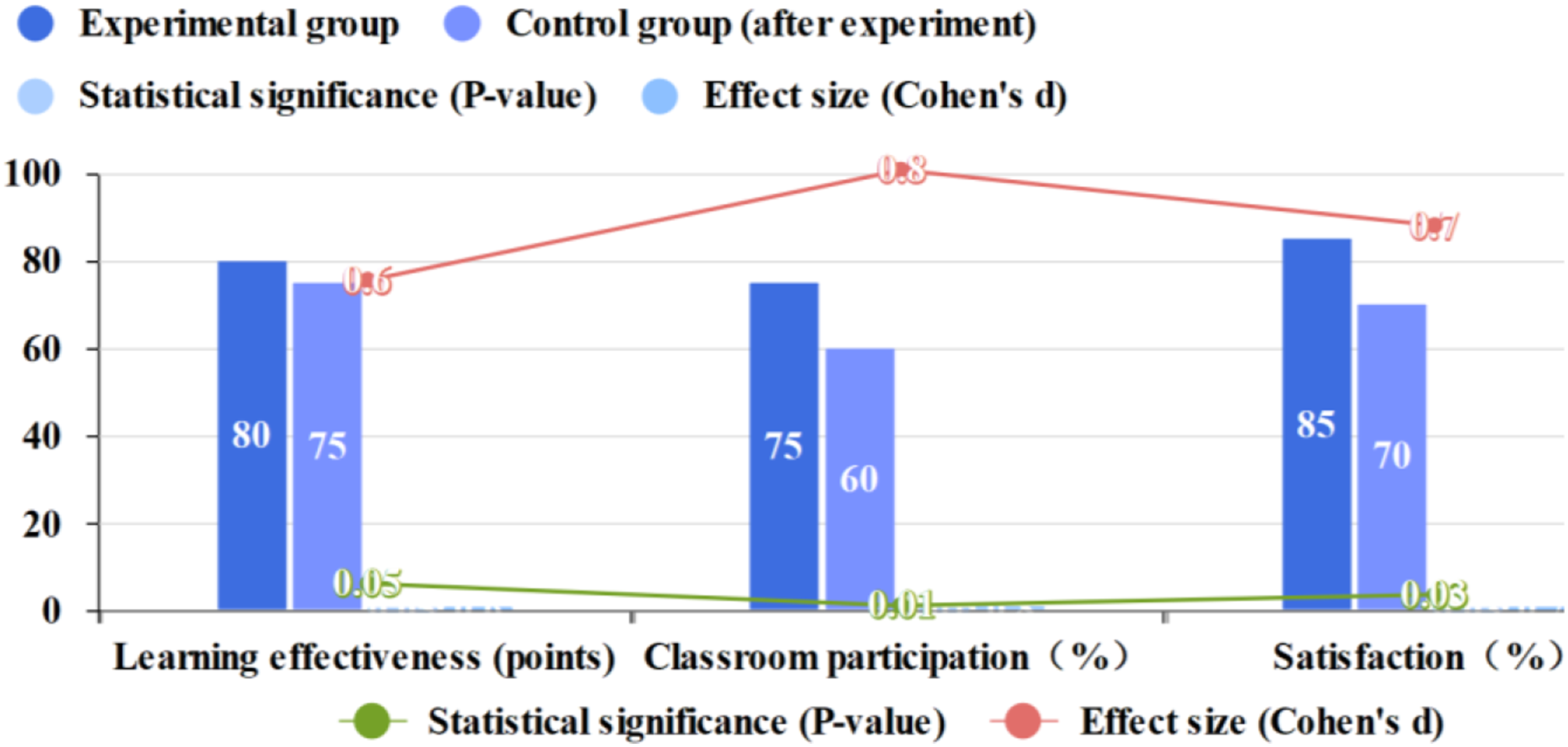
In this data, the experimental group had higher learning outcomes, class participation, and satisfaction than the control group, and statistical significance tests showed that these differences were significant. The effect size indicator suggests that AI tools have a moderate to large impact in these areas. Through this comprehensive technology assessment approach, it is possible to fully understand the effectiveness and impact of the application of AI tools in education.
Conclusion
This study explores the application of artificial intelligence technology in classroom interaction and its impact on learning outcomes. By comparing the experimental group and the control group’s academic performance, class participation and satisfaction, the study found that the application of AI tools can significantly improve students’ learning effectiveness and class participation. Experimental data show that AI-assisted teaching methods can improve students’ learning interest and satisfaction more than traditional teaching methods. In addition, the accuracy and reliability of these findings were further verified by establishing a linear regression model and conducting statistical significance tests.
However, there are some limitations to the study. First, the limited sample size and scope may affect the universality of the research results. Secondly, the research mainly focuses on the teaching effect in the short term, and the long-term effect is not clear. Future studies could expand the sample to include more districts and different types of schools to improve the representativity of the findings. In addition, long-term follow-up studies can be conducted to assess the impact of AI tools on student learning outcomes over time.
The results highlight the positive impact of AI on classroom interaction, showing improved student engagement and personalized learning outcomes. However, a deeper analysis is required to understand the data’s implications fully. For instance, while AI-driven feedback improves performance, it is essential to explore how this feedback influences long-term learning and critical thinking skills. Additionally, understanding the varying effectiveness of AI tools across different subjects and age groups can provide insights into optimizing their use. Examining potential disparities in access to AI technologies also reveals important equity considerations, ensuring all students benefit from these advancements.
To translate these findings into practical teaching strategies, educators should integrate AI tools that personalize learning experiences and enhance engagement. Implement adaptive learning platforms that adjust content based on student performance, providing tailored feedback and resources. Utilize AI-powered chatbots and virtual assistants to facilitate interactive and immersive learning activities, simulating real-world scenarios for problem-solving practice. Additionally, teachers should leverage AI for automating routine tasks, freeing up time for direct student interaction. Training and professional development on AI applications in education will equip teachers with the necessary skills to effectively implement these strategies, ensuring successful integration into the classroom.
Future research should focus on several specific areas to build on these findings. First, longitudinal studies are needed to assess the long-term impact of AI on student learning and development. Second, comparative research across different educational contexts and subjects will help identify where AI is most effective. Third, investigating the integration of AI with traditional teaching methods can provide a balanced approach to education. Additionally, exploring ethical considerations and developing frameworks for data privacy and security in AI applications is crucial. Finally, research should address accessibility to ensure equitable benefits of AI in education for all students.
Overall, this study provides valuable insights into the application of AI technology in the field of education, pointing to its potential to improve classroom interaction and learning efficiency. At the same time, the research results also provide important guidance for future educational practice and technology development.
Footnotes
Funding
The authors received no financial support for the research, authorship, and/or publication of this article.
Declaration of conflicting interests
The authors declared no potential conflicts of interest with respect to the research, authorship, and/or publication of this article.