



Abstract
The purpose of this article is to present the use of photography as a supplement to a classic grounded theory research study with lesbian women regarding their experience of identity, culture, and oppression. Photography was integrated into the grounded theory methodology to visually express the theoretical codes that emerged from the grounded theory of liberated identity. Photographs are presented with coded substages and participant in vivo codes, including explanations of the visual representation in the photographs. The findings, the basic social process substage photographs, were guided by the participants to best convey visual meaning of their experience. The photographic images reveal how the use of photography, in concert with Glaserian grounded theory, exemplified experience, humanity, and meaning in this specific research study, and thus the complementary visual image can edify the significance in the humanness and affectivity of research participants.
Introduction
Humanness and affectivity in research findings can be visually conveyed through the respectful use of image, such as photography. The purpose of photography as a study of visual representation can supplement and provide a format for human experience, adding to the comprehensive empirical nature embedded in research (Banks, 1998). This artistic endeavor is not to find truth but to seek understanding and meaning. ‘Humanness’ in this context can exude experience and human phenomena (Szto et al., 2005), such as capacity, range, and emotions not easily represented in text alone. Becker (2007) refers to this as reality aesthetics, artistic and philosophical presentation of an object and its parts, in this case, the textual findings of a qualitative study and the equability of a visual image to convey deeper meaning. Additionally, the use of image to complement research findings can be especially salient for marginalized groups, since it can be a format to make the invisible visible, a way of bringing conflicting social problems to the surface (Loseke, 2001). The purpose of this article is to present the use of photography as a supplement to a classic grounded theory research study with lesbian women regarding their experience of identity, culture, and oppression. Photography was used to convey the theoretical codes that emerged and formed a grounded theory of liberated identity. This use of photography will enhance presentation of findings, presented with a discussion of methods, photographic usage, and inclusion of photographs as visual representations of the conceptual codes that emerged throughout the grounded theory methodology. Discussion of photographic influence on social work research and policy will found the use of this method, within a method, as a parallel to the grounded theory substages.
Photography in history, policy, and research
Documentary photography has been a powerful tool in both social research and policy change in the present and past century (Szto et al., 2005). Using the emotions conjured by image, social reformers were able to create a consumable format of research for the layperson. During the Depression, documentary photographers Dorothea Lange, Arthur Rothstein, and Walker Evans were instrumental in conveying the hardships, poverty, and desperation of migrant workers and farmers, Figure 1. Social welfare agencies were created to do just this, such as the Farm Service Administration, headed by Paul Kellogg, to visually document the experience of the poor. Social policy change occurred through this visual way of educating others of the social problems experienced by the impoverished during the Depression. Social reformers of the turn of the 20th-century utilized photography to represent holistic and contextualized practice since the visual image can ‘challenge the voices of omniscient academic observer’, to expand our previous levels of understanding, and to give complex experiences substance (Brearley, 2000: 2; see also Barone and Eisner, 1997).
Social science research has a tradition of integrating creativity into methodology to enhance the expression of results. Other socially-focused disciplines, such as nursing and education, have recently increased their use of photography to ‘examine how content is presented; and looking beyond the image to examine the context, or social and cultural relations that shape its production and interpretation’ (Riley and Manias, 2003: 85; Taylor, 2002). According to Eisner (1998), an educational researcher, photography can be used as another tool to enhance research articles in addition to the typical graphs and charts that disseminate research; incorporating photography into publications offers a deeper interpretation which is often not better described by words. From a nursing prospective, Killion (2001) stated ‘A single photograph may contain a thousand references’ (p. 50). In Killion’s (2001) study of understanding health aspects through photography, the author found that nursing students were able to look at the lives of people through a different lens. However, in traditional research methodologies, the researcher/photographer is rare but does not imply that this role is not useful (Riley and Manias, 2003).
Becker (2007) notes in his discussion of telling about society and the use of art in this endeavor: ‘The truth of the work’s assertions about social reality contribute to its aesthetic effect’ (p. 128). The use of art and image to complement research findings can be especially salient for marginalized groups, since it can be a format to make the invisible visible, a way of bringing conflicting social problems to the surface (Loseke, 2001), as evidenced by the documentary photography of the Depression. Here the link between research and policy can be seen: photography can be a catalyst to convey the human experience and be used to invoke policy change, while research uses photography to convey human experience and enhances the findings. As such, research can apply the aesthetic and artistic in its method, whether as the method in and of itself or as a supplemental format, as in this research study. This visual documentation can then represent the humanness of the participants with hopeful increased understanding and even social change efforts.
The topic under study
Lesbian identity, a highly contested construct, has empirical roots in gay and lesbian developmental theories (Cass, 1984), coming out and stage theories (Lewis, 1984; Sophie, 1986), lesbian identity theories (Kitzinger, 1995; Kitzinger and Perkins, 1993), lesbian feminism (Jeffries, 2003), and lesbian political identity (Phelan, 1989). However, based in this original research study, none of these studies fit well with the findings of lesbian liberated identity. Liberated identity in this context was not a stage-progression; stages were revisited without one considered more desirable than others. Although similar, coming out theories focus on authentication only; liberated identity in this study was more complex. Radical and socialist feminism, when used as alternatives to liberalism and social constructionist ideologies, affirm a lesbian process of political identity that is essential to socialization, development, and identity. Without the political component, research on lesbian socialization and development continues to oppress lesbians (Kitzinger and Perkins, 1993). Political identities and lesbian feminism were relevant but again, not a parallel to liberated identity; relational, spiritual, and political components were not qualified stages but elements of a greater whole, the entire basic social process of liberated identity for lesbian women in this particular study.
Liberated Identity, a basic social process, emerged as grounded theory from conceptualized data. This data and theory are from a primary grounded theory research study, from whence the photography presented in this manuscript is based (Russell, 2011). Liberated identity, a three-stage nonlinear process, is action, whether internal or external, to affirm integral lesbian identity and lesbian loving relationships. Liberated identity is constructed and undertaken to resolve oppression in varying cultural contexts; lesbian women in the primary study liberated their identity by transcending oppression (Russell, 2011: 63).
The initial study was an exploration of lesbian cultural experience, and the grounded theory of liberated identity derived from these findings; the visual images in this manuscript are a display of the thematic substages as directed by participants to best convey their experience of authenticating, reconciling, and integrating their identity as a lesbian in contemporary culture. In orthodox grounded theory methodology, this emergent theory is not based in previous empirical literature, and literature is integrated into the theory as a comparison and contrast to the findings after the grounded theory is evident.
Methodology: Photography and grounded theory
The photographs displayed are results from a larger study on lesbian cultural experience and an emergent grounded theory of lesbian liberated identity (Russell, 2011). This primary research study methodology was orthodox grounded theory (Glaser, 1978). In Glaserian grounded theory, categories, stages, substages, and properties of these stages are discovered first by open coding and then saturated by selective coding and are the main problem or the pattern of behavior that comprises the whole of a life issue and how this issue is resolved.
Because grounded theory is designed to discover life cycle interests and basic social processes (Glaser, 1978, 1998), it follows trends in recent lesbian, gay, bisexual, and transgender (LGBT) research of within group variation and participant-driven perspectives (Meezan and Martin, 2003). Theory generation is grounded in the unique perspectives of lesbian women’s experience in cultural contexts. Thus, it enhances the conveying of the humanness of lesbian identity, experience, and oppression in culture by making the invisible visible. This is also a strengths-based focus found in the participants’ suggestive main concern and identified resolution and an empowering process to participants due to how they met challenges in culture, rather than how they were consumed by them. This photographic interpretive research approach adds depth to the understanding of lesbian cultural experience (Heppner and Heppner, 2004). The participants decided for themselves the best images to represent their experiences in culture. For the purposes of this article, photographs are presented with an explanation of the code; however, there is no suggestion to how the image should be interpreted to allow for individual subjective understanding by the reader.
Photography as an adjunct process to this study serves the purpose of making the invisible visible through the illustration of liberated identity. The photographs complement the text by providing a visual representation of liberated identity, the process stages, and the ways lesbian women transcend oppression.
Photography was added to this research study as a means to convey the human experience of the participants. The photographs also complement the text by increasing understanding of liberated identity through visual records. In this study, photography serves the following purposes: (a) to make the invisible visible, (b) to symbolize conceptual codes, (c) to emit understanding and, (d) to add dimension to lesbian cultural experience. Photography was an adjunct to the study; it was not used to collect data. Photography, as a method in the research process itself, occurred after theoretical codes emerged, an adjunct process not to collect data but to artistically represent the data. Participants identified the potential images they believed would best represent these codes.
When the write-up stage in the grounded theory methodology began, the researcher initiated the photographic process and visual documentation to supplement thematic codes. The researcher returned to the participants for consent process reiteration, discussion of codes, and decisions of images to capture. The researcher then developed and selected photographs for inclusion in the final article.
Photography informed consent was an appendix to interview consent and explained to participants at the interview. Only those participants who gave consent were photographed. Not all participants who consented to photography were photographed. Participants who gave consent during interviews were contacted and time was scheduled to take the pictures. Most photography was conducted in participants’ homes. Researcher and participant decided together what to photograph after discussing the choices of relevant substantive and theoretical codes, including what was comfortable for the participant to photograph. Caution was taken to not capture any images outside of what was dictated by the participants. Photographs occurred in both natural and staged settings and include images of participants and of artifacts in their homes.
A series of photographs were taken to illustrate the conceptualized codes of authenticating (symbolism), reconciling (family of choice, migration, spirituality), and integrating (community and activism). Some manipulation was conducted for effect through the developing process. The researcher developed the black and white prints in her home to ensure confidentiality was not threatened by commercial development of the stills. A still camera (non-digital) was used (Canon EOS Rebel TI). Ilford Delta Professional black and white film (400 speed, finer grain) was the medium with exposures ranging from 4 to 24 per participant. No handwritten or typed identifying information was attached to photographs. After negatives were evaluated, prints were made from selected negatives based on codes, categories, and properties found in the data. Five participants were photographed for a total of ten photos that are included in this manuscript. Descriptions expanding on the codes and categories are provided with the corresponding photographs.
This research study was approved by an institutional review board and determined exempt under federal category #2: Research involving the use of interview procedures in which information obtained was not recorded in such a manner that human subjects can be identified, directly or through identifiers linked to the subjects. The research presented no more than minimal risk of harm to subjects and involved no procedures for which written consent is normally required outside of the research context. There was no link between what participants reported and their name; this included the use of images.
Findings
Grounded theory codes and findings are illustrated in this section from the original research study. For the purpose of this article, the photography is presented with the coded substages including an explanation of visual representation in the photographs. These sociological constructs were the codes ascribed by the researcher and originating from the data (Glaser, 1978), and included in vivo codes taken directly from the language of participants and researcher field note data that was abstracted theoretical codes from the in vivo codes. Based on the abstracted data from the 28 lesbian women in this qualitative study, theoretical codes represented a main concern, transcending oppression, and resolution of this main concern through a basic social process (Russell, 2011). The data revealed patterned complex behaviors with the goal of transcending oppressive cultural proscriptions and ascriptions that ‘liberated’ the women to experience integral self in all cultural contexts through sexual identity. There was a paradox to transcending oppression: to liberate identity, a lesbian woman must live in oppressive culture to acquire needed resources while transcending this oppression (Russell, 2011).
The basic social process of liberating identity consisted of three permeable stages that were not sequential or exclusive, and were frequently revisited. Movement from one stage to another was compelled by cultural experience. The first stage, authenticating, was an external verbal, visual, and behavioral act to challenge heterosexist bias. Reconciling, the second stage, was an affective internal process to contrast lesbian identity with heterosexism through checking, submitting, and making identity congruous in oppressive cultural contexts. Integrating, the third stage, was an internal and external stage that requires awareness of cultural oppression, uniting with culture, being in culture, and creating an effective identity in culture (Russell, 2011).
Substage theoretical codes are represented by photographs guided by the participants that best convey visual meaning of their experiences. The intention of the photographs in this study was as supplemental data only, not as data itself. Visual images of the substages reveal how the use and enhancement of photography, in concert with Glaserian grounded theory, exemplified experience, humanness, and meaning in this specific research study.
Transcending oppression

Image A (Figure 2) is a visual representation of the main concern, transcending oppression. Data revealed goals established to overcome cultural proscriptions toward lesbian sexuality and was the result of forced proclamation of difference. Because a person may have a differing identity than cultural expectations of the norm, they may correct this assumption by proclaiming difference, or not proclaiming this difference.
Image A: Transcending Oppression.
Transcending oppressive cultural proscriptions and ascriptions allowed a lesbian woman to experience her integral self in all cultural contexts. Different others, the lesbian women in this study, based this on their prior experience, and hence anticipated oppression. The question became to them: ‘What will I do to transcend oppression so that I can be myself wherever I go?’ This transcendence required resisting, reconciling, and ignoring detrimental social messages that pluralistic identities are inferior. Transcending oppression was the catalyst to begin stage progression to liberate identity. Transcending oppression required the negotiation of expressing loving relationships and was based on past oppressive experiences (Russell, 2011).
Authenticating
Authenticating involved advising heterosexuals about lesbian identity through language, visible difference, and standards of interaction. Lesbians, in effect, took on the responsibility of informing heterosexuals about lesbian life and loving relationships. This responsibility served the purpose of authenticating by challenging the assumption of heterosexuality, sharing with others, and proving worth. Properties of authenticating are (a) verbal correcting, (b) visual showing, and (c) behavioral proving (Russell, 2011). Image B (Figure 3) is a visual representation of the visual showing code found in the authenticating stage, with the purpose of externally revealing difference as a lesbian woman.
Image B: Authenticating, Visual Showing.
Authenticating was done by degrees through overt statements, differences embedded in language, or signs and symbols. In this study, authenticating occurred mostly in overt statements that immediately set limits and proclaimed difference. Women considered less ‘out’ than others had authenticated in only one or two cultural contexts, the lesbian community and/or the family of origin. Purposes of authenticating were (a) defying traditional sex roles, (b) sharing relationships, and (c) proving worth (Russell, 2011). Vulnerability to oppression presumably compelled authenticating, but the often spontaneous action was founded more in a sense of accountability for educating others about identity and to limit heterosexist assumptions about identity. Data that founded the authenticating substage included quotes such as: We are proving that we are worthy of acceptance and belonging by working harder, doing more; We authenticate everywhere, in every setting; Coming out is my honesty in relationships with others; We want to be visible and educate others about ourselves; This is what we do for you, a gift; We verify the fact that we are lesbian with you, to be genuine, up front, and allow you the opportunity to leave; How can I have a true relationship with you if you do not know this part of me, the most important being my emotional relationships?
Reconciling
Images C through E (Figures 4 through 6) are photographic representations of reconciling, the second stage in lesbian liberated identity, an internal, cognitive, and affective act done for oneself to reconcile lesbian identity while experiencing oppressive cultural contexts (Russell, 2011). Lesbian women in this stage decided whether to continue their connection with oppressive cultural contexts or to break with them. A main purpose of reconciling is making identity congruous within culture and sometimes required leaving a cultural context: when the lesbian woman had no influence over an oppressive context, she may leave it to maintain the integrity of her lesbian identity; she can always return of her own volition. Volition involved finding safe contexts (migration), and returning to contexts that are oppressive. This included family of origin issues that were incongruous with lesbian identity. Some lesbian women replaced oppressive family of origin contexts with a family of choice to ensure family interaction and structure.
Image C: Creating Family. Image D: Creating Family. Image E: Migrating.


The properties derived from this definition to fit the data in the study were (a) checking, (b) submitting, and (c) congruity (Russell, 2011). Checking involved when deciding to authenticate in response to another person’s belief system. Submitting required accepting the unpleasantness of others’ efforts to oppress one’s lesbian identity, which may require the sacrifice of that identity to maintain connection with them. Making congruous represented the potential migration to a safe place where one’s lesbian identity was in accord with the cultural surroundings. Reconciling involved a yielding to the awareness that one’s identity and loving relationships face cultural oppression. Conceptually, it entailed a suspension of lesbian identity, not the negation of that identity. Quotes that supported the emergent substage of reconciling were: I have a belief in destiny; whatever does not kill me makes me stronger; Don’t ask-don’t tell; Caution is for safety and acceptance: Creating a family of choice that supports you is a must, these are your friends, not your family of origin, and most of this family is gay; If we cannot change our families and they don’t accept us, then we can leave and create our own family.
Integrating
The final stage of liberated identity is integrating. It is an internal and external behavioral, affective, and cognitive process with four substages: (a) awareness, resistance, and knowing, (b) uniting with culture, (c) being with culture, and (d) effective personality (Russell, 2011). Awareness, resistance, and knowledge of equality signified an understanding of privilege, segregation, inequality, and difference. Uniting with culture included an external action undertaken to connect with, minister to, and educate others in those contexts that present heterosexual bias. Being in culture required internal and external action that benefits the lesbian community and other cultural contexts, uniting the community and blending into other cultures. The final substage of integrating was effective personality. This was an internal process that integrates one’s lesbian identity with culture. The woman learns to use what she is scorned for, her lesbian identity, as a source of strength and to be fully in culture.
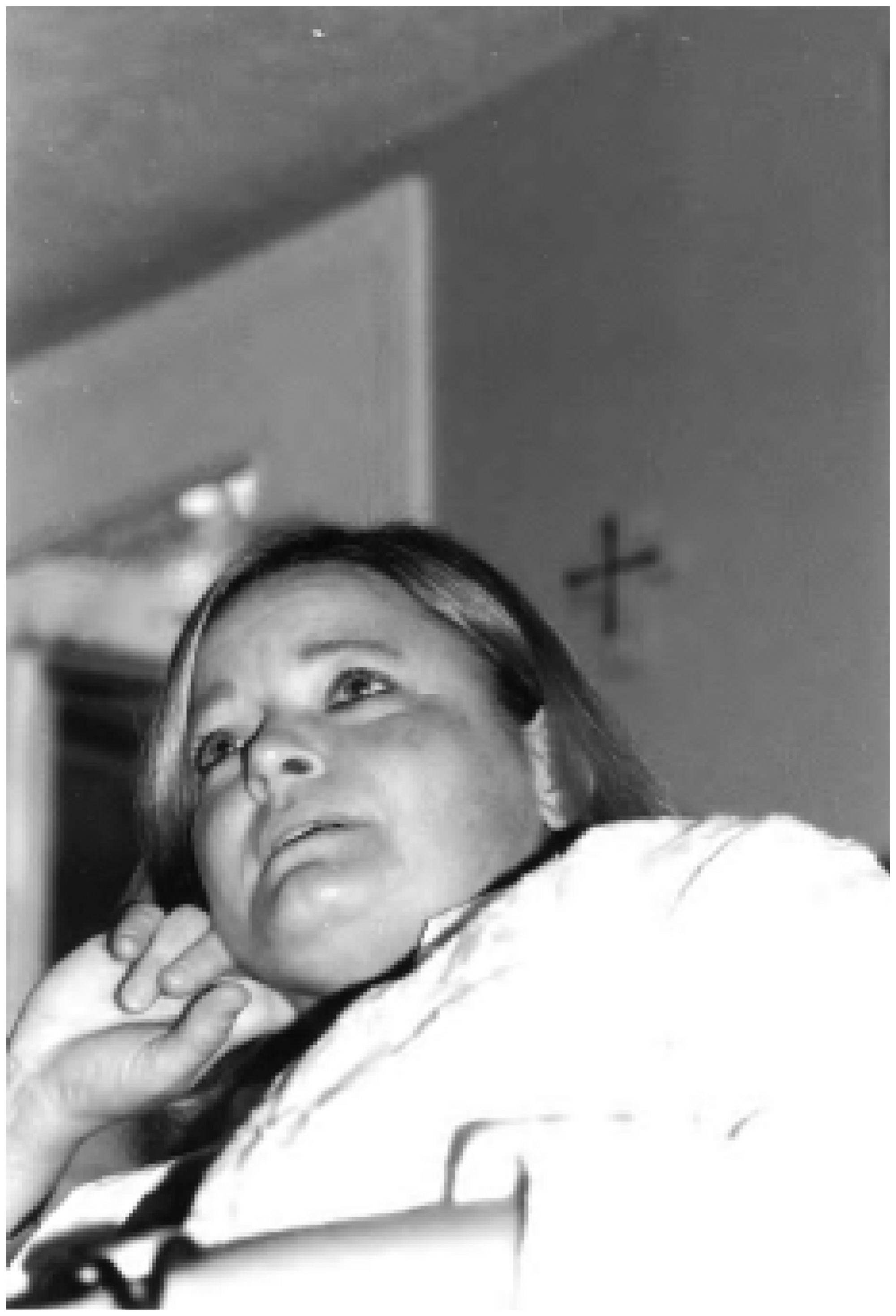
The four properties of the integrating stage do not imply a lesbian woman’s complete integration into all cultural contexts. As long as oppression exists, complete integration was neither possible nor desired. Integrating did represent, however, a lesbian woman’s ability to operate within a heterosexist context. There was a fearlessness and grace to integrating because women who do so are not consumed by a concern with reprisal. Integrating was the ability to render cultural boundaries and barriers, whether overt or covert, permeable, including defining this difference (Russell, 2011). Being out in the integrating stage was natural and no longer qualified as limited to certain acts. Raw data that created the theoretical coding for the integrating substage were: We are everywhere and you may or may not know it; Integrating into the world requires self-reliance; Education, money, and affluence are important for us to have power as a community; We have a responsibility to ourselves as a community, this is a political act; Even if I am not an activist, I still enjoy the rights we have won. Images F through J (Figures 7 through 11) represent the codes found in the integrating stage of liberated identity.
Image F: Equality Knowledge. Image G: Weaving Cultures. Image H: Self-Reliance. Image I: Self-Reliance. Image J: Spirituality.


Discussion
Photography as an expressive component coupled with Glaserian grounded theory was useful in conveying humanness and experience, while adding depth and meaning to the research process and dissemination of results in this research study. Visual image portrayed through photography was used as a supplemental method within the encompassing grounded theory methodology to convey humanness and experience contained in the basic social process theoretical codes. Main implications from this study in the use of photography in research methodologies relate primarily to: 1) social work policy and direct practice, and 2) creative and innovative methods in social work research that cherish the participants’ experiences. Both implications can be emphasized through visual image in the portrayal of human depth and meaning. While the main limitation of this study was that photography was only employed as supplemental documentation, not as data, integration of photography as a data point itself would lend an innovative trend in social work research endeavors.
First, photography can increase access and perhaps offer opportunities in social work research, in the use of visual representation, and thus add an empowerment component to support social work policy practice. History can be a telling point for social work researchers, especially those within policy careers, when recalling the political impact that documentary photography had, thanks to the social reformers at the turn of the 20th-century, who also documented their research through photography: for example, Hine helped create child labor reform, the Farm Service Administration affected change in farming practice technology, the Information Division of FSA, with Evans, Walker, and Lange in the field, revealed in poetic fashion and then educated the public on segregation and racism. These social reformers/social researchers/photographers not only brought social issues to the forefront with visual image, but also affected social change in policy reform and the creation of much-needed social services (Huff, 1998).
In addition to social change, as evidenced by the social policy change that occurred during the Depression, with the help from FSA, photography can also make research more appealing to policy and clinical practitioners alike, by enhancing the humanity and meaning in experience, adding dimensional depth, and offering an outlet for subjective interpretation. Photographic research may also offer the policy and clinical practitioner that encouragement to identify with social research and the professional history of social work in a less threatening way. Some social work practitioners may dread the empirical process pressed through positivist methods in quantitative research, making it less consumable and more challenging to conduct. However, the added enhancement of visual representation, photography, drawing, or art, may make the process more appealing, for practitioner and client alike, by simply adding a unique and human element.
In social work practice, and considering the emphasis on contemporary evidenced-based findings for the profession, humanizing such findings can make them more applicable in practice settings. Usages of photovoice (Graziano, 2004; Poudrier and Mac-Lean, 2009), photo interviewing and essays (Cruikshank, 2010; Marshall et al., 2009; Powell, 2010; Wang, 2009), and photo narratives (Singhal et al., 2007) can be incorporated into social work practice as empowering catalysts and participatory-based routes to client self-actualization, self-reflection, and self-expression. Photography can also increase relationship building and adds a humanistic approach to fostering connections between persons (Goessling and Doyle, 2009). Social work practice can benefit from the integration of visual representation in one-on-one settings, as well as increasing the ease in deciphering, locating, and applying research findings to inform practice. Research photography in the practice setting can increase evidenced-based and research-informed social work practice.
An application of this, for example, is seen in this study and how the photograph situates the object in space and time, as well as locating the photographer in the same, while conveying historical, cultural, and institutional intentions (Pink, 2007). These intentions are found in the visual representations of the stages in the basic social process of liberated identity: authenticating, reconciling, and integrating. Implications arise in research from the authenticating and reconciling stages. By making the invisible visible through the use of photography, the authenticating stage is realized (Russell, 2011). As seen in this study, the use of image to complement research findings can be especially salient for marginalized groups, since it can be a format to make the invisible visible, a way of bringing conflicting social problems to the surface (Loseke, 2001). The research process coupled with photographic image can be an empowering activity through aesthetic representation of identity, a validating process so to speak. The political endeavor of making a marginalized population visible through photography can be empowering, give credit to their political efforts, and validate their political concerns in transcending oppression. And such knowledge and expression can be invaluable and empowering in social work policy practice, and/or as an educational tool for the public, as well as in the individual interactions we have with oppressed populations in social work direct practice. This knowledge, or sensitivity, that resides as a visual image in the social worker’s mind can make an impact on the interactions with the populations with whom we work.
The second implication of creative and innovative methods in social work research is that it cherishes the participants’ experiences and can emphasize, through visual image, the portrayal of human depth and meaning. The adjunct of photography, as research method, supplement, or simple visual enhancement, can contribute an innovative and fresh perspective for social work research in the interpretation of research findings, a creative expression for both researcher and participant. The reader can also benefit from visual image since many persons are visual learners. While continually proving the profession as research-oriented, social workers are encouraged to embrace unconventional research methodologies that may be more accessible and evocative to the populations we serve, thus adding sensitivity to representation of their life experiences at social work practice, policy, and research levels.
Humanizing research methodologies through the use of photography can enhance the learning of social work students, researchers, and clients alike. For example, Powell (2010) states, in her research that taught students to become visual ethnographers, that ‘photography can be used as a tool for documenting events, places, and people that, in the final presentation of work, render contextual complexities that are difficult or elusive to depict through narrative text’ (47). Photographs as research data, in this context, made the process accessible to student ethnographers as well as conveyed humanness that cannot be captured in words. The photograph as assignment, as well, can create aspiring social work documentary photographers and visual ethnographers. Additionally, Wang (2009) applied visual assignments in teaching photography, in which students deconstructed contemporary culture visually and in turn enhanced abilities to create change, personally and politically, through current visual technologies. Utilizing Photovoice, Poudrier and Mac-Lean (2009) explored previously invisible experiences in qualitative fashion by questioning, then visually disrupting, prevailing understandings by presenting differing experiences through photography, thus making the invisible visible as well as humanizing the experiences of different others that had been previously ignored. Such endeavors reveal visually the experience of marginalized persons, making their experience immediate and public through photography, a powerful tool in humanizing research methodology.
In more controversial realms, photography can expose oppression, especially when photographs themselves are the data. Fey et al. (2010) used photographs as documentation to expose racism and social justice. Finally, Phillips and Bellinger (2011) explored the use of testimonials combined with photography in teaching social work students about relationality and difference. Ultimately, photographs as research data, collected with the intention of humanizing the research process itself and adding meaning to participant experience, can play ‘a highly instrumental role by providing visual evidence as an innovative way of seeing and analyzing social problems’ (Szto, 2008: 91). As such, social work research can benefit from a sophisticated interplay of depicting participant experience, as the visual method itself can empower and respect the participant experience, all through a photograph.
Not only can visual representations add meaning and accessibility to social work research, but it can also increase rapport and connection with study populations, especially in social work settings, even practice environments (Collier and Collier, 1986; Pink, 2007). Observation and visual documentation of culture, experience, and member checking within the captured photographic images can potentially increase trust and reciprocity within a research environment. Photography can empower research participants through the direction of the photographic process with what images they wish to have captured, as well as ensuring the integrity of the research process (Pink, 2007). Finally, photography during the research process can elicit information from participants, as well as provide the researcher knowledge about contexts that cannot be accessed, such as heuristic processes (Pink, 2007). Photography can add meaning to research contexts not just through visual representations, but can also increase a possibly unrealized connection with study participants, affording opportunity to shape the process as well as empower themselves through it. Ultimately, humanizing research findings through visual creativity and arts can both empower participants and advance the social work profession.
Humanness and affectivity can be visually conveyed in research findings through the use of image, such as photography. The purpose of photography as a study of visual representation can supplement and provide a format for human experience, adding to the comprehensive empirical nature embedded in research (Banks, 1998). This artistic endeavor is not to find truth, but to seek understanding and meaning. ‘Humanness’ in this context can exude human phenomena (Szto et al., 2005), such as human capacity, range, and emotions not easily represented in text alone. Additionally, the use of image to complement research findings can be especially salient for marginalized groups, since it is a route to make the invisible visible, a way of bringing conflicting social problems to the surface (Loseke, 2001). Photography can provide a human element to research practices and ensure participants are valued and heard.
Footnotes
Note
Funding
This research received no specific grant from any funding agency in the public, commercial, or not-for-profit sectors.