




Abstract

It is with great shock that we received the news of the tragic death of Regina Katzenschlager in a car accident while she was on holiday in New Zealand. Suddenly and unexpectedly losing her fills us with deep sorrow and leaves an irreplaceable void in the Austrian Movement Disorder community as well as profound grief among all who were personally connected to her.
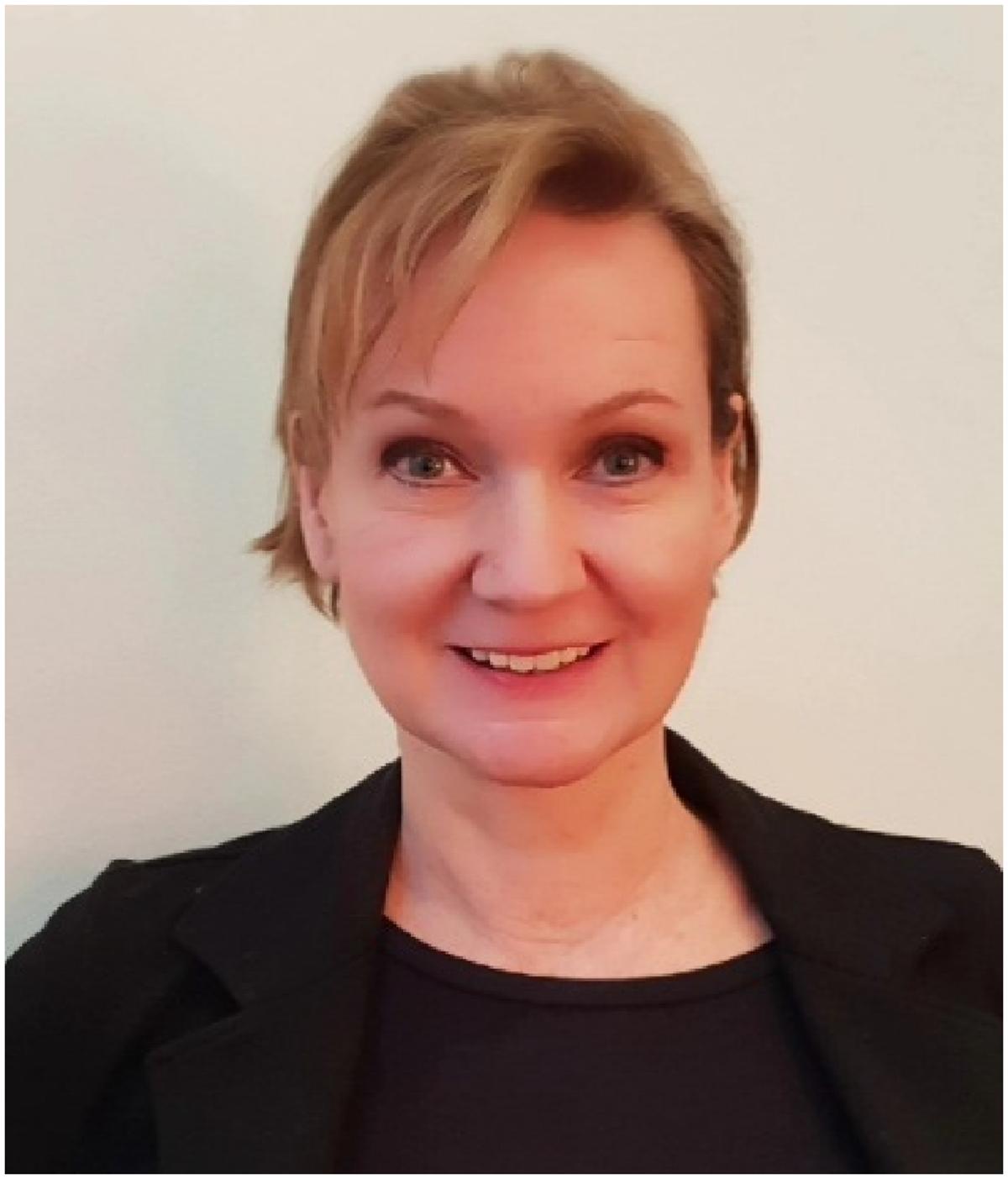
Regina Katzenschlager was an outstanding neurologist and an internationally recognized expert in the field of movement disorders. Over decades, she played a decisive role in shaping neurological care for patients with Parkinson's disease in Austria and was deeply committed to Parkinson's research, with the goal of improving patients’ quality of life.
Regina was an exceptionally gifted student and graduated from medical school with the highest mark of distinction‚ under the auspices of the President of the Republic. She completed her neurology residency at the Donaustadt Hospital in Vienna, which she would later go on to lead as clinical director. She soon developed a particular interest in Parkinson's disease and the field of Movement disorders with its emphasis on careful clinical observation. Having glimpsed into the Mecca of clinical Movement Disorder at the National Hospital for Neurology and Neurosurgery at Queen Square in London during a brief stay, Regina turned to Andrew Lees, who became her mentor for a research fellowship from 1999 to 2002. During this time Regina became deeply involved in important clinico-pharmacological studies: she co-authored the UK Parkinson Disease Research group clinical trial which showed that early use of a dopamine agonist, bromocriptine, did not result in any long-term benefit regarding the risk of motor fluctuations, compared to use of levodopa. 1 She also demonstrated the antidyskinetic effects of continuous subcutaneous apomorphine infusions in patients with fluctuating Parkinson's disease. 2 This formative period laid the foundation for her international scientific network and her subsequent academic development. Building on her work with apomorphine in London Regina led the TOLEDO study to confirm the efficacy of subcutaneous continuous apomorphine infusions to treat Levodopa response fluctuations with the first double-blind randomized controlled trial. 3 With her pivotal clinical-pharmacological trial of Mucuna pruriens 4 and a recent viewpoint article in this journal entitled “To bean or Not to Bean”, 5 she also remained a leading, balanced expert voice on plant-derived levodopa for Parkinson's disease. At the time of her untimely death her scientific work comprised well above 100 publications in renowned international journals with a strong focus on the pharmacological management of Parkinson's Disease.
Regina was a leading figure in Austrian neurology. She held the position of Director of the Department of Neurology at Donaustadt Hospital in Vienna and also headed the Karl Landsteiner Institute for Neuroimmunological and Neurodegenerative Diseases. She was strongly committed to medical education, serving as Chair of the Board Examination Committee for Neurology in Austria. As President of the Austrian Society of Neurology - and its first female President - she made substantial contributions to the quality of specialist training and became an important role model for many women in neurology and neuroscience. Regina was a full-blooded clinical neurologist with broad clinical skills, but Parkinson's Disease and Movement Disorders remained her vocation and professional focus.
As a long-standing Board Member of the Austrian Parkinson's Disease Society, of which she was elected President in 2023, she launched important initiatives to enhance public awareness of Parkinson's disease and movement disorders as increasingly important health issues. Inspiring and supporting young neurologists to engage in the field was one of the missions she pursued with great energy and persistence.
Regina's activities and recognition reached beyond Austria and she was partcularly active in the International Parkinson's Disease and Movement Disorder Society. From 2017 to 2021, she chaired the MDS Evidence-Based Medicine (EBM) Committee and was appointed to the MDS International Executive Committee in 2021. She also served on the Executive Committee of the European Section of the MDS andon the Editorial Board of the Movement Disorders Journal. Her commitment, scientific clarity, and international connectivity made her a highly respected voice in the global movement disorder community.
Regina's interests extended far beyond neurology and medicine. She loved books, art, and music, and was fascinated by foreign cultures, languages, and travel - one of her greatest passions. She had a particular fondness for sunsets, which she enjoyed especially while travelling.
With Regina Katzenschlager, we have lost an exceptionally warm and gracious person. Her subtle sense of humor, kindness, and great humanity made her an inspiring colleague and companion. She had a rare ability to combine seriousness with lightness, and we shall always remember her infectious laughter. Working with Regina was enriching not only professionally but also personally. Those who had the privilege of collaborating with her experienced her as a reliable colleague, an intelligent and critical discussion partner, and someone who questioned assumptions and thought in new ways. She expressed her convictions clearly while always remaining respectful and approachable. For many, she was far more than a colleague - she was also a friend.
Regina Katzenschlager leaves behind her beloved family to whom we extend our deepest sympathy. The Austrian Parkinson Society mourns the loss of an outstanding physician, scientist, personality, and friend who profoundly shaped our field and our society.
We will always honor and cherish her memory with gratitude.