




Abstract
This study analyzed 10,461 iPSC-related publications retrieved from the Web of Science Core Collection-Science Citation Index Expanded, focusing on annual publication, journal, author, institution, country/region, reference, and author keyword, with networkvisualization performed using VOSviewer. The annual publication has shown remarkable growth, first exceeding 500 in 2013 and reaching 1,107 in 2021. Stem Cell Research published the most publications (n = 1,472) and received the highest citations (n = 6,561), followed by PLoS One and Scientific Reports. The United States was the most productive country with 3,525 publications and 208,413 citations. Among the institutions, Kyoto University ranked first in productivity with 480 publications and 33,455 citations. Wu Joseph C. was the most prolific author, having 119 publications and 8,855 citations. Five main clusters were identified through the co-occurrence analysis of the top 177 author keywords: iPSCs differentiation & tissue engineering, neurodegenerative diseases & neurobiology, regenerative medicine in Parkinson’s disease, cardiac disease models & gene editing, and ESCs & reprogramming mechanisms. This study presented the first comprehensive bibliometric analysis of global iPSC research, aiming to map the domain's intellectual structure and collaborative networks. It revealed the global landscape, drivers of the growth trajectory, knowledge base, research hotspots, and future perspectives in the domain, thereby offering a strategic roadmap to accelerate progress and innovation.
Impact Statement
This study presents the first comprehensive bibliometric analysis of global iPSCs research, mapping its intellectual foundation, collaborative networks, and evolving hotspots. By visualizing trends and emerging frontiers, it offers a strategy roadmap to guide future innovation in iPSCs domain.
Introduction
Induced pluripotent stem cells (iPSCs) have revolutionized life science and regenerative medicine by combining unlimited self-renewal with the capacity to differentiate into virtually any somatic cell type. This unique potential has positioned iPSCs as a cornerstone for modeling human development, dissecting disease mechanisms, and advancing therapeutic strategies—particularly in tissue engineering, neurodegenerative diseases, and cardiovascular diseases. 1
Despite significant progress, key challenges remain that hinder clinical translation, including tumorigenic risk, 2 low reprogramming efficiency, off-target effects in gene editing, and immune compatibility issues. 3 With recent advances in the great progress of the chemical reprogramming method, the problems above are being gradually improved. 4 It is particularly worth highlighting that the integration of iPSCs and gene-editing technology has brought opportunities for the precise therapy of cardiovascular diseases. Through gene editing, researchers can simulate specific cardiovascular disease models in iPSCs, deeply study their pathophysiological mechanisms, and explore new drug targets. 5 At the same time, the employment of iPSCs in the study of cell fate determination and disease development is also constantly expanding, revealing how cells regulate their fate through intrinsic molecular mechanisms and external signals, including the differentiation and reprogramming of stem cells, 6 and the occurrence and development of tumors. 7
Given the exponential growth and increasing complexity of the iPSCs domain, a systematic overview of its global research landscape is urgently needed. Bibliometric analysis is a valid and thorough scientific quantitative research approach for retrieving and interpreting substantial scientific data, 8 which holds great potential in helping to overcome the challenges faced by iPSCs research and application. Bibliometric analysis can provide valuable insights and references for researchers by analyzing the progress of the iPSCs research topic, shedding light on emerging areas within this domain, and appraising the contributions of journals, countries/regions, institutions, and authors through coword analysis, visual network analysis, and cluster analysis. 9 Although prior publications have focused on specific subdomains, 10 a comprehensive and visualization-based synthesis of the entire development of iPSCs remains lacking.
To bridge this gap, we presented the first large-scale bibliometric analysis of 10,461 iPSCs-related publications from the Web of Science Core Collection and investigated the data from multiple dimensions such as coauthorship of countries/regions, institutions, authors, and co-occurrence of author keywords. 11 Our purpose is to comprehensively analyze the global trends of iPSCs research, identify hotspots nowadays, and provide guidance for future research. As the first bibliometric analysis of overall development of iPSCs, this study can provide accurate and reliable assistance for researchers and other professionals to better grasp current hotspots, establish research goals and develop research plans.
Methods
Data collection and search strategy
We utilized the Web of Science Core Collection database (WoSCC)-Science Citation Index Expanded (SCI-Expanded) Editions to obtain the data of publications on iPSCs. We searched for relevant publications using the following strategy: TI = (“Induced Pluripotent Stem Cell$” or “IPS Cell$” or “HIPSC”) or AK = (“Induced Pluripotent Stem Cell$” or “IPS Cell$” or “HIPSC”) or KP = (“Induced Pluripotent Stem Cell$” or “IPS Cell$” or “HIPSC”).12,13 The publication type was refined to “article,” and the language was refined to English. A total of 10,461 publications from January 1, 2000, to November 9, 2024 were retrieved and download as “Plain text.” Figure 1 illustrated the search process for iPSCs briefly.
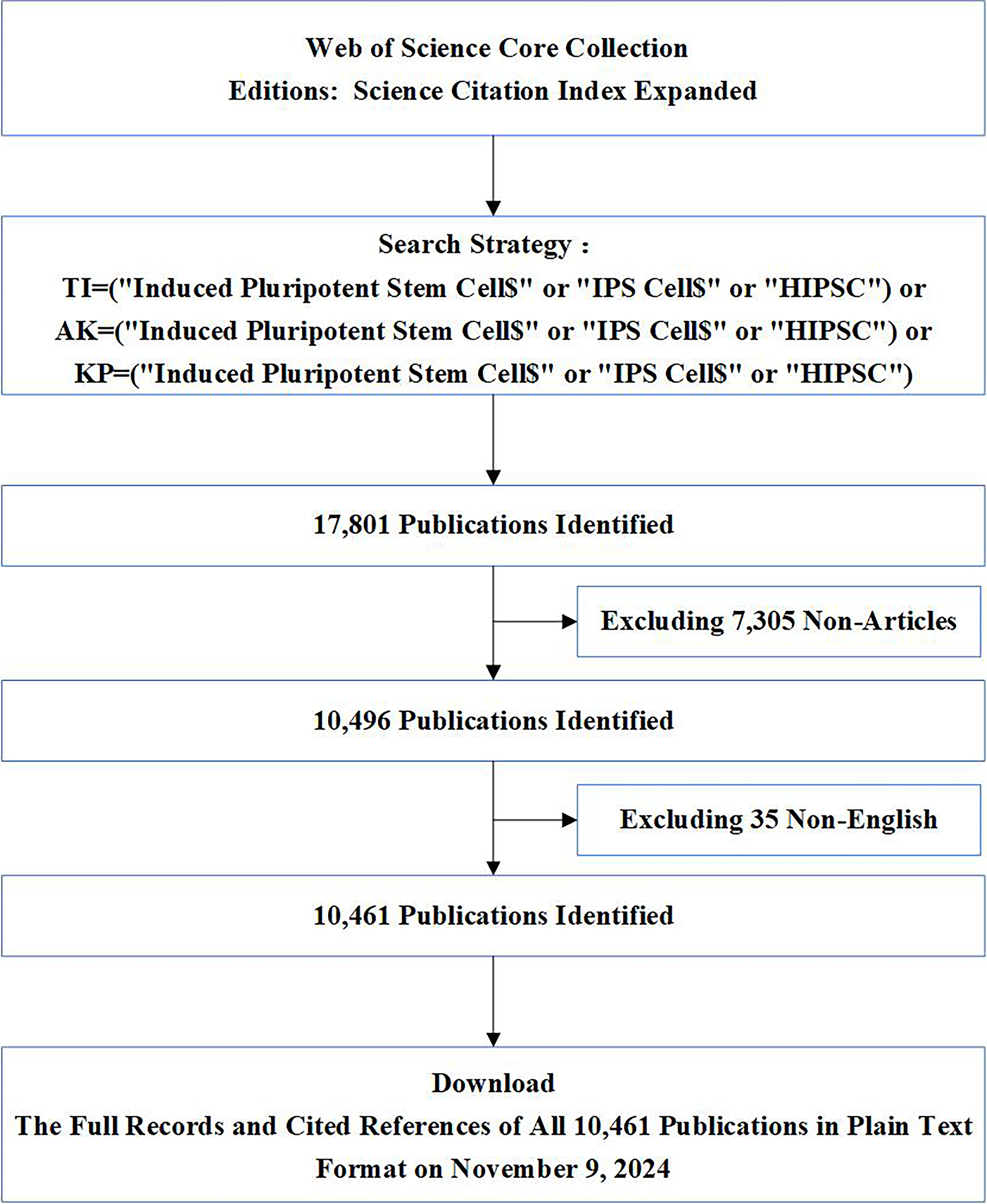
The process of data collection and search strategy.
Data analysis
VOSviewer is a public source literature visualization software, which is mainly applied to build and visualize bibliometric networks, aiming to help researchers to grasp recent trends, identify relevant hotspots and explore the relationship of various academic domains. 14 We utilized VOSviewer to construct coauthorship networks with countries/regions, institutions and authors, as well as co-occurrence networks based on author keywords as units of analysis. In the network visualization function module, circles indicate items and curved lines between two circles indicate connection. The size of the circles was determined by the occurrence frequency of items and the thickness of the lines depended on the strength of connection. The color of the items represented the cluster which they belong to and different colors represented different clusters. Furthermore, we conducted rigorous data cleaning and term normalization for countries/regions, institutions and keywords. In addition, we utilized CiteSpace to generate a keyword burst detection map, 15 which can effectively identify and visualize the emerging research frontiers and intellectual turning points within the field.
Results
Annual publications
A total of 10,461 publications related to iPSCs by November 9, 2024, were collected from WOSCC-SCI-Expanded. The production of annual publications on iPSCs was presented in Figure 2. Relevant publications first emerged in 2007 and global interest in iPSCs has skyrocketed throughout the last 18 years. Specifically, the annual publication on iPSCs ascended significantly from 2007 and exceeded 500 for the first time in 2013. Since then, research in this domain has continued to rise, with the number of publications topping 1,000 in 2020 and reaching 2021 with 1,107 published. The Growth Curve represented the data predicted using a third-degree polynomial regression model. Using the derived regression equation from Figure 2, the predicted annual publications for the next 3 years were 788 in 2025, 657 in 2026, and 500 in 2027.
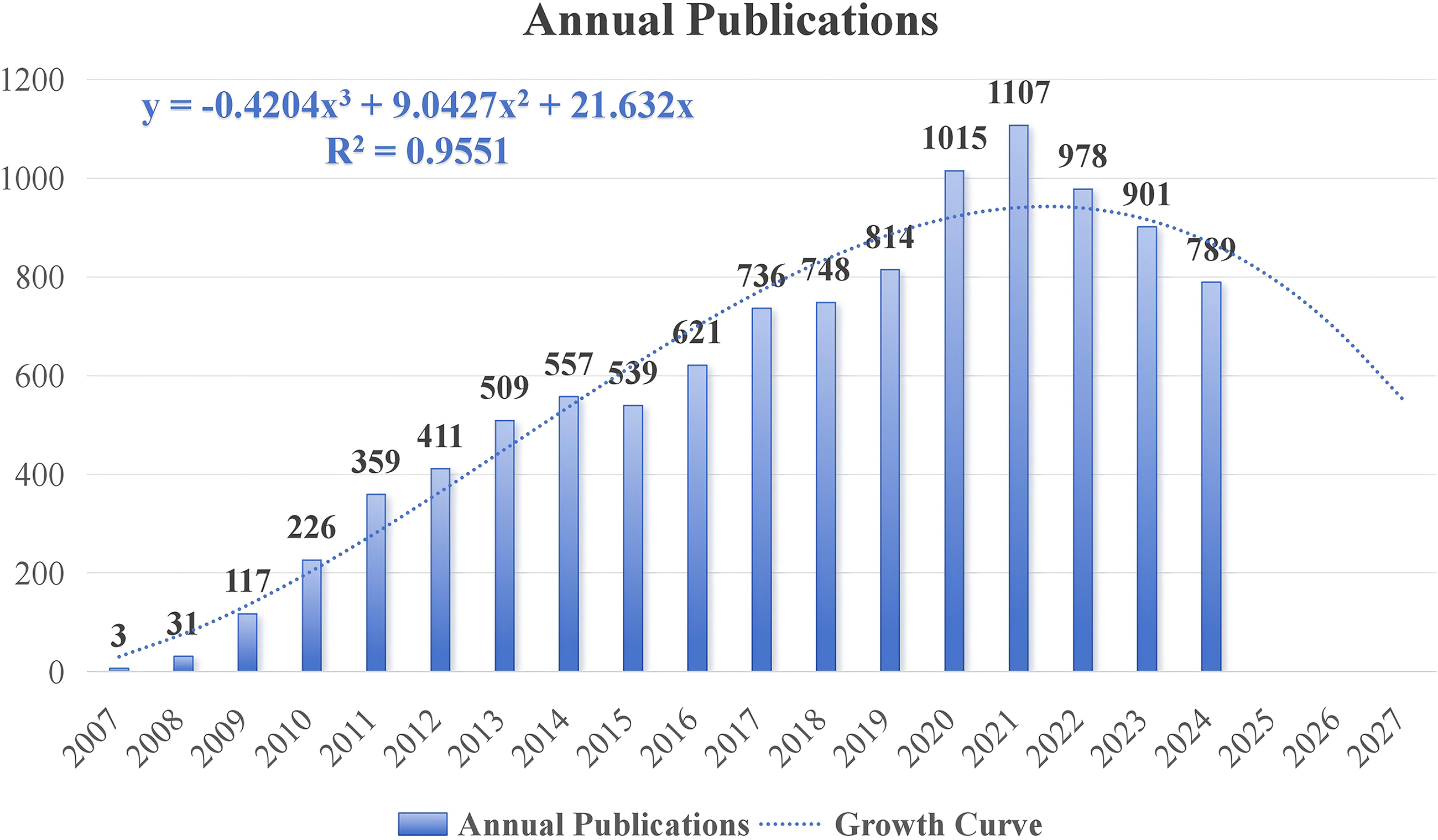
The annual publications on iPSCs and the trend for the next 3 years. iPSCs, induced pluripotent stem cells.
Citation analysis of journal
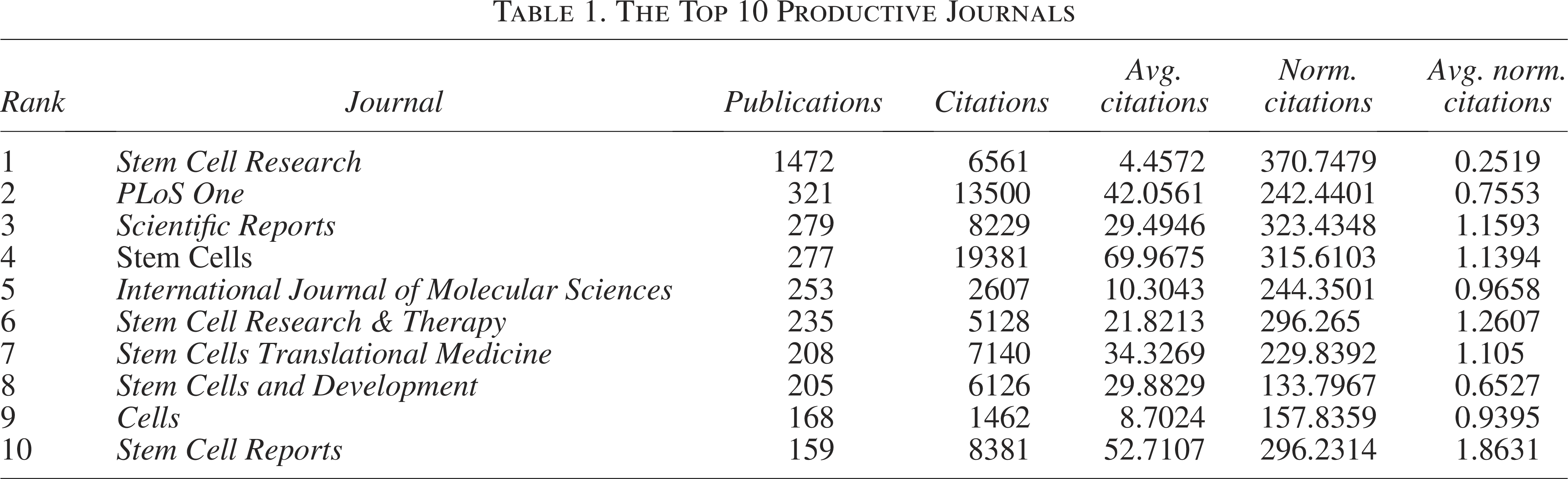
A variety of influential journals have begun to focus on iPSCs, a domain of great research potential. Table 1 presented the top 10 journals, among which Stem Cell Research (1472 publications, 6561 citations), PLoS One (321 publications, 13,500 citations), and Scientific Reports (279 publications, 8229 citations) were very representative. Nature not shown in the table had a citation count of 25,745 but only 40 publications, highlighting its excellent publication quality, strong influence, and popularity in research areas. Although Stem Cell Research had the highest number of publications, its low average normalized citations (0.25) indicated below-average per-paper impact. In contrast, Scientific Reports and Stem Cells showed higher average normalized citations.
The Top 10 Productive Journals
VOSviewer was utilized for citation analysis of sources to visualize the number of publications and collaborative contacts in published journals in this domain. When the minimum number of publications of a journal was set to 20, we divided 87 journals that met the criteria into 3 clusters. In Figure 3, the cluster in green included the most productive journal and the cluster in red had the most items (n = 35), centered on Scientific Reports. The cluster in blue was centered on PLoS One whose publications and citations were both among the top 3.
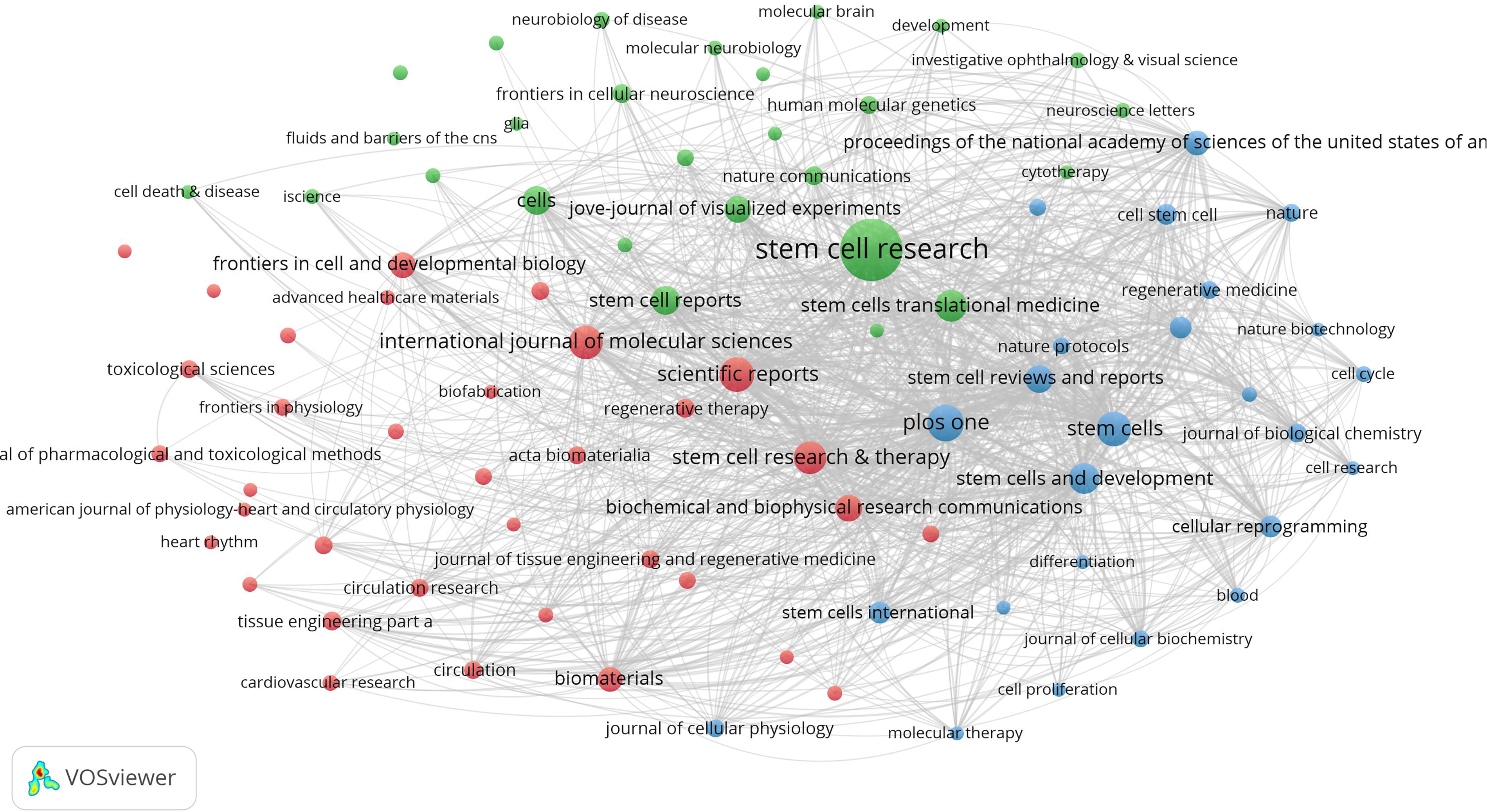
The productive journals and their collaborative relationships.
Coauthorship analysis of countries/regions
iPSCs have become a global focus, as evidenced by the participation of 86 countries/regions in their publications. Table 2 presented the top 10 leading countries. In terms of the number of publications, the United States (3,525 publications, 208,413 citations) was the most productive country, followed by China (2,006 publications, 43,994 citations) and Japan (1,907 publications, 66,203 citations). The United States led in both publication volume and Avg. Norm. Citations (1.35), while China, despite high output, showed lower influence (0.81). Germany and the UK demonstrated fewer papers but higher-than-average impact (both >1.1).
The Top 10 Leading Countries
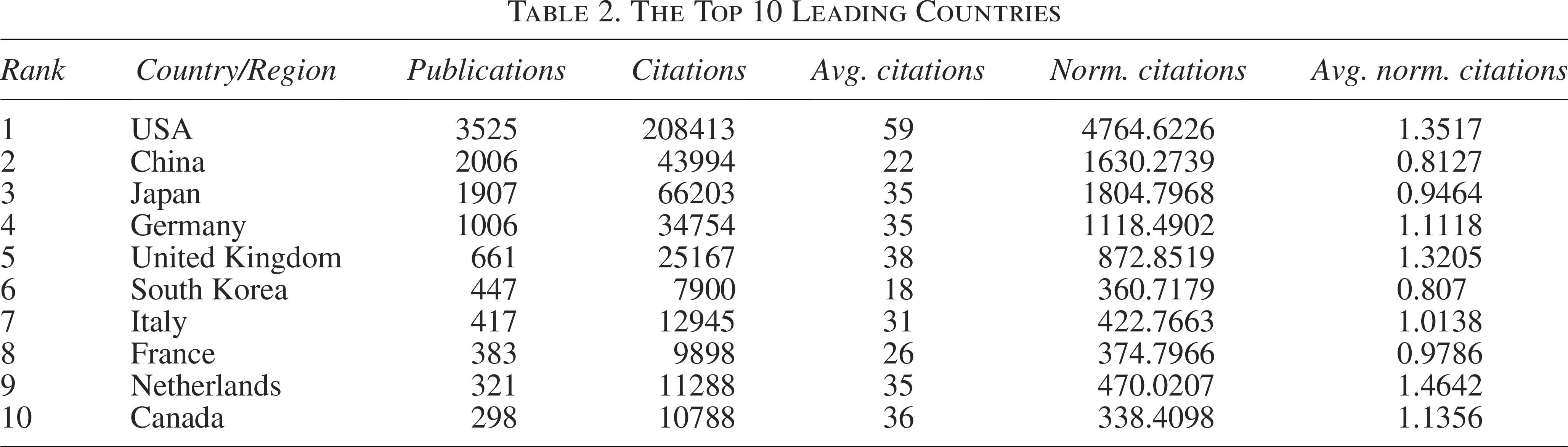
To visualize international communication and cooperation related to iPSCs, VOSviewer was utilized to analyze coauthorship among countries/regions. The coauthorship network of countries/regions was illustrated in Figure 4. When minimize number of publications of a country/region was set to 5 and minimal cluster size was set to 9, the network presented all 59 countries/regions, which conformed to criteria and categorized them into 5 clusters. The largest cluster (in red), including 19 countries, was centered on the United States and China. The most productive countries/regions depicted in Figure 4 were interconnected through cooperative relationships. The United States had the highest number of cooperating partners (n = 57), followed by the United Kingdom (n = 52), Italy (n = 49), Germany (n = 47), and China (n = 45).
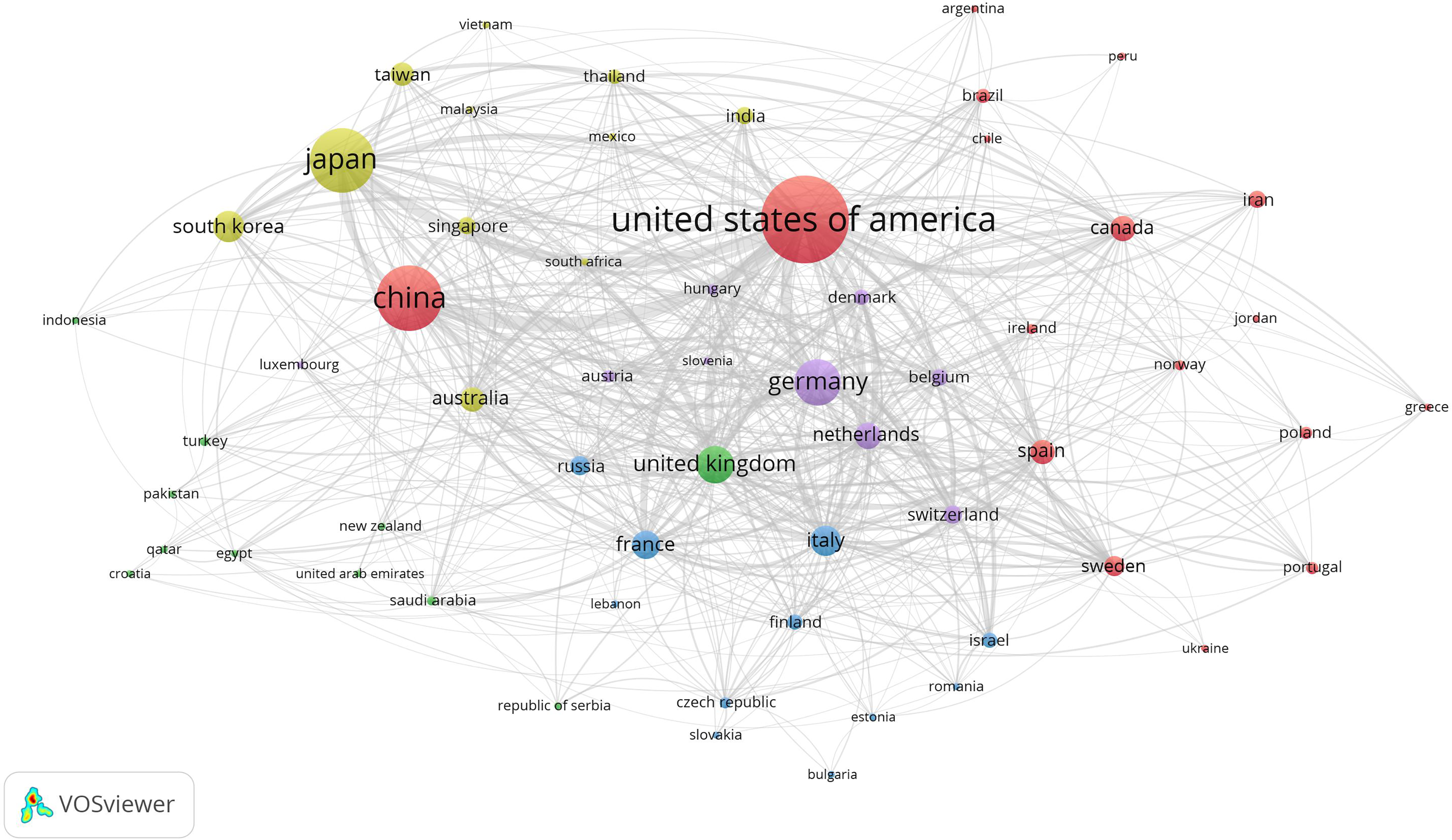
The coauthorship of countries/regions and their collaborative relationships.
Coauthorship analysis of institutions
Diverse institutions from different countries have contributed to the research and improvement of iPSCs. A total of 7,107 institutions engaged in the publications of iPSCs. Table 3 presented the ranking of the top 10 most productive institutions. Kyoto University (480 publications, 33,455 citations) ranked first in productivity, followed by Harvard University (305 publications, 37,596 citations) and Stanford University (278 publications, 17,607 citations). Harvard and Stanford showed higher average impact (>1.8). Chinese institutions like Chinese Academy of Sciences and Shanghai Jiao Tong published actively but lagged in normalized impact (<0.85).
The Top 10 Most Productive Institutions
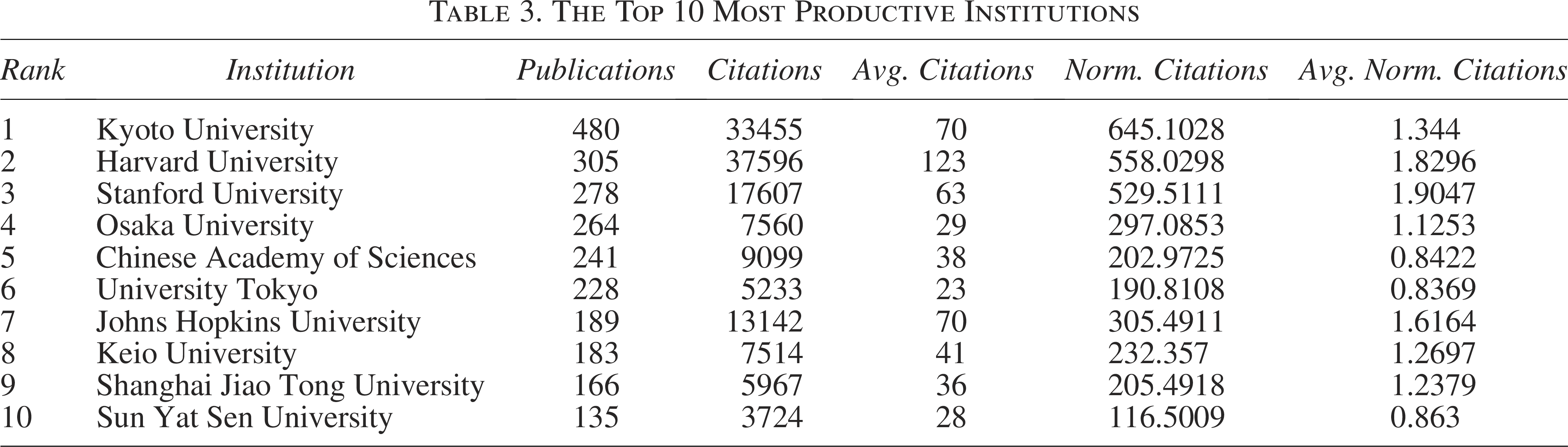
We utilized VOSviewer to conduct coauthorship analysis of the institutions. When minimize number of publications of an institution was set to 40, a total of 128 institutions met the criteria. Figure 5 presented the coauthorship network of all 128 institutions, which were divided into 4 clusters when minimal cluster size was 10. The red cluster with 48 institutions was the largest, but the center of it, Hannover Medical School (117 publications, 4,403 citations), was the smallest of the four centers compared to Harvard University (Cluster 2 in green), Chinese Academy of Sciences (Cluster 3 in blue), and Kyoto University (Cluster 4 in yellow). The most productive institutions shown in Figure 5 had cooperative relationships with each other. Harvard University was the institution with the most cooperating partners (n = 118), followed by Stanford University (n = 99), and Johns Hopkins University (n = 86).

The coauthorship of institutions and their collaborative relationships.
Coauthorship analysis of authors
In total, there were 49,797 relevant authors who published the 10,461 retrieved publications. Table 4 provided a list of the top 10 most productive authors. Wu Joseph C. topped the list of productivity (119 publications, 8855 citations), followed by Okano Hideyuki (103 publications, 4309 citations), and Yamanaka Shinya (79 publications, 20,978 citations). Shinya Yamanaka, despite fewer papers, had the highest average normalized citations (2.194).
The Top 10 Most Productive Authors
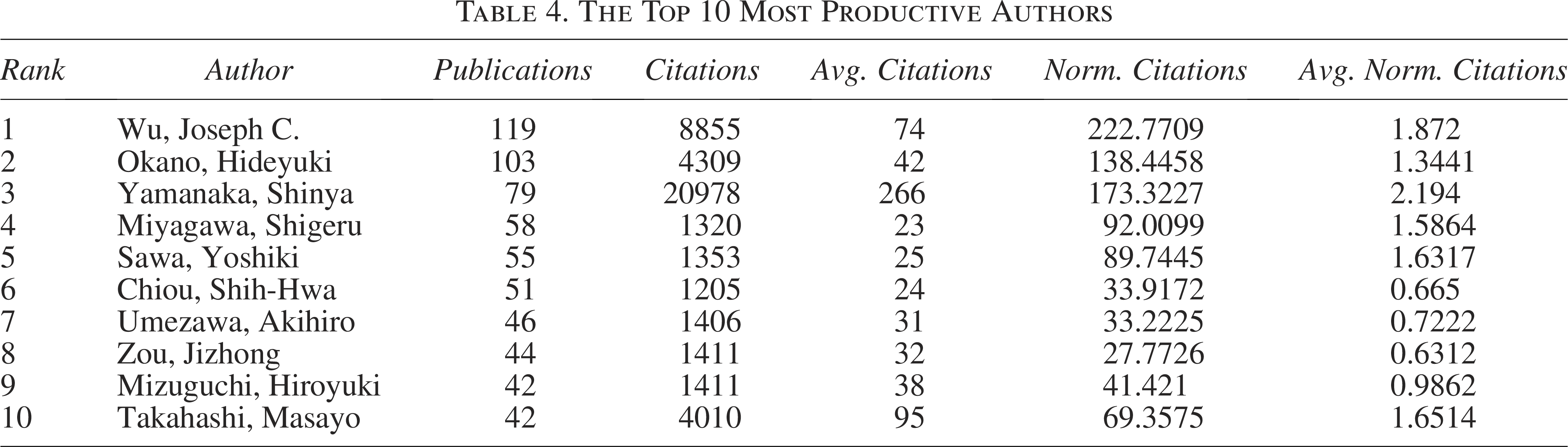
VOSviewer was utilized to conduct coauthorship analysis of the authors and when we set the minimize number of publications of an author to 20, only 149 of the 49,797 authors meet the criteria. Since some of the 149 authors were not connected with each other, the set of connected authors numbered 140 after the exclusion. Figure 6 illustrated the coauthorship network of authors. When minimal cluster size was 10, the coauthorship network was separated into 8 clusters denoted by different colors. The red cluster (n = 27), centered on Okano Hideyuki and Yamanaka Shinya, was the largest. The most productive authors shown in Figure 6 had cooperative relationships with each other. Yamanaka Shinya had the largest number of cooperating partners (n = 31), followed by Okita Keisuke (n = 20), and Yoshida Yoshinori (n = 20).
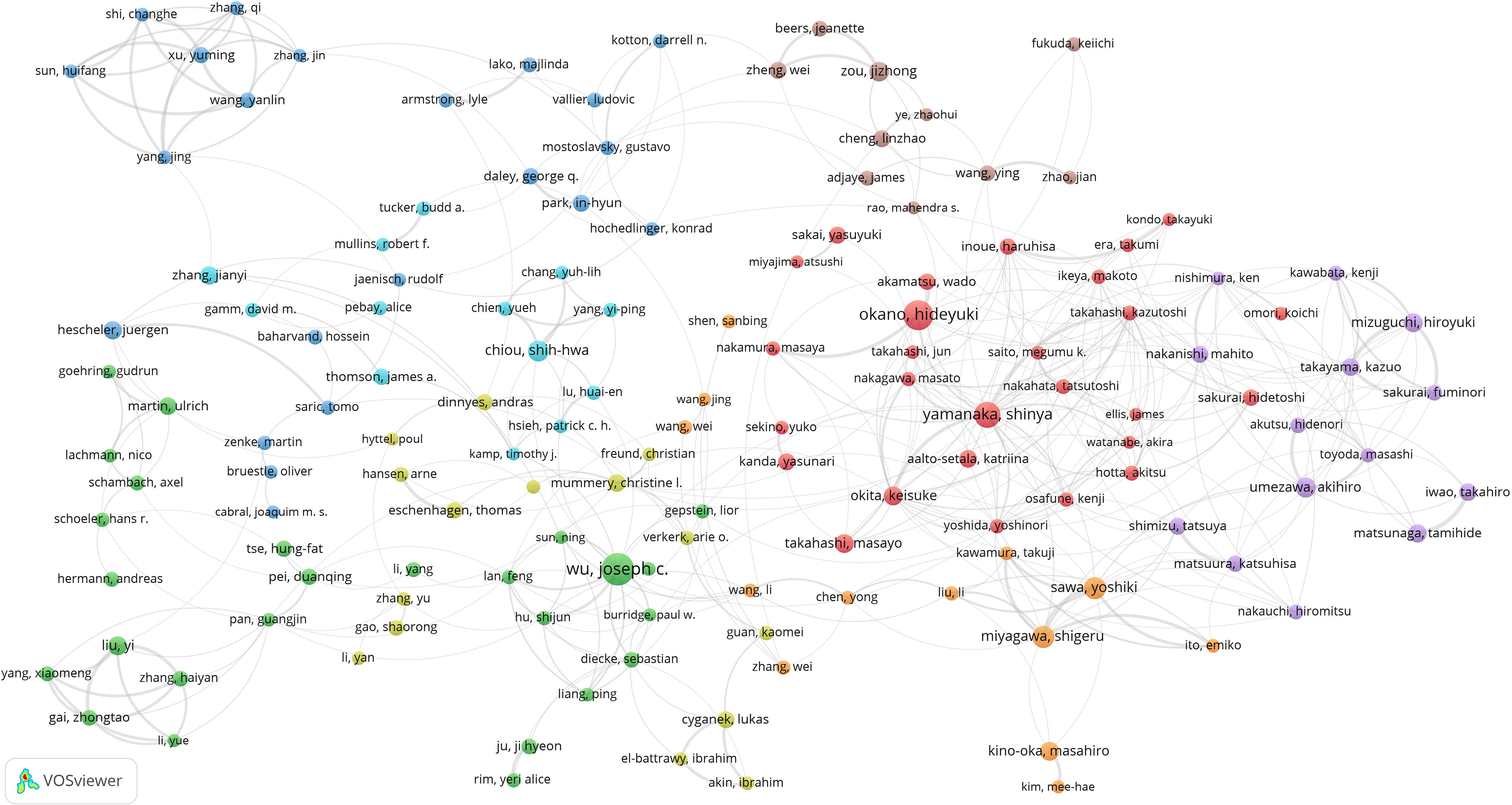
The coauthorship of authors and their collaborative relationships.
Cocitation analysis of cited references
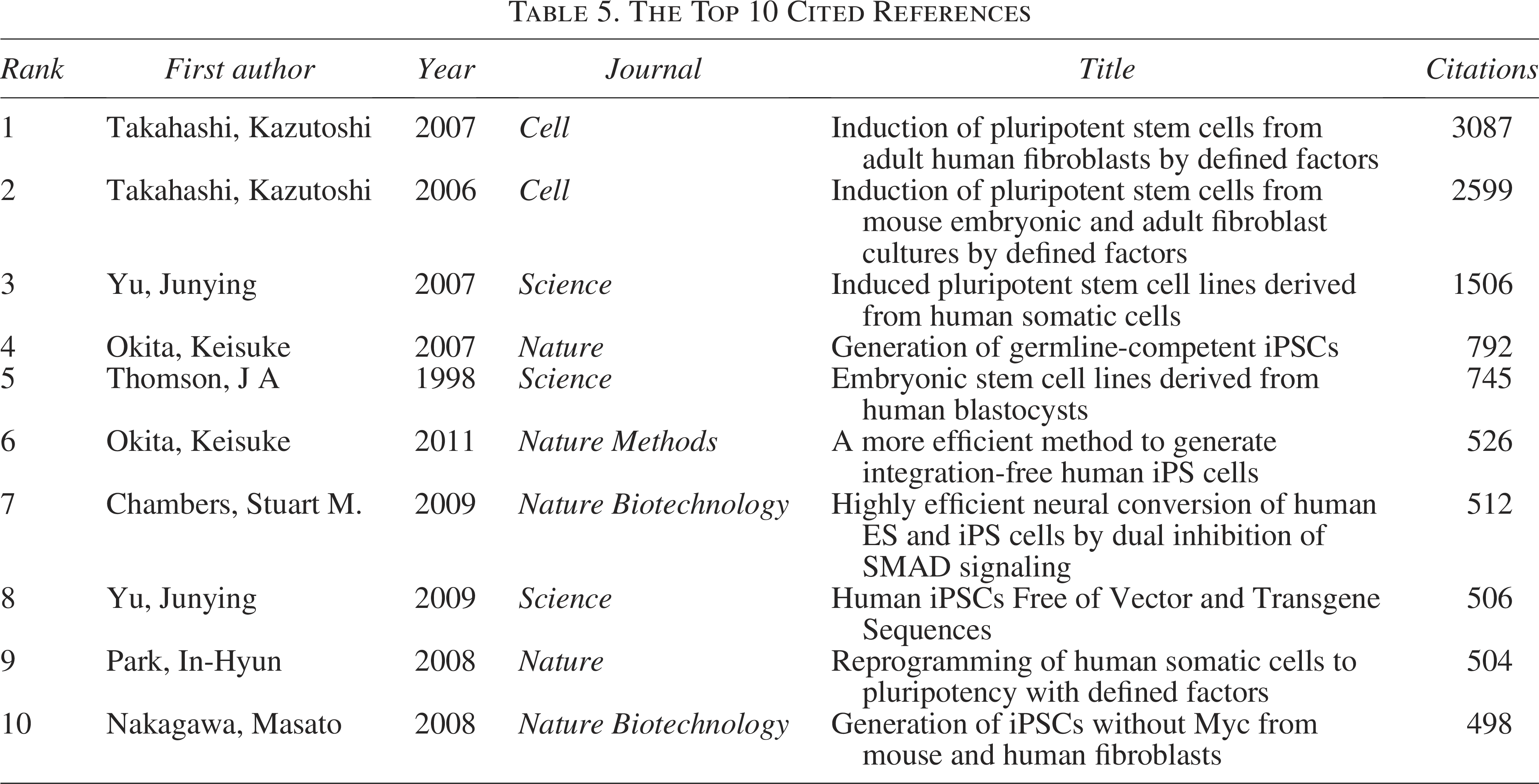
The top 10 high-frequency cited references were listed in Table 5. The top 3 publications were cited more than 1,000. The number of citations of two publications by Takahashi, Kazutoshi both exceeded 2,000, obviously ranking at the top. Okita, Keisuke, and Yu, Junying also had two publications ranked in the top 10. Thomson J A’s publication, published in 1998, was the earliest among the top 10. In addition, three were published in Science, two in Cell, two in Nature, two in Nature Biotechnology and one in Nature Methods.
The Top 10 Cited References
Co-occurrence analysis of the top 177 author keywords
Author keywords are the highest concentration and summary of the content of publications, so we researched high-frequency author keywords for co-occurrence analysis. We utilized VOSviewer to retrieve 13,594 author keywords in total, then extracted and clustered the top 177 author keywords when minimum number of occurrences of a keyword was set to 20. Figure 7, generated by VOSviewer, illustrated a visualization network map of the top 177 author keywords, which were divided into 5 clusters. Besides the author keywords iPSCs (n = 5,731) topped the list with absolute advantage, embryonic stem cells (ESCs; n = 526), myocytes, cardiac (n = 378), regenerative medicine (n = 185), and neurons (n = 115) also had significant quantity, located at the center of each cluster. Cluster 1 in red represented iPSCs differentiation and tissue engineering. Cluster 2 in green represented neurodegenerative diseases and neurobiology. Cluster 3 in yellow represented regenerative medicine in Parkinson’s disease (PD). Cluster 4 in blue represented cardiac disease models and gene editing. Cluster 5 in purple represented ESCs and reprogramming mechanisms.
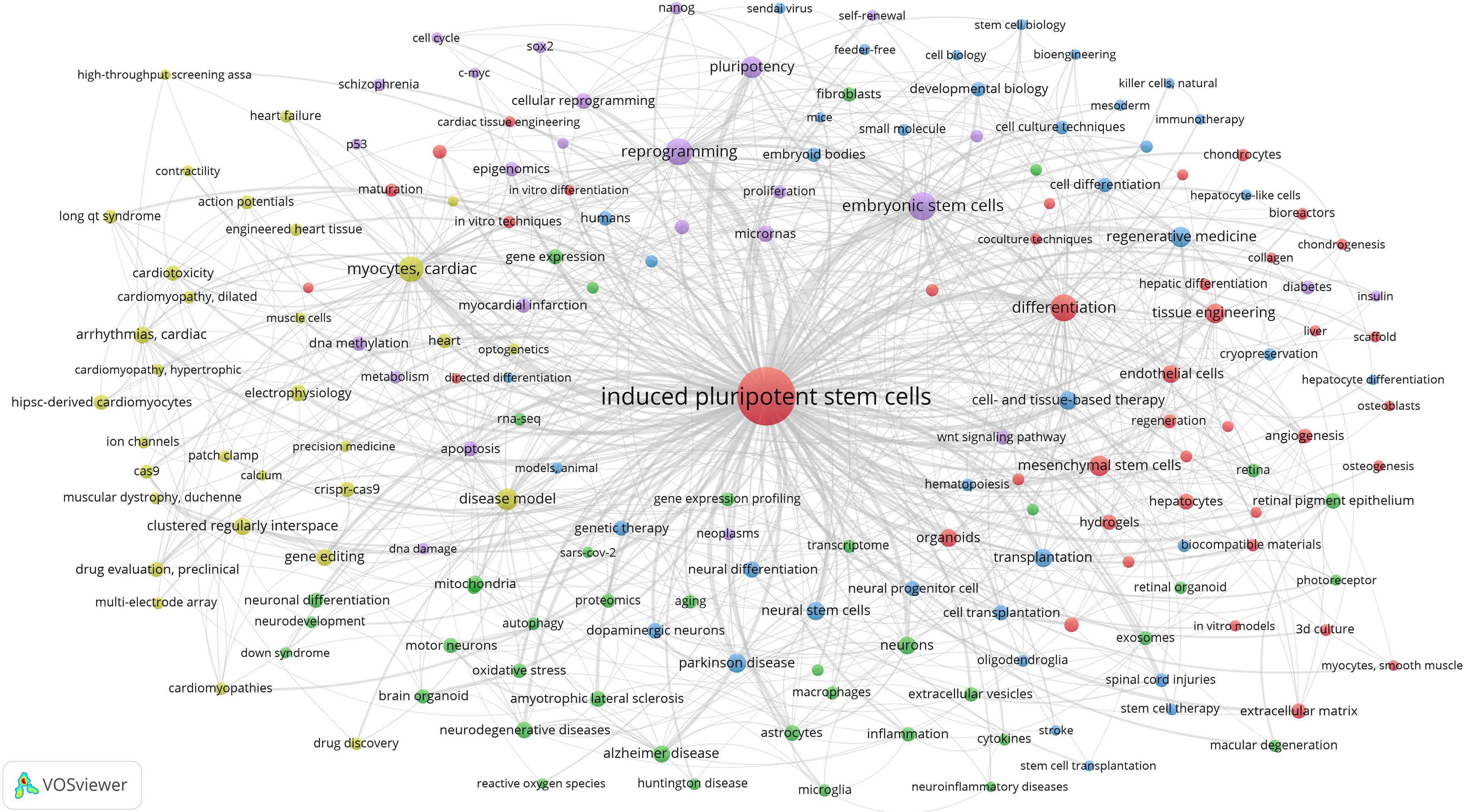
The top 177 author keywords and their collaborative relationships.
In the overlay visualization network shown in Figure 8, the average year of keyword appearance was represented by a gradient from blue to yellow, with blue representing earlier keywords and yellow representing later keywords. The top 10 newest keywords were neuroinflammatory diseases, severe acute respiratory syndrome coronavirus 2 (SARS-COV-2), extracellular vesicles, organoids, cardiomyopathy, hypertrophic, contractility, microphysiological systems, brain organoid, clustered regularly interspaced short palindromic repeats–CRISPR-associated protein 9 (CRISPR-Cas9), and retinal organoid. The average publication year for the above keywords ranged from 2021.1081 to 2022.2381 (in Supplementary Table S1). Furthermore, we explicitly marked the cluster for each keywords. It was evident that Cluster 3 and 5 were predominantly characterized by the blue nodes, indicating the early emergence, whereas Cluster 2 and 4 were primarily composed of the yellow nodes, suggesting more recent development and presenting the frontiers of this domain.
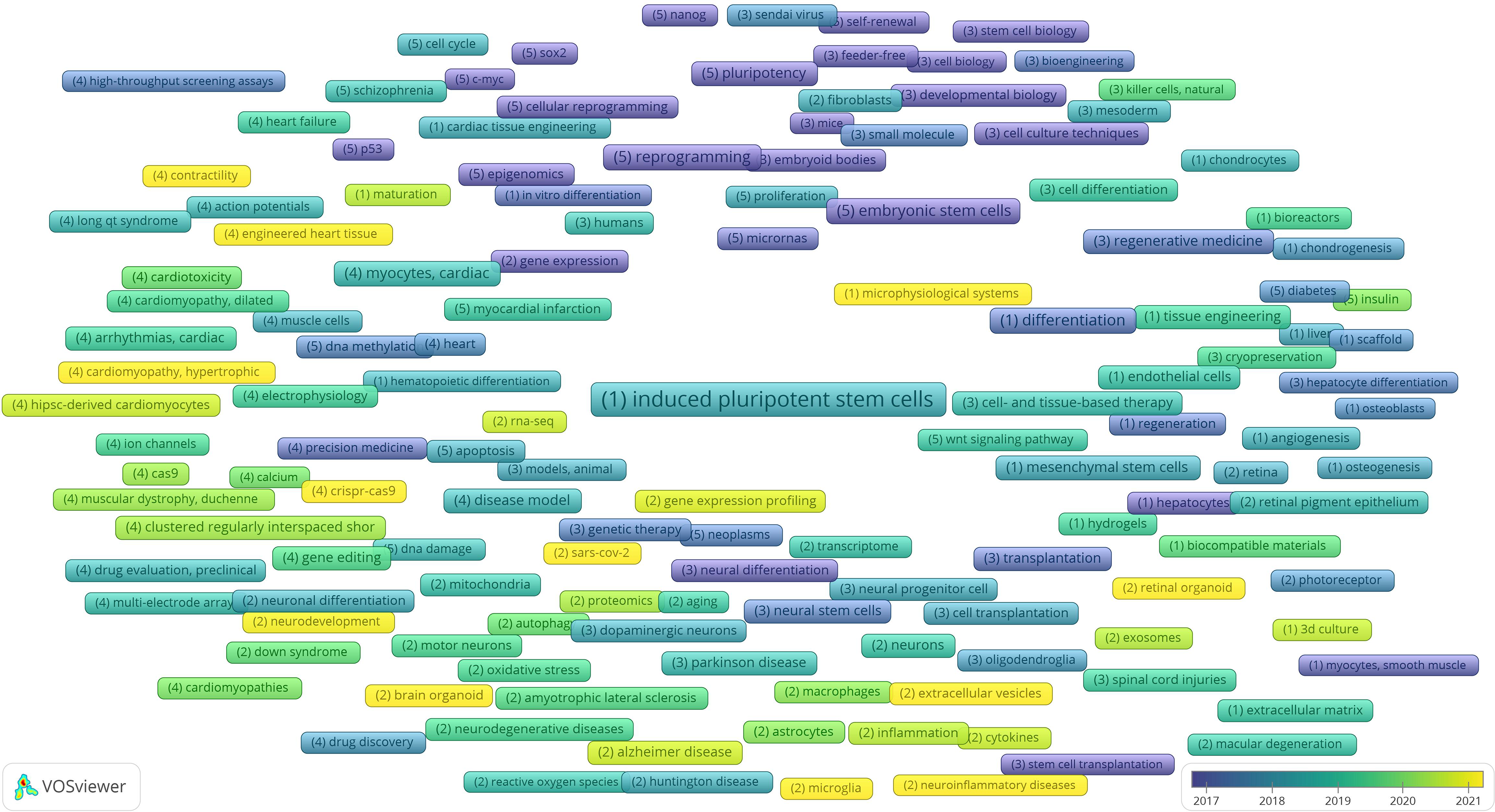
The overlay visualization network of the top 177 author keywords.
In Figure 9, generated using CiteSpace, identified keywords that experienced statistically significant increases in citation frequency until 2024. The strength value reflected the intensity of the emergence of each keyword, while the red segments on the timeline indicated the duration of its burst period. Notably, “Embryonic Stem Cells” exhibited the highest burst strength (82.73) during 2008–2014, marking it as a foundational theme. More recent bursts highlighted emerging frontiers such as “Cardiomyopathy, Hypertrophic,” “Extracellular Vesicles,” and neurodegenerative diseases like “Alzheimer’s Disease.”
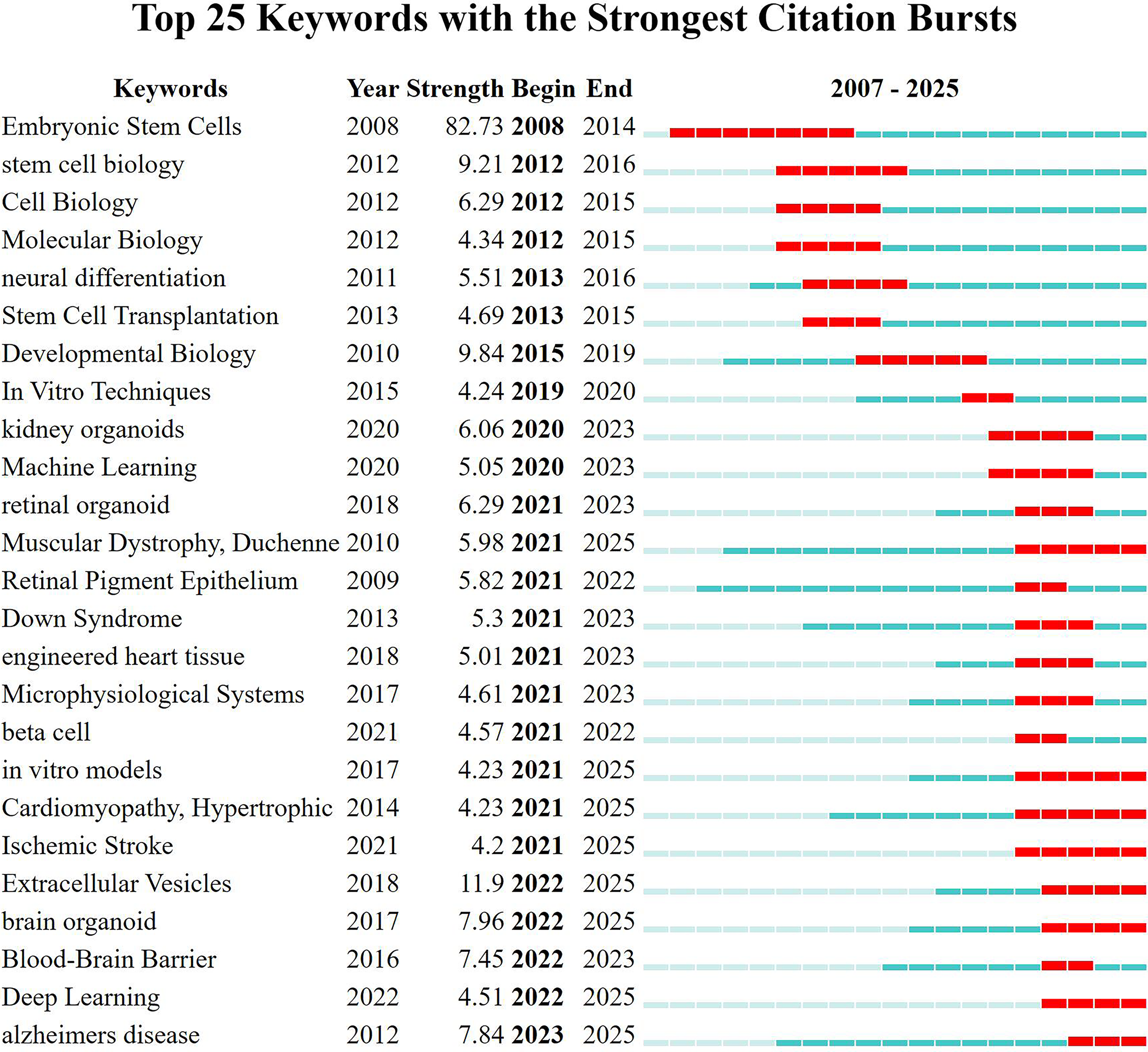
The keyword burst detection map of top 25 keywords with the strongest citation bursts.
Discussion
Global landscape of scientific publications and advancements
As shown in Figure 2, the annual publication on iPSCs has risen swiftly over the past 18 years. Although the growth rate had transitioned from the rapid increase of previous years to a phase of stabilization, the model indicated that the volume of publications was expected to remain substantial and consistent. This suggested a continued, steady output in research productivity, reflecting a mature and sustainable academic landscape.
Across journals, countries/regions, institutions, and authors, a consistent pattern emerged: high publication volume did not necessarily correlate with high per-paper impact. While most productive producers led in quantity, entities like Scientific Reports, USA, Harvard/Stanford, and Shinya Yamanaka demonstrated superior normalized influence. This reinforced the value of using normalized indicators to fairly assess scientific contribution across disciplines and scales.
Multidimensional drivers of the growth trajectory
The growth trajectory of iPSCs has been shaped by a confluence of multidimensional drivers, spanning technological innovation, clinical translation, and policy synergy. Technologically, the advent of CRISPR-Cas9 has revolutionized iPSCs engineering by enabling precise and efficient gene editing, thereby accelerating disease modeling, drug screening and regenerative applications. 16 Concurrently, some pivotal clinical milestones, such as the first in-human clinical trial applying iPSC transplantation for the wet form of age-related macular degeneration conducted by RIKEN Center for Developmental Biology in Japan, 17 have served as critical proof-of-concept events, demonstrating both the feasibility and safety of iPSC-based interventions and catalyzing global interest in their therapeutic potential. These advances, however, have been underpinned by strategic policy frameworks. Institutions like the U.S. National Institutes of Health have prioritized regenerative medicine through targeted grants. 18 Meanwhile, guidelines from organizations such as the International Society for Stem Cell Research serve as global benchmarks for ethical conduct, 19 whereas national frameworks, exemplified by Japan’s Act on the Safety of Regenerative Medicine, establish robust legal infrastructures to govern clinical translation. 20 Together, these interconnected drivers have not only propelled the exponential expansion of the iPSC research landscape but also set the stage for its translation into mainstream medicine.
Intellectual base
The intellectual base of iPSCs can be derived efficiently from cocitation analysis of cited references. According to Table 5, the top 10 cited references covered key areas of iPSC research, including the sources of iPSCs, reprogramming factors, efficiency and methods of reprogramming, comparison with ESCs, vector and transgene-free iPSCs, and germline competence. These studies collectively highlighted the versatility of iPSCs induced from a range of somatic cells, such as fibroblasts, and the importance of defined factors like the Yamanaka factors in inducing pluripotency. 21 Additionally, the references emphasized the progress in developing safer reprogramming methods to avoid genetic integration and improve clinical applicability. 22 The comparison with ESCs underscored the unique advantages of iPSCs, such as their patient-specific nature and reduced ethical concerns. 23 These foundational studies provided a comprehensive framework for understanding the potential of iPSCs in disease modeling, regenerative medicine, and personalized therapies.
Evolving research hotspots
As shown in Figure 2, co-occurrence analysis of 177 author keywords yielded 5 main clusters, corresponding to the five significant research hotspots of iPSCs. The author keywords in each cluster were ranked in descending order of frequency in Supplementary Table S1, which accurately reflected the thematic focus of their respective clusters.
Cluster 1: iPSCs differentiation and tissue engineering
In this cluster, comprising 41 items, iPSCs had the strongest link with differentiation. Figure 10 vividly demonstrates that the fundamental capacity of iPSCs lies in their capacity to differentiate into diverse functional cell types, including mesenchymal stem cells, endothelial cells, hepatocytes, and others. Differentiation constitutes the pivotal technical nexus bridging iPSCs with their application fields (tissue engineering and organoids). The high-frequency co-occurrence of this concept in the literature underscores its centrality as a focal research theme within the domain. iPSC differentiation necessitates precise modulation of signaling pathways [e.g., Wnt, bone morphogenetic protein (BMP), transforming growth factor-beta (TGF-β)] and microenvironmental factors (e.g., extracellular matrix, hydrogels) to achieve lineage-specific cellular induction. 24 Differentiation efficiency and cellular quality critically determine the functional outcomes in downstream tissue engineering applications. High differentiation efficiency ensures the rapid generation of the desired cell types, as exemplified by osteogenic induction where a high yield of osteoblasts accelerates bone defect healing. 25 Similarly, in lung organoid modeling for drug screening, high efficiency guarantees the correct proportion of the ciliated, secretory, and basal cells, 26 thereby faithfully recapitulating the structural complexity of native lung tissue.
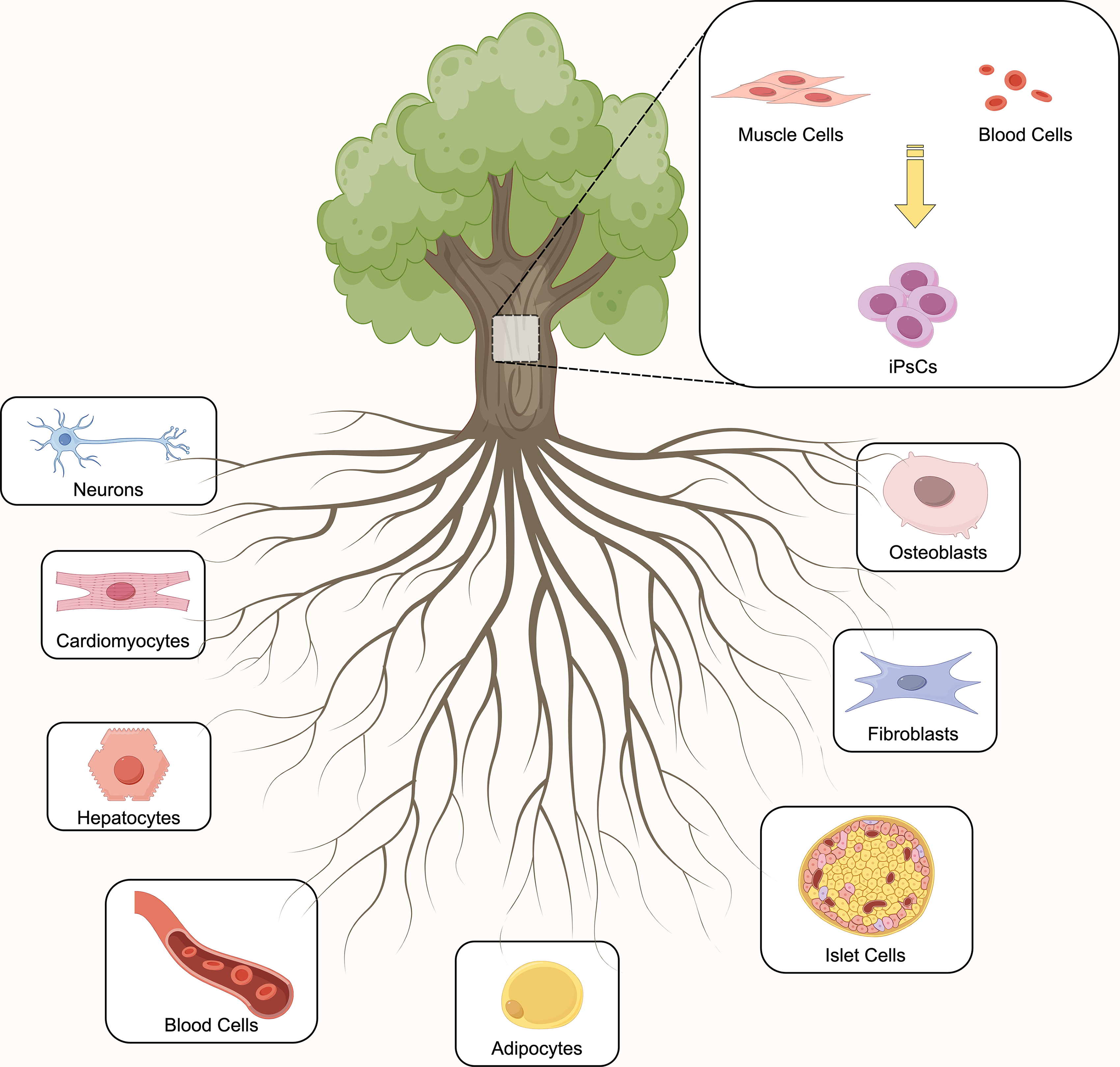
iPSCs are induced from somatic cells such as muscle or blood cells and are able to differentiate into diverse functional cell types.
Cluster 2: Neurodegenerative diseases and neurobiology
Cluster 2 encompassed 40 keywords predominantly focused on neurodegenerative diseases and their pathogenesis, revealing the vital role of iPSCs in modeling diseases of the nervous system. iPSC technology has been widely applied in the study of neurodegenerative diseases, providing new ideas and tools for disease modeling and the exploration of pathogenic mechanisms. Through the reprogramming of somatic cells into iPSCs and the subsequent differentiation of iPSCs into particular cell types such as neurons, astrocytes, 27 and retinal pigment epithelium cells, 28 researchers can simulate the pathological features of diseases like Alzheimer’s disease (AD) and amyotrophic lateral sclerosis (ALS) in vitro, 29 laying the foundation for a deeper understanding of the cellular and molecular mechanisms underlying these diseases.
Cluster 3: Regenerative medicine in PD
PD is another neurodegenerative disease defined by degeneration of dopaminergic neurons in the substantia nigra. Its main symptoms include bradykinesia, tremor, and muscle rigidity. 30 The current treatment of PD mainly includes drug therapy, surgical treatment, and rehabilitation treatment, but these methods can only relieve symptoms, cannot fundamentally cure the disease or delay its progress. 31 In recent years, the rapid progress of regenerative medicine has brought new options for the therapy of PD, especially cell and tissue therapies based on neural stem cells, as well as genetic therapies, which show great potential for application. 32
Cluster 4: Cardiac disease models and gene editing
The advent of iPSCs technology has transformed cardiovascular research by enabling the derivation of human induced pluripotent stem cell-derived cardiomyocytes (hiPSC-CMs) from patient-specific cells. 33 This cluster highlighted the use of hiPSC-CMs as a powerful platform for constructing in vitro models of inherited and acquired heart diseases, facilitating both mechanistic studies and preclinical drug tests. 34 In this cluster, the top 10 keywords emphasized disease modeling, particularly for arrhythmias, cardiomyopathies, and drug-induced cardiotoxicity, demonstrating a strong consensus on the value of iPSCs in bridging basic cardiac biology and clinical cardiology.
Cluster 5: ESCs and reprogramming mechanisms
ESCs, derived from the inner cell mass of the blastocyst, possess the defining properties of pluripotency and unlimited self-renewal, enabling their differentiation into derivatives of all three germ layers and providing a foundational model for understanding early human development and regenerative potential. 35 The advent of cellular reprogramming has revolutionized this field by demonstrating that somatic cells can be epigenetically reprogrammed to a pluripotent state, exemplified by the generation of iPSCs. 36 This reprogramming process occurs in distinct phases: an initial mesenchymal-to-epithelial transition, 37 followed by extensive epigenetic remodeling involving DNA demethylation and histone modification dynamics, 38 ultimately culminating in the activation of endogenous pluripotency circuits. 39 Advances in reprogramming methodologies have transitioned from integrating viral vectors to nonintegrating approaches (mRNA, protein transduction and episomal plasmids), often enhanced by small molecules that improve efficiency and reduce genomic risks. 40 Ongoing challenges include low reprogramming efficiency, 41 incomplete epigenetic resetting, 42 and the oncogenic potential associated with certain reprogramming factors. 43 Nevertheless, both ESCs and iPSCs serve as indispensable tools for disease modeling, drug screening, and the development of personalized regenerative therapies. 44
Challenges and future perspectives
Integrating the data from Figures 8 and 9, early dominance of foundational terms like ESCs and Cell Biology has given way to applied and interdisciplinary themes including organoids, extracellular vesicles, and disease-specific models (AD, Duchenne Muscular Dystrophy). The emergence of high-scoring recent topics, including neuroinflammatory diseases, SARS-CoV-2, extracellular vesicles, organoids, and CRISPR-Cas9, reflected a decisive shift toward translational applications and precision medicine in the iPSC field. Notably, as further supported by Figure 9, the keywords within Cluster 2 (neurodegenerative diseases and neurobiology) and 4 (cardiac disease models and gene editing) were predominantly presented by the yellow nodes, confirming that these themes were indeed at the forefront of the domain.
Neuroinflammatory diseases and SARS-COV-2 have become a focus due to their potential development prospects and the urgent need for new treatments. The core mechanisms of neuroinflammatory diseases involve glial cell activation, cytokine storms, and barrier disruption. iPSC technology has revolutionized disease modeling and personalized treatment, but it needs to be combined with multiomics analysis and clinical validation to overcome therapeutic bottlenecks. 45 SARS-CoV-2 is closely linked to the pandemic coronavirus disease (COVID-19), and using iPSC technology to study its pathogenic and preventive mechanisms can help address this global health crisis. 46 In addition, extracellular vesicles are crucial for intercellular communication, capable of carrying biomolecules to transmit signals within the organoids, influencing its development and function. 47 In studies on cardiomyopathy, extracellular vesicles may carry cardiac-specific biomarkers, aiding in early diagnosis and prognosis assessment. 48 Meanwhile, through CRISPR-Cas9, genes in organoids can be precisely modified to simulate diseases such as hypertrophic cardiomyopathy, thereby better studying disease mechanisms and drug responses. 49 Furthermore, integrating organoids into microphysiological systems can mimic the complex physiological functions of tissues and organs, such as contractility in the heart, providing more accurate models for drug screening and toxicity testing. 50 In brain organoid and retinal organoid research, extracellular vesicles may also play a role in communication between neurons and retinal cells. 24
Limitations
Although this study has comprehensively evaluated the evolution and development trends in the realm of iPSCs using bibliometric analysis, several limitations still exist. First, the data source was exclusively relying on the Web of Science Core Collection database, which may result in the omission of research not indexed by this database. Additionally, the scope of this study was confined to scholarly publication data. While this approach provided a robust overview of academic research trends, it did not capture the translational landscape regarding industrial pipelines, patent filings, or clinical trial registrations.
Conclusions
Based on our knowledge, the current study represents the first overall and systematic bibliometric analysis of iPSC research. By examining publications in the time span of our study, this analysis primarily utilized VOSviewer to generate a visualized display of iPSC research, including global research landscape, drivers of growth trajectory, intellectual base, evolving research hotspots, challenges and future perspective. These observations provide a valuable roadmap for researchers to address existing challenges and explore new frontiers, thereby accelerating progress and innovation in the realm of iPSCs. Notwithstanding several limitations, this study still furnishes a prospective analytical framework for iPSCs, revealing current research hotspots and potential future directions.
Authors’ Contributions
X.J.: Conceptualization, methodology, and writing—original draft. F.M.: Data curation and visualization. Q.H.: Writing—review and editing. Y.W.: Writing—review and editing. Z.W.: Data curation, formal analysis, writing-review & editing. B.L.: supervision, and writing—review and editing.
Footnotes
Author Disclosure Statement
The authors declare that the content of this article has not been published previously, nor is it currently under consideration for publication elsewhere, in whole or in part. All authors have read and fully understand the journal’s policies, and confirm that neither the article nor the underlying study violates any of these policies. The authors further declare that there are no actual or potential conflicts of interest related to this work. The final version of the article has been reviewed and approved by all authors for submission and publication.
Funding Information
This study received no external funding.