



Abstract
Purpose:
The purpose of this work was to review scientific publications related to the use of visual arts in pediatric hospitals.
Background:
Visual arts, particularly painting, have historically played an important role in the design and atmosphere of healthcare spaces, especially hospitals.
Methods:
From 2000 to 2019, 79 publications located in relevant databases and manual searches were identified and analyzed.
Results:
Sixty of these publications include empirical studies and 19 theoretical models, comments, or reflections on the use of art in children’s hospitals. Their analysis allows us to differentiate four groups of works: (a) “environmental” includes works whose purpose is to know how visual artistic interventions in the hospital can affect the people who see them, mainly pediatric patients, families, and health workers; (b) “participatory” includes studies aimed at knowing the effect of developing visual arts activities in the hospital; (c) “exploratory” includes works whose purpose was to know more about the children’s perspective using their artistic expressions; and (d) “diagnostic” includes those that use children’s drawings as a tool to diagnose diverse processes related to the pediatric patients’ experience.
Conclusions:
Taken together, the works we analyzed in our study support the use of visual arts in hospitals as a resource to enhance the well-being of children and families and their experience in the hospital. We indicate two particularly relevant aspects in this sense: the importance of the visual arts in improving the symbolic quality of hospitalization settings and the communication processes that occur in these environments.
The purpose of this review is to collect and assess the available evidence about the role of the visual arts in children’s hospitals. We wish to know how the visual arts are used in pediatric hospitals in a twofold sense. On the one hand, we wished to know the use of the visual arts in pediatric hospitals as an element of the atmosphere of spaces in order to improve the aesthetic quality of these spaces (art in the environment). We intend to review the evidence about the possibility of improving the experience of children and their families in the hospital through the presence of visual works of art. We want to know whether this presence of physical artwork can lead to a more positive engagement of the patient or hospitalized child with the space. But, we also want to know what evidence there is about the visual arts as a resource to occupy children’s hospitalization time (the participation of hospitalized children in artistic activities). Based on the research available in the scientific literature, this review seeks to determine the extent to which the visual arts can contribute to promoting the psychological well-being of hospitalized children and adolescents in the two senses that we have mentioned, art in the environment and participation of hospitalized children in artistic activities.
Visual arts, particularly painting, have historically played an important role in the design and atmosphere of healthcare spaces, especially hospitals. Large hospital institutions had collections of works of art, usually religious themes, that were used to set the mood of their spaces and to try to provide comfort and spiritual support to people suffering from health-related problems (Cork, 2012; Gates, 2008). The shift to a bio-health model of healthcare not only changed medical practices but also the symbolic aspects of health institutions. Religious images that had set the scene in hospitals lost ground to other symbols that referred to a new concept of health and care. Since the early 20th century, hospital environments have been designed to convey an idea of asepsis, hygiene, and health technology. Some of the symbols of this new culture of healthcare, however, ended up becoming frightening elements for pediatric patients. Observation of children’s reactions to symbolic elements of the hospital environment, both negative reactions of fear or rejection and positive ones, has led to new approaches in this regard. The setting of pediatric hospitals is not considered a superficial aspect of their design but a dimension (Belver & Ullán, 2010) that can positively affect the psychological state of the patients, distracting them, encouraging them, and improving their mood.
The consideration of the symbolic dimensions of healthcare institutions, particularly the symbolic dimensions of hospital spaces, can provide a perspective that contributes to the processes of their improvement. In this sense, a review of the evidence available in the scientific literature is needed, which can support the use of visual arts to improve hospitals and the care provided to patients. Art, as a vehicle of social meanings and a means to express emotional experiences associated with health and disease, becomes a protagonist in the health sphere (Camic, 2008; Stuckey & Nobel, 2010). The conjoint work of artists, clinical staff, and patients and their families has led to innovating experiences that link art and health. This multidisciplinary collaboration allows diverse specialists to exchange perspectives, with the common goal of promoting children’s and adolescents’ well-being in healthcare settings. In these experiences, artistic resources have been established as essential elements to humanize children’s healthcare settings (Belver, 2019). These resources are conceived as a privileged strategy to promote a culture of healthcare for pediatric patients, which pays special attention to the emotional needs of the children and their families during the processes of disease and healing. Visual arts have become a potential resource for improving hospitals (Lankston et al., 2010). Two papers (Archibald et al., 2014; Norton-Westwood, 2012) reviewed research related to the subject. The analysis of Norton-Westwood (2012) considered 20 papers, published between 1980 and 2010, that sought to assess the ability of the healthcare environment to affect the level of anxiety of pediatric patients. According to this author, there was a link between the design of the health environment and the anxiety experienced by pediatric patients. The importance of attractive, well-designed environments was highlighted because they help children and adolescents psychologically. Archibald et al. (2014) conducted a scoping review to examine the use of visual arts in health contexts. His goal was to identify and categorize visual arts uses in pediatric populations, identify gaps in the current use of art in these populations, and identify results in the use of art in pediatric populations for children, professions, and families. In this review, the authors considered 16 studies published between 2001 and 2011, of which 11 had been developed in a hospital. The purpose of artistic interventions was either to foster children’s understanding, using the visual arts to evaluate them or communicate with them, or to improve or reduce aspects like coping or anxiety. In general, there were no details in the studies on artistic interventions. The purpose of these interventions was either to foster children’s understanding, using the visual arts to evaluate them or communicate with them, or to improve or reduce aspects such as coping or anxiety. The results of these interventions referred mostly to anxiety, fear, and stress.
The time interval since the completion of these two mentioned reviews and the need to deepen the analysis of the role of the visual arts in pediatric hospitals justify this work. Its purpose is to collect and review the international publications dealing with this issue related with visual arts in children’s hospitals so that we can have an idea of the available evidence about the role of the visual arts in the care of hospitalized pediatric patients.
Search Strategy
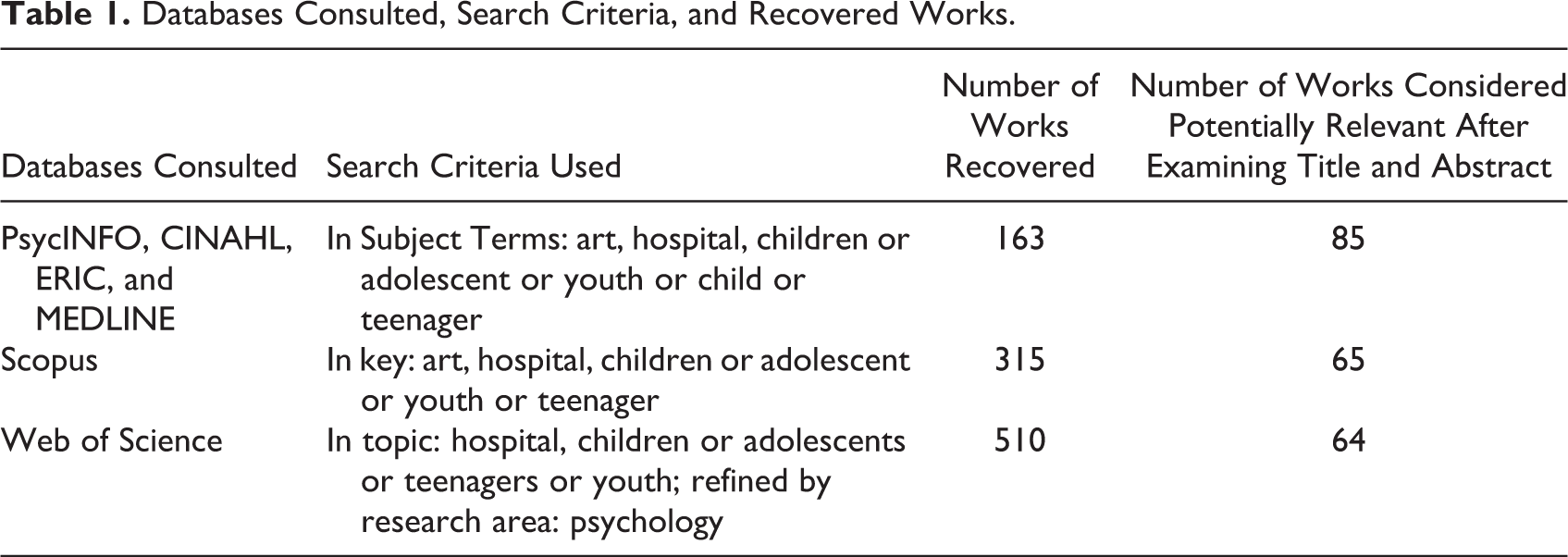
The search strategy for identifying published studies on the use of visual arts in pediatric hospitals was developed as follows. A search was carried out in the databases on June 2020 in PsyINFO, MEDLINE, CINAHL, ERIC, Scopus, and Web of Science. In the first, four databases (PsyINFO, MEDLINE, CINAHL, ERIC) were searched for indexed articles that included “art,” “hospital,” and “children or adolescent” or “youth” or “child” or “teenager” in the Subject Terms field. We recovered 163 works with these criteria in these databases. The Scopus database was also reviewed, using the same search criteria and recovering 315 documents. In the database of the Web of Science, using as search criteria the topic art, and hospital and children or adolescent or teenagers or youth, and refining the results by topic “Psychol,” we located 510 works (see Table 1). Fifty-nine references were also identified after consulting various bibliographic repertoires. In total (see Figure 1), 886 works were identified. Once the duplicates were removed (185), 701 were evaluated by title and abstract, of which 181 were considered potentially relevant. Of these 181 references, the full text of 119 was located, but 62 could not be located in full text. We reviewed these 119 works, and we consider it relevant to include 79 in the study. Forty works of those located in full text were excluded from the review for the following reasons: the reference population was not children or adolescents (11), they did not address aspects related to the visual arts (three), there were problems with the language (four: one in Italian, two in Portuguese, and one in French), they dealt with art history (three), the context did not refer to hospitals (five), and they had been published before 2000 (14).
Databases Consulted, Search Criteria, and Recovered Works.
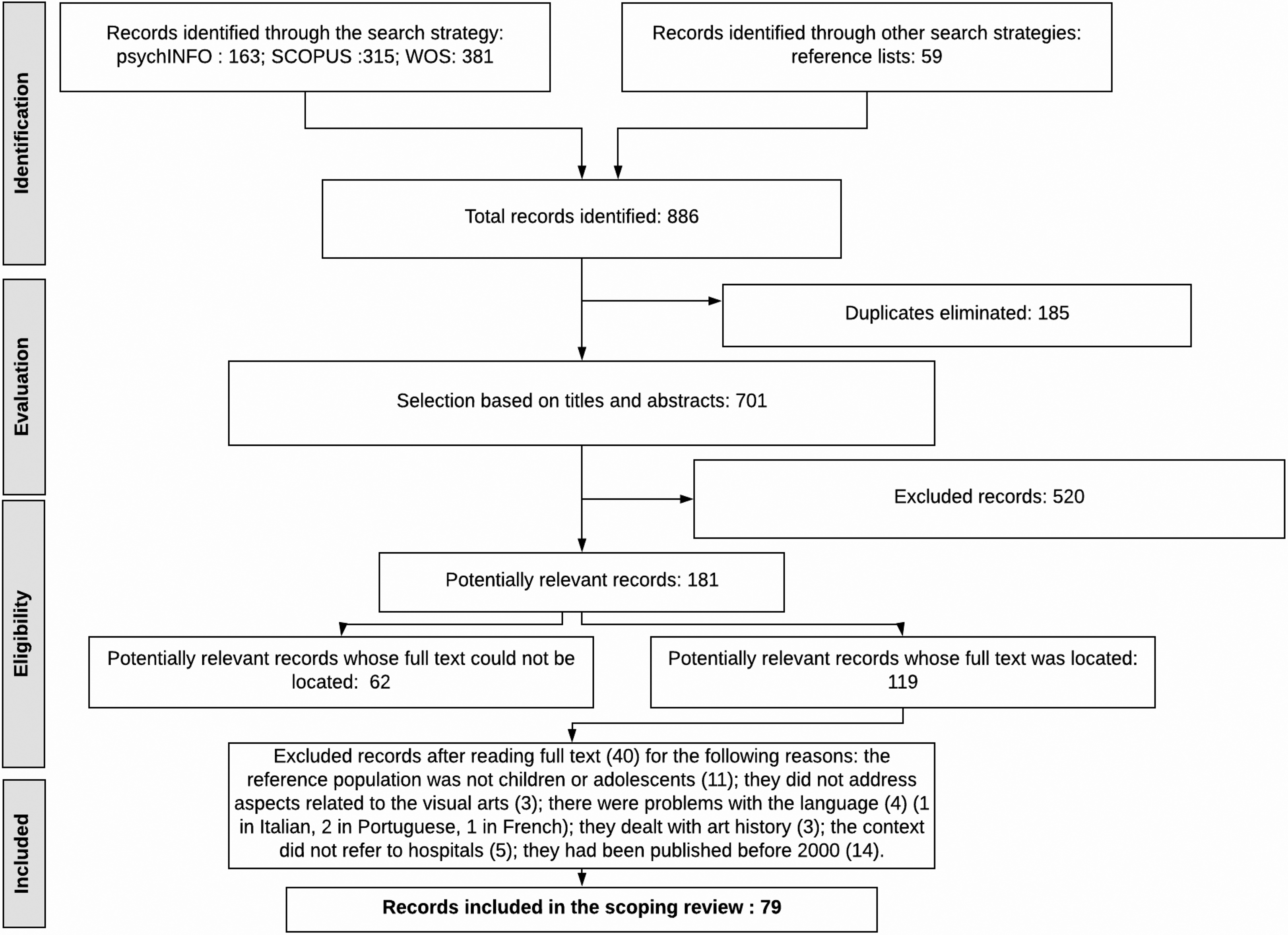
Process of identifying and selecting the works included in the review.
Extracting Data From the Works Included in the Review
The following information was collected from each of the 79 works included in the review: (a) their complete bibliographic data, which were incorporated into the Zotero bibliography manager, (b) whether the visual arts were considered as part of the hospital environment or as a type of activity involving patients and/or their families, and (c) whether the type of work was empirical or, on the contrary, it was a reflection, a theoretical model, or a commentary. In the case of empirical studies, the following aspects were taken into account: (a) its purpose, (b) its approach (quantitative, qualitative, or mixed), (c) its typology (analytical/descriptive, cross-sectional/longitudinal, experimental/observational, and prospective/retrospective), (d) its design, (e) the data assessment and analysis procedure, (f) sample characteristics (size, age, gender), (g) its results and conclusions, and, finally, (h) whether or not the publication included graphic information. In the case of reflections, theoretical models, or comments, the information that was extracted from them mentioned: (a) their general or specific nature, (b) the context to which they referred, (c) their proposals and conclusions, and (d) whether they included graphic information.
Results
Countries Where the Works Were Carried Out
The available data showed the country where the investigations had been carried out or where the lead author of the article practiced professionally. The results can be seen in Figure 2. We note that the United States is by far the leading country in the published works in this field, followed by Australia and the United Kingdom.
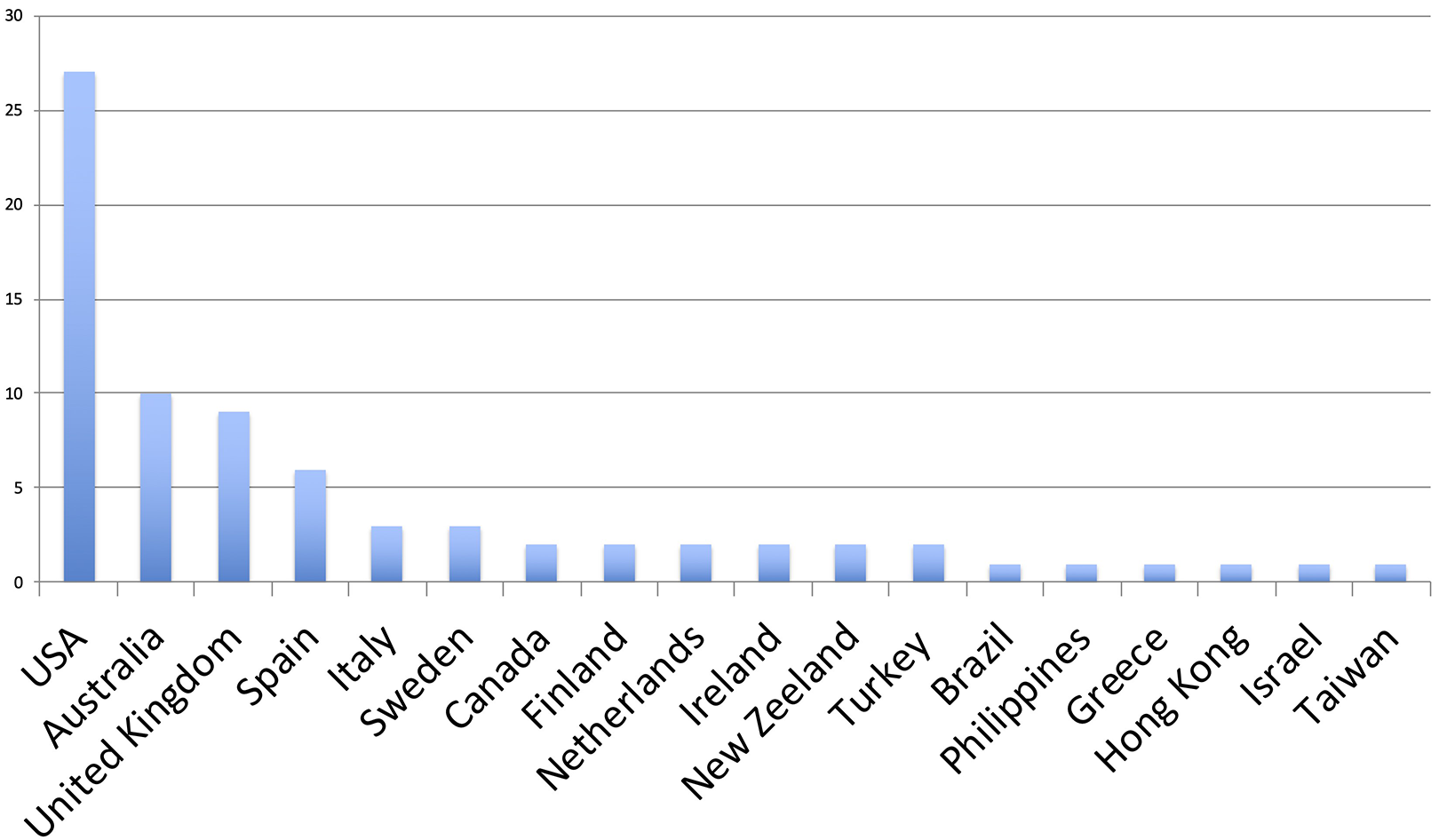
Distribution by country of the number of publications included in the review.
Temporal Pattern of the Publications
The temporal distribution of the publications can be seen in Figure 3, which shows the number of works included in the review according to their year of publication. It shows sustained growth over the past 2 decades of the frequency of publications on the subject of visual arts in hospitals.
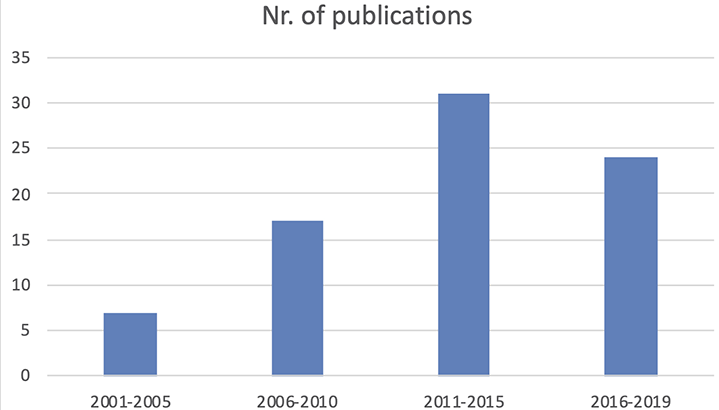
Number of works included in the review according to their publication date.
Consideration of the Visual Arts in the Works Included in the Review
In each of the reviewed works, we considered whether the visual arts in pediatric hospitals were understood as part of the hospital environment or as a resource for the children to occupy their hospitalization time (participation of children in artistic activities). The first perspective is called passive and the second one participatory. Of the 79 reviewed works, 28 correspond to the first perspective because they treat the visual arts as part of the environment, and 46 correspond to the second, that is, art as a resource for the children to occupy their hospitalization time. Five works were considered to fit in both perspectives.
Distribution of Reviewed Articles in Empirical Works Versus Works About Theoretical Models/Reflections or Comments
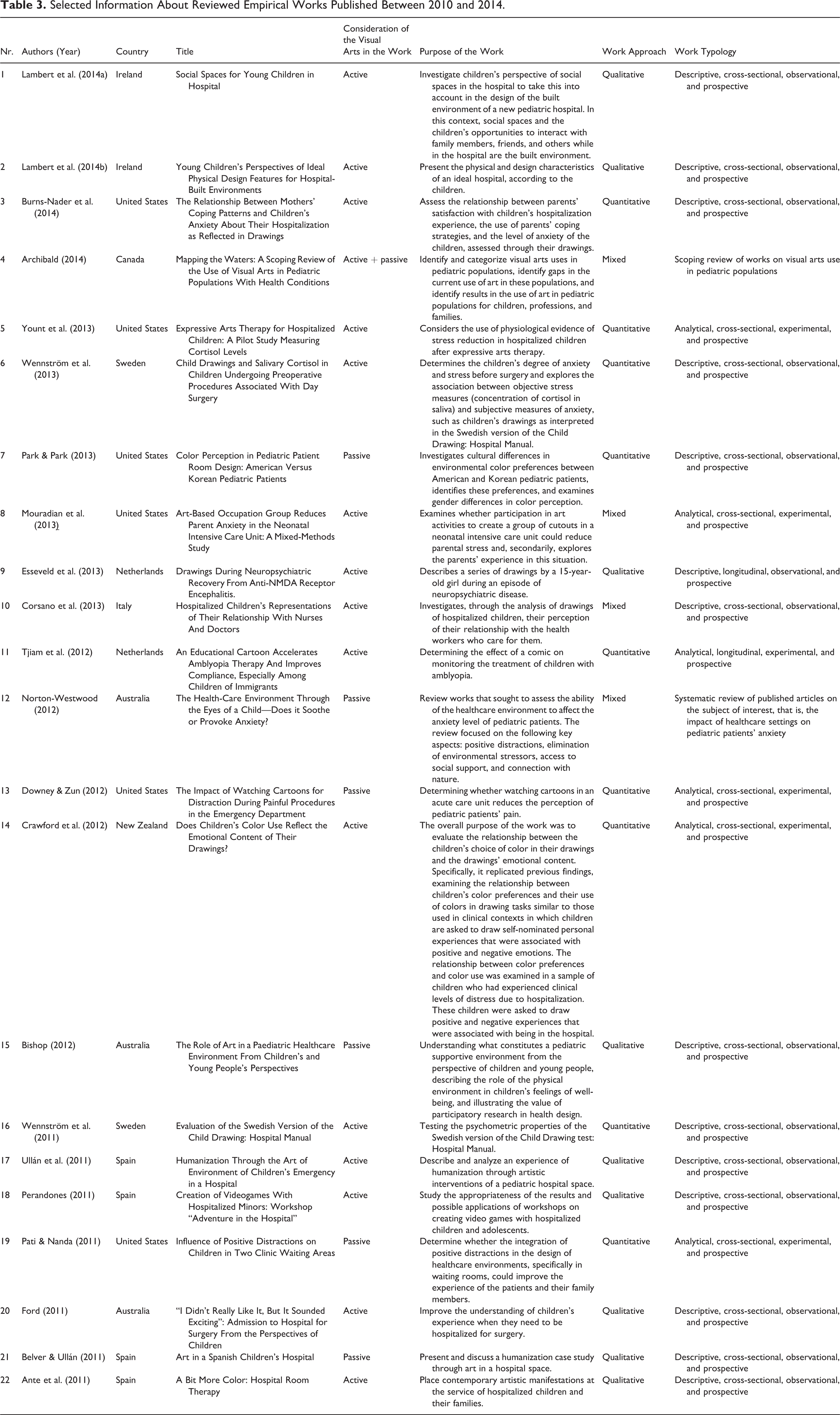
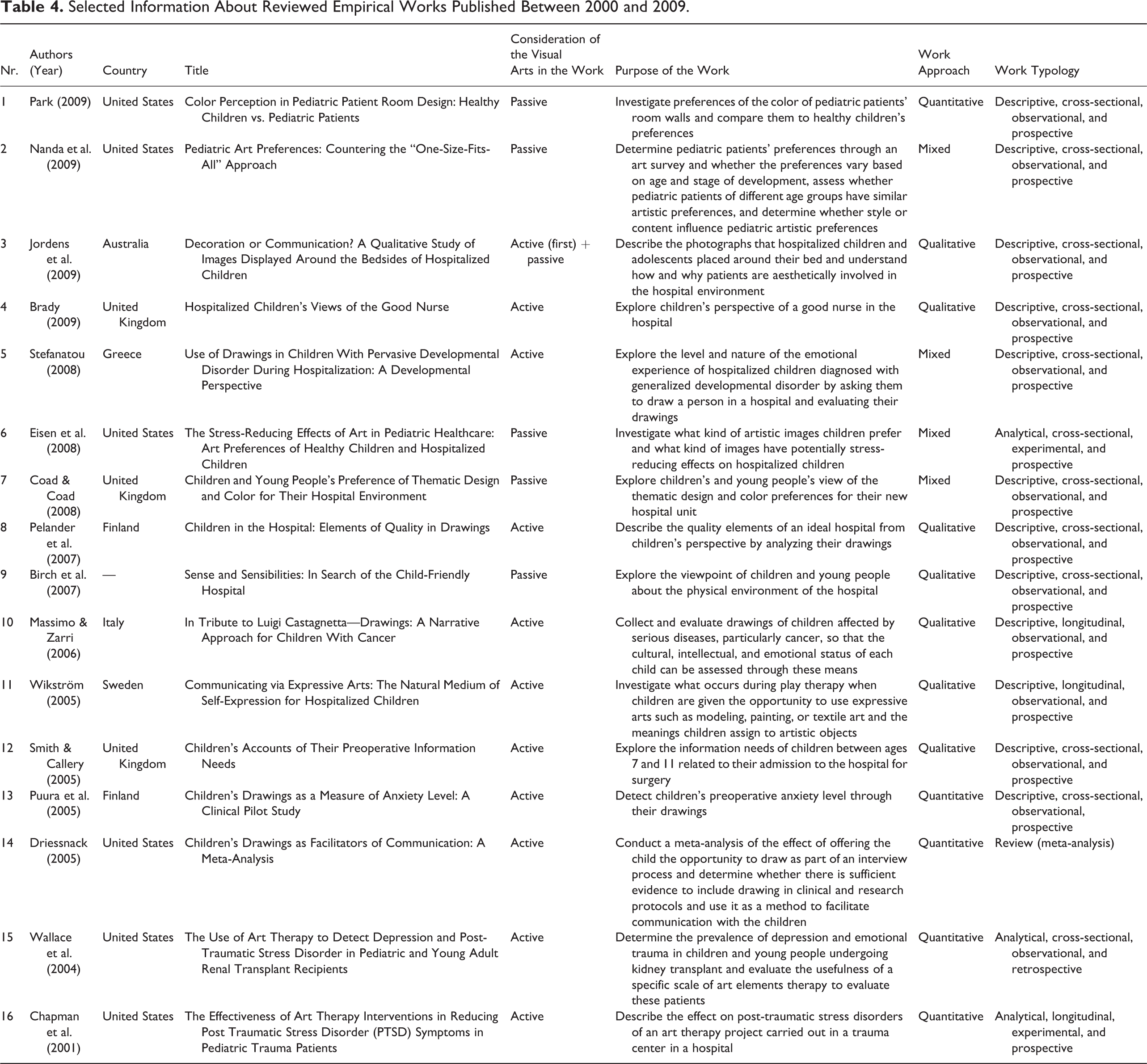
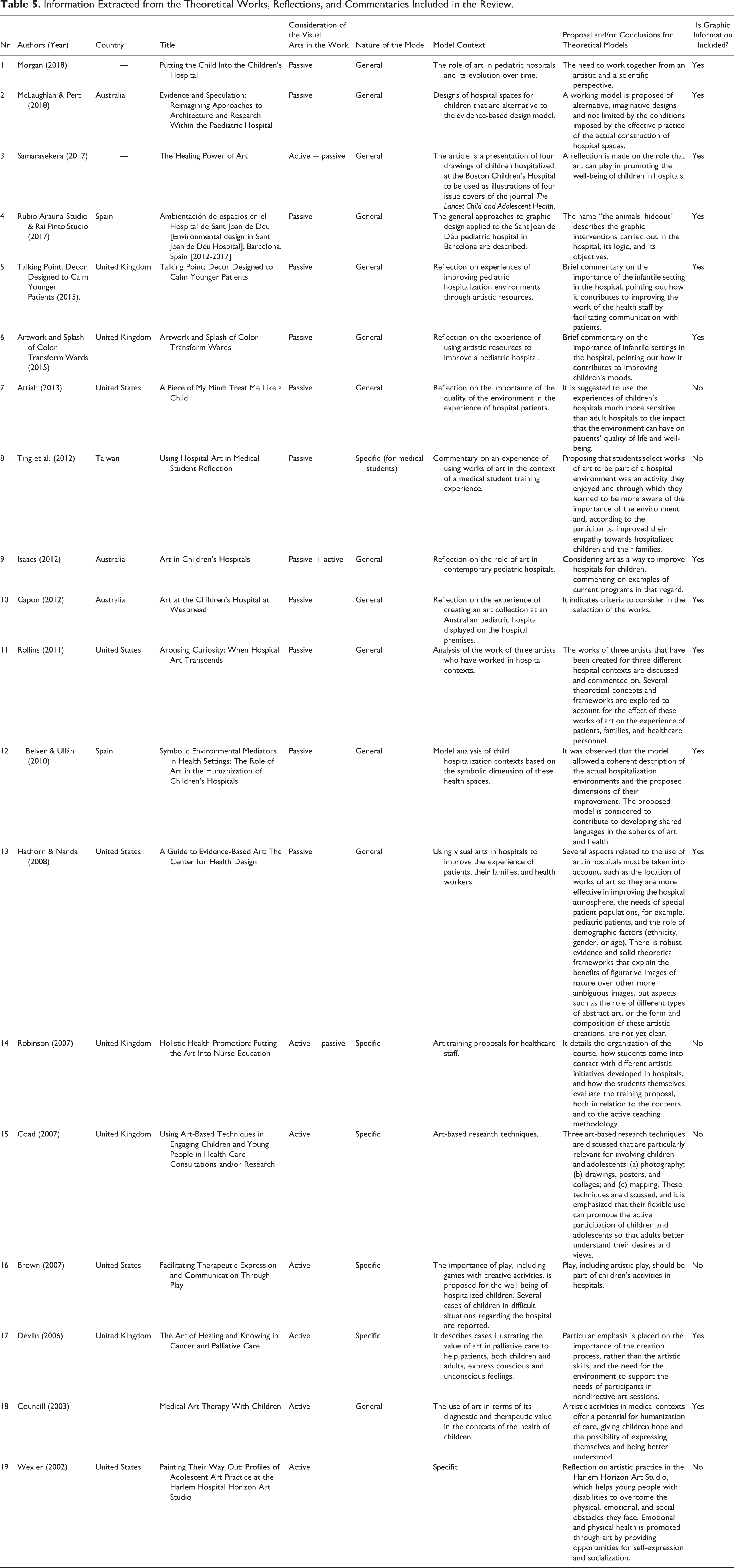
Of the 79 works incorporated into the review, 60 were empirical, and the rest, 19, were theoretical models, reflections, or comments on experiences related to the use of visual arts in pediatric hospitals. Tables 2, 3, and 4 present information extracted from the reviewed empirical work. The complete information on each of these works can be found in Supplemental Table S1 Full information About Reviewed Empirical Works. Table 5 presents information extracted from theoretical models, comments, or reflections.
Selected Information About Reviewed Empirical Works Published Between 2015 and 2019.

Note. ICU = intensive care unit.
Selected Information About Reviewed Empirical Works Published Between 2010 and 2014.
Selected Information About Reviewed Empirical Works Published Between 2000 and 2009.
Information Extracted from the Theoretical Works, Reflections, and Commentaries Included in the Review.
If we consider the empirical, theoretical, or reflectional nature of the works conjointly and, at the same time, the way they consider the visual arts, whether as part of the environment (passive perspective) or as a resource for the occupation of children’s hospitalization time (participatory perspective), an interesting pattern is observed in the results. In the empirical works (n = 60), 41 (68% of the total) visual arts are considered from a participatory perspective, as a resource for the occupation of children’s hospitalization time. Compared to them, 15 (25% of the total) consider them from a passive perspective, as part of the environment. Four (7%) could be considered mixed, as they share both perspectives. In the case of the theoretical models, reflections, or comments on experiences, the proportions are practically reversed. Five of them (26% of the total) consider visual arts in the hospital from a participatory perspective, whereas 11 (58% of the total) consider them as part of the environment, which we have called passive perspective. Three (19% of the total) represent both perspectives. The visual arts as part of the environment are more theorized and reflected on, but empirical publications are more inclined to consider artistic activities as part of the proposals for the recreation of inpatient pediatric patients.
On Empirical Works
The 60 empirical studies included in the review were classified according to their methodological approach (quantitative, qualitative, or mixed) with the following results. Twenty-four use a qualitative methodology, 19 a quantitative methodology, and 17 a mixed methodological approach. These studies were also classified according to the following criteria: their purpose, differentiating between analytical and descriptive; their temporal sequence, distinguishing between cross-sectional and longitudinal; control in the allocation of study factors, distinguishing between experimental and observational; and according to the beginning of the study concerning the chronology of the facts, differentiating prospective and retrospective. The distribution of the empirical works included in the review according to these four criteria is as follows: 16 analytical and 41 descriptive, 52 cross-sectional and five longitudinal, 14 experimental and 43 observational, and finally, 54 prospective and three retrospective. It can be seen that descriptive versus analytical, cross-sectional versus longitudinal, observational versus experimental, and prospective versus retrospective works predominate. To these works, we should add three more, which are reviews (Archibald et al., 2014; Driessnack, 2005; Norton-Westwood, 2012).
Although sometimes the authors do not specify the sample sizes of the study, in general, they do so, and the sizes are very varied and range from single case studies (n = 1; Esseveld et al., 2013) to samples of more than 200 subjects (Birch et al., 2007; Coad & Coad, 2008; Tjiam et al., 2012). The characteristics of the samples of all the works, including their size, have been summarized in the Supplemental Table S1 “Full information About Reviewed Empirical Works.”
With regard to the purpose of the empirical works included in the review, Tables 2, 3, and 4 include the purpose in each study, as stated by the authors. Their analysis allows us to differentiate four groups of works: the first one, which we might call “environmental,” includes empirical works whose purpose is to know how visual artistic interventions in the hospital can affect the people who see them, mainly pediatric patients, but also their families and health workers. In this block are the following works: Belver and Ullán (2011), Bretler et al. (2017), Cartland et al. (2018), Ciucci and Heffner-Solimeo (2018), Ho et al. (2015), Pati and Nanda (2011), Pearson et al. (2019), and Ullán et al. (2011). The results of these studies indicated that visual artistic interventions (mainly paintings and drawings but also photographs, murals, or comics) could have a positive impact on some physiological results (Pearson et al., 2019), the level of anxiety experienced (Cartland et al., 2018; Pati & Nanda, 2011), and the parents’ satisfaction (Belver & Ullán, 2011; Bretler et al., 2017; Ullán et al., 2011). Adding explanations to the works of art exhibited in the hospital (Ho et al., 2015) can increase their therapeutic effect. Art physically present in the hospital space improves the patient’s experience.
The second group of works regarding the stated purpose, which we can call “participatory,” includes studies aimed at knowing the effect of developing visual arts activities in the hospital on children and families. In this block, we consider the following: Altay et al. (2017), Ante et al. (2011), Chapman et al. (2001), Dionigi and Gremigni (2017), Downey and Zun (2012), George and Kasinathan (2015), Hanson et al. (2017), Kometiani (2017), Mouradian et al. (2013), F. Nielsen et al. (2019), Perandones (2011), Siegel et al. (2016), Sposito et al. (2016), Tjiam et al. (2012), Wajcman (2018), and Yount et al. (2013). The most prominent results of these have to do with the confirmation that participation in visual arts activities in the hospital can contribute to the reduction of anxiety in hospitalized children (but also to the reduction of parental anxiety (Altay et al., 2017; Dionigi & Gremigni, 2017; Mouradian et al., 2013; Yount et al., 2013) and better coping with stress, and they also increase the equilibrium of health workers (Kometiani, 2017). Children’s participation in visual arts activities can improve their motivation (Perandones, 2011), communication with others (Sposito et al., 2016), or mood (Siegel et al., 2016). According to hospitalized adolescents, participation in visual arts activities could help them identify and express their emotions (F. Nielsen et al., 2019). Participation in these activities has also shown effects on pain reduction (Downey & Zun, 2012), more positive acceptance of treatment (Tjiam et al., 2012), improved physiological outcomes (Siegel et al., 2016; Yount et al., 2013), and better transmission of information (Hanson et al., 2017). No significant differences in post-traumatic stress scores were found in a study between participants in artistic activities and those who received regular hospital care (Chapman et al., 2001). Other results (Wajcman, 2018) highlight the importance of training health workers in the field of visual arts. From this point of view, the visual arts can be considered a resource for occupying hospital time to distract the patients and even for pain relief.
The third block of studies regarding the stated purpose of the studies, which we call “exploratory,” includes works whose purpose was to know more about the children’s perspective and to approach their vision of the hospital, their mood, their needs, or preferences, using their artistic expressions. This block includes Barrera et al. (2018), Birch et al. (2007), Bishop (2012), Brady (2009), Burns-Nader (2017), Calbayram et al. (2018), Clark et al. (2019), Coad and Coad (2008), Corsano et al. (2013), Eisen et al. (2008), Esseveld et al. (2013), Ford (2011), Jordens et al. (2009), Lambert et al. (2014a), Lambert et al. (2014b), Linder et al. (2018), Manlapaz (2019), Massimo and Zarri (2006), Nanda et al. (2009), Park and Park (2013), Pelander et al. (2007), Smith and Callery (2005), Stefanatou (2008), Wallace et al. (2004), and Wikström (2005), and Wyder (2019). The possibility of making children’s voices heard through artistic manifestations is a particularly relevant aspect. Children can express themselves through artistic activities (Manlapaz, 2019). It uses the technique of drawing and writing or responding to interviews in a large number of studies (Calbayram et al., 2018; Ford, 2011; Lambert et al., 2014b; Linder et al., 2018; Massimo & Zarri, 2006; Stefanatou, 2008, among others). Through this technique, they try to better understand how children experience the disease and their hospitalization and the emotional experiences associated with these circumstances (Burns-Nader, 2017; Clark et al., 2019; Smith & Callery, 2005; Wikström, 2005) and also how children perceive the health workers who care for them in the hospitals (Brady, 2009; Corsano et al., 2013). Some authors have tried to know the experience of the siblings of hospitalized children through artistic activities (Barrera et al., 2018). Pediatric patients value (Bishop, 2012) the aesthetic dimension of the hospital environment, the distraction that art can provide, and its positive effect on their mood. It is also observed that children evaluate the environment of the hospital very differently from adults’ expectations (Coad & Coad, 2008; Lambert et al., 2014b), and as we have noted, their artistic expressions allow us to approach these assessments. Differences in children’s preferences related to gender and cultural factors emerge (Nanda et al., 2009; Park & Park, 2013), and we note that certain interventions by children and adolescents in the hospital setting have important functions to facilitate communication with their caregivers (Jordens et al., 2009).
The fourth set of works on the stated purpose which we call “diagnostic” includes those that use children’s drawings as a tool to diagnose diverse processes related to the pediatric patients’ experience. The following are included in this group Burns-Nader (2017), Burns-Nader et al. (2014), Crawford et al. (2012), Esseveld et al. (2013), Pelander et al. (2007), Puura et al. (2005), Stefanatou (2008), and Wennström et al. (2011, 2013). Children’s drawings have also been used to better understand their experience of the hospital environment (Pelander et al., 2007; Stefanatou, 2008) and as a diagnostic test (Wennström et al., 2011). Several studies use children’s drawings as indicators of anxiety in health situations (Burns-Nader, 2017; Puura et al., 2005), and drawings have also been related to issues such as parents’ coping style (Burns-Nader et al., 2014). However, no significant correlations have been found between the characteristics of children’s drawings and physiological indicators of anxiety such as the cortisol level in saliva (Wennström et al., 2013). Nor can the use of color (Crawford et al., 2012) be considered an emotional indicator in itself. Drawings are considered an important source of information about children that should be used in conjunction with recording children’s verbal communications and analyzing their behaviors.
Overall, the results of these four blocks of studies, summarized in Supplemental Table S1 “Full information About Reviewed Empirical Works,” highlight the importance of the visual arts for the well-being of children in hospitals. Taken together, the results of these four groups of works reinforce the idea of the significant role of the visual arts in the well-being of hospitalized children, their families, and the health workers. Participating in visual arts activities organized in the hospital, such as drawing, painting, modeling, photography, and comics workshops, and so on can make the hospitalization experience of children and adolescents more positive and increase the satisfaction of the parents with the services received. In addition, visual arts can be a source of positive distraction for the children and families in hospitals, and their presence in hospital spaces is highly valued by the different users of these spaces. The reviewed empirical works support this perspective of the visual arts as an important component to improve the quality of children’s hospitals.
On Theoretical Models, Reflections, or Comments
Nineteen of the 79 works included in this review are not empirical works but instead articles that present reflections, theoretical models, or comments. As mentioned, 14 of these works analyze the visual arts as part of the hospital environment (11 exclusively and three also concerning the artistic activities of hospitalized children). In this category of articles, it is much more common to consider art as part of the hospital environment than as activities for the occupation of children’s hospitalization time, the participatory approach, in contrast to the empirical works.
Three topics emerge from the analysis of this set of documents and summarize their approach. The first refers to the need to carry out a conjoint work of artistic and scientific/health perspectives. We have grouped the following works under this heading: Belver and Ullán (2011), Capon (2012), and Morgan (2018), those that stress the importance of enhancing multidisciplinary approaches that join health perspectives and artistic perspectives in the design of healthcare spaces. The second topic refers to the description of artistic interventions or experiences in pediatric hospitals. We include the following works under this heading: Brown (2007), Capon (2012), Coad (2007), Devlin (2006), Hathorn and Nanda (2008), Isaacs (2012), Robinson (2007), Rollins (2011), Rubio Arauna Studio and Rai Pinto Studio (2017), Ting et al. (2012), and Wexler (2002). In some cases, for example (Rubio Arauna Studio & Rai Pinto Studio, 2017), the interventions and narratives that articulate them are described graphically, and in others, the description is not so detailed, but it accounts for the content of the interventions. In the third group are the works that propose models of analysis of hospitalization environments. In this block, we could consider the following: “Artwork and splash of colour transform wards,” 2015, Attiah (2013), Belver and Ullán (2010), Councill (2003), Isaacs (2012), McLaughlan and Pert (2018), Morgan (2018), Samarasekera (2017), and “Talking point: Decor designed to calm younger patients,” 2015). In this block, the authors usually propose outlines to analyze the environment of the hospital, integrating the artistic aspects into this analysis, or developing proposals based on experiences. In general, they emphasize that the symbolic and aesthetic dimension of the environment of pediatric hospitals should be taken into account as one more dimension of the quality of service provided to children and their families.
Discussion and Conclusions
The objective of this work was to review scientific publications related to the use of visual arts in pediatric hospitals. From 2000 to 2019, 79 publications located in relevant databases, and manual searches were identified and analyzed. Sixty of these publications include empirical studies and 19 theoretical models, comments, or reflections on the use of art in children’s hospitals.
Our review differs from the previous two mentioned (Archibald et al., 2014; Norton-Westwood, 2012) in some respects. The first, most obvious, is the time interval considered, which, in our review, goes back to 2019. The second, in our view the most relevant, is that the criteria for including studies used in our case have allowed us to select a considerably broader and more diverse sample of works, with different methodologies and even to consider publications that were not only empirical studies but also theoretical models, reflections, or comments of professionals and/or researchers. Taken together, as in the two abovementioned reviews, the works we analyzed in our study support the use of visual arts in hospitals as a resource to enhance the well-being of children and families. To sum up, we indicate two particularly relevant aspects of the role of the visual arts in the well-being of children and families in hospitals. Both can significantly affect the patient’s experience in the hospital. These aspects refer to the importance of the visual arts in improving the symbolic quality of hospitalization settings and the communication processes that occur in these environments (Figure 4).
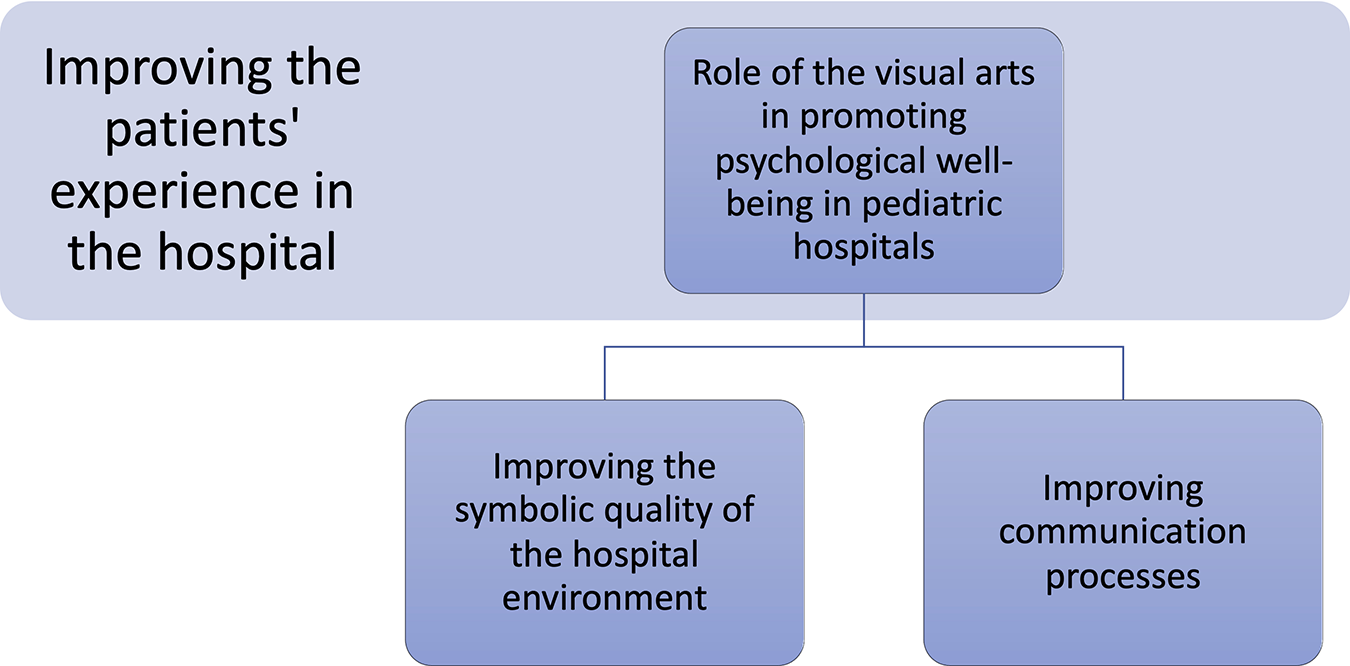
Contributions of the visual arts to the improvement of hospitals.
Some authors (van den Berg & Foundation 200 years University Hospital Groningen, 2006) stress the need for a more exhaustive review of the benefits of physical settings on healthcare, which should be based on a consensus about the taxonomy of the relevant physical dimensions. Among these dimensions, it has been proposed (Belver & Ullán, 2010) to include the symbolic dimension of space and its impact on the psychosocial well-being of pediatric patients and their families. A new perspective would thereby be taken into account when making decisions about the design of health settings. This perspective is related to users’ interpretations and meanings of these settings and the consequences of these interpretations and meanings for people’s health and well-being. How the hospital is perceived by children and their families and the meaning they attribute to it can condition the effect of hospital stressors on pediatric patients’ well-being. The physical space—in this case, the hospital—can be understood as a space of meanings for those who inhabit it. The meaning of an environment is the set of contents through which a person understands what a place signifies for them. These meanings are constructed from the interpretation of the signals that are present in the environment. For the patients and their families, the hospital—as a physical and social space—has emotionally negative meanings associated with it. It is a setting that is associated with disease and its consequences, and part of its intrinsically aversive nature has to do with this. Works of visual art in hospitals can provide experiences to improve the patients’ perceived quality of care and satisfaction (S. L. Nielsen et al., 2017), and we can consider them as a particularly relevant symbolic environmental mediator in the humanization of hospital spaces. The symbolic environmental mediators are stimulating signals of communicative and informative value, which, through the children’s own experience or through vicarious experience, end up being associated with emotional experiences (Belver & Ullán, 2010). These stimulating signals associated with emotional experiences explain the emotional meaning of the environment, that is, its ability to provoke emotional experiences of various kinds in people. The analysis of the symbolic environmental mediators in healthcare institutions provides us with a particularly relevant conceptual framework when referring to the humanization of hospitals, that is, to improve their adaptation to the psychosocial needs of their users, particularly pediatric patients (Ullan & Belver, 2019), and the role of the visual arts in this process of humanization. When we mention “more humane health settings,” we are referring to the characteristics of the design that healthcare settings should have in order to reduce the level of stress, both of the patients and the health workers, and to promote and increase the well-being and quality of life of the health system users (Nagasawa, 2000). The humanization of the hospital includes organizational, relational, and therapeutic aspects as well as environmental and social issues (Fornara et al., 2006) and must be understood as part of the culture of patient care. When the patients are children, this care culture should start by acknowledging the particular needs of children and their families as they deal with the process of disease and hospitalization, and children’s way of interpreting and attributing meaning to the surrounding environment. Humanizing a pediatric hospital basically means addressing the integral needs of the children and families, not only physical care but also psychological and social care, which guarantees the highest level of well-being. The humanization of care refers to the process in which the patient is at the center of healthcare (Tripodi, et al., 2017), taking into account the complete reality of these people, their feelings, knowledge, and beliefs about their health. From this point of view, the humanization of children’s hospitals seeks to respond to the psychosocial needs of children and families, offering a hospitalization environment that minimizes their psychological discomfort and the stress associated with the disease and its treatment and that promotes the resilience and post-traumatic growth of the children and their families. In this sense, as we have seen in the works included in this review, visual arts can improve hospitals by favoring their adaptation to the patients and, therefore, supporting the humanization processes of pediatric hospitals.
In addition to improving the symbolic quality of the hospital environment, visual artistic creations in the hospital can facilitate communication processes that are of paramount importance in patient care. Addressing communication with children in hospitals is part of a culture of respect for children’s rights. Article 13 of the United Nations Convention on the Rights of the Child expressly recognizes that children have the right to express their opinion freely in all matters affecting them and that these views should be taken into account, depending on their age and maturity. Through artistic creations, active participation in the healthcare, both of the children and their parents, can be promoted. Thus, visual arts not only convey a certain conception of hospital space, but when children and/or families are creators, they can provide a more complex perspective of the hospitalization experience that can improve the health services.
Pediatric hospitals are becoming very innovative environments in relation to the incorporation of art into the provision of hospital care so that it becomes an element that sustains the well-being of the hospital user. In this sense, it highlights the consideration of art as an aspect of healthcare provision that can enhance the viewer/user’s well-being. It is increasingly more frequent to find proposals of well-known visual artistic creators forming part of the “landscape” of the most advanced hospitals. In the last 2 decades, in many countries, organizations and associations have emerged that promote the incorporation of art to healthcare environments. This addition has undergone a considerable boom, for reasons that involve both the proven effect of the quality of the healthcare environment on patients’ and medical staff’s outcomes, and with the increasingly competitive nature of the health market. This requires addressing image-related aspects, seeking differentiators in the services offered to consumers, including a positive image of the facilities and environments, which can benefit from the use of artistic resources. This has led to an increase in the last few years of health organizations that introduce artistic proposals as a strategy to improve their results, both those of users’ health indicators and their public image. Health authorities, hospitals, patients’ associations, museums, and foundations of various types organize events and interventions to incorporate the artistic and aesthetic dimension into healthcare contexts.
The evaluated experiences indicate that the results derived from the artistic projects developed in hospitals are worthwhile but also that it is necessary to continue working to better understand how art can be incorporated as a resource for improving the quality of hospitals, making them more pleasant and positive places for pediatric patients, their families, and those who work in them.
Our study presents some limitations. First, we have only taken into account published and localized works through searches in databases and/or in reference lists but under no circumstances have we incorporated unreleased documents—“gray literature” or hospital reports—into the analysis, which could be relevant in this topic. The difficulty in systematically locating such gray literature justifies that it was not incorporated into the review. A second limitation is that for the works to appear in database searches, they had to include the term “hospital” as a key word. Some publications that might have been relevant did not include this term and, consequently, we could not locate them unless they appeared in manual searches, which are much less systematic. Third, we are also aware that the visual arts are used in hospitals to a greater extent than what is published in this regard. All hospitals, of course, also children’s hospitals, allow an analysis of their symbolic elements among which the visual arts would have to be considered. In other words, we have reviewed what has been published on the subject of visual arts in pediatric hospitals, which is obviously an indicator of the work being carried out in this area. But not everything that is done is published, and, therefore, the publications we have collected are not a reflection of the use that is made in hospitals of the elements of visual arts but of what is investigated and published in this regard. Another limitation of this work is that it cannot be considered as a review of the use of art therapy in children’s hospitals. Although, as we have seen, significant therapeutic effects of the visual arts have been shown in pediatric populations, a review of specific art therapy programs would require different approaches to the inclusion criteria of the works from the one we used and which we have previously described. Finally, another limitation refers to the languages that have been considered in the selection, English and Spanish. Leaving out other languages involves losing information from other cultural contexts that could contribute more knowledge to the analysis.
Despite these limitations, we think that the review carried out improves our understanding of the use of the visual arts in pediatric hospitals. Hospitals are public spaces whose complex design should consider the effect of the physical environment on the well-being of the people who use them, patients, families, and medical staff. Within the physical environment of hospitals, artistic resources can improve their symbolic quality and communication processes if they can convey positive meanings of support to the users. When it comes to children, these artistic resources can promote humor, play, distraction, and imagination and become allies to promote a more positive experience of going to the hospital, as has been seen in many of the works incorporated in this review.
Implications for Practice
The visual arts can be a valuable resource in enhancing the experiences of children and their families in hospitals.
Artistic resources can improve the symbolic quality of hospitals and convey a more positive meaning to them.
Visual arts facilitate communication processes in hospitals.
Supplemental Material
Supplemental Material, sj-docx-1-her-10.1177_19375867211003494 - Visual Arts in Children’s Hospitals: Scoping Review
Supplemental Material, sj-docx-1-her-10.1177_19375867211003494 for Visual Arts in Children’s Hospitals: Scoping Review by Ana M. Ullán and Manuel H. Belver in HERD: Health Environments Research & Design Journal
Footnotes
Declaration of Conflicting Interests
The author(s) declared no potential conflicts of interest with respect to the research, authorship, and/or publication of this article.
Funding
The author(s) disclosed receipt of the following financial support for the research, authorship, and/or publication of this article: This work was financed with help from Ministerio Español de Ciencia, Innovación y Universidades (Spanish Ministry of Science, Innovation and Universities; ref.: PID2019-104506GB-I00) and from Consejería de Educación de la Junta de Castilla y León (The Council of Education of the Junta of Castilla and Leon, Spain; ref.: SA057G18).

Supplemental Material
The supplemental material for this article is available online.
References
Supplementary Material
Please find the following supplemental material available below.
For Open Access articles published under a Creative Commons License, all supplemental material carries the same license as the article it is associated with.
For non-Open Access articles published, all supplemental material carries a non-exclusive license, and permission requests for re-use of supplemental material or any part of supplemental material shall be sent directly to the copyright owner as specified in the copyright notice associated with the article.
