



Abstract
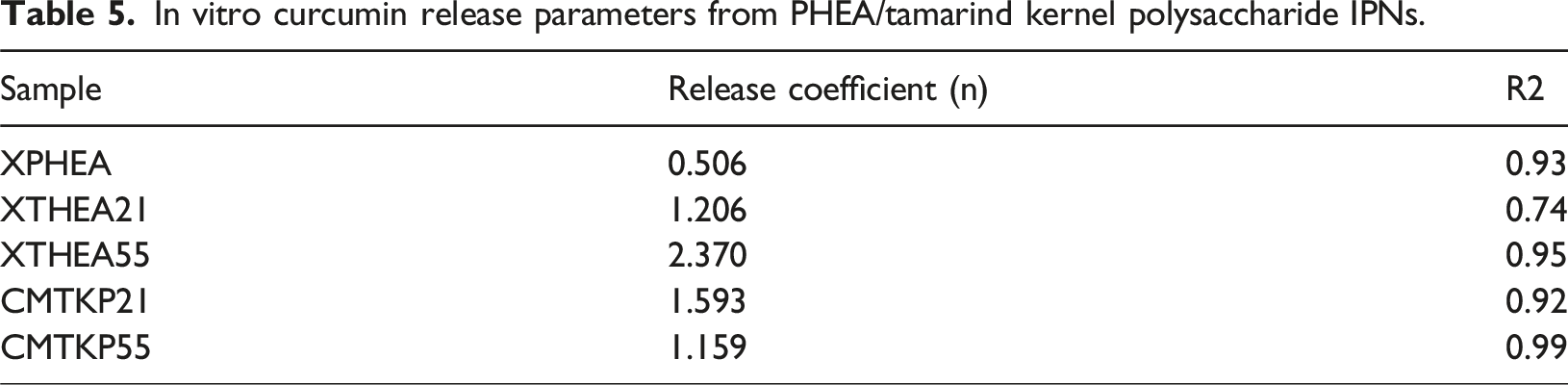
Carboxymethylated tamarind kernel powder (CMTKP) was synthesized by reacting TKP (tamarind kernel polysaccharide) with monochloroacetic acid in the presence of sodium hydroxide. Semi-interpenetrating polymer networks (SIPN) based on poly-2-hydroxyethyl acrylate (PHEA) were synthesized with variable proportions of TKP and CMTKP, which were named as XTHEA21, XTHEA55, and CMTKP21, CMTKP55, respectively. CMTKP IPNs, being more ionic and hydrophilic, showed more swelling compared to the XTHEA types though the crosslink densities of the former were more in neutral medium and were loaded with less amount of drug (%). Glass transition points of the IPNs was controlled by the crosslinked density of it but not by the blend ratio as Tg of CMTKP55<Tg of CMTKP21. FTIR study confirmed the in-situ polymerization of HEA monomer and subsequent crosslinking in the presence of CMTKP, without any cross-reaction between the two polymers. Higher crosslink density of CMTKP IPNs compared to XTHEA samples caused smaller domains of dispersed phase, as exhibited in FESEM pictures, than that of the latter. CMTKP IPNs released the drug following “Super Case II transport phenomenon” (non-Fickian), which is the same as observed by the others, though XPHEA followed “Fickian Transport”.
Keywords
Introduction
Tamarind Kernel Polysaccharide (TKP) is a natural polymer obtained from the seed. This biocompatible polymer, containing xyloglucans with a similar backbone as cellulose, is used as an emulsifier, gelling and binding agent or as a thickener in food, textile, and paper industries for many years. 1 However, tamarind gum has an unpleasant odor, poor solubility in water, and low thermal stability. 2 To overcome these problems, carboxymethylation of tamarind gum is done with monochloroacetic acid in the presence of sodium hydroxide as a catalyst. Due to the introduction of polar functional groups on the natural polymer by this route, it achieves enhanced shelf-life, water solubility and undergoes controlled swelling in a specific pH medium. The carboxymethylated tamarind gum (CMTG)based formulations are used in bone tissue engineering, skin tissue engineering, etc. 3 as it has minimum cytotoxicity to mammalian cells while having affinity towards bacterial cell walls. Also, it has proven potential as a drug carrier for targeted delivery depending upon the pH of the medium. In an acidic medium, the carboxylic acid group on CMTG is protonated and thereby minimizes the repulsive forces between the negatively charged carboxylate ions. Therefore, in an acidic medium, swelling of it is found to be minimal, and CMTG is not suitable for drug release in acidic pH. On the other hand, in an alkaline medium, deprotonation of the carboxylic acid group causes electrostatic repulsion in between the carboxylate anions. Therefore, the network of the polymer is swollen by absorbing a large amount of the solvent from the surrounding medium. Such a pH-dependent swelling behaviour of CMTG is utilized for the oral target-specific drug delivery.4,5 In the present work, the pH-dependent solubility behaviour of CMTKP will be utilized in the form of an IPN for the study of drug release, such as curcumin, which exhibits pH-dependent behaviour, particularly for oral administration.
Interpenetrating networks (IPN), made of two or more natural and synthetic polymer combinations, are promising drug carriers for oral administration and site-specific delivery. 6 The synthetic polymers are preferred in such drug delivery systems due to their higher mechanical strength, which is required to maintain the structural integrity of it till the completion of the drug delivery at the specific target. Use of a hydrophilic synthetic polymer as one of the components in such an IPN makes it a biocompatible hydrogel that can hold a lot of biological fluid and closely mimic the physical features of biological tissues. 7 Porosity in the IPNs regulates their swelling tendency and medication delivery but reduces with increased cross-linking. Homopolymer-based drug delivery systems have limitations like poor mechanical strength, hysterical hydration and swelling rates, resulting in unsatisfactory drug release effects from the dosage forms. 8 The interlocking structure of the IPNs improves the integrity and stability of materials, resulting in greater mechanical strength, drug loading capacity, and sustained or controlled drug release from them. 9 Therefore, in the present work, IPNs based on a natural polymer (TKP) and a synthetic hydrophilic polymer are used to achieve a combination of biocompatibility and mechanical strength required for the controlled drug delivery.
pH-responsive TMG beads were prepared by using sodium alginate with tamarind polysaccharide, but the authors did not mention the way to get a uniform size of the composite beads, which may affect the drug loading capacity. 10 Functionalized carbon-nanotube-incorporated hydrogels were synthesized for the controlled release of tigecycline. 11 Graphene-oxide-based viscoelastic composite films were developed from blends of poly (vinyl alcohol) and carboxy methyl tamarind polysaccharide (TKP) for the controlled release of ciprofloxacin hydrochloride. Floating beads of sodium alginate blended with TKP and magnesium stearate were fabricated by the ionotropic gelation technique for the controlled release of risperidone. 12 Nanocomposites were formulated from polyelectrolyte complexes of chitosan and TMG with simvastatin-based nanoparticles for anti-cancer applications. 13 KK Mali and coworkers 14 prepared interpenetrating networks (IPN) of carboxymethylated tamarind gum (CMTG)and chitosan (biopolymer) for sustained delivery of aceclophenac at a specific target. This system showed sustained release of the drug up to 12 h, in contrast to the commercial formulation, which shows faster release within 8 h. Kasula Nagaraja et al. 15 prepared semi-IPNs based on tamarind gum-co-poly (acrylamidoglycolic acid) and used this as a template for green synthesis of silver nanoparticles. In another report, graft co-polymers of tamarind and polyacrylamide showed a higher swelling index, greater thermal stability, and anti-bacterial activities in comparison to TKP. 16 Pal et al. 17 claimed that in PVOH/CMTG composite films, intermolecular hydrogen bonding exists.
Most of the graft copolymers, where the TKP or CMTG backbone was grafted with synthetic polymers, showed a higher swelling index value and better thermal stability when the grafting percentage was >500%. However, as the number of grafts increases, the significance of using natural polymers in conjunction with synthetic ones becomes less important. Also, the earlier investigations reported about the synthesis of IPNs or copolymers involving tamarind polysaccharide and other precursors of synthetic polymers, which are not yet commercialized due to limitations like longer release time, complex chemical reactions involved during synthesis, and the need of a nanoparticle-embedded matrix, etc. Moreover, these earlier works could not solve the challenges faced in the administration and formulation of several anticancer drugs due to their poor water solubility.
In contrast to the above-mentioned reports, an attempt is made here to maintain a minimum synthetic/natural polymer blend ratio without involving complex chemical grafting and avoiding the use of nanoparticles to have controlled release of poorly water-soluble drug from it.
In the present work, carboxymethylated TKP and Poly (2-hydroxyethyl acrylate) (PHEA) are used to form IPNs with the variation in blend ratio. These samples are characterized and compared with the IPNs made of unmodified TKP/PHEA with respect to thermal property, drug loading/release, and pH-dependent swelling properties. PHEA is chosen here due to the specific properties like mechanical strength, solubility, biocompatibility, hydrophilicity, and biodegradability. The tensile strength (20-30 MPa) of pure crosslinked PHEA is found at per that of the standard hydrophilic polymers, e.g., PVOH, PAM, PHEMA, etc., which are already in use. 17 Here, an IPN-based system is chosen as entanglement of linear chains of CMTKP with the growing PHEA chains, and subsequent crosslinking of the latter during synthesis will result in an interlocked configuration with porous morphology that is required to maintain the integrity of the drug carrier. The present work focuses on the development of a natural polymer-based IPN that allows drug loading and release from it due to the pH-dependent interaction and swelling, caused by the inherent hydrophilic and ionic character of it but not controlled by the solubility of the drug in various pH media.
Experimental
Materials and methods
Tamarind kernel powder (TKP), pale yellow in colour (Mw = 700-800 KDa) was supplied by J D Gum and Chemicals, Raipur, Chhattisgarh, India. The powder of 200-300 mesh size was soluble in water by 6% only. Tamarind kernel polysaccharide has the chemical structure as shown in Figure 1.
18
Tamarind kernel polysaccharide (TKP).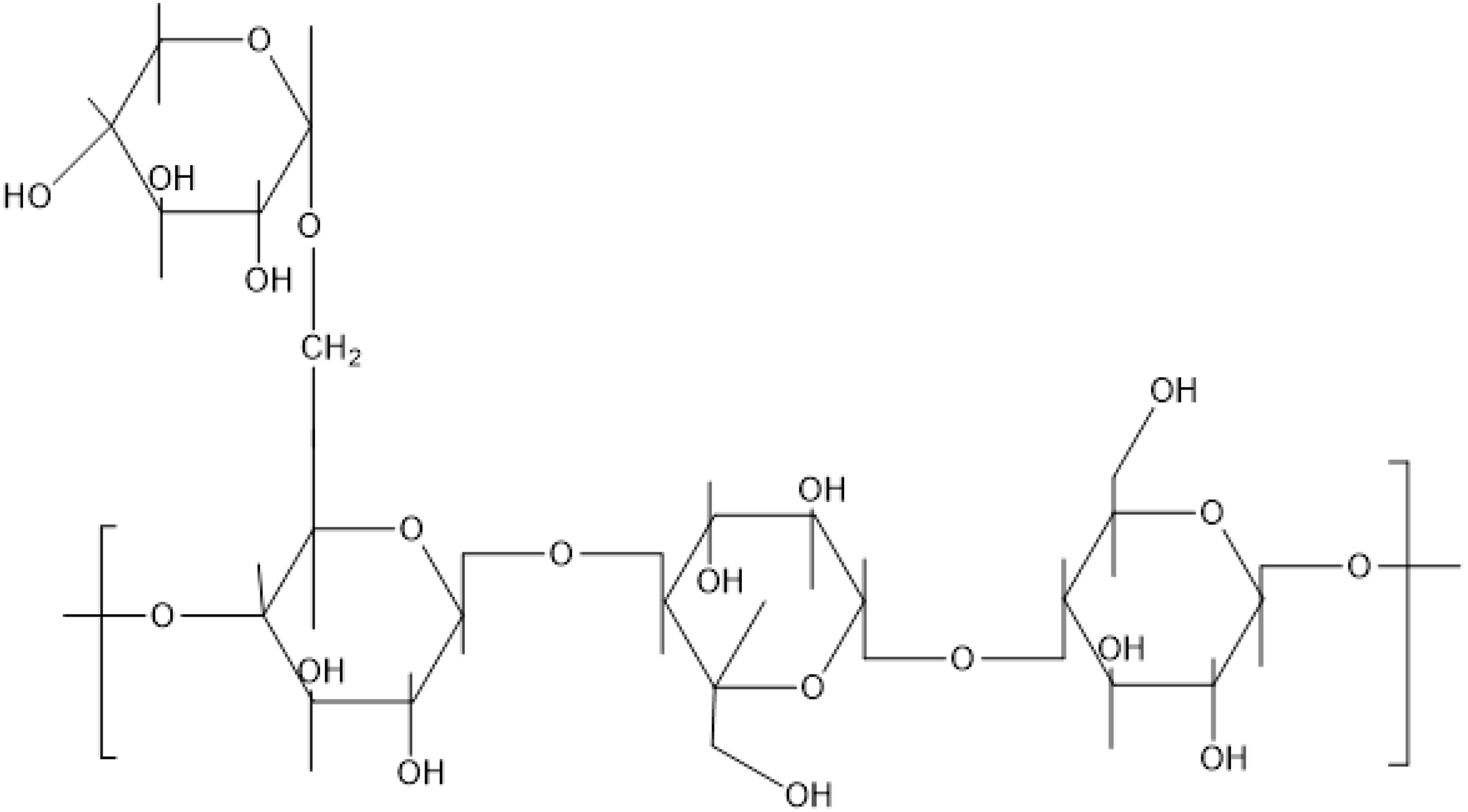
Chemical structure of (a) 2-hydroxyethylacrylate (HEA) (b) ethylene glycol dimethacrylate (EGDMA) (c) ammonium persulfate (d) tetra methyl ethylene diamine (TMEDA) (e) monochloroacetic acid (f) curcumin.
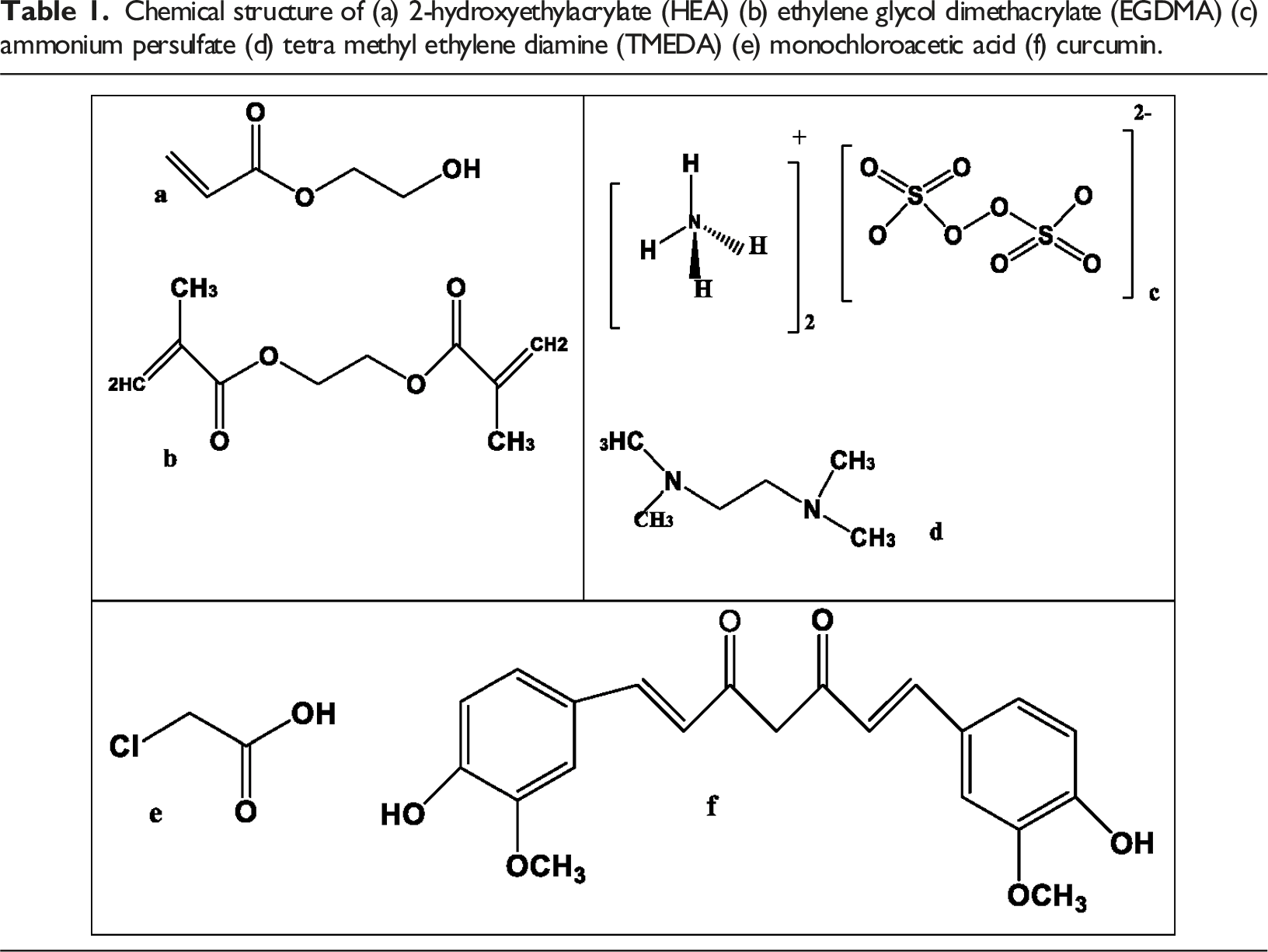
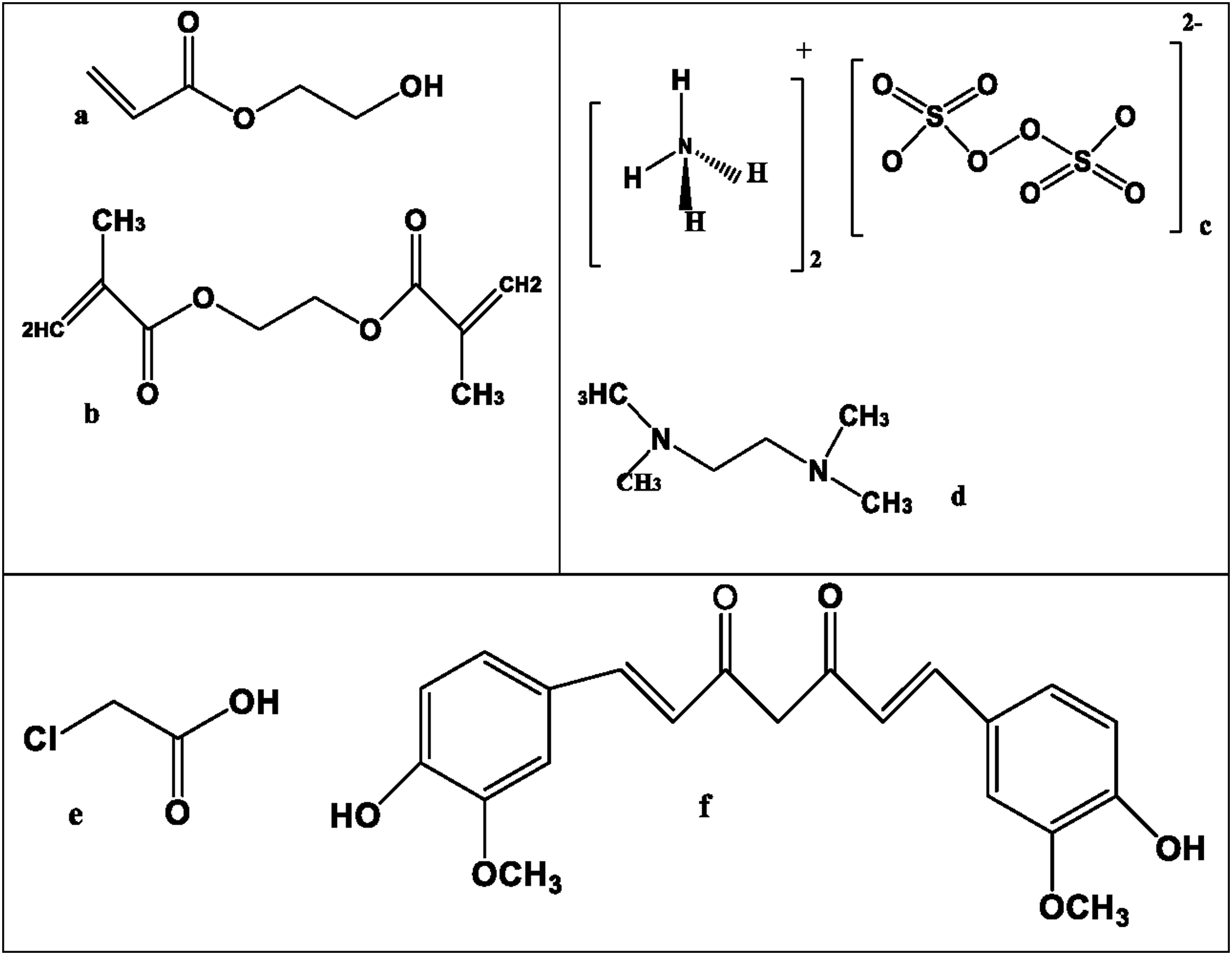
Preparation of carboxymethylated tamarind kernel polysaccharide (CMTKP)
Carboxymethylation of TKP was carried out following the method described by Sharma et al.
19
Powder was dispersed in alkaline (0.16 M NaOH) aqueous methanol (100 ml). MCA solid was added to the above solution of TKP with continuous stirring for 15 min. The contents of the flask were stirred continuously at 75°C while keeping it immersed in a thermostatic water bath, and the reaction was allowed for 2 h. The reaction product was filtered under vacuum and after dissolving in water it was neutralized with dilute HCl (1:1, vol/vol). Then the reaction product was added to ethanol and washed with aqueous methanol (methanol: H2O, 80:20v/v). After the final wash with pure methanol solid CMTKP was dried under vacuum at 40°C for 4 h. The process of synthesis is described in the flow charts (Figure 2). Reaction steps from raw materials to the formation of CMTKP.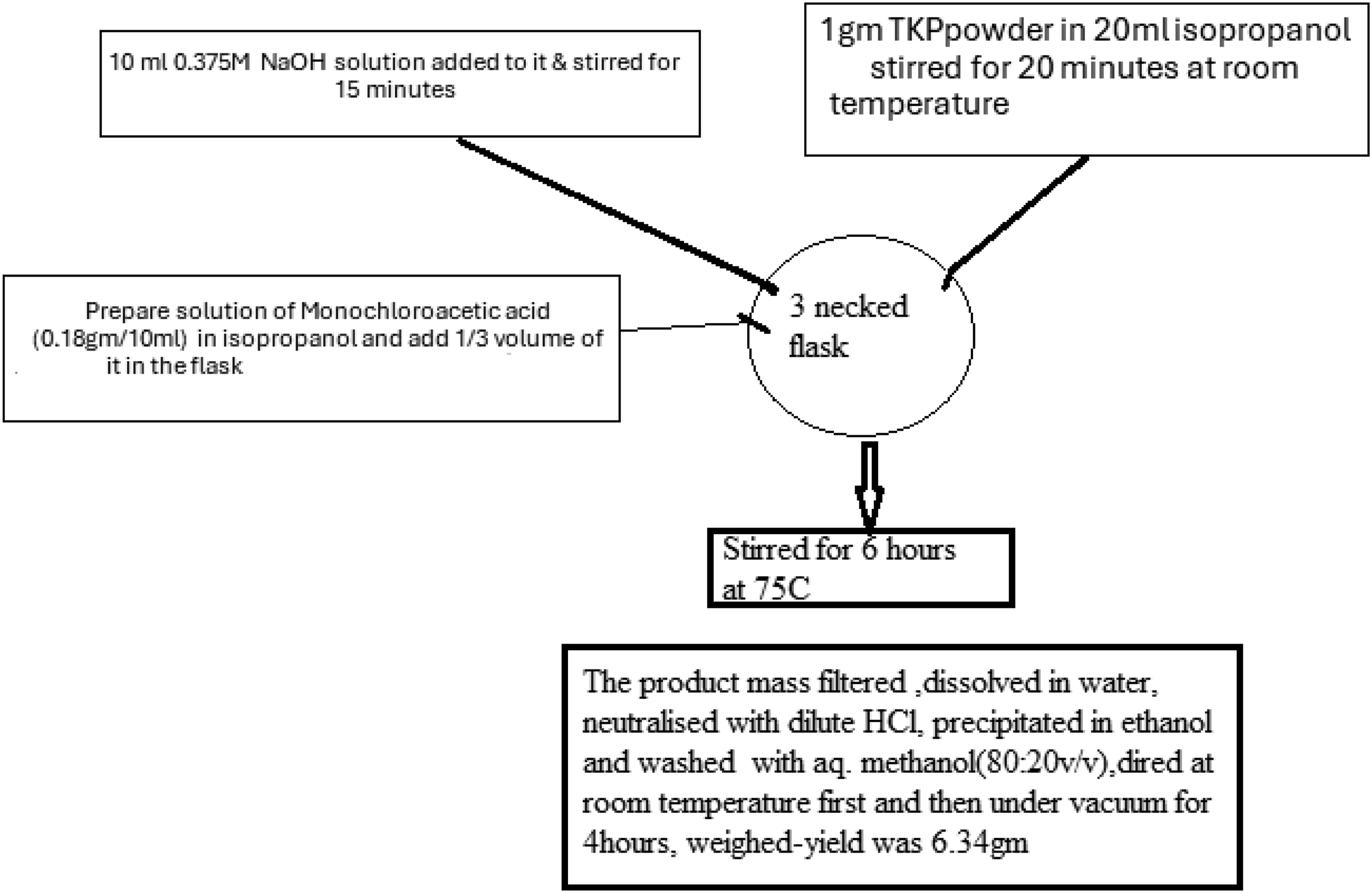
Preparation of poly (2-hydroxyethylacrylate) (PHEA) and crosslinked PHEA
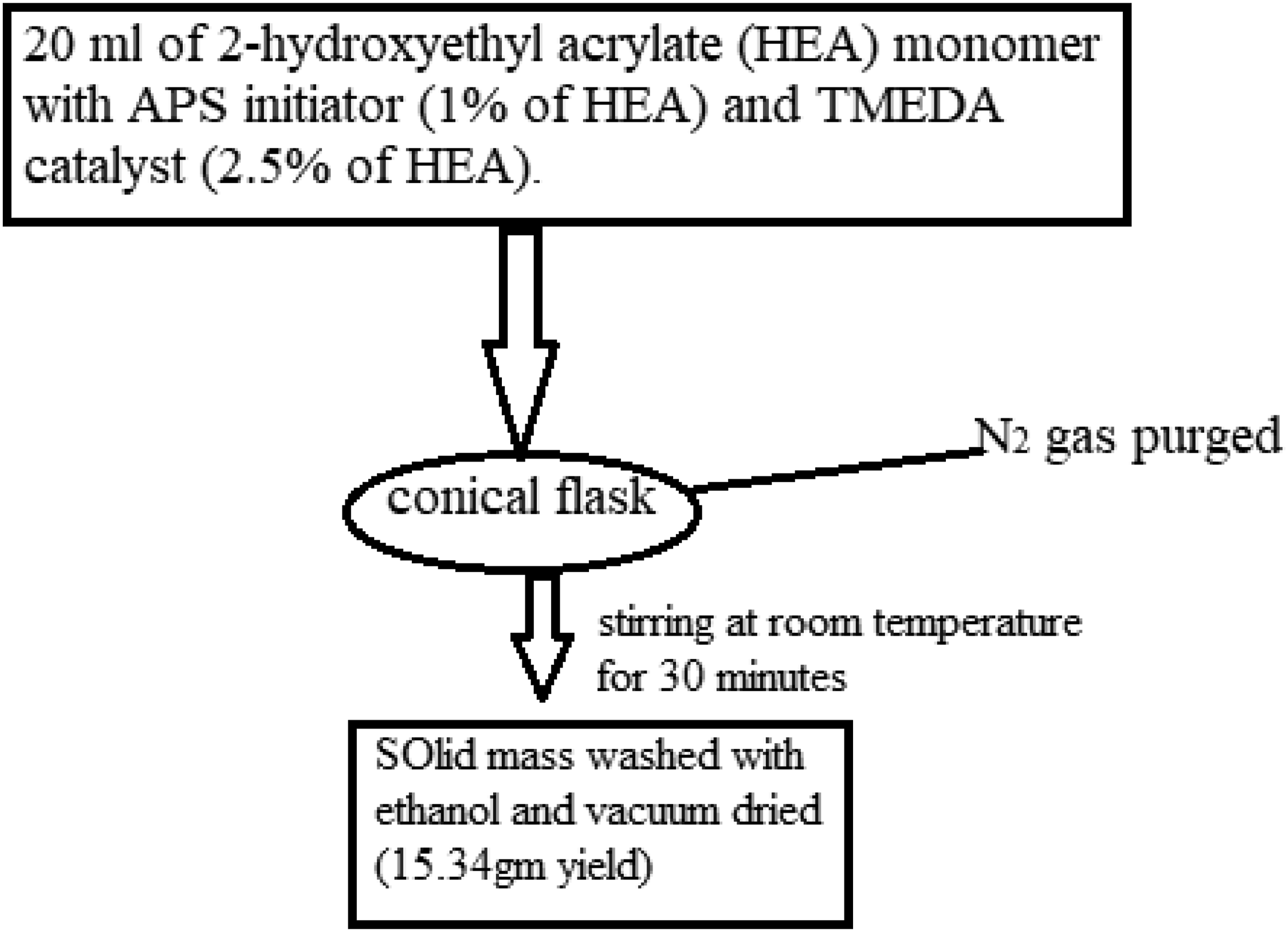
A solution was prepared by mixing 20 ml of 2-hydroxyethyl acrylate (HEA) monomer with APS initiator (1% of HEA) and TMEDA catalyst (2.5% of HEA). Nitrogen gas was purged through this solution for 5 min. Immediately, polymerization was carried out under constant stirring at room temperature for 30 min. Crosslinked PHEA was produced in the same way by taking the ingredients in the same ratio and adding Ethylene Glycol Dimethacrylate (EGDMA) by 1% of HEA as a crosslinking agent to it. The polymers produced in this way were soft, elastic in texture, and translucent in appearance. The crosslinked PHEA, named XPHEA hereafter, is a hydrogel (Scheme 1 and Figure 3). Reaction steps from raw materials to (a) formation of PHEA and (b) crosslinking of it. Reaction steps from raw materials to the formation of PHEA.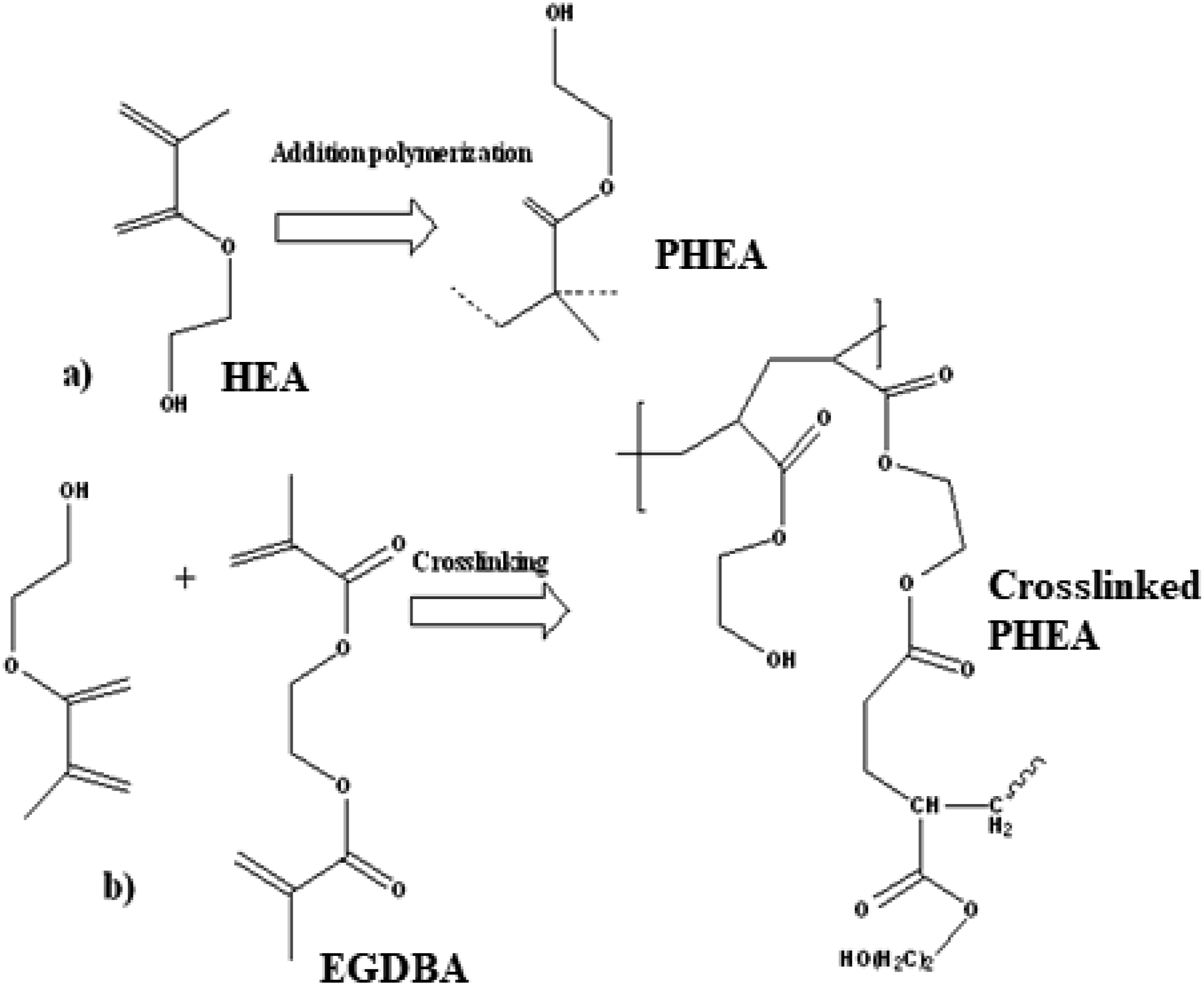
Preparation of a semi-interpenetrating network of (i) TKP/PHEA and (ii) CMTKP/PHEA
Formulation of samples.
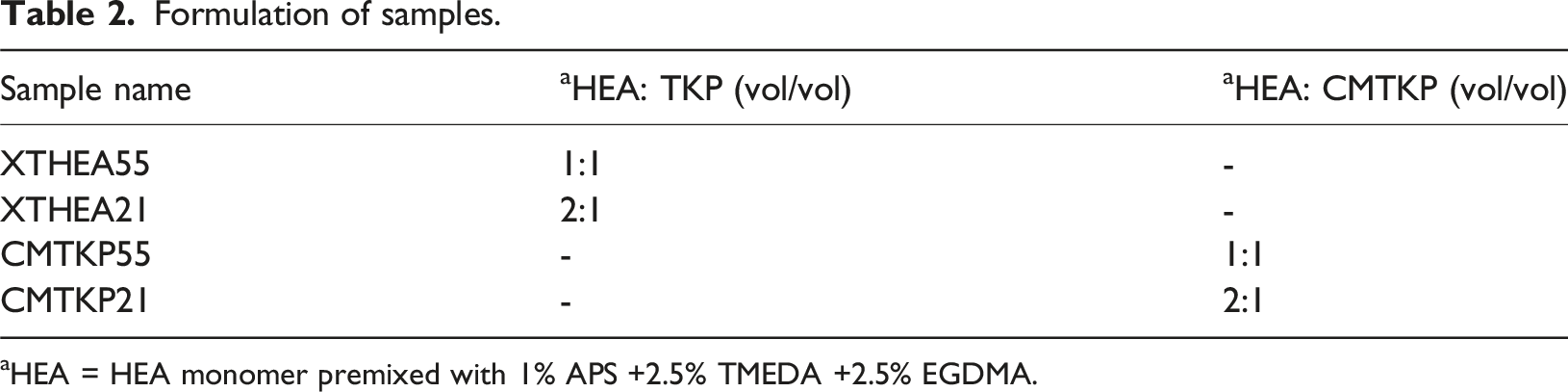
aHEA = HEA monomer premixed with 1% APS +2.5% TMEDA +2.5% EGDMA.
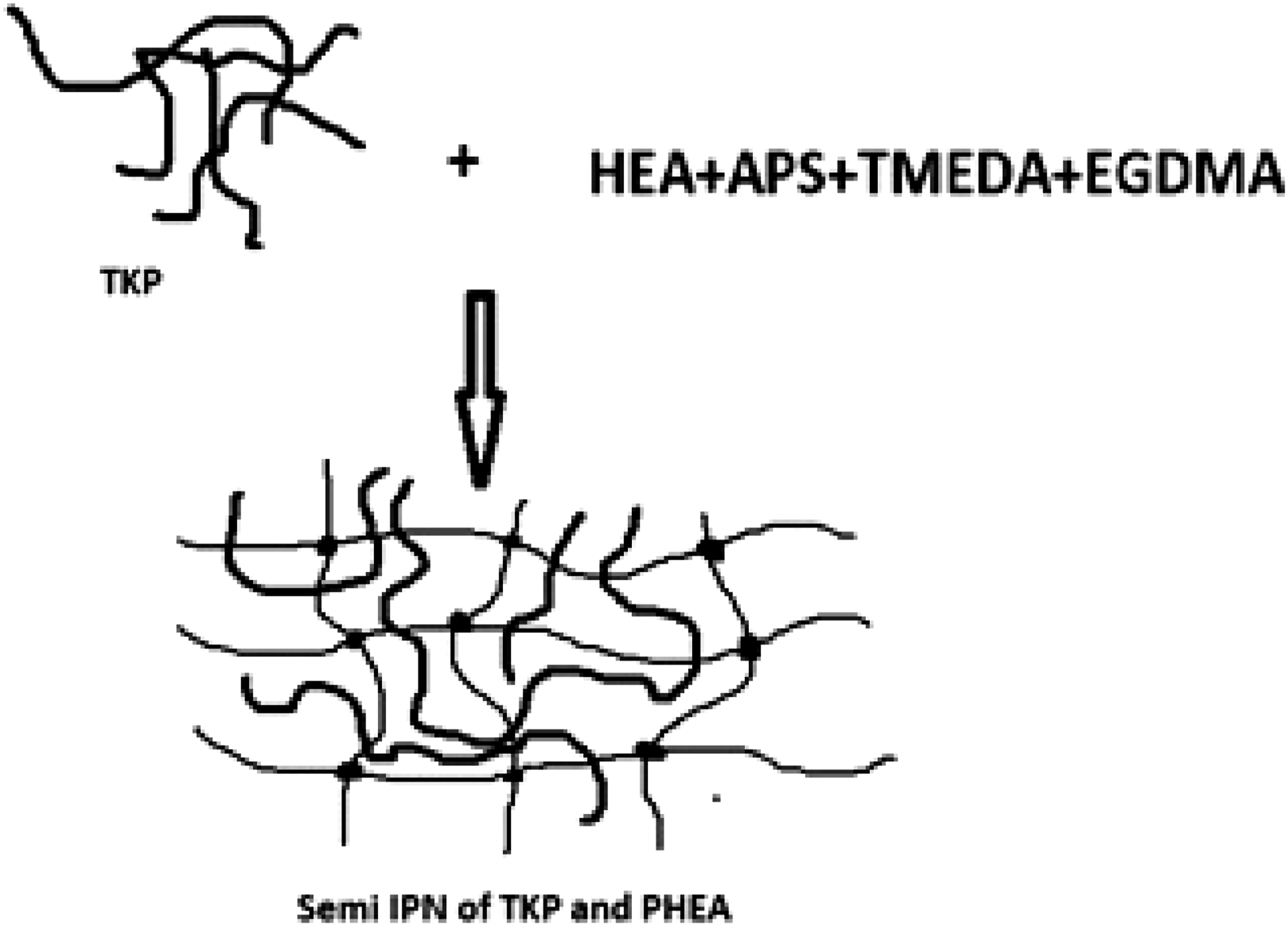
Formation of semi IPN -linear chains of TKP entangled in crosslinked PHEA.
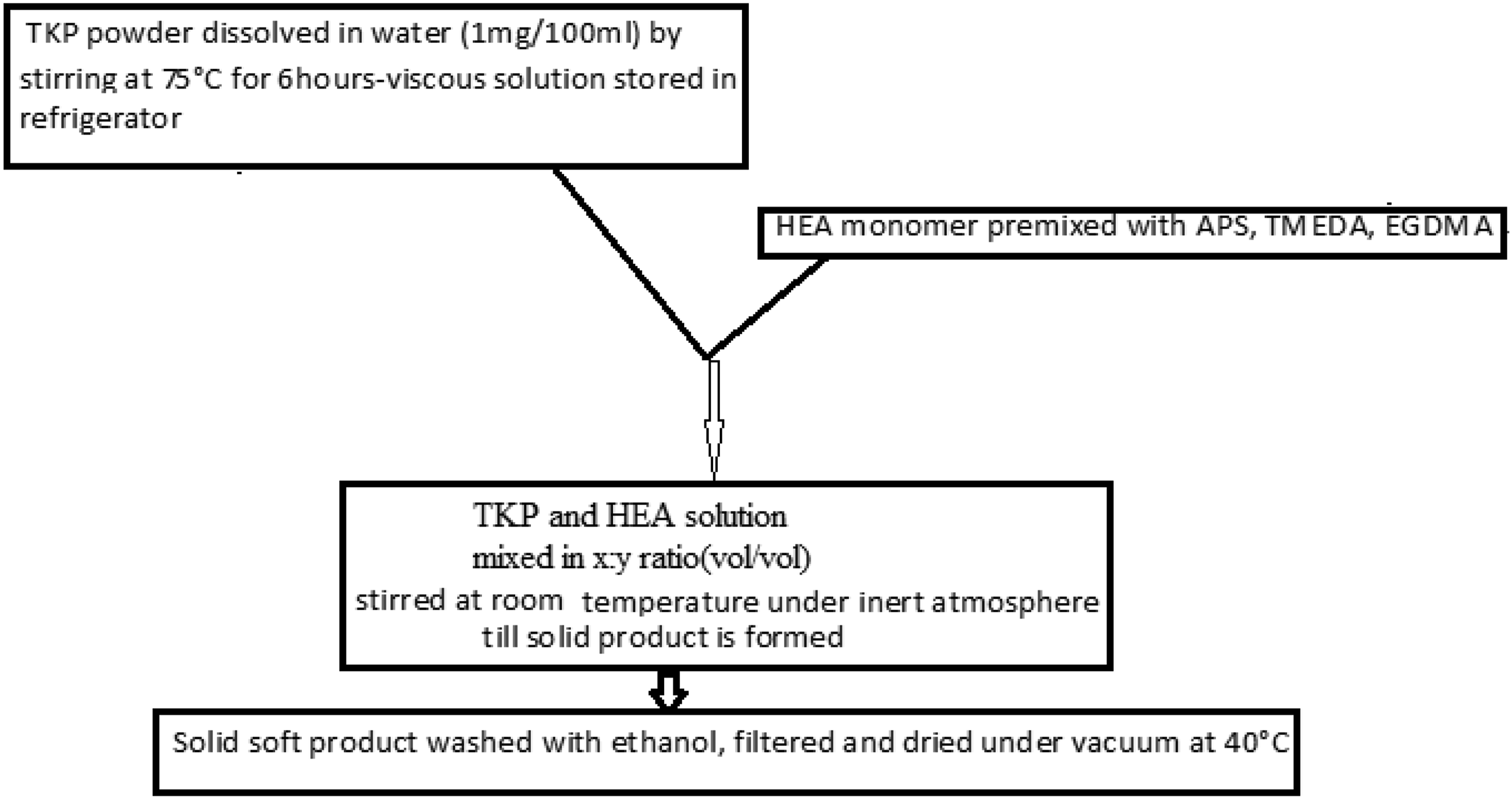
Steps of formation of PHEA/TKP IPNs.
Solution of CMTKP in deionized water (5% w/v) was prepared at room temperature. 20 ml of this solution was mixed with the HEA premixed with APS, TMEDA, and EGDMA, taken in the same ratio, as earlier. Two compositions of IPNs were prepared by mixing CMTKP and HEA solutions in two different ratios as 1:1 and 1:2 (v/v). The IPNs were prepared under an inert atmosphere and at room temperature. The solid product, opaque and pale yellow, was washed with ethanol to remove any unreacted reagent, filtered, and then dried under vacuum at 40°C till a constant dry weight was gained. The hydrogel samples were named CMTKP 55 and CMTKP21 in which the HEA: CMTKP solution was 1:1 and 2:1 (v/v) respectively. The probable reaction mechanism and steps of formation of IPN samples are shown in Scheme 3 and Figure 5 respectively. Formation of semi IPN of CMTKP and PHEA, a highly crosslinked network of PHEA in between CMTKP. Probable steps of (a) addition polymerization of HEA and (b) simultaneous polymerization & crosslinking of PHEA with EGDBA during semi IPN formation.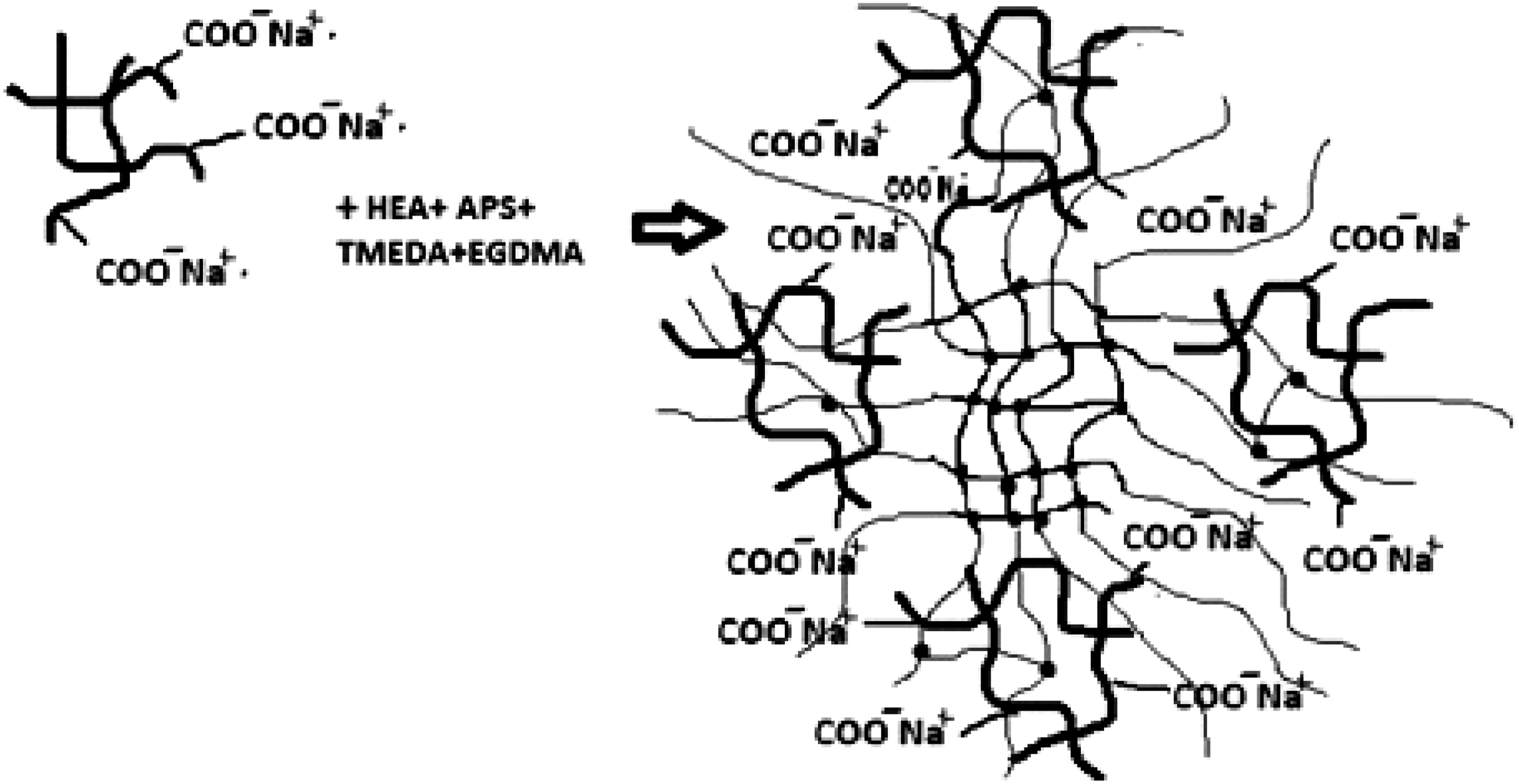
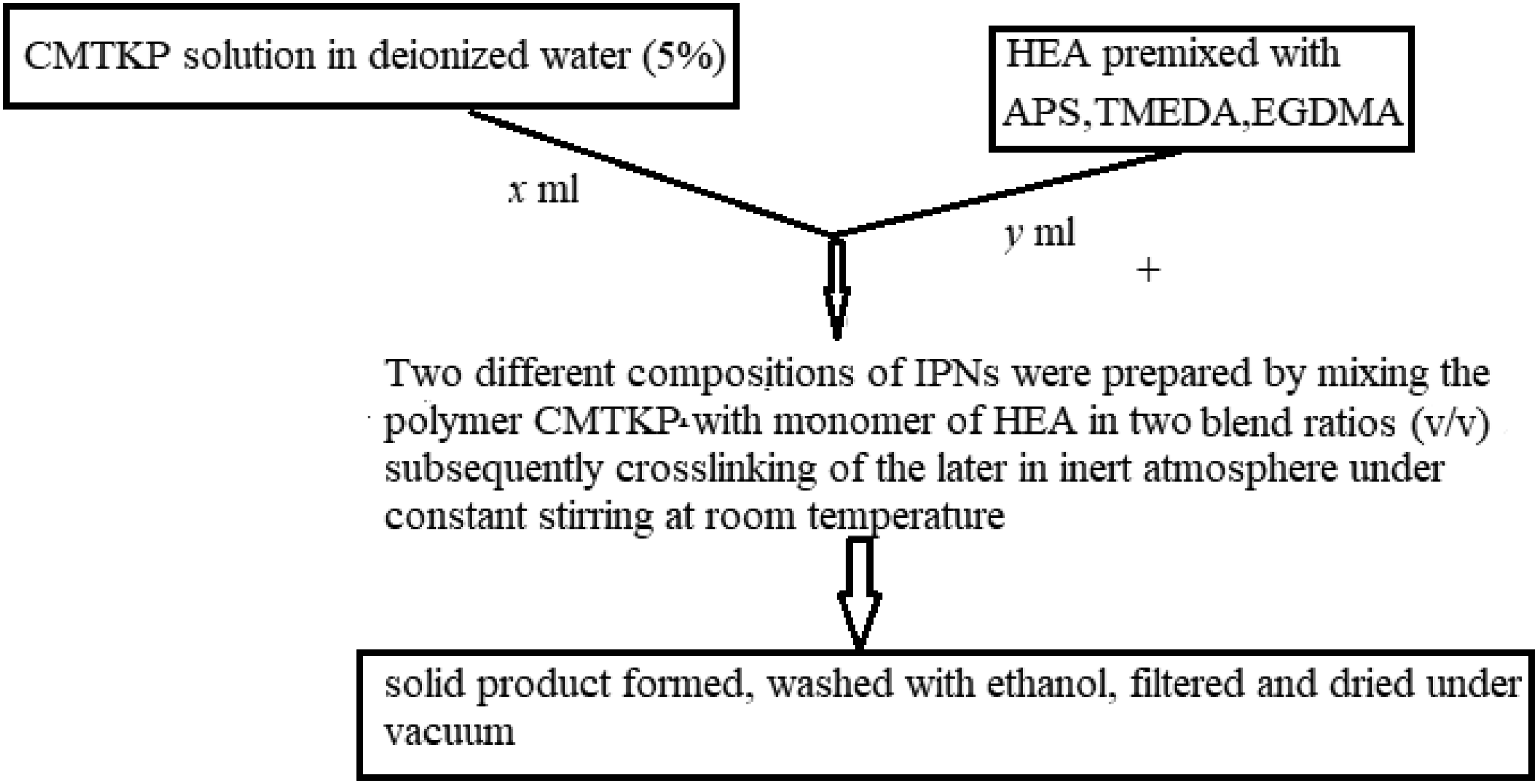
Characterization
Swelling index determination for TKP, CMTKP and the IPNs
To determine the swelling index of TKP and CMTKP the free-flowing powder sample was taken in a dry measuring cylinder and filled with deionized water up to a certain level. The volume of the combination (v1) was recorded. After several time intervals, the volume increase was checked in the cylinder till a constant volume was observed. The final volume (v2) was recorded. The swelling index of the sample was determined by using the following equation (1)
20
:
pH-dependent swelling test with the IPNs
The effect of composition variation of the semi-IPNs was studied by swelling index measurement using three distinct pH media - acidic (pH 4), neutral (pH 7), and alkaline (pH 9). The solution of various pH levels was prepared using buffer tablets of the specific pH. The soft solid polymer samples were dried under vacuum, and then a small piece was taken from each and weighed (W1) before dipping it in the specific pH medium. The weight of the swollen samples was measured after a regular time interval till a constant weight (W2) was achieved by them. The swelling index of these samples was calculated by using the following equation (2):
Density of the IPNs
The density of the polymer has a relation to its porosity, which is again a controlling factor for swelling as it affects the available space within the hydrogel matrix for drug molecules.
21
Density of all the IPN samples was determined by applying equation (3) (ASTM D792) following Archimedes’ principle of buoyancy and using METLER Toledo, AB104, Switzerland, specific gravity balance. Toluene was used for the measurement as all the samples were hydrophilic.
Crosslink density of the IPNs
The greater the number of crosslinks per unit length of linear chain of a polymer, less is the molecular weight in between two successive crosslinks (Mc), which is inversely proportional to the crosslink density(γ). The more the crosslink density less the porosity. Crosslink densities of various IPN samples and crosslinked PHEA were determined by following the classical Flory-Rehner method
22
as below (equation (4)):
Equilibrium swelling was allowed for each sample in deionized water. Solid and vacuum-dried samples were cut in a definite shape and weighed (m0). Then these samples were dipped in water. The increase in weight of these swollen samples was monitored from time to time till the constant weight of the swollen sample(m) was achieved. Vp was calculated using equation (5).
Fourier transform infra-red spectroscopy (FTIR) of the IPNs
FTIR spectroscopy was used to find out the position of peaks, in the % Transmittance versus wavelength graphs, corresponding to specific functional groups present in the dry IPNs in comparison to pure PHEA, XPHEA and CMTKP. Also, CMTKP was compared with that of the unmodified TKP in respect of the functional groups present in them from the spectrograph of these two.
An apparatus made by Perkin Elmer, USA (Model: Frontier), was set at a resolution of 2 cm-1, and the spectra were obtained in the wavelength range of 400 - 4000 cm-1 at an average of 25 scans. The vacuum-dried sample was studied in ATR mode at room temperature.
Thermal analysis of the IPNs
Thermal analysis of the four IPNs, XPHEA, TKP, and CMTKP was performed by using differential scanning calorimetry (DSC) and thermogravimetric analyzer (TGA) simultaneously made by Waters, USA (model: Discovery SDT 650). The samples were heated from room temperature to 500°C at 10°/min rate under nitrogen atmosphere. Variation in glass transition points of the IPNs in comparison to pure XPHEA was assessed by using Fox equation (equation (6)).
24
Experimentally determined glass transition points, from DSC curve, for the IPNs were then compared with those calculated by using the Fox equation for the corresponding compositions.
A Thermogravimetric analysis was performed to see the thermal stability of the IPNs compared to that of the XPHEA. The degradation onset temperature and ash content of the samples were determined from the TGA thermographs drawn by plotting the % weight loss against temperature.
Field emission scanning electron microscopy (FESEM)of the IPNs
Morphology of the samples was studied by FESEM of Carl Zeiss, Germany (model: Sigma300). The samples, before drug loading, were coated with gold sputtering and mounted on the holder. Surface morphology of samples was scanned at various magnifications and finally, at 10000X magnification, a snap was taken for each sample.
Drug loading and release study with the IPNs
A series of solutions of curcumin in an ethanol/water (1:1 v/v) mixture was prepared by varying the concentration of curcumin in them. By measuring the absorbance of these solutions using a UV absorbance spectrophotometer a calibration curve was drawn by plotting absorbance against concentration.25–27
The pre-weighed (w1) dry polymer samples were placed into six different test tubes. A measured volume of curcumin-ethanol solution (1 µg/10 ml) was added to each test tube. The test tubes were covered with stoppers, and the samples were allowed to swell at room temperature for a specific time. After every 1 h, the swollen samples were removed from the test tubes, wiped off the surface liquid with filter paper, and weighed to see the change in weight. This process was repeated until the samples became saturated with the curcumin solution. These samples were dried first at room temperature to evaporate the solvent and then under vacuum till a constant dry weight (w2) was achieved, and then the % drug loaded in them was calculated using the following equation (7).
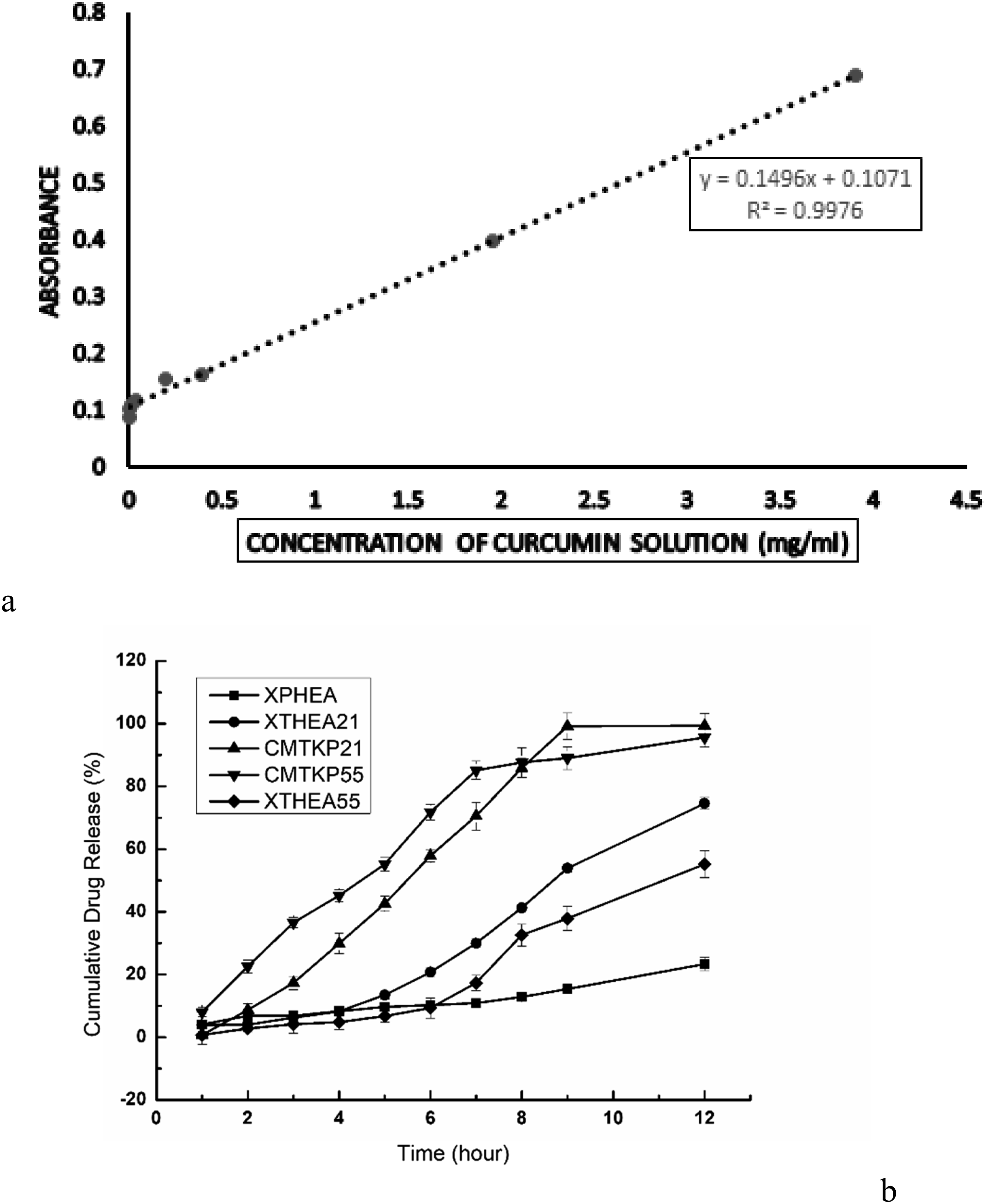
Each of the drug loaded samples was taken in a dialysis bag which was tied and dipped in alkaline ethanol-water solution (1:1, pH = 9.2) taken in a 50 ml conical flask and then covered with stoppers and kept at 37°C for 30 min to completely wet the drug loaded sample in the solution. These conical flasks were then fitted with the clips in an Orbital Shaker (JEIO TECH, SI-300R) at 37°C and shaken at 120 rpm for a specified period. At equal intervals of time, a small portion of the solution (2 ml diluted up to 10 ml) was taken out from each vessel and replenished with the same dissolution medium to maintain the swelling condition. Collected sample solution was filtered, and absorbance was measured at wavelength 425 nm for curcumin by using UV visible spectrophotometer (UV 1800, Shimadzu, Japan) which was fitted on the calibration curve drawn with pure curcumin solution. The extent of released drug was determined in terms of cumulative drug release by fitting the absorbance values on the calibration curve drawn for curcumin solution of various concentrations (Figure 6(a)). The drug release data obtained here were fitted into the Korsemeyer-Peppas equation (equation (8)) to investigate the release mechanism of curcumin from the samples. The first 60% of the drug release data were fitted in the Korsemeyer-Peppas model
28
to find out the drug release mechanism. (a) Calibration curve drawn with curcumin solution (b) variation of drug release (%) from XPHEA and PHEA based IPNs with time.
Results and discussion
Swelling study of TKP, CMTKP and the IPNs
The swelling index of TKP powder in water was calculated by equation (1), and the value was 1% whereas the swelling index of CMTKP was 12%. The swelling index of the CMTKP was higher than that of unmodified TKP due to the ionic character of the hydrophilic IPN. 4
All the IPNs and Crosslinked PHEA showed (Figure 7) maximum swelling indices in the alkali medium (pH = 9.2). PHEA swelled most among all the samples due to its hydrophilic character and interaction of the hydroxyl groups in an alkali medium. The formation of IPNs with TKP & HEA caused a reduction in the overall hydrophilic nature as the former is hardly soluble in water; hence, the swelling index of XTHEA21 and XTHEA55 samples decreased. In the case of IPNs, CMTKP21 and CMTKP55, a combined effect of the presence of ionic substituent on CMTKP and the hydrophilic matrix of PHEA has resulted in a higher swelling index for them. Moreover, in the alkali medium, deprotonation of the carboxylic acid group might have caused electrostatic repulsion in between the bulky carboxylate anions. Therefore, the network of the polymer was swollen by absorbing a large amount of the alkaline solvent from the surrounding medium.
28
On the other hand, in an acidic medium, the carboxylic acid group on CMTG being protonated resulted in a much less repulsion force between the polysaccharide chains. Therefore, in an acidic medium, swelling of CMTKP IPNs is found to be less. However, the swelling index of these IPNs in basic medium was comparable to that of the crosslinked PHEA which may be attributed to the increased polarity of them being the predominant factor than the higher crosslink density of the IPNs (Figure 8). Variation of swelling index of PHEA and IPN samples in different pH. Variation of crosslink densities of the IPNs with composition.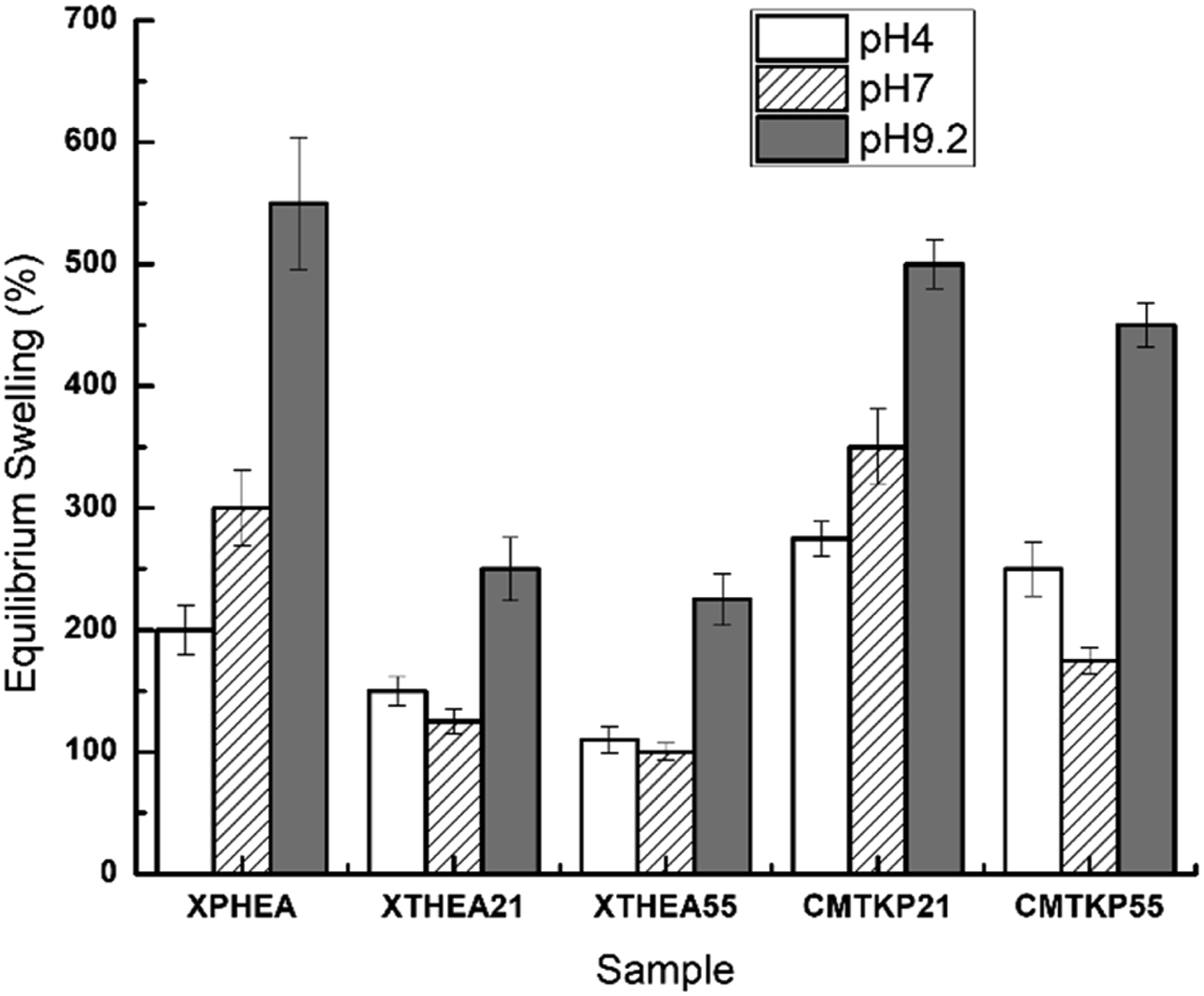
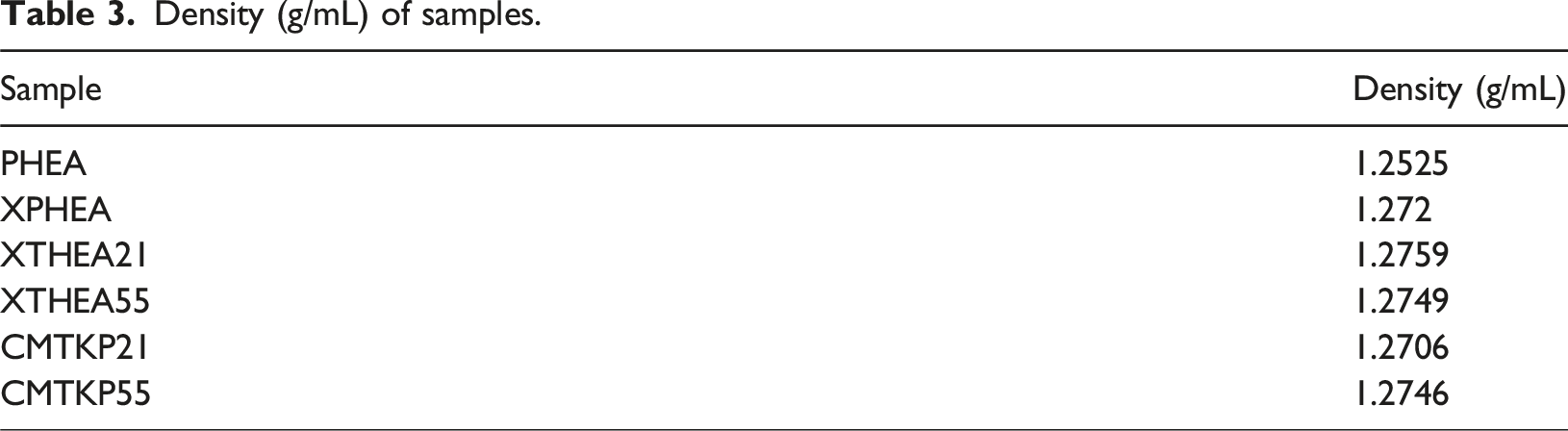
Density and crosslink density study of the PHEA, XPHEA and the IPNs
Density (g/mL) of samples.
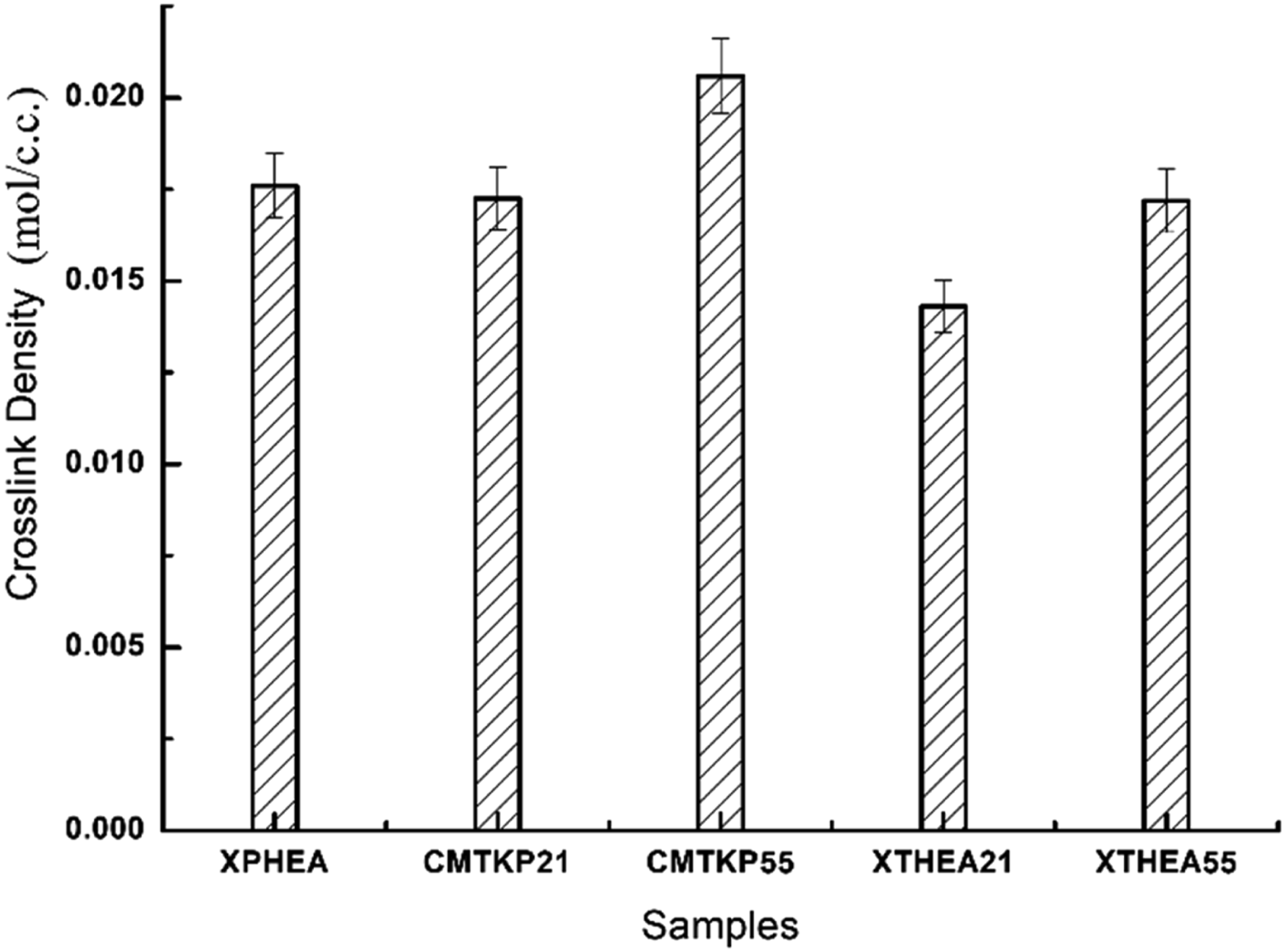
Crosslink densities of XPHEA, XTHEA21, XTHEA55, CMTKP21, and CMTKP55 are exhibited in Figure 8. Crosslink density of XPHEA is greater than that of some of the IPNs. Polymerization of HEA and crosslinking of PHEA in the presence of polysaccharide linear chains (both TKP and CMTKP) might have caused shielding of the reactive groups of the former and thereby reduced the degree of polymerization as well as crosslinking of PHEA in the IPNs. 30 Also, with a decrease in HEA content in the IPNs, the crosslink density increased, e.g., XTHEA 21<XTHEA55 and CMTKP21 <CMTKP55, which may be attributed to the increase in the value of Vp according to equation (5). IPNs with CMTKP showed higher crosslink density in comparison to the IPNs with TKP of corresponding composition. The crosslink density was measured in neutral medium (pH = 7), e.g., in water, wherein the carboxymethylated anions on CMTKP in IPNs might have exhibited strong repulsion between each other, resulting in greater intermolecular space between the linear polysaccharide chains. 31 Further, this increased intermolecular space might have facilitated the crosslinking of the in situ formed PHEA, entrapped in between the CMTKP chains, without interruption.
Fourier transmission infrared spectroscopy (FTIR) study of TKP, CMTKP and the IPNs
The FTIR spectra of Tamarind kernel powder (TKP) and Carboxymethylated Tamarind Kernel Powder (CMTKP) are shown in Figure 9(a). Peak at 1638 cm-1 corresponds to the C = O stretch of COO– indicating that carboxymethylation had been successfully carried out. For XPHEA (Figure 9(b)) the observed peaks are assigned as follows: a characteristic carbonyl stretching peak (C = O stretching) at (i) 1712 cm−1, the -OH stretching peak at (ii) 3415 cm−1 and OH bending at (iii) 1298 cm−1, and the ester stretching peak (C-O stretching) at (iv) 1200 cm−1. The broad -OH peaks at 3415 cm−1 are due to the intermolecular H-bonding. The peak at (v) 1638 cm−1 and at 1419 cm−1 can be assigned to C = O group of esters and -CH2 bending vibrations, respectively for CMTKP. (a) FTIR spectrographs of CMTKP and TKP (b) FTIR spectrographs of IPNs of CMTKP and PHEA.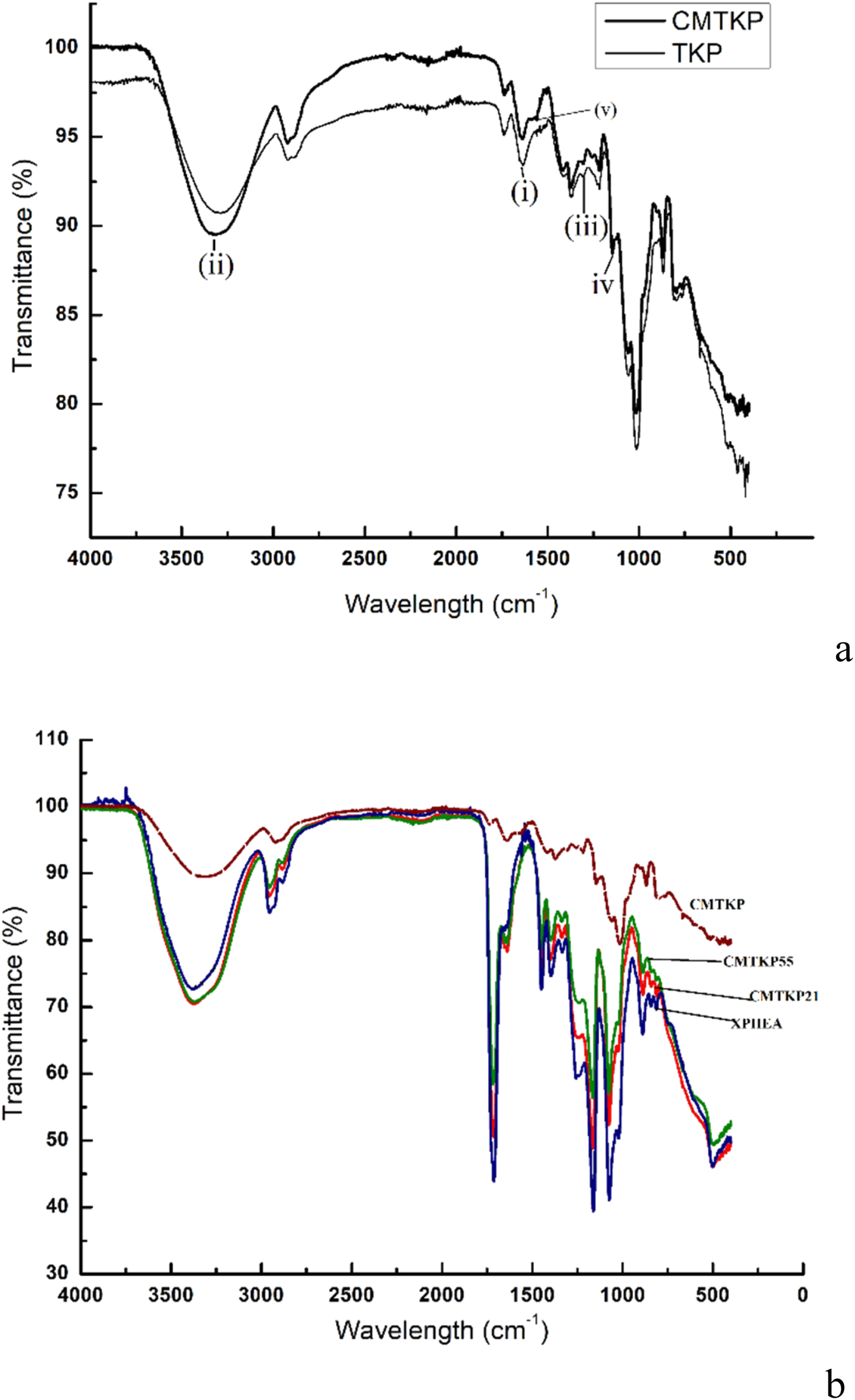
In Figure 9(b) FTIR of CMTKP IPNs, CMTKP and XPHEA are shown. No new peak is observed in the spectra of CMTKP21 and CMTKP55 in comparison to that of CMTKP and XPHEA. Position of the peaks corresponding to C = O stretching, OH bending & stretching and ester stretching are found unaltered in CMTKP21 and CMTKP55 at 1712 cm−1,1298 cm−1 & 3415 cm−1, 1200 cm−1 respectively as observed for XPHEA. Therefore, it can be concluded here that IPN was formed due to in situ polymerization of HEA monomer and crosslinking thereafter in the presence of CMTKP without any cross reaction between the two polymers.
Thermal Analysis of TKP, CMTKP and the IPNs
DSC thermograms of TKP and CMTKP are exhibited in Figure 10(a). The thermograms showed slightly lower Tg for TKP (81°C) than that for CMTKP (99°C). The enthalpy change corresponding to the glass transition for TKP is much greater than that of CMTKP, which may be attributed to the greater chain rigidity of the later and lesser moisture evaporation from it. This observation is the same as the earlier report.
29
Also, for CMTKP a second endothermic transition is found at 357.8°C, which is attributed to the degradation peak of it elsewhere.
30
TKP was thermally more stable than CMTKP within the range of temperature studied here. Figure 10(b) showed that the glass transition temperature of IPNs varied in the order CMTKP21 (111.6°C) <CMTKP55 (125.8°C), and Tg of XPHEA was 109.6°C. However, the glass transition points of these samples, as calculated by the FOX equation, show that Tg of CMTKP55<Tg of CMTKP21 (Table 4). The higher experimental Tg value of CMTKP55 than CMTKP21 may be due to the higher crosslink density of it, which reduces the overall chain segmental mobility. (a) DSC thermograms of TKP, CMTKP and XPHEA (b) DSC thermograms of IPNs of CMTKP and PHEA. Glass transition points for the IPNs as seen from DSC analysis and by theoretical calculation.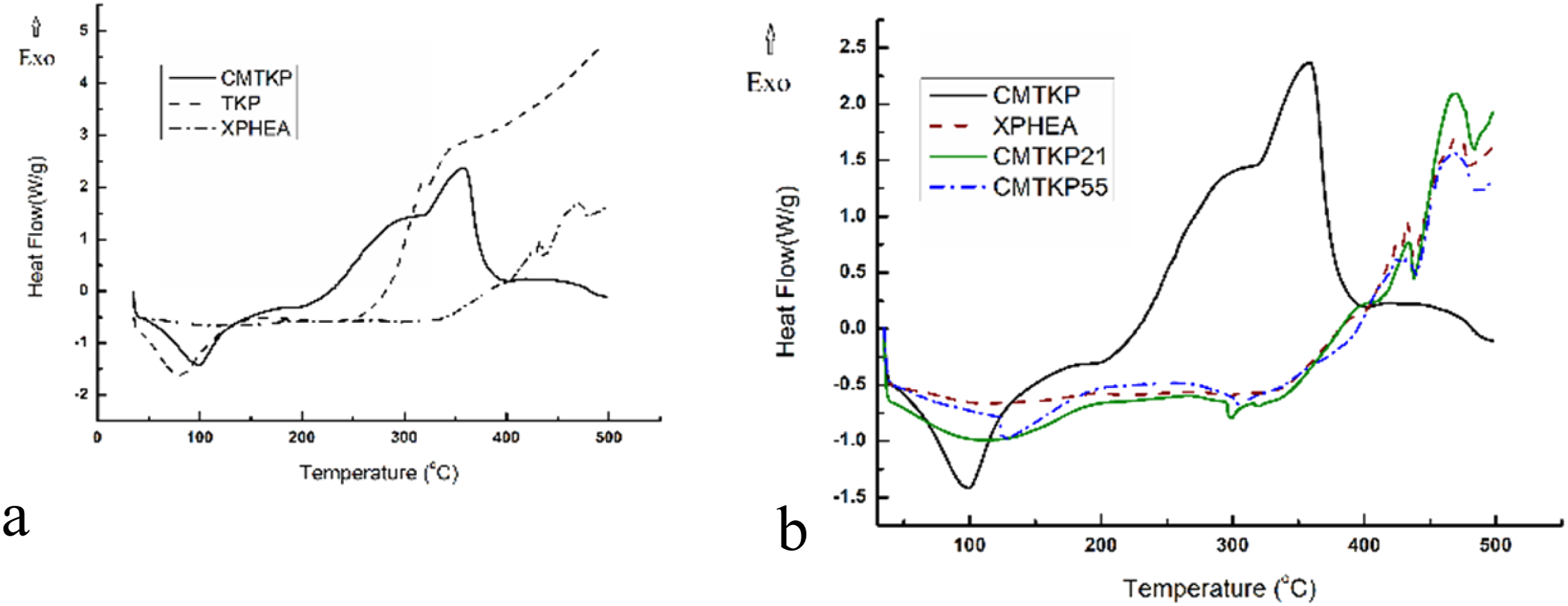

Field emission scanning electron microscopy (FESEM) of TKP, CMTKP and the IPNs
In Figure 11, TKP showed parallel arrays and large-sized particles of irregular shape (∼125 µm) mostly but smooth surface, which are similar as observed by other research groups.
31
CMTKP showed typical morphology of polyhedral as well as globular dispersed domains (30 µm) and supports the semicrystalline nature of it.
32
Field emission scanning electron micrographs of TKP and CMTKP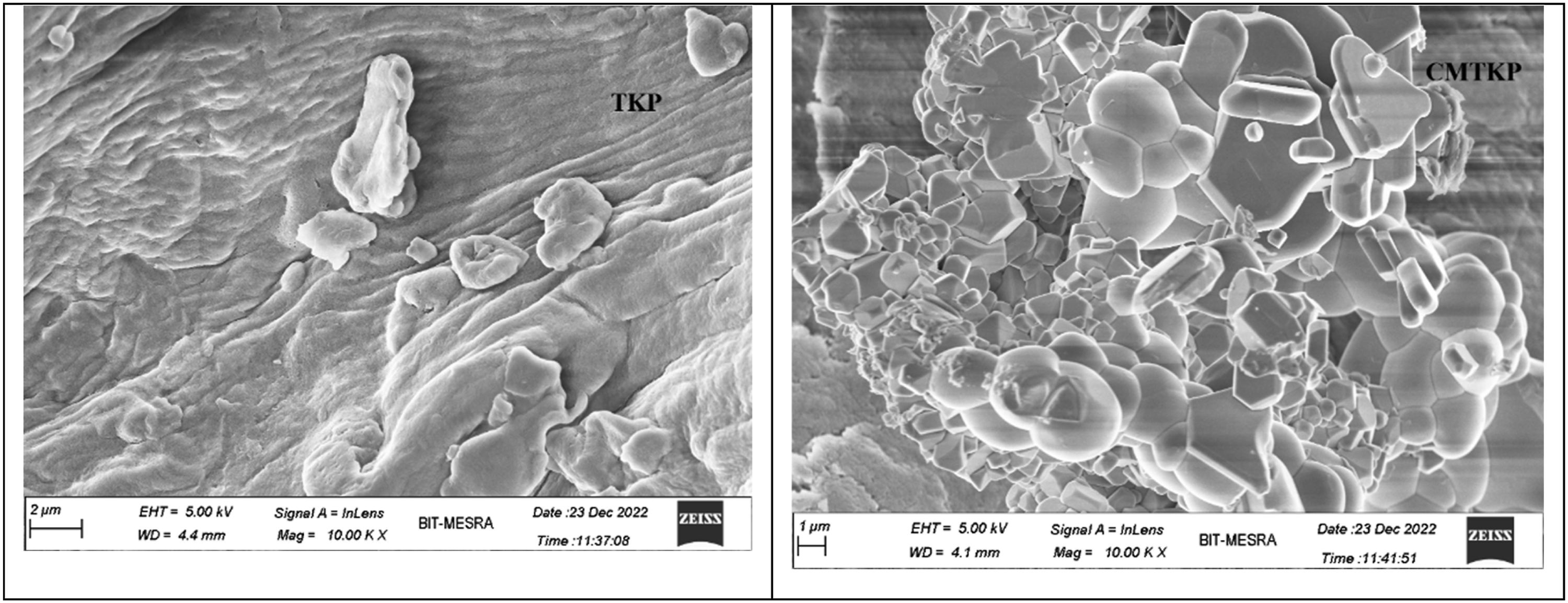
Homopolymer PHEA showed binary phase structure (Figure 12) with a wide size distribution of the dispersed phase, which may be due to the random orientation of molecules in the gel. XTHEA showed a bigger dispersed phase and nonuniform shapes throughout the matrix, which may be attributed to the abrupt rise in the rate of addition reaction during crosslinking, resulting in auto-acceleration for the acrylate polymer.
33
Blends of unmodified TKP and PHEA showed a binary phase in the micrographs. In the case of XTHEA21 dispersed phase structure is much smaller compared to that in XPHEA or PHEA, whereas for XTHEA55, morphology does not show significant phase boundaries rather parallel arrays, like that in TKP. Due to the intrusion of TKP chains in between the HEA monomer molecules, the polymerization rate and crosslinking of them are reduced. Therefore, only small domains of XPHEA are seen in XTHEA21 in contrast to those in XTHEA55. In case of the latter, where the ratio TKP:PHEA is 1:1, the micrographs appear more like those of TKP. Scanning electron micrographs of PHEA, XPHEA, XTHEA21, XHTEA55, CMTKP21 and CMTKP55.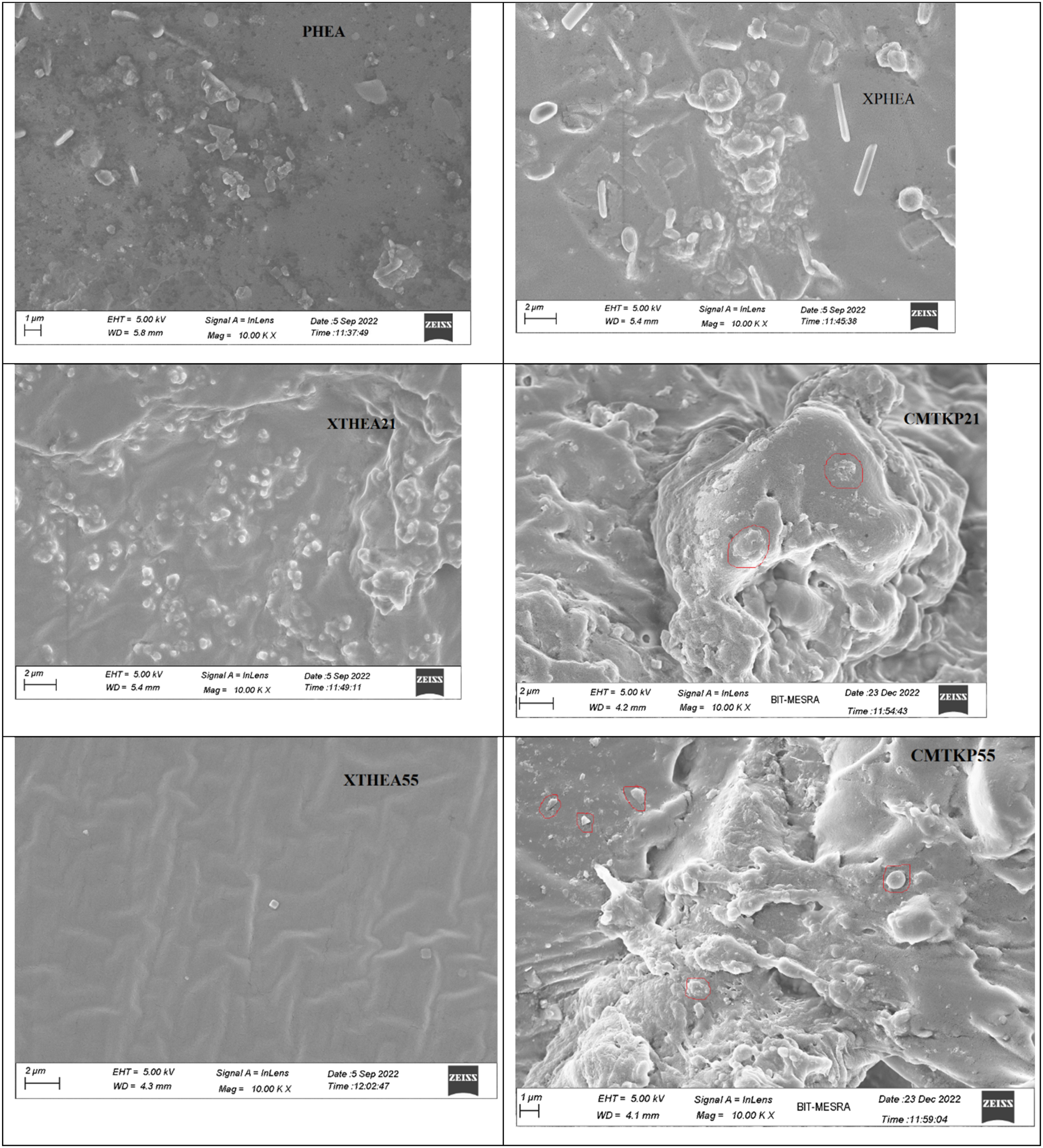
In the case of CMTKP21, much smaller but compact dispersed phases of XPHEA, compared to those in XTHEA21, are seen (shown by round marks), probably due to the higher crosslink density of it. Also, the polyhedral morphology of the CMTKP phase is not observed here, which may be due to the loss of crystallinity of the CMTKP due to IPN formation. The appearance of porosity in the micrographs of CMTKP IPNs in comparison to that of XPHEA or XTHEA IPNs may be due to the evaporation of a large amount of bound water from them during drying.
Drug loading study on the IPNs
The extent of drug loading (%) depends on both the carrier and drug properties, like molecular weight, the solubility of the drug in the carrier, the volumetric size of the carrier, and chemical interactions between the drug and the carrier. 33 The volumetric size of the carrier is determined by the porosity, whereas the polarity of the two is responsible for drug solubility and chemical interaction between them. Curcumin is a nonpolar drug and not soluble in pure water. So, less polar polymer system may entrap more curcumin drug.
On the other hand, the higher the crosslink density of the matrix tighter the network and the lesser is the porosity available
34
for the drug solution entrapment, though the polarity of the IPNs, as in the present case, may tend to match that of the drug. With the increase in PHEA content in the IPNs, crosslink density decreased (Figure 8) and %drug loaded in CMTKP21> CMTKP55 and XTHEA21>XTHEA55 (Figure 13). Variation in curcumin loading (%) with composition of the polymer samples.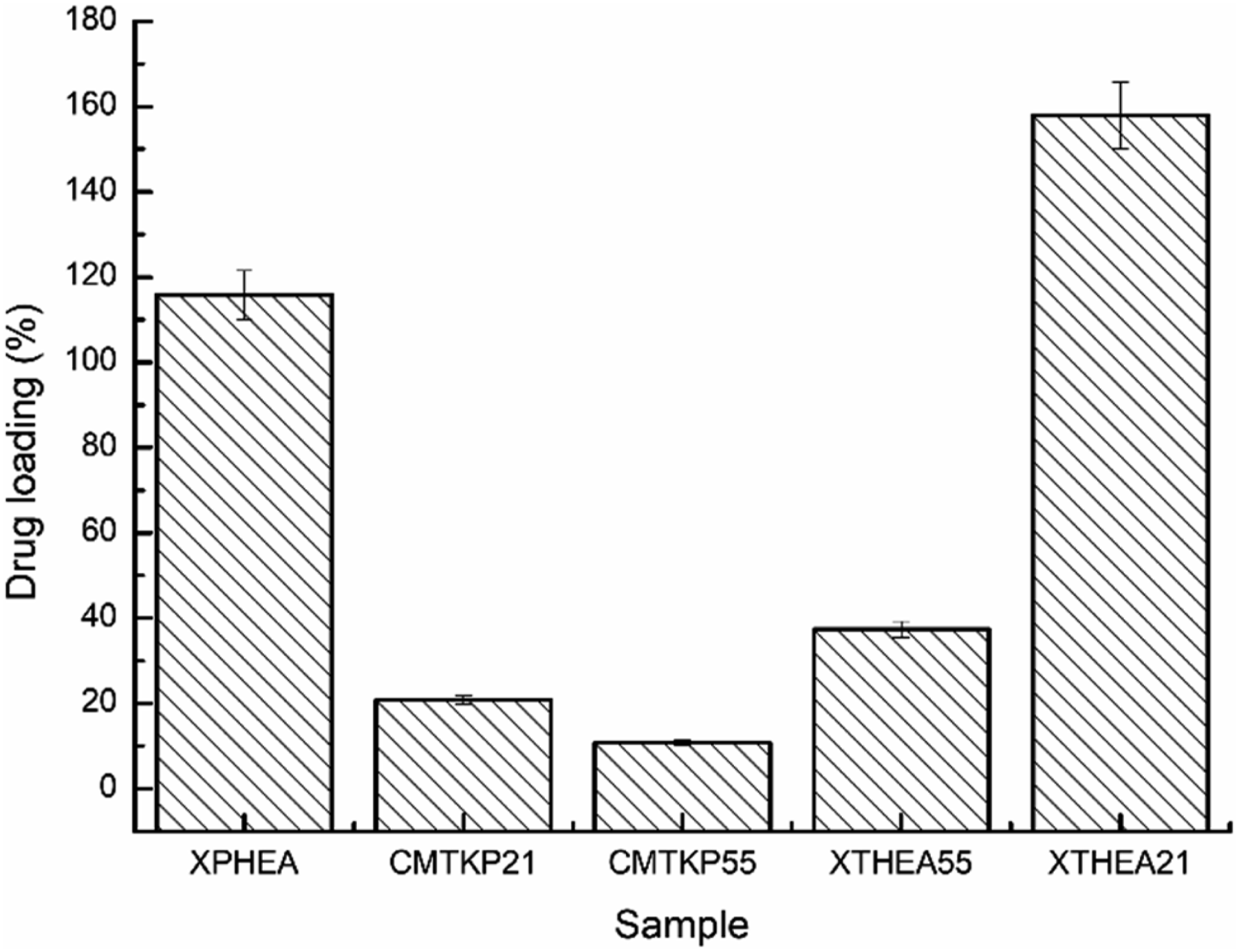
Therefore, it is seen here that the crosslink density of the polymer is the predominant factor over polarity to cause variation in the drug loading. The IPNs with TKP were loaded with more drug (%) than the CMTKP-based IPNs as the former IPNs had a lower crosslink density. Again, the % drug loaded in XTHEA55<XPHEA< XTHEA21 due to the variation in the extent of crosslinking in them in order XTHEA21>XPHEA>XTHEA55. Thus, in the present study, it is seen that the extent of drug loading by the polymer samples was more dependent on the availability of porosity in them rather than the drug interaction with the matrix.
In vitro drug release study on the IPNs
Cumulative drug released (%) from the polymer samples into alkaline medium (pH = 9.2) are plotted against time in Figure 6(b). The trend of the graphs showed a steady increase in the % of drug release with time up to 12 h for all the IPNs. The pure XPHEA and XTHEA21 were loaded with a high percentage of drug (>100%) (Figure 13), but the latter released the same at a much faster pace than XPHEA in the later stage. Faster rate of drug release from XTHEA 55, compared to the XPHEA and XTHEA21 within the period, may be due to the lesser affinity of the matrix for the drug. CMTKP-based IPNs released the drug at a faster rate than the IPNs with unmodified TKP within the period of study. In the alkaline pH, CMTKP/PHEA IPNs were more swollen than the other IPNs, resulting in faster release of the drug. Also, the release of the drug was almost complete from these CMTKP IPNs within the period considered here.
In vitro curcumin release parameters from PHEA/tamarind kernel polysaccharide IPNs.
Conclusion
Carboxymethylation of tamarind kernel polysaccharide was carried out in an alkaline medium with monochloroacetic acid. The introduction of the carboxylate group on TKP chains was confirmed by FTIR, which showed a distinct peak at 1638 cm-1. Modified TKP swelled almost 12 times than unmodified TKP in deionized water. TKP was more stable than CMTKP up to 400°C, and the glass transition temperature of TKP was lower than that of CMTKP, as the latter has a bigger substituent on the chain to cause restricted mobility. 38
Four sets of PHEA-based semi-IPNs were synthesized with both TKP and CMTKP in the ratio of 2:1 and 1:1 (v/v) in which PHEA was crosslinked with EGDMA. All the IPNs and XPHEA swelled to maximum (>230%–500%) in the alkaline medium. The swelling index of XTHEA21 and XTHEA55 was less than that of XPHEA may be due to the decrease in hydrophilic nature. CMTKP IPNs showed swelling index of 400%–500% which is comparable to that of the superabsorbent gel based on pectin/poly (sodium acrylate)/carboxymethylated tamarind kernel gum (800%) or hydrogels based on PVA/CMTG (600%)39,40 Crosslink density of XPHEA was higher than most of the IPNs studied here. With the increase in PHEA content in the IPNs, crosslink densities decreased, e.g., XTHEA21<XTHEA55 and CMTKP21<CMTKP55. Therefore % drug loaded in CMTKP21>CMTKP55 and XTHEA21 >XTHEA55. FTIR results indicated that the IPN formation did not cause any additional chemical interaction between XPHEA and the natural polymer. DSC results showed that IPNs had a higher actual glass transition temperature than was predicted theoretically, which may be attributed to the higher crosslink density of IPNs than XPHEA. In the micrographs of the IPNs the crystalline structure of CMTKP was not found; rather, irregular shapes of much smaller dispersed domains are observed. Also, in the present study, it was observed that IPNs with TKP were loaded with more drug (%) than the other types of IPN though the CMTKP-based IPNs could release the drug faster due to the difference in hydrophilicity of the polymers. However, the IPNs released the drug following “Super Case II transport phenomenon” (non-Fickian), which is the same as observed by the others 41 , though XPHEA followed “Fickian Transport”. In contrast to the earlier studies39–41 here water-insoluble drugs were used, and the release study showed that almost 100 of % drug was released within 12 h by the CMTKP IPNs. Thus, these IPNs can be useful for oral administration of drugs at regular intervals in a day. Further study on the IPNs may be done to find out the inflammatory response by animals, if any.
Footnotes
Acknowledgments
The authors are thankful to Central Instrumentation Facility, BIT, Mesra, Ranchi for providing necessary facilities for carrying out the experiments mentioned in this paper. Also, the authors extend thanks to Ms Akanksha Kumari, Mr S.K Majhi, Dr J.K. Ranjan and Dr S.K Rahman for their help in handling the instruments during the experimentation.

Author contribution
Corresponding author, Dr. Sudipta Goswami is appointed as the guide of the other two authors, Mr. Rishabh Kumar & Mr. Harsh Rana, who are undergraduate students and have carried out the research as part of their B.Tech. final year project at BIT, Mesra, Department of Chemical Engineering.
Funding
The author(s) received no financial support for the research, authorship, and/or publication of this article.
Declaration of conflicting interests
The author(s) declared no potential conflicts of interest with respect to the research, authorship, and/or publication of this article.