




Abstract
This article outlines the importance of international clinical service learning in the area of legal education. The article describes two mobile legal clinic projects in Nepal that are part of an international collaboration between Forum for Nation Building (FNB), a non-governmental organization (NGO) based in Nepal, a university professor hailing from the United States, law students and professionals. Law students and professionals were recruited to be clinic volunteers and trained to form mobile legal aid clinics.
Both projects began as a collaborative effort between a Nepal-based NGO and a professor from the United States seeking to obtain funding to serve distressed populations in Nepal. Since earthquakes and other natural disasters cause an immediate harm and threat of harm to residents of the area, the initial response is to provide food, clothing and shelter to the most vulnerable sections. However, once the initial shock is over and basic needs are met, many persons including survivors of domestic violence among these displaced populations will have legal problems which will need to be addressed.
Although stationary clinics are important in providing services to such communities, they may be inaccessible or otherwise unknown to those in greatest need who do not possess the means to travel even a modest distance to reach them. This article will discuss how mobile clinics can be used to provide legal aid on various issues including domestic violence to survivors of natural disasters with specific reference to the earthquake that devastated Nepal in 2015.
Introduction
The Universal Declaration of Human Rights enacted by the United Nations in its Preamble recognizes that ‘the equal and inalienable rights of all members of the human family is the foundation of freedom, justice, and peace in the world’. 3 There is a duty and responsibility on members of the legal profession to work towards ensuring that the rule of law is accessible to all. This is necessary for laying the foundation of a fair and just system. Professors of law are in a unique position to impart knowledge regarding teaching this duty to their students who shall be entering the profession. This article will explore one way in which the formation and implementation of mobile clinics can provide service-learning opportunities outside the classroom, which can benefit both community members and the students involved in the project.
Applied service learning can have many different meanings in the world of education. Different colleges and universities offer service-learning programmes of different levels of intensity and content. Some institutions have brief one-day programmes, while others offer longer programmes spanning one to two years. The type of service-learning project that we will talk about involves an international collaboration that is designed to include diversity that will foster new ideas and new ways of addressing social injustice.
Three fundamental elements of clinical legal education constitute the global clinical movement, namely skills training, experiential learning and installation of professional values and public responsibility. 4 This applied learning approach was used in a project that included members from non-governmental organizations (NGOs), US and Nepalese professors, legal professionals and volunteer law students in the United States and Nepal. The project took place in Nepal through international collaborations in which students from both the regions worked together. Students took part in formatting and implementing community surveys to learn more about the people they would be assisting. Training was an important part of the clinics, designed to equip students with the tools that they would need as they took the mobile clinics to remote locations where the earthquake left communities devastated or to domestic violence survivors who lacked access to legal information and assistance. This article will explain the methodology of the clinics and review the attitudes of the volunteers and the respondents of the survey. It will attempt to answer how applied service-learning projects are beneficial to students and communities as well as comment on the effectiveness of these clinics.
History of Service Learning
Before proceeding with the specifics of the project, understanding how learning through serving others has become part of students’ education is important. The term service learning was first defined in 1967 when colleges began receiving support from federal agencies to create service programmes for their students. 5 By the mid-1980s, the Campus Compact: The Project for Public and Community Service was founded by college and university presidents in the United States in order to combine students’ education with public service. 6 Thereafter at a 1989 conference, the National Society for Experiential Education attempted to define best practices in a piece titled ‘Principles of Good Practice in Combining Service and Learning’. 7
Notable pioneers in the field of learning by service and experience are American philosopher John Dewey and modern mentor Ernest Boyer. Dewey originally wrote about the benefits of experiential education in 1938, explaining that ‘there is an intimate and necessary relation between the processes of actual experience and education’. 8 Dewey went on to warn that his new idea of education through experience would be difficult to follow because of the danger that this new way of learning would be unplanned and impromptu. 9
Clinical education that involves service learning must be both structured and organized, but fluid in ways that allow students to think and learn with open minds and without preconceived notions. This setting up of clinical service-learning education is vital to the success of the student’s learning experience. It is due to this that many colleges and universities have incorporated applied service learning within their educational programmes. The history of these applied learning programmes has long been ingrained in their departmental mission statements. 10
The universities realize the advantages of service-learning projects from the experience that students gain and the practical learning which they receive as a part of these projects. What is learned in the field together with what was taught in the classroom allows students to gain real perspectives. When students reflect on what was experienced during the project, there is measurable and sustainable growth in the potential for their future careers in the legal field since it facilitates development of an appreciation for understanding individual client needs. Professor Boyer wrote about the benefits of using service as a way to reform undergraduate education by forging a relationship between what we learn and how we live. Boyer proposed that creating a ‘campus as a caring community’ would build relationships across generations, cultures and races. Using service learning to teach students to think about issues outside their own communities can be done by linking students together in service-learning projects with students from various countries and communities. This link can create incredible learning opportunities for students, urging them to attempt to understand the world better and participate globally. 11
Benefits of Service Learning
Creating international learning opportunities for students is an effective way to utilize service-learning projects to transform students into diverse, worldly civic-minded individuals who will have a broader understanding of different cultures and ideas. In the book Where’s the Learning in Service-Learning? Eyler and Giles Jr explore the effectiveness and the benefits for students who participate in service-learning projects, rather than engaging in the conventional classroom curriculum alone.
According to them, placement quality, reflection, diversity and community voice are four important factors that allow for a successful learning experience. 12 Placement quality is essential to the service aspect of the learning process while creating a link to the community, and merging the student with the community is essential to a successful programme. By establishing a community connection, the students develop a genuine understanding of the needs of that community. Students tend to feel that their service to that community was beneficial by having a hands-on connection when they assess and work for the community’s needs. Reflection is what holds together the service and the learning aspects.
When students take the time to reflect on their service, it allows them to use critical thinking skills. This allows students to apply what they have learned in the classroom to what they are doing in real life. Using the experiences that were taken from their service and applying it to what they have learned thereby helps students to process their own understanding of concepts and bring forth new questions that may have never been raised without real-world experiences.
Journaling, brainstorming and writing essays and papers are ways in which students can reflect on their service-learning experiences. Diversity presents another opportunity which is valuable to a service-learning programme. When students are put in situations that are unlike what they are accustomed to, whether with reference to their ethnicity, culture, religion or different income levels, it leads to greater tolerance, lowers stereotypes and adds to personal growth. 13 Experiencing diversity in a service-learning setting creates a more open environment to learn and understand social problems as they are in the real world. Whether the goal is to teach tolerance or change a social stigma, allowing students to participate in a project that involves diversity will support personal growth that will last a lifetime. 14
Allowing students to play an active role in understanding the communities that they are seeking to assist through community needs assessments is an important part of the process. When students are told what to do to meet the community needs rather than actively participating in learning what the community needs are, educators miss an opportunity for gaining community input for programmes more tailored to its needs. The act of learning what the community needs are, as a goal, is more important than setting individual project goals.
When students work with the community one-to-one, then the real goals that will make a difference to the community will be demonstrated. The value that comes from this interaction involves a true sense of personal development that leaves a feeling of connection between the student and the community. This feeling is a lasting effect that is carried forward by each student in their future endeavours. A community voice creates a partnership with the community rather than a feeling of just being a charity volunteer. This is what ultimately constitutes the difference between community service and service learning
A needs assessment was used in the domestic violence mobile legal clinic, but not in the earthquake clinic in the two case studies discussed in this article. The needs assessment used a different set of volunteers than the volunteers who worked with the clinic. In fact, the needs assessment on domestic violence helped inform the grant application for the domestic violence mobile clinics. It also evolved into a community education programme.
To conduct the community needs assessment, students first did a literature review. This gave students a background on the research into the domestic violence problem, the law that applies to the problem and provided them with an idea pertaining to what they might want to know about community attitudes and knowledge in order to develop a more effective mobile legal clinic. One research team realized early in the process that knowledge of legal protections they had studied in their literature review was lacking. So, after surveying community members on their knowledge of legal protections for domestic violence victims, the research team provided survey respondents with information on legal protections for domestic violence survivors. This gave those involved in the community needs assessment study a chance to learn what the community needs were and educate members of the community at the same time. Such a needs assessment was not done before the earthquake grant. However, clients who attended the earthquake mobile clinics were surveyed about the legal needs that they had in the hope that the clinic could use that information to better tailor future services. More information on the needs assessment is discussed hereafter.
Grose describes the goals of clinical education as part of the law school curriculum. Grose states that clinical education should have three broad goals. These goals are to provide learning for transfer, expose students to issues of social justice and offer opportunities to practise lawyering skills. Learning for transfer involves teaching students how to learn. Essentially, this technique involves taking the lessons and skills learned in one area and using them in a different area.
Exposing students to issues of social justice allows students to use critical thinking skills. According to Grose, when students are exposed to a less than perfect legal system, they are challenged to think critically. Through this exposure, students will be able to think critically of the system and where they fit besides appreciating the benefits and shortcomings of the legal system.
Finally, offering opportunities to practise lawyering allows students to deconstruct the nuances of being a lawyer. This is an important skill to learn because it encourages students to fully realize what is involved when lawyers process a legal issue by critically interpreting a law and persuading a court to see their view. 15
Rule of Law/Access to Justice
The purpose of mobile legal aid clinics is to bring the rule of law to underserved populations while educating law students. The rule of law, according to the Rule of Law Index, rests on four main principles:
16
accountability transparency accessibility independent judiciary
The foundation for a just society lies in the strength of its rule of law. One of the most important aspects of a just society is the ability of the aggrieved to understand their legal rights and remedies and to have access to justice. Without a system that facilitates information about existing laws and remedies, the rule of law is void of effectiveness. Lack of access to justice can also be impaired if people are deprived of basic rights and relief because of the financial inability to hire an attorney. Bloch claims that the concept of legal awareness is just as important as access to legal services. Access to justice initiatives can include much needed legal representation, educating and providing legal awareness, and law reform that meets the needs of the community. 17
Using mobile legal clinics to reach the most vulnerable is a valuable strategy for universities and the legal profession across the globe. According to the 2016 World Justice Project report, for over half of the world population that is living outside the rule of law, access to justice is a critical need that requires fulfilment for the development of a peaceful, equitable and prosperous society. 18
Domestic Violence
Community Needs Assessments
Determining needs and prioritizing issues is an important part of the learning process when exposing students to real-life issues. Community needs assessments are a vital part of any service-learning project. When the project involves law students, it provides a learning tool to students to understand the importance of learning the needs of the community, much like learning the needs of clients. Community needs assessments are also a valuable tool for advocating for reforms. Prior to utilizing mobile legal aid clinics in Nepal, a community assessment project was completed by a team of students and volunteers in two different countries. The focus for this assessment included imparting knowledge and education on legal rights to respondents after completion of the surveys.
The research team used community needs assessments that focused on the issue of domestic violence. For the Kolkata-based India assessment, the team researched the Protection of Women from Domestic Violence Act to help develop the surveys and education materials. It is interesting to note in this context that Nepal has adopted a similar Domestic Violence Act.
Domestic violence is an issue that every country in the world faces. Nepal enacted the Domestic Violence Act of Nepal wherein domestic violence is defined as physical, mental, sexual and economic harm perpetrated by a family member. In the study conducted in Nepal, it is defined as gender violence that includes sexual assault, domestic and dowry violence. During the project, it was kept in mind that women in Nepal are considered to be dependent on men, thereby creating unequal statuses within society.
Developing the survey was a collaborative process that involved members from India, Nepal and the United States. The issue of distance between the students and volunteers to collaborate with each other would have been a difficult barrier to overcome before digital communication in the way of email and sharing research and surveys via digital applications such as Google Drive. The availability of technology allowed students from all three countries to communicate with each other and explore diverse ideas while formulating survey questions. This exploration of ideas allowed for the students to learn from different perspectives. Students can read about people and culture, but to experience their legal issues face-to-face is life changing. While working on this project, one student came to a realization about the subject that they were working on. Talking about this, the student stated that ‘while attempting to gain a cultural perspective, it is crucial to not encourage violence in our attempt to ‘respect’ culture. This is one of the greatest challenges of advocacy and policy work’. 19
While the students understood aspects of domestic violence in the culture that they were studying, they realized that while one aspect may be fairly common in that culture, it is not something that should be dismissed or ignored. Combining what is learned in a classroom with what has been experienced while working with a community leads to understanding of problems and development of solutions for the future. After the surveys were completed by the recipients, results of the study were examined.
Mobile Legal Aid Clinics and Grants
Domestic Violence Grant
As noted earlier, law school professionals and law students went to selected communities to conduct a community needs assessment before the grant for a mobile clinic was applied for. A community needs assessment is an important process in assessing how a clinic might best serve its community. This is a step that often gets left out because of time constraints or lack of knowledge on the part of clinic faculty and staff.
A community needs assessment can be part of a clinic project. Students can learn a lot by conducting such needs assessments. For example, students can learn about the research process in these types of projects. Within a semester, or preferably an academic year, students can begin the process by doing a literature review on the problem they want to study in the community. The problem can be as broad as the needs of the community as previously studied and published by others. If the research project seeks to take such a broad view of research, government statistics for the country they are in as well as third-party statistics from sources like the World Bank are always a good starting point for review alongside social science journal searches. This initial academic research will help students develop a better understanding of the needs of people in their country and community. In fact, these literature reviews can provide adequate content for papers by themselves.
From the literature review, students should be able to develop research questions they want to pursue. These research questions should lead to the development of surveys to be distributed among members of the community. Surveys may seek to address the legal issues people themselves or their acquaintances are experiencing. However, these topics can also end up being narrowed down into specific areas of law. The research team in Nepal had the narrow focus of domestic violence pertaining to the 2014–15 period to work with. They stuck to this focus from the beginning, limiting their literature review to domestic violence issues. They also reviewed the law in Nepal and elsewhere that dealt with civil and criminal protections for those who suffered from domestic violence. In this case, the community needs assessment was done in tandem with a research team in Kolkata, India. This made it possible to take an international approach to the research and to learn and gain insight from each other in conducting the research.
Once surveys are developed, research teams should request permission to conduct such research from their human subjects review board. Getting such permission will help ensure ethical standards for this research are followed. It will also make it possible to publish the results of such research in a journal and/or present the results at an academic conference. After obtaining such permission in this case, students went out to interview community members about domestic violence in their communities.
It is suggested that if the research team identifies potential areas of community education that may be needed on a topic, it can develop handouts to provide to those community members who are interviewed, who may benefit from more information. For example, in the Kolkata study, students provided legal education on obtaining civil orders of protection to subjects they interviewed who, in the process of the interview, indicated they did not know anything about such civil orders of protection. In this way, the community assessment research projects can serve as a community outreach and education project for students in a legal aid clinic. 20
The results of these surveys were compiled before the grant for a mobile clinic was applied for. This data was instrumental in evaluating vulnerable and marginalized communities that would benefit the most from providing free legal advice. By conducting these assessments, teams were able to gauge the legal needs of the community to help inform the grant application. The mobile legal clinics were then used to provide free legal advice, raise awareness of individual rights and provide information pertaining to access to free legal aid clinics in the vicinity. Along with providing legal advice through mobile legal aid clinics, the grant allowed the recipients to establish a legal awareness programme that involved printing legal literacy booklets in the local language and promotional posters. The goal of the project was to empower through the dissemination of knowledge.
Earthquake Grant
The team did not have time to do a community needs assessment prior to applying for the earthquake grant. Professor David Tushaus collaborated with the Forum for Nation Building (FNB) in 2015 to develop the proposal based on a review of the conditions in Nepal and legal rights and remedies arising out of the earthquake. The team applied for and received a grant from the Development and Peace Organization Caritas Canada. 21 The project was titled ‘Enhancing Access to Justice of the Earthquake Victims of Nepal through Community Mobile Legal Clinics’. 22 The grant made it possible to form a group of volunteers comprising of individuals engaged in the field of law, including professors, law students and professionals. These volunteers participated in this service-learning project by providing free legal advice for the vulnerable and marginalized communities of Nepal, educating communities about legal awareness and establishing orientation programmes. Students from Nepal were trained to administer legal aid through mobile legal clinics to vulnerable communities that were devastated by the earthquakes. Surveys were administered to both the volunteers and earthquake survivors in order to assess the programme’s success. Information compiled was sent back to the professor in the United States, and other learning opportunities were made available to students at the US University. Assisting with data collection, compiling the information, writing articles and conducting academic presentations about the project provided these students with opportunities to learn about issues of access to justice in another country as well as within different cultures. Research like this which expands critical thinking skills in a real-world project has a direct impact on an underserved community.
The clinics consisted of four project goals, namely educating participants who are involved in the clinics in conducting community needs assessments, empowering the vulnerable and marginalized communities of women through legal education and access to justice, providing free legal consultations and legal awareness to the vulnerable and marginalized communities, and enhancing the capacity of present and future legal professionals to volunteer and get involved. This project promoted social justice lawyering by involving volunteer attorneys and law students who reached out to the community through mobile legal aid clinics.
Volunteers, law students and professors worked together using technology to bridge the distance gap. This collaboration brought forth innovative ideas and used them to explore new avenues and potential solutions. There is something to be said about the collaborations that took place between law students, volunteer attorneys with diverse professional backgrounds and community organizations. The opportunity to work together and form bridges for a common goal between all of the players involved in this community service-learning project laid out new professional relationships, opened doors for ideas and allowed for a wider understanding of community needs. A non-traditional legal approach like mobile legal aid clinics can bring the community’s voice to the forefront. The needs of the community should form the most important part of any advocacy for change.
Mobile Legal Aid Clinics in the Aftermath of the Nepal Earthquake
Earthquake Survivors
Earthquakes in Nepal since 2015 have left a large part of the population homeless with an acute lack of essentials. In a country that already had a large population suffering from poverty, the earthquakes augmented the poverty. As a result of this crisis, human rights issues are abundant. 23 The FNB is an NGO made up of members who came from different backgrounds and professions. The FNB is focused on working for human rights, humanitarian support, access to justice and sustainable development. The earthquake crisis in Nepal has necessitated reaching out to and supporting the victims of the earthquake.
Mobile legal aid clinics were used to educate eligible beneficiaries about government benefits for earthquake assistance. Many of the people affected by the earthquake were impoverished. These victims had lost their homes and everything they owned including identification documents needed to gain government benefits. This is where the mobile legal clinics used attorneys, paralegals and law students to help with the legal and procedural aspects. These volunteers provided free legal aid to victims and free legal consultations and legal awareness through the Community Mobile Legal Clinic.
The Setting
Nepal was hit by a 7.6 magnitude earthquake that devastated the region on 25 April 2015. The mobile clinics and this study focused on the three most affected areas of Sindhupalchowk, Gorkha and Bhaktapur. The earthquake and the aftershocks that followed left these regions devastated. Around 8,700 people lost their lives and around 22,000 were injured. Survivors of the earthquake were left homeless with over 500,000 homes destroyed. There are an estimated eight million people who were impacted by the earthquake. Many of those affected were from the mid-hilly and mountainous regions and were already economically vulnerable. At this point, it is necessary to note that Nepal’s population of 31.5 million people is divided into 19 per cent of the population living in urban areas and 81 per cent of the population living in rural areas. When the earthquake hit areas that were remote, entire villages were destroyed, terraced farms and cattle were gone, water systems were destroyed and infrastructure such as roads, dams and footpaths was impaired. 24
This devastation to rural areas that were already struggling added to the poverty problem that already existed. Due to the loss of farms and cattle, several people lost their livelihood. These regions in the hilly and mountainous areas were the hardest hit. Lack of employment opportunities, limited resources and poor economic conditions ostensibly trigged an increase in social issues such as domestic violence. The increased need and a lack of access to social services left many lives in jeopardy. The recovery process started with the National Reconstruction Authority established by the Nepal government in December 2015 to plan, develop and implement programmes to rehabilitate and reconstruct the lives of the people affected by the earthquakes with government assistance being viewed as a welcome benefit to survivors. While there was assistance for earthquake survivors, the access to relief was challenging since the knowledge of availability of relief was minimal. So, government relief actually created a greater need for legal education and representation to ensure benefits reached as many in need as possible.
A large number of the people affected by the disaster were from rural areas that were comprised of vulnerable and marginalized communities. While the government planned to announce relief and rehabilitation packages to victims, these announcements did not adequately reach the people in rural and remote areas. Many survivors of the earthquake lost everything, including documents pertaining to citizenship cards, birth certificates and land ownership, and these documents were needed in order to make a claim for relief.
Methodology
Teaching leadership early in a student’s academic life is an important skill. In an article published by the American Bar Association, Herb Rubenstein states in Leadership for Lawyers that ‘the majority of lawyers in the legal profession have developed what leadership skills they have the hard way: through experience, through mistakes and if they are fortunate from mentors with years of leadership experience’. 25 However, if students could get more opportunities to work with other professionals during their formative years in school through service-learning projects, it would no doubt increase the leadership skills needed as the students go out into the world as future professionals.
This service-learning project utilized 42 Nepali volunteers. A large majority, 35, were law students and almost three-fourths of the students were undergraduates. These students worked alongside other professionals and were able to learn from these mentors in real-life, real-time situations. Volunteers were given training and surveyed as to assess how helpful the training was. The survey results illustrated that the volunteers felt that the training was very helpful. Understanding how the volunteers viewed the helpfulness of the training was an important part of learning how effective the training was.
Volunteer Data
Earthquake Volunteers
A survey was administered to the earthquake volunteers after completing the training. The ability to offer this project as a service-learning opportunity to individuals with a law school career path was an important part of the project. Total 42 of the volunteers were surveyed with 19 male volunteers and 23 female volunteers. The range of ages included 19–63 years with a mean age of 23. Only 4 of the volunteers reported being over 30 years of age, while 30 volunteers fell between 20 and 22 years of age. This would appear to be a common age of traditional, undergraduate law students in Nepal.
Education level showed that 71.4 per cent of the volunteers were undergraduate students, 21.4 per cent reported being graduates and three volunteers did not report education level.
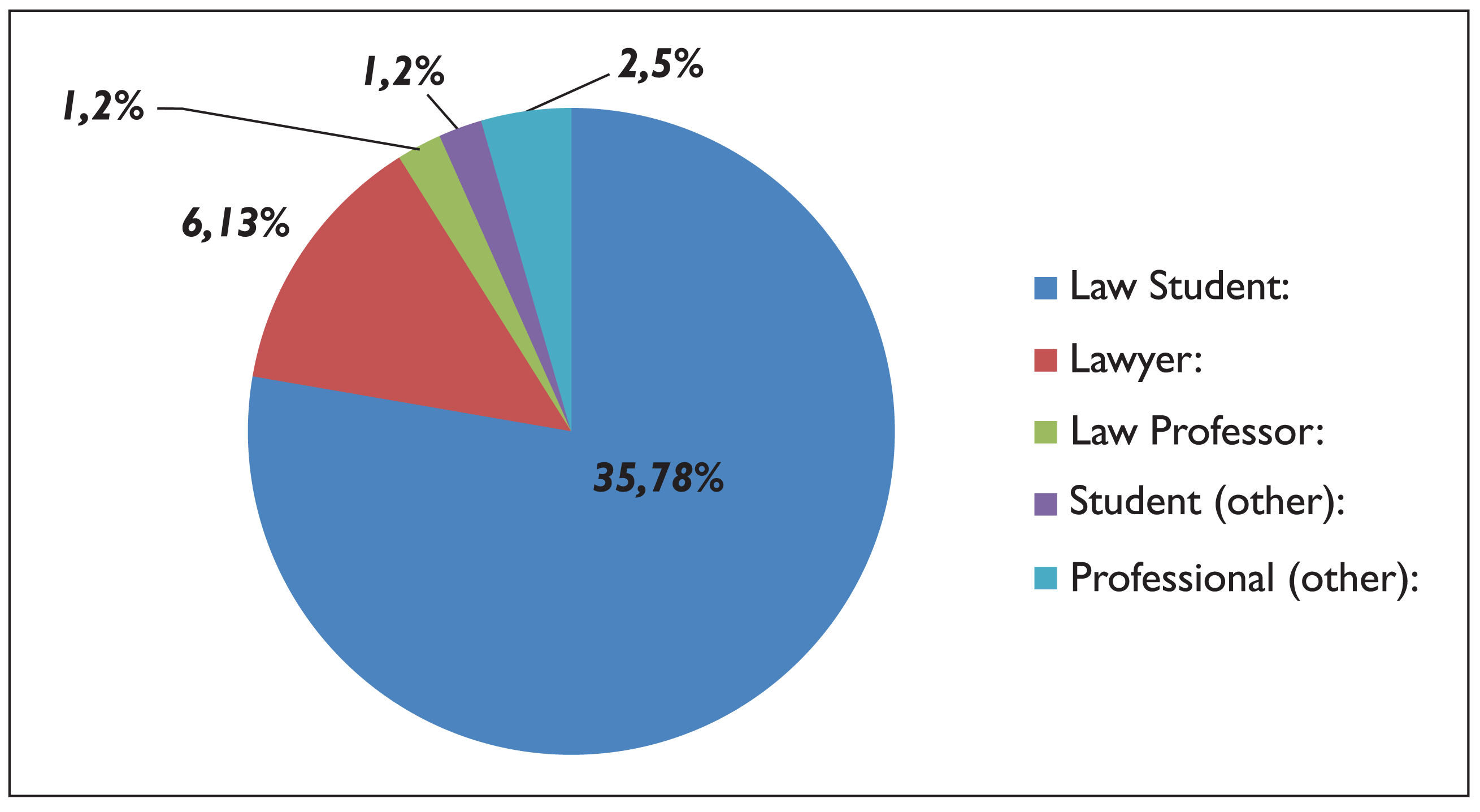
The majority of those that volunteered were law students. Combined with the other professionals that volunteered, students were able to learn hands-on in a service-learning project alongside legal professionals.
Family size of the volunteers was measured indicating that the family household of 45.2 per cent of the volunteers was made up of 35 family members, 35.7 per cent indicated that their family size was between five and seven members, 14.3 per cent reported that seven or more were included in their family size and two volunteers indicated that they have between two and three members in their family household.
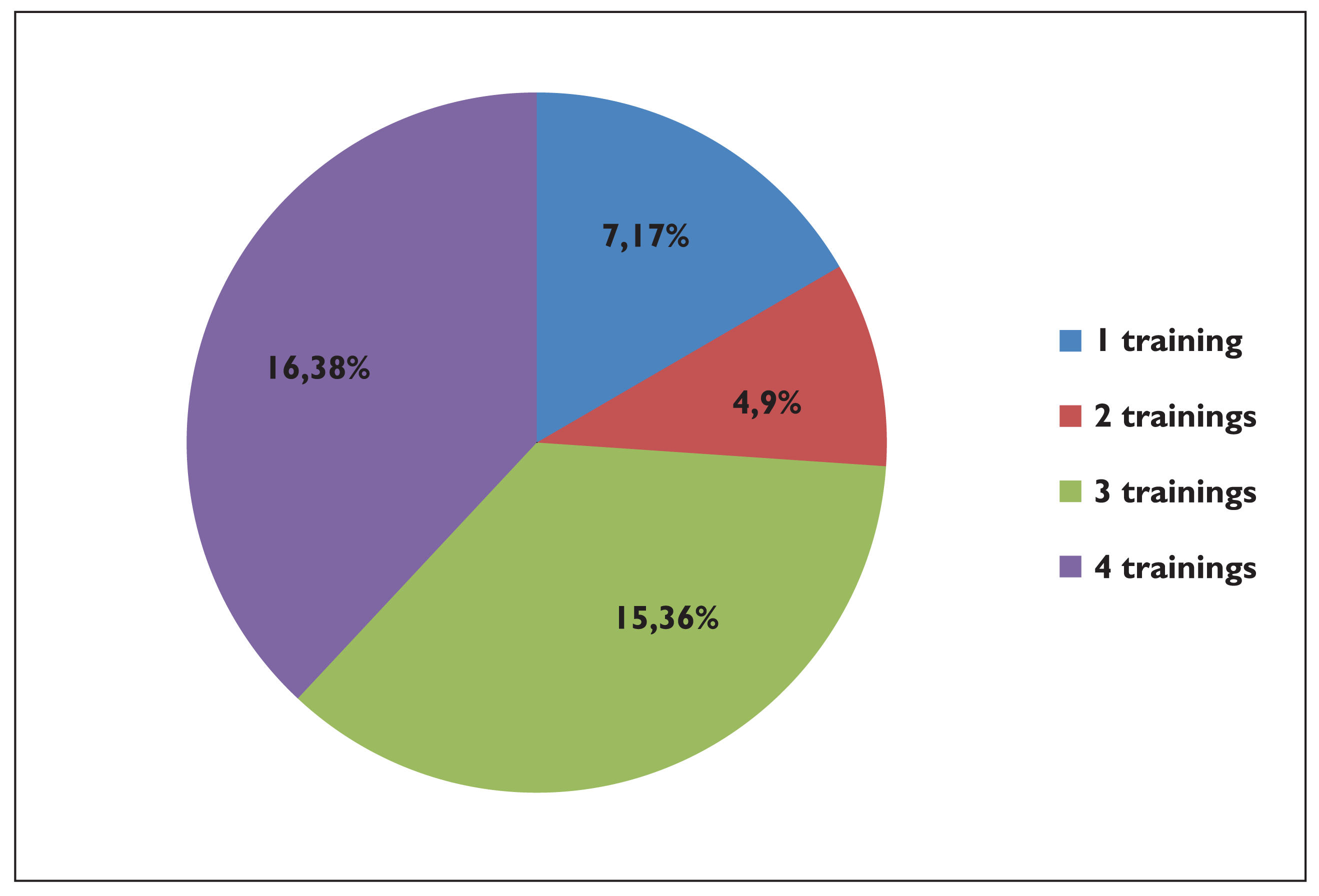
Of those who were surveyed, 35 were law students, 6 were lawyers, 2 were professionals, 1 was a law professor and 1 was a student from a non-legal stream (Figure 1). The number of training sessions that the volunteers participated in indicated that 74.2 per cent of law students attended three or more trainings, while 20 per cent of law students attended at least one training.
Training was an important part of the service-learning project. Figure 2 shows that majority of volunteers took advantage of the trainings offered and attended 34 training sessions.
The volunteers’ opinion of the training that they received was measured on a Likert scale. The training was well received with 71.4 per cent indicating that the training was very helpful and 28.6 per cent indicating that the training was just helpful. The helpfulness of the written training was evaluated by the volunteers. Over 70 per cent indicated that the written training was very helpful, 23.8 per cent indicated that the written training was helpful and two volunteers indicated that the written training was only a little helpful.
When organizing a service-learning project, it is important to remember that while the hands-on approach to learning in this environment is important, written instruction is also valuable. Of the law student volunteers who evaluated the overall training, 80 per cent found the written materials to be very helpful and 74.2 per cent viewed the training as very helpful.
When we analyse the data comparing gender and training, the data represents some interesting information. Of the female volunteers, 78.2 per cent attended three or more trainings. A smaller percentage of males, that is, 68.4 per cent, took part in three or more trainings. Male volunteers reported that 68.4 per cent viewed the training as very helpful, while 73.7 per cent viewed the written training as very helpful. Female volunteers showed that 73.9 per cent viewed the training as very helpful, while 68.6 per cent of the females felt that the written training was very helpful. This flip in gender regarding perceived helpfulness in training versus written training could be an indicator of the differences that occur between genders when retaining and using information learned in an educational setting.
Earthquake Survivors Responses
A cross-sectional survey of earthquake survivors was carried out in three areas—Sindhupalchowk, Gorkha and Bhaktapur—of Nepal. After some of the mobile legal clinics were held, individuals who received help from these mobile clinics were asked to take a two-page survey to gather information on their demographics, types of problems and whether the clinic was helpful. These three geographical areas were targeted because of the vulnerability and excessive needs of the communities within these regions. Survey questions pertaining to the survivors of the earthquake included demographic information, which included the gender of those being surveyed, age, income, educational level and family size.
The next set of questions pertained to what areas of needs were reported such as loss of documents, loss of home, loss of income, land dispute and family stress/violence. The issues respondents could choose from included needs for survivor benefits, legal documents, reconstruction, land disputes and domestic violence. The type of help that recipients could list as being sought from the clinics included a presentation of a legal problem, written information, professional counsel, other, not helped and/or nothing identified. The survey also presented a question asking respondents to identify how helpful the services provided by the mobile clinics were by using a Likert scale indicating very helpful, helpful, a little helpful and not at all helpful. Immediate needs such as accessibility to government services and lost or damaged identity documentation were expected to be the most sought-after help from the individuals affected by the earthquake.
Government officials from district administration offices, district police offices and district development committees were invited to be a part of the project briefing in order to have a more unified system to aid earthquake survivors. In each region, a goal of at least 100 respondents were surveyed to gather data pertaining to the service they were provided at the clinics.
Results
Between all three districts, 435 surveys were completed. Data was collected from Gorkha and Bhaktapur. The district of Gorkha provided the median age of the individuals who sought help from the mobile clinics was 38 years old. Gender of those reported from both areas of Gorkha and Bhaktapur combined were 57 per cent male and 40 per cent female. An interesting part of the gender analysis of the two regions showed that while the Gorkha data showed that 57 per cent were female, Bhaktapur showed that only males attended the clinic and filled out the surveys. This could be a cultural difference, a difference affected by the timing of the clinics or some other factor worth studying, especially if clinics want to reach women in these areas.
In Nepal, 25 per cent of the population lives below the national poverty line. 26 The income level for this survey was split into five different levels. Of those reporting income, 44 per cent reported that they earned around 1,000–5,000 Nepal Rupees a month. This would be around US$10–50 per month or less than US$600 per year. These respondents were living at or below the poverty level in Nepal. So, roughly, there was a 50 per cent higher number of participants living at or below poverty level who participated in the mobile legal clinic for earthquake survivors.
If we assume a poverty level for Nepal at something closer to US$2 per day, then at least some of the next 21 per cent of survey respondents would also fall under the poverty level. These participants reported their income between 5,001–10,000 Nepal Rupees a month. This would roughly be between US$50–100 a month.
Twenty-three per cent of respondents reported income between 10,001–20,000 Nepal Rupees a month. This is roughly US$100–200 a month. Obviously, this is far from being economically secure.
For the highest income category, only 9 per cent of respondents reported income of over 20,000 Nepal Rupees a month. This puts them at over US$200 or higher. Even these respondents sought out free legal assistance for their continuing problems resulting from the earthquake of 2015.
There were 25 per cent of our respondents who did not report an income level at all. There may be any number of reasons for this. If they were illiterate and received assistance in filling out the survey, they may not have wanted to disclose the information to the assistant. They may have been self-conscious of their income, whatever level it was in. it is also possible that they may have not understood the question or answers available.
The 2014–15 Annual Household Survey established that the literacy rate of the population of age 5 years and above was 66 per cent in Nepal. There was a difference in the literacy rates between males and females, with male literacy at 75 per cent and female literacy at 57 per cent. The adult literacy rate of 15 years and above was at 64 per cent. When it comes to urban versus rural areas, the adult literacy rates were 74 per cent urban and 59 per cent rural. 27 Of those that reported education level, 24 per cent listed their education level at a fifth-grade level or less, 25 per cent listed their level at fifth grade to twelfth grade, 21 per cent reported their level as undergraduate and 16 per cent stated that they were at a graduate level; 15 per cent did not report education level.
Education level varied among survey respondents. Survey responses measured that around 61 per cent had formal education, while almost 13 per cent reported earning a graduate degree.
The average household size in Nepal is 4.5. Urban households average 4.1, while rural households average 4.7. 28 When the question came to family size, 42.11 per cent reported their family size in this range at 35 per household. Larger families were reported, with 21.05 per cent indicating that their family size is at 57 per household, 18.42 per cent who indicated seven or more within their household. For smaller households, 9.21 per cent showed the lowest family size of three or less within the household, and 9.21 per cent did not report family size on the survey. Again, this may be due to privacy issues, although the survey was anonymous, a misunderstanding or other reason.
Legal Issues
Information regarding the needs and issues arising out of the earthquake were sought from the respondents. The highest and most commonly reported need referred to the loss of a home, even though these clinics, and therefore surveys, were conducted over a year after the earthquake. The issues that most of the respondents reported as needing help with were reported for survivor benefits at 55.2 per cent, while reconstruction was the second highest at 44.7 per cent. Legal documents, land disputes and domestic violence were listed last, with 19.7 per cent reporting issues with legal documents, 11.8 per cent reporting land disputes and 3.9 per cent reporting domestic violence (Figure 3).
Prior to administering the survey, project volunteers estimated that help with legal documents would be one of the highest needs. Obtaining survivor benefits was reported as the highest reason for seeking help among respondents. While survivor benefits are important, many survivors lost legal documentation that was required to receive benefits. Mobile clinics were key in helping survivors understand the legal processes involved in this respect.
Respondents of the survey were asked to state what help they received from the clinics. Presentation of a legal problem was listed as the highest with 43.4 per cent reporting it. Professional counsel was next, with 28.9 per cent respondents reporting it. Written information was reported by 13.1 per cent of respondents. Helpfulness of the mobile legal clinic services was reported by respondents by using a Likert scale. The majority of those surveyed, at 61 per cent, reported that the services provided were very helpful, 22 per cent reported that the services were helpful, 7 per cent reported services as a little helpful, while one respondent reported that the services were not helpful for the issues that the respondent had. Seven respondents did not identify an answer. With this survey information, we think the data showed that, of those surveyed, the clinics provided a valuable service to the community by targeting areas which needed help the most.
When reviewing the data and analysing the information provided by the recipients, it was important to focus on the primary needs that ranked the highest. Loss of home showed the highest percentage of need among those surveyed. With this criterion being used as a base, the rest of the information can be compared with the demographic information provided. The average age of those reporting losses of a home is 39.26 years of age. Of those who did not report a loss of home, the average age was 35.67 years of age. Income for those who reported a loss of home showed that 28.1 per cent reported income of 10,000 Nepal Rupees or higher a month. Those who did not report a loss of home reported 21.1 per cent of an income of 10,001–20,000 Nepal Rupees, or a little less than US$100–200 a month.
When loss of home was identified, 46 per cent indicated that the type of help requested involved presentation of a legal problem, while of those who did not report a loss of home, only 5 per cent reported a legal problem. When the loss of home was not identified, surveyors still reported services as helpful or higher with 74 per cent. Of those who did identify loss of home, 86 per cent reported that the help they received from the clinics was helpful or higher on the Likert scale.
Differences in regions identified while comparing Gorkha to Bhaktapur are of interest here. In Gorkha, 41.5 per cent of those surveyed were male and 56.6 per cent were female. In Bhaktapur, males made up 100 per cent of those surveyed and there were no females reporting in Bhaktapur. The average age of those reporting in Gorkha was 42, and the average age in Bhaktapur was 33. Family size in Gorkha was represented with 29 per cent of those surveyed with five or more within the family household. Bhaktapur reported 67 per cent of the family household with five or more. Loss of home in each region was high at 73 per cent in Gorkha and 81 per cent in Bhaktapur. Services were well received in both regions, with Gorkha reporting that 87 per cent found services to be helpful or higher and Bhaktapur reporting that services were helpful or higher with 71 per cent.
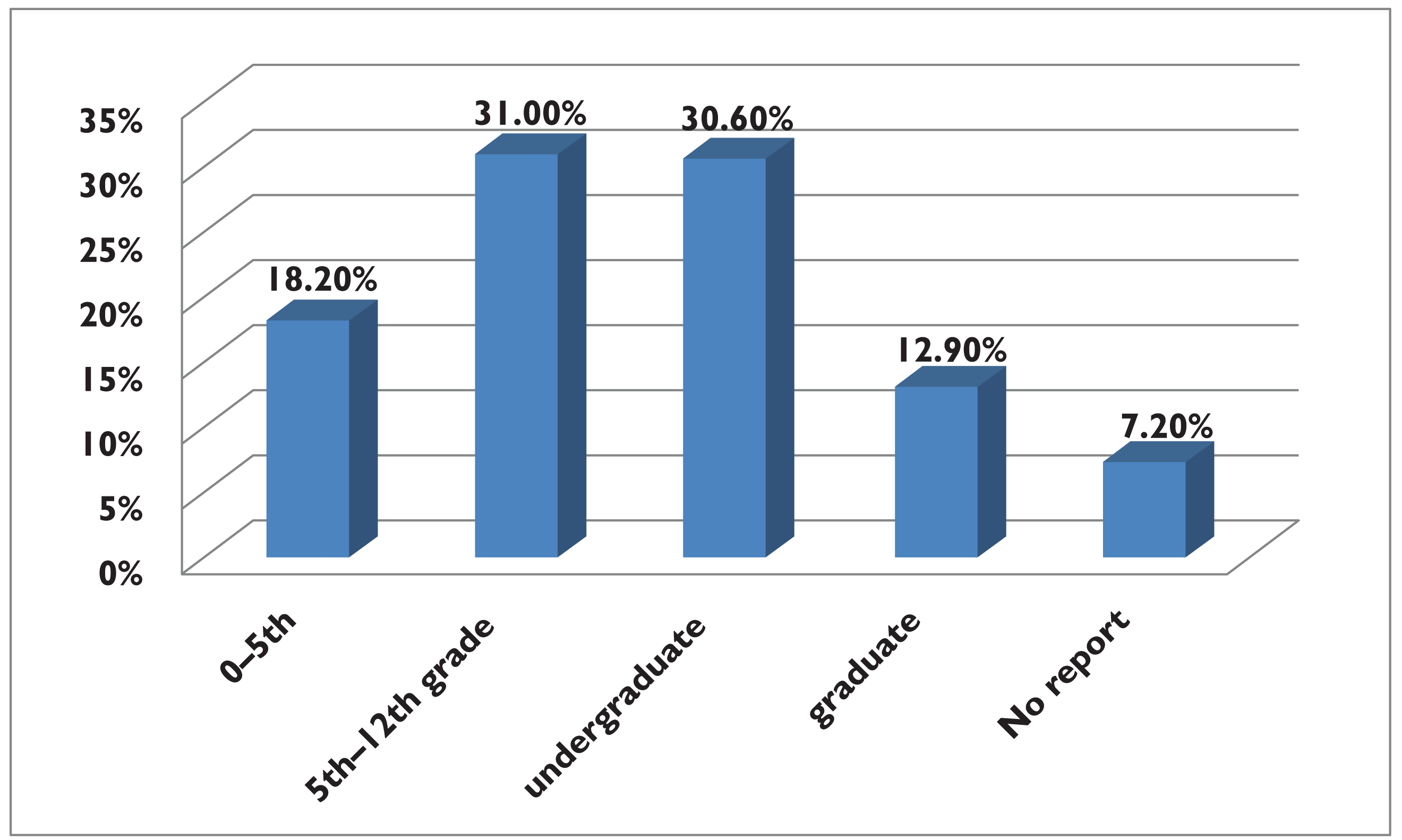
The survivor surveys did show that the mobile legal aid clinics were being utilized well. Initially, it was predicted that in the project areas of Sindhupalchwok and Gorkha, the number of males would be low due to the need to migrate to other areas for employment. It was predicted that female members of the household would be the most prominent in these areas. The prediction held true as the majority of those surveyed in Gorkha were female, while in the area of Bhaktapur only males reported. Reported income proved to show that the majority of those surveyed earned less than US$5,000 per year. Educational level showed that almost one-fourth of the community was educated at a fifth-grade level or lower (Figure 4). This information was important to the project as the results proved that the predicted areas that were in the most need were being provided with access to legal aid through the mobile clinics.
Through government assistance, survivors could apply for aid. In order to receive the aid, survivors would need legal documents such as citizenship cards, birth certificates and land ownership documents. Initially, this was predicted to be one of the highest needs of survivors during the project. The survey indicated that this was not the highest issue of the survey recipients. Respondents reported that survivor benefits were among the highest concerns with legal documents being reported in lower proportions in the survey results. This could account for the lack of knowledge concerning how to obtain access and what is needed to apply for survivor benefits. The mobile clinics were able to offer legal consultations and help with referral services with local government agencies.

Domestic Violence Mobile Clinic
Domestic Violence Survivor Data
The gender reported is predominantly women, who are most commonly the victims of gender-based violence (Figure 5). It is estimated that one in three women globally have experienced intimate partner violence during their lifetime. 29
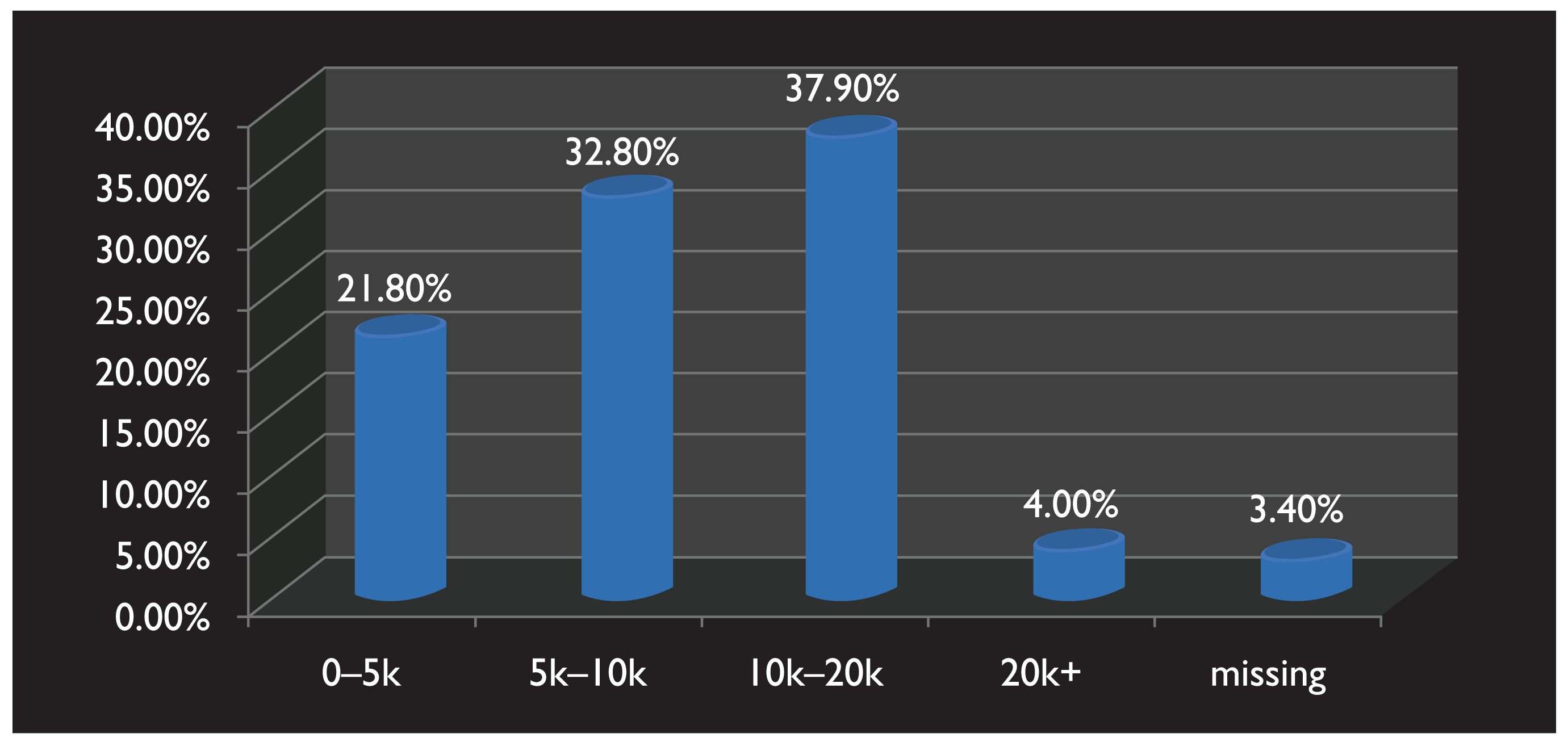
The reported income levels of respondents of the domestic violence mobile clinic were low, but not as low as the earthquake survivors (Figure 6).
The education level of domestic violence mobile clinic respondents demonstrates a significant number reporting zero–fifth grade education, indicating a level of illiteracy similar to the data collected during the earthquake data (Figure 7).
Most of these cases involved people in families that include more members than the abuser and the victim (Figure 8). This indicates the problems that the victims have leaving abusive relationships. Leaving children, breaking family ties and lack of independent income sources create obstacles for victims.



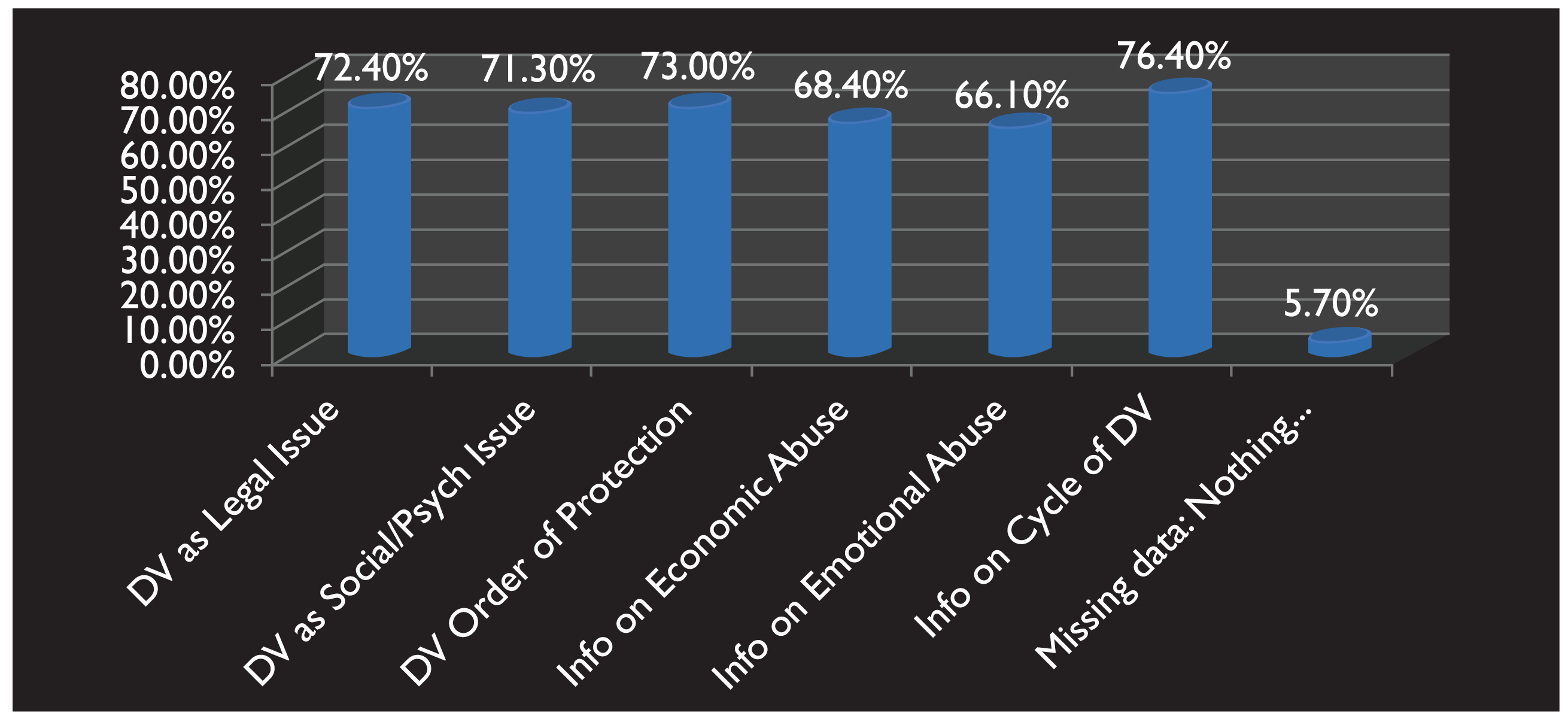
Although physical violence was among the highest qualifier for visiting the mobile clinics, emotional and economic abuse are also significant (Figure 9). Responses do not add up to 100 per cent because respondents could check more than one area.
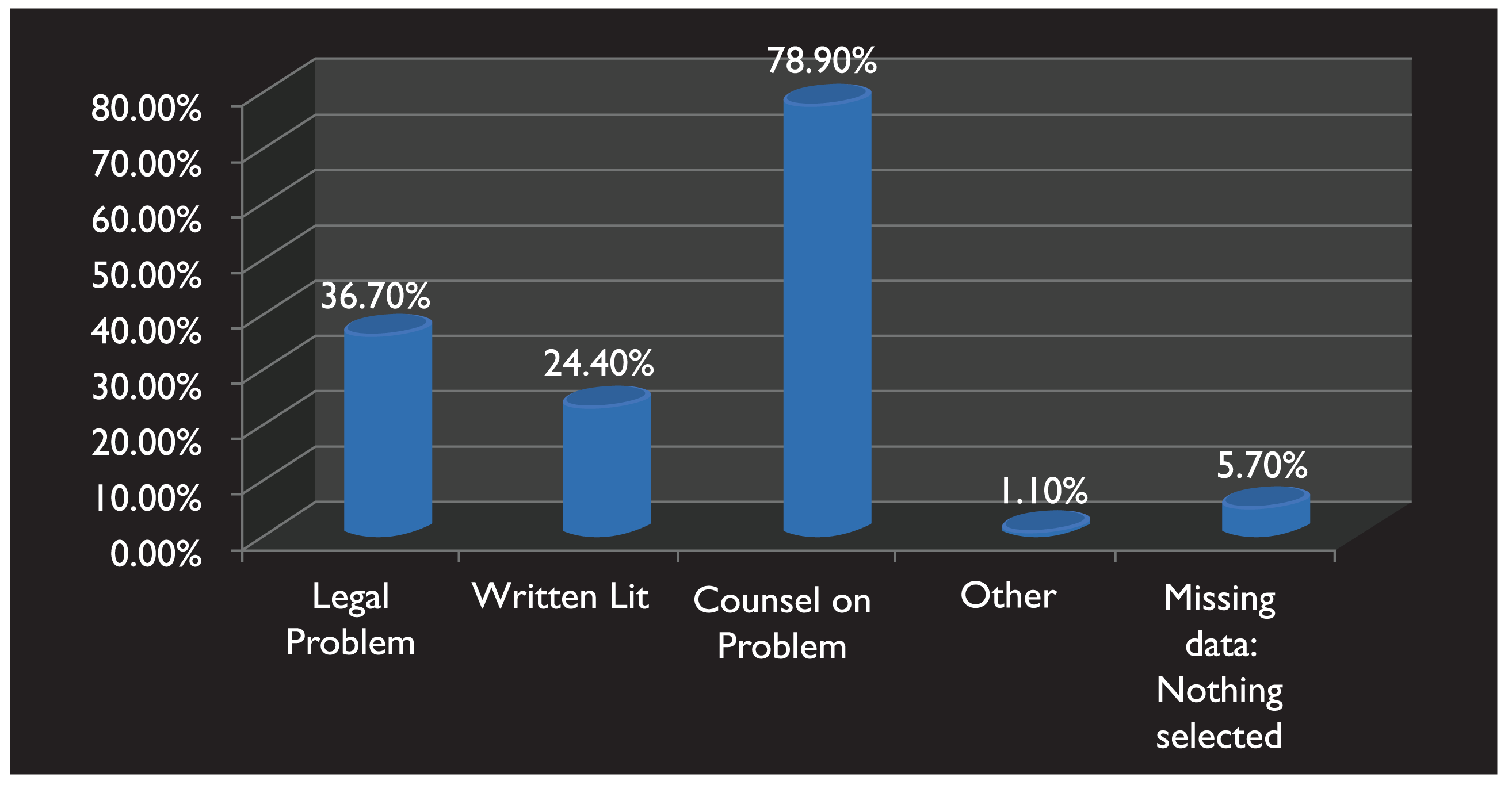
Most of the help reported was for counselling and advice. A more well-funded programme might increase the amount of representation (Figure 10 and 11).
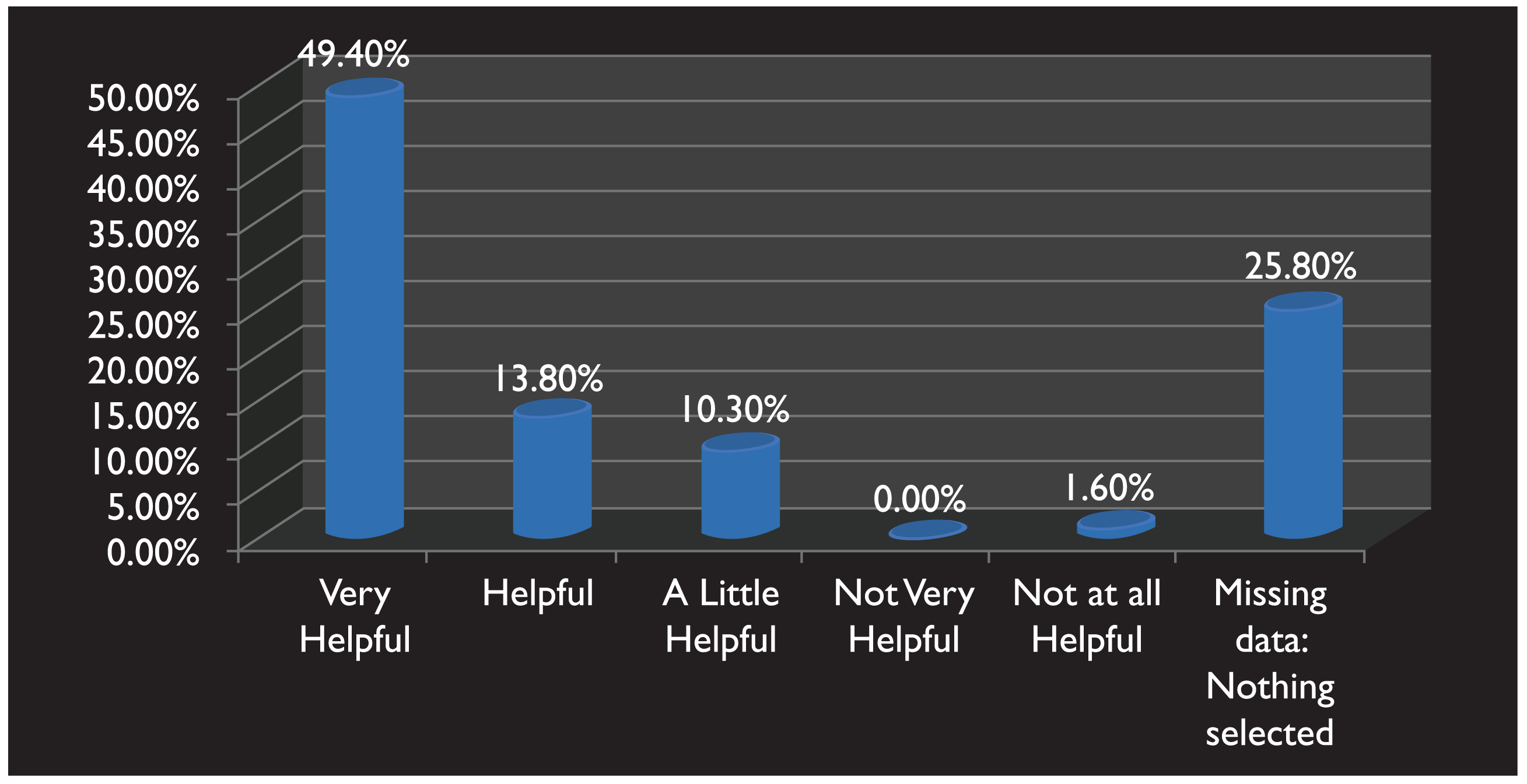
Although a majority of the respondents found the clinic to be helpful, more assessment is needed to determine what might be done better (Figure 12).
Conclusion
Implementing service-learning projects such as the one mentioned on an international level can be a rewarding and worthwhile endeavour. Collaborating with professionals in other parts of the world to engage law students in service-oriented learning will expose students to diversity and allow for personal growth. When students are given an opportunity to be involved in hands-on training with other professionals, the value of learning increases as students are able to learn from experience.
This project was global in nature. It involved collaborations between professionals and volunteers from two countries that together enabled students to experience learning from a global perspective. Students in the United States were and continue to be part of the project by means of researching the data coming from the mobile clinics, reflecting on the data through research papers and poster presentations, as well as presenting the project at international conferences. The best parts of being a part of a service-learning project are the diversity, community service value and the valuable real-life experience that come together to shape a student’s view of the world and where they belong in helping make the world a better place. Allowing students opportunity and growth through experience and hands-on learning is and will continue to be an important part of the education process.