




Abstract
Subject area of the teaching case
Principles of management.
Student level (postgraduate level)
Entrepreneurship, principles of management, business strategy.
Brief overview of the teaching case
The case revolves around the founder, Anant Kumar, of Life Circle, a home care start-up, and the struggles he went through even before the commencement of the firm. The case delves deep into the details of the system set in place to manage the different processes involved in carrying out the day-to-day operations. It also describes the planning, organizing, directing and controlling that are needed to face a major challenge of the lockdown during the COVID-19 pandemic and the current challenges of expansion. In sum, Life Circle’s bumpy ride in a topsy-turvy pandemic period provides several insights relating to the activities that a new firm with paper-thin margins can perform to survive and thrive.
Expected learning outcomes
The readers are expected to learn how Henry Fayol’s four basic principles of management including planning, organizing, directing and controlling work for a start-up during periods of shocks.
Introduction
In March 2022, Anant Kumar and Priya Anant, co-founders of Life Circle Health Services Private Limited, discussed the aftermath of the COVID-19 pandemic on their firm with a close friend. They reflected on Life Circle’s journey, from its inception amidst market challenges and a shortage of skilled workers, to its vision of expanding to multiple cities with a caregiving staff of over 400 members. Key stakeholders—elderly clients, their families and caregivers (CGs)—were crucial to sustaining and growing the business. However, the pandemic posed significant threats, leading to plummeting revenues due to high CG attrition rates. The founders recognized the need to navigate the crisis while maintaining the growth momentum. A turning point in the story occurred when a mobile app was introduced, streamlining the firm’s operations and generating sufficient revenue to keep it afloat. The co-founders desired to expand their business by leveraging the full potential of the recently developed mobile app. However, expansion required retaining CGs, who were essential to the business’s core. Once they had worked out a formula for retaining CGs, they could look at multiple avenues for growth (a) entering new geographic markets in India, (b) introducing new services and (c) continuously improving operational efficiency in markets where they were already present.
The Genesis
A harrowing experience for Anant Kumar and his family provided the impetus for setting up Life Circle. Anant’s mother was advised to undergo knee replacement surgery in 2012. After the surgery, she lost her ability to walk, rendering her totally dependent on her family for her personal, health and day-to-day needs. The family struggled almost every single day to arrange care for her at home. The lack of easily available quality healthcare services for patients at home came as a rude shock to Anant, who at that time was the chief executive officer (CEO) of a maternity hospital chain, LifeSpring Hospitals Pvt. Ltd.
It struck us that, as a family, we could not care for her despite having her in the hospital. That is when the entire search for someone who could care for her started. It was a tedious and painful process despite both of us being in the medical field and running a hospital. Many people were also facing the same issue of finding help to care for their parents.
1
This shortage of geriatric home healthcare in India prompted Anant to establish Life Circle Health Services in 2013. Life Circle was incorporated on 14th March 2012, with an authorized capital of ₹5 million and a paid-up capital of 50.40%, which amounted to ₹2.52 million. Operating revenues for Life Circle Health Services were ₹10 million for the financial year ending on 31st March 2021. However, its earnings before interest, taxes, depreciation and amortization (EBITDA) had decreased by 1,566.30% compared to the previous year, and its net worth had decreased by 23.23% during the same period (Tofler, n.d.a).
Life Circle was primarily established to bridge the gap in geriatric healthcare by creating a platform to address the needs of ailing senior citizens while fulfilling the job aspirations of CGs for the elderly. At that time, the Indian geriatric healthcare sector was nascent and beset with challenges on all fronts. The supply of CGs was highly fragmented, resulting in high attrition rates and an unstable workforce. Moreover, CGs lacked formal training to develop personal, professional and social skills necessary for serving the elderly as well as working with their families.
On the other hand, the elderly and their families were unaware of how to effectively interact with CGs. It was imperative for them to understand the importance of dealing with CGs in a professional, respectful and humane manner to receive optimal service. Particularly concerning CGs, the objective was to offer dignified and sustainable employment opportunities for young people, especially those from smaller towns and villages. Thus, Life Circle was guided by the notion of providing training to CGs and raising awareness among the elderly to ensure sustainable growth. Specifically, the vision and mission of Life Circle were as follows:
Our vision is to help seniors stay healthy in their homes for as long as they want by leveraging technology and the job aspiration of India’s young workforce. Life Circle’s mission is to be India’s leading trusted platform connecting home healthcare workers to seniors to improve their quality of life.
Priya, Anant’s wife, joined Life Circle in 2016 as the co-founder and director. The co-founders were so affected by their mother’s health situation that they were not merely cognizant of the importance of geriatric home care; every part of it turned out to be a meaningful commitment, with purpose etched in every aspect. This was evident in the great care they took in naming their start-up Life Circle. Priya beamed as she explained the deep meaning and philosophy behind the start-up.
With advancing age, the need for care and attention flips from the parent caring for a child to the child caring for the parent. It is as if life has come full circle, as it rightly should. The idea was to build a society that treats its vulnerable seniors gently, reciprocating the care they once so generously gave to the younger generation.
Organizational Structure
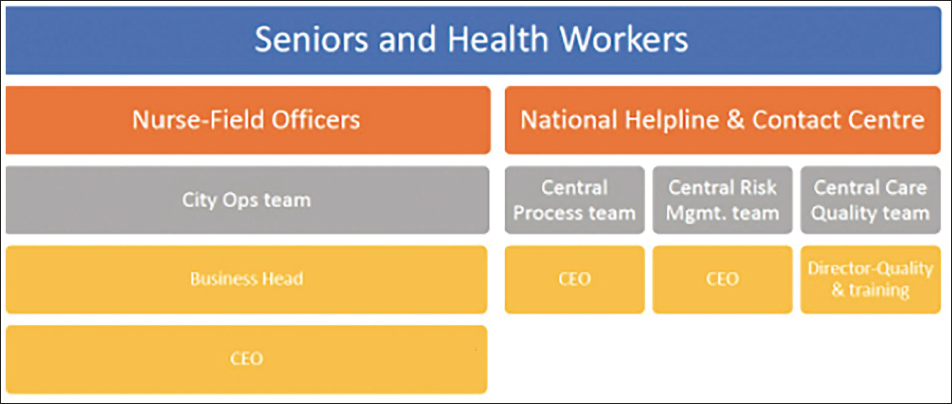
Life Circle followed an inverted pyramid organizational hierarchy, with senior and healthcare workers given the topmost priority. These were supported by nurse-field officers and a national helpline and contact centre, followed by city operations teams and central process teams, respectively. Business heads were closest to the CEO (refer Figure 1 2 for the hierarchy).
Services Provided
Life Circle offered two types of services: professional caregiving and nursing for senior patients. Professional caregiving: Professional CGs assisted seniors in their day-to-day activities. This primarily involved providing seniors with bedpans, feeding, bathing, diaper changing, grooming and dressing, checking vitals (including blood pressure, temperature monitoring and others) and administering oxygen. The support offered by Life Circle helped seniors continue their routine lifestyle from home, without any physical disruption in their lives, such as having to live in a home for the aged. The vast majority of Life Circle’s CGs fall into this category. Nursing services: Life Circle also offered full-time and part-time nursing services at home, administered by nurses, for seniors and other patients across age groups who were in need of post-operative care. The services provided encompassed blood pressure monitoring, injections, oxygen administration, intravenous (IV) cannula care and other tasks. Additionally, the nurses managed ostomies, nasogastric tube feeding and home intensive care units (ICUs). A key aspect of Life Circle’s service was its emphasis on providing highly trained home healthcare workers who demonstrated empathy towards their patients’ needs. Each client was assigned a dedicated nurse officer to oversee the home healthcare worker. These nurse officers were experienced nursing professionals who were knowledgeable about various chronic health conditions affecting the elderly. They conducted regular home visits to monitor the health workers assigned to senior patients.
Life Circle focuses on constant innovation to ensure that the elderly have increased and better access to their services at competitive prices. The start-up was guided by the realization that its primary stakeholders were two groups of people: the elderly and the healthcare workers.
We strive to keep our in-home services economical without compromising on the quality of patient care. Our twin mission is to delight both the seniors and the healthcare workers who are engaged by our clients.
The Market
In 2022, India had the world’s second-largest and rapidly growing senior citizen population. According to NATHEALTH’s Indian Home Healthcare 2.0 Report, the Indian Home Healthcare market had grown to $5.4 billion as of 2022, and it was expected to reach $19.9 billion by 2025 (Kumar, 2022). The increasing demand for better quality post-operative care, primary home health care, rising disposable income, disease trends, availability of improved home care services and the growing geriatric population and dependency ratio in India were driving the demand for increased home health care in the country (Grand View Research, n.d.).
As published on the Life Circle’s official webpage,
India’s senior citizen population of 121 million (in 2016) is the second-largest in the world and growing rapidly. Almost 36% of urban seniors above 60 are immobile, the number rises to 60% by the time seniors cross 70 years. A very high rate of medical complications is seen among bedridden seniors. Studies have shown as high as 83% urinary infection, 54% bedsores, etc. These seniors are either cared for by relatives or by untrained informal providers. Many informal providers, with a myopic view, give seniors a bad deal by charging high, providing unreliable services, and engaging untrained staff. Since these caregivers do not have ample motivation, defined career path, and recognition to continue with the profession, they don’t stick for long. So, Life Circle aimed to fill this gap by meeting the needs of seniors and the aspirations of caregivers by professionalizing care giving and home-nursing.
The home care market was estimated to have only a 4% share in India’s overall healthcare industry earnings in the year 2019 (CISION, 2022).
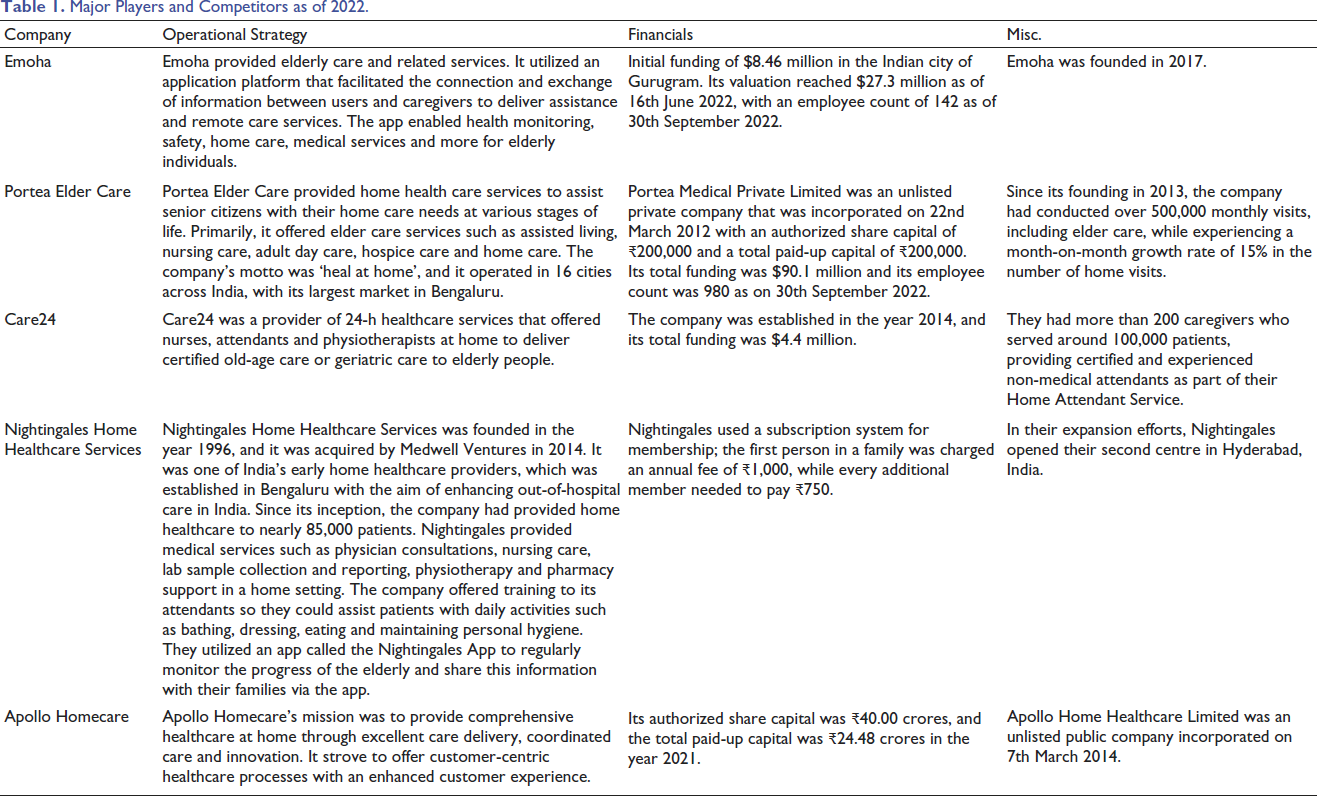
Major Players and Competitors as of 2022
Major Players and Competitors as of 2022.
Teething Issues
Setting-up Life Circle was no easy feat for the co-founders. The sensitive nature of the business in terms of caregiving and the existence of very few professionalized homecare service providers made it extremely difficult and challenging. Additionally, the scepticism that people held about such healthcare services did not help. Anant recalled:
When we planned to begin this, several people we knew were skeptical. Several of them asked in surprise ‘So, now, after doing all this, you want to start an agency, huh!’ The surprise and the dismissiveness in the tone came from the belief that if anybody can set up something so easily and can run it with ease, then it must not be very important or even worth doing.
The prevailing healthcare market for seniors in India was highly fragmented and unorganized. The co-founders attributed this to the rapidly growing elderly population, their deteriorating health conditions and the lack of career focus for CGs. Priya explained:
Against this backdrop, the bigger problem for India is its rapidly growing elderly population, the bulk of whom suffer from chronic medical conditions, making them bedridden. Unfortunately, India’s senior citizens are often at the mercy of untrained and unreliable healthcare providers whose services come at a steep price.
Anant’s keen observations of this much-neglected patient care segment revealed another truth that presented the flip side of the story. He realized that the majority of CGs for the aged lacked motivation and the right work ethic, primarily due to their poorly defined career path. Besides, they were rarely recognized for their services, which meant they were left demotivated and unable to deliver at optimum levels while attending to their elderly patients. Nevertheless, in order to gain an understanding of the elderly care sector, the co-founders contacted a few agencies.
In trying to understand the few agencies that were providing elderly care, all we could look at was informal providers, local agencies run by nurses, individuals working with funding but no formal management education or experience. For example, we contacted an agency who sent a lady for a fixed amount of around 25,000 to 40,000 per month. The lady came home, left her bag at our house and just disappeared. We dialed the agency person who never answered our call.
Unable to find any clues about the market or the sector, the co-founders decided to look overseas for elderly care models that they could examine, analyse and understand. Anant contacted Groupe SOS of France, which specialized in the delivery of home health care and the training of geriatric care workers in France. Anant was invited by Groupe SOS of France to see how the elderly care sector was organized there. During this visit, he was able to gain some interesting insights.
From observing the caregiving sector in France, we noted they were able to service seniors who were living alone, completely bedridden, and those who were not able to speak. It gave us an idea of how many caregivers are needed and the various functions involved.
Upon his return to India, while endeavouring to implement insights gleaned from the elderly care industry in France, the co-founders began to concentrate on their two primary stakeholders: the elderly and the CGs. Given the unconventional and unorganized nature of the business and considering its novelty in India, the focus soon shifted to ‘What do our stakeholders want?’
A Typical Day at Life Circle
With limited understanding and exposure to the fragmented elderly care industry, the co-founders knew that the feasibility of their start-up was strong, even though the business was people-centred and had a lower profit margin. In order to create a win-win proposition for all stakeholders, they needed to train the CGs and raise awareness among the elderly and their families. Given that the CGs’ motivation was significant and unwavering, while the demand for effective and efficient home care from the elderly and their families was substantial, the need to address both aspects became evident. Therefore, the co-founders embarked on these two tasks in their quest for growth.
Training CGs
During the inception of the start-up, the co-founders recognized the necessity of training CGs. The immediate priority was to establish a specialized homecare workforce by implementing curriculum and training standards for CGs. Priya took the initiative to address this aspect, attending a knowledge-sharing programme organized by Access Health International at the Indian School of Business in Hyderabad. Here, they exchanged ideas and best practices to develop a template for Life Circle’s operations.
The co-founders gradually forged partnerships with agencies providing training, enabling the utilization of multiple learning models to cater to the diverse interests of aspirants. A significant challenge for Life Circle was the absence of a defined skill set for geriatric home healthcare recognized by the National Skill Development Corporation (NSDC). They discovered that CGs required two skill sets and began collaborating with sector skills councils: the Health Sector Skill Council (HSSC) and the Domestic Workers Sector Skill Council (DWSSC) both under the NSDC.
The HSSC primarily focused on institutional settings (e.g., hospitals and clinics), offering predominantly generic roles like general duty assistants and bedside attendants. Meanwhile, the DWSSC extended its coverage to non-clinical home care workers. Life Circle endeavoured to partner with institutions affiliated with the NSDC, which facilitated the identification and provision of training funding. However, due to the state’s bifurcation, Life Circle, based in Hyderabad, faced challenges benefiting from the sector skills councils as training programmes were put on hold during the transition, resulting in a shortage of Telugu-speaking workers. Consequently, most CGs hailed from Assam, Orissa and Bihar, primarily trained as nursing assistants. Most of them were young women in the age group of 18–22 years, and many came from families who were occupied in agriculture. These CGs were often the first in their families to work in urban centres and the first to have formal employment. Recognizing the demand for expert services, Life Circle collaborated with organizations to train Telugu-speaking CGs proficient in geriatric healthcare. Many CGs originated from rural areas and East Indian states with distinct cultures, languages and dietary habits. Therefore, efforts were made to train and integrate CGs into Hyderabad’s social and cultural healthcare environment.
The need for startup-friendly office space prompted an association between Life Circle and T-Hub. In fact, the association was solidifying even during the construction phase of the T-Hub’s campus. At that time, the start-up was based in the IIIT-Hyderabad (International Institute of Information Technology). Priya reminisced,
It excited us to envision being part of such an ambitious ecosystem, as described by T-Hub’s leaders in its early days. We approached T-Hub and were subsequently selected through their rigorous selection process.
The co-founders of Life Circle readily acknowledged the positive impact T-Hub had on the start-up’s growth trajectory: T-Hub provided access to several learning opportunities by facilitating programmes such as Lab32 and the Start-up Leadership Programme among others. According to the co-founders, these programmes enabled Life Circle to make inroads into the local entrepreneurial ecosystem and identify numerous resources that would prove beneficial for them in the long run. T-Hub also enabled Life Circle to receive substantial grants from a North-Eastern public sector undertaking (PSU). The PSU allocated the grants through its corporate social responsibility (CSR) activities, helping Life Circle train more than 500 youngsters over a period of 4 years in rural Assam to become geriatric CGs. Life Circle entered the third phase of engagement with the PSU, whereby another 500 youngsters were to be trained in rural Assam. T-Hub also helped in connecting Life Circle with key government stakeholders and investors. The impact of the association with T-Hub had been great, as Priya said:
The investor conversations that we have had has helped us improve our services and work on plausible solutions to some of the key challenge areas. We feel we are better positioned for the next phase of growth due to these strong connections. Forging ties with T-Hub has also garnered positive media coverage for Life Circle. T-Hub has always supported us throughout our journey. We couldn’t have afforded to pay for the generous media coverage that we have received, thanks to T-Hub’s unflinching support. It has been a valuable factor in helping us build credibility in the local market, which probably explains why we are the strongest player in the Hyderabad market, too.
Clients’ Needs and Expectations
Most clients had very specific demands for CGs based on language, religion, gender and other aspects. For instance, clients were very particular about having CGs who belonged to a particular religion and about not having CGs who were menstruating. One of the clients’ comments reflected these needs and expectations:
We have been living in Hyderabad for around 20 years. I was working in a school. I need somebody to help me. My husband is not well. I’m 71 years old. My children are abroad. I have been using Life Circle services for more than 5 years. The caregiver lives with us. Earlier we used to have a female attendant but as my husband now has problem with his prostate gland, we prefer male attendant. He does a very good job. We had almost 5 to 6 attendants. They should be alert, affectionate, take good care, and should not be fussy. Life Circle people are very adjusting. INR 25,000 is the cost for us for a month for the attendant. We are vegetarians, we don’t expect any non-vegetarian food to be cooked or eaten in our house.
Another client said:
My wife is disabled, 80-year-old and not able to take care of herself. So, we needed full time help from Life Circle. They provided one young woman from Odisha and she takes care of her like a daughter. They provide quality service; it is affordable as well. I’m very happy with this girl. She understands our language. She is meticulously handling my wife’s needs. By nature, she is quiet. If something happens to me, I expect that she should be able to take care of my wife. We have been six months with Life Circle. The previous agency had sent a caregiver who was illiterate but had some hospital experience. Someone in my community suggested Life Circle. When she is not busy, she is on her cell phone all the time but that’s okay. Even an organization like Life Circle cannot guarantee the same level of care across the caregivers because so much depends on the temperament of the caregiver. We have a cook and the caregiver needs to prepare only the breakfast.
Some clients wanted CGs from the geographical region that they belonged to because of similarity of language. As Anant said:
We thus decided that we will not discriminate caregivers in terms of these expectations. Also, we developed a very clear policy that no caregiver information that was not relevant to care (such as caste, skin complexion, etc.) will be revealed to the client. We assign a caregiver to a particular client based on language compatibility, gender, previous experience, physical structure such as height and weight. Appropriate body structure enables the caregiver physically to take care of the patient properly.
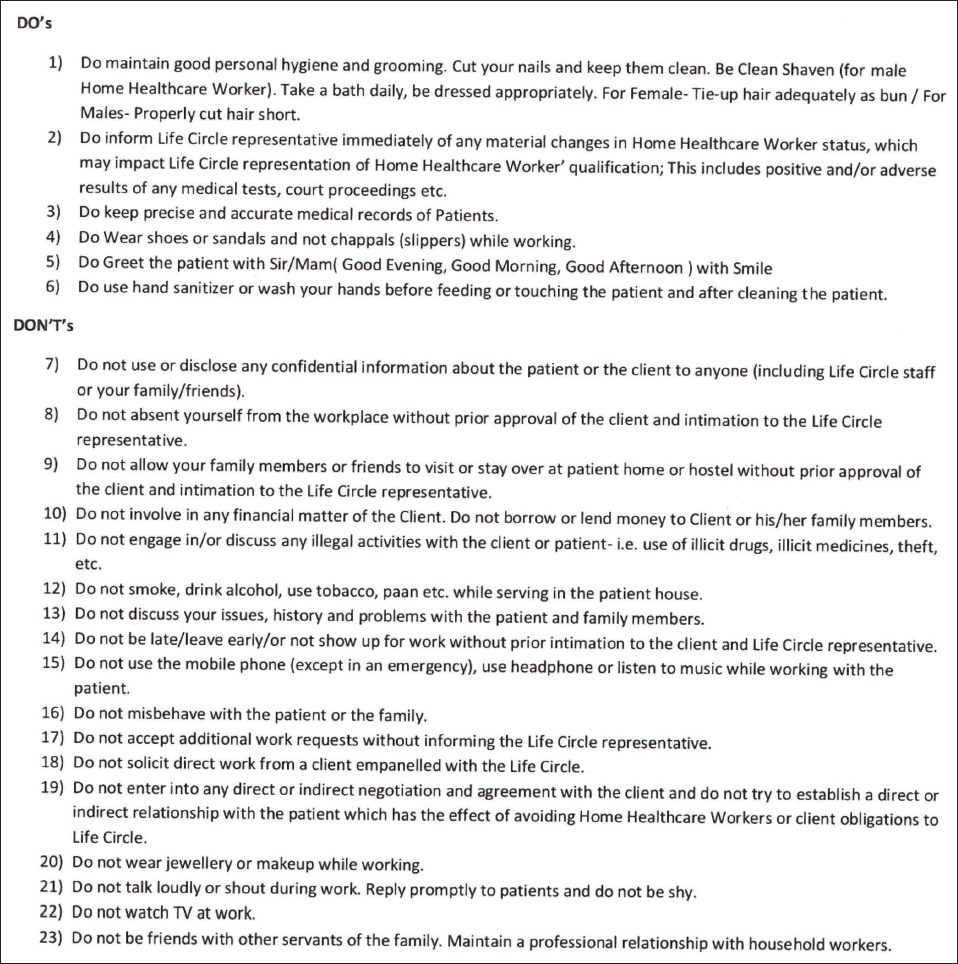
To set the right expectations for CGs, the co-founders created a booklet for healthcare workers titled ‘Information Booklet for Home Health Workers’. It included professional details of the worker, the firm and important terms and conditions such as empanelment with Life Circle, working with clients (attendance, monthly payment, leave and so on) and work modality. This could be either live-in, meaning staying round the clock with the patient but limited to eight working hours per day, with food and accommodation provided by the patient/family, or live-out, meaning staying up to 12 h with the patient but limited to eight working hours per day, with no food provided to the CG. The booklet outlined the exact tasks to be performed by the CG and the process for raising concerns with the client. It also detailed the worker’s code of conduct, including dos and don’ts (see Figure 2 for details). Additionally, a list of recommended behaviours in typical scenarios was provided at the end of the booklet to standardize CG behaviour.
Organizational Hierarchy.
Additionally, supervisors were appointed to provide ongoing training for CGs and to promptly address client complaints before they escalated. Their responsibilities included monitoring CG performance and regularly gathering client feedback. For example, one supervisor with 3.5 years of experience oversaw 45 CGs in a specific area of Hyderabad, while another supervisor with 4 years of experience supervised 55 CGs in a different area. One satisfied client recalled,
Life Circle promptly replaces attendants. When our caregiver went on leave, the firm quickly provided a replacement. I am very satisfied with the services.
These supervisors, in turn, were overseen by business heads, as noted by one of the supervisors:
We make frequent visits to the client’s place and collect feedback. We try to resolve the client’s issues at our level as much as possible and if the need persists, we escalate it to our business heads. Additionally, we track the caregivers’ supply and demand and place and replace caregivers whenever and wherever required.
Life Circle discovered value proposition for seniors in terms of trust, care and convenience. The co-founders said: Our approach is rooted in trust, care, and convenience, ensuring the elderly receive the comprehensive support they deserve. Trust consisted of transparent pricing, profile verification, a training badge reflecting completion of CG’s training, feedback and ratings and a quality framework. Care comprised personalized care plans, specialized care, on-site training and supervision, a tech-driver approach. Lastly, convenience had simplified service booking, an advanced algorithm, a service directory and a national helpline.
The CGs’ Perspective
The CGs were basically trained to take care of elderly people. Their duty was to assist them in their day-to-day activities. One of the CGs pointed out I help nani (grandmother) in her daily movements and feed her. She is really very old. I really like helping people. 5 The nursing services included dressing, injection and so on, that required a formal nursing qualification (refer Figure 3 for details).
Like any other workforce, managing CGs was also not free from difficulties. The first issue that the firm realized with the CGs in India was that they were not paid on time by the hiring agencies. Life Circle fixed this issue by paying the CGs on time. There were several other issues that the CGs faced. For example, one of the supervisors cited an incident:
We can make out whether the caregiver will return or not. It happened that one caregiver did not want to help the elderly patient with her toileting needs but we had to insist. It was apparent that she was not happy and started making excuses. One day she applied for leave and we knew she would not return to work. This is the challenge with placement and replacement of caregivers.
The data of CGs was maintained in an online database and was readily accessible to the supervisors. Based on that data, the supervisors could gauge the proximity of the CG to the client’s location, the CGs’ competence based on client feedback and other characteristics in order to assign an appropriate client to them. As one supervisor noted: We listen to the caregiver’s issues with the client and work on them. Given the sensitivity of this service, we need to be available round the clock.
Like for seniors, Life Circle had figured out a value proposition for CGs. The trust involved enhancing job accessibility, prioritizing safety, providing affordable accommodation, financial security and reliable compensation. Care meant respect and dignity, skill development, personalized support, quality assurance and career advancement. Convenience would include technology, work tools and guidance and proximity to home.
The Challenge
While the CGs received ample training before commencing their services, Life Circle could not address the clients’ behaviour. Clients expected an efficient homecare delivery system that respected their trust, safety, respect and privacy, while CGs were also entitled to work in an atmosphere of trust, safety and respect. The co-founders received several grievances from CGs who were asked by clients to perform tasks beyond the scope of home health care. For instance, CGs reported that some clients asked them to cook meals, assist with household chores, do grocery shopping, babysit and handle laundry, tasks that were outside their job description. Some CGs, especially those from Assam, faced difficulties adjusting to environments in new states where they were asked to perform such tasks as they were raised in environments where labour was respected and treated with dignity. Their homes, lifestyles, cultural and social habits sharply contradicted what clients expected from them. As the co-founders recalled:
You should see the kind of houses they live in. They are made up of mud but very beautiful, clean and just like a castle. If you are accustomed to such a serene and ample space, adapting to a hostel inside four walls and in the hustle-bustle of the city is a sea change and we learnt it the hard way.
The biggest challenge on the CGs’ side was their high attrition rate, while the biggest challenge on the clients’ side was creating awareness of how to treat CGs in a professional manner. The firm invested heavily in training CGs not only in caregiving but also in personal etiquette and other areas, yet it was uncertain whether the CGs would stay. Anant recalled,
Some experts in the field told me, ‘Why would clients continue using your services once they find a caregiver? They can deal directly with them.’ But we provide replacement services and promise to maintain the quality of service, thereby assuring clients that we will take good care of the patient.
While the training curriculum addressed the improvement of CGs’ service to clients, the co-founders had to work hard to make clients aware of the treatment that CGs deserve when providing homecare. Thus, in a unique move, a code of conduct was created for clients, outlining the requirements/recommendations for training CGs, which was communicated to them. A booklet titled ‘Information Booklet for Clients’ was provided to inform clients about the firm, its services and their responsibilities towards CGs and the professional treatment of CGs and others. It included the client agreement form and information about the firm’s scope of services, service charges and payments, attendance and leave policies, the CG’s code of conduct, tips for maintaining a harmonious relationship with CGs and other terms. In February 2024, the live-in and live-out ratio for the CGs was 50:50 with around 500 CGs and a database of 2,000 CGs, but with a very short average tenure of 4 months. During the COVID-19 lockdown, the co-founders soon began to leverage the reach and strength of the digital infrastructure—internet connectivity and digital devices that foster communication in the healthcare industry. It took the firm less than a week to get back on track. One key factor in Life Circle’s ability to get operations back on track so quickly was the company’s custom-built enterprise resource planning (ERP) package, which ensured the ready availability of role appropriate data across the organization. Priya noted:
We realized the true potential of technology at the time of the lockdown. We leveraged our enterprise resource planning (ERP) system to quickly centralize an otherwise de-centralized system. We noticed that the ERP system already had a lot of information that could be commonly shared with the stakeholders. The client-caregiver meeting, the supervisor-client meeting, and other briefings started happening on virtual platforms through video calls via WhatsApp. Everything went so well that we are still continuing with that model.
Indeed, by shifting communication mostly to the virtual space, the firm could reduce costs and increase efficiency. For instance, supervisors who previously could only visit one or two clients a day could now conduct more client meetings. Following a series of lockdowns, while life returned to normal in 2022, business processes at Life Circle adopted a new normal, albeit with a significantly more centralized, technology-backed workforce management system.
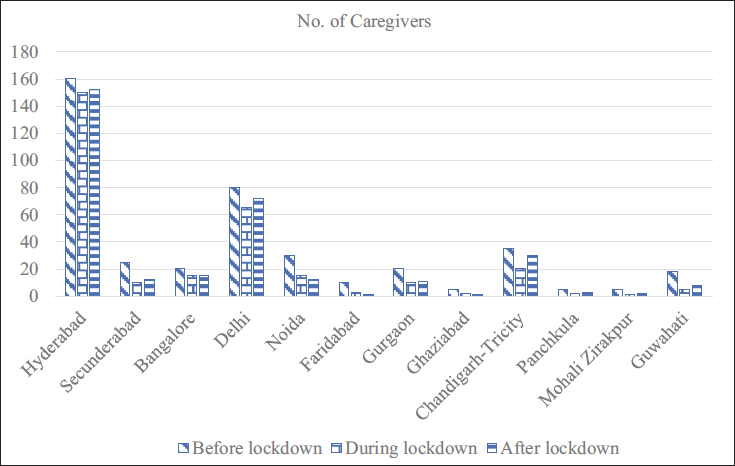
After the lockdown, Life Circle had provided 600,000 h of care to seniors across their operations in 12 cities (refer to Figure 3 for the approximate number of CGs pre- and post-COVID). The company had also collaborated with over 2,000 health workers and trained more than 700 youngsters to become geriatric CGs. In fact, the firm had returned to profitability, empowered by an ERP system and a mobile application designed to link CGs, their supervisors and clients (refer to Figure 4).
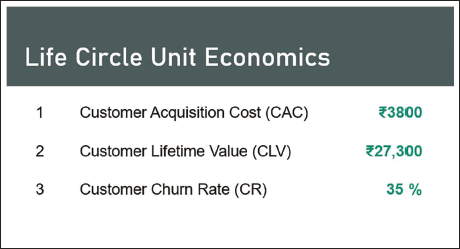
Life Circle Unit Economics.
The Road Ahead
As conditions in India improved and life began returning to normal in the years 2022–2024, Life Circle launched its new mobile application (refer to Figure 5) to fully leverage the potential of technology.
Life Circle Mobile Application Walk-through.
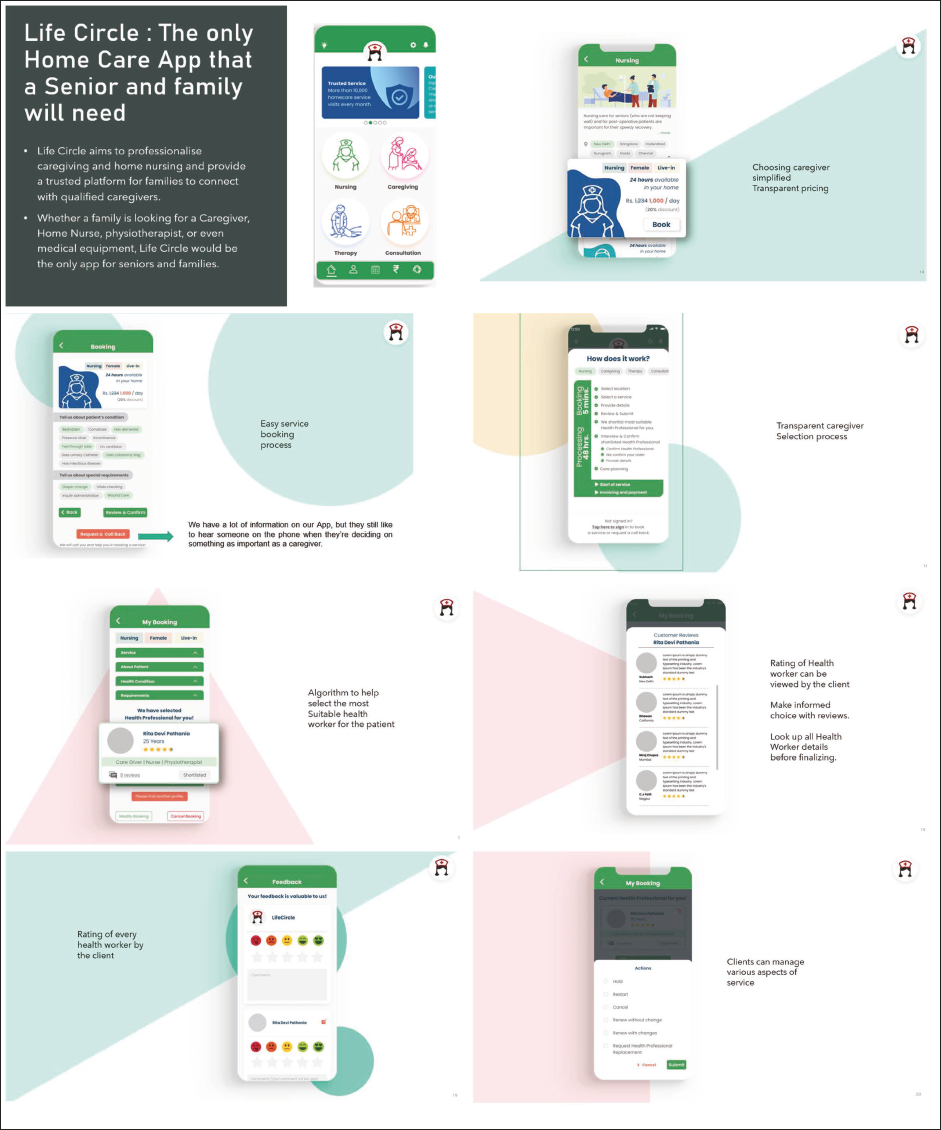
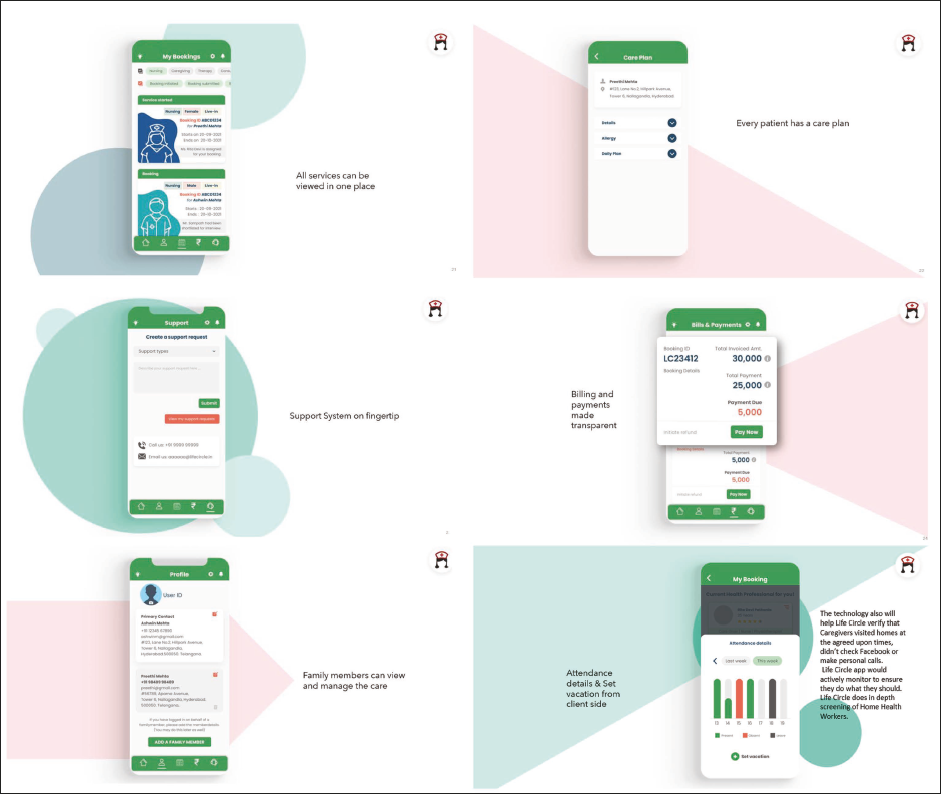
Through this app, Life Circle aimed to connect clients, hospitals, Life Circle pharmacies and CGs, expecting it to be a game-changer in the Indian elderly home care industry. Priya mentioned,
The app will allow people in big and small cities to connect with us and register their requirements. In turn, we will enable health workers located within a serviceable radius to reach out and apply for such positions.
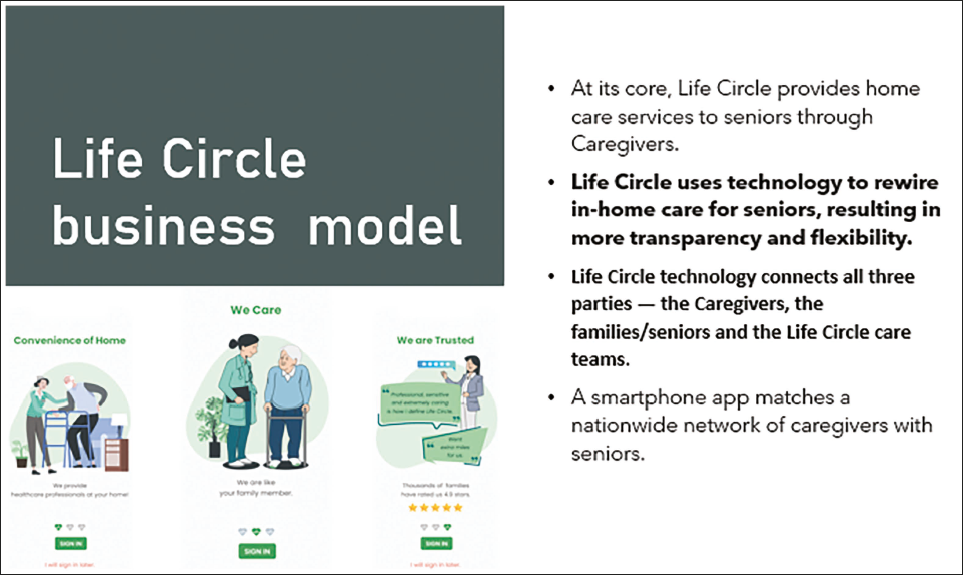
Additionally, they have revamped their business model using technology centred around their core business (refer to Figure 6).
Life Circle Business Model
As Life Circle launched its fully functional mobile application, unlocking fresh avenues for growth, the ongoing challenge of CG scarcity and retention in India’s unorganized homecare market persisted as a pressing concern. Without an ample supply of CGs, expansion efforts were hindered. Hence, the primary focus of this scenario was to address the timeless yet distinctive dilemma of either venturing into a new market, unveiling novel services or sustaining efforts in the existing market—all while upholding the company’s three core values of trust, care and convenience. Specifically, the founders were undecided between two alternatives: (a) considering the shortage of CGs, should the Life Circle work on strengthening the core by solidifying their caregiving and nursing services to ensure top-tier quality and reliability, and consolidating their presence in their core markets of New Delhi and Hyderabad? or (b) should they exploit the full potential of the mobile application and broaden offerings by partnering with third parties to offer drug delivery, diagnostics, physiotherapy and medical consultation services, catering to a comprehensive range of senior health needs and expanding geographically to other tier-I and tier-II cities in India?
Anant and Priya pondered over this dilemma. They realized that making the right strategic decision was critical for the future success of their company.
Footnotes
Acknowledgements
The authors wish to thank Mr Anant Kumar and Mrs Priya Anant for sharing their journey at Life Circle in a several hours long interview. The authors thank the supervisors and CGs for sharing their day-to-day experiences and process that they follow at Life Circle. The authors also interviewed some clients, the contacts of whom were provided by the firm.
Declaration of Conflicting Interests
The authors declared no potential conflicts of interest with respect to the research, authorship and/or publication of this article.
Funding
The authors received no financial support for the research, authorship and/or publication of this article.
