



Abstract
Schizophrenia is a chronic severe mental disorder in which immunologic imbalances have been reported. Some researchers have demonstrated dysregulation of cytokine levels in this mental disorder. Considering the possible role of cytokines in the pathogenesis or clinical course of schizophrenia, we assessed serum levels of IL-4, IL-10, IL-17A and IFN-
Introduction
Schizophrenia is a chronic severe mental disorder with immense global burden [1]. There are several studies indicating the role of prenatal events such as prenatal maternal infections, low birth weight, and high paternal age in the susceptibility to schizophrenia which totally imply the presence of an extensive defect in schizophrenic patients rather than the existence of the sole psychosis [2]. This speculation has been supported by the observation of global cognitive defects through all performance domains in schizophrenic patients [3]. Consistent with the rapid growth of knowledge about the role of immunologic factors in the development of chronic neurologic disorders [4, 5, 6], the contribution of immune dysregulation in the pathogenesis of schizophrenia is being elaborated [7]. Considering the role of serum cytokines in regulation of different aspects of immune responses, researchers have focused on evaluation of serum cytokine levels in schizophrenic patients compared with healthy subjects. Maes et al. have reported elevated IL-6 levels in schizophrenic patients compared with healthy subjects regardless of their response to typical antipsychotics and elevated levels of serum IL-1RA in the treatment-resistant schizophrenia (TRS) patients compared with controls so suggested induction of the monocytic arm of cell-mediated immunity as a feature of schizophrenia especially TRS patients [8]. Besides, Lee et al. showed higher levels of TNF-
Material and methods
Study participants
This case-control study included 38 schizophrenic patients and 38 age and sex matched healthy subjects. Patients were selected from psychology department of Hamadan University of Medical Sciences. Patients were diagnosed based on the Diagnostic and Statistical Manual of Mental Disorders, fifth edition (DSM-V) criteria for schizophrenia [11] and were under treatment with Clozapine™. A structured psychiatric interview was used for evaluation of control subjects to rule out the presence of any psychiatric disorder. All persons with cancer, recent or persistent infectious disorder, autoimmune disorders, nerve muscle coupling disorders and pregnancy were excluded from the study. Ethics approval for the study was obtained from Ethical Committee of Hamadan University of Medical Sciences. Informed written consents were obtained from all study participants.
Cytokine detection
Peripheral venous blood samples were collected from schizophrenic patients and normal controls. Serum samples were collected through centrifugation for 10 min at 3000 r/min at 4
Statistical analysis
To describe the data, we presented median and Interquartile [IQR] for the continuous variables and frequencies and percentages for the categorical variables. The Quantile regression was used to compare non-normal dependent variables between the case and control groups with adjusting the effect of gender. For Quantile regression analysis ‘quantreg’ package was used. All statistical analyses were conducted in R 3.4.3 Statistical Software.
All patients were in remission. None of the study participants were smoker
All patients were in remission. None of the study participants were smoker
The study included 38 out-patients with schizophrenia (24 males and 14 females, mean age
Descriptive statistics results of serum IL-4 levels in schizophrenic patients and healthy subjects
Descriptive statistics results of serum IL-4 levels in schizophrenic patients and healthy subjects
We assessed Il-4 levels between cases and controls and within sex-based subgroups (Table 2 and Fig. 1).
The median regression results for comparison of Ln (IL-4) between case and control groups
The median regression results for comparison of Ln (IL-4) between case and control groups
Descriptive statistics results of serum IL-10 levels in schizophrenic patients and healthy subjects
Box-and-scatter plot of IL-4 level by group and gender.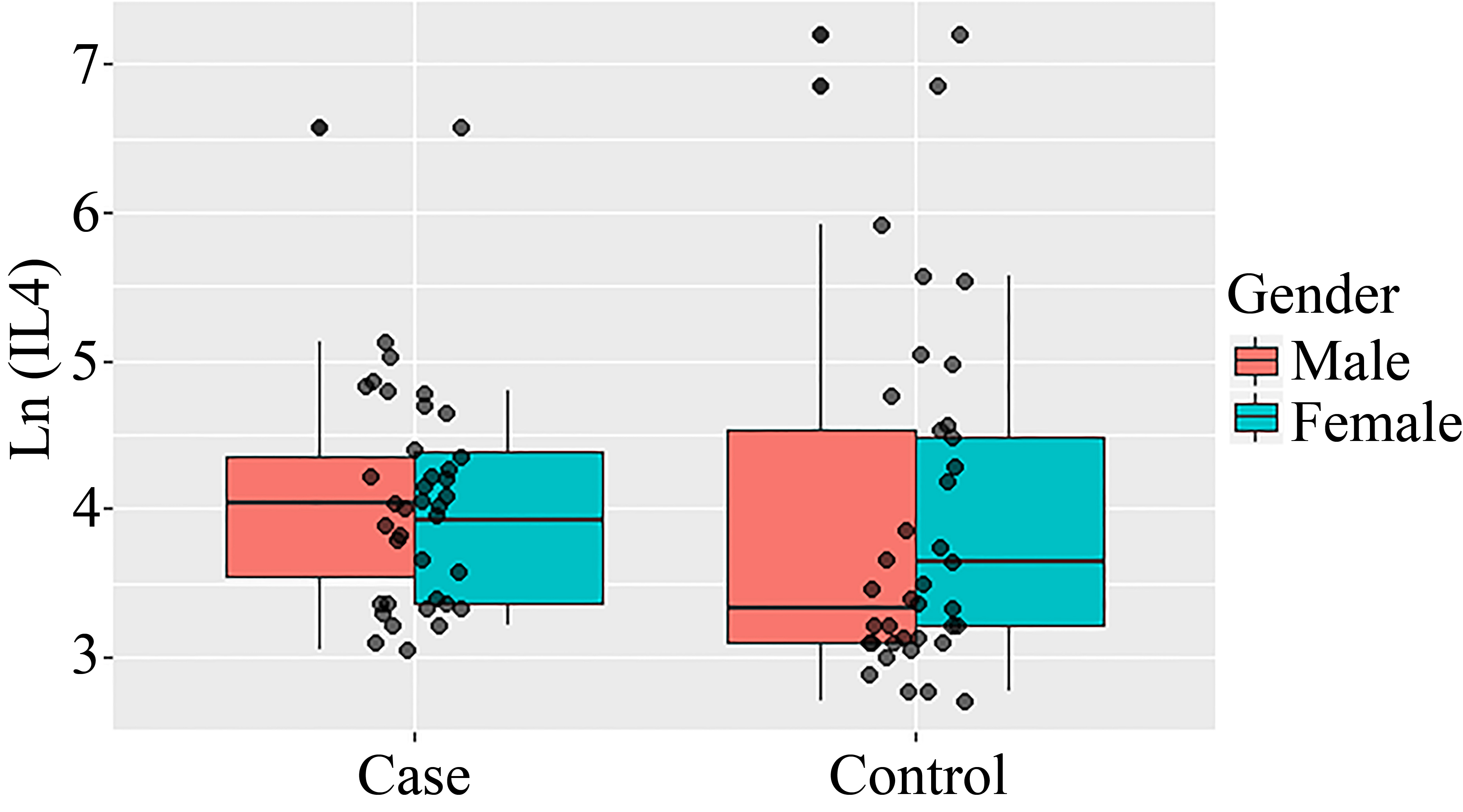
Box-and-scatter plot of IL-10 level by group and gender.
After using Quantile regression to control the effect of sex on relative IL-4 levels, there was a statistically significant difference in IL-4 levels between patients and healthy subjects (
We assessed IL-10 levels between cases and controls and within sex-based subgroups (Table 4 and Fig. 2).
The Quantile regression results for comparison of Ln (IL-10) between case and control groups
The Quantile regression results for comparison of Ln (IL-10) between case and control groups
Descriptive statistics results of serum IL-17 levels in schizophrenic patients and healthy subjects
The Quantile regression results for comparison of Ln (IL-17) between case and control groups
After using Quantile regression to examine the effect of age and sex on relative IL-10 levels, there was no statistically significant difference in IL-10 levels between patients and healthy subjects or between males and females (Table 5).
Descriptive statistics results of serum IFN-
The Quantile regression results for comparison of Ln (IFN-
Box-and-scatter plot of IL17 level by group and gender.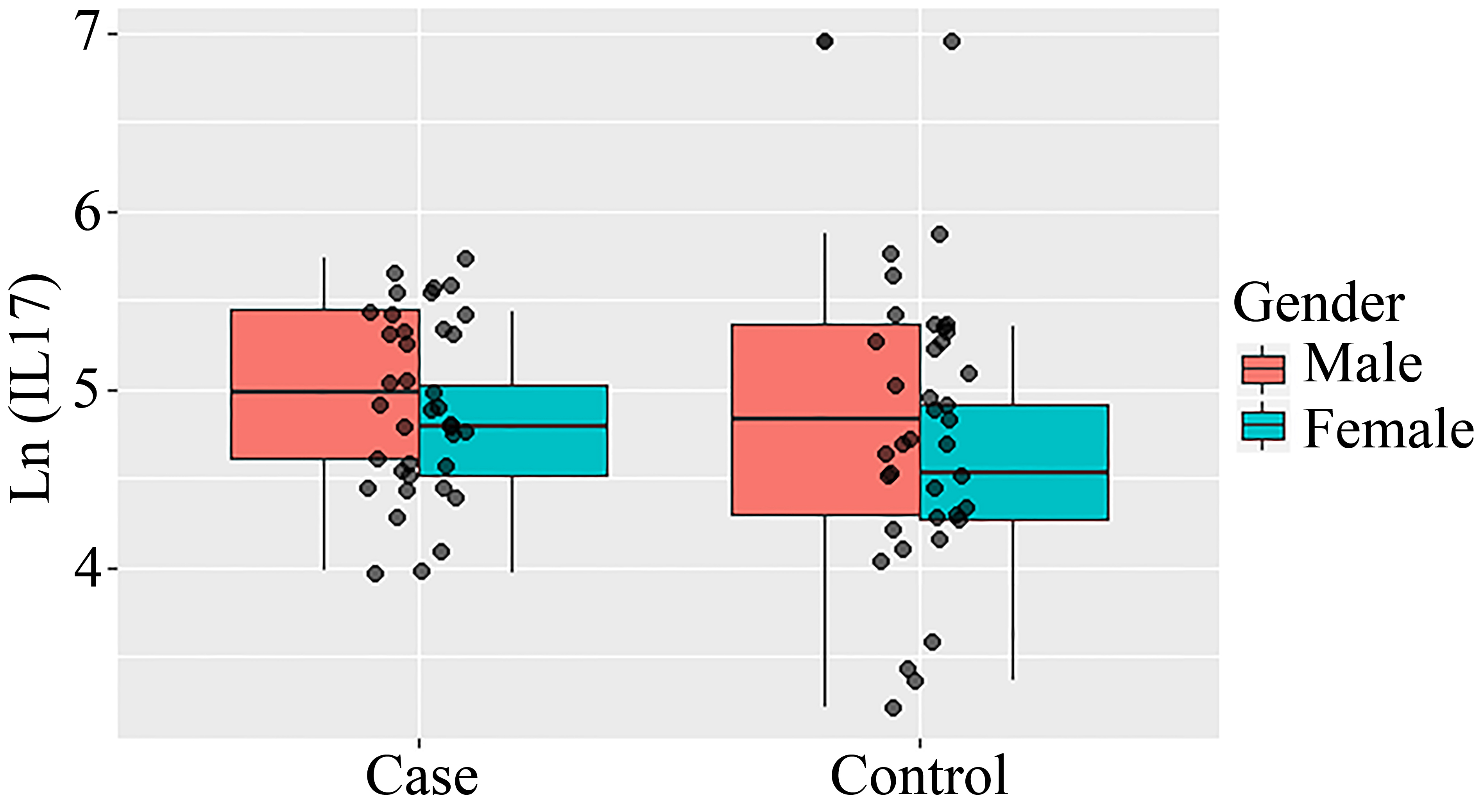
Box-and-scatter plot of IFN-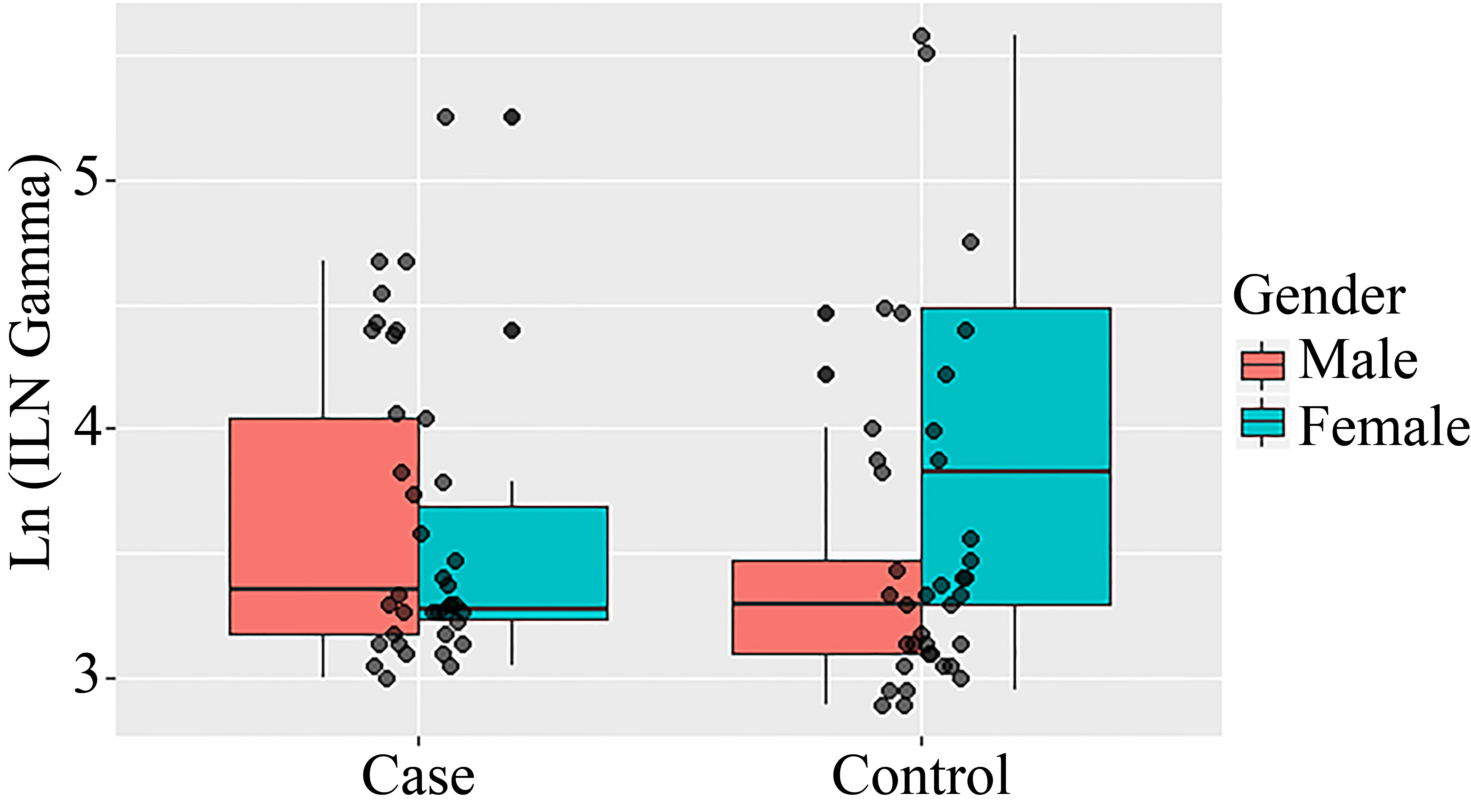
We assessed IL-17 levels between cases and controls and within sex-based subgroups (Table 6 and Fig. 3).
After using Quantile regression to examine the effect of age and sex on relative IL-17 levels, there was no statistically significant difference in IL-17 levels between patients and healthy subjects or between males and females (Table 7).
Comparison of IFN-
levels between schizophrenic patients and healthy subjects
We assessed IFN-
Correlation analysis between IL-4 and IL-17 levels.
Correlation analysis between IL-4 and IL-10 levels.
Correlation analysis between IL-4 and IFN-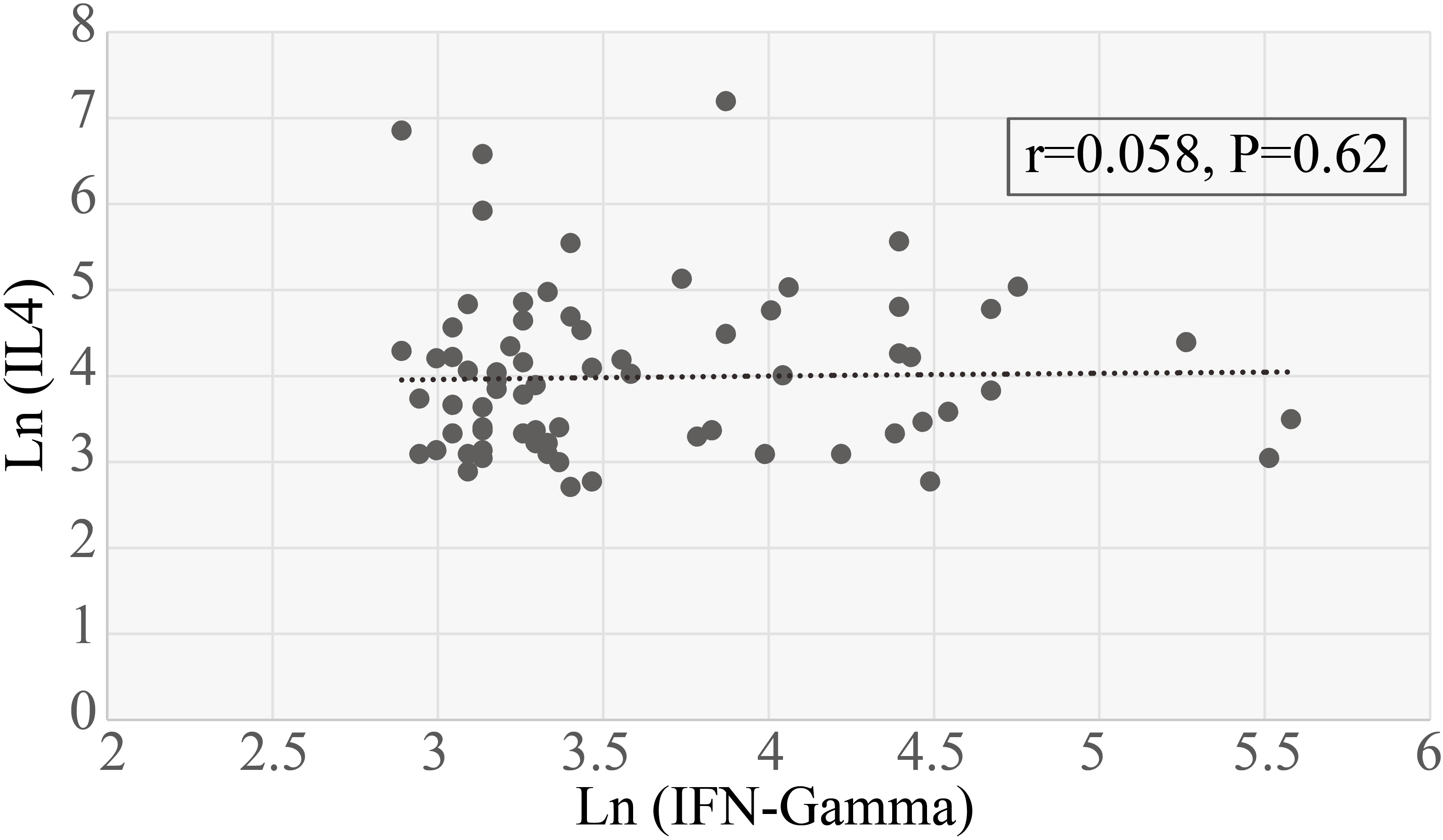
Correlation analysis between IL-10 and IL-17 levels.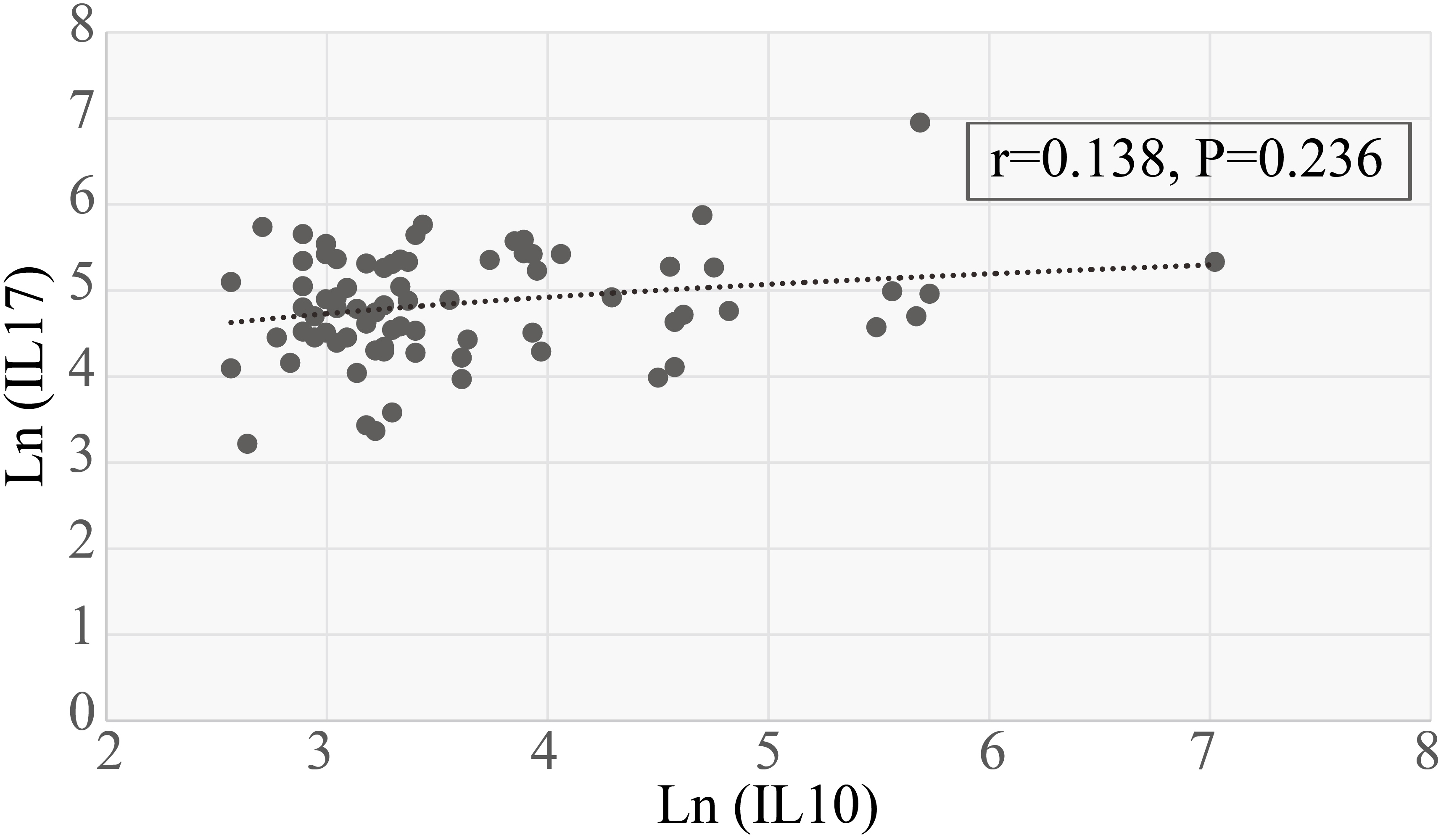
After using Quantile regression to examine the effect of age and sex on relative IFN-
No correlation was found between Ln values of cytokine levels after application of Spearman correlation analysis (Figs 5–10).
Discussion
Cytokines as essential signaling proteins of the immune system participate in immune regulation both in the periphery and the brain [2]. So evaluation of their serum levels is helpful in identification of their role in the pathogenesis of psychiatric disorders as well. Significant associations have been found between cytokine aberrations and acute worsening of schizophrenia in an independent manner from antipsychotic treatment modalities. IL-1
Correlation analysis between IL-17 and IFN-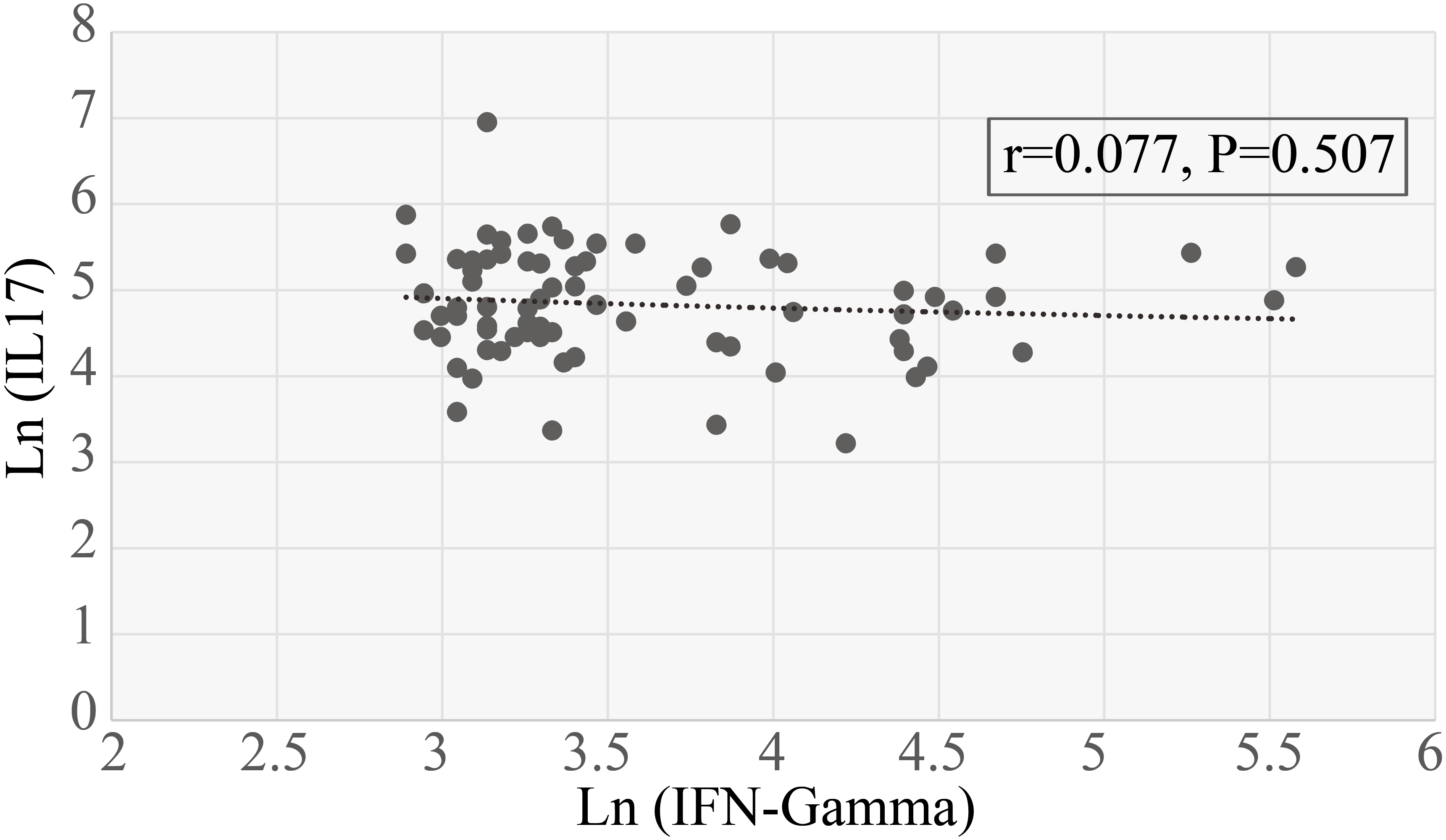
Correlation analysis between IL-10 and IFN-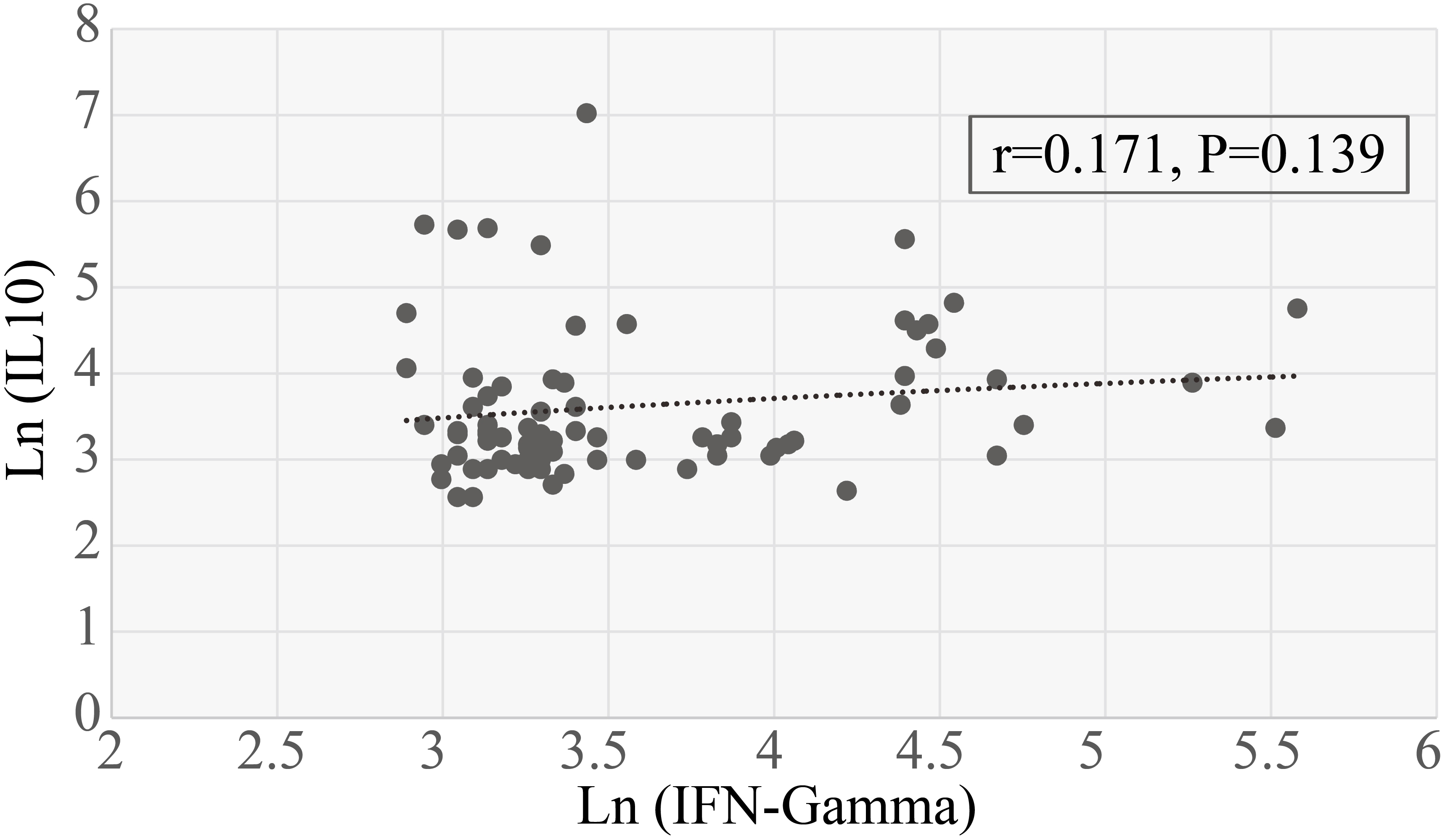
In the present study we evaluated cytokine levels in schizophrenic out-patients who were responsive to Clozapine. To control the effects of smoking on cytokine levels which is one of the main pitfalls of the previous studies [2], none of our study cohort smoke during the recent 6 months prior to sampling. We detected significantly higher levels of IL-4 in patients compared with healthy subjects. Serum IL-4 levels have been correlated with negative symptoms of schizophrenia in a population of drug-naive juveniles with first episode early onset disease [10]. Another study which assessed the serum concentrations of cytokines in drug-naive patients with first episode psychosis (FEP) and patients with schizophrenia relapse detected higher levels of IL-4 in serum of patients in relapse compared to controls and patients with FEP [12]. Our result is in agreement with the latter study.
As all patients assessed in the current study were treated with Clozapine™, we cannot exclude the effects of this antipsychotic treatment on cytokine levels. In vitro treatment of peripheral blood mononuclear cell (PBMC) obtained from patients with FEP clozapine has previously shown the effects of this drug on elevation of the IL-4 and IL-10 levels while reduction of IFN-
We also detected higher IFN-
We failed to detect any significant correlation between the levels of assessed cytokines in our cohort. Considering the relative number of study participants this negative result should be interpreted with caution.
In brief, in the present study we detected higher levels of IL-4 in schizophrenic patients treated with Clozapine compared with healthy subjects. However, none of the other assessed cytokines showed different expression pattern between cases and controls which might be due to the effects of Clozapine in returning aberrant cytokine levels to their normal values. The observed similar levels of these cytokines between cases and controls in our study might also been explained by the stable status of patients assessed in the current study. A meta-analysis of data obtained from stable medicated schizophrenic out-patients has previously revealed no significant differences in blood IL-6 levels between these patients and control subjects in spite of significantly higher levels of this cytokine in acutely relapsed patients as well as patients in FEP compared with healthy subjects [2]. Future studies are needed to compare cytokine levels in a large cohort of patients including FEP, acutely relapsed in-patients and stable medicated schizophrenic out-patients with controlling confounding parameters such as smoking to elaborate the effects of cytokine imbalances in the development of schizophrenia or its clinical course.
Footnotes
Acknowledgments
The current study was supported by a grant from Hamadan University of Medical Sciences (Grant Number: 9507134243).