



Abstract
Healthcare systems need to overcome the high mortality rate associated with cardiovascular disease and improve patients’ health by using decision support models that are both quantitative and qualitative. However, existing models emphasize mathematical procedures, which are only good for analyzing quantitative decision variables and have failed to consider several relevant qualitative decision variables which cannot be simply quantified. In solving this problem, some models such as interval type-2 fuzzy logic (IT2FL) and flower pollination algorithm (FPA) have been used in isolation. IT2FL is a simplified version of T2FL, with a reduced computation complexity and additional design degrees of freedom, but it cannot naturally achieve the rules it uses in making decisions. FPA is a bio-inspired method based on the process of pollination, executed by the flowering plants, with the ability to learn, generalize and process numerous measurable data, but it is not able to describe how it reaches its decisions. The hybrid intelligent IT2FL-FPA system can conquer the constraints of individual approaches and strengthens their robustness to cope with healthcare data. This work develops a hybrid intelligent telemedical monitoring and predictive system using IT2FL and FPA. The main objective of this paper is to find the best membership functions (MFs) parameters of the IT2FL for an optimal solution. The FPA technique is employed to find the optimal parameters of the MFs used for IT2FLSs. The authors tested two data sets for the monitoring and prediction problems, namely: cardiovascular disease patients’ clinical and real-time datasets for shock-level monitoring and prediction.
Keywords
Introduction
As the world continues to experience a high mortality rate caused by cardiovascular diseases, the manual and traditional system of patients monitoring and prediction cannot handle early detection of deterioration of cardiovascular disease patient and patients’ monitoring is inherent with high level of uncertainty and imprecision. Telemedical monitoring and predictive system for cardiovascular disease patients have therefore become increasingly important. Healthcare systems need to overcome the high mortality rate associated with cardiovascular disease and improve patients’ health by using decision support models that are both quantitative and qualitative. However, existing models emphasize mathematical procedures which are only good for analyzing quantitative decision variables. The quantitative approaches fail to take into consideration several relevant qualitative decision variables which cannot be simply quantified. In solving this problem, some models such as interval type-2 fuzzy logic (IT2FL) and flower pollination algorithm (FPA) have been used in isolation [1, 2, 3, 4, 5].
IT2FL is a simplified version of T2FL, with a reduced computation complexity and additional design degrees of freedom [6], but it cannot naturally achieve the rules it uses in making decisions. Also, IT2FL has the potential to reduce the effect and cope well under uncertainty and imprecision, making it an exceptional intelligent decision support tool. However, in developing IT2FL, the IT2FL system finds it difficult and challenging to estimate the optimal parameters of the membership functions (MFs). This is due to the presence of a high level of uncertainty and imprecision. FPA is a bio-inspired method based on the process of pollination, executed by the flowering plants [7], with the ability to learn, generalize and process numerous measurable data, and can avoid trapping in local optimum solution, but it is not able to describe how it reaches its decisions. The hybrid intelligent IT2FL-FPA system can overcome the limitations of individual approaches and boost their strengths to handle healthcare data adequately.
IT2FL, based on fuzzy sets (FSs) is a method of characterizing uncertainty and vagueness in a manner that elements are represented as a continuity in the range of 0 and 1. Fuzzy logic tools are robust and allow human reasoning to be incorporated in the control algorithm [8] and are suitable to handle non-linear problems because of their capacity to process information and make a decision with uncertain and imprecise data [9, 10], whereas conventional models are not appropriate. FLS is made up of four major units, namely: fuzzifier, fuzzy rules, inference engine, and defuzzifier [11] and have been applied in classification, regression, control, decision making, prediction, problems with remarkable outcomes [1, 2, 12, 13, 14, 15, 16, 17, 18]. However, the conventional fuzzy logic system (type-1 fuzzy logic) cannot cope adequately with uncertainties and imprecision, due to the complexity associated with many real-world problems [19].
In solving the problem associated with type-1 fuzzy logic, interval type-2 fuzzy logic system (IT2FLS) was developed [6]. IT2FLS is a reduced version of type-2 fuzzy logic system (T2FLS) created from type-2 fuzzy set (T2FS), with a streamlined computation intensity and with additional design degrees of freedom (DoF), with a footprint of uncertainty (FOU), which is the union of all its embedded type-1 (T1) FSs [20], making it quite practical. T2FLSs and IT2FLSs have been successfully applied to handle many real-world problems and the results have been commendable [3, 21, 22, 23, 24, 25, 26]. However, IT2FLSs cannot conventionally produce the rules they use in making decisions, and finding the optimal parameters of the membership functions (MFs) is difficult and complex, which is due to the presence of a high level of uncertainty and imprecision.
FPA, developed by [7], is a nature-inspired metaheuristic optimization technique that mimics the pollination process in a flowering plant, with the main objective to create an optimal plant reproduction for the survival of the fittest flowers. FPAs switch probability is the major variable that enhances cheaper algorithm development and quicker convergence, resulting in an optimal solution and the transfer switch between local and global pollination establishes breakout from local minimum solution [4, 5]. Recently, FPA has been integrated with fuzzy logic and applied to solve optimization problems, [27, 28, 29] and this paper is an extension of the previous work done in [30].
According to World Health Organization [31], cardiovascular diseases are parts of the world’s leading global killer diseases as it takes the lives of 17.7 million people every year (i.e takes 31% global death). Life-threatening cardiovascular diseases such as heart attack, arrhythmias, stroke, diabetes, coronary heart disease are some of the most important causes of death in the world. Prevention of cardiovascular diseases (CVD) requires early detection and diagnosis [32]. To ameliorate the mortality rate of cardiovascular diseases, there is a need to integrate a telemedical monitoring system. A telemedical monitoring and prediction system is a technology that enables monitoring and prediction of patients’ health outside and inside the conventional clinical settings [33].
This work develops a hybrid intelligent telemedical monitoring and predictive system using IT2FL and FPA. The main objective of this paper is to find the best membership functions’ (MFs’) parameters of the IT2FL for an optimal solution. The FPA technique is employed to find the optimal parameters of the MFs used for IT2FLSs. The authors tested two data sets for the monitoring and prediction problems, namely: cardiovascular disease patients’ clinical and real-time datasets for shock-level monitoring and prediction. Both datasets were collected for comparison purposes, one, through the Federal Medical Centre, Yenagoa, Bayelsa State, Nigeria, and two, biomedical devices were designed using biomedical sensors and connected to an Arduino board that contains a microcontroller unit and used to capture vital signs signals. The microcontroller reads the signal from sensors and sends it to a cloud server (firebase). IT2FL is designed and applied to cope with uncertainty associated with cardiovascular health data.
Flower pollination algorithm model [7].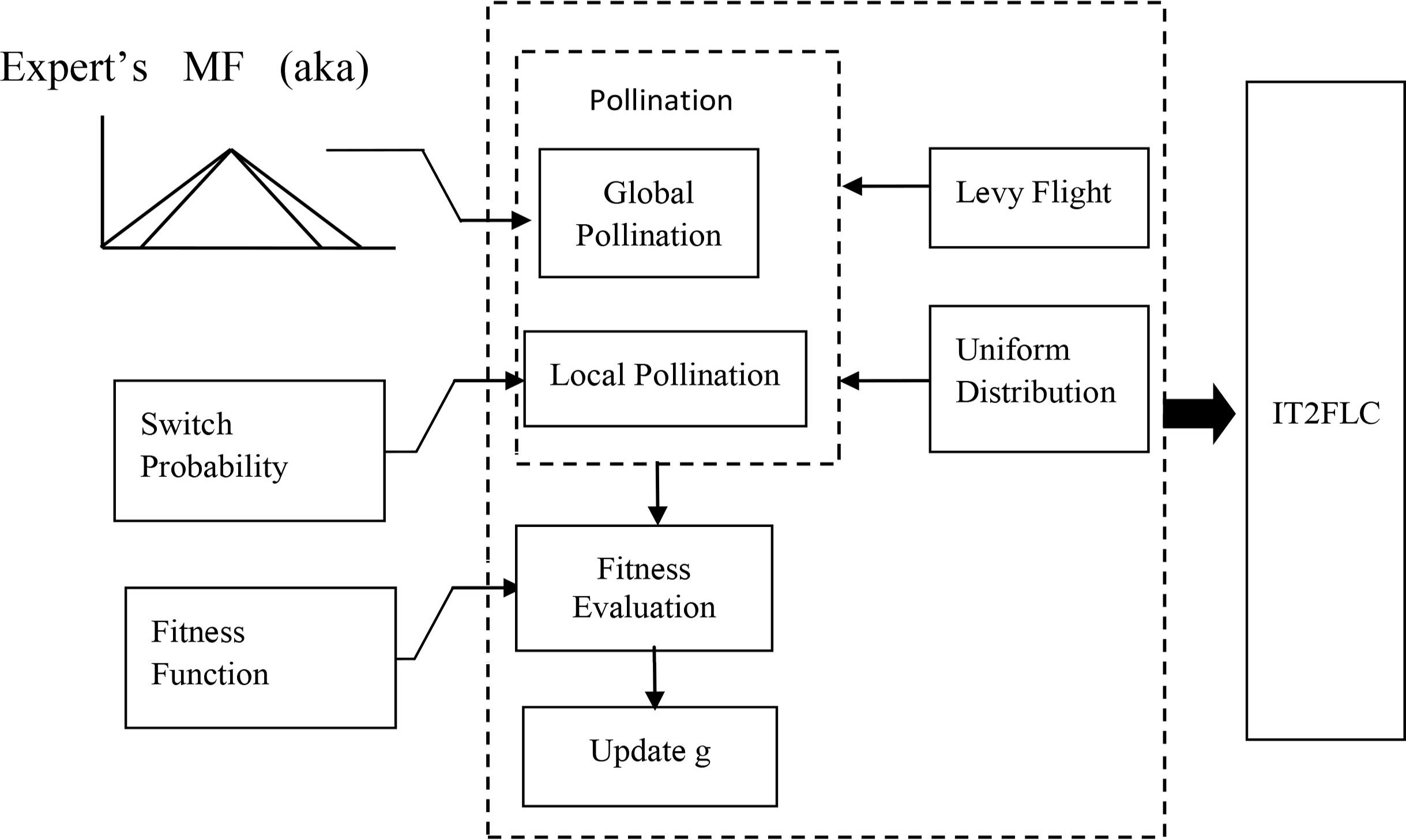
FPA is used to optimize the interval footprint of uncertainty (FOU of IT2FLS and the choice of FPA is because of the linear nature of the algorithm with attractive performance compared to state-of-art algorithms. The empirical comparison is made on both the optimized and un-optimized designed systems. Results indicate the FPA used with IT2FL outperformed those results of one IT2FL algorithm. The FPA-IT2FL hybrid system modeled in this study provides a better solution to the problem of shock monitoring and prediction for cardiovascular disease patients.
The rest of the paper is structured as follows: Section 2 gives the overview of flower pollination algorithm and interval type-2 fuzzy logic systems, Section 3 gives research methodology. In Section 4, results and discussion are presented and Section 5 gives the conclusion.
Flower pollination algorithm is a nature-inspired metaheuristic optimization process to produce an optimal reproduction of plants for surviving the fittest flowers within the angiosperm. Interval type-2 fuzzy sets (IT2FSs) map the inputs to outputs of interval type-2 fuzzy logic systems and this enhances their potential in the design of IT2FL systems as powerful tools.
Flower pollination algorithm
Figure 1 presents the structure of the flower pollination algorithm, which mimics the transfer of pollen by using pollinators such as insects, birds, and bats, etc. FPA involves two main procedures for the transfer of the pollens, namely: biotic (cross-pollination) and abiotic (self-pollination).
The four rules involved in FPA are described as;
Biotic is the process of global pollination (GP) that obeys Levy flights. Abiotic is local pollination (LP) process. Flower Constancy (FC) are produced by pollinators such as insects and are equivalent to a reproduction probability which is proportional to similarity of two flowers that are involved. The switching of local pollination (LP) and global pollination (GP) are controlled by a switch probability, denoted by
GP and FC are modeled mathematically in Eq. (1).
where
where
The FPA is implemented based on [7] is given as follows:
Initialize a population of n flowers or pollen gametes with random solutions. Find the best solution While ( For Do LP via End if; Evaluate new solution. If a replaceable solution is the best, update them in the population. End for; Find the current best solution, End while. Output the best solution found.
Interval type-2 fuzzy logic (IT2FL) is derived from interval type-2 fuzzy set (IT2FS), which is an extension of the type-1 fuzzy set (T1FS) and is based on T2FS [6]. IT2FS is a reduced form of T2FS, denoted by
where
Interval type-2 fuzzy set [34].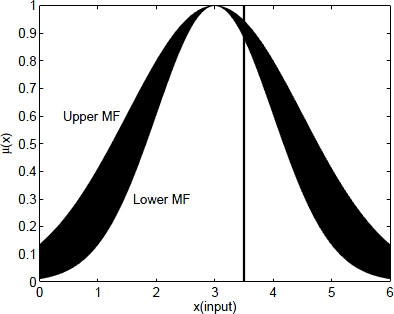
FOU are bounded by two type-1 MFs, the upper membership and lower membership functions, UMF and LMF of
When
The structure of an interval type-2 fuzzy logic system as shown in Fig. 3, is made up of five components: a fuzzifier - maps inputs (real values) to fuzzy values, a knowledge base - stores a set of fuzzy rules, and the membership functions. Fuzzy rules – are in the form of IF-THEN statements, where the IF part is the antecedent part and the THEN part is the consequent part and are type-2 fuzzy sets [35, 36, 37].
The structure of an interval type-2 fuzzy logic system [38].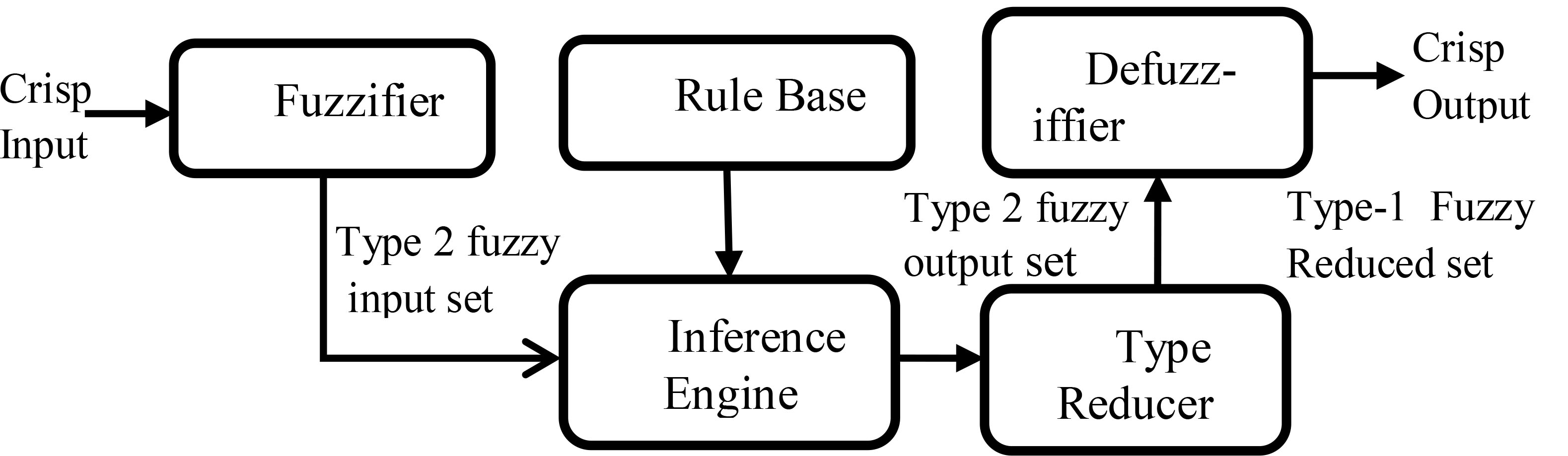
The architecture of a hybrid intelligent telemedical monitoring and prediction system.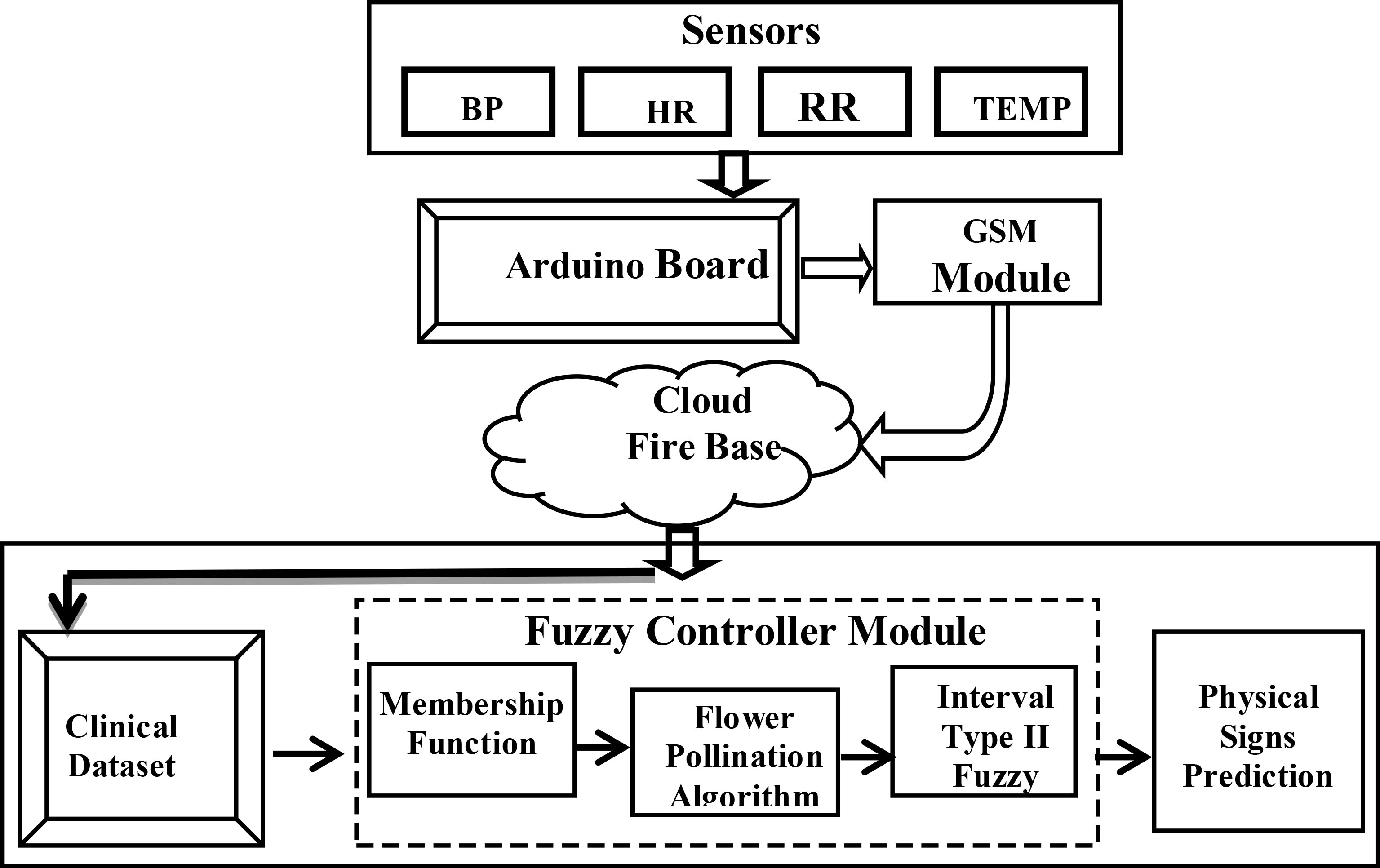
The input and antecedent operations are employed to calculate the firing to produce a type-1fuzzy set [33].
Inference engine rules obtain a fuzzy output by applying a fuzzy reasoning engine. Type-Reducer transforms a type-2 fuzzy set into a T1FS, producing a type-reduced set that gives an interval of uncertainty for the output of an IT2FLS. The defuzzifier is carried out by finding the centroid of an IT2FS using their left- and right-end points [20, 22]. The detailed definition of type-reduction can be found in [22, 38, 39] respectively. KM Algorithms [40] adopted to calculate the exact end-points and the crisp output for each output
In order to test the utilization of our study outcomes, performance criteria in Eqs (18) and (19) are defined and used to estimate our experimental results. These are the Mean Squared Error (MSE) and Root Mean Squared Error (RMSE).
where
In this study, a hybrid intelligent telemedical monitoring and prediction system is developed. The architecture of the system is shown in Fig. 4 which is composed of two main parts, namely: the hardware and the software parts. The hardware part is made up of five biomedical sensors (Blood Pressure (BP), Heart Rate (HR), Temp, and Respiratory Rate), Arduino Board, and GSM modules. The software section comprises the IT2FL model with its associated units (Fuzzification, Inference Engine, Type reduction, and Defuzzification), FPA model, and real-time database respectively.
FPA parameters and values
FPA parameters and values
The structure of an intelligent telemedical for monitoring and prediction problems.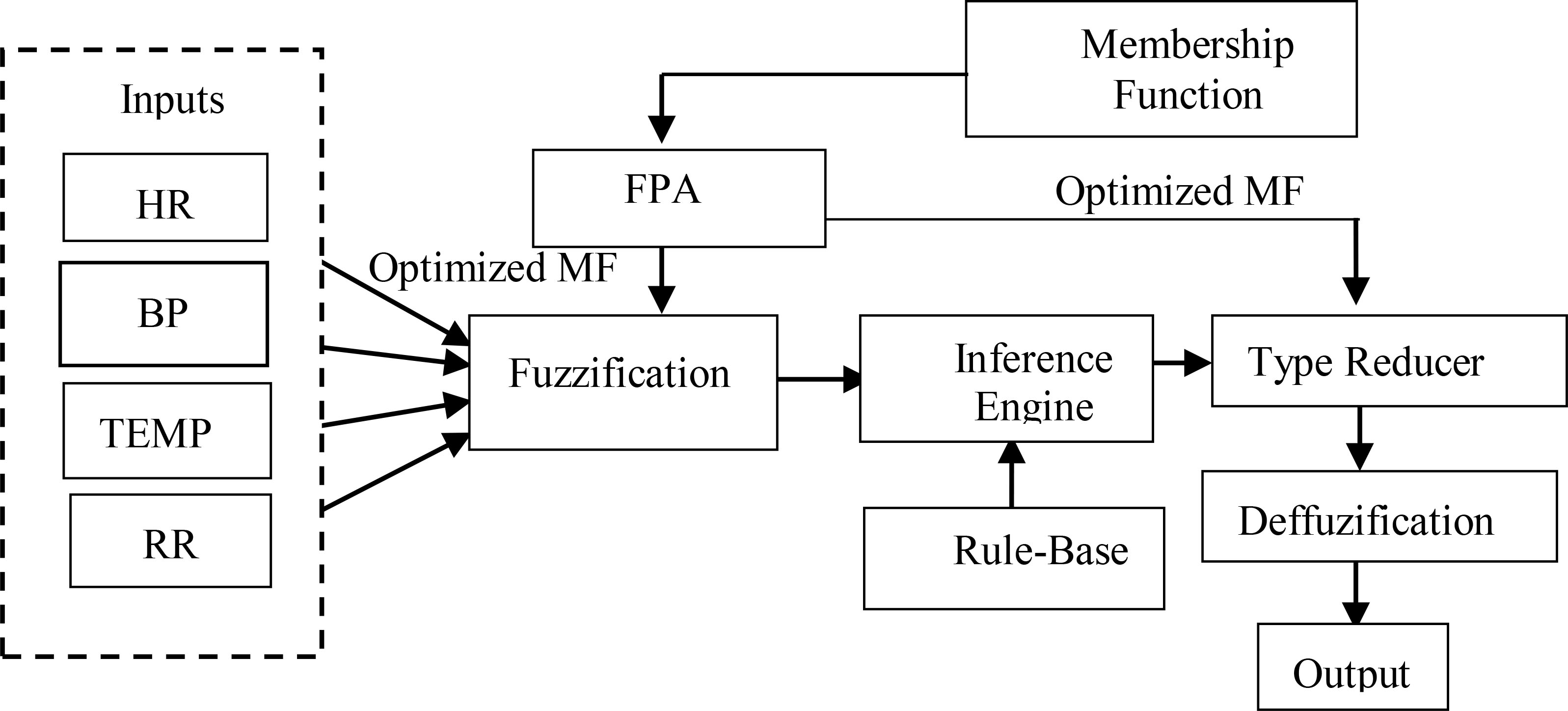
The Temp, HR, BP, and RR sensors are employed to estimate and record raw signals (values) of different vital signs from the human body. The sensor node performs three operations, namely: signal detection via a front-end, digitizes/codes/controls signals to allow for a multi-access communication, and finally transmits the signal wirelessly. The Arduino board is a microcontroller board used to interface all the system sensors. Vital signs data are transmitted from the receiver device to the cloud database using a 6 GSM module. The system circuit design modules include the patient wearable module for physiological vital signs of the patient and the Receiver modules which receive the recording from the wearable unit and sends it to firebase cloud service through the use of the GSM module in the circuit device. Data are stored and synchronized in real-time using a cloud-hosted database, called cloud firebase. The fuzzy controller module constitutes the FPA optimizer, for tuning the MFs parameter values and the IT2FLC, for mapping the crisp inputs into defuzzified values.
The structure of an IT2FLC intelligent telemedical for monitoring and predicting problem for effective decisions making, using linguistic information is shown in Fig. 5. The model is adopted and modified based on [41, 42]. The FPA parameters and values employed in our study are presented in Table 1.
Scoring weight of the input variables
Scoring weight of the input variables
Monitoring device, (a) wearable module, (b) stationary module.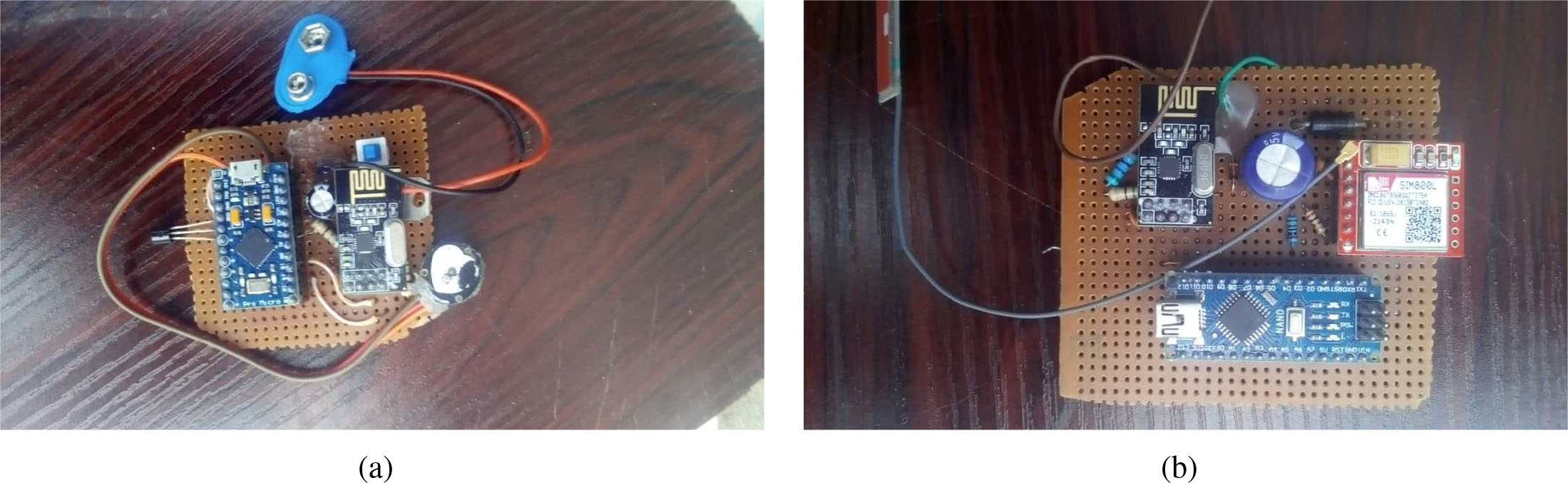
The plots of visualized input data values of the clinical datasets for (a) systolic, (b) diastolic, (c) temperature, (d) heart rate and (e) respiratory rate.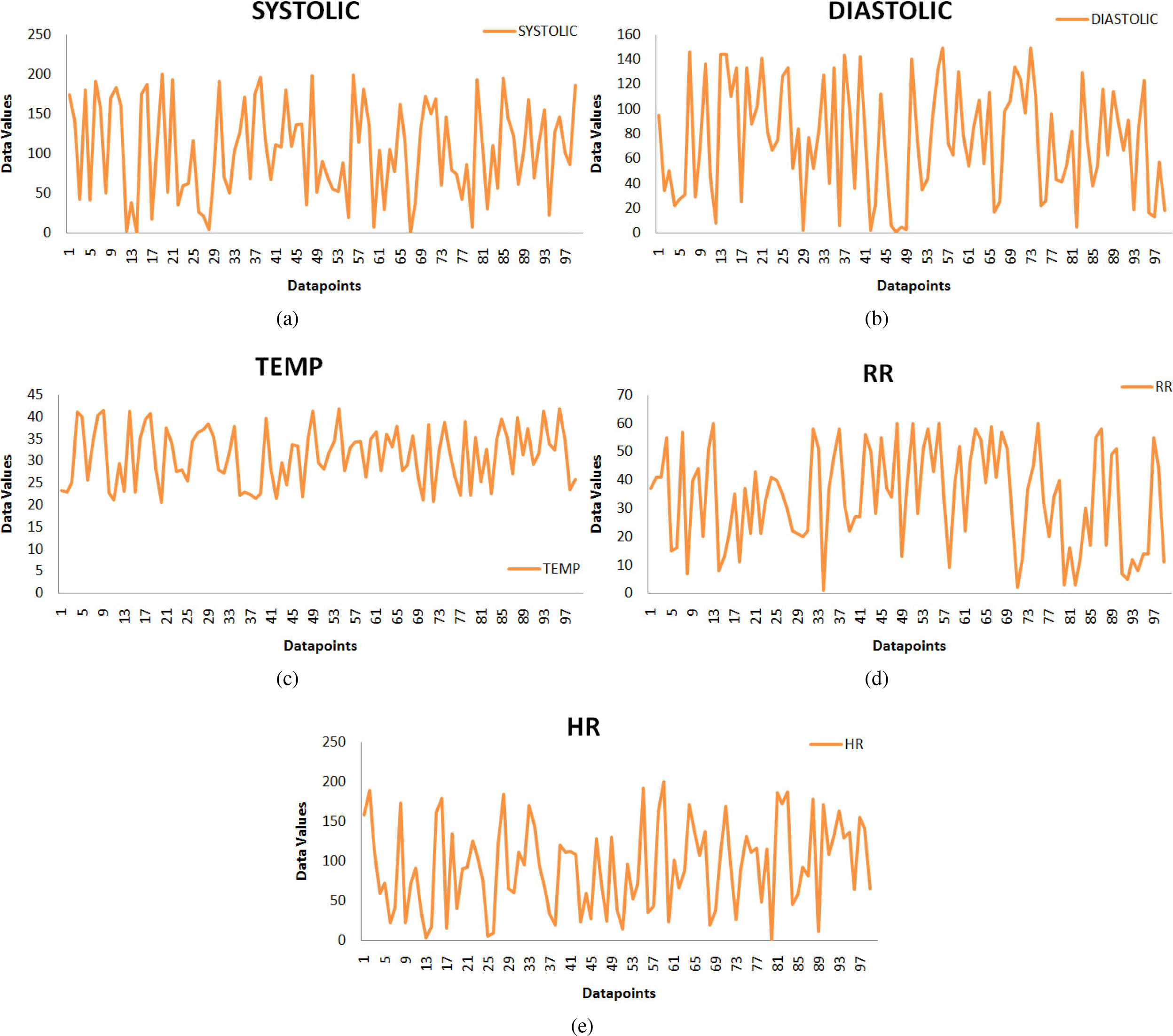
Real value encoding is used to convert membership function values (upper membership function values) to the FPA candidate solution. The membership function encoding is presented below;
The objective function used in this work was adapted from [43] and is presented in Eq. (20).
where:
The scoring weight used was obtained by computing the correlation between the features and the predictor (label). The correlation values (obtained from the computed correlation matrix) formed the basis for the objective function variable weight given as BP
Tuned MF plots for (a) blood pressure (systolic), (b) blood pressure (diastolic), (c) temperature, (d) heart rate and (e) respiratory rate.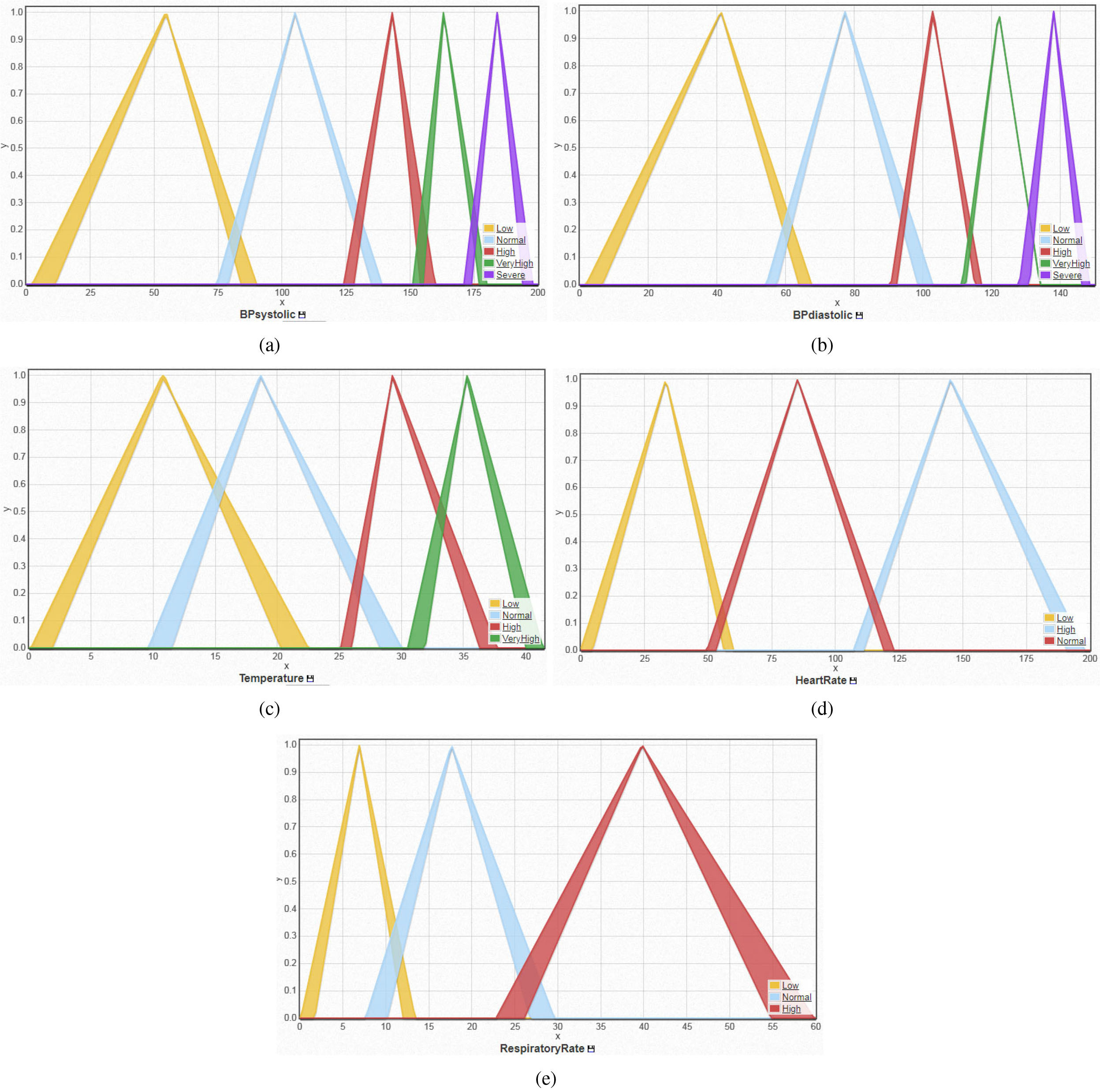
In this study, a hybrid intelligent telemedical system for monitoring and prediction problems was undertaken. The system was based on the Interval Type-2 Fuzzy Logic algorithm and Flower Pollination Algorithm (FPA) via the use of a blood pressure sensor, heart rate sensor, respiratory rate, and temperature sensor attached to an Arduino nano microcontroller unit. Both the wearable and stationary IT2FL-vital signs monitoring and capturing devices were designed as presented in Fig. 6a and b and used to capture 300 data points. The wearable module comprises the Arduino microcontroller board, Wifi module, Power circuit, and sensors for sensing a patient’s vitals while the stationary module is composed of the Wifi module, Arduino microcontroller board, and the SIM-9000 sim. The wearable module senses and transmits patient’s vital signs to the stationary device which in turn transmits to Google’s Firebase cloud database. The IT2FL-FPA was designed and optimized using IT2FL and FPA respectively and applied in both cardiovascular disease patients’ clinical and obtained real-time datasets respectively to monitor and predict patients’ shock level.
The FPA-IT2FL Convergence graph that depicts the tuned state of the membership function.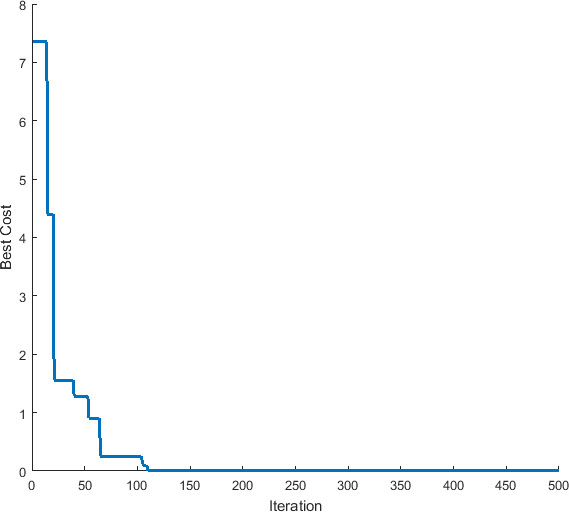
The plots of visualized input values of the clinical datasets for systolic, diastolic, temperature, heart rate and respiratory rate are represented in Fig. 7a–e respectively, where the
The FPA-IT2FL plots of the optimized shock level prediction results.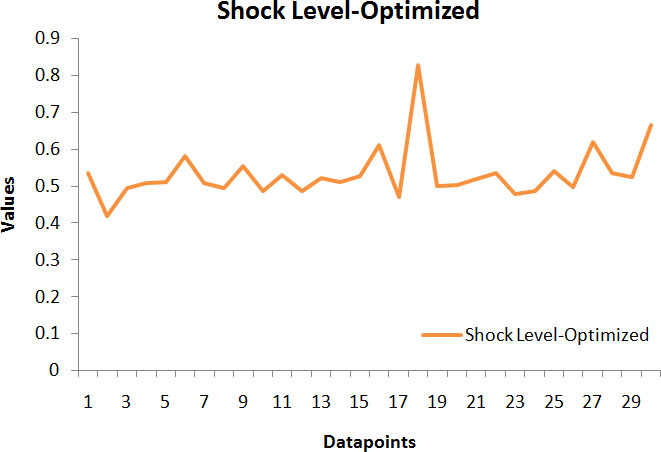
The FPA-IT2FL plots of actual and predicted shock level results.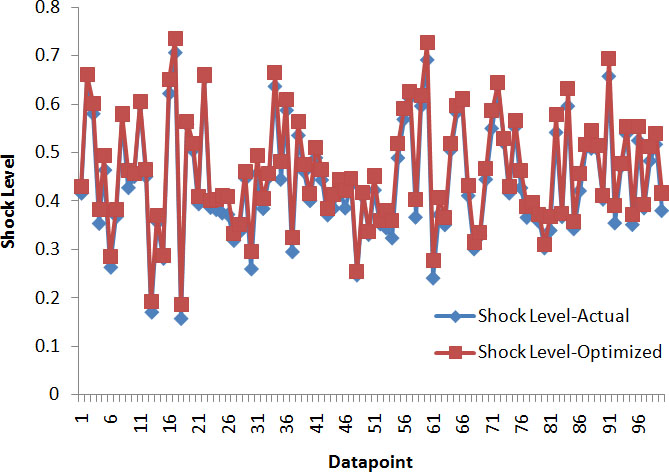
The surface plots that show the relationship between each pair of input linguistic variables and the model’s output.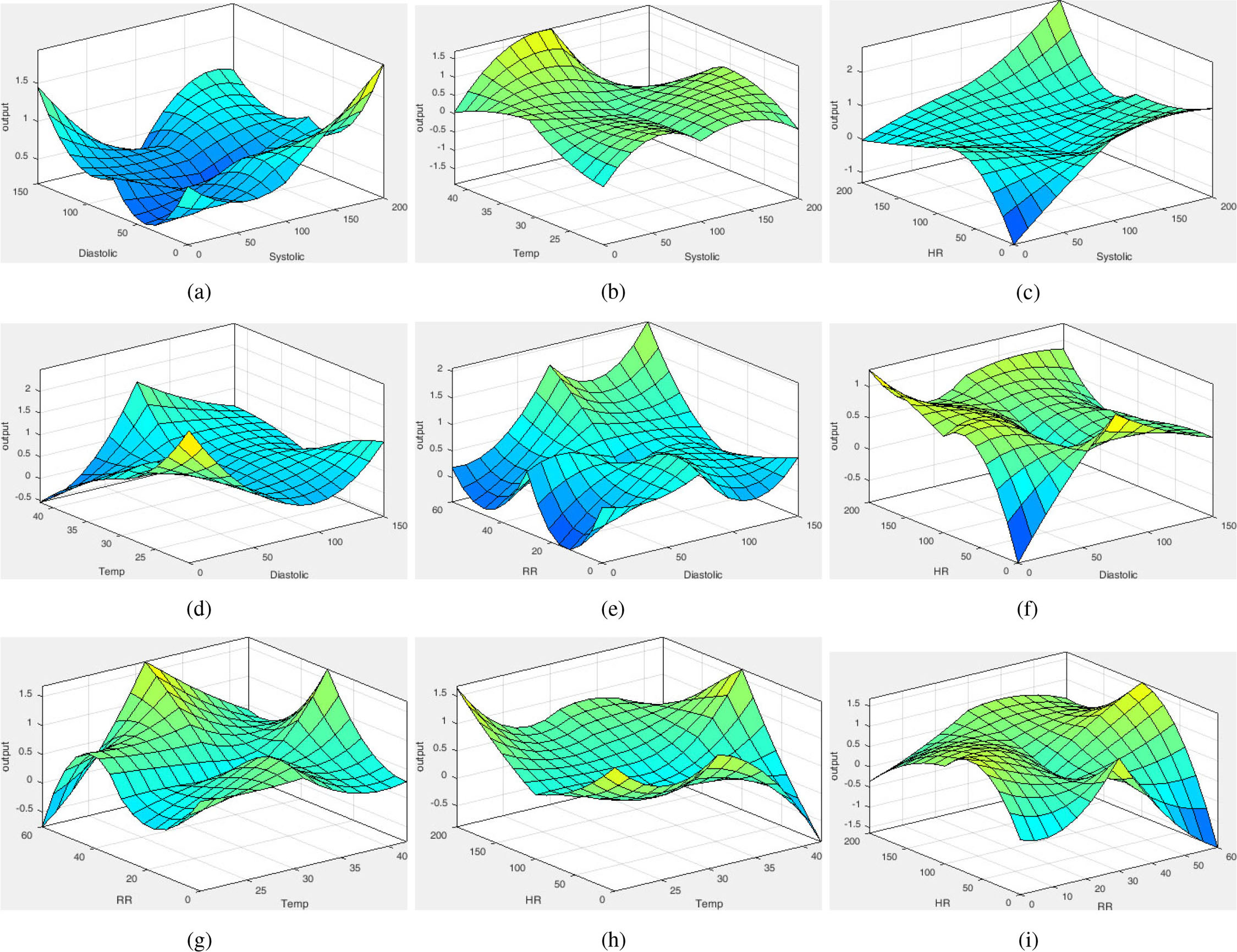
Plots of results of FPA-optimized and un-optimized IT2FL models using clinical datasets.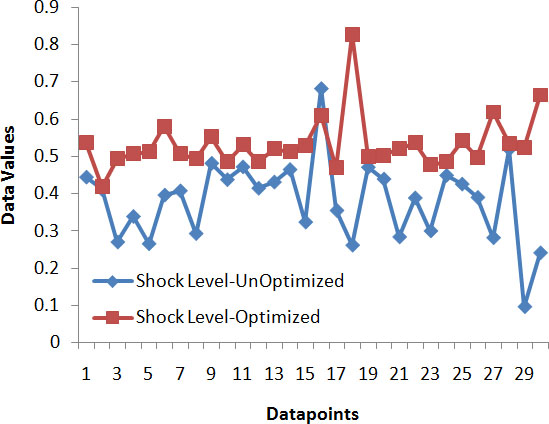
Error performance of the optimized interval type-2 fuzzy logic algorithm shock level prediction.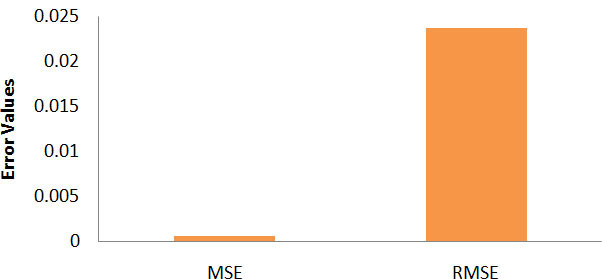
The Flower Pollination Convergence graph that depicts the tuned state of the membership function is presented in Fig. 9. From Fig. 9, it is observed that a cumulative plot of the FPA global best value obtained at the end of the optimization process, indicating FPA-IT2FL converges with an optimal best cost of fin
Figure 10 presents the FPA-IT2FL plots of the optimized shock level prediction results. The FPA-IT2FL plot of actual and predicted results is shown in Fig. 11. Figure 11 indicates a slim margin of performance between the predicted result and the actual result. It is shown that the predicted result is almost at the same levels as the actual shock levels in all the data points and this shows a better accuracy. The surface plots that show the relationship between each pair of linguistic variables and the model’s output (shock level) are presented in Fig. 12.
The plots of comparative analysis of the optimized and un-optimized interval type-2 fuzzy logic algorithm for the clinical dataset are presented in Fig. 13. From Fig. 13, it is observed that the FPA optimized shock level performs better with higher accuracy than the un-optimized. Figure 14 gives the error performance of the optimized interval type-2 fuzzy logic algorithm for patient shock level prediction. The performance of the optimized interval type-2 fuzzy logic algorithm is evaluated using mean squared error (MSE), and root mean squared error (RMSE). The MSE is 0.000559 while RMSE is 0.023633. The accuracy of the optimized interval type-2 fuzzy logic model was computed from the error values as
Test results of the optimized and un-optimized shock level predictions
Optimized Interval type-2 model accuracy using clinical datasets.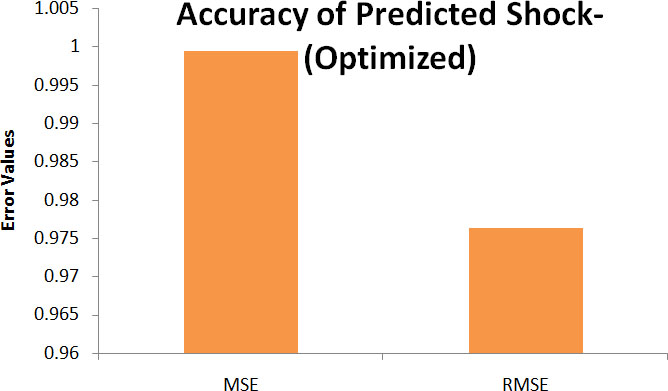
The plots of Test Datasets values of the captured datasets for (a) systolic, (b) diastolic, (c) temperature, (d) heart rate and (e) respiratory rate.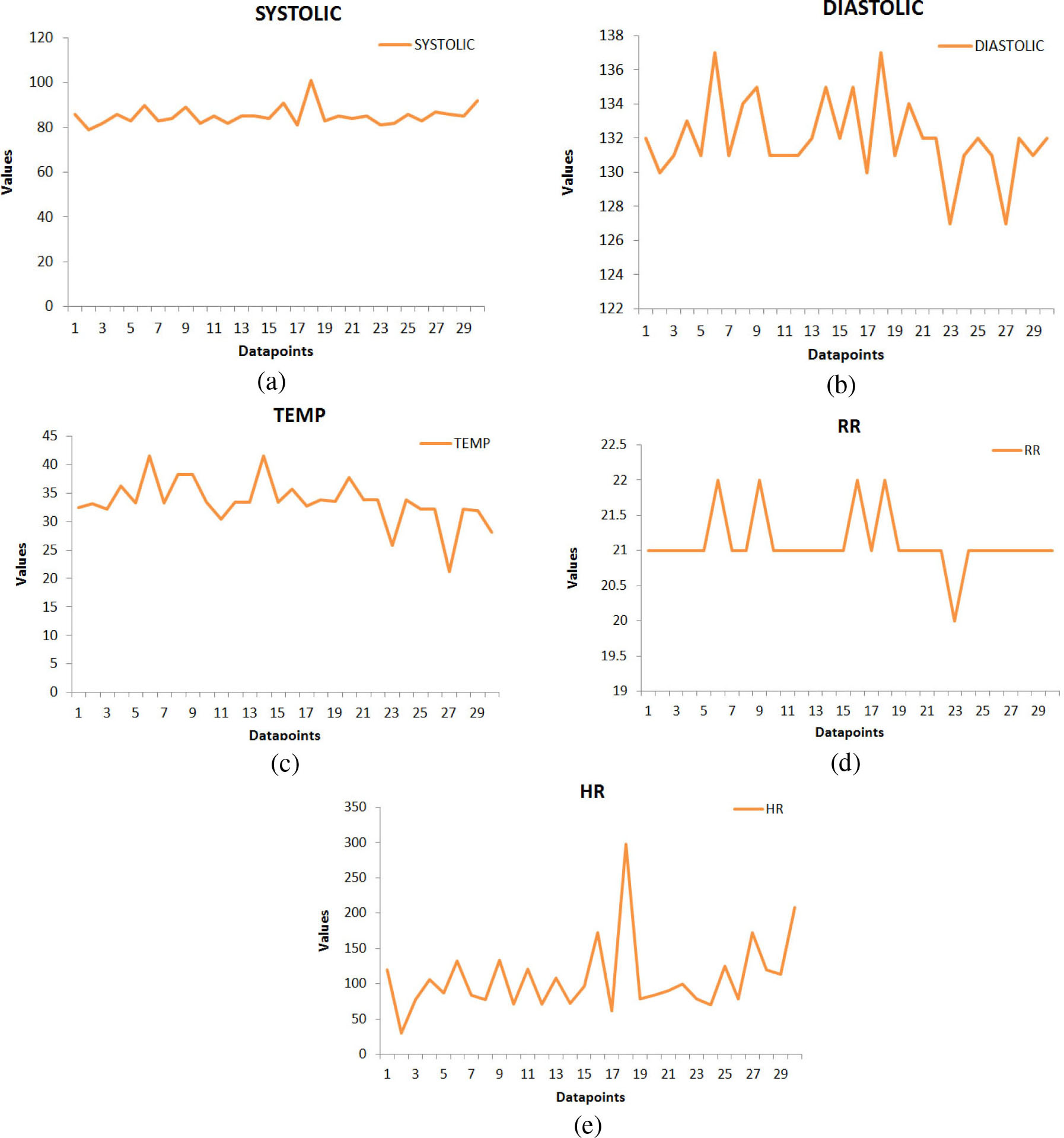
The performance of both optimized IT2FL-FPA was tested using real-world data obtained from the patient’s vital signs monitoring devices and the results are compared with one IT2FL. This test data is used to test the efficiency of the developed optimized model. The pattern of the test dataset is presented in a graphical form using a line plot in Fig. 16. The patterns show that the input test samples from the vital signs monitoring device were collected from the different cardiac patients at different locations. The interval type-2 fuzzy logic algorithm (both optimized and un-optimized) is tested against the test dataset and the results of the prediction were obtained and presented in Table 3 and are graphically represented in Fig. 17. From Fig. 17, it is observed that the shock level prediction results of the IT2FL-FPA-optimized have better accuracy than IT2FL-unoptimized.
Test result of IT2FL-FPA optimized and IT2FL un-optimized shock levels.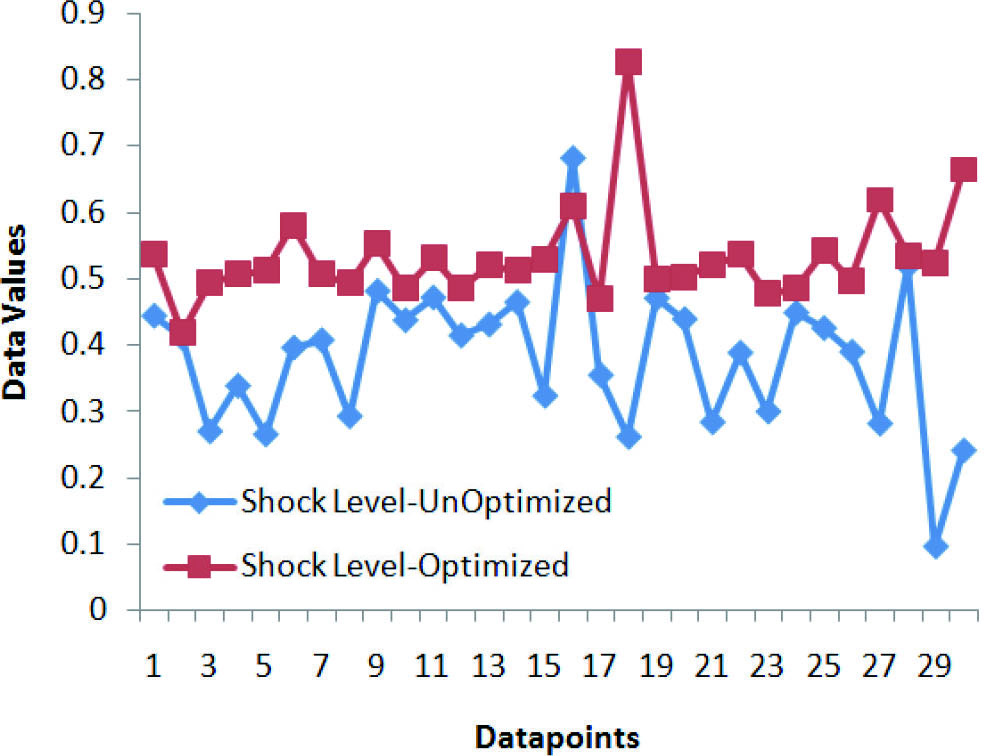
A comparative analysis of the actual shock levels, un-optimized shock levels, and optimized shock predictions is presented in Fig. 18. From Fig. 18, it is noticed that the optimized interval type-2 algorithm performs better in predicting a patient’s shock level compared to the un-optimized. The result of the performance of the un-Optimized and optimized interval type-2 fuzzy logic algorithm is presented in Fig. 19.
Shock levels – actual, un-optimized, and optimized.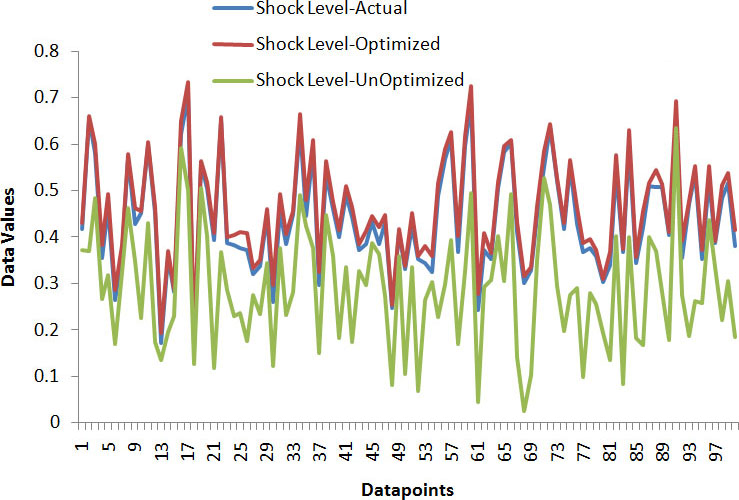
Performance comparison of IT2FL (un-optimized) versus IT2FL-FPA (optimized models) on the test dataset.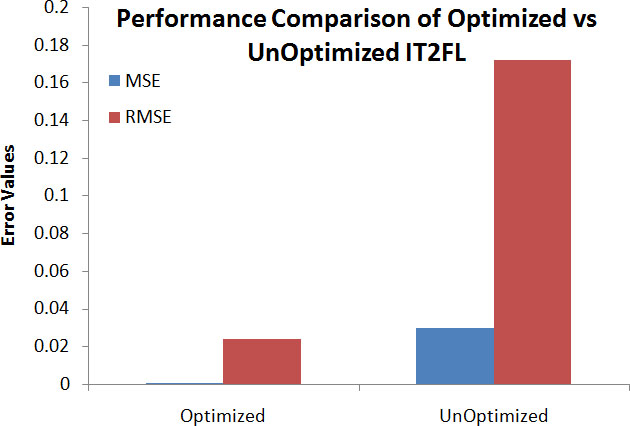
Performance of the test dataset for un-optimized and optimized fuzzy logic algorithm
Performance of the clinical dataset for un-optimized and optimized fuzzy logic algorithm
The performance of both test datasets for the optimized and un-optimized interval type-2 fuzzy logic algorithm is shown in Table 3. Table 4 presents the performance evaluation using the clinical dataset for the un-optimized and optimized fuzzy logic algorithm. From Tables 3 and 4, it is observed that the accuracy of the test results of a hybrid intelligent telemedical monitoring and prediction using interval type-2 fuzzy logic and flower pollination algorithm is evaluated, giving MSE of 0.000559 and RMSE of 0.023633 respectively. However, by using interval type-2 fuzzy logic, it gives MSE of 0.029533 and RMSE of 0.171852 which is not better performance as compared to that of the FPA-IT2FL. Generally, it is observed that the optimized interval type-2 fuzzy logic algorithm using both clinical and test datasets; outperforms the un-optimized interval type-2 fuzzy logic algorithm.
In this paper, we developed a hybrid intelligent application of a bio-inspired method to the design and optimization of interval type-2 fuzzy logic system using flower pollination for telemedical problems. To test the FPA-optimized IT2FLS, monitoring and prediction of shock level in cardiovascular disease patient were carried out, using two datasets: 300 cardiovascular disease clinical datasets obtained from the Federal Medical Centre, Yenagoa, Bayelsa State, Nigeria, and biomedical devices were designed using biomedical sensors and connected to Arduino board that contains microcontroller unit and used to capture vital signs signals. The microcontroller read the signal from sensors and sent it to a cloud server (firebase). To achieve our objective, the IT2FL system was used which considers all the important parameters that must affect the monitoring and prediction (shock level) of cardiovascular disease in patients. Four parameters were defined using the Gaussian membership function’s approach.
IT2FL was designed and applied to cope with uncertainty associated with cardiovascular health data. FPA was used to optimize the interval footprint of uncertainty (FOU) of IT2FLS. The results of both IT2FLC and IT2FL-FPA concerning shock level prediction were presented. From the IT2FL-FPA results, it was observed that a cumulative plot of the FPA global best value was obtained at the end of the optimization process, indicating FPA-IT2FL converges with an optimal best cost of fin
To perform a comparison of the optimization method we present a final table of results, the plots of comparative analysis of the optimized and un-optimized interval type-2 fuzzy logic algorithm for both clinical and test datasets were presented. From the results, it was observed that the FPA- optimized shock level performs better in terms of average error and accuracy than the results obtained with un-optimized (IT2FLS). Generally, the simulated results indicate that the IT2FLC obtained using the FPA approach as applied to solve monitoring and prediction problems have improved the results with less error and better monitoring and prediction. With satisfactory results, the study can be used as an automatic monitoring and prediction system in the field of healthcare and other related processes. The FPA-optimized IT2FL investigated in this paper can be employed to monitor and predict shock levels in cardiac patients for prompt and effective decision-making while also filling the gap of the traditional system of patient monitoring. The MSE and RMSE obtained indicate very minimal errors showing better performance in providing early detection of abnormality, alerting the caregiver, family members and tracking of the patient to give necessary supports to the patient. In the future, the FPA-IT2FL model and telemedical devices can be explored for monitoring coronavirus, hepatitis B, and asthma patients. Also, more input parameters such as the environmental condition which is a factor in sensor reading could be added to the system to achieve more accurate results. Moreover, the IT2FL model can be optimized with other nature-inspired optimization tools.
Ethical issues
To fulfill the ethical standard, ethical issues came to play in this research as the research involved gathering data from cardiovascular patient records. However, the research was not involved in the direct collection of the data, but a review of patients’ files and medical histories after due permission was granted by the responsible authorities. Hence, we discuss the ethical issues under two areas:
Consent form
A consent form through written permission was obtained from the health authority before embarking on the research. A sample of the authorization clearance issued by the ethical committee of Federal Medical Centre, Yenagoa, Bayelsa State, Nigeria is available.
Data protection
Data protection was ensured by not revealing patients’ details such as Name, Address, Occupation, etc. Hence, the data gathered excluded this information.