



Abstract
Background
Motivation plays an important role in helping humans take action and work effectively and efficiently. It is important to understand the relationship between work motivation and productivity and to examine the factors associated with them.
Objective
This study aimed to conduct a bibliometric analysis of publications on motivation and productivity between 1953 and 2024 and to determine the main findings, most popular variables, and methodologies in these publications.
Methods
Data were downloaded from the Scopus database and 3363 articles on the subject published between 1954 and 2024 were examined. A comprehensive bibliometric analysis was performed using the Biblioshiny application of the Bibliometrix package and the VOSviewer program.
Results
The study showed an increase in work motivation and productivity publications. The USA, the most cited, collaborative, and productive country, leads all studies. The study presents the most productive authors in this field, the most published journals, the most productive countries, the most used keywords by authors, and trending topics.
Conclusions
Developing appropriate working conditions and strategies that will increase the motivation of humans can maximize their potential and productivity. Especially psychology and management, studies are carried out in many fields such as education, health, and engineering. This research provides future researchers with a roadmap to in-depth exploration of the field and potential advances.
1. Introduction
Motivation is “people acting with their desires and desires to achieve a certain goal” [1]. It is a force that initiates the necessary behaviors to meet the individual’s needs [2]. It refers to the intensity, direction, and determination of effort toward achieving a goal [3].
The success of organizations depends largely on understanding the multifaceted and complex structure of the human element, creating a working environment suitable for this structure [4], and using its human resources effectively and efficiently. The first condition to achieve this is to motivate the employees of organizations [5]. Motivation is extremely important in terms of employing talented, knowledgeable, and initiative-taking employees and increasing their knowledge and skills to higher levels [4].
Motivation theories fall into two main groups: content and process theories. Context theories focus on what motivates individuals. It focuses on the internal factors that direct behavior, the changing needs of individuals, and the physical and psychological factors that direct a person to a certain behavior [6]. For example, Maslow emphasized the importance of meeting human needs for motivation, and the hierarchy of needs is one of the most popular theories [7]. Herzberg [8] (1968) identified two dimensions in his Double Factor Theory. He determined that motivating factors (such as success, recognition, responsibility, the work itself, and personal development) will not occur unless hygiene factors (such as working conditions, wages and security, and company policies) are adequately provided. According to McClelland’s [9] (1988) Need for Achievement Theory, it was found that the person behaves under the influence of three groups of needs: the need to establish relationships, gain power, and demonstrate success. Alderfer’s [10] (1969) ERG theory proposed a three-stage (Existence, Relatedness, and Growth) approach to human needs. Process theories in the second group are concerned with how and for what purposes individuals are motivated. How to ensure that individuals who show a certain behavior repeat or not repeat this behavior? It seeks an answer to the question [6]. For example, Skinner [11] (1971) proposed the theory of operant conditioning on how to ensure that behavior is repeated or not repeated according to the reward and punishment encountered as a result of the behavior. Vroom’s [12] (1964) Expectancy Theory states that people vary in the degree to which they desire work-related rewards, if the person both desires and expects the reward highly, there may be motivation, and for second-order rewards, first-order rewards are a vehicle. Porter and Lawler [13] (1968) developed, the expectancy theory and underlined that the person must have knowledge and ability and have a good understanding of the expected role. According to Adams’ [14] (1965) Equity theory, people compare their efforts and the results they achieve with those of others. According to Locke’s [15] (1975) goal theory, there is a relationship between the degree of achievability of the goals and the performance and motivation of people.
There is a common function of internal psychological processes and environmental factors in motivation. Forces affecting motivation occur both within the individual (such as individual’s interest) and outside (such as reward) [16]. Variables that increase motivation in organizations are grouped under three headings: economic factors, psycho-social factors, and organizational and managerial factors [1, 4, 17, 18]. In the first group, economic factors; are factors such as good pay, rewards benefits, and profit sharing. Psycho-social factors in the second group; consist of factors such as respect for private life, being appreciated, and status. In the third group, are organizational and managerial factors; such as education and promotion opportunities, working conditions, opportunities to participate in decisions, and a fair disciplinary system.
The importance of positive psychology to increase workplace satisfaction, work motivation, and productivity has been emphasized in studies [19]. Motivated employees look for better ways to do things, care about customers, are proud of their work, and are more productive [20]. For example, a highly motivated healthcare worker can serve his patients cheerfully and willingly.
The concept of productivity is simply the ratio of goods or service outputs to the inputs required for production. A higher output rate indicates that work is done efficiently. The main source of productivity in the labor sector is manpower, and labor productivity is an important productivity measure [21]. The work environment has a direct impact on the employee’s work efficiency and performance. Many organizational factors, such as the fair and sufficient wages received in return for the labor of the employee in the organization, the good working hours and working conditions, affect the motivation of the employee and contribute to the work output and therefore productivity of the employees [22].
Lack of motivation negatively affects the performance of both the human and the organization [23]. Unmotivated employees cannot be expected to perform. For this reason, the manager must interpret the behavior of the staff and develop models and practices that will motivate them [1]. Although employees increase their productivity due to the poor motivation created by an oppressive working environment, it causes their quality work output to decrease. Therefore, high motivation increases people’s productivity and peace at the same time. To achieve the efficiency expected from people in working life and to provide a peaceful working environment, the needs of employees should be determined according to their characteristics and efforts should be made to meet them in the best way possible. With the high motivation provided in this way; one can have the opportunity to work with high-performance organizations consisting of effective, efficient, and high-morale employees [4].
It has been stated in many studies that there is a linear relationship between factors affecting motivation and personal and “success resulting from organizational efficiency” [24]. Bakker, [25] (2015), making use of the Job demands– resources (JD-R) theory in increasing public service motivation, determined that while job demands increase in the organization, in case job resources decrease, employees will lose their psychological resources, which will reduce public service motivation.
The literature emphasizes the positive relationship between productivity and motivation. Studies have confirmed that the most important thing that stimulates the productivity of employees in business life is motivation [24, 26, 27].
Studies have shown that employees with high motivation report lower loss of productivity than those with low motivation, even if there are problems in the work environment [28].The efficiency of organizations depends on the motivation of employees. In addition, motivation is an important tool in reducing workforce problems (such as indiscipline and absenteeism) [29]. Motivation is closely related to job satisfaction as well as productivity. Employees are satisfied with their jobs if there is harmony between their expectations and what happens. It means that the necessary conditions have been prepared for the motivation of a satisfied employee. Therefore, employees who are motivated and achieve their expectations from their jobs are equally satisfied, which ensures their motivation and productivity are high [30].
There are different quantitative and bibliometric analyses on motivation, which is a very rich research field [31–33]. In addition, to our knowledge, there is no other bibliometric study that considers and examines the relationships between motivation and productivity.
This study aimed to conduct a bibliometric analysis of publications on motivation and productivity between 1953 and 2024 and to determine the main findings, most popular variables, and methodologies in these publications. Depending on the purpose of the study, the research questions are as follows: Q1. What is the status of work motivation and productivity articles between 1953 and 2024? Q2. What are the most cited journals and articles? Q3. What are the most cited organizations and countries? Q4. Who are the most cited authors? Q5. What are the motor themes, thematic developments, and trending topics in this field? Q6. What is the collaboration network status of the authors according to country?
In this article, firstly, the methodology including data collection, design, and analysis is given. Secondly, research findings regarding the relationship between motivation and productivity are included. Finally, discussion, evaluation, and suggestions for implications for future researchers are presented.
2. Materials and methods
This study aimed to conduct a bibliometric analysis of publications on motivation and productivity between 1953 and 2024 and to determine the main findings, most popular variables, and methodologies in these publications. Bibliometric analysis provides information as a preliminary study in the literature review. Quantitative techniques are used to analyze big data from scientific databases. It allows mapping and visualization of, for example, articles, countries, and authors, through bibliometric data [34]. Bibliometric analysis plays an important role in comprehensively understanding the existing literature and visualizing the findings [35]. In this research, analyses were carried out using a wide range of bibliometric indicators such as the most influential article, source, author, citation, country performance, co-authorship network, and h-index.
Thematic developments regarding motivation and productivity were also analyzed. Bibliometric analysis was performed using the Biblioshiny program in the R bibliometrics library [36] to analyze and visualize the data and VOSviewer software [37] to map and analyze. VOSviewer is a program for creating bibliometric maps that offers different options; For example, it allows the creation of maps where keywords coexist according to authors’ common citations [38].
In this study, the Scopus database was chosen because it is a reliable source for bibliometric analysis [39, 40]. Information about obtaining the data is given in Table 1.
Information on data browsing.

As shown in Table 1, in the first step of data scanning, the search was made for “motivation” or “job motivation” or “work motivation” and “productivity”, each time choosing the “Title-Abstract-Keywords” criterion from Scopus. Initially, 5506 documents appeared. In the second step, the language was limited to “English” and “articles”. Ultimately, 3363 articles were deemed suitable for further analysis. These articles were ranked according to the highest citation area, and the data was downloaded from the Scopus database in.csv format on 29.12.2023.
3. Results of bibliometric analysis on work motivation and productivity
3.1. Descriptive analysis of publications
This study includes the evaluation of articles on work motivation and productivity with a detailed descriptive analysis. Information about the data and findings obtained in the study is presented in this section.
3.1.1. Database overview
Data downloaded from Scopus and information obtained from 3363 articles on motivation and productivity from the Biblioshiny database via R Studio are shown in Fig. 1.
According to the information obtained from the Biblioshiny database, articles on work motivation and productivity; Between 1953 and 2024, 2054 sources (journals, books, etc.), 3363 articles, 3.14% annual growth rate, total of 9442 authors, 824 with single author, international co-authorship 15.76%, co-authors per document 2% .98, 7746 authors have keywords, 119981 references, the average age of the document is 13.5 years, and the average citations per document are 26.15 (Fig. 1).
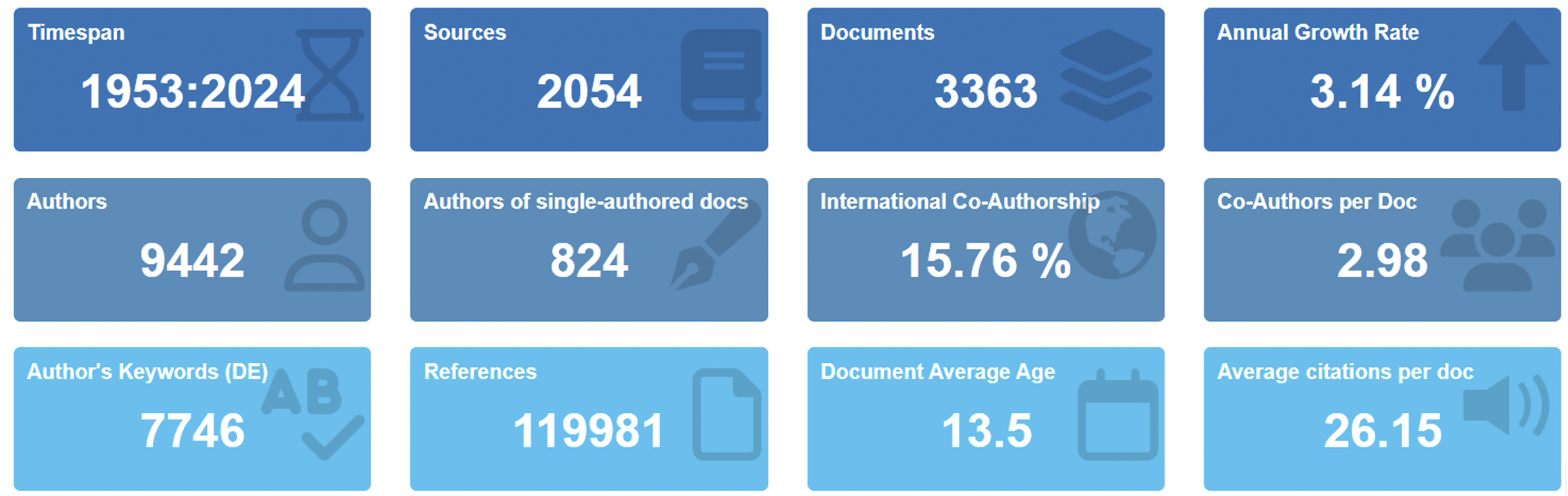
Main information.
3.1.2. Annual increase in articles
Figure 2 shows the increasing trend in articles about work motivation and productivity between 1953 and 2024.
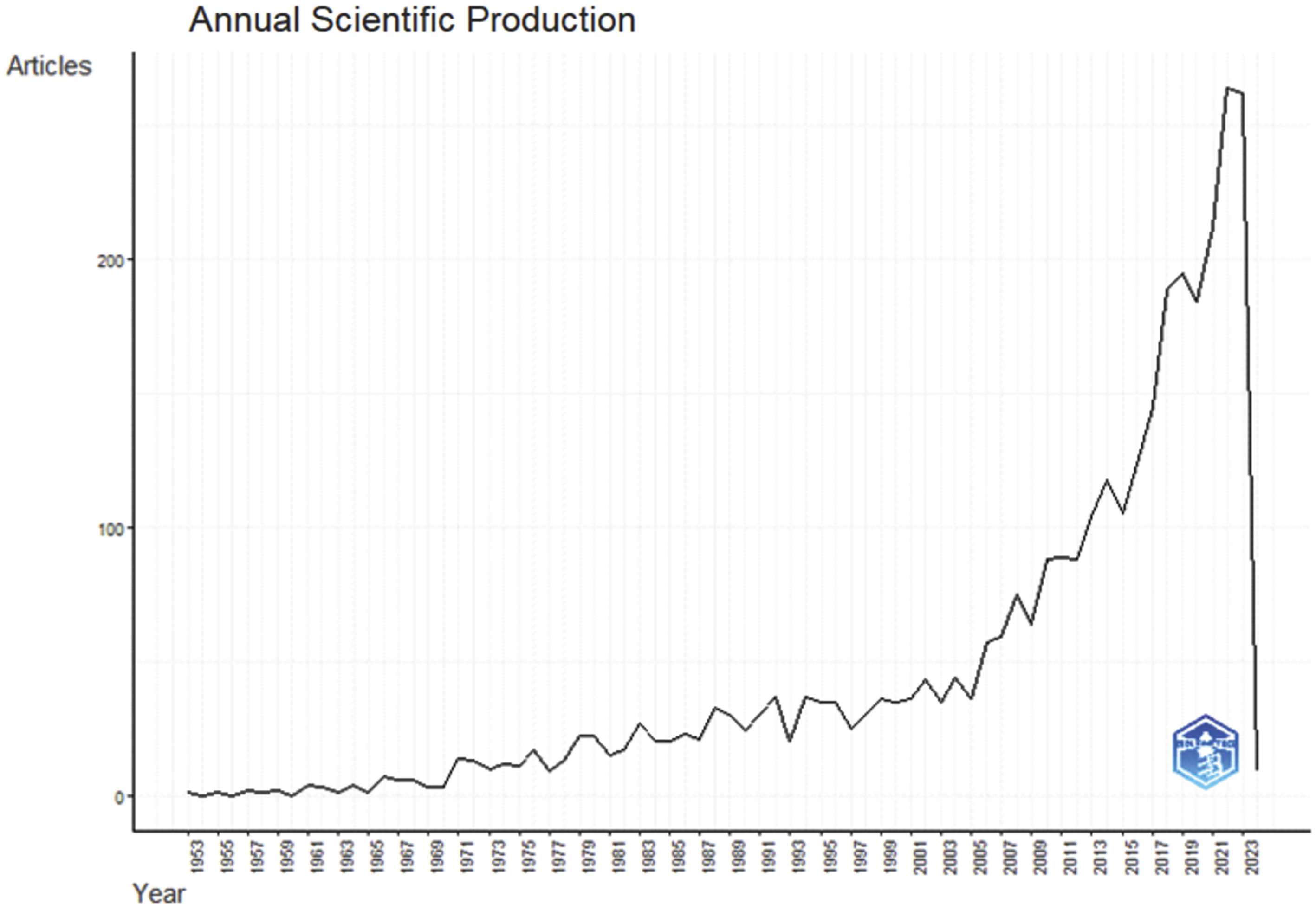
Distribution of work motivation and productivity studies by years.
According to Fig. 2, it can be said that the interest among scientists around the world has increased over the years and there has been an increase in articles in recent years. Number of publications respectively: 264 in 2022, 262 in 2023, 212 in 2021, 195 in 2019, 189 in 2018, 184 in 2020, 145 in 2017, 124 in 2016, 118 in 2014, 2015. 105 publications were made. Especially in 2022, the increase in research on work motivation and productivity has been highest.
3.1.3. Annual average citation status in articles
Figure 3 shows the annual distribution of citations in articles related to work motivation and productivity between 1953 and 2024.
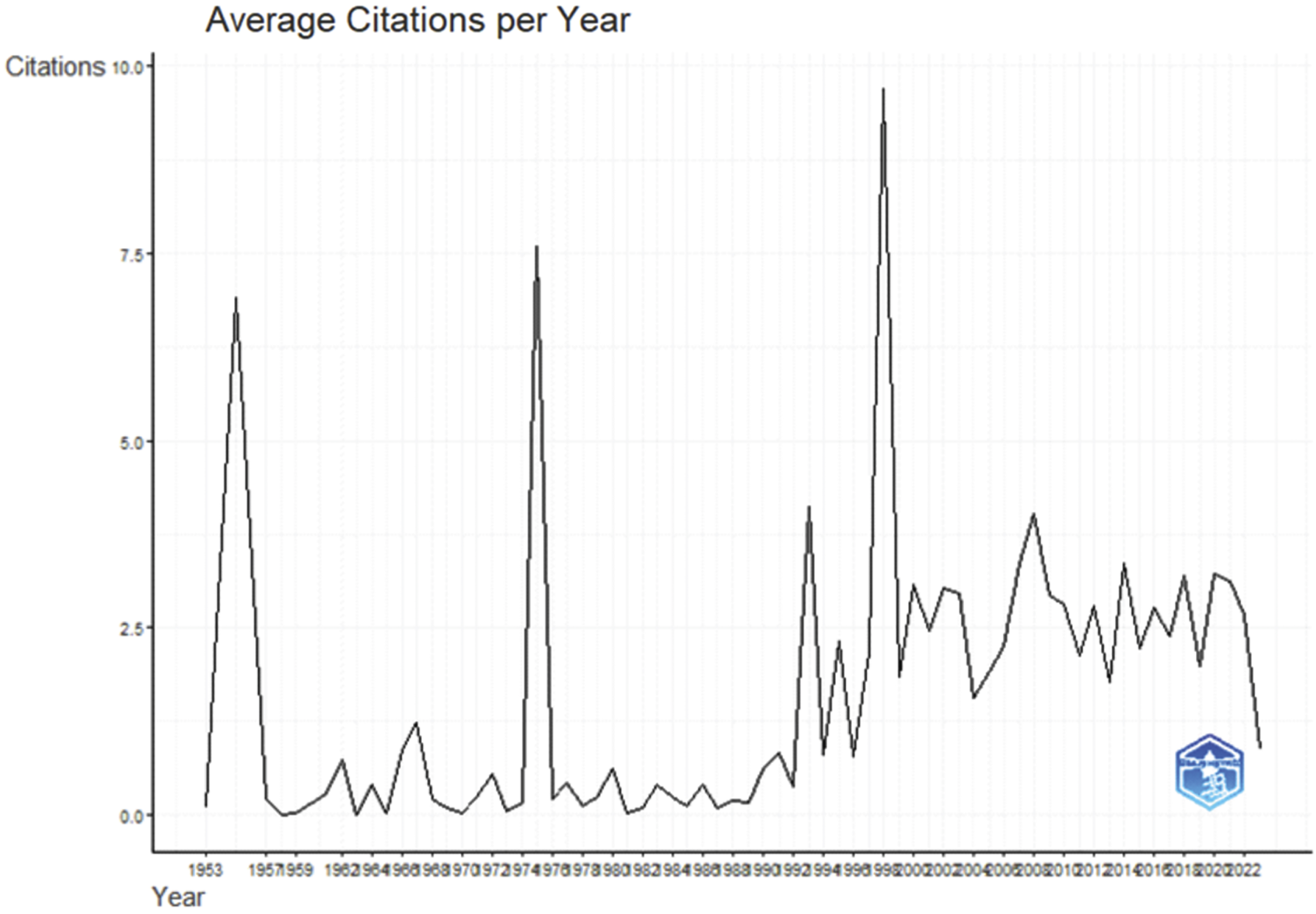
Annual average citation tendency of work motivation and productivity articles.
According to Fig. 3, in the number of citations to studies on motivation and productivity, the average total number of citations per article by year is 0.89 in 2023, 2.68 in 2022, 3.13 in 2021, 3.22 in 2020, 2 in 2019, 3.19 in 2018, 2.39 in 2017, 2.77 in 2016, 2.23 in 2015, and 3.37 in 2014. In studies conducted on work motivation and productivity, the average total number of citations per article was 9.68 in 1998.
3.1.4. Three-field plot associated with author, keyword, country
Three parameters author, keyword, and country were selected and set for the Sankey diagram from the Biblioshiny program, and the most important ones for each parameter are shown in Fig. 4.
The larger boxes in the Sankey diagram in Fig. 4 correspond to the influence of those who play a larger role in the relationship. In the relationship between motivation and productivity, “Motivation” comes first for the keyword parameter, “Bakker AB, Ybema JF, Burdorf A, Healy GN, and JR” for the author parameter, and “USA” for the country parameter.
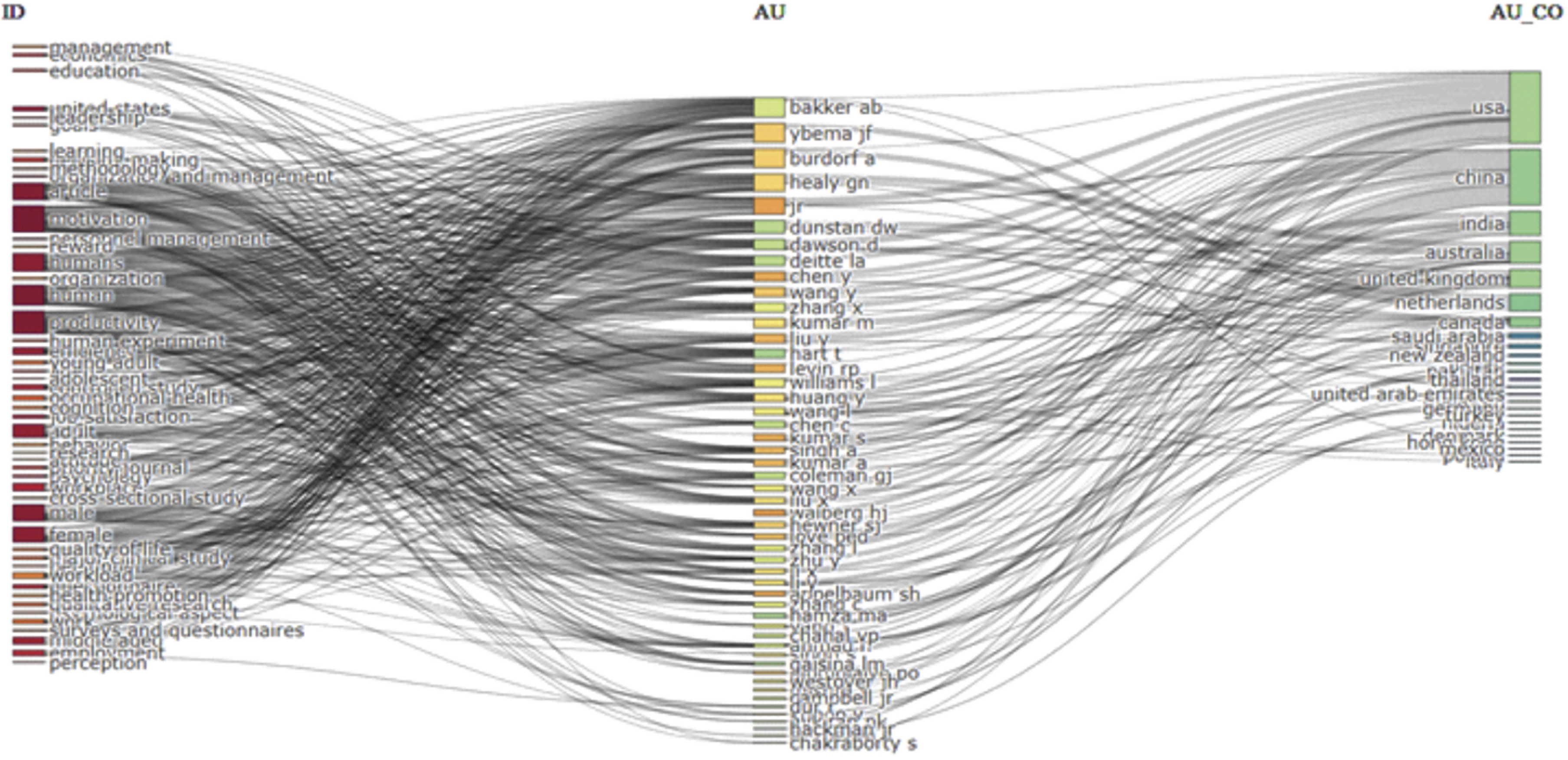
Sankey diagram for author, keyword, and country.
3.1.5. The most productive journals in work motivation and productivity
Table 2 shows the 20 most productive sources based on the h-index (productivity and impact) of the Motivation and productivity studies.
The 20 most productive resources based on local impact of sources by H index.
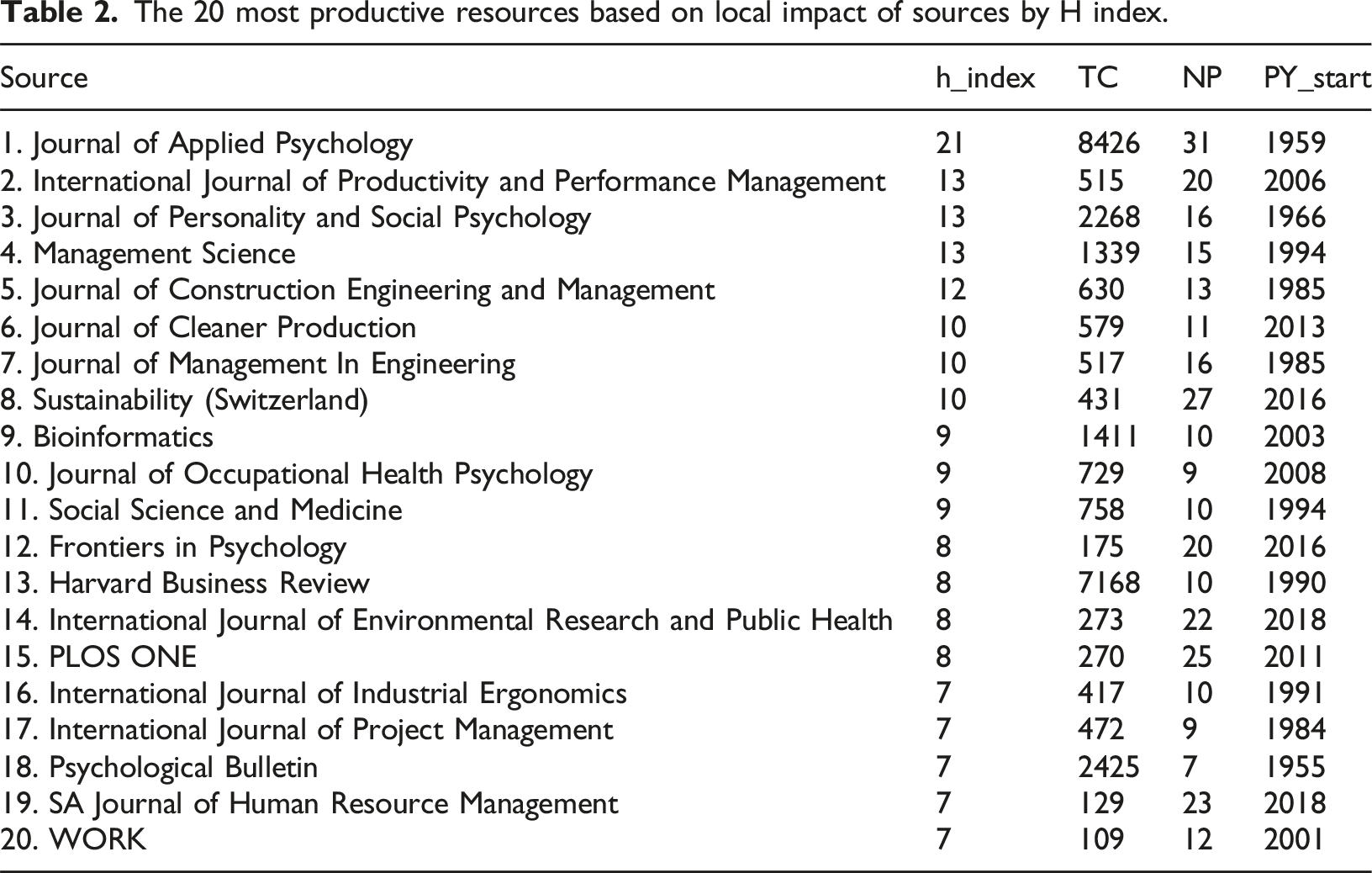
According to Table 2, the “Journal of Applied Psychology” journal ranks first with 21 h-index citations. While “International Journal of Productivity and Performance Management”, “Journal of Personality and Social Psychology” and “Management Science” journals shared the second place with a 13 h-index, “Journal of Construction Engineering and Management” ranks third with an h-index of 12.
In this ranking, the most productive sources (publishing the most articles) are Journal of Applied Psychology in first place with 31 articles, “Sustainability (Swıtzerland)” in second place with 27 articles, and “Plos One” in third place with 25 articles.
Articles on motivation and productivity have been published mainly in journals according to subject areas, such as psychology, management, engineering, health, sustainability, social sciences, medicine, production, ergonomics, and work.
3.1.6. The most important authors
Table 3 highlights the most relevant authors in terms of various articles worldwide.
Most published authors.
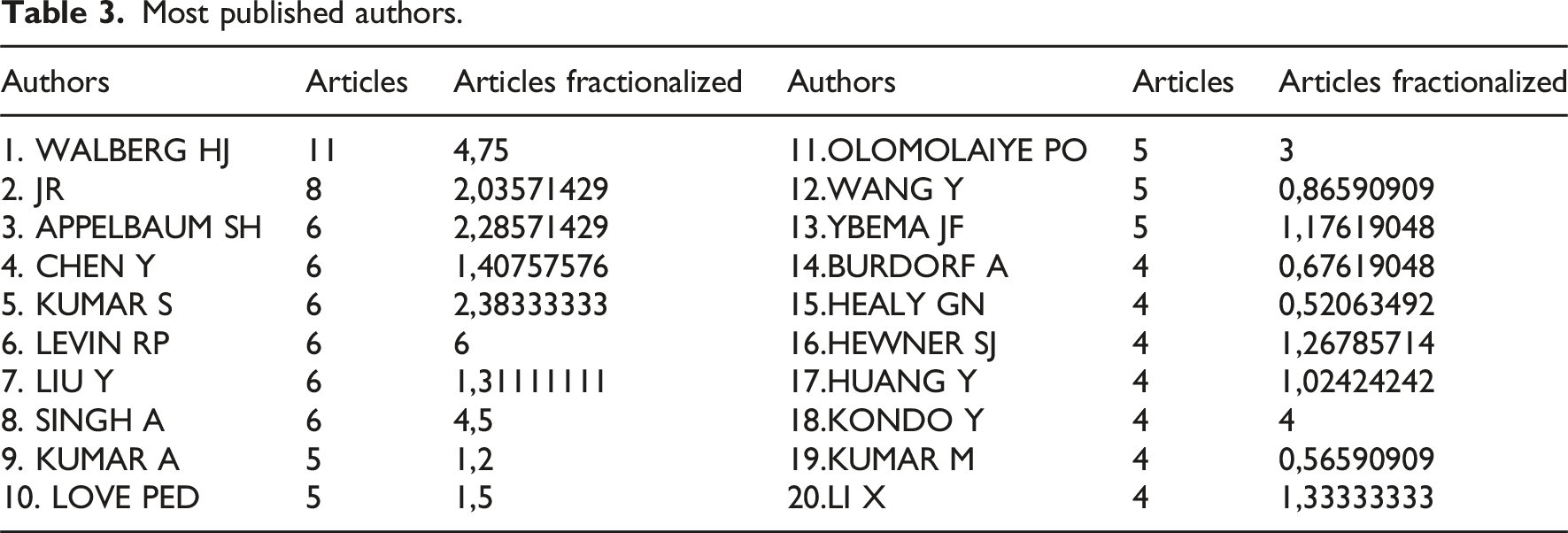
9442 authors contributed to Work Motivation and productivity research. Among these authors, Walberg HJ ranks 1st with 11 articles, and JR ranks 2nd with 8 articles. Appelbaum SH, Chen Y, Kumar S, Levin RP, Liu Y, and Singh A rank 3rd with 6 articles each (Table 3).
3.1.7. Most important organizations
The article outputs of the authors’ organizations, which have made significant contributions to work motivation and productivity studies, are shown in Table 4.
Organizations that publish the most.
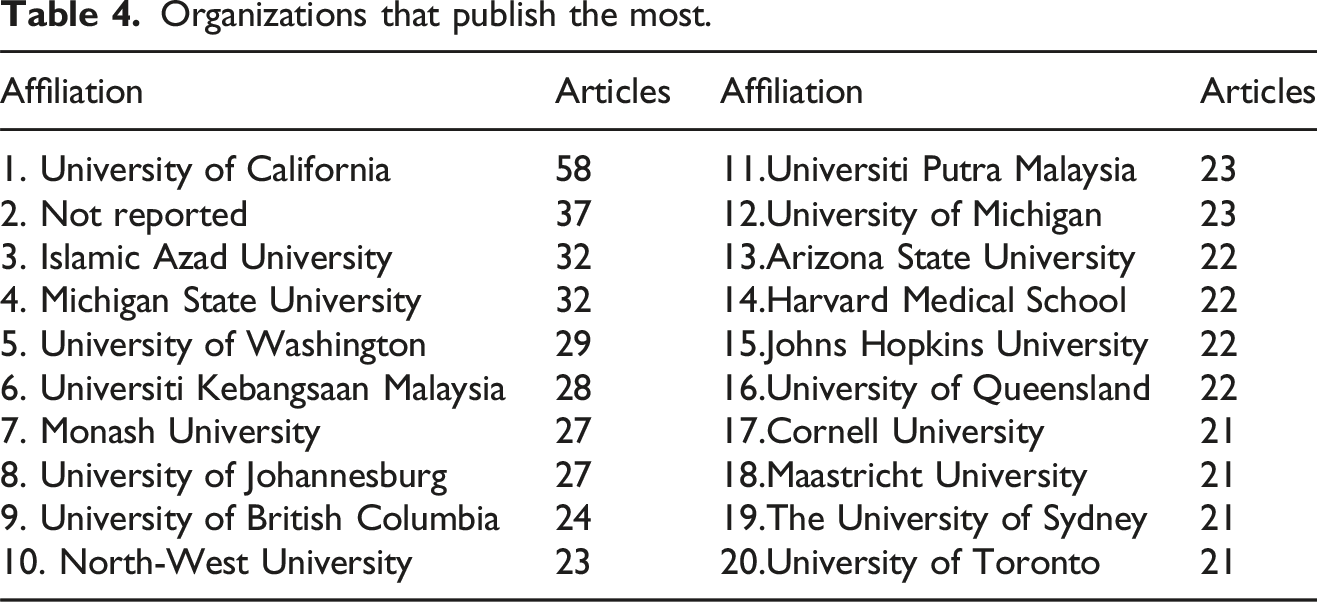
According to Table 4, the University of California ranks first among the most productive universities with 58 articles. The names of 37 organizations that publish on motivation and productivity are not specified in the database, so they appear as “Notreported”. When these unreported publications are not included, Islamic Azad University and Michigan State University are in second place with 32 publications. The University of Washington ranked third with 29 publications.
3.1.8. Most productive countries
Broadcast performance for countries was determined by using RStudio software regarding motivation and productivity. Within the scope of this research, the countries with the most publications are shown in Table 5.
Countries with the most broadcasts.
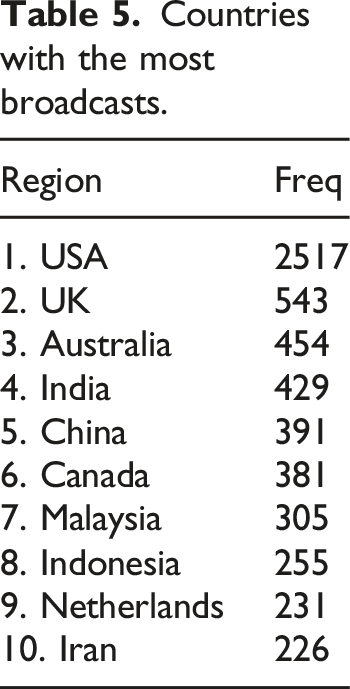
According to Table 5, the USA ranks first with 2517 articles, England ranks 2nd with 543 publications, and Australia ranks 3rd with 454 articles. Additionally, the ten countries that cooperate most according to various publications are shown in Table 6.
The 10 most collaborative countries.
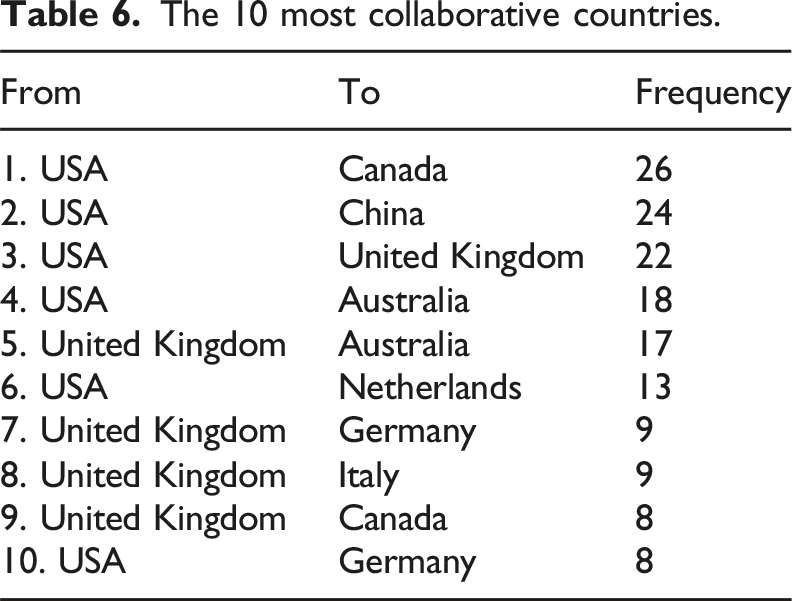
According to Table 6, USA-Canada ranks first among the countries that cooperate the most with 26 articles. USA-China ranks second with 24 articles, and USA-UK ranks 3rd with 22 articles.
The cooperation map on the world map is shown in Fig. 5. On the World Map, the dark blue color shows the countries that broadcast the most, the blue color shows the countries that broadcast less, and the gray color shows the countries that do not broadcast. Countries with high network connections shown in bold lines on the map show the countries that cooperate the most
Figure 5 shows that the USA cooperates with Canada, China, and England, respectively, in studies involving “Work Motivation and Productivity”. According to the map, the country that cooperates the most is the USA.
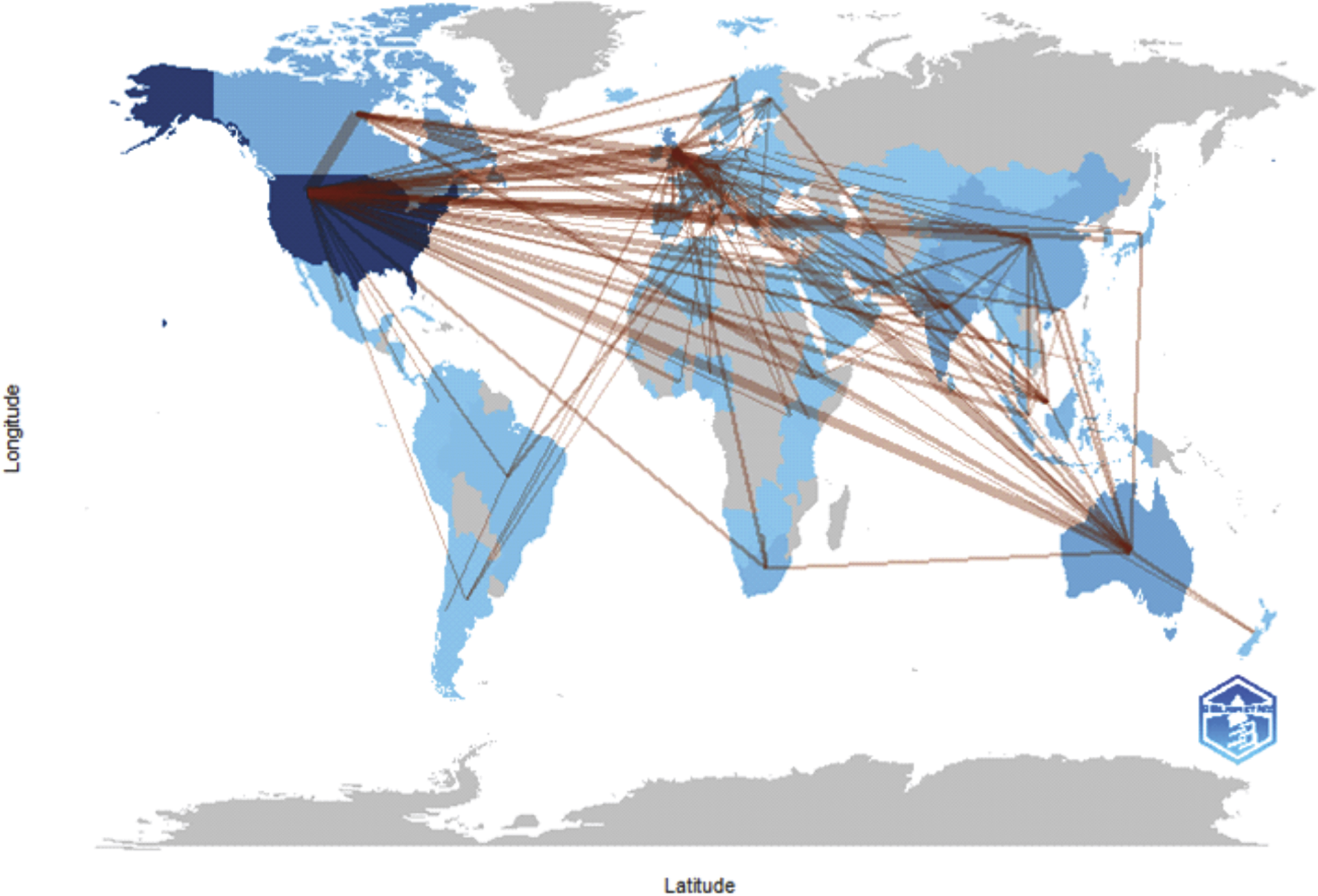
Cooperation map of countries in the global area.
Figure 6 shows the top 19 countries for single-country articles (SCP) and multi-country articles (MCP).
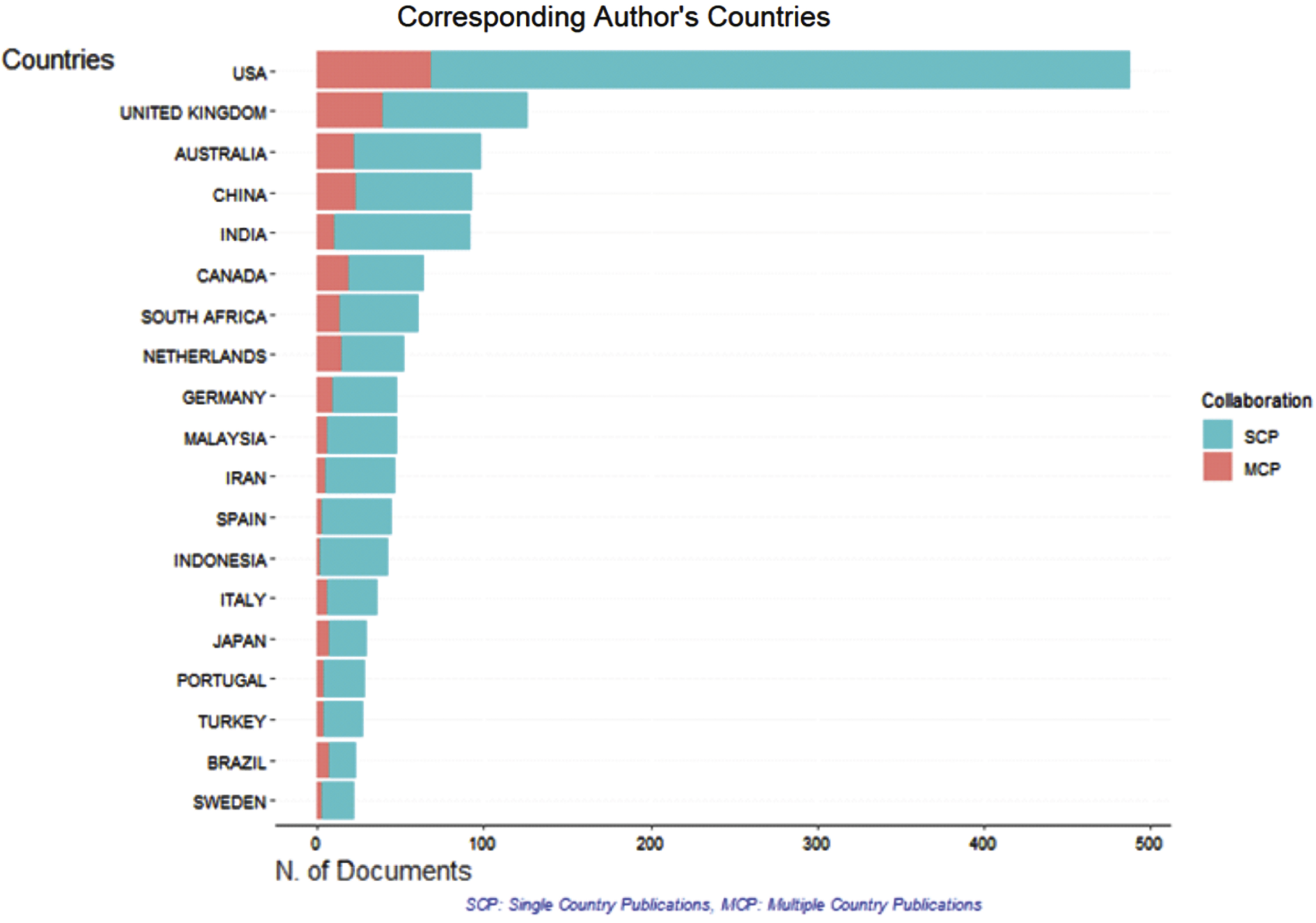
Global contribution of corresponding authors’ countries.
According to Fig. 6, in both single-country and multi-country articles; USA, United Kingdom, and Australia are the three most productive countries in work motivation and productivity research. Corresponding authors from China, India, Canada, South Africa, the Netherlands, Germany, Malaysia, Iran, Spain, Indonesia, Italy, Japan, Portugal, Turkey, Brazil and Sweden contributed to this ranking.
Table 7 shows the countries with the most citations.
Most cited countries.
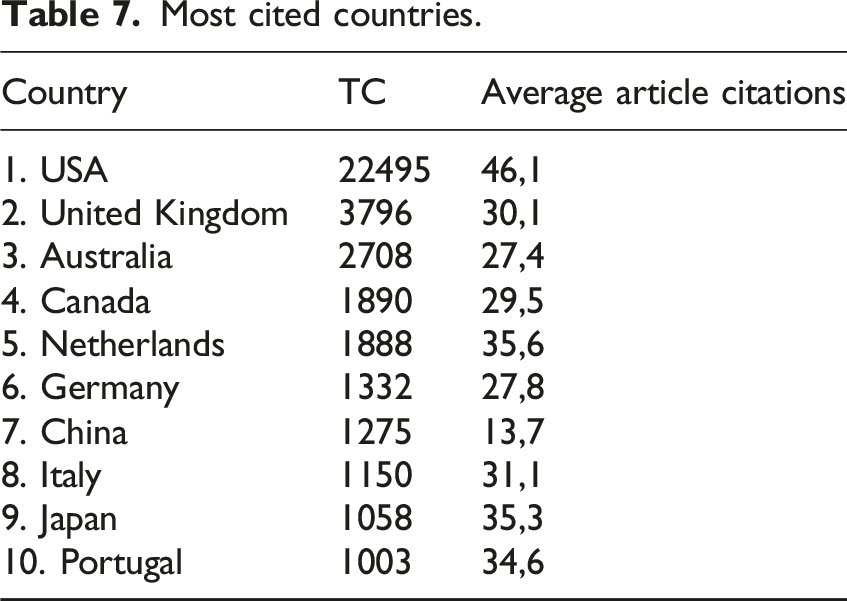
In the articles written on the subjects of “Work Motivation and Productivity”, as shown in Table 7, the USA ranks first with a total of 22465 citations, England ranks second with a total of 3796 citations and Australia ranks third with a total of 2708 citations. Canada followed with 1890 citations, the Netherlands with 1888, Germany with 1332, China with 1275, Italy with 1150, Japan with 1058, and Portugal with 1003.
3.1.9. The most influential articles on work motivation and productivity
The ten most influential articles with the highest total number of citations (TC) in the ranking of the most productive articles on work motivation and productivity are shown in Table 8.
Most influential articles.
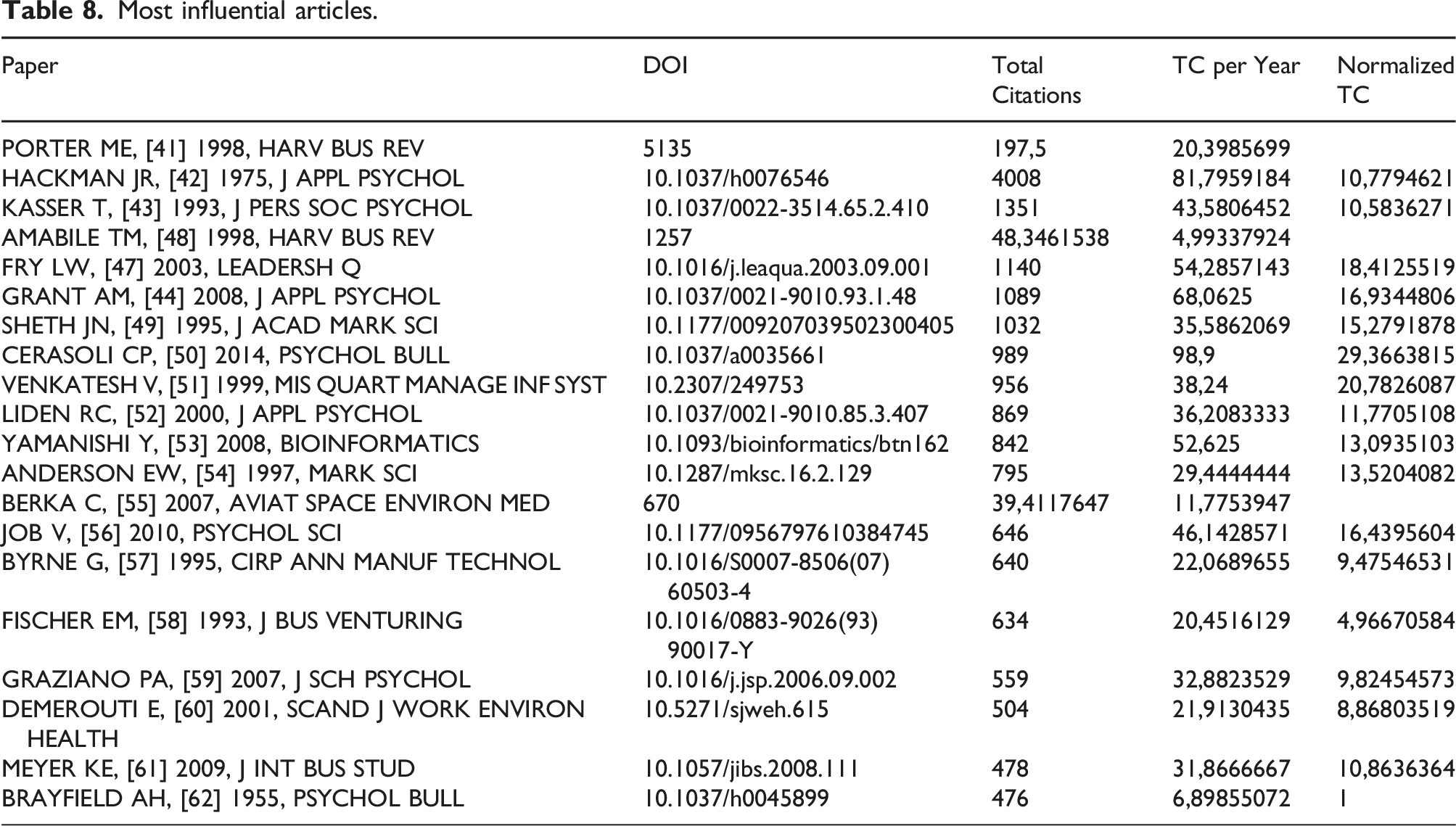
The most cited article was titled “Clusters and the new economics of competition” published in Harvard Business Review by Porter ME [41] (1998), with 5135 citations. This article is ranked second by Hackman JR & Oldham [42] (1975), published in the Journal of Applied Psychology, with “Development of the Job Diagnostic Survey” with 4008 citations, and by Kasser & Ryan [43] (1993), published in the Journal of Personality and Social Psychology with 1351 citations. The article titled “side of the American dream: Correlates of financial success as a central life aspiration” ranks third.
It has been determined that the authors of the articles on work motivation and productivity, which is a very rich subject, focus mostly on theories such as self-determination theory [44–46]. Based on intrinsic motivation theories, Fry proposed the intrinsic motivation model and spiritual leadership theory [47]. Bakker, [25] (2015) made significant contributions to increasing public service motivation by making use of the Job demands– resources (JD-R) theory. For motivation and productivity, Locke et al.’s [15] (1981) goal theory and Herzberg’s [8] (1968) double-factor theory are some of the pioneering studies.
The most influential articles presented in Table 8, determined within the scope of the research, emphasized the following topics:
Porter ME [41] (1998), using case studies, examined clustering and new economic competition and made suggestions.
Hackman & Oldham [42] (1975) made significant contributions by developing the job diagnostic questionnaire (JDS) to create job designs to increase employee motivation and productivity.
Kasser and Ryan [43] (1993) have proven in their research that those motivated by extrinsic factors such as financial success have lower well-being and harmony. Using quantitative research methodology, developed the social participation scale on factors related to university students’ well-being and mental health.
Amabile, T. M. [48] (1998). By reviewing the literature,, He found that creating work challenges such as coordination, control, and productivity in work environments unintentionally undermines creativity, and that to be creative, an idea must also be appropriate, useful, and feasible.
Fry [47] (2003) by reviewing the literature, examined spiritual leadership theory in the intrinsic motivation model and emphasized that spiritual leadership promotes organizational productivity and commitment.
Grant [44] (2008), conducted a longitudinal study, drawing on self-determination theory, and found that “intrinsic motivation moderates the relationship between prosocial motivation and persistence, performance, and productivity”.
Sheth and Parvatiyar [49] (1995) by reviewing the literature, explain that in relationship marketing, consumers and marketers will increase marketing efficiency as long as they do not abuse relationships and explain the antecedents and consequences of relationship marketing.
Cerasoli et al., [50] (2014), in their meta-analysis study, emphasized that intrinsic motivation is a strong determinant of performance, that giving external incentives does not lead to a change in performance, and that it remains the same, that incentives and intrinsic motivation are not always opposite to each other and are best handled simultaneously.
Venkatesh, V. [51] (1999), applied the survey method and suggested that the main factor affecting the acceptance of information technology is that it is important to create ease of use perceptions in users and that it is necessary to increase intrinsic motivation in education to develop positive ease of use perceptions.
Liden et al. [52] (2000) applied the survey method, found that job satisfaction was largely explained by job characteristics and psychological empowerment, and examined the relationships between psychological empowerment and work results.
Yamanishi, et al. [53] (2008) found that it is important to predict the interactions between drugs and target proteins so that this motivation can increase the efficiency of research in promoting new methods in the discovery of genomic drugs.
Anderson et al. [54] (1997) suggested that companies should establish a balance between efficient competition and effective competition and that this should provide motivation for research on appropriate strategies for customer satisfaction and productivity.
Berka et al. [55] (2007) examined the adaptability of monitoring EEG indices using attention and image learning and memory tests and suggested that this monitoring ability can be used to determine effective methods of interacting with technology and to optimize a safe and productive work environment to increase motivation and productivity.
Job et al. [56] (2010), as a result of a longitudinal study in the field of psychology, emphasized that motivational factors and the effect of the individual’s belief about whether there is a limited resource of willpower are important in the occurrence of ego depletion.
Byrne [57] (1995) reviewed the motivation and foundations of the use of widely used sensor systems in industry to increase productivity, developments in signal and information processing, and the development of smart sensors.
Fischer et al. [58] (1993), by reviewing the literature, emphasized that the experience of entrepreneurs and gender are not related alone, and the importance of increasing industry and entrepreneurial experience for firm productivity.
Graziano et al. [59] (2007) investigated the role of emotional regulation in early academic success and emphasized the importance of positive student-teacher relationships in academic motivation and success.
Demerouti et al. [60] (2001), in their study using discriminant analysis, examined the demand control model with health impairment, active learning, or motivation indicators. It has been determined that job demands are associated with poor health and job control is associated with active learning.
Meyer and Sinani [61] (2009), conducted a meta-analysis and suggested that local firms can influence the spread of foreign investors according to their awareness and motivation.
Brayfield ve Crockett [62] (1955), By examining the empirical literature, he finds that job satisfaction may not be a strong motivator for superior performance and that productivity may be only tangentially related to many of the goals that industrial workers strive to achieve.
3.2. Scientific mapping analysis
Scientific mapping can be said as a set of computational techniques for visualizing, analyzing, and modeling scientific studies [39].
3.2.1. Conceptual structure map
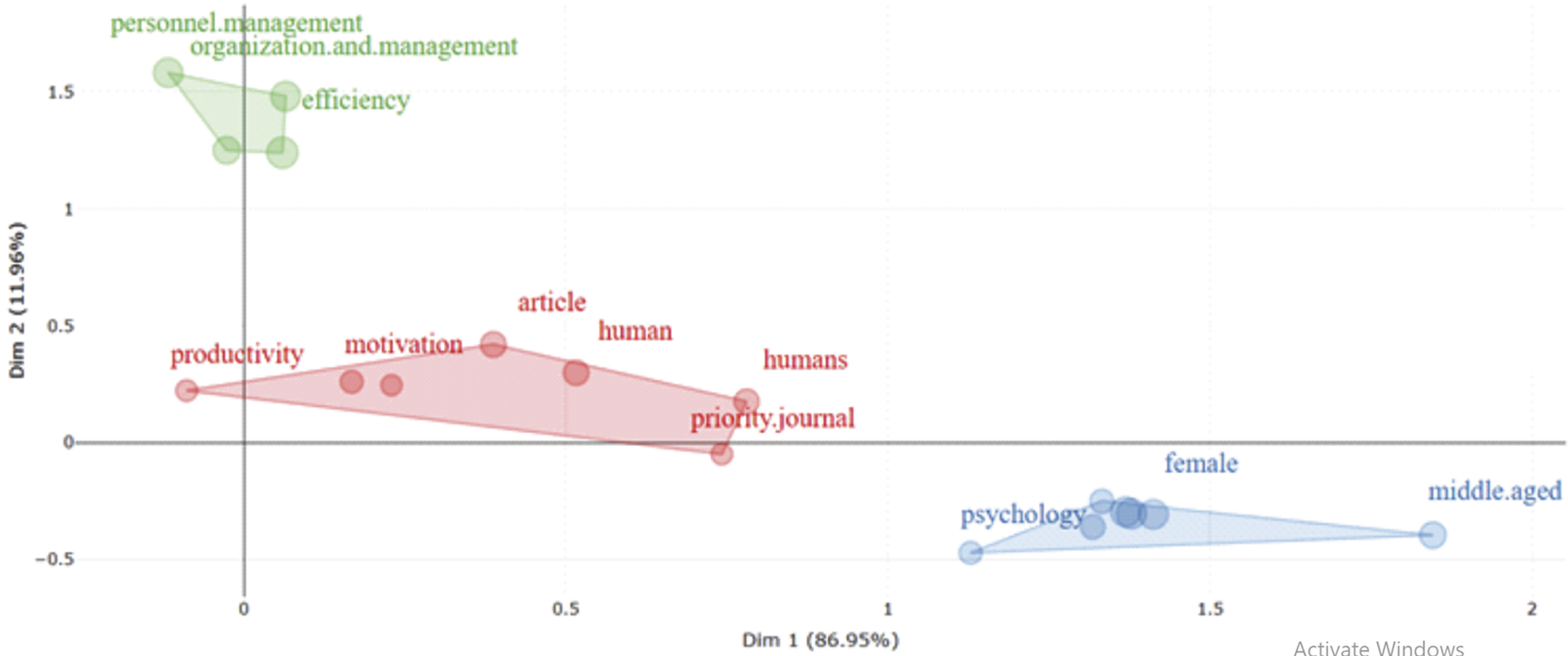
In this section, a conceptual structure map based on “keywords” is included. Figure 7 shows the conceptual structure map created based on keywords in articles related to work motivation and productivity.
As a result of Fig. 7, Conceptual structure map, when the articles related to work motivation and productivity are examined according to keywords, it is seen that the concepts consist of three factors. In the first dimension (red), there are the words Motivation, human, productivity, article, humans, job satisfaction, priority journal. In the second dimension (blue), there are the words male, female, adult, middle aged, controlled study, questionnaire, psychology. In the third dimension, the words efficiency, united states, personnel management, organization and management are used.
Conceptual structure map based on keywords.
3.2.2. Thematic map
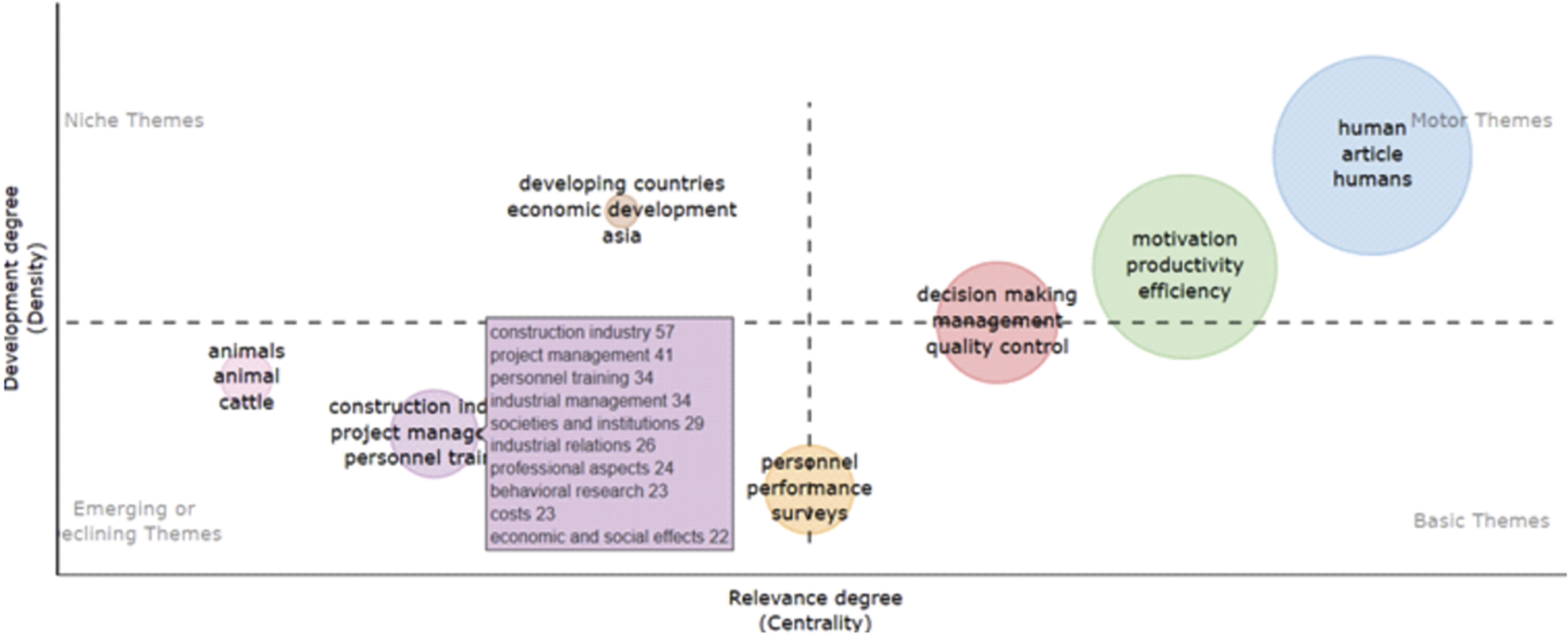
Thematic analysis of “Motivation and productivity” articles was conducted using bibliometrics and authors’ keywords. According to Fig. 8, the themes of the articles can be seen in different intensities.
In Fig. 8, the thematic map was created based on keywords and mapped as seven clusters on four different theme regions.
Thematic map by keywords.
1. In the upper left section, among the “niche” themes where centrality is high but density is low, there are the words “developing countries, economic development, and Asia”.
2. There is an “engine” theme in the upper right section. It consists of two sets of engine themes showing the most used keywords in scientific studies.
The first cluster in motor themes is human, article, male, female, humans, adult, middle-aged, workplace, controlled study, questionnaire, psychology, aged, priority journal, perception, human experiment, major clinical study, qualitative research, occupational health, learning, quality of life, young adult, work, cognition, surveys and questionnaires, workload, social behavior, physiology, depression, wellbeing, burnout, organizational culture, stress, psychological, anxiety, pandemic consists of words such as.
3. The second cluster in motor themes, motivation, productivity, efficiency, United States, personnel management, job satisfaction, organization and management, Employment, economics, education, goals, leadership, psychological aspect, cost control, teamwork, hospital management, manpower, cooperation, organization, behavior, attitude, reward, regression analysis, financial management, government consists of words such as.
4. While centrality is high in basic themes, prevalence decreases. Both engine themes and basic themes: decision making, management, china, industry, quality control, agriculture, climate change, problem solving, labor productivity, total quality management, India, policy, commerce, demography, health, sustainability, sustainable development, incentive, performance assessment, biodiversity, socioeconomics, environmental protection, socioeconomic factors, resource allocation, technology, health care planning are seen words.
5. Words such as personnel, performance, human engineering, human resource management, job analysis, information technology, developing countries, economic development, and competition are seen in both the basic themes and the emerging or disappearing themes group.
6. The newly emerging theme group in the research in the lower left section consists of the words construction industry, project management, personnel training, industrial management, societies and institutions, industrial relations, professional aspects, behavioral research, costs, economic and social effects. Figure 8 shows the frequency of use of these newly emerged words in the box.
7. Again, in the group of lost themes in the lower left section, the words animals, animal, and cattle formed a cluster.
3.2.3. Trending topics
Trend topics in recent years in the articles published between 1953 and 2024 in the literature on “Work Motivation and Productivity” are presented in Table 9.
Trending topics.
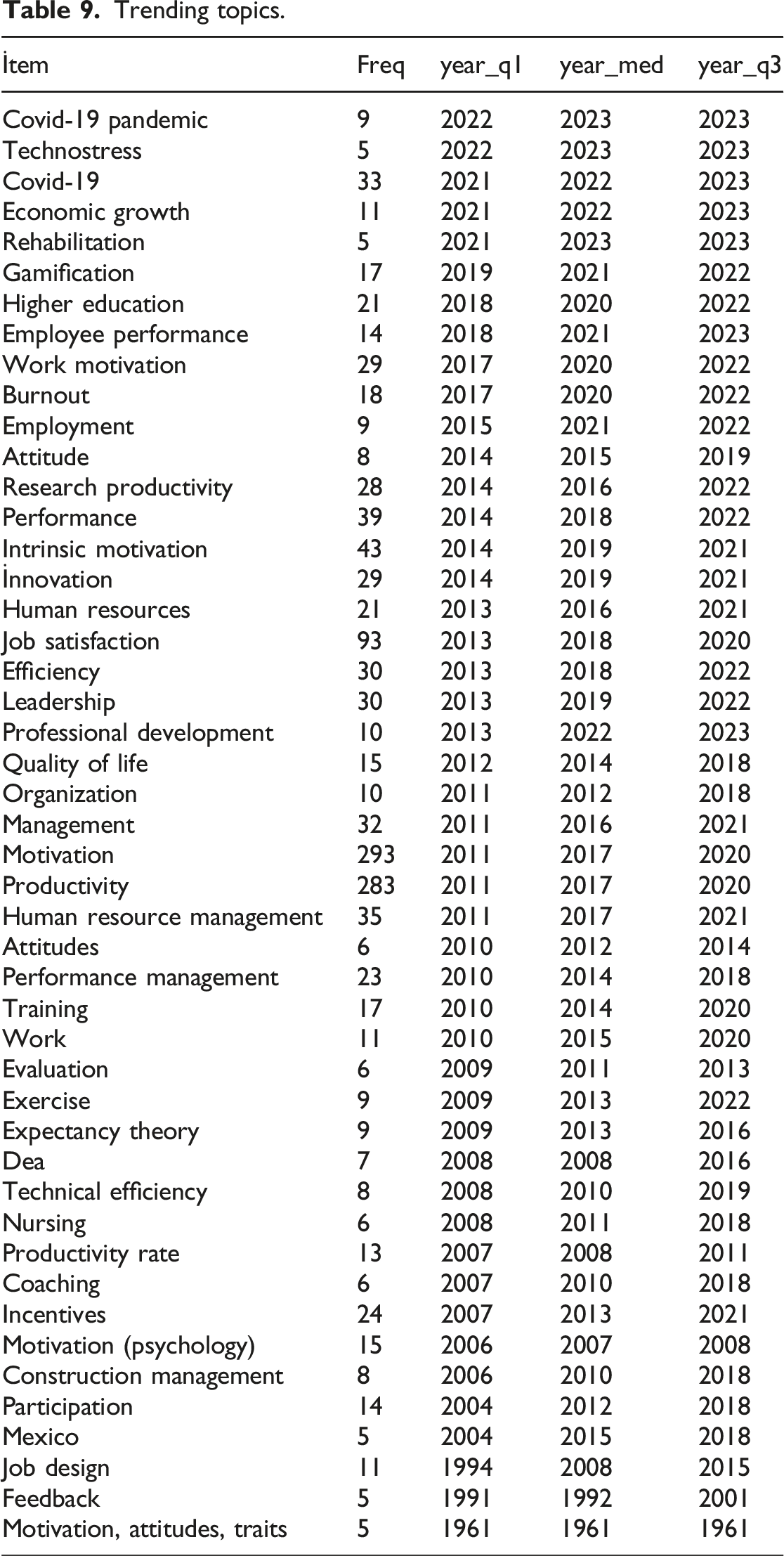
In Table 9, created by authors’ keywords, the trending topics of the studies show their trending development over time. The words “COVID-19 pandemic” and “technostress” are the most trending concepts in the 1st quarter of 2022, the second quarter of 2022, and the 3rd quarter of 2023. In recent years, Covid-19 (33), economic growth (11), rehabilitation (5), gamification (17), higher education (21), employee performance (14), work motivation (29), burnout (18), employment (It was determined that variables such as 9), attitude (8), research productivity (28), performance (39), intrinsic motivation (43), innovation (29), human resources (21) were frequently used by the authors.
Trending topics include “motivation (293), productivity (283), job satisfaction (93), intrinsic motivation (43), performance (39), human resource management (35), covid-19 (33), management (32), efficiency (30), leadership (30), work motivation (29), innovation (29), research productivity (28), incentives (24), performance management (23), higher education (21), human resources (21), It is seen that concepts or variables such as “burnout (18), gamification (17), training (17), quality of life (15)” have been used more frequently in research over time.
3.2.4. Word cloud
Figure 9 presents the cloud map of the generated keywords in the articles.
As shown in the cloud map in Fig. 9, the thickness of the words thickens according to the number of the most frequently repeated keywords. The most frequently repeated words in the cloud map are motivation 1544, human 1111, and productivity 981 times respectively.
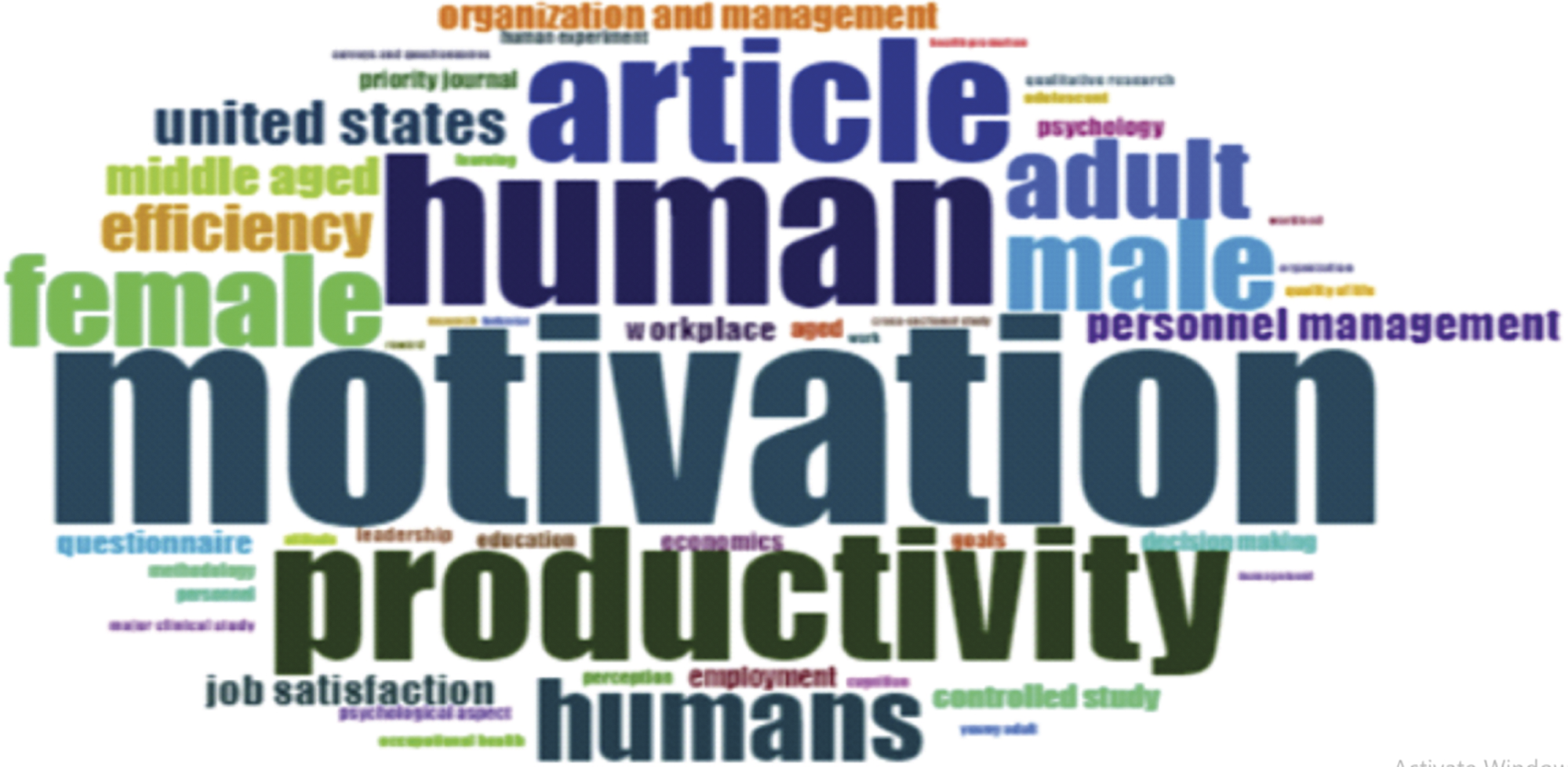
Cloud map of keywords.
The most frequently used words in the research were examined and divided into two groups: “research methodology” and “research variables”. The most commonly used words related to “methodology” in the first group are, It consists of words such as; “controlled study (171), questionnaire (171), human experiment (97), major clinical study (91), qualitative research (91), surveys and questionnaires (71), cross-sectional study (68), questionnaires (55), interview (53), cross-sectional studies (47), treatment outcome (47), randomized controlled trial (46)” words such as. Accordingly, it was determined that controlled studies, questionnaires, and human experiments were mostly used.
In the second group, the most frequently recurring research variables: “Male (675), female (672), humans (599), adult (589), efficiency (336), personnel management (246), job satisfaction (230), aged (130), decision making (130), education (121), goals (121), leadership (110), perception (100), learning (87), quality of life (85), work (81), attitude (80), cognition (79), workload (71), behavior (67), reward (67), achievement (60), self-concept (58), job performance (56), absenteeism (55), social behavior (55), interpersonal communication (48), task performance (48), fatigue (47)” it consists of words such as. These words consist of different disciplines and many variables.
3.2.5. Co-occurrence keyword analysis
Co-occurrence analysis shows the related word concepts to be created in a certain field and the mutual relationships between topics [32]. These words in the articles under research are closely related to co-occurrence analysis. In Fig. 10, the size of the dots and lines show the connection between the themes and the relationship between the themes.
In the Vosviwer analysis, which was carried out by selecting at least 10 keywords with the Co-occurrence and author keywords options according to Fig. 10, 7 clusters, 641 networks, and 707 total relationship networks were determined from 87 elements. The three most important keywords that make up the largest clusters are motivation, productivity, and job satisfaction, respectively. These words are followed by words such as performance, human resource management, management, leadership, intrinsic motivation, efficiency, work motivation, COVID-19, education, self-determination theory, stress, sustainability, well-being, structural industry, performance management, engagement, health, innovation, burnout, employees, organizational performance.
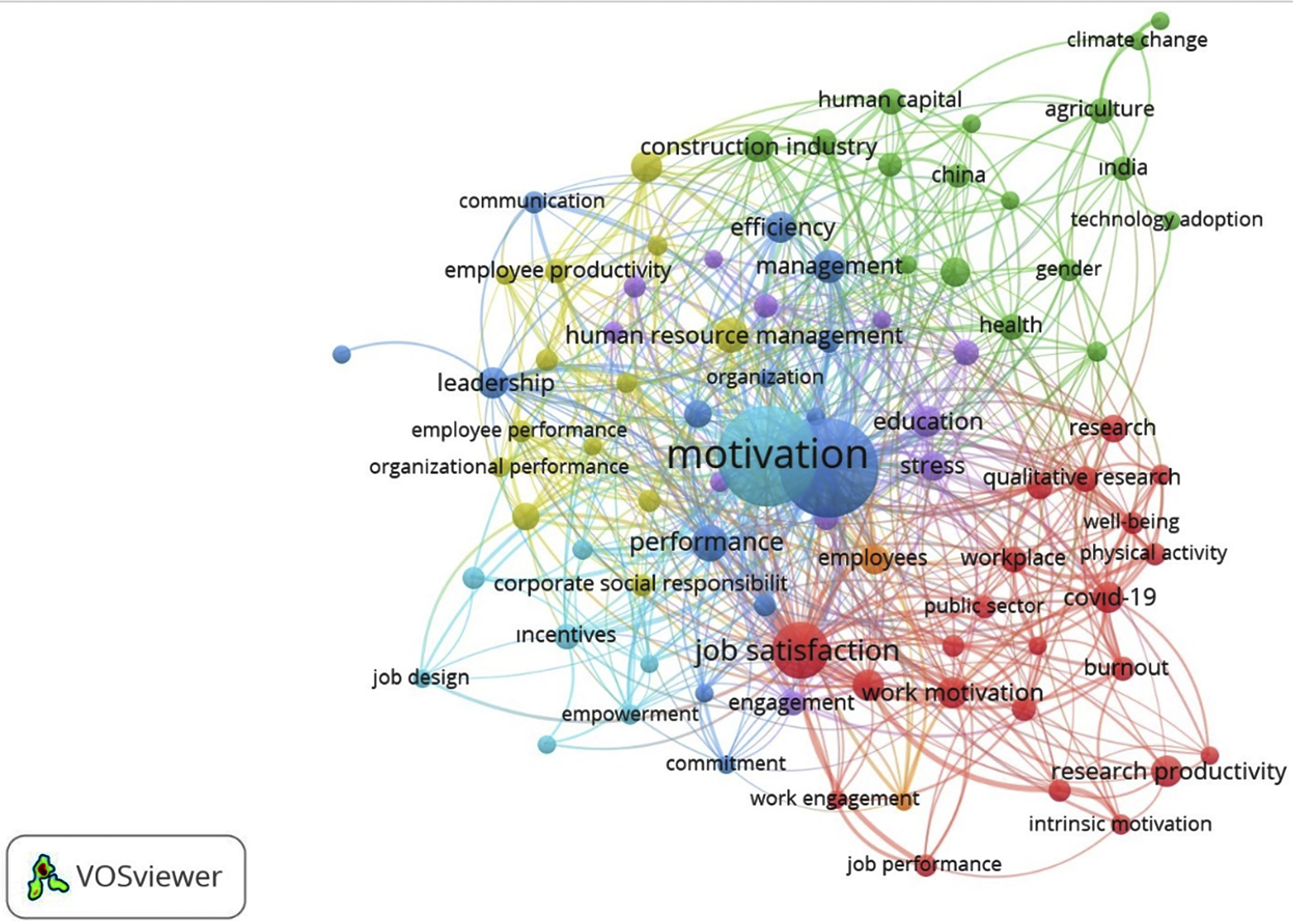
Network map of the most used keywords.
4. Discussion
This study presents findings based on a bibliometric analysis of the relationship between work motivation and productivity. This article allows us to provide an approximate picture of work motivation in higher productivity. In this study, which dealt with articles on motivation and productivity published over seventy years between 1953 and 2024, 3363 articles were examined.
It was determined that 824 of the work motivation and productivity articles were published with “single author” between 1953 and 2024. The average growth rate of the articles was found to be 3.14, and the average age of the articles was 13.5 years. The average number of citations to articles is 26.15. Studies in the field of work motivation and productivity are on the rise, and there was the highest increase in research in 2022. Annual average citations were highest in 1998. Trends in publications and citations by year show that there is a high level of interest from researchers in the field of work motivation and productivity.
According to the Sankey diagram, based on the relationship between author, keyword, and country, authors named “Bakker AB, Ybema JF, Burdorf A, Healy Gn, JR” were determined as the most popular authors in this field, “motivation” was the most popular keyword and “USA” has been the leading country.
Ensuring work motivation and productivity is a comprehensive problem studied in different disciplines. Articles on work motivation and productivity have been published mainly in journals such as psychology, management, engineering, health, sustainability, and ergonomics, respectively. Within the scope of the study, “The Journal of Applied Psychology”, “Sustainability (Swıtzerland)” and “Plos One” magazine emerged as the 3 most published journals on work motivation and productivity.
“Journal of Applied Psychology” is the source with the most h-index citations. While the “International Journal of Productivity and Performance Management”, “Journal of Personality and Social Psychology” and “Management Science” journals share the second place in the h-index citation ranking, the “Journal of Construction Engineering and Management” journal ranks third. These findings can help future researchers quickly identify existing knowledge in the field and contribute to improving the quality and depth of research in the field.
Walberg HJ is the top author in terms of the number of publications, while JR is the second, and Appelbaum SH, Chen Y, Kumar S, Levin RP, Liu Y, and Singh A are the authors with the highest number of publications.
In the study, the most productive universities were the University of California, Islamic Azad University, Michigan State University, and the University of Washington, respectively, as the universities with the highest publication volume.
In both single-country and multi-country articles; the USA, the UK, and Australia are the leading and most productive countries in work motivation and productivity research. The USA, the UK, and Australia are also the countries with the most citations on this subject. It has been determined that the USA, which is the country that cooperates most in studies involving work motivation and productivity, cooperates most with Canada, China, and England, respectively.
The most cited article, titled “Clusters and the new economics of competition” published by Porter ME [41] (1998) in Harvard Business Review, has achieved the status of the most influential article. Hackman JR & Oldham [42] (1975), “Development of the Job Diagnostic Survey” published in the Journal of Applied Psychology, is in second place. “A dark side of the American dream: Correlates of financial success as a central life aspiration” published by Kasser & Ryan [43] (1993) in the Journal of Personality and Social Psychology ranks third.
It consists of three dimensions of keywords in the field of work motivation and productivity in the conceptual structure analysis.
The first dimension is related to topics such as “motivation, people, productivity, article, people, job satisfaction, priority. journal”. The second dimension includes the themes of “male, female, adult, middle-aged, controlled study, survey and psychology”. The third dimension: consists of themes such as “efficiency, United States, personnel management, organization and management”.
When these three dimensions are evaluated in general, the first can be named as studies based on increasing motivation, productivity, and job satisfaction. The second dimension can be named as studies on motivation and productivity according to demographic characteristics, especially psychology studies. The third dimension can be named as studies on factors affecting employee motivation and productivity, covering organizational behavior and human resources management.
In the theme analysis based on keywords, motor themes consisted of two clusters. In these engine themes, which are both central and common and most used in scientific studies, the first cluster consists of the words “human, article, humans”. In contrast, the second cluster consists of the words “motivation, productivity efficiency”. While the centrality of simple or basic themes is high, the prevalence decreases. The words “decision making, management, quality control” were used both in engine themes and in basic themes. “Personnel, performance, and surveys” were included in the formed or lost themes group and the basic themes group. Among the “niche” themes, there are the words “developing countries, economic development, and Asia” as words that remain on the margins and have no relation. These niche themes are common but somewhat remote. While the words “animals, animal, and cattle” were included in the group of lost themes, the words “construction industry, project management, and personnel training” formed the newly emerged theme group that could guide future researchers.
Research shows that to increase the motivation of employees, it is important to reveal the needs that affect motivation. Thus, managers can maximize the productivity and potential of their employees by determining appropriate strategies that will increase the motivation of their employees [18, 63]. For this reason, to achieve the efficiency expected from people in working life and to provide a peaceful working environment, the needs of employees should be determined according to their characteristics and tried to be met in the best way possible. With the high motivation provided in this way; “One can have the opportunity to work with high-performance organizations consisting of effective, efficient, and high-morale employees.” [4]. Employee productivity losses are affected by many factors such as health, work environment, employee motivation, job satisfaction, and organizational commitment [28]. Motivational factors will not emerge unless the hygiene factors necessary for motivation are provided [8]. Numerous studies in the literature have confirmed that the most important thing that stimulates the productivity of employees is motivation [4, 26– 28]. In addition, motivation plays an important role in leaders’ ability to direct their employees by the organizational goals. Leaders who are committed to achieving organizational goals must first ensure that their employees are well motivated so that they can adequately direct employees to achieve organizational goals while using management functions [29]. A company’s growth potential is closely related to employees’ job satisfaction and motivation [64]. A country’s global competitiveness largely depends on its service sector productivity [65]. In the literature, scope, and process theories show the main tools that managers and researchers can use for employee motivation and provide guidance. While content theories focus on needs or internal factors for motivation, external factors are also included in process theories and it is argued that it is important to understand the factors that affect a person’s behavior [1]. The subject of motivation is under the influence of many factors that have multifaceted and complex relationships with each other. Just as the structure, functioning and active situational variables of each organization are different, the complex structure of employees arising from human nature and the dynamics of business life and their expectations and needs by this structure also differ [4]. Therefore, in addition to benefiting from these theories, taking into account the system and situational perspective, the development and application of different models will contribute.
Research findings of the most influential studies in the current literature (Table 8) emphasize that intrinsic motivation positively affects the performance and productivity of employees [44, 50, 47]. In addition, in the analysis of the most influential studies in different disciplines; job design [42], industry and entrepreneurial experience for firm productivity [58], sensor systems in industry [57], customer satisfaction [54], psychological empowerment [52], task control [60], emotion regulation [59], ability to monitor EEG indices [55], interactions between drugs and target proteins [53], awareness of local companies [61], and self-control [56], were examined and it was determined that the positive relationship between motivation and productivity was supported.
The keywords used by the authors provide information about the content of the studies. In the analysis of the most frequently used keywords by authors; It was determined that research methods such as “controlled study, questionnaire, human experiment, major clinical study, qualitative research” were used. In addition, in the studies, it was determined that words such as “male, female, humans, adult, efficiency, personnel management, job satisfaction, aged, decision making, education, goals, leadership, perception, learning, quality of life” are the most used variables.
In the research, it was determined that concepts such as “job satisfaction, intrinsic motivation, performance, and human resource management” were studied more frequently in research over time (Fig. 9). It has been determined that the trending topics of recent periods are concepts such as “COVID-19 pandemic, technostress, economic growth, rehabilitation, and gamification.” Accordingly, the COVID-19 pandemic has had significant effects. Most of the studies conducted during the COVID-19 period focused on issues such as the effects of working from home on physical, mental, and social health, job satisfaction, and quality of work life [66–69]. Trends such as digitalization gaining momentum and remote working becoming permanent in some businesses have been observed [68]. However, it is seen that these new ways of doing business also bring problems such as technostress [69]. With the development of a digitally literate generation, gamification and its effects on game-based learning and motivation have gained importance [70]. These studies show that improvements in motivation and work efficiency continue in the dynamic business world. In this context, to increase motivation and efficiency in-depth examination of issues such as adapting to crises and changes, increasing agility and resilience, sustainability, ways of doing business, business design, business processes, increasing the digital competencies of employees, health, and safety measures, technological industrial applications, and human resources management practices can make significant contributions.
This bibliometric research provides valuable information by evaluating the performance of the most influential authors, articles, sources, countries, and most influential studies regarding motivation and productivity in the literature. This study helps professionals, researchers, and practitioners comprehensively inform and identify the current status and future research directions. The study has some limitations. First of all, it is limited to the Scopus database for publications in the field of motivation and productivity, databases such as Web of Science, and Pubmed, are excluded. Second, the study is limited to articles published in English. Studies in other languages and all such studies, including reviews and book chapters, conference proceedings, studies published on preprint websites, notes, and letters, were excluded. Future research could use different databases or other scientific studies with articles or more comprehensive research in different languages. In this study, studies related to many fields such as social sciences, management and accounting, business, pharmaceuticals, engineering, econometrics and finance, economics, computer science, agriculture and biology, decision units, were examined together. Future research may examine more specific areas.
5. Conclusions and future directions
This study evaluated worldwide scientific articles on work motivation and productivity research over a 70-year period between 1953 and 2024 through bibliometric analysis from the Scopus database. By mapping regional distributions, authors, keywords, citations, and publications, the best available studies were identified and the performance of the studies was determined.
Study results showed an increasing trend in motivation and productivity publications with Scopus. In terms of the number of articles, the USA, which is the most cited and most productive country with the most collaboration, leads all studies. Walberg HJ is the most prolific author in this field. “Journal of Applied Psychology” is the most published and most cited journal. The most cited and influential study is the article written by Porter ME (1998). University of California, Islamic Azad University, Michigan State University, and University of Washington are the universities with the most publications. Words such as “construction industry, project management, personnel training, industrial management” formed the newly emerging theme group. Historical and current research has been examined comprehensively, and it has been determined in the findings of the studies that work motivation plays an important role in productivity. Work motivation is one of the most important factors that increase employee productivity, business performance, and competition. It has been determined that the trend topics of recent studies are concepts such as “COVID-19 pandemic, technostress” economic growth, and gamification. It has been determined that the concepts of “job satisfaction, intrinsic motivation, performance, and human resource management” have been studied more frequently in research at all times among the trend topics. The most frequently used research methods in studies are “controlled study, questionnaire, and human experiment”. The most frequently used variables based on keywords are; concepts such as “motivation, productivity, efficiency, personnel management, and job satisfaction”.
Reducing errors in the workplace, developing employee potential, increasing employee and organizational efficiency, and a peaceful working environment can be achieved with highly motivated employees. Managers and practitioners should attach importance to human resources and develop new motivation models specifically for their employees, taking into account the needs and expectations underlying employees’ behavior and based on motivation theories. Research is of great importance for businesses to adapt to new trends and to support employees’ adaptation to this change. It is anticipated that with this study, new working areas and perspectives will be discovered in the field of dynamic work motivation and productivity. The findings of the study point to significant changes in human resources management practices and business life due to the impact of COVID-19. It can be said that in order to increase motivation and productivity, in-depth studies are needed in many areas such as ways of doing business, work design, business processes, increasing the digital competencies of employees, health and safety measures, technological and industrial applications.
This study provides up-to-date information to future researchers and practitioners on determining factors related to motivation and productivity within the scope of motivation and productivity methodology. It can improve the understanding of researchers, managers, and practitioners in this field about increasing motivation to increase productivity. It can guide potential research directions for future researchers and create important opportunities for authors’ collaborative work.
Footnotes
Acknowledgments
The author has no acknowledgments.
Data availability
The raw data supporting the conclusions of this article will be made available by the authors, without undue reservation.

Author Biography