



Abstract
BACKGROUND
Agile leadership is a critical factor in contemporary organizational dynamics, significantly influencing employee outcomes. Despite its growing importance, there is a lack of comprehensive understanding of the impact and the research trends.
OBJECTIVE
This research aimed to conduct a bibliometric analysis to explore the existing literature on agile leadership and its relationship with employee outcomes.
METHODS
Data was collected from the Scopus scientific database, focusing on publications from 2010 to May 2024. Using the keywords “agile”, “leadership”, and “agile leadership”, 278 relevant documents were identified and analyzed with VOSviewer software. The data on publications, years, subject areas, authors, journals, institutions, and countries were examined by applying bibliometric analysis.
RESULTS
The analysis showed a steady increase in publications on agile leadership, particularly in the last decade. The key research clusters included the impact of agile leadership on interpersonal communication, trust, teamwork effectiveness, job satisfaction, decision-making process, and sustainable innovation in digital transformation. Prominent journals, influential authors, and frequently cited articles were reported.
CONCLUSIONS
Agile leadership was increasingly recognized for its valuable impact on employee outcomes. Agile leadership became a catalyst for enhancing interpersonal communication, building trust, improving teamwork effectiveness, increasing job satisfaction, streamlining decision-making processes, and enhancing sustainable innovation for successful digital transformation.

1. Introduction
Organizations are facing unprecedented challenges and opportunities in a fast-paced and ever-evolving dynamic business environment. Therefore, organizations must continuously adapt and innovate to stay competitive. Agile leadership has been developed as a critical factor in navigating the landscape effectively. Leaders embody principles such as adaptability, collaboration, and continuous improvement [1], which are essential for organizations striving to remain competitive.
Agile leadership is a crucial aspect of organizational success, particularly in the face of a volatile, uncertain, complex, and ambiguous (VUCA) business environment [2–4]. This variable enables organizations to respond quickly to change and deliver superior business value to stakeholders. Agile leaders play dynamically shared roles among employees, engender a sense of belonging and balance competing cultures. Additionally, organizational change can be navigated to minimize negative impacts [5]. Agile leadership includes establishing effective behaviours to successfully apply innovation mechanisms [1].
Research on agile leadership is evolving, and there is a need for further comprehensive empirical analysis to better understand the various aspects and applications [6]. The primary challenge is the difficulty in standardizing agile leadership practices across diverse industries and organizational cultures. Agile methods originated in the software development field [7], but the application in other sectors varies significantly. Without a strong body of research, it is challenging to develop universal guidelines and best practices effectively adapted to different contexts. This lack of standardization leads to inconsistent implementation and varied outcomes, which can undermine the credibility and perceived effectiveness of agile leadership. In addition, there is a need for more longitudinal research to understand the long-term impact of agile leadership on employee outcomes. Even though numerous case research show the benefits of agile leadership [8, 9], empirical analysis tracking these effects over extended periods is scarce. The research provides deeper insights into the influence of agile leadership on organizational resilience, innovation, and business success over time [1, 10].
Agile leadership holds significant promise for enhancing organizational agility [11], but the field is under-researched. There is a critical need for more comprehensive research frameworks to fully understand and harness the potential of agile leadership. Therefore, addressing the research gaps enables organizations to implement agile leadership more effectively and achieve sustainable success in an ever-evolving business landscape. The research aimed to understand the following four research questions (RQs):
RQ1: What is the country and the contributing authors related to agile leadership?
RQ2: What are the most relevant publication institutions and highly cited publications in agile leadership?
RQ3: What are the outcomes of agile leadership at the individual level?
RQ4: What are the latest trends in research topics related to agile leadership?
2. Literature review
2.1. Agile leadership
Agile leadership is a crucial aspect in a dynamic business environment. Leaders possess the ability to think flexibly and adapt organizations to changing environmental conditions [3]. The strengths of employees were uncovered, transitioning the organization through intended changes and capitalising on opportunities to minimize negative impacts. In addition, agile leadership enables organizations to respond quickly to change, promote innovation, and deliver superior business value to stakeholders [3, 12]. Agile leadership is associated with characteristics such as trust, result orientation, wisdom and digital innovation, which are significant for organizational growth and innovation [9, 13].
Rialti and Filieri [14] stated that agile leadership practices significantly improved team collaboration and project delivery times. The variable is guided by several key principles, including adaptability, continuous improvement, collaboration, and outcome-oriented [15]. Agile leadership includes adopting a new set of behaviours and integrating essential rituals and practices [16] to promote continuous innovation performance [1, 17]. Research has identified that the variable is a property of a team and includes dynamically shared leadership among team members, engendering a sense of belonging and balancing competing organizational cultures [5]. Agile leadership emphasizes self-management and self-organization, focusing on interaction, communication, and adaptability [18]. The literature also shows the need for agile leaders to be open to learning, promote innovation, adapt to changes, and focus on developing credibility based on the ability to transfer managerial skills [12].
2.2. Impact of agile leadership on individual and organizational outcomes
Agile leadership refers to the leader’s capability to adapt swiftly, collaborate effectively, and make sound decisions in uncertain and complex environments. Implementing agile leadership can lead to enhanced operational efficiency, innovation, and higher employee satisfaction. Furthermore, leaders who adopt agile practices tend to experience greater job satisfaction and career development opportunities [2]. Agile leaders enhance employees’ confidence in their career success by fostering a supportive environment and encouraging adaptability. This supportive atmosphere helps employees feel more secure and motivated, which in turn boosts their confidence in achieving career goals [19].
Moreover, agile leadership has a significant impact on organizational performance, especially in VUCA business environments [3, 4]. Agile leadership drives successful digital transformation through fast decision loops [14]. Additionally, agile leadership deployment increases employee morale, learning culture, team collaboration, and the adoption of developing technologies [12, 14].
Leaders show high flexibility and adaptability in addressing organizational challenges [1]. Organizations can adapt to changes and minimize negative impacts [3]. Therefore, implementing agile leadership has a strong relationship with factors such as interpersonal trust, individual career success, team effectiveness, and innovation management [9, 20]. Agile leadership behaviours positively enhance affective occupational commitment [21], perceived career success [19], and better performance [22] (as depicted in Fig. 1).
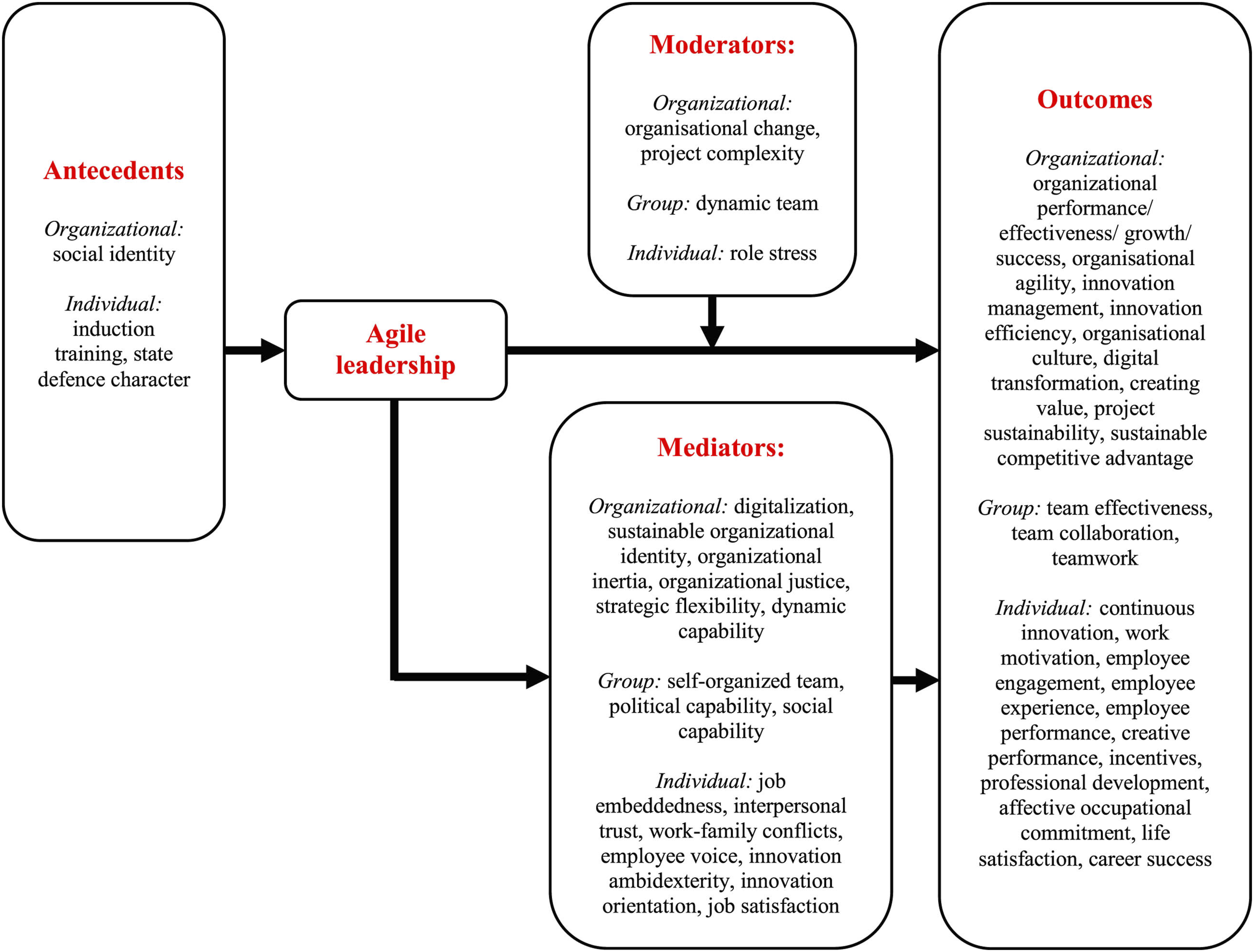
Complexity of relationships in agile leadership research.
3. Methods
This research examined data from the Scopus scientific database over the period from 2010 to May 2024. By analyzing a wide array of publications and trends, a comprehensive overview of the scientific landscape and the evolution over the past 14 years was provided.
To collect and analyze data through a systematic methodology, this study was conducted using two groups of search strings as described by Alvino, Di Vaio [23]:
Group 1: Focused on articles related to agile leadership.
Group 2: Collected contributions of agile leadership on individual and organizational outcomes.
A search in the Scopus database retrieved 945 documents using the keyword “agile leadership”. After refining the search criteria to focus on English-language documents from 2010 to May 2024 using the keywords “agile”, “leadership”, and “agile leadership”, 278 relevant documents were identified in the Scopus database. Out of the total 278 documents, the breakdown shows the distribution of the documents across different types, with articles (160; 57.55%) being the most common, followed by conference papers (61; 21.94%) and book chapters (37; 13.31%). Reviews (11; 3.96%), books (5; 1.8%), notes (2; 0.72%), letters (1; 0.36%), and editorials (1; 0.36%) form smaller portions. In addition, breaking down the types of open access (OA) documents and proportions, OA documents (110; 39.6%) are greater than Green (18.7%), Gold (14.8%), Hybrid (11.5%), and Bronze (6.8%).
As shown in Fig. 2, the obtained data comprising 278 relevant documents on agile leadership was analyzed using VOSviewer version 1.6.20. VOSviewer is a widely used tool [24] for constructing and visualizing bibliometric networks [25]. This provides insights into publication trends, key contributors, research themes, and collaboration patterns [26]. VOSviewer is also used to show the most influential authors and institutions [27].

Search and analysis details.
4. Results and discussion
The use of VOSviewer to analyze 278 documents on agile leadership from the Scopus scientific database provides a comprehensive visual representation of the research landscape. The increase in publications and thematic analysis shows the importance of agile leadership in contemporary organizational practices. The visualized collaboration networks report the interconnected nature of research efforts and the role of collaboration in advancing the field.
The visual representation in Fig. 3 shows an increasing number of publications, with a rise starting from 2018. Moreover, the number of publications has shown consistent growth, with the highest number of publications in 2023 with 52 documents, emphasizing academic interest and research over time in agile leadership. Peaks correspond to global events such as the post-COVID-19 pandemic, which focused on the need for agile leadership in remote and adaptive work environments. The annual publication counts showed that 2010, 2011, 2012, 2013, 2014, 2015, 2016, 2017, 2018, 2019, 2020, 2021, 2022, 2023, and 2024 had 8, 2, 5, 9, 5, 9, 11, 7, 14, 19, 31, 38, 48, 52, and 20 documents, respectively.
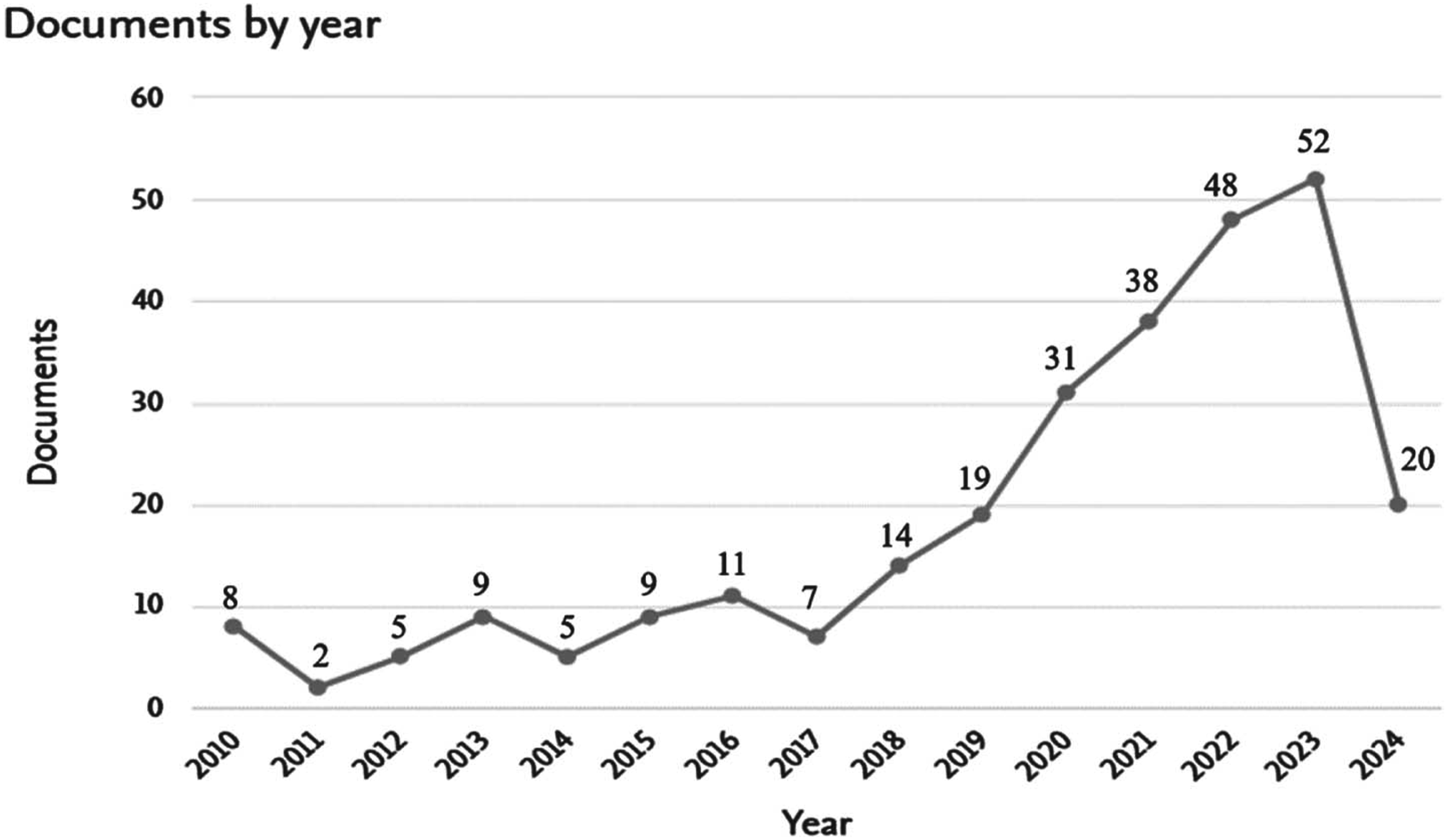
Documents by year.
Figure 4 presents a focused analysis of the subject areas of agile leadership, with business, management and accounting (115; 21.9%), computer science (78; 14.9%), social sciences (60; 11.5%), medicine (50; 9.5%), engineering (49; 9.4%), economics, econometrics and finance (41; 7.8%), decision sciences (30; 5.7%), nursing (17; 3.2%), psychology (17; 3.2%), mathematics (16; 3.1%), and other (9.7%). This suggests the significant interest and application of agile leadership principles in business, management, and accounting fields (21.9%), reflecting the need for adaptability and innovation in business environments.
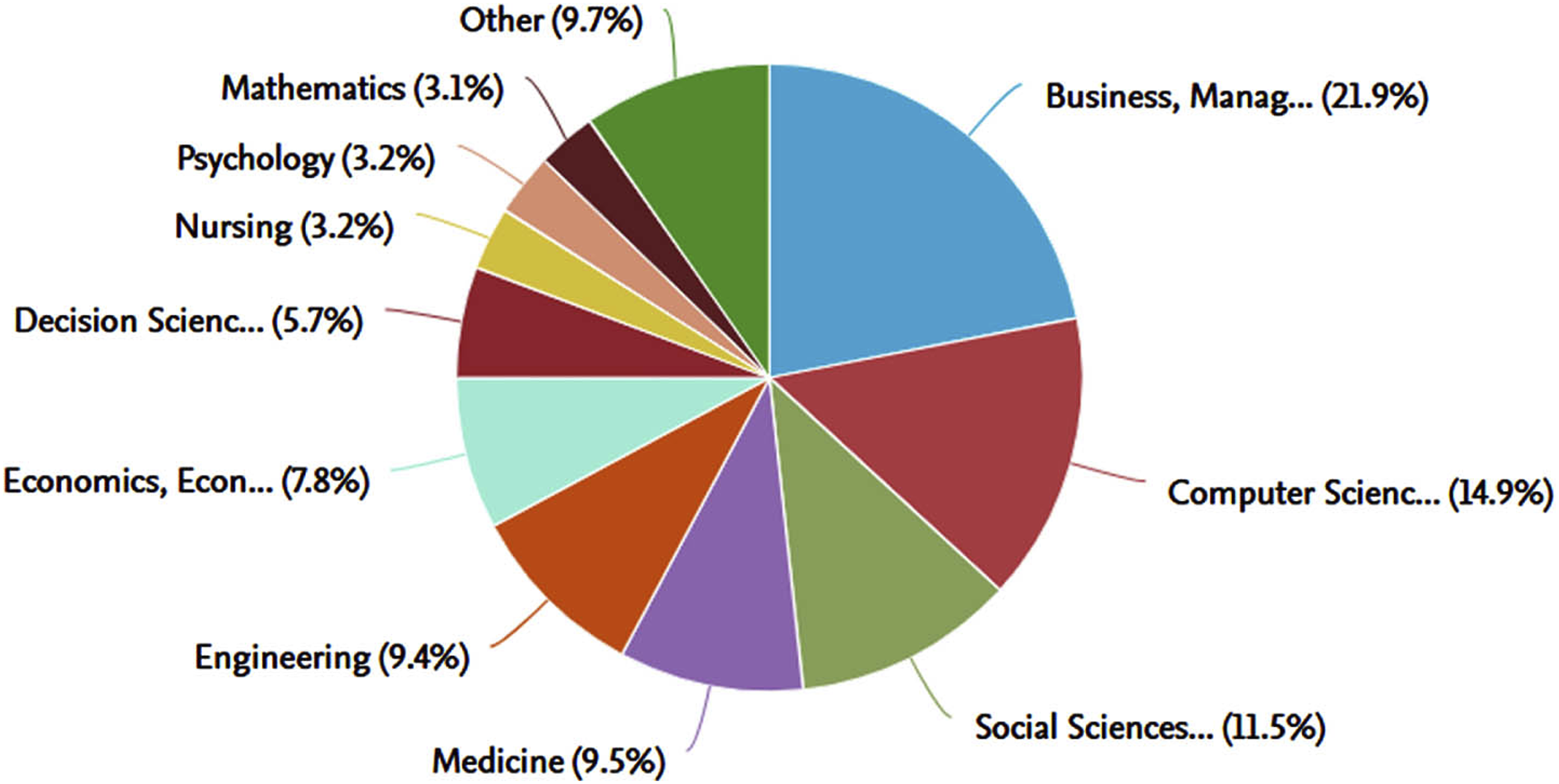
Documents by subject area.
Referring to the co-authorship network depicted in Fig. 5, Arthur Freire frequently collaborates with Alexandre Moura Costa, Manuel Neto, Hyggo O. Almeida, Angelo Perkusich, and Mirko Barbosa Perkusich from the Universidade Federal de Campina Grande in Brazil. Therefore, Arthur Freire, who has a 5 h-index, appears to be a central node in this network, potentially acting as a connector or leader in the research community.

Co-authorship networks.
Table 1 shows the dataset of 278 documents related to “agile leadership” published in various journals. The five most productive journals are Sustainability (Switzerland) (n = 8), Frontiers in Public Health (n = 4), Journal of Creating Value (n = 4), Strategy and Leadership (n = 4), and Nurse Leader (n = 3). Additionally, Sustainability (Switzerland) often focuses on interdisciplinary research related to sustainability, including organizational sustainability and leadership practices. Frontiers in Public Health explores agile leadership, including the effects of agile practices on responses to public health crises, healthcare management, and changing environments. Journal of Creating Value might feature articles on the effects of agile leadership in creating value, focusing on innovation, customer value, and organizational effectiveness. Strategy and Leadership include discussions on practices, with agile leadership being a key topic in managing and leading organizations. Additionally, Nurse Leader focuses on applying agile leadership within nursing and healthcare management, including improving patient care, team management, and adaptability in healthcare settings.
Ranking of top 5 journals

Note: SJR = Scimago Journal and Country Rank.
Table 2 show the five prolific and highly productive authors in the field of agility leadership including Olivia Fachrunnisa, Bülent Akkaya, G. Anggadwita, Sven Theobald, and Kurt Schneider from Universitas Islam Sultan Agung– Indonesia, Manisa Celâl Bayar Üniversitesi– Turkey, Telkom University– Indonesia, Fraunhofer Institute for Experimental Software Engineering IESE– Germany, and Gottfried Wilhelm Leibniz Universität Hannover– Germany, respectively. These authors made significant contributions to the field of agility leadership, providing theoretical frameworks and practical guidance to assist leaders in navigating the complexities of modern and dynamic business environments. Additionally, Schneider’s high citation count of 2,838 shows a substantial impact on agility leadership and related areas. Fachrunnisa and colleagues explore the intersection of leadership and technology, emphasizing the integration of agile practices into leadership strategies to enhance organizational performance [28]. According to Akkaya and colleagues, agile leaders can cultivate adaptability and responsiveness in the teams [20]. Moreover, Anggadwita and colleagues report the importance of agility in leadership for driving innovation and competitive advantage in small and medium-sized enterprises [29].
Five highly productive authors in the research field

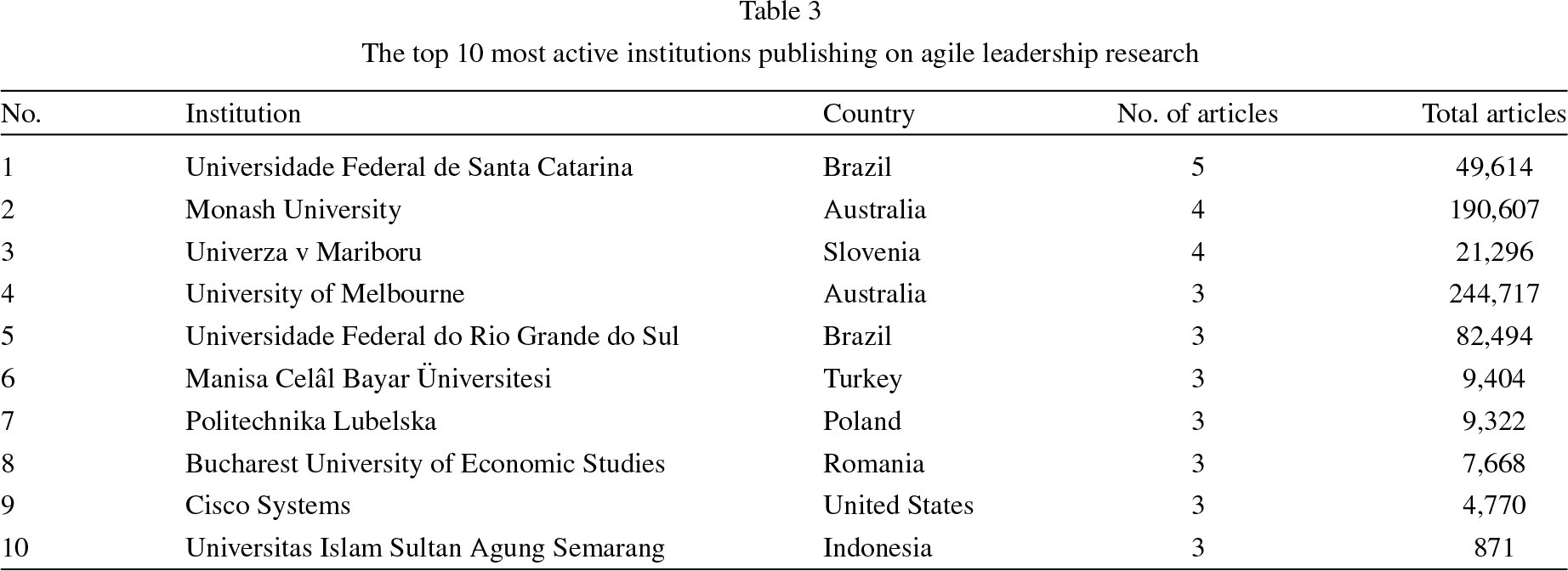
Table 3 shows a diverse set of institutions leading the research on agile leadership. These institutions span different continents and types of organizations, from universities in Brazil and Indonesia to major corporations such as Cisco Systems. The diversity leads to a range of perspectives and approaches to agile leadership, enriching the field. Universidade Federal de Santa Catarina (UFSC), located in Brazil, is known for strong engineering and management programs, contributing to research in agile leadership. The dominance of UFSC with 5 papers shows a strong focus and possibly a dedicated research centre actively exploring various aspects of agile leadership. Moreover, Slovenian universities, such as Univerza v Mariboru (University of Maribor), have research programs in business and economics, contributing to agile leadership. As a global technology leader, Cisco Systems implements agile practices internally and invests in research and development to advance the variable, method and management practice.
The top 10 most active institutions publishing on agile leadership research
The top 10 productive countries in publishing research, as shown in Table 4, reflect a diverse range of academic environments and focuses. These countries contribute significantly to agile leadership, each bringing unique perspectives and research strengths. The diversity in geographic and institutional backgrounds enhances the richness, increasing the applicability across various contexts and industries globally. The United States, leading with 61 papers on agile leadership research, shows a significant role in advancing the field. Several research institutions and universities contribute significantly to management and leadership research.
The top 10 productive countries publishing on agile leadership research
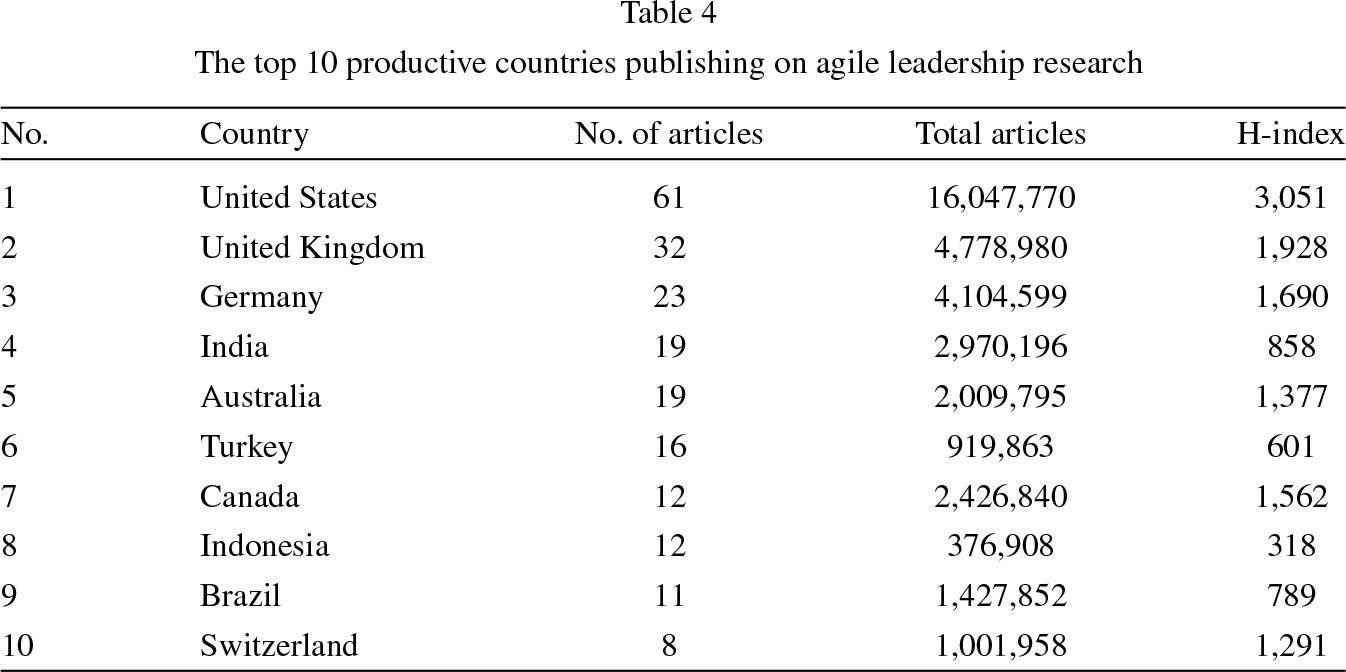
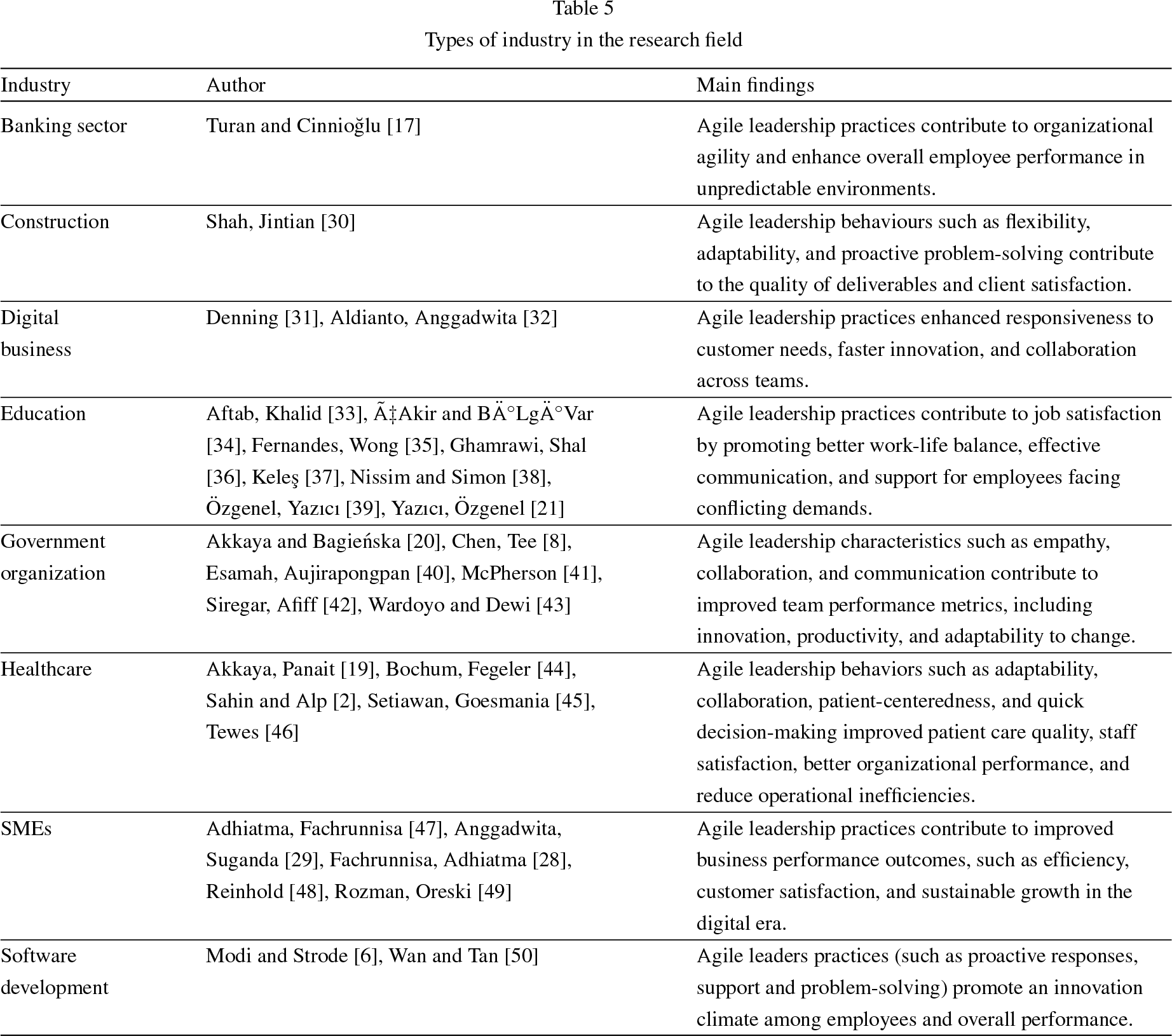
Table 5 provides the types of industries covered in the research and the main results related to the practices. In industries such as the banking sector, Turan and Cinnioğlu [17] found that agile leadership practices contributed to organizational agility and enhanced employee performance in unpredictable environments. This serves as a valuable resource for understanding the application of agile leadership practices across different industries to enhance adaptability, innovation, collaboration, and performance. By showing the main research in each industry, insights can be gained into the specific benefits and outcomes of implementing agile leadership practices.
Types of industry in the research field
Based on the trends shown in Fig. 6, agile leadership has evolved over the years to include various important aspects of organizational development and response to changing environments. The trends from 2018 to 2022 show the variable is proactive, people-focused, and technology-savvy to navigate the complexities of the modern business environment successfully. From 2018 to 2019, agile leadership focused on creating a positive culture to support agility. This includes enhancing values and practices enabling quick adaptation and responsiveness to change. Agile leadership also promotes continuous learning and professional development, suggesting the need for organizations to invest in upskilling the workforce. From the year 2020 to 2021, agile leadership focuses on building and maintaining a high level of trust within teams. Trust is essential for agile teams to function effectively as well as enhance open communication and collaboration. Agile leadership also focuses on promoting an entrepreneurial mindset within the organization to improve creativity, risk-taking, and innovation at all levels. In the year 2022, the variable prioritizes being able to manage crises effectively and responding to the challenges posed by the COVID-19 pandemic. Agile leadership also leads digital transformation efforts to stay competitive. This includes adopting new technologies and digital tools to improve processes and services. In addition, agile leadership creates a work environment that focuses on the well-being and job satisfaction of employees.
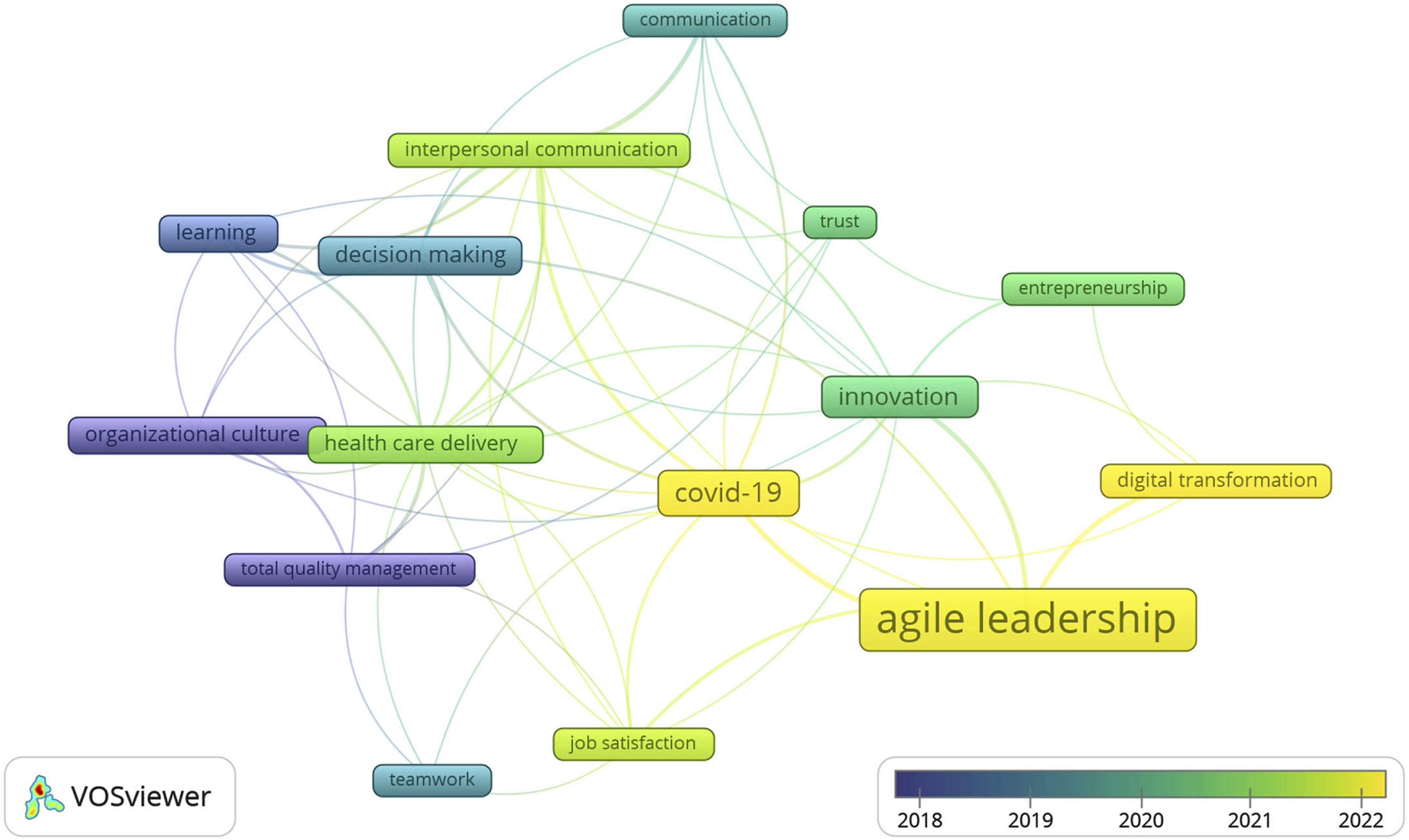
Overlay visualization.
Figure 7 shows that agile leadership significantly impacts interpersonal communication, trust, teamwork effectiveness, job satisfaction, decision-making processes, and sustainable innovation, especially within the scope of digital transformation. The variable equips organizations to navigate the complexities of the digital age effectively.

Result of co-occurrence analysis.
4.1. Impact of agile leadership on trust and innovation in digital transformation
Trust is created by promoting transparency, empowerment, and collaboration [13]. In an agile environment, leaders provide clear visibility into decision-making processes and organizational goals, reducing uncertainties and enhancing a sense of security among employees. This transparency is crucial in digital transformation, where rapid changes and technological advancements create significant uncertainty. By empowering employees to make decisions and take ownership of work, agile leaders build trust and confidence. Therefore, employees feel valued and trusted to contribute expertise, leading to higher innovation in the workplace. Moreover, agile leadership drives innovation by creating a culture of continuous improvement [51] and adaptability. The iterative nature of agile methods promotes experimentation and learning from failures, which are essential for innovation [52]. Agile leaders enhance a positive environment [11, 53] where employees feel safe to propose novel solutions without fear of repercussions. Platforms are also created for cross-functional teams to work, share knowledge, and brainstorm ideas. Agile leadership ensures diverse perspectives and expertise among employees contributing creative thinking and innovative solutions.
4.2. Impact of agile leadership on teamwork and job satisfaction
Agile leadership transforms teamwork by enabling strong collaboration [1]. The variable creates a cohesive team culture where employees support and complement skills, leading to higher productivity and effectiveness in navigating the complexities of digital transformation. Additionally, agile leadership enhances job satisfaction by prioritizing employee well-being, engagement, and growth. In this context, leaders actively emphasise personal and professional development [54] to empower employees to grow skills and tackle new challenges, enhancing a sense of fulfilment. Achievements are also recognized to provide meaningful recognition for employee success. This recognition increases morale and a sense of value and belonging within theorganization.
4.3. Impact of agile leadership on interpersonal communication, decision-making, and TQM
Agile leadership enhances a culture of open and continuous communication crucial for effective collaboration and problem-solving. By implementing regular stand-up meetings and retrospectives, leaders ensure that employees are constantly sharing updates, feedback, ideas, and experiences [55]. This transparency breaks down communication barriers, reduces misunderstandings, and promotes a culture of mutual respect and trust. Agile leadership also promotes active listening and constructive feedback to improve interpersonal relationships, team cohesion and performance. The variable revolutionizes the decision-making process [53] by promoting decentralized and iterative decision-making. Meanwhile, leaders empower employees to make decisions autonomously, leveraging expertise and on-the-ground insights. This decentralized method increases decision-making due to the elimination of bottlenecks associated with hierarchical approval processes. In this context, leadership should be closely consistent with the principles of total quality management (TQM) by improving continuous customer focus and employee participation. Agile leaders also prioritize customer feedback, ensuring that the final product or service exceeds expectations [13]. By including employees in decision-making and problem-solving, agile leadership enables collective expertise to identify and implement quality improvements to enhance a culture of excellence andaccountability.
5. Conclusion
In conclusion, agile leadership was increasingly recognized for the valuable impact on employee outcomes. The variable was reported as a catalyst for enhancing interpersonal communication, building trust, improving teamwork effectiveness, increasing job satisfaction, streamlining decision-making processes, and enhancing sustainable innovation for successful digital transformation. Additionally, agile leadership practices, such as regular feedback loops, transparent communication, and recognition of contributions, led to higher levels of employee engagement and job satisfaction. The leaders ensured that goals were in line with individual and team strengths [56], enhancing engagement to increase the meaningfulness of work.
The study contributes to the theoretical understanding of agile leadership by identifying its core components and their impact on employee outcomes. This can lead to the development of more comprehensive frameworks that integrate agile principles with leadership theories, enhancing the existing literature on leadership dynamics in VUCA environments. Moreover, by analyzing publications across various fields, such as business, management, social sciences, and engineering, the study highlights the interdisciplinary nature of agile leadership. This suggests that theory of agile leadership can be enriched by incorporating perspectives from different domains, fostering a more holistic understanding of its applications and implications in diverse organizational contexts.
The practical implication was the identification of key practices and principles of agile leadership, allowing organizations to enhance adaptability, innovation, and employee outcomes. By understanding the characteristics of agile leadership, such as flexibility, collaboration, and a focus on continuous improvement, organizations implemented training and development programs to cultivate the traits in leaders and teams. Moreover, the research showed the importance of enhancing a culture of trust and open communication, which led to improved team collaboration and project delivery times. Organizations could use the insights to create environments supporting self-management and self-organization among employees. This led to better performance, increased job satisfaction, and sustainable growth in a rapidly changing business landscape. The study also highlighted the role of agile leadership in promoting innovation within organizations. Practically, this means that leaders should encourage experimentation, support risk-taking, and create a culture that values creative problem-solving. This can enhance the organization’s ability to innovate and respond effectively to market changes.
Based on the findings of the current study, there remains a need for more empirical research and diverse methods to deepen the understanding of the relationship between the investigated variables. Future research should focus on longitudinal studies, cross-cultural analyses, and the exploration of mediating and moderating variables to show the effects of agile leadership on employee outcomes for organizational success. Additionally, conducting research focused on specific industries (e.g., education, healthcare, banking, technology) can yield insights into how agile leadership practices are tailored to meet the unique challenges and demands of differentsectors.
Footnotes
Acknowledgments
None.
Conflict of interest
None to report.