



Abstract
The pharmaceutical supply chain, which ensures that drugs are accessible to patients in a trusted process, is a complex arrangement in the healthcare industry. For that, a secure pharmachain framework is proposed. Primarily, the users register their details. Then, the details are converted into cipher text and stored in the blockchain. If a user requests an order, the manufacturer receives the request, and the order is handed to the distributor. Labeling is performed through Hypergeometric Distribution Centroid Selection K-Medoids Clustering (HDCS-KMC) to track the drugs. The healthcare Pharmachain architecture uses IoT to control the supply chain and provide safe medication tracking. The framework includes security with a classifier and block mining consensus method, boosts performance with a decision controller, and protects user and medication information with encryption mechanisms. After that, the drugs are assigned to vehicles, where the vehicle ID and Internet of Things (IoT) sensor data are collected and pre-processed. Afterward, the pre-processed data is analyzed in the fog node by utilizing a decision controller. Now, the status ID is generated based on vehicle id and location. The generated status ID is meant for fragmentation, encryption, and block mining processes. If a user requests to view the drug’s status ID, then the user needs to get authentication. The user’s forking behavior and request activities were extracted and given to the classifier present in the block-mining consensus algorithm for authentication purposes. Block mining happens after authentication, thereby providing the status ID. Furthermore, the framework demonstrates an efficaciousness in identifying assaults with a low False Positive Rate (FPR) of 0.022483% and a low False Negative Rate (FNR) of 1.996008%. Additionally, compared to traditional methods, the suggested strategy exhibits good precision (97.869%), recall (97.0039%), accuracy (98%), and F-measure (97.999%).
Keywords
Introduction
It is essential to securely maintain the drugs’ traceability in healthcare since it is necessary during any pandemic to check for the reach of medicines on time [1]. Drug counterfeiting degrades this kind of drug tracing. Drug counterfeiting has increased tremendously in recent years, which may result in economic loss for the country [2, 3]. Drug counterfeiting results in financial losses, higher medical expenses, lower pharmaceutical sector profits, and infringement on intellectual property. It also impacts public services, governments, and infrastructure development. To tackle this problem, it is necessary to fortify regulatory structures, improve the security of the supply chain, and successfully battle the illegal drug trade.
Blockchain plays a vital role in the process of avoiding drug counterfeiting [4]. In the healthcare supply chain, blockchain technology is mainly utilized. Blockchain technology’s improvements in security, traceability, and transparency are completely changing the pharmaceutical sector. It reduces the use of counterfeit medications and increases regulatory compliance by producing an unchangeable ledger of transactions. Additionally, blockchain improves medicine authentication, simplifies regulatory compliance, and makes supply chain management more effective. It uses permission access and encryption to provide data security and privacy. The healthcare supply chain, which encloses manufacturers, pharmacies, raw material suppliers, hospitals, distributors, and patients, is a complex network of several independent entities. Owing to various factors like inadequate information and centralized control, tracking supplies through this network is non-trivial [5]. Due to inadequate data and centralized management, stockouts, overstock, and inefficiencies in the healthcare supply chain are frequent problems. Both waste and patient safety may be jeopardized by this. Unexpected occurrences may be difficult for centralized control systems to adjust to, and problems with quality control may arise from a lack of transparency. The intricacy of data encryption, traceability limitations, security flaws, and scalability issues have all been studied in the past. Advanced security mechanisms, effective attack categorization, enhanced traceability, streamlined data encryption, and optimized algorithms are some of the ways that the suggested PBFT-MI-RLB-RBF architecture tackles these weaknesses.
The supplier is responsible for approved raw material handover to the manufacturer in a typical drug supply chain [6]. The drugs are packaged by the manufacturer; then, the primary distributor receives the product and is responsible for transferring them to pharmacies. Lastly, based on the doctor’s prescription, the drug will be dispensed by the pharmacy to the patients [7, 8]. Generally, third-party logistic service providers facilitate the transfer of drugs throughout the supply chain, which is the primary reason for counterfeit drugs. The challenge of attaining traceability for militating against counterfeit drugs is well-established; also, various efforts have been made to address this problem. But, security analysis was not performed [9, 10].
Since supply chain management completely relies on the mode of information exchange among various departments, it lacks reliability [11, 12]. Earlier, when cloud computing was applied to the blockchain, there were reputational risks of connected supply chains and loss of quality control [13]. Likewise, in edge computing, the networked architecture of edge computing increases known attacks [14]. Such a system is susceptible to security flaws and malware infiltration. Similarly, when utilizing blockchain, one of the main disadvantages is the immutability of data [15]. To resolve these issues, this paper proposed a model with deep learning-based attack classification.
Problem statement
Although numerous problems were solved previously, there are still some gaps left unsolved. The problems focused on this work are given further,
Pharmachain is assumed to be a secure storage, and its traceability is highly sufficient. However, there are risks of cyber security attacks that were not classified previously. Fork-after-withholding is an important attack that needs to be focused on as this is an internal attack. The previous technique makes use of Bluetooth for ordering details. This Bluetooth is open to interception and attack due to wireless transmission. There was a limited view of the details of the position, environmental shipment conditions, and certifications that were updated but not stored owing to limited memory.
To overcome these issues, the objectives defined here are:
To propose a pharmachain with attack classification using Practical Byzantine Fault Tolerance-Mimetic Initialization-Reinforcement Learning-based Radial Basis Function (PBFT-MI-RLB-RBF). To classify fork after withholding attacks in blockchain by identifying self-mining attacks in the chain. To use secured https-based links to generate orders and transmit them to dealers. To securely trace and evaluate user details with limited memory usage in the blockchain via Lemniscate Curve Cryptography (LCC).
It provides a safe pharmacology framework for the medical field that makes use of the PBFT-MI-RIB-RBF method. By precisely categorizing internal assaults, the Pharmachain system’s security is improved. Reinforcement learning and Mimetic Initialization improve the accuracy of the framework and lower misclassification errors. In terms of throughput and security, it also performs better than current systems. Data security is guaranteed by increasing the complexity of the key size. Comparative studies show that it is more accurate than traditional methods. Pharmaceutical traceability is guaranteed by the creative solution, which also tackles security issues.
The remaining paper is systemized as follows: the related works and their limits are exemplified in Section 2; the proposed secured healthcare storage framework is delineated in Section 3; the outcomes are explicated in Section 4; and lastly, the paper is wrapped up in Section 5.
[16] propounded a completely decentralized, blockchain-centric drug traceability solution worthy of seamlessly combining IoT devices throughout the chain. Data provenance and data integrity were ensured and enforced in the presented IoT environment for preserving the drugs’ traceability. But, the data search was complex to follow as it required parsing an enormous amount of data for finding specific information about a particular object.
[17] established an architecture that applied the semantic web technology for enhancing the IoT-blockchain-centric pharmaceutical supply chain’s representation ability. This architecture integrated IoT, blockchain, and semantic web to help pharmaceutical companies and also enhances their supply chains in transit. Nevertheless, this paper ignored how to manage a continuously huge amount of generating data from the connected sensors.
[18] proffered a blockchain and machine learning-centered Drug Supply Chain Management and Recommendation system (DSCMR). This system was employed by utilizing Hyperledger fabrics, which could continuously monitor the drug delivery process. Although it was very secure, it obtained poor accuracy in classification utilizing machine learning models.
[19] introduced a Multi-Level Authentication (MLA) intrusion detection model for blockchain-based attacks. The framework was divided into 4 layers, namely (1) User Management Layer, (2) EHR Generation and View Layer, (3) EHR Storage Layer, and (4) EHR Access Management Layer. Also, it efficiently addressed user wallet attacks. But, it failed in concentrating on the storage of blockchain.
[20] developed IoT smart healthcare system grounded on blockchain technology for a secure as well as efficient model. For developing a fully automated COVID-19 detection system, the ResNet152 model was wielded. The presented algorithm produced high training as well as validation accuracy with low training and validation loss when contrasted with other algorithms utilizing 20 epochs. Yet, inaccurate data captured by a faulty device could lead to medical errors.
[21] presented Blockchain-Based Traceability of Counterfeited Drugs (BBTCD), which employed tracking of counterfeited drugs utilizing smart contracts on the Ethereum blockchain. This algorithm was economically more stable, achieved transparency, and enhanced the healthcare supply chain’s efficacy. Nevertheless, they were inadequate for establishing trust in the smart contract’s robustness.
[22] propounded a lightweight blockchain solution to ensure the safe handling of medicines carried in a cold supply chain. PharmaChain 2.0 works based on the lightweight consensus mechanism, Proof-of-Authentication (PoAh), which is cost-effective. But, owing to the resource constraints of such IoT devices, manipulating the data and providing falsified information by any adversary to disrupt the system was very easy.
[23] introduced a decentralized mechanism of security utilizing a Software-Defined Network (SDN) combined with blockchain in mobile edge as well as fog computing. SDN was used for continuous monitoring; then, blockchain was used to store the medical data; also, fog nodes were responsible for attack identification and forwarding the change in protocols to the edge nodes. Though it provided higher security, it was not tested with any attack models.
[24] proffered Blockchain Enabled QR Code mechanism for efficient track and trace along with providing the drug information to the consumer. By introducing an IPFS distributed storage system, PharmaChain 3.0 addressed the problem of uploading huge data drug information files onto the blockchain. Nevertheless, this work did not consider accessibility to the users.
[25] propounded the miner’s credit classification mechanism grounded on fuzzy C-means, which combined the enhanced Aquila Optimizer (AO) with strong solving capability. As per the outcomes, the FAWPA could efficiently detect malicious miners in the target mining pool. Nevertheless, in constructing the industrial internet blockchain system, malicious miners would attack the blockchain system via illegal behaviors, which posed a challenge to the industrial internet’s security.
[26] suggested using B-GNB, a supervised machine learning approach, to identify cyberattacks on wireless networks used in healthcare. Using sensors, the method gathers patient data in real-time, which is subsequently transmitted to physicians via the Internet of Things for early illness analysis. The model’s 96% accuracy rate in classifying assaults highlights how susceptible wireless networks are to cyberattacks.
[27] investigated how to improve security in Internet of Things (IoT) devices by integrating blockchain technology and artificial intelligence (AI). It suggests a methodology for identifying and detecting cyberattacks using blockchain technology and machine/deep learning models. The framework takes advantage of the Internet of Things’ four-layer design, and its machine and deep learning algorithms exploit patterns to identify security threats. To guarantee that fresh requests are recognized in subsequent requests, the framework signs them using cryptography. A case study was conducted using the MQTTset dataset, demonstrating the validity and reliability of the methodology.
[28] addressed the expanding application of IoT technology in healthcare and suggests a novel approach to authentication that leverages machine learning to improve security. In order to minimize connection latency and guarantee data privacy, the technique recognizes device frequencies and access time using trust management and machine learning.
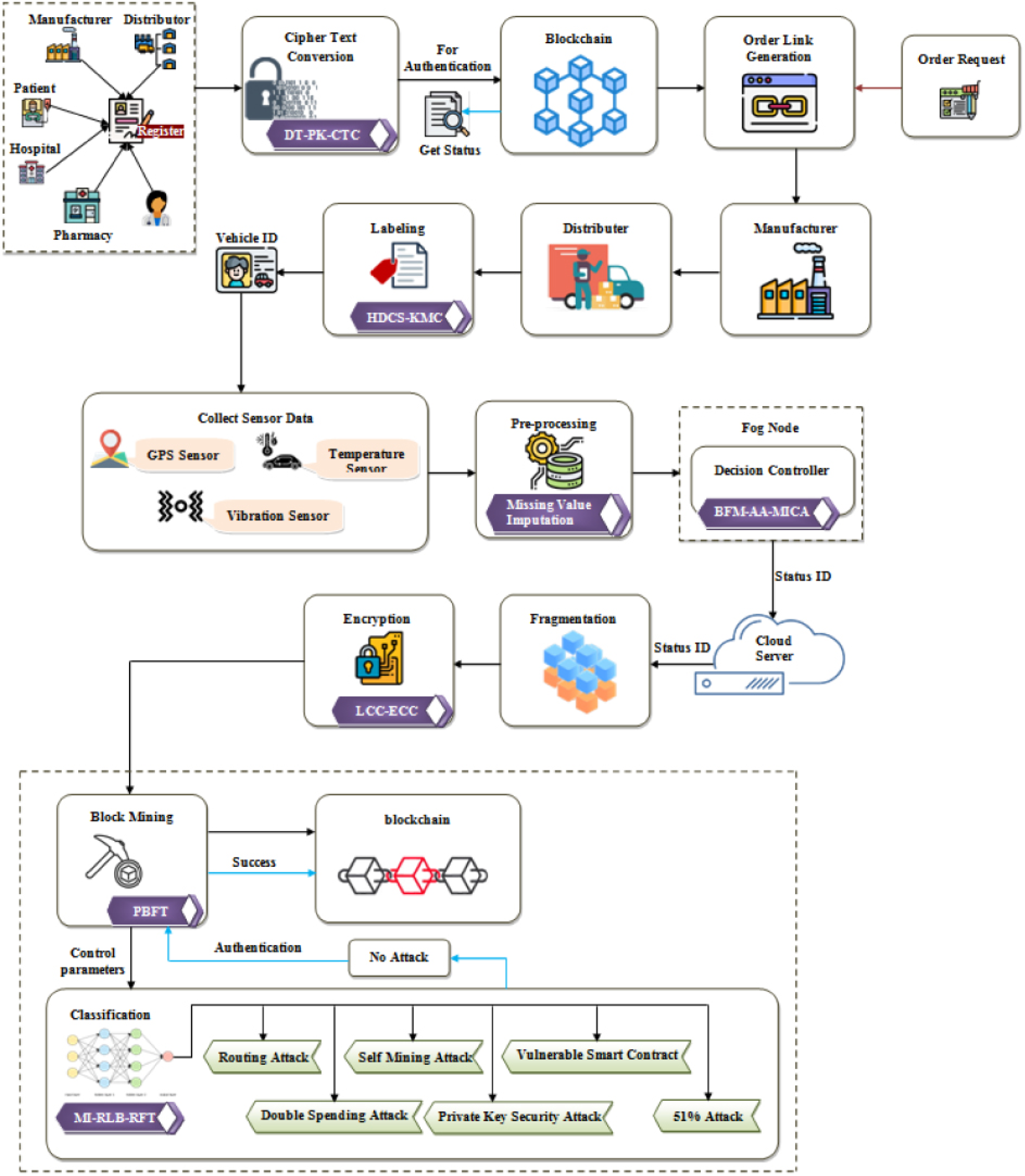
Proposed healthcare pharmachain framework based on IoT.
Pharmaceuticals have benefited in various aspects of the development, manufacturing, and distribution of drugs. Tracking the drugs with a proper model is a reliable way of supplying standard drugs to users. Hence, this work proposes a secure pharmachain framework with blockchain technology. Figure 1 displays the block diagram for the proposed technique. The IoT-based healthcare pharmaceutical paradigm that has been presented contains many stages. Users register their information on the blockchain during the startup process, which guarantees safe medication tracking and administration. The goal of the IoT-based healthcare Pharmachain framework proposal is to improve supply chain management and medication traceability in the healthcare industry. It entails the creation of a status ID based on the vehicle ID and location data, drug assignment to cars, and user registration on the blockchain. For security and authenticity, this ID is subjected to block mining, encryption, and fragmentation procedures. The drug’s status ID can only be viewed with user authentication, and block mining is used to give the status ID to the user. The effectiveness of the framework is confirmed by contrasting its results with those of other methods currently used in healthcare supply chain management. This method increases medication traceability’s efficiency, security, and transparency by utilizing blockchain, the Internet of Things, and secure data processing tools. Pharmaceutical supply chain efficiency and security are enhanced by the proposed Pharmachain healthcare architecture, which makes use of cutting-edge security measures and blockchain technology. Along with decreasing fake medications, it improves traceability and makes a safe ledger. Sensitive information is protected by data encryption, smart contracts automate negotiations, and authentication procedures confirm the legitimacy of products.
Initialization
Primarily, the users, such as manufacturers, distributors, doctors, patients, and pharmacies, register their details in the blockchain with a license

Where,
Because of its complexity, security, and privacy properties, the DT-PK-CTC algorithm is suggested for safe data encryption in the healthcare Pharmachain framework. Converting user data and medication information into cipher text uses double transposition and prime key selection to increase deciphering complexity and decrease mistake rates. The process of turning plaintext into ciphertext through a series of procedures, including substitution, transposition, key creation, arithmetic operations, block processing, iterative process, padding, and output production, is known as encryption. It entails changing letters, rearranging symbols, and separately encrypting each block. Here, by utilizing the Double Transposed-Prime key-columnar Transposition Cipher (DT-PK-CTC) algorithm, the details
In DT-PK-CTC, the details

Where,

Afterward, the width of the rows and the permutation of the columns are defined by a keyword, which is from the alphabetical order of the user data. Here, by utilizing a random prime number, the keyword is selected, which is given as follows:


Where,
If a user requests an order, then the request is generated in HTTP link format to prevent a Bluetooth attack; then, this link is securely transferred to the manufacturer. The generated drug is handed to the distributor. The distributor assigns drugs to vehicles to reach the ordered persons. Therefore, the drugs are mathematically expressed as
Labeling
Here, the drugs
The number of clustered drugs is expressed as,

Where,


Where,

Now, the drug is assigned to the cluster of the closest centroid. The above steps are repeated, and the total deviation

Where,
In this phase, the labeled drugs

A decision controller in the fog node of the suggested healthcare Pharmachain structure is used for pre-processing data analysis, improving status ID creation efficiency, and guaranteeing timely information distribution. Managing medication traceability and supply chain activities simplifies data analysis and enhances system performance. Pre-processing data gathering from vehicle IDs, IoT sensor data from the supply chain network, and labeled medications are all part of the research. The study uses mean value imputation to deal with missing values in the data that was gathered. For each type of sensor, this entails determining the mean values of the available data. The computed mean values are then used to fill in the missing data, making the dataset full and ready for additional analysis. The consistency and integrity of the dataset are preserved during this approach to enable precise modeling and analysis. Afterward, for mean value imputation, these IoT sensor values are pre-processed. The

Where,
Here, the pre-processed data
Optimal delay selection
By utilizing the AA, the minimum value of the total delay is computed. Here, pre-processed data
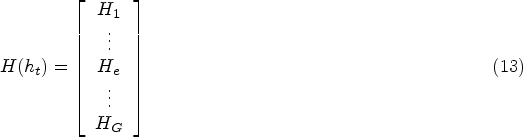
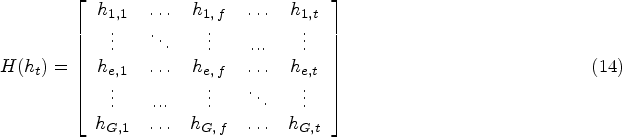
Where,

Where,

Where,
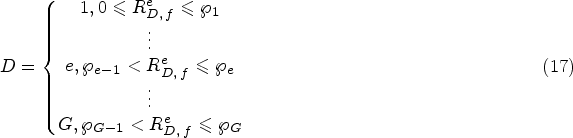
Where, the row number of the selected member by the archer is signified as

Where,

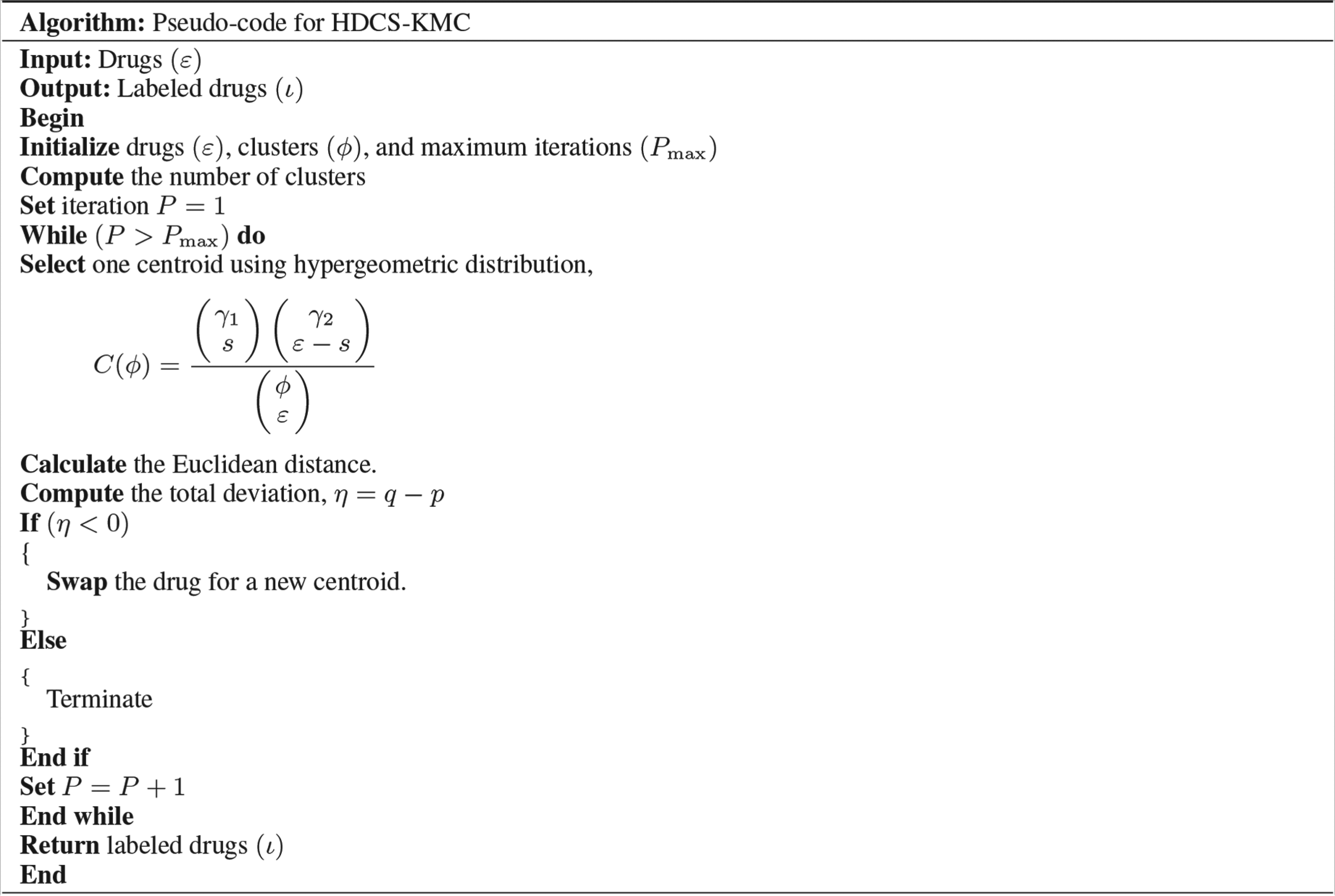
The pseudo-code for BFM-AA-MICA is displayed below:

Here, the generated status ID

Wherein, the number of fragmented data (Status ID) is exemplified as
Now, by utilizing the LCC technique, the fragmented status
By utilizing the Lemniscate Curve, the fragmented data

Where,

Where,

At the time of decrypting the fragmented status ID on the receiver side, the encrypted message is retained by utilizing the private key, which is expressed as,

Lastly, the encrypted fragmented status IDs are represented as,

Where,
For securing and verifying transactions based on user message content, blockchain mining is utilized. For this authentication purpose, a consensus algorithm is utilized. In this proposed model, Practical Byzantine Fault Tolerance (PBFT) has been adopted. PBFT can provide fast and efficient consensus among nodes. PBFT is a mechanism that protects transactions against system failures by utilizing decision-making; that is, it classifies the attacker nodes and the genuine nodes. This prevents the network from the malicious node. Conversely, in PBFT, the decision-making is done grounded on the message contents without considering any feature values. This may result in false decisions. To prevent such errors, a deep learning-based classification model has been employed here. The steps are detailed below,
Step 1: Primarily, a user sends a request to the primary node in the consensus network,

Where,
Step 2: Afterward, the leader node broadcasts the transaction sent by the user to the entire network.

Where,

Structure of the MI-RLB-RBF classifier.
Primarily, to classify the requests, the user activities and blockchain features

Where, Every single output layer neuron is entirely connected to the hidden layer. The output layer


Where, Lastly, the Mean Square Error (MSE)


Here, Grounded on the error value and the output attained, RL is evaluated by considering the block as the environment, the classification result as a reward, behavioral activities as a state, and the action performed in miss behavioral activities as an action. Thus, the reward function is implied as

Here,

Where,

Wherein,
Step 3: After the classified result is received by every single node, the transactions are executed by every single node as per the sorted list. The new block’s hash summary is computed after all the transactions are executed.
Step 4: The result is returned to the client by every single node of the consensus network. The output of the classifier is mathematically represented as
Here, the proposed and the existing models’ performance are analyzed by comparing their results. Here, the dataset is collected from publicly available sources. In the dataset, 80% were utilized for training, whereas the remaining 20% were utilized for testing. In the working platform of PYTHON, the proposed methodology is implemented.
Performance analysis
Here, the performance analysis is executed grounded on the following phases: block mining, decision controlling, clustering, and cipher text conversion.
Performance evaluation of block mining
This section analyzes the proposed PBFT

Performance analysis based on security level and throughput.
The performance analysis for the proposed PBFT
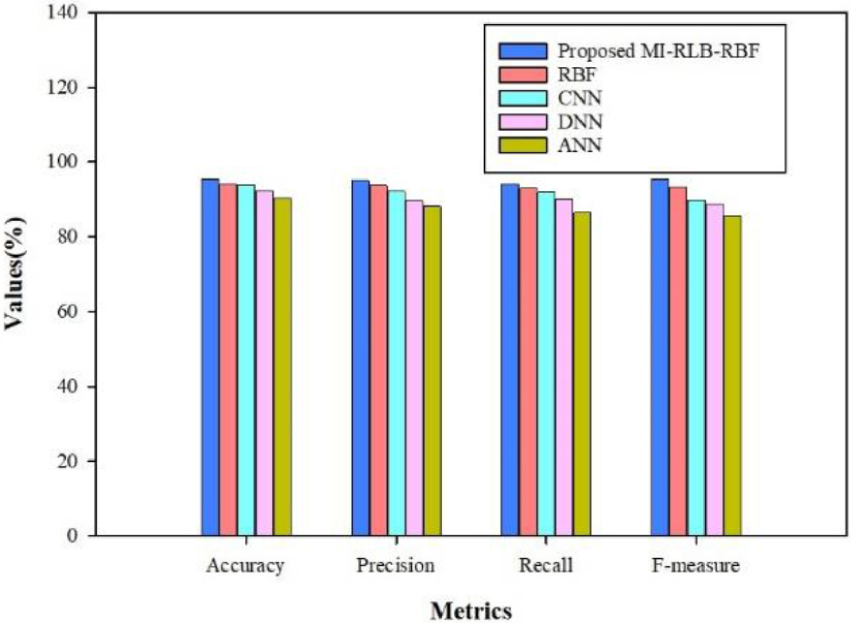
Performance evaluation of proposed MI-RLB-RBF.
Concerning precision, f-measure, accuracy, and recall, the proposed and prevailing techniques’ performance is exemplified in Figure 4. The Proposed MI-RLB-RBF attains the accuracy and precision of 98% and 97.869%. The MI-RLB-RBF, which was associated with RL, can classify the attack accurately, which can also lead to better recall and F-Measure at the rate of 97.0039% and 97.999%. As per the outcomes, the proposed one demonstrated superior outcomes when contrasted with the conventional mechanisms.
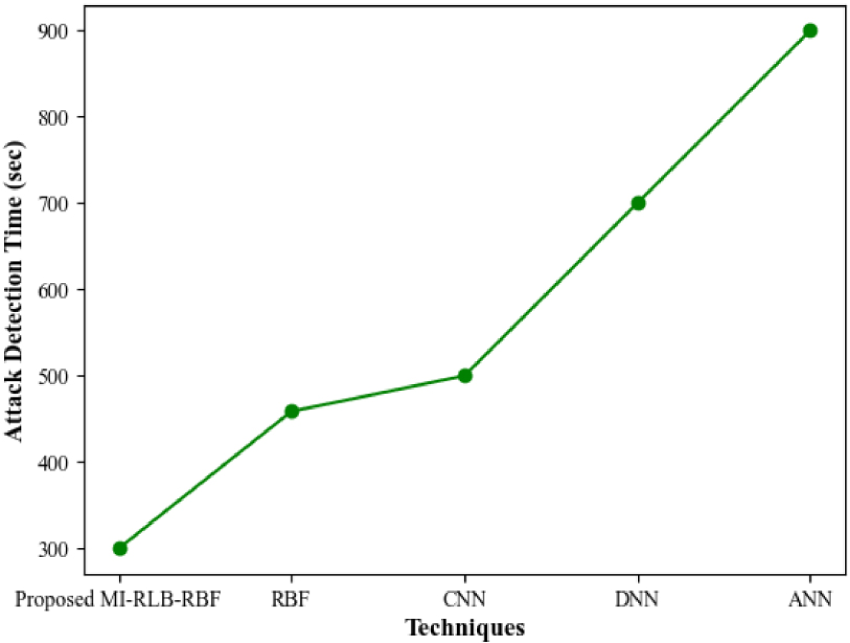
Graphical representation of attack detection time.
Attack detection time analysis is performed for the proposed MI-RLB-RBF and existing algorithms, which are revealed in Figure 5. The MI-RLB-RBF can exploit spatial relationships more efficiently with reduced attack detection time owing to the presence of MI. The proposed MI-RLB-RBF attains the lowest attack detection time of 300 sec. However, the existent techniques require an average of 339.75 sec for detecting the attacks. The analysis exhibited that the proposed technique classifies the attack with less time than that of prevailing models.
FNR & FPR analysis.

The FNR and FPR analysis for the proposed MI-RLB-RBF and the existing algorithms are exemplified in Table 1. The existing RBF, CNN, DNN, and ANN approaches offer FNR of 4.426559%, 5.653021%, 7.254902%, and 11.0664%, correspondingly. However, the proposed one achieved a very low FNR of 1.996008%. Likewise, the proposed classifier achieved a low FPR of 0.022483% compared to other classifiers. Hence, it is deduced that owing to the process of RL, the proposed method holds superior outcomes.
Here, for showing the proposed technique’s proficiency, fitness vs. iteration and average delay results of the proposed BFM-AA-MICA are compared with the traditional algorithms, such as Particle Swarm Optimization (PSO), MICA, Ant Colony Optimization algorithm (ACO), and Genetic Algorithm (GA).
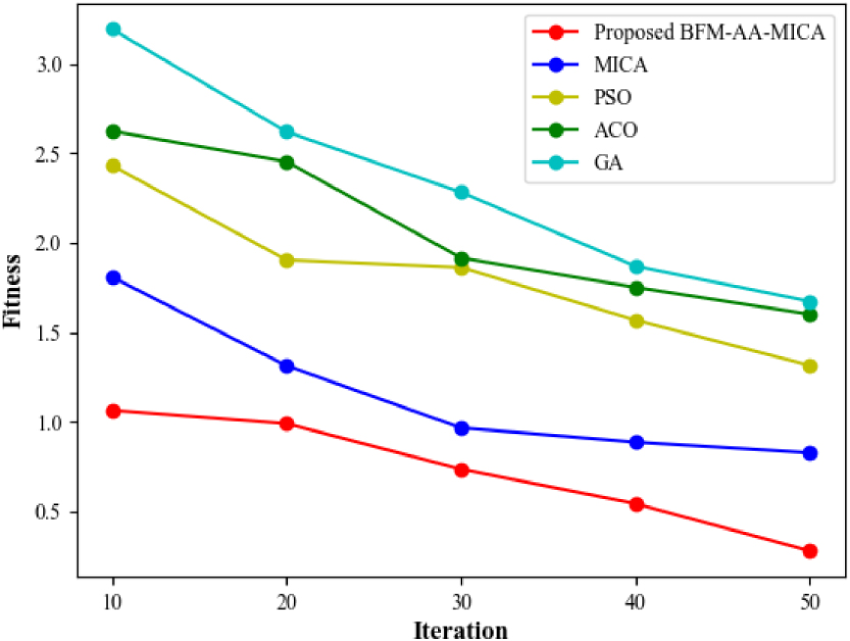
Fitness vs. iteration analysis.
Figure 6 depicts the fitness Vs iteration analysis for the proposed one with the prevailing algorithms. Here, the minimum delay is considered as the fitness function. At iterations 10, 20, 30, 40, and 50, the proposed BFM-AA-MICA attains the fitness values of 1.0635, 0.989306, 0.734298, 0.540938, and 0.276477, which are the lowest fitness values among all the existing algorithms. Thus, the proposed model attained better convergence owing to the incorporation of AA in conventional MICA, which determines the drugs’ safety effectively.

Average delay analysis.
Figure 7 elucidates the performance analysis based on average delay. The value of the average delay should be low for accurate prediction. When contrasted with the prevailing techniques, the proposed one attains the lowest average delay of 10 sec. This improvement is owing to the modification of the Bell fuzzy membership function in MICA, which replaces the random position updation process, thus resulting in minimum delay.
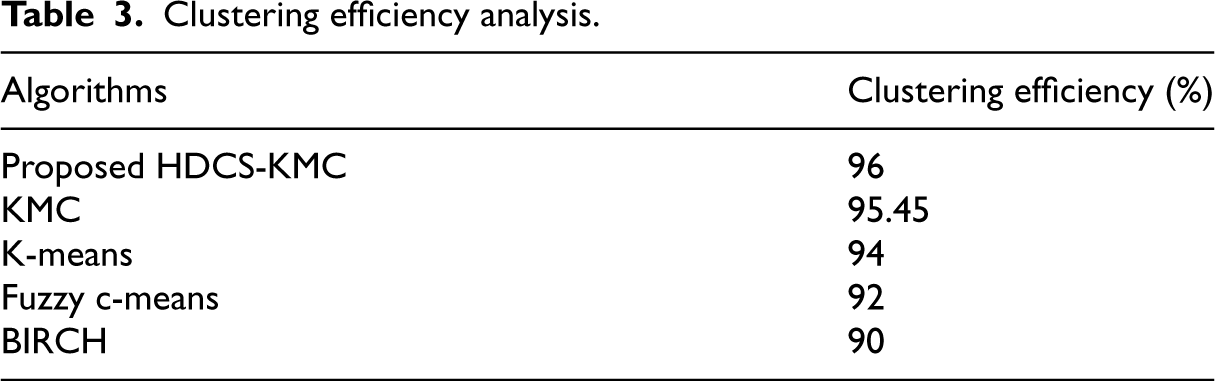
Here, the proposed HDCS-KMC’s performance is assessed with conventional techniques, namely KMC, K-Means, Fuzzy C-Means, and Balanced Iterative Reducing and Clustering using Hierarchies (BIRCH) grounded on clustering time, clustering efficiency, Mean Absolute Error (MAE), and similarity index.
Figure 8 displays the performance analysis for the proposed algorithm with the existing algorithms grounded on clustering time. The inclusion of the HD to select the cluster centroids potentially results in better clustering with minimum time. Hence, the proposed HDCS-KMC obtains the lowest clustering time of 40 sec. Therefore, it is depicted that the proposed HDCS-KMC converges faster and requires less iteration to reach an accurate clustering solution.
Performance analysis in terms of MAE, and similarity index.
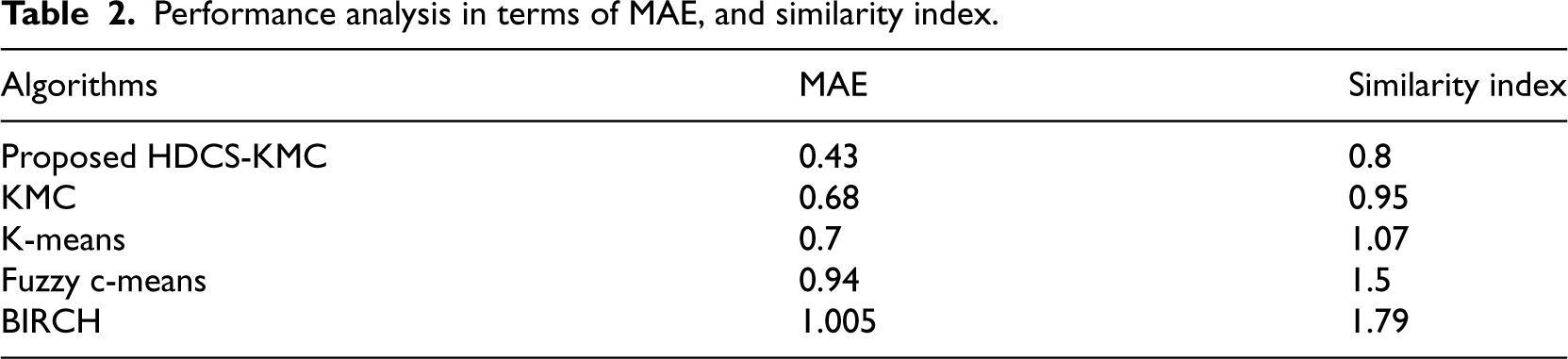
Performance analysis in terms of MAE, and similarity index.
The experimental error and similarity measures of the proposed HDCS-KMC and the conventional algorithms are demonstrated in Table 2. When KMC is incorporated with HDCS, the error rate attained by the proposed one is less in comparison with existing techniques. Likewise, owing to the centroid selection process, the proposed HDCS-KMC obtains a good similarity index. The table clearly depicts that the MAE value and similarity index of the HDCS-KMC (0.43 and 0.8) make it more suitable for clustering the drugs in the proposed system.
Clustering efficiency analysis.
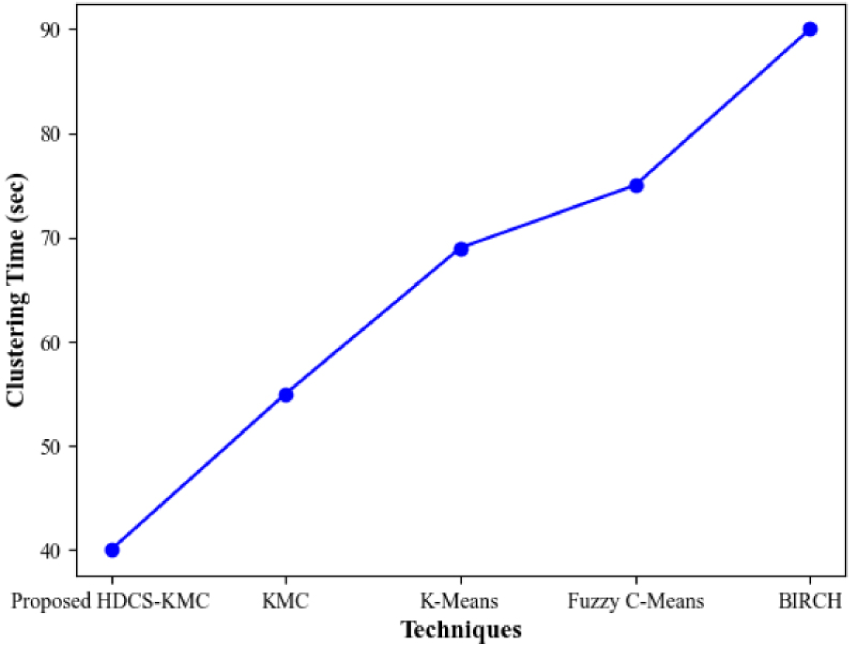
Performance analysis based on clustering time.
In Table 3, the clustering efficiency of the proposed HDCS-KMC shows 96%. However, the existing KMC, K-Means, Fuzzy C-Means, and BIRCH show 95.45%, 94%, 92%, and 90%, correspondingly. This shows that the proposed technique’s clustering efficiency is very much high in contrast to the existing techniques. The modification of the HD for selecting centroid has enhanced clustering efficiency; thus, the proposed system groups the drugs accurately.
The performance of a suggested PBFT
Here, the outcomes of the proposed DT-PK-CTC technique are analyzed in comparison with baseline CTC, Transposition Cipher, Polygraphic Cipher, and Permutation Cipher concerning encryption time, decryption time, and key size.

Performance validation based on the encryption and decryption time.
The validation of encryption time and decryption time is unveiled in Figure 9. The efficiency of the model is determined by less encryption and decryption time. Following that, the proposed technique encrypts and decrypts the data at the lowest time of 1330 ms and 1267 ms, correspondingly. This higher achievement in cipher text conversion is owing to the modification of DT in CTC for efficient prime number selection.
Table 4 exemplifies the key size used for cipher text conversion. The table displays that the key size used by the proposed technique for cipher text conversion is 120 kb. The key size attained by other existing methods is lower than the proposed technique. This higher key size indicates the key complexity, which proves the security of the DT-PK-CTC than the conventional CTC technique.
Key size analysis for the proposed method and the existing methods.
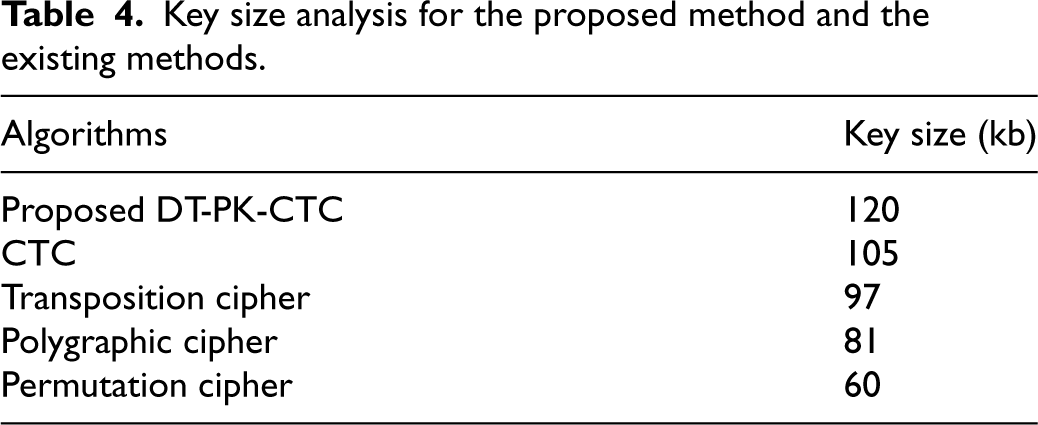
Here, the proposed MI-RLB-RBF framework is compared with related works like [18, 20, 23] based on security metrics. The comparative analysis based on accuracy is shown in Table 5 and Figure 10.
Comparative analysis based on accuracy.
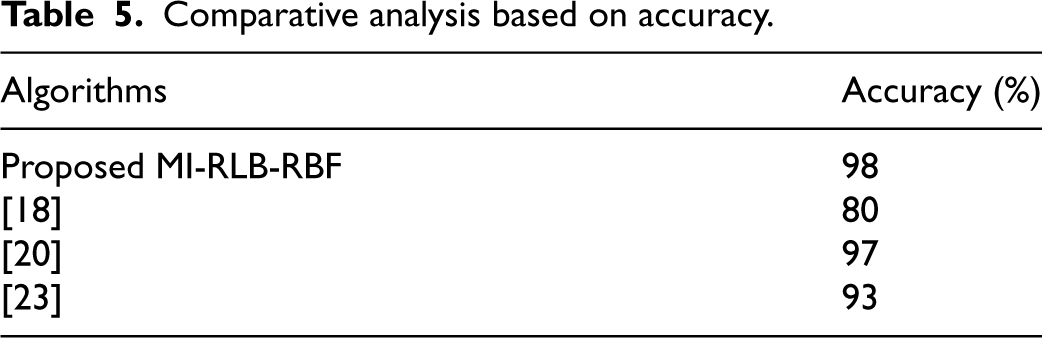
Comparative analysis based on accuracy.
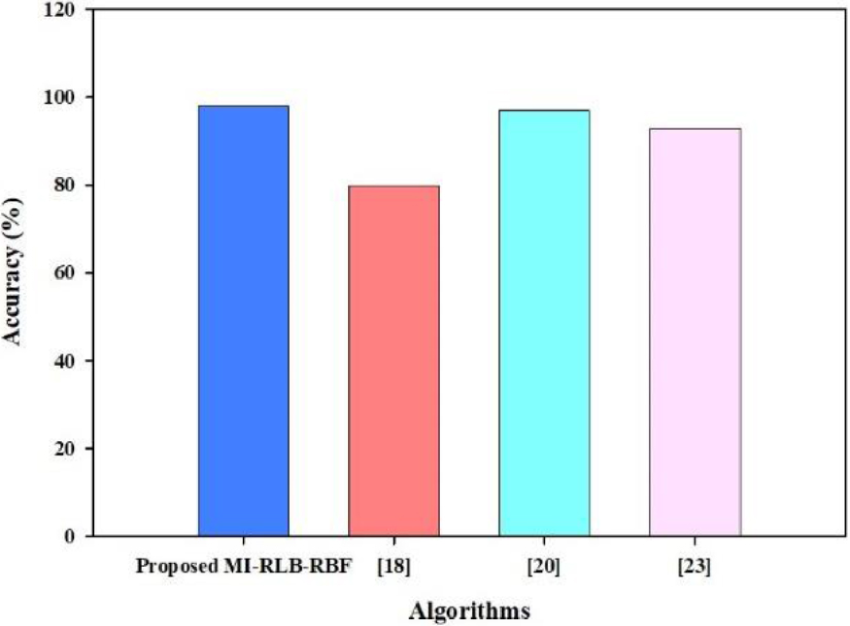
Comparative analysis based on accuracy.
The accuracy levels of several algorithms, including the suggested MI-RLB-RBF framework and other current models, are compared in Table 5. According to the findings, the suggested framework outperforms the algorithms developed by [18, 20, 23] in terms of accuracy, achieving a maximum level of 98%. Reinforcement learning (RL) and mimetic initialization (MI), which help to decrease false classifications and improve accuracy in attack detection and classification, are responsible for the MI-RLB-RBF framework’s exceptional performance. In comparison to current algorithms, the comparative study demonstrates the efficacy and superiority of the proposed MI-RLB-RBF framework in obtaining high accuracy levels, underscoring its potential to improve security and performance in healthcare systems
This work proposed a secure pharmachain healthcare framework. The proposed technique efficiently addresses the challenges faced in the pharmachain system; also, it provides an automated solution for a secure drug traceability system. The proposed technique generated HTTP-based links for placing orders for drugs and transmitting them through the pharmachain process. Moreover, classification using a deep learning model was projected to efficiently withstand several attack types. Also, to trace and evaluate the user details more securely for the entire process of drug traceability, a Blockchain-based block mining framework was introduced. Lastly, the proposed technique’s experimental evaluation illustrated its efficiency in classifying the attacks. The proposed PBFT-MI-RLB-RBF attained a security analysis value of 98%, which was 3.651% higher than the existing algorithms. For attack classification, MI-RLB-RBF attained the highest accuracy of 98%. HDCS-KMC attained less clustering time (40sec) when contrasted with the prevailing techniques. The study emphasizes how the HDCS-KMC framework outperforms conventional methods such as KMC, K-Means, Fuzzy C-Means, and BIRCH, with an amazing clustering effectiveness of 96%. Healthcare systems may find a viable answer in the integration of HDCS, which improves centroid selection.
Limitations and future scope
With deep learning-based classification, the framework ensures more accurate and dependable attack classification as well as effective pharmaceutical supply chain tracking. Blockchain technology is utilized to automate drug traceability, and reinforcement learning and mimetic initialization improve accuracy even further. The restrictions of the DT-PK-CTC encryption method, such as the range of potential attacks, the complexity of the key size, and possible performance trade-offs brought on by the use of intricate algorithms. The methodology for classifying side-channel attacks will be improved in the future, key management approaches will be optimized, and algorithm optimization and parallel processing techniques will be used to solve performance trade-offs.
Footnotes
Abbreviations and expansions
Authors’ contributions
All author is contributed to the design and methodology of this study, the assessment of the outcomes and the writing of the manuscript.
Funding
The authors did not receive any funding.
Conflict of interest
Authors do not have any conflicts.
Code availability
Not applicable.
Data availability statement
No datasets were generated or analyzed during the current study.