



Abstract

The Journal of Parkinson’s Disease is proud to announce the two articles that have won the first
The winning papers are:
Aviles-Olmos I, Dickson, J, Kefalopoulou, Z, Djamshidian, A, Kahan, J, Ell, P, Whitton, P, Wyse, R, Isaacs, T, Lees, A, Limousin, P, Foltynie, T (2014) Motor and Cognitive Advantages Persist 12 Months After Exenatide Exposure in Parkinson’s Disease. J Parkinsons Dis,
Braak, H, Del Tredici, K (2017) Neuropathological Staging of Brain Pathology in Sporadic Parkinson’s disease: Separating the Wheat from the Chaff. J Parkinsons Dis,
These papers were selected by members of the Journal of Parkinson’s Disease’s Editorial Board from among 461 research articles and 153 review articles published between the journal’s launch in 2011 and 2019. Awardees will receive a commemorative plaque and a cash award of $1,000 (per article). The Parkinson Prize will continue as an annual award and in 2021 an article published in 2020 will be selected.
“The entire Editorial Board is delighted to formally recognize these important contributions to the literature on Parkinson’s disease, and is honored to have the opportunity to publish such significant work in the Journal of Parkinson’s Disease,” state Editors-in-Chief Patrik Brundin, MD, PhD, and Bastiaan Bloem, MD, PhD.
IMPORTANCE OF THE WORK
The Foltynie study adds confidence that the potential beneficial effects of exenatide for the treatment of Parkinson’s disease may be related to more than transient symptomatic benefits. The trial participants who used exenatide for one year as part of the investigators’ first trial were reviewed a year after stopping exenatide, and their “off dopaminergic medication” video assessments remained improved compared to participants who were randomly assigned to thecontrol group.
“We have learned that careful long-term follow-up can be hugely instructive and have embraced the long-term follow up strategy in the evaluation of exenatide in our current phase 3 trial. My co-investigators and I are very honored that the Journal of Parkinson’s Disease has chosen to recognize this article in this way,” commented Prof. Foltynie.
Prof. Braak and Dr. Del Tredici review the development and rationale for the six-stage staging model they proposed for brain pathology related to sporadic Parkinson’s disease (Neurobiol Aging 2003) and ensuing controversies. This staging model continues to fuel discussions as well as new hypotheses and new experimental models pertaining to the pathogenesis and pathomechanisms of Parkinson’s disease.
“Neuropathological staging of protein misfolding disorders helps to provide insight into the regional distribution of pathology, its potential systemic spread or propagation along neuroanatomical connectivities, and the selective vulnerability of specific types of neuronal and non-neuronal cells, whereby the prion-like concept of the synucleinopathy and the theory of selective vulnerability in Parkinson’s disease are by no means mutually exclusive,” explained Prof. Braak and Dr. Del Tredici. “We would like to thank the Journal of Parkinson’s Disease Editorial Board members for their recognition of our work.
2020 PARKINSON PRIZE RECIPIENTS
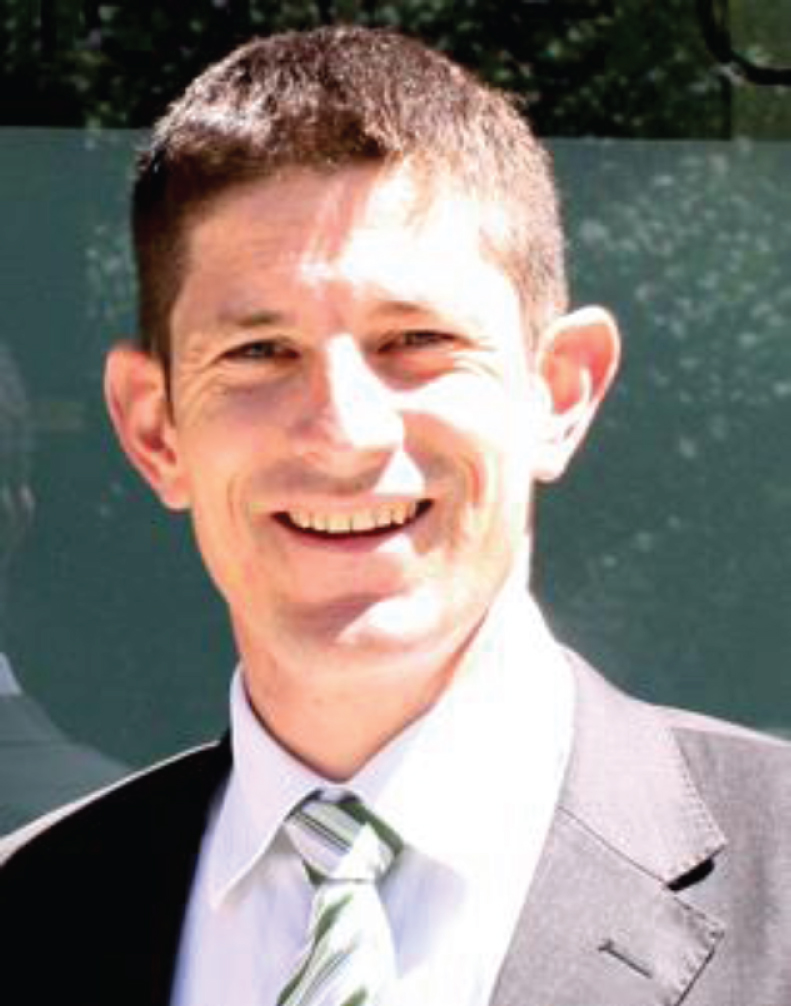
Prof. Foltynie trained in medicine at UCL. After qualifying in 1995, he worked in Addenbrooke’s Hospital in Cambridge. From 1999 to 2003, he undertook his PhD in Cambridge looking at the heterogeneity of Parkinson’s disease, describing differences in cognitive abilities between patients under the influence of various genes including COMT and BDNF, and Tau. He finished his neurology training between Addenbrooke’s Hospital, Cambridge and the National Hospital for Neurology and Neurosurgery in London, before taking up his consultant clinical academic position in London in 2008. He was promoted to Professor in 2016.
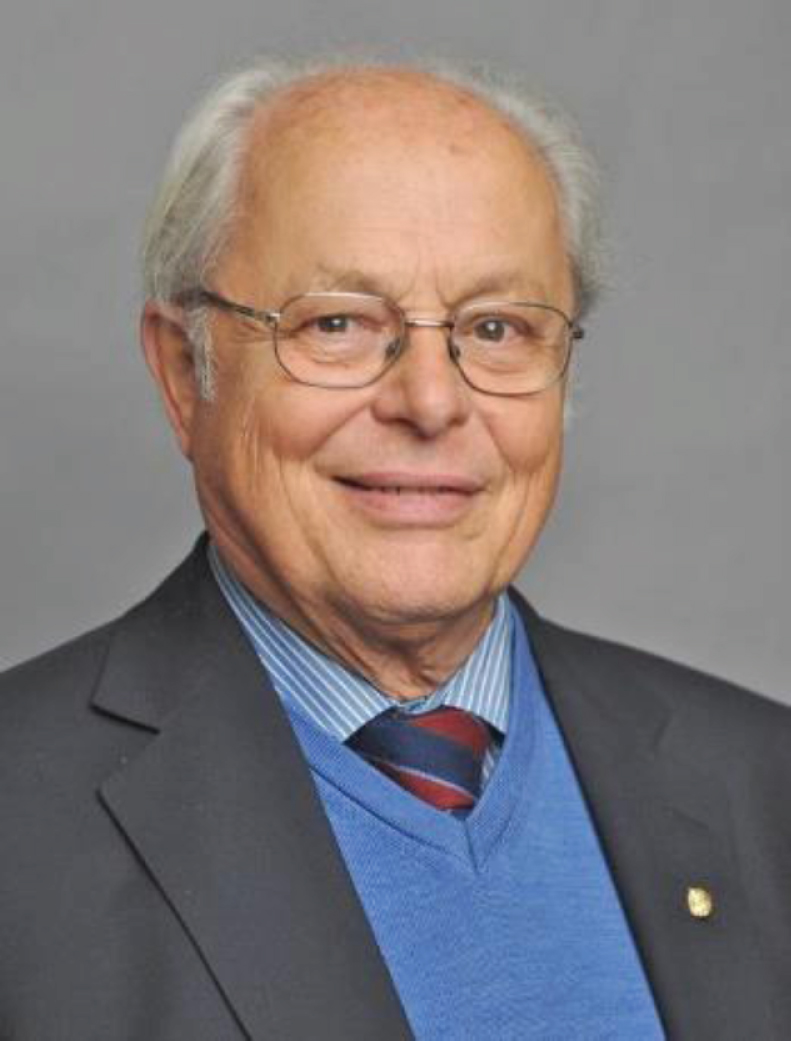
A native of Kiel,
Prof. Braak is a member of the German Academy of Sciences Leopoldina (Halle/Saale) and the 2014 recipient of the Robert A. Pritzker Prize for Leadership in Parkinson’s disease Research (Michael J. Fox Foundation). In 2018, he was awarded the Federal Republic of Germany’s Great Order of Merit. His research interests include neurodegeneration, Alzheimer’s disease, Parkinson’s disease, amyotrophic lateral sclerosis, and pathoarchitectonics of the human cerebral cortex. He was married to Prof. Eva Braak until her death in 2000 and is now married to Kelly Del Tredici.
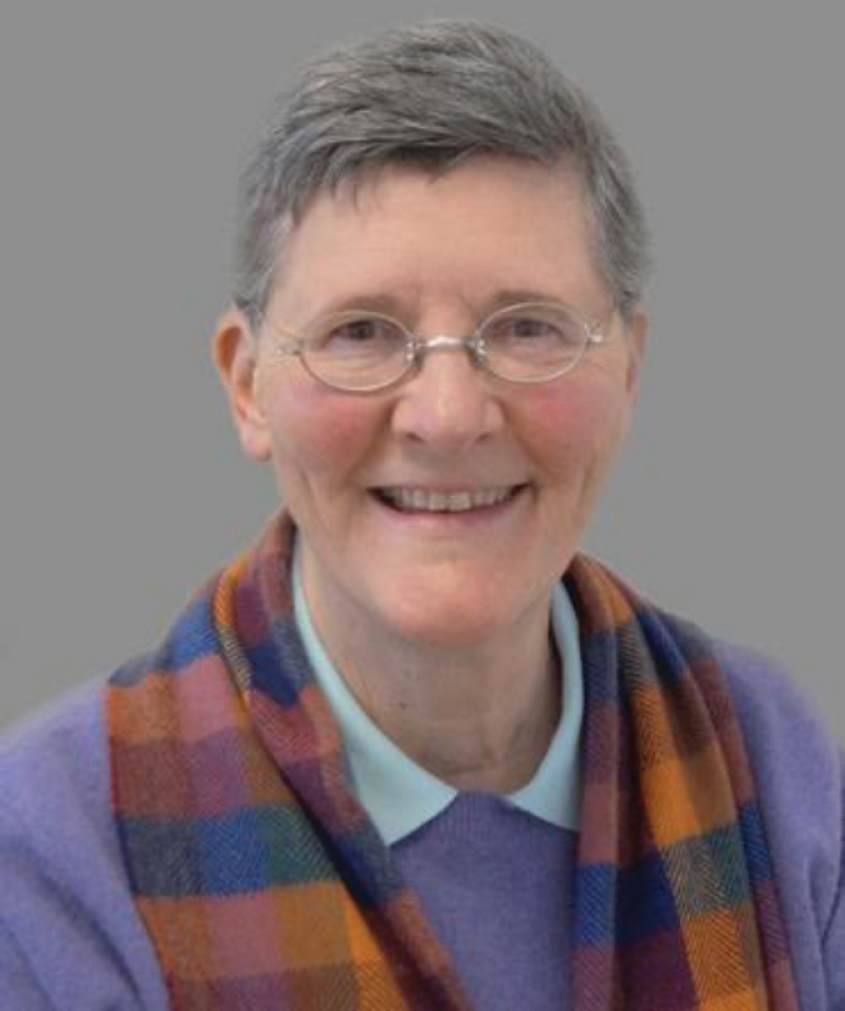
A native of San Francisco,
Runners up for the Parkinson Prize were:
BEST RESEARCH PAPER
2. Polinski NK, Volpicelli-Daley LA, Sortwell CE, et al. Best Practices for Generating and Using Alpha-Synuclein Pre-Formed Fibrils to Model Parkinson’s Disease in Rodents. J Parkinsons Dis. 2018;8(2):303-322. doi:10.3233/JPD-171248
3. Khoo SK, Petillo D, Kang UJ, et al. Plasma-based circulating MicroRNA biomarkers for Parkinson’s disease. J Parkinsons Dis. 2012;2(4):321-331. doi:10.3233/JPD-012144
4. Whone AL, Boca M, Luz M, et al. Extended Treatment with Glial Cell Line-Derived Neurotrophic Factor in Parkinson’s Disease. J Parkinsons Dis. 2019;9(2):301-313. doi:10.3233/JPD-191576
5. Pagan F, Hebron M, Valadez EH, et al. Nilotinib Effects in Parkinson’s disease and Dementia with Lewy bodies. J Parkinsons Dis. 2016;6(3):503-517. doi:10.3233/JPD-160867
BEST REVIEW PAPER
2. Burré J. The Synaptic Function of α-Synuclein. J Parkinsons Dis. 2015;5(4):699-713. doi:10.3233/JPD-150642
3. Dorsey ER, Sherer T, Okun MS, Bloem BR. The Emerging Evidence of the Parkinson Pandemic. J Parkinsons Dis. 2018;8(s1):S3-S8. doi:10.3233/JPD-181474
4. Kannarkat GT, Boss JM, Tansey MG. The role of innate and adaptive immunity in Parkinson’s disease. J Parkinsons Dis. 2013;3(4):493-514. doi:10.3233/JPD-130250
5. Dias V, Junn E, Mouradian MM. The role of oxidative stress in Parkinson’s disease. J Parkinsons Dis. 2013;3(4):461-491. doi:10.3233/JPD-130230
The Journal of Parkinson’s Disease is proud to host such high-quality work, and acknowledges the excellent contributions by these authors and all those who were in the running.