



Abstract
In this study, peripherally benzimidazole unit substituted ZnPc (
Keywords
Introduction
The increase in microbial organisms which are resistant to antibiotics has become a public health concern [1, 2]. After the World Health Organization’s report released in April 2014 to draw attention to this health-care problem, many researchers have been working on finding effective antimicrobial reagents and methods.
Recently, photodynamic antimicrobial chemotherapy (PACT) has been proposed as the most promising strategy compared to the other drug treatments, especially for multi-drug resistance microorganisms [3]. PACT involves the use of a nontoxic photosensitizing agent, known as photosensitizer (PS), activated by light of the appropriate wavelength [4]. Upon exposure to light, the excited PS may undergo non-radiative intersystem crossing to its triplet state (3PS*) where photochemical reactions with the surrounding molecular oxygen to generate singlet oxygen occur. The latter is toxic and kill the microorganisms [5, 6].
The PSs play a crucial role in PACT since they affect the efficiency of the photodynamic process. So far dyes including porphyrins, chlorins, bacteriochlorins with different molecular frameworks have been utilized as PSs in PACT [7–10]
Phthalocyanines (Pcs) which are the second generation photosensitizers for photodynamic therapy (PDT) [11], differ from other macrocyclic compounds studied for PACT. They are of particular interest due to high singlet oxygen production and high molar extinction coefficient specifically in the red and near-infrared UV-vis spectral regions (600–800 nm range) for maximum light penetration into living tissue [12]. The antimicrobial activities of phthalocyanines have been demonstrated as photosensitizers against a variety of microbial pathogens, including Gram-positive and Gram-negative bacteria [13–16].
Among them, the zinc (II) phthalocyanines (ZnPcs) which exhibit high photochemical stability and relatively high photodynamic efficacy because of their appreciably long triplet lifetimes and large singlet oxygen quantum yields (as required for PACT) are the most studied PSs for PACT [17–19]
Benzimidazole compounds exist in nature as exemplified by the presence of a pendant axial benzimidazole-substituted ligand in vitamin B12 in nature and belongs to a class of bioactive heterocycle molecules [20]. Benzimidazoles and their derivatives have been reported as physiologically and pharmacologically active substances and have featured in a number of clinically used drugs. It is an important pharmacophore and privileged structure in medicinal chemistry because of the ability to easily modify the properties of the N-substituents [21]. One of the applications of these compounds, which have a very broad pharmacological profile, is antibacterial activity [22, 23]. These observations prompted us to continue on our research for bioactive molecules.
Graphene quantum dots (GQDs) are a kind of carbon-based planar materials, which have substituents on the edges for functionalisation. GQDs have drawn great attention in biomedical research owing to good dispersibility in aqueous and organic solvents, biocompatibility, low toxicity, versatile surface modification and high surface area [24]. Thus, GQDs have been utilized for different kinds of applications such as biosensing [25], cellular imaging [26] drug delivery [27].
GQDs can generate reactive oxygen species (ROS) upon photoexcitation and therefore, GQDs are suitable candidates for photodynamic therapy as photosensitizers [28]. The conjugation of Pcs to GQDs could be provided by covalently bonding through carboxyl and hydroxyl groups on the edges or non-covalently via π-π stacking since the delocalized electrons of graphene interact with other π-conjugated structures [29].
Modification of GQDs by means of doping is an effective method to change their chemical and optical properties. The use of nitrogen as dopant in GQDs to obtain NGQD may result in unusual properties [30].
The N atom, having a comparable atomic size and five valence electrons for bonding with carbon atoms, has been widely used for chemical doping of carbon nanomaterials. GQDs containing N atom chemically bonded, might modulate the bandgap of GQDs and tune electronic characteristics, local chemical properties and optical properties [31].
While the most carbon-based nanomaterials exhibit antibacterial properties [32–34]. Pc-conjugate with NGQD for PACT studies have not been investigated so far. Only pristine GQDs have been studied in the presence for Pc for PACT [35]
In this study, in order to enhance the photodynamic activity of synthesized Pc, it was aimed to combine the two PDT agents (NGQD and Pc) through a synergistic effect. The phthalocynaine was reported before and used in this work by considering the importance of both benzimidazoles and NGQD [36]. The photophysical-chemical properties of the Pc alone and Pc-conjugated to the NGQD (Pc@NGQD) were determined. The photodynamic antibacterial activity against Staphylococcus aureus was determined by comparing with Pc alone and Pc in the presence of NGQDs.
Experimental
Chemicals and instruments
Chemicals and Instruments used in this work could be found in brief in the supporting information.
Synthesis
The synthesis of tetrakis [4-(4-(5-chloro-1H-benzod]imidazol-2-yl)phenoxy phthalocyaninato] zinc(II) (
Pc-GQDs conjugate synthesis
The synthesis of nitrogen doped GQD was carried out according to the literature method [37]. The ZnPc (
Antimicrobial studies
The photodynamic antimicrobial studies of Pc (
Results and discussion
Synthesis and characterization
As the first stage, the synthesis of
The binding of NGQD to the Pcs through π-π stacking was achieved as represented in Scheme 1 and the loading of Pc onto NGQDs was determined spectroscopically using UV/vis spectra as reported before [40]. The loading of Pc onto nanoparticles was determined (mgPc/mgNP): 0.91 mg/mg for Pc@NGQD.
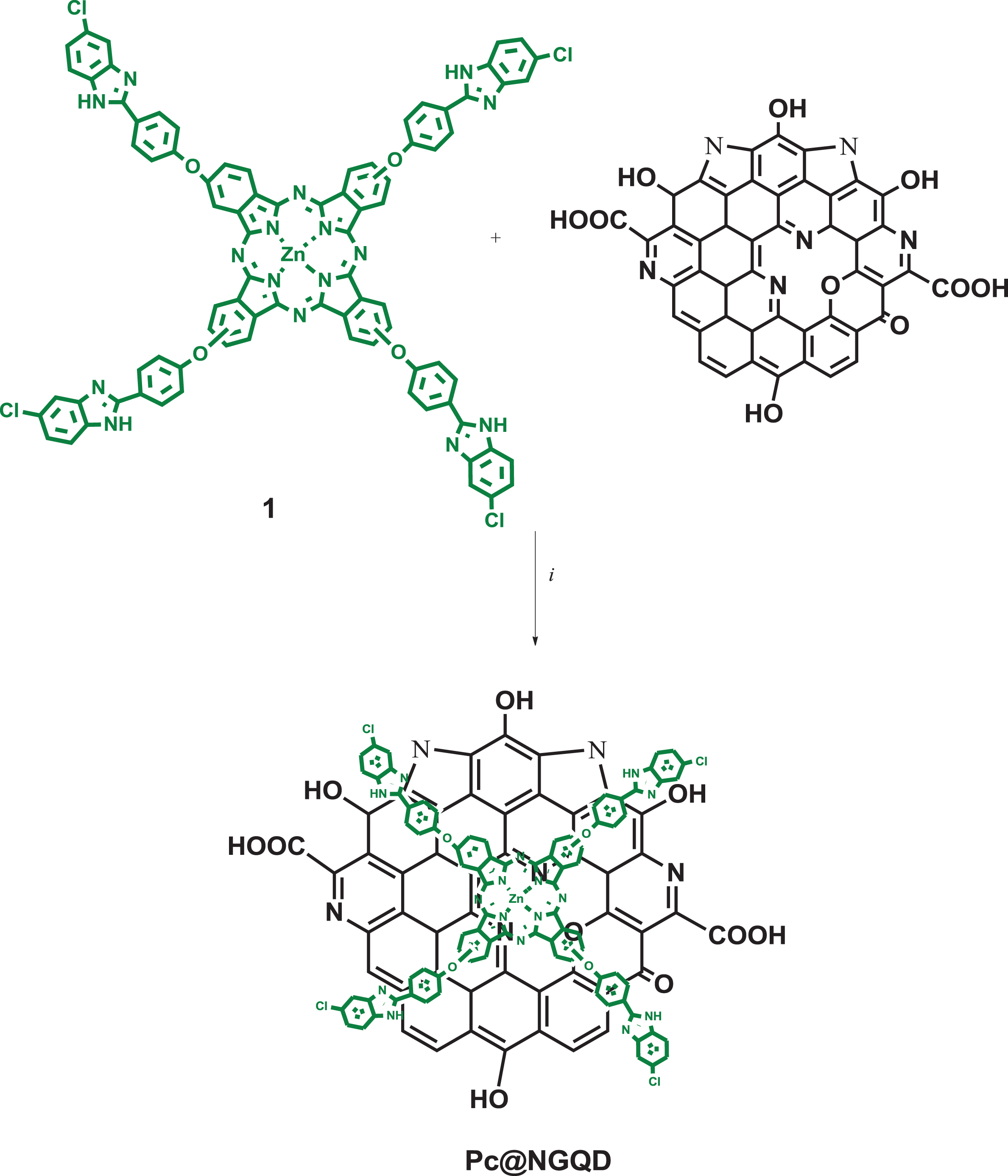
An illustration of route for the π-π stacked conjugate: (i) sonicate, 4 h, stir room temperature, 48 h.
Phthalocyanines are characterized first by the UV-vis absorption spectrum with the characteristic Q band in the visible area at between 600–700 nm and B band in the UV region between 300–350 nm [41].
The absorption spectra of the ZnPc (

UV–vis spectra of ZnPc alone [36] in the presence of NGQDs in DMSO.
The intensity of the B-band increased upon conjugation of the ZnPc to the NGQD. This is because of the sum of the absorbance intensities of the NGQDs and Pc and an indication of the presence of NGQDs in the complex.
The UV–Vis absorption spectrum of NGQDs shows a strong absorption peak at 334 nm, due to π-π* transition of aromatic structure (Fig. 8).
The FTIR spectrum of NGQD shows the existence of the functional groups. The band at 1692 cm–1 for NGQD is attributed to C = O vibration of the carboxyl group. The O-H band was observed at 3553 cm–1 and typical O-H… .N vibrations appeared as a large distorted band at the range of 3367-2445 cm–1. C = C and C-C vibrations of benzene rings, C-N vibrations of the pyrrole and pyridine ring, -C-O vibrations which were on the edge of the NGQD were easily seen in the range of 1565-1171 cm–1. Upon conjugation carbonyl vibration, O-H vibrations revealed at 1699, 3409 cm–1, respectively. The peaks belonging to the ZnPc (
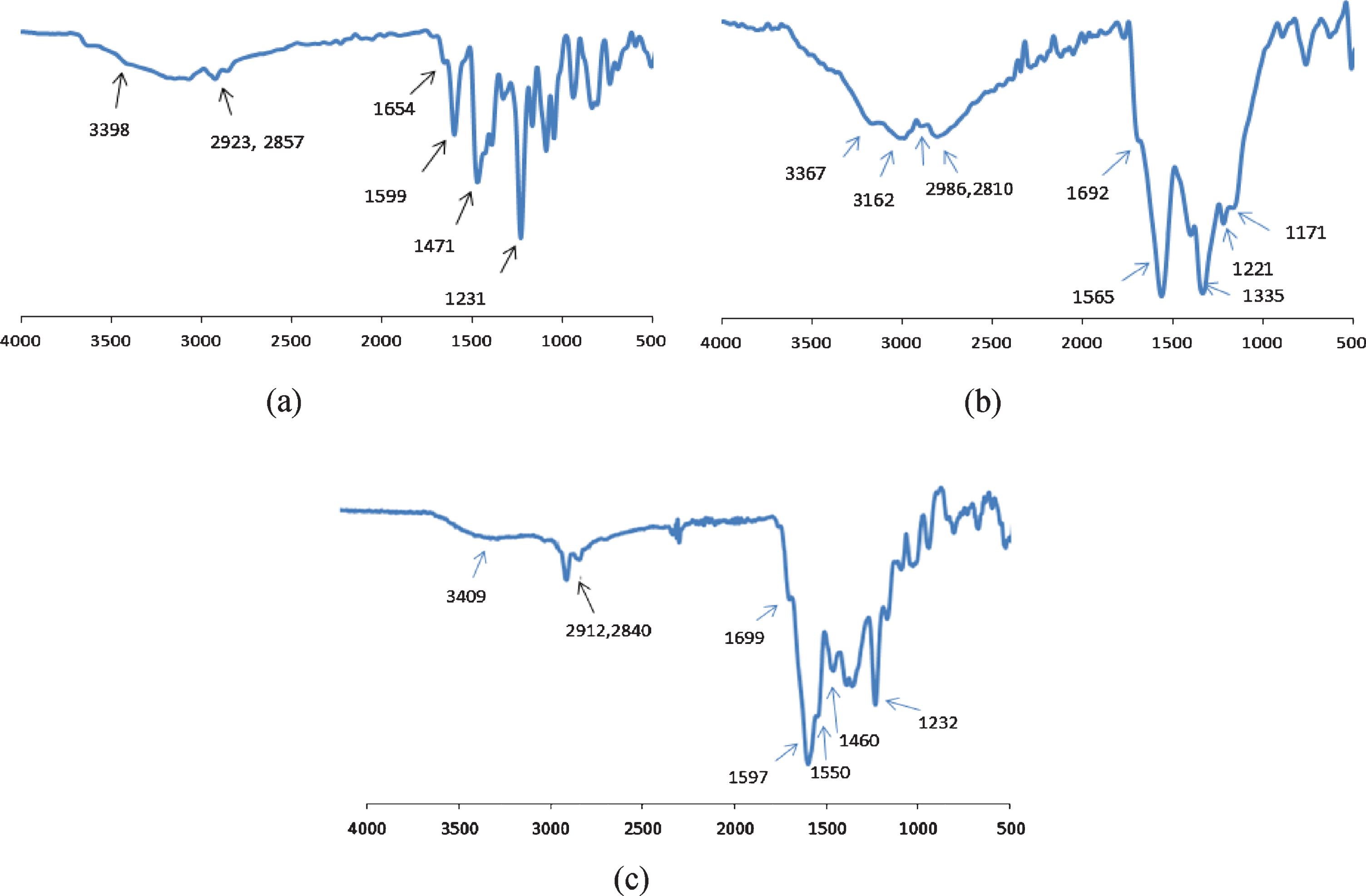
FTIR spectra of a) ZnPc (
The X-ray powder diffraction patterns of the prepared NGQD, ZnPc (
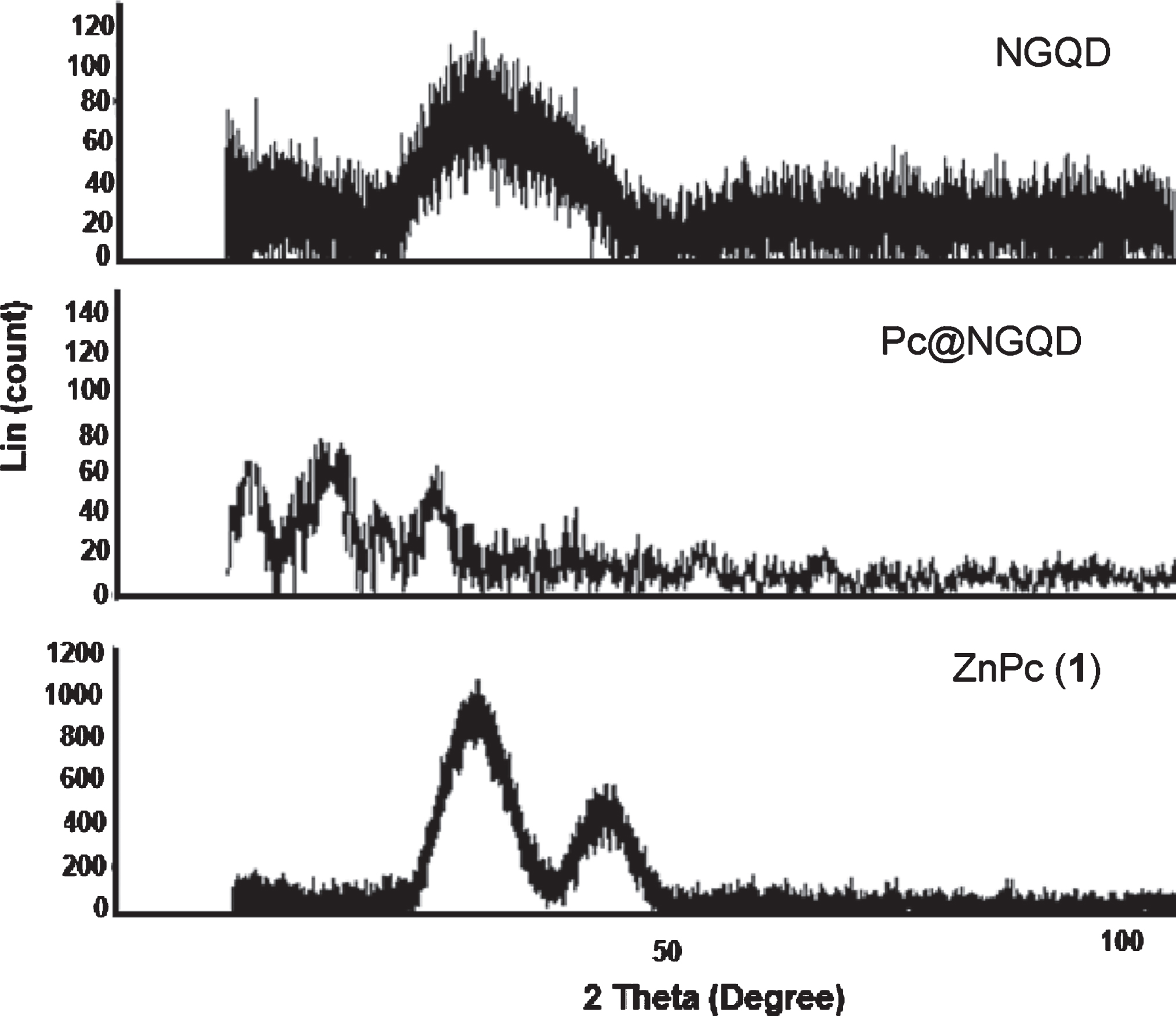
X-ray diffraction patterns of ZnPc (
The crystalline structure of ZnPc (
Raman spectroscopy is a tool for monitoring the formation of GQDs and the interaction of the Pcs with the graphene layer by evaluating the position and density of the two dominant spectral bands, which are the disorder-induced D band and the G band. Those two bands have been used to identify and quantify defect concentration in various graphitic materials [45].
Raman spectra of the NGQDs and Pc@NGQD in the spectral range 1200–1600 cm–1 are shown in Fig. 4. The spectra show typical graphitic properties involving the D band (1200–1300 cm–1), coming from symmetry breaking at defects, the G-band (1500–1600 cm–1) which is due to in-plane C–C deformations [46]. Upon conjugation, D and G-band frequencies shifted to lower wavenumbers. These observations are consistent with expected behaviour originating from interactions between graphene and phthalocyanines via the π–electrons [47].
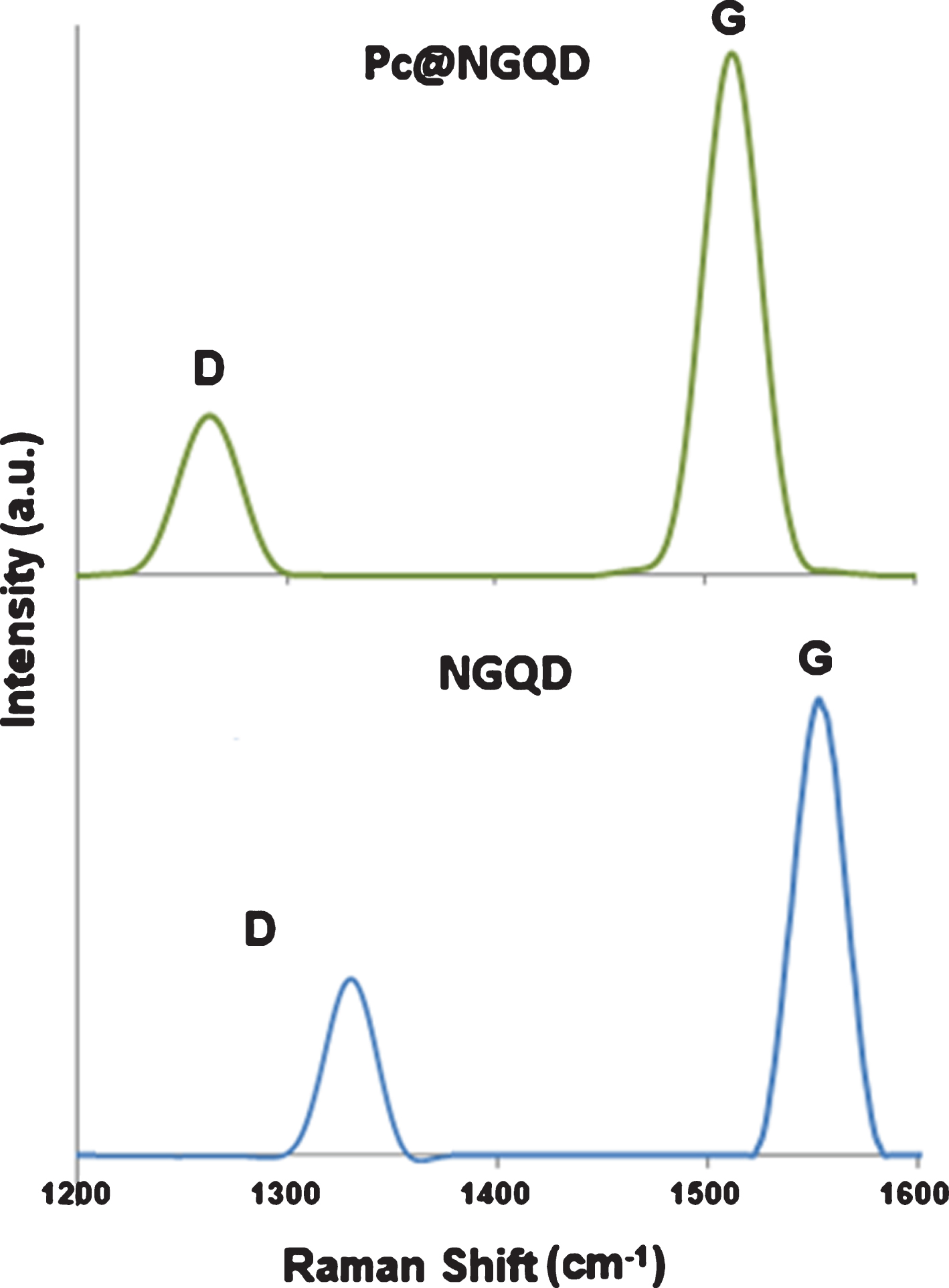
Raman spectra of NGQDs and Pc@NGQD showing the corresponding Raman intensity changes of the NGQDs upon conjugation to Pc
The ratio of the intensities (ID/IG) of D and G bands are another important characteristic of the graphene structures and used to correlate the structural properties of the carbon based nanomaterials [48]. The ID/IG ratio of the NGQDs is 0.16. This value for Pc@NGQD increased to 0.34 as a result of disruption of the graphene framework [49].
The sizes of the synthesized NGQDs and its nanoconjugate with Pc (
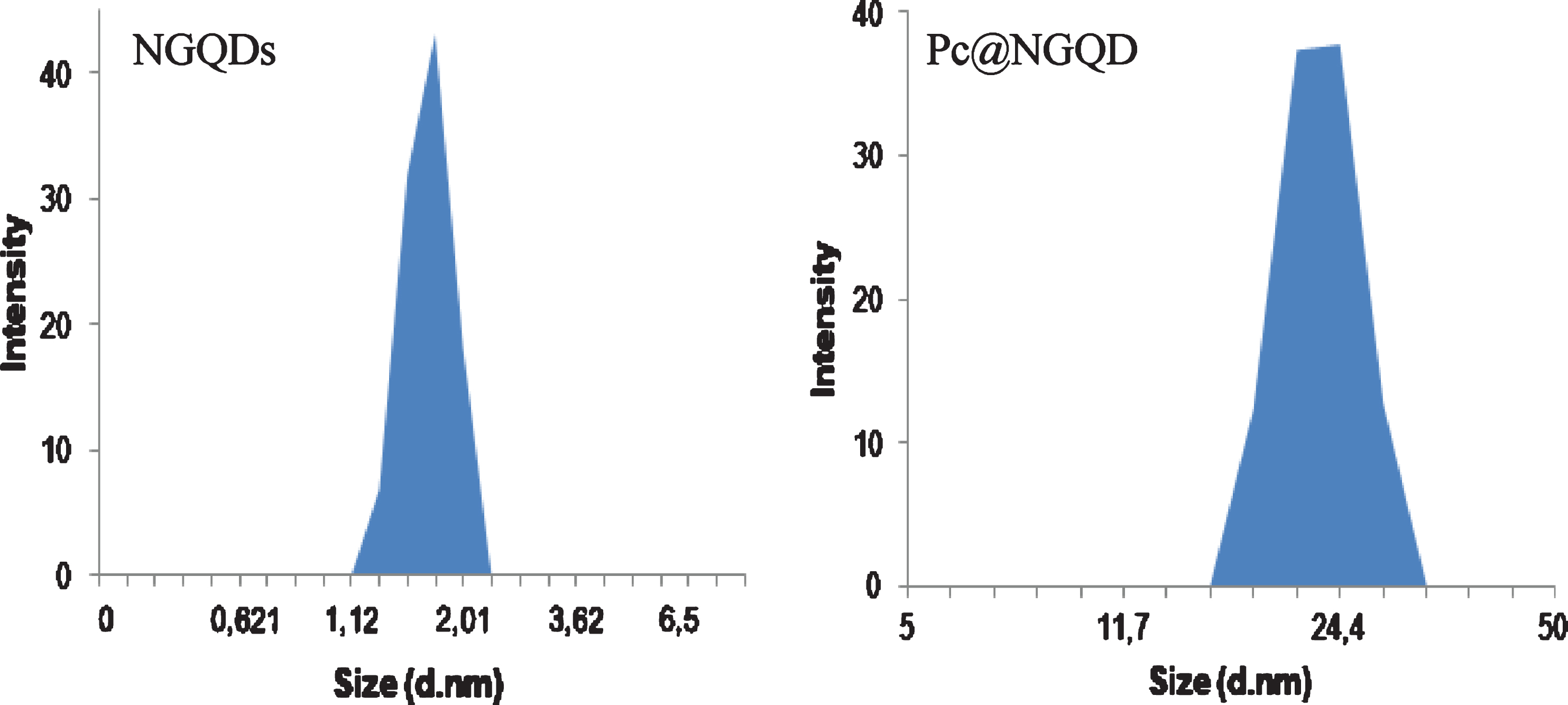
DLS graph showing average particle size for the NGQDs alone and when conjugated to Pc (Pc@NGQD).
The elemental compositions of the ZnPc (

EDX spectra for ZnPc (
Fluorescence quantum yields (ΦF), emission and lifetimes
The absorption, fluorescence emission and excitation spectra of the Pc@NGQD compounds are shown in Fig. 7. Fluorescence behaviours of Pc alone and Pc@NGQD were studied in DMSO and the related data were listed in Table 1. Upon excitation at 609 nm, the fluorescence emission wavelength of Pc@NGQD was observed at 691 nm. The emission profile is the mirror image of its absorption spectrum. This symmetric appearance of the absorption and emission profile is attributed to the similar vibrational energy levels of S0 and S1 [51]. The monitored Stokes shifts were 11 nm for ZnPc alone [36], 12 nm for Pc@NGQD. The observed Stokes shifts (Table 1) were typical of metallo phthalocyanine complexes and their conjugates in DMSO [52]. NGQD showed maximum emission at 450 nm upon excitation at 341 nm (Fig. 8).
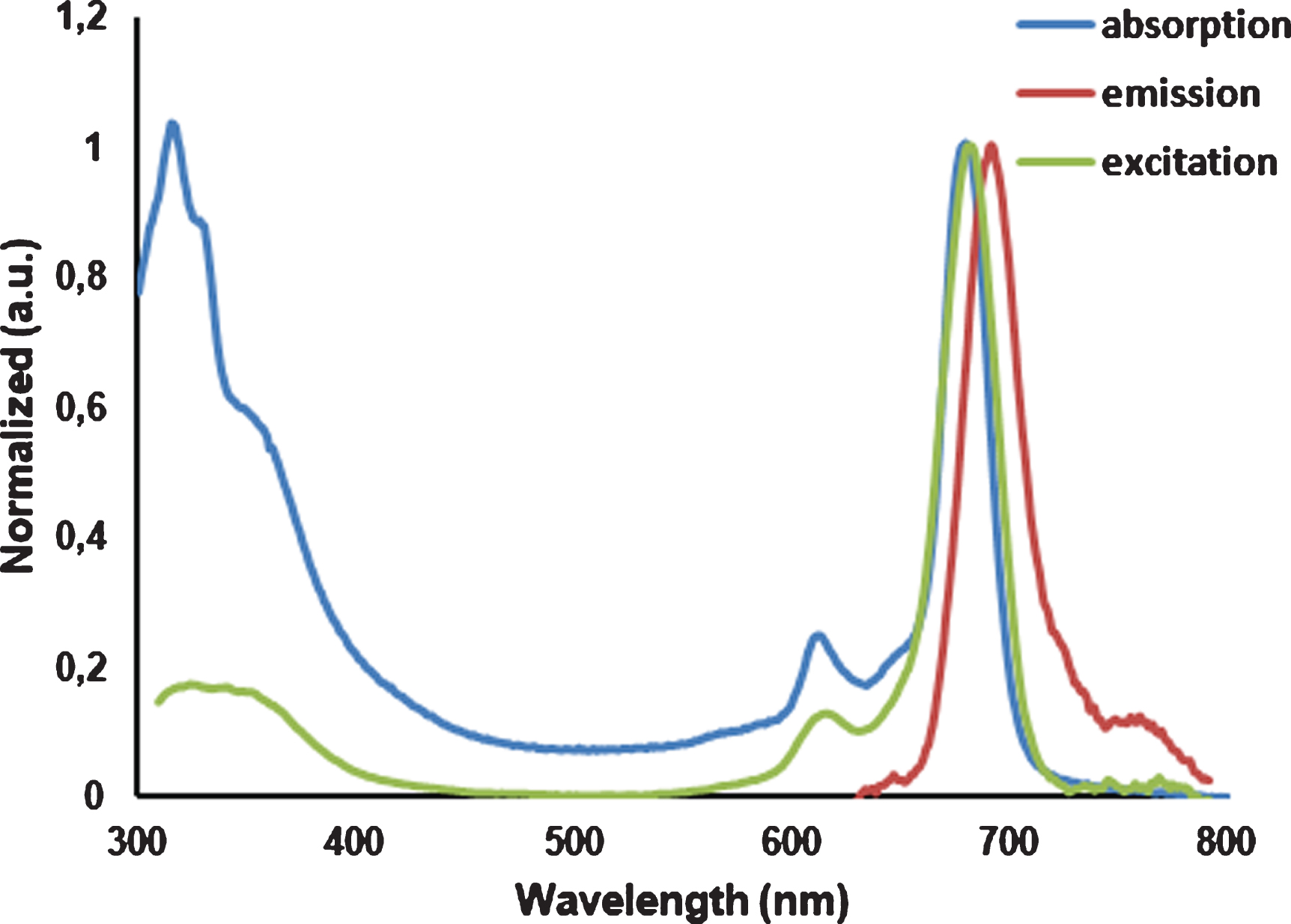
Absorption, excitation and emission spectra of Pc@NGQD (Excitation wavelength: 609 nm, emission wavelength: 691 nm).
Photophysicochemical parameters of NGQDs, Pc alone and nanoconjugate
aData from [36]. bValues are for excitation at the wavelength where GQDs absorb. cValues in brackets DLS sizes in nm.
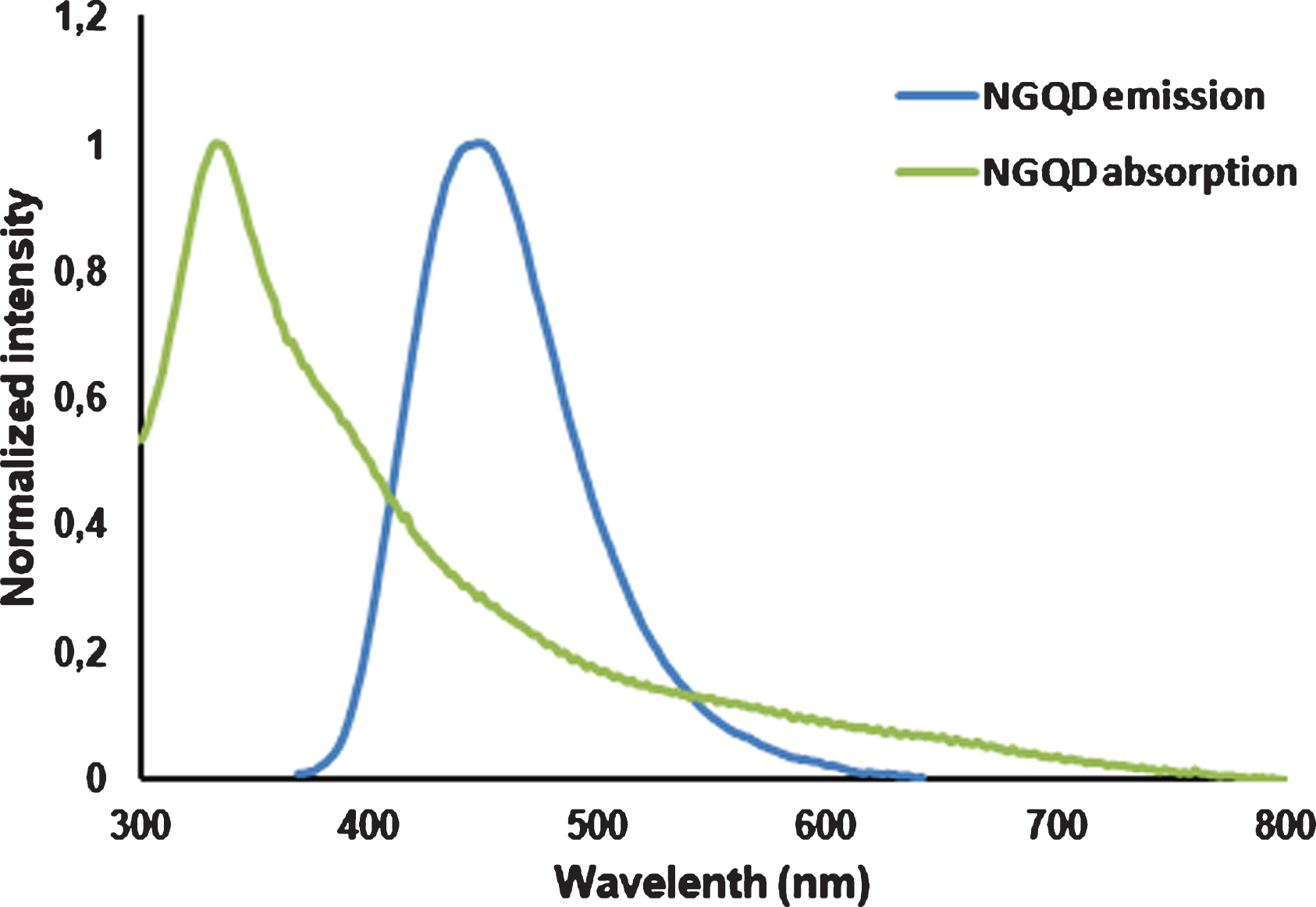
Normalized absorption and emission spectra of NGQD in water.
The excitation spectrum of Pc@NGQD is slightly red-shifted compared to its absorption spectrum. The observation of close wavelength in absorption and excitation spectra can be regarded that no structural changes have occurred in the molecule upon excitation [53].
The fluorescence quantum yield (ΦF) is the ratio of the photons emitted to absorbed photons by the radiative way, which indicates the efficiency of the radiation-induced process. The fluorescence quantum yield of a molecule is obtained by comparing the fluorescence intensity of the molecule with that of a reference molecule with a known quantum yield [54]. Unsubstituted ZnPc was utilized as a standard with the value: ΦF = 0.2 [55].
Fluorescence quantum yield of NGQDs when conjugated to ZnPc
where ΦF (GQDs) is the fluorescence quantum yield of the GQDs alone and was used as the standard, F (GQDs) is the fluorescence intensity of the GQDs alone, and
Forster resonance energy transfer (FRET) is a non-radiative energy transfer process at a distance occuring between two molecules, a donor (the excited fluorophore) and an acceptor (a chromophore or a fluorophore) [57].
FRET efficiency for the conjugates were determined from the fluorescence quantum yields of the conjugates as acceptor and unconjugated QDs as donor at excitation wavelength where QDs absorb using Equation (2) [57]. The calculated FRET Eff is 0.74.
The fluorescence quantum yield (ΦF) of the ZnPc (
Upon excitation, molecules remain in the excited state for a short time. The lifetime of the excited state is defined by the average time the molecule spends in the excited state prior to return to the ground state through deactivation processes (radiative and non-radiative)
Fluorescence lifetime values (τF) of the studied structures were measured in DMSO by TCSPC (time correlated single photon counting) method which is a counting process [58].
The determined τF values are 2.73 ns for
The illustrated fluorescence mono-exponential decay curve as an example with their corresponding residual graph in DMSO for complex
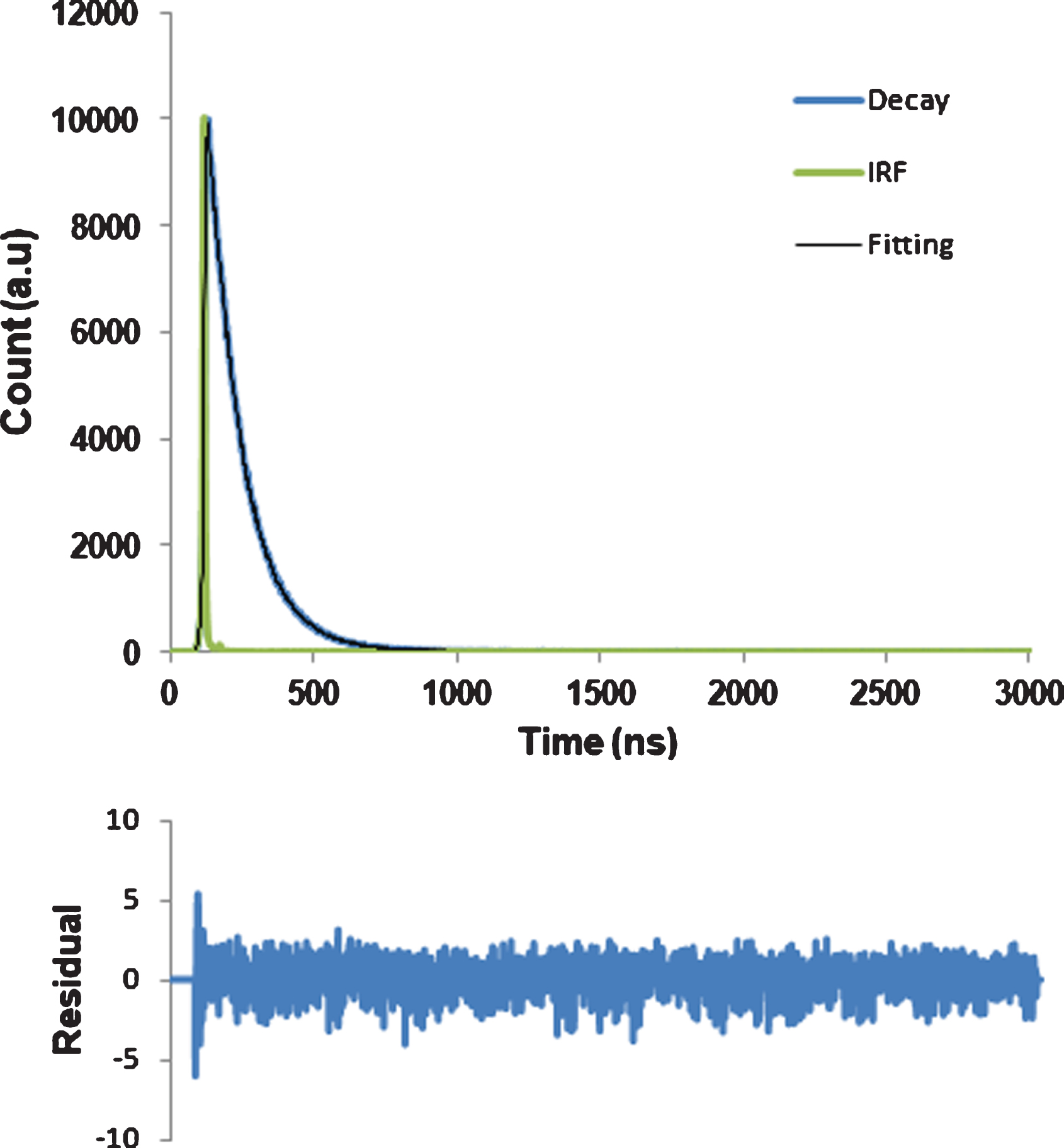
Fluorescence decay (blue), χ2 fitting (black) and IRF (red) curves for Pc@NGQD in DMSO.
Singlet oxygen production is crucial in photodynamic process [60] since the quantum yield of singlet oxygen reflects the effectiveness of this process [61].
The production of 1O2 was quantified with the photochemical reaction which is based on the chemical quenching of DPBF in DMSO. The applied method is the comparative method by using the unsubstituted ZnPc (ΦΔ = 0.67 in DMSO) as a standard reference [62]. The progress of the reaction is monitored by the change in absorbance of the singlet oxygen quenchers (DPBF) by UV–vis absorption spectroscopy upon light irradiation in the presence of Pc alone and its conjugate with NGQD (Pc@NGQD). Figure 10 shows the absorbance changes of DPBF at various time intervals for compound
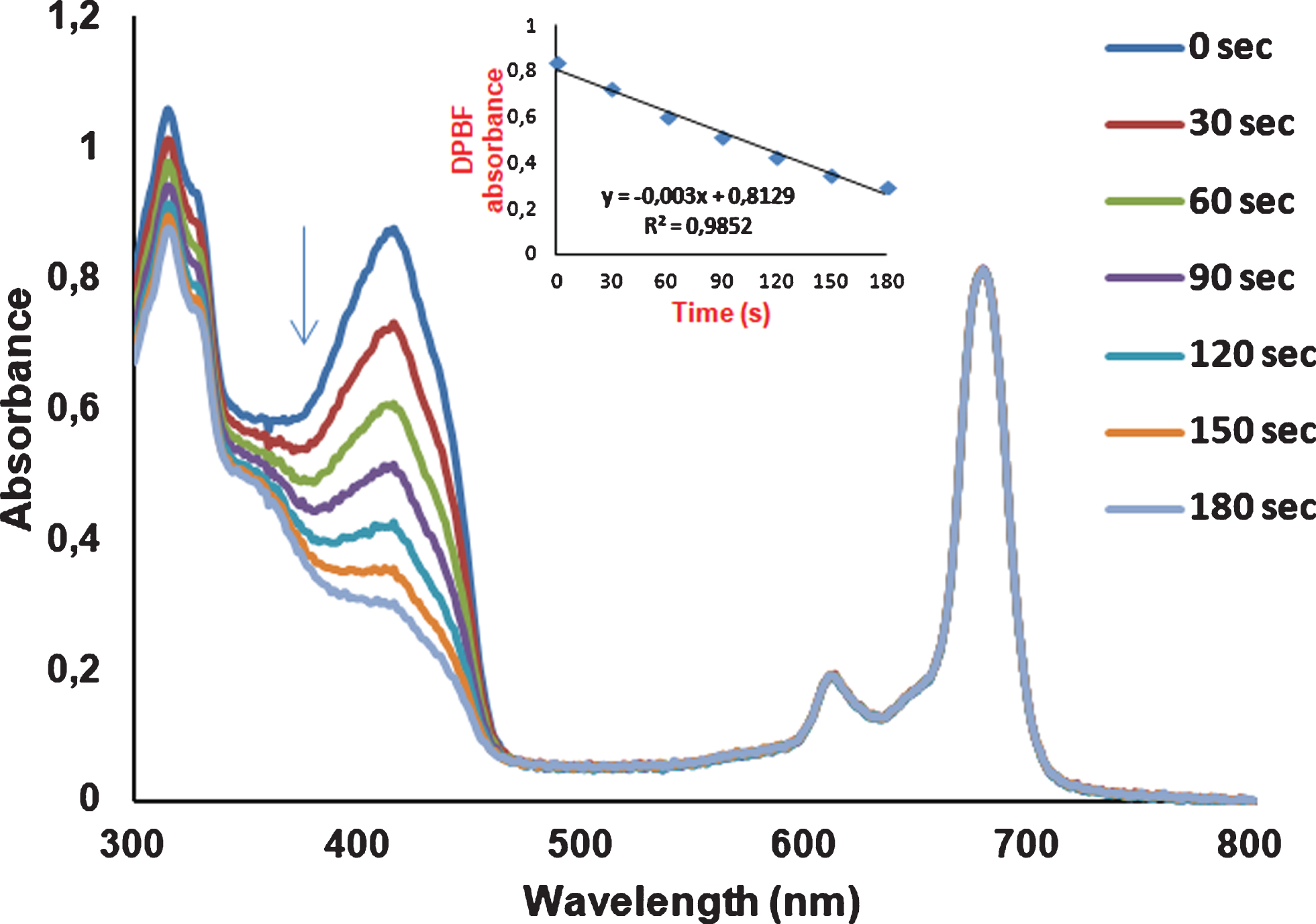
Absorption spectral changes during the determination of singlet oxygen quantum yield of Pc@NGQD in DMSO using DPBF. (Inset: plot of changes of the DPBF absorbances versus time).
Table 1 shows the value of ΦΔ for Pc@NGQD with the value of 0.45 is higher than that of ZnPc alone with the value of 0.36. This suggests that Pc@NGQD could be a better sensitizer than ZnPc (
The singlet oxygen is produced by the energy transfer from the triplet excited photosensitizer to molecular oxygen. Because of this, the determination of the triplet state quantum yield (Φ T ) and its lifetime (τ T ) is crucial for the photodynamic activity.
The triplet quantum yield (ΦT) and triplet lifetimes values of the Pc alone and Pc@NGQD were determined using comparative methods defined in the literature using a laser flash photolysis system by employing the unsubstituted ZnPc as a standard in DMSO (ΦT = 0.65) [64]. The Φ T and τ T recorded in DMSO at 674 nm cross-over wavelength are summarized in Table 1. The triplet decay curve of complex Pc@NGQD is shown in Fig. 11.
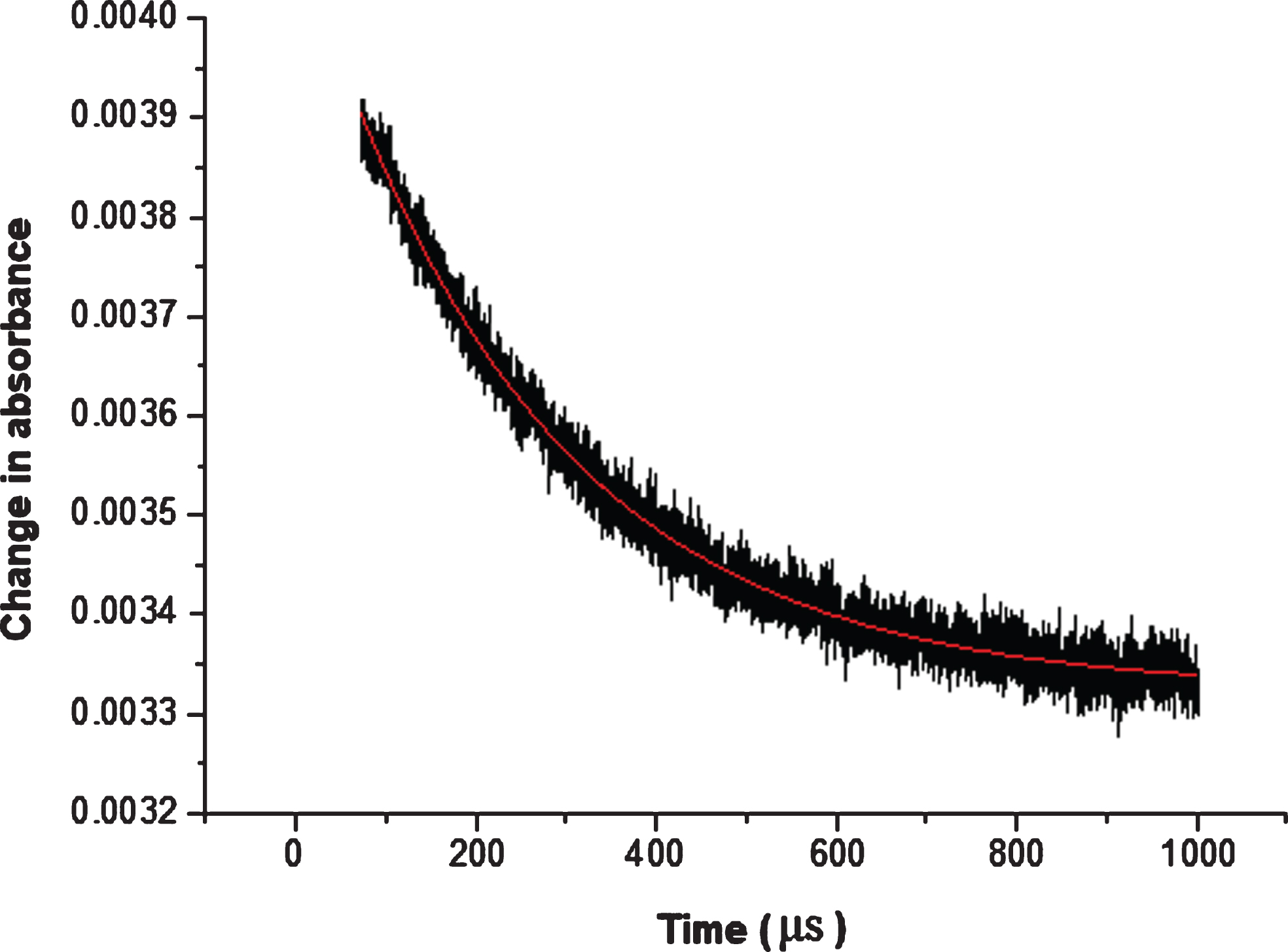
Triplet absorption decay (black) and fitti-ng (red) curve for Pc@NGQD (solvent = DMSO).
The observed triplet quantum yield (ΦT) of Pc alone with the value of 0.54 increased upon conjugation with NGQD with the value of 0.60. This could be attributed to enhancement of the π-conjugated system following conjugation which reduced the singlet-triplet splitting and thus enhance the probability of intersystem crossing [65]. There is also an increase in τT of the conjugate in comparison to that of the Pc alone.
Photodynamic antimicrobial chemotherapy (PACT) has advantages to disinfect pathogenic microorganisms over the conventional methods such as ultraviolet (UV) irradiation and thermotherapy requiring excessive amounts of energy [66, 67] and traditional antibiotics which bacteria are able to develop resistance [68].
We prepared benzimidazole substituted ZnPc (
The samples were applied as 10μM concentrations (based on Pc) of complex/conjugate 5 % DMSO in PBS and the activity of the samples were evaluated by plating method as solid media [39]. The antimicrobial activity of the Pc complexes was assessed after incubated in the presence of light compared to that in the dark
The viable cells were quantified as reduction percentage and Log reductions quantify viable microorganisms after PACT (Fig. 12, Table 2) [69]. Control experiments showed that the viability of bacteria was unaffected insignificantly by illumination (data not shown).
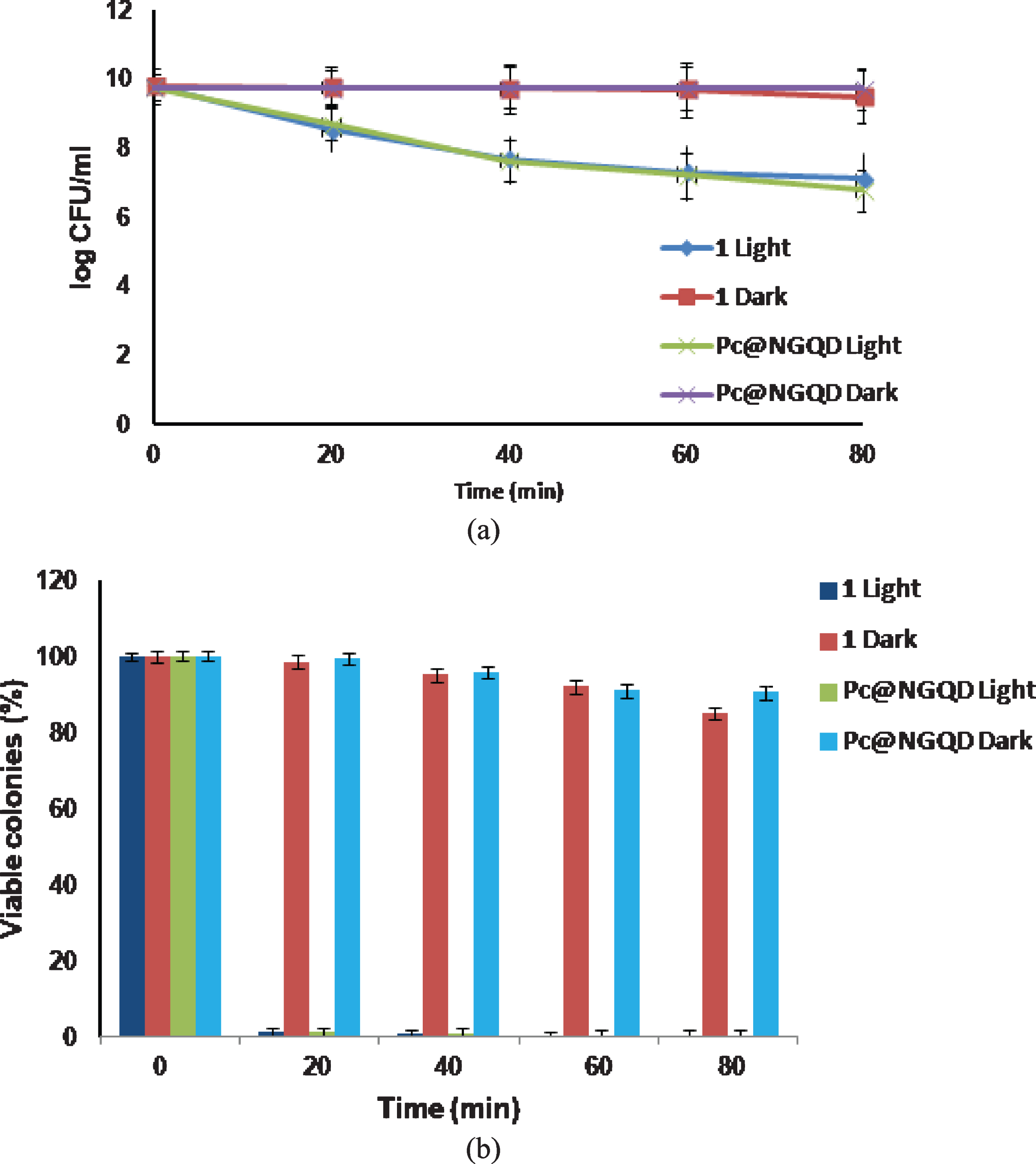
(a) Logarithmic reduction of S. Aureus in presence of ZnPc (
Logarithmic and percentage reduction values of S.aureus after 80 min irradiation in the presence of photosensitizers
D: Dark, L: Light.
The survival percentage (viable colonies) of the bacteria is determined by the colonies which remain alive after treatment of the cells [70]. Figure 12 a represents the Logarithmic reduction (a) and bar graph of survival percentage of S.aureus performed with light and in dark for compounds
While ZnPc (
These results are consistent with the singlet oxygen values produced by the samples. As the singlet oxygen production increased for the Pc@NGQD compared to ZnPc (
In order to see whether Pcs itself has antimicrobial effect on S. Aureus the measurements were carried out also in the dark environment assessing the same bacterial solutions containing 10μM concentrations of Pc. As demonstrated in Fig. 12b. Pc@NGQD had no notable dark toxicity on S. Aureus, while ZnPc (
Zn(II) phthalocyanine complex carrying benzimidazole functional group at the peripheral position were successfully conjugated to nitrogen doped graphene quantum dot and characterized in this work. The photophysical and photochemical measurements were performed before in vitro photodynamic antibacterial studies towards Staphylococcus aureus. Pc@NGQD showed the higher singlet oxygen quantum yield influencing antibacterial activity compared to ZnPc (
Footnotes
Acknowledgments
This work was supported by the Department of Science and Technology (DST) Innovation, National Research Foundation (NRF) South Africa and Sasol Inzalo Foundation through DST/NRF South African Research Chairs Initiative for Professor of Medicinal Chemistry and Nanotechnology (UID 62620) as well as Rhodes University.