



Abstract
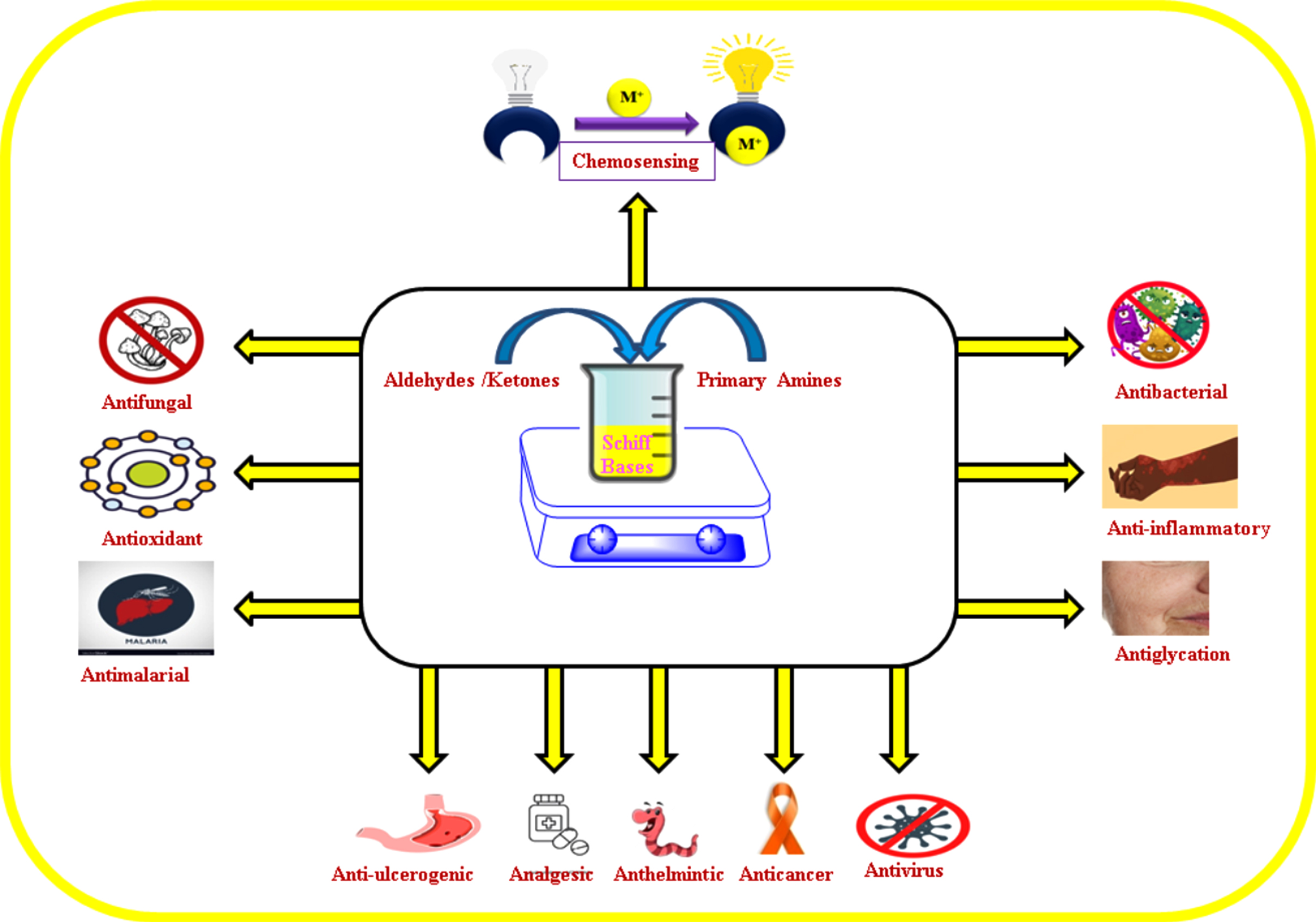
Schiff bases, named after Hugo Schiff, are formed when primary amine reacts with carbonyl compounds (aldehyde or ketone) under specific conditions. Schiff bases are economical, simple synthetic routes, and easily accessible in laboratories. They have medicinal and biological applications such as antiviral, antioxidant, antifungal, anticancer, anthelmintic, antibacterial, antimalarial, anti-inflammatory, antiglycation, anti-ulcerogenic, and analgesic potentials. A number of Schiff bases are reported for the detection of various metal ions. They are also used as catalysts, polymer stabilizers, intermediates in organic synthesis, and corrosion inhibitors. In this review, we have highlighted the recent advancements in the development of bioactive Schiff base derivatives and their sensing applications for detecting metal cations. Additionally, various spectroscopic techniques for structural characterization, such as X-ray diffraction analysis (XRD), FT-IR, UV-vis, and NMR spectroscopy were also discussed.
List of Abbreviation
Punta feline coronavirus Intramolecular charge transfer Glutathione peroxidase Superoxide dismutase Acetylcholinesterase Human carbonic anhydrase Paramagnetic fluorescence quenching Excimer formation Chelation enhanced fluorescence quenching Chelation enhanced fluorescence Human hepatoma G2 Infrared spectroscopy Nuclear magnetic resonance spectroscopy Density-functional theory Escherichia Coli Human cervical cancer Metal-ligand charge transfer photo induced electron transfer X-ray crystallography
Introduction
Schiff bases are compounds with the general formula R1R2C = NR3
General synthesis of Schiff base from primary amine and aldehydes/ketones.
Ultraviolet-Visible spectroscopy
Schiff base derivatives show different characteristic bands in the UV-Vis region. The absorption wavelength depends upon the basic structure of the compound. Generally, the band at 300–400 nm in the UV-Vis spectrum indicates the excitation of electrons of the azomethine group (C = N) due to π-π* transition [11–14].
FT-IR spectroscopy
FT-IR is used to determine functional groups and bonding in compounds. This technique also gives valuable information about the geometry and secondary interactions among molecules [15]. FT-IR peaks for C = N are typically observed in the range of 1500–1660cm–1 [16–26].
NMR spectroscopy
NMR is one of the most essential and reliable characterization techniques used for the structural elucidation of compounds. NMR deals with magnetically active nuclei of certain atoms, particularly nuclei with nuclear spin 1/2. The NMR technique can obtain detailed information about the reaction state, structure and chemical environment of atoms/nuclei in molecules. Generally, 1 H NMR of Schiff bases revealed a signal at 7.6–10.24 ppm, which is due to the (CH = N) proton of the azomethine group. In contrast, the signals in the range of 157–169.8 ppm are due to an azomethine carbon atom [18–26].
X-ray diffraction analysis
X-ray diffraction analysis is a powerful nondestructive characterization technique for crystalline substances [27]. The diffraction data of Schiff base derivatives show C = N and C-N bond distances in the range of 1.261–1.425 Å and 1.303–1.467 Å, respectively. The C-N-C bond angle covers a range of 117.360–128.1° [18, 28–34].
Biological application of Schiff bases
Many organic compounds containing heteroatoms have excellent biological applications [35–40]. Schiff bases contain heteroatoms have significant biological applications such as antiviral, antioxidant, antifungal, anticancer, anthelminthic, antibacterial, antimalarial, anti-inflammatory, antiglycation, anti-ulcerogenic, and analgesic properties [1, 41].
Antibacterial activity
Antibacterial agents kill bacteria or slow their growth rate without being extensively toxic to nearby tissues. Schiff bases have excellent antibacterial potential, i.e., compounds

Schiff bases
Schiff base derivatives have significant antifungal properties. Chitosan-derived Schiff bases
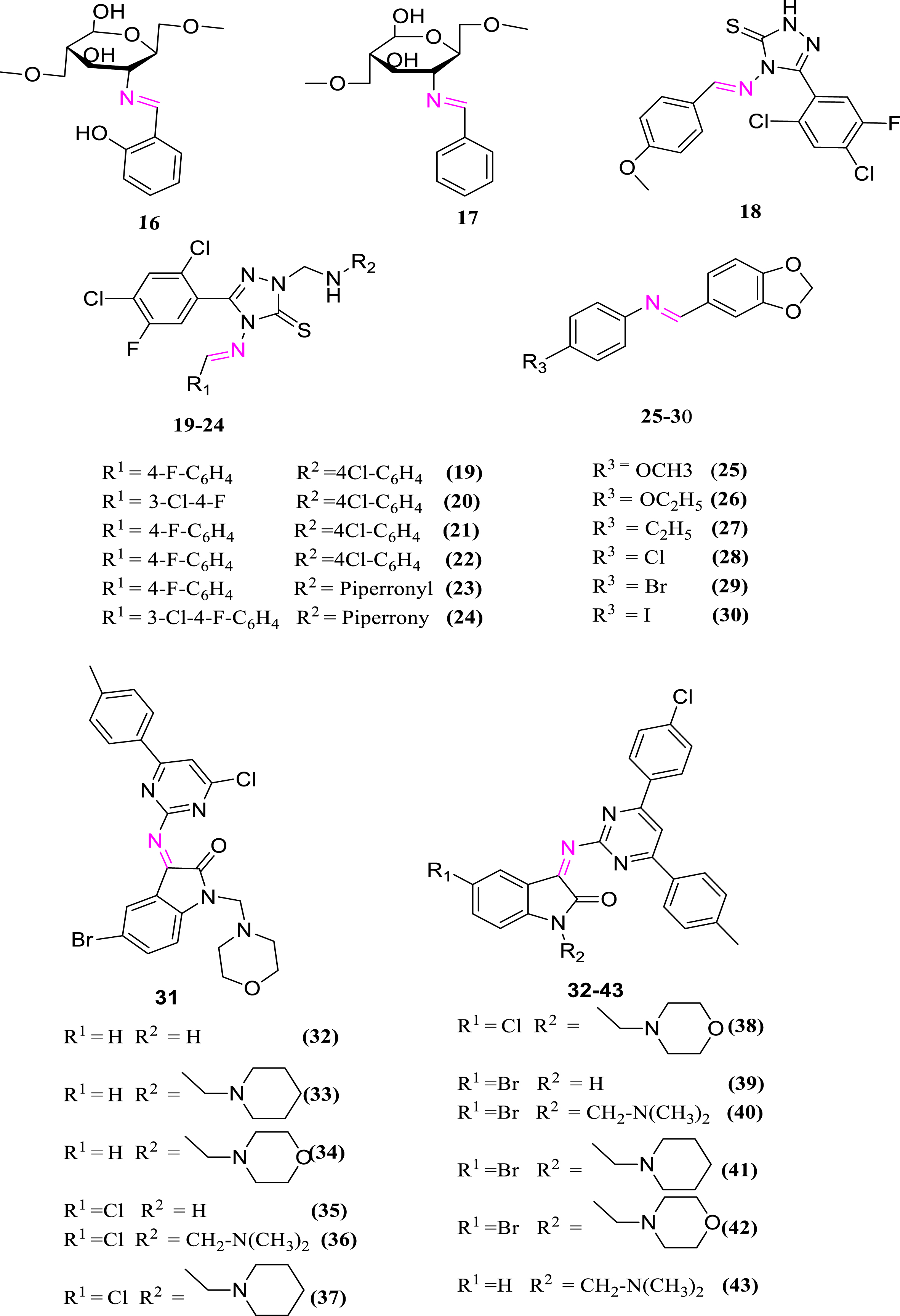
Schiff base derivatives
Antifungal activity of Schiff base derivatives of Piperonyl 25–30 was also screened against Microsporumcanis, Trichophytonrubrum, Epidermophytonfloccosum, and Microsporumgypseum. These compounds were significantly active against Epidermophytonfloccosum at 62.5–250μg ml-1 concentrations [49]. Isatin derivatives of Schiff bases (
Schiff bases are an excellent class of organic compounds for designing potent antiviral agents [50]. Schiff base of hydroxyl amino guanidines 44 (Fig. 3) was synthesized and tested against coronavirus and mouse hepatitis virus (MHV) for the first time. The synthesized compound was found to be about 376 times more active than hydroxyl guanidine against MHV [51]. Abacavir-derived Schiff bases

Schiff base derivatives
A number of Schiff bases are reported for the treatment of different types of cancer. These compounds inhibit cancer propagation and inhibiting certain enzymes responsible for the respective disorders [54–56]. A new series of Schiff bases
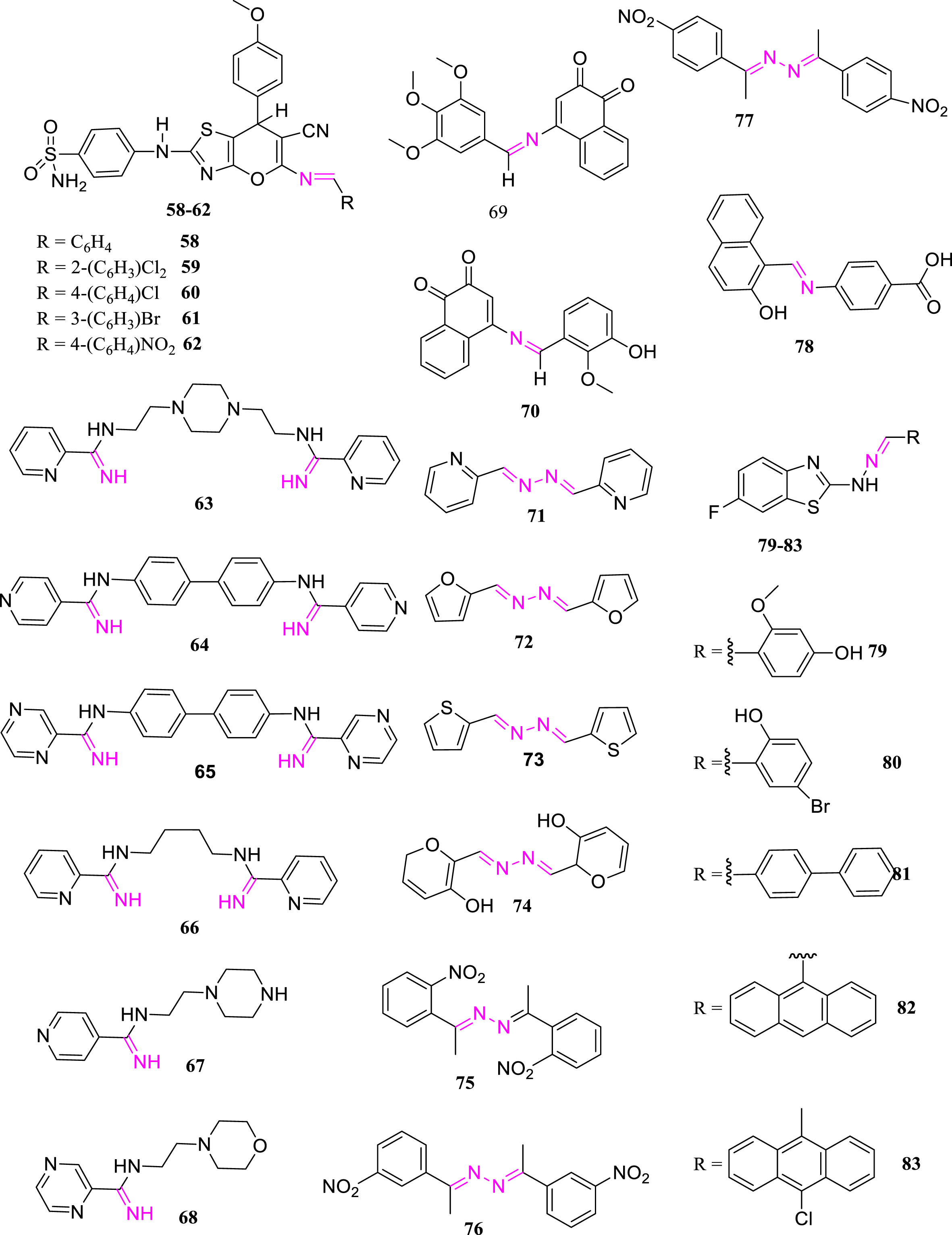
Schiff base derivatives
Among these compounds, compound
Schiff base
Free radicals have a more significant impact on humans. About 5% oxygen reduces univalence to free radicals in living organisms during aerobic respiration and other metabolic activities. Various species are responsible for producing free radicals such as organic solvent, tobacco smoke, pesticides and ionizing radiations [63–66]. These free radicals cause various diseases like cancer, cataract and cardiovascular diseases. Various enzymes, such as glutathione peroxidase (GTP), superoxide dismutase (SOD), etc., control the balance between the production and elimination of these species. However, when these enzymes are disturbed, oxidative stress is generated, which can be slowed down or prevented by antioxidants [67, 68]. Different derivatives of Schiff base are reported to have excellent antioxidant activities. Schiff bases
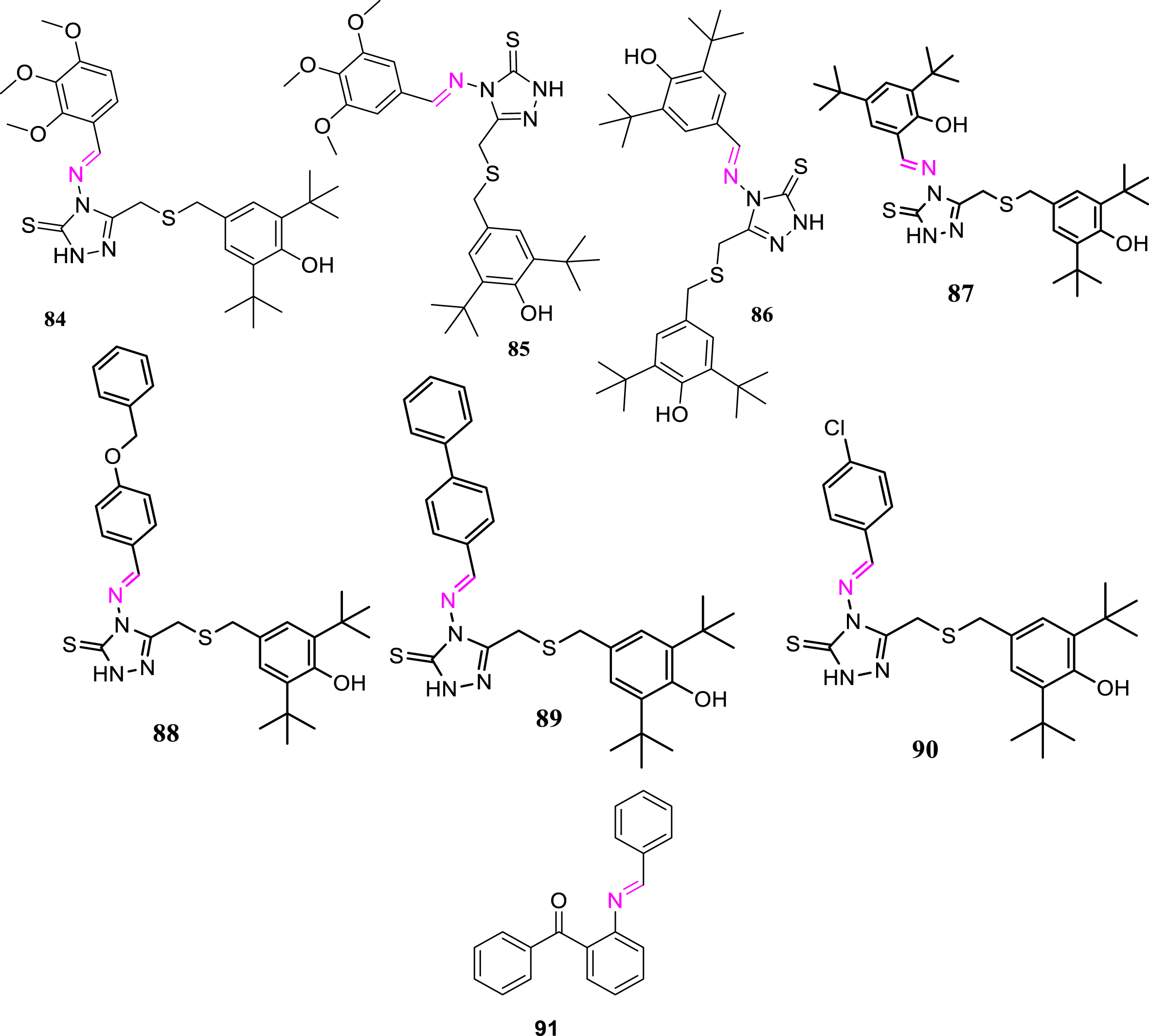
Schiff base derivatives
Malaria is one of the leading causes of death in tropical and sub-tropical countries and kills about one million people worldwide [71]. Medicinal chemists are in search to design new and potent antimalarial agents. Schiff bases have been reported as excellent antimalarial agents. Compound
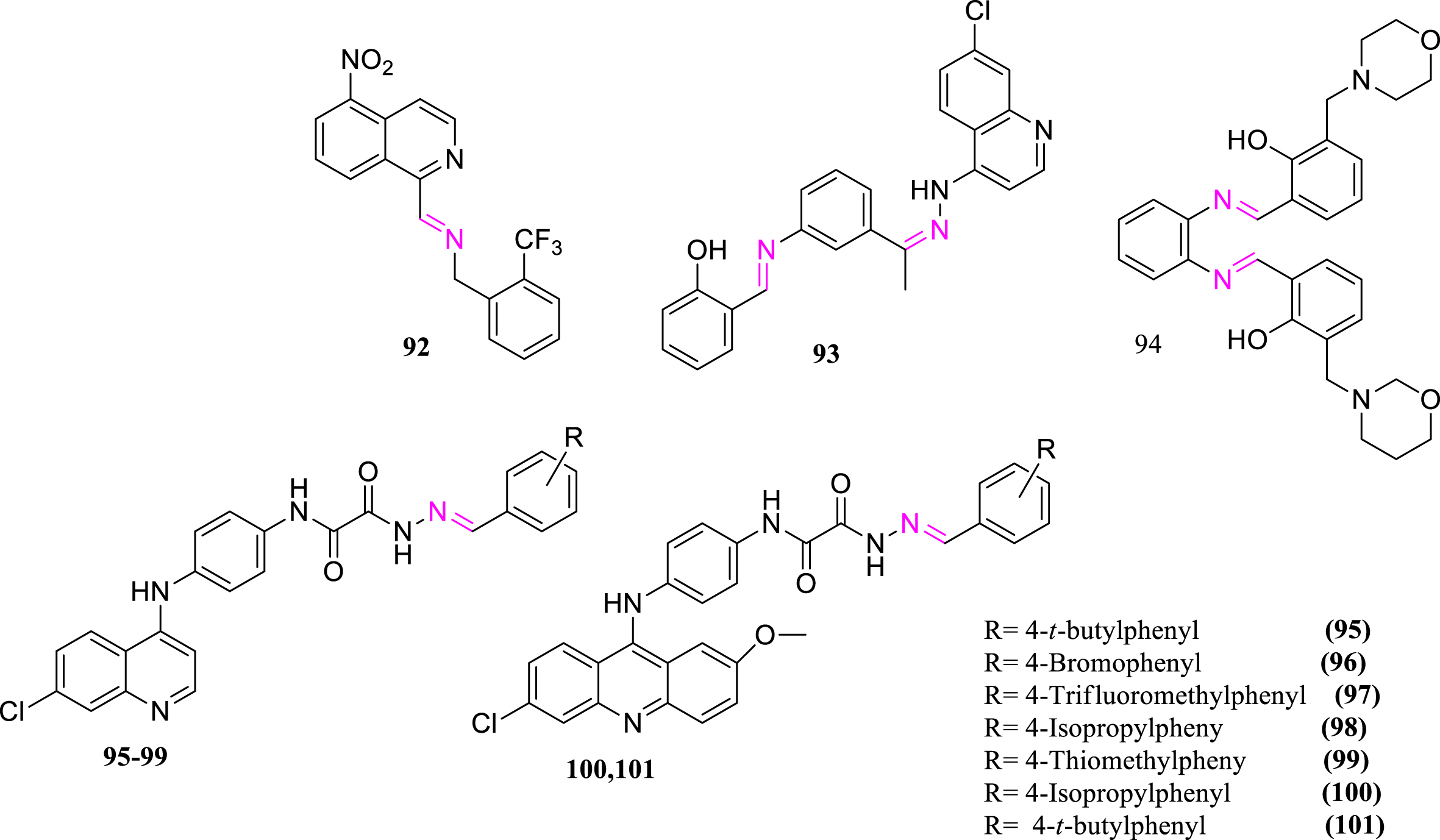
Schiff base derivatives
The non-enzymatic reaction of protein and sugar is called glycation. Compounds with antiglycation properties can help to reduce glycation-associated diseases [76]. A variety of Schiff bases are reported that show excellent antiglycation properties. A series of acyl hydrazide Schiff bases
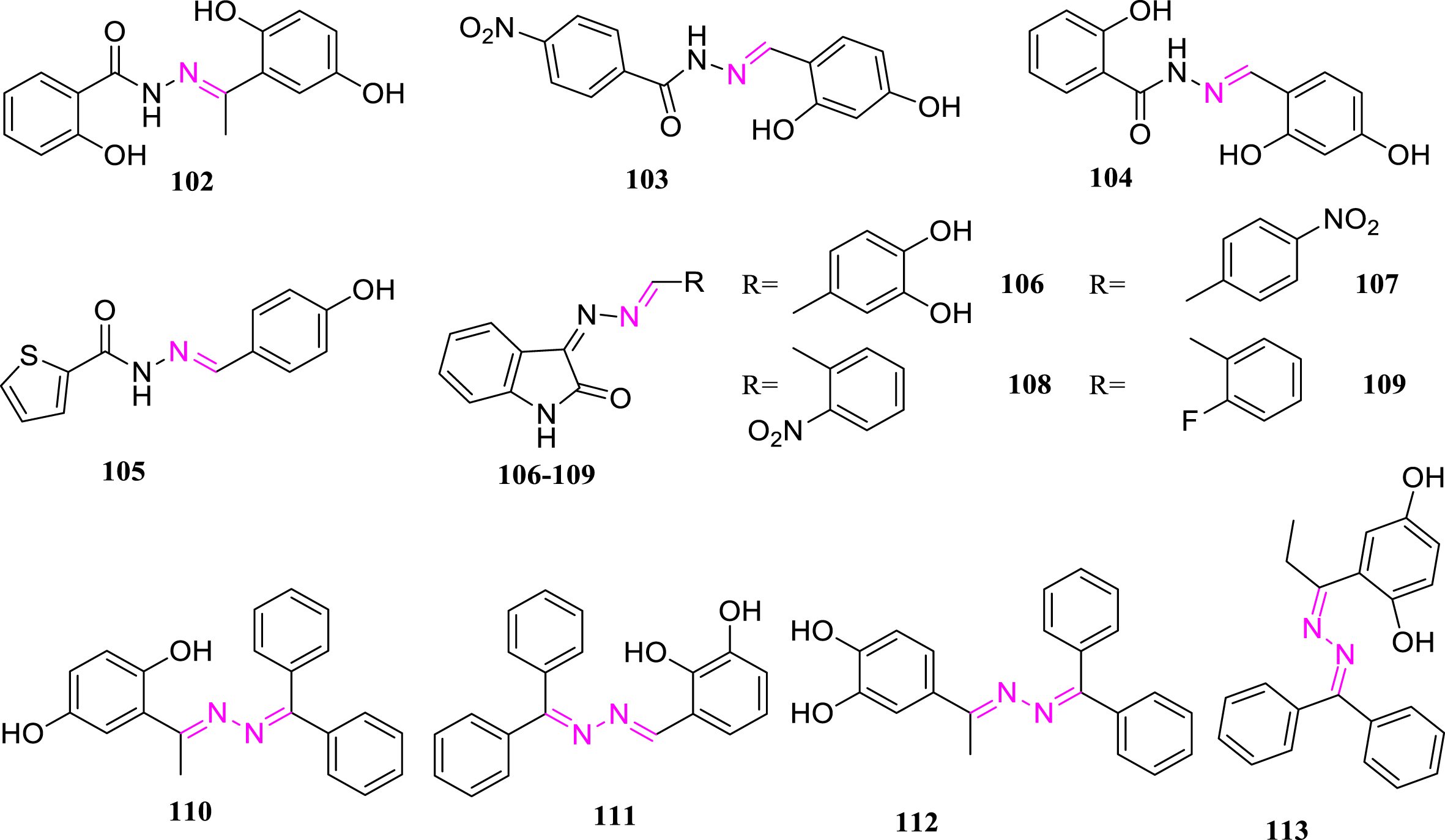
Schiff base derivatives
Schiff bases have excellent anti-inflammatory activities. Several Schiff bases
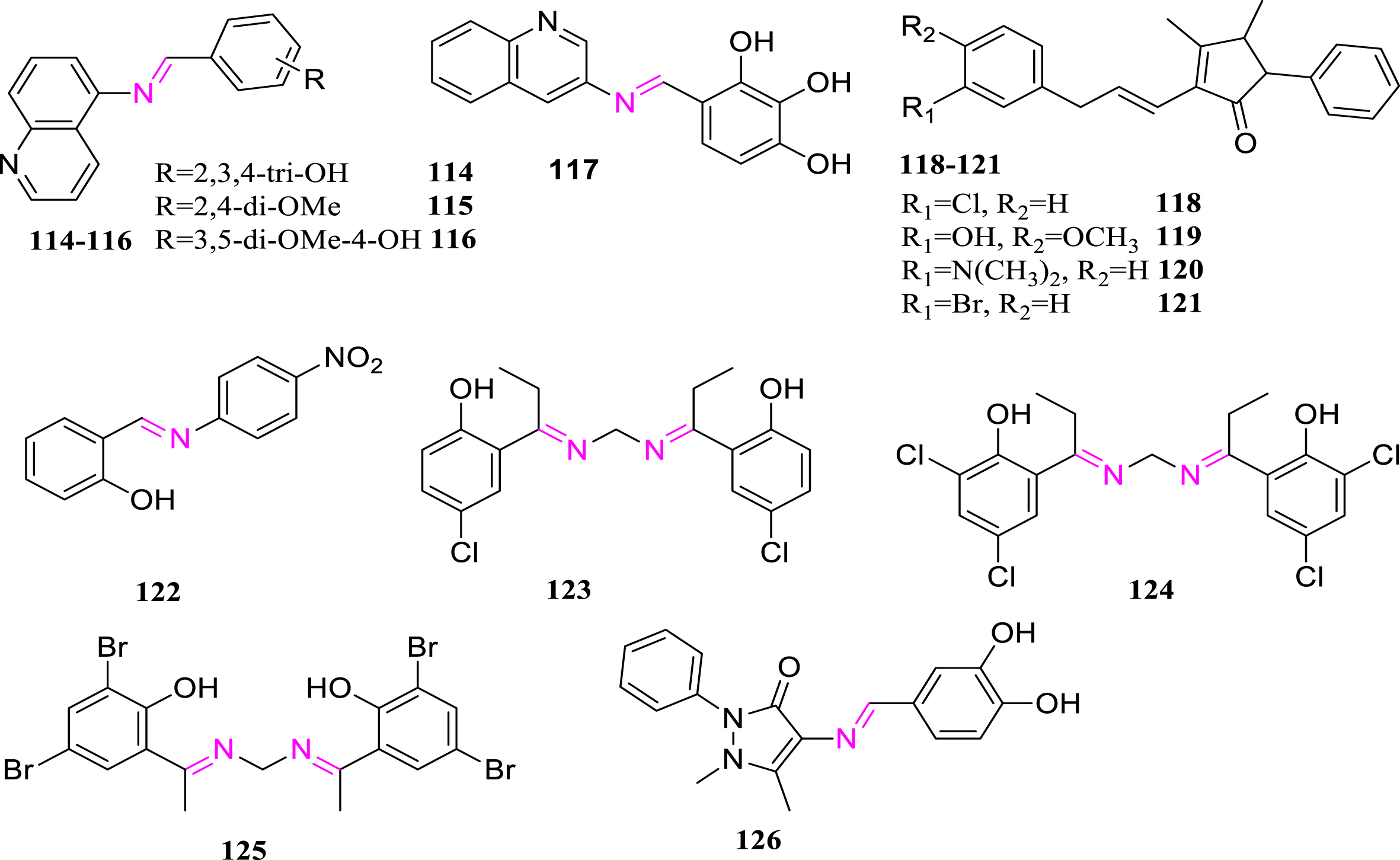
Schiff base derivatives
Schiff base derivatives of 4-aminophenazone
Different sources of analgesic drugs include medicinal plants like like Curcuma alismatifolia, Fumairavaillantii, Elettariacardamomum, AloeveraBarbedensis, Rumexcrispus, Bunts longifolia, AndrographisPaniculata, Cissusquadrangularis, Buxussempervirens, Punicagranatum, MorindaCitrifolia,Phoenix sylvestris etc and synthetic compounds likediclofenac, Ibuprofen,Paracetamol, etc [85]. Some Schiff bases also possessed excellent analgesic activities. For example, Schiff base
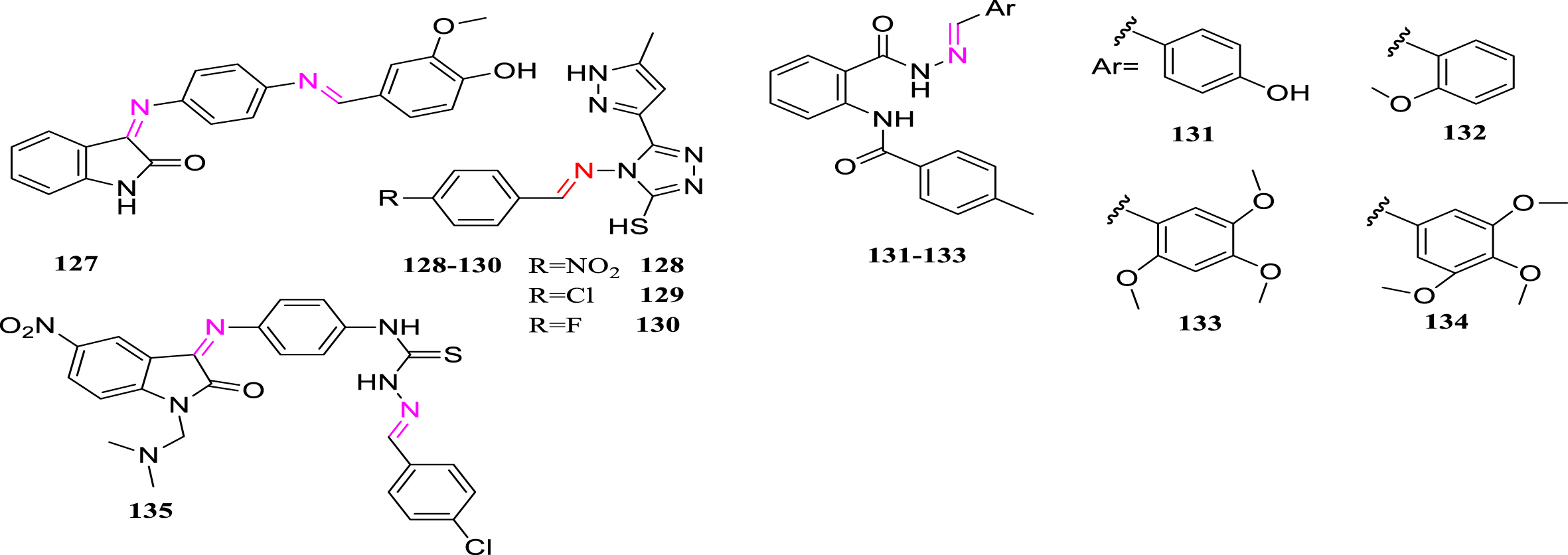
Schiff base derivatives
Schiff bases
Schiff base derivatives were reported to exhibit excellent anthelmintic activity. Schiff bases

Schiff base derivatives
It was observed that the most and the least strong anthelmintic compounds in terms of mean paralyzing time against Perionyxexcavatus were
Drug-resistant Mycobacterium tuberculosis is an increasing threat to global health. Therefore, the need for highly effective and potent analogs against drug-resistant Mycobacterium tuberculosis is of significant consideration [91]. Schiff base derivatives can be used as antitubercular drugs as it possesses excellent antitubercular activity. Schiff base of isatin and nalidixic acid carbohydrazide
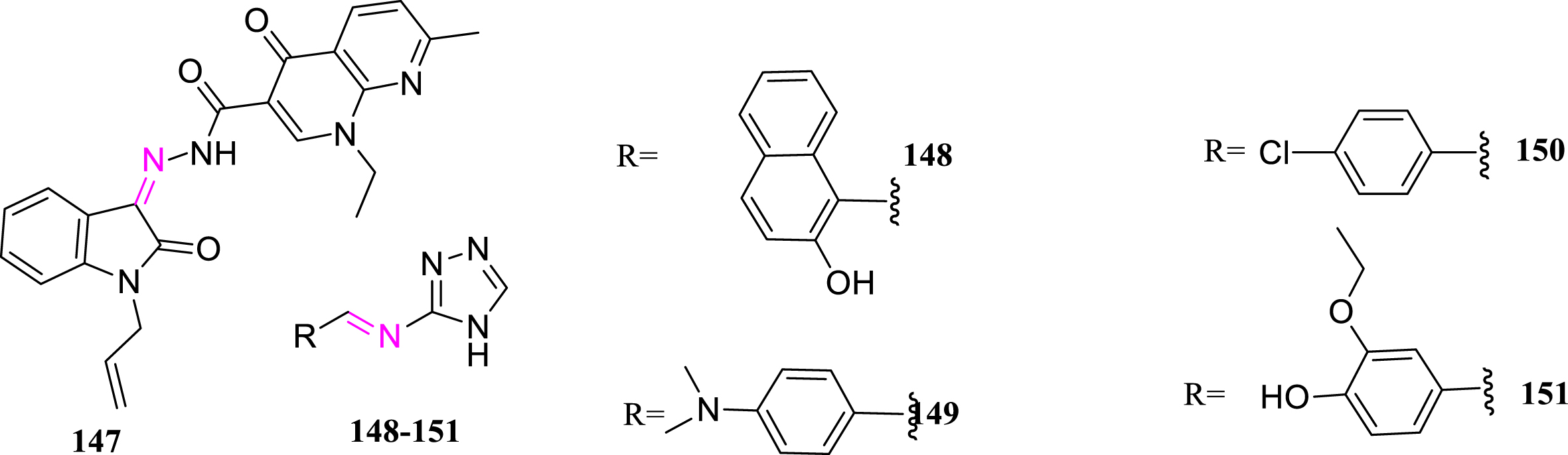
Schiff base derivatives
Schiff base derivatives
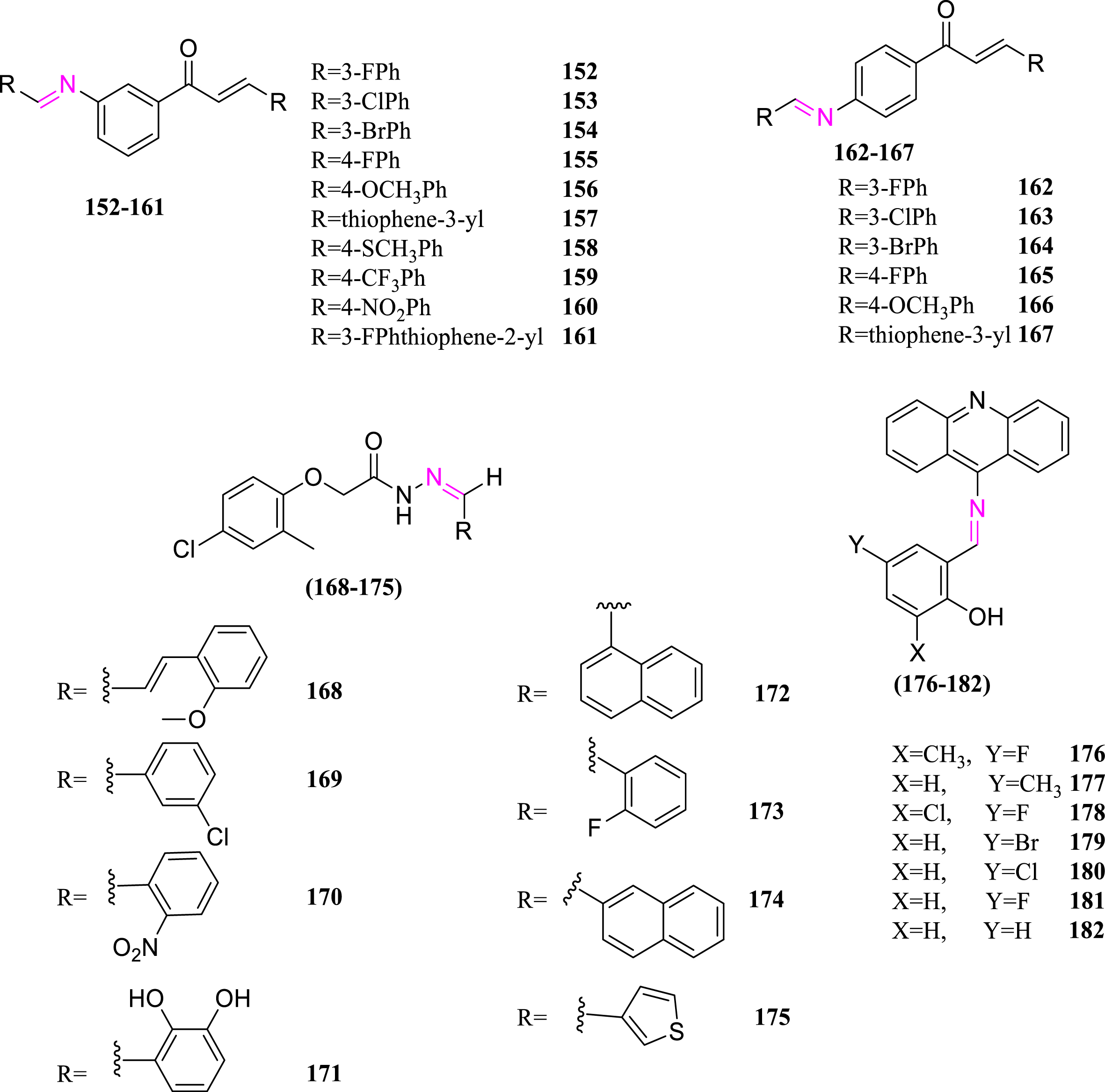
Schiff base derivatives
Synthetic reagents are one of the best solutions for the treatment of ulcers. Besides other compounds, some Schiff base derivatives also showed potent anti-ulcerogenic activity [95]. Sulphone-based Schiff base

Schiff base derivatives
Several Schiff bases have been applied for the sensitive and selective detection of various analytes. Schiff base interacts with these species and gives measurable analytical signals. Some factors affect the sensitivity and selectivity of chemosensors, such as the charge on the metal ion, the structural rigidity and the binding ability of the ligand with the metal ion, and the electron configuration of both the metal ion and ligand [97, 98]. Various mechanisms have been proposed for the interaction between chemosensors and metal ions, including intra ligand charge transfer (ILCT), photoinduced electron transfer (PET), metal-ligand charge transfer (MLCT), excimer/ exciplex formation, paramagnetic fluorescence quenching (PFQ) chelation enhanced fluorescence quenching (CHEQ), fluorescence resonance energy transfer (FRET), intramolecular charge transfer (ICT), excited-state intramolecular proton transfer (ESIPT), bond energy transfer (BET) and chelation enhanced fluorescence (CHEF) mechanism. SeveralSchiff bases being used as chemosensors for the detection of metal ions are briefly discussed [99–106].
Schiff bases as chemosensors for detection of metalic cations
Several Schiff bases containing compounds have been synthesized and used for the colorimetric and spectrofluorimetric detection of different cations. For example, Schiff base fluorescent chemosensor

Schiff base chemosensors
A Schiff base chemosensor SB8 containing mercapto pyrimidine moiety was designed and synthesized. The chemosensor
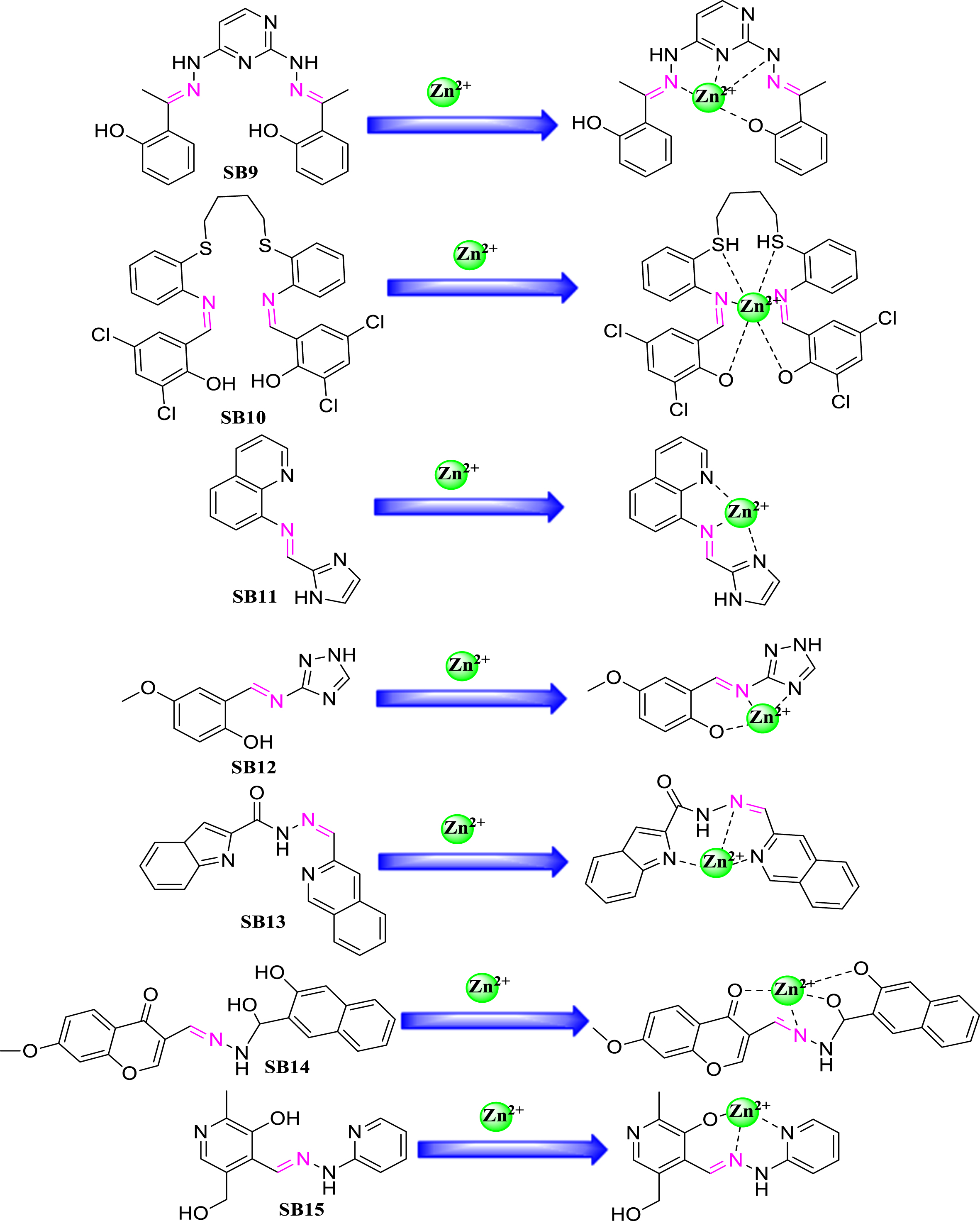
Schiff base chemosensors
Schiff-base fluorescent chemosensor SB15 bearing hydrazino pyridine moiety was applied to detect Zn2 + . SB15 displayed a weak fluorescence intensity, which increases upon the addition of Zn2 + ions.

Schiff base chemosensors
Different parameters for the analysis of metal cations using chemosensors (

Schiff base chemosensors
A Schiff base chemosensor
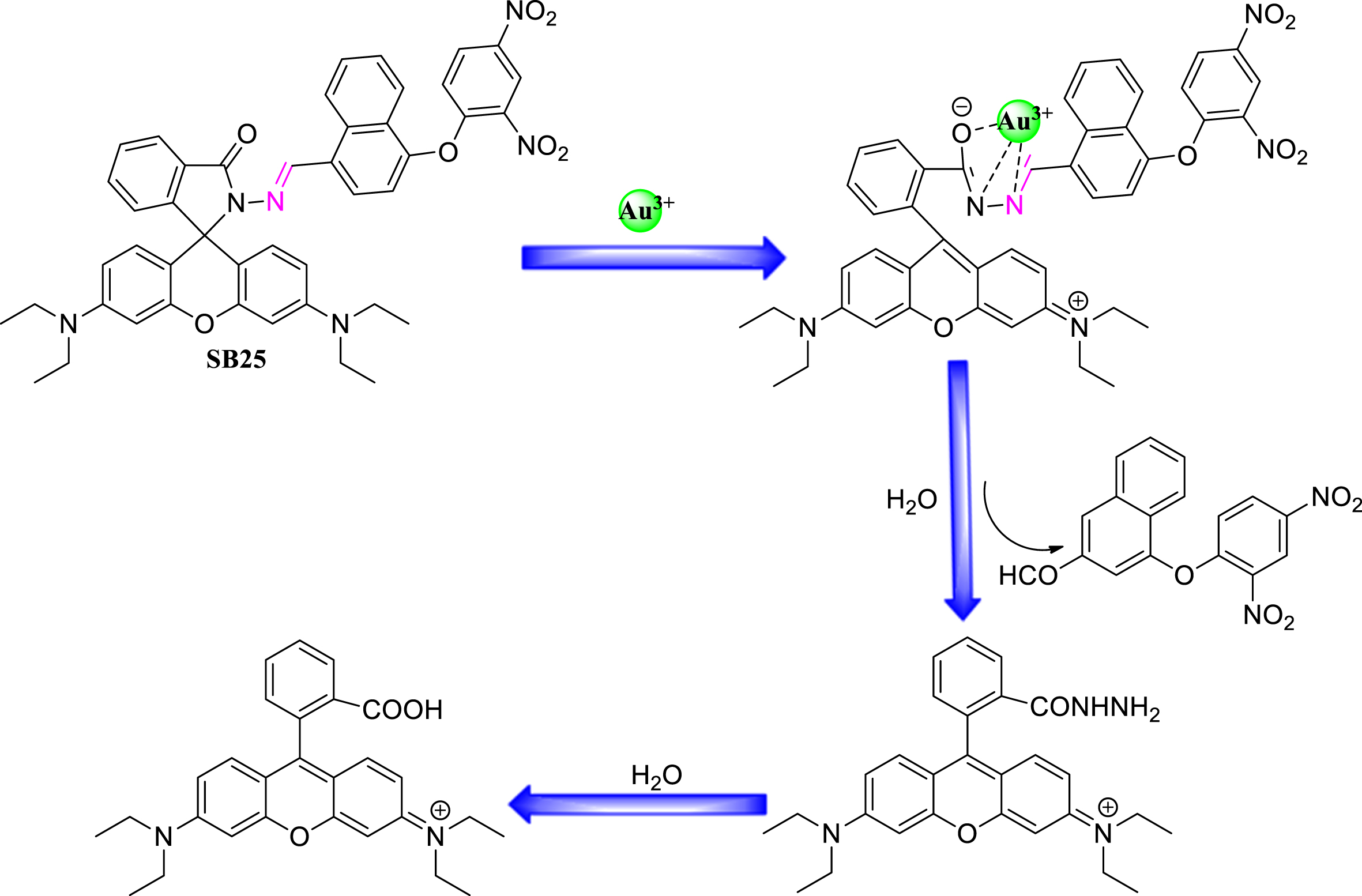
Schiff base chemosensors
Ahighly selective and sensitive Schiff base chemosensor
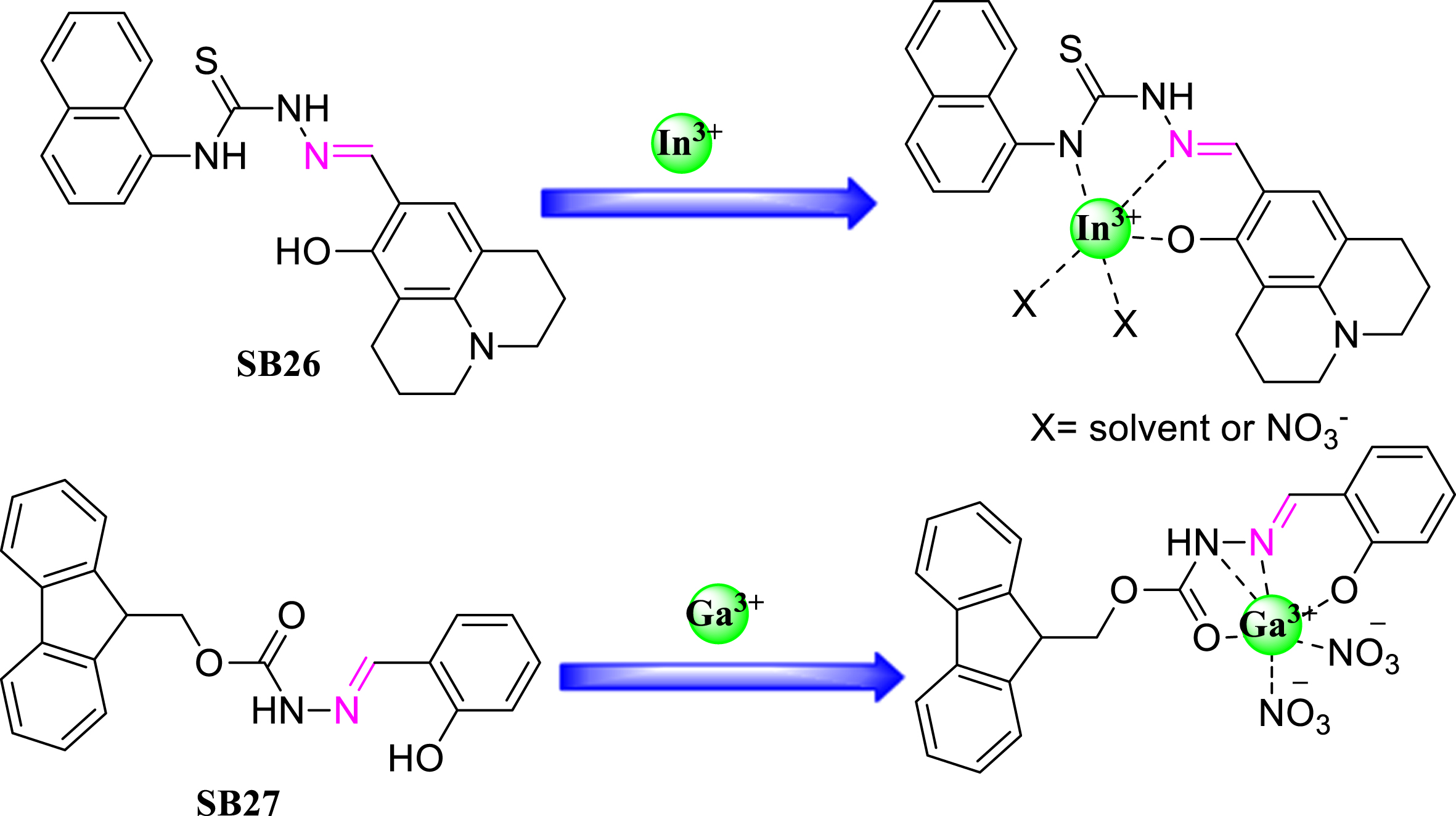
Schiff base chemosensors

Schiff base chemosensors
Another Schiff base chemosensor
Schiff base derivatives are excellent organic compounds. These compounds are economical, have simple synthetic routes, and are easily accessible in laboratories. They have medicinal and biological applications such as antiviral, antioxidant, antifungal, anticancer, anthelmintic, antibacterial, antimalarial, anti-inflammatory, antiglycation, anti-ulcerogenic, and analgesic potentials. They are also used as catalysts, polymer stabilizers, intermediates in organic synthesis, and corrosion inhibitors. Furthermore, these compounds have excellent chemosensing properties to detect different analytes.
Conflict of interest
Author declare no conflict of interest.