



Abstract
BACKGROUND:
Conducting practical studies in ergonomics requires attention to all aspects of ergonomics with a comprehensive approach and focus on continuous improvement cycles.
OBJECTIVE:
This study aimed to develop and present an ergonomics management model in the workplace.
METHODS:
This study was performed using a three-stage Delphi study with 30 experts and a fuzzy analytical hierarchy process. According to the literature review and experts’ opinions, the general cycle of the ergonomics management system with eight steps was developed. New methods were formed in two of these eight steps: the 3rd step (developing an ergonomic evaluation method) and the 5th step (creating a cost-benefit evaluation method).
RESULTS:
The eight implementation steps of the TEMA were determined as follows: 1) Performing task analysis (TTA), 2) Ergonomic hazard identification, 3) Estimating the ergonomic index, 4) Determining control measures, 5) Evaluating cost-benefit parameter, 6) Implementing control measures, 7) Continuous monitoring, and 8) Evaluating the effectiveness of control measures. The Delphi study revealed that the number of deleted parameters includes one item (burnout), and the remaining parameters were 16 items. The mean CVI and CVR values were 0.92 and 0.80, respectively. Cronbach’s alpha values for each of the physical, environmental, and cognitive components and the entire model were 0.91, 0.87, 0.85, and 0.89, respectively.
CONCLUSION:
Using the mentioned management model can be a practical step towards properly evaluating the most critical dimensions of ergonomics in the workplace and optimal planning to implement control measures to establish a dynamic management system to reduce ergonomic risk factors in the workplace.
Keywords
Introduction
Ergonomics is the modification and optimization of the environment, tools, equipment, and machine from both physical and cognitive dimensions to improve health and physical, mental, and social well-being through the interaction of people with each other and other components of the system or environment. In general, any mismatch between the job needs and the physical and mental ability of the worker with the assigned job tasks can lead to inappropriate and ergonomic conditions, leading to human error, accident, injury, and ultimately reduced productivity [1].
In general, four main areas of ergonomics, including physical (micro ergonomics), environmental, cognitive, and organizational (macro ergonomics), have been proposed by the International Ergonomics Association. Physical ergonomics is mainly related to anatomy, anthropometry, work physiology, inappropriate posture, workstation analysis, and biomechanics. Environmental ergonomics primarily consists of the effect of harmful physical factors of the work environment, such as sound and vibration, lighting, and heat stresses, on human performance and applying this information in the design and redesign of the human activity environment. Cognitive or perceptual ergonomics is concerned with thought processes such as perception, memory, stress, mental workload, and the body’s response to these stressors. Finally, organizational ergonomics is related to optimizing technical-organizational systems such as structures, policies, and processes, which can somehow involve all people in the organization following their job tasks with ergonomic issues that can lead the organization to achieve ergonomic goals and improve organizational productivity [2–4].
In recent years, due to the increase in the size of the industries and human interaction with machines and equipment and various simple tools and complex systems, and the need to pay attention to significant problems in the industry, the need for ergonomics has been created and still plays an influential role in improving the health of people in various occupations [5]. One of the most important complications caused by non-compliance with the principles of ergonomics in the workplace is the increase in prevalence, severity, and disability caused by these disorders in people’s daily lives [6].
Work-related musculoskeletal disorders (WRMSDS) are among the most common types of occupational injuries and the leading cause of disability of workers, loss of working time, increased costs, and economic losses [7]. Such disorders may be caused by long-term exposure to the causative agents over a long period or may be caused by a sudden significant impact on the part of the musculoskeletal system. These injuries are often multifactorial phenomena [8]. Risk factors for work-related musculoskeletal disorders can be divided into four categories: work-related physical or biomechanical factors, organizational or psychosocial factors, individual factors, and social content-related factors [7, 10]. The main physical risk factors for work-related musculoskeletal injuries are: lifting and moving heavy loads, applying force, contact pressure, performing repetitive movements, vibration, undesirable static postures, and poor work organization. Exposure to such factors has adverse effects on the body [11]. In Iran, musculoskeletal disorders are the main source of disability and related costs. According to available statistics, about 48% of work-related diseases are cumulative injuries caused by physical or mechanical factors such as musculoskeletal disorders [12].
Another influential component in ergonomic disorders is the cognitive component. In the workplace, if a person’s physical and mental abilities do not meet their job demands, it can have various negative consequences, such as decreased satisfaction, absenteeism, increased fatigue and stress, reduced physical capacity, and job productivity. Among these, one of the most critical negative consequences is increased work-related musculoskeletal disorders [13]. Previous studies have shown that the risk of musculoskeletal disorders increases with increasing workload, stress, and job stress index [1, 15].
Musculoskeletal disorders are prevalent in most industrialized countries and are considered one of the most common, debilitating, and costly disorders and cause significant damage to the health and economy of individuals and communities every year [16]. It has been found that about 33% of work absences in developed and developing countries are due to work-related musculoskeletal disorders [17].
Today, various models have been designed to manage ergonomics in the workplace. For example, Törnström et al. reported that the process for assessment of musculoskeletal risks is participatory, supporting the identification of solutions. Interviews, questionnaires, observation, and document studies were employed to assess the use of their model. The model was found to enhance participation and cooperation among stakeholders, supply a more effective ergonomic improvement process, visually express the ergonomics condition in the organization, and give ergonomic awareness [18]. Considering that economic problems are among the most critical obstacles to ergonomic management in workplaces, studies have also been conducted in this field. For example, Morse et al. reported in their research that many employers are still unsure that investing in various ergonomic solutions will provide benefits such as increased productivity and reduced compensation costs. Estimating current losses and predicting potential gains give more information to make ergonomic investment decisions. Their study provided a model that employers can use to predict cost savings from ergonomic investments offered specific input factors, including ongoing casualties, implementation cost, and implementation success [19].
Today, paying attention to ergonomic principles by focusing on all dimensions in work environments to improve the health of individuals and the organization’s productivity is very important. One of the most important aspects of ergonomics that has been studied and evaluated so far is physical ergonomics. Previous studies have shown that one-dimensional evaluations in the field of ergonomics (physical ergonomics) are not practical, and conducting effective studies in this field requires comprehensive attention to all aspects of ergonomics (physical, environmental and cognitive) with a focus on a continuous improvement and resilience engineering approach. In this model, in addition to the study of different dimensions of ergonomics according to the nature of work environment activities, special attention has been paid to participatory ergonomics and the evaluation of the cost-benefit parameter. Therefore, due to the importance of this issue, the lack of similar evaluation models, and the fundamental and vital role of ergonomics in promoting employee health and increasing productivity, the present study aimed to present a model for ergonomic management in the workplace.
Methods
The present study aimed to create an ergonomics management model focusing on three physical, cognitive, and environmental components in the workplace using the Delphi study and fuzzy analytical hierarchy process (FAHP) in a power plant industry in 2021 in Iran.
The location of the study was MAPNA Turbine Engineering and Manufacturing Company (TUGA). This company is the largest producer of turbines and compressors in Iran and has many exports to West Asian countries.
At first, according to the literature review and experts’ opinions, the general cycle of ergonomics management and evaluation system consisting of eight main steps was developed. In two of these eight steps, new methods were developed. These steps include the third step (creating a comprehensive ergonomic evaluation method) and the 5th step (developing a cost-benefit evaluation method).
To create an ergonomic evaluation method (3rd step), the following steps were performed
Identification of the studied items for measuring the parameters
At this stage, to determine the parameters to be measured for each group of occupations, the most important parameters and indicators in each of the ergonomic dimensions; Include physical ergonomics, environmental ergonomics, and cognitive ergonomics using library studies, review of scientific texts published in valid scientific indexes in similar industries in the world (ISI-Web of Science, Scopus, PubMed) as well as obtaining expert opinions were identified. In this step, a total of 116 studies in ergonomic evaluation and management methods in the workplace were extracted. Then, in the second stage and finalization of the selected studies, 43 articles were selected according to the study criteria. The criteria for entering the study included the following:
Conducting studies in similar industries, examining various physical, cognitive, and environmental components, examining the management content of ergonomics, suitable statistical population, being up-to-date (preferably for the last five years), using available and easy-to-use tools, and finally approving the study by an expert’s panel to extract the variables under investigation.
Creating an ergonomic index assessment model (ergonomic risk due to job design)
Then, to determine the indicators measured in each job subgroup, jobs in the studied industry were divided into three general groups: office, operational, and service jobs. The following are the definitions of each of the studied components and indicators:
2.1.2.1. Physical ergonomic: It generally focuses on humans’ biomechanical, anatomical, physiological, and anthropometric properties. This branch of ergonomics examines the effect of physical factors on the performance of individuals [20].
The following parameters were used to evaluate this component: Body Posture (BP) Manual material handling (MMH) Prevalence, severity, and disabilities caused by musculoskeletal disorders (WRMSDs) Muscle fatigue (MF) Energy consumption (EC) or work physiology (determining the amount of energy consumed in each job based on past empirical studies) Biomechanics and anthropometry
2.1.2.2. Cognitive ergonomic: This ergonomic component studies human, work, and environment interactions cognitively. Cognitive ergonomics focuses on designing the interaction between humans and work settings according to the mental limitations of the user. Cognitive ergonomics studies perceptual processes (such as recognizing patterns, and central cognitive processing (such as decision-making, problem-solving, memory, and sensory-motor processes)) [21].
The following parameters were used to evaluate this component: Mental workload (MW) Occupational stress (OS) Sleep quality (SQ) Burnout Cognitive failure (CF)
2.1.2.3. Environmental ergonomics: It is a branch of ergonomics that studies the work environment’s harmful physical agents, the degree of desirability, and their impact on human performance [22].
The following parameters were used to evaluate this component: Sound in the workplace Vibration in the workplace Workplace lighting Heat stresses in the workplace Work in confined space
Delphi study
The Delphi method and Analytic Hierarchy Process (AHP) were used to complete the list of measured parameters according to the industry and the weighting of criteria and sub-criteria. The Delphi method is a structured communication methodology or technique initially developed for prediction based on the opinion of experts. The basis of the Delphi method is that the idea of experts in any scientific field about anticipating the future is the most correct. Participants in the Delphi study included 5 to 20 individuals [23]. After selecting the parameters affecting the ergonomic index in this study, a Delphi questionnaire was designed. In the present study, to adequately integrate the majority of the country’s specialists, the opinions of 30 experts with master’s and doctoral degrees were collected in the fields of occupational health, ergonomics, occupational medicine, and physiotherapy and working in 25 universities and 15 large power plants and manufacturing industries in three stages of Delphi study. In the first phase of the Delphi study, experts were asked to comment on the model’s overall structure, and if they had other components or parameters in mind in this stage, the model’s overall design was approved. In the second stage, experts were asked to prioritize components and parameters according to their importance. In the third stage, the second stage results were provided to the panel, and they were asked to comment on any changes in their indicators and priorities. It was found that the results of the third stage did not differ significantly from the second stage, and therefore the Delphi study was completed in three phases.
At the end of this phase, all studied parameters, tools to measure the values of indicators, and their scoring range are determined according to the expert’s panel and the importance of each component (criteria) and indicator. The fuzzy analytical hierarchy process (FAHP) was used to measure (sub-criteria) in each job subgroup and determine each parameter’s weight.
The content validity ratio (CVR) and content validity index (CVI) were employed to determine the content validity of the model. The acceptable limit of the CVR was considered 0.33 based on the Lawshe table and proportional to the number of participants in the Delphi study (30 experts) [24]. The acceptable limit value of the CVI was considered to be 0.79 [25]. Cronbach’s alpha method was utilized to evaluate the overall reliability of the model. To assess the internal consistency of the model, 130 workers from three occupational groups, administrative or office (N = 44), operational (N = 43), and service (N = 43), were investigated during the pilot stage. An alpha coefficient of 0.7 or higher was considered the minimum score required to approve the model’s reliability [26]. SPSS software version 25 was used to calculate descriptive statistics (mean, standard deviation, frequency, etc.) and Cronbach’s alpha.
Analytic hierarchy process (AHP)
The analytic hierarchy process is a multi-criteria decision-making technique for weighing the criteria and selecting the optimal option. Thomas Saaty presented this method in 1983. The purpose of this method is to prioritize several criteria or options [23]. Once the goal has been selected, criteria for decision-making must be determined. These criteria are paired based on purpose, and their weight is determined. Finally, the options are paired based on each criterion, and the final priority of the options is determined. This technique makes it possible to formulate the problem hierarchically. The primary purpose of the analytic hierarchy process method is to select the best option based on various criteria by creating a pairwise comparison matrix [23].
In the analytic hierarchy process, the elements of each level are compared in pairs at a higher level than their respective element, and their weights are calculated, called relative weights. Next, the final weight of each option is specified, which is called the absolute weight. Then the weight of the criteria is determined concerning the goal, and combining them determines the final weight of the options. All comparisons in the analytical hierarchy process are made in pairs. In these comparisons, decision-makers will use verbal judgments [27]. Then, to increase the reliability of the results of the questionnaires’ analysis, the system’s consistent rate was controlled, and the acceptable amount of the decision was calculated. In the expert panel questionnaire, which is based on pairwise comparisons of all elements, the probability that a variable is not considered is zero.
The comparison and weighing of factors are recorded in a K×K matrix (K = number of rows and columns of the pairwise comparisons matrix). The pairwise comparison is conducted based on the valuation of the row factor relevant to the column element. For valuation, a distance scale varying from 1 to 9 is usually employed based on language terms: a higher value indicates the superiority of a row element over a column element so that a value of 9 means the most valuable element, and a value of 1 means the least valuable element (Table 1).
Language expressions and corresponding fuzzy weights
Language expressions and corresponding fuzzy weights
Fuzzy logic is a form of the multi-valued region in which the variables’ accurate values may be any actual number between zero and one. This logic is employed to apply the concept of partial correctness so that its values can be between entirely accurate and completely false [28]. This approach is a strong tool to deal with the vagueness and uncertainty of human judgment and evaluation in decision-making.
In the hierarchical analysis strategy, verbal expressions are utilized to compare the criteria in pairs and express the importance of the criteria concerning each other. This technique’s disadvantage is that the verbal terms are inaccurate, indefinite, and ambiguous, making it challenging to analyze and summarize the results, given that a fuzzy region is a convenient tool for measuring vague concepts related to people’s mental judgments [29]. As a result, it is a powerful tool appropriate for overcoming the mentioned concerns and makes it possible to acquire more accurate information in verbal expressions [30]. Different studies have used combining the AHP method with fuzzy logic to rank and weight the criteria and sub-criteria. Various methods for performing FAHP have been suggested. This study was based on the method suggested by Chang because it is more comfortable to implement than other approaches and supplies accurate results [31]. Therefore, in this study, the ergonomic risk index (ERI) and related components have been calculated based on Equations 1–4 and Figure 2–4.
Therefore, because all elements have been evaluated in this assessment and the designer cannot orient the design specifically, questionnaires based on pairwise comparisons have validity. The reliability values of the expert panel questionnaire were considered the same as the adjustment rate. This study regarded a value of 0.1 or less as the acceptable compatibility limit for pairwise comparisons.
Finally, employing the studied method and based on the parameters in each component, the ergonomic conditions of each job task will be evaluated based on the division of jobs. Finally, it will gain an ergonomic risk index, which is the basis for the decision and taking control measures.
Development of ergonomic cost-benefit evaluation method (Step 5)
In the present study, an ergonomic cost-benefit evaluation is performed after ergonomic evaluation and before performing control measures. For this purpose, the following steps are performed: Equivalence and calculation of all musculoskeletal disorders and ergonomics costs, including costs of treatment, rehabilitation, absence from work, morbidity, reduced productivity, etc. Equivalence and calculation of all costs related to the control and intervention measures Compare the mentioned costs
For this purpose, according to previous studies conducted in ergonomic investments and also summarizing the parameters affecting the cost-benefit assessment using the brainstorming of the expert’s panel to calculate the parameter and the approach of realizing and adjusting costs based on workers’ age, the average age of workers with musculoskeletal disorders in each department, duration of employment to get WRMSDs, the prevalence of ergonomic diseases in each of the operational, office and service occupational subgroups and ergonomic risk index of each individual (The result of the third step). This step will ultimately determine which planned control measures can be implemented. All experimental coefficients used in this step were extracted using the existing documents in the studied industry, such as personnel reports and medical records. All formulas and computational coefficients used in this section were studied using SPSS and Excel software.
3 Results
A total of 30 experts were involved in the present study. The expert panel’s age and work experience were 39.66±7.13 and 7.88±4.13 years, respectively. 70.6% of the experts were Ph.D., and 29.4% had an MS degree. The three-stage Delphi study showed that the number of deleted parameters was one item (burnout from the cognitive ergonomics component), and the number of remaining parameters in the model was 16.
The mean CVI was 0.92 (the obtained value was higher than 0.79, and the content validity of the model was verified). The mean CVR was also determined to be 0.80. The overall average was higher than 0.33 according to the number of panel members and the Lawshe method, and was approved. To evaluate model reliability, 130 employees from three occupational groups, administrative (N = 44), operational (N = 43), and service (N = 43), were investigated during the pilot phase. The mean and standard deviation of age and work experience of the subjects were 43.57±7.36 and 10.41±4.82 years, respectively. 10% of the studied workers were female, and 90% were male. 23% had a diploma, 26% had a master’s degree, 45% had a bachelor’s degree, and 6% had a master’s degree.
Cronbach’s alpha values for each of the physical, environmental, and cognitive components and the entire model were 0.91, 0.87, 0.85, and 0.89, respectively, and model reliability was proved. Finally, the findings mentioned above showed that in the initial model, after conducting a three-stage Delphi study and implementing the pilot phase on 130 people, the validity and reliability values of the model were acceptable. The final models for the three office, operational, and services occupational groups are presented in Figures 2–4.
Finally, the ergonomics management cycle was investigated in 8 steps. The study cycle is presented in Figure 1 and describes the steps used to manage and evaluate ergonomics.
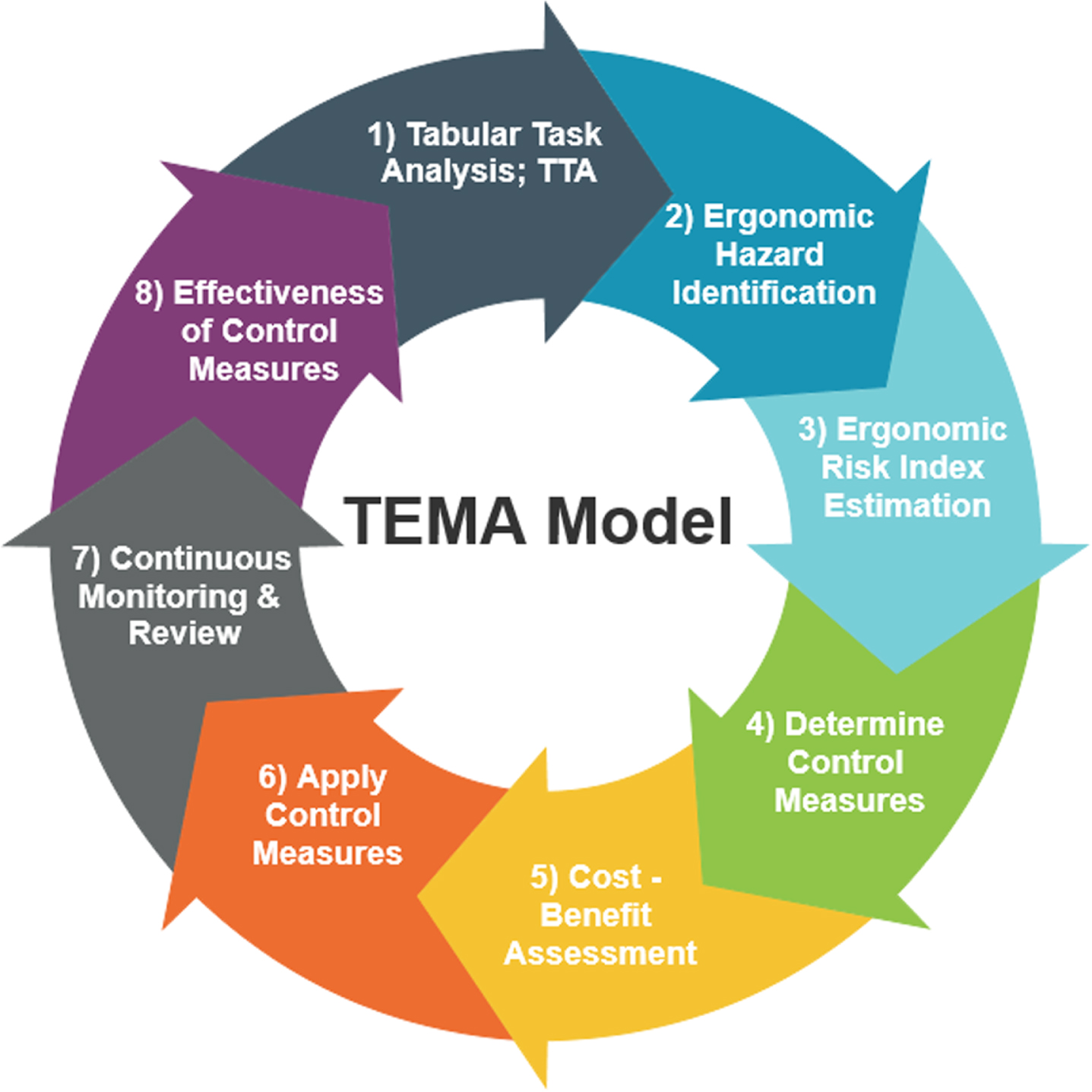
TUGA ergonomics management and analysis model (TEMA).
The eight implementation steps of the TEMA model were defined as follows: Performing tabular task analysis (TTA) Ergonomic hazard identification (EHI) Ergonomic risk index estimation for each of the job tasks (ergonomic risk due to job design) Determining control measures Evaluating cost-benefit parameter Implementing control measures Continuous monitoring Evaluating the effectiveness of control measures.
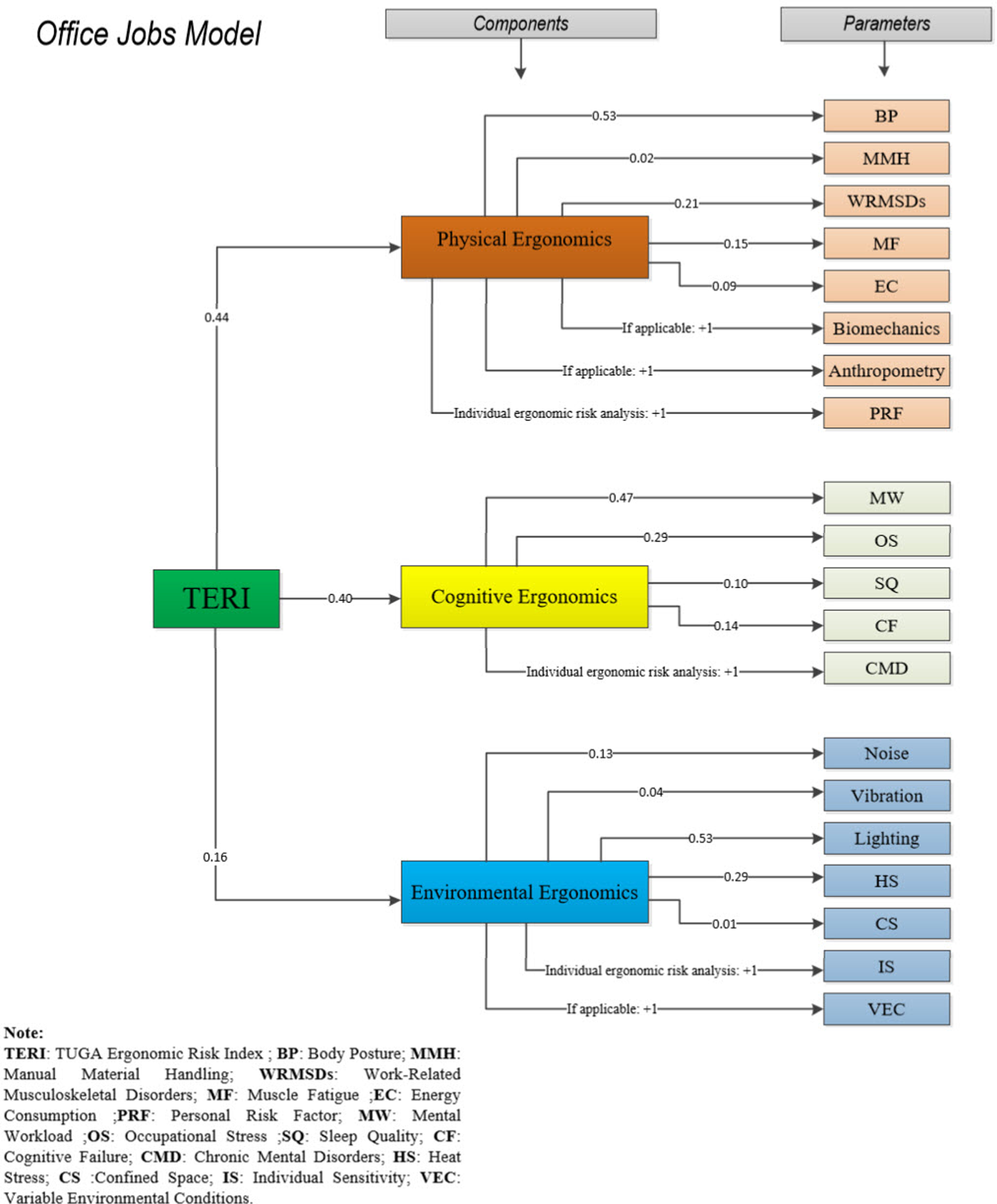
Ergonomic evaluation model of office jobs.
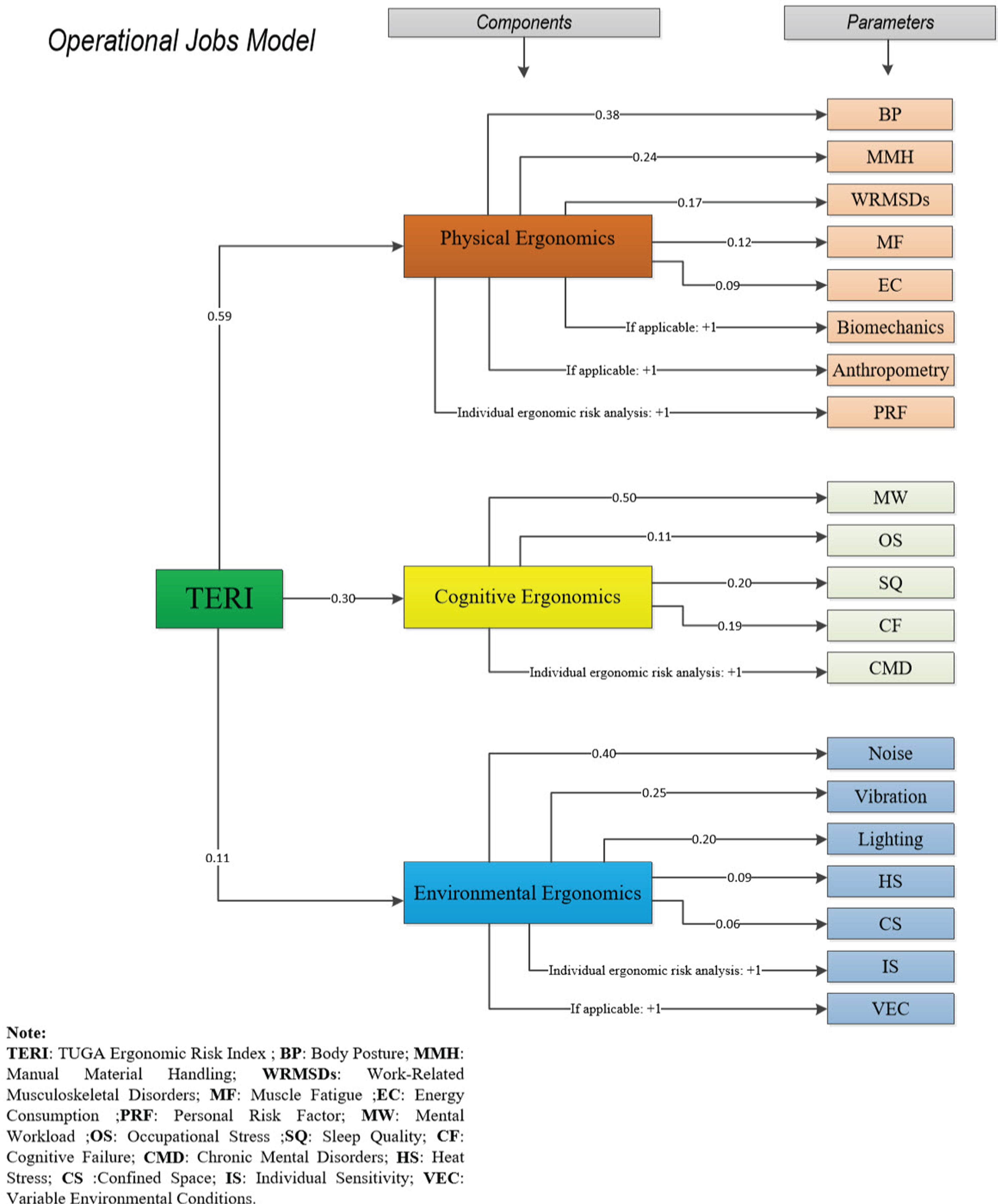
Ergonomic evaluation model of operational jobs.
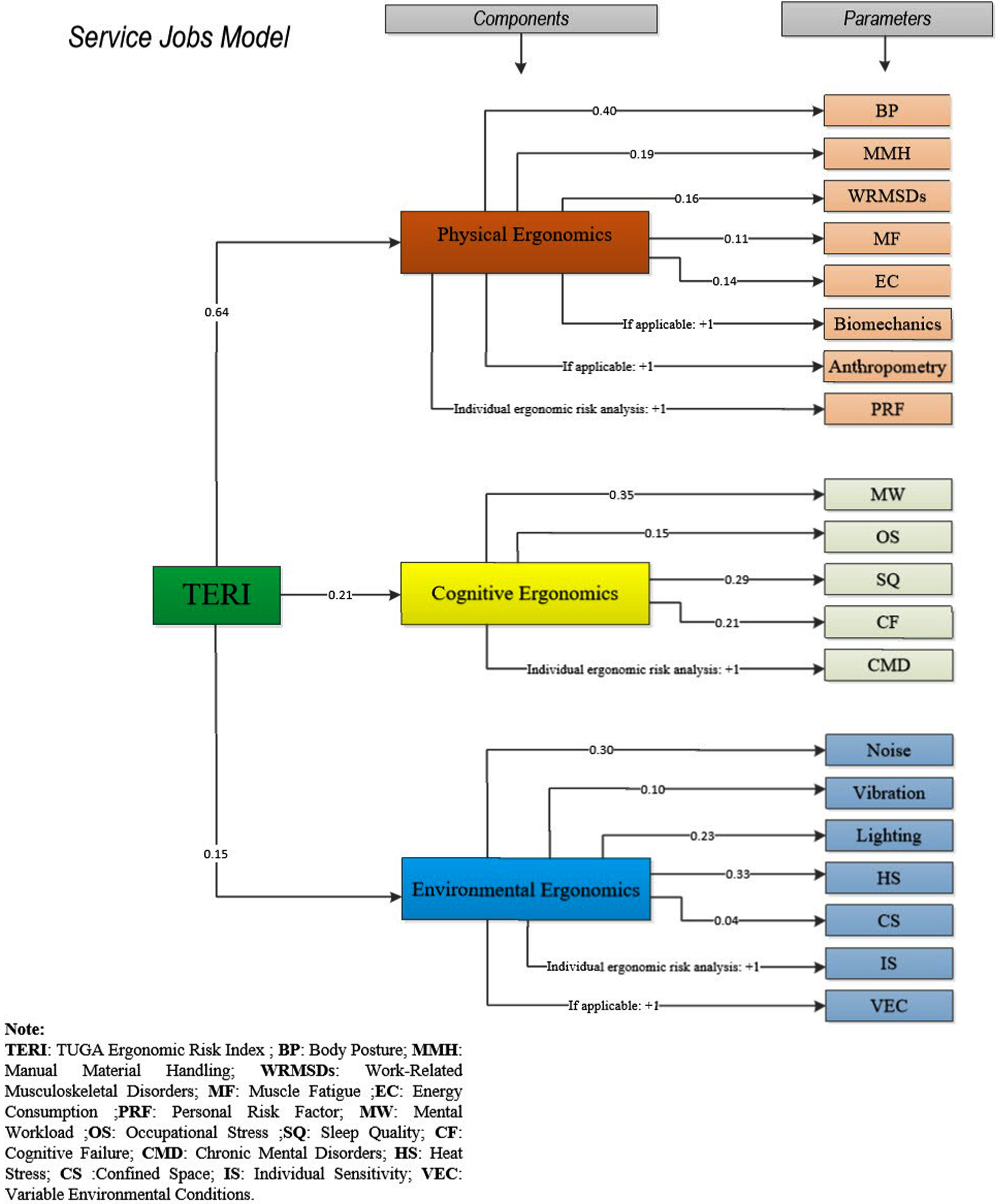
Ergonomic evaluation model of services jobs.
To analyze the tasks and sub-task of existing jobs, a tabular analysis of tasks is employed. This section divides existing jobs into tasks, sub-tasks, and basic motion elements (like flexion, extension, elevation, etc.). All ergonomic risk factors in each job task will be identified [32]. The TTA worksheet is provided in Table 2. After the training course, the staff completes this step with a participatory ergonomic approach. This step is the central part of identifying ergonomic hazards.
Tabular task analysis (TTA) worksheet
Tabular task analysis (TTA) worksheet
* Posture, force, repetitive movement, vibration, time, MMH, pulling, pushing, etc. *** Posture, force, repetitive movement, vibration, time, MMH, pulling, pushing, etc.
The following tools and methods can be employed to identify ergonomic risk factors and hazards (such as improper posture, force application, repetitive movements, vibration, duration, manual material handling, carrying, pulling, pushing, etc.): Using standard ergonomic checklists Using TTA results Using ergonomic checkpoints workstations field visits Workers’ statements about musculoskeletal disorders Investigate work absences, employee complaints, etc. Check for inappropriate postures and repetitive movements Study reports on first aid and medical services Check the type of tools and equipment employed and workers’ ergonomics situation
Ergonomic risk index estimation (ergonomic risk due to job design)
To determine the indicators to be measured in each job subgroup, the jobs in TUGA Company were divided into three general groups: office, operational, and service jobs. In the following, each studied parameter is presented in the main components of ergonomics and the calculation method.
Ergonomic index leveling
Finally, the risk matrix was designed based on the values of the three studied ergonomic components. Then it was divided into three levels of acceptable (low), tolerable and recoverable (medium), and unacceptable (high) risk in accordance with the principle of ALARP (As low as reasonably practicable) and the opinion of the expert’s panel. For this purpose, the maximum tolerable ergonomic index (average risk) in each physical, environmental and cognitive component was determined. The maximum final tolerable ergonomic score was defined according to the values of the three components, and the risk matrix was formed. The following equations are proposed to calculate the ergonomic risk index due to job design:
Where,
ERI: Ergonomic risk index
PE: Physical ergonomic
CE: Cognitive ergonomic
EE: Environmental ergonomic
Pi: Numerical index of physical ergonomic sub-parameters
Wpi: Normalized weight of physical ergonomic sub-parameters
Ci: Numerical index of cognitive ergonomic sub-parameters
W ci : Normalized weight of cognitive ergonomic sub-parameters
E i : Numerical index of environmental ergonomic sub-parameters
W Ei : Normalized weight of environmental ergonomic sub-parameters
W: Normalized weight of ergonomic risk index parameters
The input values for determining the scoring values of the physical, cognitive, and environmental components and the guide for determining the risk level of the ergonomic index are given in Tables 3–6. The proposed methods for calculating parameters and components are among the most widely used and easy-to-use tools. Based on our review, these tools are the most reliable and common tools employed by Iranian ergonomists. Previous studies have also determined that these tools are among the most widely used ergonomic assessment tools in the world [33].
Scoring guide for the determining parameters and measuring tools in physical ergonomics
*Work Related Musculoskeletal Disorder (Prevalence, Severity and Disability). **If Applicable. ***In the case of Individual index calculation.
Scoring guide for the determining parameters and measuring tools in cognitive ergonomics component
*In the case of Individual index calculation.
Scoring guide for the determining parameters and measuring tools in environmental ergonomics component
*If Applicable. **In the case of Individual index calculation.
Guide for the determining risk levels of the ergonomic risk index or ergonomic risk due to job design
*If one of the three components in the model scores the maximum score or is at a very high-risk level, the overall ergonomic index will be within the not-acceptable (high) risk level range.
At this stage, all proposed control measures are proposed to reduce ergonomic risk levels regardless of their cost-effectiveness. Also, at this stage, participatory ergonomics is employed for the second time. At this stage, an ergonomics committee is formed, including the employee, their direct manager, and an ergonomics expert. The employee offers all their suggestions to improve their work’s ergonomics according to the training received. The reasonable recommendations of the employees for control measures are combined with the suggestions of the ergonomic expert and enter the phase of evaluating the cost-benefit parameter.
Evaluating cost-benefit parameter
After ergonomic evaluation and determination of intervention and control measures, and before performing control measures, a cost-benefit assessment is completed. For this purpose, the following steps are conducted:
1) Equivalence and calculation of all costs related to musculoskeletal and ergonomics disorders, including the costs of treatment, rehabilitation, absence from work, etc., of the relevant employee, calculated according to the ergonomic risk level. It should be noted that cases such as absences due to disorders and reduced productivity during recovery can be among the costs of disorders.
EC: Costs of Equivalent Disorders (USD)
P: Probability of payment in the organization
ERI: Ergonomic risk index
C: Total Occupational Outcome Costs (USD)
The P coefficient in TUGA in each occupational group (administrative, operational and support jobs) is calculated from the following formula:
P: Probability of payment in the organization for each job group
B: Total number of employees in the occupational group/Number of employees with ergonomics disorders
D: The average year of onset of disorders after employment in TUGA
A: The average age of employees with disorders in the occupational group/average age of the occupational group
2) Calculation of all costs related to the implementation of control and intervention measures
3) Compare the mentioned costs and determine the cost-benefit parameter based on the following equation:
CB: Cost-benefit parameter
EC: Total equivalent costs of disorders (USD)
CC: The sum of the costs of the specified control measures
Finally, a decision will be made on the implementation of the planned control measures as follows: If the value of the Cost-benefit (CB) parameter is greater than or equal to one, it is economically viable to perform the specified control measures and is considered desirable. If the value of the Cost-benefit (CB) parameter is less than one, performing the specified control measures is not economically viable, is not considered desirable, and needs reconsidering.
The hierarchy of control measures will be as follows (Figure 5): Technical – engineering: such as redesigning workstations to suit working conditions and anthropometric dimensions of individuals, using ergonomic tools, etc., using existing standards and ergonomic checkpoints. Managerial-executive: such as training to observe ergonomic principles in the workplace, training of corrective exercises, job rotation, work time management, and work cycle regulation – rest, exceptional attention to participatory ergonomics, check the amount of physical activity and workers’ diet. Tools and equipment: Although this group of measures does not have the same efficiency as engineering and management interventions, a wide range of items designed based on ergonomic principles are available to use in work environments and can improve the performance and comfort of staff. Participatory Ergonomics: One of the most important and influential approaches to reducing the burden of musculoskeletal disorders in the workplace is Participatory Ergonomics (PE), which has entered the science of ergonomics with industrial management measures used in quality cycles, industrial democracy, and the participatory controls used in Asian, European, and American countries. There are a variety of techniques and models for participatory ergonomics, some of which involve the ergonomist or instructor as a facilitator. Commitment and understanding of management, providing the required resources for participatory ergonomics programs by the ergonomist, and the degree of employee acceptance of ergonomic concepts, have an influential role in ergonomic success and the resulting improvements in the workplace. This section will be done to increase the level of personnel awareness, create an ergonomic culture and turn it into personnel habits, and study the principle of knowledge in the resilience engineering approach and integrate it with ergonomic principles.
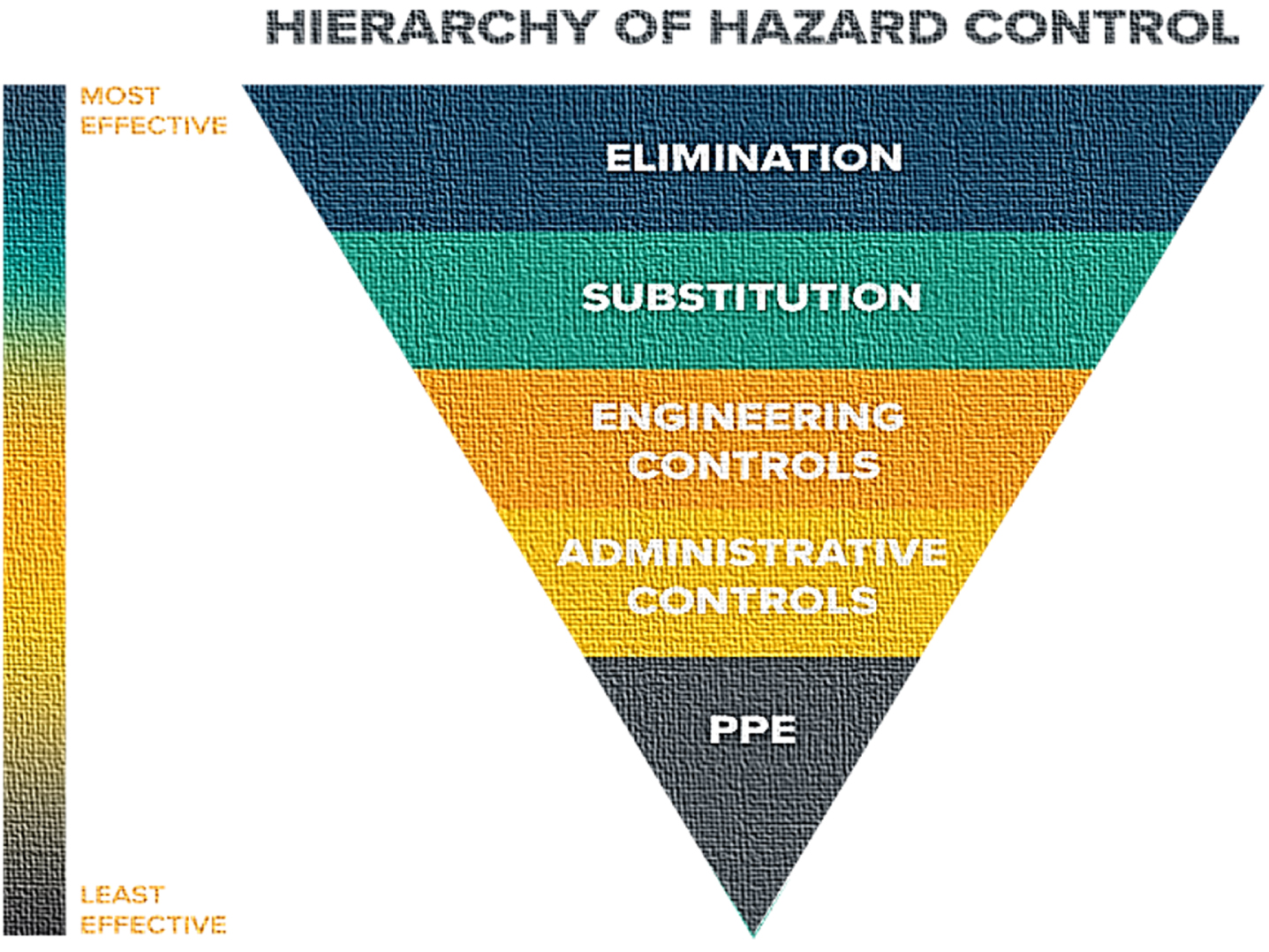
Prioritization of ergonomic interventions during the present study.
A common element in all participatory ergonomics programs is “improving staff knowledge and skills in ergonomics and involving them in proposing and implementing ergonomic interventions.”
One of the disadvantages of the participatory ergonomic approach is that it is sometimes an inefficient way to provide control solutions due to time-consuming and the need for employee participation. Sometimes, the proposed solutions are not optimal. However, participatory ergonomics for having human-centered work environments is a practical approach to improving the organizational climate and a helpful way to avoid musculoskeletal disorders caused by manual tasks that are always validated. Among the applied and implemented cases in the ergonomics management model in TUGA company, the following can be mentioned: Request to declare ergonomic risk factors by workers Involve workers in the project and seek the opinions of staff in the field of intervention measures Assign worksheets related to ergonomic hazard reporting in the workplace and suggest control strategies to eliminate hazards. The effect of staff participation in ergonomics management programs on the parameter of organizational productivity of individuals. Encourage personnel to Improving lifestyle parameters (like reduce body mass index and so on).
All of the above can be a positive step towards creating an ergonomic culture and other issues related to safety and health in organizations and industries.
It should be noted that in order to more accurately implement the preventive and proactive approach in the present model, after the ergonomic evaluation phase and data acquisition and in the ergonomic intervention phase, the general characteristics of new employees, as well as different workstations in the form of a guideline, will be provided. The main purpose of this section is to increase the degree of matching between the abilities and characteristics of workers with job requirements. The output of this step can be a comprehensive guide to assessing the ergonomic professional qualifications of new personnel and all employees.
Prioritization of job duties in order to perform control measures will be based on the following: The ergonomic risk index score Number of relevant complaints Type of injuries and complications Identified risk factors Staff comments Available financial and technical resources
Continuous monitoring
According to the concepts of the Deming cycle and focusing on the ideas of continuous improvement and Kaizen in the field of ergonomics, the identified job tasks in the biennial period are evaluated ergonomically, the ergonomic index is calculated according to the developed model, and control measures are performed based on the obtained results.
It should be noted that the above period is contractual. In case of any change in the conditions and workstations and personnel working in different occupations, the current ergonomic status will be re-examined.
Evaluating the effectiveness of control measures
After ergonomic interventions, ergonomic evaluation (step 3) will be performed again, and the measures’ effectiveness will be investigated. If the desired risk levels are not studied, additional measures will be taken to reduce the risk levels.
Furthermore, in this stage, the principles of implemented interventions are evaluated using periodic inspection, using the camera and continuous monitoring of personnel, encouraging people to self-control and participatory ergonomics, and completing the relevant checklists to adapt the existing cases to the expected rates.
Discussion
The main purpose of this study was to develop and present a comprehensive model for ergonomics management in the workplace and its application in one of the largest active industries in energy. In general, the primary purpose of different ergonomic models is to create a proper logical balance between employees, tools, and the physical and organizational environment [34]. Today, it is imperative to pay attention to all dimensions of ergonomic management in different work environments with a comprehensive, forward-looking, and proactive approach and focus on continuous improvement cycles and concepts such as Kaizen and Resilience Engineering. In this regard, identifying ergonomic risk factors in each job, task, and sub-task is essential in the first step. This step is crucial when, after presenting the training courses, it is completed by the employees and done through participatory ergonomics. Finally, the identification of ergonomic hazards by specialists can complement the first step. The ergonomic index values are calculated individually in the present study’s third step of the proposed ergonomics management model. Following the above concepts, the importance of assessments conducted in this area and the tools used to assess and consequently evaluate and determine risk and control measures as the heart of risk management systems in various sciences becomes more apparent. So far, many studies have been conducted to evaluate the physical and sometimes cognitive components of ergonomics in the workplace. However, various studies have shown that conducting practical studies in this area requires comprehensive attention to the multiple components of ergonomics in the workplace. In the present study, physical, cognitive, and environmental components of ergonomics were studied to create a new and comprehensive method of ergonomics evaluation in different occupational groups in work environments. Among the selected parameters to evaluate the ergonomic index, 17 parameters remained in the model, and one parameter was removed according to the output of the Delphi study (burnout).
The evaluated parameters are the same in all three obtained models. The only difference between the evaluation models of the ergonomic index is in the weight values of the existing components and parameters as well as the evaluation tool of some parameters in different occupational groups (e.g., in-office jobs, posture evaluation was done using the ROSA and in operational or service jobs posture evaluation was done using REBA or RULA).
The obtained model for office jobs showed that the weight values of physical, cognitive, and environmental components were 0.44, 0.40, and 0.16, respectively.
Parameters used to calculate the component of physical ergonomics include postural condition (0.53), manual material handling (0.02), prevalence, severity and discomfort caused by WRMSDS (0.21), muscle fatigue (0.15), energy consumption (0.09), biomechanics (sub-parameter: adding 1 point), anthropometry (sub-parameter: adding 1 point) and personal risk factors (sub-parameter: adding 1 point). Parameters employed to calculate the cognitive ergonomic component include mental workload (0.47), occupational stress (0.29), sleep quality (0.10), cognitive failure (0.14), and chronic mental disorders (sub-parameter: adding 1 point). Parameters utilized to calculate the environmental ergonomic component include sound (0.13), vibration (0.04), heat stress (0.29), lighting (0.53) and work in confined space (0.01), individual risk factors (sub-parameter: adding 1 point) and variable environmental conditions (sub-parameter: adding 1 point). It was found that the highest weight values for calculating physical, cognitive, and environmental components in office jobs were related to the postural condition, mental workload, and workplace lighting, respectively (Figure 2).
The model for operational jobs revealed that the weight values of physical, cognitive, and environmental components were 0.59, 0.30, and 0.11, respectively.
Parameters employed to calculate the component of physical ergonomics include postural condition (0.38), manual material handling (0.24), prevalence, severity and discomfort caused by WRMSDS (0.17), muscle fatigue (0.12), energy consumption (0.09), biomechanics (sub-parameter: adding 1 point), anthropometry (sub-parameter: adding 1 point) and personal risk factors (sub-parameter: adding 1 point). Parameters used to calculate the cognitive ergonomic component include mental workload (0.50), occupational stress (0.11), sleep quality (0.20), cognitive failure (0.19), and chronic mental disorders (sub-parameter: adding 1 point). Parameters used to calculate the environmental ergonomic component include sound (0.40), vibration (0.25), heat stress (0.09), lighting (0.20) and work in confined space (0.06), individual risk factors (sub-parameter: adding 1 point) and variable environmental conditions (sub-parameter: adding 1 point). It was found that the highest weight values for calculating physical, cognitive, and environmental components in operational jobs were related to the postural condition, mental workload, and workplace sound, respectively (Figure 3).
The obtained model for services jobs demonstrated that the weight values of physical, cognitive, and environmental components were 0.64, 0.21, and 0.15, respectively.
Parameters employed to calculate the component of physical ergonomics include postural condition (0.40), manual material handling (0.19), prevalence, severity, and discomfort caused by WRMSDS (0.16), muscle fatigue (0.11), energy consumption (0.14), biomechanics (sub-parameter: adding 1 point), anthropometry (sub-parameter: adding 1 point) and personal risk factors (sub-parameter: adding 1 point). Parameters utilized to calculate the cognitive ergonomic component include mental workload (0.35), occupational stress (0.15), sleep quality (0.29), cognitive failure (0.21), and chronic mental disorders (sub-parameter: adding 1 point). Parameters used to calculate the environmental ergonomic component include sound (0.30), vibration (0.10), heat stress (0.33), lighting (0.23) and work in confined space (0.04), individual risk factors (sub-parameter: adding 1 point) and variable environmental conditions (sub-parameter: adding 1 point). It was found that the highest weight values for calculating physical, cognitive, and environmental components in operational jobs were related to the postural condition, mental workload, and heat stress in the workplace sound, respectively (Figure 4).
Previous studies have shown that using different ergonomic evaluation methods as the most critical step of ergonomic management in the workplace is the most crucial part of ergonomic intervention programs in various industries and organizations, and implementing success control programs requires the use of appropriate assessment tools [35–38].
A systematic review study performed by Anwer et al. demonstrated that the parameters of mental workload, improper posture, manual material handling (MMH), vibration, occupational stress, prolonged works, high job demands, low job security, lack of support from managers and colleagues, etc., are among the most important risk factors of ergonomic disorders in the workplace, which is consistent with the content of the current model [39].
The study performed by Sadeghi-Yarandi et al. indicated that there was a significant relationship between the parameters of health responsibility, stress management, exercise, and nutrition from the topic of lifestyle, the component of physical demands of the job from the subject of occupational stress, and physical load components, time pressure, and mental workload and the prevalence of WRMSDs, which displays the importance of pay attention to all aspects of ergonomics in the evaluation phase of ergonomic management and the existence of practical tools in this field [1]. The results of the study conducted by Mohammadfam even demonstrated that in addition to the physical parameters of the workplace, workload, occupational stress, and time pressure are among the critical parameters in ergonomic evaluation models [40].
A study by Xinming Li et al. in 2019 revealed that due to the high physical demands required to work in the industry, using a proactive approach is essential to use risk assessment methods. Job Physical Demands Analysis (PDA) is a standard tool for assessing risks in three areas: physical, cognitive, and environmental. Among the parameters evaluated in the mentioned instruments, we can note job demands, environmental conditions, physical situations, etc. [41].
After the ergonomic evaluation stage, the proposed ergonomic interventions to reduce individuals’ levels of ergonomic risk are held during a committee with an ergonomic expert, the person being evaluated, and their manager. These control measures will be planned in physical, cognitive, and environmental. In the 5th step, the cost-benefit parameter is calculated. Various studies have indicated that the financial constraints of organizations are one of the biggest challenges in implementing ergonomic interventions, especially in developing countries such as Iran. For example, a study by LindaTörnström et al., aimed at describing and identifying the factors that support and prevent the implementation and application of one of the company’s ergonomic evaluation and improvement models, showed that several companies developed their company-specific models for ergonomic improvement. The process of assessing musculoskeletal hazards is standard and participatory, supporting the identification of solutions. Interviews, questionnaires, observations, and documentary studies were used to evaluate the use of the model. This model was found to improve stakeholder engagement and collaboration. However, it was found that existing models require resources and depend on the support of management and unions. In particular, a considerable training program and regular use of the financial support model require a great deal [18].
The study by Capodaglio et al. also revealed that participatory ergonomics could help in the preventive management of crucial activities through the empowerment of workers, the identification of targeted and feasible solutions, and utilizing ergonomics as a basis for improving health and safety at work [42]. During the last few years, participatory ergonomics programs have become critical parts of ergonomics management in developed countries. Therefore, it is essential to consider this issue in ergonomic management algorithms in different industries and organizations to contribute to continuous improvement [43].
According to the above, in the present study, an ergonomic economics evaluation method uses the available experimental values in the field of ergonomic disorders and realizes the costs imposed on the organization in case of disorders in any of the personnel (such as treatment cost, reduced productivity due to worker’s recovery, etc.). The present findings can be a practical step towards the economic justification of implementing ergonomic interventions for senior managers of the organization and receiving the necessary financial support to improve the ergonomic conditions of the workplace. Finally, according to the findings of the cost-benefit assessment phase, the cost-effective control measures are transferred to the implementation phase and, after implementation, are monitored using various tools. Then, in the final step, according to the concepts of the Deming cycle and focusing on the concepts of continuous improvement and Kaizen in the field of ergonomics, the identified job tasks in the biennial period are evaluated ergonomically, the ergonomic index is calculated according to the model and based on study results control measures will be taken. It should be noted that the above period is contractual. The current ergonomic status will be re-examined if there is any change in the conditions and workstations and personnel working in different occupations.
Strengths and limitations
Among the strengths of the present study, we can mention the presentation of a novel model based on the most important ergonomic components in the workplace (physical, cognitive and environmental) and the most critical risk factors affecting the determination of these three parameters. In this model, in addition to the investigation of different dimensions of ergonomics according to the nature of work environment activities, special attention has been paid to participatory ergonomics and the evaluation of the cost-benefit parameters.
Using this model can be a practical step towards identifying, assessing, and evaluating the most important dimensions of ergonomics in the workplace, extracting the ergonomic index of jobs and employees, and optimal planning to implement control and corrective measures to reduce and eliminate the ergonomic hazard. Also, a cost-benefit assessment model can be a suitable solution to economically justify intervention measures, especially in developing countries with financial constraints.
The proposed computing parameters and components methods are among the most widely used and easy-to-use tools. Based on our review, these tools are among the world’s most widely used ergonomic assessment tools, so that the current model can be used in different work environments. Considering that this model was made in a power plant turbine production industry. The use of this model has been effective in similar industries, but it is suggested to use it with caution in other organizations
Among the limitations of the present model can be considered the lack of organizational ergonomics components (such as dominant leadership styles in the organization, communication, organizational structure, etc.) as one of the four main components of ergonomics due to time and organizational constraints. It is suggested that researchers in future studies consider the component of organizational ergonomics, apply the current model, and report its effectiveness in reducing the levels of ergonomic risk factors.
Furthermore, one of the limitations of the FAHP method is the lack of study of the dependence between different parameters. However, many parameters are interrelated and affect each other. In future studies, the network analysis process (NAP) method is suggested to examine the correlation values between different variables.
5 Conclusion
This model considers the most critical risk factors in creating ergonomic disorders in Iran’s largest turbine and compressor manufacturing industry. In addition, special attention was paid to participatory ergonomics and ergonomic investment concepts. Using the mentioned management model can be a practical step towards properly evaluating the most critical dimensions of ergonomics in the workplace and optimal planning to implement control measures to reduce and eliminate ergonomic risk factors and establish a dynamic management system to reduce the ergonomic risk factors in the workplace.
Conflict of interest
The authors state that there is no conflict of interest in the present study.
Ethical approval
Not applicable.
Funding
None to report.
Footnotes
Acknowledgments
The authors would like to express their gratitude to the TUGA company, MAPNA group, and the experts involved in the study.