Editorial
 Restricted accessEditorialFirst published April, 2003pp. 155-159

Select search scope: search across all journals or within the current journal

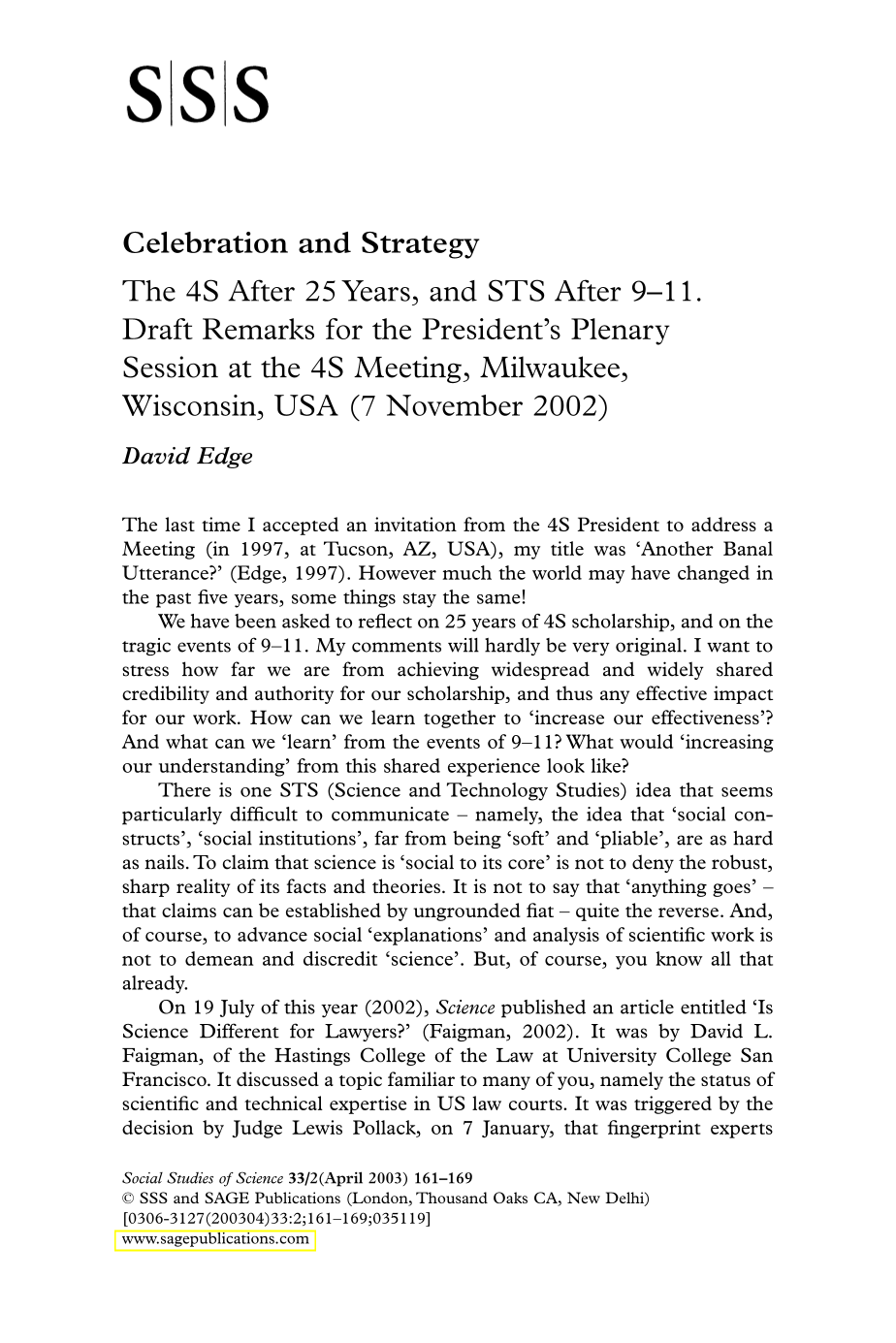
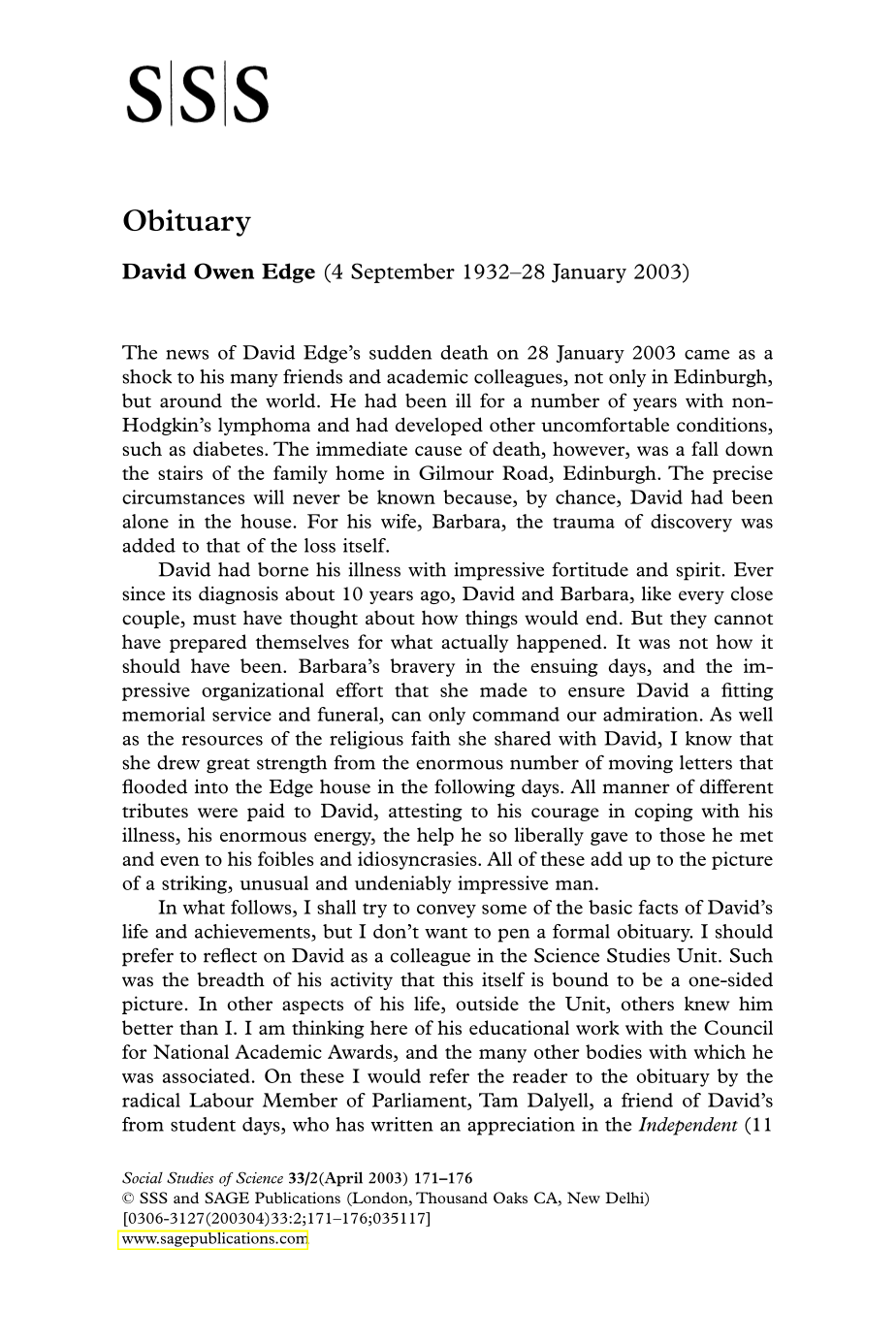
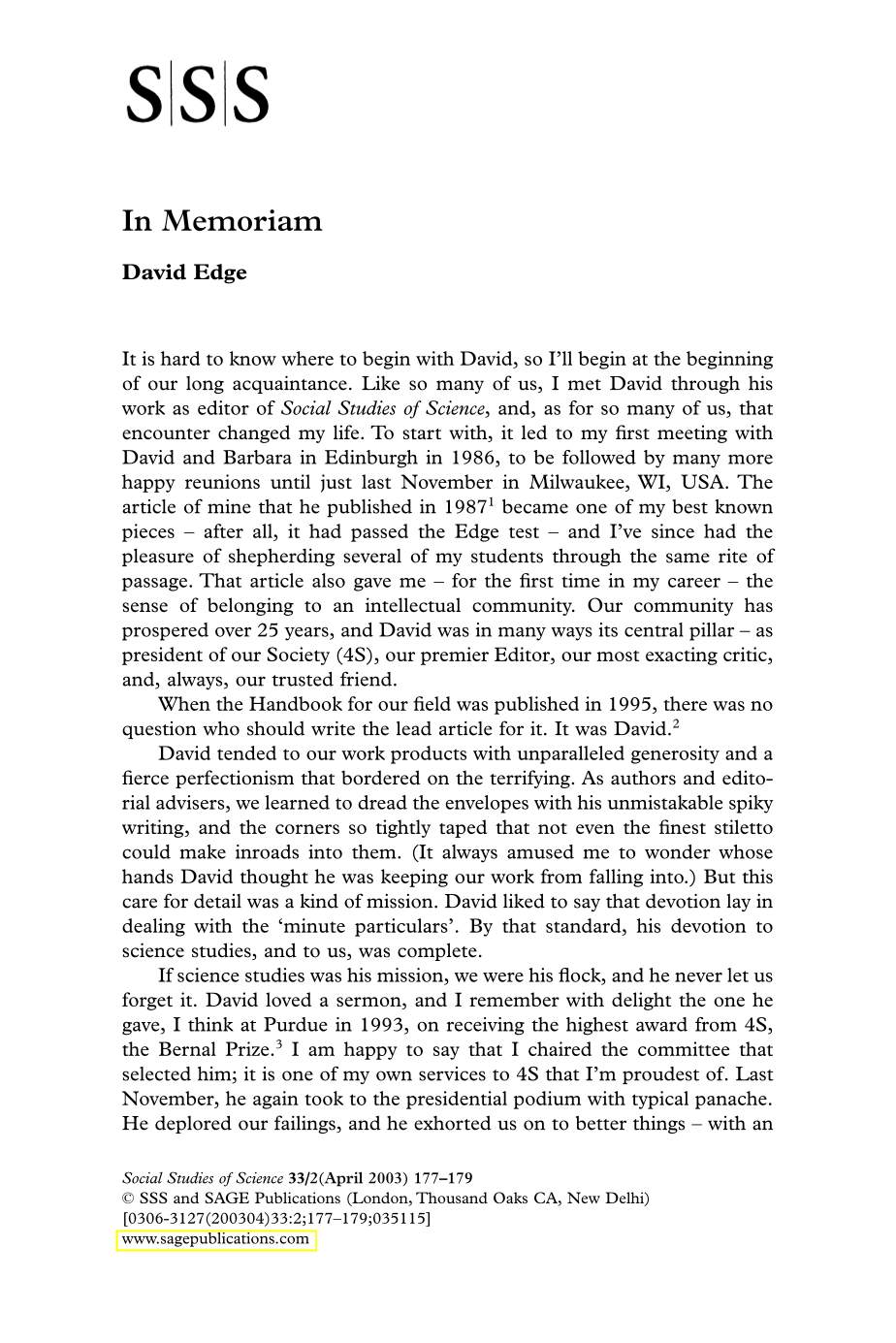
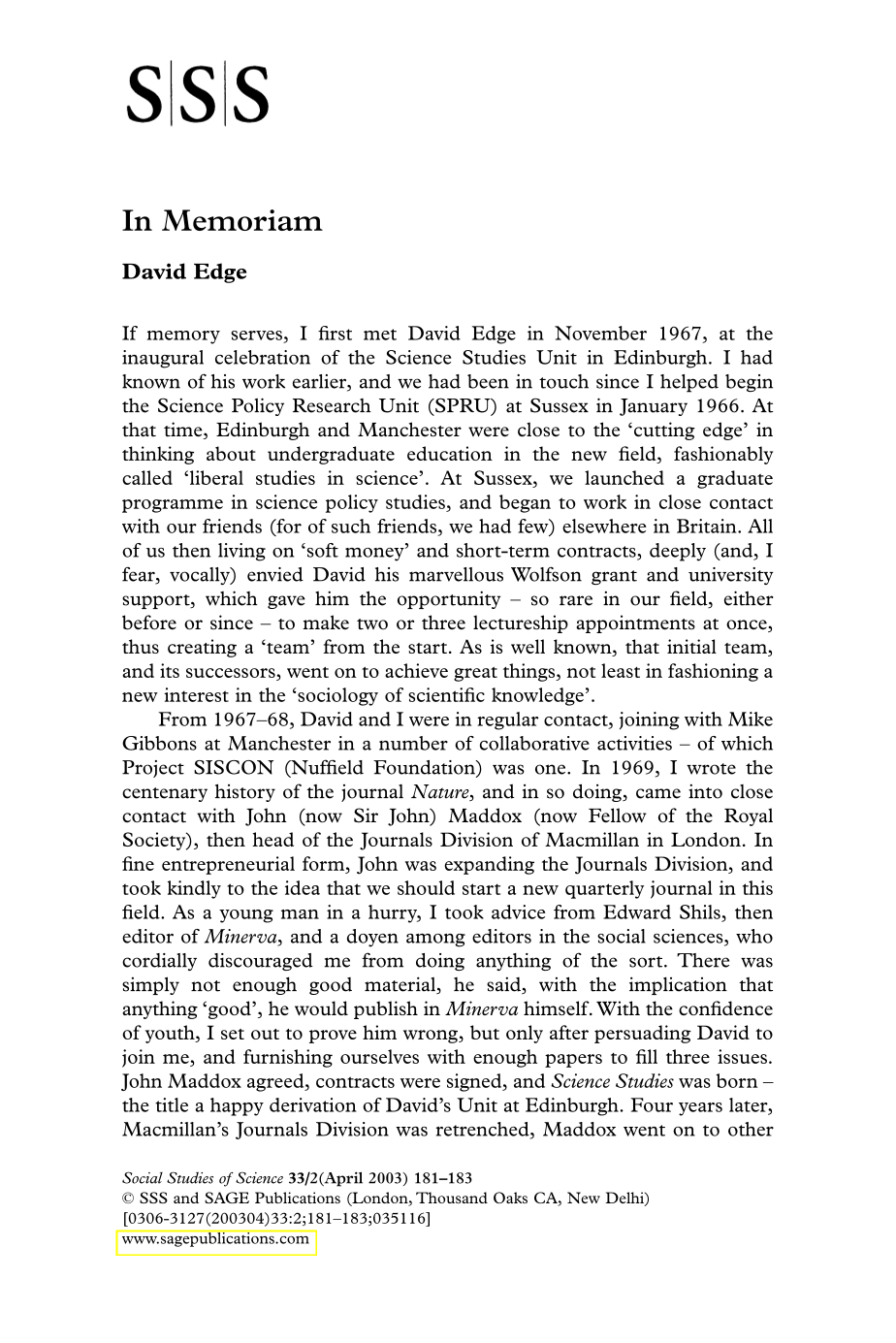
 Restricted accessEditorialFirst published April, 2003pp. 155-159Restricted accessOtherFirst published April, 2003pp. 161-169Restricted accessObituaryFirst published April, 2003pp. 171-176Restricted accessObituaryFirst published April, 2003pp. 177-179Restricted accessObituaryFirst published April, 2003pp. 181-183Restricted accessObituaryFirst published April, 2003pp. 185-187Restricted accessObituaryFirst published April, 2003pp. 189-190Restricted accessObituaryFirst published April, 2003pp. 190-190Restricted accessObituaryFirst published April, 2003pp. 190-191Restricted accessObituaryFirst published April, 2003pp. 191-192Restricted accessObituaryFirst published April, 2003pp. 192-193Restricted accessObituaryFirst published April, 2003pp. 193-194Restricted accessObituaryFirst published April, 2003pp. 194-195Restricted accessOtherFirst published April, 2003pp. 197-229Restricted accessOtherFirst published April, 2003pp. 231-268Restricted accessOtherFirst published April, 2003pp. 269-300Restricted accessOtherFirst published April, 2003pp. 301-310Restricted accessOtherFirst published April, 2003pp. 311-314Restricted accessOtherFirst published April, 2003pp. 315-322