







Abstract
This research investigates the impact of aging and humidity on the mechanical properties, specifically stiffness and hysteresis, of composite 3D-printed pediatric prosthetic foot coupon samples. Understanding these effects is essential for ensuring the durability and performance of 3D-printed prosthetic devices in varying environmental conditions. A Markforged Mark 2 (Markforged Inc., Massachusetts) 3D printer was used to fabricate samples from Onyx, reinforced with carbon fiber. Compression testing was conducted, adapted from the ISO 10328 standard to evaluate the samples under conditions that simulate real-world use. Microscopy analysis was used for visual inspection of the samples post-testing. Results indicate that both stiffness and hysteresis properties of the composite samples deteriorate significantly with increased humidity exposure. Stiffness of the samples decreased by approximately 30% after 90 days, and hysteresis efficiency declined from 83% to 72%, reflecting a reduction in energy return capability. These findings highlight the importance of understanding how the mechanical properties of composite 3D-printed pediatric prosthetic components change over time, especially under varying environmental conditions. The observed reductions in stiffness and hysteresis efficiency demonstrate the negative impacts on prosthetic performance and durability, and the effect this could have on the end user. This research also emphasizes the necessity of investigating methods to maintain the initial mechanical properties, such as developing protective coatings or improved material formulations, to ensure the long-term reliability and effectiveness of pediatric prosthetic devices.
Introduction
The adoption of 3D printing technologies as a manufacturing technique is providing promising advancements in the field of prosthetics,1,2 which could revolutionize the industry by providing cost-effective, customized, and patient-specific solutions.1,3 Traditional manufacturing methods for prosthetic devices are often time-consuming and expensive, limiting accessibility for many patients.4,5 3D printing offers a rapid, flexible, and economical alternative, allowing for the production of highly personalized prosthetics tailored to the unique anatomical and functional needs of individual users. 6 This is particularly transformative within pediatric prosthetics, where growth and activity levels necessitate frequent adjustments and replacements.7,8 Pediatric prosthetic devices play a crucial role in enhancing the quality of life and mobility of the young user. 8 These devices not only restore functional abilities but also contribute significantly to the psychological and social well-being of children, enabling them to participate more fully in daily activities and interact confidently with their peers. 8 Given the importance of these devices, predicting and ensuring their durability and performance in end-use environment conditions is paramount. 9 However, it has been noted that despite advancements, the clinical community perceives that fully transitioning to digital methods in a clinical setting remains complex. Anecdotal evidence suggests a current disconnect between technology developers and the actual needs of clinicians and individuals with limb differences. 10
One of the critical factors influencing the longevity and functionality of prosthetic devices manufactured using 3D-printed composite materials is their response to environmental conditions, particularly humidity.9,11,12 Prosthetics are subjected to fluctuating humidity levels that can adversely affect their mechanical properties. For materials used in 3D-printed prosthetics, such as Onyx—a nylon-based polymer reinforced with carbon fiber—understanding the impact of humidity is essential to ensure reliable performance. 9 This study focuses on evaluating how environmental exposure and aging affects the stiffness and hysteresis of composite 3D-printed pediatric prosthetic foot samples. Stiffness and hysteresis are vital mechanical properties that influence the efficiency and comfort of prosthetic devices. 13 Stiffness determines the support and stability provided by the prosthetic, while hysteresis reflects the energy return efficiency during cyclic loading, impacting the overall energy expenditure of the user. 14 Any degradation in these properties can lead to decreased performance and increased wear and tear, ultimately affecting the user’s mobility and comfort. By addressing these challenges, the study seeks to contribute to the development of more durable and reliable pediatric prosthetic devices, capable of maintaining their performance in diverse environmental conditions.
Materials and Methods
Methodology
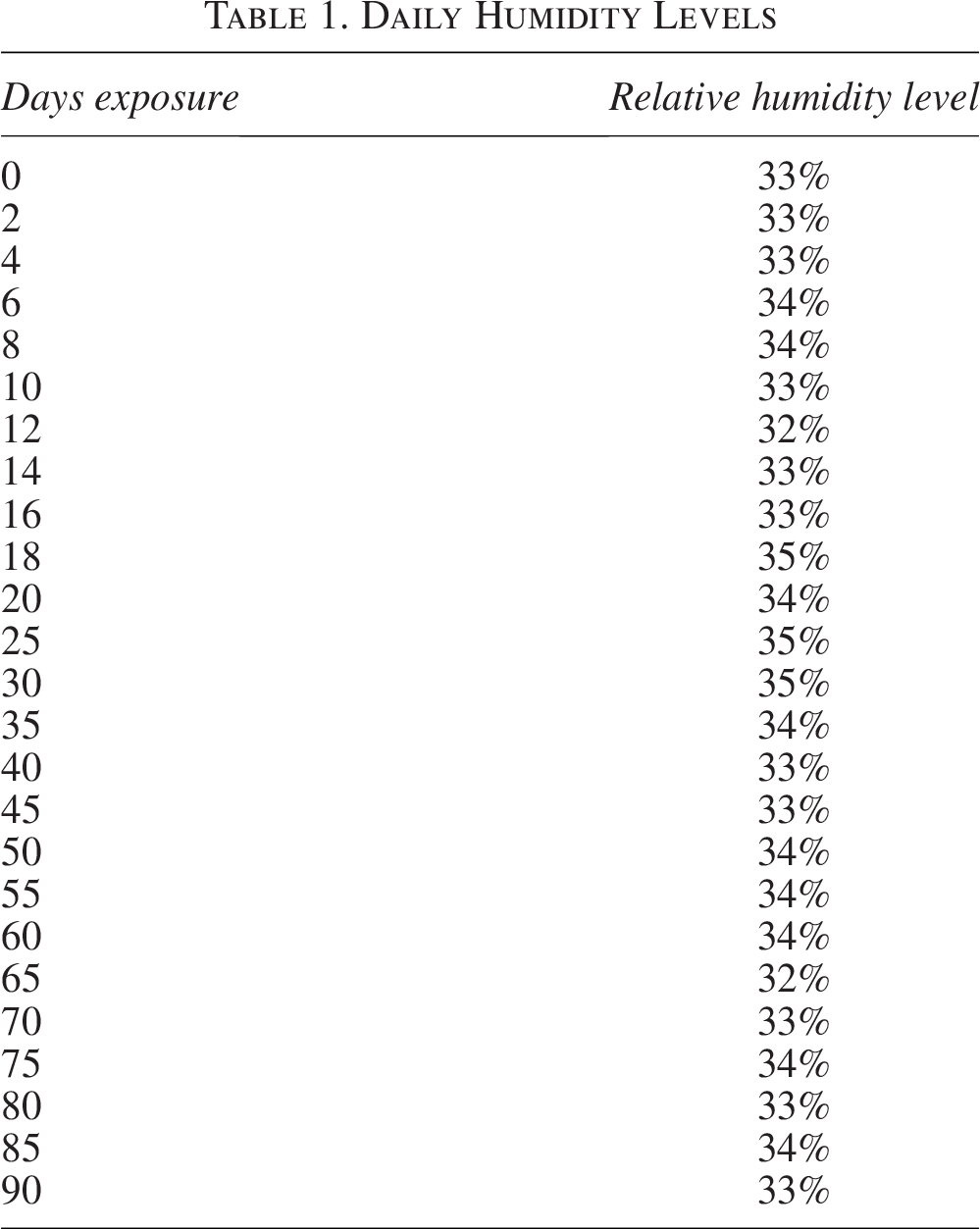
This study is designed to assess the impact of aging and humidity on the mechanical properties of coupon samples (Fig. 1) that have been designed to replicate a section of an Ossur Vari-Flex Junior (Össur, Reykjavík, Iceland). Twenty-eight samples were fabricated using a Markforged Mark 2 (Markforged Inc., MA) 3D printer with Onyx, reinforced with carbon fiber. Twenty-five samples were exposed to a controlled environment with an average 50% relative humidity at room temperature for up to 90 days, and daily humidity levels can be seen in Table 1. The time period of this research was determined by the results, and testing continued until a levelling off in the mechanical properties was found. Three additional samples were placed inside a locked dry box with desiccant material for 60 days to remove exposure to humidity. Mechanical testing was conducted using a Zwick Roell (ZwickRoell Ltd, Worcestershire, UK) testing machine, following an adapted ISO10328 15 testing procedure, to track changes in stiffness and hysteresis at multiple intervals, initially every 2 days and then every 5 days later in the study. Post-testing, visual analysis using microscopy was performed to observe changes due to humidity exposure. The collected data were recorded and analyzed using Microsoft Excel (software, Microsoft, WA). Data graphs were plotted to identify trends and quantify any changes in mechanical properties over time.
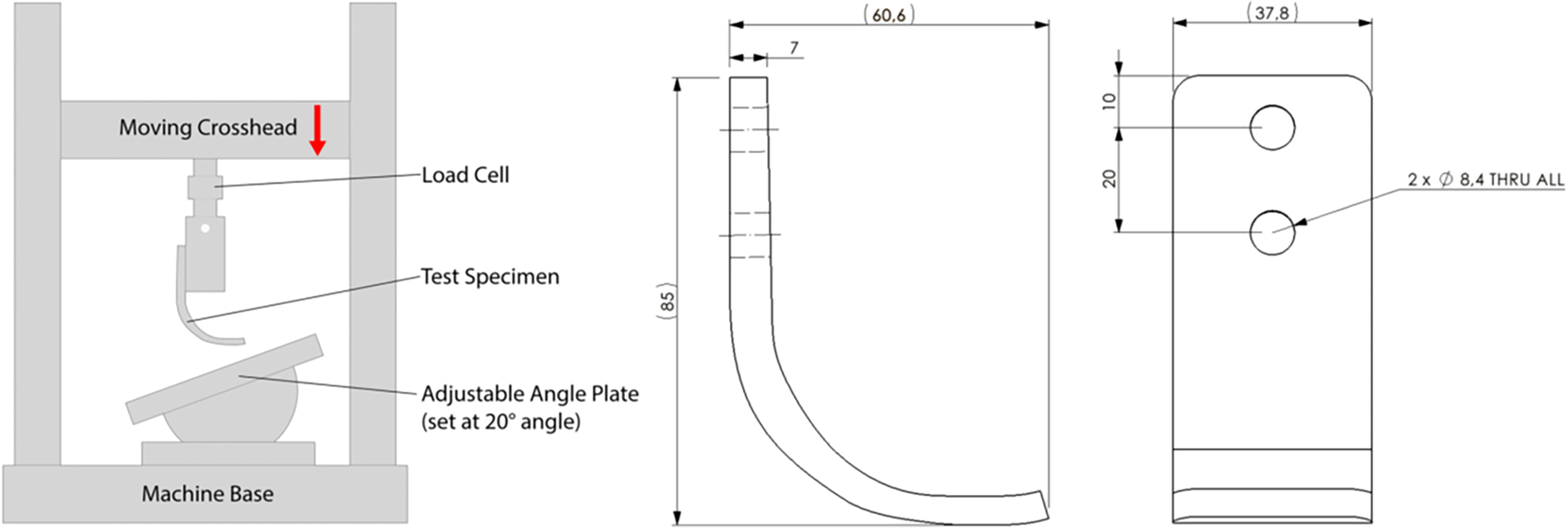
Coupon sample and test set-up.
Daily Humidity Levels
Computer aided design
Data acquisition and computer-aided design (CAD) modeling of the coupon samples follow the same methodological approach as Batley et al., (2024), where an Össur Vari-Flex Junior (Össur, Reykjavík, Iceland), size 19, was measured using an Axiom too (Aberlink Ltd., Gloucestershire, UK) coordinate measuring machine (CMM) (last calibration: January 2023) to obtain precise measurements of the foot’s dimensions, contours, and structural features. A CAD model of the foot was then created in SolidWorks (Dassault Systèmes, MA), CAD software. A specific section of the CAD model representing key components of the foot, including the profile of the arc and the toe height, was chosen for coupon sample generation. This section was isolated and used as the basis for creating coupon samples. Coupon samples were used over the entire prosthetic keel geometry for a more cost-effective, time-efficient, and controlled approach to isolate and study specific material properties and structural characteristics, reducing complexity and resource requirements compared with replicating the entire prosthetic keel. 13
Materials and 3D printing
The materials used in this study were Onyx with continuous carbon fiber reinforcement, both provided by Markforged (Markforged Inc., MA). Onyx is a micro carbon fiber-filled nylon that offers superior mechanical properties compared with traditional materials such as Acrylonitrile butadiene styrene (ABS). Onyx is 1.4 times stronger and stiffer than ABS and can be further reinforced with continuous fibers. 16 The continuous carbon fiber reinforcement used provides the highest strength-to-weight ratio among the reinforcing fibers available from Markforged, being promoted as six times stronger and 18 times stiffer than Onyx. 16
The printing parameters chosen mimic previous testing conducted by Batley et al., (2024) that comprehensively determine which printing parameters should be chosen. A total of 40 fiber layers were incorporated into each part, evenly spaced in groups of four layers at a time throughout the structure. The fiber orientation lay-up followed a 0/45-degree pattern with a single concentric fiber ring to enhance the overall strength and stiffness. A solid fill pattern was used to ensure maximum density and structural integrity, with two wall layers to provide additional support and stability to the printed parts (Fig. 2). These parameters were chosen to leverage the high strength and stiffness characteristics of both Onyx and the continuous carbon fiber reinforcement. Onyx, a nylon-based polymer, provides a solid, flexible base material that can absorb impact and provide comfort. The addition of continuous carbon fiber reinforcement significantly enhances the mechanical properties, offering six times the strength and 18 times the stiffness of Onyx alone. By embedding 40 fiber layers in a 0/45-degree pattern with a single concentric fiber ring, the samples are designed to maximize strength and stiffness in multiple directions, which is crucial for the varied stresses a prosthetic foot would encounter. In real-world environments, a pediatric prosthetic foot must endure diverse conditions, including constant cyclic loading from walking and running, varying impact forces from jumping or sudden movements, and the natural elements such as humidity and temperature changes. The 0/45-degree fiber layup provides multidirectional reinforcement, crucial for handling these complex, multidirectional forces and impacts. The single concentric fiber ring adds further structural integrity, ensuring the foot can bear the weight and dynamic movements of an active child.
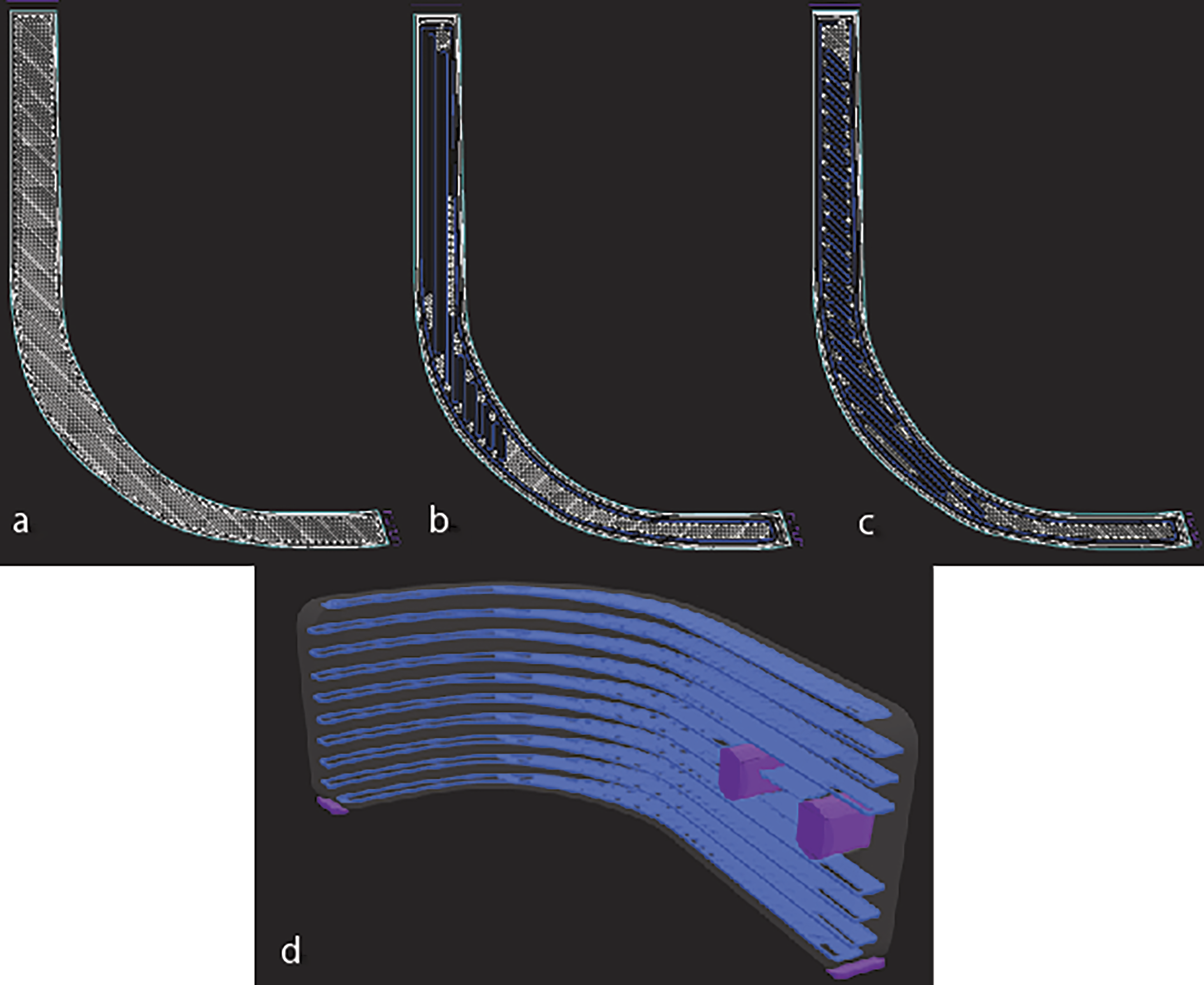
Coupon parameters.
Eiger software (Markforged Inc., MA) was used to prepare the samples for the printing. Eiger uses advanced slicing algorithms to convert 3D CAD models into a series of 2D layers (toolpaths) for the 3D printer to follow. 13
Mechanical testing
Compression tests were conducted using a ZwickRoell Z030 (ZwickRoell Ltd, Worcestershire, UK) material testing machine (last calibration June 2023), with a load cell of 10 KN (kilo-Newton). The testing procedure followed was an adaptation of the ISO 10328 standard. A max force of 557 N (Newton) was applied at a loading rate of 200 N/s (Newton per second), and then the force returned to 0 N. A force of 557 N was adapted to simulate a user of 24 kg max mass, the maximum mass specified for the Vari-Flex Junior Size 19, category 1, which the samples geometry had been replicated from. Test results were recorded, and data graphs were plotted using Microsoft Excel (software, Microsoft, WA).
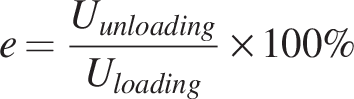
Force–displacement data from the tests were used to calculate stiffness (based on Hooke’s law) and efficiency (based on hysteresis) properties of each sample. Stiffness (k) and efficiency (
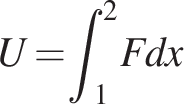
Microscopy
Visual inspection of the test samples was conducted 1 day after their retrospective compression test using a Keyence VHX-5000 digital microscope (Keyence Ltd., Milton Keynes, UK). This allowed for detailed visualization of the microstructure of the samples at a high resolution. It provided information on the extent of structural degradation, the presence of micro-cracks, and any changes in the fiber–matrix interface. In addition, the microscopy analysis helped identify signs of water absorption, such as swelling, which is the expansion of the material as it absorbs moisture, and delamination, which is the separation of layers within the composite material. These and other morphological changes could significantly impact the mechanical properties of the samples due to prolonged exposure to high humidity.
Results and Discussion
Stiffness
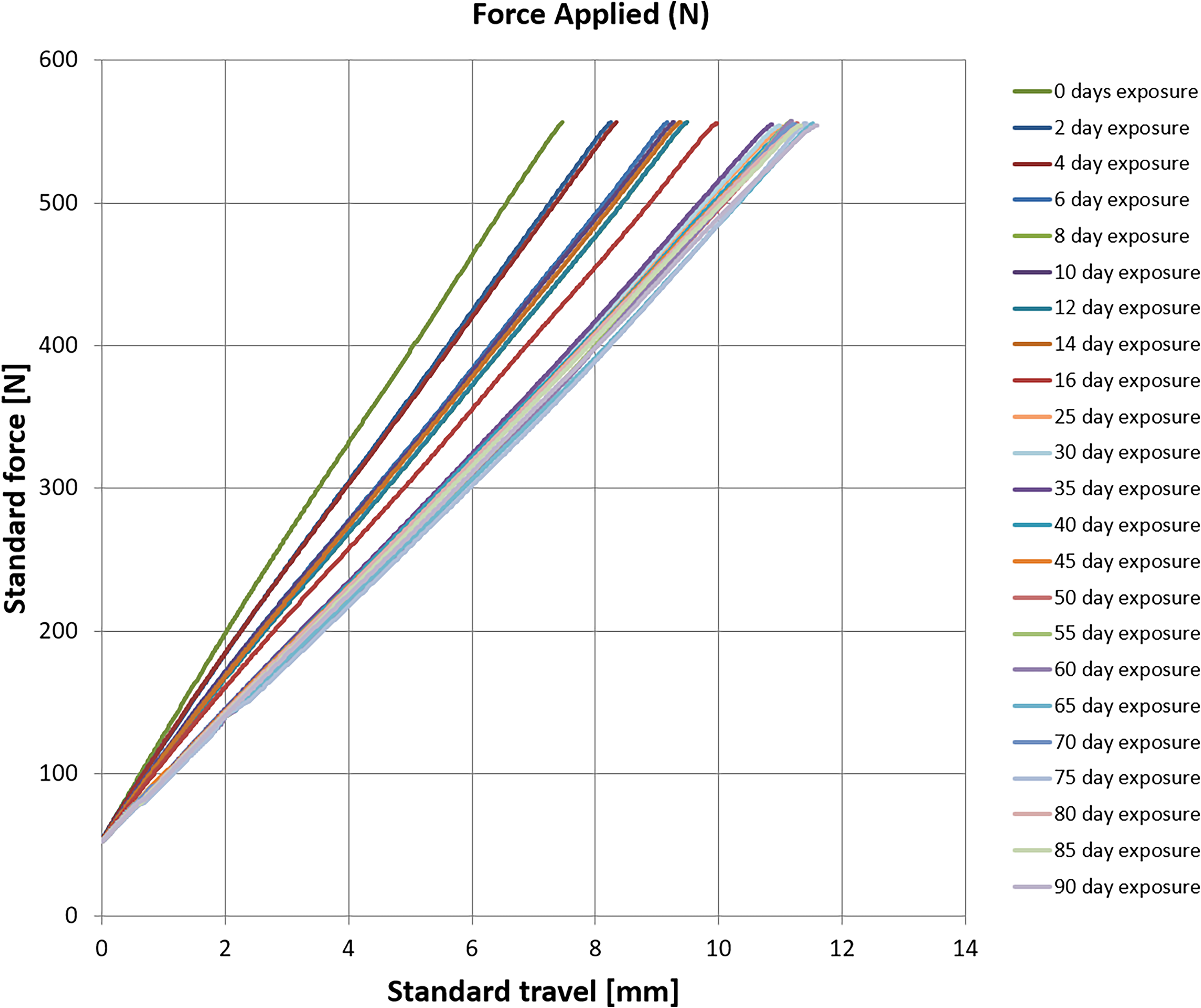
The effect of aging and humidity on the stiffness of the composite 3D-printed pediatric prosthetic foot samples was systematically investigated over a period of 90 days. The data collected at various intervals demonstrate a clear trend of decreasing stiffness with increased exposure to humidity (Fig. 3). The stiffness values are calculated between 0.5 and 2 mm of displacement to ensure consistent results that are within the materials linear response. Stiffness values for each sample can be seen in Table 2.
Stiffness/days exposure test results.
Stiffness / Days Exposure Test Results
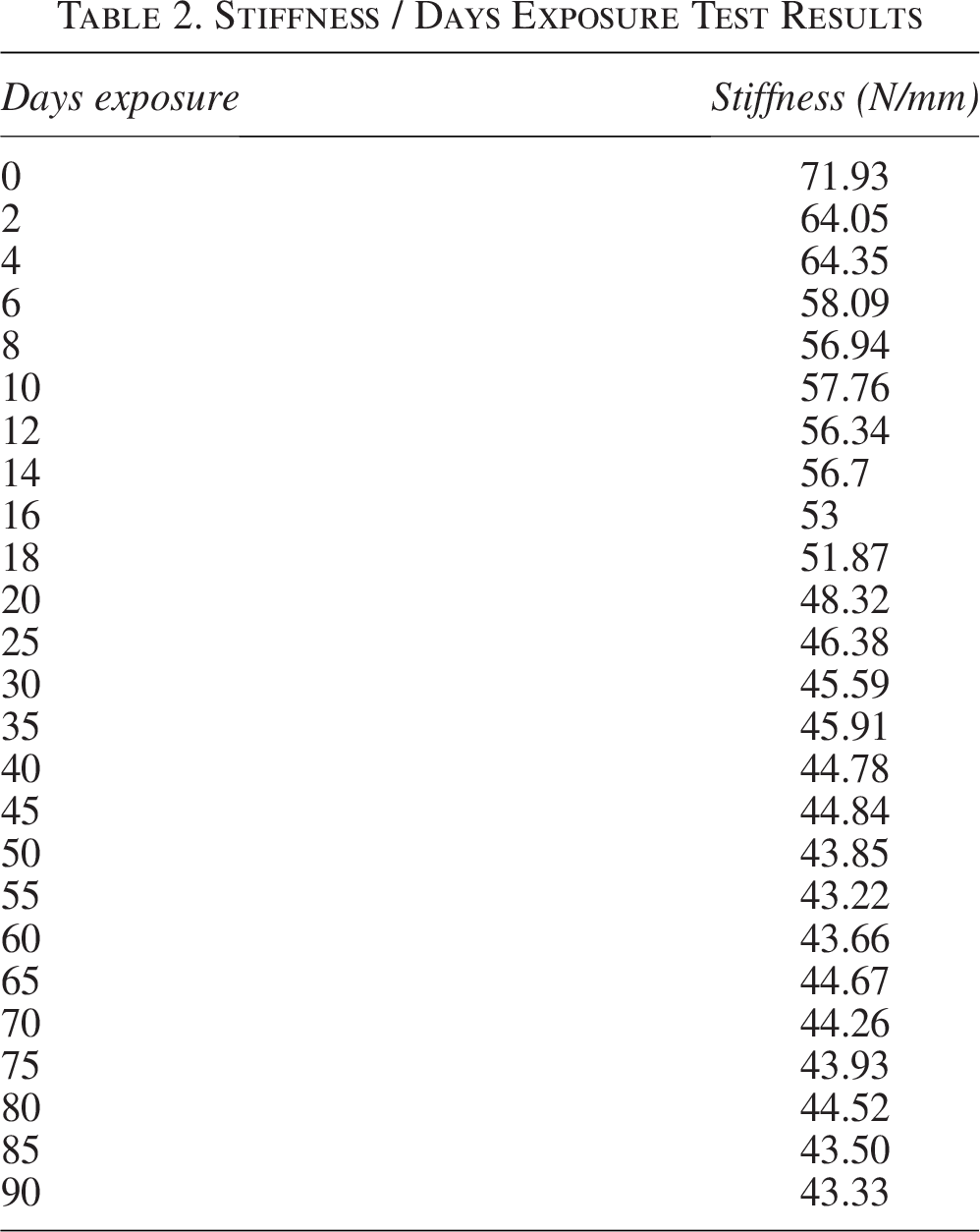
Day 0, meaning the day the samples had finished printing was the initial starting point of the testing period. The stiffness of the sample on day 0 was measured at 71.93 N/mm (Newton per millimeter). However, as early as 2 days into the exposure period, a significant reduction to 64.05 N/mm was observed. This trend continued over the first 2 weeks, with the stiffness decreasing to 56.7 N/mm by day 14. The most pronounced drop occurred within the first 20 days, where the stiffness further reduced to 48.32 N/mm. This suggests that the material quickly absorbs moisture from the environment, leading to a rapid deterioration in its mechanical properties.
From day 25 to day 60, the stiffness values showed a more gradual decline, with measurements recorded at 46.38 N/mm on day 25, 45.59 N/mm on day 30, and stabilizing around 43.66 N/mm by day 60. Notably, after day 60, the stiffness values fluctuated slightly but generally levelled off (Fig. 4). The more gradual decline in stiffness after day 25 demonstrates a slower rate of moisture absorption or a possible saturation point within the material structure at this point.
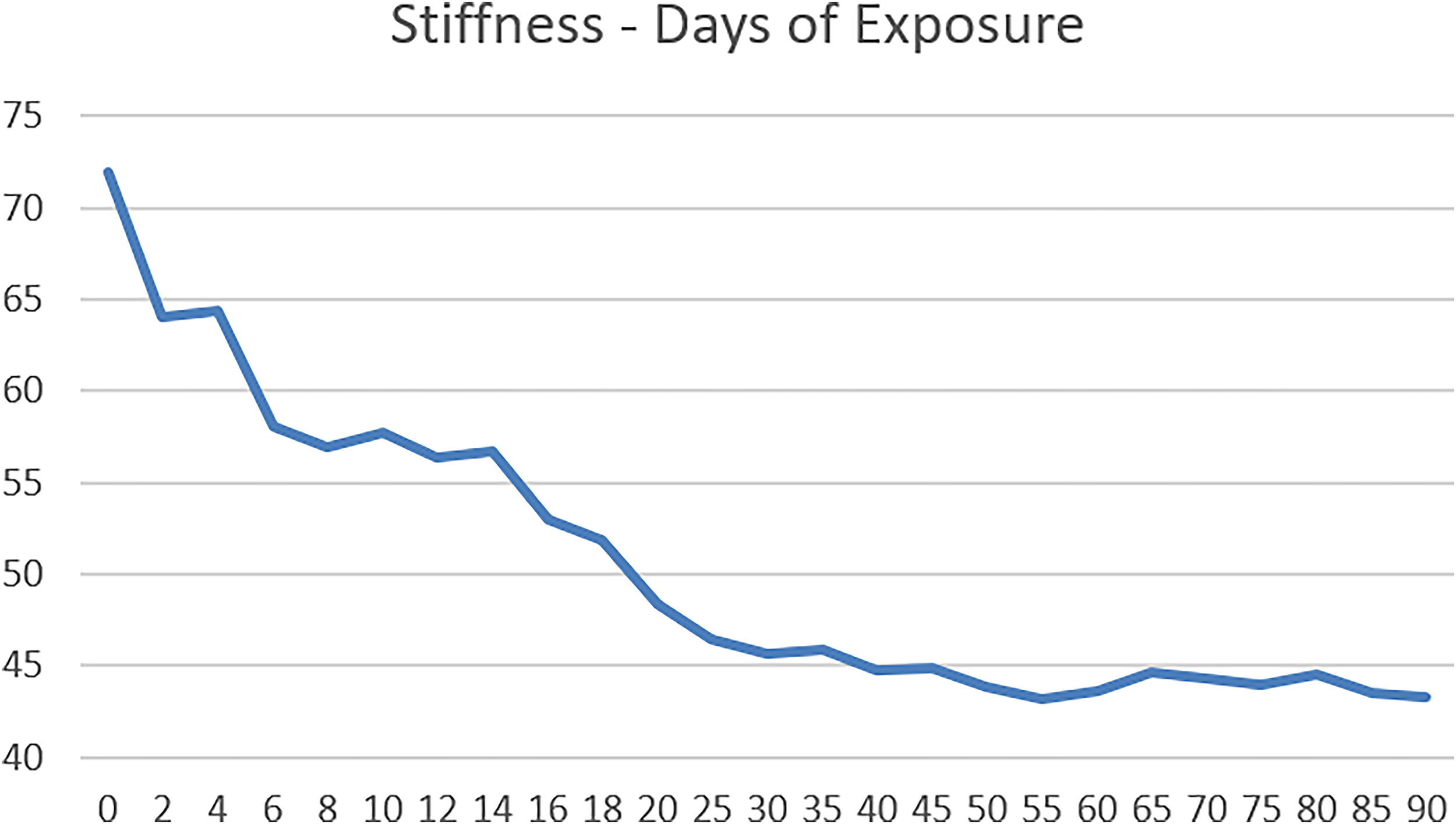
Stiffness test results levelling off.
By the end of the 90-day exposure period, the stiffness of the samples had decreased by almost 30%, from the initial 71.93 N/mm to 43.33 N/mm. This substantial loss in stiffness highlights the significant impact of prolonged humidity exposure on the mechanical integrity of the prosthetic material.
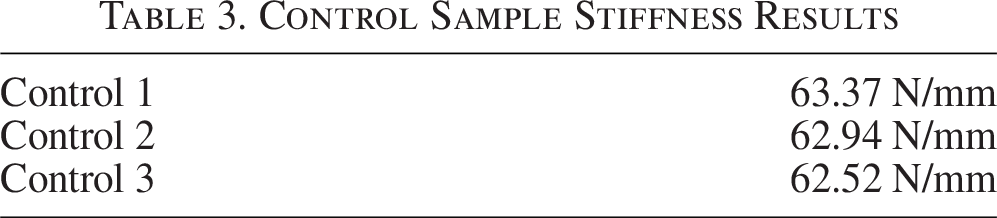
The control samples that were kept in a dry box with desiccant material for 90 days maintained significantly higher stiffness values, showing minimal degradation (Fig. 5). The stiffness measurements for these samples seen in Table 3 indicate the effect a dry environment has on preserving the stiffness of the material. However, there was still a drop in stiffness from the initial 71.93 N/mm recorded on the day 0 sample. This slight reduction in stiffness can be attributed to the natural aging process of the material, even in a controlled, dry environment. The gradual decline suggests that, while the desiccant environment effectively minimizes moisture-related degradation, it cannot completely stop the inherent material changes that occur over time due to factors such as internal stress relaxation and minor structural adjustments. These findings indicate that a dry environment significantly helps preserve stiffness but does not entirely prevent the aging effects.
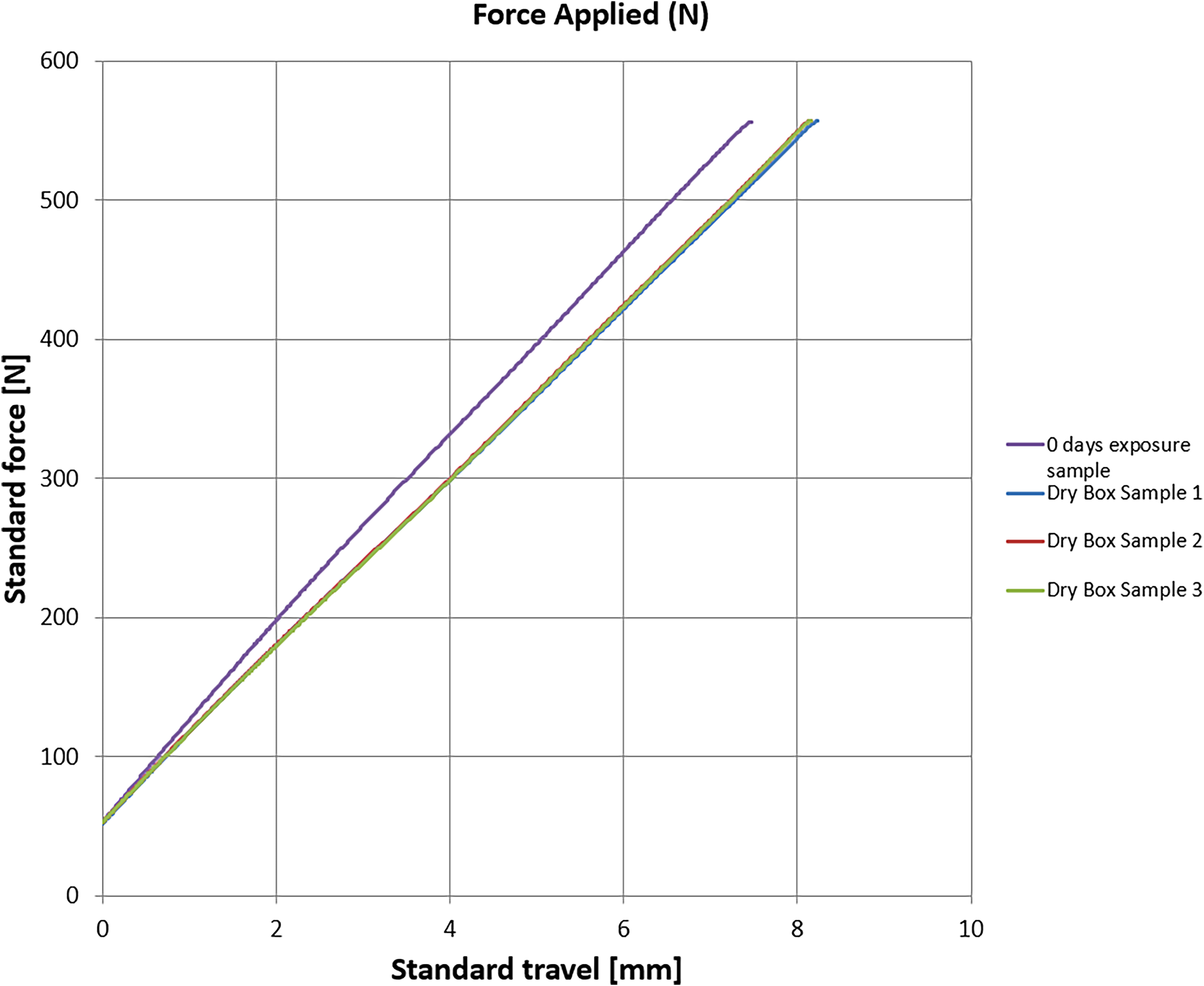
Stiffness test results for dry box samples.
Control Sample Stiffness Results
The observed decrease in stiffness can be attributed to the hygroscopic nature of the nylon matrix within the Onyx material. 9 As moisture is absorbed, it leads to plasticization, reducing the material’s rigidity and load-bearing capacity. 17 In addition, the interaction between absorbed water molecules and the micro carbon fibers could potentially weaken the fiber–matrix interface, further contributing to the overall reduction in stiffness. 17 These findings emphasize the importance of considering environmental factors such as humidity in the design and material selection for pediatric prosthetic devices manufactured via 3D printing.
Hysteresis
Hysteresis efficiency is a critical parameter in the design and performance evaluation of pediatric prosthetics as providing a prosthetic device with minimal hysteresis is essential in providing support and energy-efficient mobility for young users. 13 The influence of aging and humidity on hysteresis efficiency was studied over the same 90-day period as the stiffness using the same samples and dataset (Fig. 6). Hysteresis values for each sample can be seen in Table 4.
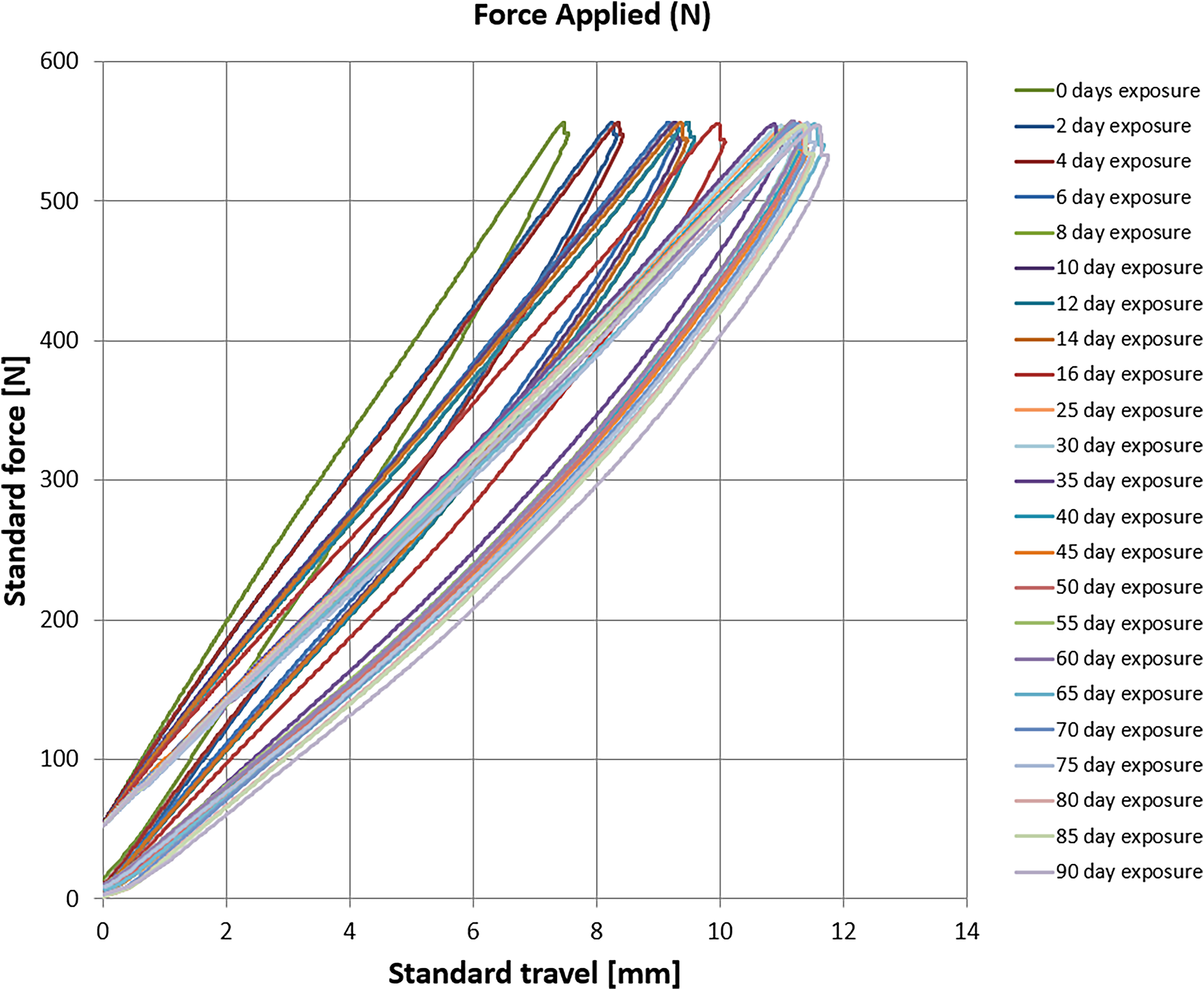
Hysteresis/days exposure test results.
Stiffness Test Results for Dry Box Samples
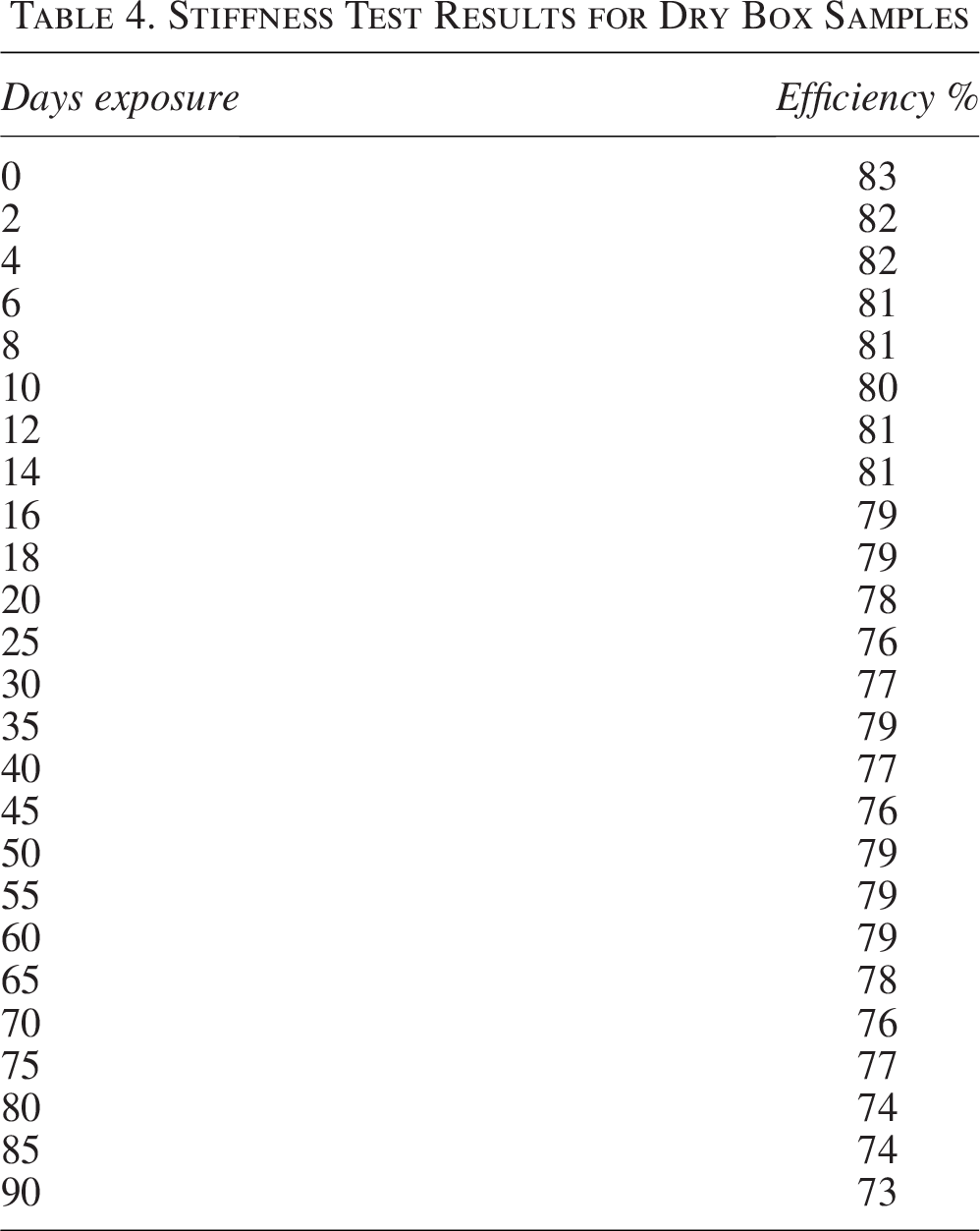
The initial hysteresis efficiency of the samples was recorded at 83.00%. The results demonstrate a progressive decline in hysteresis efficiency with increasing exposure duration. Initially, stable efficiency values were observed within the first 14 days with a small decline to 81% efficiency. After 90 days of exposure, this is gradually diminished reaching a final efficiency of 73%. The decline is not linear, with occasional fluctuations observed at various intervals. These fluctuations can be attributed to the complex interactions between the absorbed moisture and the composite material, which cause varying degrees of internal stress and structural changes over time. These interactions can result in temporary increases or decreases in hysteresis efficiency as the material adjusts to the changing conditions.
The decrease in hysteresis efficiency has significant implications for the performance and longevity of pediatric prosthetics. As the material absorbs moisture, it becomes more elastic, which leads to increased deformation and energy loss. 9 This means a greater energy loss during each step for the young user. For pediatric users, this can translate to increased effort required for movement, potentially leading to quicker fatigue and reduced participation in physical activities. The fluctuations and eventual decline in efficiency suggest that prolonged exposure to humidity may accelerate wear and tear on the 3D-printed materials, potentially shortening the lifespan of the device. Therefore, understanding and mitigating the effects of humidity on hysteresis efficiency is crucial for ensuring the reliability and durability of prosthetic devices.
Two of the control samples that were kept in a dry box with desiccant material for 60 days maintained the hysteresis efficiency of 83% shown on day 0 of testing, and the other sample only dropped by 1% to have an efficiency of 82%. This shows little to no degradation (Fig. 7), indicating the effect a dry environment has on preserving the hysteresis of the material, and how humidity plays a role in the degradation of this mechanical property.
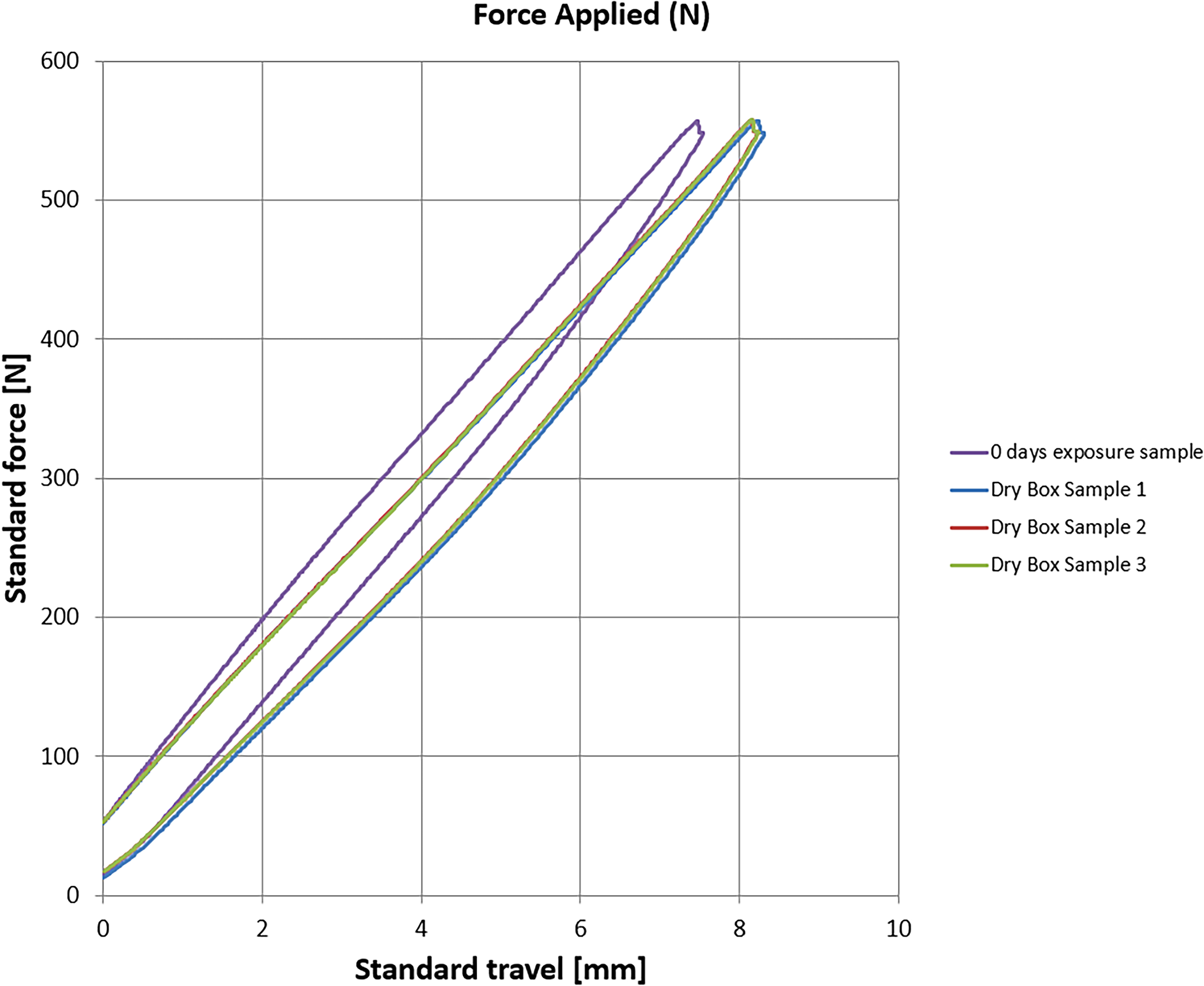
Hysteresis test results for dry box samples.
The reduction in hysteresis efficiency observed in the humidity-exposed samples can be attributed to the hygroscopic nature of the nylon matrix within the Onyx material. Moisture absorption increases the elasticity of the material, leading to greater deformation under cyclic loads and higher energy loss. The moisture absorption also weakens the bond between the carbon fiber and the nylon matrix leading to reduced load transfer efficiency between the carbon fibers and the nylon matrix, therefore decreasing the overall hysteresis efficiency. 11 This behavior underscores the necessity of incorporating moisture-resistant strategies, such as protective coatings or environmental controls, in the design and storage of pediatric prosthetics manufactured using Onyx.
Microscopic structural analysis
Visual inspection of the test samples (Fig. 8) using a Keyence VHX-5000 digital microscope revealed significant structural changes as the days of exposure to humidity increased. Initial inspections at 0 days exposure showed a uniform and compact microstructure with minimal voids and strong layer adhesion. However, as exposure time increased, noticeable signs of structural degradation were observed.
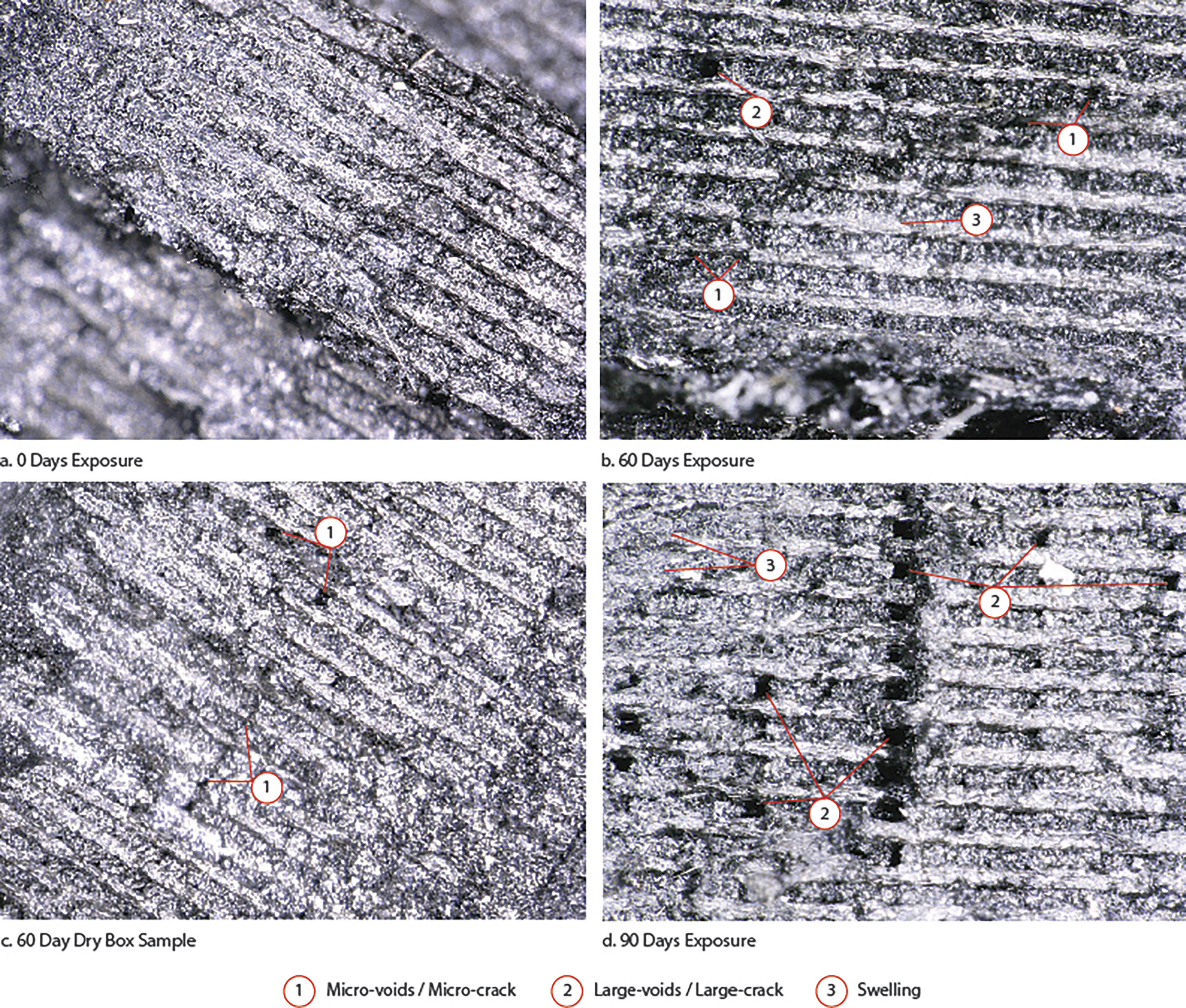
Microscopy analysis.
Microscopic analysis showed clear evidence of water absorption, manifesting as micro-voids and microcracks. Small voids appeared sporadically at early stages (10 and 20 days) and became more pronounced over time, with significant void formation at 60 and 90 days. Water absorption caused swelling and larger voids, particularly in the Onyx matrix, weakening the material and reducing its strength and stiffness.
Layer adhesion and compaction were notably affected by humidity. Initially, layers were well-bonded and compact, but water absorption weakened interfacial bonding, leading to delamination and increased interlayer spacing. Poor layer adhesion reduced the material’s load distribution ability, contributing to decreased stiffness and overall performance.
Microscopic findings correlated with mechanical testing results. The initial microstructure uniformity at 0 days corresponded to high stiffness (71.93 N/mm) and hysteresis efficiency (83%). Over time, voids and microcracks reduced stiffness to 43.33 N/mm at 90 days. The decline in hysteresis efficiency to 73% also aligned with weakened interlayer bonds and increased voids. The rapid initial decline in stiffness reflected early void and crack formation, while the stabilization after 60 days coincided with a plateau in new void formation, indicating slower further degradation.
In addition, microscopic analysis of specimens kept in a dry box for 90 days showed some degradation compared with day 0 samples, but much less severe than those exposed to humidity. Dry box samples had minor void formation and minimal microcracks, indicating that while the dry environment did not completely prevent degradation, it significantly reduced damage compared with humid conditions. The matrix material in dry box samples showed less swelling and maintained better structural integrity, with well-preserved layer adhesion and compactness.
Environmental impact on material performance
The environmental impact on the material performance of 3D-printed pediatric prosthetic foot samples was evident in the significant reduction in both stiffness and hysteresis efficiency over a 90-day period of exposure to humidity. The material used exhibited mechanical degradation when exposed to a humid environment. The analysis can be broken down into four primary themes: the overall reduction in stiffness, the rapid decline of stiffness within the first day, the levelling off of mechanical properties, and the impact of a dry environment.
The overall reduction in stiffness due to humidity is a consistent theme across multiple published studies. Our results show the stiffness of the samples decreased from 71.93 N/mm to 43.33 N/mm over a 90-day period, representing a reduction of approximately 40%. Nikiema et al., observed that Onyx specimens lost up to 66% of their stiffness after 165 days of exposure to humidity, and Tavara et al. reported a loss of approximately 57% stiffness in Onyx samples exposed to humid conditions for 60 days. These findings collectively highlight the significant impact of prolonged humidity exposure on the mechanical properties of Onyx. Our results show levelling off sooner than the other studies, this is due to the carbon fiber content embedded within the samples, whereas other studies focused solely on Onyx. The carbon fiber degrades less than the Onyx, providing additional structural stability and slowing the rate of degradation. 18 This difference underscores the importance of material composition in determining the durability and mechanical performance of composites under humid conditions.
A rapid decline in stiffness within the first day of exposure is another critical observation supported by existing literature. Results from this study display a sharp initial drop in stiffness from 71.93 N/mm to 64.05 N/mm within just 2 days. This immediate response to moisture absorption was also highlighted by Ma et al., who found that the most prominent changes in mechanical properties occurred within the first day of exposure. This rapid degradation underscores the need for immediate protective measures to mitigate the impact of humidity on prosthetic materials.
The levelling off of mechanical properties after an initial period of degradation is a common theme observed in the literature. In our study, after the initial rapid decline, the rate of stiffness reduction began to stabilize around the 60-day period. Nikiema et al. noted that the mechanical properties of their specimens began to stabilize slightly later around 82 days of exposure. This pattern suggests that while initial exposure to humidity leads to significant degradation, the rate of further mechanical property reduction decreases over time, reaching a point of relative stability.
The results from this study show that samples stored in a dry box with desiccant material experienced a much smaller reduction in stiffness compared with those exposed to humidity. The stiffness of the three samples kept in a dry box with a desiccant material decreased by an average of 13.5% over 60 days. This finding is in agreement with Tavara et al., who reported that samples stored in a desiccator showed only a minimal stiffness loss of 14% over the same 60-day period. These results highlight the significant stabilizing effect of a controlled, dry environment, which helps in maintaining the mechanical integrity of the specimens.
Implications for 3D-printed pediatric prosthetics
The findings from this study have significant implications for the design and manufacturing of pediatric prosthetic devices using 3D printing. The impact of humidity on the mechanical properties of the composite materials used highlights the need for careful consideration of environmental factors in the design and usage of these prosthetics. The results demonstrate the materials used in this study are prone to mechanical degradation when exposed to humid environments. These changes can significantly affect the functionality and reliability of the prosthetic devices, potentially leading to decreased support and energy return during use. The rapid initial decline in mechanical properties, observed within the first few days of exposure, suggests that newly manufactured prosthetic devices are particularly vulnerable to environmental factors. This initial phase of degradation is critical, as it can lead to a significant reduction in performance shortly after the device is put into use. Therefore, it is essential to address this vulnerability to ensure the long-term effectiveness and safety of 3D-printed pediatric prosthetics.
Conclusion
This research investigated the impact of aging and humidity on the mechanical properties, specifically stiffness and hysteresis, of composite 3D-printed pediatric prosthetic foot samples. The results highlight significant deterioration in these properties. Key findings include a 30% decrease in stiffness and a decline in hysteresis efficiency from 83% to 72% over 90 days of exposure. These findings highlight the need to account for environmental factors in the design and manufacturing of 3D-printed pediatric prosthetic devices.
The mechanical testing revealed that the stiffness of the Onyx and carbon fiber composite samples diminished rapidly within the first few days of exposure, stabilizing after 60 days. This rapid initial degradation is attributed to the hygroscopic nature of the nylon matrix in the Onyx material, which leads to plasticization and weakening of the material. The hysteresis efficiency also declined steadily, reflecting reduced energy return capability and increased energy loss during cyclic loading, which could negatively impact the mobility and endurance of pediatric users.
Microscopic analysis corroborated the mechanical testing results by identifying structural degradation caused by water absorption. Voids and microcracks developed early in the exposure period and became more pronounced over time. These voids act as stress concentrators, significantly reducing the material’s overall strength and stiffness. Prolonged humidity exposure weakened layer adhesion and compaction, leading to delamination’s and increased interlayer spacing, further compromising mechanical performance.
This research highlights implications for 3D-printed pediatric prosthetic designs and manufacture. Given the impact of humidity on the mechanical properties of the 3D-printed samples, it is crucial to develop strategies to mitigate these effects or consider the drop in mechanical properties when determining the prosthetics performance. Potential solutions include the application of protective coatings and treatments to prevent moisture ingress, the use of alternative, more moisture-resistant materials, and the implementation of controlled environmental storage conditions. Ensuring the long-term performance and durability of 3D-printed pediatric prosthetic devices requires a comprehensive understanding of how environmental conditions affect material properties. By addressing these challenges, it is possible to improve the quality of life for pediatric prosthetic users, providing them with more 3D-printed prosthetics that are durable, reliable, and comfortable for the user.
Authors’ Contributions
A.B.: Conceptualization, methodology, software, validation, formal analysis, investigation, writing—original draft (lead), and visualization. B.D.: Methodology and writing—review and editing. P.S.: Methodology and writing—review and editing.
Footnotes
Author Disclosure Statement
No conflicts of interest to declare.
Funding Information
No funding was received for this article.