




Abstract
Abstract
Dongdagou Ditch in Baiyin City was one of the key demonstration areas for remediation of heavy metal contamination in China. Solidification/stabilization (S/S) is an appropriate technology that has positive impact on both leaching and strength performance of the riverbed site. This field trial was designed to investigate the long-term S/S effects and mechanism of ordinary Portland cement (OPC) on Cd, Zn, and Pb co-contaminated soil in Dongdagou Ditch, and to evaluate the influence of groundwater and low temperature. Leaching tests showed that 8 wt.%-OPC could effectively stabilize Cd, Zn, and Pb by 99.9%, 99.4%, and 67.9%, respectively, higher compared with 5 wt.%-OPC treatment, and had long-term stability. The bearing capacities of the OPC-treated soil reached 0.75–0.92 Mpa and met the USEPA (United States Environmental Protection Agency) standard for landfill disposal. Cd, Zn, and Pb were chemically stabilized and physically encapsulated by OPC simultaneously, the unstable acid-extractable Cd and Zn in soil were transformed into residual fraction after OPC treatment, and insoluble sulfides such as PbS and ZnS were specially formed due to high groundwater table of the site. In this field trial, groundwater showed negative effects on both leaching and strength properties of the OPC-treated soil due to anaerobic conditions and structural damage of S/S products. The 5 wt.%-OPC S/S effects on Cd and Zn decreased to 72.3% and 63.4%, respectively, and the soil strength reduced by 0.08–0.11 MPa below groundwater table. On-site S/S remediation with OPC was insensitive to low temperature, so that it was suitable for application in the cold Northwest China.
Introduction
H
Solidification/stabilization (S/S) is an appropriate technology for remediation of multiple heavy metal-contaminated soils fit for riverbed use, which has positive impact on both leaching and strength performance, which weakens the water flushing impact on the remedial sites. It has been evaluated by the United States Environmental Protection Agency (USEPA) as one of the top 5 source control treatment technologies used at 24% of the Superfund sites in the United States between 1982 and 2002 (USEPA, 2004). Many materials have shown fine S/S effects on heavy metals through ion exchange, covalent bonding, and precipitation, such as geopolymers, bentonite, kaolinite, and so on (Katsioti et al., 2008; El-Eswed et al., 2017). Cement is an inexpensive and versatile S/S material that could be used to remediate soils polluted by heavy metals: cement can not only reduce the mobility and toxicity of contaminants in soil but also improve the soil strength properties (Sanchez et al., 2000; Mulligan et al., 2001; Shawabkeh, 2005; Lee, 2007; Voglar and Lestan, 2010). The primary components of cement are tricalcium silicate (3CaO·SiO2 or “C3S,” 50–70%), dicalcium silicate (2CaO·SiO2 or “C2S,” 15–30%), tricalcium aluminate (3CaO·Al2O3 or “C3A,” 5–10%), and tetracalcium aluminoferrite (4CaO·Al2O3·Fe2O3 or “C4AF,” 5–15%) (Paria and Yuet, 2006; Lin et al., 2017). When mixed with water, cement hydration reaction begins and results in solidification and stabilization of the heavy metal-contaminated soils. Then, the soils are converted into an environmentally acceptable form for land disposal or construction. The equipment and additives used for cement-based S/S are cost-effective and easy to acquire, making this S/S approach widely used all over the world for about 50 years (Batchelor, 2006; Chen et al., 2009; Karamalidis and Voudrias, 2009). However, it has not been widely used in China and its applicability has not been verified.
To date, a large dose of cement is generally required in S/S remediation projects to reduce the leaching toxicity of the treated soil and meet the regulatory standards. Moon et al. (2010) studied the leaching performance of cement-treated Zn-contaminated soil, and found that no leachable Zn was detected at 25 and 30 wt.% cement dosages after 7 days of curing. Kogbara and Al-Tabbaa (2011) found that 20 wt.% cement dosage met most heavy metal leaching standards, except for Pb in soil. However, the overuse of cement could bring significant limitations such as material waste and volume enlargement (Mulligan et al., 2001). In addition, few studies have focused on the impacts of site-specific environmental conditions on the on-site S/S remediation, such as high groundwater table and low temperature, which may influence the reaction rates and redox potential of the soil, and its long-term performance has barely been addressed.
In this study, a field trial of S/S remediation with small amount of ordinary Portland cement (OPC) was conducted at Dongdagou Ditch, and the influence of groundwater, low temperature, and the long-term performance was addressed. The objectives of this study were to: (1) investigate the leaching and strength performance of 5 and 8 wt.%-OPC on Cd, Zn, and Pb co-contaminated soil after 28 days and 1 year of curing; (2) evaluate the impacts of environmental conditions such as groundwater and low temperature; and (3) elucidate the microscopic mechanisms of the interactions between OPC and heavy metals.
Experimental Protocols
Overview of the research zone
The contaminated site is located at the riverbed of Dongdagou Ditch (36°33′8″N, 104°12′45″E), Northwest China, where mining, dressing, and smelting industries have caused severe heavy metal pollutions. The research zone of this study is at the downstream of a smelting plant named Northwest Lead and Zinc Smelter (Fig. 1). The main contaminants of the site are Cd, Zn, and Pb. The detailed concentrations at various depths are presented in Fig. 2, which were drill-sampled 1 month before S/S treatment. Heavy metals were heterogeneous with depth. The highest Cd, Zn, and Pb concentrations were 456.0, 41777.6, and 13005.8 mg/kg, respectively, at the depth of 2.0 m. It was a low-permeability clay layer that tended to accumulate heavy metals in the discharged industrial effluents. The dimensions of the field trial were 12 m (length) × 10 m (width) × 3 m (depth), separated into two parts: an 8-m long 5 wt.%-OPC treated zone upstream and a 4-m long 8 wt.% zone downstream. The groundwater table is about 1-m deep at this site.
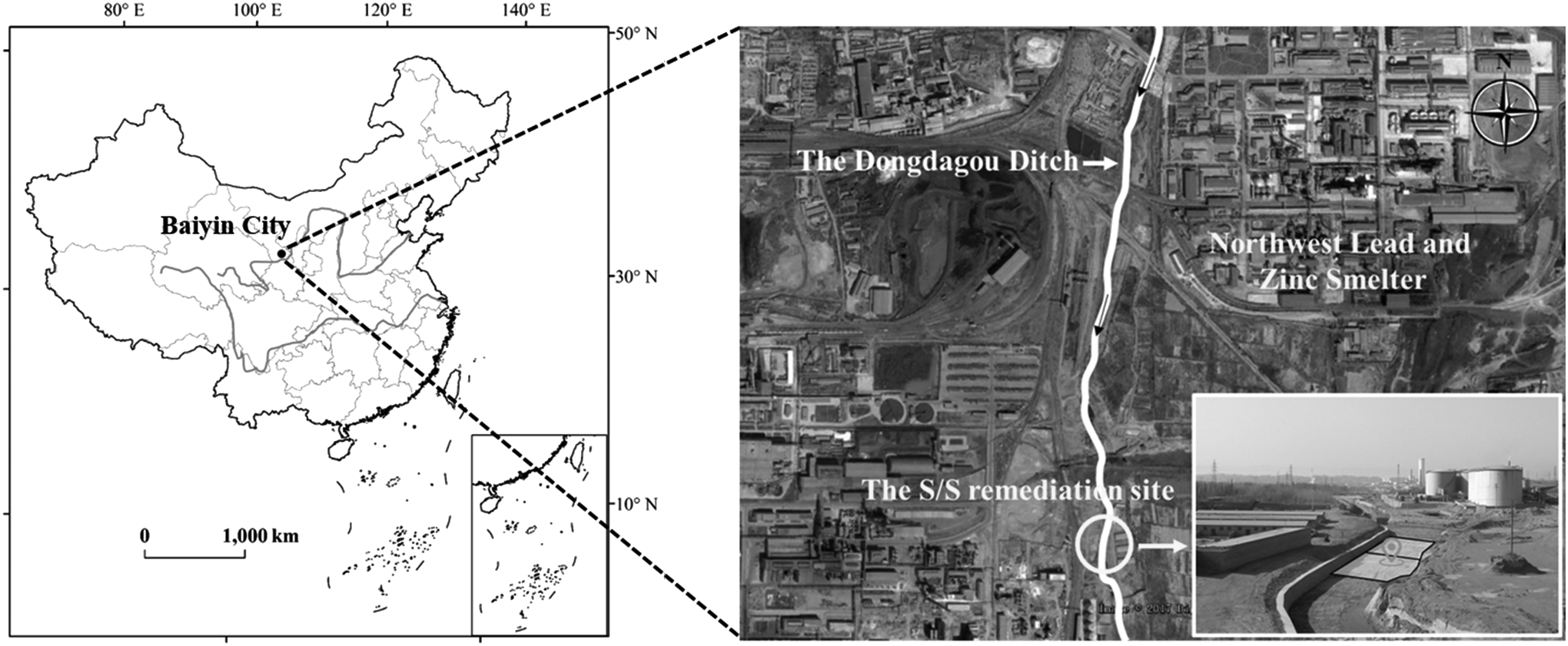
Location of the contaminated site at Dongdagou Ditch, Northwest China.
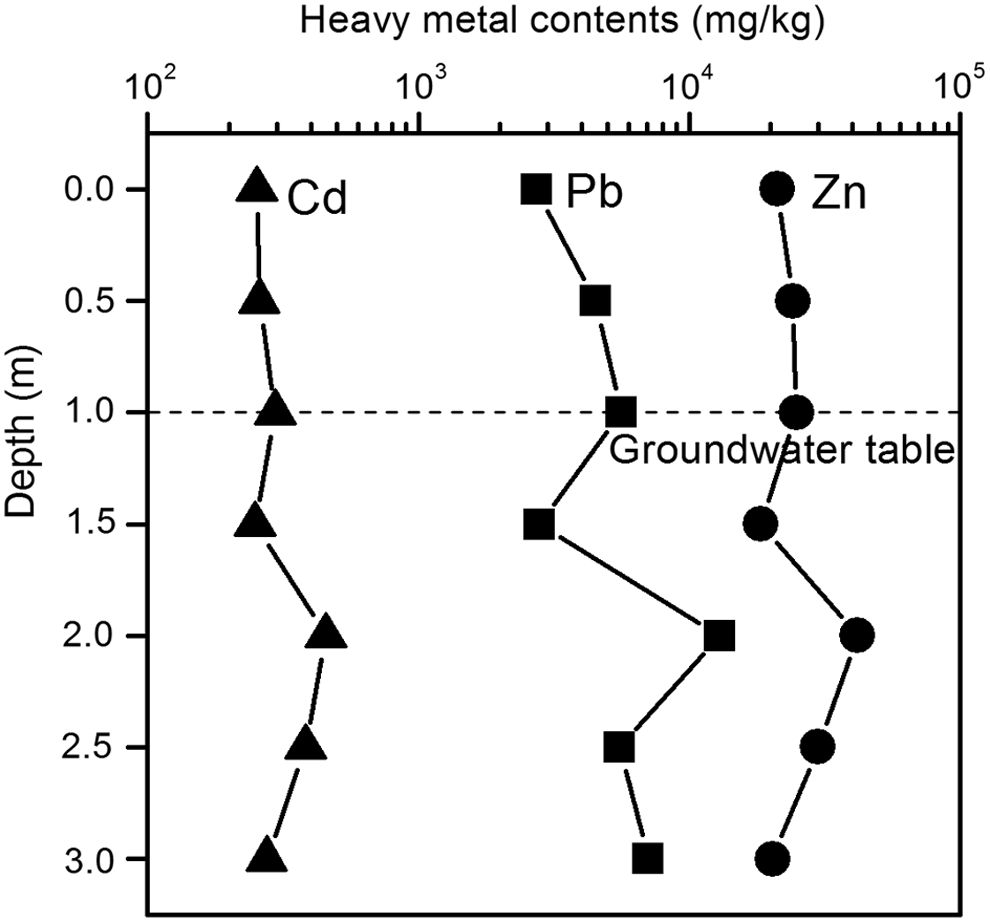
Total concentrations of Cd, Zn, and Pb at different depths of the contaminated site.
Tested soil and S/S material
Before adding S/S material, the contaminated site soil from ground surface to the depth of 3 m was excavated, air dried, crushed, and homogenized to ensure the remediation uniformity. Physical and chemical characteristics as well as the element compositions of the homogenized soil are shown in Table 1. The soil was neutral sandy loam and Cd, Zn, and Pb concentrations were 219.3, 19155.4, and 8063.4 mg/kg, respectively (number of samples, n = 24). The proportion of gravel and sand (>0.075 mm) accounted for more than 75 wt.% in the homogenized soil. The soil particle size distribution curve is shown in Fig. 3. In this field trial, OPC was chosen as the S/S material because pre-experiment in laboratory had shown good S/S results; and OPC could be locally produced and had low transport and equipment costs. The OPC (Grade 42.5) was purchased from the Wangxian Cement Plant at Baiyin City, of which the composition is shown in Table 2.
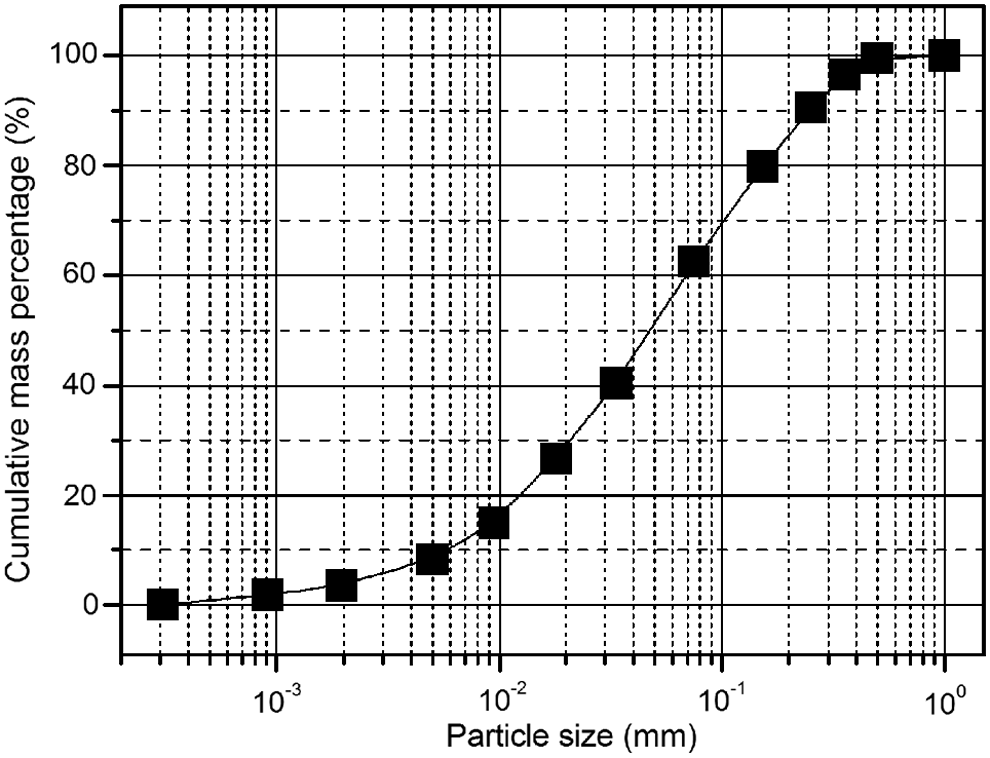
The homogenized soil particle size distribution curve. The particle size less than 0.075 mm was tested by Malvern Mastersizer 2000 (Malvern Instruments, Worcestershire, United Kingdom), while the rest by sieving method.
Soil Characteristics and Metal Concentrations After Mixing
According to Standard for engineering classification of soil (GB/T 50145-2007). Soil samples were sieved through 2-mm mesh sieve before analysis of particle size distribution; the proportion of gravel (>2 mm) was more than 50 wt.%.
CEC, cation exchange capacity; OM, organic matter.
Compositions of the Ordinary Portland Cement Used in the Field Trial
S/S process with OPC
The on-site S/S process consisted of four steps: excavation and drying, OPC addition and mixing, backfilling and compaction, and curing (Fig. 4). First, the contaminated soil of the research zone was excavated to a depth of 3 m and stacked on the disposal square. It was air-dried for 24 days until the soil moisture content had dropped to 18.05% ± 7.57% (number of samples, n = 24), which was the optimum water content for compaction. Then, an Allu Bucket was used to crush and mix the soil with 5 or 8 wt.% cement thoroughly. Next, the treated soil was backfilled and compacted layer by layer, with a compression factor of 0.76. When compaction was completed, a 30-cm layer of clean soil and a geomembrane layer were added on top of the treatment zone. After 28 days (standard curing age) and 1 year of curing, samples were collected using a rotary drill from the middle of each treatment zone at intervals of 0.5-m deep. Figure 5 shows the daily temperatures of the contaminated site during S/S remediation and curing period for 1 year. From November to April of the following year, the daily low temperatures were below freezing for 5 months, the minimum reaching −14°C. In the S/S process, well point dewatering was implemented to drop the groundwater table below 3.0 m, and stopped when backfilling and compaction were completed.
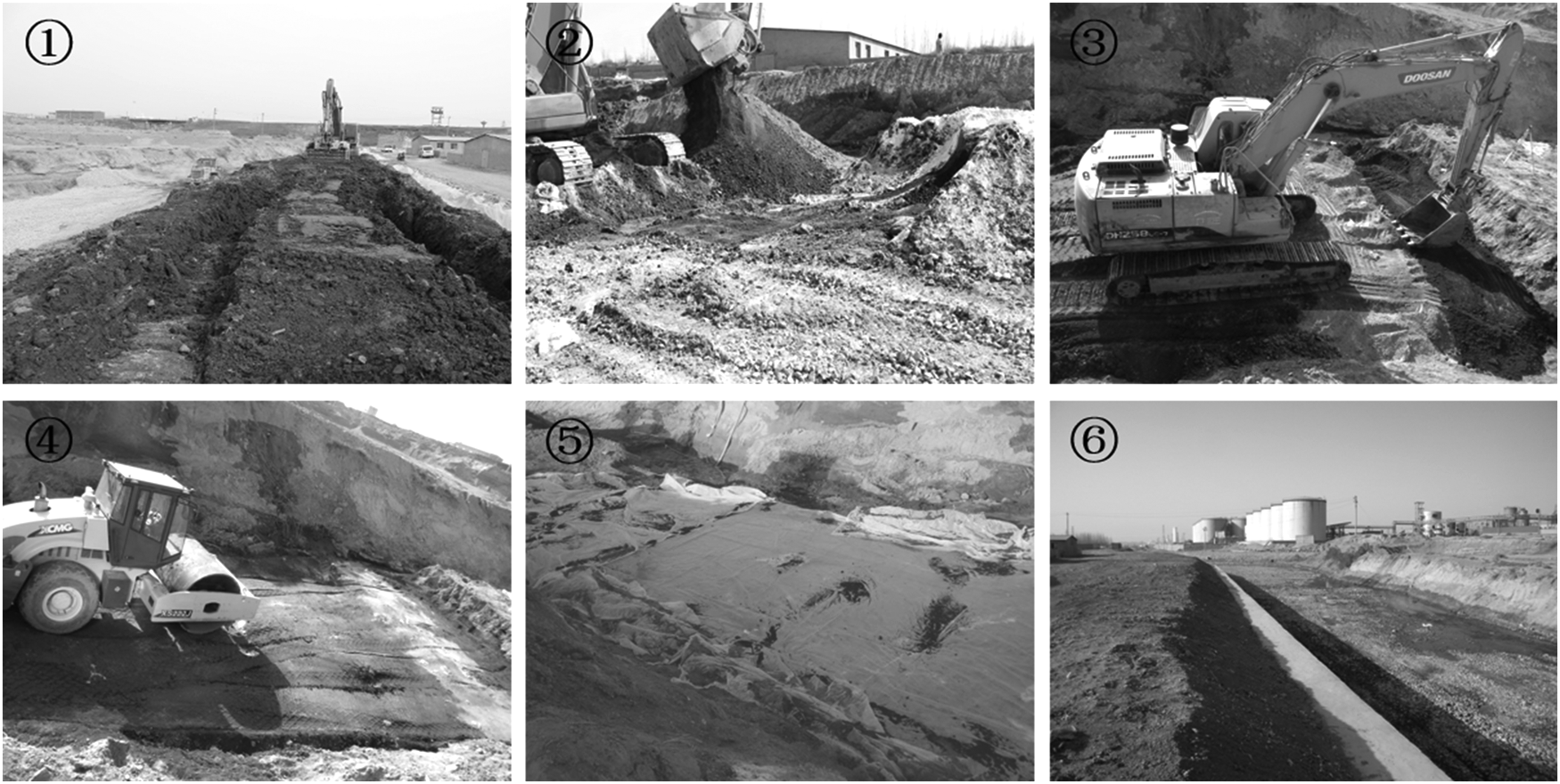
Photos of the on-site S/S remediation with OPC (
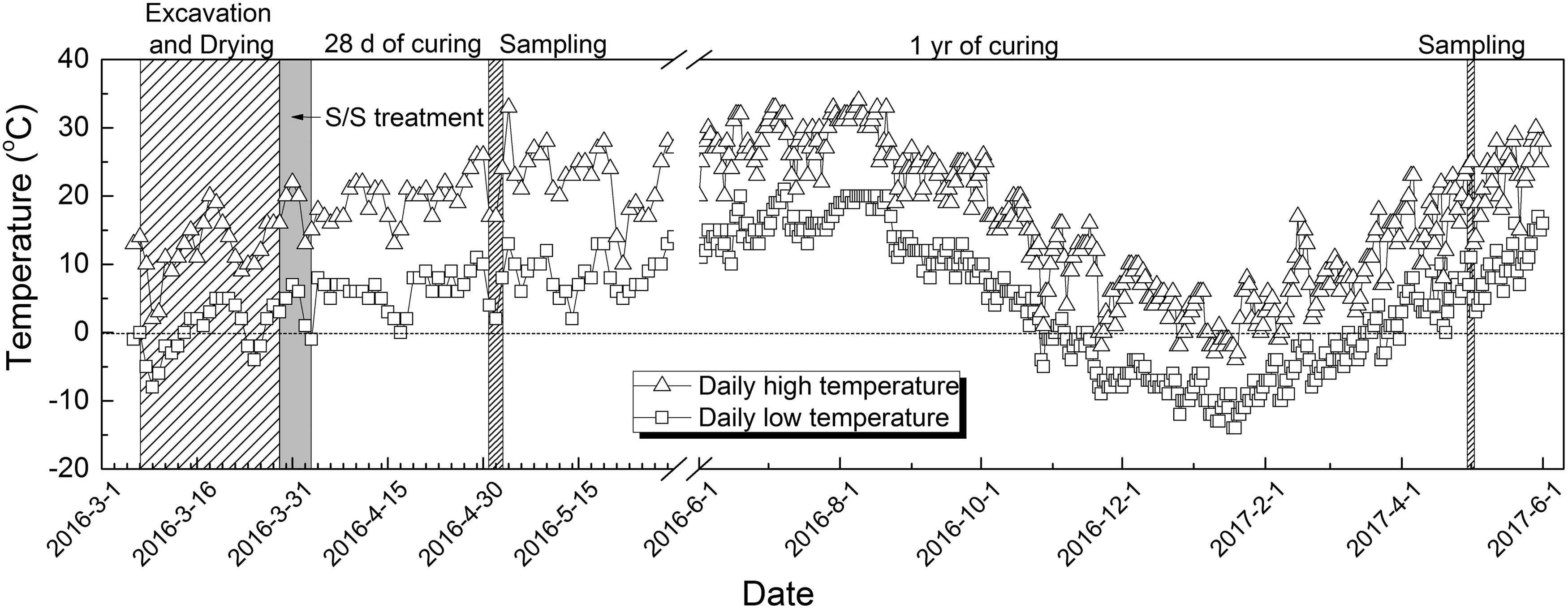
Daily temperatures during the S/S remediation and curing periods.
Testing methods
To evaluate the leaching performance of the on-site S/S products exposed to rainfall, the toxicity characteristic leaching procedure of HJ/T 299-2007 (MEPC, 2007) was chosen by adding H2SO4-HNO3 solution (mass ratio = 2:1, simulated acid rain) with initial pH of 3.20 ± 0.05 at a liquid-to-solid ratio of 10 mL/g. After 18 h of rotary agitation at 30 rpm, the leachates were filtered through a 0.45-μm filter. A modified three-step sequential extraction procedure proposed by the European Community Bureau of Reference (BCR) was applied to determine the mobility species of heavy metals in soil. Heavy metals were segregated into four increasingly stable species in soil: F1: acid extractable, F2: reducible, F3: oxidizable, and F4: residual (Rauret et al., 1999). Microwave digestion was performed to analyze the heavy metal contents of the samples according to the USEPA Method 3052 (USEPA, 1996). Concentrations of heavy metals in the solutions were analyzed using inductively coupled plasma optical emission spectroscopy (ICP-OES, Agilent 5100). pH values were measured at a water-to-soil ratio of 2.5 mL/g, and soil moisture contents were tested using a gravimetric method. Samples were tested in triplicate and the average of these values was calculated.
XRD analysis of S-/S-treated soils was performed with Cu-Kα (λ = 1.540538 Å) radiation on a Rigaku D/Max-rA X-ray diffractometer. The instrument was operated at 40 kV and 100 mA. A step size of 0.02° of 2θ and a scan time of 5 s were used at each step over a 2θ range of 3°–70°. The surface microtopography of S/S specimens was scanned using Zeiss Supra55 scanning electron microscope (SEM).
The bearing capacity (f, kPa) was measured using a 63.5-kg heavy dynamic penetration probe with a 760-mm free-fall to record the number (N63.5) of times to penetrate 10-cm deep into the soil. The fitting empirical formula was f = −0.58 N63.52 + 49.12 N63.5 − 27.15 (R2 = 0.9988) according to TB10018-2003 (CNRA, 2003).
Results
S/S effects of OPC
Figure 6 shows Cd's, Zn's, and Pb's leaching concentrations treated with 5 and 8 wt.% of OPC after 28 days and 1 year of curing above and below groundwater table. The results illustrated that 8 wt.%-OPC could effectively decrease Cd's, Zn's, and Pb's leaching concentrations by 99.9%, 99.4%, and 67.9%, respectively, above groundwater table, better compared with 5 wt.% treatment, reaching the level of the “Integrated Wastewater Discharge Standard (GB8978-1996)” (Cd ≤0.1 mg/L, Zn ≤2.0 mg/L, and Pb ≤1.0 mg/L) (MEPC, 1996). Groundwater showed negative effects on the leaching performance of OPC-treated soil that the leachabilities of Cd and Zn both increased below groundwater table at different treatments. For the 5 wt.%-OPC treatment, the S/S effects on Cd and Zn decreased to 72.3% and 63.4%, respectively. In addition, after 1 year of curing, Cd's, Zn's, and Pb's leaching concentrations were less compared with 28 days, showing its long-term stability. Notably, Pb concentrations of 5 wt.% OPC-treated soil increased slightly after 28 days of curing, and significantly decreased after 1 year, suggesting a slow S/S process for Pb. In summary, OPC is efficient for Cd, Zn, and Pb remediation at this site, but groundwater should be limited to a relatively low level at 5 wt.%-OPC treatment.
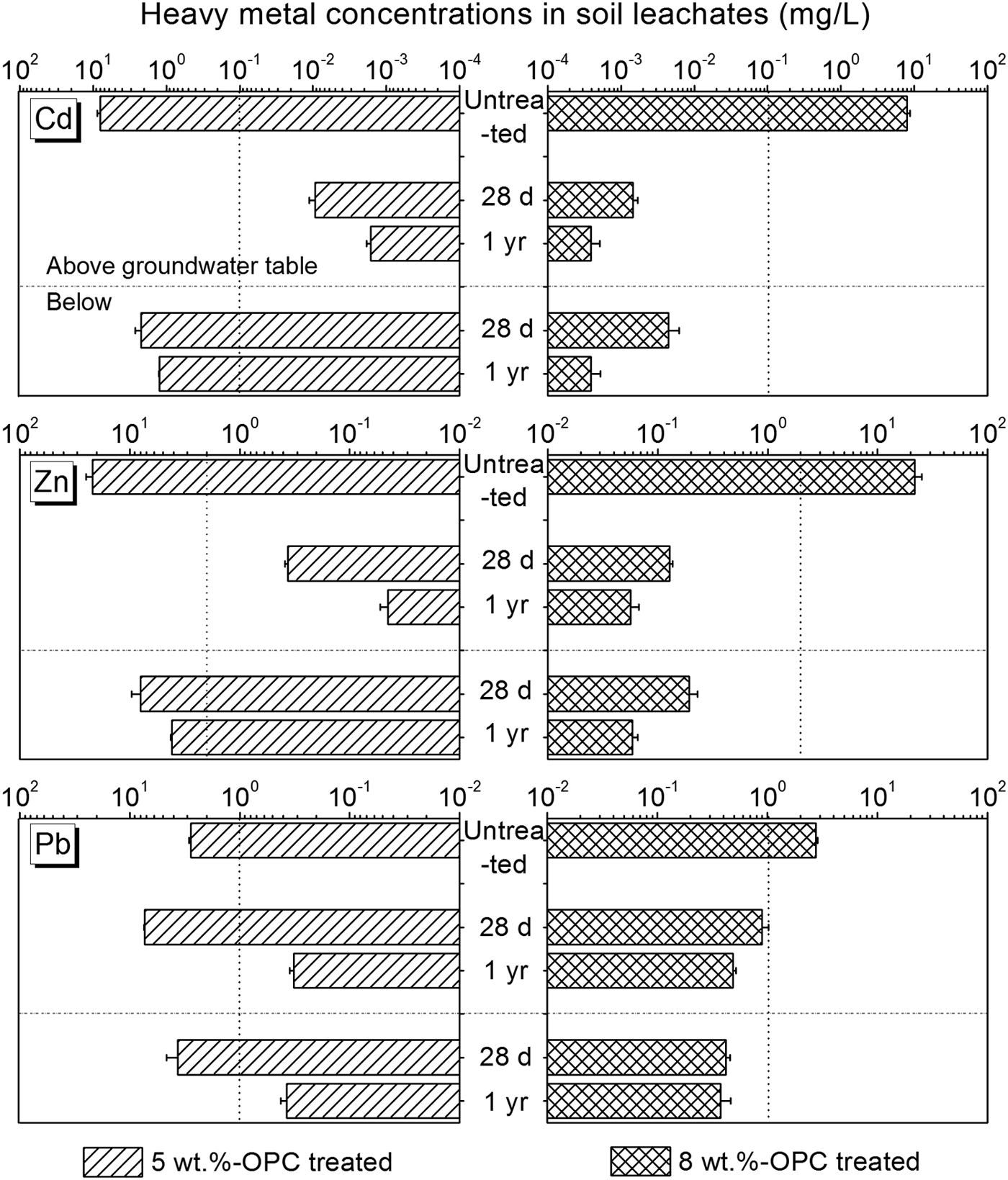
Cd's, Zn's, and Pb's leaching concentrations treated with 5 and 8 wt.% of OPC after 28 days and 1 year of curing above and below groundwater table. The dash lines in the figure are the limits in the “Integrated Wastewater Discharge Standards (GB8978-1996, MEPC)” (Cd ≤0.1 mg/L, Zn ≤2.0 mg/L, and Pb ≤1.0 mg/L).
Speciation of heavy metals
Figure 7 presents the Cd, Zn, and Pb percentage of different mobility species in soil after 28 days of curing, treated with different amounts of cement above and below groundwater table. The results showed that the highest proportions of Cd and Zn in the raw soil were F1 acid-extractable species, accounting for 70.2% and 50.3%, respectively, which were easily released into the environment. After OPC addition, the F1 proportion of Cd and Zn significantly decreased by 23.2–36.4% and 22.1–27.1%, respectively, while F4 residual species, the most stable proportion of heavy metals in soil, increased by 11.4–11.6% and 12.8–3.8%. Below groundwater table, the Cd and Zn speciation changes were similar to that above. For Pb, the highest proportion belonged to the F3 oxidizable species, accounting for 58.1%, indicating that Pb mostly occurred as organic complexes in soil. The Pb speciation had not changed much after 28 days of curing, for its S/S process was possibly far from over. The F1 proportion of Pb increased slightly in 5 wt.% OPC-treated soil by 0.9% and 3.9% above and below groundwater table, while decreased in 8 wt.% treatment cured for 28 days. This was consistent with the results of the leaching tests presented in 3.1.
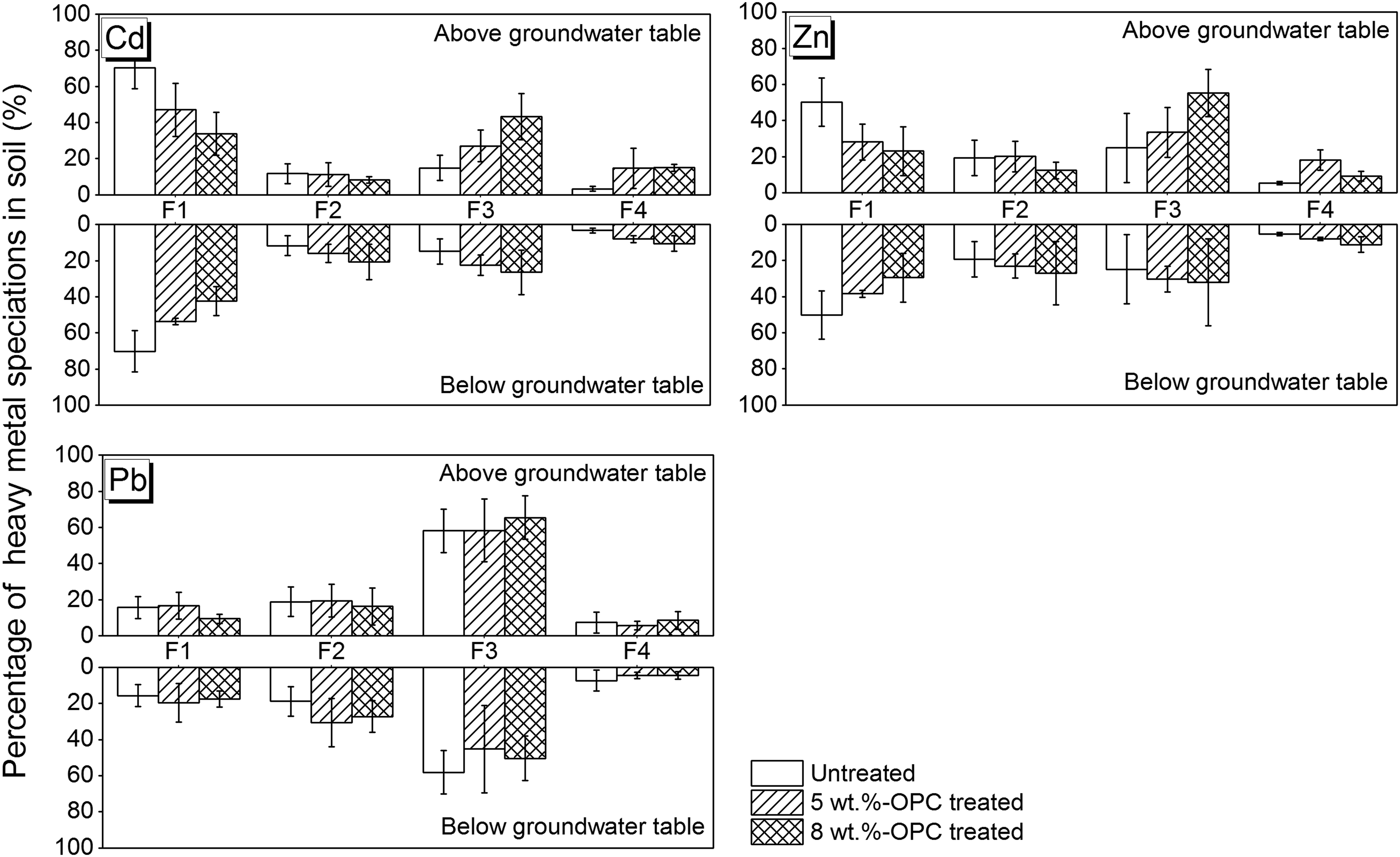
Cd, Zn, and Pb percentage of different species in contaminated soil treated with 5 and 8 wt.% of OPC after 28 days of curing above and below groundwater table.
Microscopic mechanisms
The SEM images of the contaminated soils treated with 5 and 8 wt.% of OPC are shown in Fig. 8. The untreated soil had a loose granular structure with various particle sizes, and soil aggregate surfaces were relatively smooth (Fig. 8A). After OPC treatment, soil particles were cemented into stable aggregates or blocky structures by cement hydration reaction, which stabilized contaminants by physical encapsulation. In Fig. 8B and C, it was found that massive fibrous cluster products of calcium silicate hydrate (CSH) covered the surface of the S-/S-treated soil particles. In addition, a certain quantity of needle- or column-shaped ettringite, plate-like calcium hydroxide, and other crystals had been observed in treated soils. The white precipitates on the surface of the particles might be heavy metal hydroxides, sulfates, carbonates, and silicates formed under alkaline conditions.
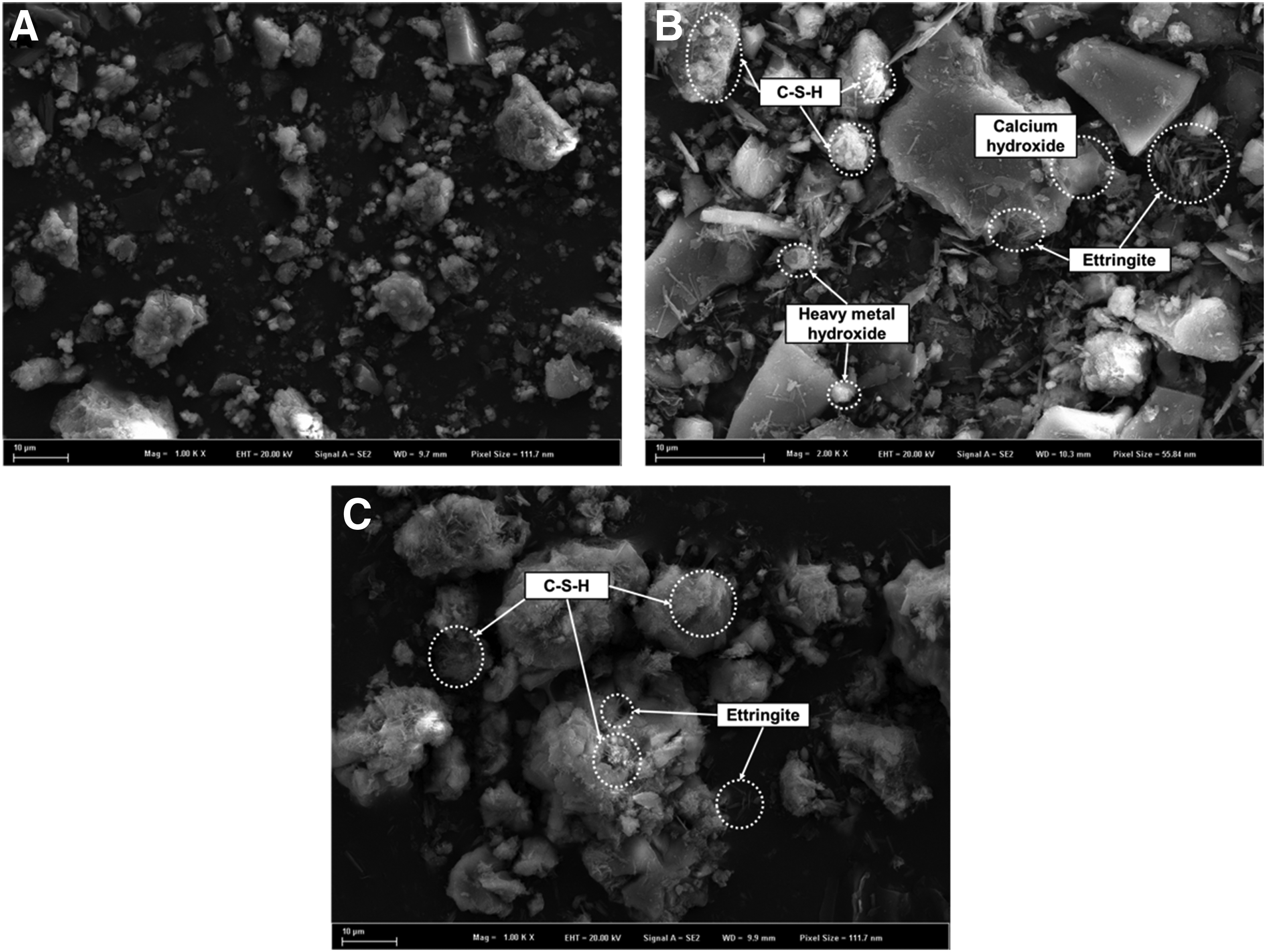
Scanning electron microscope images of the contaminated soils treated with 5 and 8 wt.% of OPC after 28 days of curing.
The X-ray diffractograms of the contaminated soils treated with 5 and 8 wt.% of OPC after 28 days of curing are shown in Fig. 9. The crystalline materials in the untreated soil were mainly quartz, iron hydroxide, phengite, albite, as well as some calcium silicate and aluminosilicate. The XRD results showed that insoluble substances such as gypsum, lead silicate, and tarbuttite, corresponding to 2θ of 11.68°, 29.14°, and 32.38°, were formed after OPC treatment, indicating that precipitation reactions had taken place during the cement hydration process. In addition, sulfides such as PbS, ZnS, and FeS2, corresponding to 2θ of 43.76°, 47.46°, and 56.28°, were specially detected at this site because of high groundwater table that turns the soil to a reduced state. However, the XRD results did not show large quantities of crystalline precipitates formed, suggesting that physical encapsulation could be the dominant mechanism for heavy metal stabilization (Lasheras-Zubiate et al., 2012).
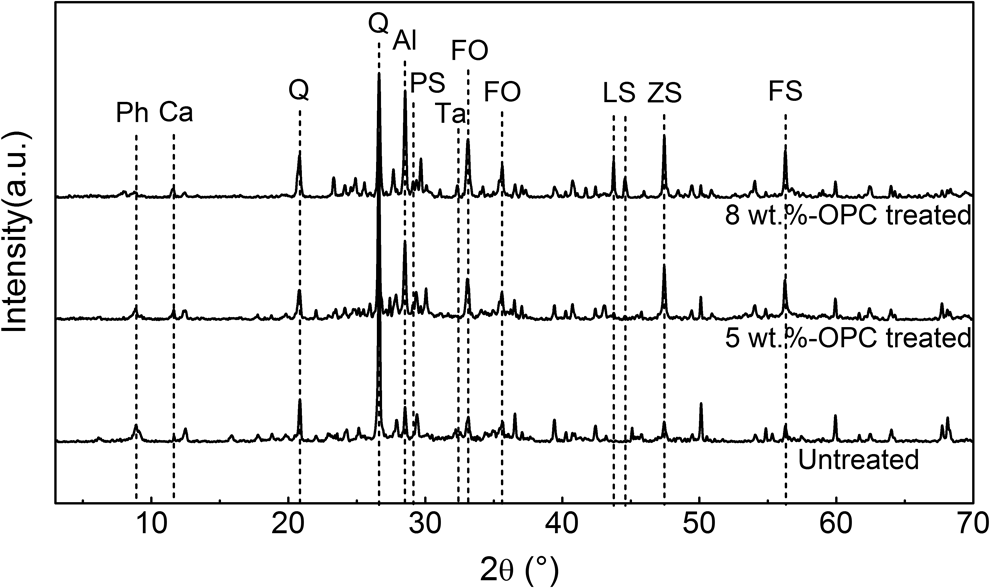
XRD patterns of contaminated soils treated with 5 and 8 wt.% of OPC after 28 days of curing. Ph, phengite; Ca, gypsum; Q, quartz; Al, albite; PS, lead silicate; Ta, tarbuttite; FO, iron hydroxide; LS, lead sulfide; ZS, zinc sulfide; FS, pyrite.
Soil pH and moisture contents
Figure 10 shows the soil pH values and moisture contents treated with 5 and 8 wt.% of OPC above and below groundwater table after 28 days of curing. After excavation and drying, the pH of the untreated soil was near neutral (6.69), while after 5 and 8 wt.% of OPC addition and curing, the soil pH increased significantly to 10.25 and 11.19, respectively, above groundwater table, and to 10.35 and 11.34 below groundwater table, all becoming strongly alkaline, which were helpful to Cd, Zn, and Pb stabilization. As shown in Fig. 10, soil moisture contents increased from 18.05% to 19.76–32.56% after backfilling and curing due to the high groundwater table. However, soil moisture contents at 8 wt.% OPC-treated zone were much lower compared with 5 wt.% treated. On one hand, more water consumed in cement hydration reaction with more OPC addition; on the other, the 5 wt.% OPC-treated zone upstream might have acted as a curtain wall to the groundwater flow for the downstream 8 wt.% treated zone.
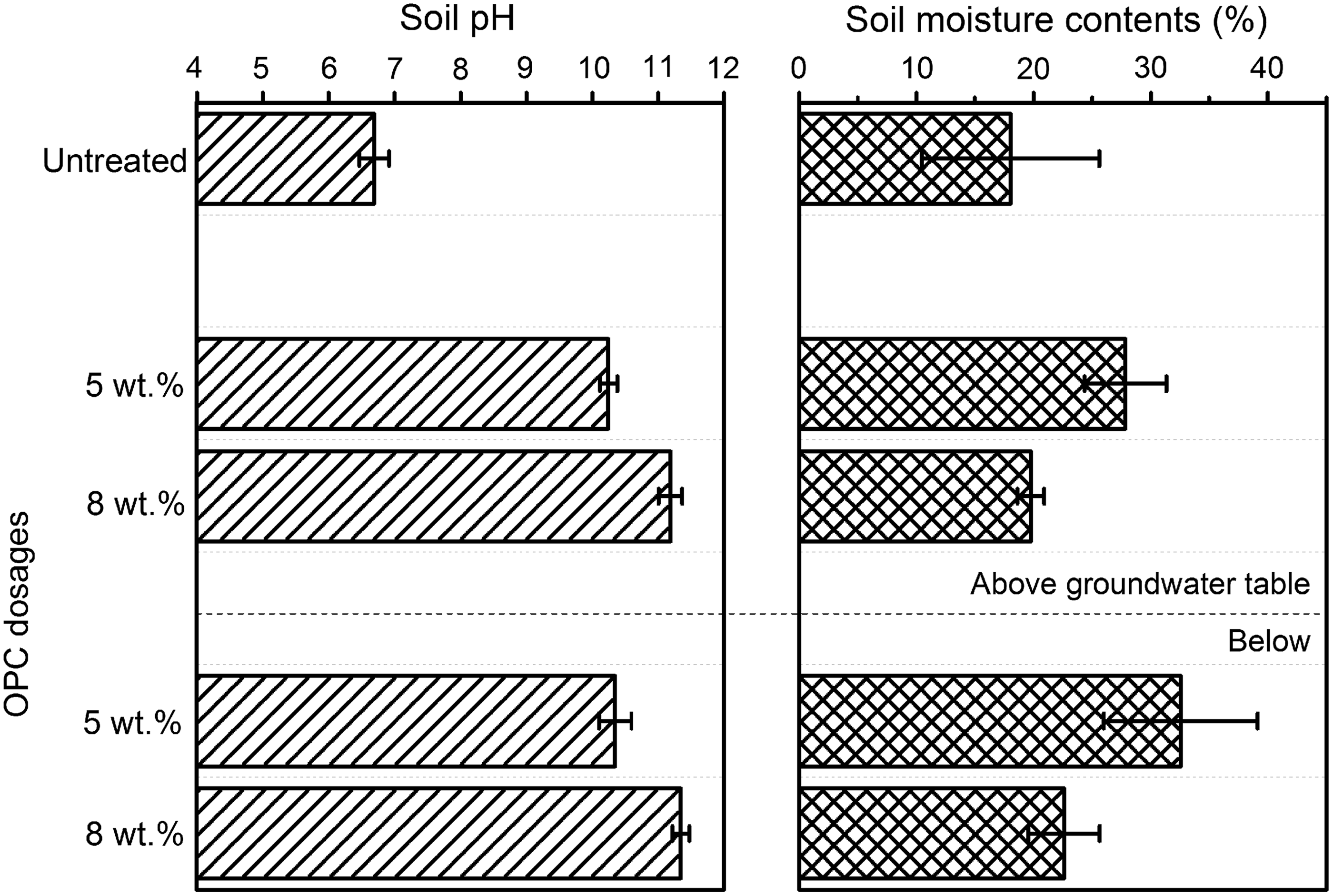
Soil pH values and moisture contents treated with 5 and 8 wt.% of OPC after 28 days of curing above and below groundwater table.
Bearing capacity
Figure 11 shows the soil bearing capacity treated with 5 and 8 wt.% of OPC after 28 days of curing, calculated from the heavy dynamic penetration test. Before S/S treatment, the contaminated soils from surface to 3-m deep could be divided into six layers based on the bearing capacity: Layer 3 (1.1–1.6 m) and Layer 5 (2.2–2.7 m) were relatively high (0.78–0.98 MPa) for plenty of gravel and sand in soil, and the topsoil (Layer 1, 0–0.5 m) was the lowest (∼0.45 MPa); the other layers were nearly 0.70 MPa. After S/S treatment, the soil bearing capacities at different depths were almost the same, indicating good uniformity of agitation and compaction. Also, more OPC addition resulted in higher soil bearing capacity. In 5 and 8 wt.% OPC treatments, the maximum soil bearing capacities could reach 0.75 and 0.92 MPa, respectively. In addition, groundwater had negative impact on the strength characteristics of S/S products, as the bearing capacities slightly decreased by 0.08–0.11 and 0.015–0.23 MPa below groundwater table. The bearing capacity of 5 wt.% OPC treatment was sometimes lower than that before treatment, possibly due to the soil crushing process before mixing with cement.
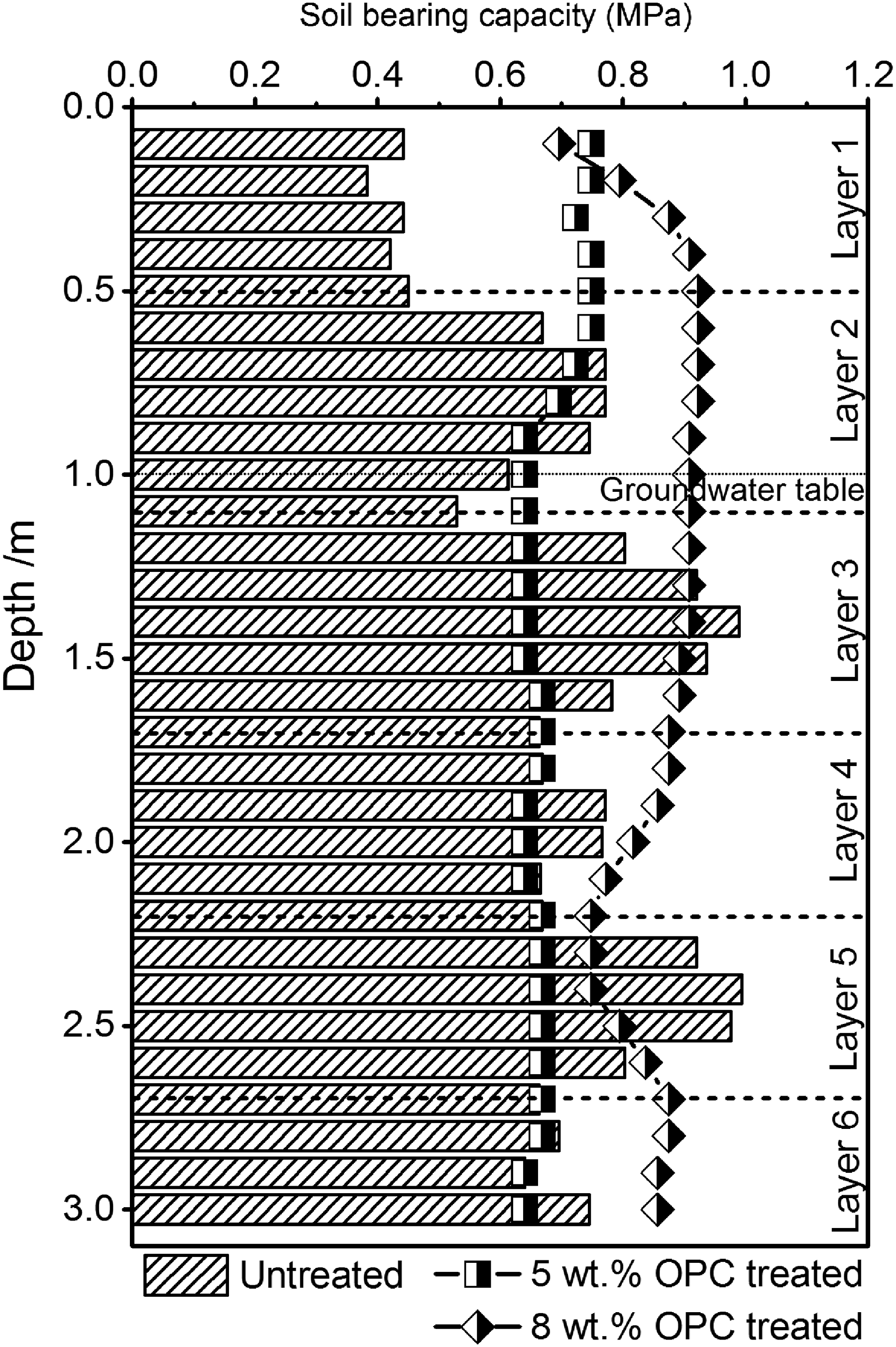
Soil bearing capacity treated with 5 and 8 wt.% of OPC after 28 days of curing.
Discussion
On-site S/S treatment with cement is an efficient practice for remediation of heavy metal-contaminated soils, which can achieve better S/S efficacy on both leaching and structural properties. This field trial at Dongdagou Ditch, Northwest China, reveals that OPC could effectively stabilize Cd, Zn, and Pb for 99.9%, 99.4%, and 67.9%, respectively, under 8 wt.% treatment, and 1-year performance was better than 28 days of curing, indicating its long-term stability. The soil bearing capacities increased and met the USEPA standards for landfill disposal after OPC treatment.
S/S remediation with cement for heavy metal-contaminated soils mainly works by chemical stabilization and physical encapsulation simultaneously (Poon et al., 1985; Giergiczny and Krol, 2008; Chen et al., 2009; Guo et al., 2017). When mixed with contaminated soil, cement hydration reaction begins and the soil alkalinity increases by Ca(OH)2 forming [Eqs. (1) and (2)] (Paria and Yuet, 2006; Lin et al., 2017). High soil pH leads to the formation of Cd, Zn, and Pb hydroxide precipitates that decrease their mobility (Chen et al., 2007; Kogbara et al., 2012; Sobiecka et al., 2014), and precipitates such as sulfates, carbonates, and silicates also formed in cement-based S/S systems (Chen et al., 2009). In addition, xCaO·SiO2·yH2O (CSH gel) formed in the cement hydration process has very high specific surface energy and ion exchange capacity, which can well stabilize heavy metal ions by adsorption, addition, and replacement reactions [Eqs. (3) and (4)] (Batchelor, 2006; Giergiczny and Krol, 2008; Chen et al., 2009). The XRD, SEM, and BCR results revealed that Cd, Zn, and Pb participated in cement hydration reaction and transformed into stable precipitates after OPC treatment. Physical encapsulation is another important S/S mechanism; CSH has cementation effects to make soil particles stick together and form honeycomb structures or reticular networks to close the gaps between soil aggregates, lowering the soil porosity and permeability, so that limited the mobility of heavy metal ions (Richardson, 2008).
In this study, Pb concentrations in soil leachates increased slightly after 28 days of curing, but significantly decreased after 1 year. Studied have shown that Pb hydroxides are amphoteric, which can be released in the form of soluble polyhydroxy compounds in highly alkaline conditions caused by cement hydration (pH >10) (Yukselen and Alpaslan, 2001; Alpaslan and Yukselen, 2002; Halim et al., 2003; Fuessle and Taylor, 2004). The OPC-treated S/S for Pb in soil would take a relatively long time. This explains why Pb leachability decreased after 1 year of curing in this study. Pb ions are larger than the ions of other heavy metals such as Cd and Zn and have greater electronegativity, resulting in poor reaction activity. On the other hand, Pb could precipitate onto the surface of the Ca and Al silicates, forming impermeable coatings that strongly retard the cement hydration rates (Yousuf et al., 1995; Paria and Yuet, 2006; Kogbara, 2014). Apart from precipitation and encapsulation, Pb could be incorporated into the CSH by forming surface complexes and change the CSH nanostructure. Rose et al. (2000) found that Pb was linked to a chain of silicate tetrahedra of CSH by Pb-O-Si linkage, which might be different from Cd and Zn.
Environmental conditions such as groundwater and temperature have great influence on the on-site S/S remediation. At this site, groundwater showed negative effects on both leaching and strength performance, that the 5 wt.%-OPC S/S effects of Cd and Zn decreased to 72.3% and 63.4%, respectively, and soil bearing capacities decreased by 0.08–0.11 MPa below groundwater table, which were ascribed to the anaerobic conditions and structural damage of S/S products. High moisture content could decrease soil redox potential and result in the reduction of Fe, Mn, and S (Fiedler et al., 2007). As a consequence, heavy metals bonding to them would release into the soil. Meanwhile, sulfides such as PbS, ZnS, and FeS2 were specially formed in this study by sulfate reducing, which might come from atmospheric deposition, acid rain, and wastewater discharge at this contaminated site. On the other hand, Kim et al. (2014) reported that high water-to-solid ratio increased the porosity (space between particles) created in the cement hydration process, which yields a low strength product.
Low temperature during S/S process and curing period of this field trial showed less impact on the long-term S/S effects. Heavy metal leachability even decreased after 1 year of curing in this study. On the contrary, studies have shown that low temperature could cause structural damage of S/S products and decrease the S/S efficiency because it can significantly slow the cement hydration process, even come to a halt when water freezes (Husem and Gozutok, 2005). However, the cement hydration rate was reported to be insensitive to temperature changes over the range of 0–40°C (Malviya and Chaudhary, 2006). Therefore, in this field trial, surrounding soils of the research zone might act as freeze-protection layers and successfully alleviated the negative effects taken by low temperature, making it suitable for application in the cold Northwest China.
OPC-treated soils gained strength characteristics that were helpful for its construction reuse. Many nations around the world, such as America, Britain, and Canada, have created regulations and laws to establish standards and controls for the strength of S/S products (Yin et al., 2006; Falciglia et al., 2014), while China has not yet. In this study, the bearing capacities of OPC-treated soil could reach 0.75–0.92 MPa after 28 days of curing, which met the USEPA standards for landfill disposal, but not for roadbed filling as shown in Table 3. Also, its strength properties could weaken the water flushing impact on the site after remediation. Meanwhile, it is worth noting that heavy metals such as Pb and Zn can decrease the strength of S/S products due to their negative effects on the cement hydration process (Kakali and Parissakis, 1995; Murat and Sorrentino, 1996; Park, 2000; Gineys et al., 2010). So it is necessary to monitor the soil strength indexes of the contaminated sites after S/S remediation to ensure safety in land reuse.
Strength Criteria for Solidification/Stabilization Products
UCS, unconfined compressive strength.
Summary
This study investigated the on-site S/S efficacy of OPC on heavy metals at Dongdagou Ditch, Northwest China. The strength performance and the microstructural properties of S-/S-treated soils were also tested. The main findings are summarized as follows: (1) 8 wt.%-OPC could effectively stabilize Cd, Zn, and Pb in soil by 99.9%, 99.4%, and 67.9%, respectively, while 5 wt.% treatments were only effective for Cd and Zn above groundwater table, and had long-term stability. (2) The bearing capacities of OPC-treated soils increased and met the USEPA standards for landfill disposal. (3) Cd, Zn, and Pb were chemically stabilized and physically encapsulated by OPC simultaneously, the unstable acid-extractable Cd and Zn in soil were transformed into the residual fraction after OPC treatment, and insoluble sulfides such as PbS and ZnS were specially formed due to high groundwater table of the site. (4) Groundwater showed negative effects on both leaching and strength performance of the OPC-treated soil due to anaerobic conditions and structural damage of S/S products. On-site S/S remediation with OPC was insensitive to low temperature that was suitable for application in the cold Northwest China.
Footnotes
Acknowledgments
This work was financially supported by the National High-tech R&D Program (863 Program) (Grant No. 2013AA06A206) and the National Natural Science Foundation of China (Grant No. 41571309). Pacific Norwest National Lab (PNNL) is operated by Battelle for the U.S. DOE under contract DE-AC06-76RLO 1830.
Author Disclosure Statement
No competing financial interests exist.