




Abstract
Decomposition of dichloromethane (DCM) in water was carried out by electrolysis in combination with persulfate oxidation, and a significant synergistic effect was found in the anode chamber of a dual-chamber electrochemical reactor isolated by a DuPont proton exchange membrane. Experiments were conducted in batch mode to investigate the effects of various operating variables on the removal of DCM in water, such as different titanium-based electrodes, initial persulfate concentration, cell voltage, initial contaminant concentration, temperature, and initial pH. We found that Ti electrode had higher oxidation activity against DCM than IrO2-RuO2/Ti electrode and TiO2 electrode. The removal efficiency of electro-activated persulfate on DCM was positively correlated with initial persulfate concentration, cell voltage, and temperature, but negatively correlated with initial contaminant concentration. Lower initial pH facilitates the rapid removal of DCM. The results showed that the removal rate of 10 mg/L DCM after 180 min was 95.63 (±2.3)%, the TOC removal rate was 51.8%, and the activation energy was 89.905 kJ/mol. In general, the electro-activated persulfate method could effectively remove DCM from wastewater and had high potential application value in DCM treatment in sewage and groundwater.
Introduction
Dichloromethane (DCM) is a widely used toxic industrial solvent, which is prone to leakage and volatilization during industrial production, storage, and transportation, resulting in serious environmental pollution problems (Shestakova and Sillanpää 2013). DCM is irritating to human skin and mucous membranes, due to its high lipophilicity, DCM will cause significant damage to human internal organs. Large amounts of inhaled DCM can cause acute poisoning and have adverse effects on the human respiratory and nervous system. The studies have found that DCM could exist in the groundwater of some industrial parks and often coexist with other halogenated volatile organic compounds. In addition, DCM is also a suspected carcinogen identified by the International Agency for Research on Cancer (Muller et al., 2011; Hermon et al., 2018).
In contaminated water, DCM is the final product of reductive dechlorination of carbon tetrachloride and trichloromethane; the difficulty of DCM degradation limits the further management of pollution conditions (Jin et al., 2018a, 2018b). Therefore, it is necessary to find a way to efficiently remove DCM from water. For DCM contaminant in water, especially in groundwater, it is difficult to self-attenuate due to its stable chemical property. Research on DCM removal mainly includes aeration stripping treatment (Verma and Tyagi, 2012), biological treatment (Hermon et al., 2018), adsorption (Bhatnagar et al., 2013), ozone oxidation (Ward et al., 2005), persulfate oxidation (Kun-Chang et al., 2005), and electrocatalysis (Sonoyama et al., 2002).
The electrochemical method has the ability to produce HO• with strong oxidizing property in the process of electrolyzing water [Eqs. (1)–(3)], HO• can oxidize the organic matter diffused to the anode plate, thereby removing toxic and harmful substances (Deng et al., 2018).
Compared with other methods, electrochemical methods can remove chlorine-containing organic compounds by direct or indirect oxidation or reduction (Sonoyama et al., 2002; Petersen et al., 2007; Ding et al., 2018; Deng et al., 2019). In general single-chamber electrochemical reactions, the oxidation and reduction processes are simultaneous and crossover, and this may limit the ability to oxidize or reduce during the reaction (Gong et al., 2001).
Persulfate has been used to remove organic pollutants such as phenol (Mora et al., 2011) and trichloroethylene (Chen et al., 2007) due to its stability and high efficiency of oxidation, which holds great promise for groundwater and soil pollution treatment. Persulfate can be activated by thermal energy and electricity to further generate hydroxyl radicals and hydrogen peroxide [Eqs. (4)–(6)]; this process can also be achieved by the participation of ultraviolet and transition metal ions. It is generally accepted that sulfate radicals are mainly produced in an acidic environment (Kolthoff et al., 1951; House, 1961; Hayon et al., 1972; Chen and Huang, 2015).
Excessive persulfate may cause reactive free radical self-quenching [Eqs. (7) and (8)], so the principle of energy saving should be followed as much as possible in the experiment and application process, and the appropriate amount of persulfate should be added to fully exert its oxidation potential (Chen and Huang, 2015).
In view of the strong oxidation potential of both electrochemical and persulfate methods, the combined application of the two methods is more promising. Currently, the electro-activated persulfate method has been applied for the removal of contaminants such as dinitrotoluenes (Chen et al., 2014), tetracycline hydrochloride (Liu et al., 2018), aniline (Chen and Huang, 2015), and chloramphenicol (Nie et al., 2014).
The coexistence of H• and OH• in a common electrochemical single-chamber reactor may also impair the oxidation capacity of electro-activated persulfate. A satisfactory finding is that a dual-chamber electrochemical reactor using proton exchange membrane isolation solves this problem well. To date, there has been little research on the removal of DCM in electrochemical reactors isolated by proton exchange membranes using electro-activated persulfate techniques, and there are few reports on the pathways and mechanisms involved in oxidative removal of DCM.
In this study, we investigated the synergistic effect of electro-activated persulfate oxidation to remove DCM, and a dual-chamber electrochemical reactor isolated by N117 DuPont proton exchange membrane was constructed to strengthen anodic oxidation capacity. The electro-activated persulfate oxidation treatment of DCM in the anode reaction chamber was carried out, and the possible removal mechanism of DCM was proposed. In the process, we investigated the effects of different Ti-based electrodes, initial persulfate concentration, cell voltage, initial concentration of contaminant, temperature, and initial pH on the removal efficiency of DCM.
Materials and Methods
Chemicals and materials
DCM, potassium persulfate (K2S2O8), potassium sulfate (K2SO4), sulfuric acid (H2SO4), and sodium hydroxide (NaOH) were purchased from Beijing Chemical Works. The aforementioned chemical reagents were of analytical grade and were not further purified.
Ti electrode and IrO2-RuO2/Ti electrode (8 cm × 4 cm × 1 mm) were purchased from a Hebei Metal Materials Company; titanium dioxide (TiO2) electrode was made by electrochemical method, the polished pure titanium plate was immersed into Hydrofluoric acid (HF) with a mass fraction of 0.5%, and an external voltage of 20 V was applied to the electrode and electrooxidized for 20 min to obtain a regularly packed nanotube supported on the surface of the titanium plate (Gong et al., 2001).
Reactor setup of dual-chamber reactor
The reaction device used in this experiment is shown in Fig. 1. The system consists of a dual-chamber electrochemical reactor made of plexiglass, two electrodes, and an N117 DuPont proton exchange membrane (0.083 S/cm) at the junction between the two reaction chambers.
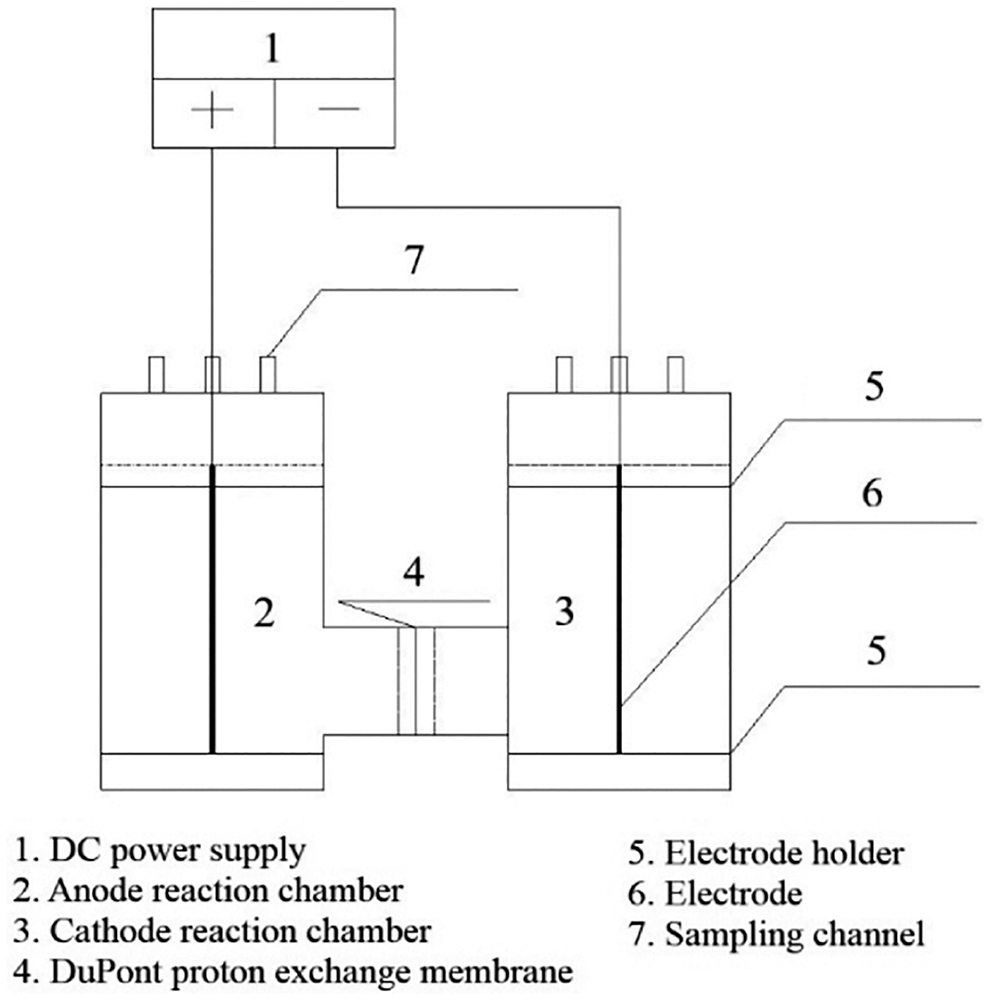
Dual-chamber reactor structure.
Experimental procedure
In this experiment, a DC stabilized power supply was used, the pH of the electrolyte was adjusted with sulfuric acid or sodium hydroxide solution, and a predetermined amount of DCM stock solution was added to the anode reaction chamber with a pipette gun, then the device was sealed and mixed. Place the reaction device in a thermostatic water bath shaker; after the temperature stabilized, a specified amount of potassium persulfate was added, mixed, and energized to start the experiment. During the experiment, the sample was sampled from the upper sampling port for analysis, which was sealed with a rubber stopper and parafilm in turn.
Titanium electrodes were used as the cathode in this experiment. The effects of different types of anodes (Ti electrode, TiO2 electrode, and IrO2-RuO2/Ti electrode), initial persulfate concentrations (0.5–20 mmol/L), the cell voltages (10–35 V), initial concentration of pollutants (2–30 mg/L), temperature parameters (15°C–50°C), and initial pH (1–11) on the DCM removal rate were tested, during the oxidation of electro-active persulfate in 0–180 min. In addition, the effects of some electrochemical and persulfate conditions on the DCM removal rate were also tested separately. In this study, all the experimental tests were undertaken in duplicate to make certain the data.
Analytic methods
The target contaminant DCM and the concentration of the intermediate produced in the experiment were determined by a Gas Chromatography (GC; Shimadzu GC-2014) equipped with an electron capture detector, Rtx-1 radical chromatography column (Restek; 30 m × 0.25 mm × 0.25 μm). Using high purity N2 (99.99%) as carrier gas, the inlet temperature was set to 220°C and the detector temperature was set to 320°C. The column temperature-rising programs were as follows: at the beginning it was kept at 40°C for 5 min, then increased to 100°C at a rate of 8°C/min, and afterward it was raised to 200°C at a rate of 6°C/min and held for 10 min.
Results and Discussion
Reaction kinetics of electrolytic persulfate oxidation for DCM removal
Electro-activated persulfate oxidative removal of DCM in an anode reaction chamber using a dual-chamber reactor separated by a proton exchange membrane. Taking −ln(C/C0) as the ordinate y and t as the abscissa x, the first-order kinetic equation was used to fit the efficiency of DCM removal, the reaction rate k, the half-life (t1/2), and R2 in the process of DCM removal under different reaction conditions were obtained. Temperature, cell voltage, initial persulfate concentration, and electrode types had a greater influence on the results of DCM removal. In contrast, the changes in initial pH and initial concentration of contaminants had little effect on DCM removal. The results are shown in Table 1.
Efficiency and Kinetic Constant of Electro-Activated Persulfate Oxidation Removal of Dichloromethane
The result of calculation for selecting data within the effective reaction time period.
DCM, dichloromethane.
Effect of different electrode types on electro-activated persulfate oxidation
Electro-activated persulfate oxidation is a synergistic mechanism that combined with electrolysis and persulfate oxidation. The removal efficiency of DCM by electrolytic oxidation, sulfate oxidation, and electro-activated persulfate oxidation is shown in Fig. 2a, which clearly demonstrates that electro-activated persulfate oxidation (51.31%) has a better oxidation effect on DCM than electro-oxidation (28.2%) and persulfate oxidation (8.23%). Compared with electrochemical and persulfate technology, only a small amount of persulfate and energy consumption are required to achieve the same effect when the electro-activated persulfate technology was used to remove DCM; therefore, it has considerable advantages in techno-economic benefits.
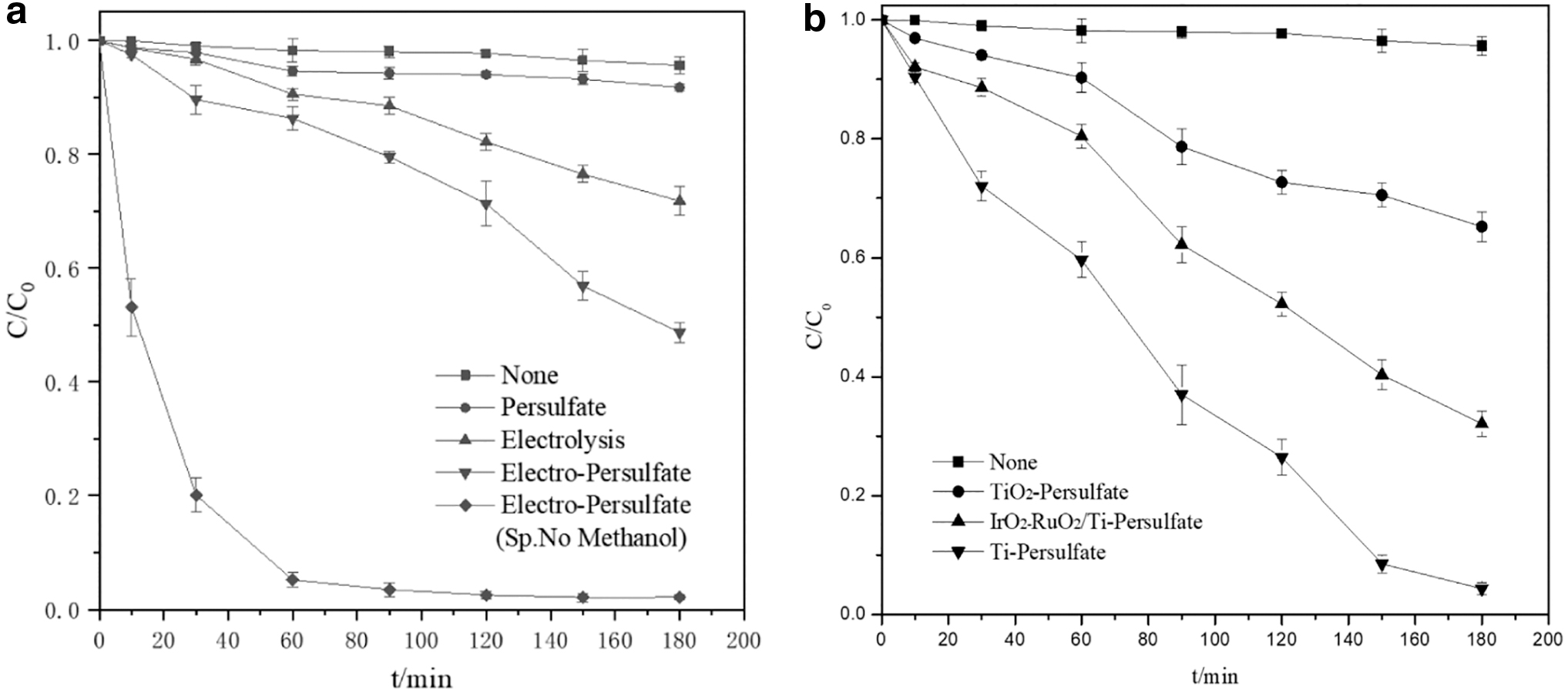
It should be noted in particular that, for any experimental items with persulfate added, it is necessary to add 0.1 mL of 1 mol/L methanol solution to inhibit the further oxidation of DCM by persulfate in the sample. Otherwise, according to the detection method steps, the sample must be kept in a pretreated state at a constant temperature of 60°C, which will result in a significant difference between the detected DCM content and the actual concentration at the time of sampling. This situation is similar to the higher oxidative activity of persulfate when activated at high temperature, which also suggests that persulfate does contribute to the removal of DCM.
The electro-activation of persulfate allows the formation of more persulfate anions during the reaction to increase its oxidation capacity as described by Chen et al. (2014). In contrast, the addition of a small amount of persulfate resulted in a little increase in the conductivity and electrooxidation capacity of the solution. This result indicated that this synergistic mechanism was superior to the single oxidation mechanism in the removal of DCM.
The electrode material plays a crucial role in the electrochemical oxidation reaction, because it could influence the degradation efficiency of pollutants in terms of potential and catalytic performance. In the general single-chamber electro-activated persulfate oxidation experiment, special attention should be paid to whether the cathode material is involved in the oxidation or reduction reactions, as the electrochemical oxidation and reduction reactions were mixed in this case. This experiment has used a double-chamber structure, which was a good solution to deal with this phenomenon. During the electrolysis process, O2 generated by the anode reacts with H+ to form hydrogen peroxide, which was enhanced by the proton exchange membrane as shown in Equations (1) and (2).
To investigate the effect of different types of electrodes on DCM removal, in the case where other conditions remain the same, the removal effect of DCM by different electrode poles such as TiO2 electrode, IrO2-RuO2/Ti electrode, and Ti electrode was tested. The experimental results are shown in Fig. 2b. Ti electrode (95.6%) had a better removal effect on DCM than IrO2-RuO2/Ti electrode (67.9%) and TiO2 electrode (44.8%). This result indicates that Ti electrode has higher oxidation activity against DCM than the commercially available IrO2-RuO2/Ti electrode coated with the rare metal.
Effect of initial persulfate concentration on electro-activated persulfate oxidation
Persulfate is a highly efficient and strong oxidant, with extremely high potential for application in soil and groundwater pollution treatment. Potassium persulfate will produce intermediates of hydrogen peroxide through electrolysis (Frontistis et al., 2018). In the electro-activated persulfate oxidation system, it is possible to effectively improve the overall oxidation capacity. To investigate the effect of the initial persulfate concentration on the oxidation capacity of the system, 0.5–20 mmol/L potassium persulfate was added to promote the removal of DCM.
The results are shown in Fig. 3. Under the same conditions, the removal efficiency of DCM was positively correlated with the amount of persulfate added. Among them, the removal speed of 20 mmol/L persulfate was the fastest, and when the initial persulfate concentration was >5 mmol/L, the pollutant removal efficiency was relatively optimistic, and most of DCM could be removed within 1–3 h. According to Fig. 3, it can be seen that 5 mmol/L persulfate could stably achieve excellent removal effect within 180 min, so other electro-activated persulfate batch experiments in the later stage have used 5 mmol/L persulfate as a constant addition amount to analyze other influencing factors.

Effect of initial persulfate concentration on the removal of DCM by electro-activated persulfate.
Effect of cell voltage on electro-activated persulfate oxidation
In this experiment, it was observed that the conductivity of the electrolyte decreases rapidly as the reaction proceeds and constant current conditions are difficult to maintain, so cell voltage was chosen as the study factor. The cell voltage is also an important factor in electrochemical experiments, as it is in electro-activated persulfate experiments. To investigate the effect of cell voltages on DCM removal, different cell voltages (10, 20, 25, 30, and 35 V) were tested to remove DCM with all other conditions held constant. The experimental results are shown in Fig. 4a. The effect of cell voltage on energy consumption was calculated and the results are shown in Fig. 4b.
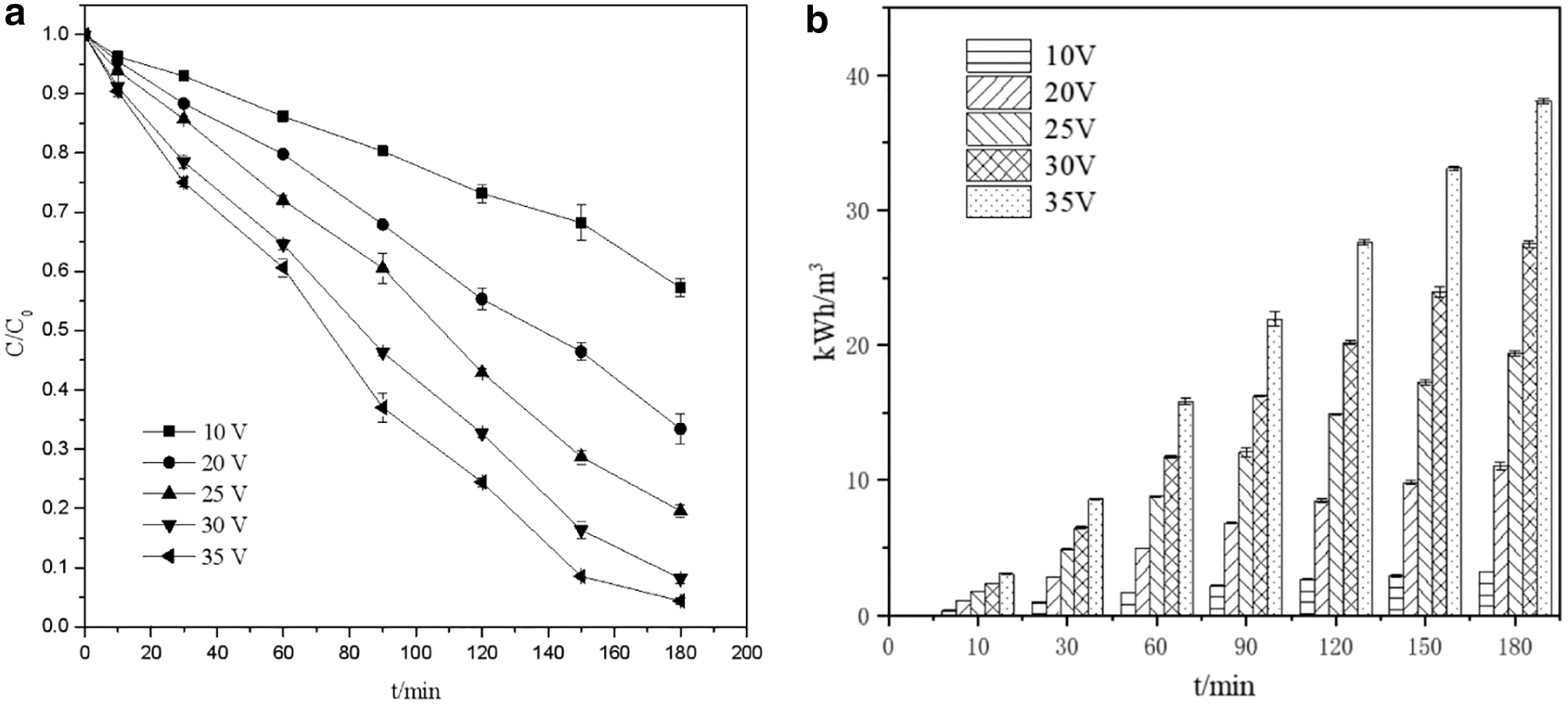
Under the test conditions, the reaction rate is the highest when the cell voltage was 35 V. During the process of gradually increasing the cell voltage, a slowdown in the growth of the reaction rate was found; it may be consistent with Chen et al. (2014) and Silveira et al.'s (2017) description that the driving force of the electrochemical reaction increases with a certain range of cell voltage, and that the electro-activated persulfate oxidation reaction mode also conformed to this description. The unit energy consumption for DCM removal increases gradually with the increases of cell voltage and electrolysis time. At a cell voltage of 10, 20, 25, 30, and 35 V, the unit energy consumption of the electrolysis process (0–180 min) is 3.2, 11.1, 19.4, 27.5, and 38.1 kWh/m3, respectively.
Effect of initial concentration of DCM on electro-activated persulfate oxidation
Figure 5 shows the effect of the initial contaminant concentration on the removal of DCM by electro-activated persulfate oxidation. It could be clearly observed that higher initial concentration of DCM inhibits its removal. The electro-activated persulfate oxidation method was able to remove contaminant >90% at 120 min when DCM initial concentration was 2 or 5 mg/L. Before this, DCM initial concentration of 2 mg/L removal rate was >5 mg/L. In addition, the removal rate of DCM with an initial concentration of 10 mg/L at 180 min could reach the level of the earlier two cases, but as the initial concentration of DCM continues to increase, the corresponding removal rate will decrease. This may be due to the control of mass transfer and current during the electrochemical oxidation reaction process. Under certain conditions, the concentration of •OH produced on the surface of the anode plate in the system was limited. In the same time, there was a limit on the amount of DCM that diffused to the surface of the anode plate and reacted with OH• (Marco and Giacomo 2009).
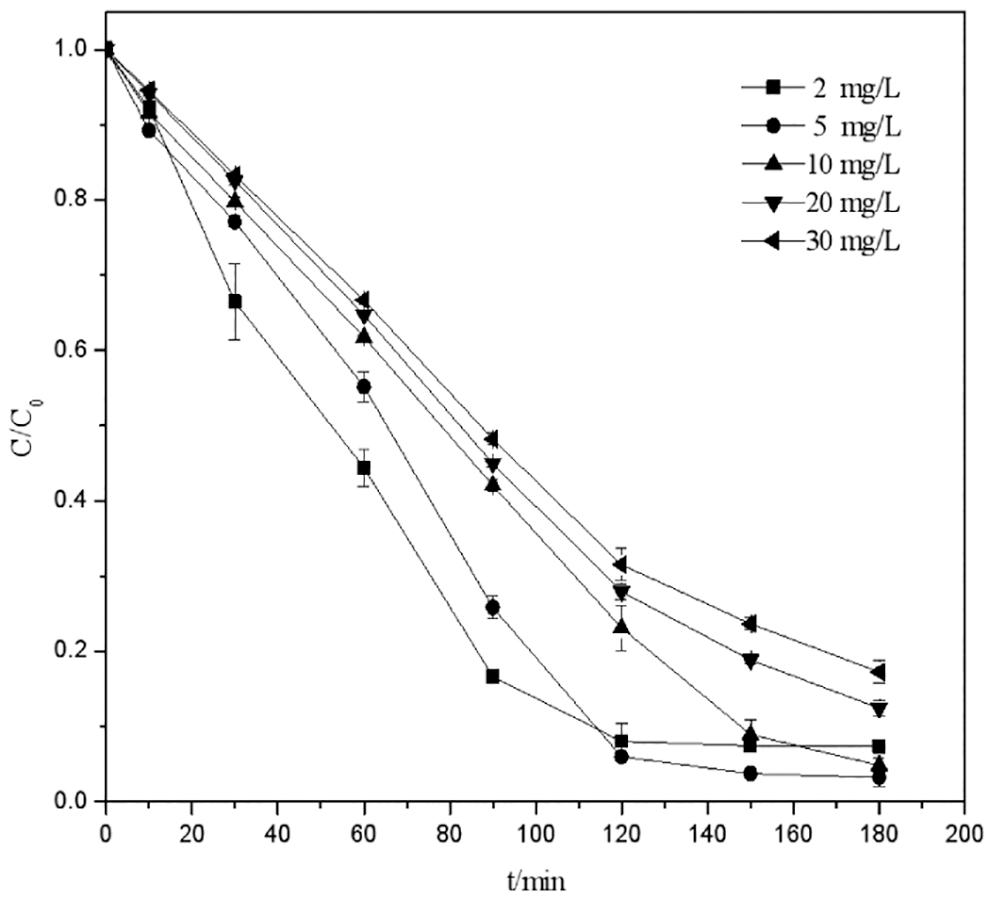
Effect of DCM initial concentration on the removal of DCM by electro-activated persulfate.
Effect of temperature on electro-activated persulfate oxidation
Temperature could change the movement speed and collision frequency of molecules, and also affect the conductivity, which is an important factor to be investigated in the electro-activated persulfate experiment. To explore the effect of temperature on the removal of DCM, different temperatures were investigated. The effect of single persulfate on the removal of DCM is shown in Fig. 6a. In contrast, the effect of electro-activated persulfate on the removal of DCM at a temperature parameter of 15°C–30°C was investigated; the results are shown in Fig. 6c.
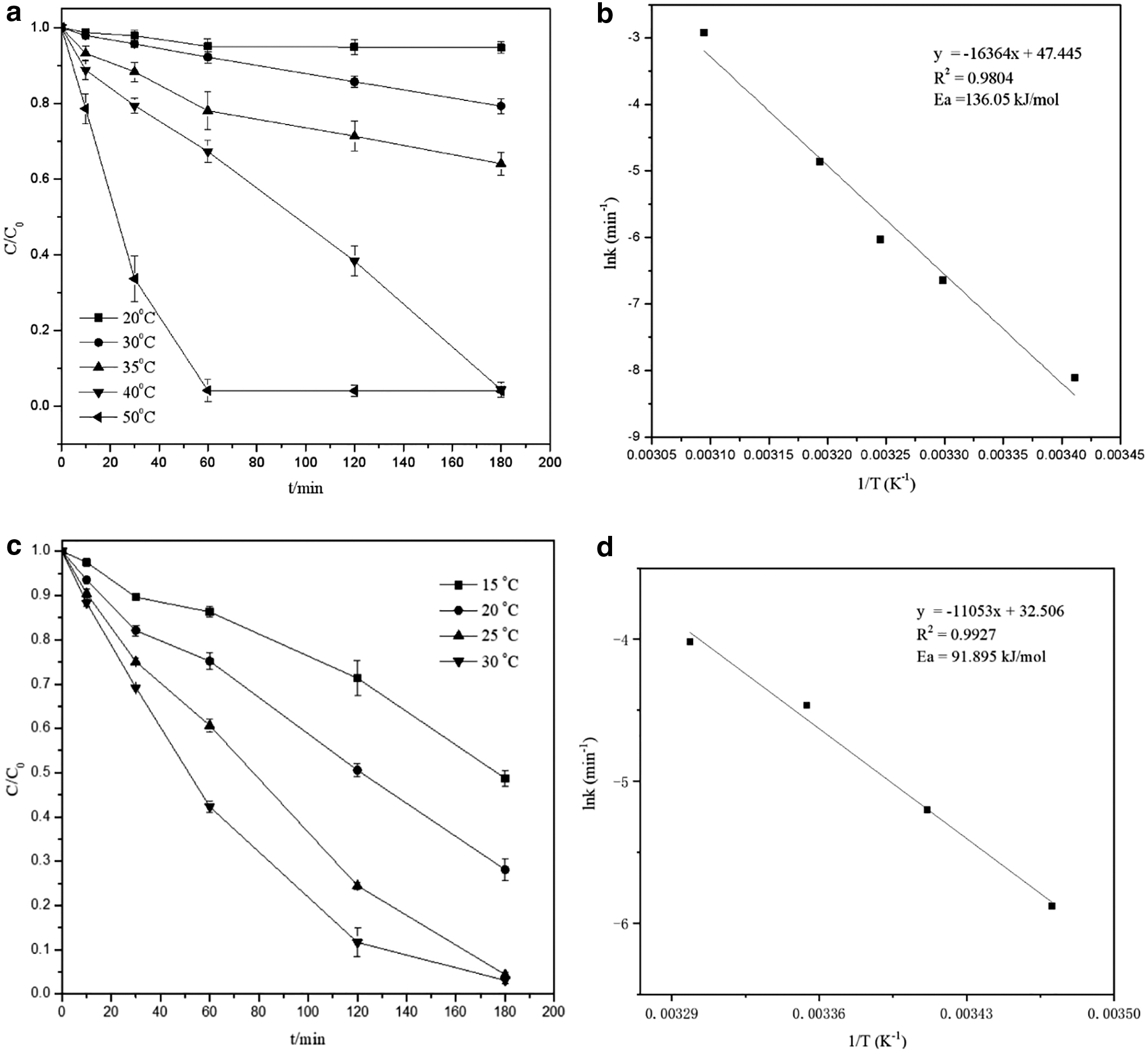
As shown in Fig. 6a, the single persulfate has almost no oxidative removal capability for DCM at a solution temperature of 20°C. As the temperature increases, the persulfate is thermally activated to stimulate a stronger oxidizing power, and the increase in its oxidative removal capacity could be clearly observed. As shown in Fig. 6c, the electro-activated persulfate has a higher DCM oxidative removal capacity (71.89%) when the solution temperature was 20°C. At a lower temperature of 15°C, the electro-activated persulfate could achieve a high level of DCM removal rate (51.31%), which undoubtedly expanded the application of persulfate in the low temperature state of groundwater. As the temperature rises, the electro-activated persulfate is excited to have a better oxidation capacity, and its oxidizing ability can be obviously improved; DCM was processed to a lower level within 120 min at the temperature of 30°C.
According to the Arrhenius equation, 1/T and lnk were linearly fitted, the activation energies of the single persulfate system and the electro-activated persulfate system to remove DCM were calculated to be 136.05 and 91.895 kJ/mol, respectively, as shown in Fig. 6b and d.
The activation energies of DCM in both systems (136.05 and 91.895 kJ/mol) are in the range of 60–250 kJ/mol, which is generally considered to be the normal activation energy for thermal reactions, and the activation energy value is around 100 kJ/mol, which indicates that the reaction can be carried out at room temperature or at slightly higher temperatures. However, it could be clearly seen that the electro-activated persulfate system has a lower reaction activation energy than the persulfate system, so it is more suitable for contaminant removal at groundwater temperatures.
Effect of initial pH on electro-activated persulfate oxidation
The acid and alkali environment could stimulate the oxidizing ability of persulfate. To study the effect of different initial pH on the removal of DCM, the other initial conditions were consistent, and the effect of different initial pH (3–13) on the removal of DCM by single persulfate was tested, the results are shown in Fig. 7a, the final removal rate under the influence of each initial pH is shown in Fig. 7b. In contrast, the removal effect of electro-activated persulfate on DCM at pH (1–7) is shown in Fig. 7c.
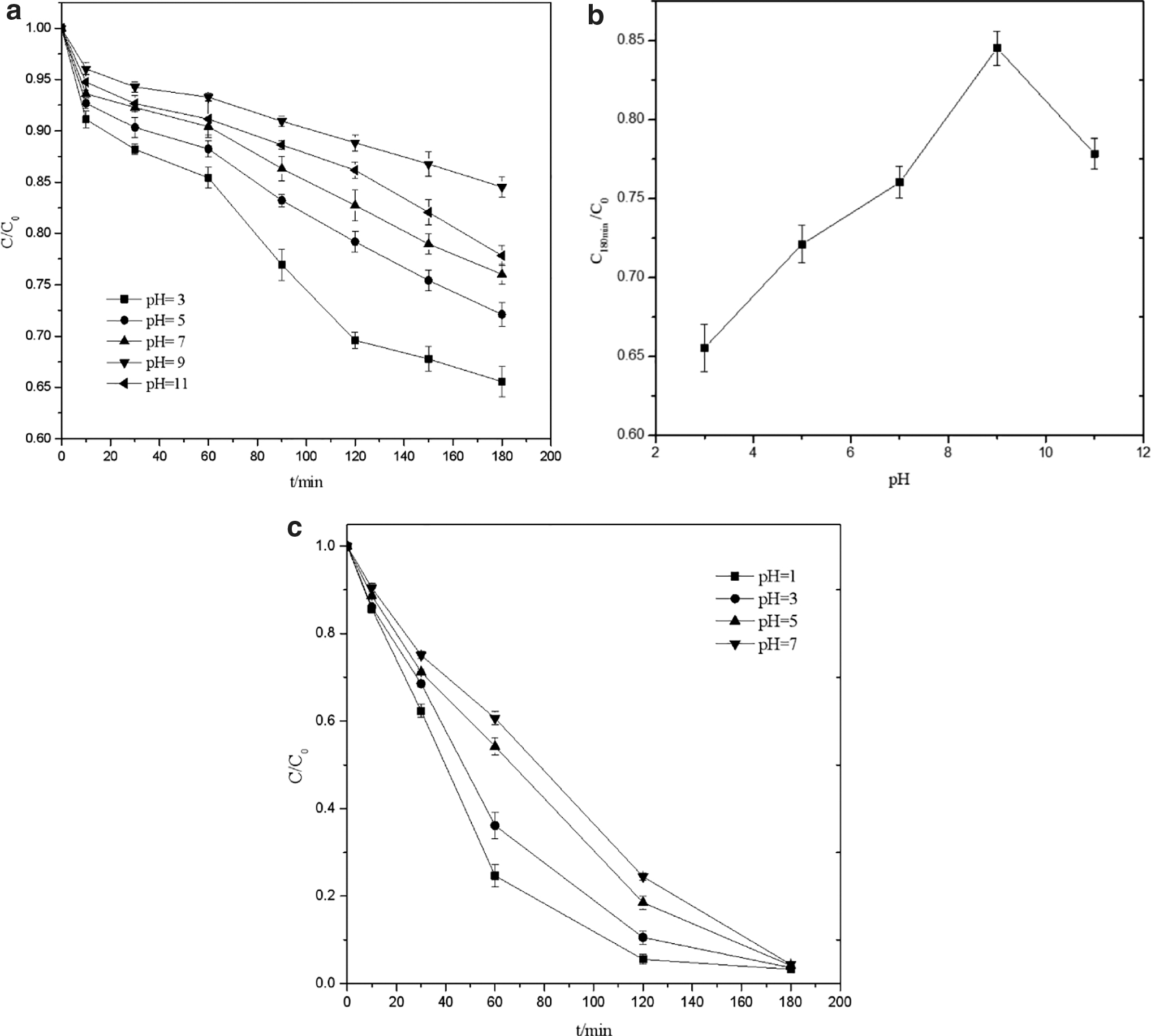
As shown in Fig. 7a and b, the removal effect of persulfate on DCM continued to decrease with increasing pH, but at pH 9 the inhibition was significantly higher than at pH 7 and 11; this tendency is consistent with the research description of Nie et al. (2014). Therefore, acidic conditions are more suitable for persulfate applications. This might be due to the higher sulfate ion content under the initial acidic condition, which promotes the formation of effective persulfate radicals and further improved DCM removal. In a normal electrochemical reaction system, the pH of the electrolyte in the anode reaction chamber is gradually reduced to acid, which is beneficial for the removal of DCM by electro-activated persulfate.
The effect of pH (1–7) on the removal of DCM by electro-activated persulfate is shown in Fig. 7c. The removal efficiency of DCM was affected by pH conditions, and the acidic condition promotes the removal of DCM. Within 120 min, the efficiency of electro-activated persulfate removal of DCM increased with pH decreasing. When the experiment was carried out for 180 min, the removal efficiency of DCM was approximately the same, independent of the pH value. This is most likely due to the electrolyte quickly becoming extremely low pH and facilitating the reaction.
Products and removal mechanism
The GC (Shimadzu GC-2014) was used to detect the pollutants in the experiment. The results are shown in Fig. 8a. At 180 min, the DCM removal rate was 95.63 (±2.3)% and Total Organic Carbon (TOC) removal rate was 51.8%, 7.13 mg/L of Cl− was formed. In addition, CH3Cl and structurally similar substances were not detected during the whole reaction, indicating that the system did not produce or accumulate such substances.
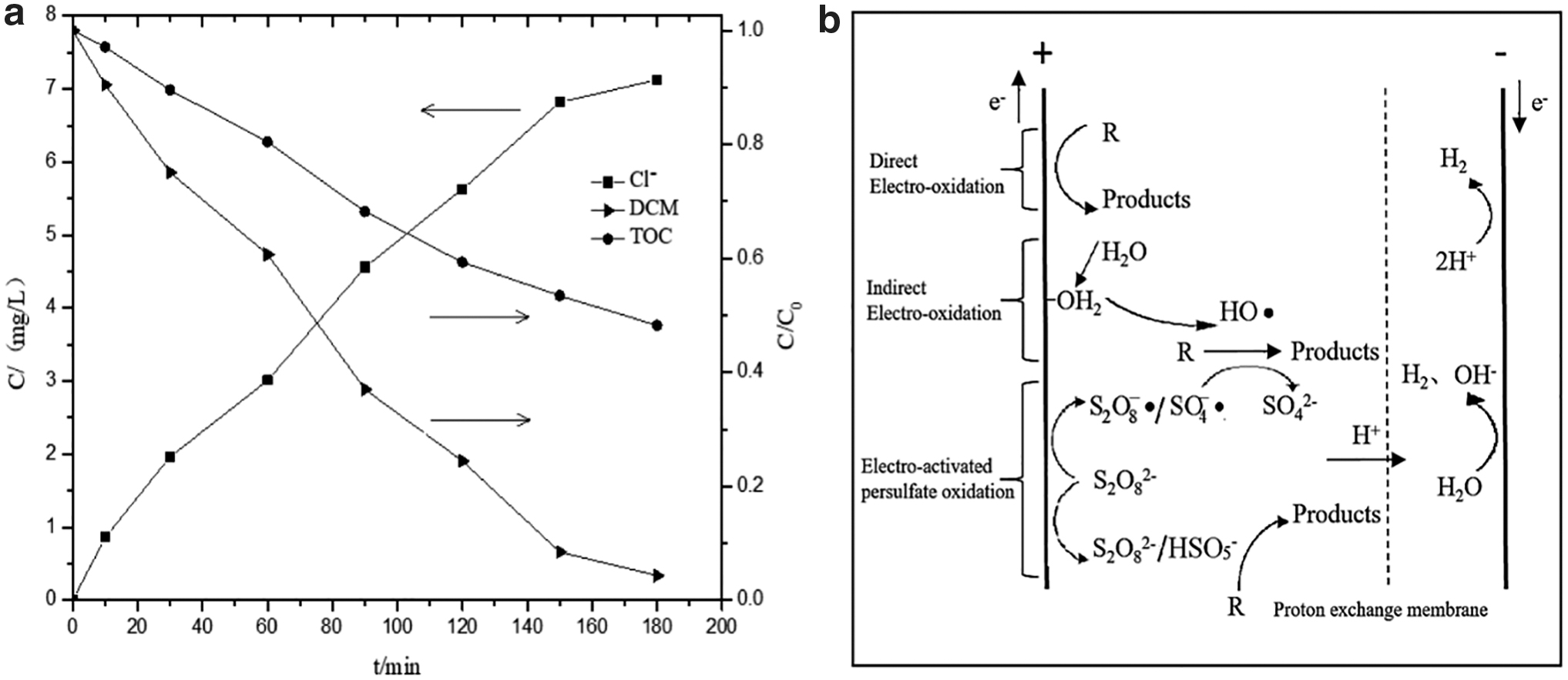
The mechanism of electro-activated persulfate oxidation to remove DCM is the oxidative dechlorination. The main products are minerals and some organic substances that are difficult to be completely oxidative degraded. According to related reports, DCM is attacked by HO• in the oxidation system that may produce products such as HCHO, HCOOH, and CH3OH [Eqs. (9)–(11)], which may explain the reason why DCM was not fully mineralized in the system (Calza et al., 1997; Rodríguez et al., 2005). The main mineralization mechanism of electro-activated persulfate oxidation to remove DCM was as follows: strong oxidizing HO• reacted with DCM, the carbon–chloride bond and carbon–hydrogen bond are broken to form a carbon–oxygen covalent bond during the process [Eq. (12)]. In contrast, during the detection process, it was found that the concentration of DCM without a sulfate free radical inhibitor (methanol solution) would become extremely low, which indicated that the sulfate free radical has a strong removal effect on DCM, virtue of sulfate free radicals generated during the electro-activated persulfate process may be similar to HO•.
Based on earlier results and previous experience (Song et al., 2017), a possible reaction mechanism is proposed. As shown in Fig. 8b, various reactions in electro-activated persulfate systems could cause the degradation of DCM, including (i) direct electro-oxidation reactions. DCM is directly oxidized on the anode surface; (ii) indirect electro-oxidation reaction. Highly oxidizing free radicals produced by electrolyzed water, such as
Conclusions
Based on the earlier discussion, it is apparent that the effects and techno-economic benefits of electro-activated persulfate oxidation treatment of DCM in wastewater are significantly better than single persulfate oxidation method and electrochemical oxidation method. The removal of DCM is mainly achieved by oxidative dechlorination of hydroxyl radicals and sulfate free radicals generated during the electroactivation of persulfate. We investigated the effects of different titanium-based electrodes, initial persulfate concentration, cell voltage, initial concentration of contaminant, temperature, and initial pH on DCM removal efficiency and found that Ti electrode had higher oxidative activity against DCM than IrO2-RuO2/Ti electrode and TiO2 electrode. The removal efficiency of DCM by electro-activated persulfate increased with the increase of cell voltage, and the increase of initial concentration of contaminant inhibited the removal of DCM. Higher temperature and lower initial pH were beneficial to the rapid removal of DCM, which could be carried out well at a lower temperature (15°C). The efficiency of electro-activated persulfate removal of DCM increased with increasing cell voltage, initial concentration of persulfate and temperature, whereas the increase in the initial concentration of contaminants inhibited the removal of DCM, and the lower initial pH favored the rapid removal of DCM. In particular, DCM can be well removed at a low temperature (15°C). When the electro-activated persulfate oxidation reaction was carried out for 180 min, the DCM removal rate was 95.63 (±2.3)%, the TOC removal rate was 51.8%, 7.13 mg/L of Cl− was formed and the activation energy was 89.905 kJ/mol, and the reproducibility of this experiment was well. In addition, the closed reaction chamber in this study is safer than open processing and reduces the risk of re-leakage. This result convinces us to believe that the method of electro-activated persulfate oxidation treatment of DCM has a reference for the treatment of DCM in sewage and groundwater.
Footnotes
Author Disclosure Statement
No competing financial interests exist.
Funding Information
This study was supported by the National Science and Technology Major Project of China (2015ZX07406-005; 2016YFC0209205).