Abstract

W
“Venga, venga!” beckoned a young man as he unlocked the door. I followed and hoped at least for a breath of fresh air without the fetid odor of manure and decay that filled the barn. I was led into the mayor's office—a one-room shack. A dozen or so men sat on benches against the walls, each held a candle.
The mayor stood at the center of the room. He stepped forward and pointed to an open book in his hand. Was this an indictment of the laws I had broken and the crimes I had committed against their community? It was difficult to make out even the title page in the candlelight. Then, slowly, the letters took shape as my eyes adjusted: “Alcoholicos Anonimos .” What a relief.
The mayor was proudly showing off his town's AA meeting, probably the best local public health effort he could demonstrate. Judging by the drunken cowboys I had seen earlier, that made sense. I pointed to the back pages of the “Big Book.” AA was founded in my hometown, Akron, Ohio, where AA saved my father's life and preserved our family.
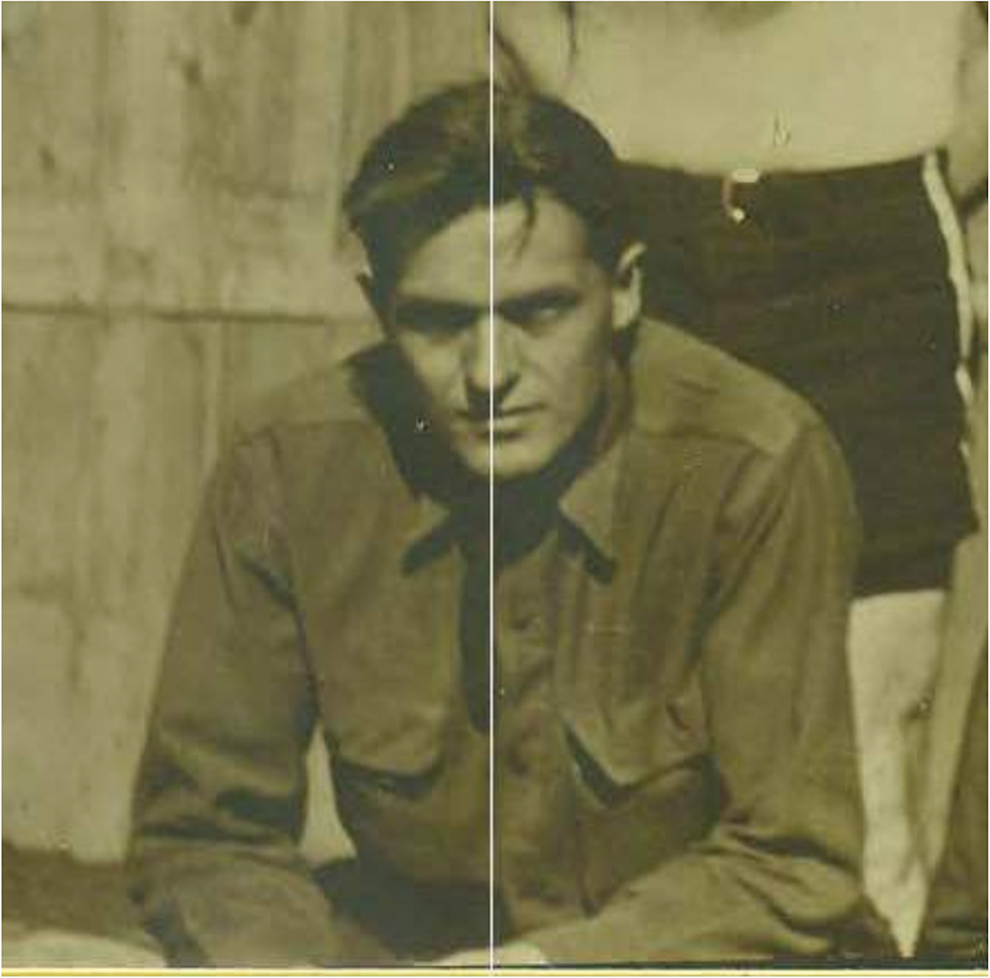
My father was an alcoholic, a binge drinker. I explained it by observing that he was a serial sufferer: buggy whipped by a teacher, going hungry days on end, and leaving school in 10th grade to help feed the family. He never finished high school let alone went to college. He emigrated from Hungary to Akron, Ohio, where he lived in the poorest neighborhood with other immigrants from Syria, Italy, Poland, and elsewhere. As an American in WWII, he led a platoon from Normandy through Belgium and into Germany, sustaining wounds to his legs that troubled him for decades. He never acknowledged the psychic wounds of the war, but once mentioned the horror he encountered liberating a Nazi concentration camp. He admitted that his platoon had executed the camp guards.
Direct attempts to get him to stop drinking failed. When my mother stopped enabling him and excelled on her own in college in her late 30s, the threat of losing his family finally led him to AA and then to recovery. He eventually became a model citizen, a frequent community volunteer, and an AA sponsor to dozens of other men in recovery. These sponsorships continued even up to the time I entered medical school and was privileged to observe several AA meetings myself as a student.
My father's life of service after recovery led me to a career in medicine and taught me to try to appreciate the individuality and potential of each addict I encounter. His dying and death led me to a career in hospice and palliative medicine.
In early June every year, Founders' Day brings AA members from across the United States and even around the world to Akron to honor Dr. Bob and Bill W., the visionary men who established this healing fellowship. Further on in June brings Fathers' Day as well. Forty years after my encounter in Olancho, I continue to feel great awe and gratitude for AA's profound impact and global reach.
For Leslie S. Radwany, Sr.
Born: November 27, 1910, Pacs, Hungary
Died: March 31, 1992, Akron, Ohio