




Abstract
Drawing on the literature of problem-oriented governance (POG) and social motivation for voluntary compliance, this study discusses how South Korea’s efforts to cultivate distributed cognitions and build core capabilities of POG—reflective improvement, collaborative, and data analytic capabilities—contribute to the citizens’ voluntary compliance with the current vaccination policy by improving trust and confidence. A systematic content analysis and documentation review of relevant policies, situation reports, after-action reports, official briefings, and news articles provide significant implications for both theories and practices of policy compliance and governance for effective and efficient management of many wicked problems like the COVID-19 pandemic.
Keywords
Introduction
Even after 2 years of struggles with COVID-19, it is still presenting public health, social, and economic crises across the globe as new variants of the virus (e.g. Delta, Omicron) continue to emerge. Considering that these new variants are causing more serious infections and spreading faster than the original COVID-19, increasing the vaccination rate is known to be one of the most effective measures to reduce the numbers of confirmed and death cases as well as the severity of symptoms associated with the COVID-19 infection.
Despite the significant delay in securing a sufficient supply of vaccines and widespread concerns regarding their safety at the initial phase of the vaccination schedule, the South Korean government successfully convinced people to trust the effectiveness and fair procedures of the national vaccination policy while ensuring that the vaccines reached all individuals who needed them. South Korea’s systematic and innovative approaches discussed in this paper successfully influenced the attitudes and behaviors of the citizens toward voluntary compliance and cooperation with the evolving COVID-19 policies. As of 1 January 2022, South Korea recorded the third highest vaccination rate among the Organization for Economic Co-operation and Development (OECD) countries, with 86.2% and 83.0% having received at least their first and second doses, respectively. It is a remarkable accomplishment considering that the percentage of fully vaccinated people in the United States is still only 61.7% even without experiencing vaccine shortages and after implementing various types of vaccine incentives and mandates, unlike South Korea.
The public management literature suggests that as public problems become more complicated and unpredictable, an alternative set of state capabilities is increasingly required beyond those of traditional bureaucratic models (Ansell and Gash, 2008; Bingham and O’Leary, 2008; Bryson et al., 2014; Emerson and Nabatchi, 2015; Mayne et al., 2020; Page et al., 2015). In this study, we introduce how South Korea is successfully building trust and confidence among citizens in the government-led vaccination policy for COVID-19 by taking some notable and innovative approaches.
Drawing on the literature of problem-oriented governance (POG; Mayne et al., 2020) and social motivations for voluntary compliance (e.g. Tyler, 2006, 2010) we discuss how South Korea’s continued efforts to build core capabilities of POG—reflective improvement, collaborative, and data analytic capabilities—before and after the COVID-19 outbreak through ongoing intercrisis and intracrisis learning processes (Na et al., 2020) also contribute to citizens’ voluntary compliance with the current vaccination policies, not just to the effective initial responses, which has already been documented in the prior research (e.g. Lee et al., 2020a, 2020b; Moon, 2020; Na et al., 2020).
To assess the validity of our proposed analytic model of voluntary compliance and cooperation (as depicted in Figure 1), we conducted a systematic content analysis and documentation review of relevant policies, situation reports, after-action reports, official briefings, and news articles. A comprehensive keyword search of online databases and websites provided sufficient data and information to draw meaningful conclusions. We expect to provide significant implications for both theories and practices of policy compliance and governance for the effective management of many wicked problems that lack a set of clear causes and scientific solutions such as the COVID-19 pandemic.
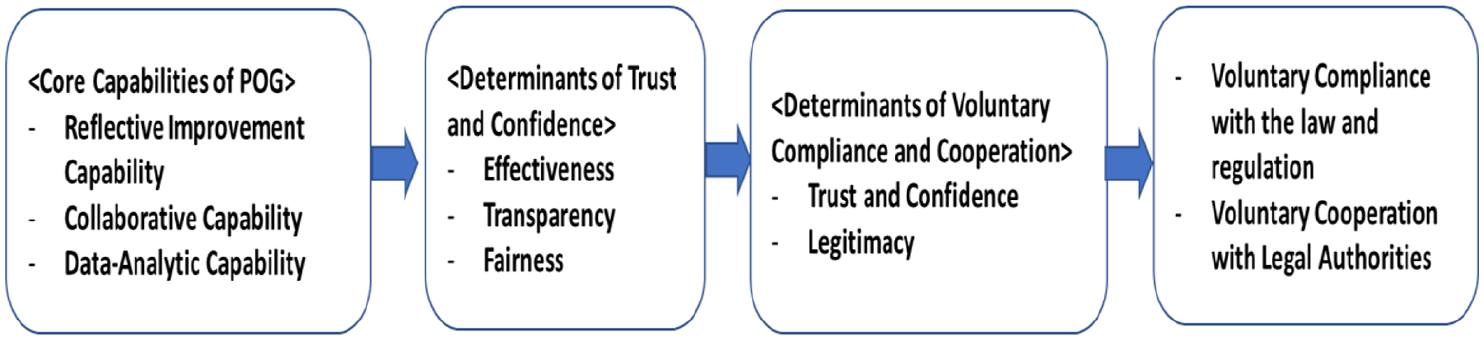
Analytic framework for voluntary compliance and cooperation.
Literature review
Tyler (2006, 2010) and his colleagues (e.g. Fagan and Tyler, 2005; Sunshine and Tyler, 2003; Tyler and Fagan, 2008; Tyler and Huo, 2002; Tyler and Jackson, 2014; Tyler and Trinkner, 2017) maintain that social motivations resulting from motive-based trust and legitimacy are at least equally or even more important than instrumental motivations resulting from material self-interests such as incentives and sanctions when people decide to accept and support various types of public policies and directives. In a similar vein, extant procedural justice research suggests that social motivations explain a significant amount of variance in compliance that is not explained by instrumental factors.
Building trust and confidence is especially critical during times of emergency and crisis when individuals even need to sacrifice their constitutional rights to deal with imminent public safety issues. Voluntary compliance and cooperation are key antecedents of the public’s willingness to bear hardships and make sacrifices for the general good. While the level of compliance with COVID-19 vaccination policies varies across countries and across individuals within those countries, influenced by numerous static and dynamic factors, it is important to note that people often take actions in compliance with government policy even when they cannot fully accept it based on their predispositions, such as beliefs, attitudes, preferences, and identities (Tyler, 2006). In this paper, we posit that building and exercising three core capabilities of POG can shape the public’s views on government vaccination policies and affect their intentions for voluntary compliance and cooperation through increased trust and confidence in governing entities’ decisions and actions.
Voluntary compliance
Theoretical framework for voluntary compliance: social versus instrumental motivation
The extant literature widely recognizes the value of citizens’ voluntary compliance and cooperation to maximize the effectiveness and efficiency of public policy implementation. Just like Weber’s (1968) earlier discussion about the normative basis of public reaction to authority, Tyler (2006, 2010) proposed a comprehensive theoretical framework linking voluntary compliance with law and cooperation with governing authority to the public’s attitudes, beliefs, values, and identities. A central proposition is that the efforts to improve perceived effectiveness and fairness of governing authorities increase public trust and confidence, which activates internal motivations among citizens to support public policies out of feelings of obligation and deference, not necessarily as a result of deliberation of costs and benefits. Such growing interests in social (vs instrumental) motivation represent a growing emphasis on the normative components of compliance, such as trustworthiness and legitimacy. 1 Evaluation and judgment about the effectiveness of governing entities and their procedurally fair treatment of citizens are known to be primary determinants of the perception of trust and confidence among target populations (Bottoms and Tankebe, 2012; Mazerolle et al., 2013; Reisig et al., 2018; Reisig and Lloyd, 2009; Sunshine and Tyler, 2003; Tankebe, 2008, 2009; Tyler, 2006). According to this normative perspective, conventional bureaucratic approaches with coercive and compulsory measures (e.g. enforcing forced lockdowns, imposing extreme travel restrictions, introducing mandatory vaccine passports) would rather hinder the public’s internal motivation to comply and cooperate by fostering feelings of resentment, distrust, cynicism, and defiance against government decisions (Sampson and Bartusch, 1998; Schulhofer et al., 2011; Tyler, 2010; Tyler and Huo, 2002).
In contrast to most crime control measures that can be mandated by law, the success of control and prevention measures when combating COVID-19 depends heavily on the voluntary compliance and cooperation from the public because people need to sacrifice their constitutional rights to deal with imminent public health issues and ensure the wellbeing of other citizens. Thus, most policies and strategies should prioritize consent over coercion to cultivate feelings of responsibility and obligation to maintain public order and safety, which makes people willing to suspend personal considerations of self-interest and voluntarily comply with public decisions and directives because it is the right thing to do (Hamm et al., 2017). As regulatory authorities win the trust and confidence of the people they serve by demonstrating their effectiveness and fairness in tackling COVID-19, people become more willing to defer to and support the decisions and actions of those authorities. That is, when people view the authorities as trustworthy and legitimate, they are more likely to comply and cooperate with those authorities, not necessarily because of the fear of penalties and punishments associated with the violation of the rules and regulations (Sunshine and Tyler, 2003; Tyler, 2006, 2010; Tyler and Huo, 2002) but out of feelings of obligation and deference. The extant deterrence research in criminal justice also suggests that increasing the severity, swiftness, and even certainty of punishment is extremely costly but has only marginal effects on crime control and prevention (e.g. Chiricos et al., 2007; Nagin, 1998; Paternoster, 1987; Paternoster and Piquero, 1995; Pogarsky and Piquero, 2003; Sherman, 1993).
Wellsprings of voluntary compliance and cooperation
Tyler’s procedural justice model of legitimacy proposes that people act on normatively grounded obligation and deference to the rules and regulations when governing authorities wield their power in normatively appropriate ways by treating people fairly and with respect (Tyler, 2006, 2010; Tyler and Trinkner, 2017). Thus, assessment of the legitimacy is a key antecedent of voluntary compliance that is heavily affected by people’s perceptions of the fairness of the procedures and the trustworthiness of governing authorities.
The extant research testing Tyler’s process-based model suggests that procedural justice measures are more important factors in generating people’s willingness to comply and cooperate than instrumental measures, which have a modest or no influence on people’s voluntary motivations and behaviors (Fagan and Tyler, 2005; Sunshine and Tyler, 2003; Tyler and Fagan, 2008; Tyler and Jackson, 2014). However, Tankebe (2013) claims that feelings of obligation originate not just from normative judgments but also from instrumental concerns as well as fatalistic or pragmatic acquiescence. We think that these alternative motives should be considered when the wellsprings and causal mechanisms underlying voluntary compliance and cooperation are researched in COVID-19 prevention and control because the theoretical proposition of procedural justice theory might work differently under extreme conditions (Tankebe, 2009) such as public health crises. That is, when people suffer from extreme health, social, and economic crises, utilitarian/instrumental motives may dominate their intentions and behaviors more than normative feelings do. Thus, the instrumental effectiveness linked to the evaluation of performance in preventing and controlling COVID-19 may also significantly affect people’s willingness to comply and cooperate as strongly as or even more strongly than the fairness of the procedures. Indeed, it would be extremely costly but only minimally effective for the governing authority to rely exclusively on the detection and punishment of the violation of rules and regulations set by the state during the COVID-19 pandemic. It should also be noted that such deterrence-based control strategies are known to work best for offenses that are committed for instrumental reasons such as monetary gain (e.g. burglary) (Tyler, 2006). Considering that the violation of COVID-19 directives is not committed merely out of such instrumental motivations, normative approaches are preferable to secure voluntary support when great sacrifices are required from citizens who are often asked to endure physical, mental, and emotional hardships as well as enormous economic losses for an extended period of time. We posit that building and exercising the core capabilities of POG can foster both normative and instrumental motivations of citizens to comply voluntarily with vaccination policies, as discussed in the following section.
POG
Despite the paucity of research on how governing authorities can cultivate trust and confidence during times of crisis and emergency, we believe building and exercising the core capabilities of POG (Mayne et al., 2020) is a promising approach to enhance performance and make the procedures of policy decision making and implementation as efficient and transparent as possible to address complex, uncertain, and unprecedented public problems such as the COVID-19 pandemic (Lee et al., 2020a, 2020b; Na et al., 2020). POG is “an approach to policy design and implementation that emphasizes the need for organizations to adapt their form and functioning to the nature of the public problems they seek to address” (Mayne et al., 2020: 34) by developing three core capabilities—reflective improvement, collaborative, and data analytic capabilities—required to tackle many challenges and threats originating from wicked problems. Many policy problems, such as the COVID-19 pandemic, are described as “wicked problems” that lack clear definitions, causes and effects, and solutions due to their complex, dynamic, uncertain, and unprecedented nature (Koliba et al., 2018; Rittel and Webber, 1973). Thus, ongoing “learning and adaptation are at the heart of this approach” (Lee et al., 2020b: 730). Conventional Weberian bureaucratic structures and practices under the threat of wicked problems may aggravate the dynamics and nature of the relationship between citizens and government on which the government’s efforts to build trust and confidence rest heavily. Figure 1 depicts our analytic model that will be applied in the discussion of South Korea’s successful implementation of its vaccination policy during the ongoing COVID-19 crisis.
Reflective improvement capability: learning and adaptation
This capability is described as follows: [Reflective improvement capability is] an organization’s ability to articulate a theory of change around a nominated public problem and its ability to measure performance, learn, and adapt . . . . It allows an organization to understand what is working and what is not and adjust its course of action accordingly. (Mayne et al., 2020: 37)
The reflective improvement capability of POG is directly associated with the utilitarian aspect of trust and confidence building of a governing authority through the demonstration of flexibility, agility, and adaptability in containing the COVID-19 virus and recovering normal life. In the face of the inherent challenges in the rational decision making and implementation given the limited information, time, and resources, continuous efforts to learn and adapt to enhance performance and fair procedures after contemplating what really works and what does not are central to the cultivation of people’s favorable attitudes toward government actions.
This capability is essentially connected to the other core capabilities of POG because collaborative strategies and data/evidence-driven approaches enable and reinforce an iterative process of identification of the problem, analysis of the cause and effect, initial response, assessment of the outcome, and adjustment for improvement, all of which are key components of reflective improvement capability. Such adaptable and dynamic approaches ensure continuous progress toward goals by enabling the governing authorities to reflect on the discrepancy between their measures and the outcomes. Because the threat of COVID-19 is evolving rapidly with the emergence of multiple variants, the strategic plan to tackle it should be a work in progress and open to adaptation through ongoing learning and adaptation processes by nurturing and exercising this reflective improvement capability.
Collaborative capability
This capability is defined as follows: [Collaborative capability is] the breadth of (internal and external) actors that come together to tackle complex public problems as well as the depth of the relationships among these actors. It plays a fundamental role in deepening understanding of the problem at hand and enhancing the quality of the strategies developed and implemented. (Klijn and Koppenjan, 2000 cited in Mayne et al., 2020: 39)
Because expertise, skills, and resources are dispersed across various public and private sectors, tackling emerging issues related to the COVID-19 pandemic requires working relationships among multiple actors across internal and external organizational boundaries to be established and leveraged. For example, to better identify and address problems at the root through an increased knowledge of the mechanisms through which a particular problem operates, governing authorities need to go beyond their existing capacity and working practices to build a collaborative governance system. Institutionalizing such partnerships among related public- and private-sector organizations would make the concerted efforts more effective, transparent, and sustainable, which would increase the level of public trust and confidence and stimulate the policy recipients’ voluntary compliance and cooperation.
Data analytic capability
This capability is defined as follows: [Data analytic capability is] the ability of public sector organizations to collect, process, and analyze different types of information to improve accountability, enhance motivation, and adapt their theories of change based on an improved understanding of external context, internal conditions, and performance . . . Ideally, the organization builds a system of collective intelligence, combining human and machine intelligence . . . (Mayne et al., 2020: 40)
Data analytic capability is linked to evidence-based approaches that are gaining popularity in multiple domains of social science, such as public management, public policy, and criminal justice. This capability is essential to create a shared intelligence and information system to stimulate citizens’ participation and cooperation during the implementation phase of the COVID-19 response strategies.
In sum, nurturing and exercising the core capabilities of POG offers a concrete, feasible, and sustainable strategy to increase the trust and confidence of people who need to accept and support the policy decisions and directives of governing entities. The collaborative and data analytic capabilities of POG enable continuous learning and adaptation, which improves performance, procedures, and accountability in contemporary dynamic governance settings by making administrative decisions and actions more effective, efficient, and transparent. Citizens’ evaluations of enhanced performance and procedures influence their perceptions of key characteristics of governing authorities, such as trustworthiness and legitimacy. In the following section, we discuss how the ongoing process of learning and adaptation based on the emerging data and scientific evidence and the close partnership with other stakeholders within a collaborative governance system of South Korea’s COVID-19 response authorities are motivating people to trust and support their vaccination policy initiatives and directives even without introducing control-oriented coercive and authoritative measures such as a mandatory vaccination policy.
Building trust and confidence through POG in South Korea
Before arrival of vaccines in South Korea
On 28 January 2021, the South Korean government launched a comprehensive strategic plan to promote vaccination for COVID-19. The primary goal was to develop well-structured formal procedures and work practices to increase the vaccination rate when the vaccines became available for domestic use in mid-February 2021. It was an outcome of both intercrisis learning from the 2015 Middle East respiratory syndrome-coronavirus (MERS-Cov) crisis and intracrisis learning after the COVID-19 outbreak, which suggested that it is difficult to minimize inefficiency and conflict of responsibilities among individual actors in the absence of strategic action plans, detailed manuals, and hands-on drills to cope with infectious disease crises like the COVID-19 pandemic (Na et al., 2020).
To maximize the voluntary compliance and cooperation of the target population, the plan adopted the most efficient and effective design of governing arrangements that could best facilitate collaboration among the authorities concerned and other stakeholders. It also incorporated scientific data-driven and evidence-based approaches to maximize the safety and transparency of the vaccination process instead of mandating it with conventional authoritative measures. Having learned painful lessons from the 2015 MERS-CoV crisis, the South Korean government fully understands that unilateral and siloed approaches under traditional bureaucratic models are not well suited for coping effectively with wicked problems such as the COVID-19 pandemic, because no single organization or sector has sufficient capacity and resources to manage complex and uncertain national health crises (Lee et al., 2020a, 2020b; Na et al., 2020). Thus, South Korea established a well-structured but remarkably adaptive governance system involving related government bodies and experts within public and private sectors instead of taking unilateral and siloed approaches under traditional bureaucratic arrangements. Such a representative, inclusive, and flexible structure with truly data analytic and evidence-based approaches enabled further learning and adaptation to overcome many obstacles in the design and implementation phases of the COVID-19 vaccination plan. Multiple hands-on nationwide drills and training were conducted even before the arrival of vaccines according to the standard manuals designed to enhance the cognition and capacity in the field, which guaranteed the seamless implementation of the strategic plan. Having learned another important lesson from the 2015 MERS-CoV crisis, South Korea understood that emergency and crisis management systems function better if standard operating procedures are well devised and practiced in advance, especially when multiple organizations and agencies are involved in the process (Siegel, 1985).
In accordance with this strategic plan (as depicted in Figure 2), South Korea created a government-wide taskforce called the “COVID-19 Vaccination Response Council” involving multiple government departments and agencies, such as the KCDA, MTIE, MND, MFDS, MLIT, KCS, PPS, MHW, MIS, NPA, and NFA. The council was mandated to consult with diverse private advisory committees (e.g. the Korean Medical Association, Korean Society of Infectious Diseases) with expertise and knowledge in the medical and pharmaceutical sciences, including scholars, doctors, nurses, and pharmaceutical companies (Korean Policy Briefing, 2021a).
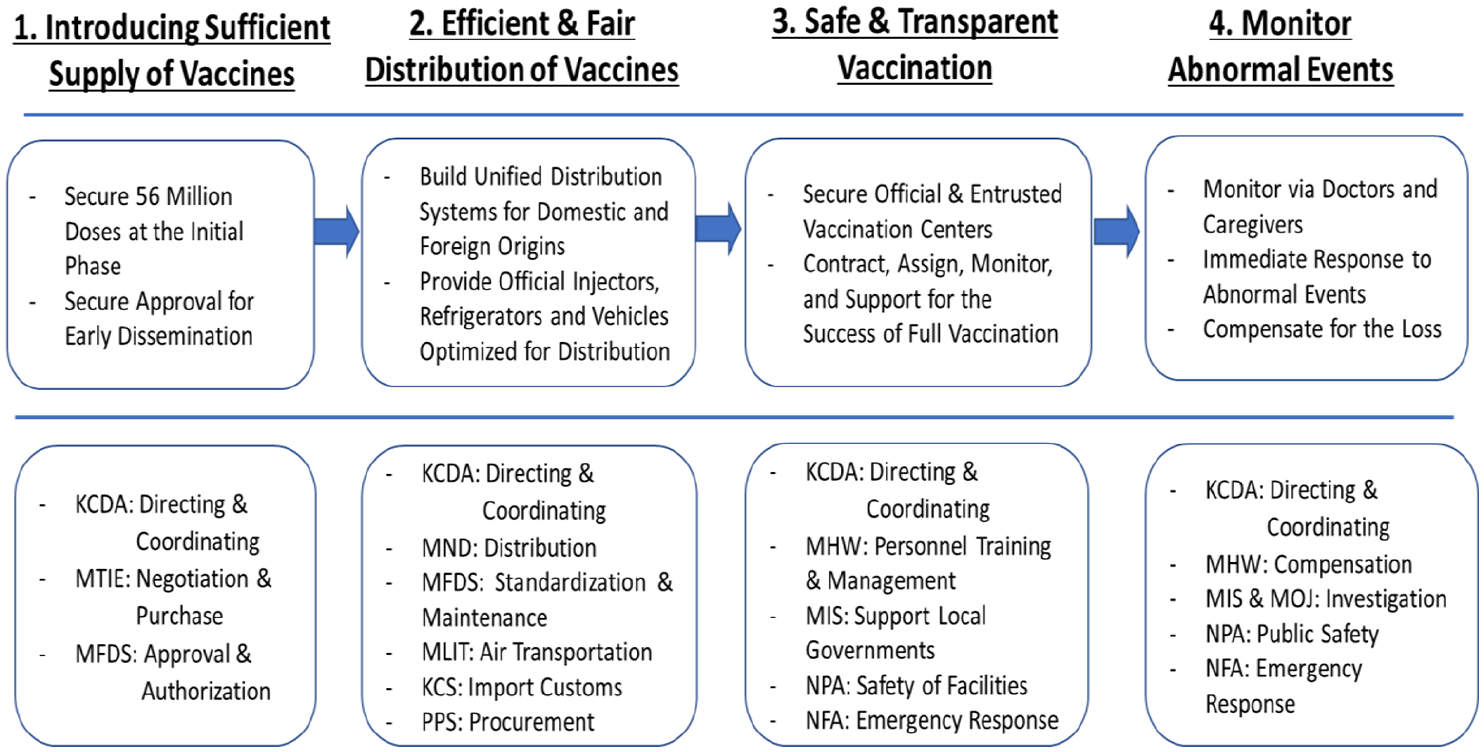
South Korea’s comprehensive strategic plan for COVID-19 vaccination.
Initial phase of vaccination
To secure both effectiveness and fairness while implementing the vaccination plan—which are known to determine the target population’s voluntary compliance and cooperation by increasing the trustworthiness and legitimacy of the authorities (Blair et al., 2017; Tyler, 2006, 2010)—South Korea continued to build and exercise reflective improvement capabilities through ongoing intracrisis learning processes occurring repeatedly over time since the initial COVID-19 outbreak. The flexible collaborative governance system enhanced adaptability and even creativity to better cope with unforeseen challenges and demands (Kendra and Wachtendorf, 2003).
First, given the limited supply of vaccines available during the initial phase of the plan, South Korea had to classify the recipients according to their level of risk to maximize the benefits of early vaccination for the groups at the highest risk. To reduce health inequities and promote fair procedures, however, South Korea made all the decision and implementation processes as transparent and objective as possible by making them clear, understandable, and open for review. They did so by exercising the data analytic capabilities developed as an outcome of both the intercrisis and intracrisis learning that occurred before and after the COVID-19 pandemic. For example, the time schedule and order of the recipients were made available via the KCDA’s centralized booking system, prioritizing the most vulnerable populations to minimize death and severe illness after consulting with medical experts (Korean Policy Briefing, 2021b).
In addition, South Korea continued to analyze and publicize the most up-to-date data from other countries regarding the safety of vaccination to minimize trial and error. For example, after witnessing a significant delay of the vaccination plan in Germany due to the lack of a sufficient cold-chain system to deliver the Pfizer vaccine in a timely manner, South Korea devised a real-time vaccine delivery and management system that kept track of the operation routes and temperature of the vaccines and made them available to the medical professionals and the public. They also recruited and trained personnel specialized in vaccination even before the vaccines arrived in the country.
Figure 3 depicts a summary of South Korea’s centralized data and information management system for COVID-19 vaccination developed by the KCDA. Such a data sharing platform strengthened the ability to collect, process, and analyze different types of emerging data and information to implement the common operating framework, which enabled cross-silo information sharing and coordination among diverse individual sectors and actors with different capacities and resources. It also allowed for efficient and transparent communication of government performance information to the public. Such public disclosure of performance information improves civic awareness and fosters a more “informed and engaged citizenry” (Porumbescu et al., 2019: 213).
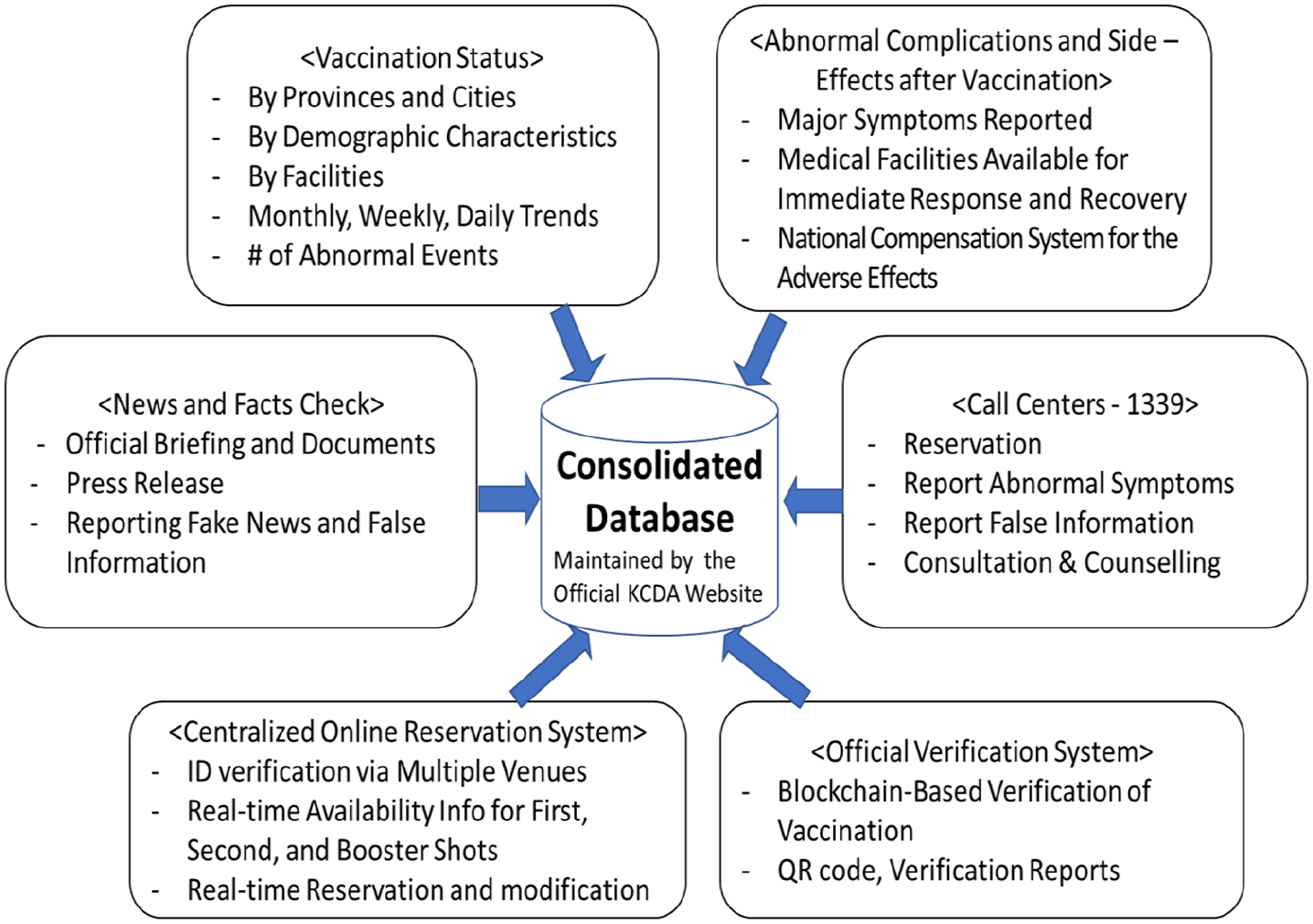
South Korea’s data and information management system for COVID-19 vaccination.
Although the fear of being infected by COVID-19 is also known to be a primary determinant of people’s decision to get vaccinated (Twardawski et al., 2021), Figures 4 and 5 suggest that the prominent pattern of increases in vaccination rate among South Koreans cannot be fully accounted for by some alternative explanations such as crisis-driven protective behaviors or humans’ natural reaction to an emerging public health crisis (Abdelrahman, 2020; Brouard et al., 2020; Garbe et al., 2020; Harper et al., 2020; Wise et al., 2020). 2 Although there has been an association between the vaccination rate and the number of confirmed cases in South Korea, the voluntary compliance and cooperation with the government’s vaccination policy especially during the initial phase of the South Korea’s vaccination plan (depicted in Figure 2) increased sharply between 27 May and 19 June 2021—when numbers of confirmed cases remained relatively low and stable. Indeed, the average number of people who received their first dose of COVID-19 vaccine during this period (458,972 per day) was even higher than that of critical period (293,995 per day) when numbers of confirmed cases increased substantially across the nation (13 July–2 October 2021).

The number confirmed cases of COVID-19 in South Korea before the wide spread of Omicron variant.
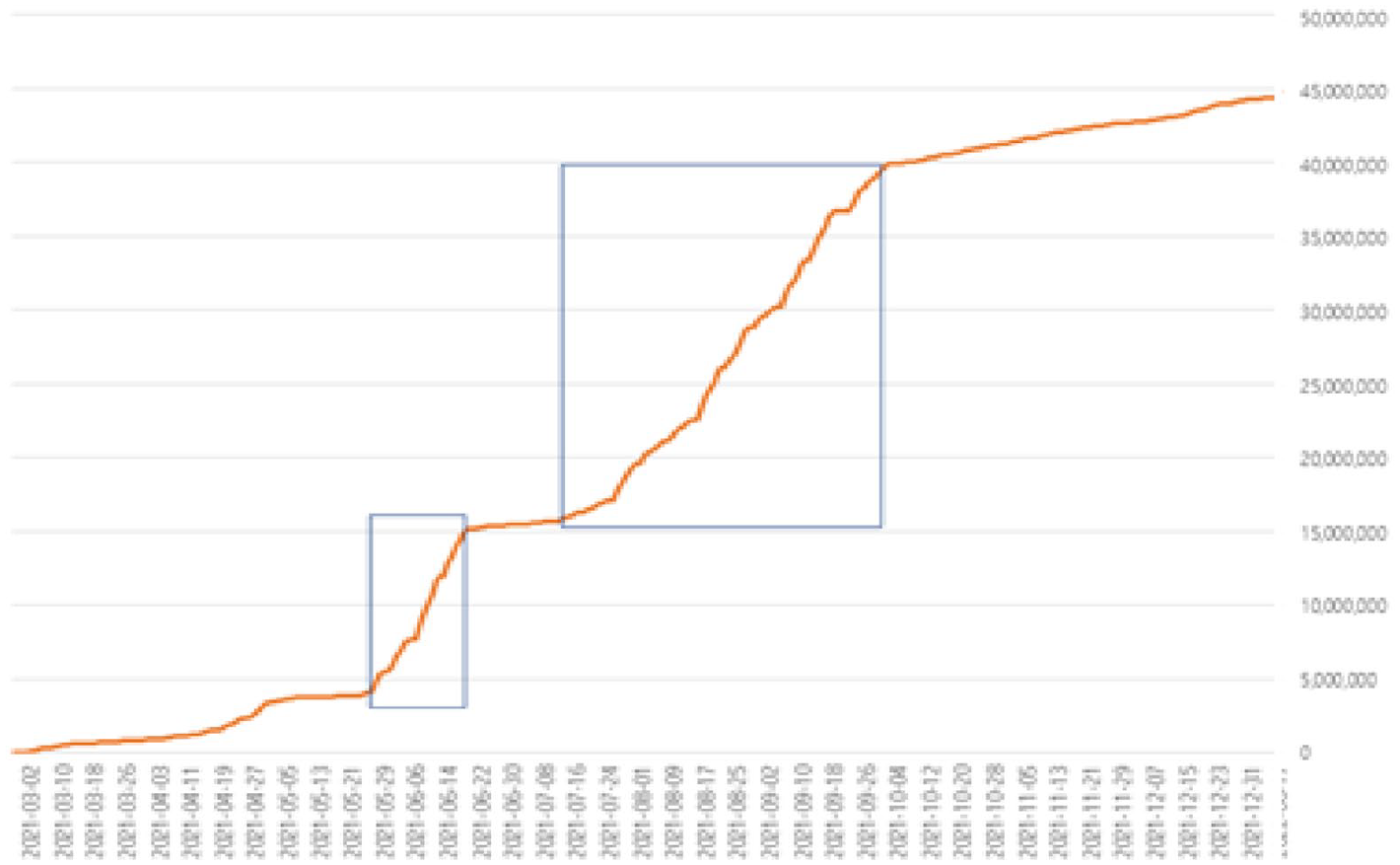
The number of people who received their first dose of COVID-19 vaccine in South Korea before the wide spread of Omicron variant
In addition, Figure 6 shows that South Koreans’ perceived risk of COVID-19 infection was relatively low and the gap between two lines was widening during the period when South Korea initially experienced the dramatic increase in the number of people who received their first dose of COVID-19 vaccine (27 May–19 June 2021).
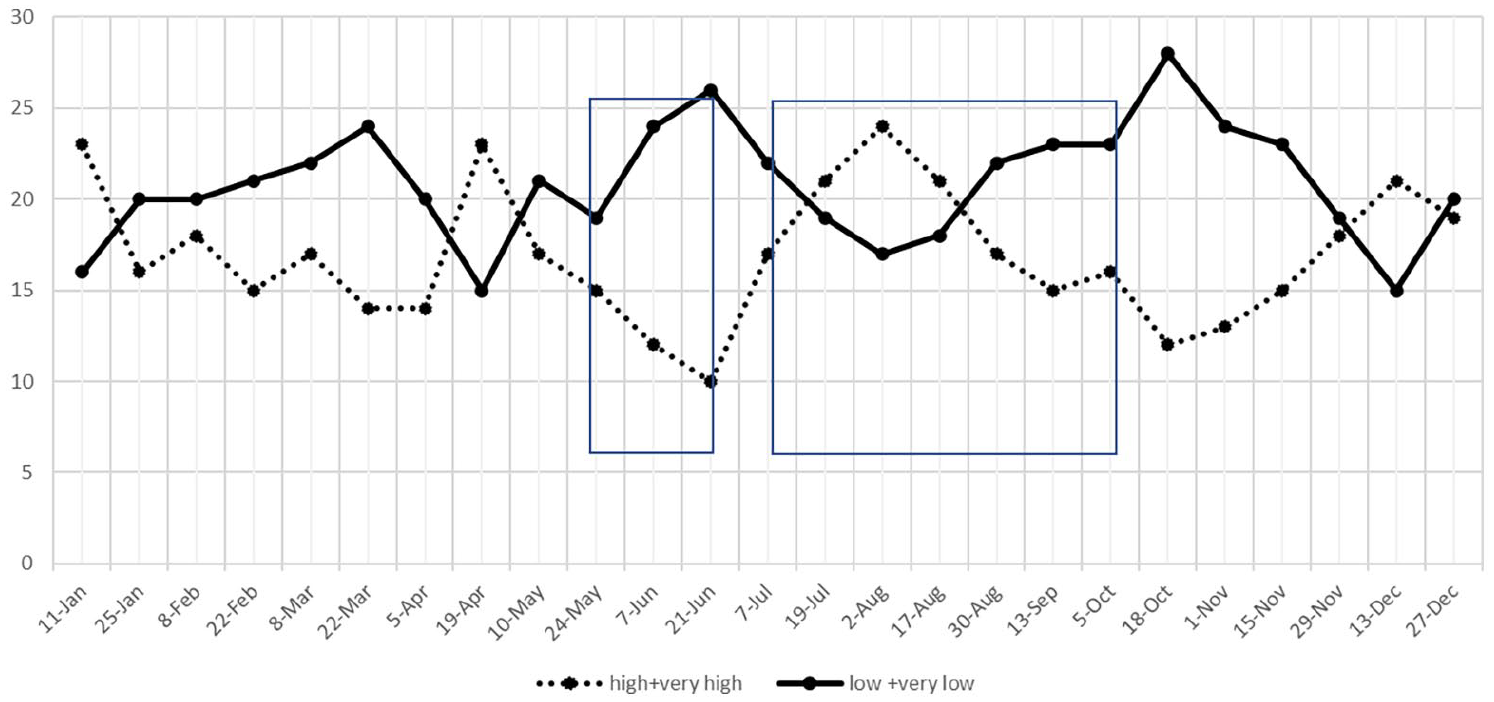
South Koreans’ perception of COVID-19 infection risk (in 2021).
In sharp contrast, however, Figure 7 shows that South Koreans’ perception of the government performance in response to the COVID-19 pandemic continued to improve during those periods when there were sharp increases in the number of people who received their first dose of COVID-19 vaccine (27 May–19 June 2021 and 13 July and 2 October 2021). In sum, despite some initial evidence of citizens’ dissatisfaction with and media criticisms about government’s vaccine rollout plan, South Korea successfully restored the perception of trust and legitimacy of government-led vaccination policy from the citizens by building and exercising reflective improvement, collaborative, and data-analytic capabilities as discussed in this section. Such efforts led to a substantial increase in the vaccination rate, which is impossible to achieve without citizen’s voluntary compliance and cooperation with the government’s plans and actions.
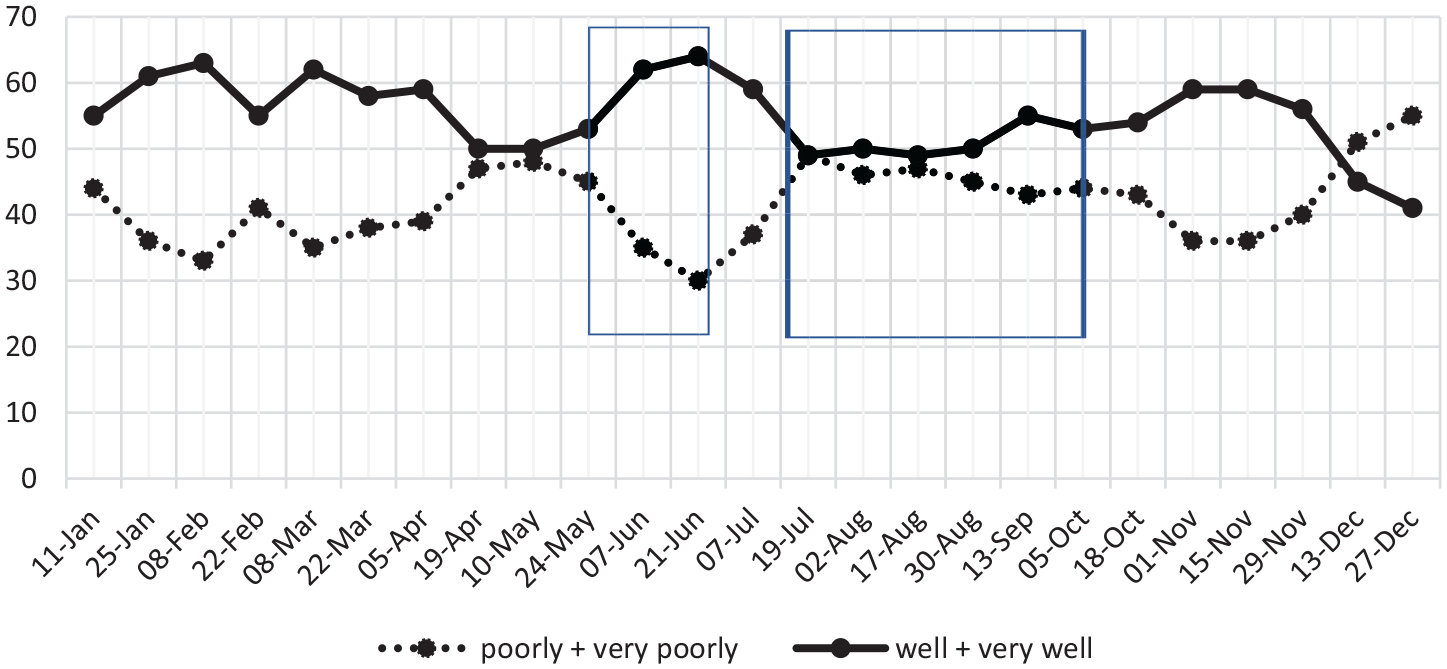
South Koreans’ perception of government performance in response to COVID-19 pandemic.
Challenges and adaptations
With the emergence of new COVID-19 variants causing an abrupt surge of confirmed cases and serious illness/death rates, obtaining both vaccinations along with the additional booster shot has become even more critical for maintaining public health during the ongoing COVID-19 pandemic. However, a considerable number of citizens still choose not to heed public health authorities’ recommendations for a variety of reasons. Drawing on the lessons learned from the initial phase of the vaccination scheme and a series of nationwide surveys conducted to identify the reasons for vaccine refusal or hesitancy (Korean Research, 2022; Ministry of Health and Welfare, 2021), the KCDA decided to release weekly reports on the adverse events, including major abnormal reactions and minor side effects, reported after COVID-19 vaccination across the country. The survey results revealed that the widespread concern over the possible adverse effects of vaccines was the main reason for non-compliance with the national vaccination policy followed by the suspicion of the ability of vaccines to prevent the disease and unavailability of preferred types of vaccine (see Figure 8). Due to widespread misinformation about vaccine safety, the intention of these public awareness initiatives was to increase the trust and confidence in the government’s decisions and directives associated with the vaccination policy by highlighting that they were being made based upon scientific evidence and newly identified facts, not political opinion/interests or personal biases. Figure 8 shows that such efforts continued to resolve the issues related to the hesitancy or refusal of the COVID-19 vaccination.

Three major reasons for refusing or hesitating to get vaccinated for COVID-19 (multiple responses are allowed). (a) March–August 2021. (b) June–December 2021.
Most importantly, South Korea remained flexible and modified the strategic vaccination plan every month or two to better accommodate the significant changes in the circumstances and more recent data (e.g. evolving features of the virus) associated with the vaccination policy. In the recent revision made on 28 October 2021 after reaching the targeted percentages of people who were fully vaccinated with two doses of the Pfizer-BioNTech or Moderna shots or one dose of the Johnson & Johnson shot (i.e. 90% for the elderly over the age of 60, 80% for adults over the age of 18, and 70% for the entire population), the plan focused on the promotion of an additional dose of vaccine (“booster shot”) among the populations with the highest risk of death and severe illness. Such a significant adaptation was also made based on the known fact that infections of fully vaccinated individuals (referred to as “vaccine breakthrough infections”) were expected to increase sharply with the emergence of new variants of the COVID-19 virus. Despite the widespread skepticism about the effectiveness and safety of the booster shot even among those who had already complied and received their second dose of the vaccine, South Korea continued to rely more on the normative approaches to increasing voluntary compliance and cooperation by not only building public trust and confidence of government’s vaccination policy, but also cultivating people’s prosociality necessary to maximize the safety and welfare of the entire society (Twardawski et al., 2021)—instead of enforcing the plan under control-oriented instrumental measures. That is, South Korea endeavored to obtain voluntary consent from target populations by providing scientific evidence explaining why getting a booster shot is beneficial for the entire population, not just those specific individuals who get vaccinated (Böhm et al., 2016; Twardawski et al., 2021). At the same time, given that the vaccination rate has not yet reached 100%, South Korea also continues to encourage those who are not yet fully vaccinated by increasing the cognition of the utility of vaccination in preventing overall infection, serious illness, and death, especially among relatively old populations, as depicted in Figure 9, instead of resorting to compulsory measures. Figure 10 suggests that South Koreans decided to get vaccinated not necessarily for themselves but also for others such as the members of their family and the entire society.

Comparison of serious illness and death rates with and without COVID-19 vaccination in South Korea.
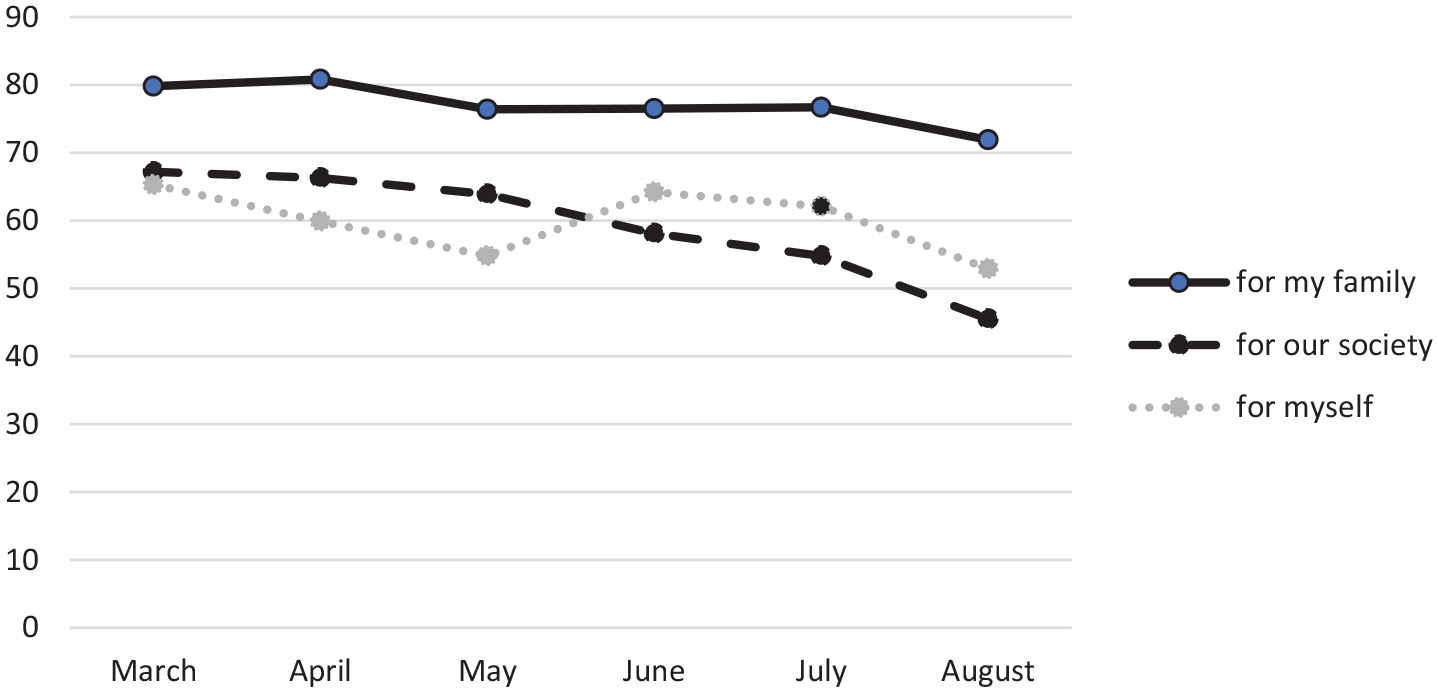
Three major reasons for complying with the COVID-19 vaccination policy (multiple responses are allowed).
After securing a sufficient supply of vaccines available for those who had not yet been fully vaccinated or needed a booster shot, South Korea made it even more convenient to select the types of vaccines and time and location of vaccination by utilizing the most popular online platforms with detailed information and real-time updates. Although vaccination still requires a prior reservation with classified schedules for diverse populations with different levels of risk, South Korea also introduced a “same-day reservation” policy via the KCDA’s official website and social media platforms such as “Naver” and “Kakao” to make leftover vaccines available to anyone, including those who had missed their assigned appointments, to avoid wasting unused vaccines prepared for the day (Korean Policy Briefing, 2021c). Regardless of whether it was intentional, it is also known to have increased public attention and internal motivation for vaccination, especially among those who are hesitant or noncompliant, by extending equal opportunities to the general population via fair and transparent procedures (KCDA, 2021a).
By taking full advantage of the consolidated database for COVID-19 vaccination (as depicted in Figure 3) and individualized notification services such as “Public Secretary” (run by the MIS: https://www.ips.go.kr/), South Korea continued to reach out to those who had not yet been fully vaccinated, informing them of the benefits of vaccination and correcting misinformation about the risk of potential serious complications associated with vaccination. For example, South Korea re-enforced the multilayered support system for those who intend to get vaccinated (i.e. ensuring safe vaccination, monitoring of side effects, granting immediate response to and extending comprehensive compensation for serious complications) to build trust and confidence in the measures of disease prevention and control authorities. In a similar vein, they also established a “COVID-19 Vaccine Safety Council” led by medical experts who investigate suspected cases of vaccine complications and evaluate the causality independently. These systematic and concerted efforts significantly and positively affected people’s vaccination intentions and behaviors, as shown in Figure 11.
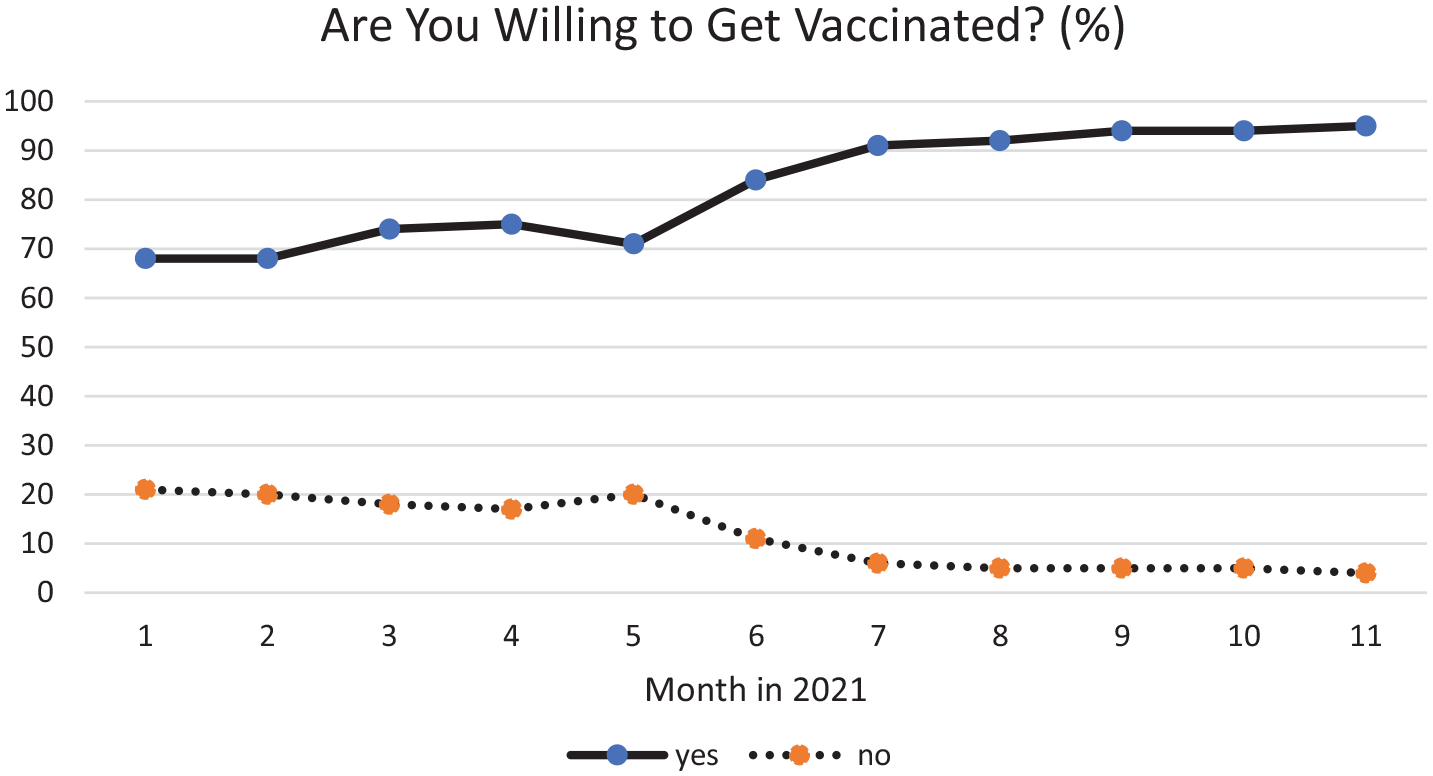
Trend of vaccination intention in South Korea.
It should be noted that, like South Korea, some other democratic OECD countries (e.g. Argentina, Spain, Denmark, Canada) also achieved high vaccination rates over a relatively short period of time without imposing too harsh, coercive, and authoritarian measures (Figure 12). Nonetheless, we view South Korea’s example is unique because other countries are still relying on stricter policies than South Korea—especially against non-vaccinated people
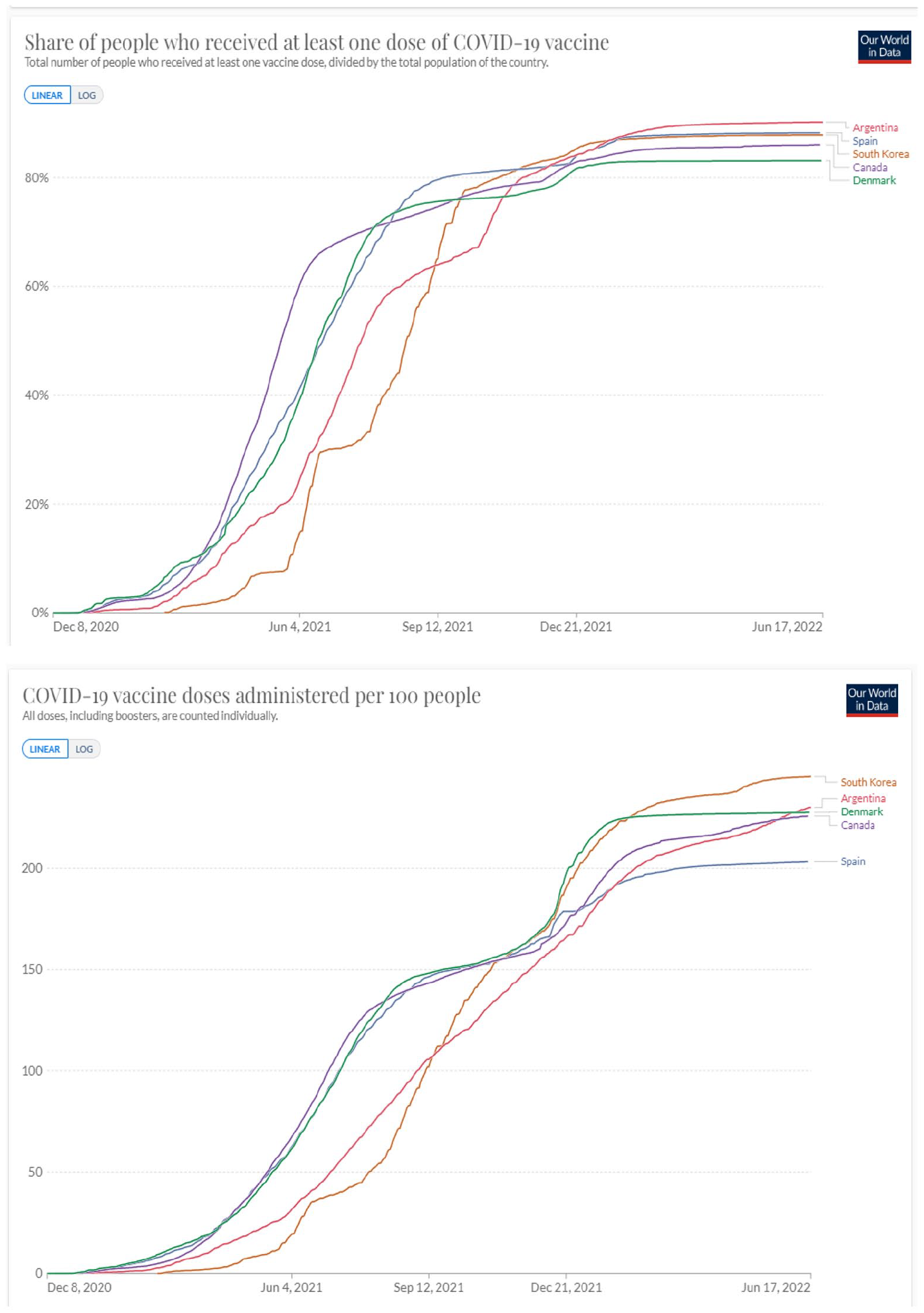
Comparison of vaccination rates between South Korea and other major OECD countries with high vaccination rates.
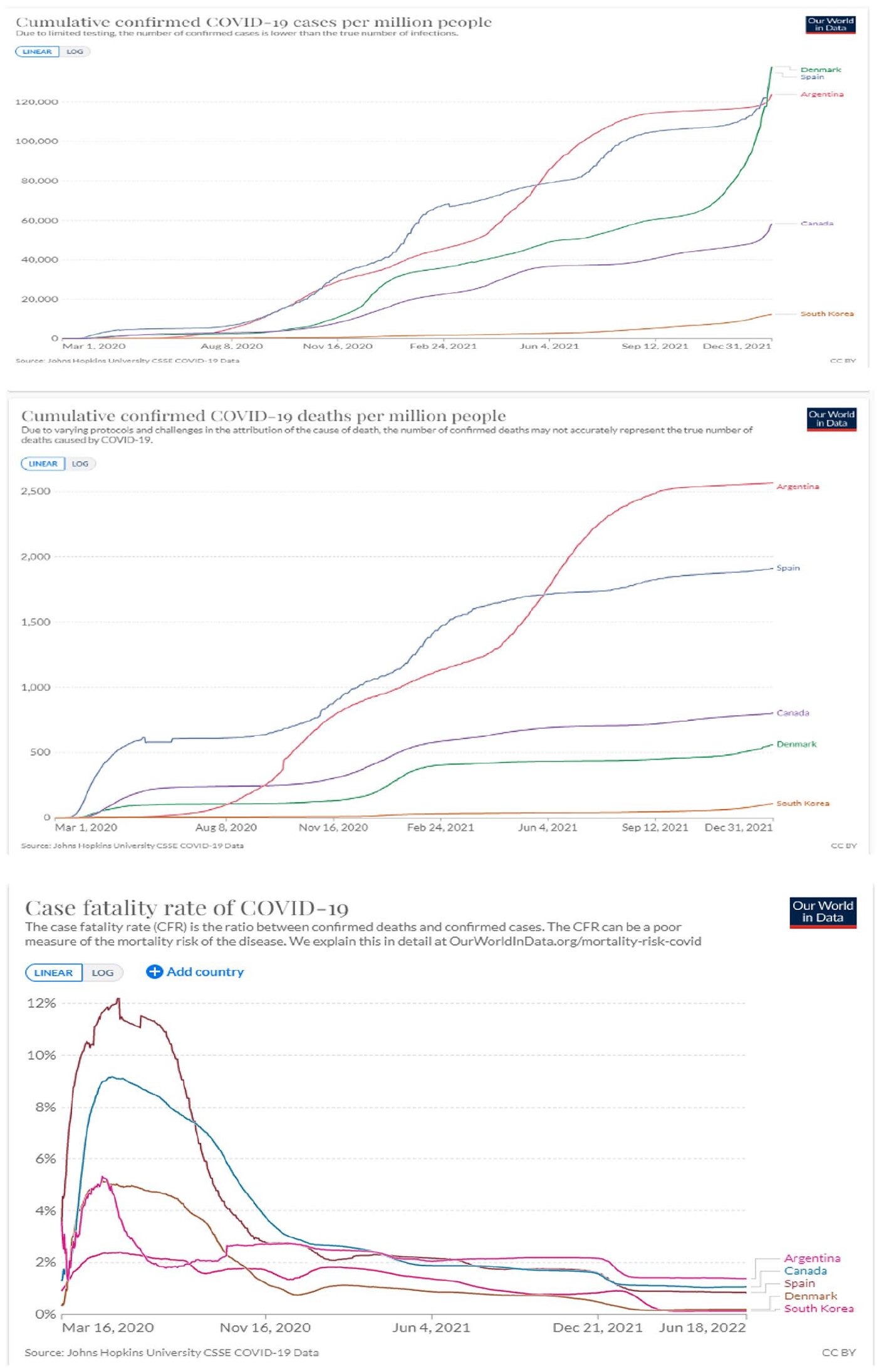
Comparison of confirmed cases, death rates, and case fatality rates of COVID-19 between South Korea and other major OECD countries with high vaccination rates.
With the rapid spread of new variants and newly emerging evidence, South Korea currently continues to modify the recommended interval between the first and second shots between 3 and 6 weeks. For the booster shot, the KCDA shortened the interval from 6 to 5 months and then from 5 to 4 months after completing the primary series of major vaccines. It should be noted that such modification was also a “problem-driven iterative adaptation” (Andrews et al., 2017) based on the scientific evidence and recommendations updated by the Center for Disease Control (CDC) of the United States and other authorities inside and outside the country, such as Germany, the United Kingdom, France, and Israel (KCDA, 2021a).
To summarize, South Korea’s case demonstrates how building and enhancing the core capabilities of POG enabled agile coordination, transparent communication, and adaptive control within and across the governing entities, all of which contributed to securing the trust and support from citizens necessary for public compliance and cooperation with the vaccination policy. Through ongoing intracrisis learning processes taking place in the middle of the COVID-19 pandemic, decision-makers and responders were able to “reflect upon actions taken, retain the procedures that proved effective, and discard those that were not” (Comfort, 1988: 5).
Conclusion and discussion
Because citizens need to endure hardships and bear costs such as time, resources, and even civil liberties, it is crucial to secure voluntary compliance and cooperation from the public when governing authorities implement major policies to tackle the COVID-19 pandemic, such as those related to social distancing, contact tracing, quarantining, travel bans/restrictions, face coverings, and vaccination. The extant literature lists various factors that motivate voluntary compliance and cooperation in diverse settings. However, as these factors have been studied typically under non-emergency/crisis situations focusing almost exclusively on a domain-specific, single department, such as police (e.g. Bottoms and Tankebe, 2012; Mazerolle et al., 2013; Reisig et al., 2018; Reisig and Lloyd, 2009; Sunshine and Tyler, 2003; Tankebe, 2008, 2009; Tyler, 2006, 2010; Tyler and Fagan, 2008; Tyler and Huo, 2002), there is a gap in the knowledge about how governing arrangements involving multiple sectors should be structured and operate to gain voluntary support from the public and thus better cope with imminent threats from public health crises, such as the COVID-19 pandemic. Research suggests that cultivating people’s feelings of responsibility and obligation to maintain social order and safety is critical in nurturing such voluntary compliance and cooperation but offers little discussion about more policy-relevant issues, such as how the governing entities as a whole should devise structural/organizational reforms and strategic plans to institutionalize the procedures for effective, fair, and sustainable management of unforeseen public challenges that are expected to emerge in the future.
Whereas the majority of extant empirical research supports the core proposition of Tyler’s (2006, 2010) procedural justice model of legitimacy and compliance at the individual level—which maintains that improving trust and confidence through procedurally fair treatment and equal distribution of the outcomes is the primary means of encouraging citizens’ cooperative attitudes and behaviors—this study explored the joint roles played by the core capabilities of POG in shaping citizens’ trust and confidence, which in turn increases their willingness to comply and cooperate voluntarily with South Korea’s vaccination policy decisions and directives. The case study of South Korea demonstrates that our proposed analytic model reasonably fits the observed patterns, although further rigorous empirical verifications are required to draw any meaningful conclusions with strong internal and external validity. That is, this study is exploratory in nature, not testing empirically the hypotheses and the causal mechanisms in the proposed framework. Potential benefits of POG approaches include increased performance and procedural justice, cross-silo collaboration, better data and information management, and public value creation. That is, building and exercising the core capabilities of POG to better resolve a national health crisis contributes to improved public views of government effectiveness and fair procedures, leading to higher levels of trust and confidence in the governing authority. People are more willing to comply and cooperate with authority when they view the authority as trustworthy and legitimate. These social motivations for actions are not only utilitarian but also benevolent in nature by concerning the wellbeing of others (Tyler and Huo, 2002). In this vein, building trust and confidence with POG could be a good source of both instrumental and social motivations for voluntary compliance and cooperation.
Since little research evidence is currently available on the specific governing arrangements that are proven to be effective in improving government trust and confidence at the organizational and institutional levels, this study presents significant implications for both theory and policy regarding how to stimulate voluntary compliance and cooperation via increased assessments of government performance and evaluations of procedural justice. This study also has some meaningful implications for the literature in other fields such as political science or political economy—in which state capacity framework is also widely discussed to account for different national responses to COVID-19 (e.g. Weiss and Thurbon, 2022). Future research with diverse methodological approaches should explore other institutional designs, policies, and practices that can shape the trust and confidence in actions taken by governing authorities through innovative changes in governing structure and function to better cope with many public challenges.
Footnotes
Funding
The author(s) received no financial support for the research, authorship, and/or publication of this article.
