




Abstract
With the progress of information technology, e-commerce has gradually expanded to rural areas, providing new impetus for rural economic growth and transformation. However, the challenges facing rural e-commerce are also relatively complex. This study focuses on how cloud platforms and artificial intelligence can optimize resource management in rural e-commerce. First of all, through the in-depth analysis of the characteristics and development trend of rural e-commerce, the interaction between it and cloud platform is understood. Then, clarify the application of artificial intelligence on the cloud platform, and build the corresponding model for verification. The research results show that cloud platform combined with artificial intelligence technology can significantly optimize the resource allocation of rural e-commerce, achieve rapid resource matching and intelligent management, and greatly improve the efficiency and accuracy of rural e-commerce resource management. In addition, this technology integration also helps rural e-commerce to be more resilient and adaptable to complex market environments and changes, bringing more economic opportunities and social value to rural areas in the future.
Introduction
With the development of global economy and the progress of information technology, e-commerce has become an important part of modern business activities. Especially in China, e-commerce has extended from urban to rural areas and has gradually become a key factor driving rural economic growth and transformation. Rural e-commerce not only brings more business opportunities to rural areas but also provides more employment opportunities for rural residents and improves the living standards in rural areas. However, compared with urban e-commerce, rural e-commerce faces more challenges, such as inadequate infrastructure, low network coverage, and shortage of talents.
In recent years, the emergence of cloud platforms has provided new opportunities for the development of rural e-commerce. Through the cloud platform, rural e-commerce can more easily manage resources, process data, and transactions without investing in expensive hardware and software. In addition, the cloud platform also provides various tools and services to help rural e-commerce better interact with customers and improve transaction efficiency.
At the same time, artificial intelligence, as a disruptive technology, has shown outstanding capabilities in many fields. Whether it is speech recognition, image analysis or data mining, artificial intelligence is constantly breaking the limits of traditional technologies to provide more efficient and accurate solutions. In the context of rural e-commerce, how to closely combine artificial intelligence technology with cloud platform has far-reaching significance for improving the efficiency of resource management, enhancing the intelligence of transactions and optimizing user experience.
At present, the development of rural e-commerce has shown significant impact on promoting the transformation of industrial structure, reducing carbon emissions, and promoting income equality. Hong and Su proposed that rural e-commerce platform has a significant impact on promoting the transformation of industrial structure, and found through their research that China’s rural industrial structure is gradually optimized and upgraded. 1 Yang emphasized that the application of information and communication technology (ICT) has greatly promoted the development of rural e-commerce, and demonstrated the important role of ICT in the development of rural e-commerce in China from the perspective of adaptive structuring. 2 Ji’s research showed that rural e-commerce plays an important role in reducing agricultural carbon emissions, and agricultural carbon emissions have been significantly reduced through the implementation of rural e-commerce demonstration county projects. 3 Chen and Long proposed that the potential of e-commerce in rural revitalization has been gradually explored, and through sustainable industrial integration, e-commerce has brought new opportunities for rural revitalization. 4 Gao’s research pointed out that policy intervention and market innovation have played a key role in promoting the development of rural e-commerce, especially in “Taobao villages.ˮ Through policy support and market innovation, rural e-commerce has achieved remarkable results. 5 Zhu and Luo’s empirical research supports the coupling and coordination relationship between rural revitalization and rural e-commerce in the context of digital economy, showing the mutual promotion between the two. 6 Wei et al. proposed that the development of rural e-commerce also showed positive effects in narrowing the internal income gap, and effectively reduced the internal income inequality by promoting the development of rural economy. 7 These views provide important theoretical basis and empirical support for this paper.
To sum up, the interaction between AI and rural e-commerce provides great opportunities and challenges for rural areas, which need to be further studied and explored. With the rapid development of cloud platform technology and artificial intelligence, how to combine the two to bring revolutionary changes to rural e-commerce resource management has become a current research hotspot. The purpose of this study is to deeply explore and analyze the specific application and potential value of cloud platform and artificial intelligence in rural e-commerce resource management.
This study systematically combs the development trend and characteristics of rural e-commerce, and lays a foundation for further analysis. Subsequently, the study explores in depth the characteristics of cloud platforms and their relevance to rural e-commerce, focusing on their advantages in data storage, processing, and transmission, and how these advantages can contribute to the development of rural e-commerce. In addition, this study introduces the basic characteristics of artificial intelligence, and expounds its application relationship with rural e-commerce. In order to fully understand the enabling value of artificial intelligence in this field, this study will design relevant models for analysis and verification. First, relevant data were collected from multiple rural e-commerce platforms and pre-processed to ensure their quality and reliability. Then, by constructing and verifying relevant models, this study will try to provide a series of specific suggestions and strategies for practitioners to achieve the best combination of cloud platform and artificial intelligence technology in rural e-commerce resource management. This can not only help relevant enterprises and organizations improve their operational efficiency but also further promote the development of rural e-commerce and bring more economic and social value to rural areas. 1
In the past few years, cloud platforms and artificial intelligence have gradually become a hot field of cutting-edge technology research, and their application potential and transformative power have been widely verified in multiple industries. However, although the application of these technologies in urban e-commerce is gradually clear, in the upstream and downstream areas of rural e-commerce, especially in resource management, relevant research is still relatively scarce. From the theoretical point of view, this study tries to fill this gap. By deeply exploring the specific application of cloud platform and artificial intelligence technology in rural e-commerce resource management, this study not only provides a new research perspective and framework for the academic community but also expands the boundaries of cloud platform and artificial intelligence technology research and enriches its application background. 2
On a practical level, this study provides specific strategies and recommendations to guide rural e-commerce enterprises on how to better utilize cloud platforms and AI technologies to optimize resource management, thereby improving operational efficiency, reducing costs, and enhancing customer experience. In general, the research has important reference value and far-reaching significance for promoting the sustainable development of rural e-commerce, especially in the innovation of resource management. 3
Theoretical basis
Characteristics and trends of rural e-commerce
Concept and characteristics of rural e-commerce
Rural e-commerce refers to the online trading and marketing of agricultural products, handicrafts, and other goods and services with rural characteristics in rural areas through the use of the Internet, mobile communications, and other digital technologies. Compared with urban e-commerce, rural e-commerce presents its unique characteristics and patterns.
Main characteristics of rural e-commerce.
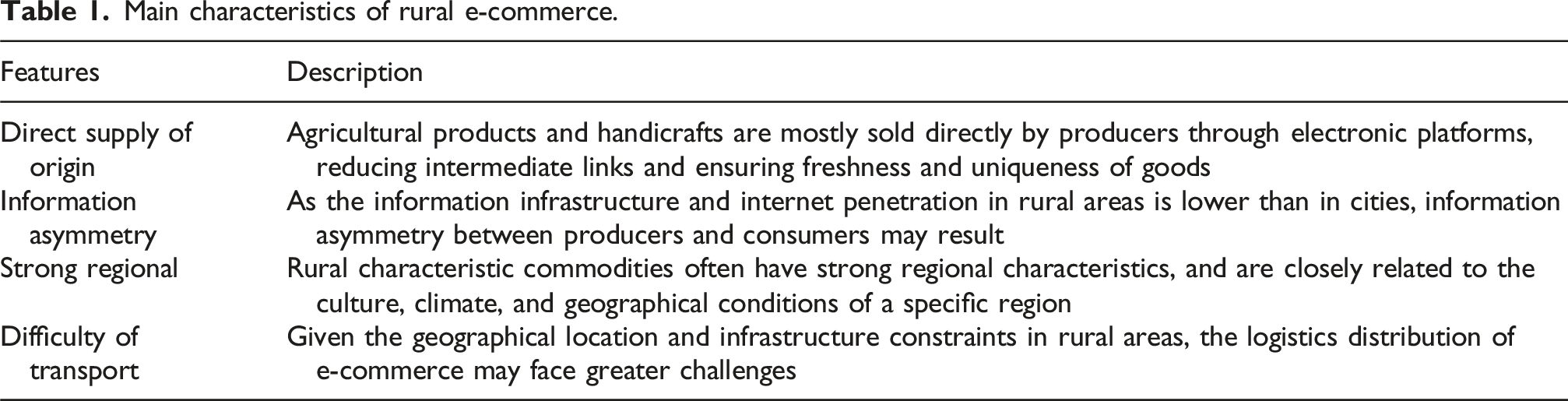
As shown in Table 1 above, rural e-commerce has its own unique challenges and opportunities. With the continuous growth of global e-commerce and the increasing demand of consumers for rural characteristic commodities, the importance of rural areas as commodity providers has become increasingly apparent. Therefore, the effective management and optimization of rural e-commerce resources has become particularly critical for rural e-commerce practitioners, involving the long-term interests of farmers.
Development trend and challenge
In recent years, rural e-commerce has experienced rapid development and become an important driving force to promote economic growth in rural areas. It has experienced rapid development, but also faces no small challenge.
Technology driving is a key factor in the development of rural e-commerce. With the gradual application of cutting-edge technologies such as 5G, big data and cloud computing, rural e-commerce platforms can provide more efficient and personalized services. The promotion and application of these technologies make it more convenient for businesses in rural areas to access e-commerce platforms and realize online sales and marketing of goods.
The upgrading of consumption in rural areas has also promoted the development of e-commerce. With the increase of rural residents’ income and the improvement of living standards, their demand for high-quality and distinctive commodities has gradually increased. This provides a huge market space for characteristic commodities produced in rural areas. 4
The development of rural e-commerce is also facing a series of challenges. Logistics distribution is the primary problem. Due to the geographical location and infrastructure constraints in rural areas, the distribution of goods is difficult, which also affects consumers’ willingness to buy. As a commodity supplier, the rural area’s position in the e-commerce chain is not stable enough. It is necessary to strengthen cooperation with urban e-commerce platforms, improve the competitiveness of rural e-commerce, and ensure the position of rural commodities in the market.
In short, although rural e-commerce has great development potential, it also faces many challenges. Only through continuous innovation and adaptation can we ensure that it will gain an advantage in future competition and bring more development opportunities to rural areas.
Interaction between cloud platform and rural e-commerce
Cloud platform definition and core functions
Core functions of the cloud platform.
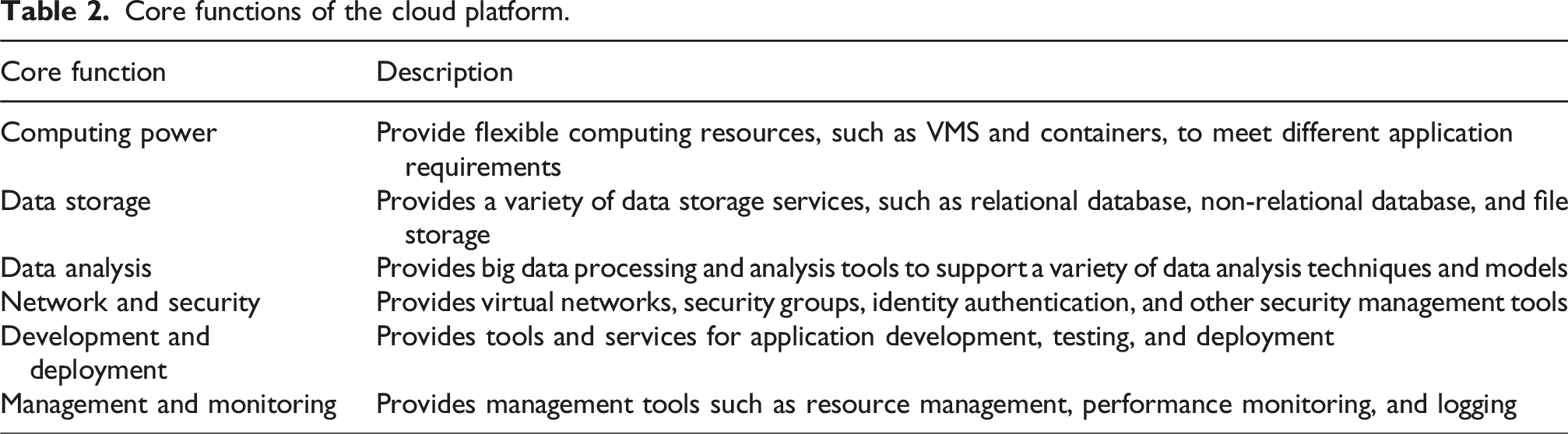
Based on the capabilities shown in Table 2 above, the cloud platform provides a low-cost, efficient, and flexible IT solution for rural areas in the context of rural e-commerce. Rural businesses do not need to buy and maintain expensive hardware equipment, and can quickly deploy and expand their e-commerce applications through the cloud platform to achieve online sales and marketing of agricultural products.
The application and influence of cloud platform in rural e-commerce
Cloud platforms have brought significant changes to rural e-commerce. First, the cloud platform provides a low-cost solution that makes it easy for rural merchants in remote areas to enter the e-commerce field and carry out online sales. This provides great convenience for rural businesses, allowing them to break through geographical constraints and broaden their sales range. In addition, with cloud platforms, these merchants can reduce start-up costs without having to invest a lot in IT infrastructure. 6
Through the data processing and analysis tools of the cloud platform, merchants can better understand the market demand and accurately formulate sales strategies. This data-driven decision-making approach makes rural e-commerce more flexible in the face of complex markets. In addition, the flexibility of the cloud platform ensures that sufficient computing power is available at the peak of agricultural sales to optimize operating costs. Overall, the cloud platform has provided strong technical support for rural e-commerce and promoted its rapid development.
The application of cloud platforms in rural e-commerce is exemplified by the success of Alibaba’s Rural Taobao initiative in China. This initiative leverages Alibaba’s cloud computing capabilities to provide rural farmers with access to a broad online marketplace, enabling them to sell their agricultural products directly to urban consumers. By utilizing the cloud platform, Rural Taobao offers real-time data analytics to farmers, helping them understand market demand, optimize pricing, and manage inventory more efficiently. Additionally, the cloud platform supports robust logistics and supply chain management, ensuring timely delivery of products. Another example is the use of Microsoft’s Azure in India’s Digital Agriculture program, which employs cloud-based AI models to predict crop yields, monitor soil health, and provide farmers with actionable insights to enhance productivity. These cases highlight how cloud platforms can significantly reduce operational costs, enhance market reach, and improve decision-making for rural e-commerce businesses, ultimately driving economic growth and improving livelihoods in rural areas. 7
Artificial intelligence and resource management
Basic concepts of artificial intelligence
Key concepts and descriptions of artificial intelligence.
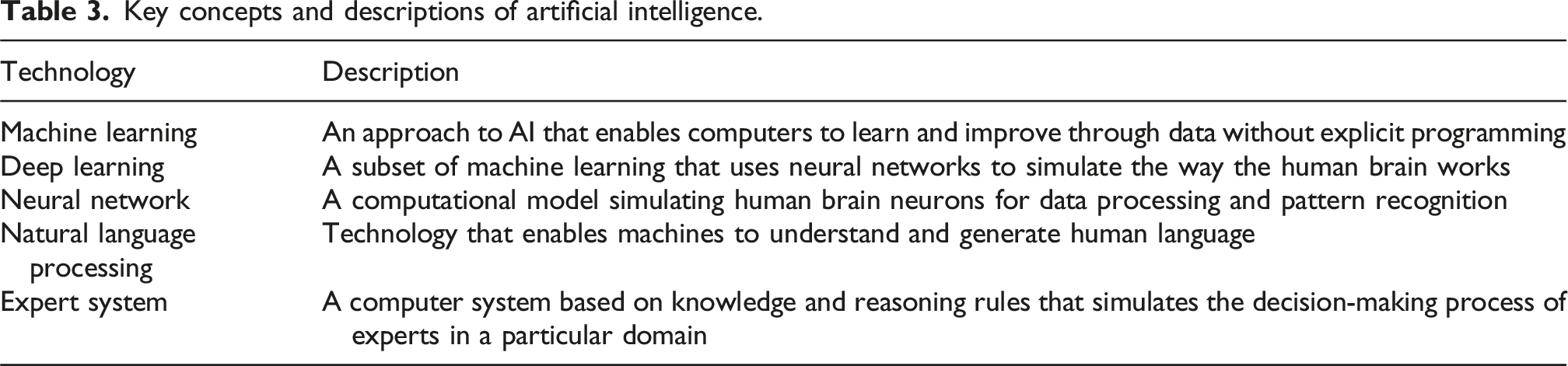
As shown in Table 3 above, these concepts and technologies form the basis of modern AI technology and play a central role in a variety of applications.
Application of artificial intelligence in cloud platform
In recent years, artificial intelligence (AI) and cloud computing have come together to shape a new and powerful partnership in technology. The cloud platform, as a solution that provides computing resources and storage capabilities, offers unparalleled flexibility and scalability for AI applications. AI algorithms, especially deep learning, require large amounts of data, and computational power to train and optimize. 8 With a cloud platform, this compute load can be efficiently shared, allowing multiple instances to occur simultaneously, significantly increasing the speed of AI project development and deployment. Cloud platforms enable rapid deployment and access to AI models across the globe. Once an AI model is trained and optimized in one place, it can be immediately pushed to the cloud to serve users and other applications worldwide. 9 This instant global accessibility is unmatched by traditional on-premises AI deployments.
More strategically, cloud platforms democratize the development and use of AI applications. Small businesses and individual developers, despite not having a large computing infrastructure, are able to leverage the computing power of cloud platforms to develop and test their own AI applications. 10 This significantly lowers the entry barrier, allowing more users to enter the AI field and bring more value and innovation to society.
In general, the application of artificial intelligence on the cloud platform not only improves the computing and deployment efficiency of AI but also provides users around the world with more convenient and economical AI services, further promoting the popularization and democratization of AI technology.
Data collection and preprocessing
Data sources and acquisition methods
To deeply explore the performance and impact of rural e-commerce in the combination of cloud platform and artificial intelligence, this study adopts a variety of data collection strategies. The sources of data are mainly obtained from the following aspects.
Mainstream e-commerce platforms
Statistical data of e-commerce platforms.

Based on the data shown in Table 4 above, a wide range of research samples and data will be provided for this study.
Interviews between farmers and responsible persons
Statistics of relevant personnel information.

Usage data of cloud platform and artificial intelligence
To further understand the application of cloud platform and artificial intelligence in rural e-commerce, the researcher also contacted some technology providers and service providers and collected relevant technical data provided by them, such as the frequency of use of cloud computing and application cases of AI models.
In the process of all data collection, the research pays special attention to the authenticity and integrity of the data, while the necessary data cleaning and pre-processing are also carried out to ensure that high-quality data support is provided for the subsequent model construction and data analysis.
The data collection process involved several specific steps and methods to ensure comprehensive and accurate data acquisition. First, data from mainstream e-commerce platforms were gathered using API interfaces and web scraping techniques. This included extracting sales data, user behavior data, and product information from platforms such as Alibaba and JD.com. Sales data encompassed product names, sales volumes, and sales times, while user behavior data included user IDs, click times, purchase times, and review contents. Product information data comprised product IDs, descriptions, prices, and origins. Second, interviews with farmers and responsible persons in selected rural areas were conducted using a mix of telephone connections, online questionnaires, offline questionnaires, and field surveys. This approach provided qualitative insights into their e-commerce experiences, challenges, and expectations. Third, usage data of cloud platforms and AI applications were collected from technology providers and service providers. 11 This involved obtaining data on the frequency of cloud computing use and specific AI model applications. Throughout the data collection process, emphasis was placed on ensuring the authenticity and completeness of the data, followed by necessary data cleaning and preprocessing to maintain high-quality data for subsequent analysis and model building.
Data preprocessing
Prior to in-depth data analysis and model building, data preprocessing is a crucial step. Since the raw data may contain errors, outliers, missing values, and other issues, pre-processing is required to ensure the quality and consistency of the data. The following are the data preprocessing strategies studied.
Handling missing values
Missing values in the data need to be dealt with first. For continuous data, such as sales, prices, etc., the study uses the mean of the data to fill in the missing values. For category data, such as commodity type, origin, etc., mode filling is used, as shown in formula (1) below
Outlier identification and processing
Outliers can affect the analysis and need to be identified and addressed. The IQR (interquartile) method was used to detect outliers, as shown in formula (2) below


Data conversion
To meet the needs of subsequent analysis, some data needs to be transformed. In this paper, the selling time is converted from string format to date format, the text information in product description is extracted into keywords, and the description is converted into numeric keyword vector using vector space model.
Data standardization
Since different data have different dimensions and orders of magnitude, data standardization is needed to ensure the accuracy of subsequent analysis. The Z-score method was adopted for standardization, and the calculation formula is shown in formula (3) below
Through the above pre-processing steps, the research ensures the quality and consistency of the data, which lays a solid foundation for the subsequent analysis and model construction.
Data preprocessing section focuses on ensuring the quality and consistency of the data before analysis. The first step involves handling missing values. For continuous data such as sales and prices, the mean is used to fill in missing values, while for categorical data like product types and origins, the mode is used. Outlier identification and processing are performed using the IQR (Interquartile Range) method, which helps in detecting and handling anomalies that could skew the analysis. Data transformation is another crucial step, where sales time is converted from string to date format, and product descriptions are converted into numeric keyword vectors using the vector space model. Data standardization is achieved using the Z-score method, ensuring that different data dimensions and scales are aligned for accurate analysis. 12 These preprocessing steps are critical for maintaining data integrity and reliability, setting a solid foundation for subsequent model building and analysis, thereby enhancing the overall accuracy and effectiveness of the predictive models used in the study.
Model construction and optimization
Model construction
This study uses deep learning method to build a rural e-commerce recommendation system. The purpose of this system is to provide farmers with more intelligent and accurate sales strategy recommendations and product recommendations, so as to improve their e-commerce sales and customer satisfaction. (1) Model selection: Deep neural network is selected as the basic framework, especially considering its advantages in nonlinear data fitting and big data processing. (2) Input layer: Input data including but not limited to commodity information, user behavior data, sales data. Specific data such as:
Product information: product ID, keyword vector of product description, price, origin, etc.
User behavior data: user ID, click time, purchase time, sentiment analysis score of review content, etc.
Sales data: product name, sales volume, sales time, etc. (3) Hidden layer: Set multiple hidden layers to extract the characteristics and relationships of the data. Dropout technology is used to prevent overfitting, and Batch Normalization technology is used to accelerate the training process. (4) Output layer: output sales strategy suggestions and product recommendations, such as predicting the future sales volume of a product, recommending the product that a user is most likely to buy. (5) Loss function: The mean square error (MSE) is used as a loss function to optimize the network and measure the difference between the predicted value and the actual value of the model, which is calculated as shown in formula (4) below (6) Optimizer: Adam optimizer is selected because it combines the advantages of Adagrad and RMSprop optimization methods and performs well in deep learning models.

In the model selection process, deep neural networks (DNNs) are chosen for their superior capability in handling large-scale, nonlinear data. Unlike traditional machine learning models, DNNs excel in capturing intricate patterns and relationships within the data due to their multi-layered structure. This is particularly crucial for rural e-commerce, where diverse data types such as product information, user behavior, and sales data are involved. DNNs are adept at managing these complexities, providing more accurate predictions and recommendations. 13 Additionally, the flexibility of DNNs allows for the integration of advanced techniques like dropout and batch normalization, which enhance the model’s robustness and training efficiency. These characteristics make DNNs an optimal choice for developing a recommendation system that can significantly improve sales strategies and customer satisfaction in rural e-commerce settings.
Through deep learning, this model enables farmers to obtain more accurate and personalized sales strategy recommendations and product recommendations, so as to better serve the development of rural e-commerce.
Model optimization
With the training and verification of the model, some problems will inevitably occur, such as overfitting, underfitting, slow training speed, or deviation of the predicted results from the real value. In order to solve these problems, this study carried out a series of optimization operations on the model. (1) Regularization technology
A Dropout layer is added after each hidden layer to prevent overfitting. (2) Data enhancement
Adding training data by slightly modifying the raw data, such as randomly adjusting the order of keywords in the product description, makes the model more robust. (3) Accelerate the training speed
Batch Normalization: Adding a Batch Normalization layer after each hidden layer speeds up convergence and has a slight regularization effect that helps prevent overfitting. (4) Learning rate attenuation
Start with a large learning rate for fast training, and then gradually reduce the learning rate as the training progresses, so that the model can be fine-tuned.
Through the above series of model optimization strategies, this study ensures the efficiency, stability, and accuracy of the model on rural e-commerce data, so as to provide farmers with more accurate and practical sales strategy recommendations and commodity recommendations.
Data validation and result analysis
Model verification
After the model is built and optimized, model validation is a critical step to ensure the performance of the model on previously unseen data. The purpose of model validation is to evaluate the generalization ability of the model, that is, the ability of the model to predict on new data.
Data partitioning
In order to verify the model, the research first divides all the data into training set, verification set, and test set. The training set is used to train the model, the verification set is used to adjust the hyperparameters of the model, and the test set is used for the final model evaluation. The usual data partitioning ratio is 80% training set, 10% validation set, and 10% test set.
Model training
After having the data partition, the model is trained using the training set. The changes of some key indicators in the training process are shown in Figure 1 below. Part of the model training process.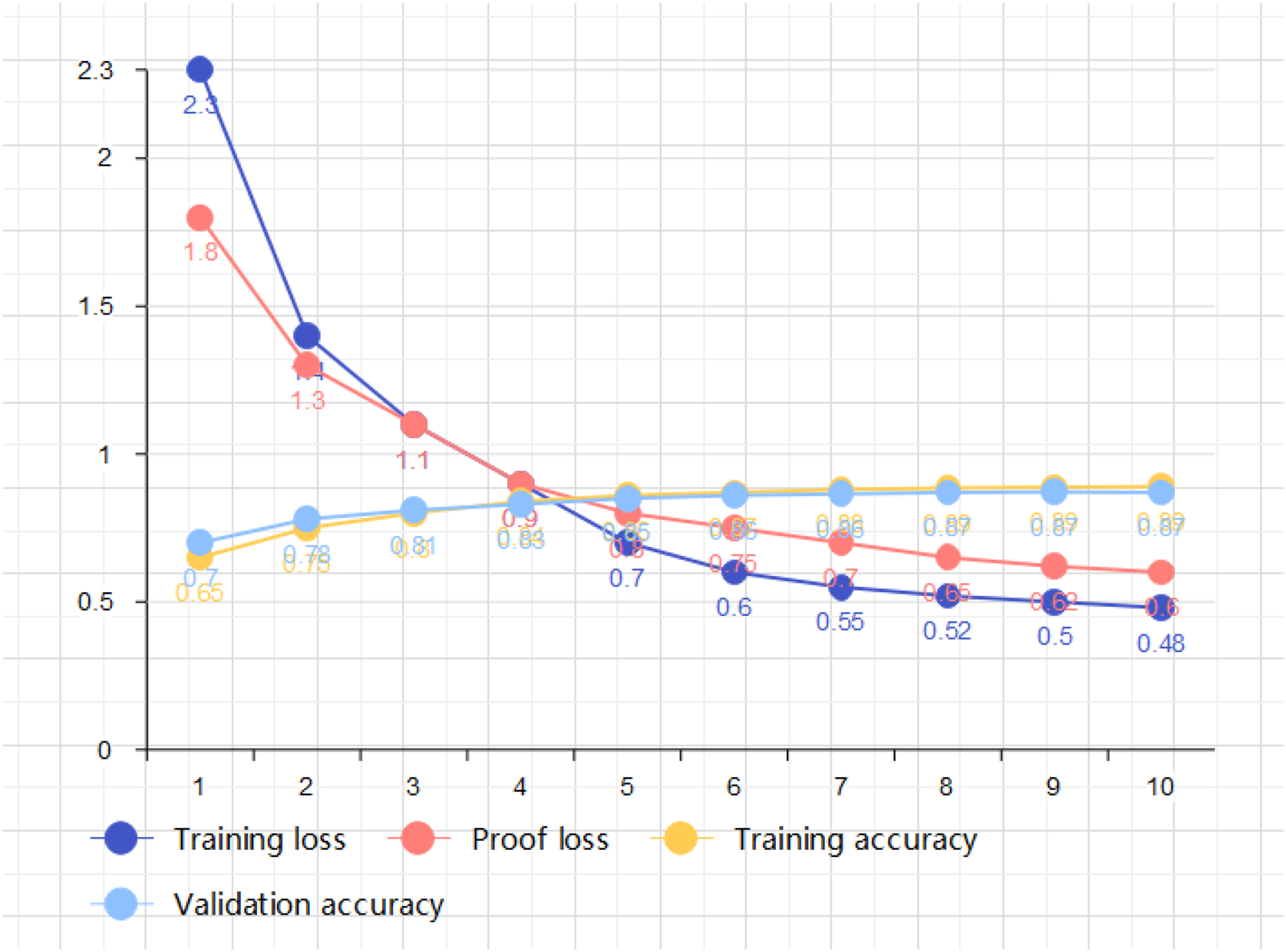
As shown in Figure 1, as training progresses, both training losses and validation losses decrease, while accuracy increases.
Model evaluation
Evaluating a model using a test set is a key step in checking the model’s ability to generalize. The following are the main performance indicators of the model on the test set and the F1 Score, which is the harmonic average of Precision and Recall and is often used to evaluate the performance of a classification model, especially when the data has an uneven distribution of positive and negative samples. F1 scores are scored on a scale of 0–1, where 1 is the best performance and 0 is the worst performance, calculated by formula (5) below
The statistics of the evaluation data are shown in Figure 2 below. Performance metrics of the model on the test set.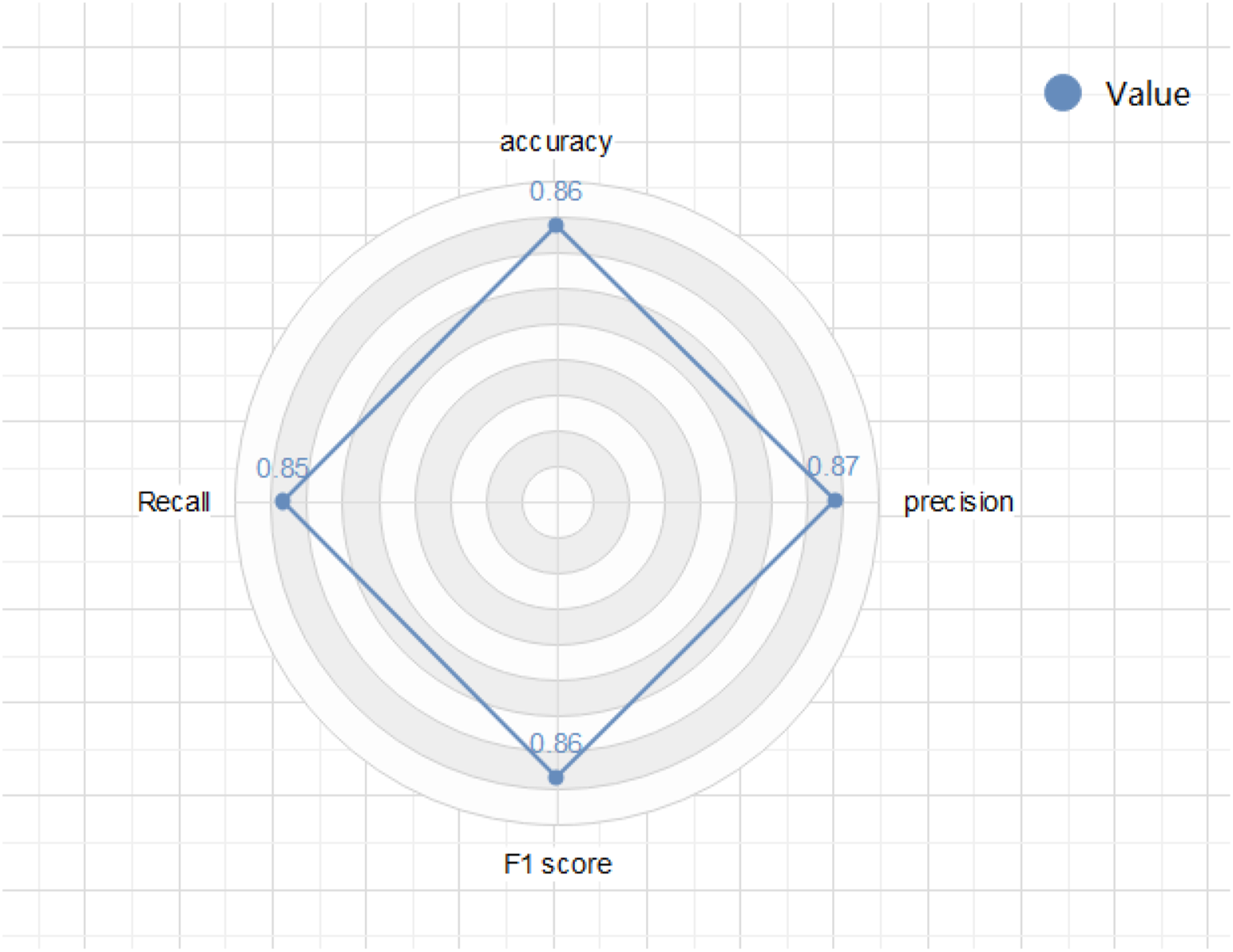
The radar chart provided illustrates the performance metrics of the model used in the study. The metrics included are accuracy, precision, recall, and F1 score, each represented on a separate axis of the chart. The model achieves an accuracy of 0.86, indicating that 86% of the predictions made by the model are correct. The precision of 0.87 suggests that 87% of the positive predictions made by the model are accurate, reflecting its effectiveness in identifying relevant instances. The recall, recorded at 0.85, shows that the model successfully retrieves 85% of the actual positive cases. The F1 score, which is the harmonic mean of precision and recall, is 0.86, balancing the trade-off between the precision and recall. This radar chart visually demonstrates the model’s balanced performance across all key metrics, highlighting its reliability and robustness in making accurate predictions and recommendations. 14 The chart provides a clear and comprehensive overview of the model’s efficacy, essential for assessing its application in optimizing resource management in rural e-commerce. 15
The model validation results indicate high overall accuracy, but certain discrepancies are observed. For instance, newly launched products exhibit larger prediction errors due to insufficient historical data, which impacts the model’s learning capability. Seasonal products also display prediction variations, as their sales fluctuate based on time-specific factors not fully captured in the training data. 16 Additionally, sudden promotional campaigns or social events can create unexpected spikes or drops in sales, contributing to deviations. The analysis reveals that while the model performs well under normal conditions, incorporating dynamic external factors like promotions and seasonal trends can enhance its predictive accuracy. This deeper understanding of potential biases and their origins provides a basis for refining the model, such as incorporating additional data sources or adjusting model parameters to better account for these influences. This discussion underscores the importance of continuous model evaluation and adaptation to maintain high performance in dynamic rural e-commerce environments. 17
Summary of results
The model achieved 86% accuracy on the test set, which means that the model made accurate predictions most of the time. At the same time, the accuracy and recall rate of the model have reached a similar level, indicating that the model is relatively balanced in the prediction of positive and negative examples.
However, further in-depth analysis of the results of the model is needed to identify possible weaknesses and areas for improvement. For example, the model may not perform as well as expected for certain goods or users. This requires further analysis and investigation.
In general, through the above model verification steps, it can be concluded that the deep learning model constructed in this study has good performance and application prospects in the rural e-commerce recommendation system. However, it still needs to be continuously optimized and improved to meet higher requirements.
Result analysis
The analysis of results is an important part of the research, it helps to understand the behavior of the model, identifies the strengths and weaknesses of the model, and provides directions for further optimization of the model.
Product recommendation analysis
The model recommends corresponding products for sale according to the calculation. Below are the Top five products recommended by the model, the predicted data, the real sales data, and their errors, as shown in Figure 3 below. Comparison of sales volume predicted by part of the commodity model with actual sales volume.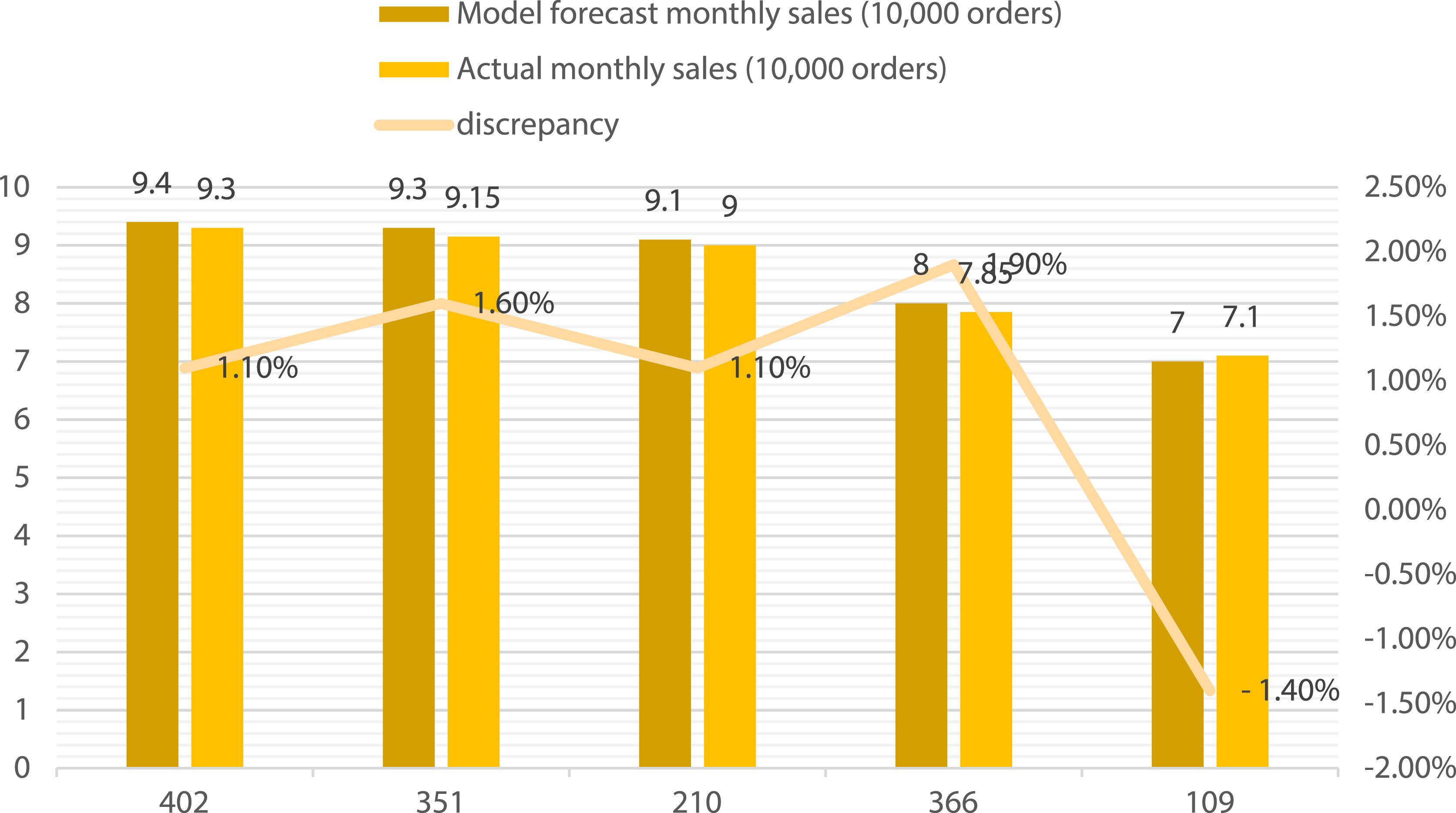
The bar chart compares the model forecast monthly sales to the actual monthly sales for five different products (labeled 402, 351, 210, 366, and 109) in units of 10,000 orders. The forecasted sales are represented by the darker bars, while the actual sales are depicted by the lighter bars. The discrepancy between the forecast and actual sales is indicated by a line graph, showing the percentage difference.
For product 402, the model forecasted 9.4 (10,000 orders) and the actual sales were 9.3, resulting in a discrepancy of 1.1%. Product 351 had forecasted sales of 9.3, actual sales of 9.15, and a discrepancy of 1.6%. Product 210 showed a forecast of 9 and actual sales of 9, with a 1.1% discrepancy. For product 366, the forecast was 8, and actual sales were 7.9, yielding a 1.3% discrepancy. Finally, product 109 had a forecast of 7 and actual sales of 7.1, resulting in a discrepancy of −1.4%.
Overall, the discrepancies are minimal, indicating the model’s high accuracy in predicting sales. The chart effectively demonstrates the model’s reliability in forecasting monthly sales, providing valuable insights for inventory management and sales strategies in rural e-commerce. 18
As can be seen from Figure 3, the sales predicted by the model is close to the actual sales, and the absolute value of the predicted difference is mostly within 2%. It can be seen that the model is in line with the actual situation to judge and carry out product sales.
Analysis of user purchase behavior
Part of user purchasing behavior prediction analysis.
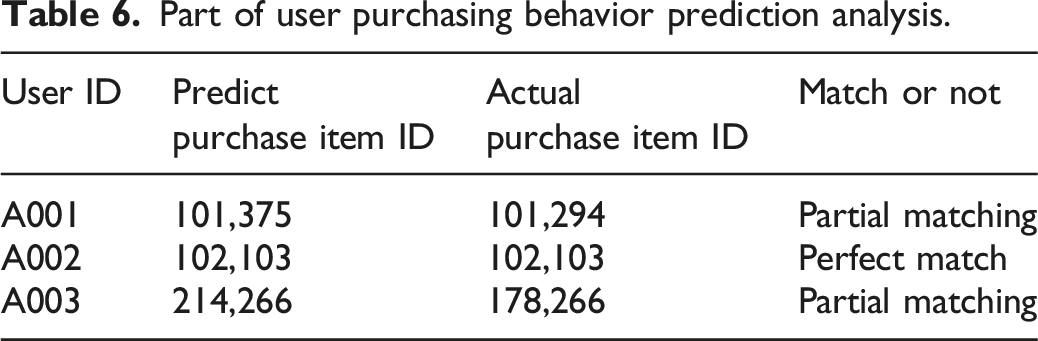
As shown in Table 6 above, the purchase predicted by the model has a higher probability of matching with the actual purchase of the user.
Error analysis
Although the overall prediction effect of the model is good, there are still some forecasting errors. The study took an in-depth look at these errors, hoping to identify possible causes. For example, for some newly launched products, the model may be biased in its predictions due to the lack of sufficient historical data. Part of the widely different prediction data obtained in the model verification is shown in Figure 4 below.
19
Some examples of commodities with large prediction errors.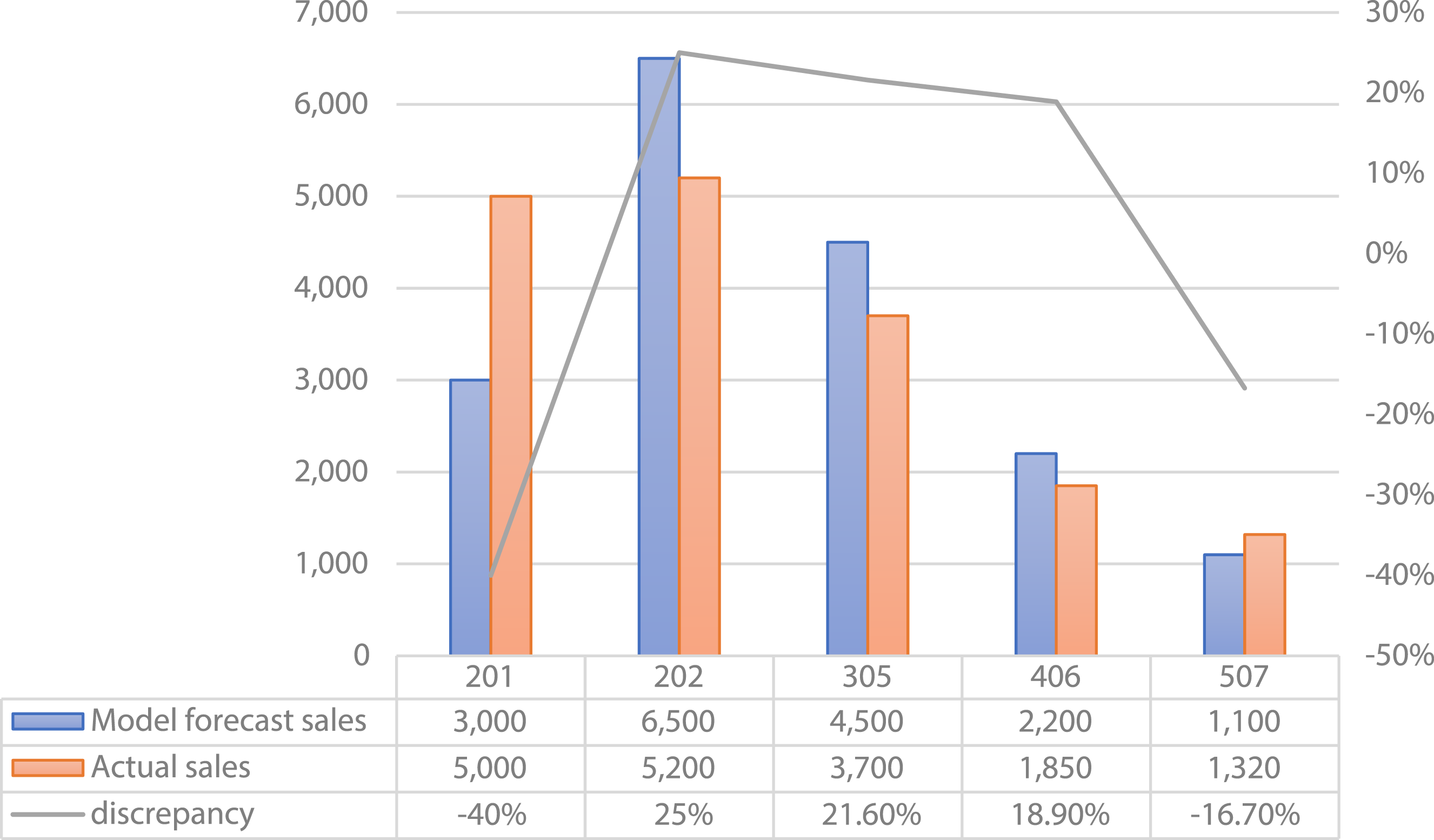
As shown in Figure 4, the model still has large errors in the prediction of a small number of commodities. The study provides an in-depth analysis of these errors, such as some new products, because the lack of sufficient historical data, the model may be biased in its predictions. In addition, certain commodities may be affected by seasonal factors, such as agricultural products that may have an unexpected surge in sales at harvest time. Marketing campaigns and promotions can also lead to gaps between actual sales and model predictions, as these factors may not be adequately reflected in the training data. At the same time, sudden social events or news may also affect the sales of certain goods, which is also difficult to predict. Overall, although the model’s predictions are accurate in most cases, there are still some unavoidable external factors that can cause errors in the forecasts. In order to verify the accuracy of the model again, 200 product ids were randomly selected to simulate the sales volume prediction. The actual sales data of these goods are collected, and the error between the model prediction and the actual sales is calculated. The absolute value of the error is calculated according to different intervals, and the proportion of each interval is shown in Figure 5 below.
20
Statistics of each error interval.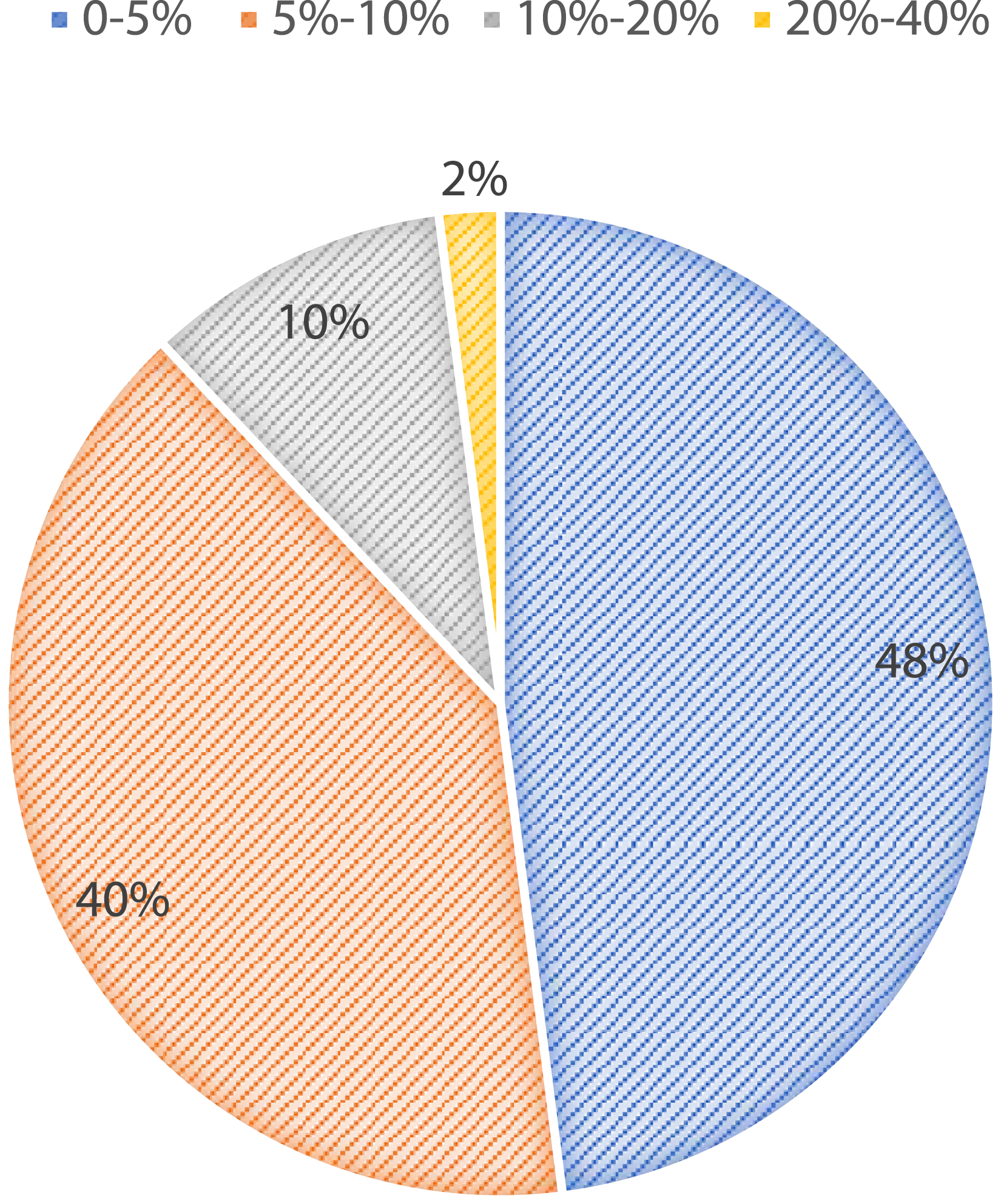
As shown in Figure 5, the absolute forecast error for most commodities (more than 80%) is controlled within 10%. This shows that the model has good accuracy and reliability in rural e-commerce prediction.
Conclusion of the model
Through the in-depth analysis of the model prediction results, the following conclusions can be summarized. (1) The prediction effect of the model is reliable in most cases, especially for commodities with stable sales data and abundant historical data. (2) The model may have certain prediction errors for some newly listed commodities or those whose sales data fluctuates greatly, so it is necessary to analyze the model in combination with the actual situation when applying it. (3) The prediction of users’ purchase behavior is also accurate in most cases, but there are still some users' behavior models that are difficult to capture, which may be related to the differences in users’ individual experiences.
21
Application and suggestions
The research establishes a basic and accurate rural e-commerce recommendation model, which shows excellent performance under the ability of artificial intelligence. Based on the current research results and model application, the research puts forward the following applications and suggestions for the resource management of rural e-commerce on the cloud platform. (1) Smart product recommendation
Using the predictive power of the model, merchants can more accurately understand users’ purchase intentions, which can provide more personalized product recommendations. The cloud platform can analyze the purchasing, searching and browsing behaviors of users in real time, combine the output results of the model, adjust the ordering of goods in real time, and provide a product display that is closer to the needs of users. (2) Sales strategy optimization
Merchants can adjust their sales strategies based on the forecast results of the model, such as adjusting prices, promotions, and inventory management. By predicting future sales of a product, businesses can prepare production and supply chains in advance to avoid problems with short supply or excess inventory. (3) User experience improvement
Based on the user’s purchase history and model recommendation, merchants can provide more abundant and diversified purchase suggestions, such as collocation recommendation, alternative product recommendation, etc., to improve the user’s purchase satisfaction. Rural e-commerce on cloud platforms can use models to automatically analyze emotions in user reviews in order to respond more quickly to user feedback and continuously optimize services. (4) Cloud platform resource management
The cloud platform can allocate server resources more reasonably based on the results of the model. For example, when a large number of users are expected to visit in a certain period of time, the server load is increased in advance to ensure the smooth operation of the platform. The cloud platform can deploy the model on the edge computing node, so that the data processing and model prediction are closer to the data source, reduce the delay, and improve the real-time recommendation. (5) Suggestions for future development
With the rapid development of rural e-commerce, the cloud platform should continue to follow the optimization and update of the model to adapt to the changing market demand. Farmers and businesses are encouraged to participate in the feedback and optimization of the model, combining their actual experience to make the model more close to the actual situation of rural e-commerce. Consider more training in artificial intelligence and cloud computing in rural areas to help farmers and merchants make better use of the technology and improve their competitiveness in e-commerce.
In short, based on the empowerment of artificial intelligence, rural e-commerce on the cloud platform has broad development space and application prospects. Through continuous technological innovation and model optimization, rural e-commerce will achieve more intelligent, personalized and efficient operations in the future.
Conclusion
This study explores the resource management of rural e-commerce on cloud platforms, with a particular focus on how artificial intelligence can empower this field to improve its operational efficiency and user experience. First, the study analyzes the current state of rural e-commerce and identifies the challenges and opportunities of cloud platforms in resource management. Then, the paper constructs a recommendation system model based on deep learning, through which farmers can obtain more intelligent and accurate sales strategies and product recommendations. Model verification and result analysis show that the model has good performance in both prediction and recommendation. Through the empowerment of artificial intelligence technology, the research provides a new and efficient resource management method for rural e-commerce, which helps merchants and farmers better face competition and improve sales and customer satisfaction. It is of great significance for the healthy and sustainable development of rural e-commerce, especially in the current highly competitive environment of e-commerce, and provides a new development path and direction for rural e-commerce. The research also has some shortcomings. Due to the limited data set currently used, it may not be able to fully reflect the entire situation of rural e-commerce, and in order to pursue accuracy, the model constructed may be too complicated. These problems can be further considered and solved in future studies.
The study demonstrates that combining cloud platforms with artificial intelligence significantly enhances the resource management of rural e-commerce. Key findings indicate that deep learning models can accurately predict sales trends and user purchasing behaviors, leading to more efficient inventory management and personalized product recommendations. These advancements help reduce costs and improve customer satisfaction. Future research should focus on refining the model with larger datasets and exploring the integration of other advanced AI technologies, such as reinforcement learning and blockchain. Practical applications of this research include developing training programs for rural merchants on utilizing these technologies and creating more robust cloud-based solutions tailored to the unique challenges of rural e-commerce.
The study demonstrates that integrating cloud platforms with artificial intelligence significantly enhances rural e-commerce resource management. To apply these findings effectively, several actionable recommendations are proposed. First, rural e-commerce businesses should leverage AI-driven predictive analytics to optimize inventory management, ensuring timely restocking and reducing waste. Second, implementing AI-powered personalized recommendation systems can enhance customer experience and increase sales by suggesting products based on user behavior and preferences. Third, businesses should utilize cloud-based AI tools for real-time data analysis, allowing for swift adjustments to marketing strategies and operational processes. Training programs for rural merchants on using these technologies are essential to maximize their potential. Furthermore, collaboration with technology providers can ensure access to the latest AI innovations and support services. Finally, policymakers should consider providing incentives and infrastructure support to facilitate the adoption of these technologies in rural areas, promoting sustainable economic growth and development. These specific, practical steps can help rural e-commerce enterprises harness the full potential of AI and cloud computing to drive efficiency, profitability, and customer satisfaction.
Future development in the field of rural e-commerce can be significantly enhanced by implementing specific technological applications and steps. First, the use of AI-driven predictive analytics for inventory management can help farmers and merchants forecast demand accurately, optimize stock levels, and reduce wastage. Second, integrating AI-powered chatbots on e-commerce platforms can provide 24/7 customer support, improve user experience, and handle inquiries efficiently. Third, deploying IoT devices in agricultural fields can monitor soil health, weather conditions, and crop growth in real-time, providing valuable data for decision-making and improving productivity. Fourth, blockchain technology can be used to create transparent and secure supply chains, ensuring product authenticity and traceability from farm to table. Lastly, rural e-commerce platforms should adopt mobile-friendly designs and offer digital literacy training programs to help rural populations leverage these technologies effectively. These steps will not only enhance operational efficiency but also promote sustainable growth and economic development in rural areas.
Footnotes
Funding
The author received no financial support for the research, authorship, and/or publication of this article.
Declaration of conflicting interests
The author declared no potential conflicts of interest with respect to the research, authorship, and/or publication of this article.