




Abstract
Health is the prime component for every person, and in the world, there are different traditions that have their own approaches to treat and cure illness. The dosage form of the drug may appear different but medically, however, a generic medicament has the same mechanism in the body as that of the costlier brand-name drugs. They acquire the equal active ingredient an have the identical quality asd must pass the same satisfactory standards with respect to manufacturing and packaging of medicaments. The generic medicinal drug beneath the regulation of U.S. Food and Drug Administration must have the equal quality and performance as that of the brand-name drugs. The Food and Drug Administration states: ‘Generics have the identical quality as brand identify drugs’. When a generic drug product is approved, it has met rigorous standards established via the Food and Drug Administration with respect to identity, strength, quality, purity and potency. India started Jan Aushadhi scheme to make quality medicines handy to the shoppers at affordable prices. Given the socio-economic conditions and the level of ignorance and illiteracy with vast disparities of income in the country, the advantage of the scheme can be taken by the consumers or should reach the consumers particularly the poor and the needy, only when a proper multimedia publicity programmed is mounted to educate the consumers of all strata of society. India is still a developing country where quality and inexpensive remedy are still major issues.

Introduction
All cultures have extraordinary systems of health beliefs that give an explanation for the cause of illness, how it can be cured or treated and who should be involved in the process. The extent to which patient is aware about the education which is having cultural significance for them can have deep impact in their reception to information provided and their willingness to use it. 1 Western industrialized societies such as the United States, which see disease as an end result of natural scientific phenomena, promotes medical remedies that battle microorganisms or use sophisticated technology to diagnose and treat disease. 1 Other societies believe that illness is the result of supernatural phenomena and promote prayer or different non-secular interventions that counter the assumed disfavour of powerful forces. Cultural issues play a primary role in affected person compliance. Access to medications is part of the wider issue of the right to health, which in turn is part of the international debate on fairness and human rights.1,2 Approaching the issue from an moral standpoint is greater complex than from a legal viewpoint considering the fact that it means going beyond individual comfort to assume a commitment of larger scope: with the community, the nation and humankind. According to the ethical concept of consequentialism, an action is ethical or not relying on its consequences. Our analysis then focus on the consequences of the behaviour of present day world systems of research, manufacturing, distribution and use of medications; and on what we can do to alter these consequences to gain higher population health and equity.2,3
Generic medicine are the look alike product of branded drugs that have exactly the same dosage, intended use, effects, side effects, route of administration, risks, safety, and strength as that of the original drug. In other words, their pharmacological effects are exactly same as those of their brand-name counterparts. These drugs come into the market, when the patent of innovator drug expires.3,4
Although they may not be associated with a specific company, generic drugs are concern to the guidelines of the governments of countries where they are dispensed. Generic drugs are labelled with the name of the manufacturer and the adopted title (non-proprietary name) of the drug. A generic drug needs to contain the same active ingredients as the original formulation. In addition, a generic drug have to be bioequivalent to the brand drug, that is there should be no significant difference between the generic and brand product in the rate or the extent to which the active ingredient is delivered to the patient.5,6
In USA, generic drugs are equal to branded drugs with respect to the circumstances of use, active ingredients, route of administration, dosage form, strength, quality, safety and performance characteristics. Moreover, the generic drug has to be bioequivalent to branded drug. It must have the identical intended use as that of the innovator.7,8
In most cases, generic products are available once the patent protections afforded to the original developer have expired. When generic products become available, the market competition often leads to substantially lower prices for both the original brand name product and the generic forms. Generic drugs are usually sold for significantly lower prices than their branded equivalents. Generic drugs do not require the submission of clinical data regarding safety and efficacy since this information was already provided for the pioneer product. Since the original active ingredient was already proven safe and effective, the manufacturer must now prove bioequivalence for the pharmaceutically equivalent generic drug product.9–11
Governing bodies and regulatory bodies of USA
The U.S. Food and Drug Administration (FDA) regulate the drug intended for use in the cure, diagnosis, mitigation, treatment or prevention of disorder and to affect the shape or any function of the body of human beings or animals. Registrar Corp provides Registration, U.S. agent and compliance assistance for U.S. and non-U.S. companies in the drug industry. In the United States, 9 out of 10 prescriptions filled are for generic drugs. Increasing the availability of generic pills helps to create opposition in the marketplace, which then helps to make treatment more inexpensive and increases access to fitness care for more patients.12,13
Organization chart of generic drug industry in USA
The Office of Generic Drugs (OGD) ensures, through a scientific and regulatory process, that Americans obtain safe, effective and splendid generic drugs. FDA-approved generic pills account for greater than 88% of prescriptions filled in the United States. All authorized generic drugs have the same excessive quality, strength, purity and stability as brand-name drugs. 14
The generic manufacturing, packaging and testing sites have to pass the same quality requirements as these of brand-name drugs. OGD is comprised of an immediate office and four subordinate offices, totalling about 450 employees.
1
The FDA’s OGD within the Centre for Drug Evaluation in Research ensures that humans have access to safe, low-cost generic drugs by following a rigorous assessment method that includes:
Managing the regulatory manner to facilitate drug approvals, Establishing science initiatives to research generic drugs, Publishing facts and reports on generic drug improvement and review, Offering educational materials and information.
Figure 1 shows the Organization chart of Office of Generic Drug.
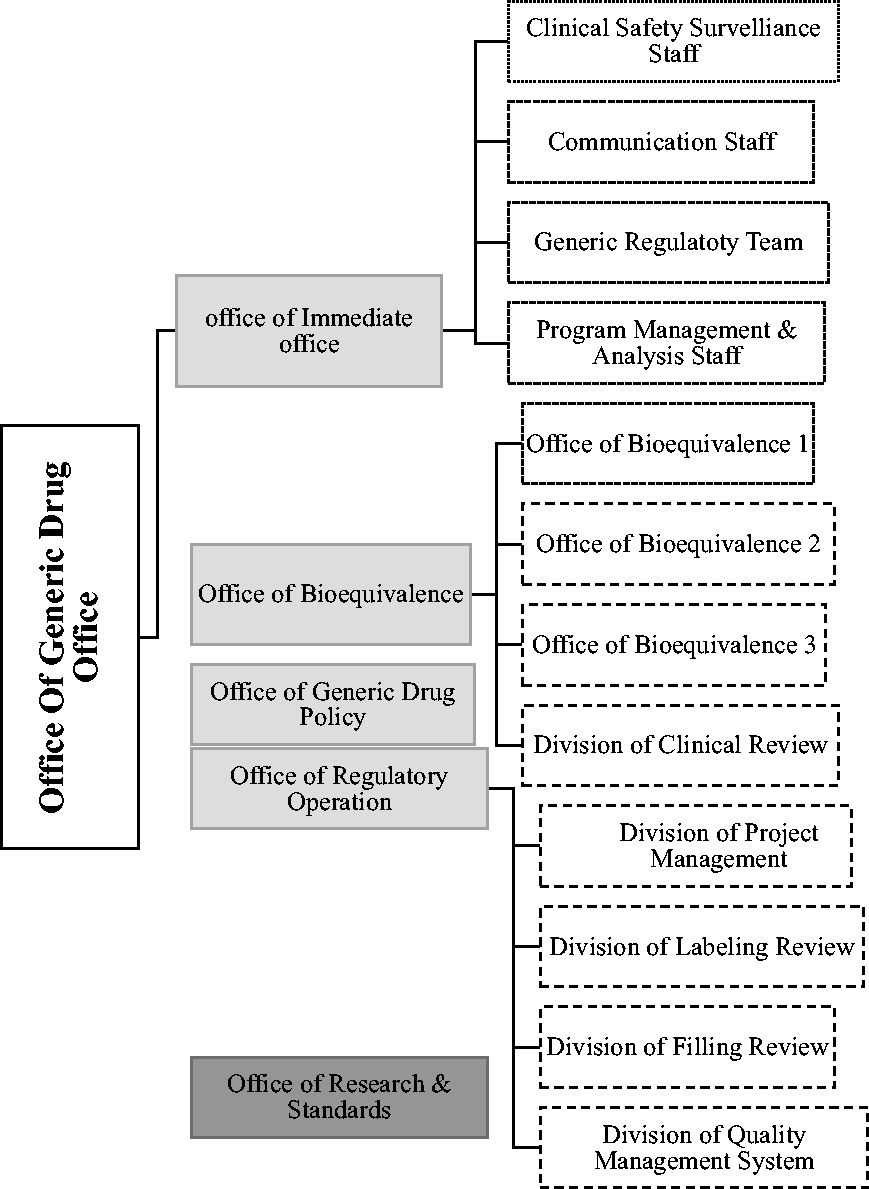
Organization chart of Office of Generic Drug.
Registration and approval process
Hatch–Waxman rule
Provide a period of patent and marketing exclusivity to manufacturer (innovator) drug producers to allow them to earn investment in drug development and discovery. It gives the purchaser with a gain of speedy availability of lower priced generic variations of innovator drugs. The Hatch–Waxman Act keeps a balance between the pursuits of the brand drug industry, generic producer and the consumer.15,16
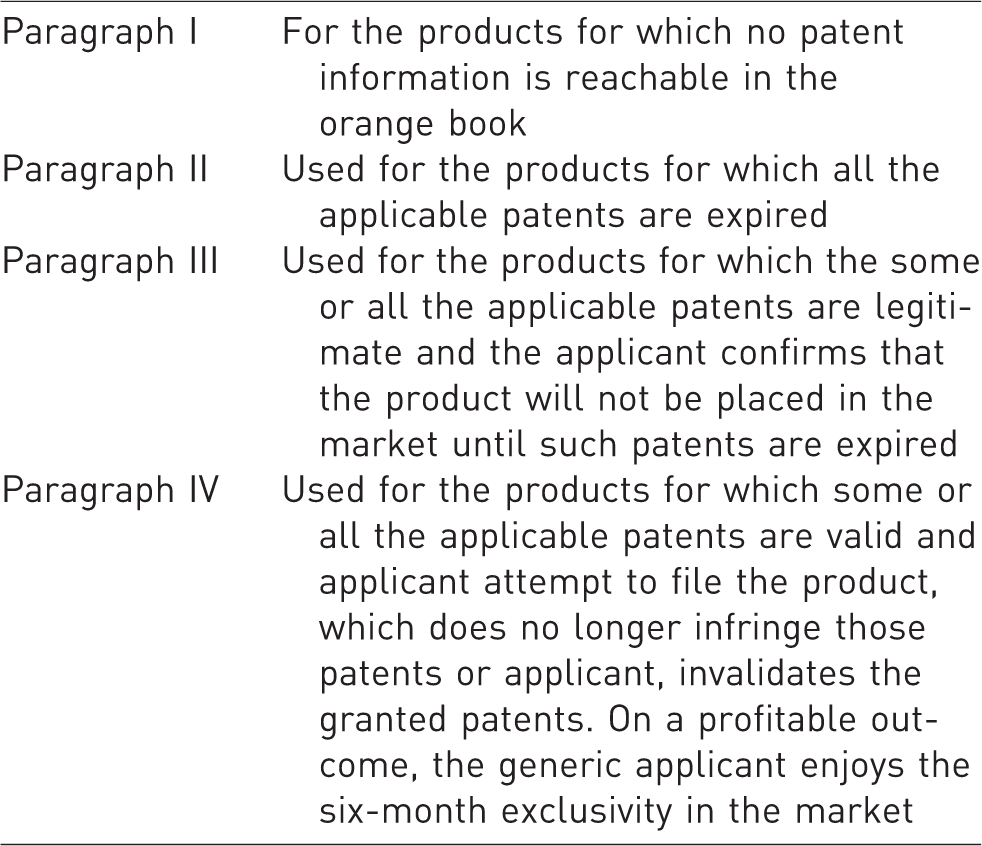
Regulatory requirement of generic drug.
Approval procedure of generic drugs in USA
FDA requires drug companies to display that the generic medicinal drug can be effectively substituted and grant the identical scientific benefit as the brand-name medication that it copies.
1
The abbreviated new drug application (ANDA) submitted by drug organizations ought to exhibit the generic medication is the identical as the brand-name model in the following ways:
The active ingredient in the generic medication is the identical as in the brand-name drug/innovator drug. The generic medication has the equal strength, use indications, shape (such as a pill or an injectable) and route of administration (such as oral or topical). The inactive ingredients of the generic medication are acceptable. The generic medicine is manufactured beneath the identical strict requirements as the brand-name medicine. The container in which the remedy will be shipped and bought is appropriate, and the label is the identical as the brand-name medicine’s label.17–19 Generic drugs must meet high standards to receive FDA approval.
Table 1 shows the Regulatory requirement of generic drug. Figure 2 shows the Common technical document of USA.
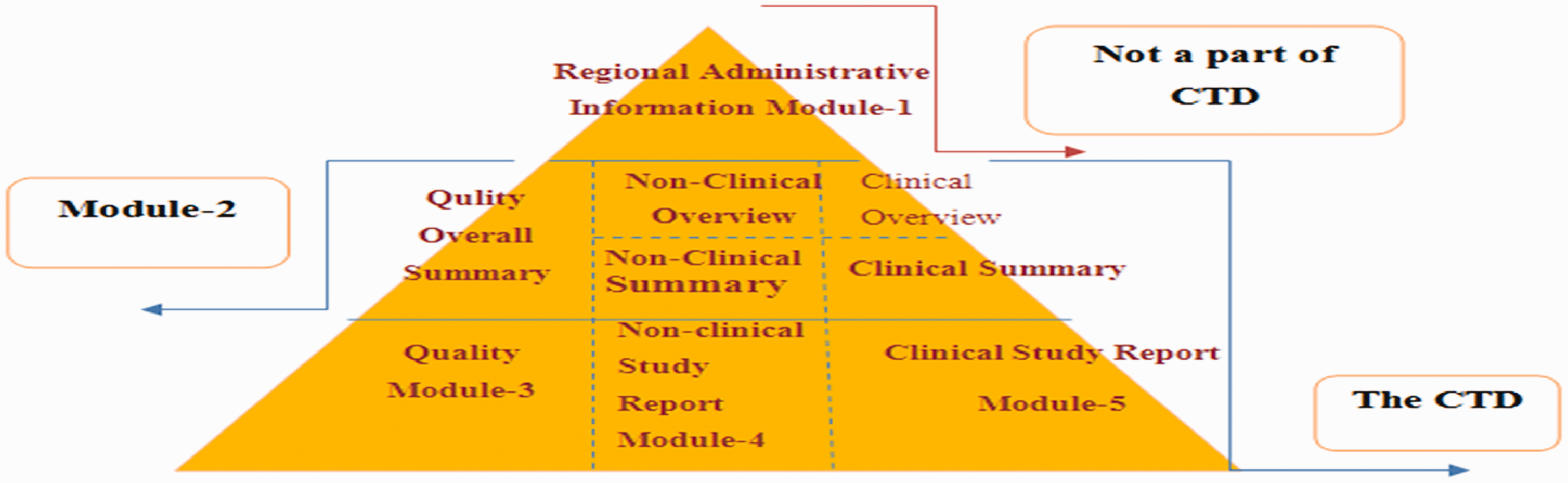
The CTD is comprised of the following modules:
Module 1: Administrative information Module 2: CTD summaries Module 3: Quality Module 4: Nonclinical study reports
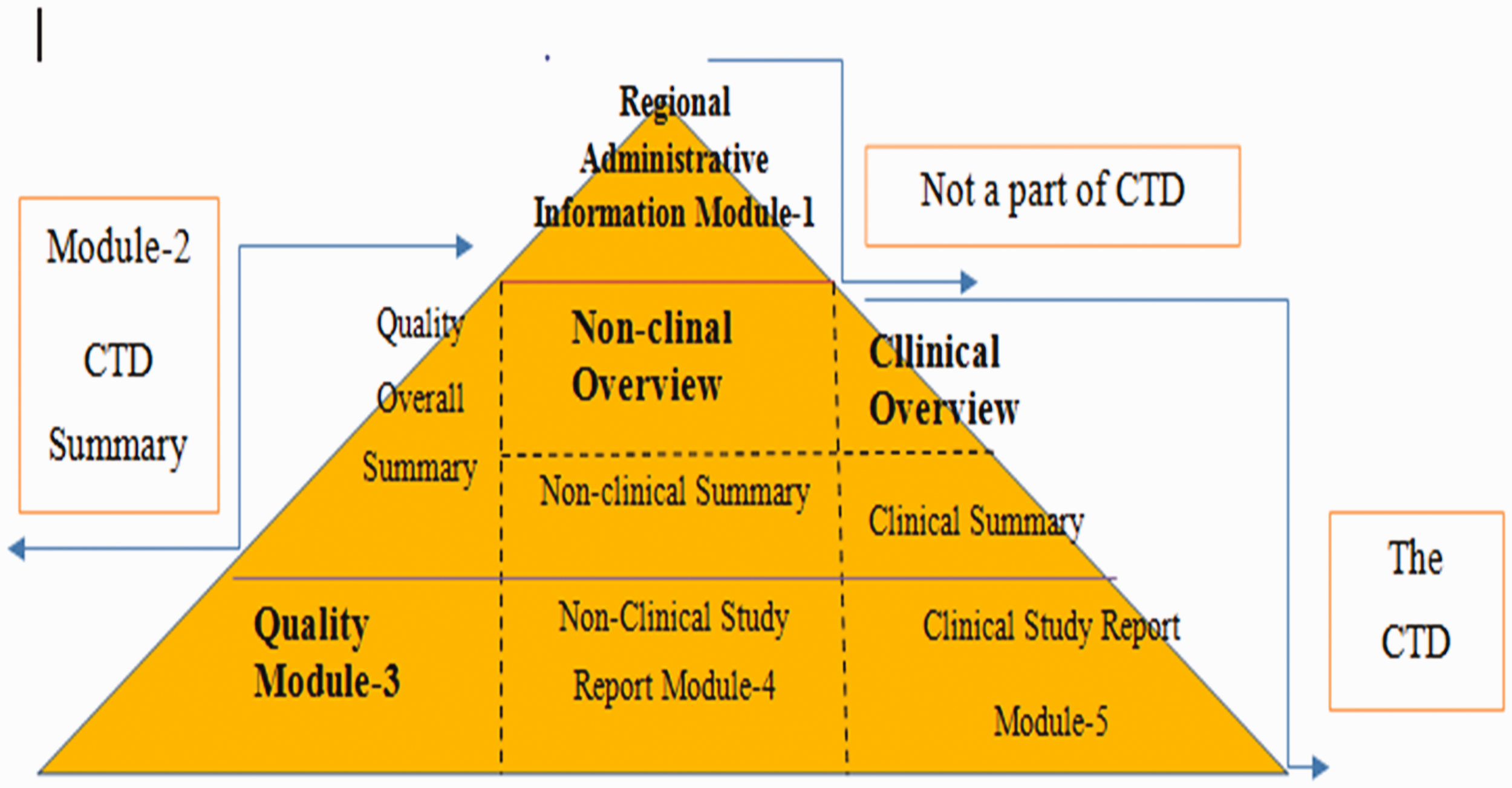
Common technical document of USA.
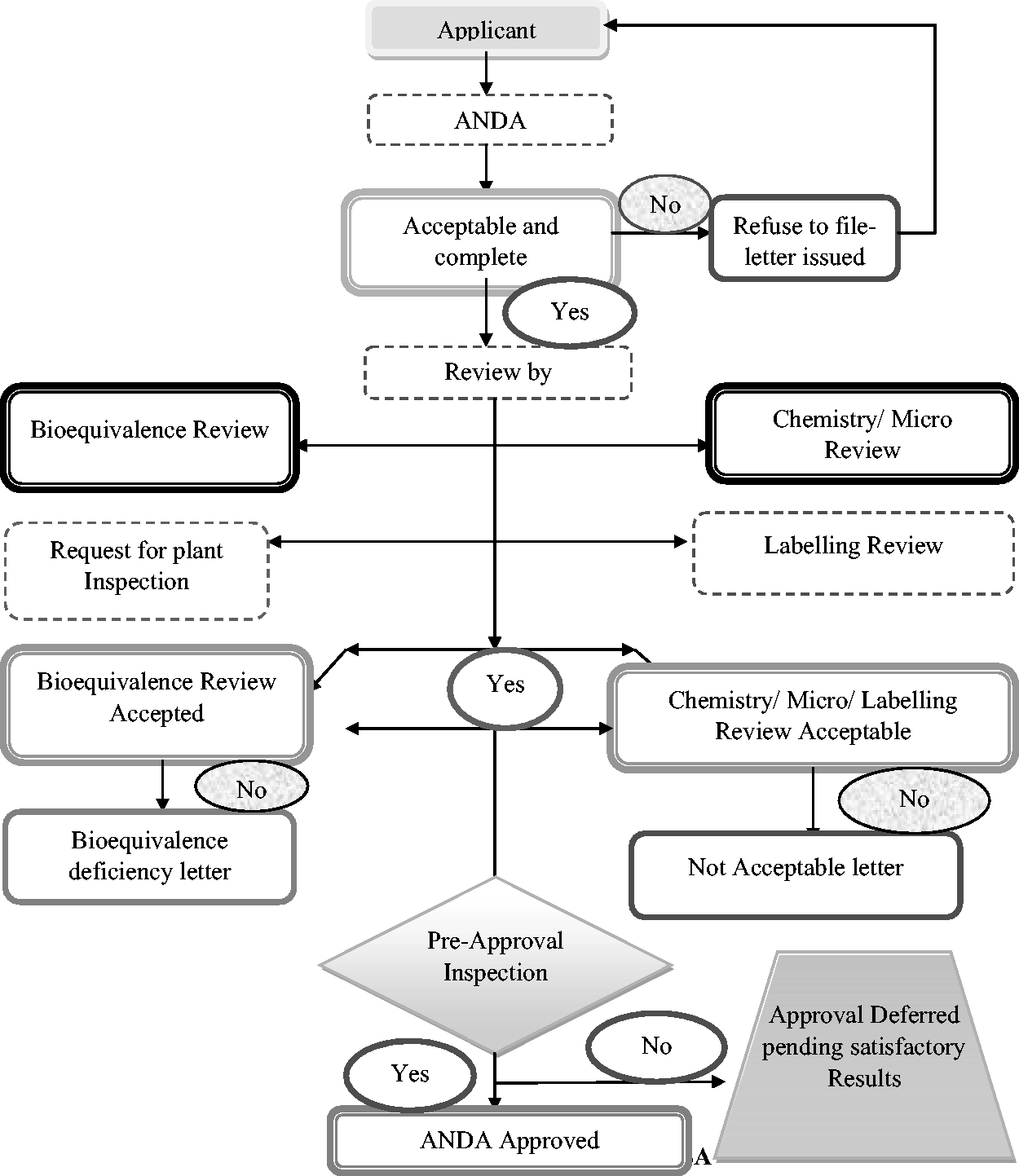
ANDA approval in USA.
The generic drug development can be produced in USA after the patent of the innovator drug gets expired. The timeline approval of generic drug is 18 months. The document is submitted in an electronic common technical document (eCTD) format. With only one copy submitted at the time of approval.20–22
Patient Protection and Affordable Care Act
The Patient Protection and Affordable Care Act was once signed into law via President Obama in March 2010. Its principal provisions go into effect on 1 January 2014, though massive changes went into effect before that date and will proceed in years to come.
1
This Obama Care act is in a written document, which is composed of over 1000 pages and in general consists of the reforms of insurance plan and healthcare industries. It is structured in a way, such that the most important reforms are placed in the first 140 pages. It aims to furnish Americans with low-cost and first-rate healthcare.23,24
Impose an individual mandate: Most humans are now not covered through Medicare or Medicaid. They will be required to have fitness insurance or pay a penalty (‘play or pay’). In addition, insurance organizations will no longer be in a position to deny coverage for pre-existing conditions, rescind present fitness insurance plan insurance when a person gets ailing or impose annual or lifetime limits on benefits.22,25 Strive to provide affordable coverage: Lower income individuals and families, collectively with some middle-income individuals and families, will acquire financial assistance to assist pay for fitness insurance. In addition, insurance corporations will have to yearly record the share of top rate dollars spent on true medical care and furnish the customer rebates for plans that spend a lower percentage of premium dollars on medical offerings than that required by using the ACA.26,27 Require an employee mandate: With the exception of small businesses, employers that do no longer supply qualifying fitness insurance plan coverage will be difficult to an extra tax. Small employers will be influenced to supply fitness care coverage through a new tax credit.28,29 Cover preventive health services: New group health insurance plans, as well as person fitness insurance plan policies, will have to grant ‘first dollar’ insurance for certain preventive offerings and immunizations. Transform the healthcare delivery system: Provide funding for research and demonstration initiatives to check payment and provider transport models designed to limit healthcare charges and enhance the quality of care provided.
30
Implementation of Obama Care Act
The authorities are planning to put into effect the Obama care act in quite a few phases. Some of the phases include the growth of Medicaid, enforcing marketplaces and enchancment of Medicare by 2014. Also, the regulation requires all Americans to have insurance plan cover by 2014. Those who will fail will have to pay an extra tax of 1% of the total income and through 2016 they will be paying 2.5% tax on their complete income. 31 Figure 3 shows the ANDA approval in USA.
It is meant to take care of all the people in different training of life and organizational size. For example, there is a fee assistance coverage that assists the families and men and women that are terrible and also the small businesses. There are also future plans which are meant to be put in place beginning from 2016 where companies will be paying an insurance rate for their employees. 32
Pros and cons of Affordable Care Act
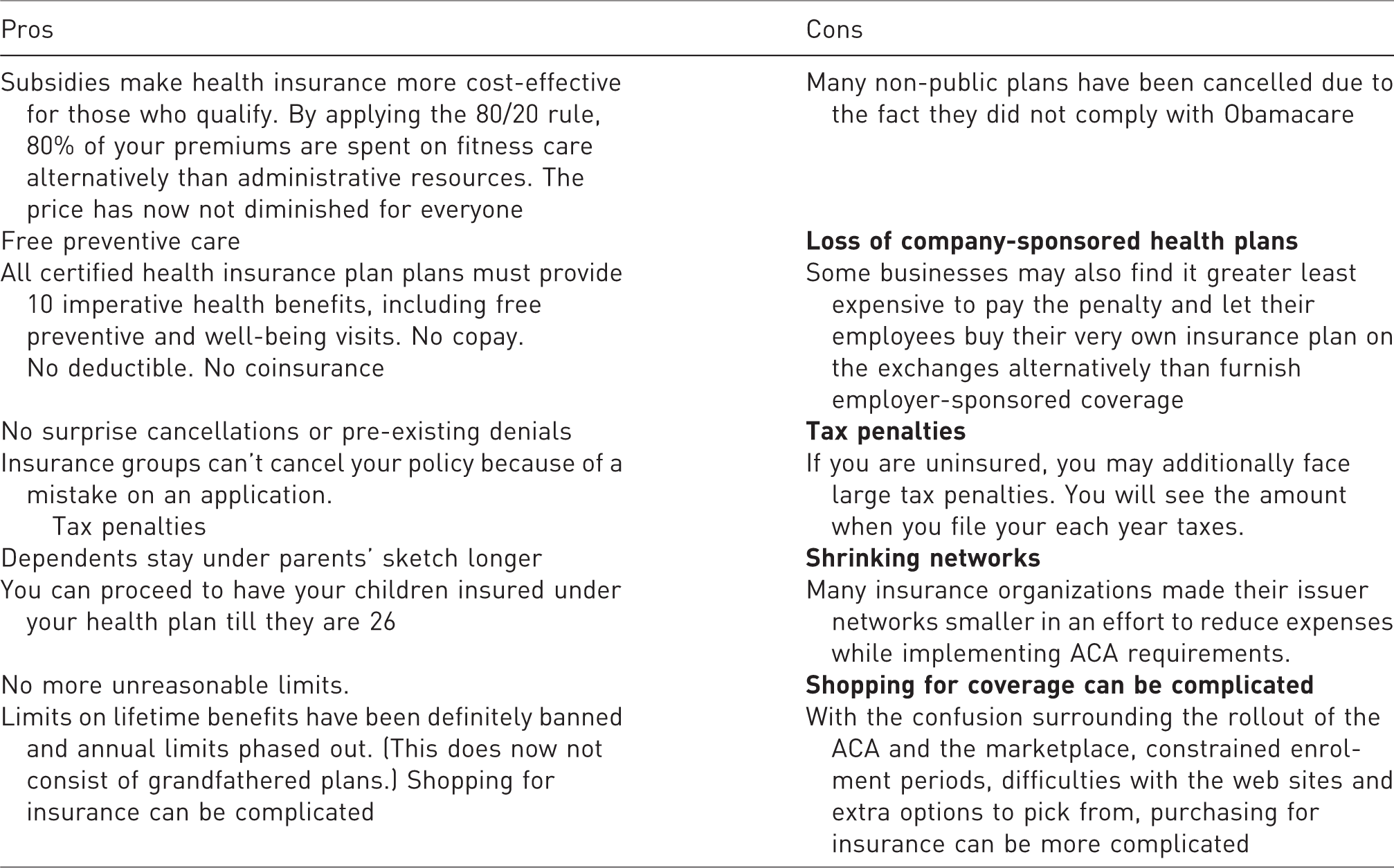
The affordable act introduced to furnish Americans with low-cost and first-rate healthcare. But it has some advantages and disadvantages related to many issues. Table 2 enlists various pros and cons related to Affordable Care Act (ACA).33,34
Pros and cons of Affordable Care Act.
The uncertain future of ACA
The U.S. healthcare enterprise has been on a rollercoaster trip for the last seven years. The future of the healthcare reform regulation is still unsure in the arms of the new Republican administration and Congress, led with the aid of President Donald Trump. Individual consumers, businesses, and insurers are caught in the centre of two opposing aspects – one side pushing for the repeal of the healthcare regulation and the other battle to maintain it in place. Healthcare industry corporations have proven concern regarding the GOP’s decision to retract the ACA barring any clear and stable plans to address the viable consequences.11,35
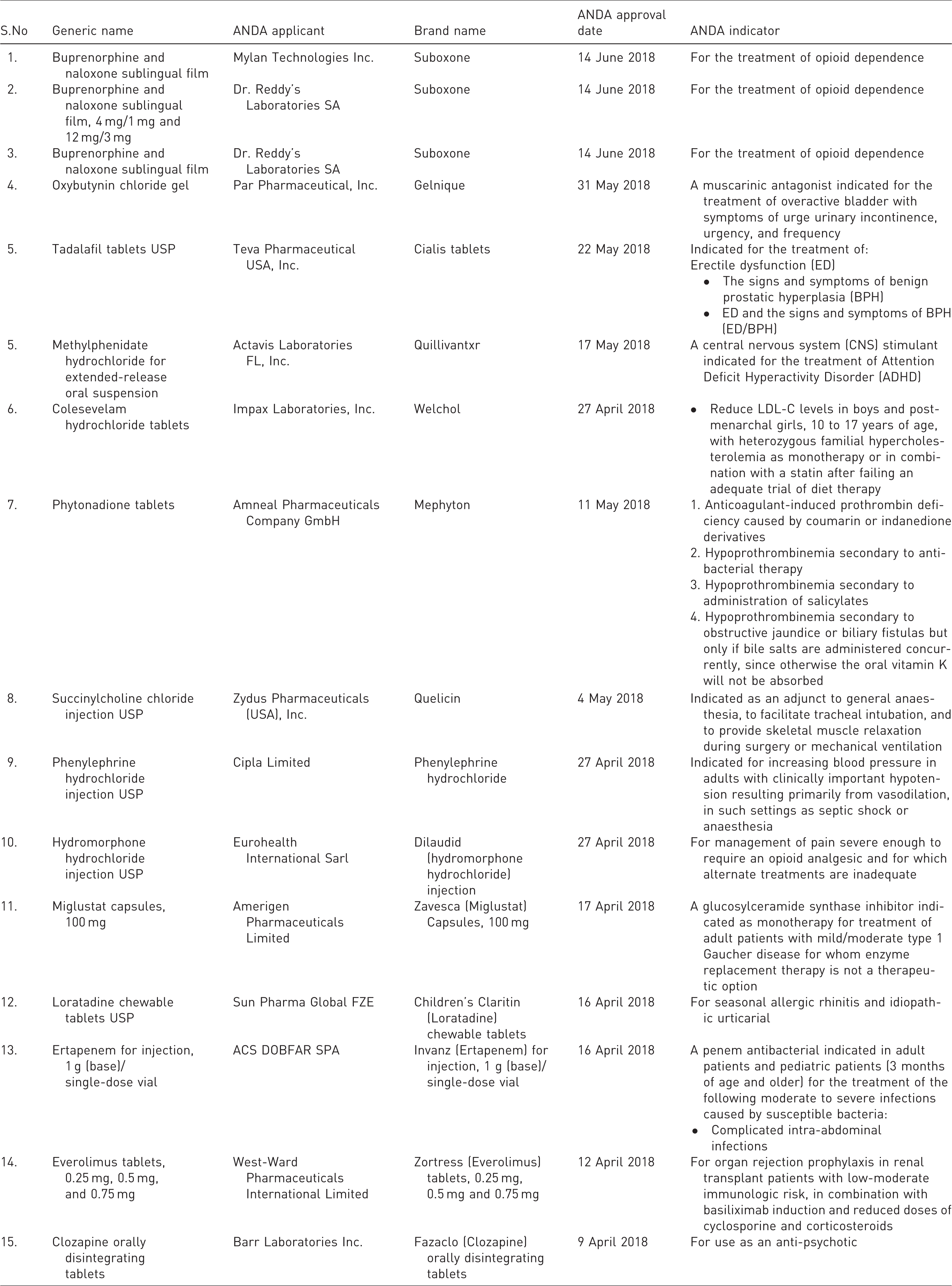
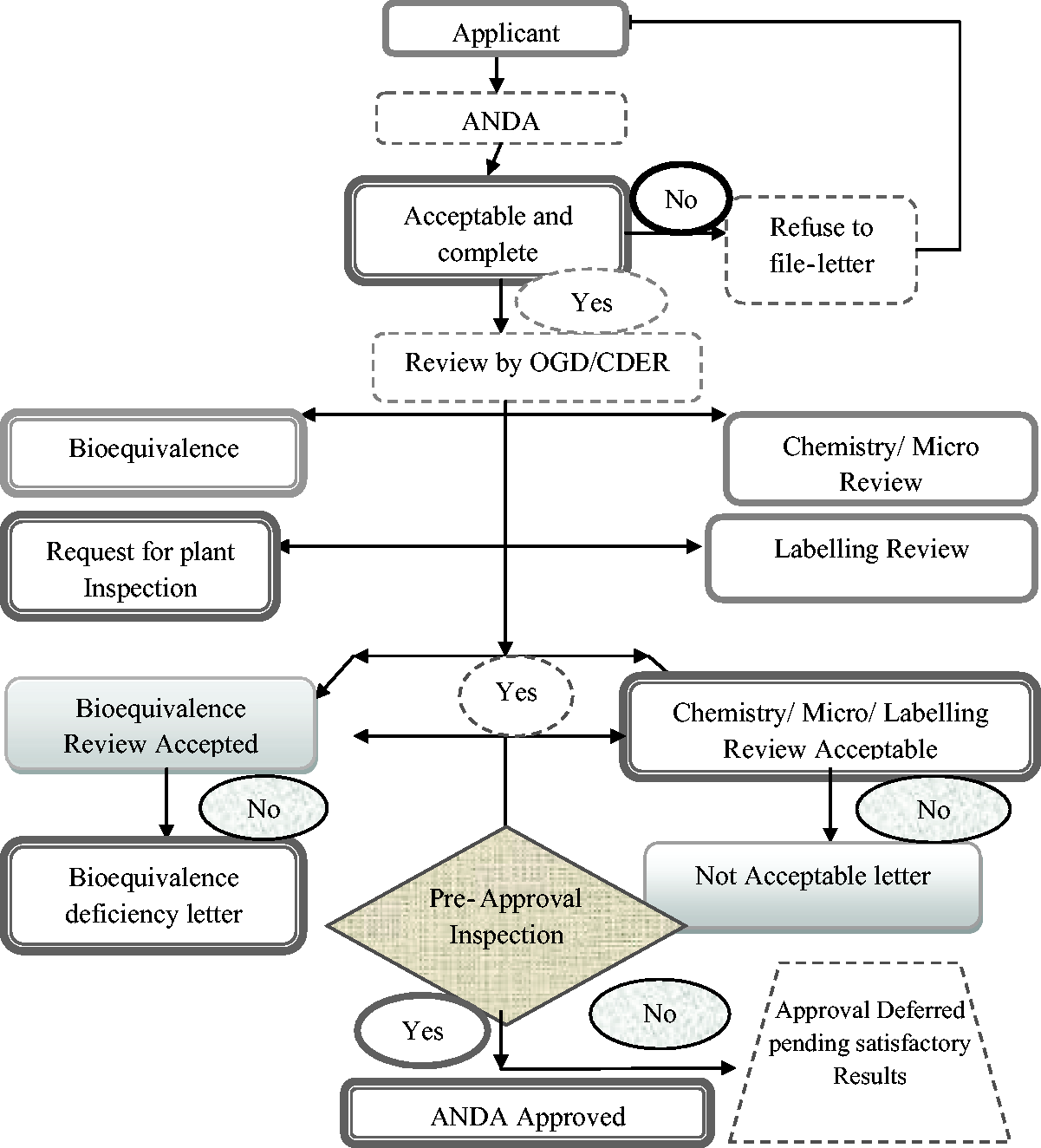
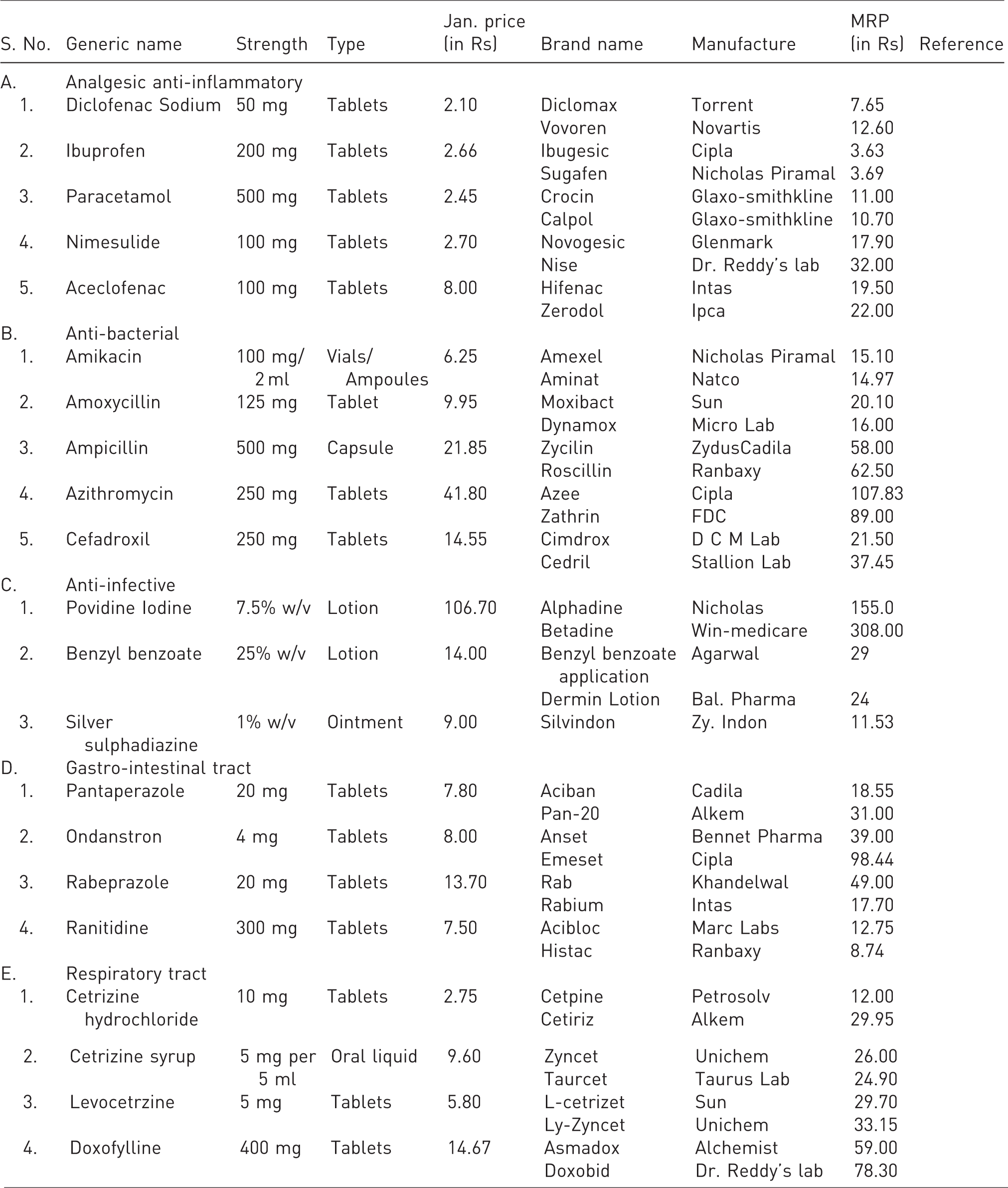
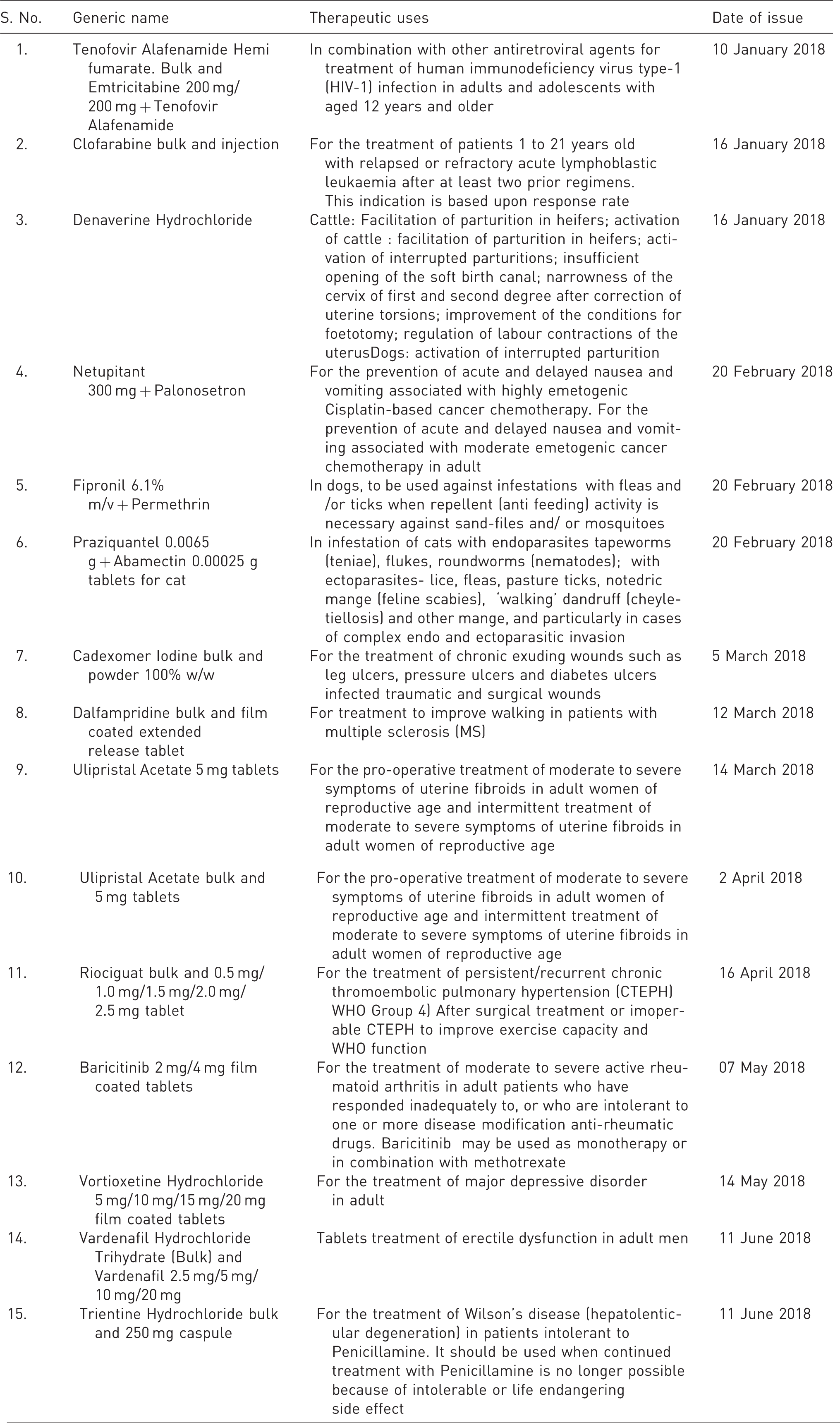
Whether lawmakers choose to repeal-and-delay, repeal-and-replace or just amend the present ACA provisions, any of these choices will nevertheless translate to changes in policies, regulations, and approaches across more than one sectors. These adjustments will have an effect on not only the millions of humans covered by means of ACA-based health plans, but additionally the insurance companies, hospitals, and even small corporations that all count on the provisions and rules set by way of the ACA.36,37 Tables 2 and 3 shows about the Pros and cons of Affordable Care Act and List of medicine sold under Affordable Care Act. Table 4 gives information about List of generic drug approved in USA 2018. The Figure 4 shows about Flow process of ANDA filing in USA.
To avoid confusion, stress and mistakes during these instances of uncertain procedure and coverage changes, turning to a dependable healthcare outsourcing agency is one of the quality ways to make certain that your organization is absolutely organized for any feasible modifications in the healthcare landscape. Always up-to-date with the modern-day statistics and technologies, the professionals and professionals are geared up to deal with issues and troubles about healthcare finance and insurance plan services so you can spend more time focusing on your organization’s core things to do and less time worrying. 38 The list of medicines sold under ACA is given in Table 3. 39 Table 4 enlists the list of generic drug approved in USA 2018. 40
List of medicine sold under Affordable Care Act.

List of generic drug approved in USA 2018.
Indian drug regulatory system
Governing bodies and regulatory bodies
The Indian drug regulatory system was originated in the year 1940. The Drugs and Cosmetics Act was passed to address the sudden and fast expansion of pharmaceutical merchandize in the country. The Drugs Rules had been framed in 1945 to give impact to the provisions of the Act. Both the Act and Rules have been consequently amended many times, and number of legislative texts had been passed to alter the import, manufacture, distribution and sale of drugs. 41
Central Drug Standard Control Organization
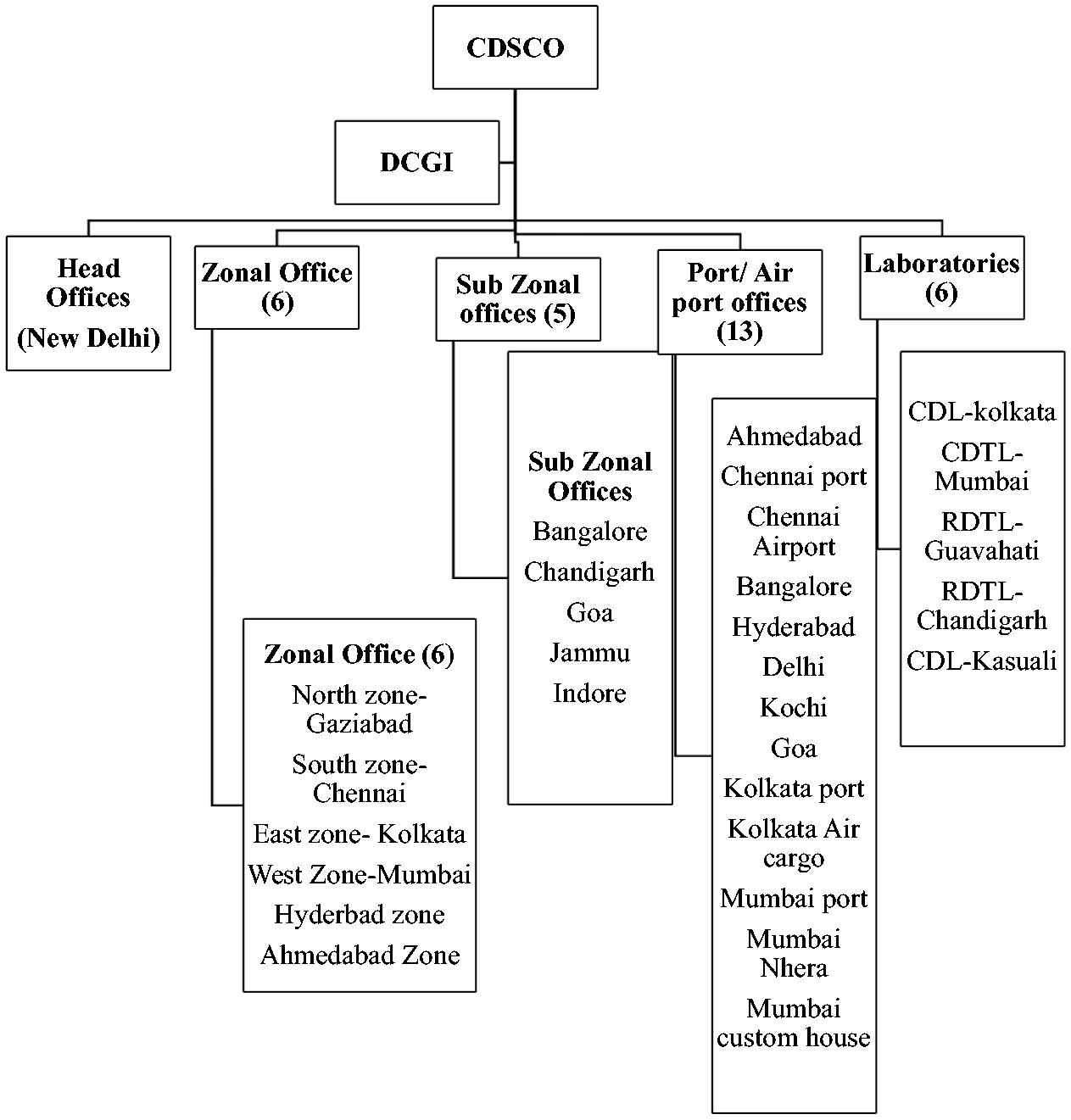
In India, the Central Drugs Standard Control Organization (‘CDSCO’) is the foremost regulatory body presently regulating import, sale and manufacture of medical devices. The CDSCO regulates the standards of drugs, cosmetics, diagnostics and units and issues licenses to drug producers and importers. It additionally lays down regulatory measures, amendments to Acts and Rules and regulates market authorization of new drugs, medical research in India and standards of imported pills, etc.
Flow process of ANDA filing in USA.
Headquartered in New Delhi, the CDSCO is India’s predominant regulatory body for prescribed drugs and scientific devices and Within the CDSCO, the Drug Controller General of India (DCGI) is responsible for the rules of prescription drugs and medical devices. 1 The Drug Technical Advisory Board and the Drug Consultative Committee advise the DCGI. The Central Licensing Approval Authority (CLAA) handles licensing and classification of medical devices. Figures 5 and 6 shows about Indian common technical document and Approval procedure of generic drug in India. The CLAA is also responsible for placing and implementing security standards, appointing notified our bodies to oversee conformity assessment, conducting post-market surveillance and issuing warnings and remembers for unfavourable events. The CDSCO establishes safety, efficacy and quality standards for prescription drugs and medical gadgets The CDSCO is additionally divided into a number of zonal offices, which do pre-licensing, and post-licensing inspections, post-market surveillance and recalls when necessary.42,43
Chart of organization structure
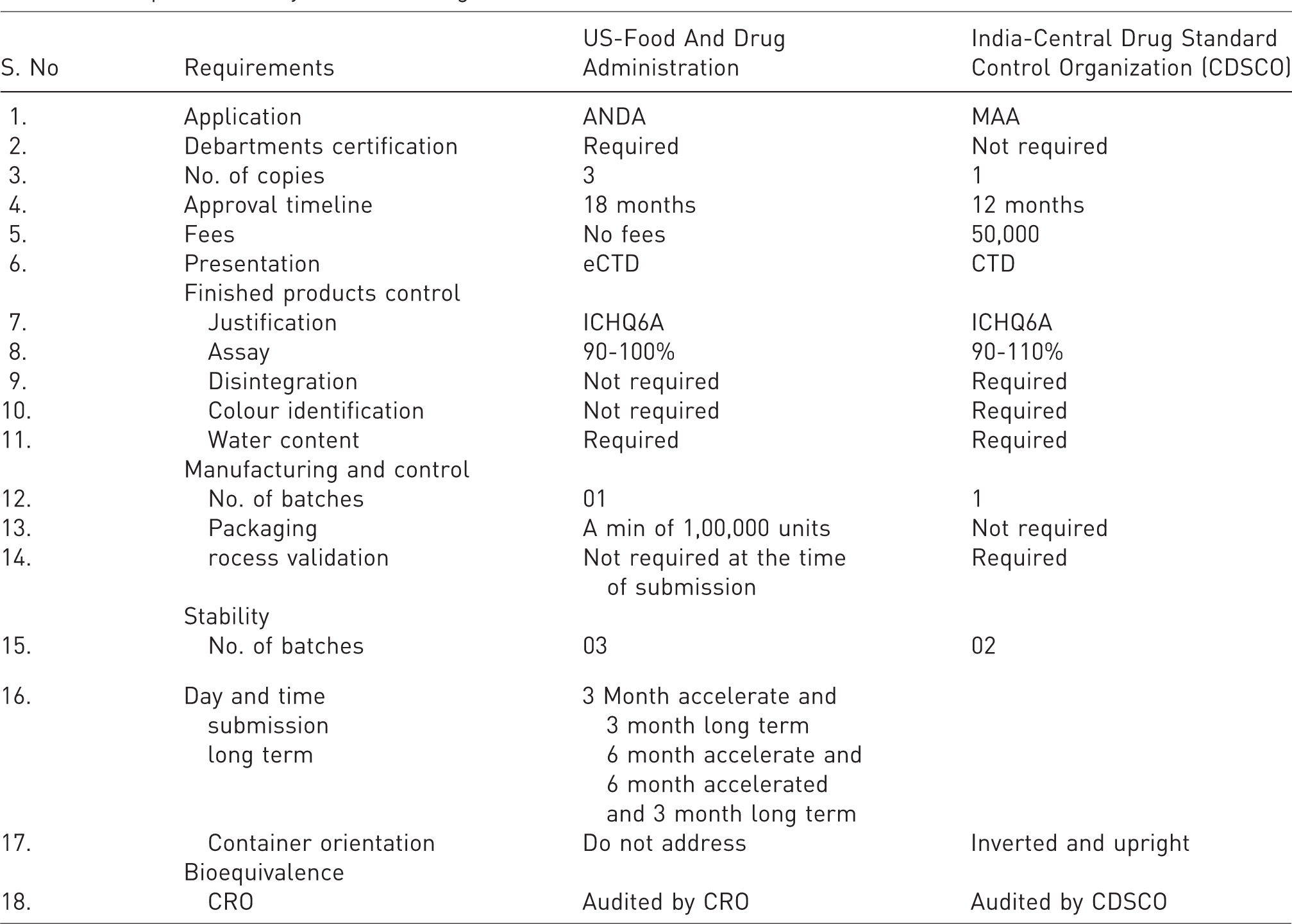
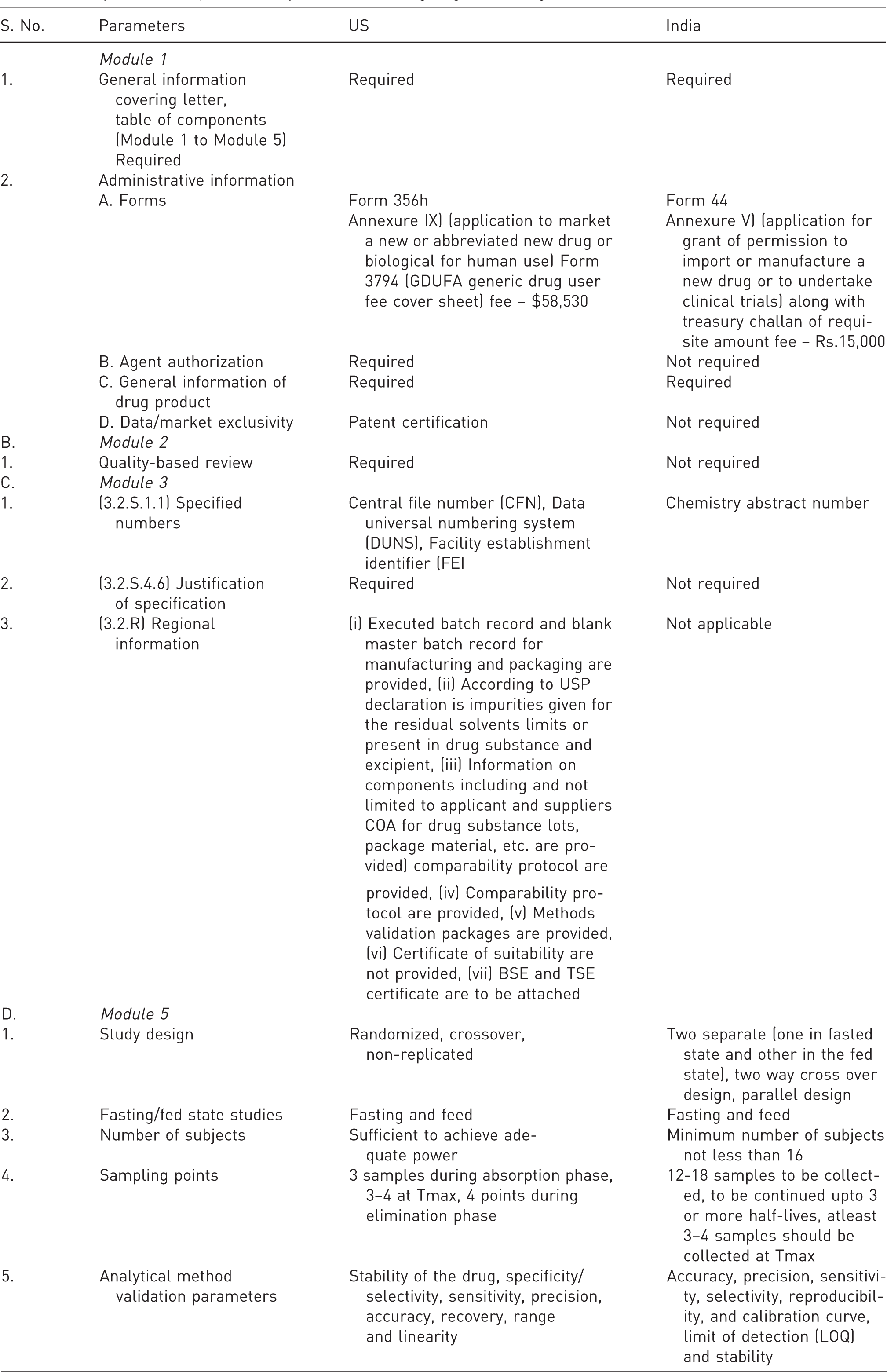
The CTD is only a format for submission of information to CDSCO. Although applicants can modify the format at some of the subsection levels, if needed to provide the best possible presentation of the information, in order to facilitate the understanding and evaluation. 41 Tables 5 and 6 gives information about Documents required for Jan Aushadhi store and List of medicine sold under Pradhan Mantri Jan Aushadhi Kendra. Table 7 gives information about List of generic medicine approved by FDA in India. Table 8 shows about the Comparative study of ANDA filling checklist between USA and India. Table 9 shows about the Comparative study of CTD requirement for filing of generic drug.
Indian common technical document.
Approval procedure of generic drug in India.
The generic drug development can be produced in India after the patent of the innovator drugs expired. The timeline approval of generic drug is
Jan Aushadhi scheme in India
In India, the Central Government, as well as numerous state governments, took several steps in merchandizing a generic medicinal drug via rules and schemes. Within this, in 2008, Jan Aushadhi scheme was launched by the Department of Pharmaceuticals in affiliation with Central Pharma Public Sector Undertakings to supply quality drugs at less expensive prices to the common people. 1 The shops of Jan Aushadhi Kendra have been proposed to be set up all over the country (at least one per district) to supply generic drugs, which would be available at lesser expenses, however, are equal in fine and efficacy to branded drugs. In November 2008, first generic drug shop was opened at the public sector civil health centre in Amritsar, Punjab state, and the second store in February 2009 at Shastri Bhawan, New Delhi. Eighteen greater such shops have been opened as of September 2009 in the states of Punjab, Haryana and Rajasthan. 45
The numbers of shops have opened, however, until now, 87, are nowadays useful as provided by using a legit website of Jan Aushadhi. The government has proposed that each of the 660 districts in India will have at least one Jan Aushadhi store. In spite of the fact that these stores are being mounted through the authorities of India in the large public interest, the reports from few of these stores advise that sales are minimal.45,46 The limited grant of the ordinary drug in the Jan Aushadhi store causes the major drawback of its recognition amongst the common people. A study observed that only 33% of the drug treatments had been available. This constrained portfolio of drug treatments coupled with chronic stock-outs has significantly eroded the credibility of these shops as customers want a one-stop shop for all prescribed drugs.46
Documents required for Jan Aushadhi store.

Role of Bureau of Pharma Public Sector Undertaking of India
It is the implementation organization of PMBJK.
The agency was hooked up in December 2008 under the Department of Pharmaceuticals, Government of India.
The medicines, which are below regulation, at a low-priced price and different permission to run a drug store, need to make sure the ample place of storage for medication marketed under the Pradhanmantri Bharatiya Jan Aushadhi Kendra (PMBJAK).
Procurement of medicine from central pharm PSU and private sectors.
Monitoring the acceptable running of PMBJAK. 47
Table 6 enlists the list of medicine sold under Pradhan Mantri Jan Aushadhi Kendra. 48 Table 7 enlist the list of Generic Medicine Approved by FDA in India. 49
List of medicine sold under Pradhan Mantri Jan Aushadhi Kendra.
List of generic medicine approved by FDA in India.
Comparative study of ANDA filling checklist between USA and India.
Comparative study of CTD requirement for filing of generic drug.
Conclusion
It is very necessary to clear the myths about generic medicine; this can be accomplished with the aid of doctors, pharmacist, nurses and any other healthcare profession via promotion the benefits of preferring generic medicine. In the USA, eCTD is compulsory with the paper CTD. India needs to put up its application through paper CTD. Some amendments are warranted in Hatch–Waxman Act 1984 for growing a generic drug in a higher way. The ACA act should be an amendment to all the Americans. This have to grant higher services and scheme via bringing generic medicinal drug in a way by making insurance plans according to the specifically designed want of individuals. People who are living in the rural areas, private doctors need to be involved in these sectors and helps in promotion the use of generic at a low-priced price. The initiation started out via Government of India is to uplift the availability of generic medication at a cost effective rate by opening the PMBJAK. Till now, 660 shops have been opened and nevertheless the wide variety counts for the good.
In situations where demand for medicines exceeds supply, and cost-effective drug in demand with minimum expenditure, generic drug are best choice fulfilling this demand. The current and future prospective of generics in India and U.S. is very bright as Indian government looking towards generic drugs for providing better healthcare to public. Indian pharmaceutical industries grow rapidly all over the world and one of largest generic exporter in world, whereas U.S. being the major destination for export. Thus, the proper validated regulation is required for manufacturing generic drugs in India and U.S. which requires proper symbiotic relation between India and US. Some amendments are warranted in Hatch–Waxman Act 1984 for developing generic drug in better way, whereas re-election of Barack Obama in U.S. provides positive increase in generic market as his government extending healthcare insurance for additional 30 million Americans in the healthcare ambit, creating increased demand for generics.
Footnotes
Declaration of conflicting interests
The author(s) declared no potential conflicts of interest with respect to the research, authorship, and/or publication of this article.
Funding
The author(s) received no financial support for the research, authorship, and/or publication of this article.